
Money & Markets
Europe is trying to institute a Google tax–againProdded by the news media old guard, the European Commission tries again to create a “hyperlink tax”—with broad consequences.
Updated July 21, 20229 min read
Prodded by the news media old guard, the European Commission tries again to create a “hyperlink tax”—with broad consequences.

News publishers have a lot to learn from the gaming industry. Especially when it comes to testing and promoting apps.

Legacy media mismanaged change and missed most of the critical trains of the digital revolution.
To grow and justify its lofty valuation, five-year-old Medium now needs to morph into a full-featured platform. (This is part two of a series—part one is here.)

As a publisher, the experience made me realize the potential in a service like the one from Ev Williams’s Medium.

It was a bad week in the distributed content sector, where gazillions of “content views” were once touted as the new digital bonanza. On Apr. 12, FT.com reported that Buzzfeed, until now the genre’s gold standard, had halved its 2016 revenue projections from $500 million to $250 million after making $150 million in 2015—30% lower than expected. The Buzzfeed PR team issued the pro-forma, unconvincing denial, and BF’s chairman Ken Lerer (managing partner at Lerer Hippeau Ventures) offered a more optimistic picture in a Re/code chat. (Also read Ken Doctor’s column on the matter.)

French economist Julia Cagé has built an intellectual contraption that made her the wonder child of French media elite. While she opens interesting avenues to explore innovative media business models, her work is unfortunately filled with flaws and sometimes willfully disconnected from reality.

Playing both sides of digital models is becoming increasingly perilous. Legacy media struggle to combine ads and subscriptions, but pure players entering the game tend to be way more decisive in their choices.

Collecting eyeballs is a diversion of publisher resources. As the ad model loses steam, focusing on page views generates less and less value and leads to commoditized, lowest-common-denominator news content. It’s time to look for alternate models.
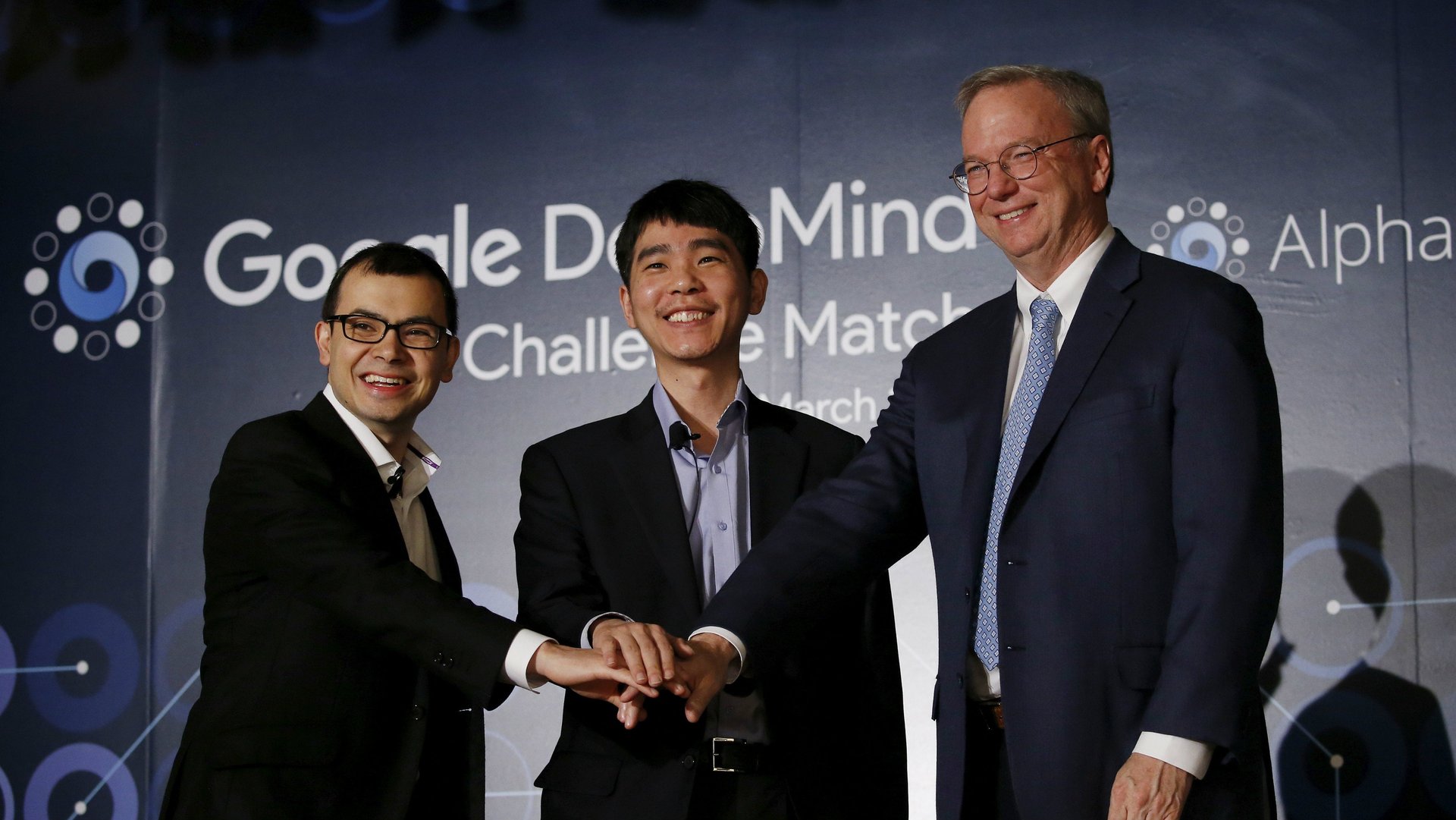
Reinforcement learning, a key Google DeepMind algorithm, could overhaul news recommendation engines and greatly improve users’ stickiness. After beating a Go Grandmaster, the algorithm could become the engine of choice for true personalization.

Beyond content, Google’s Accelerated Mobile Pages also impact mobile advertising. Next summer, we might see the first “AMPlified” advertising campaigns. For ads, converting to the new AMP system is a complicated task given the ecosystem’s diversity and conservatism. This is an opportunity for startups to play a key role in spreading AMP.

News bots will require a new approach to sensitive notions such as user profiling and opt-in systems. For both users and media, the potential upside is immense.

Great news content is no longer enough. No serious publisher can expect growth or monetizable loyalty without adding a layer of services that generate reader stickiness. This is the vision shared by the most sophisticated segment of the publishing world. And yet, to my dismay, I keep bumping into news providers (often established, legacy players) still obsessed with stuffing mobile pages with interstitials and auto-play videos. For these, days are numbered. The herd will get thinner.

The survival of the news industry depends, for a large part, on its ability to create services on top of its content streams. But getting into personalized services requires a major leap forward for which “Conversational Bots” could become strategic tools.
Unicorns base their valuations on hopes of never-ending growth. It might work for Uber or Airbnb, but it’s not a valid model for digital media whose growth relies on a structure of third party distribution and tiny ARPUs.

The Monday Note survey on News applications usage yielded surprising findings:(1) You rely on very few news apps;(2) Twitter and RSS-related apps score quite high—they are the de facto vector for news;(3) Once huge, Flipboard is losing ground fast while Apple News is not faring well;(4) Half of readers surveyed would rather have no ads in exchange for a monthly fee.

What a great match these two products would make. Medium is an amazing repository of great writing—whose accumulating mass makes it untidy and increasingly difficult to manage. Nuzzel, on the other hand, is one of the cleverest engines able to extract useful signal from the social noise.

The 132-year-old Montreal newspaper La Presse has dumped its weekday editions. From now on, its only channels will be its iPad app and the Saturday paper. This move is the culmination of a process started five years ago.

What is it that makes a mobile app stick to one’s home screen for a year or more? And why does the bond sometimes fade? Today, we explore success requirements for a news app. And, this is new, we will ask for your opinion.

To wrap up the year, here is a selection of notable shifts observed in 2015, and their expected impact in 2016 on digital advertising, mobile internet, and trends in emerging countries.

Media invests heavily in branded content production. Leveraging their notoriety and brand power, the largest companies have set up full-fledged production studios and creative teams, to the point where they could put a dent in advertising agencies’ revenue streams.
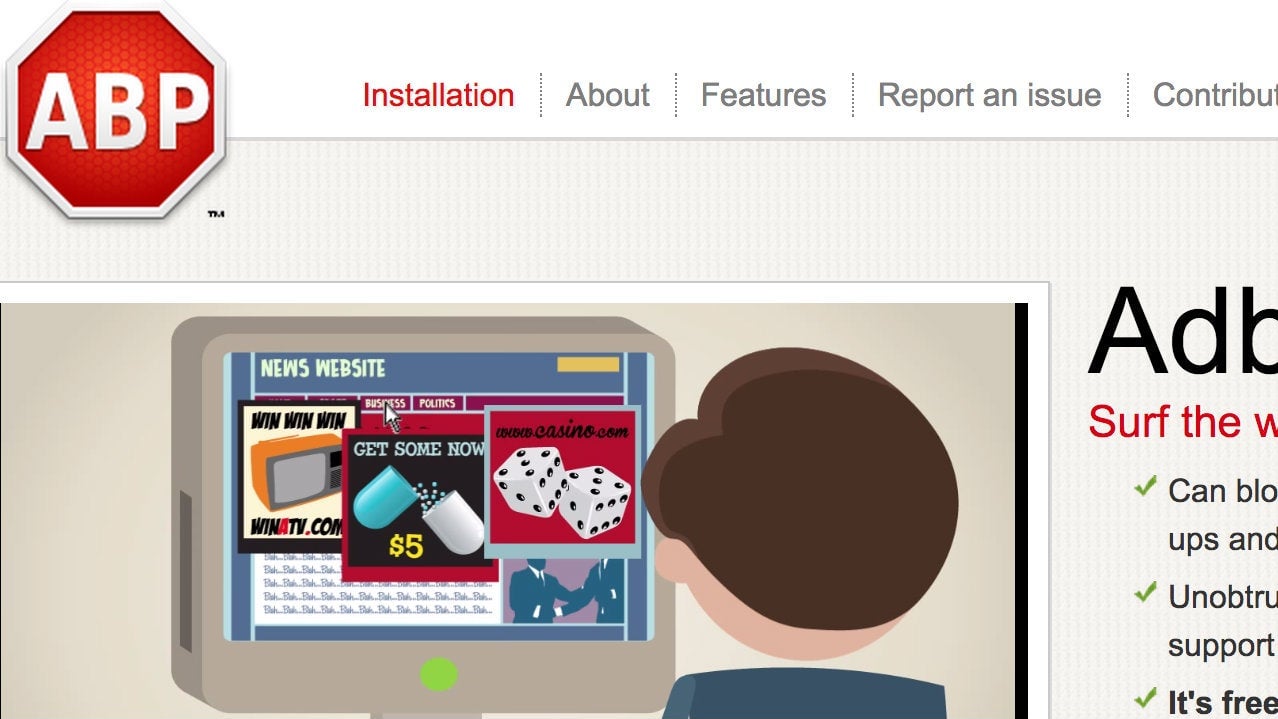
When European or American publishers rant about the ad blocking plague, they tend to focus on browser extensions such as AdBlock Plus that eat a sizable part of their business. But the scope of the problem does vary with territories and demographics. At a European gaming site, 90% of users run an ad blocker, and a major German publisher recently stated that 40% of its monetization evaporated for the same reason. In the news business, roughly 30% of desktop users watch contents with no ads (see our past stories on the subject.) Last week in Dublin, at the DoubleClick Leadership Summit, where Google gathered a couple of hundreds of its advertising partners, 23% of the audience admitted using an ad blocker. The very same crowd that sells or buy ads eliminates them while browsing the web. Interesting.

If you can’t be located, you’re nobody. What3Words, a London startup, tackles one of the developing world’s most critical challenges: providing a universal address for people who don’t have a physical one. (Part of a series on technology and global development.)

Ad blocking keeps growing and widening the chasm between publishers and advertisers. Media executives no longer hold back—they now openly blame the advertising community for being too slow to grasp the full extent of the digital advertising problem; they claim the ad industry badly needs a deep overhaul.