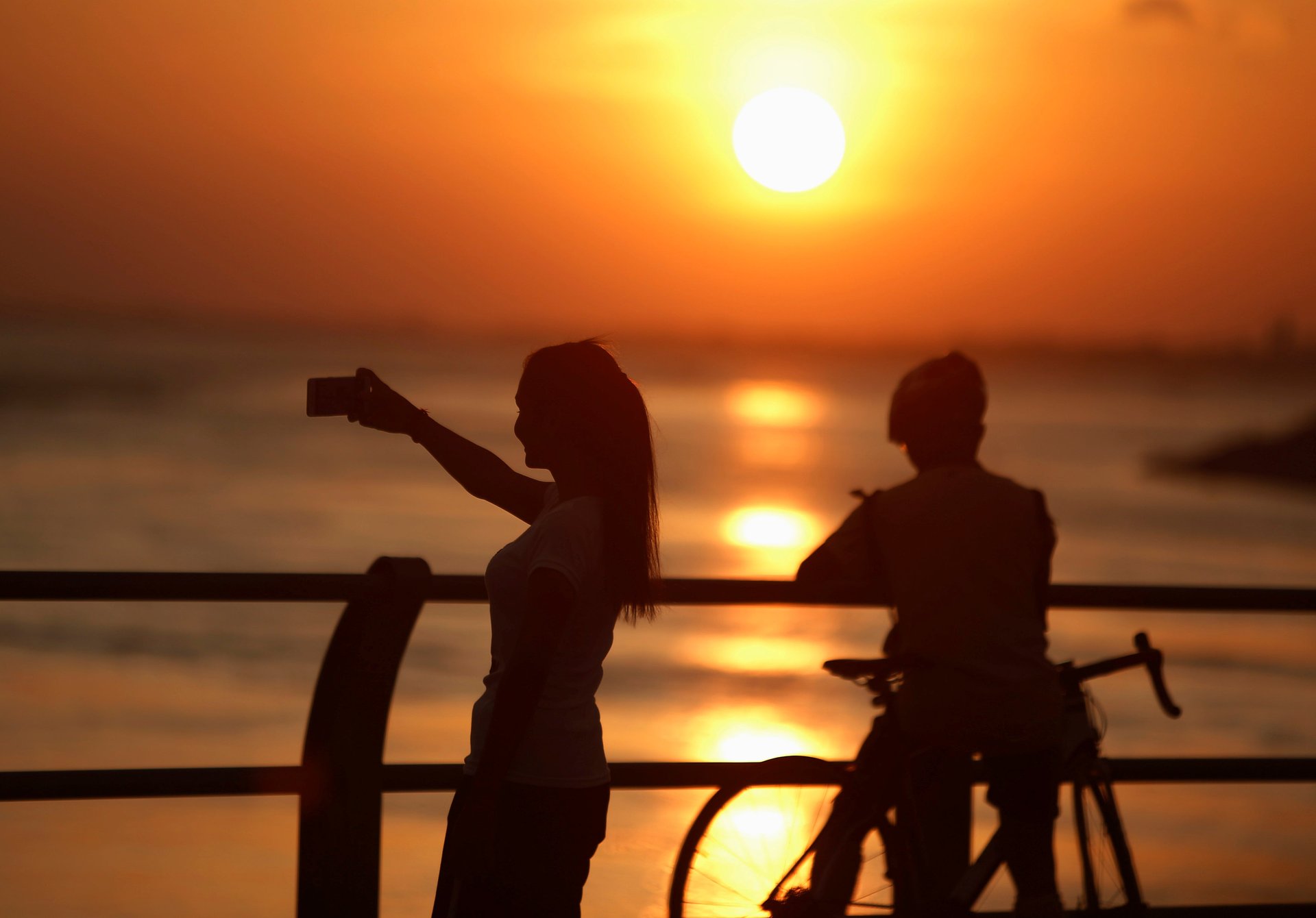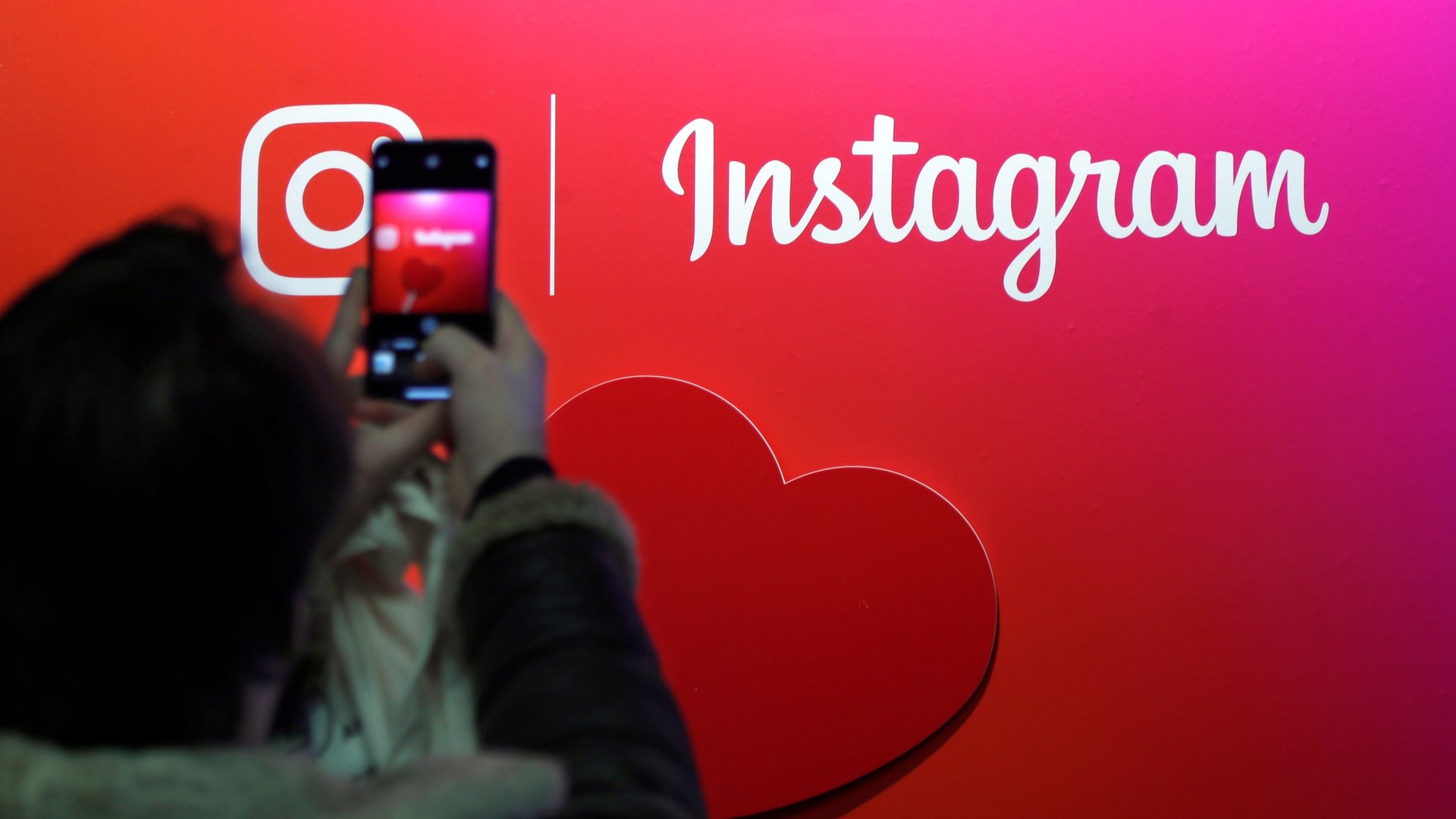
A hotel chain in Switzerland is offering a new service: a “social media sitter” who will take photos of a guest’s vacation and post them on Instagram on their behalf. This is the world we are now all living in.

A hotel chain in Switzerland is offering a new service: a “social media sitter” who will take photos of a guest’s vacation and post them on Instagram on their behalf. This is the world we are now all living in.

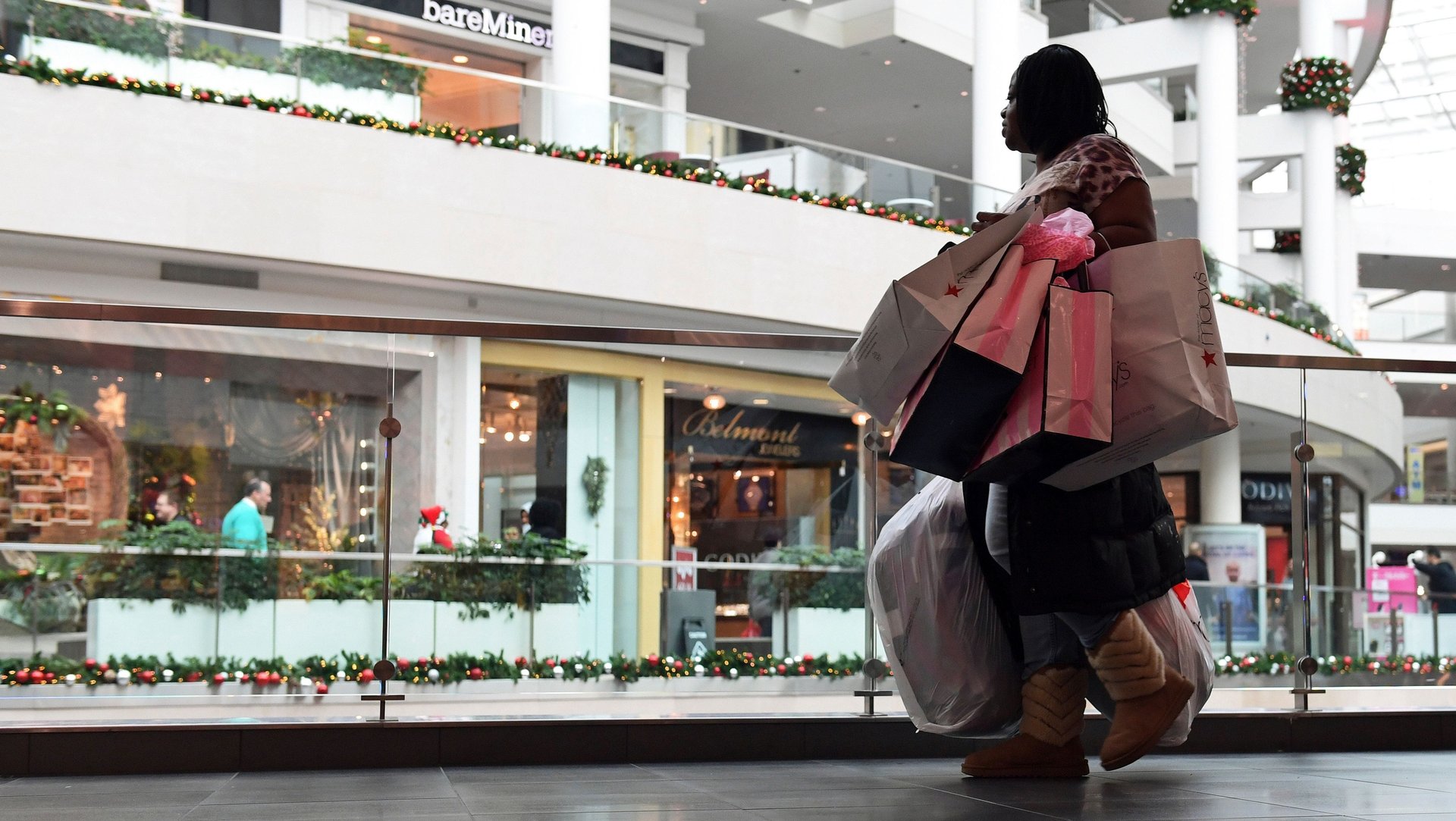
Black Friday, the ultimate American consumerist holiday, has in recent years been exported to the rest of the world. In the UK, department store John Lewis had the busiest single hour in online sales ever during last year’s shopping frenzy. Amazon France, meanwhile, is offering deals just like its US counterpart.

Myanmar, Sri Lanka, the Philippines, India, are all countries where information spread on Facebook and the company’s other apps have been recently linked to deadly violence. There’s another one to add to the list: Nigeria.

Only one in eight Americans will do their holiday shopping online this year, according to an estimate by the research firm eMarketer. Most still prefer to get up off the couch and go to brick-and-mortar stores.

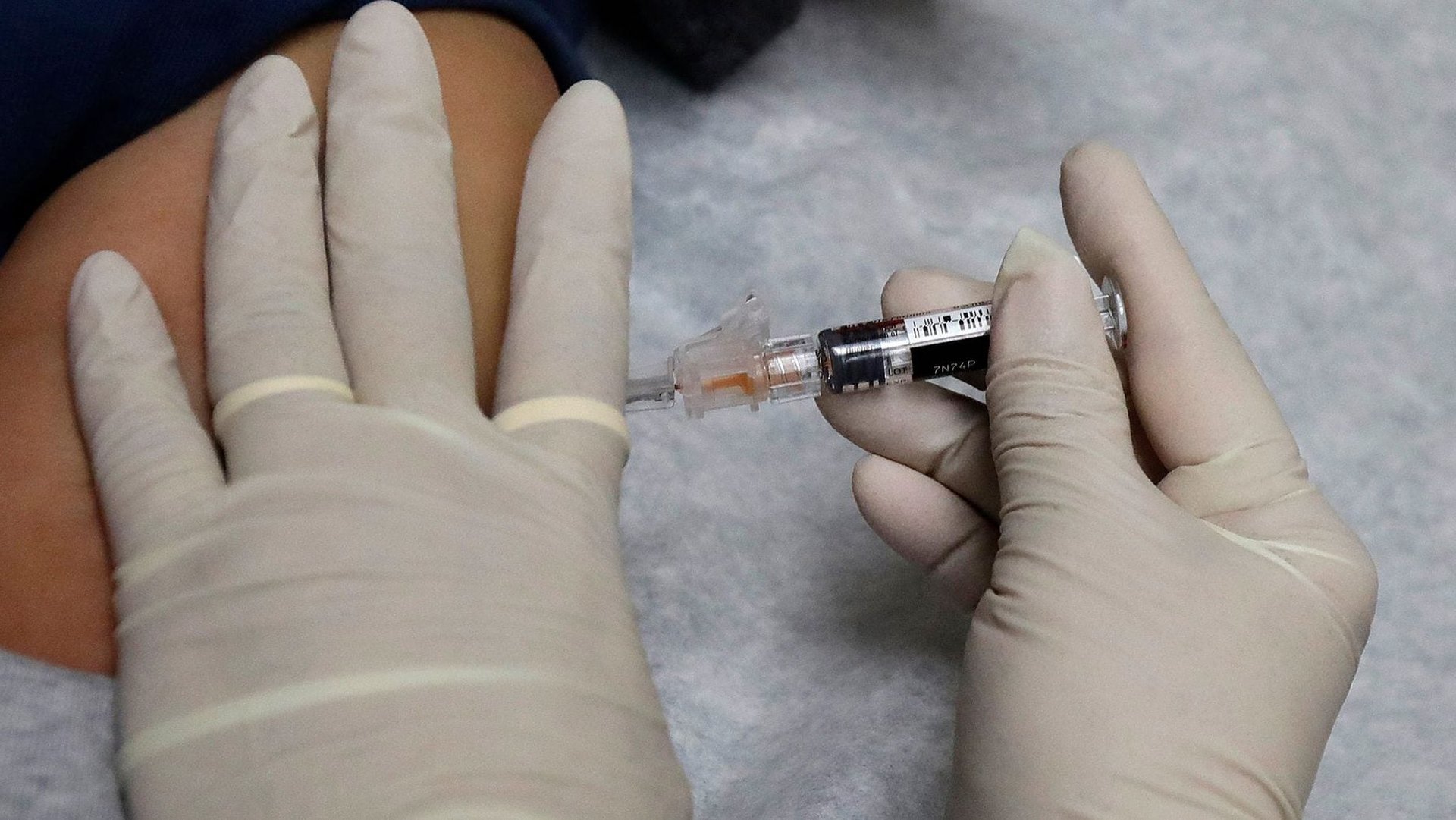
North Carolina has recently been hit with the biggest chickenpox outbreak in two decades, with 36 children falling ill as of Nov. 16. The flare-up was most likely preventable: an effective vaccine for the disease, which can be fatal, has been available in the United States since the 1990s. In the meantime, the rise of social media helped usher in new ways of spreading misinformation—including rumors about the harms of vaccination.

Florida’s Supreme Court has ruled on something that most social media users already know: Facebook friendships are not real.

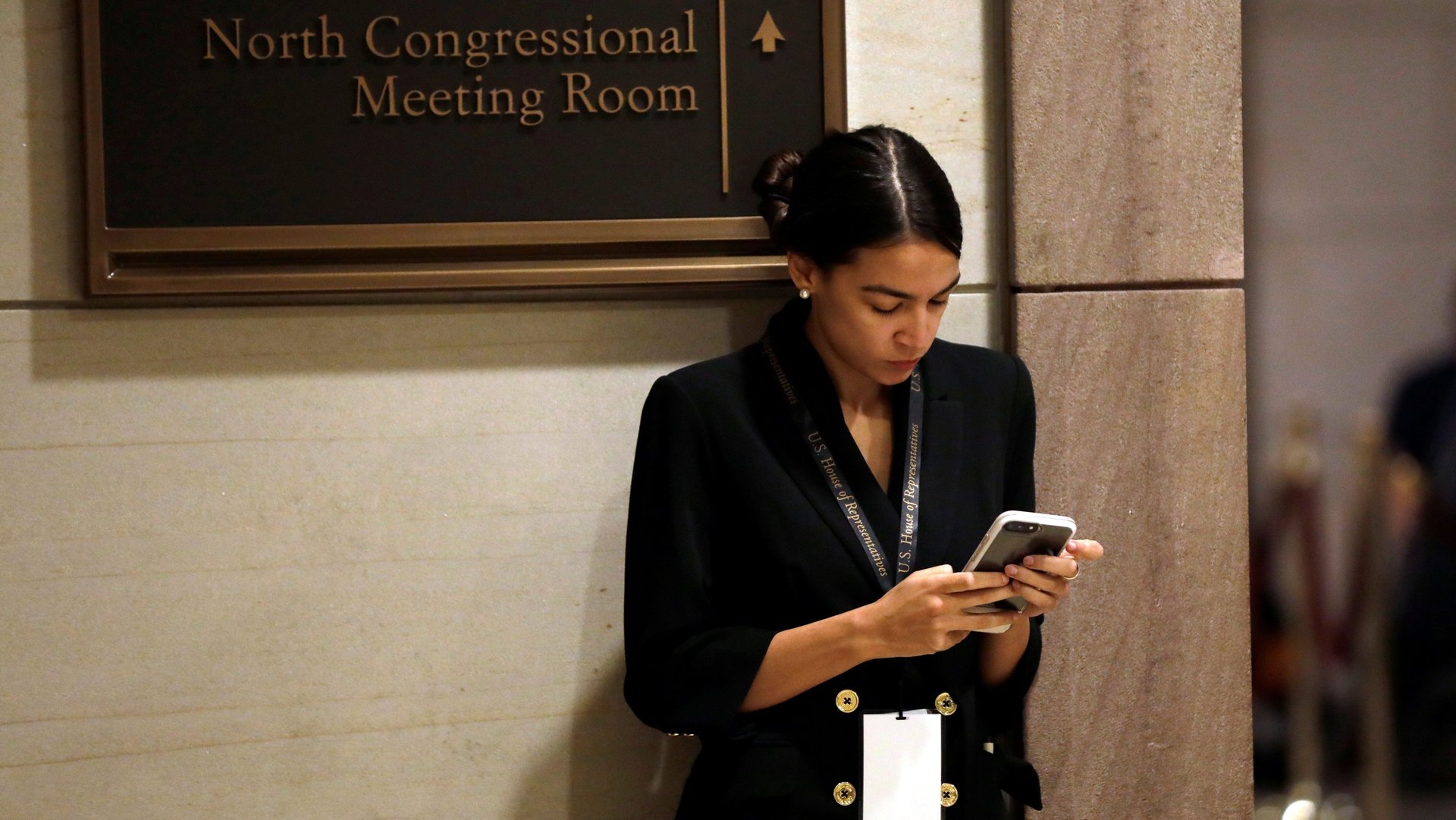
Alexandria Ocasio-Cortez has mastered a powerful political tool: Instagram Stories. As she grapples with the workaday details of becoming a US representative, as well as the big ideas she campaigned on, the 29-year-old congresswoman-elect from New York is offering Americans an unprecedented look into the inner workings of Congress, an institution otherwise known for its opaque processes and inability to get things done.

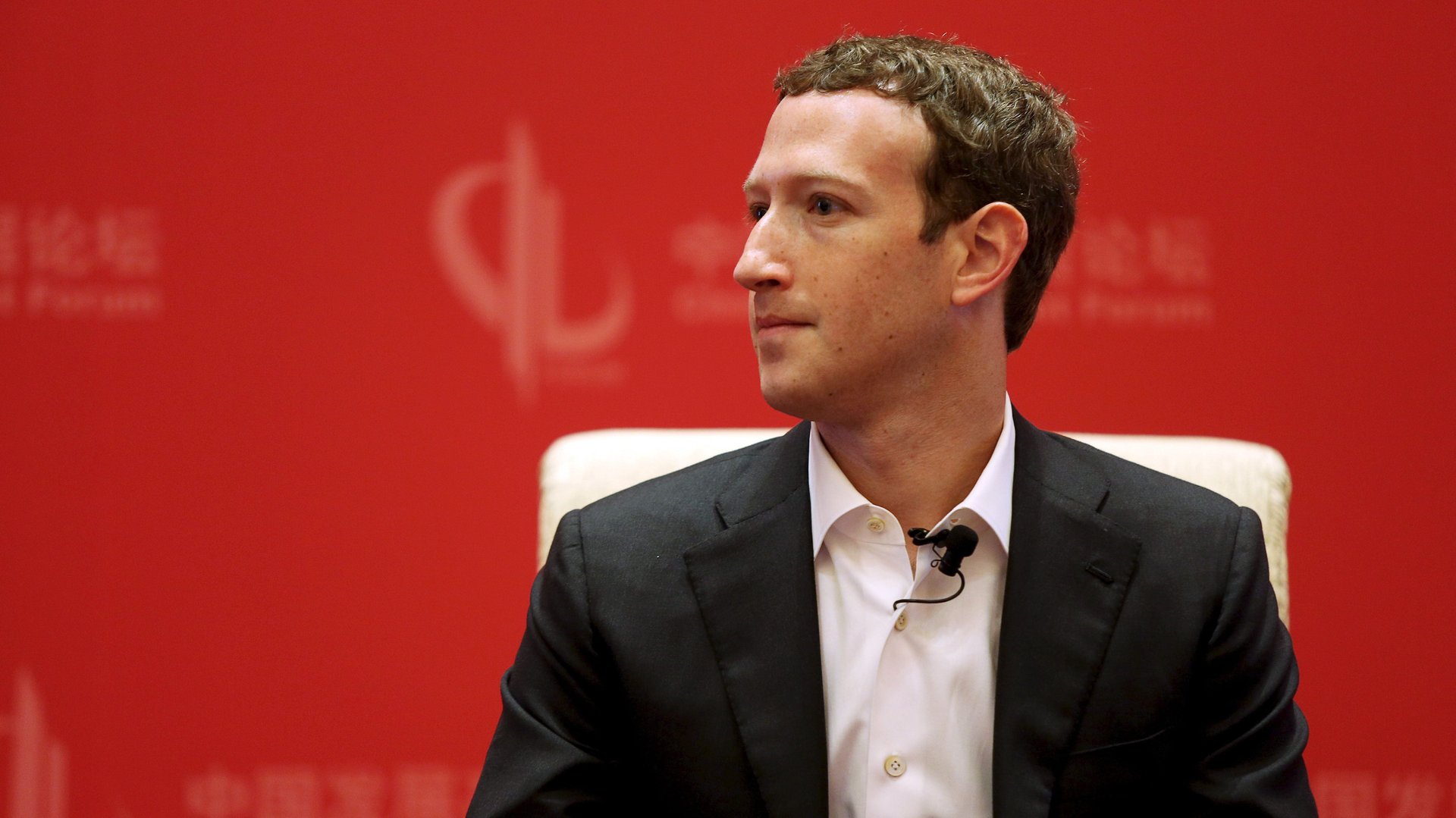
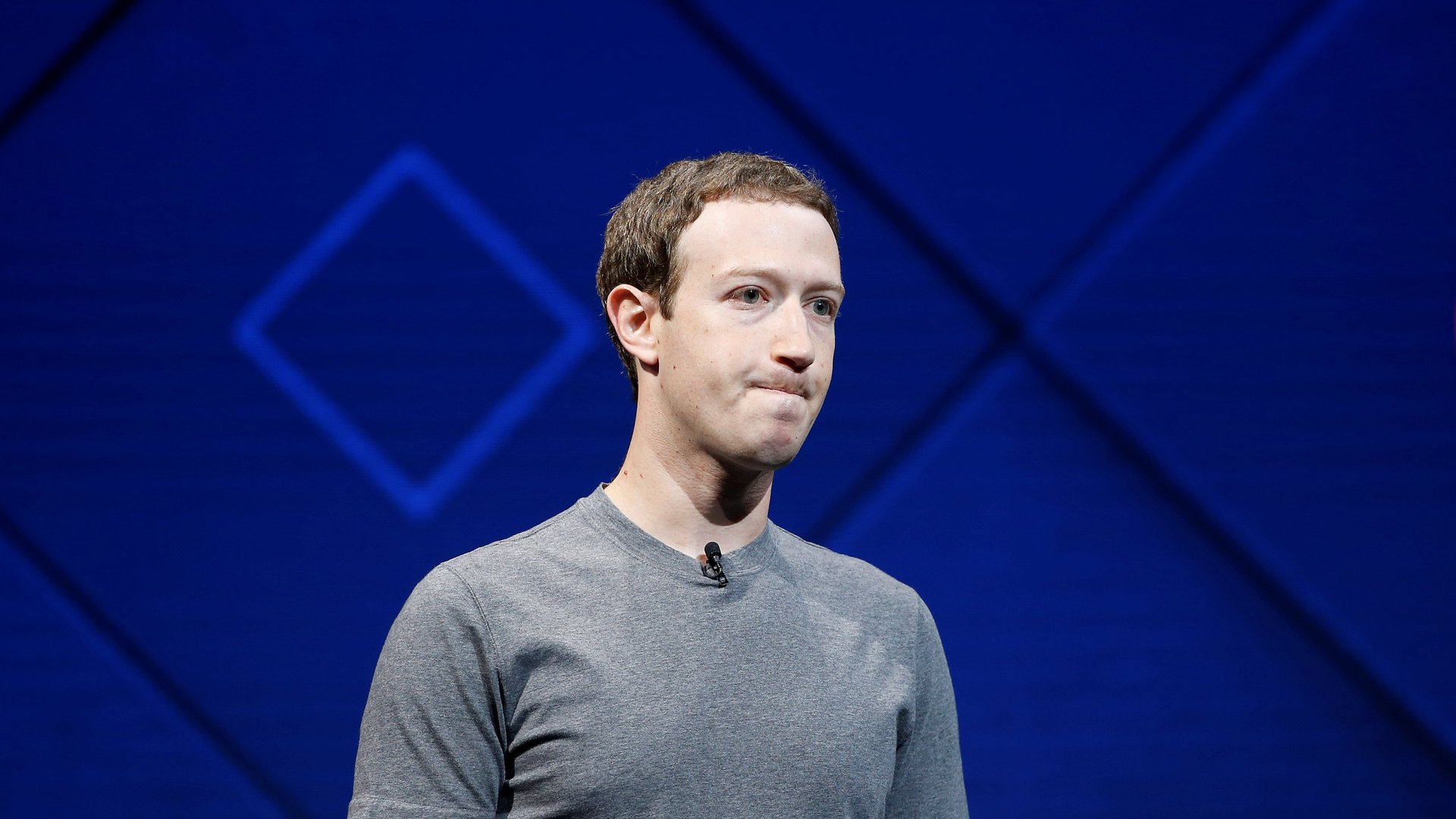
Within a year, Facebook will introduce an independent body that will oversee appeals about content decisions, Mark Zuckerberg announced on Thursday (Nov. 15).

Instagram has begun rolling out a feature it announced earlier this year that allows you to check how much time you spend on the app every day, and your weekly average.

A Republican-linked consultancy hired by Facebook tried to paint George Soros, the billionaire philanthropist and the global right’s favorite boogeyman, as the motor of an anti-Facebook movement, according to a bombshell investigation of Facebook’s handling of its scandals by The New York Times. (paywall)

The scandals that hit Facebook this year might make some people delete their accounts, and lead others to become more conscientious users. But the reality is, no matter what you do, it’s hard to escape Facebook and some of its sketchy practices.

Facebook users have raised more than $1 billion on the platform for personal causes and nonprofits in the three years since the company launched the first of its fundraising features.

Facebook’s newest announcement updating the public on the latest political interference efforts on its platforms is an important reminder that Instagram can be just as much a target of coordinated misinformation as Facebook itself.

When scrolling through their Facebook feed, the average user won’t tend to see beheading videos, human genitalia, or brutal child abuse amid their standard content engagement announcements, cute animal videos, or even heated political spats.

Commemorations of the 100th anniversary of the end of World War I and of the independence of European nations that emerged from the conflict have been marked by divisions. In Poland, an artist’s depiction of a nationalist march perfectly captured the political anxiety over these rifts.

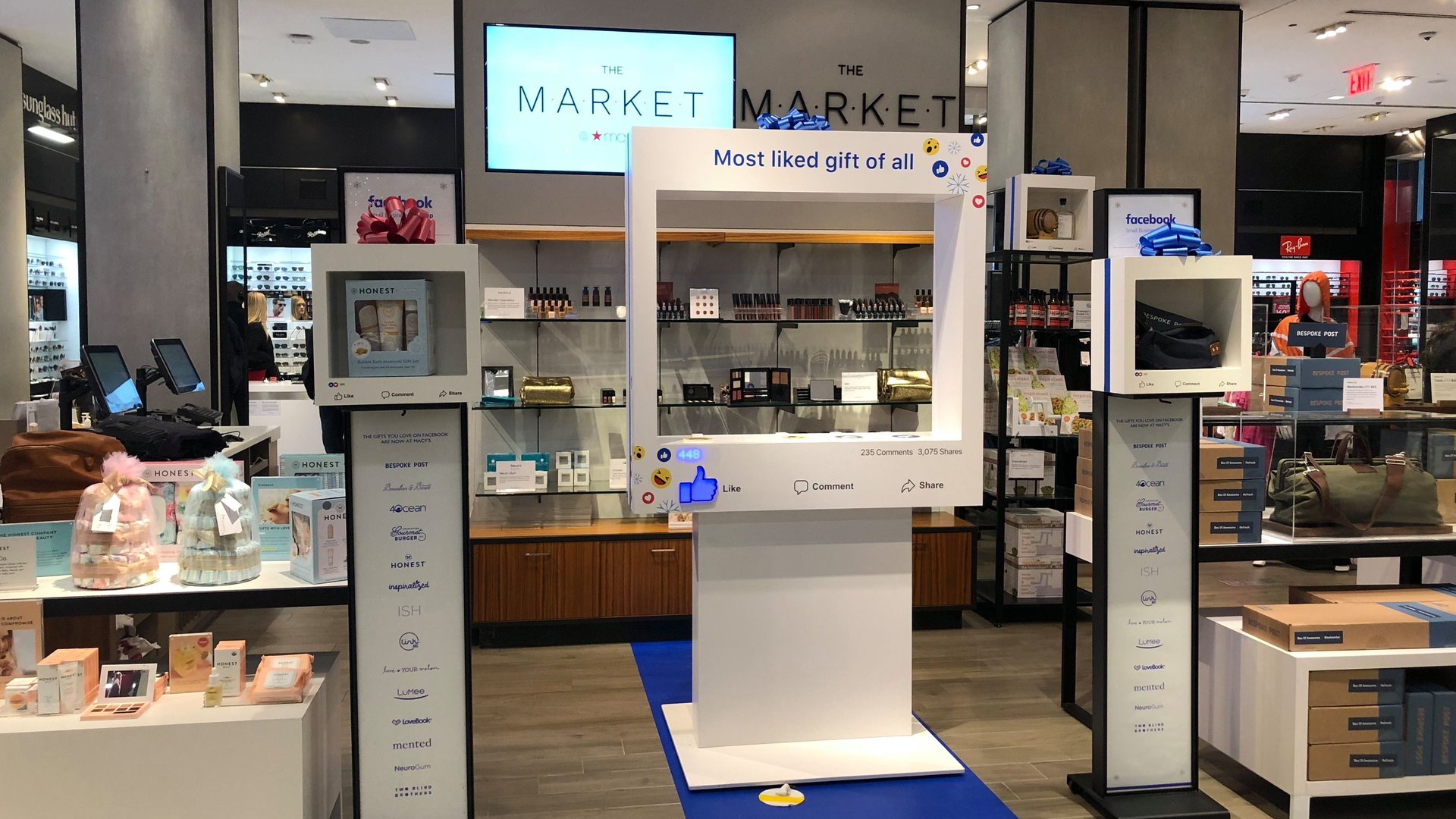
What do a fitness tracker for dogs, energy-boosting chewing gum, and a tower of eco-friendly diapers have in common? If you live in one of nine US cities, you can get this bizarre assortment of products at your local Macy’s department store at a pop-up shop put on by…Facebook.

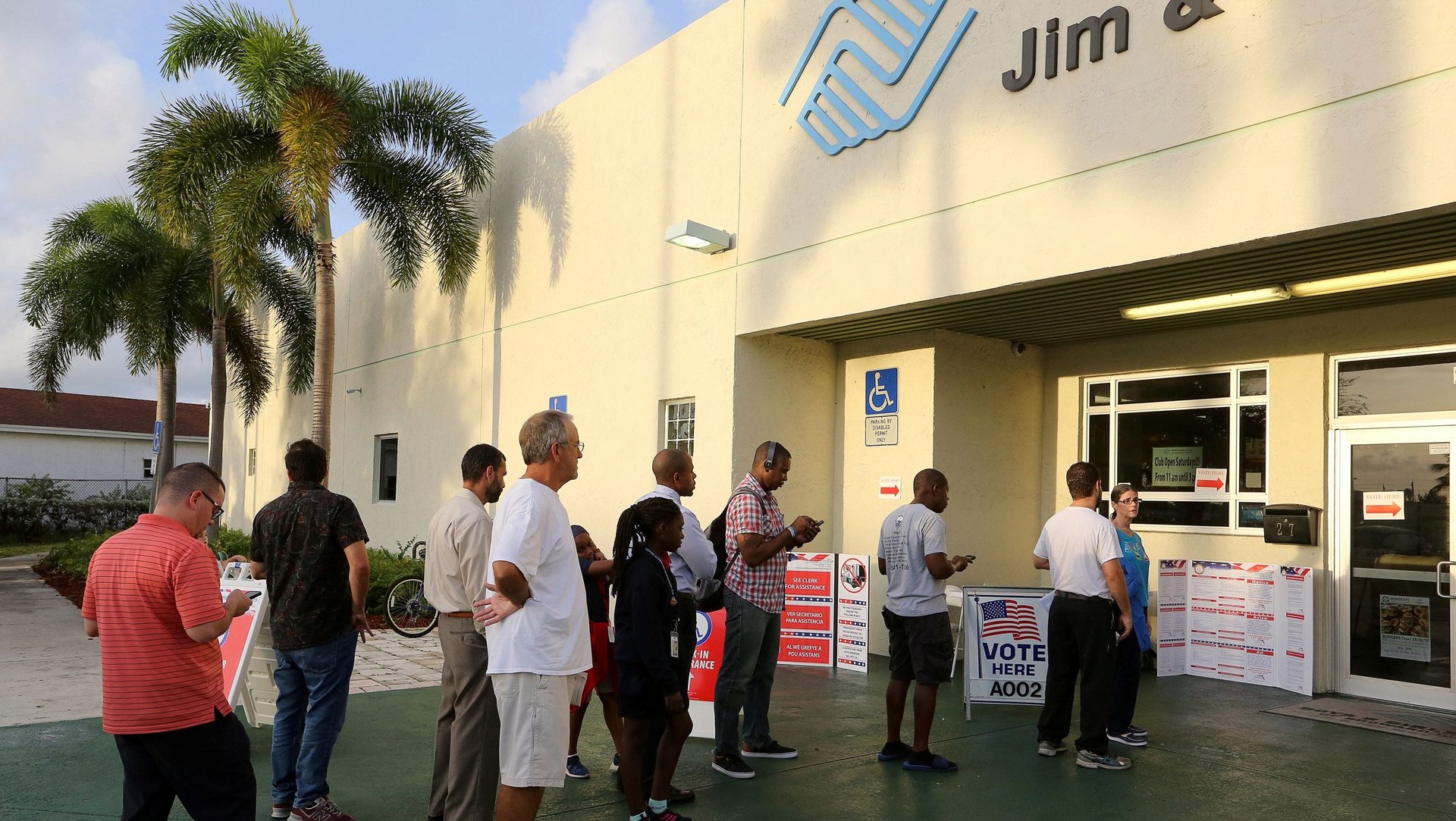
As part of the midterm elections, Florida residents voted to restore the right to vote to more than 1 million people who have felony convictions on their record. It’s truly a historic moment that challenges the long, racist history of voter disenfranchisement in America. It also raises the question: where do these new voters fall on the political spectrum? The answer is not as simple as it may seem.

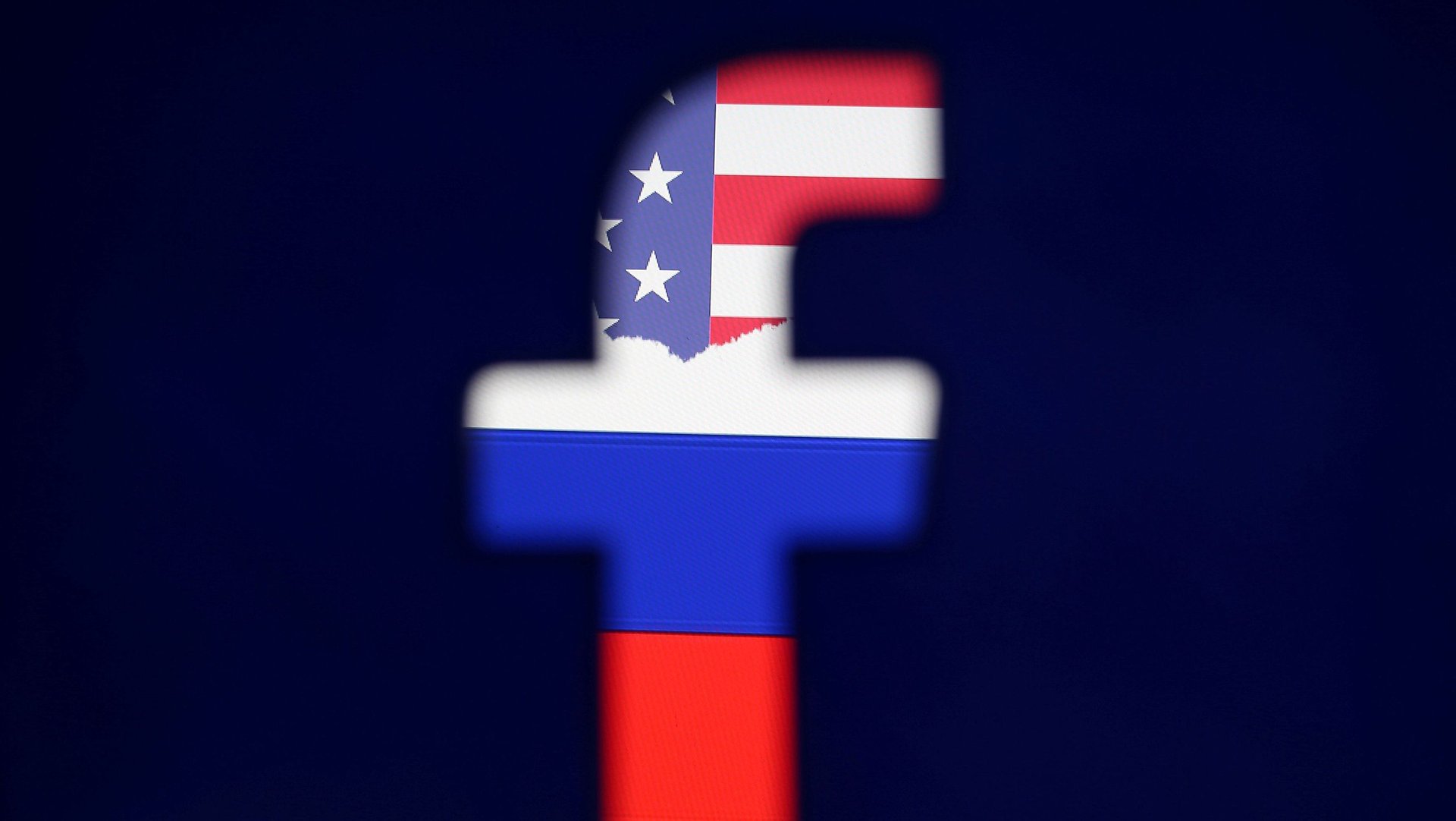
Facebook said that it blocked more than 100 Facebook and Instagram accounts because of concerns that they were linked to the Internet Research Agency (IRA), the Russian state-sponsored troll farm that interfered in the 2016 US election.

Facebook said on the eve of the 2018 midterms that it removed another batch of accounts engaged in misinformation tactics.

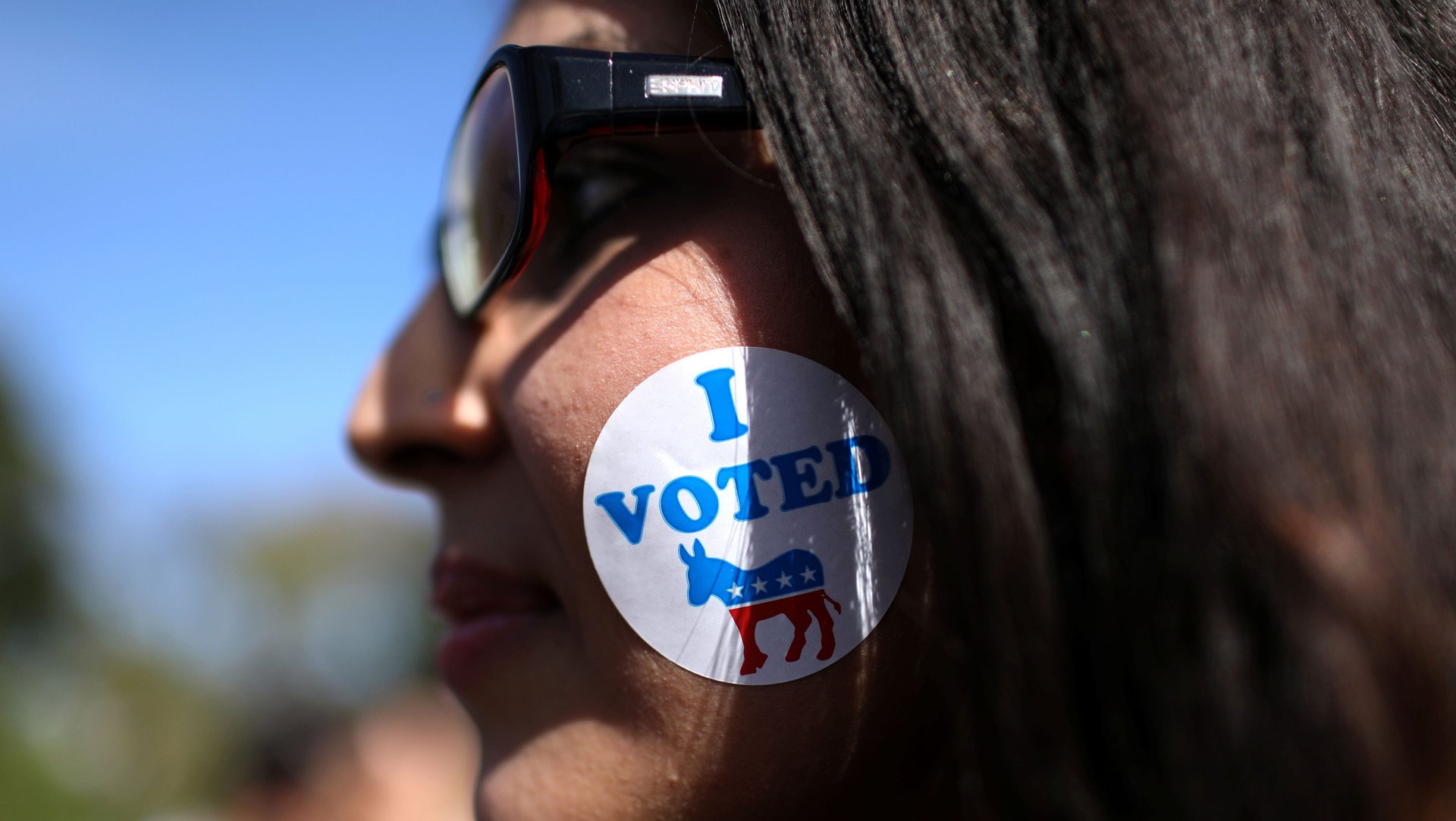
The “I voted” sticker, handed out to US voters at polling stations since the 1980s, has taken on a new life online—and it could be more powerful than ever.

This morning, employees streamed out of Google’s Seattle campus and into a nearby plaza overlooking the Lake Washington ship canal, nervously milling around. Some wore hoodies representing Google teams—such as Android, Cloud, and YouTube—while others tucked their Google badges away so their names were not visible. Several carried cardboard signs: “Not OK, Google,” one read. “Protect victims, not harassers, don’t be evil,” said another, using Google’s own slogan. Others read, simply, “WTF.”

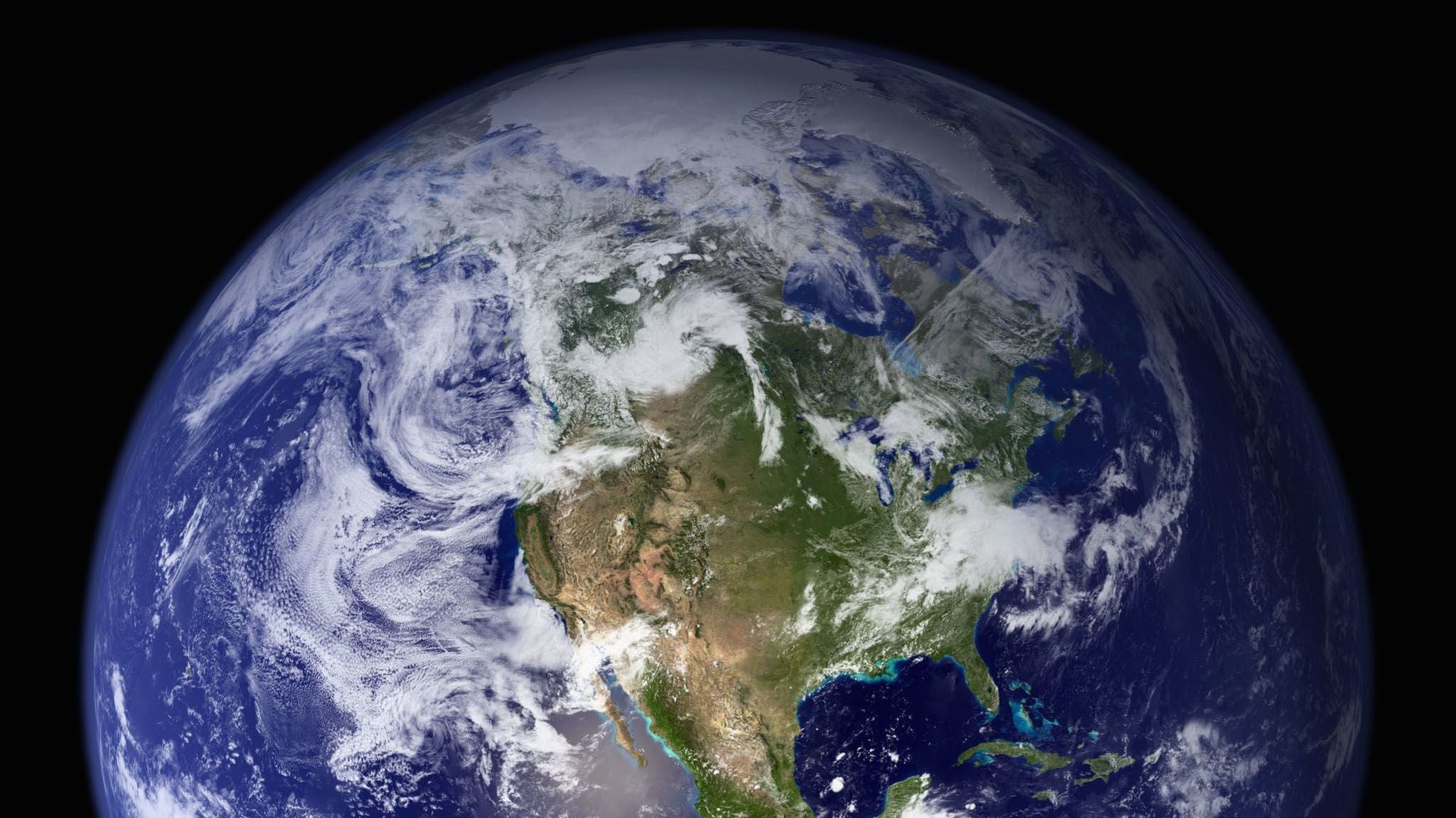
Facebook is highlighting a new metric of its global domination, and it’s mind-boggling.

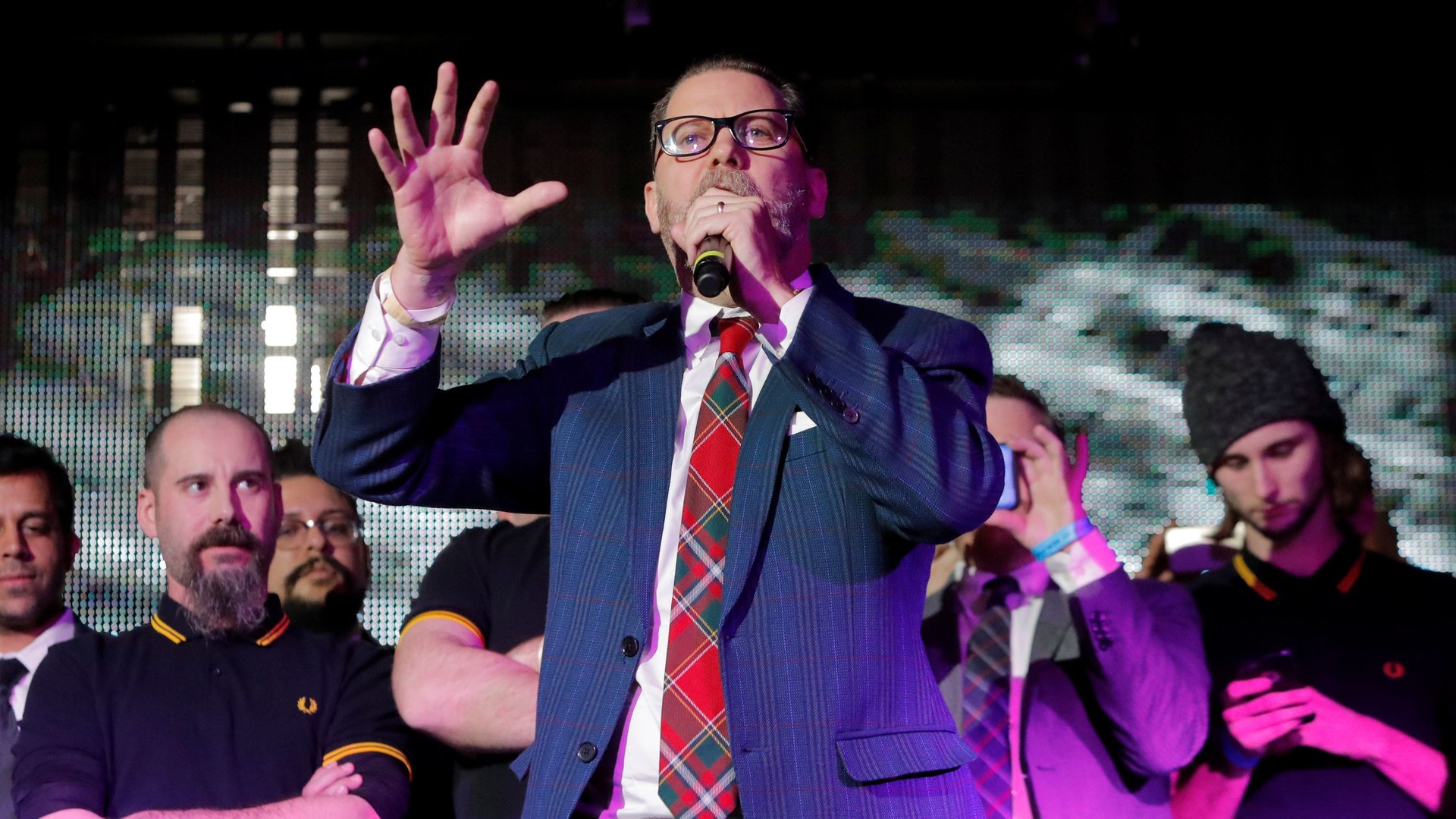
Facebook has removed pages, accounts, and groups on its site and Instagram associated with far-right organization Proud Boys and its founder Gavin McInnes, leaving them shut out from major social media channels. Earlier this month, members of the group were involved in a violent fight in New York, after McInnes gave a speech to his followers.

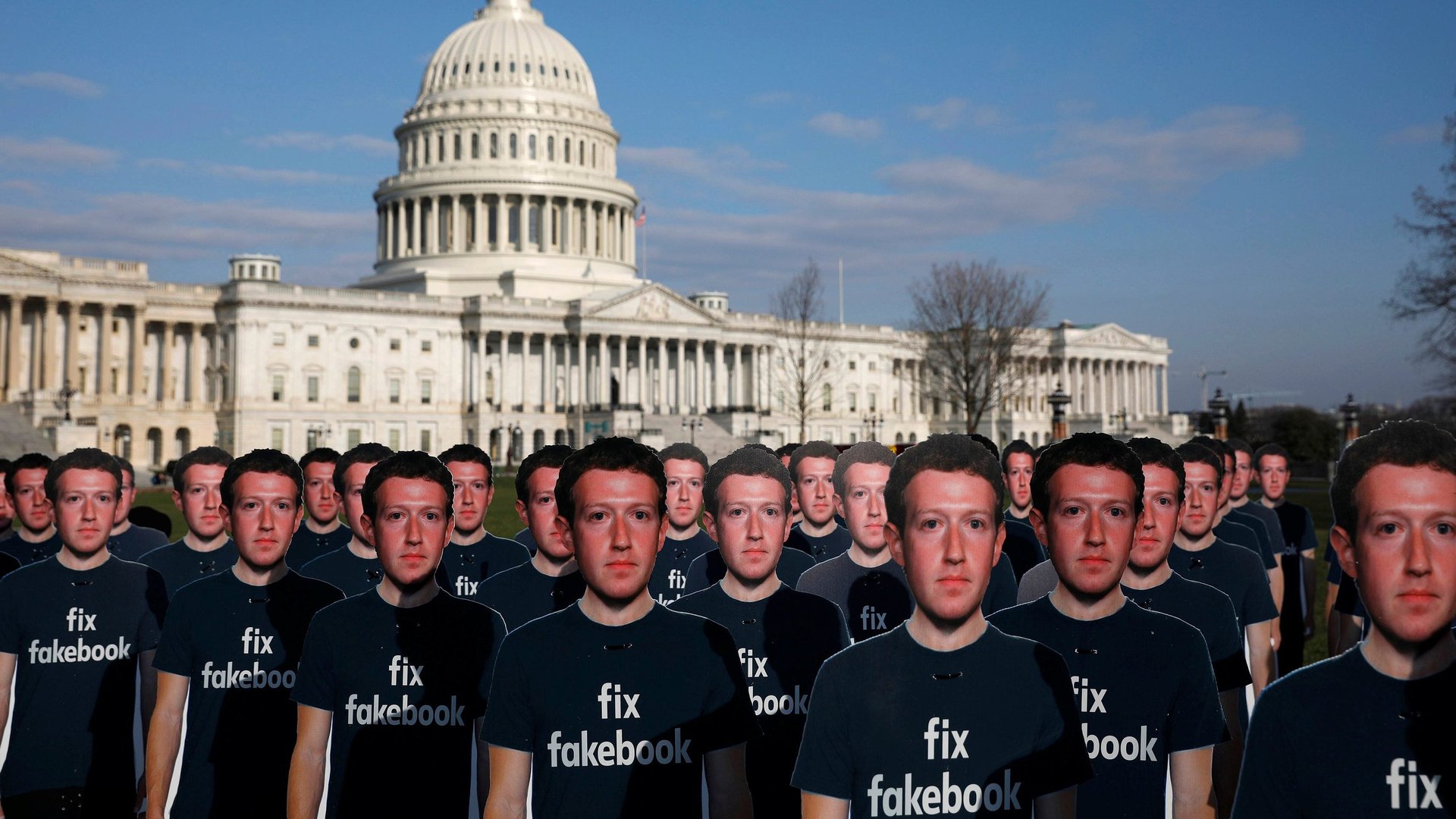
Facebook knows it has a lot of work to do.