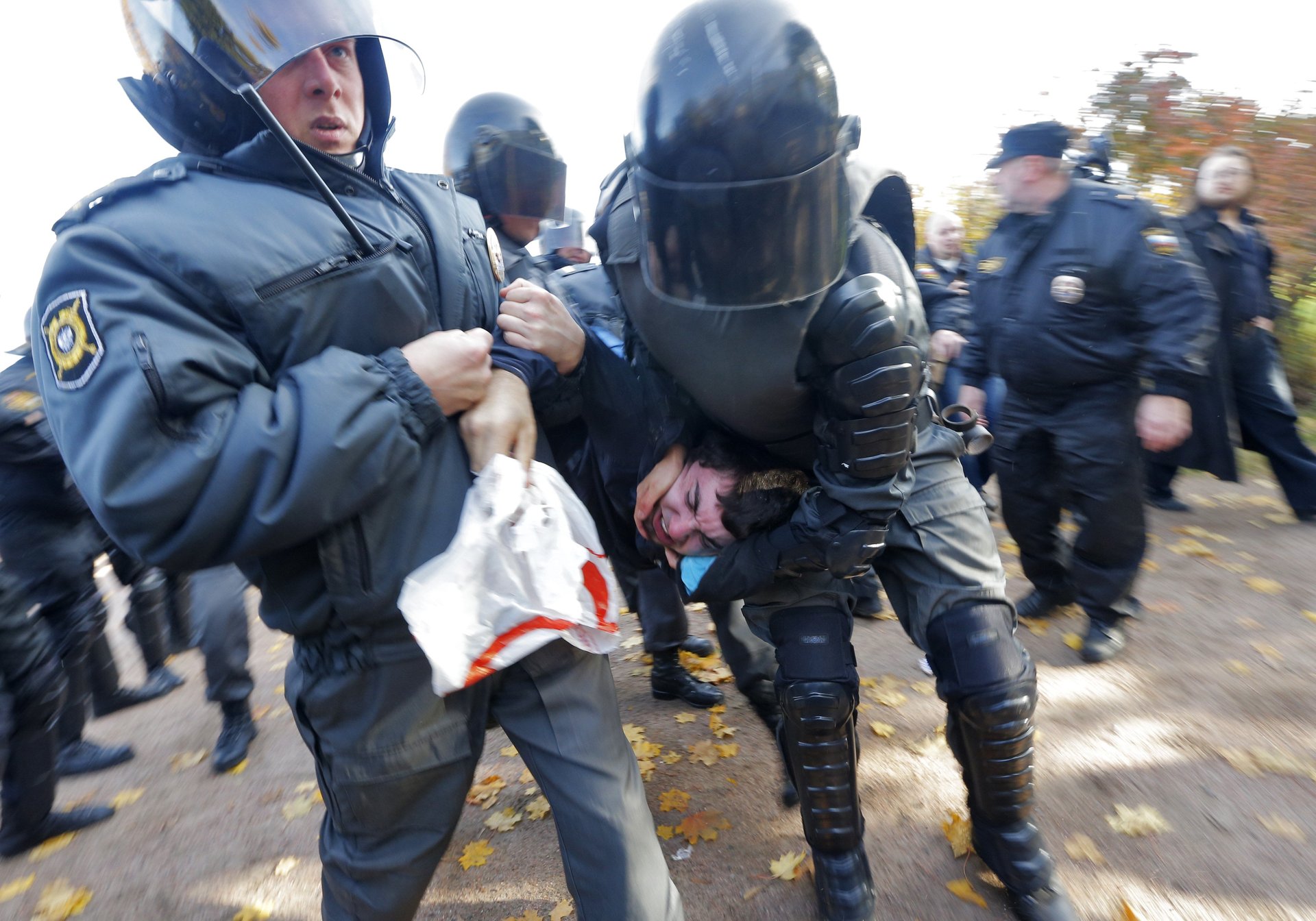
Human rights had a bad year in Russia. An extremely bad year, in fact, according to the annual World Report from Human Right’s Watch (HRW).

Human rights had a bad year in Russia. An extremely bad year, in fact, according to the annual World Report from Human Right’s Watch (HRW).

Anyone who supported Barack Obama’s run for president in 2008 remembers the name of David Plouffe, the campaign’s manager, whose daily emails flooded supporters’ inboxes and are part of what prompted Obama to call him “the unsung hero of this campaign” in his acceptance speech.

In a new clip that will be aired during this Sunday (Feb. 1) during the Super Bowl, the highlight of the American football season, we hear the voice of a woman ordering a pizza as the camera takes us around an apartment in disarray. “Yeah, a large with half pepperoni, half mushrooms.”

On January 27, 1945, exactly 70 years ago, Soviet troops liberated the most notorious Nazi death camp, Auschwitz-Birkenau. This hugely symbolic date has been designated as the International Holocaust Remembrance Day.

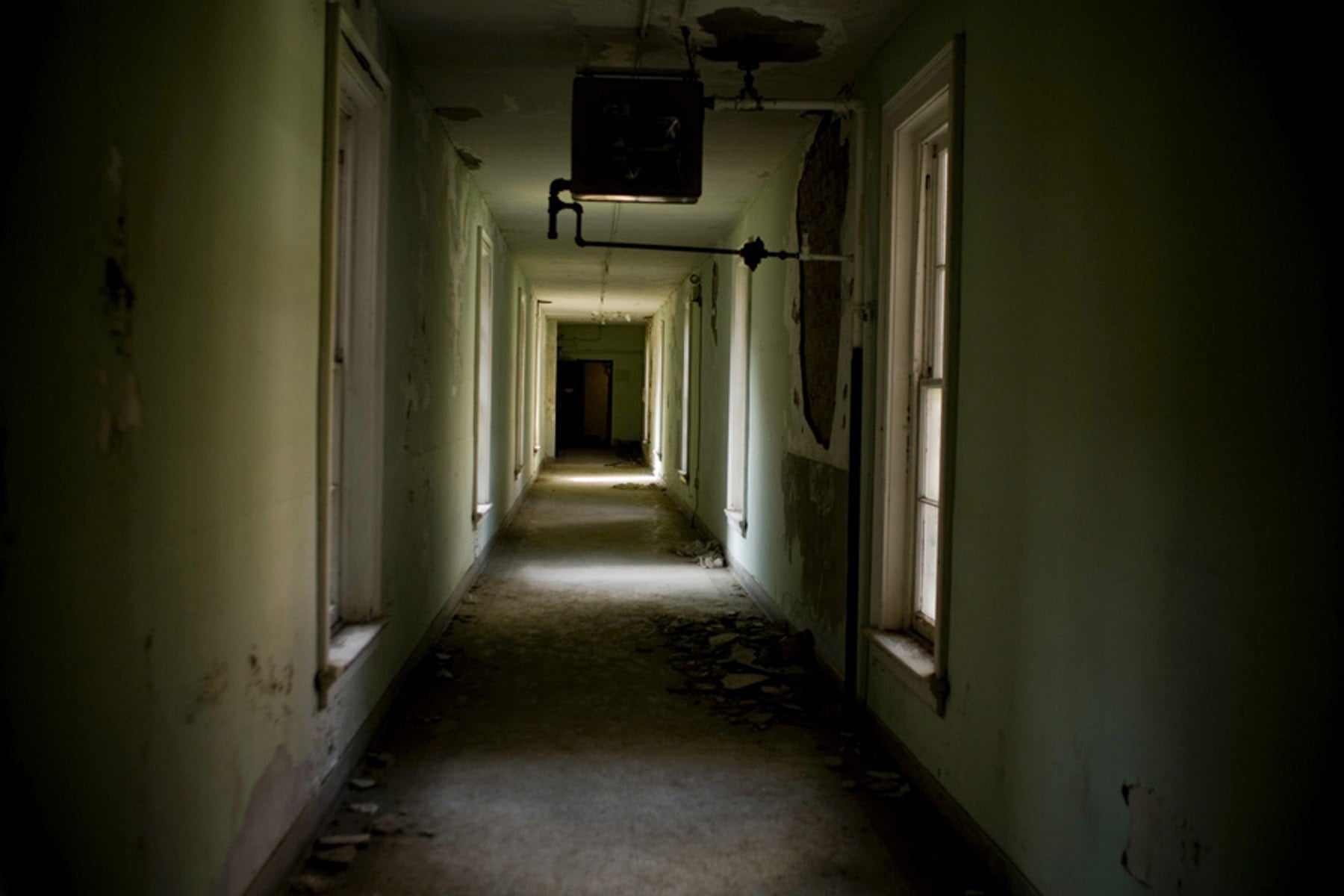
For many, the phrase “psychiatric asylum” conjures up haunting and disturbing images: lobotomy procedures, drugged and restrained patients, the creepy facility in the movie “Shutter Island,” the cruel Nurse Ratched from “One Flew Over the Cuckoo’s Nest.” But that image may be outdated.

Many have called the growing tensions and worsening relations between the United States and Russia the “new Cold War.” And when the new head of the American government’s broadcast agency clashes with Russian state-run media, it sure seems like an accurate assessment.

Today in awful human beings: online sellers trying to rake in cash from a tragedy that shook the world and left 17 dead.

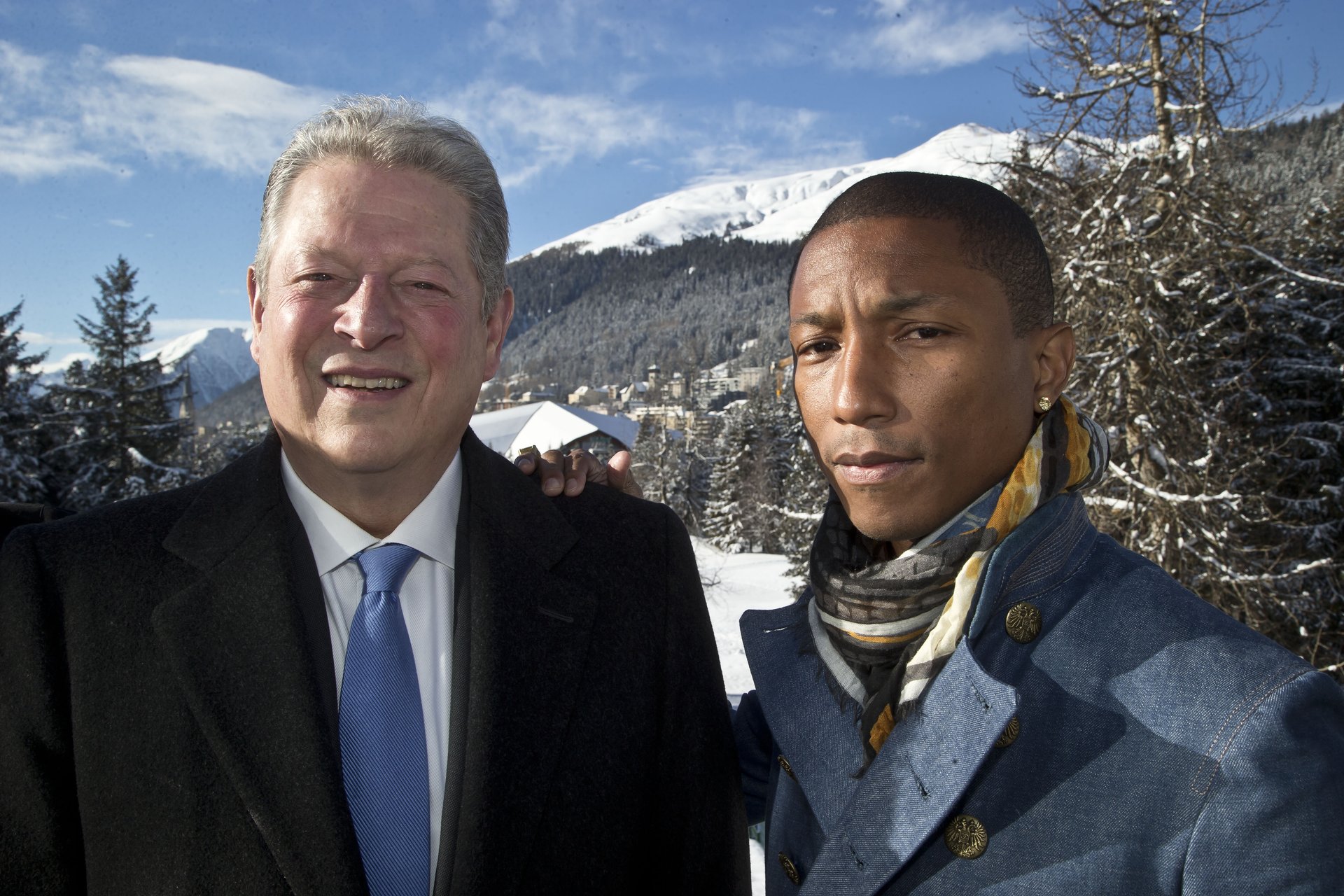
Global warming, with its slow pace of destruction, arcane scientific explanations, and complex policymaking, isn’t the sexiest subject for pop culture to take on. Pharrell Williams, who brought us the catchiest, and possibly most overplayed song of this generation—Happy—wants to change that.

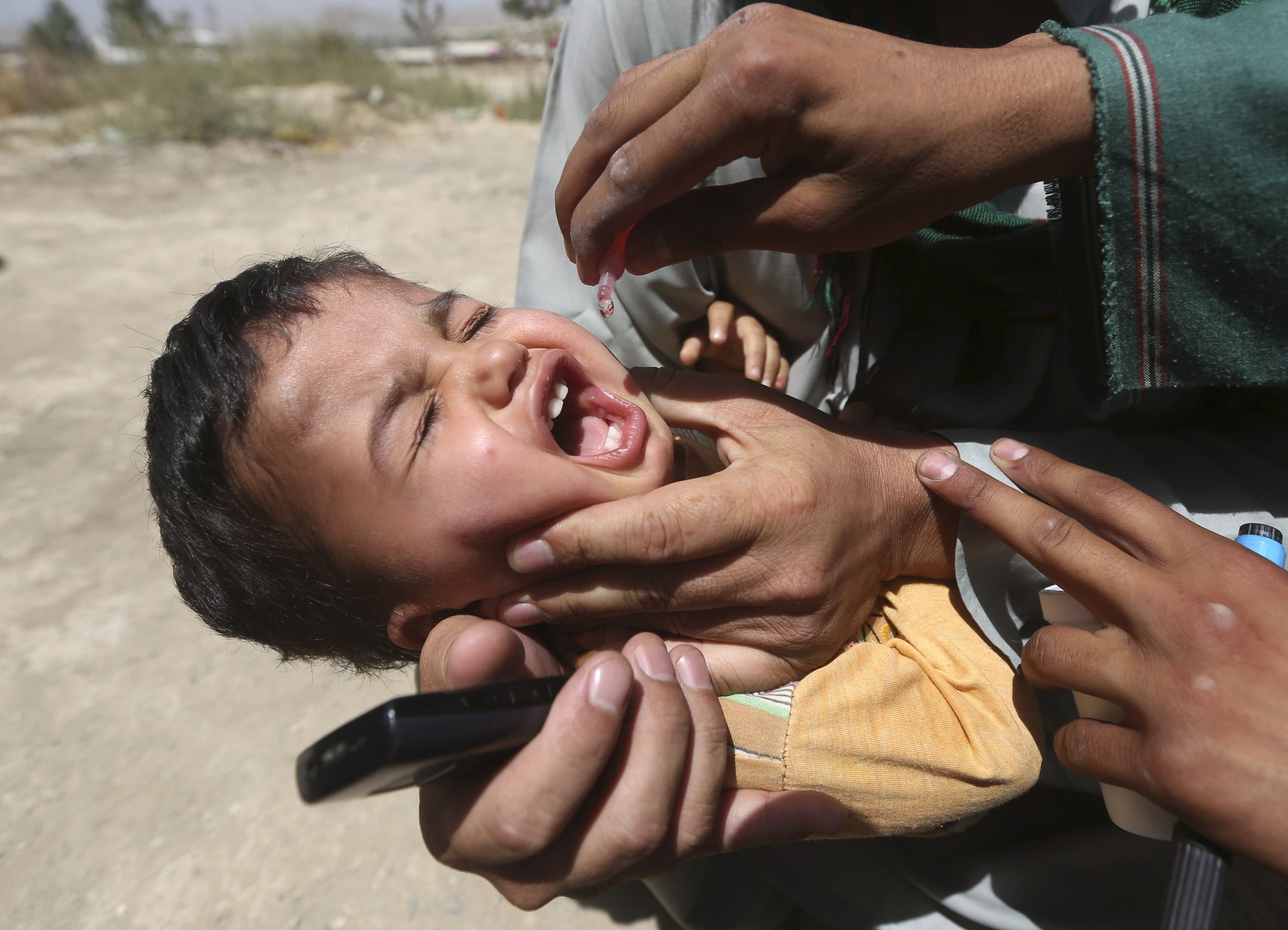
The cost of immunizing children against life-threatening illnesses in poor countries has gone through the roof. According to Doctors without Borders (MSF), a basic vaccination package cost $0.67 in 2001. By 2014, the bill grew to $32.09 for boys, and $45.59 for adolescent girls (who are also immunized for human papillomavirus). For girls, that’s a jaw-dropping 68-fold increase.

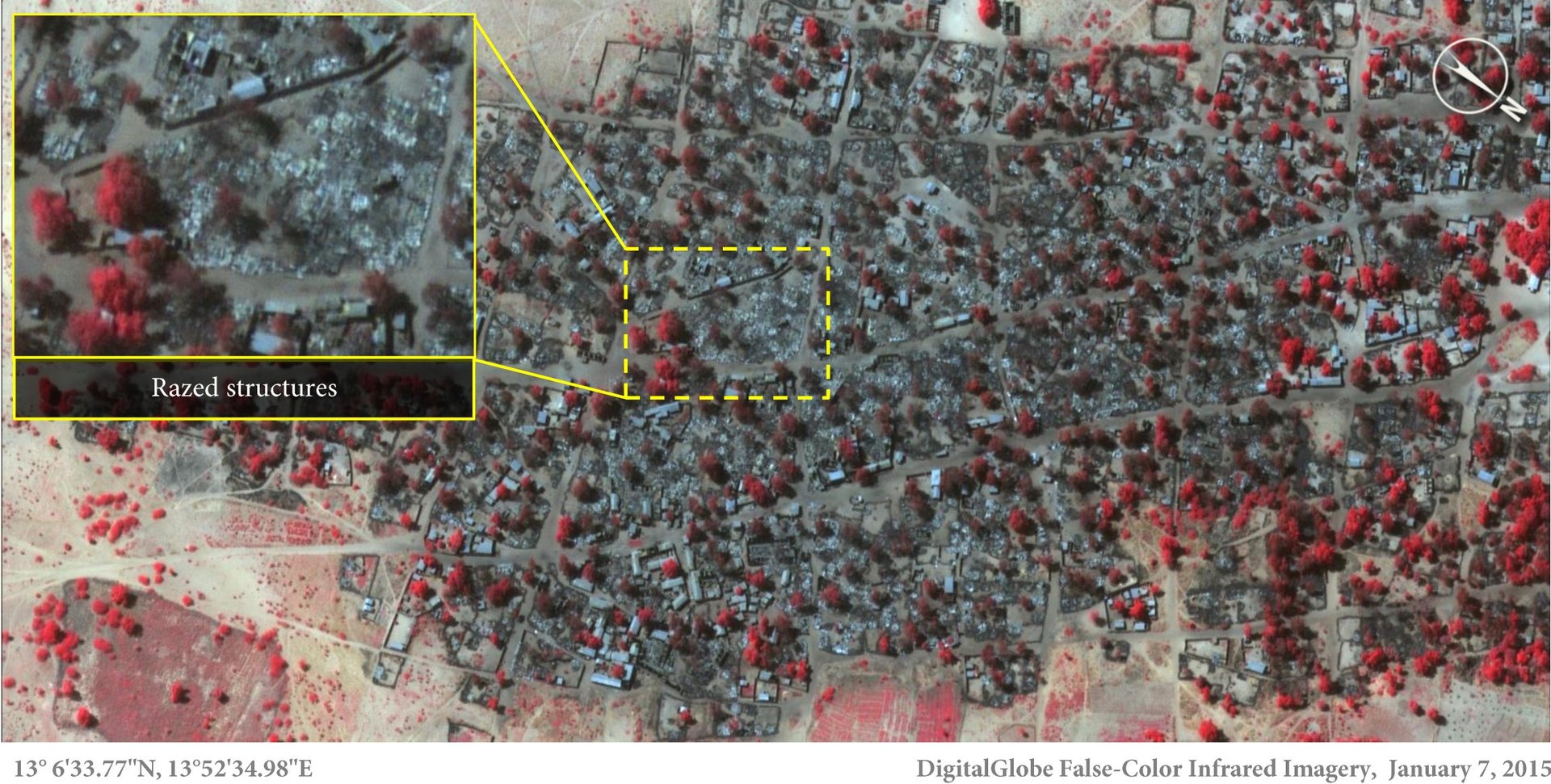
While last week’s international news was dominated by the terrorist attacks in Paris that left 17 dead, a larger massacre in a less-watched part of the world went relatively unnoticed. Until now. Human rights groups released satellite images this week that show what they say is indisputable proof of deadly attacks carried out during early January by the Islamist militants from Boko Haram in northeastern Nigeria.

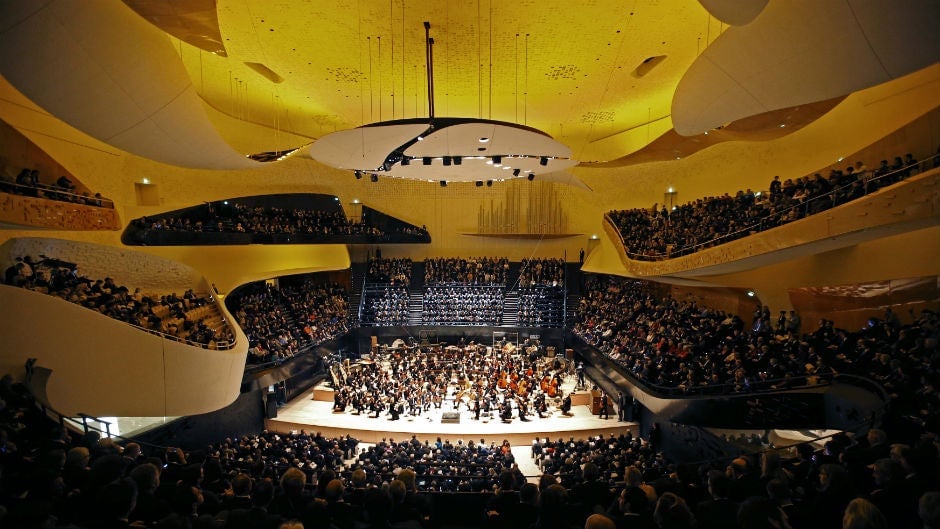
The brass at the Paris Philharmonie thought a beautiful way to honor the victims of last week’s brutal terrorist attacks, was to go ahead with the planned opening of the imposing, ultramodern concert hall.

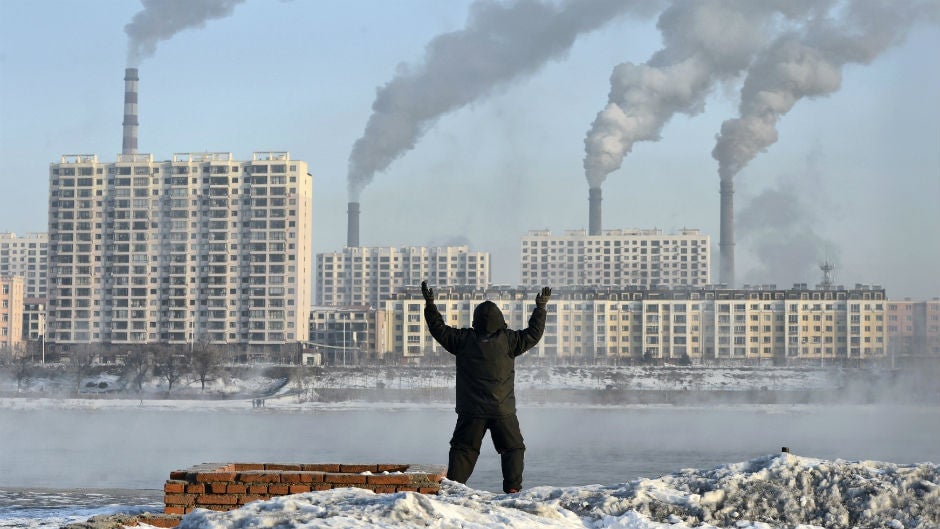
The United States is underestimating the true economic cost of carbon emissions by as much as 83%, according to a new study that suggests governments should be moving faster and more drastically to curb the level of greenhouse gases released into the atmosphere.

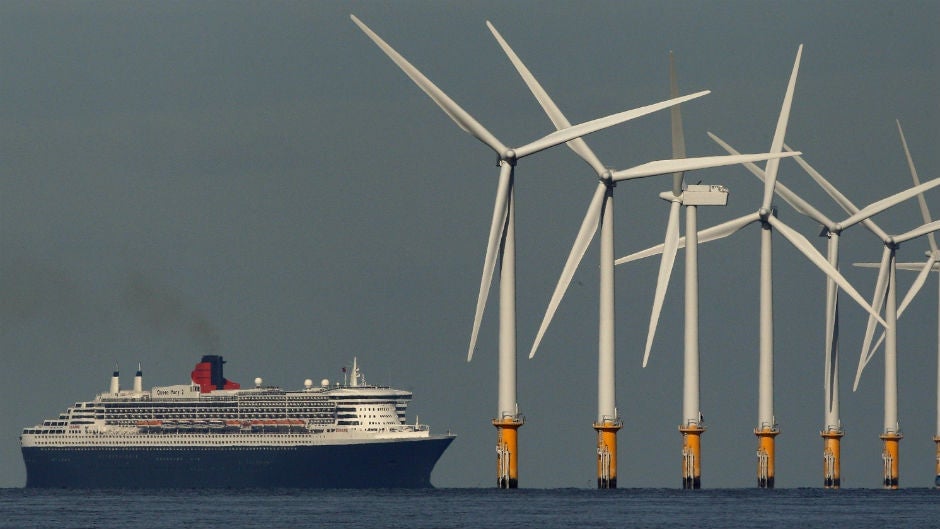
Wind power might not only be better for the environment than offshore drilling, it might make more economic sense too. A new study from Oceana, an environmental advocacy group, calculates that if wind farms were located off the Eastern coast of America, they could generate more energy in just 13 years than all the recoverable offshore oil and gas reserves in the Atlantic Ocean. What’s more, offshore wind would create 91,000 more jobs than offshore drilling in 20 years.

The future is nigh, and it may come faster than we realized. According to a study, as many as 12 million driverless cars—that’s 10% of annual sales of new vehicles—could hit the world’s roads just twenty years from now.

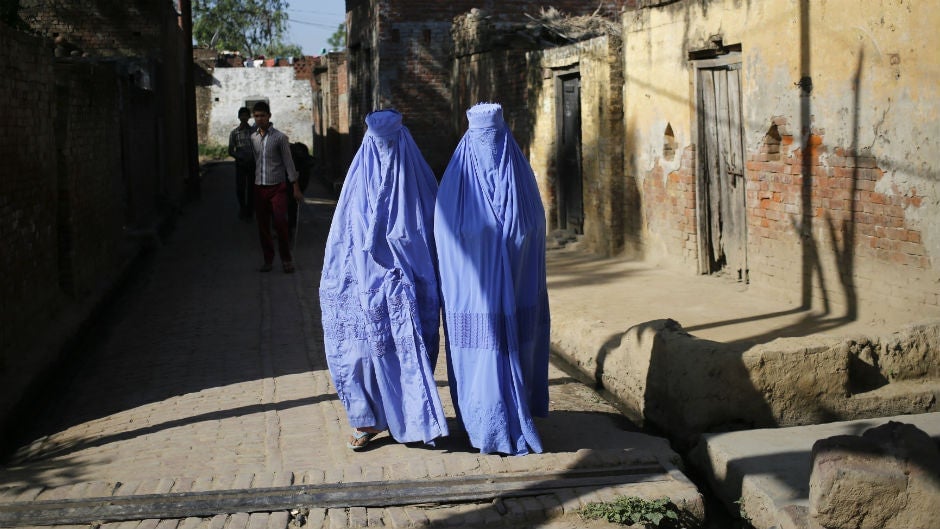
There’s arguably no item of clothing more political than the Muslim veil. In some countries it is banned, in Iran and Saudi Arabia it is required by religious law, but it is nearly always a hot-button issue, spurring arguments about religion, security, and personal freedom. Just this week, the Chinese city of Urumqi in the western Xinjiang region banned Muslim women from wearing the burqa, a version of the veil that covers the entire face. It is likely that the move is part of a campaign to alienate the Uighurs, a Muslim ethnic group that forms almost half of the region’s population.

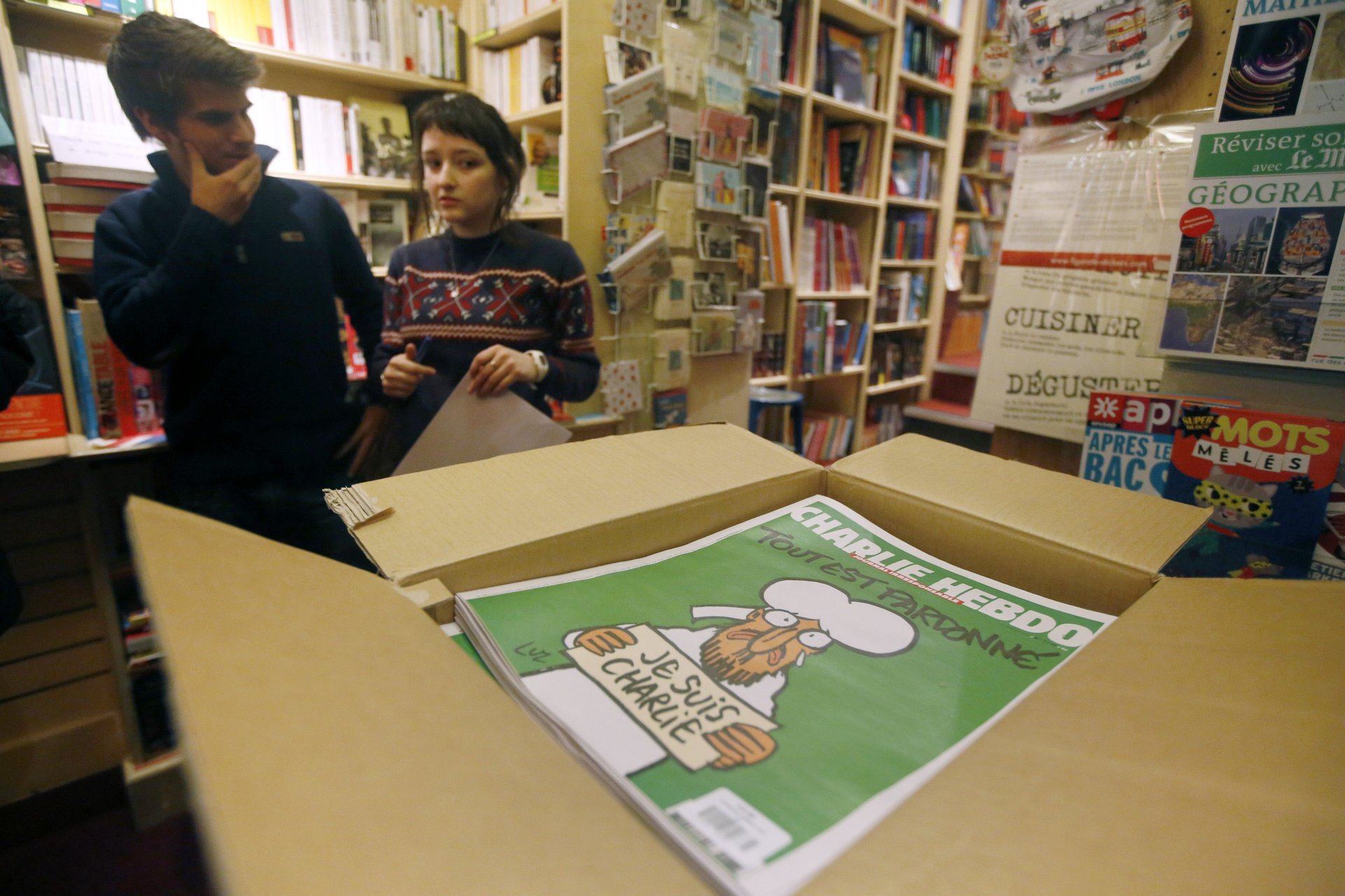
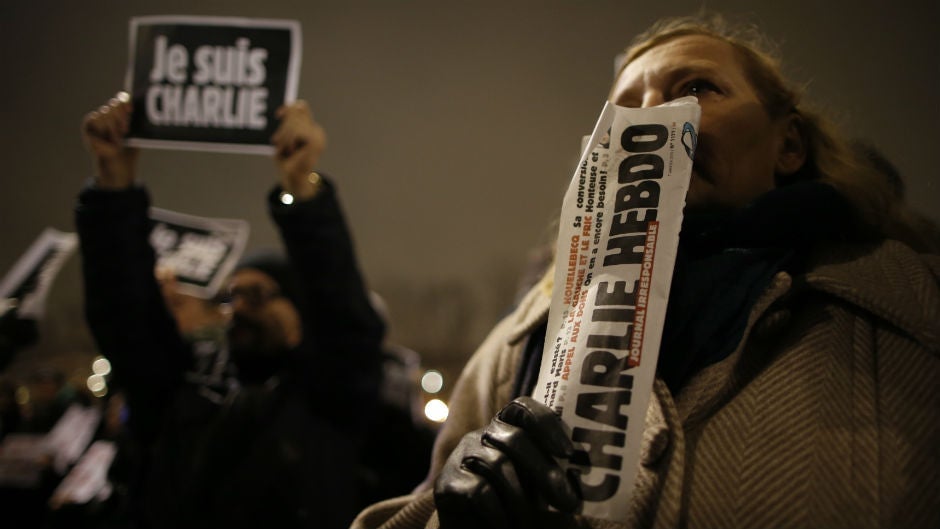
Following the attack on satirical magazine Charlie Hebdo that left 12 people dead Wednesday in Paris, Twitter users around the world showed their solidarity using the hashtag #JeSuisCharlie, or “I am Charlie.” As of this writing, the hashtag has been used 3.7 million times.

European soccer fans have spoken and they’ve chosen their ultimate dream team, UEFA, the sport’s governing body on the continent announced Friday. So grab your nearest Russian oligarch or Gulf investor and ask him for $745 million, because that’s how much you will need to purchase Europe’s most popular soccer players, according to estimated January 2015 transfer values.

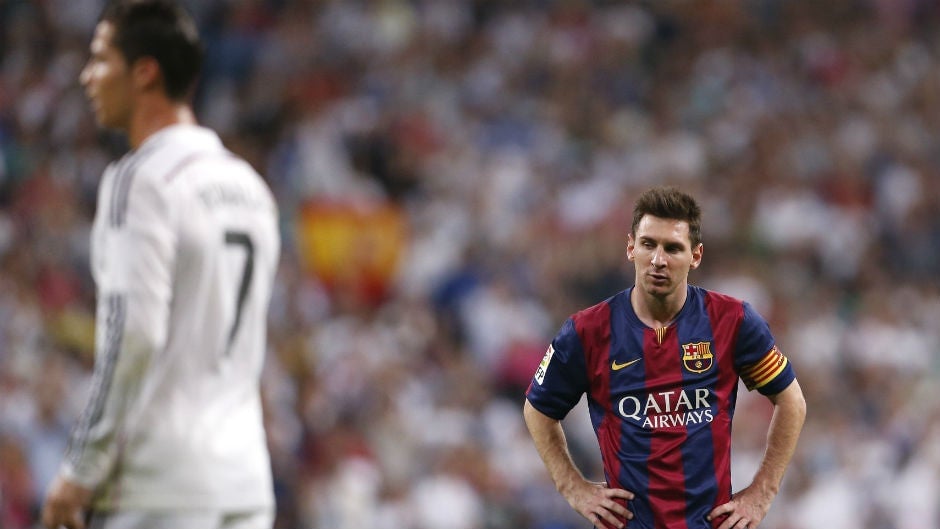
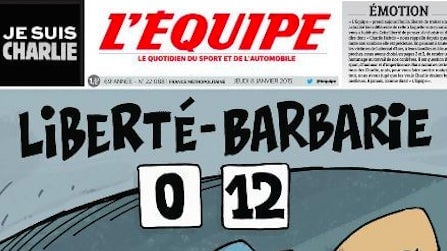
Charlie Hebdo, the satirical French magazine that suffered the attack that killed 12 people on Wednesday was not, as an institution, a supporter of sports. It published numerous cartoons, many of them gracing the front page of the magazine, mocking famous soccer players, fans, and the sports industry as a whole. It also took relentless stabs at sports journalism over the years.

Turns out there is a recipe for a happier life, and it’s one that’s been around all along.

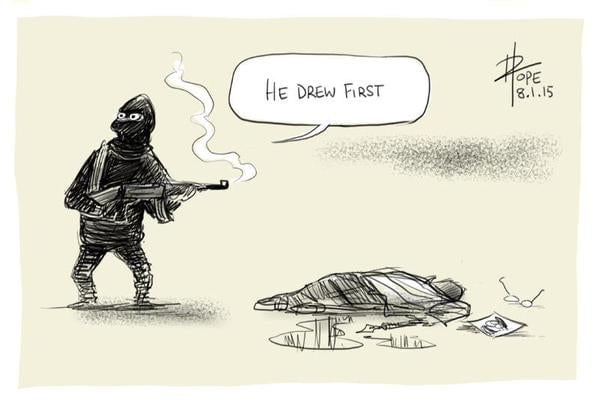
France is reeling after shooters armed with AK-47s stormed the offices of Charlie Hebdo, a weekly satirical magazine, killing twelve people, among them four of the most revered cartoonists in the country.

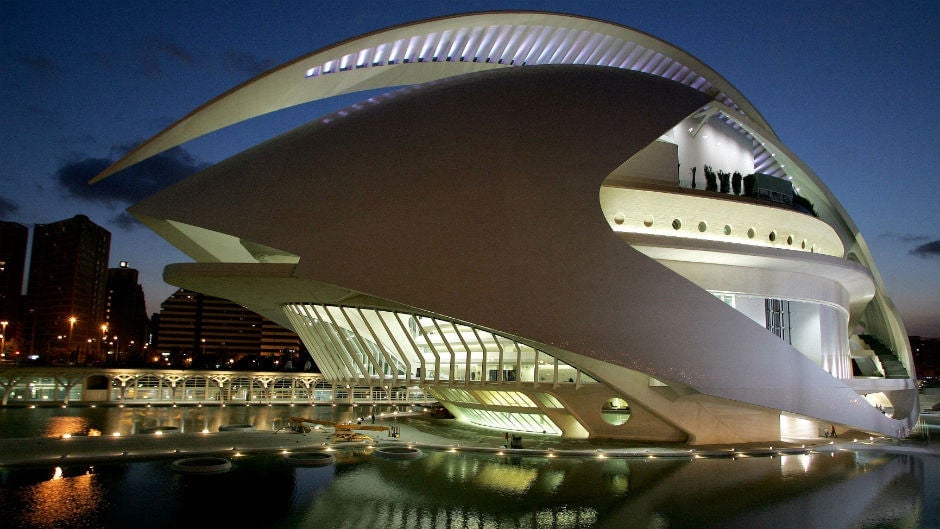
As more cities and institutions around the world compete to attract globe-trotting tourists, investors and businesses, more iconic buildings are cropping up to broadcast the innovative spirit and prestige of far-flung places. But the more jaw-dropping the designs of these building become, the more difficult they are to build and maintain, and the more they fall apart.

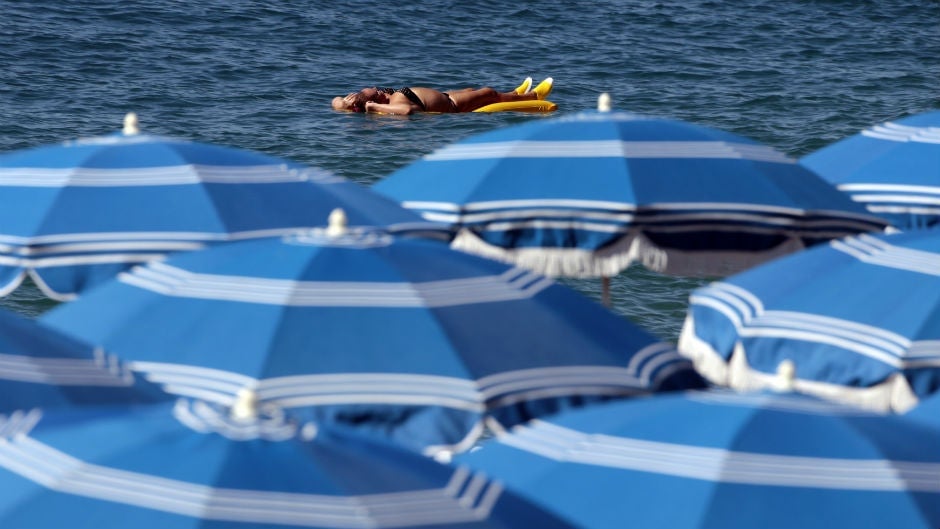
Looks like 2014 will make the world record books as the hottest year yet, judging by the data that are trickling in.

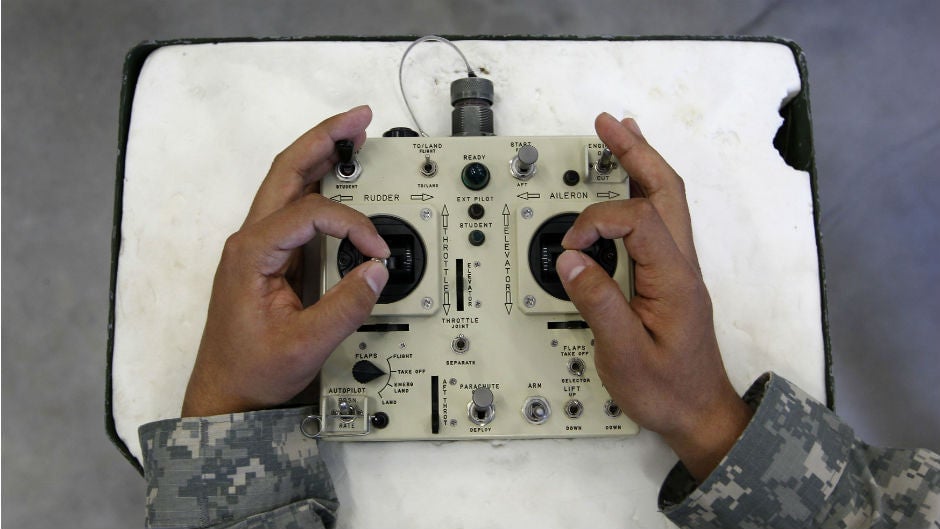
The drone program run by the US Air Force lacks so much manpower that it is at a “breaking point” an official told The Daily Beast.

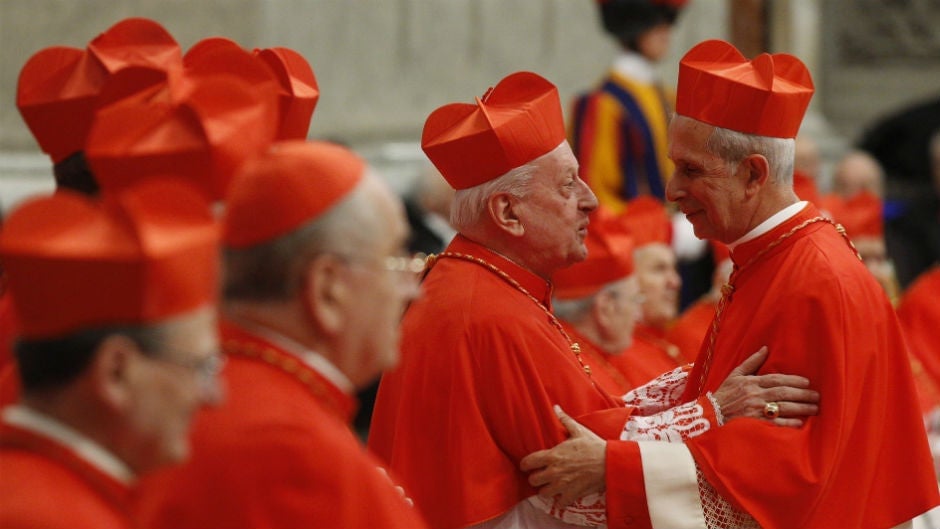
Pope Francis has shaken things up in the Vatican once again, pushing for greater regional diversity among the highest echelons of the Catholic church. His 20 nominees to the post of cardinal, announced Sunday, will come from 18 countries, many of them developing nations such as Tonga, Cape Verde, and Myanmar.