
Tech & Innovation
Amazon wants to sell you everything, including student loansAmazon sells just about everything, so why not financial services, too?
Updated July 21, 20222 min read
Amazon sells just about everything, so why not financial services, too?

Wedding bells are in the future for Snapchat cofounder and CEO Evan Spiegel and his supermodel girlfriend Miranda Kerr.

Have you ever dreamed of plastering your Snapchat photos with emoji versions of yourself? Dream no more.
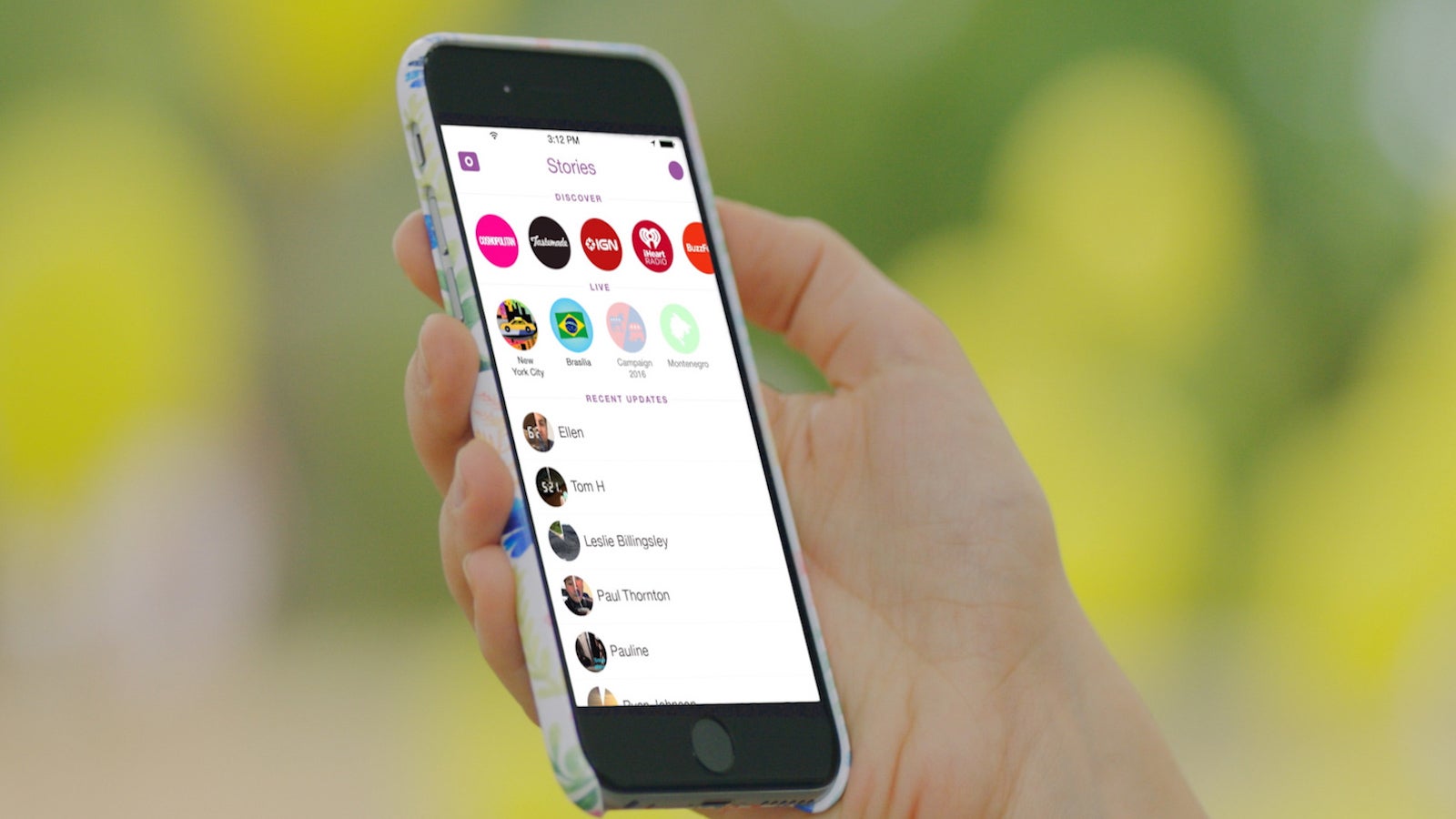
One of Snapchat’s best loved features is its photo filters, which use GPS data and augmented reality to add interactive “lenses” to your photos and videos. Now, the messaging startup wants to make that offering more powerful—and lucrative.

Ethereum burst onto the virtual currency scene almost a year ago. It’s similar to bitcoin, but with a key difference. In addition to supporting its own digital currency, ether, it also supports smart contracts, agreements written in computer code that execute automatically when conditions are met.

Two senior leaders of JPMorgan’s blockchain project, Juno, have left the firm to found their own blockchain startup.

It may soon be easier for average investors to get in on the bitcoin craze without dealing with some of the risks.

The biggest event of the year in bitcoin just happened.
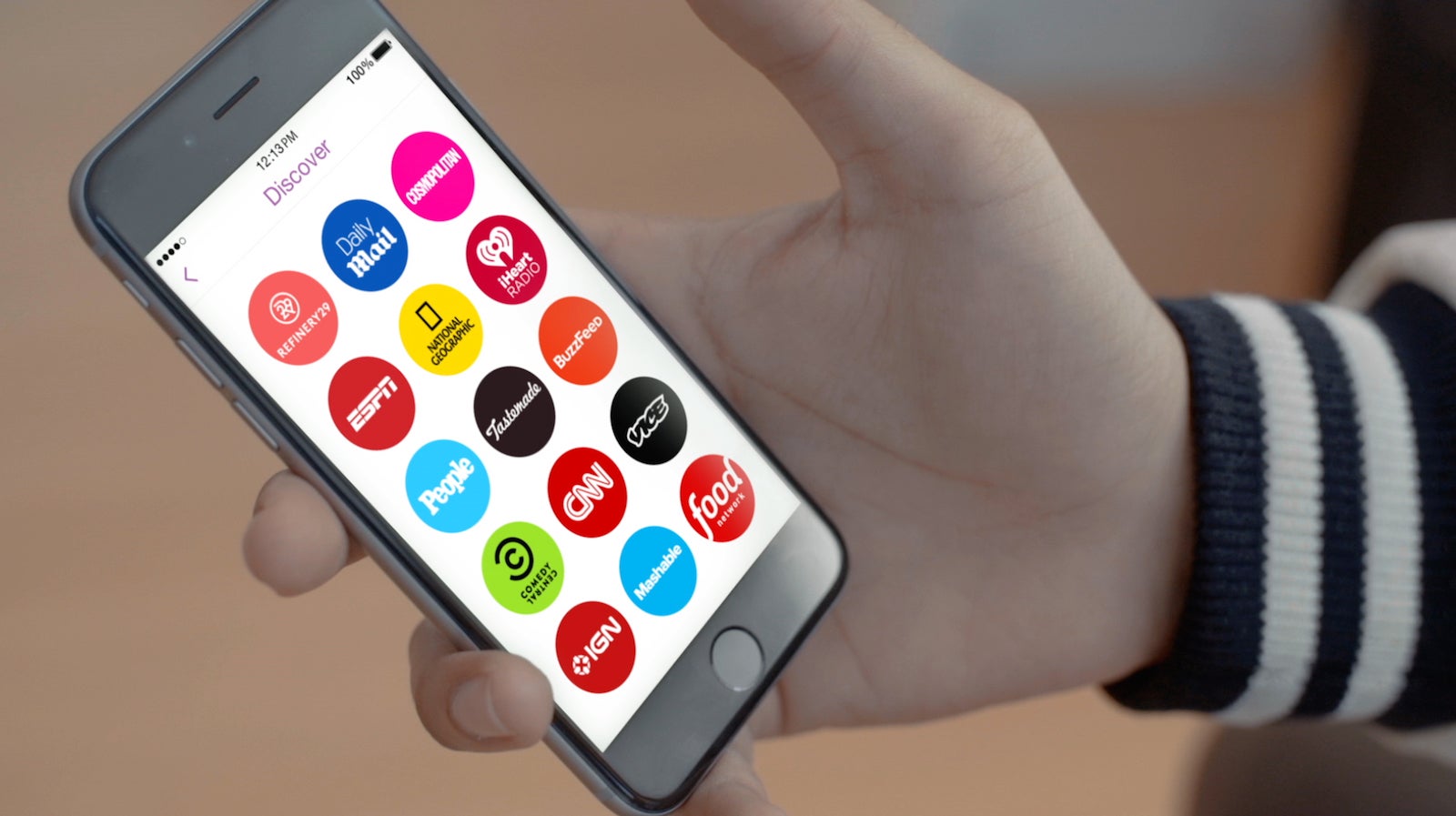
Even the teens aren’t happy with all the content on Snapchat.

One of Snapchat’s trademark features is that photos and videos disappear. That aspect resonates particularly with young people, who’ve become wary of publicly sharing things online.

Bitcoin has been on a wild ride.

Between Facebook Live and Twitter’s Periscope, the most popular live-streaming apps are owned by multi-billion dollar tech giants. So how is it that an independent live-broadcast app has been sitting at the top of the App Store’s top free downloads list?

In social media, your platform is only as good as the content your users create on it.

If there was such a thing as a Holy Grail in technology, virtual and augmented reality would probably be it. Every tech giant—from Google and Facebook to Microsoft and, reportedly, even Apple—have been researching how to connect our physical and digital worlds cohesively.

PayPal is slowly dipping its toes in the bitcoin waters.

Apple Pay, the iPhone maker’s mobile wallet service, has received a tepid response from the US public since it was released in September 2014. The problem has been twofold: First, it can’t be used in that many places yet, as retailers have been slow to upgrade their equipment. Second, pulling a credit card out of your wallet isn’t a big deal. Sure, the process has gotten a bit more cumbersome with chip cards, but it remains one of the smaller inconveniences in life.

By now, you’ve probably heard of Snapchat. It’s an app that lets you send quickly disappearing messages, photos, and videos, either directly to select friends or to everyone who follows your Snapchat account.

Hacking is a two way street.

The Canadian Space Agency is looking to hire two new astronauts and is accepting applications from Canadian citizens and residents through August 15. Some requirements are pretty standard, like a resume, a 1,000-word cover letter. There’s also a list of physical requirements, for things like height, weight, vision, and blood pressure, and a master’s or PhD in science or engineering is preferred.

Cannes Lions, which kicks off on Saturday (June 18), is arguably the biggest advertising event of the year. So it comes as no surprise that Snapchat on Friday rolled out a flashy new YouTube video touting itself as a premiere destination for advertisers keen on reaching the coveted millennial set.

It looks like Snapchat has some explaining to do.

You’ve probably heard about “the blockchain” recently. A lot. The technology underpinning bitcoin has attracted billions in venture capital funding, the interest of almost every global bank, and the attention of governments around the world. Essentially a digital distributed ledger that anyone on the internet can access, the system has the ability to keep information secure, create a permanent record of transactions to avoid fraud, and instantly transfer assets. But for all the talk, it’s simply not that useful yet. For now, the technology is stuck in the back offices of financial firms, an area that the average person doesn’t care about or really benefit from.

Developer conferences are traditionally all about empowering app makers, and suddenly Apple’s is no different. During a keynote address at the company’s annual Worldwide Developer Conference (WWDC) today (June 13), the tech giant opened up many of its well-known apps—Siri, iMessage, and Apple Maps among them—to third-party developers.

Apple delivered its keynote address at its Worldwide Developers Conference in San Francisco this morning (June 13). Here are the major announcements from the event: