
Tech & Innovation
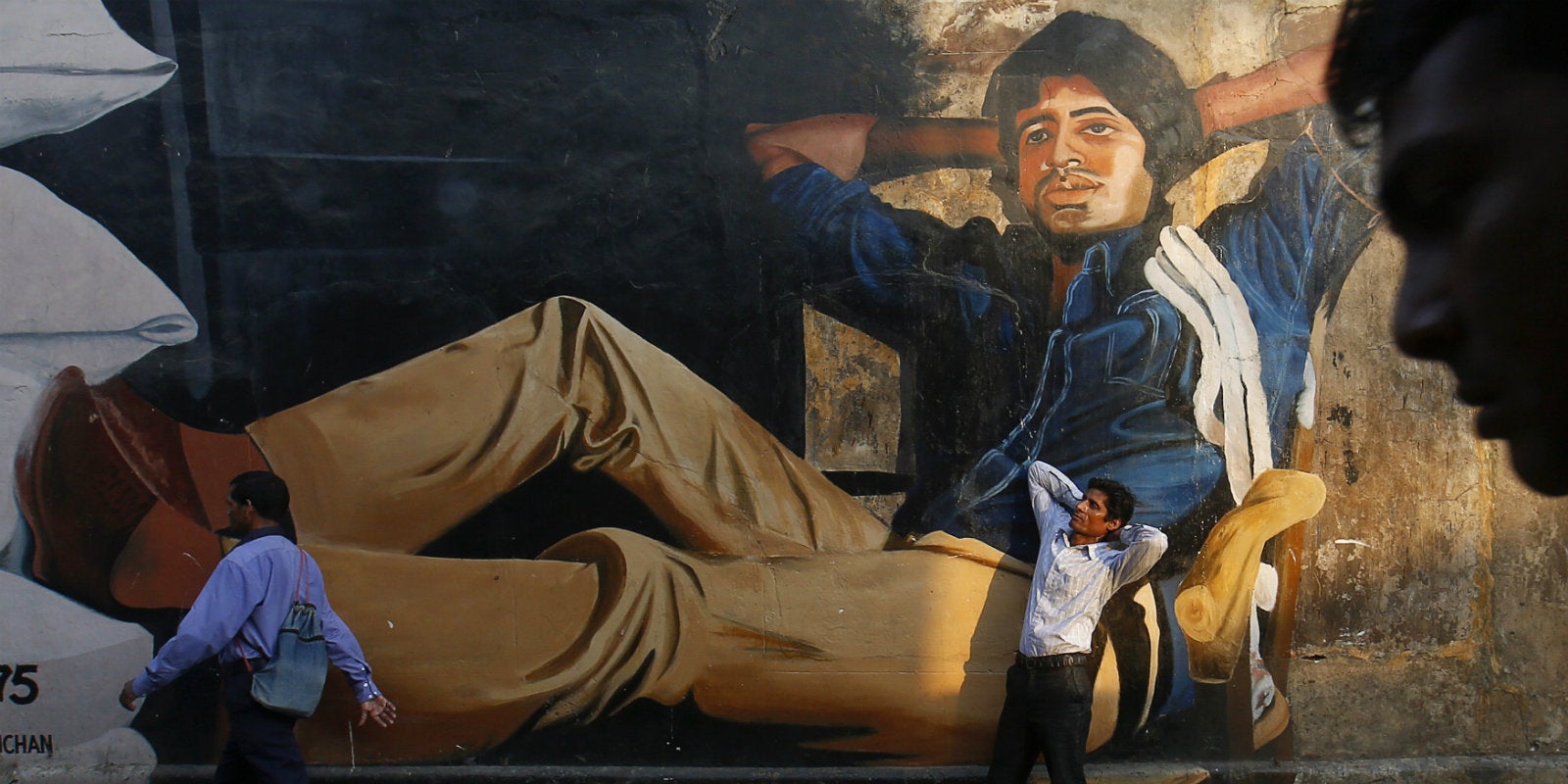
Google is courting India by bringing Bollywood one click closerIndia loves Bollywood and Google definitely knows it.
Updated July 21, 20222 min read
India loves Bollywood and Google definitely knows it.
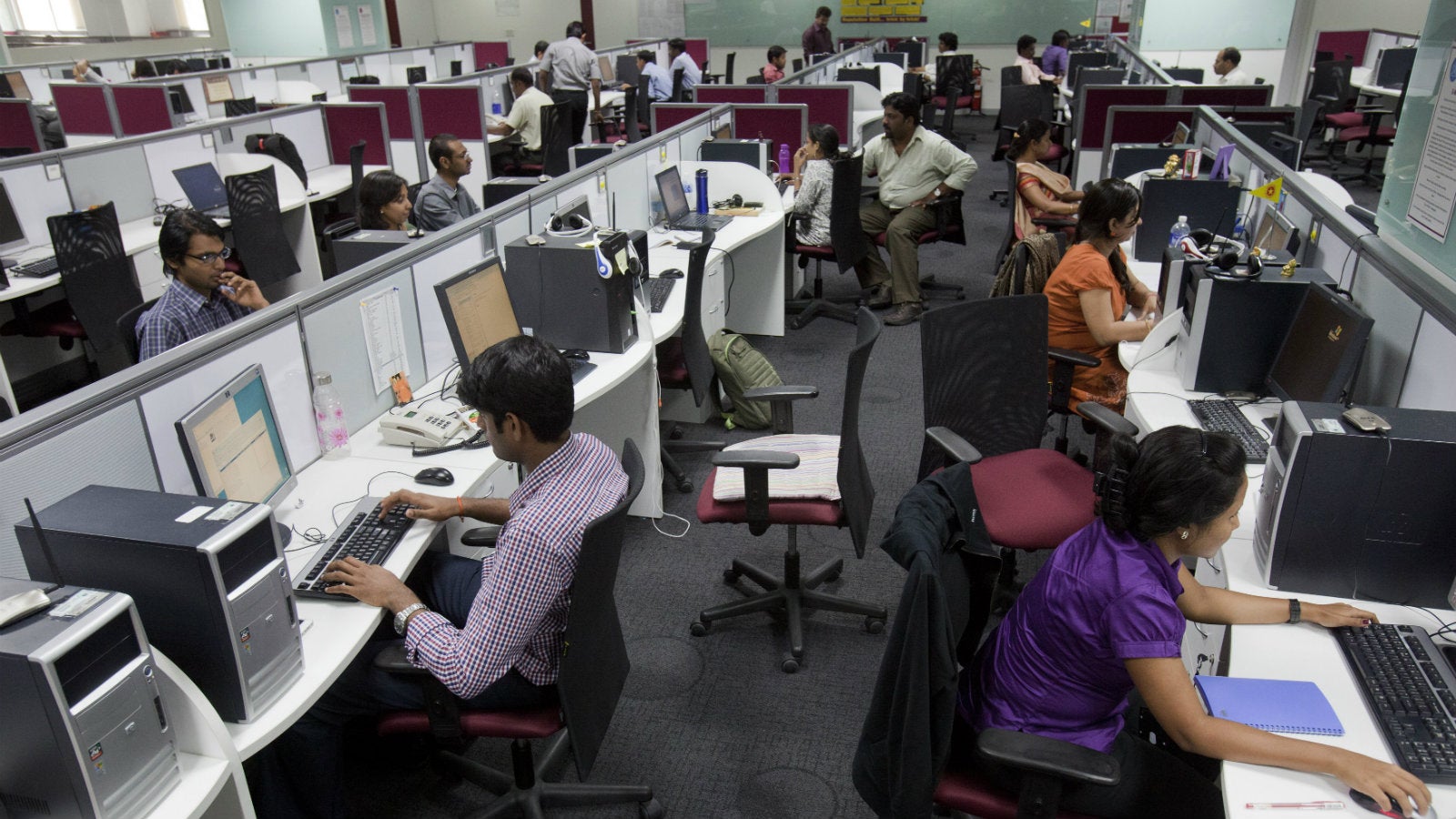
Despite working longer hours, Indian office workers are much happier with their jobs than workers in the US and the UK.
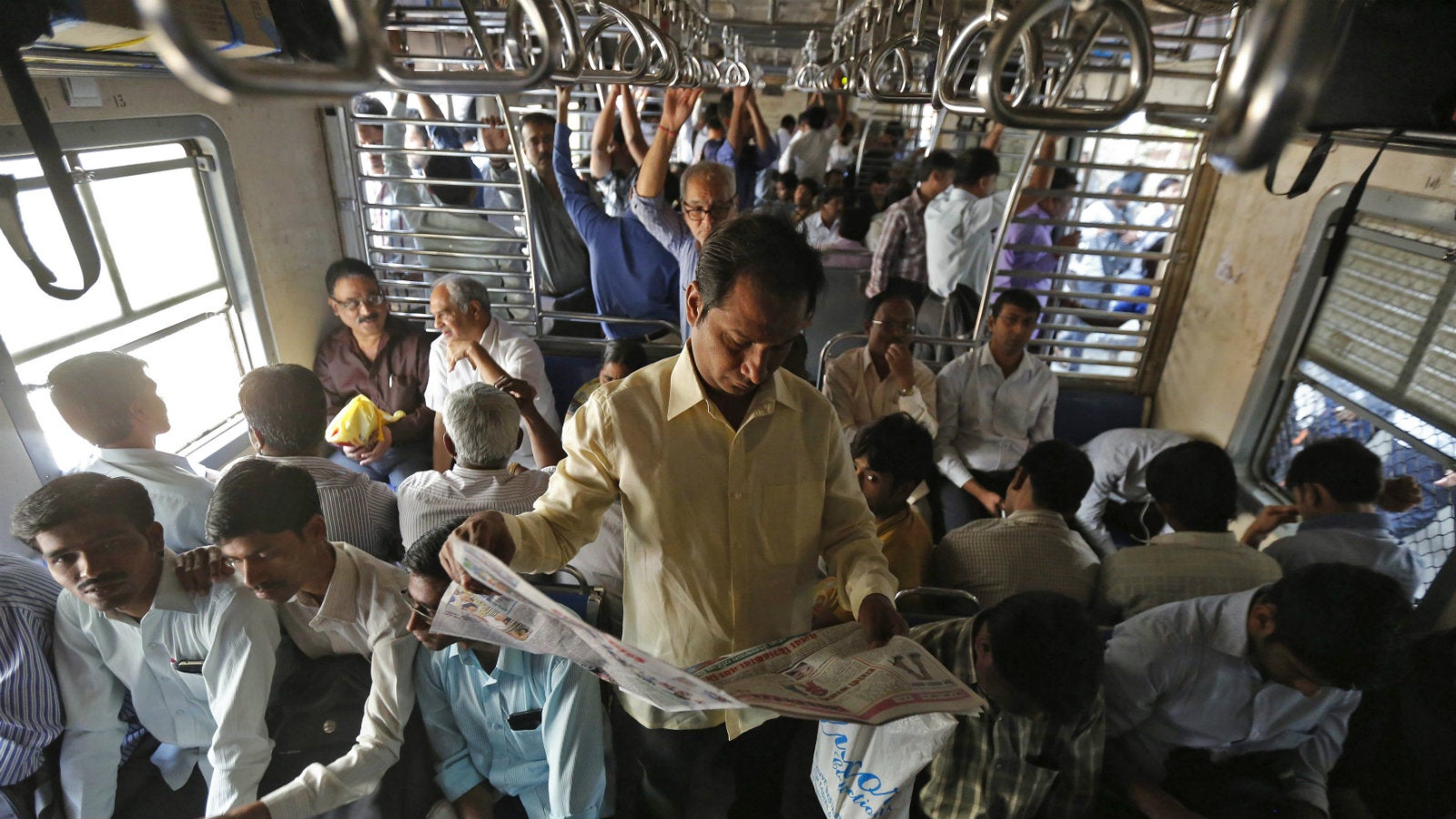
Between 2012 and mid-2015, the Indian startup industry was on the cusp of a boom. Fortunes seem to have suffered a reversal since. This year, the sector was seen hobbling from one mistake to another.
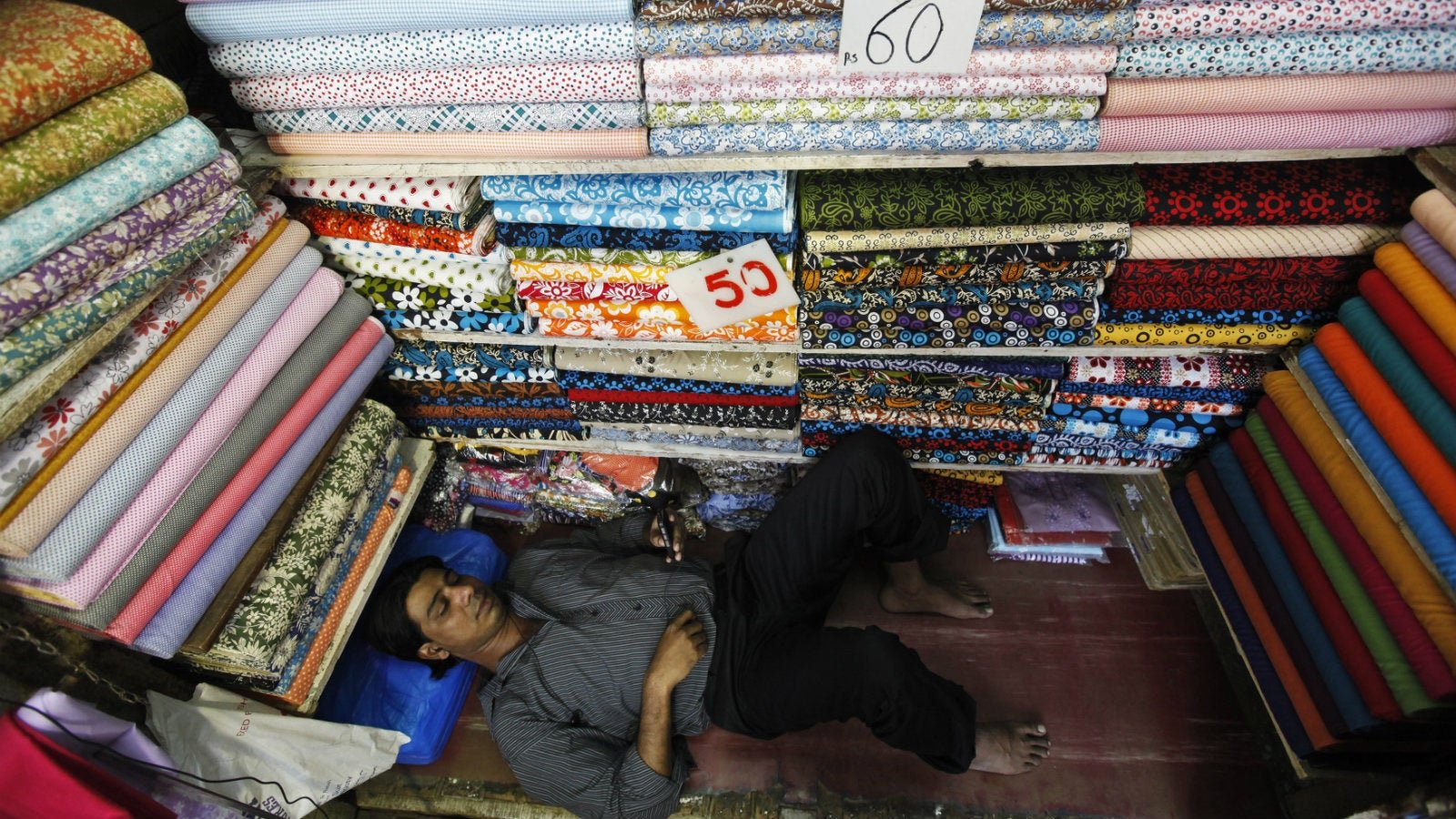
Sellers in India are more familiar with Seattle-headquartered Amazon than their own home-grown e-commerce giants.
India is getting concerned by a string of fatalities involving selfie-takers. By at least one estimate, 19 of the world’s 49 known selfie-linked deaths since 2014 have occurred on the subcontinent.
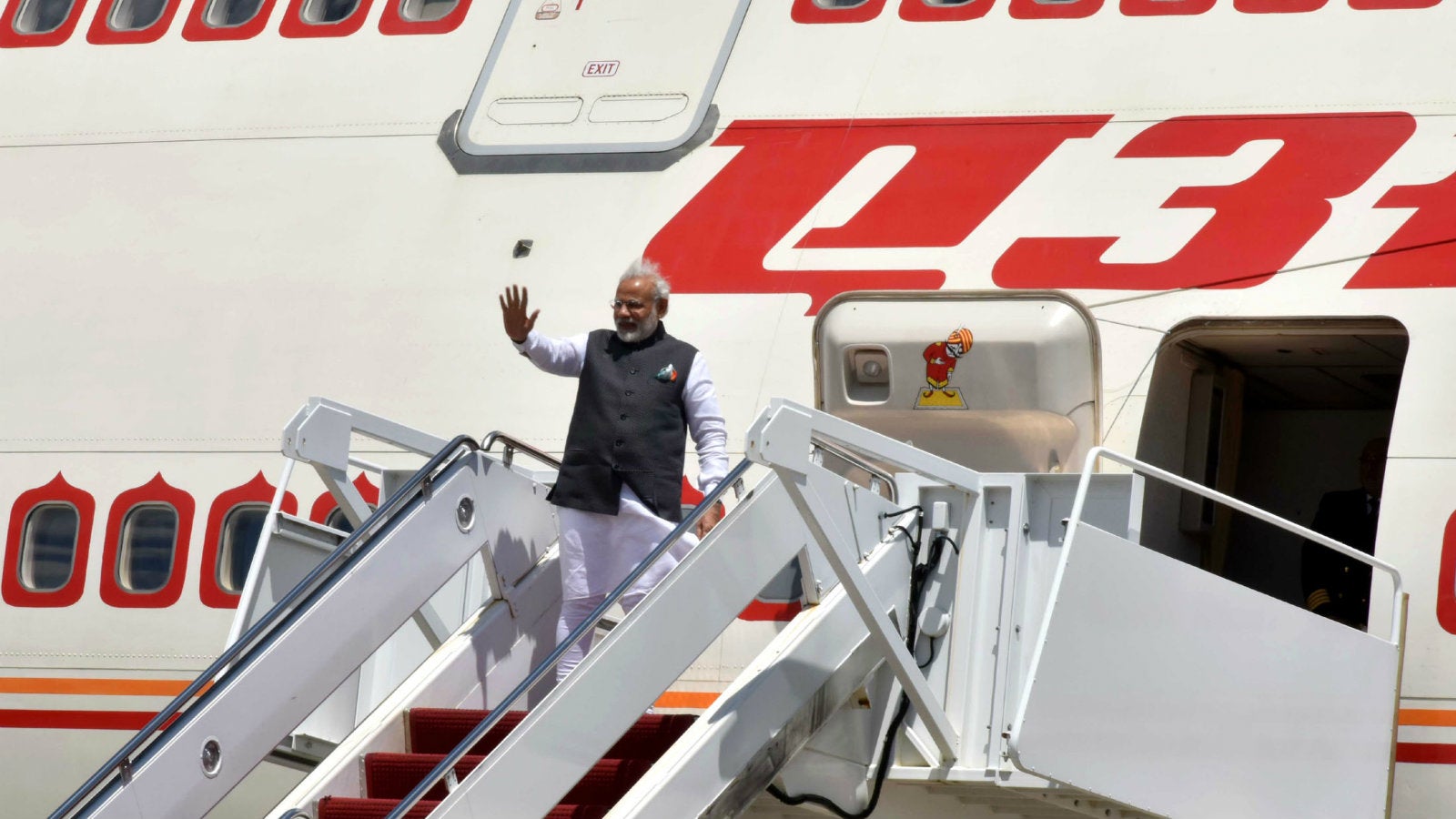
Indian prime minister Narendra Modi would have generated an impressive amount of air miles in the last week if he was travelling on commercial airlines.
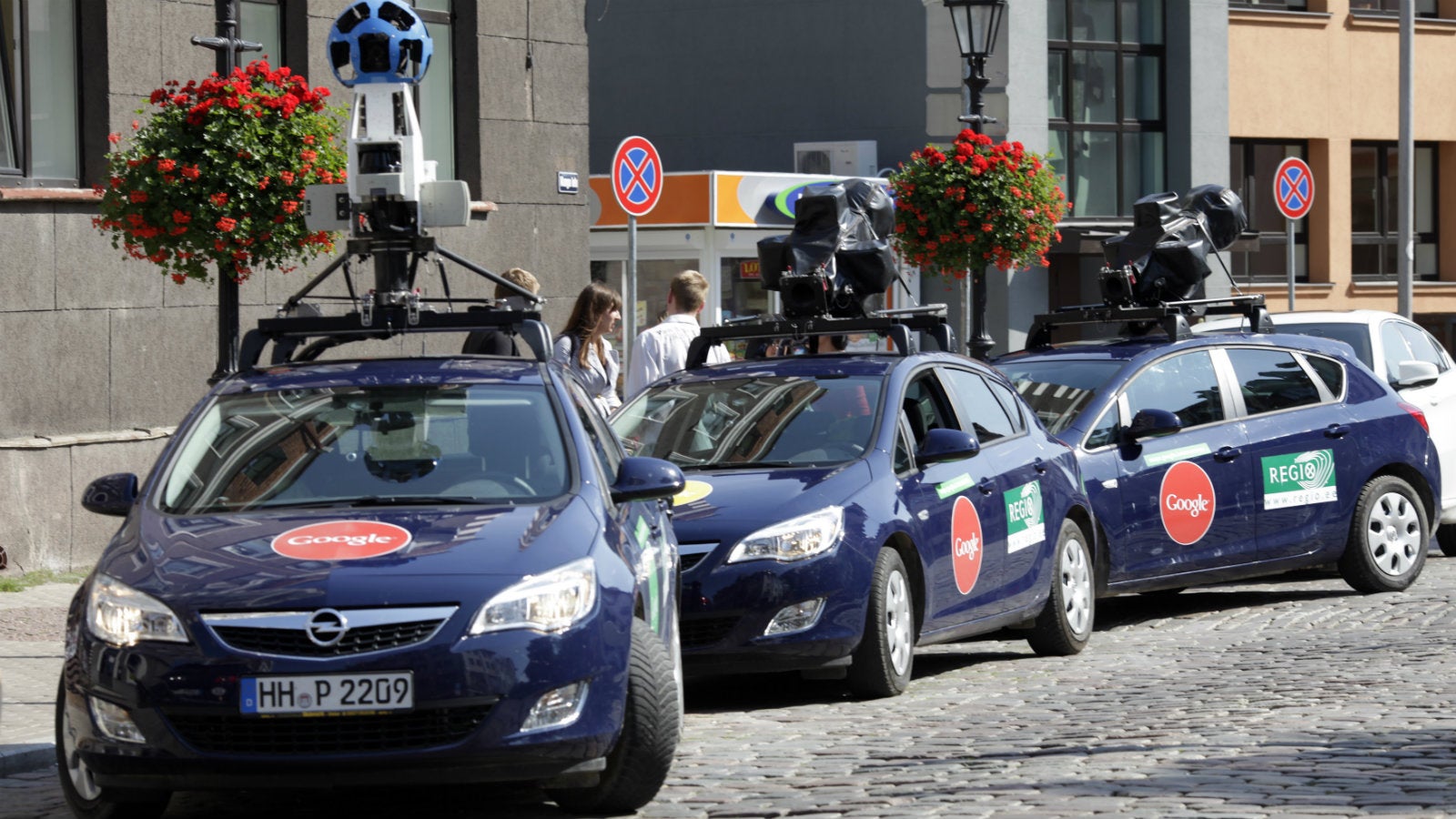
Citing security concerns, the Indian government has rejected Google’s plan to include the country in its Street View feature, which lets users get panoramic views of streets.

Indian startups are hemorrhaging top talent by the dozen, and they are in no position to attract replacements given the grim business sentiment.
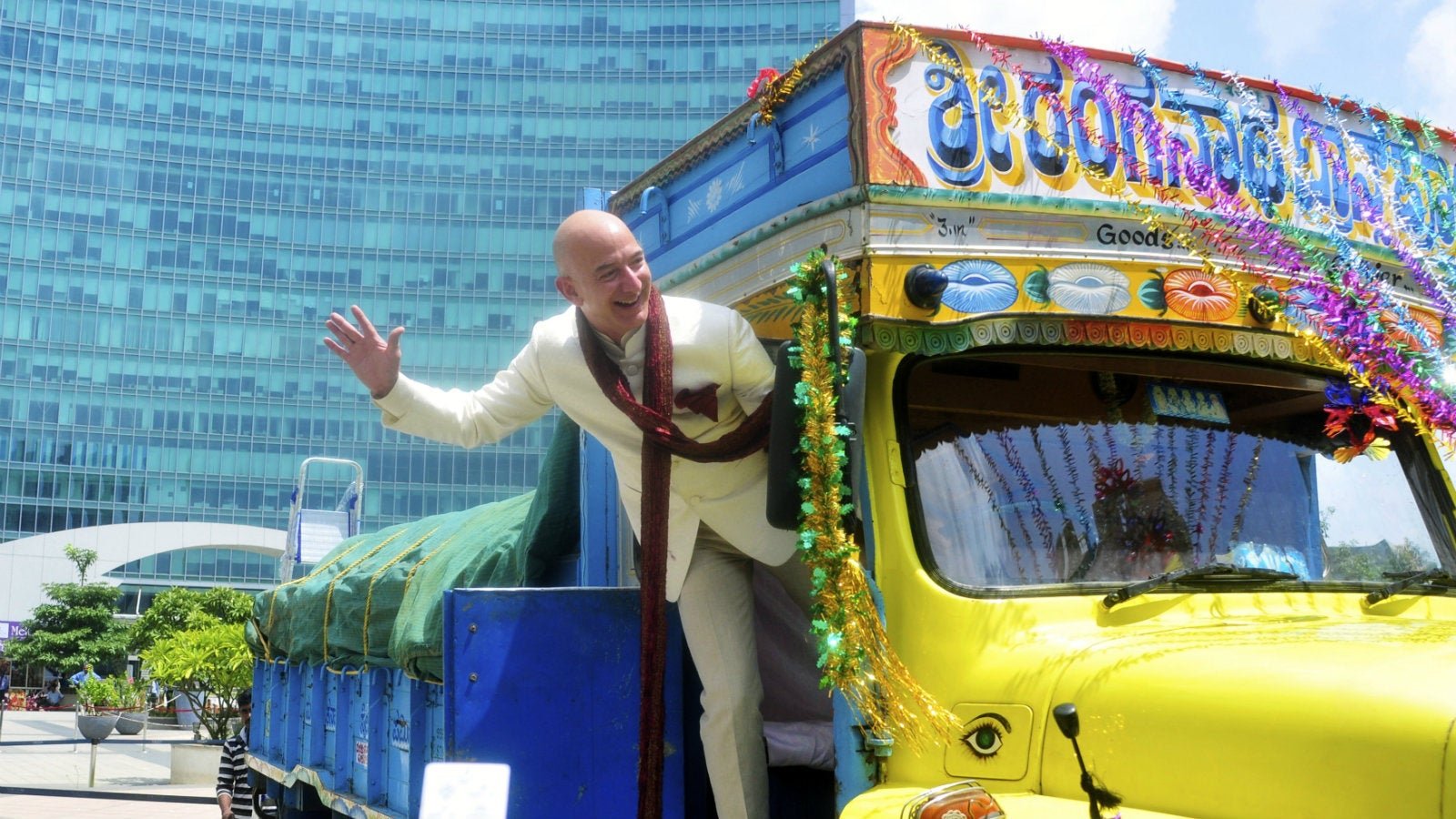
Amazon just upped its game in India.
The Indian government may soon start acting like a pesky grandmother.
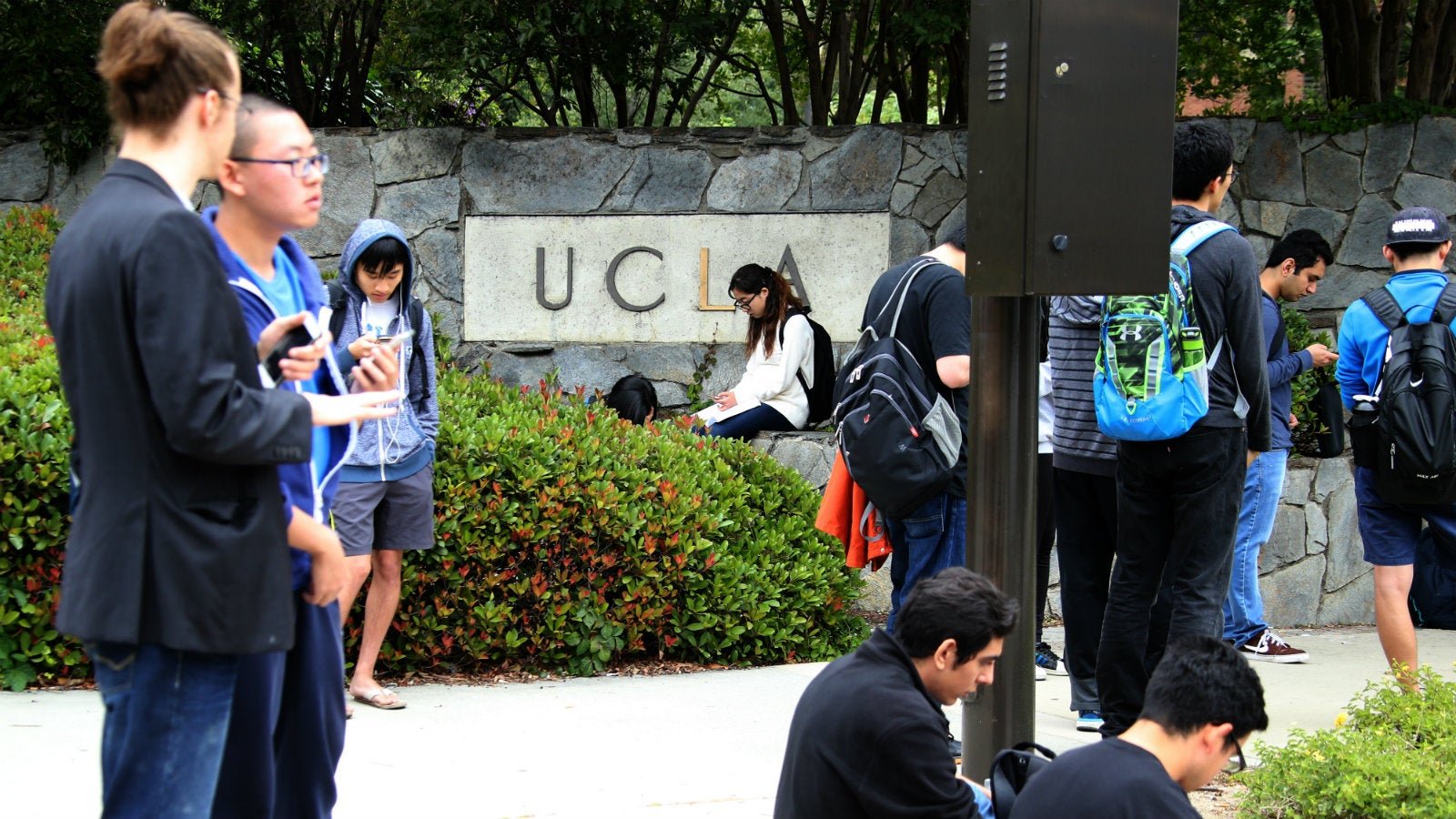
The gunman who killed UCLA engineering professor William Klug before committing suicide on June 1 has been identified as Mainak Sarkar, a 38-year-old graduate of the prestigious Indian Institute of Technology (IIT)-Kharagpur, Hindustan Times newspaper reported.
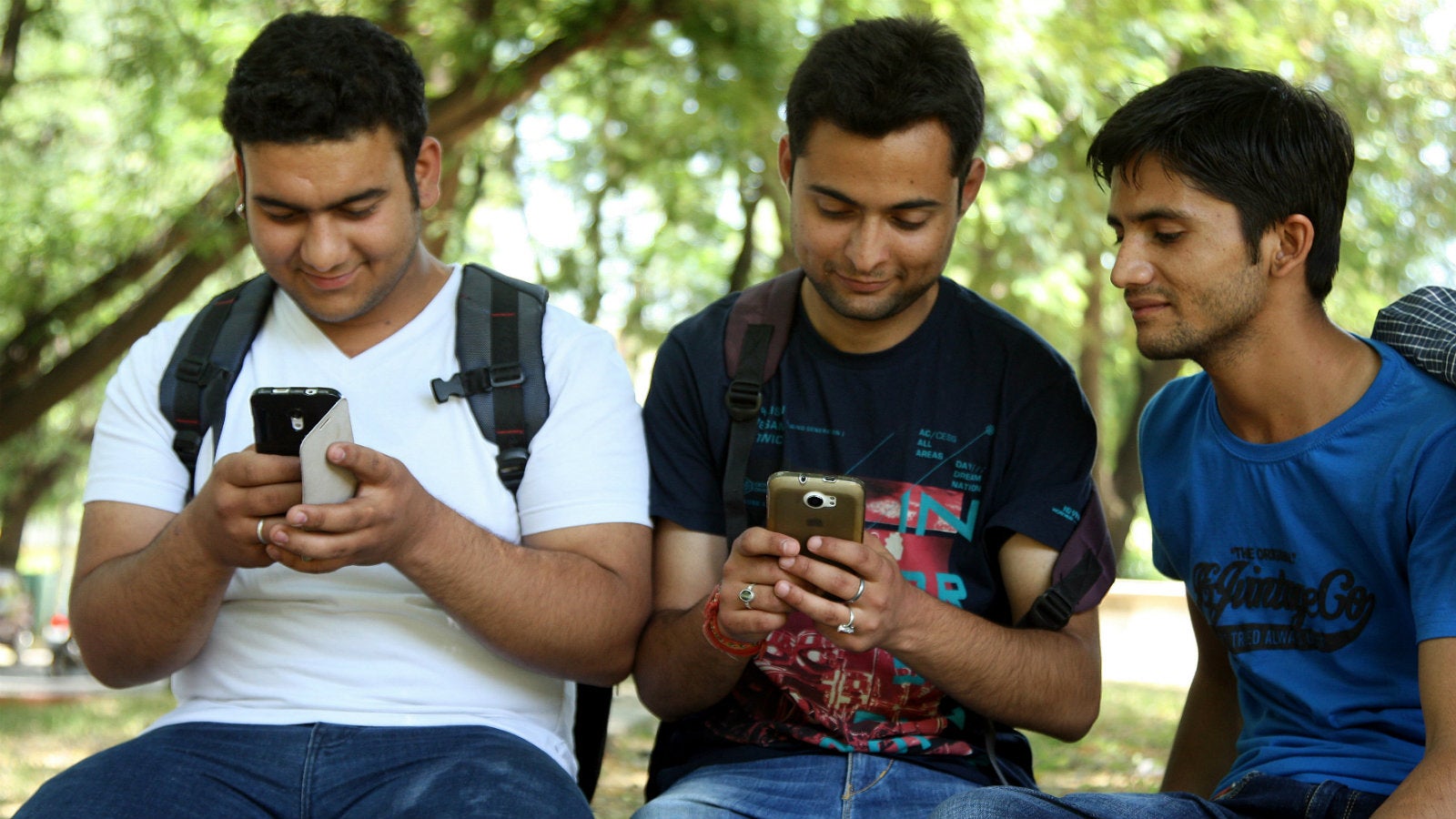
Many Indians can’t buy even the cheapest of smartphones.
At 148 years old, India’s salt-to-steel conglomerate Tata Group wants to get hip and cool.
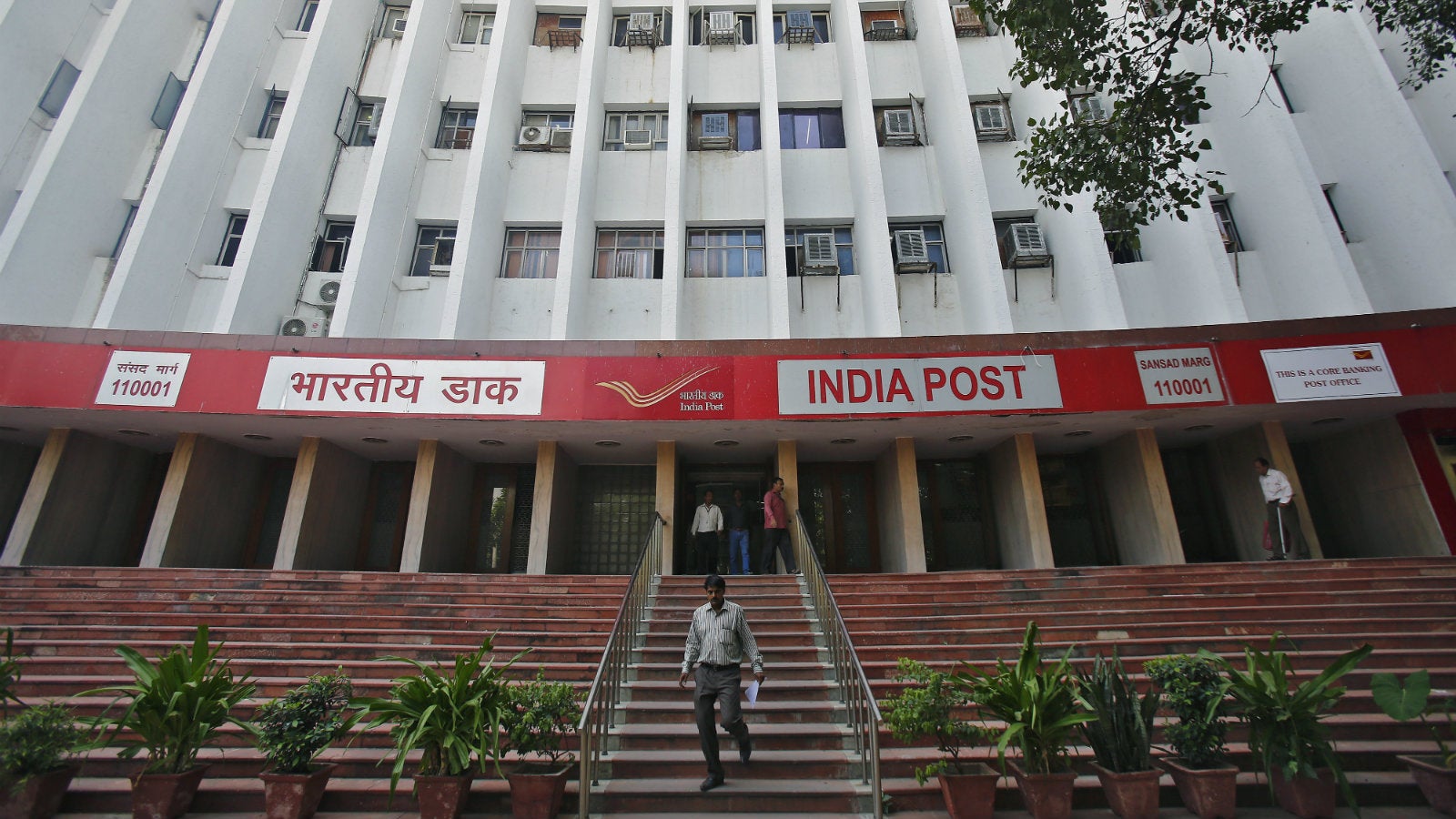
In 1837, the British consolidated India’s postal system into one nationwide service. Almost 180 years later, the world’s largest postal network is going to transform into a bank.
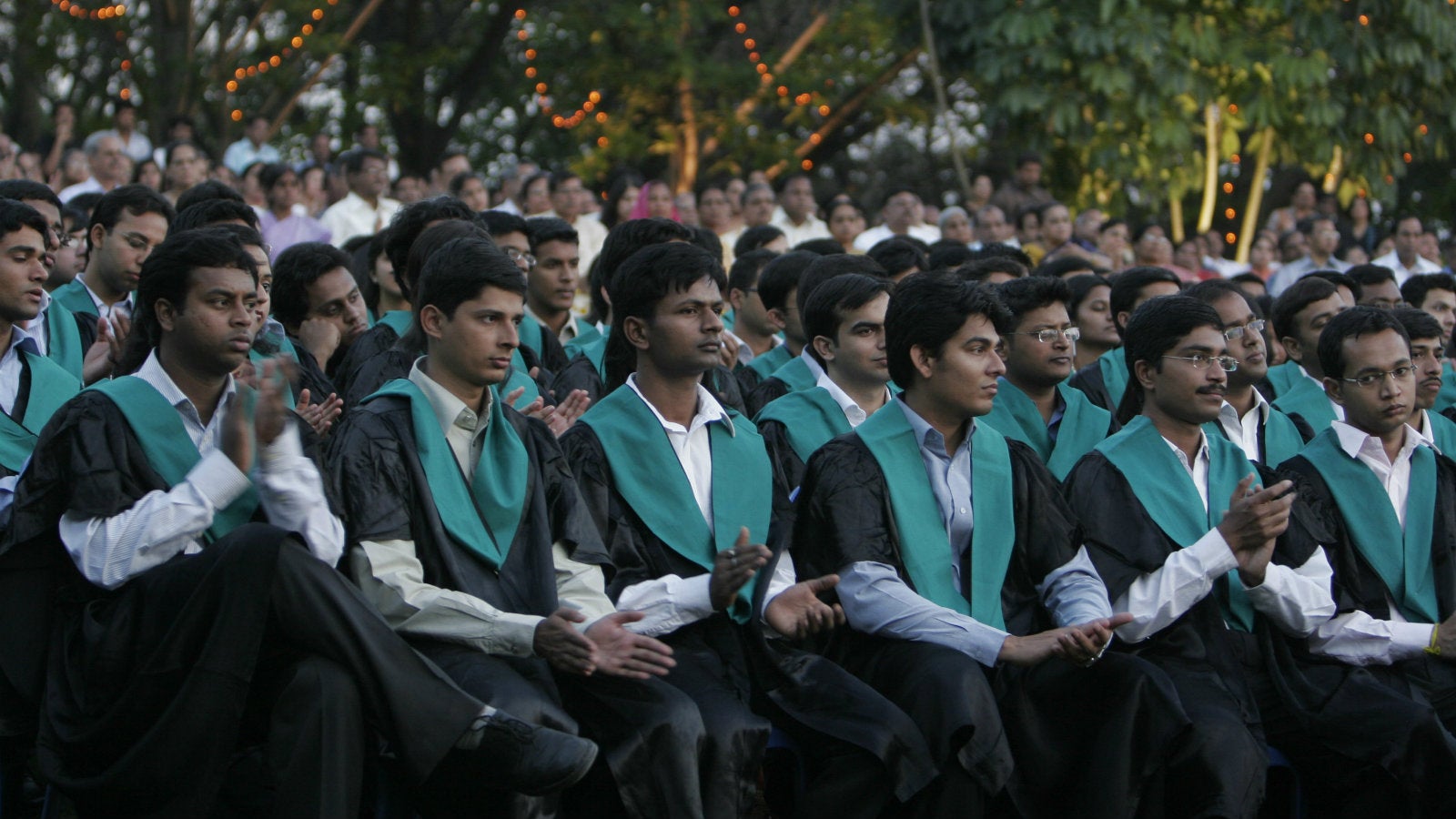
India’s elite engineering and management schools want to create a safety net for their students to hedge the risks of joining startups—which are, somewhat ironically, supposed to be all about taking risks.
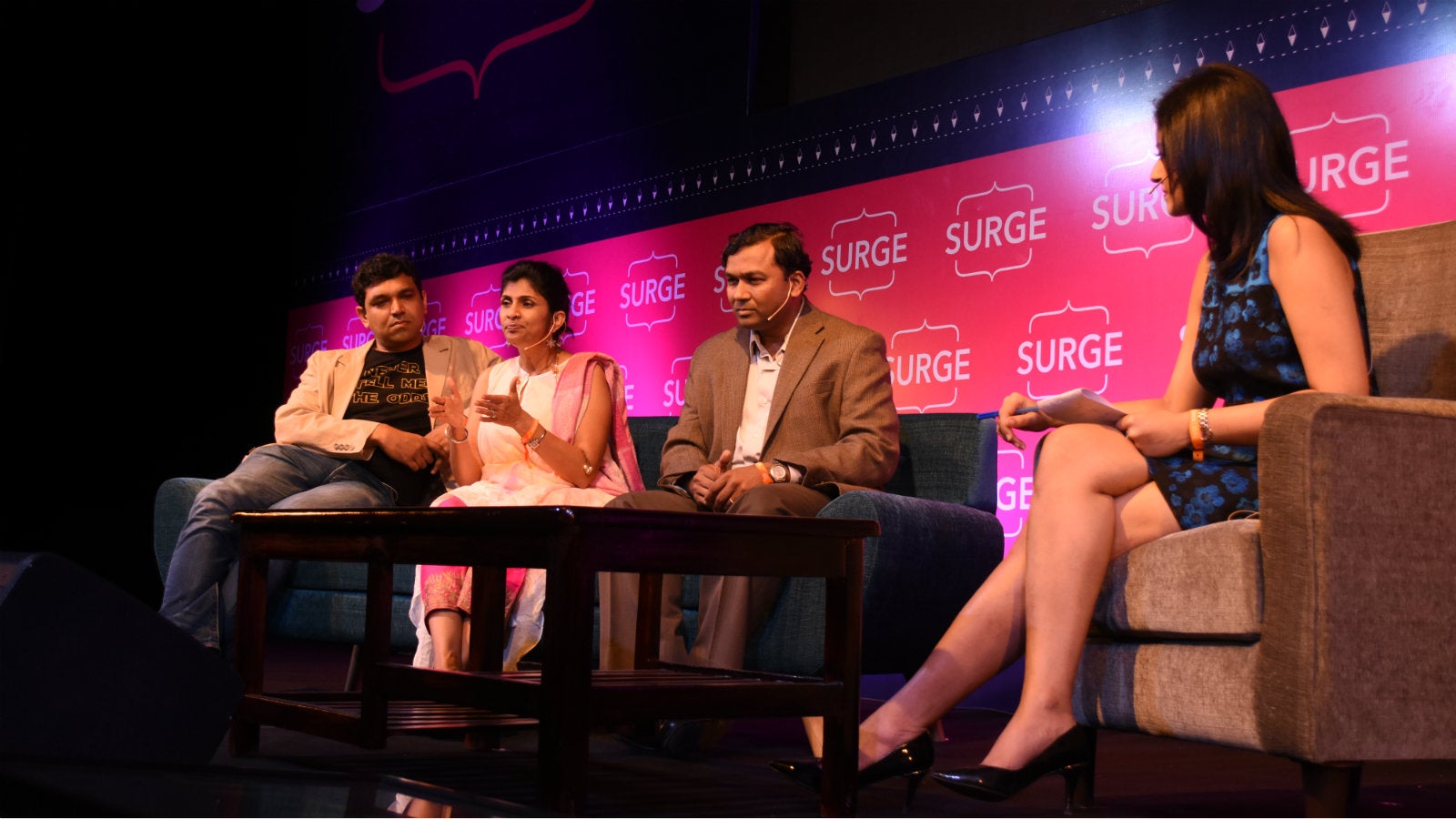
In December, a friend who is also a public relations executive asked me if I could suggest the names of a few women entrepreneurs to speak at an event on India’s technology startups. “The client wants to include a discussion about women and entrepreneurship,” he said.
India’s best B-school and India’s most valuable startup are at loggerheads.

Zomato has probably never had to battle these many negative headlines in its eight years of existence.

India’s leading e-commerce companies have abandoned the one metric they had held dear since inception.
Playing fast and loose pays.
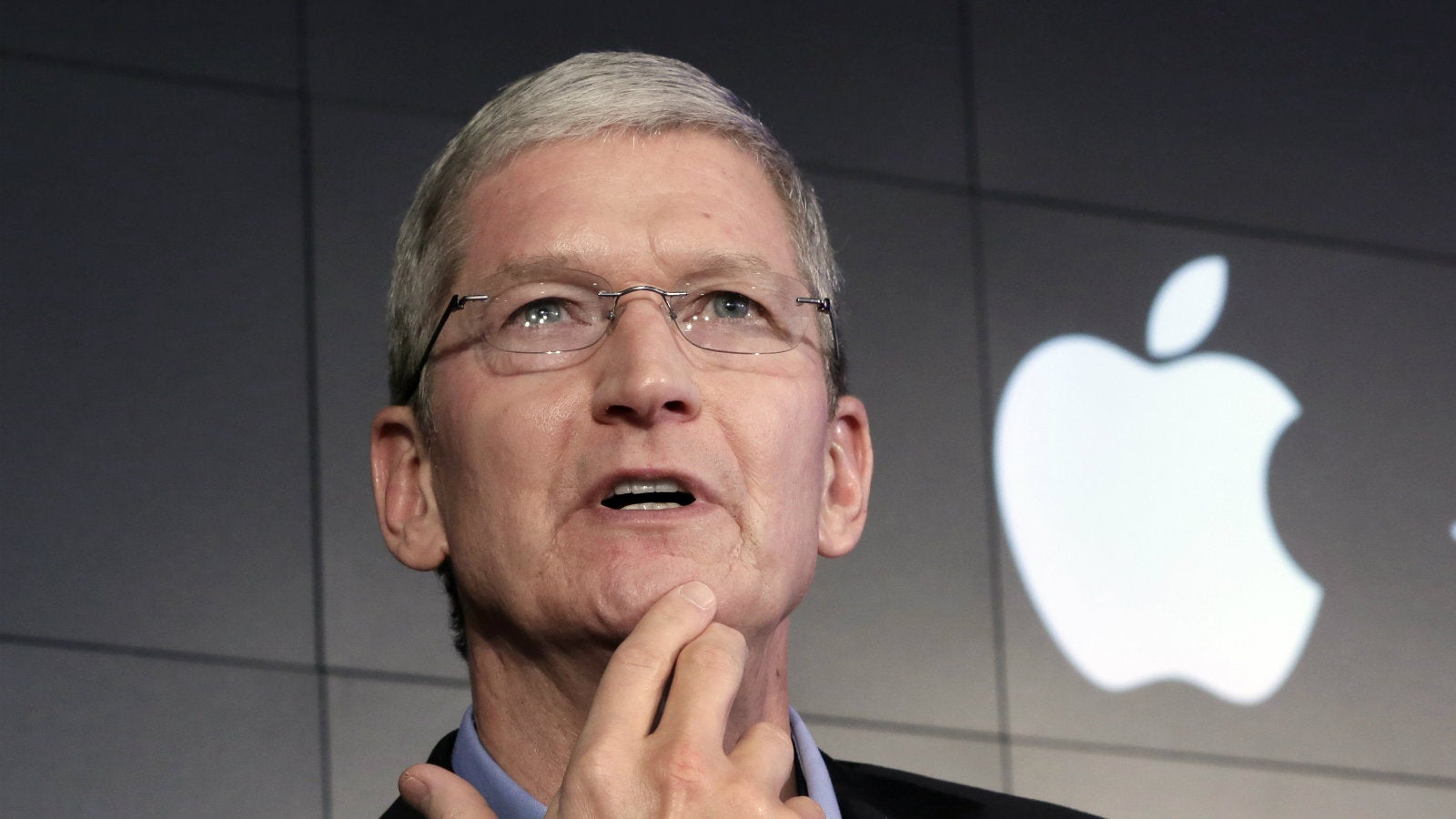
In September 2014, Apple launched the much-awaited iPhone 6 and iPhone 6 plus. The new phones were launched in 10 countries, including Hong Kong and Singapore in Asia, on the same day. But as has been the case for over a decade, Apple neither launched the two devices in India nor announced a date by which the smartphones would be made available in the country.
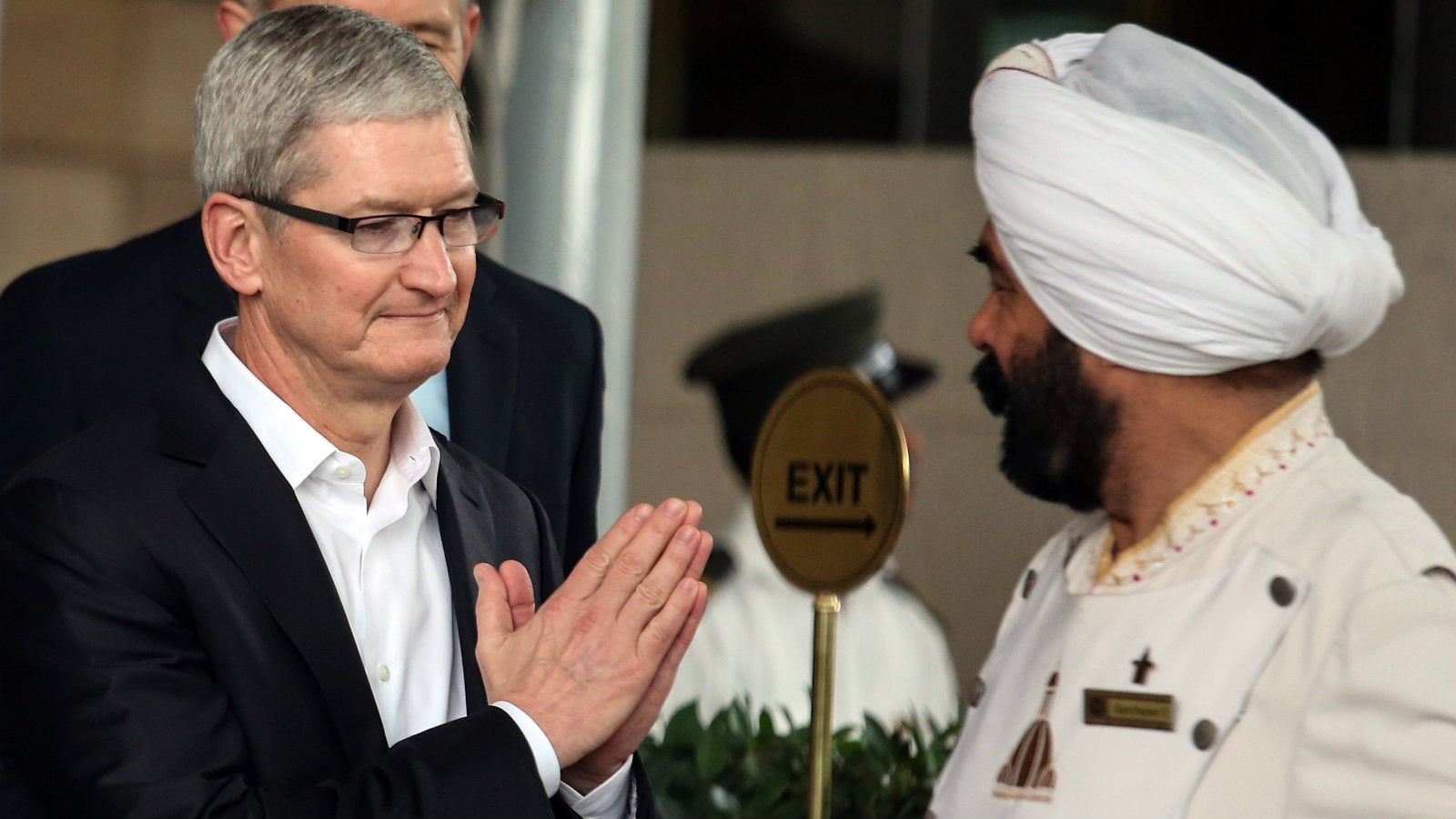
Within the first two days of his first official trip to India, Apple CEO Tim Cook has managed to experience everything that Indians hold sacred—religion, Bollywood, and cricket.

The Indian government is not quite ready to accept that India is one of the most polluted countries in the world. And to prove this, the country will release its own data on pollution across the world.
Apple CEO Tim Cook kicked off his first official trip to India in the wee hours of May 18. His early morning call, however, was not to discuss business but seek divine blessings.