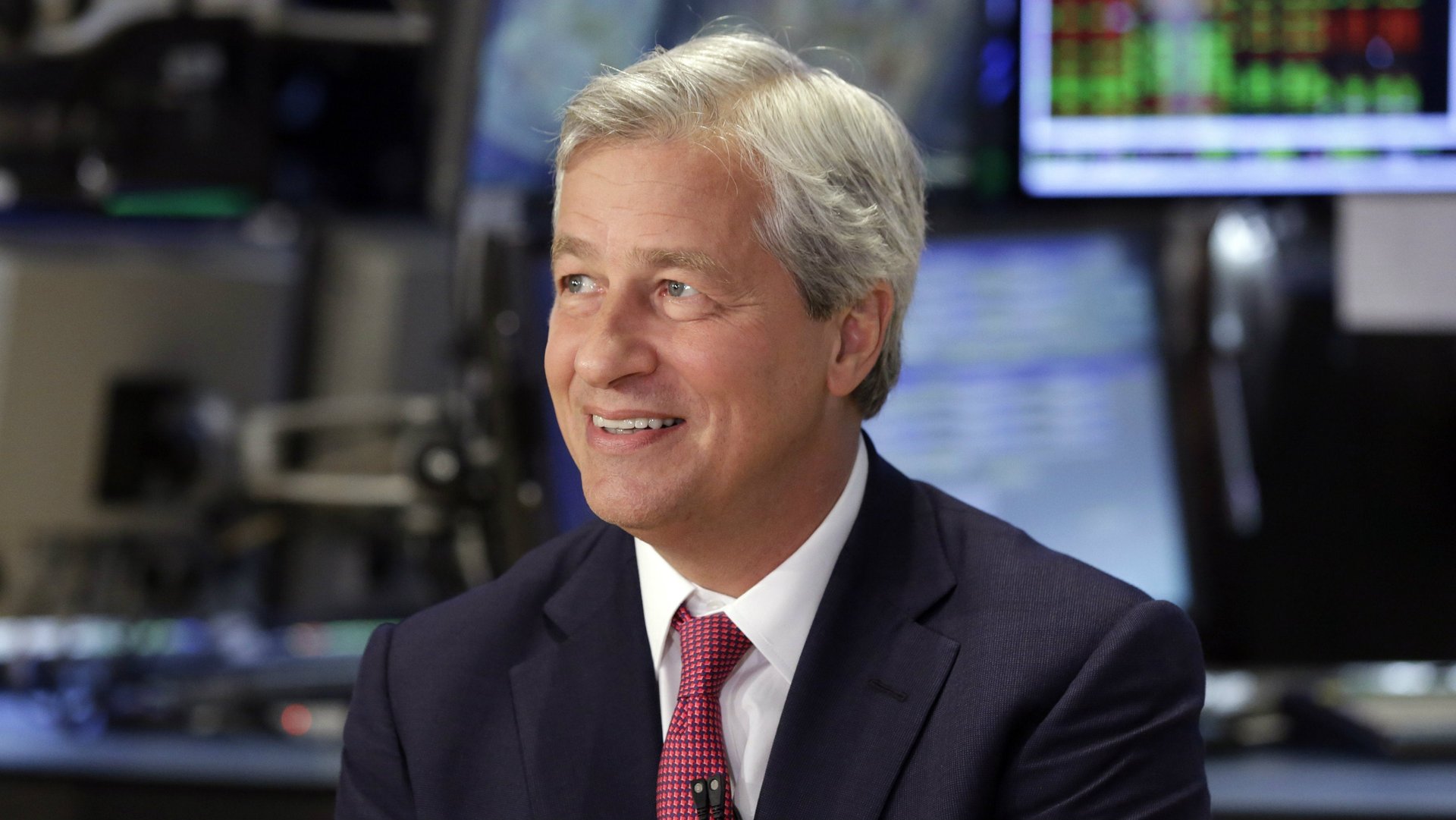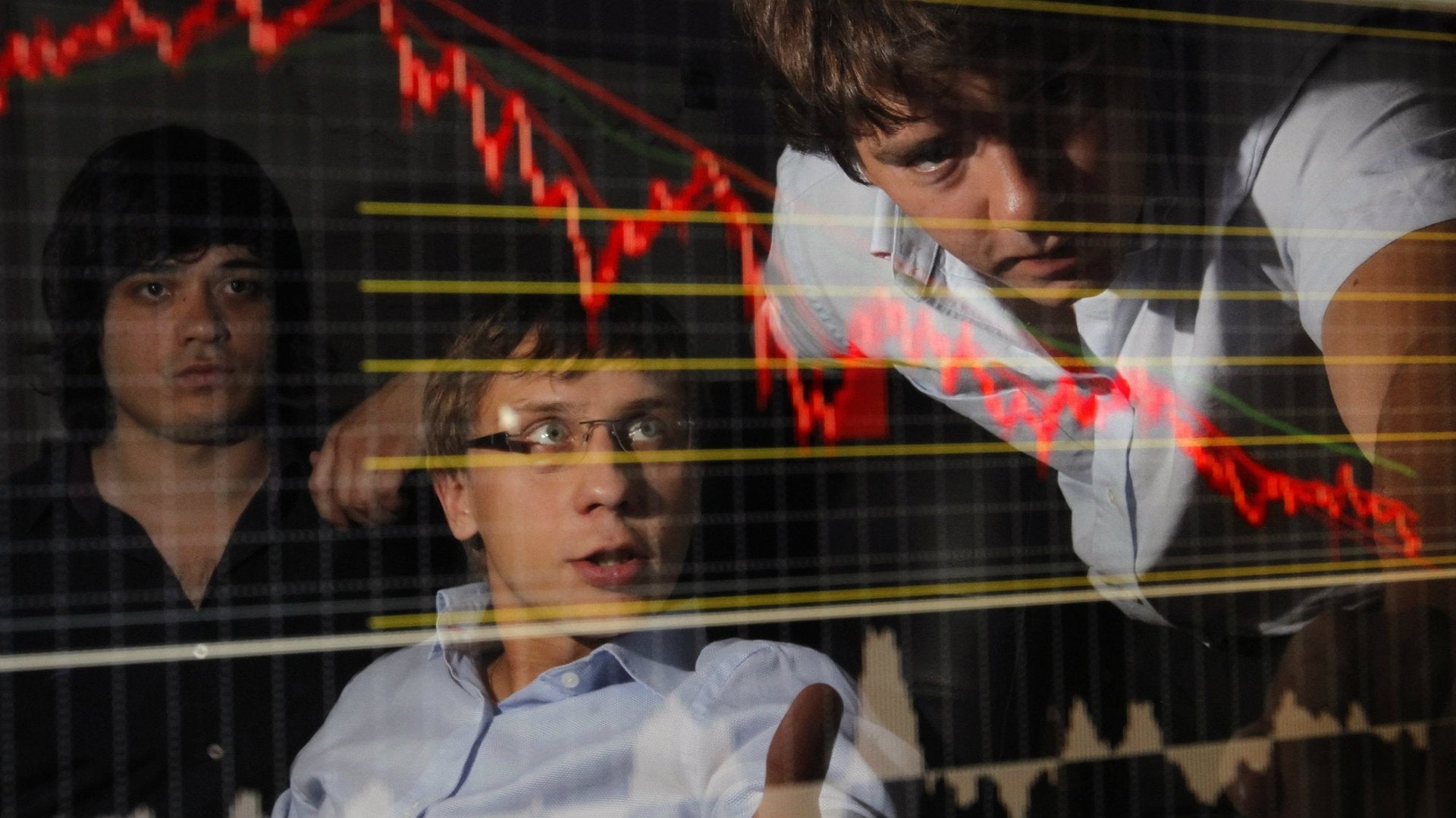
“In the past few months, a great deal has been said about us which deflects attention from our clients.” When you run a bank that’s described as “the next Lehman Brothers,” that’s an understatement.

“In the past few months, a great deal has been said about us which deflects attention from our clients.” When you run a bank that’s described as “the next Lehman Brothers,” that’s an understatement.

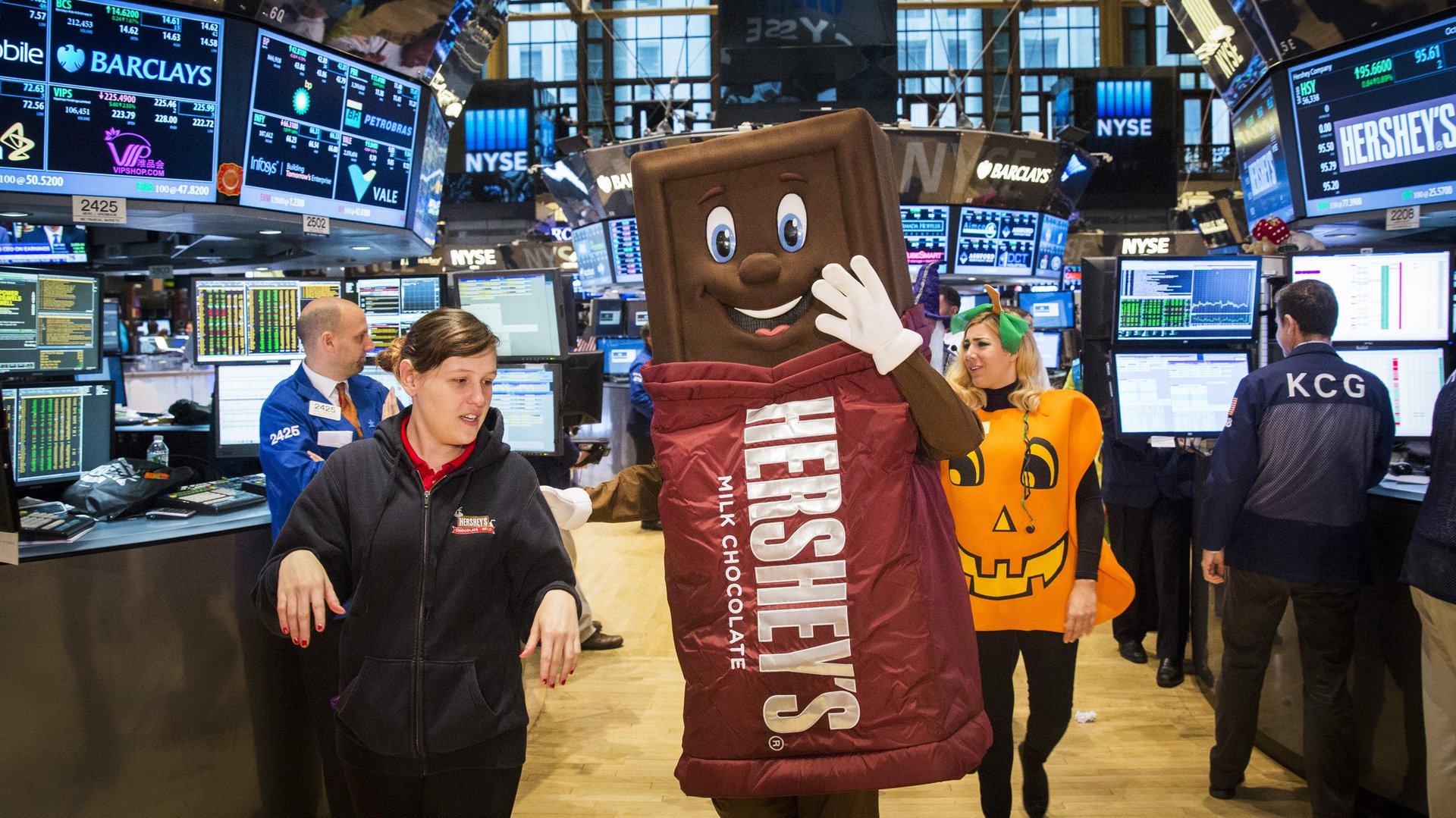
Coming up with a great Halloween costume is tricky. But coming up with one that tells people you are a switched-on, globally aware business professional? That’s damn near impossible.

You can’t spell “market capitalization” without “capitalization.” That’s the sort of insight that shrewd investors use to beat the market.

In recent years, appealing to nationalist, anti-immigrant sentiment has been a reliable vote winner in many parts of the world. From economic insecurity to the fear of terrorism, the factors fueling a populist rejection of immigration vary in each place.

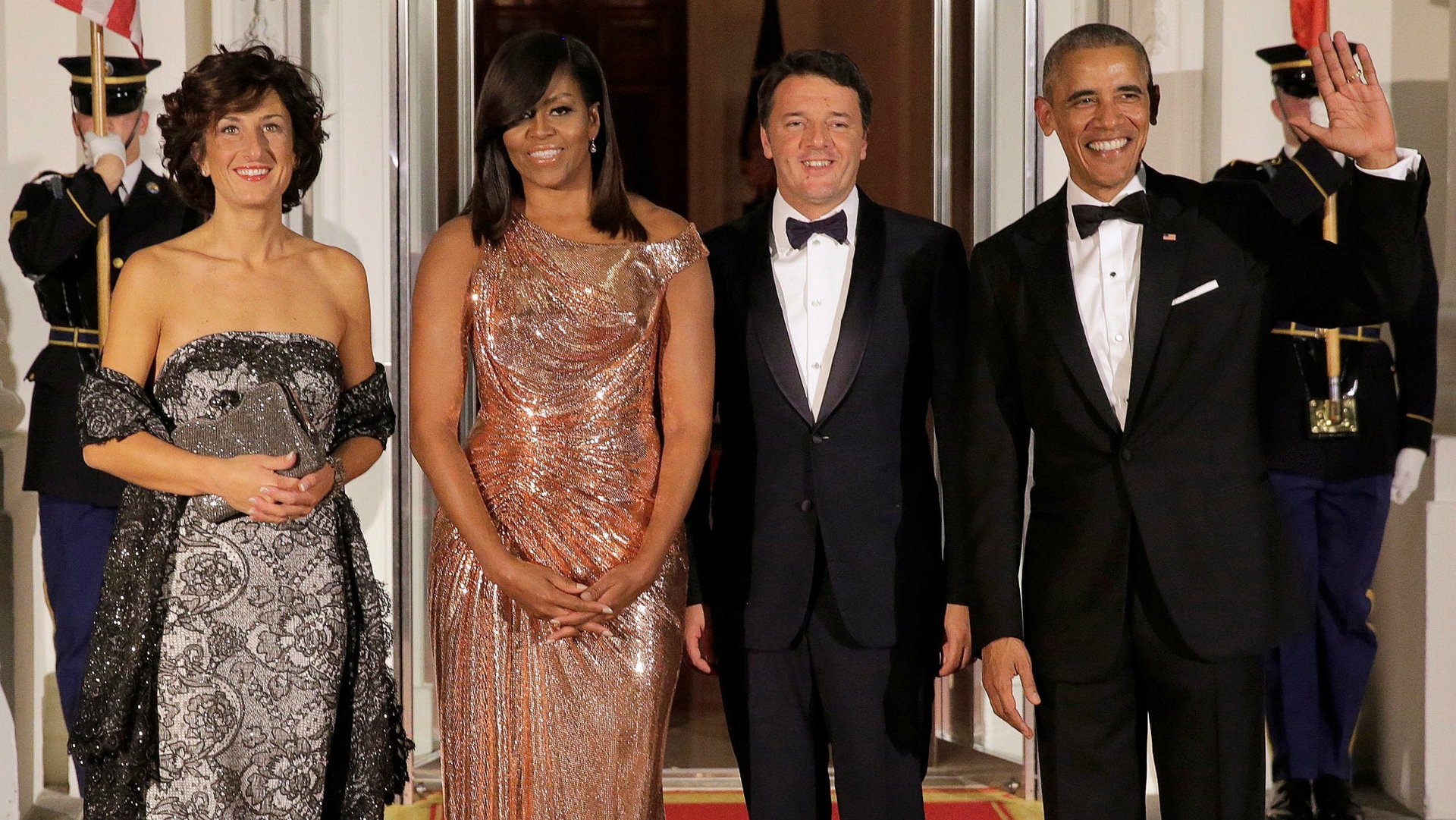
It’s a privilege to be invited for dinner in anyone’s home. When that person is the leader of the free world, it’s a bit more special.

Needless to say, this is not a good look for Burberry:

Welcome to the weird and wonderful world of bank accounting. In the third quarter, like the two others before it, JPMorgan Chase somehow made money from litigation. That is, over the first nine months of the year it has reported a negative “legal expense” worth nearly $550 million, boosting its bottom-line earnings.

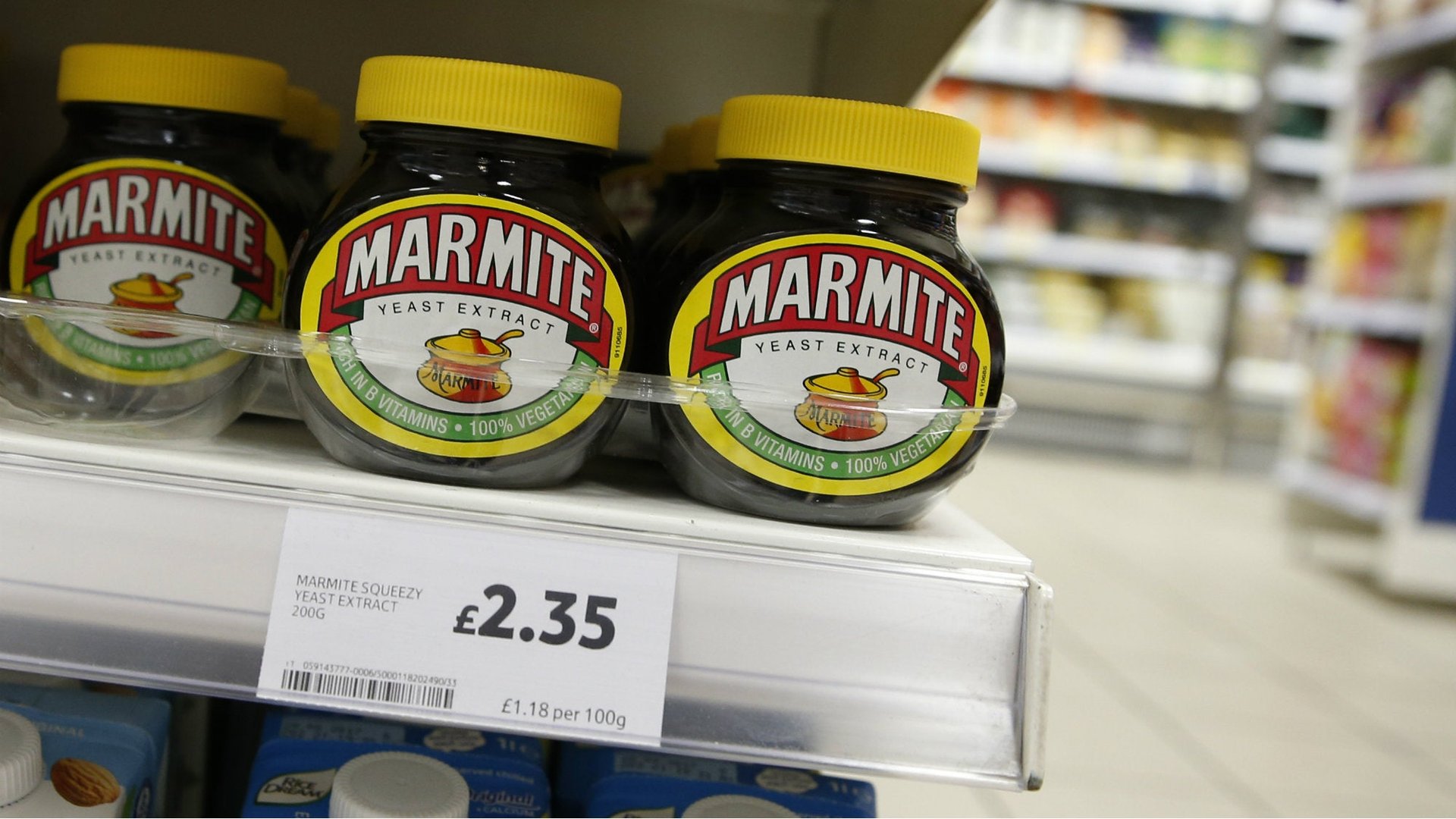
No hard feelings, it’s just business. This, in short, is the message from Unilever to anxious shoppers in Britain.

Three months, some bad trading days, and one “flash crash” after the UK voted to leave the EU, the British pound is down around 17% against the dollar, hovering near multi-decade lows.

It’s one month until the US presidential election, and the economy—as always—will play a big role in making up voters’ minds.

As the Wu-Tang Clan famously observed:

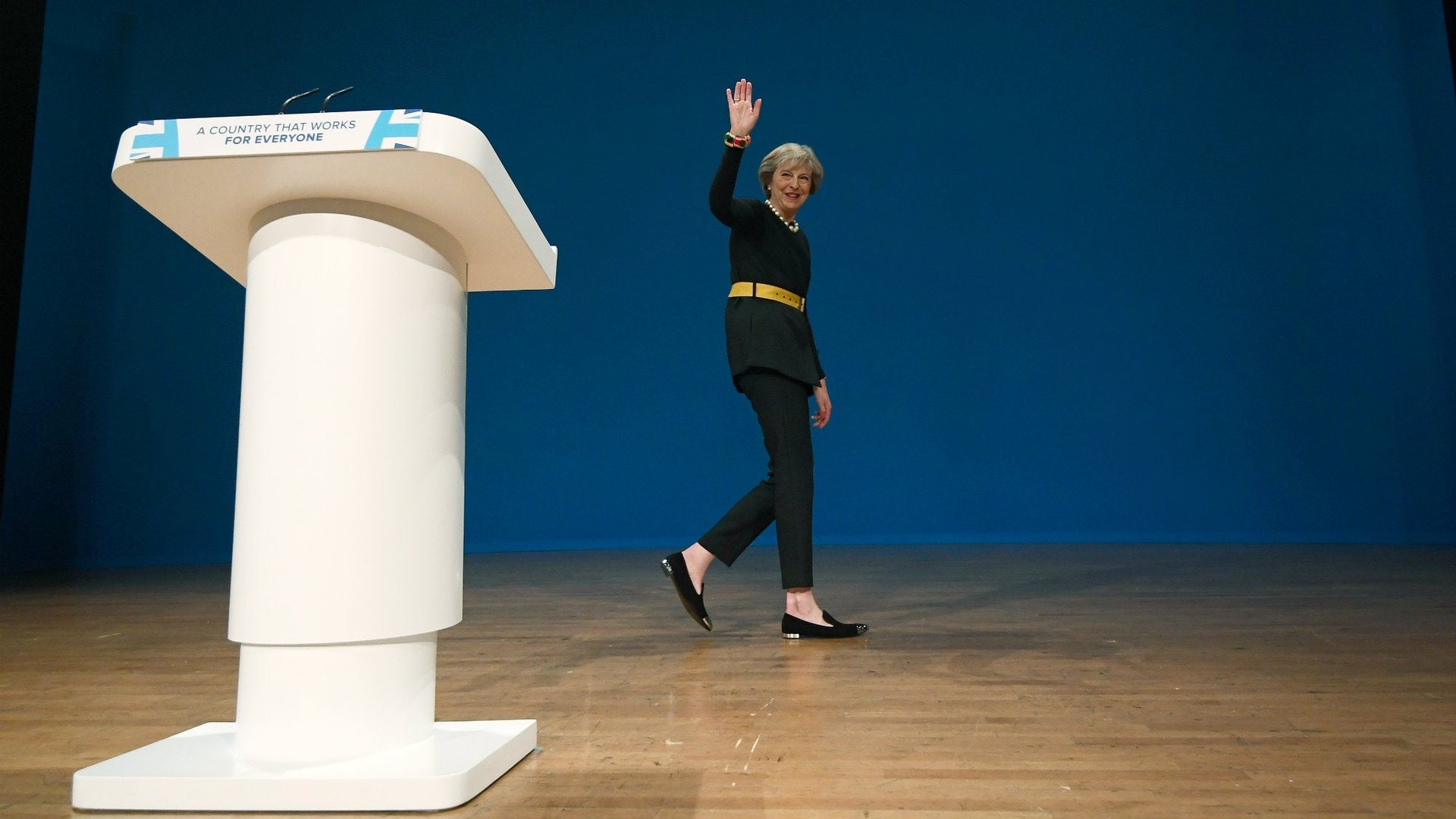
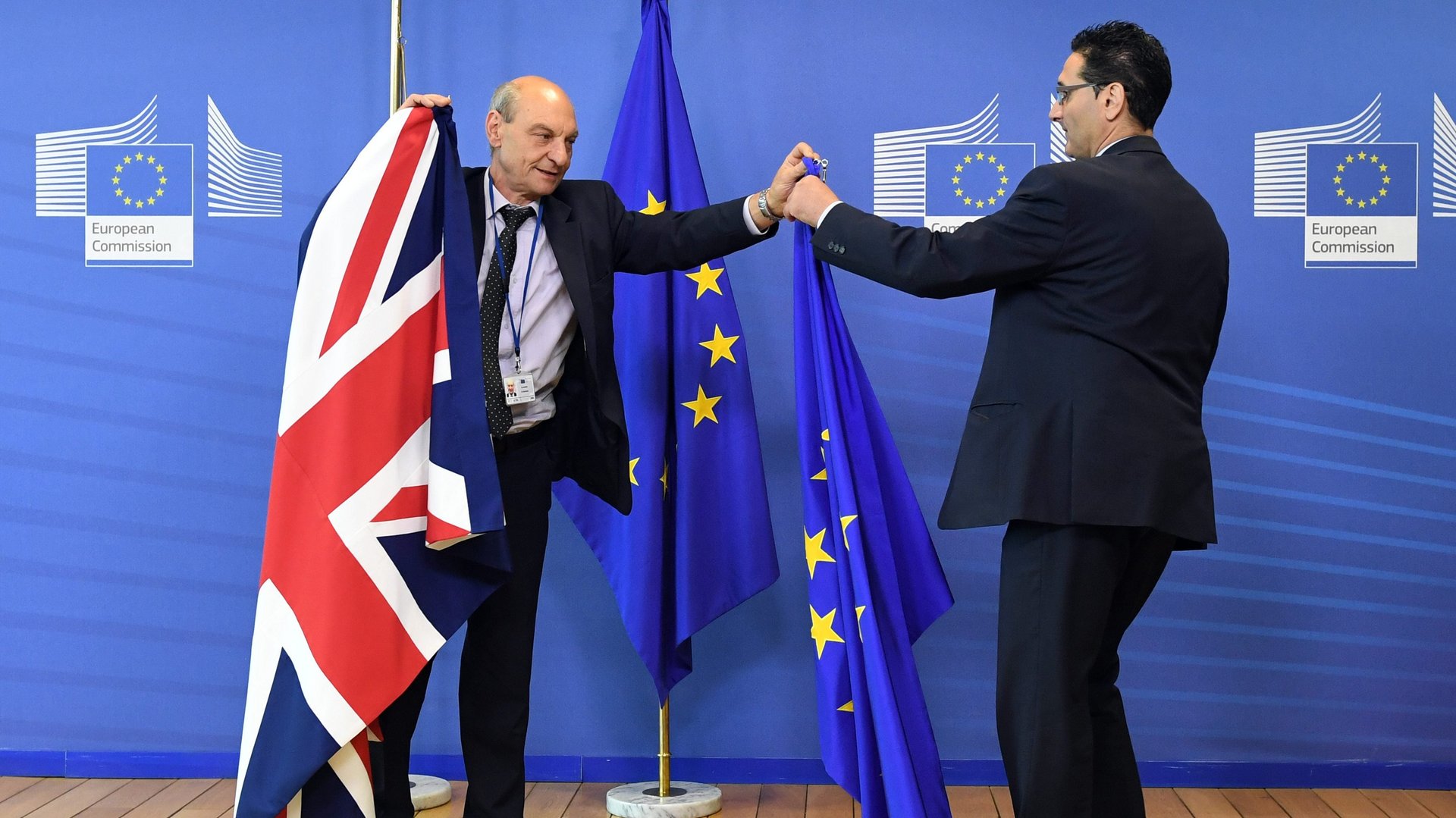
British prime minister Theresa May said Oct. 2 that she would officially start the process for Britain’s exit from the European Union no later than March 2017. When traders got to work on Monday morning, they promptly sold the pound, pushing the currency down to fresh post-referendum lows versus the dollar.

An unexpectedly aggressive statement about cutting oil production by the OPEC cartel has sent the oil price soaring. Brent crude, the international benchmark, gained nearly 6% in a matter of hours yesterday (Sept. 28).

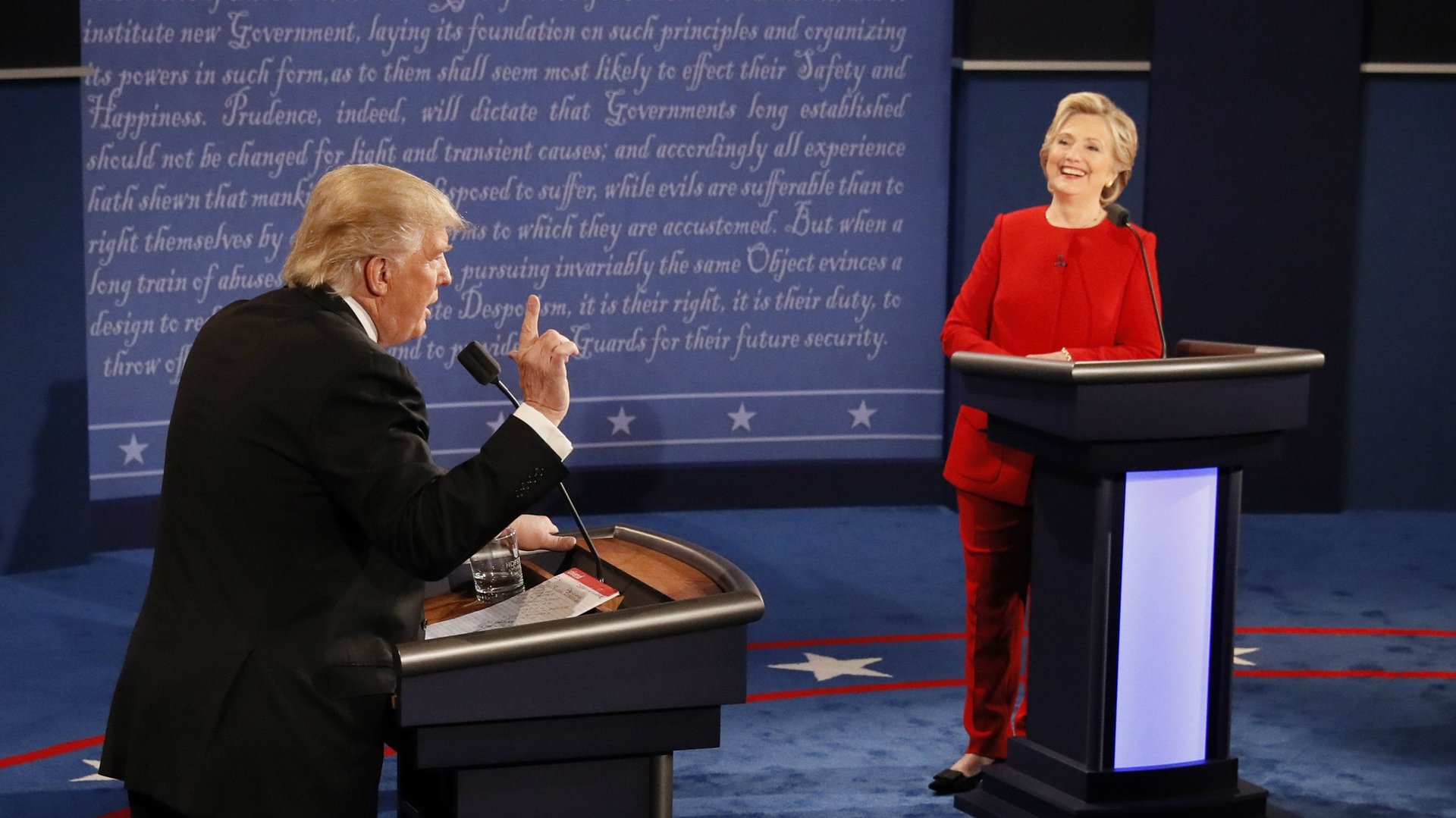
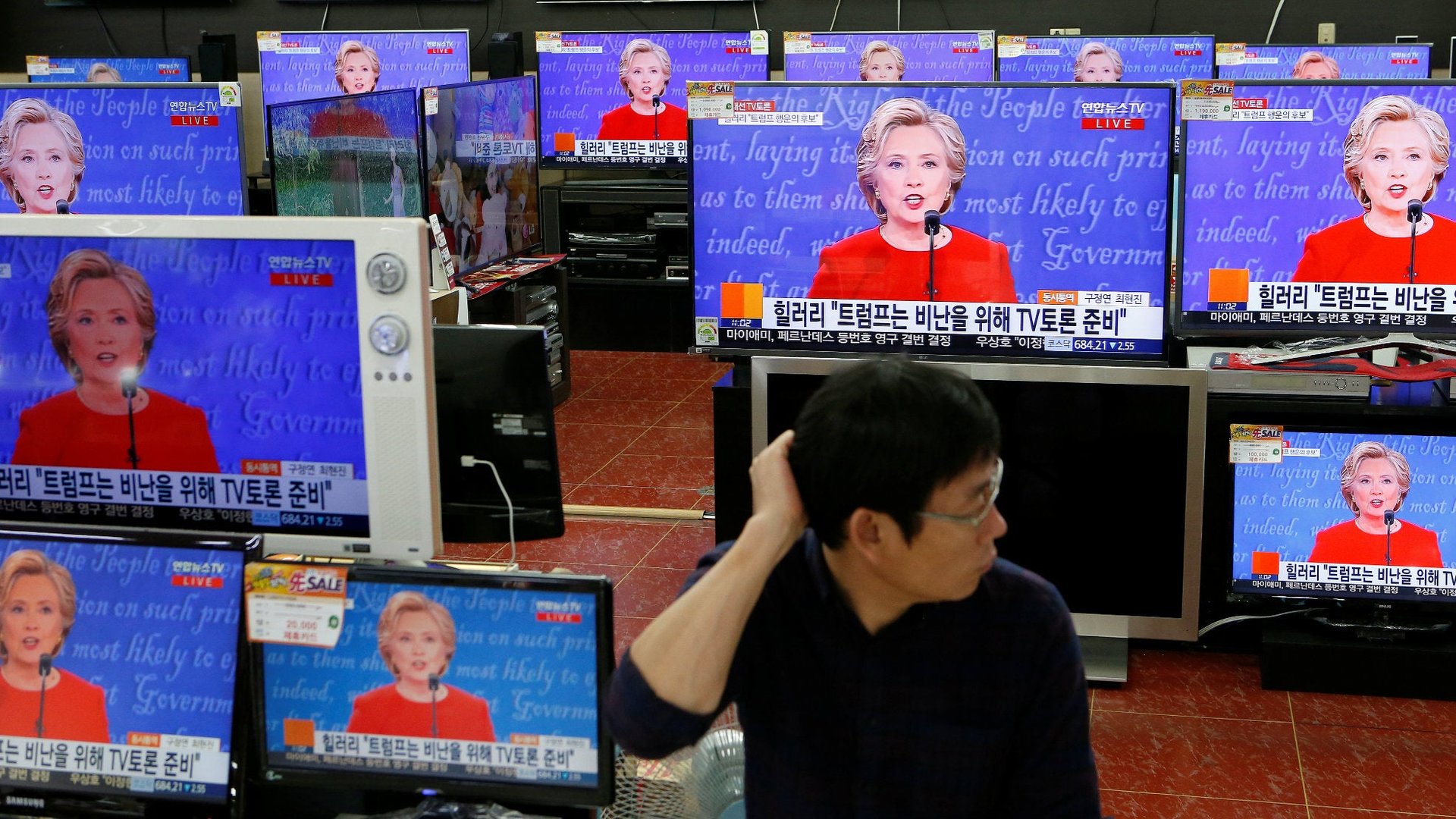
The general consensus is that Hillary Clinton bested Donald Trump in the first US presidential debate last night (Sept. 26). The markets that are rising in early trading today reinforce that view.

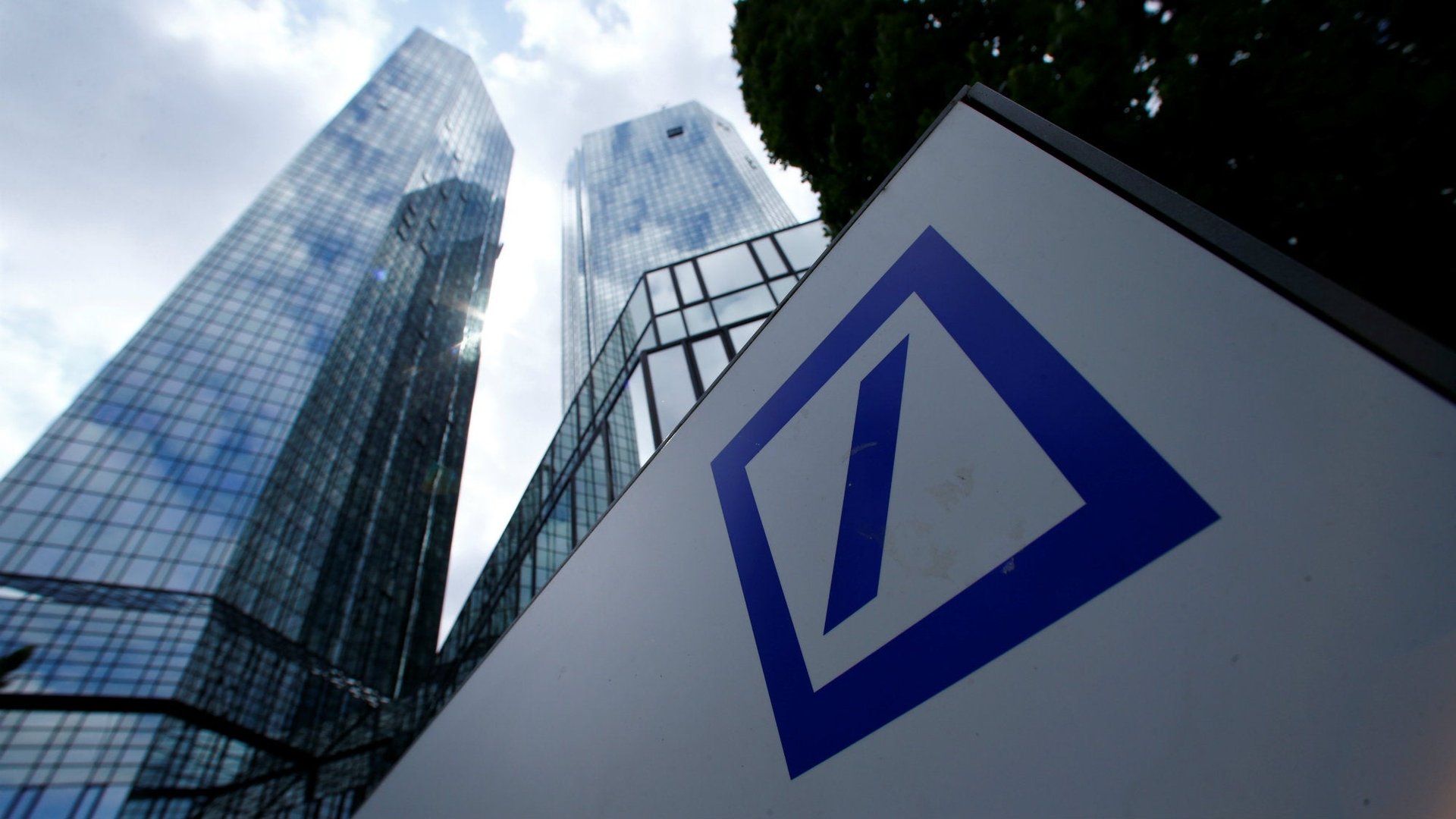
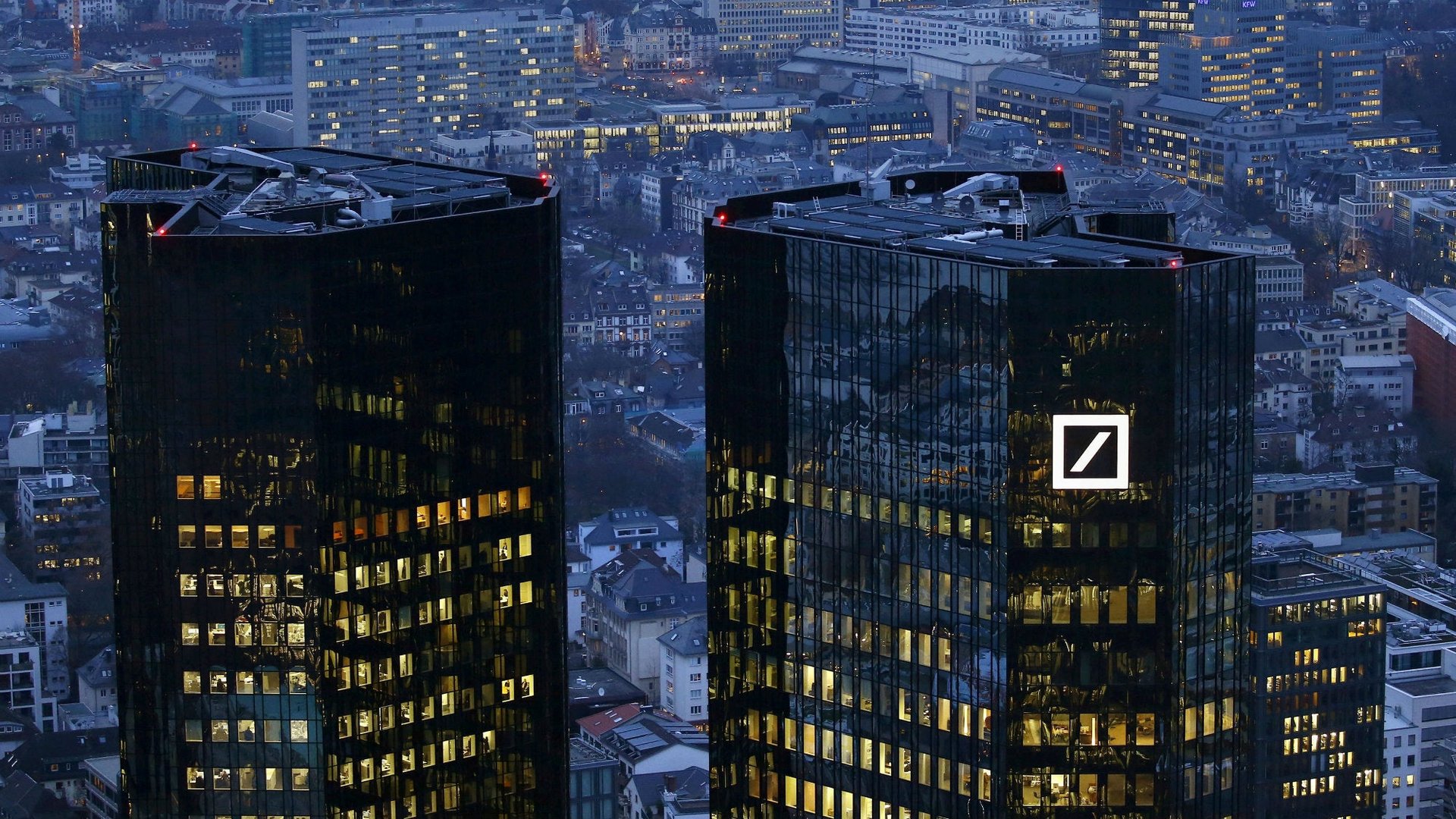
Deutsche Bank had a torrid time during the financial crisis—in 2008, it lost nearly €4 billion ($5.9 billion at the time). Things haven’t gotten much better since. In fact, they are much, much worse.

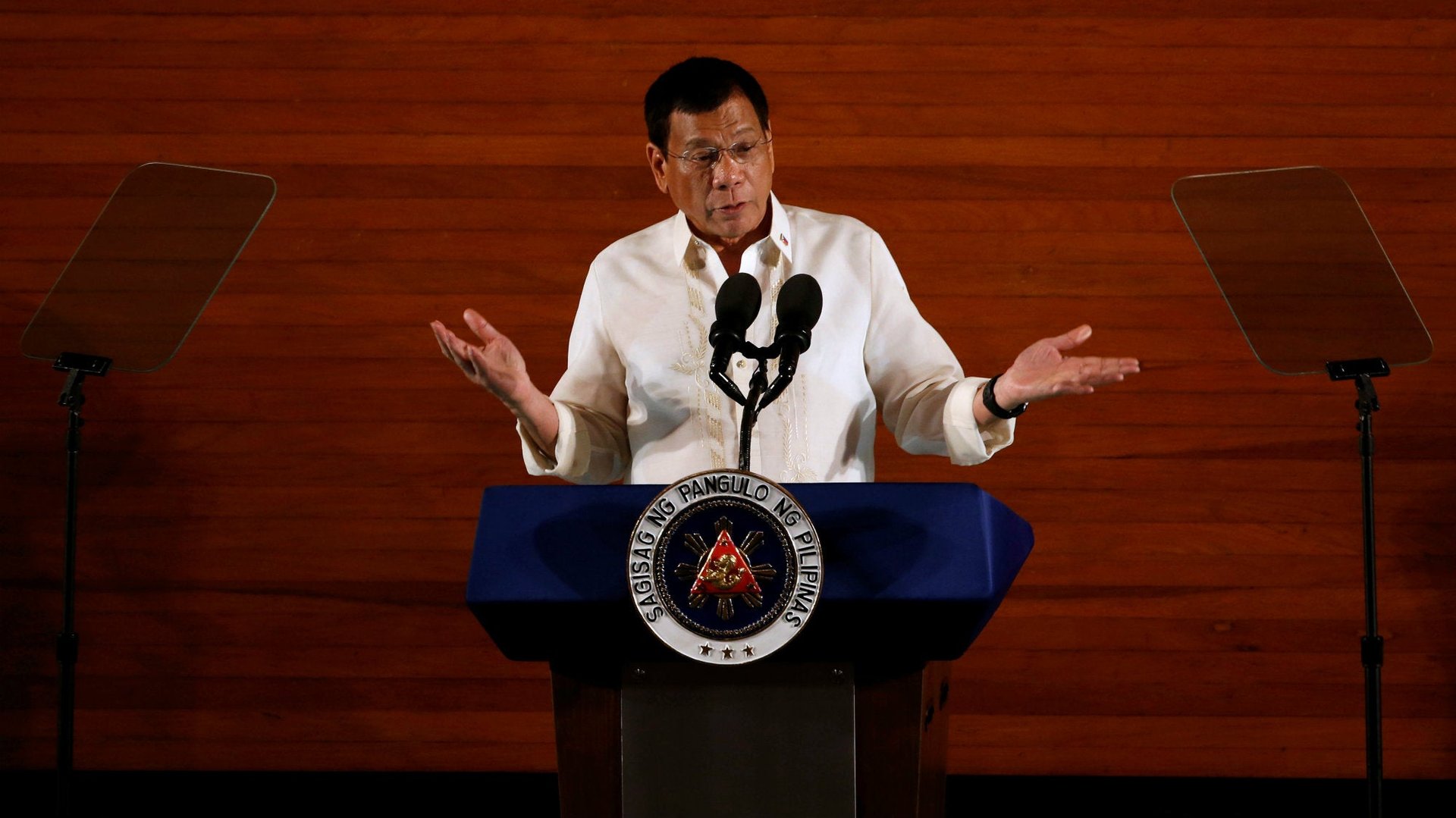
Even amid the recent boom in emerging-market assets, the Philippines stands out. The stock market’s run-up has made it one of the most richly valued markets in the world, in relation to earnings.

For years, double-digit percentage gains in profit have been the norm for Lego. It was a surprise, then, when the Danish toymaker reported a drop in first-half earnings today.

Rejoice, people of Britain! The “sunlit uplands” beckon!

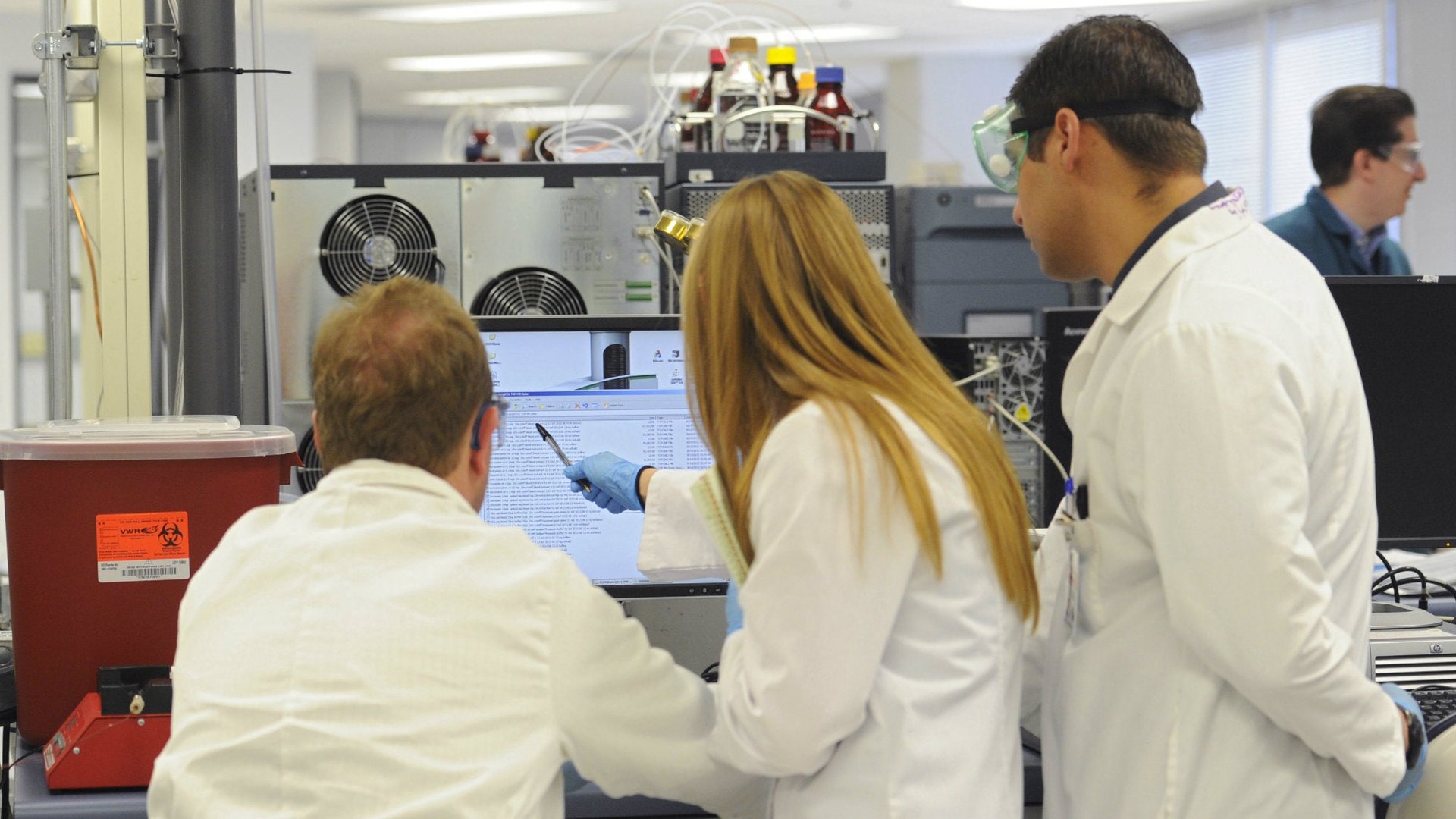
For many people, working with error-ridden spreadsheets is a way of life. This takes on added meaning for genomics researchers, who study the building blocks of life. It turns out that their work, too, is rife with dodgy spreadsheets.

China’s economy is inexorably slowing. Turkey’s sprawling post-coup purge continues apace. Western sanctions against Russia will remain in force for as long as Moscow keeps meddling in Ukraine. Brazil’s brief Olympic distraction is over, so it’s back to the business of dealing with a crippling recession and wrenching political turmoil (paywall). South Africa’s finance minister is facing arrest for the third time this year.

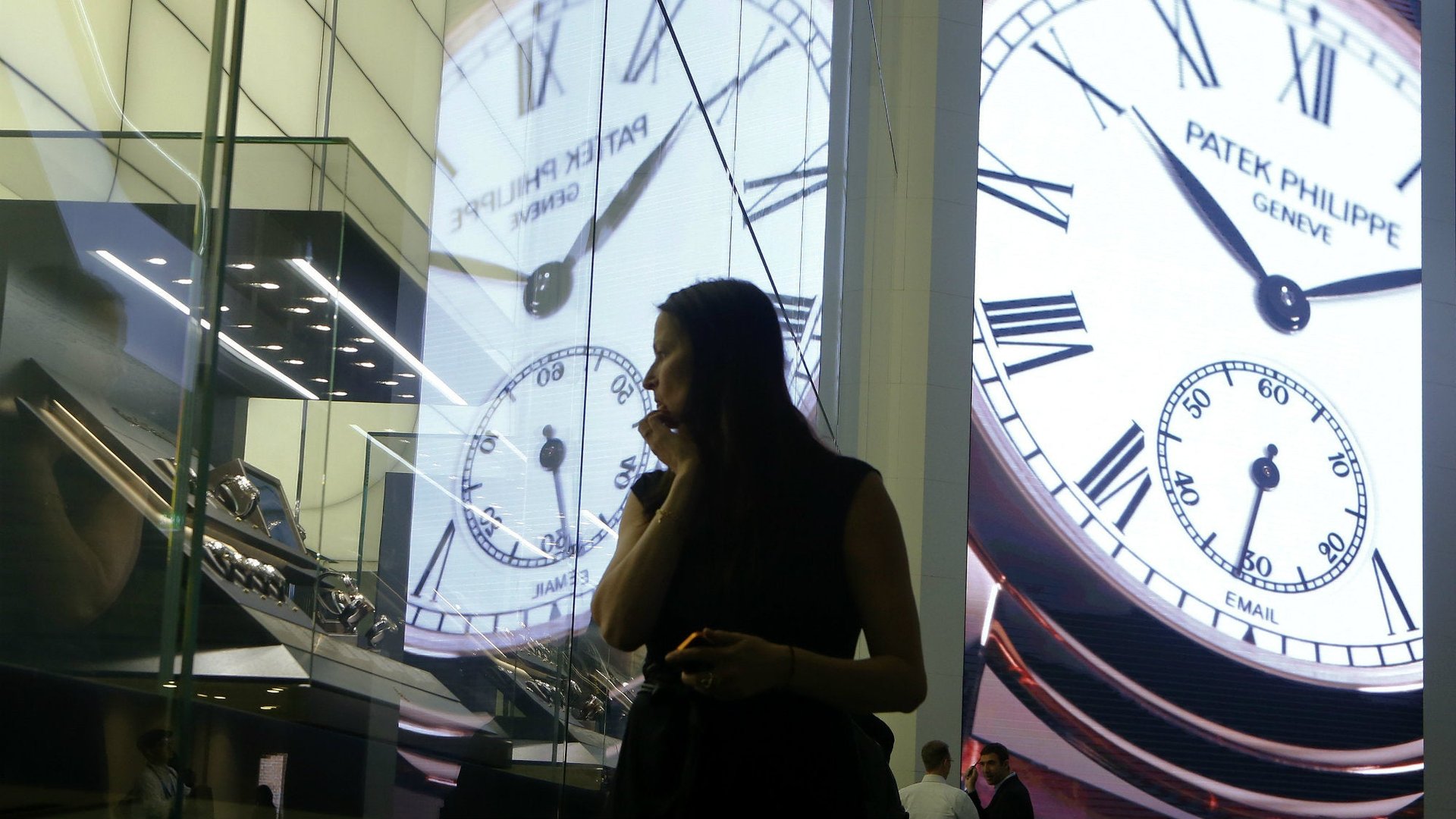
Pity the poor Swiss watchmakers. Exports of Swiss timepieces fell for a 13th consecutive month in July, according to new statistics (pdf).

The US Department of Justice will stop using for-profit prisons for federal inmates, as they have proved unsafe and inefficient. The Washington Post reported today (Aug. 18) that the DOJ instructed prison officials to either decline to renew contracts with private prison companies, or limit their scope.

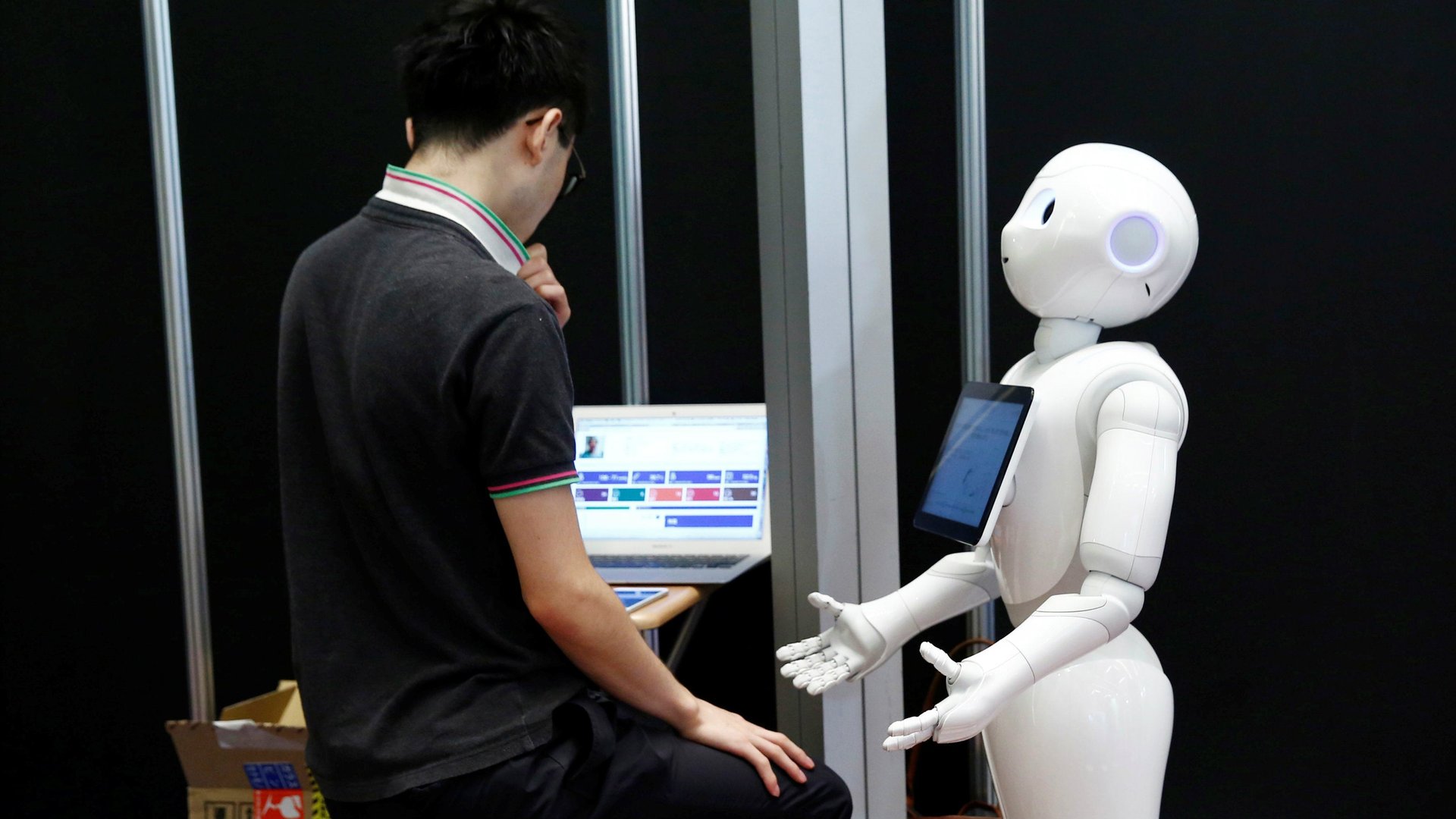
A few years ago, Michael Osborne and a colleague at the Oxford Martin School caused a stir when they published research suggesting that 47% of jobs in the US are at risk of being replaced with robot labor. Subsequent studies suggest closer to 10% of jobs in developed countries could be automated, which is only marginally less worrying for workers.

A 17-year-old with an axe and a knife on a train. An 18-year-old with a gun at a shopping mall. The two terror attacks in Germany this week follow a pattern that security experts have warned could become more common: young attackers, acting alone.