“We expect a period of heightened unpredictability that could constrain capital inflows.” That’s one way to describe the chaos in Turkey’s economy since a coup against president Recep Tayyip Erdogan was foiled on July 15.

“We expect a period of heightened unpredictability that could constrain capital inflows.” That’s one way to describe the chaos in Turkey’s economy since a coup against president Recep Tayyip Erdogan was foiled on July 15.

For those nervous about Britain’s appeal to foreign investors after the country voted last month to leave the European Union, the deal could not have come at a better time. Japan’s SoftBank is offering £24.3 billion ($32.2 billion) in cash to take over the Cambridge-based chipmaker ARM.

“It is difficult to speak adequately or justly of London,” wrote Henry James. “It is not a pleasant place; it is not agreeable, or cheerful, or easy, or exempt from reproach. It is only magnificent.”

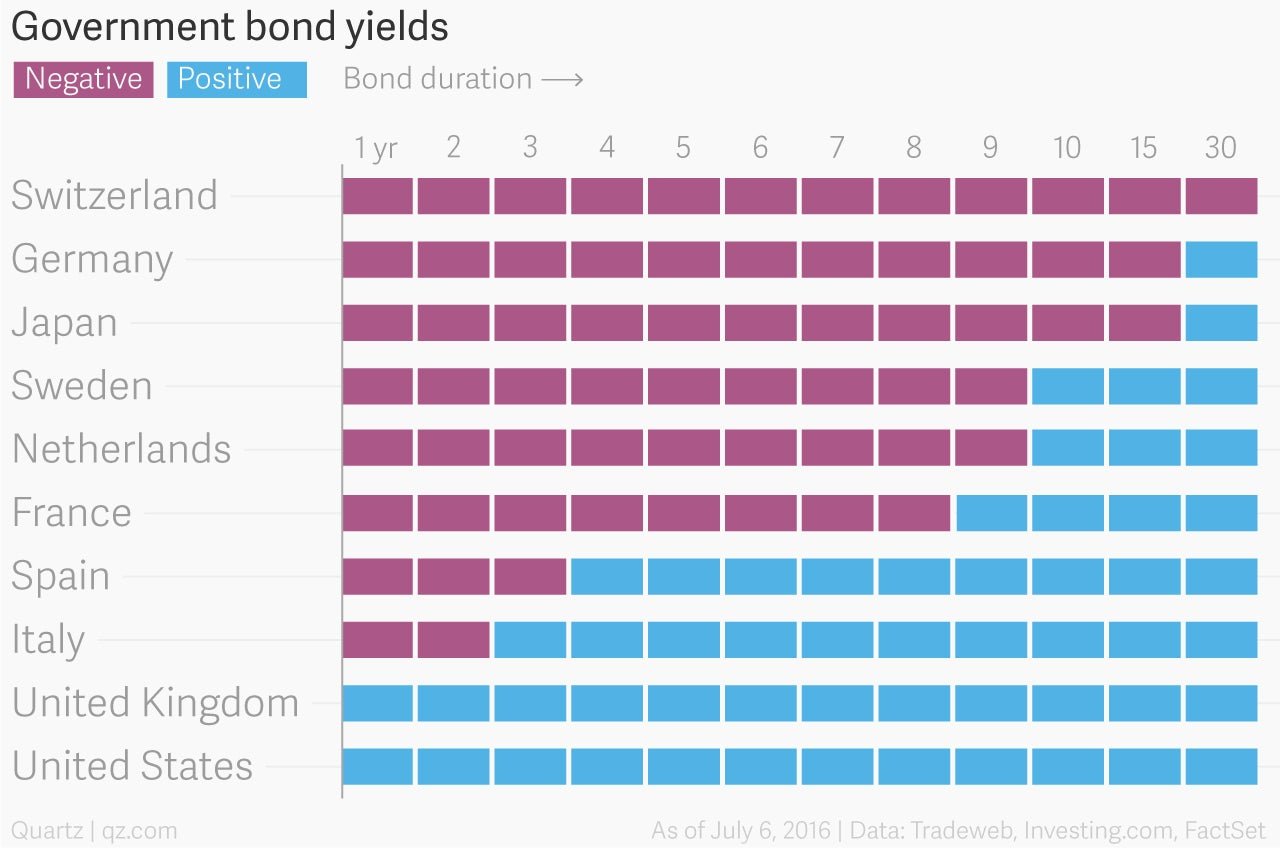
If you were to buy, at random, any government bond, there is a one in three chance you’d lose money if you held onto it until it matured. That is, around a third of all developed-country government debt—or more than $7 trillion, in terms of market value—is now trading at negative yields, according to Citi. That means that investors are effectively paying borrowers to lend to them—giving away $100 and a few years later getting back $99. In the euro zone, more than half of all outstanding bonds are priced in this upside-down way, according to Tradeweb.

Jittery investors sent the British pound to a new post-Brexit low today (July 5), amid some uncomfortable echoes of the early stages of the global financial crisis.

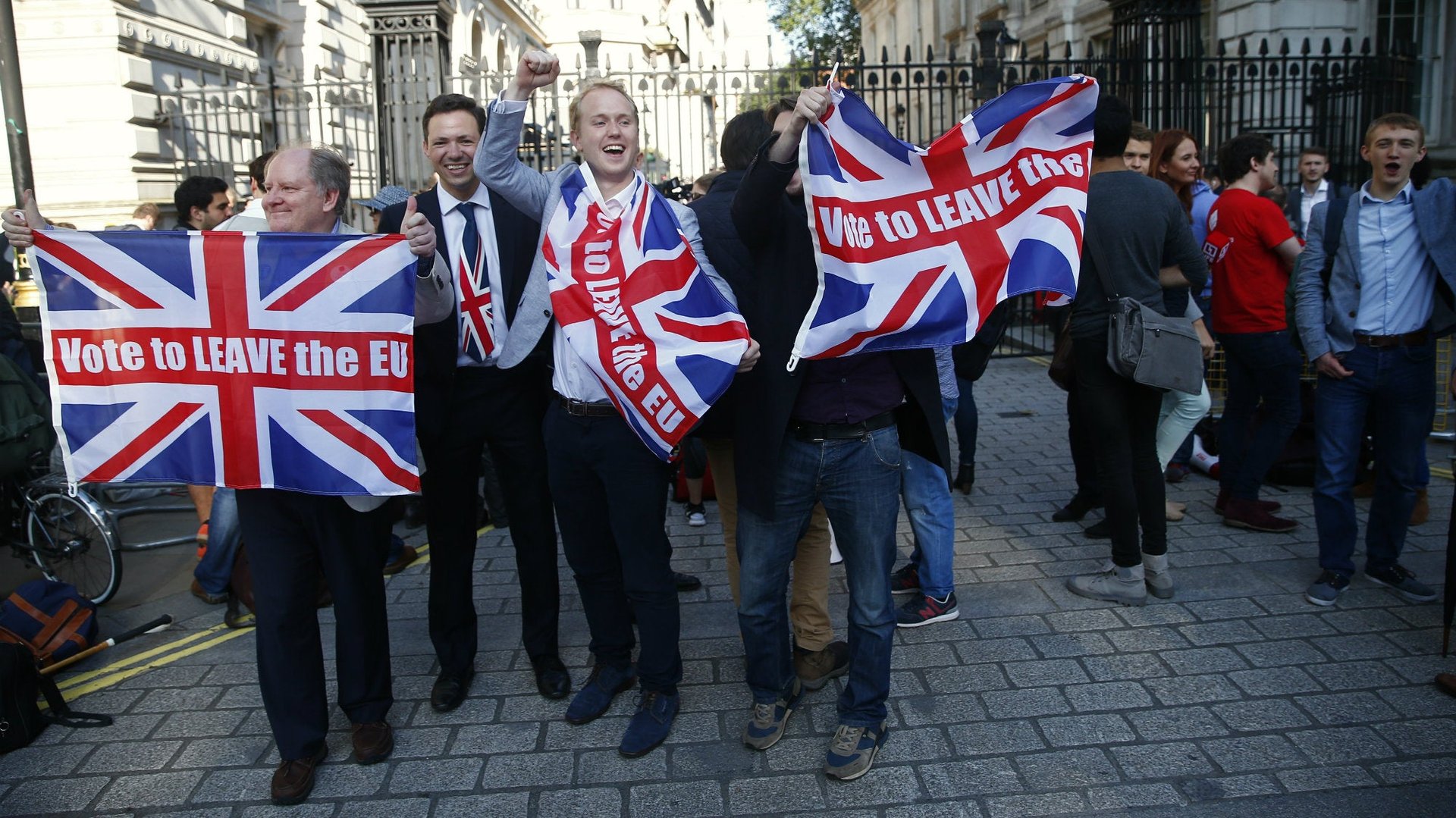
It’s been a week since the UK voted to leave the EU. The referendum completely upended British politics, and markets have had a pretty wild ride, too. Investor anxiety about Brexit, on top of other worries, pushed a range of assets to historic lows last week, in some cases the lowest lows on record…

Things have been moving fast since the UK’s June 23 referendum on Brexit. Here’s a rundown of what happened on day six (June 29) of the country’s new, post-EU future.

At the start of the week, most global stock markets are down, but they don’t look as bad as they did on Friday, the day after Britain voted to leave the European Union.

There are good reasons to leave a marriage—constant conflict, deep differences, a deranged partner. There are also less good ones—conversation’s a bit dull, the sex isn’t great, or you have the same thing for breakfast every morning.

Fears that Greece would leave the euro zone gave us the term “Grexit,” that is, “Greek exit.” Britain votes today (June 23) on whether or not to leave the EU, a.k.a. “Brexit.” There are murmurs about an eventual “Frexit.”

For when Davos isn’t exclusive enough, there is Bilderberg. The Bilderberg Meeting is an annual gathering of world leaders, executives, and assorted grandees, established in 1954 and named for the Dutch hotel where the secretive group first gathered.

Low oil prices, crippling sanctions, and a volatile currency. A multi-year recession. Wages now lower than in China. International bond market pariah.

Of all the challenges facing Japan’s sluggish economy, the most daunting one is demographic. The country’s aging, shrinking population is a drag on growth and a strain on the budget. That’s why prime minister Shinzo Abe has made boosting the country’s low fertility rate a key policy goal, alongside the aggressive monetary and fiscal stimulus that has become known as “Abenomics.”

US drug prices are rising at the fastest rate since the late 1990s, according to data on producer prices released today (May 13).

They never said it was easy.

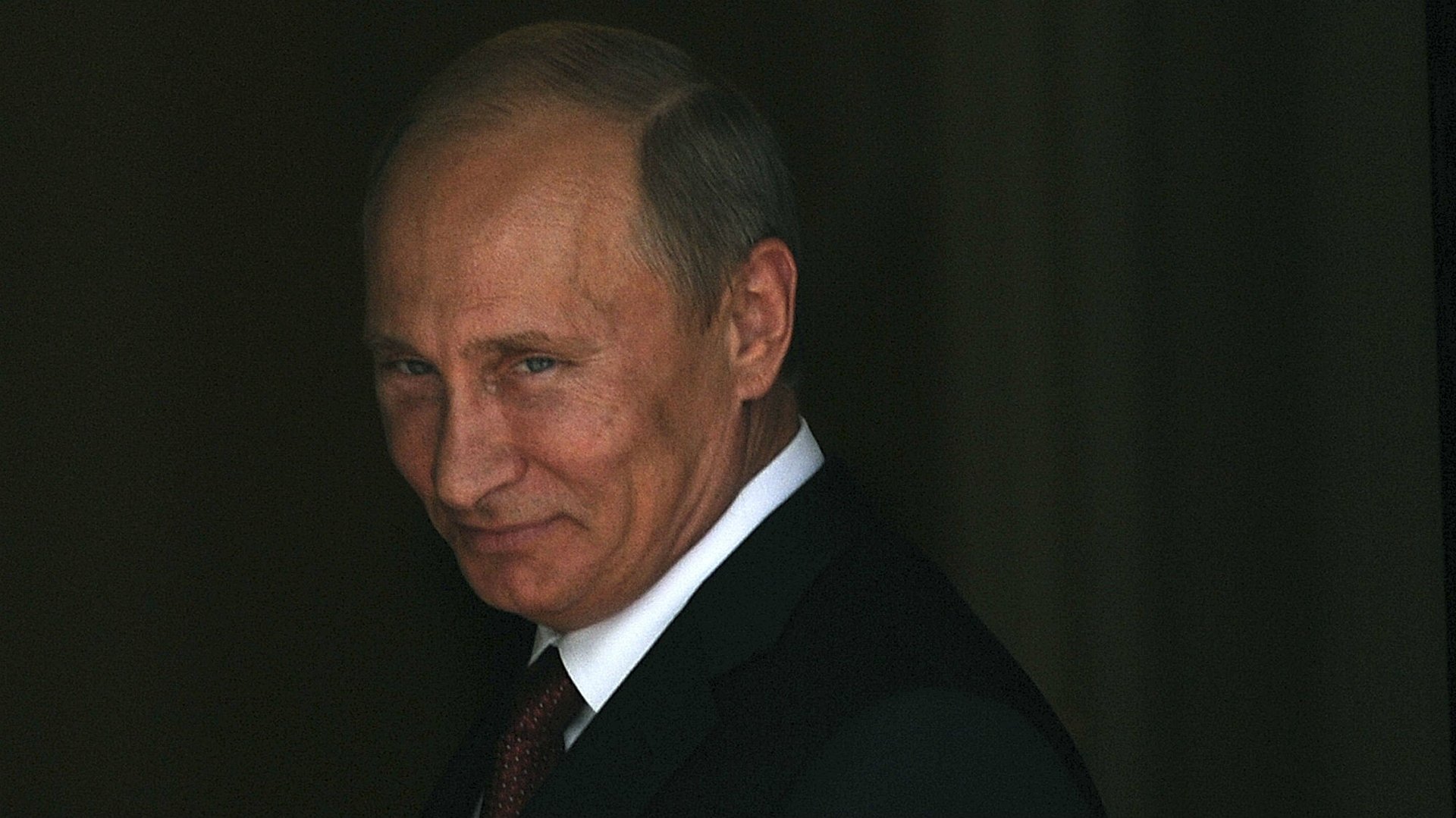
Vladimir Putin isn’t the force he once was. Not in terms of politics, mind you—the Russian president’s approval rating is a robust 82%.

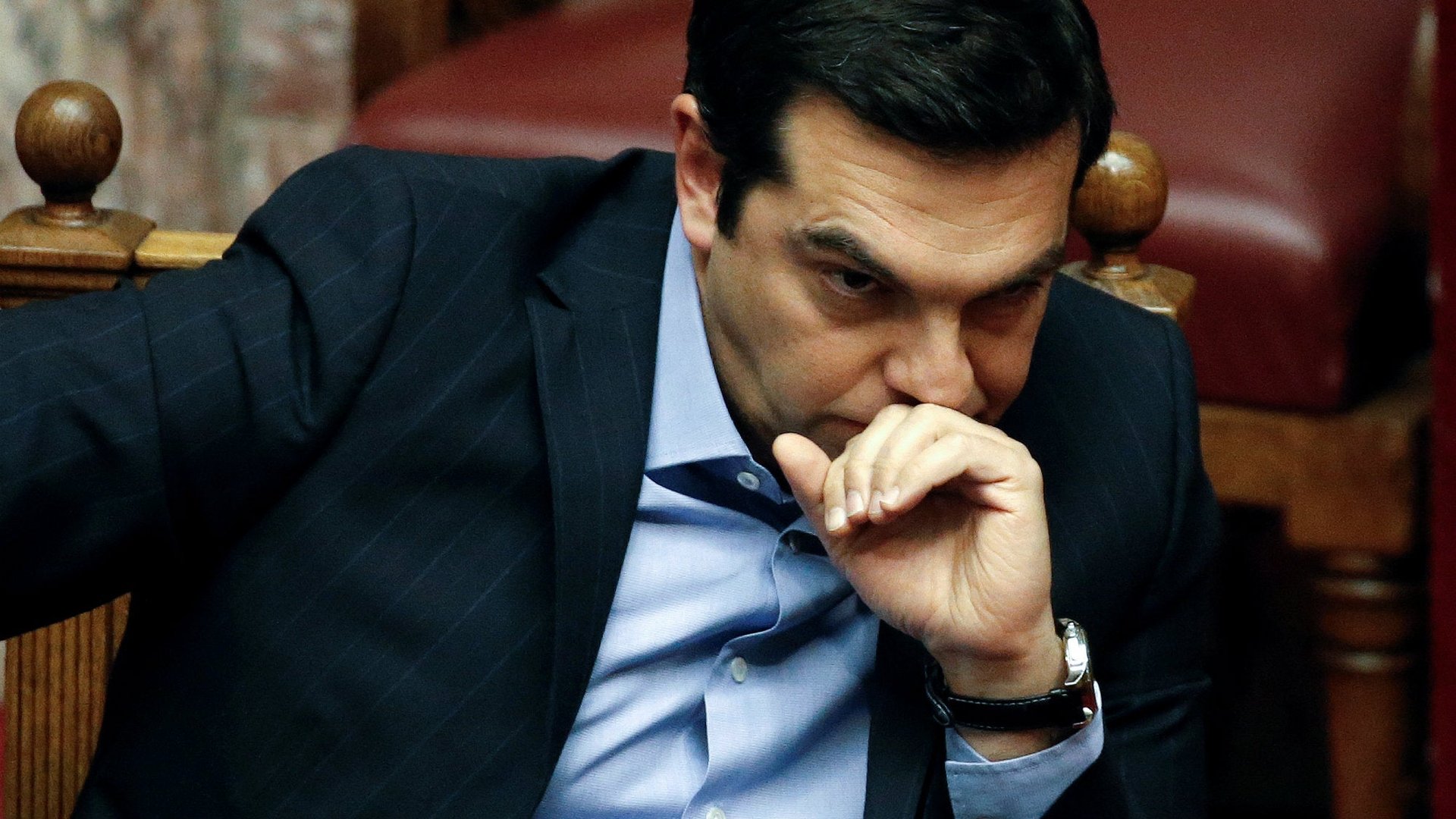
“Greek lawmakers vote for austerity as protests turn ugly” (CNN)

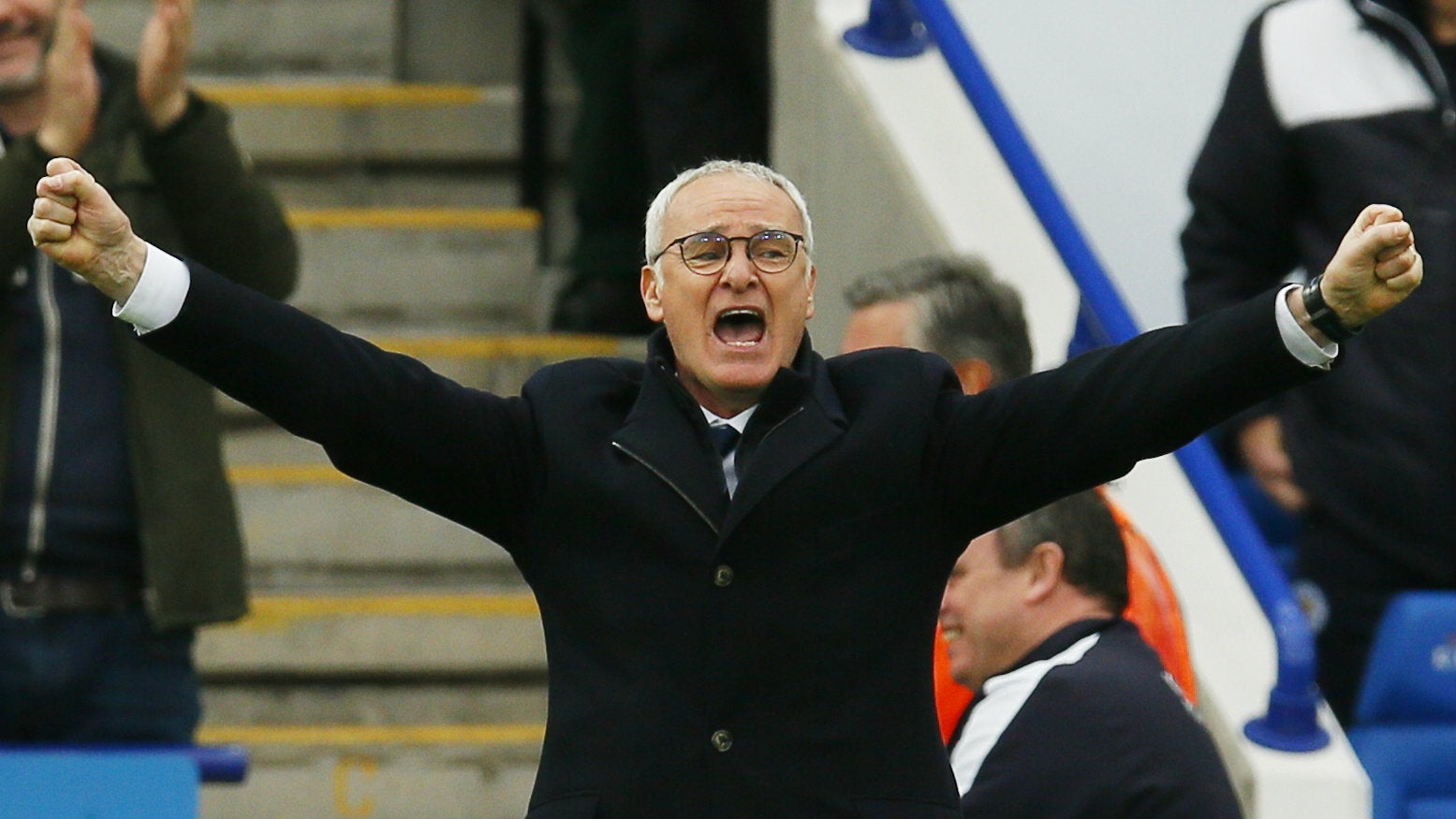
If you haven’t heard of Claudio Ranieri, or appreciate what he achieved in his first season in charge of English soccer club Leicester City, it’s time to familiarize yourself with his story—he’s about to become the go-to role model for ambitious business leaders everywhere. The 64-year-old Italian coached the 5,000-to-1 underdogs to the unlikeliest of championships in the Premier League this season, with a backstory and style perfectly pitched to the modern management zeitgeist.

Craig Crossland, a professor at Notre Dame’s business school, has been working with a unique—and uniquely macabre—dataset. Between 1950 and 2009, he and his counterparts at the University of Georgia have identified 240 CEOs at US public companies who suddenly dropped dead.

Microsoft and Johnson & Johnson don’t have a lot in common, but they happen to be the only members of a very exclusive club. The software firm and consumer goods group are the only private non-financial companies left with AAA credit ratings awarded by Standard & Poor’s.

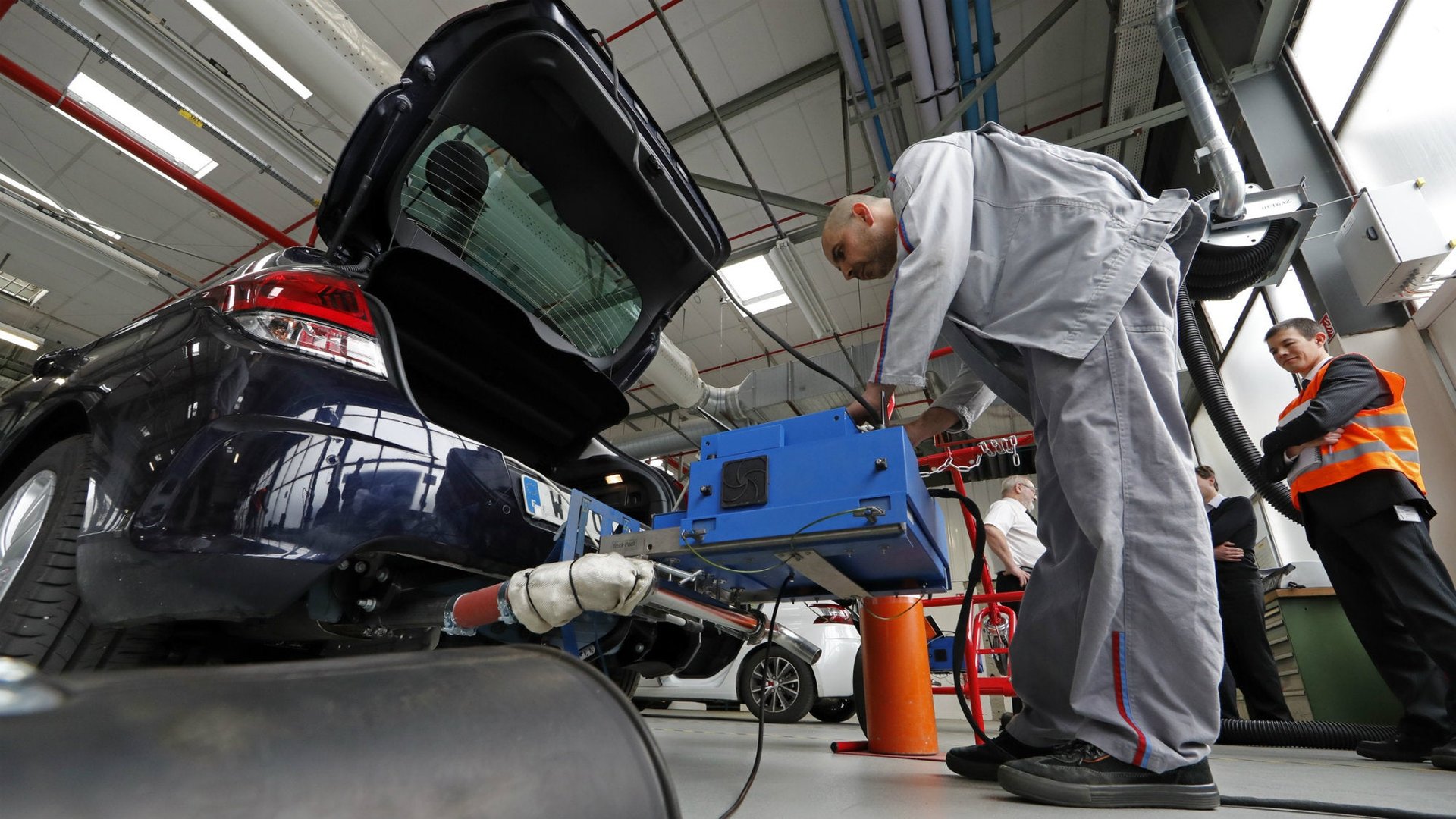
There was something fishy about auto-emissions tests long before Volkswagen got into trouble.

In relation to its size, Sweden has long accepted more refugees than any other European country. So when over a million migrants came to Europe last year, with even more on their way this year, a large share sought asylum in Sweden.

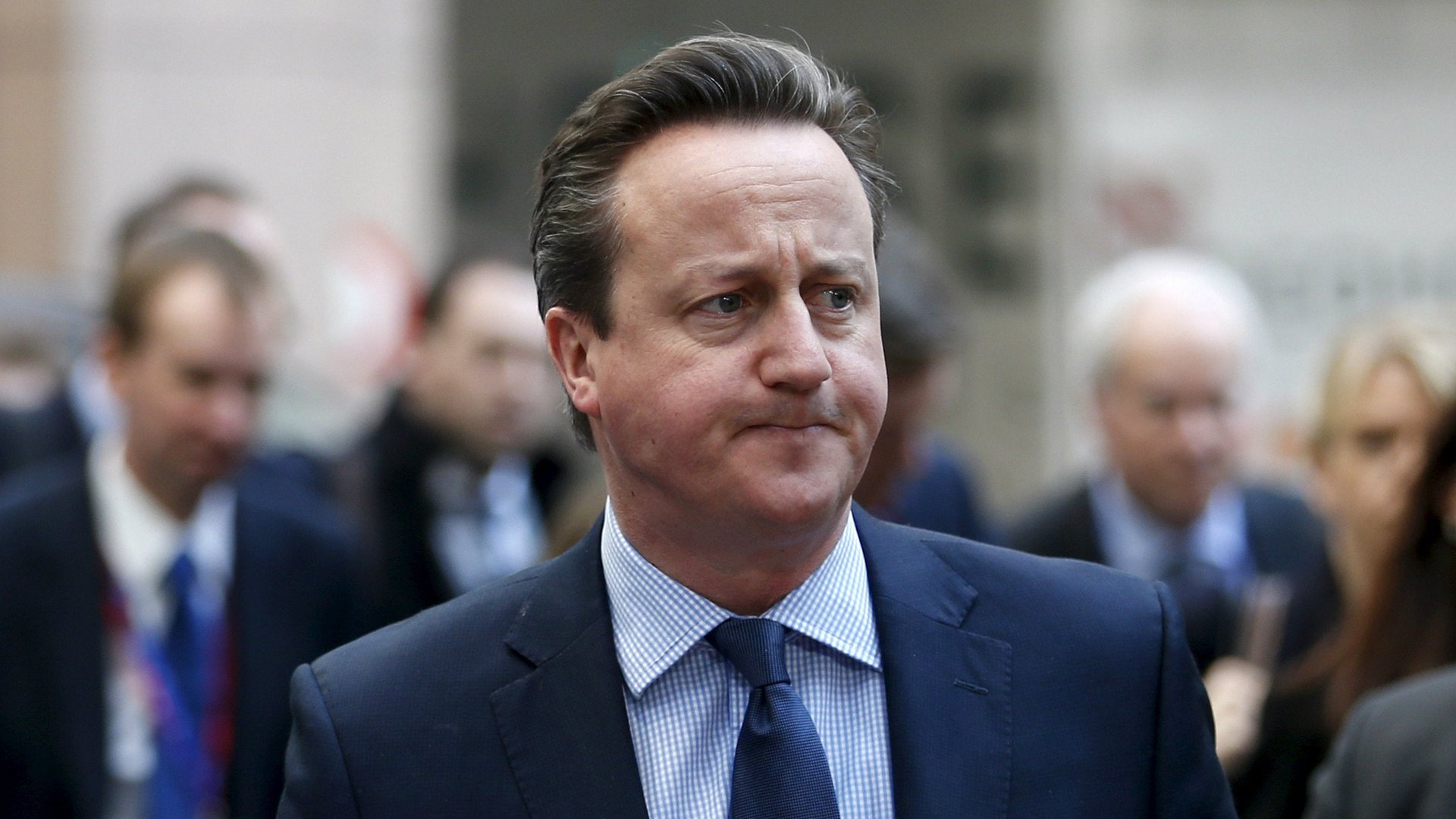
After days of dodges and denials, David Cameron has finally admitted that he held a stake in his father’s offshore fund before he became Britain’s prime minister. For a leader who once dubbed tax-avoidance schemes “morally wrong,” this has made things awkward, to say the least.

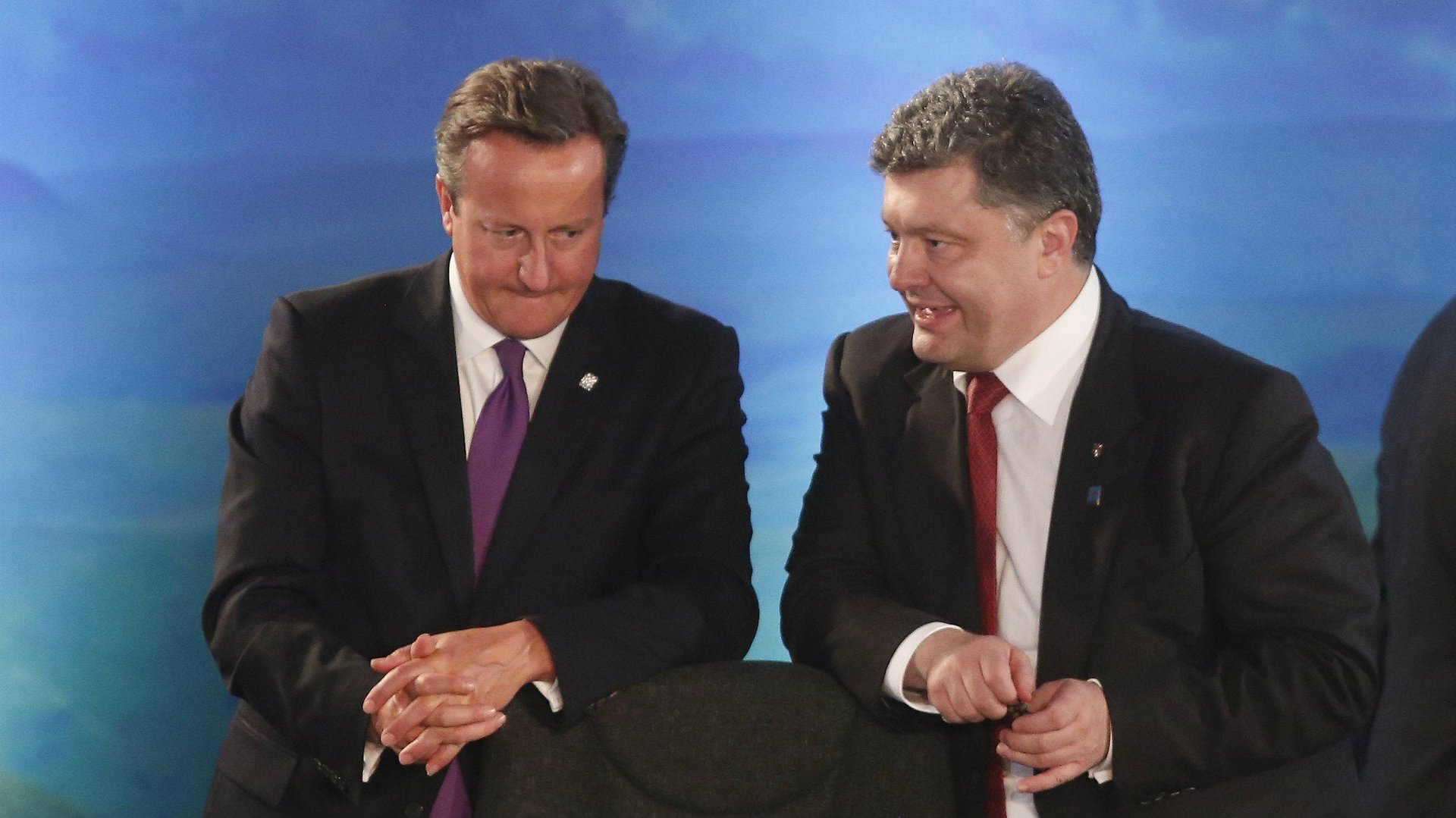
Have you heard the one about the Ukrainian president who hired a Cypriot agent to engage a Panamanian lawyer to incorporate a company in the British Virgin Islands? No? Well, that convoluted chain is a factor in a referendum in the Netherlands today (April 6) about a trade deal signed in Brussels that, ultimately, may boost the chances of the UK leaving the EU.