The debate over shareholder versus stakeholder capitalism has been going on for decades, and it has been especially fraught in recent years.

The debate over shareholder versus stakeholder capitalism has been going on for decades, and it has been especially fraught in recent years.

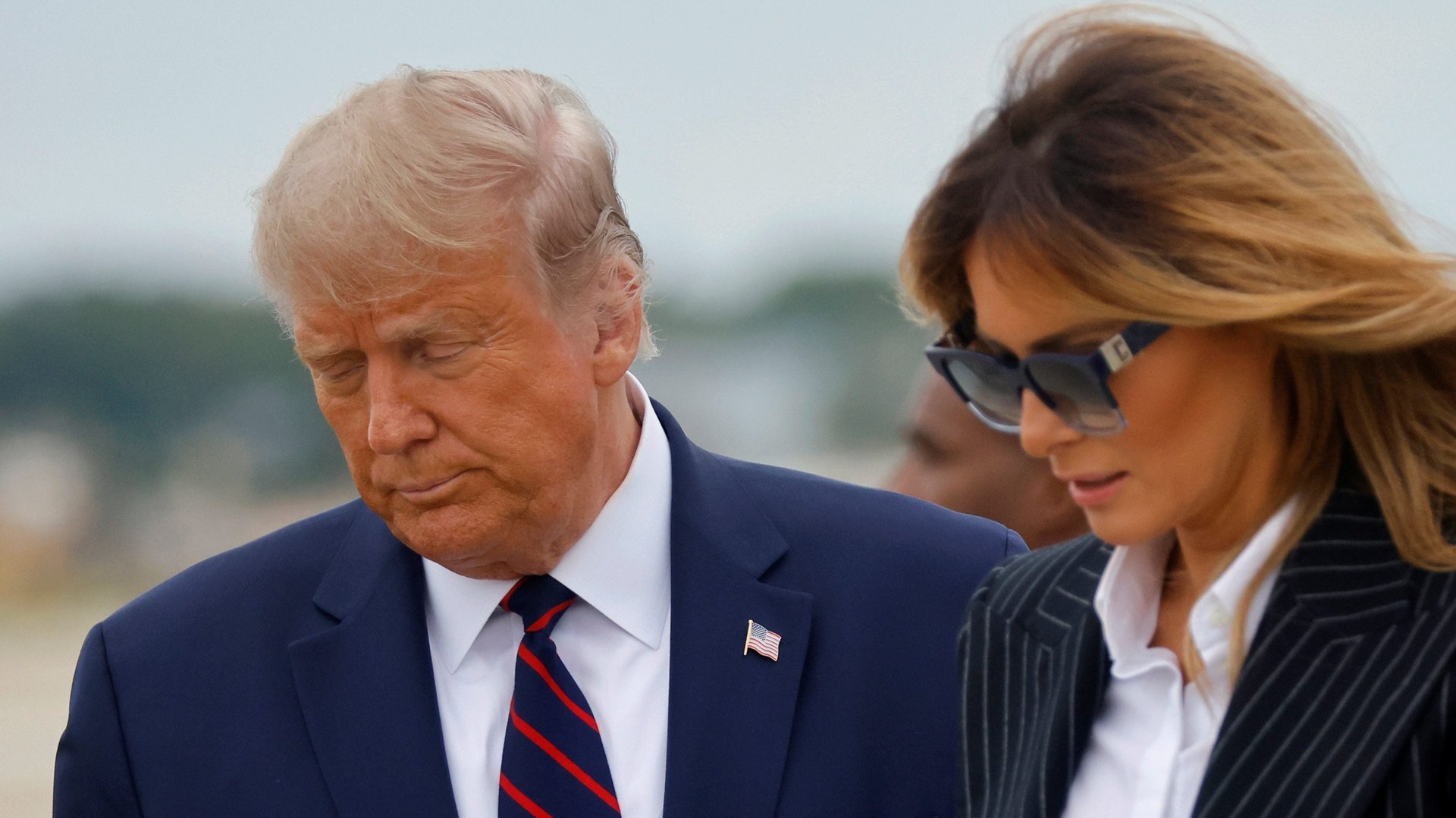
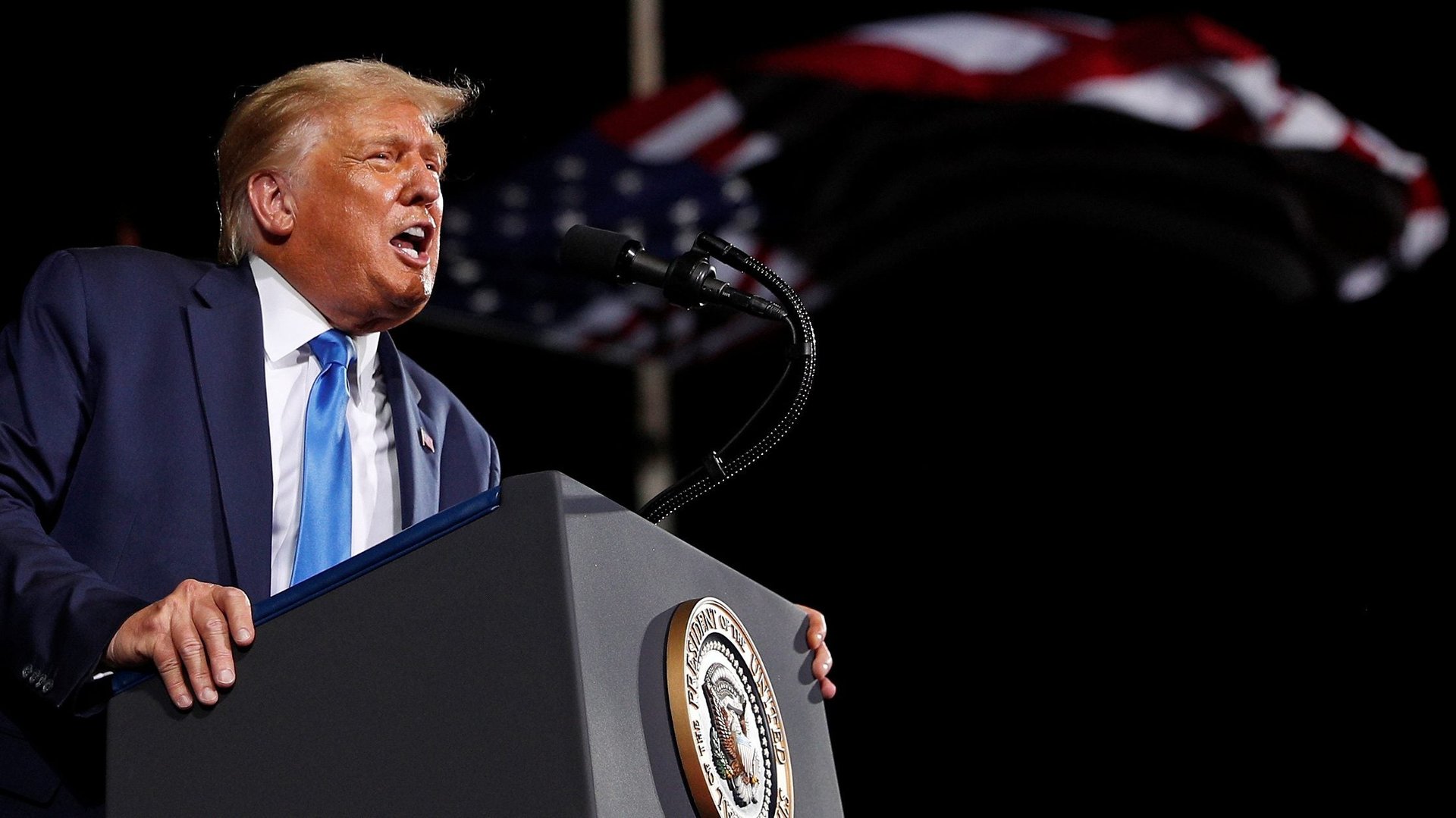
Stock markets from Tokyo to Sydney fell after US president Donald Trump and his wife Melania tested positive for Covid-19. The diagnosis raises questions about the course of a presidential election that’s only a month away.

Tech unicorns Palantir and Asana joined the public markets yesterday (Sept. 30) using direct listings, which are seen as a challenge to the traditional process for initial public offerings. The results suggest direct listings could become more commonplace.

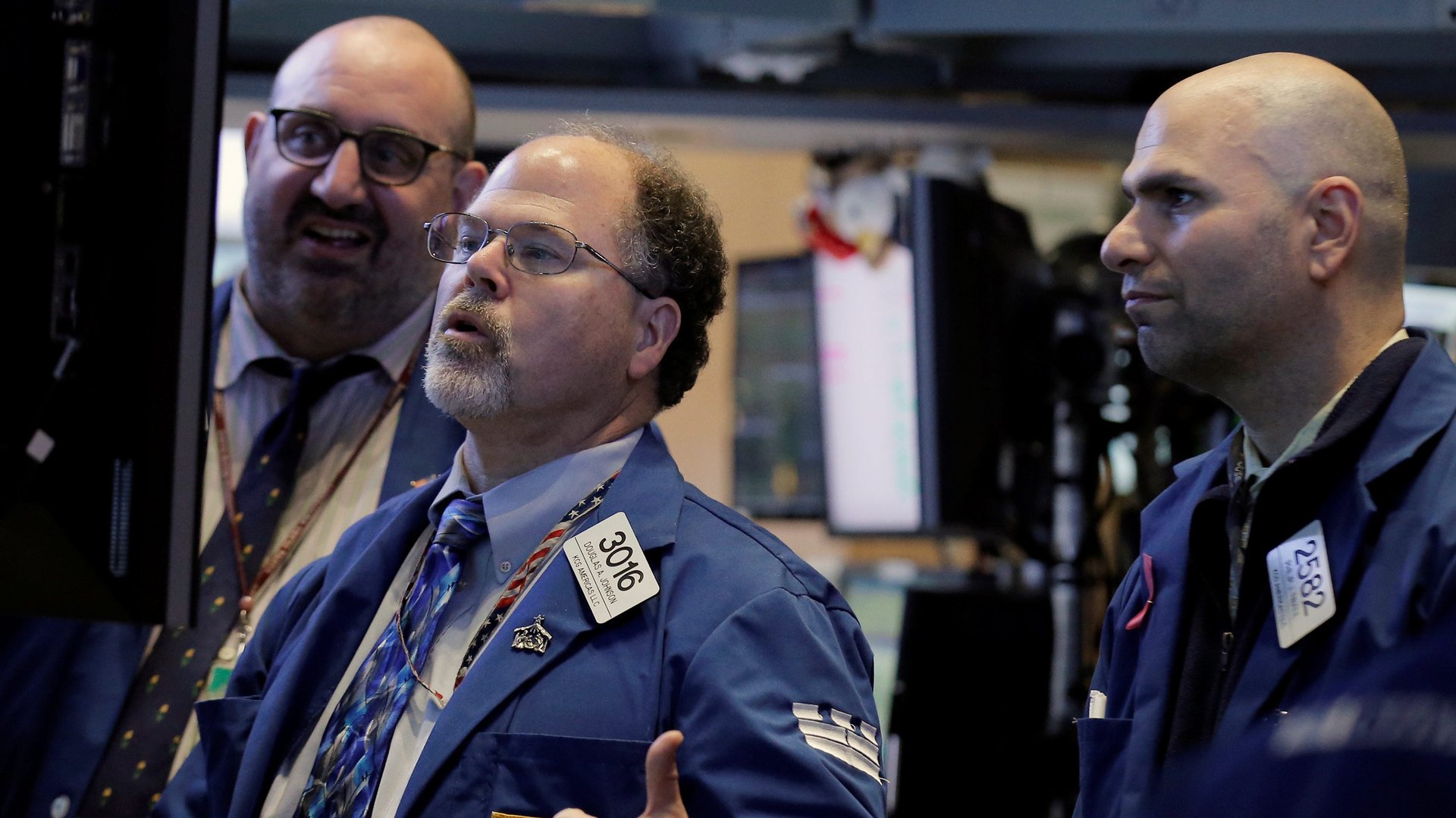
The US presidential election may not turn out to be a done deal on Nov. 3, but Wall Street thinks the turmoil will be short lived.

What pandemic?

Unemployment hurts, and it’s not just about the money.

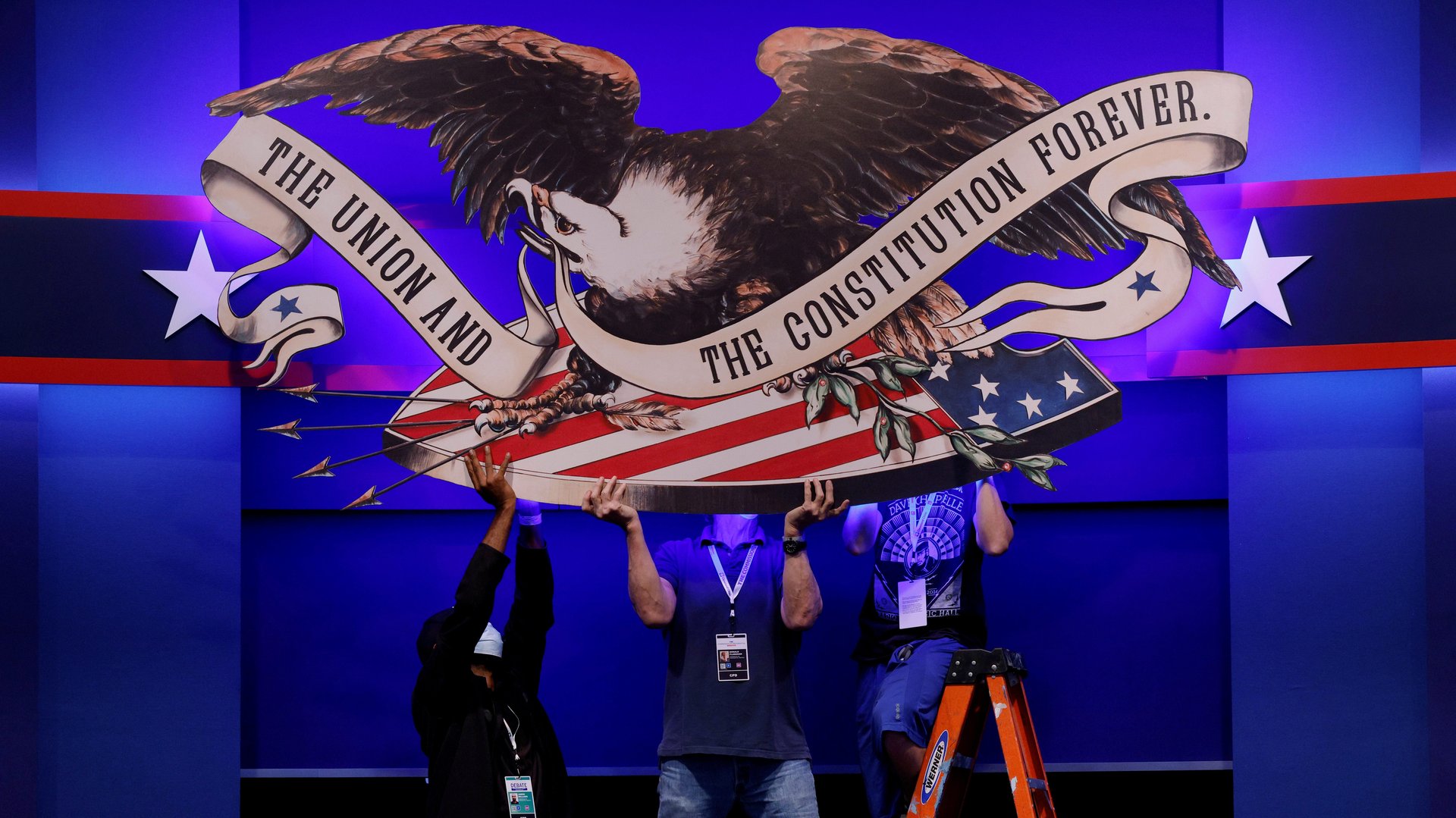
The US executive branch has seen a lot in the past couple of centuries: assassinations, resignations, contested elections. But what would happen if the president was voted out of office and refused to leave?

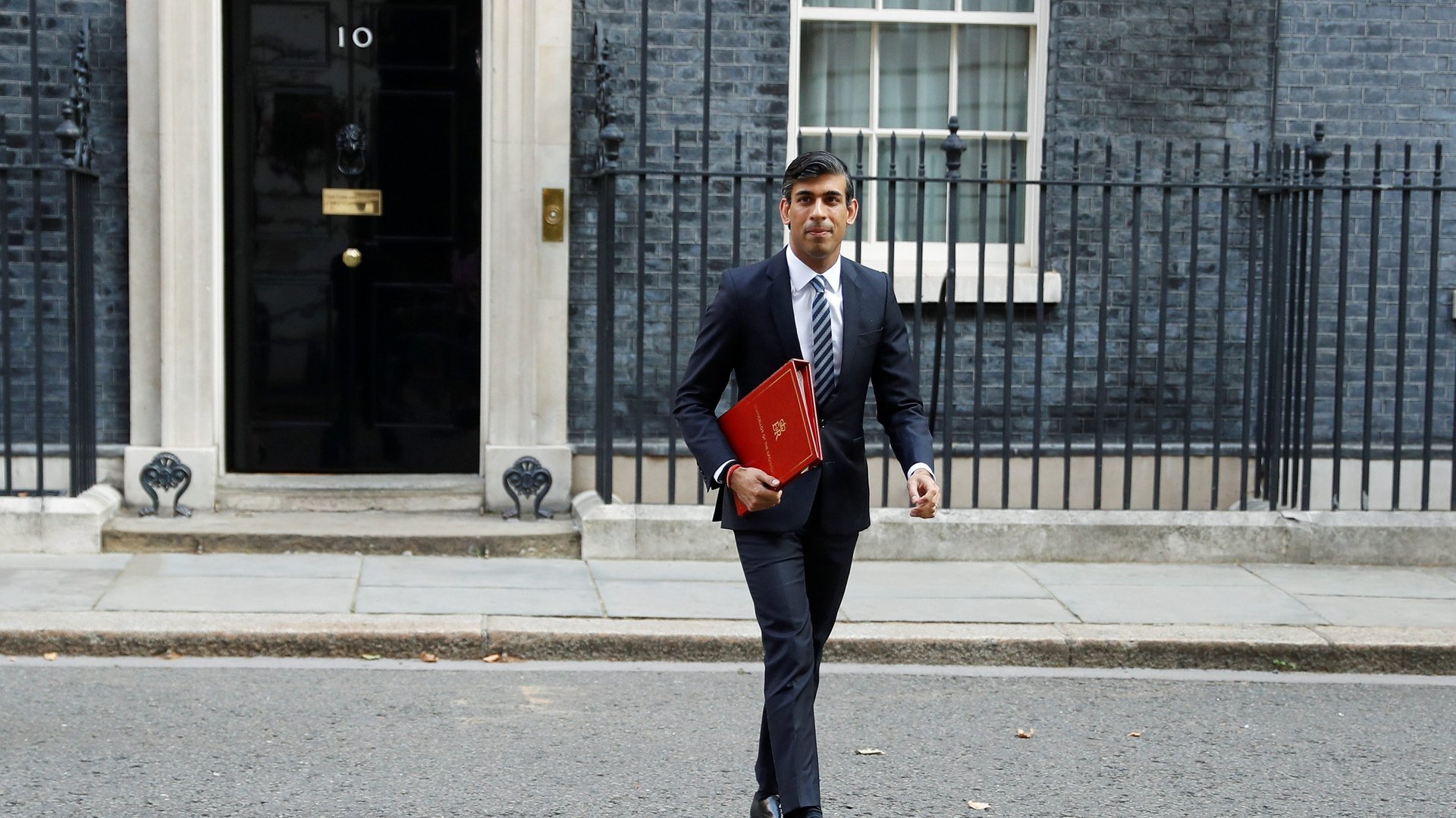
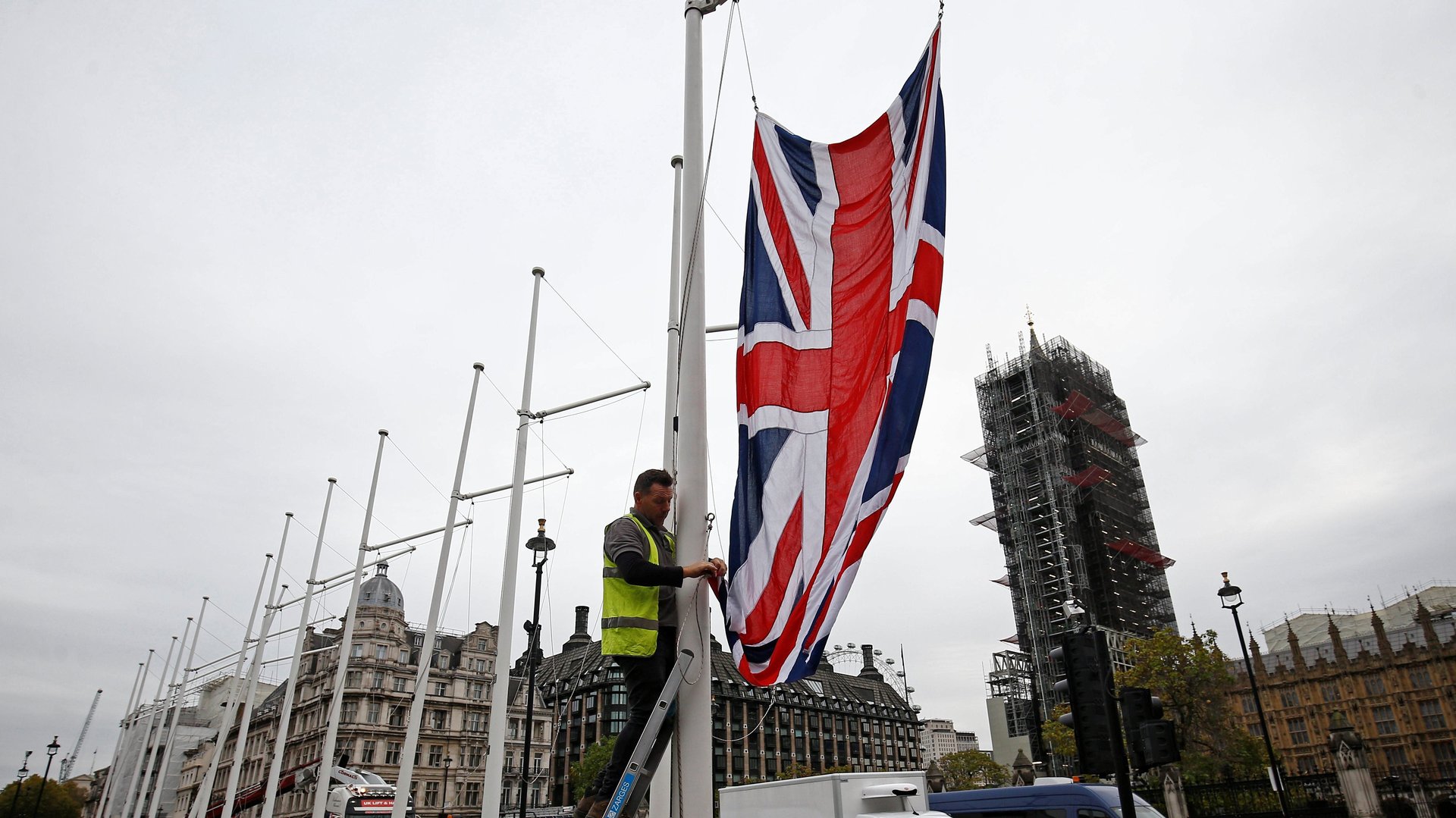
Britain is leaning into the type of worker policies that are widely used in the rest of Europe, and standing even further apart from the US when it comes to protecting society from a wave of unemployment.

The coronavirus pandemic has been a boon for digital payments, inspiring legions of people to buy more things online and to use contactless payments. But the pandemic has also cemented cash’s importance as a store of value.

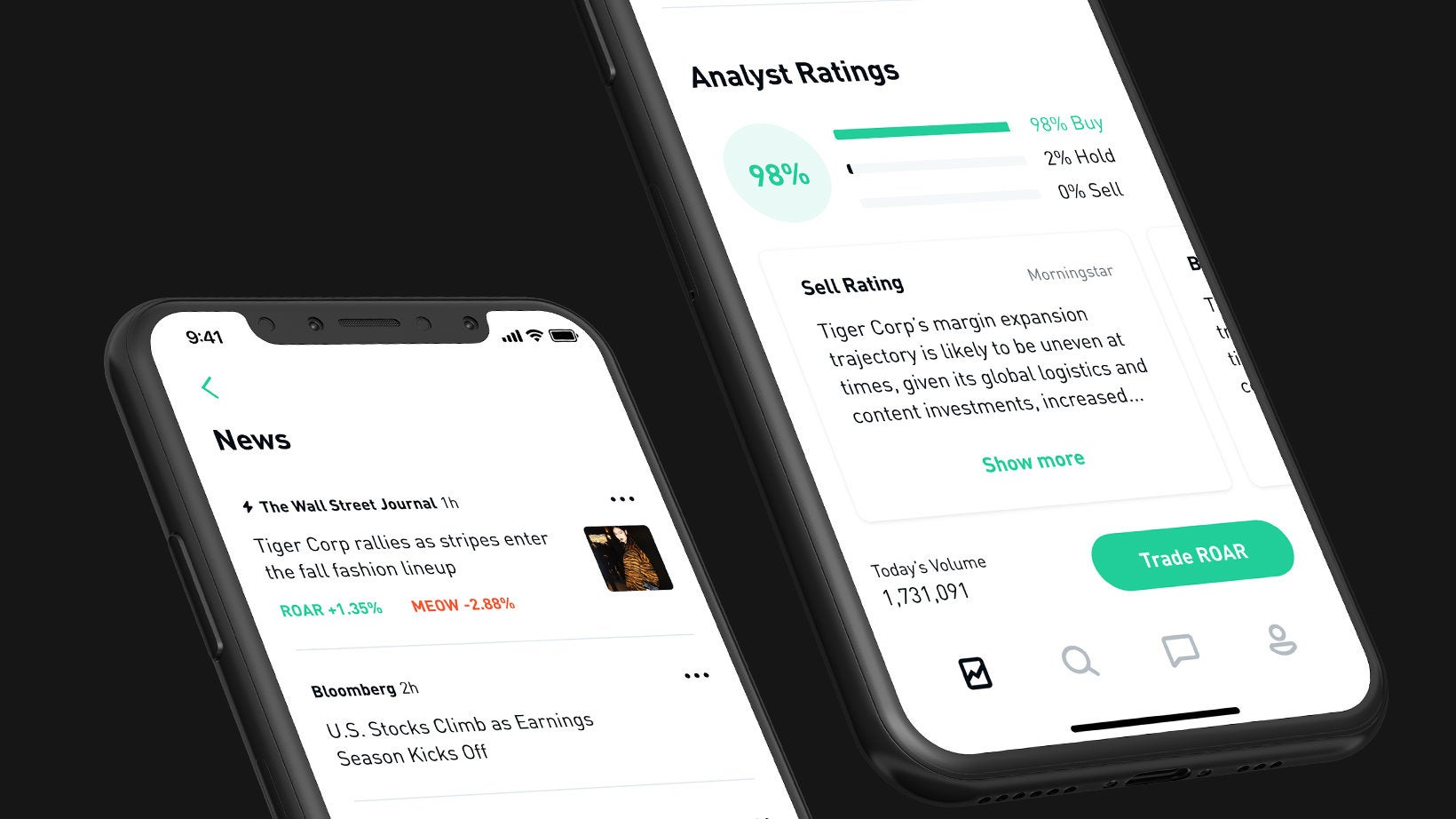
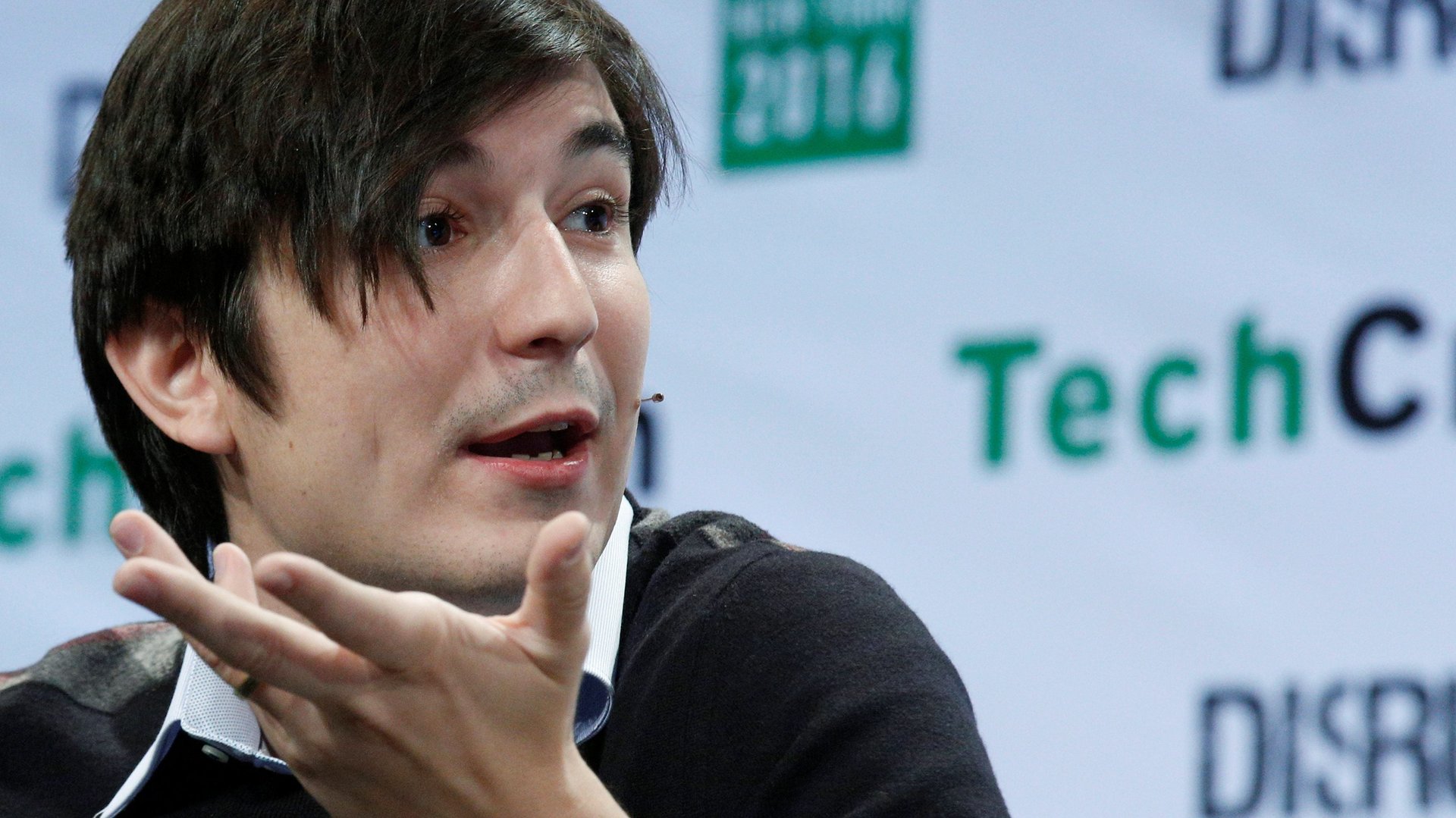
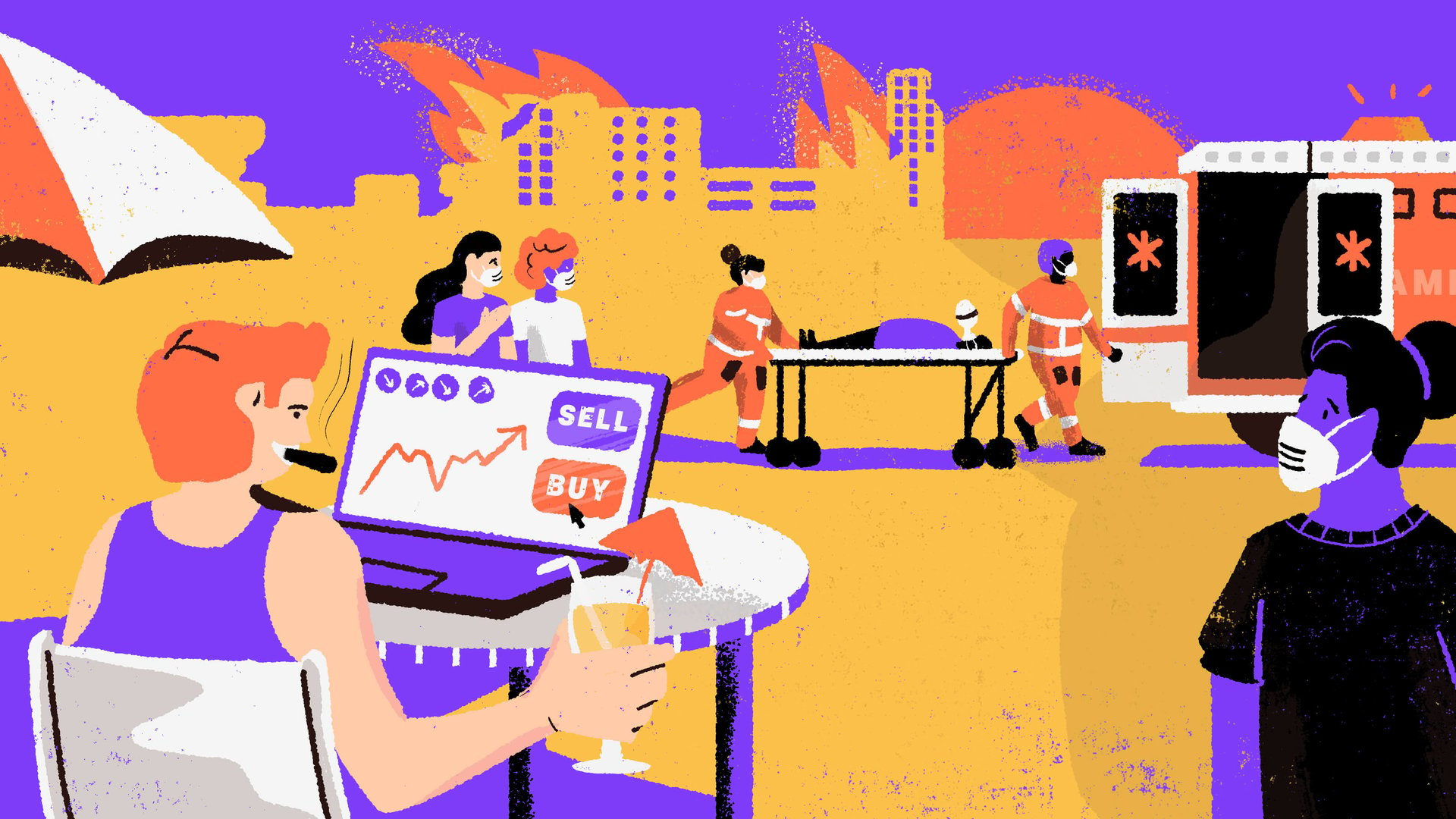
A handful of companies are thriving in the post-Covid world. Apple. Amazon. Zoom. And then there’s Robinhood. If you had asked in 2019 who the winners might be in an economy-shattering pandemic, who would have guessed a retail brokerage app? Welcome to 2020.

Nvidia’s planned planned acquisition of Arm Holdings is the biggest semiconductor deal in history. Yet, one of the surprises about Arm’s $40 billion valuation is how small it is.

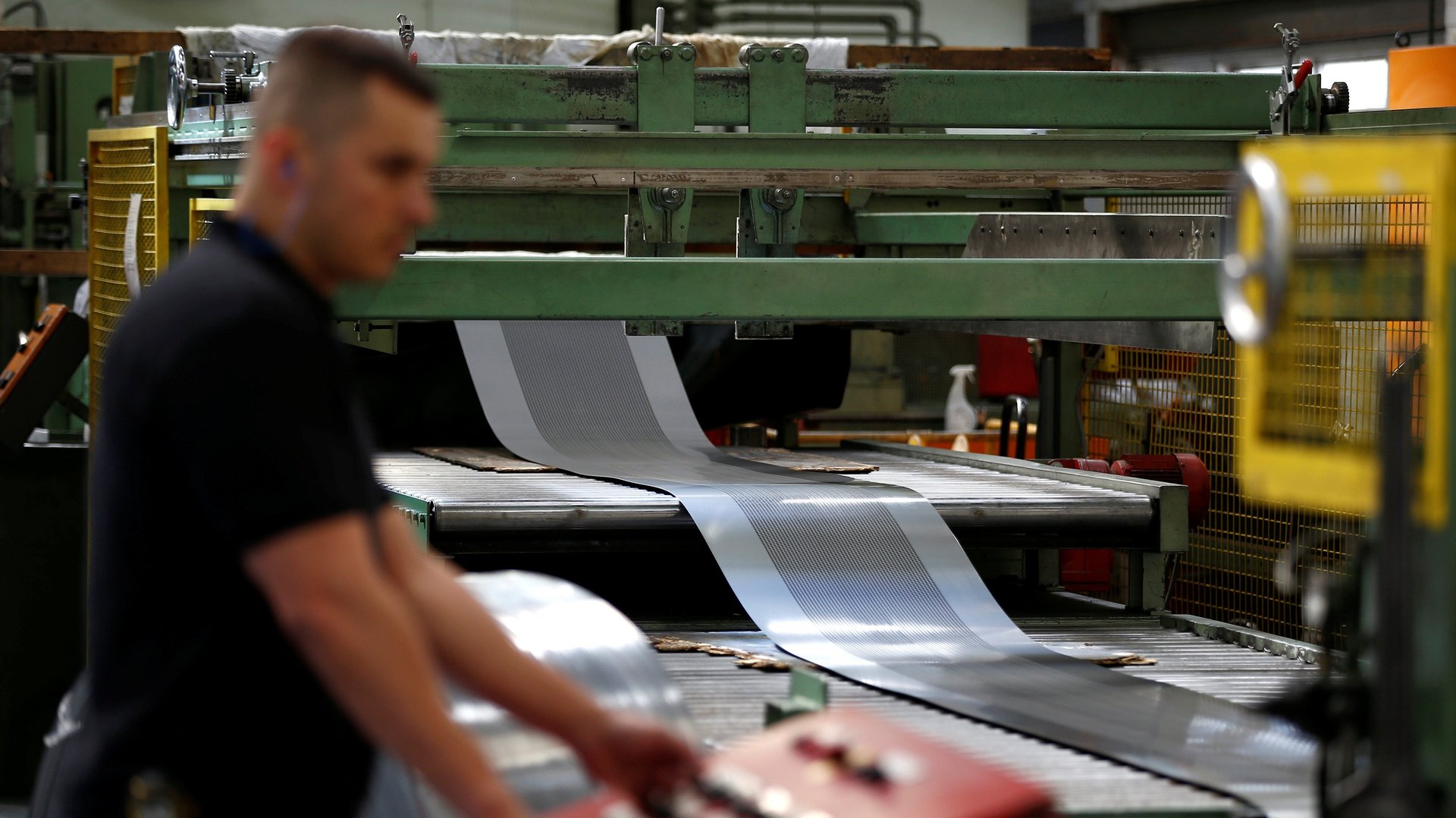
From Washington to Berlin, officials are scrambling to find the best ways to help workers.

The pandemic has made Britain’s economy even more British, as workers born in the EU walk away.

Hi [%first_name | Quartz member%],

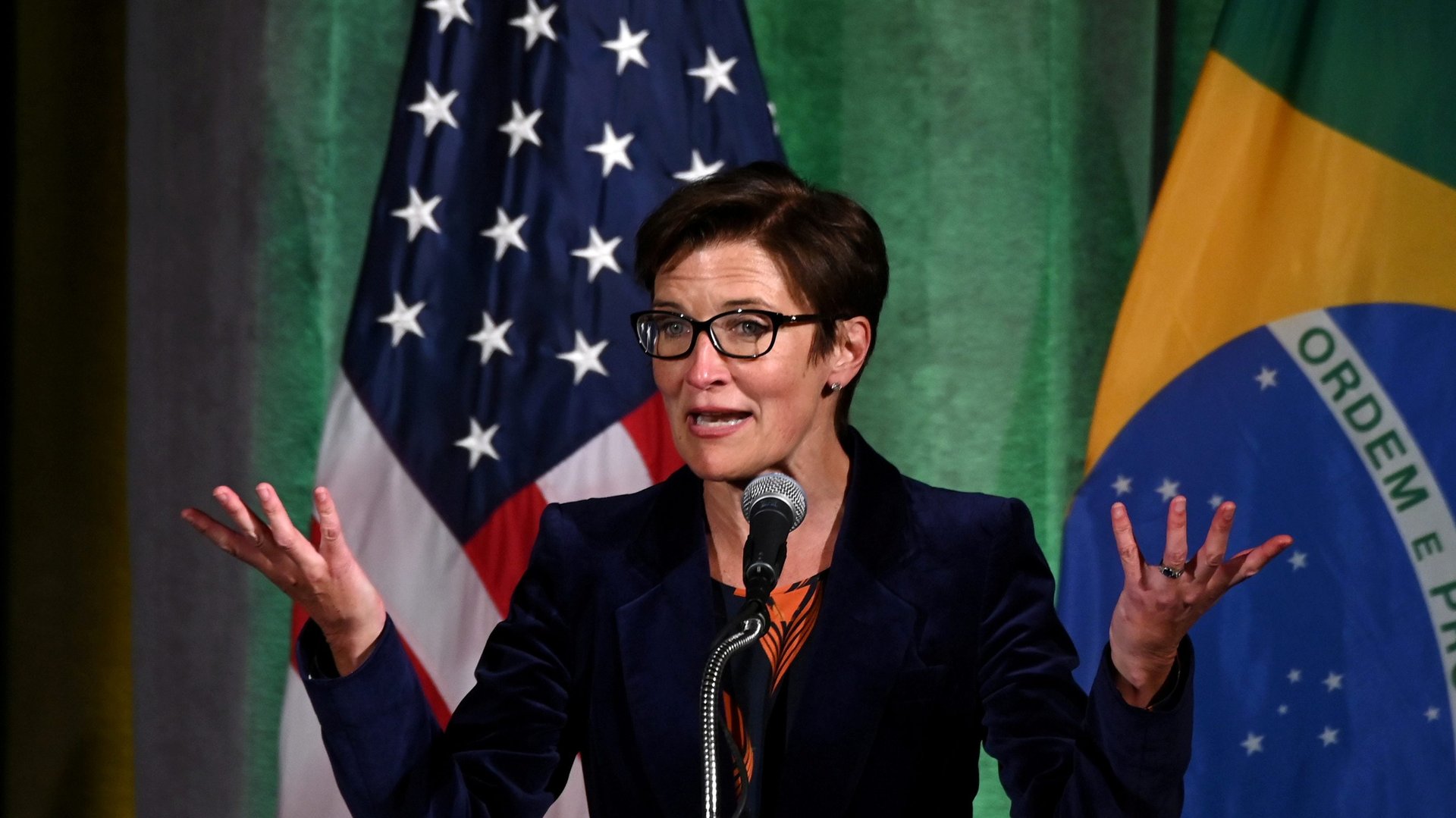
Citigroup named Jane Fraser to take over as CEO, making her the first woman to run a US mega bank. She’s takes over from Michael Corbat, a Citi lifer who was credited with steadying the institution after the 2008 financial crisis.

The Long-Term Stock Exchange launched today (Sept. 9) with a humble goal—to reform American capitalism as we know it.

The coronavirus pandemic has pushed US financial data into extreme territory.

A funny side effect of the boom in US stocks is that a growing number of executives are considering whether to sidestep the traditional IPO.

The feedback loop between financial markets and bubbles is fiendishly difficult to unravel, which is perhaps one of the reasons why the bookshelf of financial bubble literature gets heavier every year. Here are a few of the most influential and interesting ones:

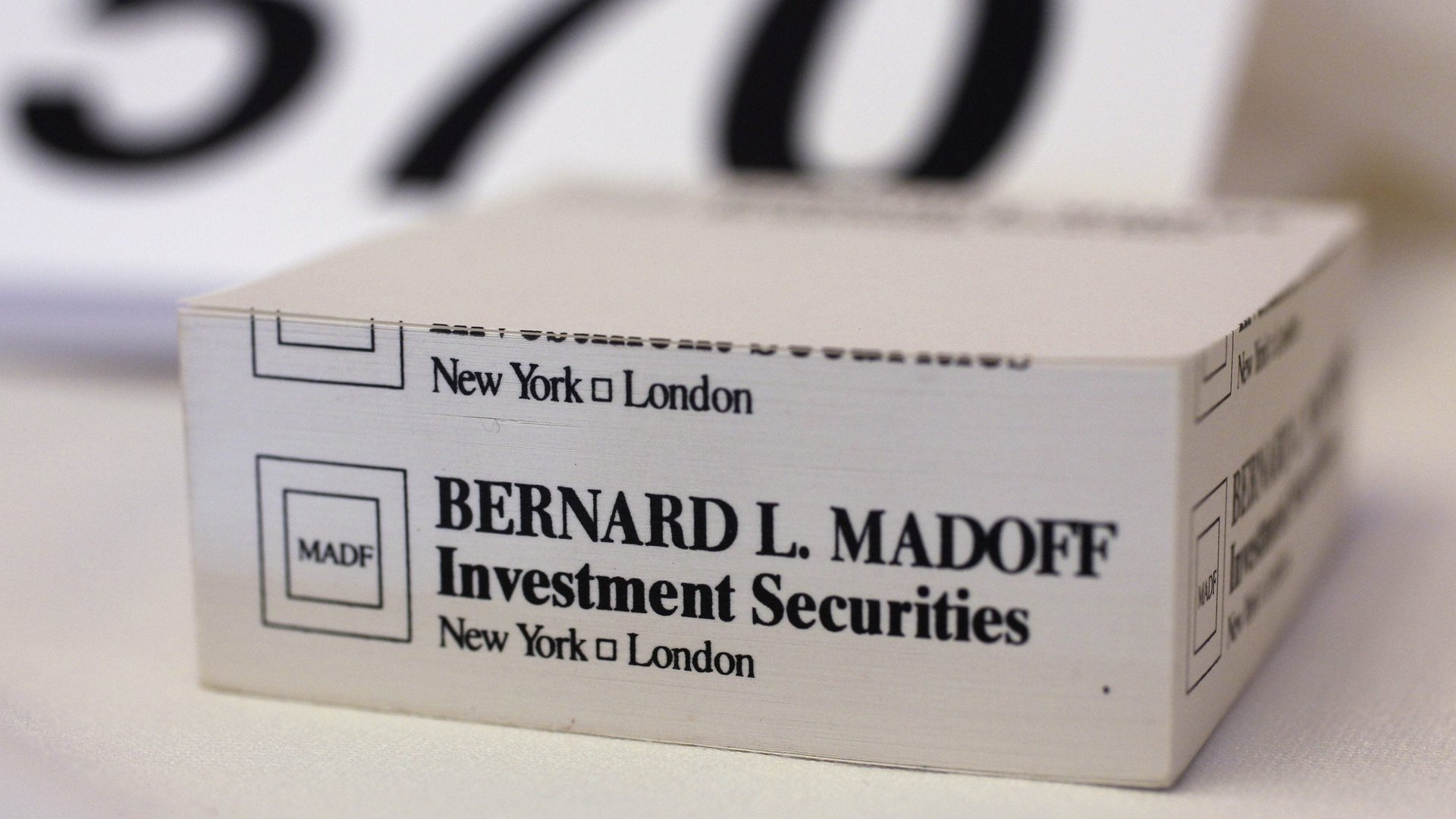
Bernard L. Madoff ran the world’s largest Ponzi scheme. He was also a key pioneer of the business model that helps underpin “commission-free” stock brokerage for everyday traders. In some respects, Madoff is the godfather of today’s retail trading boom.

John Coates probably knows more than anyone else about the interplay between hormones and financial markets.

A historic economic crash. Geopolitical turmoil dialed up to the max. A pandemic threatening to rip through the world’s population again.

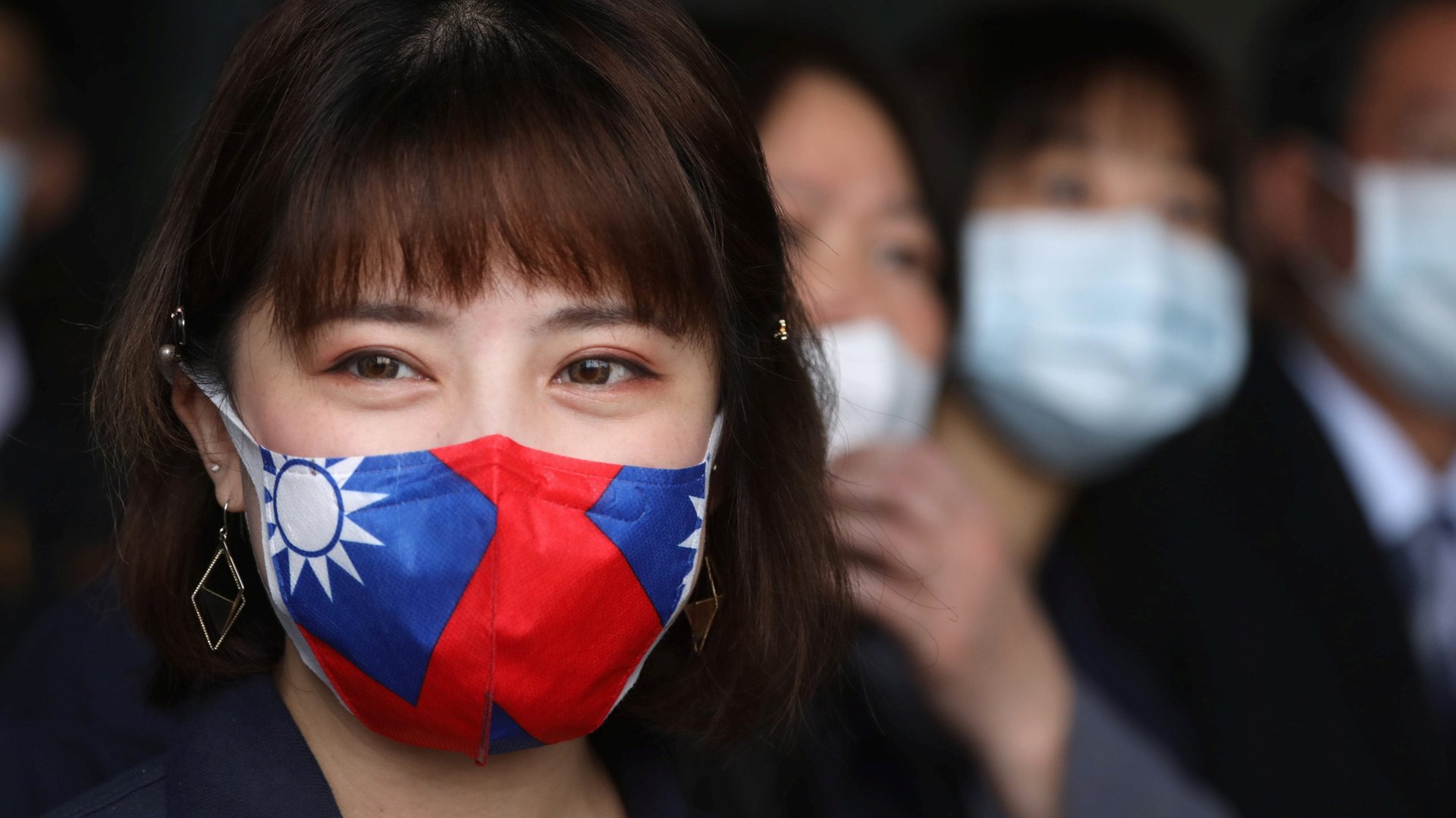
Just by looking at Hong Kong’s stock exchange, it wouldn’t be immediately obvious that US-Chinese relations are at their lowest point in a generation, or that the city has become a point of conflict between world powers.

As of Aug. 3, 43 publicly traded or large private retailers had filed for bankruptcy in the US in 2020, according to market intelligence firm S&P Global. It’s a rate not seen since the 2008 financial crisis and its aftermath.