

Tech & Innovation
The new cryptocurrency gold rush: digital tokens that raise millions in minutesNew York City
Updated July 20, 202211 min read
New York City
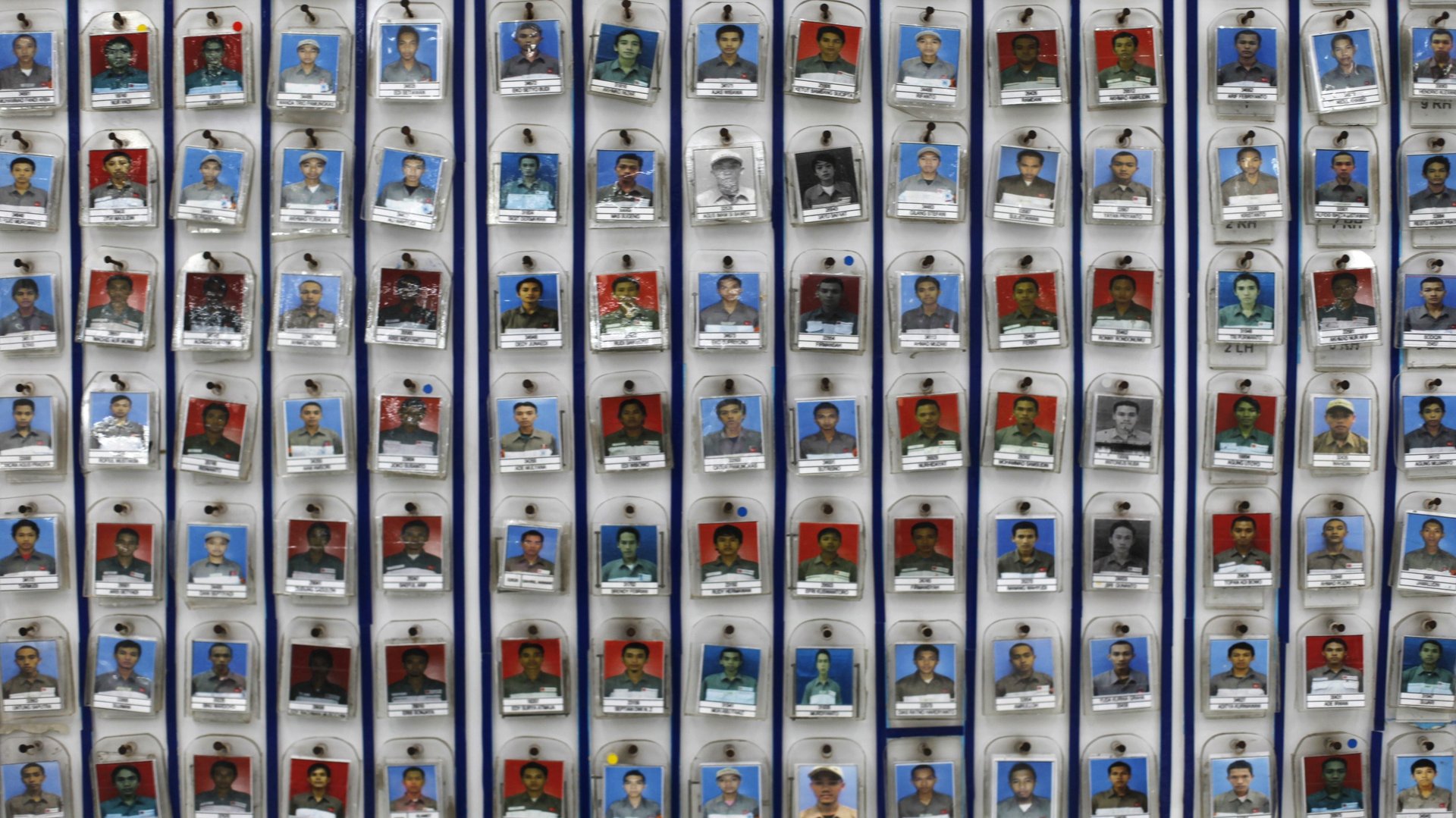
When swathes of the internet were taken offline for hours last year, it was because Internet of Things devices had been hijacked by a malicious botnet, known as “Mirai,” that overwhelmed parts of the global network with streams of data.
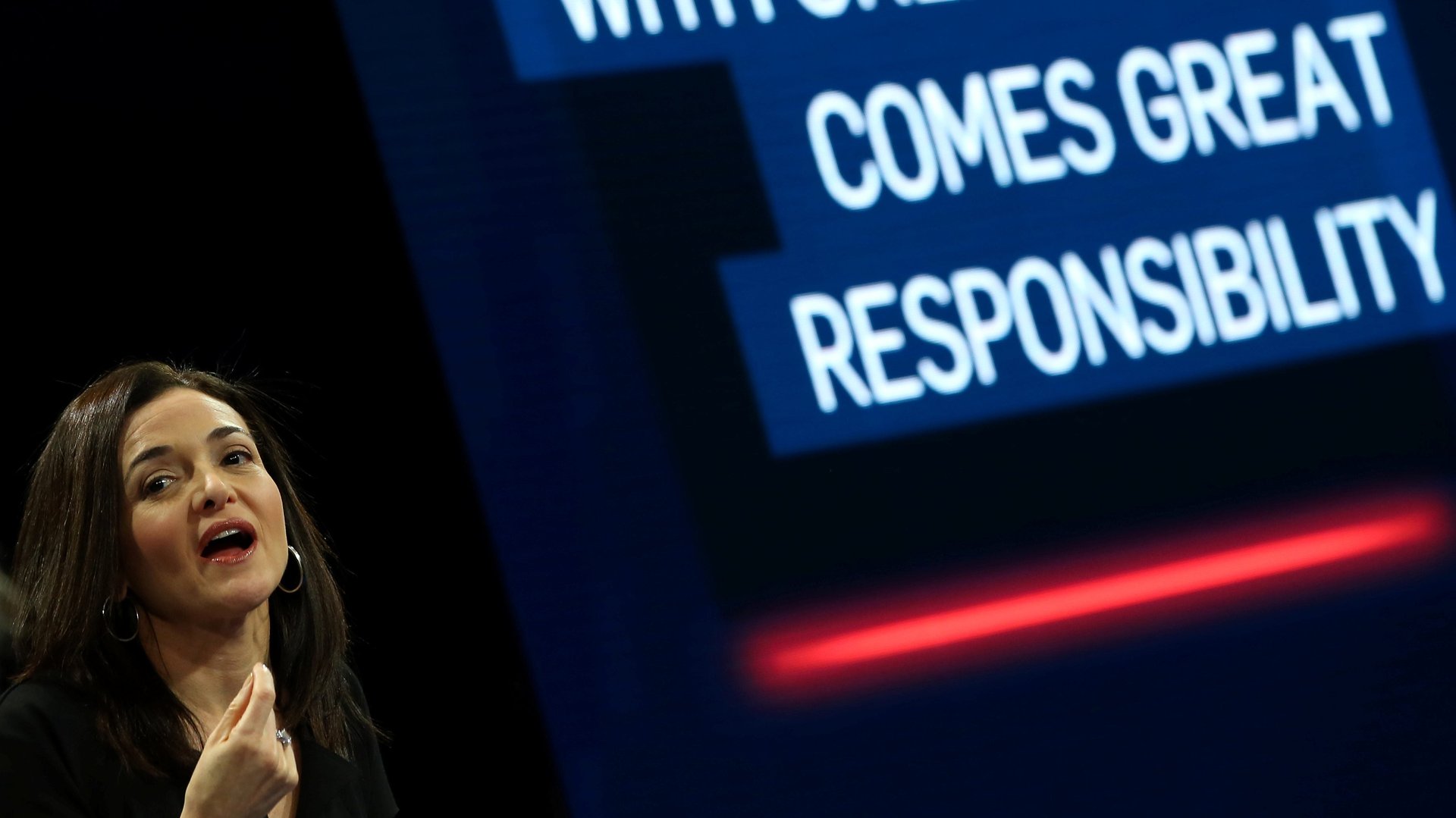
The Irish Independent has published correspondence between Facebook chief operating officer Sheryl Sandberg and Irish prime minister Enda Kenny, obtained through a freedom of information law request. Facebook’s European headquarters are in Dublin, Ireland.
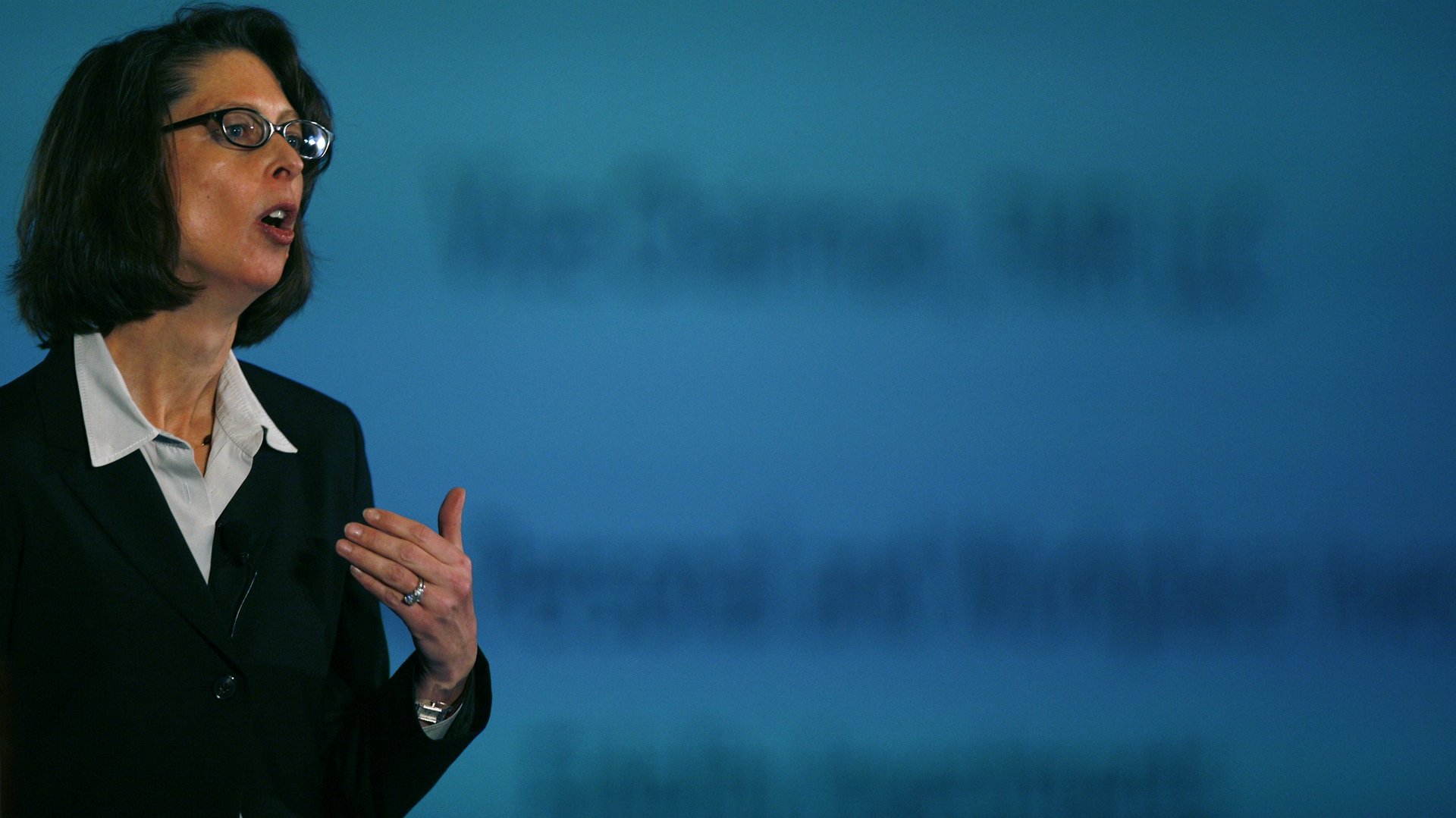
The head of one of the world’s largest asset management firms came out today (May 23) as a huge fan of bitcoin. Abigail Johnson, chief executive of Fidelity, which manages $1.9 trillion in mutual fund assets, told an audience at the 2017 Consensus conference—a blockchain technology summit—in New York that she was there because she “loves this stuff.”
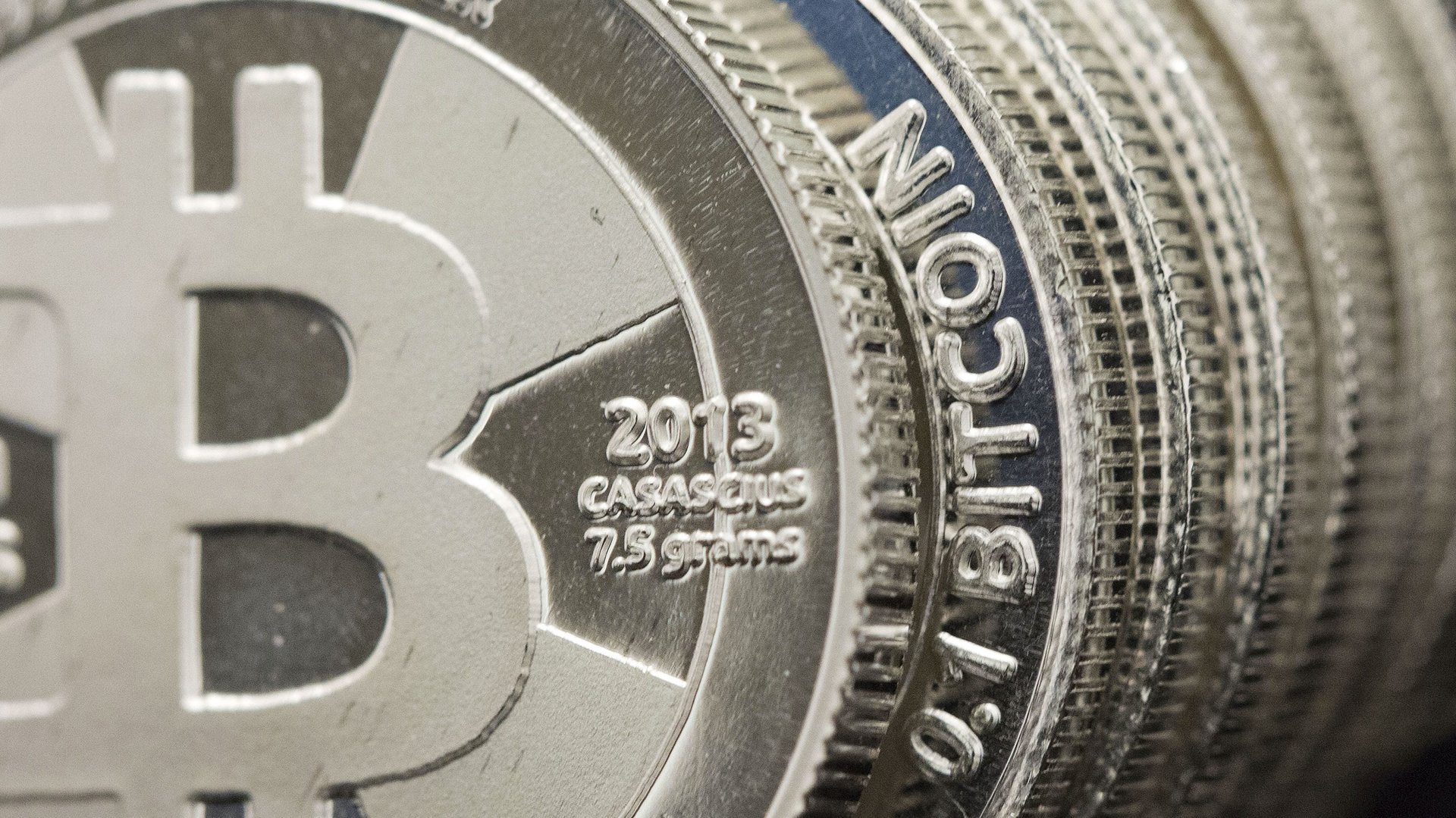
Wences Casares has been called the “patient zero” of bitcoin among Silicon Valley’s elite. He got Bill Gates, Reid Hoffman, and countless other luminaries into bitcoin at gatherings of the rich and famous in Sun Valley and elsewhere.
New York City
In one of the largest penalties levied against it (paywall), Facebook was hit with a €110 million ($122 million) fine by the European Commission today for providing “misleading information” over its ability to match its users with WhatsApp’s users when it acquired the chat platform in 2014.

Facebook is breaking data privacy laws in France, Belgium, and the Netherlands and faces investigations in Spain and the German city of Hamburg, privacy regulators from those respective areas announced today. French authorities also announced they were slapping Facebook with the maximum fine allowed under French privacy law, of €150,000 ($164,000). To put that in perspective, Facebook generated $27.6 billion in revenues last year.

DeepMind obtained 1.6 million patient records from Britain’s National Health Service using a mechanism that was without an “appropriate legal basis,” according to a leaked letter from the UK’s top data privacy adviser, Sky News reported today. The letter has been verified as authentic by its source.

The hackers who unleashed a global ransomware attack on Friday (May 12) have netted themselves over $42,000 in payments from victims so far—a paltry sum compared with the hundreds of millions in market value that cybersecurity companies around the world have gained since the attacks hit.
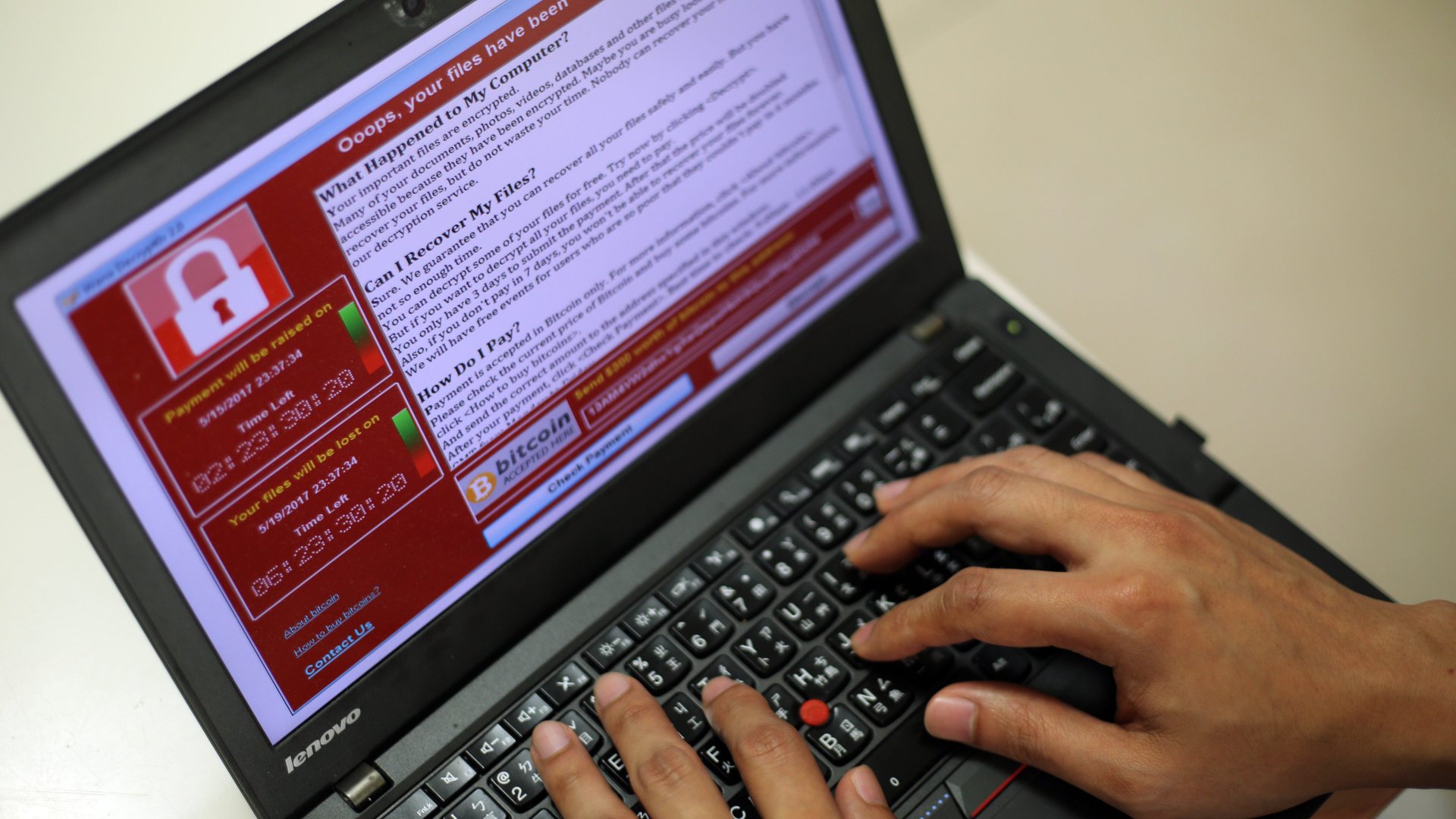
A second wave of global infections caused by hackers in a global ransomware attack has been halted. The hackers responsible for the cyber attack, unprecedented in its global scale, demanded ransom be sent to three bitcoin addresses. So far they have amassed the equivalent of over $42,000 in ransom. But a new ”kill switch” by Matthieu Suiche, the founder of cybersecurity startup Comae Technologies, has prevented about 10,000 infected machines from propagating the ransomware since it was flipped roughly 24 hours ago.

Users with infected computers in Russia and South Korea are so far the two biggest ransom payers to the hackers who mounted a global ransomware attack, called “Wannacry,” yesterday, according to new data from Chainalysis, a provider of software that works with banks, law enforcement agencies, and bitcoin companies to analyze the blockchain for financial crimes.

Bitcoins traded at over $1,800 late last week, marking a new all-time high. To understand how significant this is, even in the volatile bitcoin market, the cryptocurrency’s previous record price of $1,165 took three years to topple, which happened in February this year when bitcoin traded at $1,210. That milestone has now been crushed just two months later. What’s going on?

Robocallers in Britain, beware. The UK’s privacy watchdog, known as the Information Commissioner’s Office (ICO), has issued its biggest-ever fine for automated nuisance calls. A company called Keurboom Communications was slapped with a £400,000 ($517,000) penalty yesterday, after making nearly 100 million robocalls that triggered more than 1,000 complaints. Keurboom is closing shop as a result; it was placed in voluntary liquidation after the fine.

Norwegian chemicals group Yara announced today that it’s building a battery-powered ship that will be able to drive itself by 2020. It says the new container vessel will replace 40,000 of the diesel truck journeys it makes hauling fertilizer from its plant to ports every year.

Malaysians erupted with excitement when Maria Ozawa, a Japanese actress best known for her adult films, signaled her presence in the country via Instagram three days ago:

It seems Amazon will stop at nothing to live up to its moniker of being “the everything store.” The e-commerce giant is now organizing live gigs in London—the first one is a Blondie show—exclusively for Prime members.
Blockchain technology has been an obsession on Wall Street for years, as banks try to apply the notion of a shared, permanent ledger to antiquated financial plumbing. It could speed up transactions and make record keeping flawless. But the benefits of the technology could soon flow to an unlikely group: songwriters seeking the millions of dollars in royalties that the world’s biggest streaming platforms owe them.
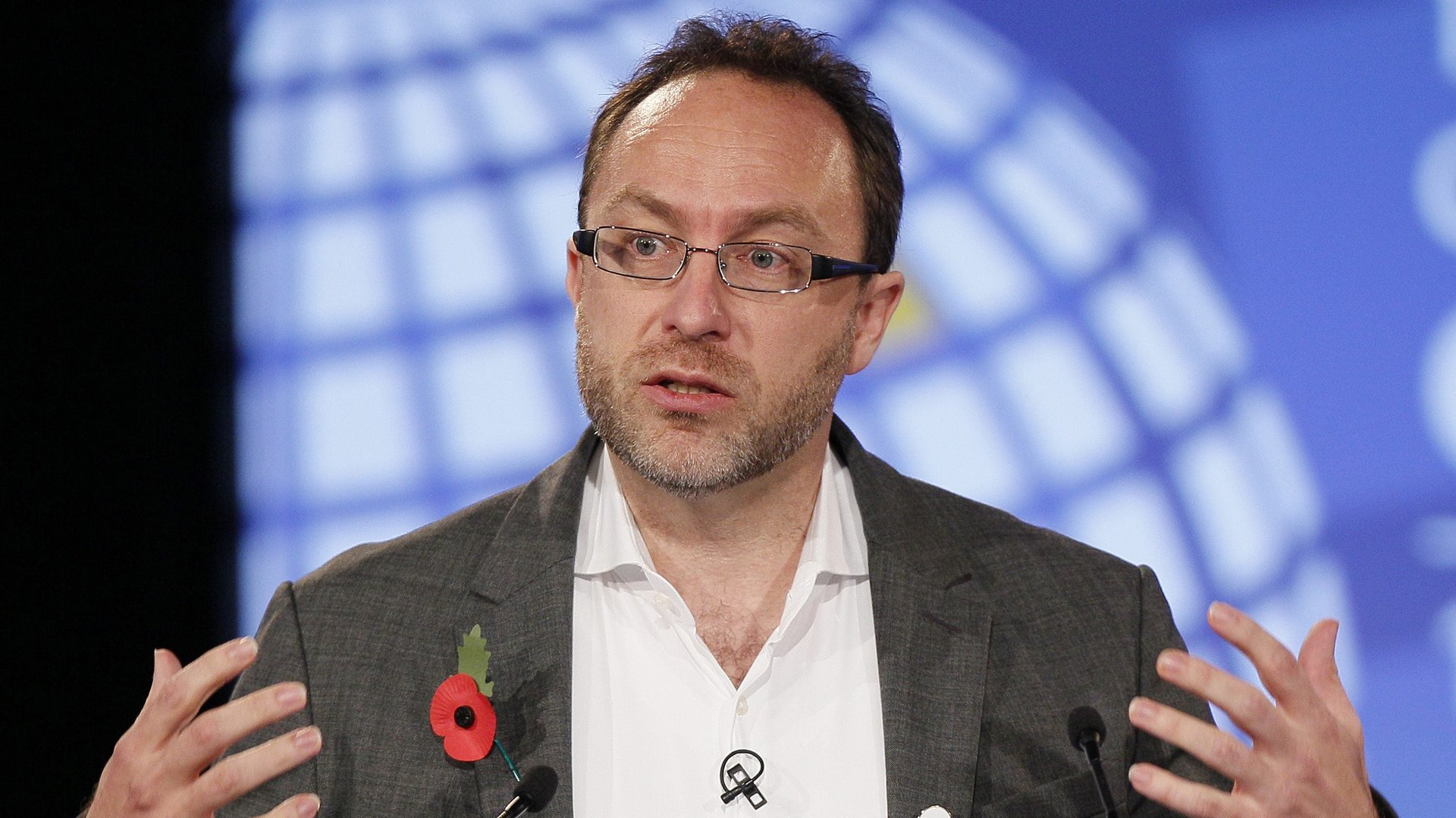
Redditors are getting worked up over a post titled, “Wikipedia has cancer.” Its author is a longtime Wikipedian named Guy Macon who analyzed the spending of Wikipedia’s owner, the non-profit Wikimedia Foundation. Macon finds that Wikimedia’s expenditures are ballooning, up 25% for the year in 2016, for instance. “Like cancer, Wikimedia Foundation spending is growing at an exponential rate,” Macon writes. ”Like cancer, this will kill the patient unless the growth is stopped.”
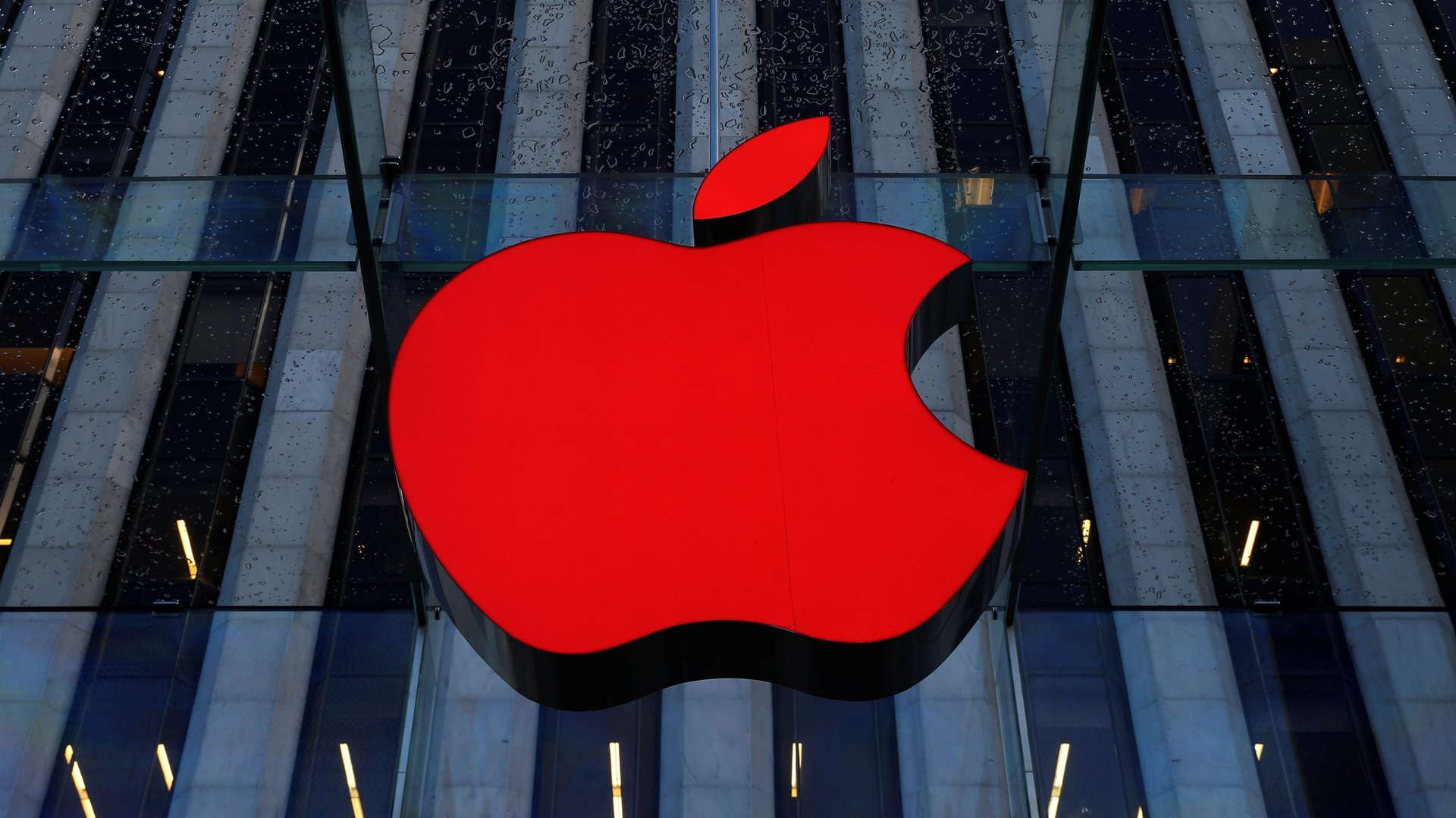
Apple teased its Singapore customers yesterday by partially lifting the curtain on its long-rumored retail debut in the island state. It revealed its glass store-front, but the contents were obscured by a facade plastered across it, showing a Apple logo in red emblazoned against a white background.

Piracy has been dying for years, thanks to streaming services like Netflix and Spotify that offer a convenient and affordable buffet of movies, TV shows, and music. The latest evidence suggests that it continues to decline: Visits to piracy sites were down 6% last year.

Google is apparently testing a new job-search feature that includes its own job portal. The testing was caught in the wild by search engine optimization consultant Dan Shure on April 28.
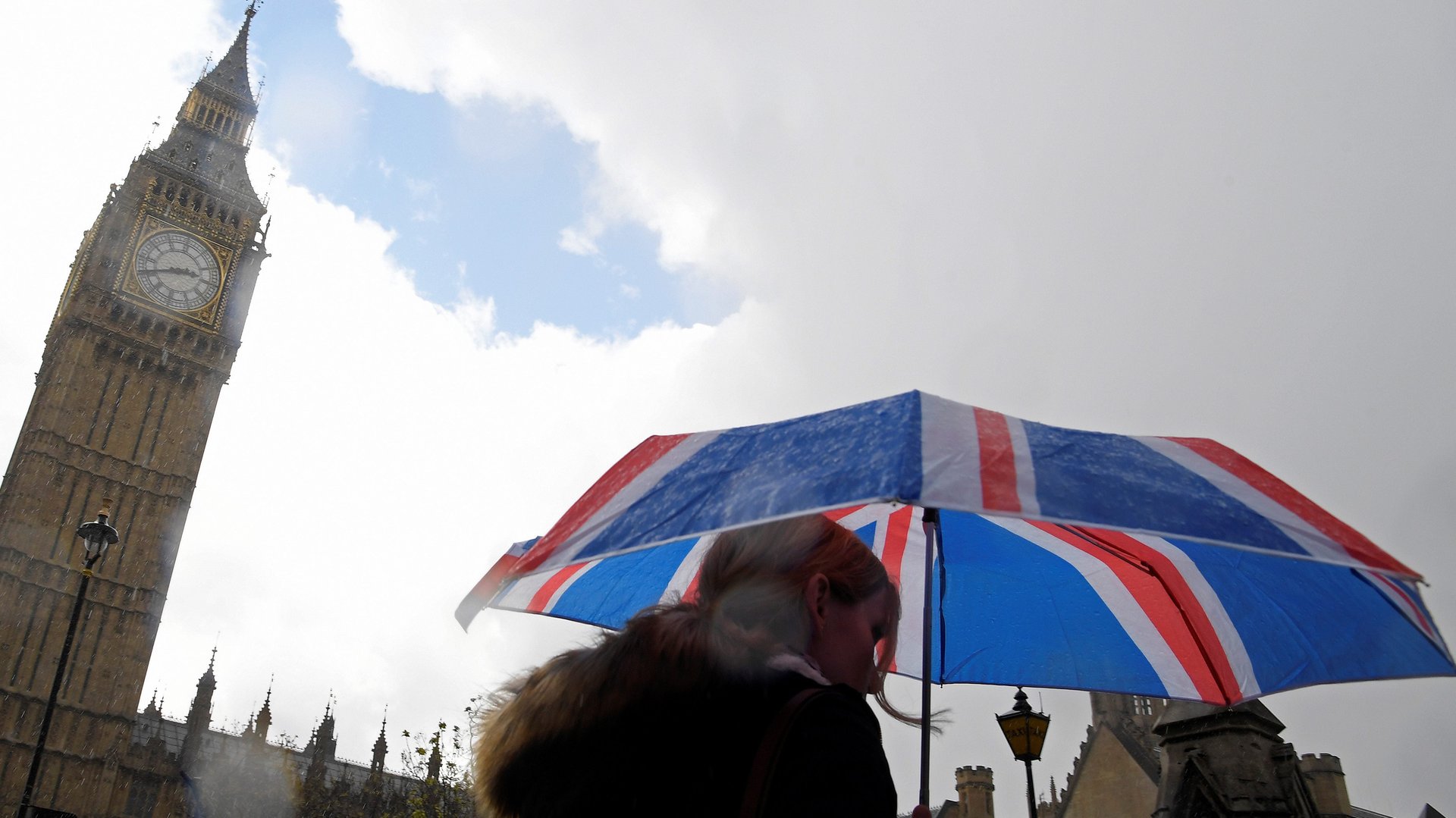
The UK may follow Germany’s lead in dealing with hate speech online. A parliamentary report on hate speech on social media published today calls for “escalating sanctions” that should include “meaningful fines” for companies like Google, Facebook, and Twitter for failing to scrub illegal content within a strict time limit. The report notes Germany’s efforts to do so, which include proposed legislation that could impose fines of up to €50 million ($54.5 million).

Facebook published a new paper this week outlining how it’s dealing with government-backed attempts to influence politics in other countries, or what it’s calling “information operations.” One of its findings refutes the notion that bots are the primary distributors of fake news. “Most false amplification in the context of information operations is not driven by automated processes, but by coordinated people who are dedicated to operating inauthentic accounts,” the report reads.