

Tech & Innovation
Thanks to China, Apple has updated its app store policy to allow tippingApple has taken a tip from China’s internet users.
Updated July 20, 20223 min read
Apple has taken a tip from China’s internet users.
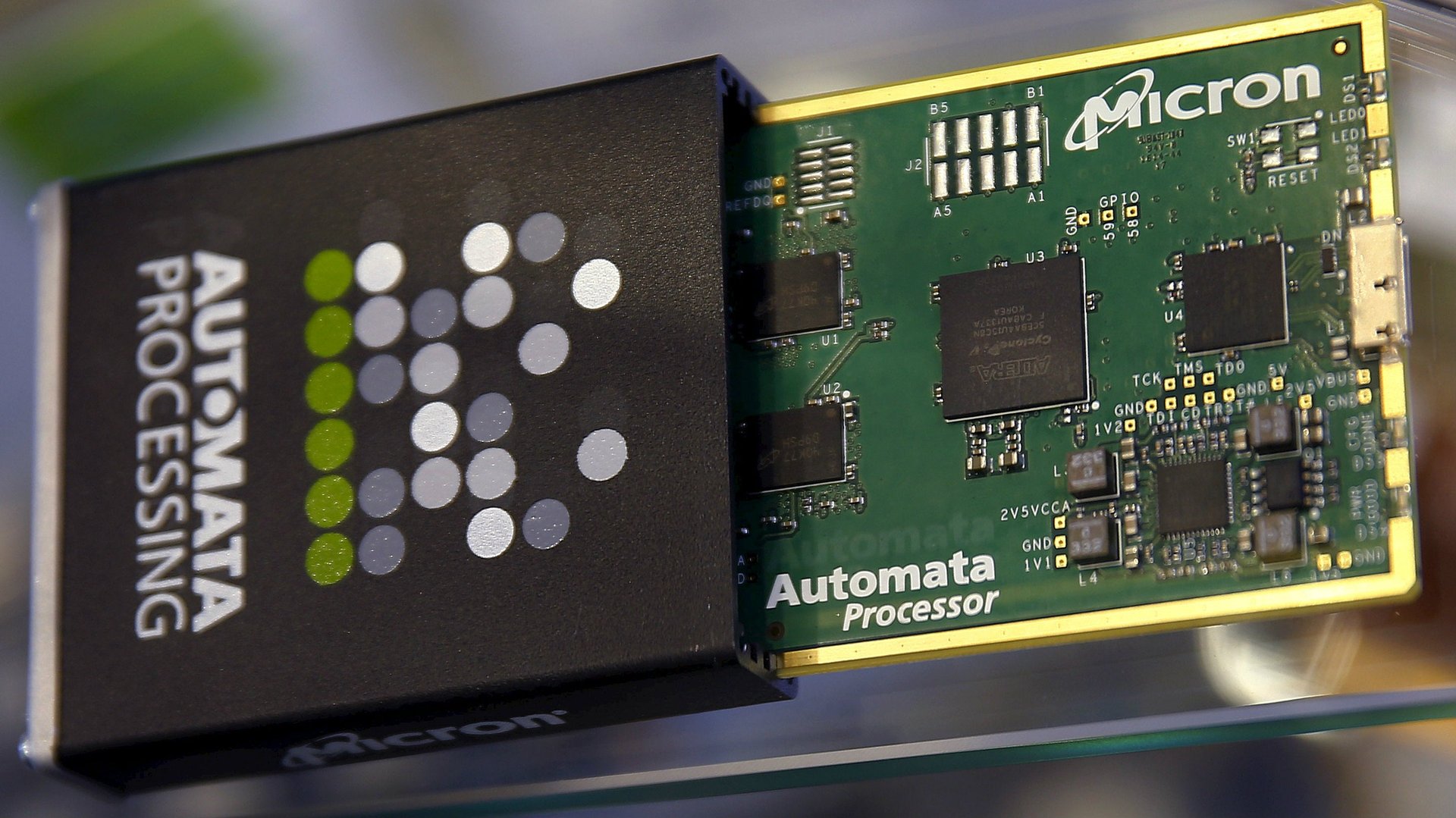
US president Donald Trump yesterday (Sept. 13) vetoed a Chinese private-equity firm’s proposed $1.3 billion purchase of Lattice Semiconductor, an Oregon-based chip manufacturer.

Enterprising Chinese who live or travel abroad have built makeshift businesses buying make-up, jewellery, and clothing, among other items, and reselling them on popular online platforms in China like Taobao or WeChat. The practice is known as daigou in Chinese, and by 2015, had built a market estimated to be worth $6.5 billion.
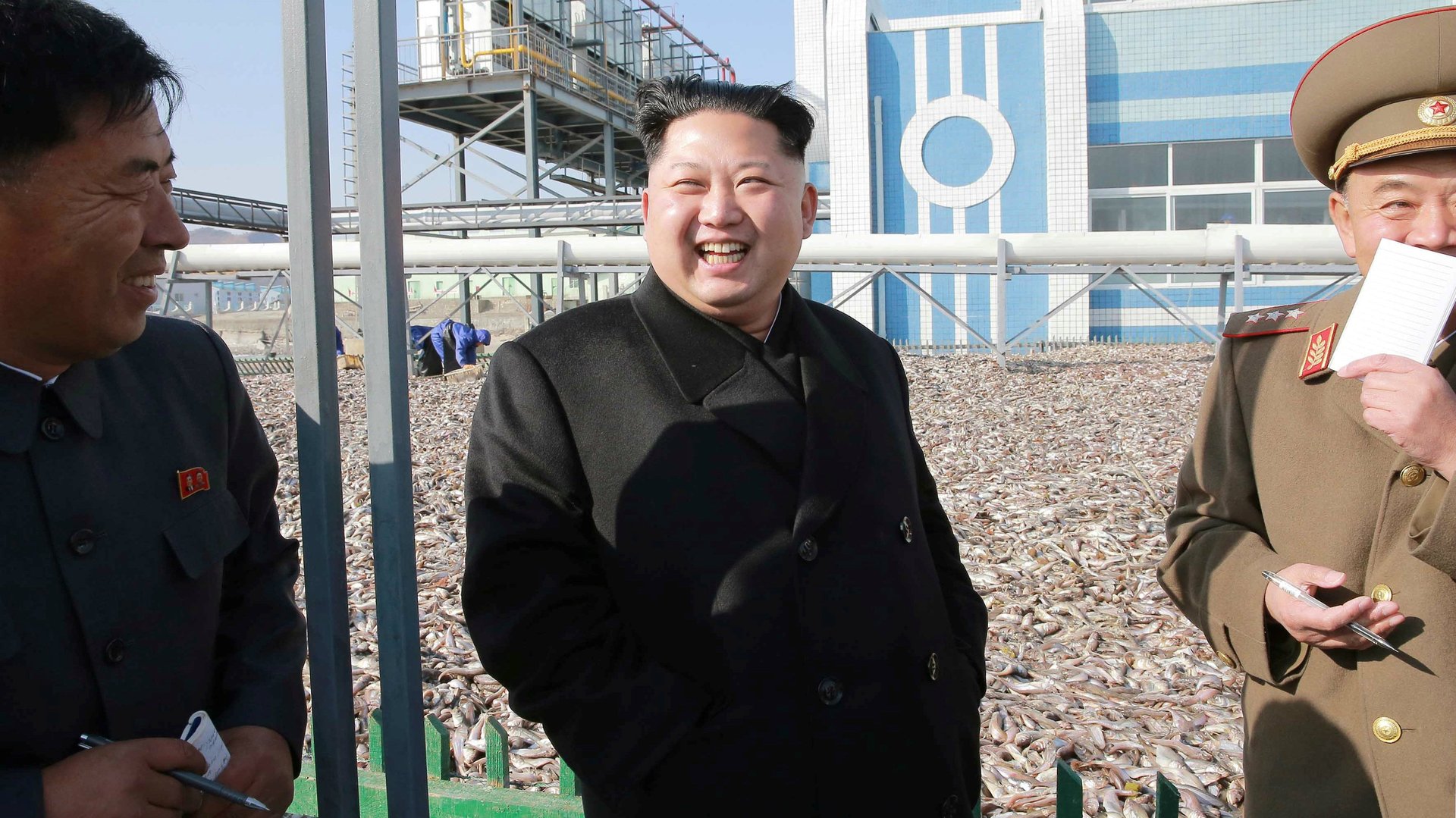
The latest public figure to catch the cryptocurrency bug? None other than Kim Jong-un.
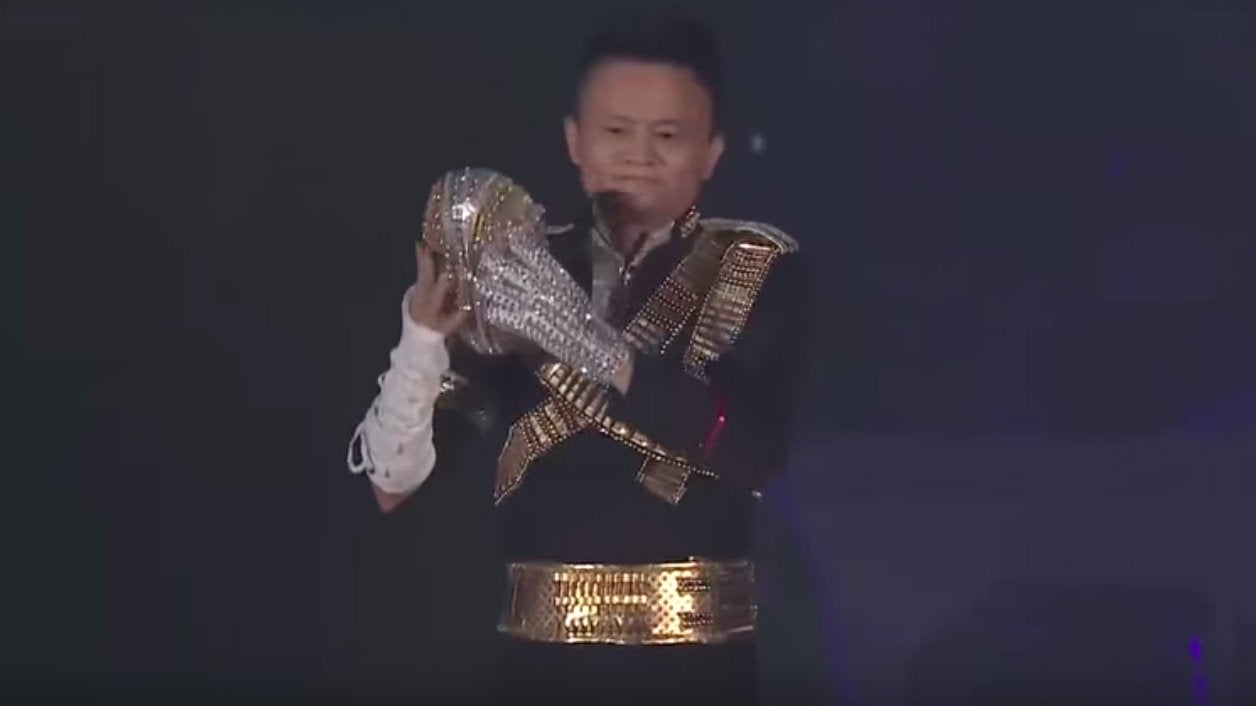
Alibaba founder Jack Ma is known for his showmanship. But over the weekend he paid an especially ambitious tribute to the ultimate showman—Michael Jackson.
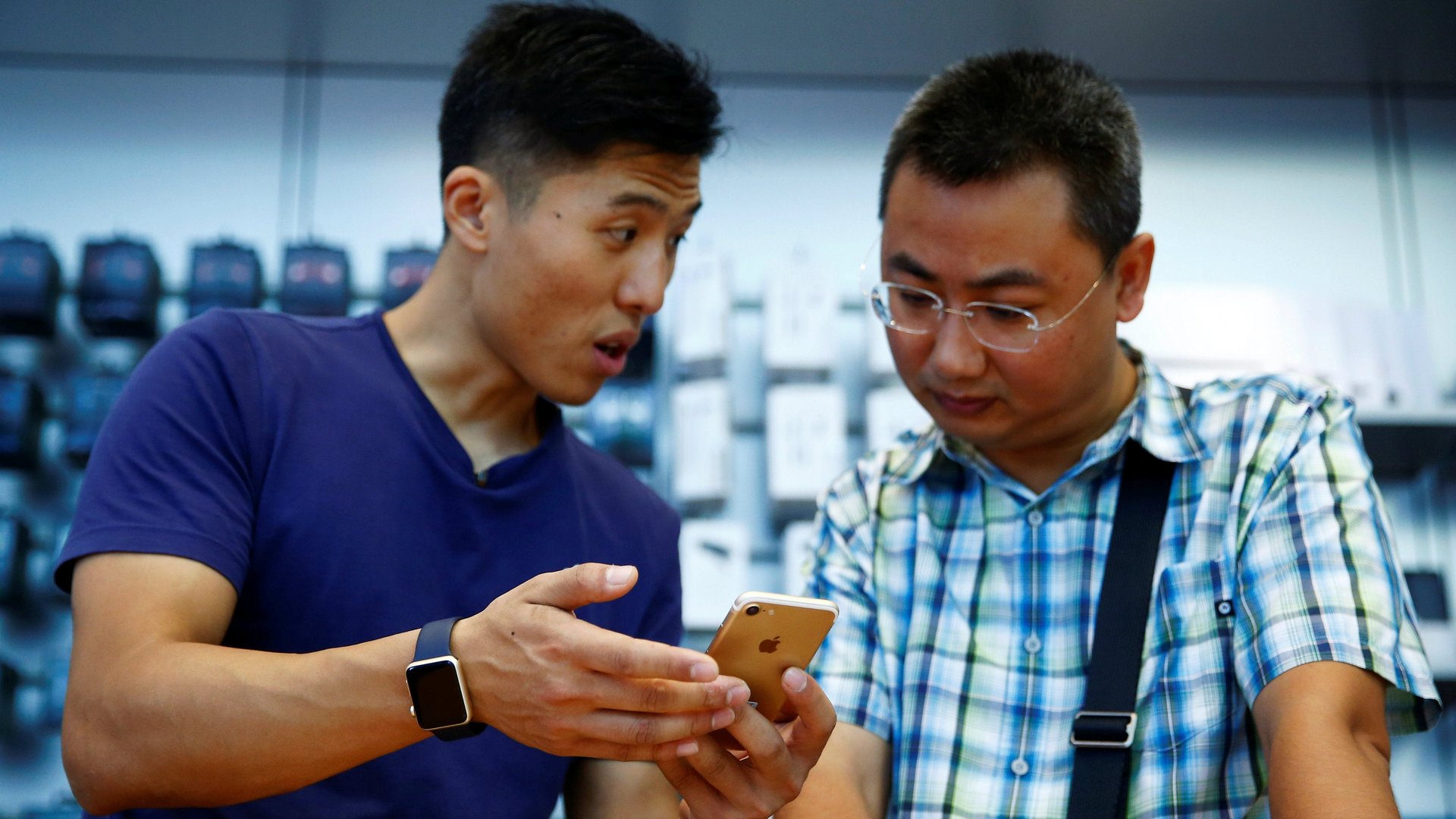
Today (Sep. 12), the world will watch as Apple unveils its latest flagship device. Fanboys will swoon as the company touts several industry firsts, along with the new iOS 11 operating system. Rival brands will be on the lookout for features to copy as they prepare new handsets of their own. But how will consumers in China react?
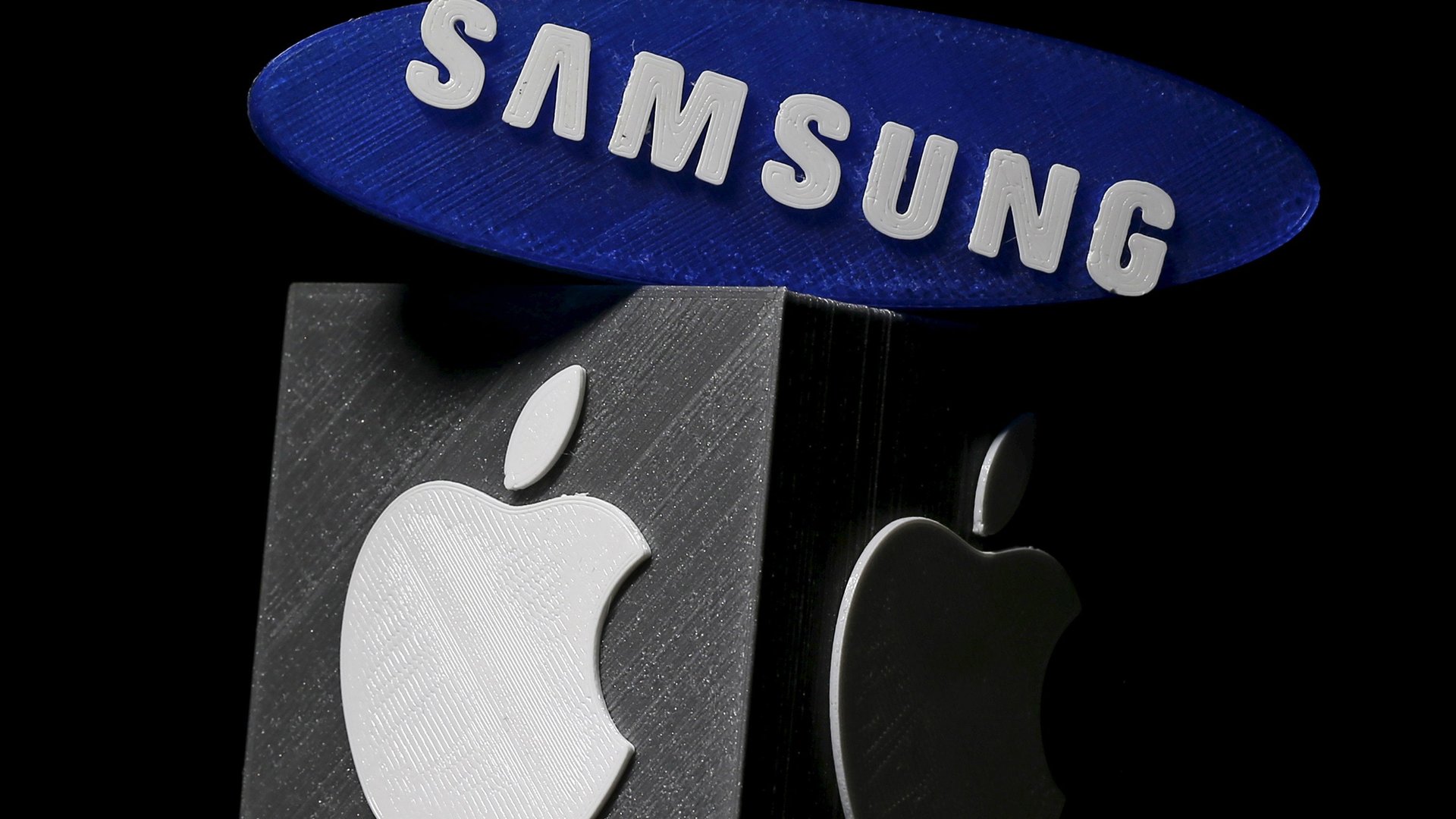
When Apple unveils its next major iPhone, expected Sept. 12, one of its major competitors is likely to be cheering right along with the company’s devoted fans.
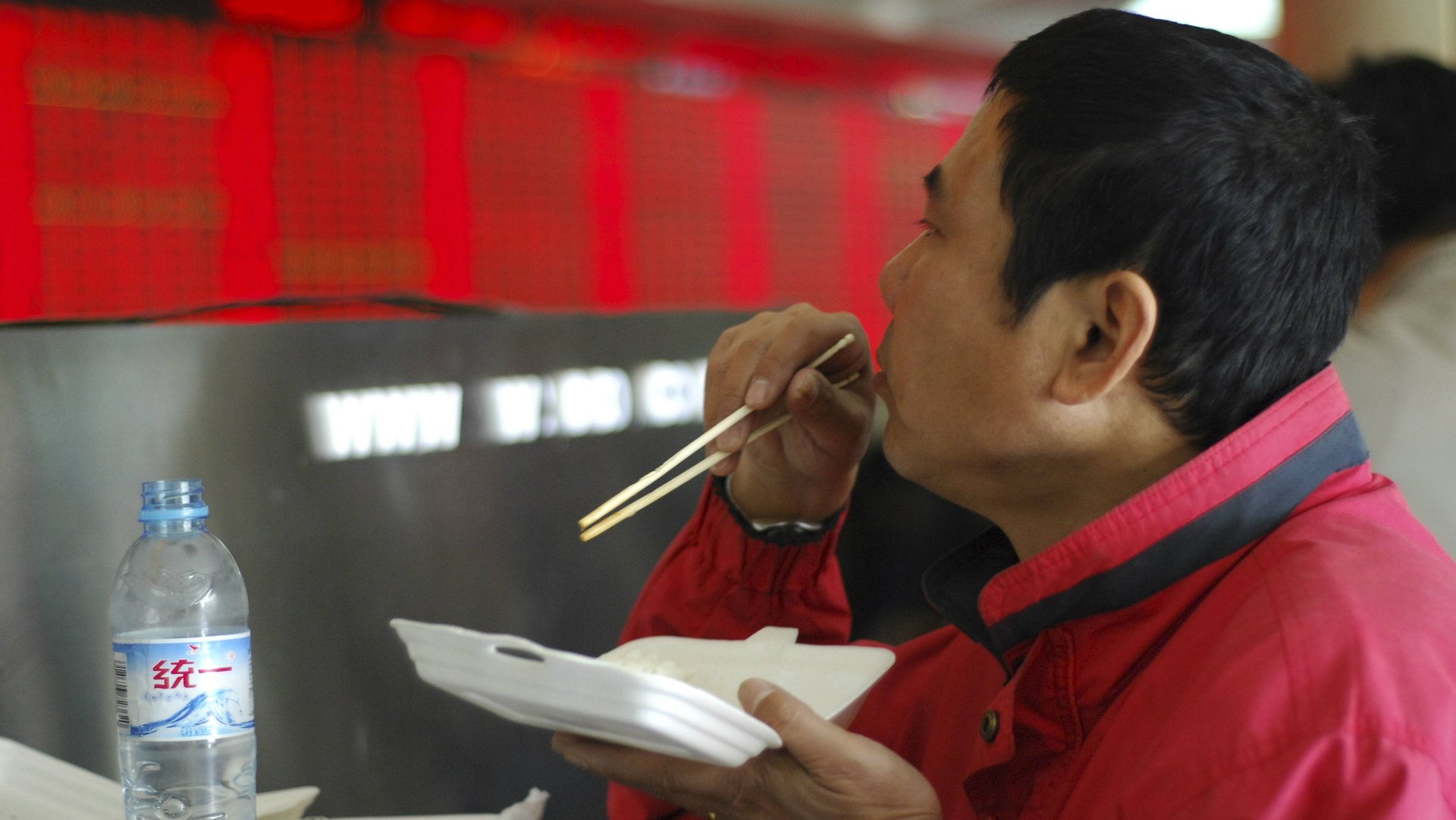
An activist organization in China is taking some of the country’s food delivery companies to court over a set of utensils.

Religion in white America is dying, while religion in non-white America is holding strong.
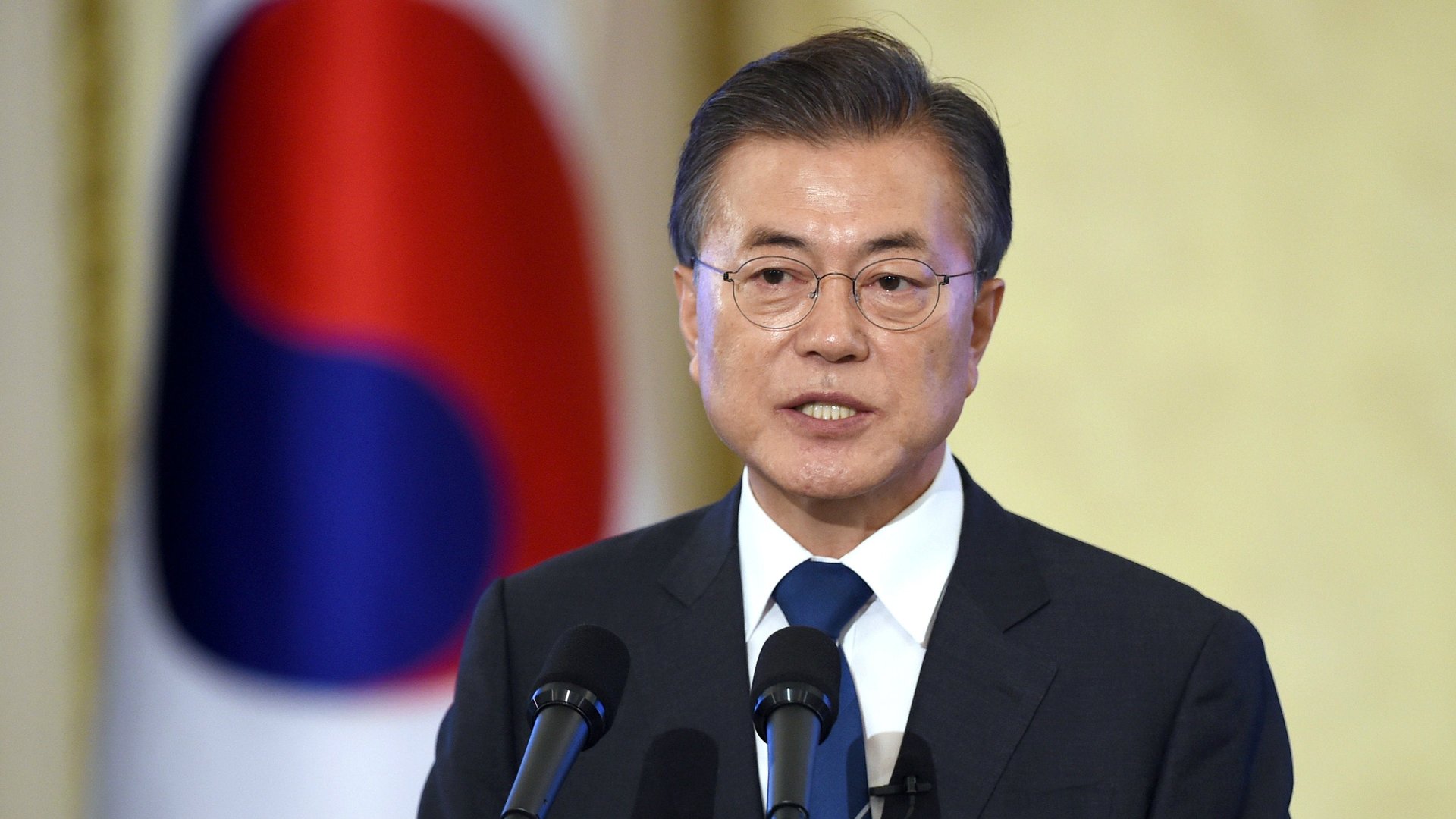
On Saturday (Sep. 2), reports surfaced that Donald Trump is considering withdrawing (paywall) from a landmark free-trade deal with South Korea. The timing of the news couldn’t have been worse. Just one day after, North Korea announced it had tested a hydrogen bomb that could be mounted on an intercontinental ballistic missile.
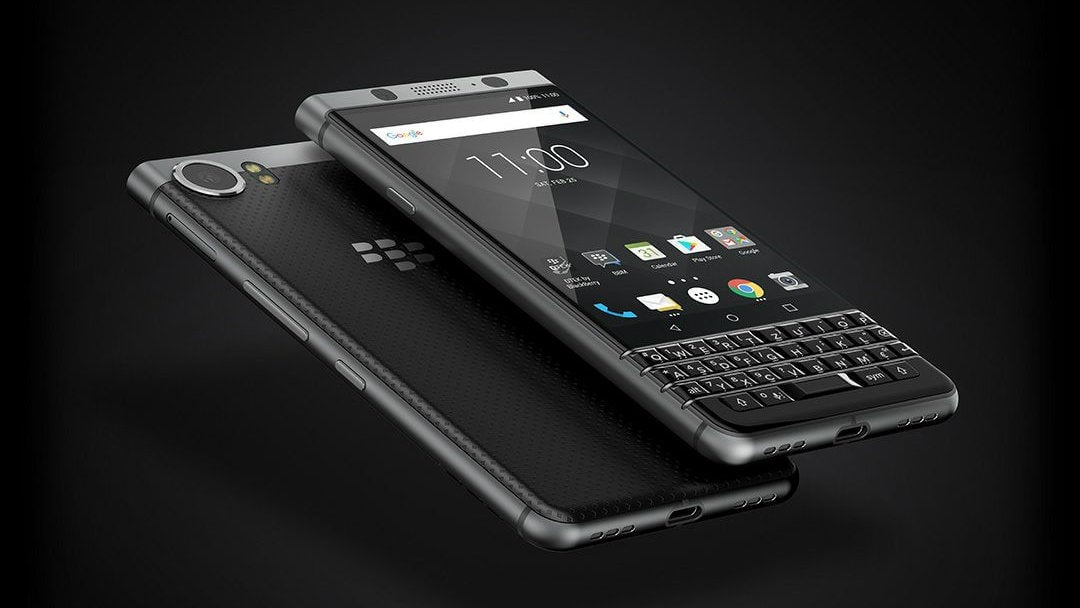
Two forgotten handset brands are emerging from the dead. In May, Blackberry made an unexpected return when a device equipped with its signature push-button keyboard hit shelves in North America in May. And yesterday, nerdy gadget bloggers were abuzz over the news that Palm devices may come back into action in 2018.
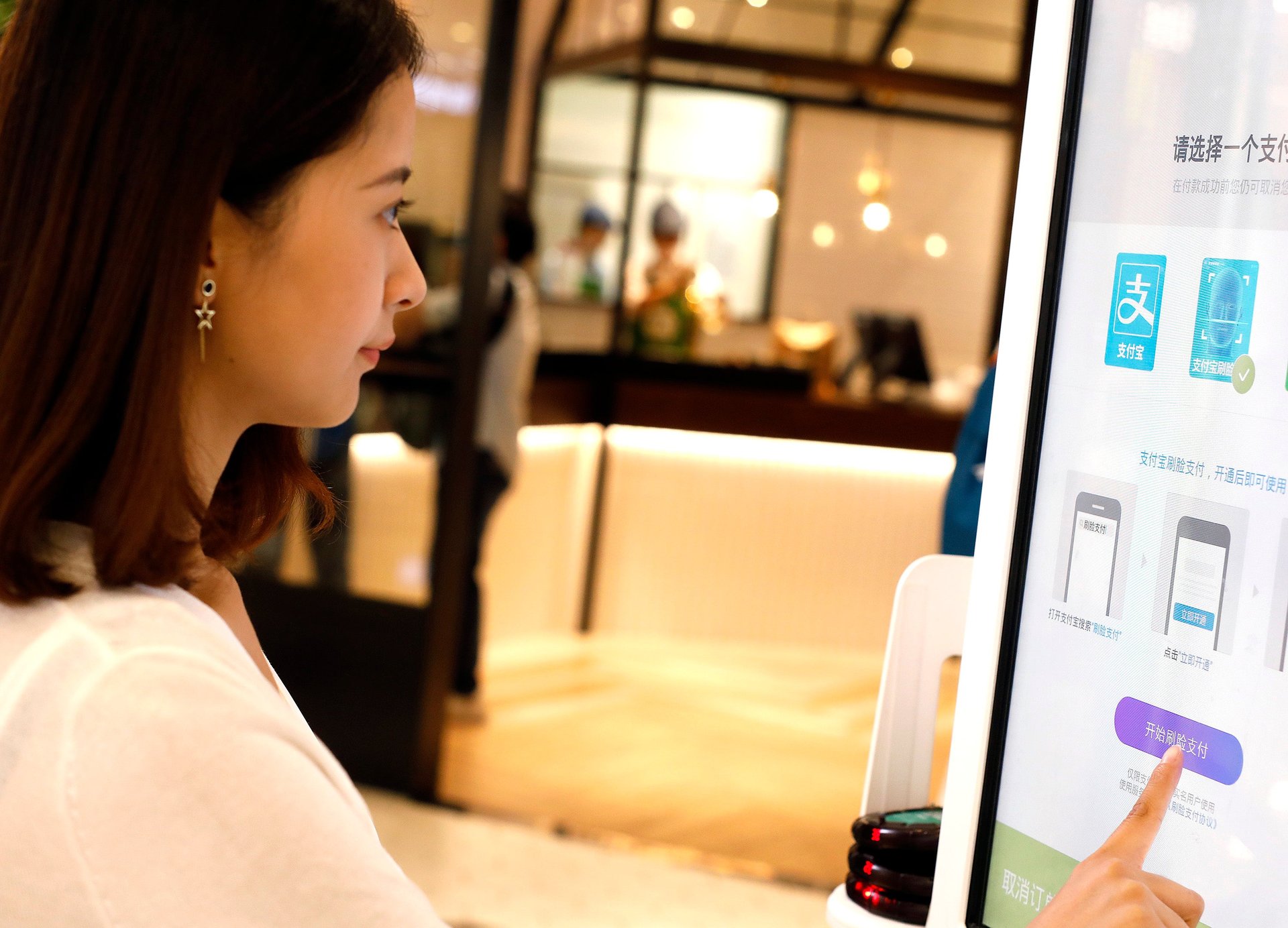
China is facing a tech boom that’s equal parts inspiring and alarming.
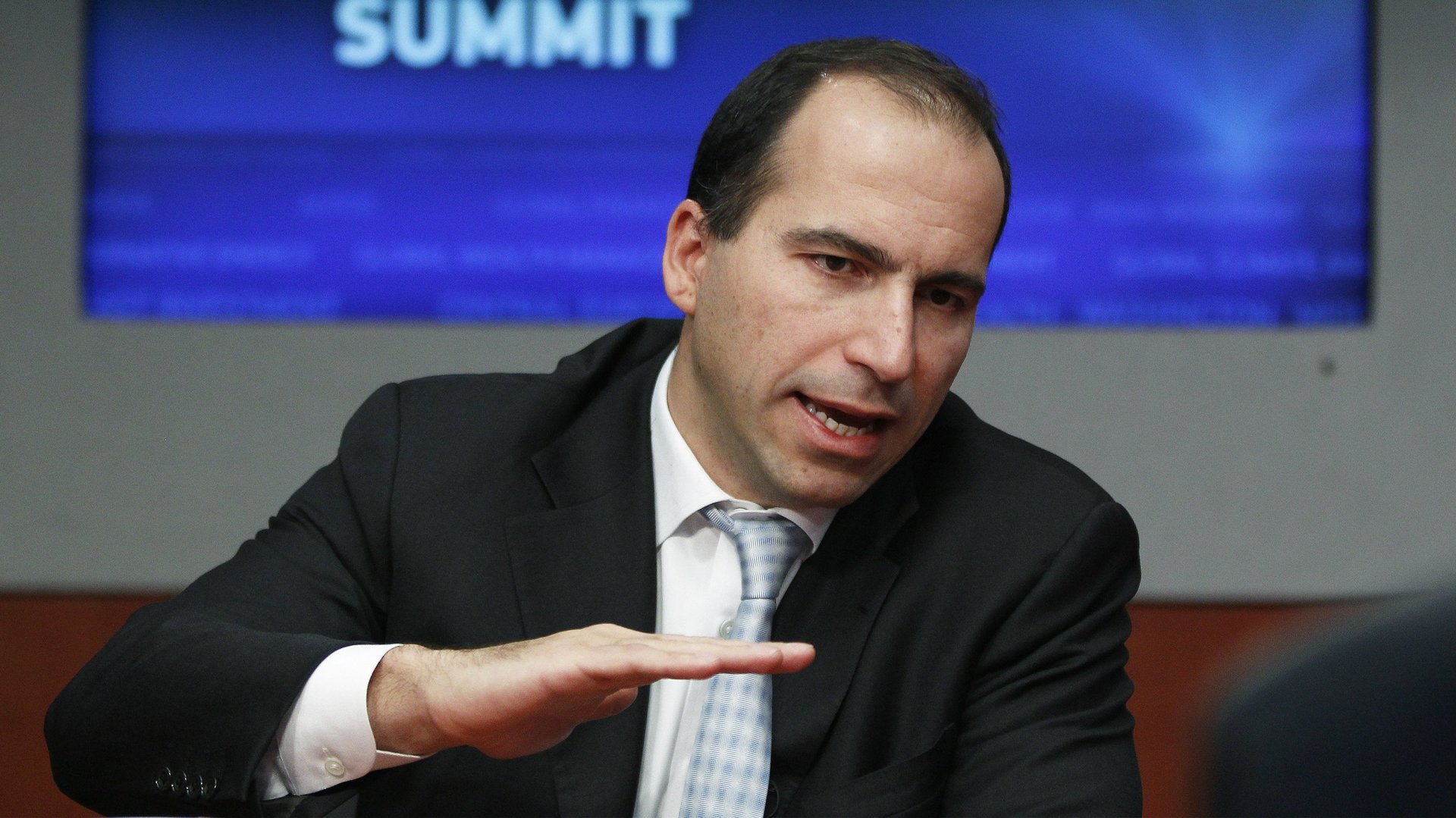
Dara Khosrowshahi has only been Uber’s CEO for a few days, and he’s already pulling 180-degree turns on his predecessor, Travis Kalanick. At his first all-hands meeting, he announced that the ride-hailing company could go public in about 18 to 36 months (though he set no firm deadline). Some Uber investors likely breathed a sigh of relief, as Kalanick had famously said in March last year that Uber would delay its IPO “as late as possible.”
Did Tinder inadvertently promote a racial stereotype in a short, 30-second clip?
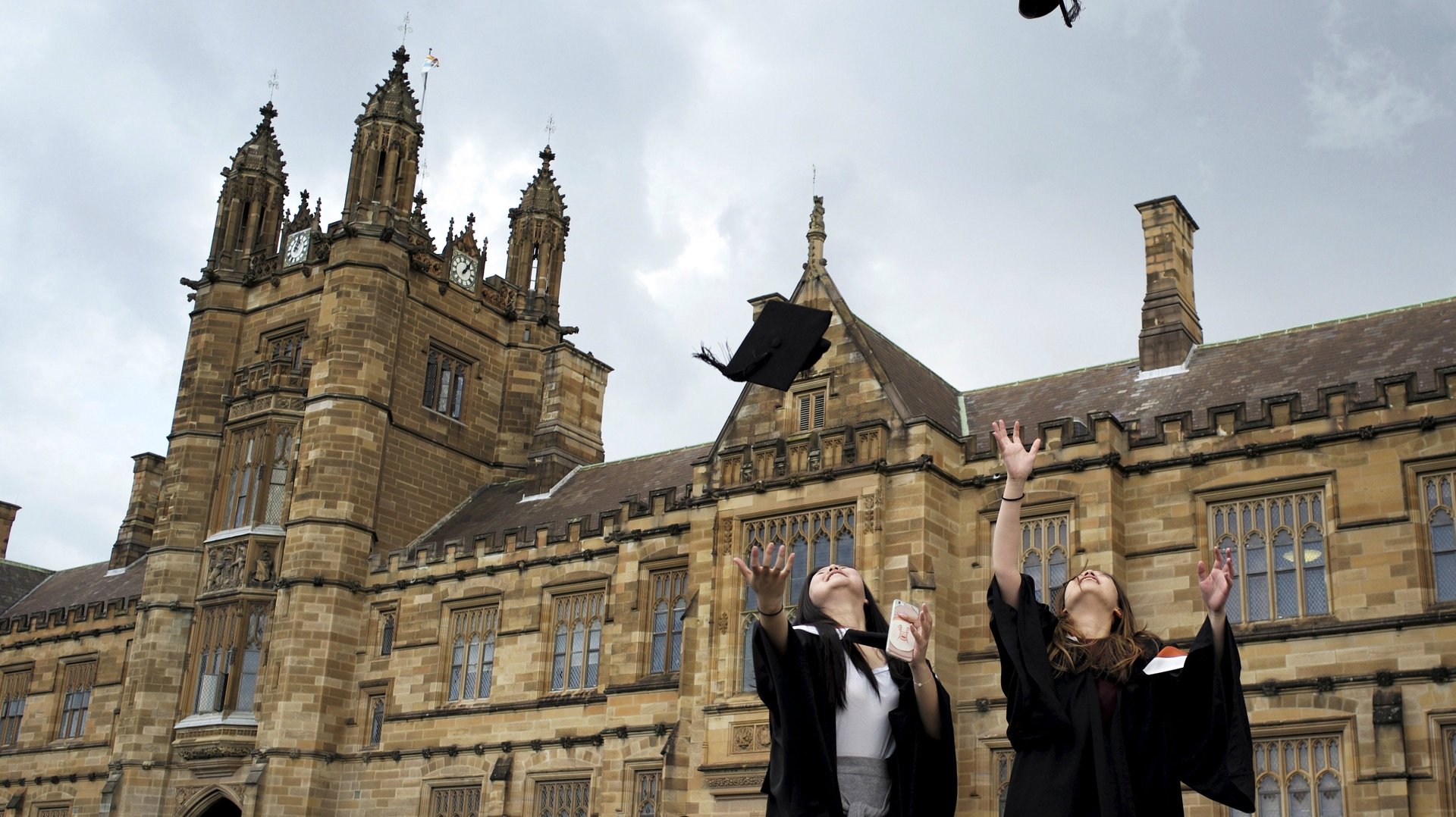
Chinese students at universities in Australia have their professors walking on eggshells.

Tropical storm Harvey, which made landfall in Texas on Friday as a hurricane and was later downgraded, has left at least five people dead, and large parts of Houston under water. Many weather watchers, stunned at the storm’s scope, dubbed it a “once-in-500-year flood.”
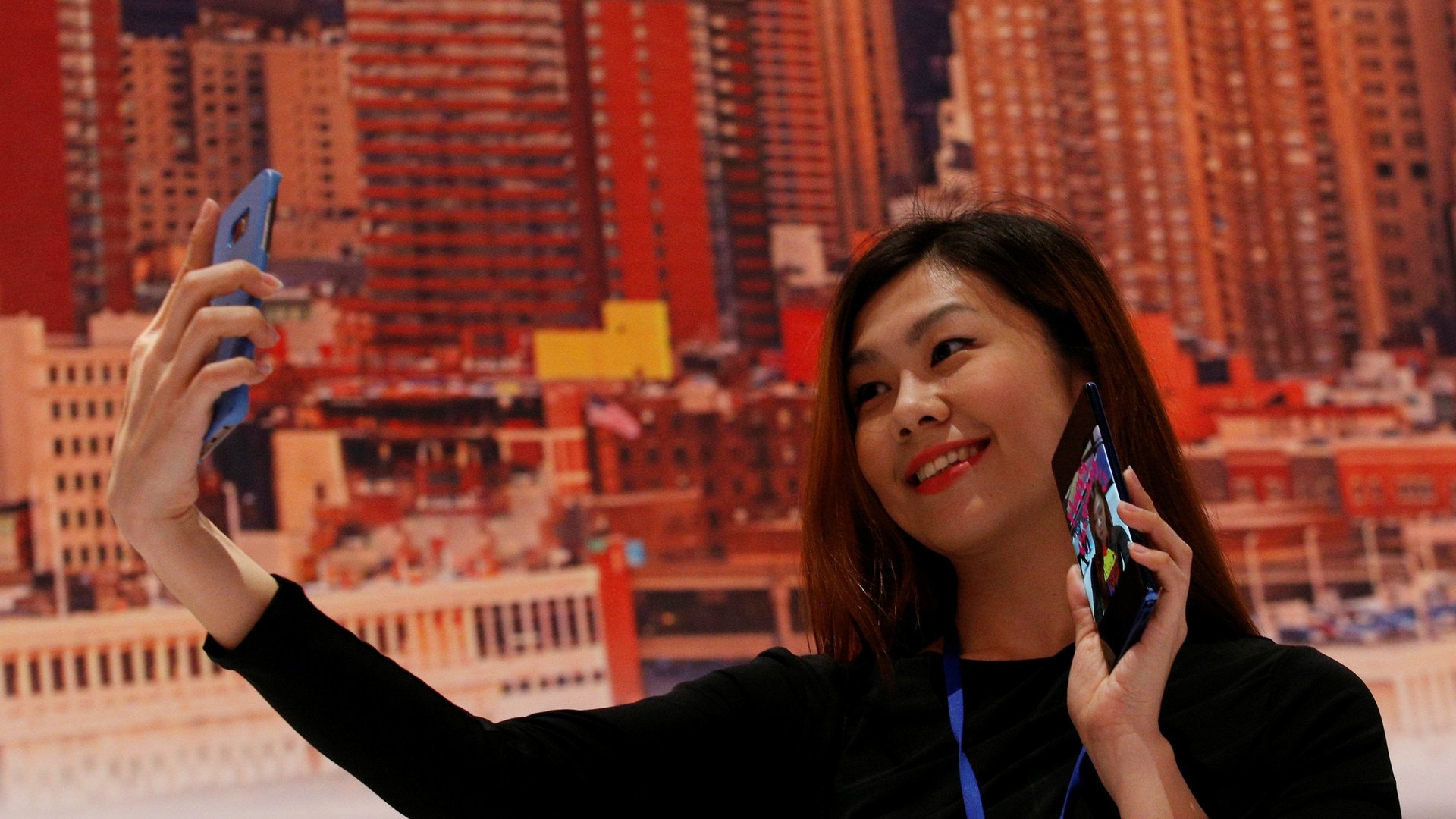
From exploding phones to execs charged with embezzlement, it has been an eventful year for Samsung. Today, vice chairman Lee Jae-yong, heir apparent to the electronics giant, was sentenced to five years in prison for bribing the confidante of former South Korean president Park Geun-hye.
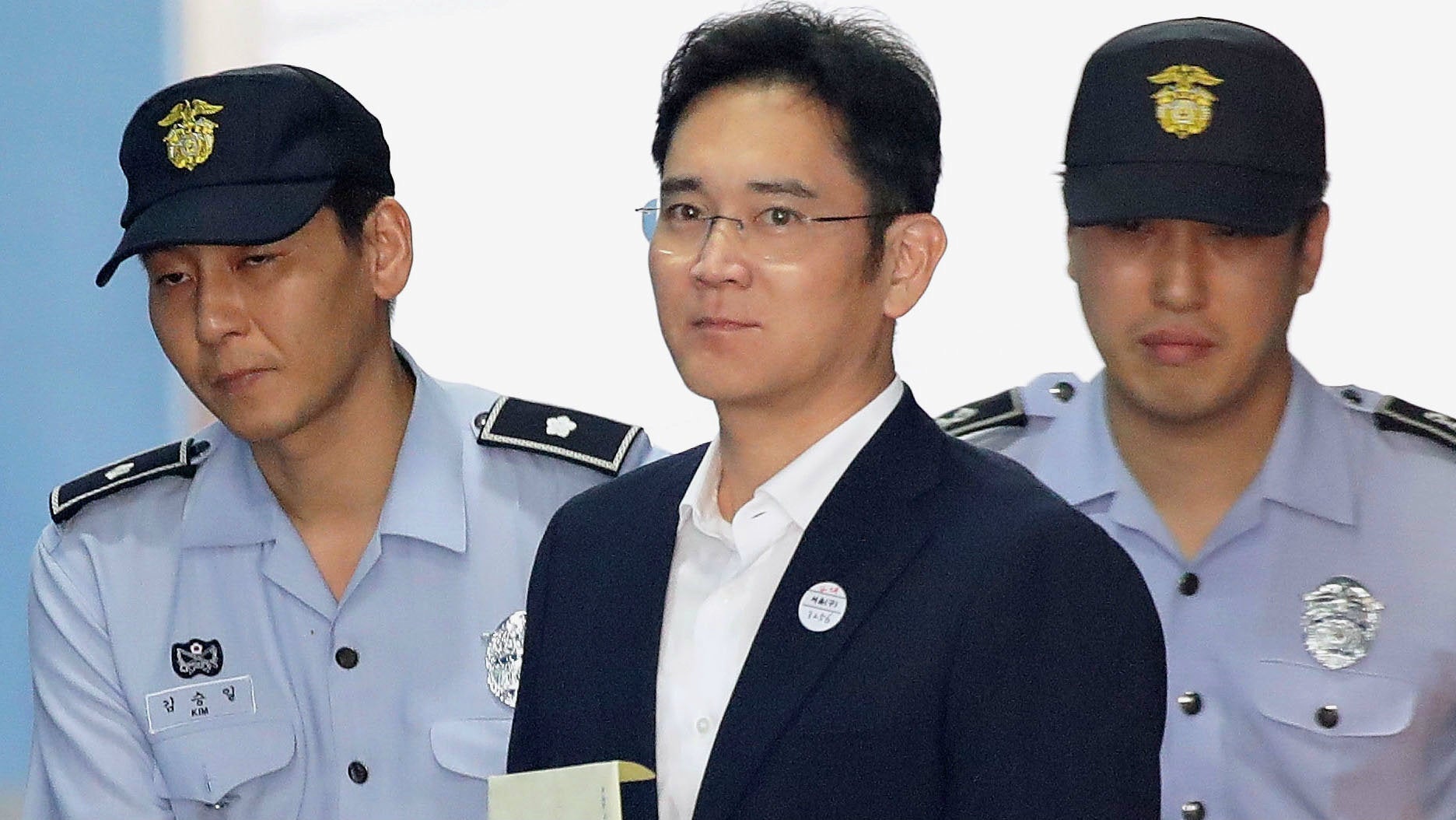
A South Korean court on Friday (August 25) found Lee Jae-yong, heir to the Samsung empire and its de facto leader, guilty on charges of bribery and embezzlement, and other crimes.
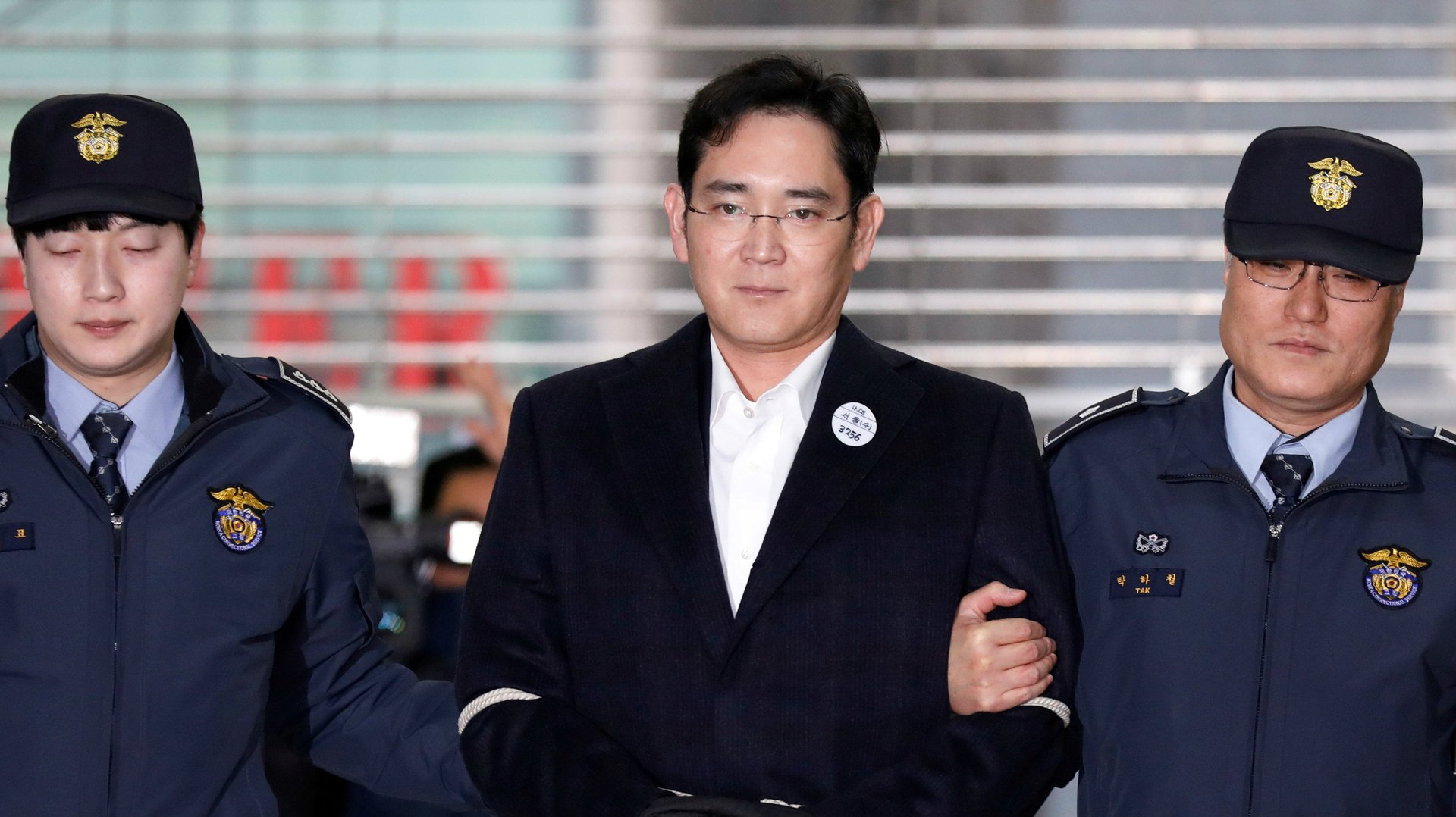
On Friday, South Korea will be watching to see if the heir to the corporate juggernaut that includes the world’s largest smartphone maker, Samsung Electronics, gets thrown in prison.
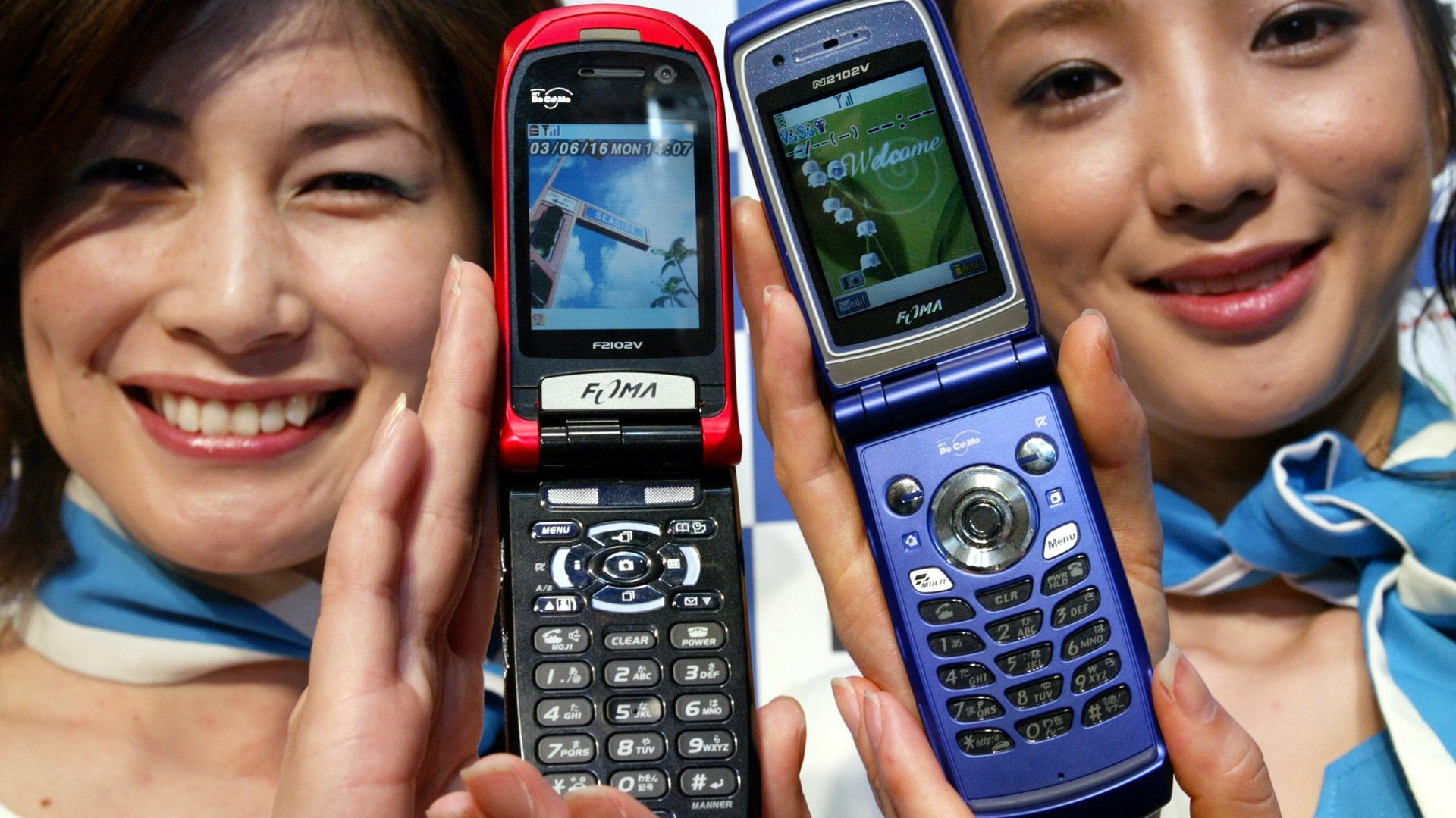
The sun is setting on Japan’s consumer electronics industry, as yet another world-renowned brand tries to shed off an important business unit.
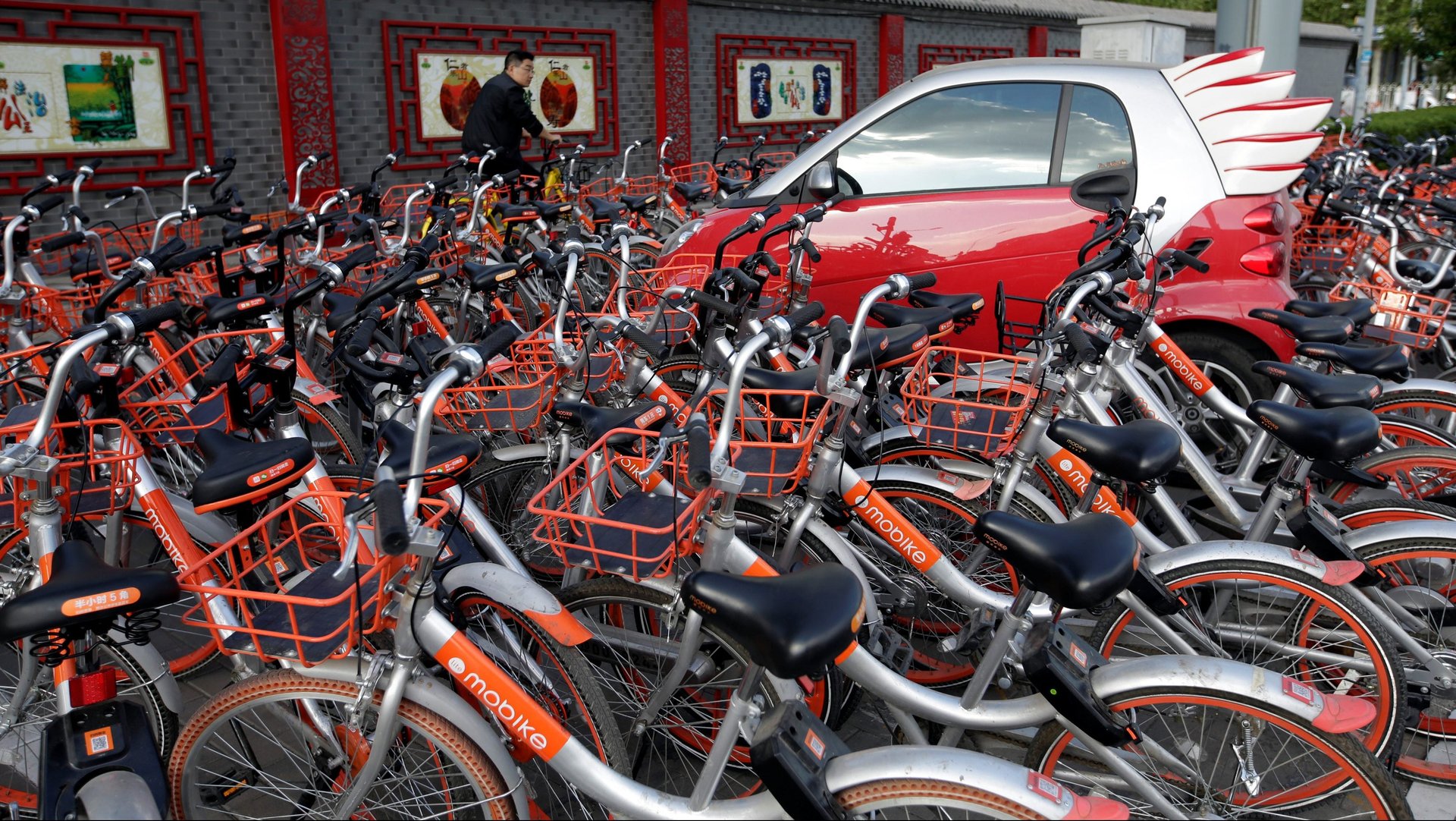
Signs are emerging that China’s bike-sharing boom could be hitting road bumps.
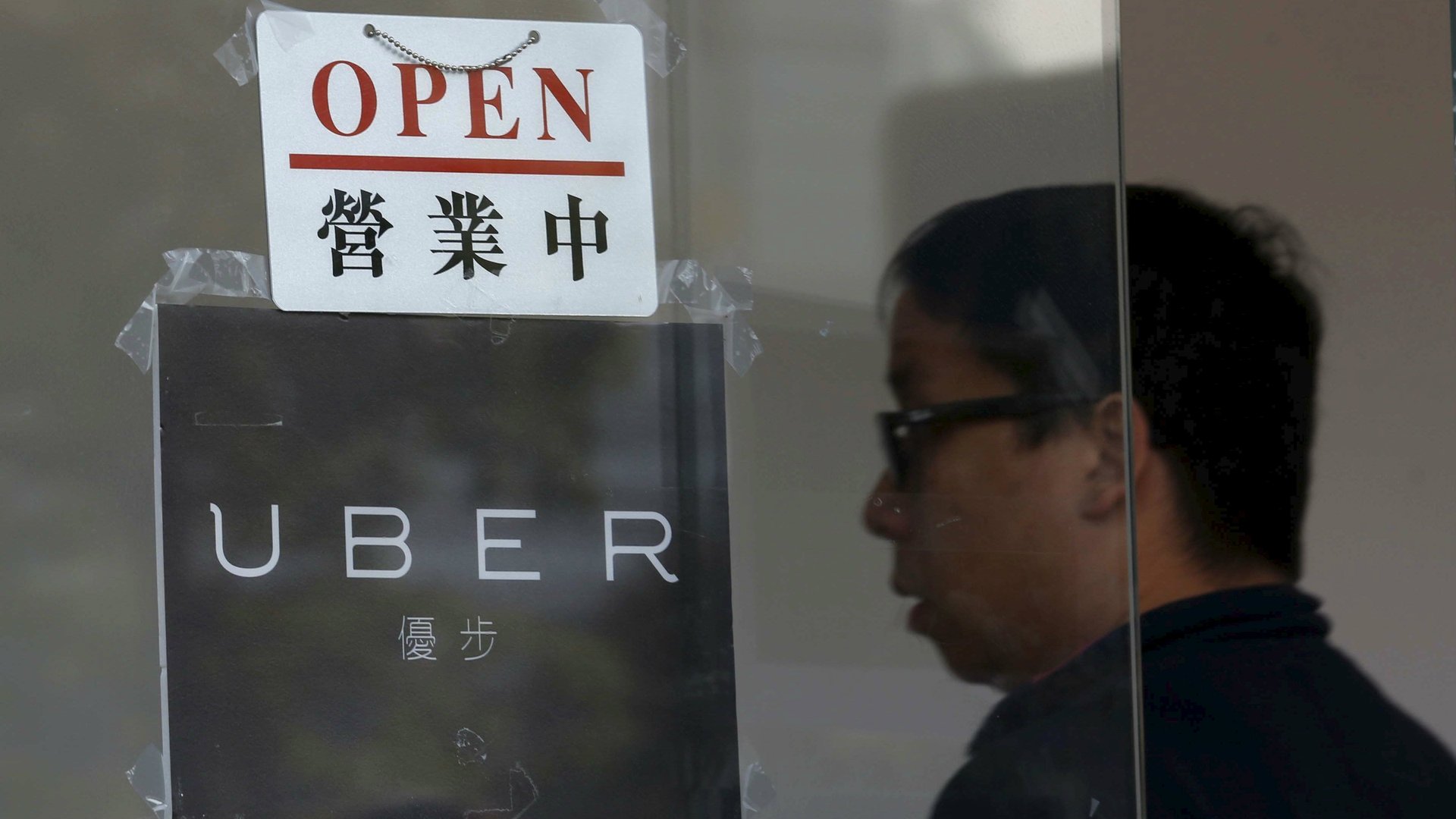
Uber often brags that hailing an UberX is “cheaper than a taxi.” But in Hong Kong, that’s no longer necessarily the case.
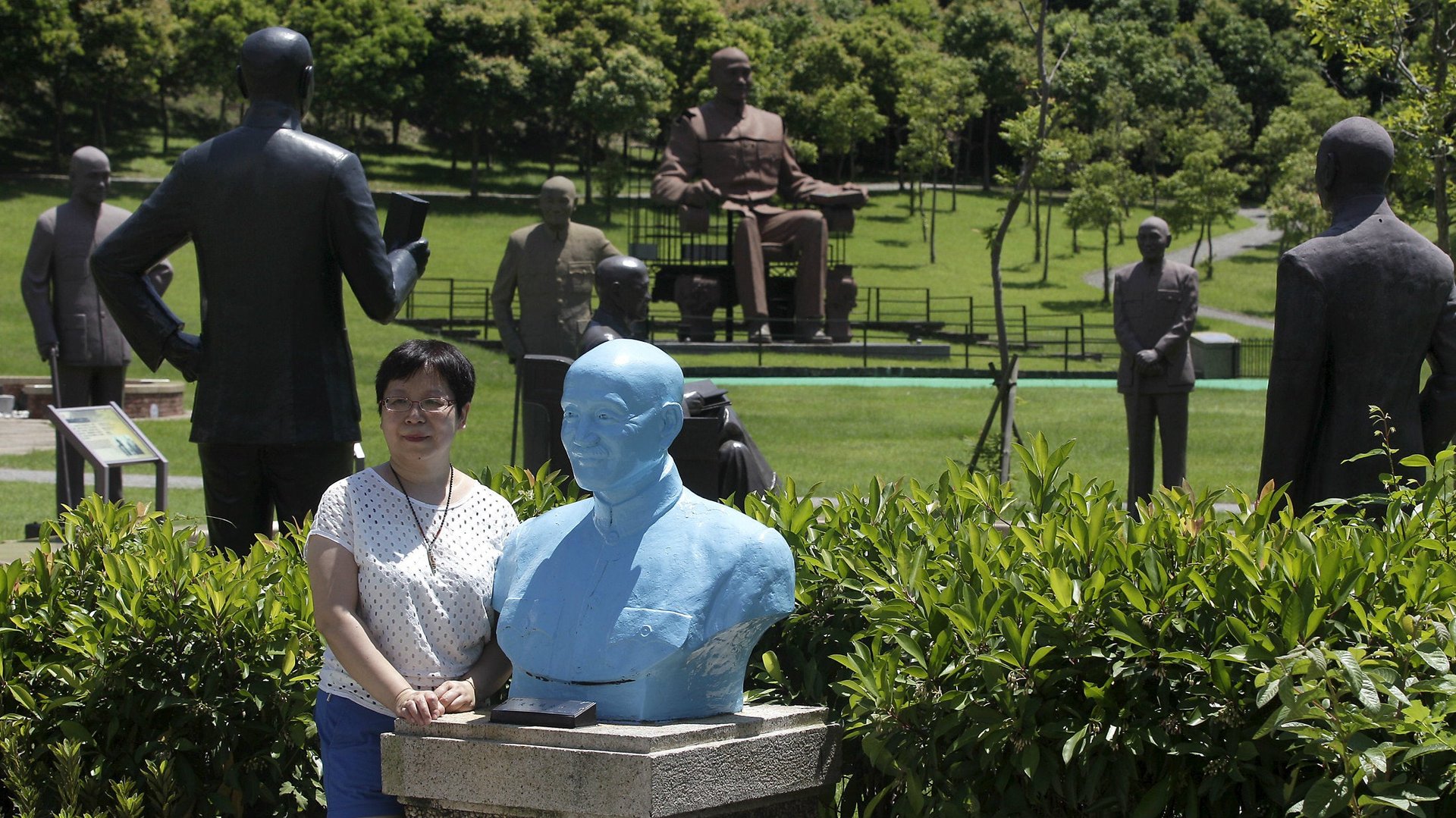
After a protest against the removal a Confederate statue sparked deadly violence in the US, states around the country are mulling removing similar icons of history from parks and public spaces.
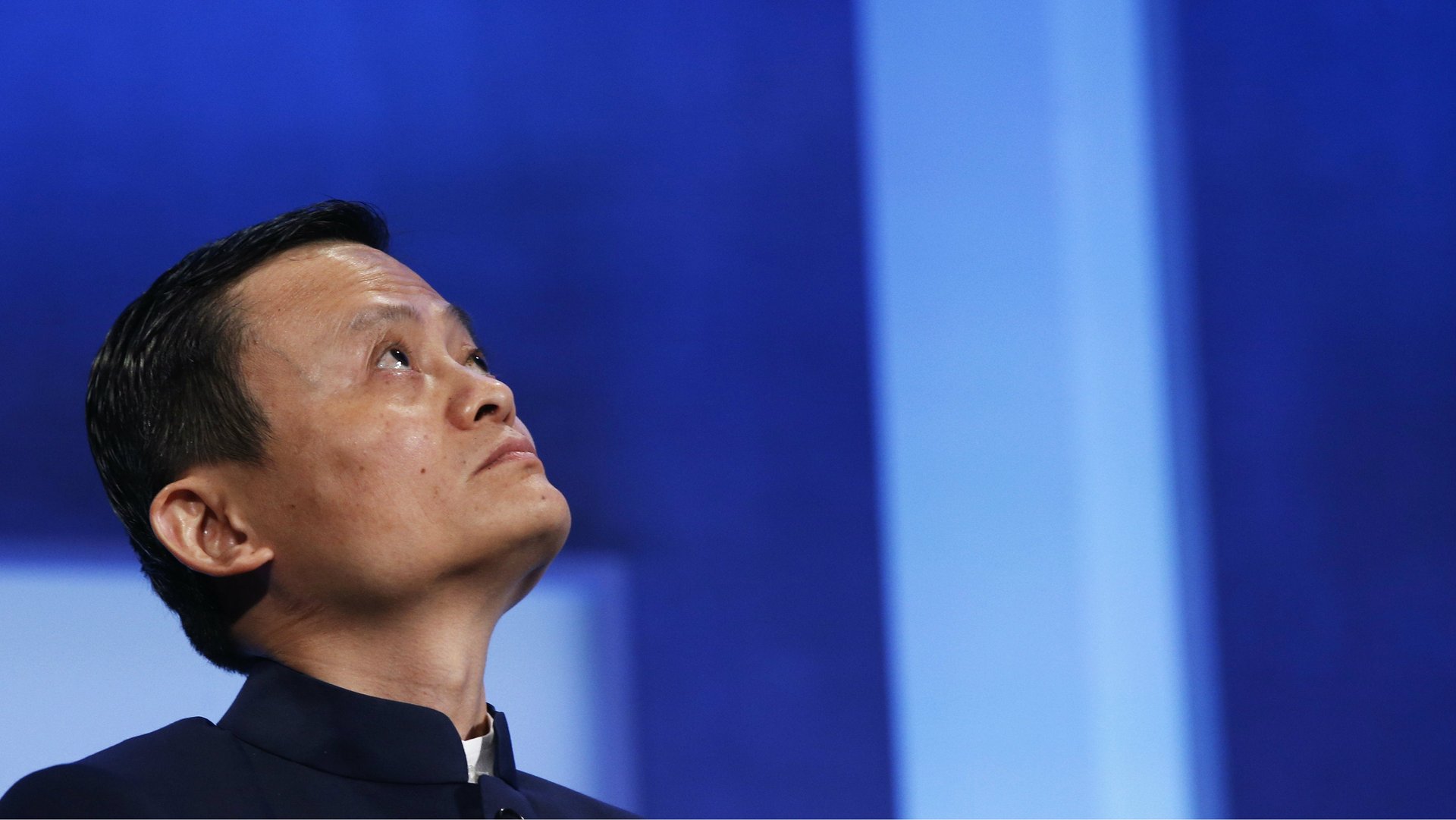
File under: how to rain on a parade.