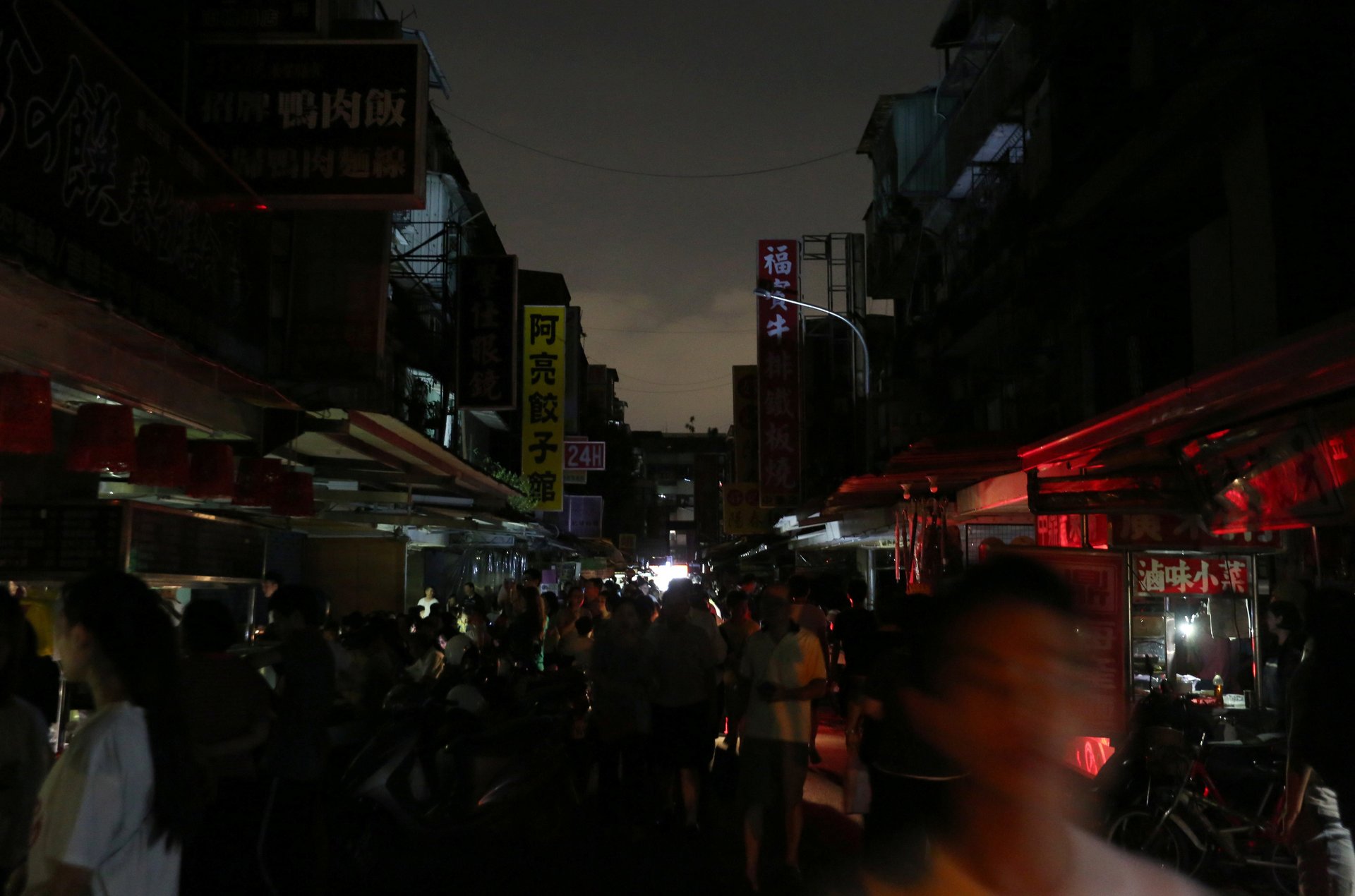
On Tuesday (Aug. 15) evening at 5pm local time, millions of households and businesses across Taiwan suddenly went dark. For some, phone lines and TVs went dead for a few hours. For others, entire production lines came to a halt.

On Tuesday (Aug. 15) evening at 5pm local time, millions of households and businesses across Taiwan suddenly went dark. For some, phone lines and TVs went dead for a few hours. For others, entire production lines came to a halt.

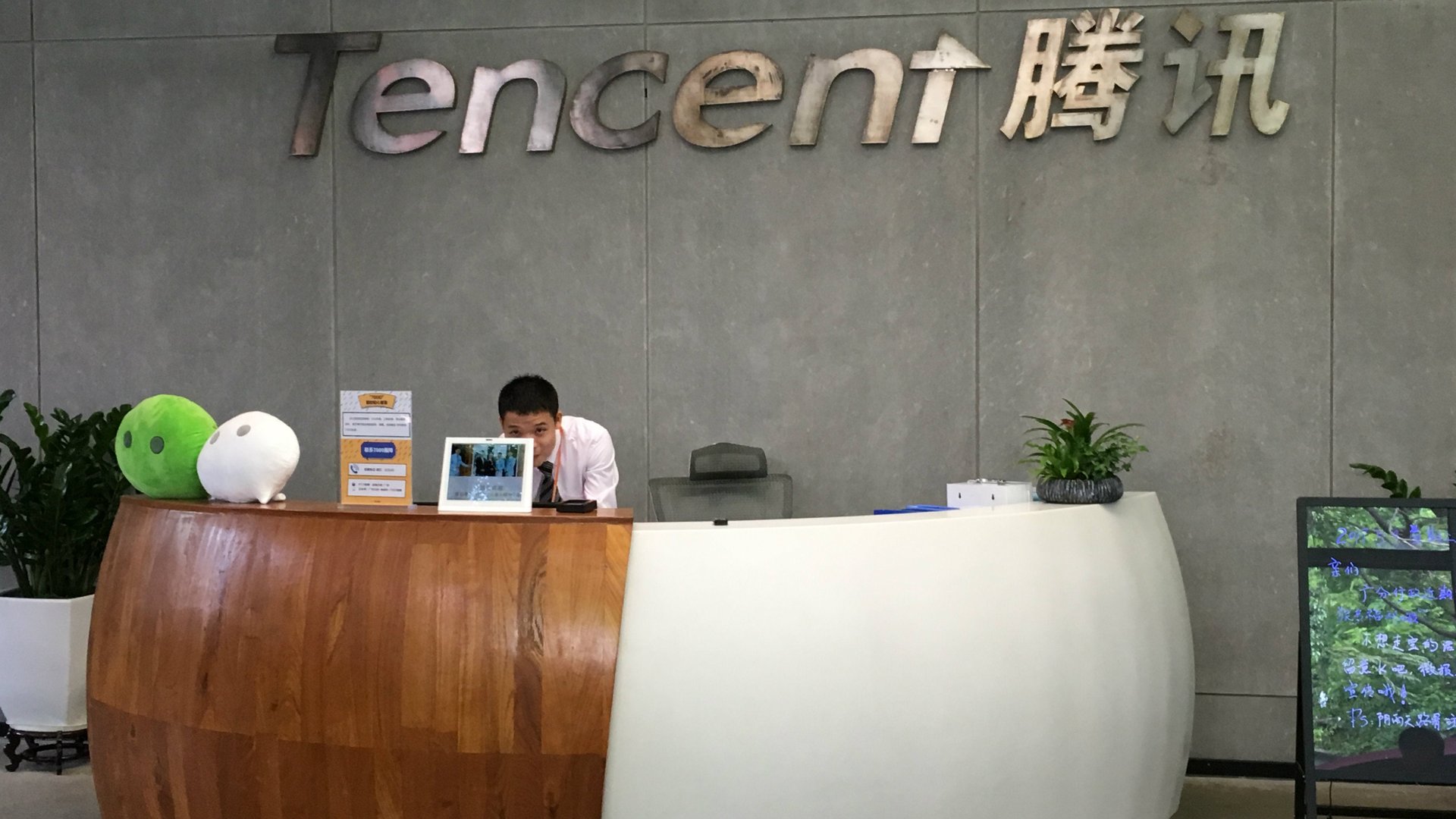
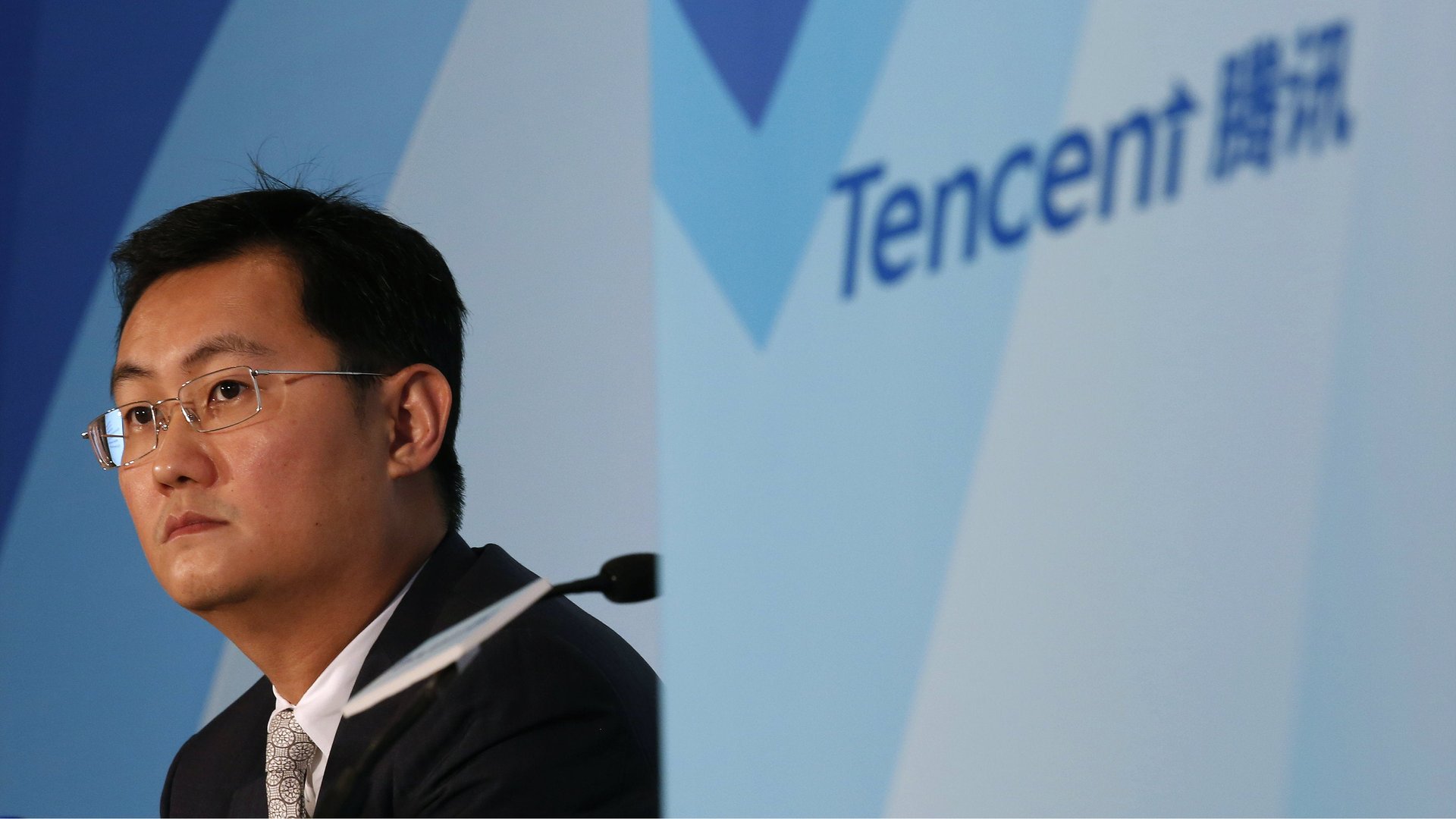
Tencent, maker of the behemoth Chinese chat app WeChat, announced its earnings today for the three-month period ending in June. The results are predictably stellar.

More business executives have bowed out of Donald Trump’s camp.

The secret’s out, but no one cares.

For Apple, this summer is closing with good news and bad news.

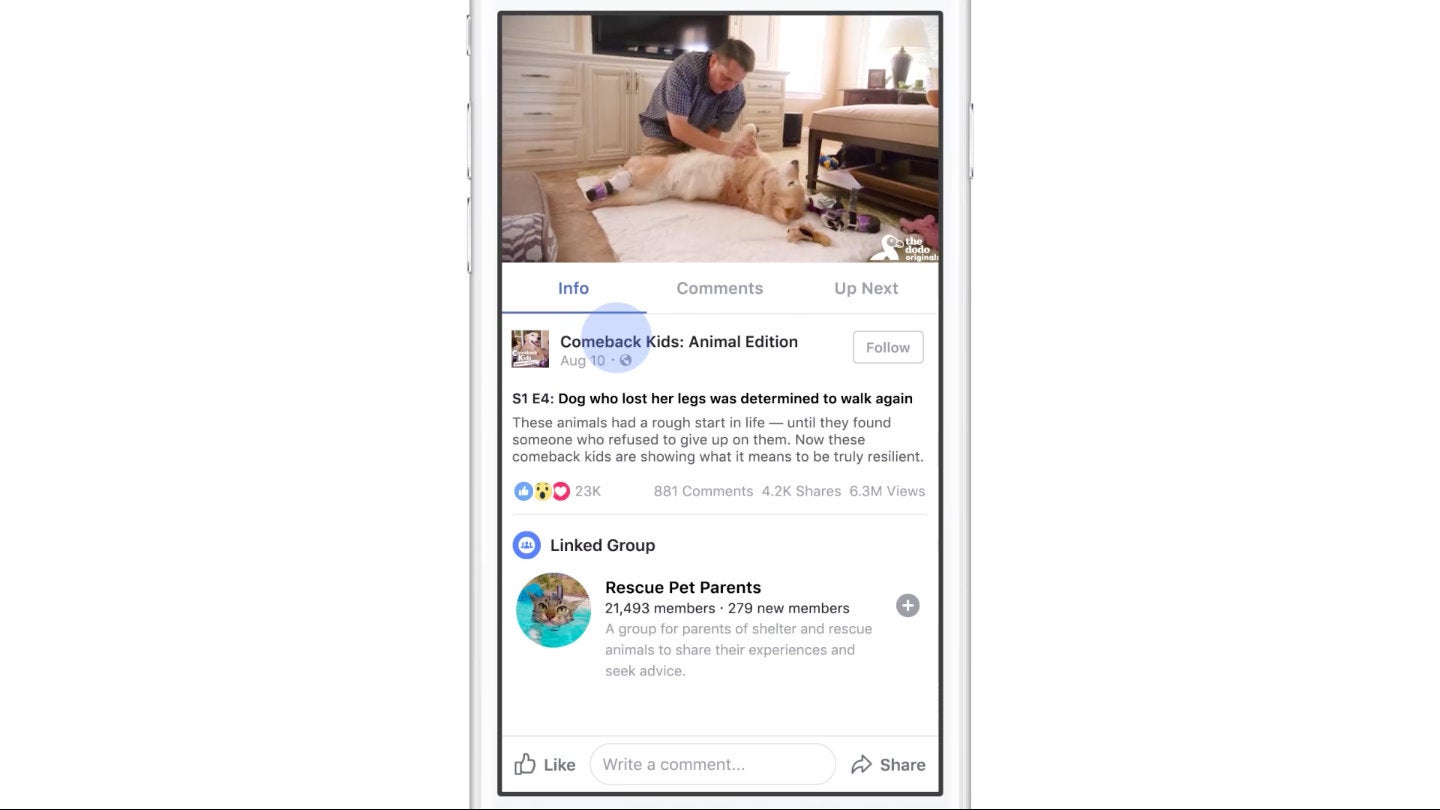
Facebook is gradually turning into television—but so far, it’s looking more The Bachelorette than Breaking Bad.

More scores that rate your trustworthiness are coming to China’s internet—which is great for a quick discount, but concerning for civil liberties.

It’s been one year since Uber’s fiercest battle overseas came to a close. But the larger war is still underway.

Was the author of the so-called “anti-diversity” memo at Google advancing sexism? Or was he exposing Silicon Valley’s cultural bias?

China watchers tracking the country’s richest men have long been observing a tit-for-tat race to the top between Alibaba founder Jack Ma and real estate mogul Wang Jianlin. Now the frontrunner is a different horse altogether.

China, more than any other country, feels it’s heading in the right direction. That same confidence, however, doesn’t extend to other Chinese people.

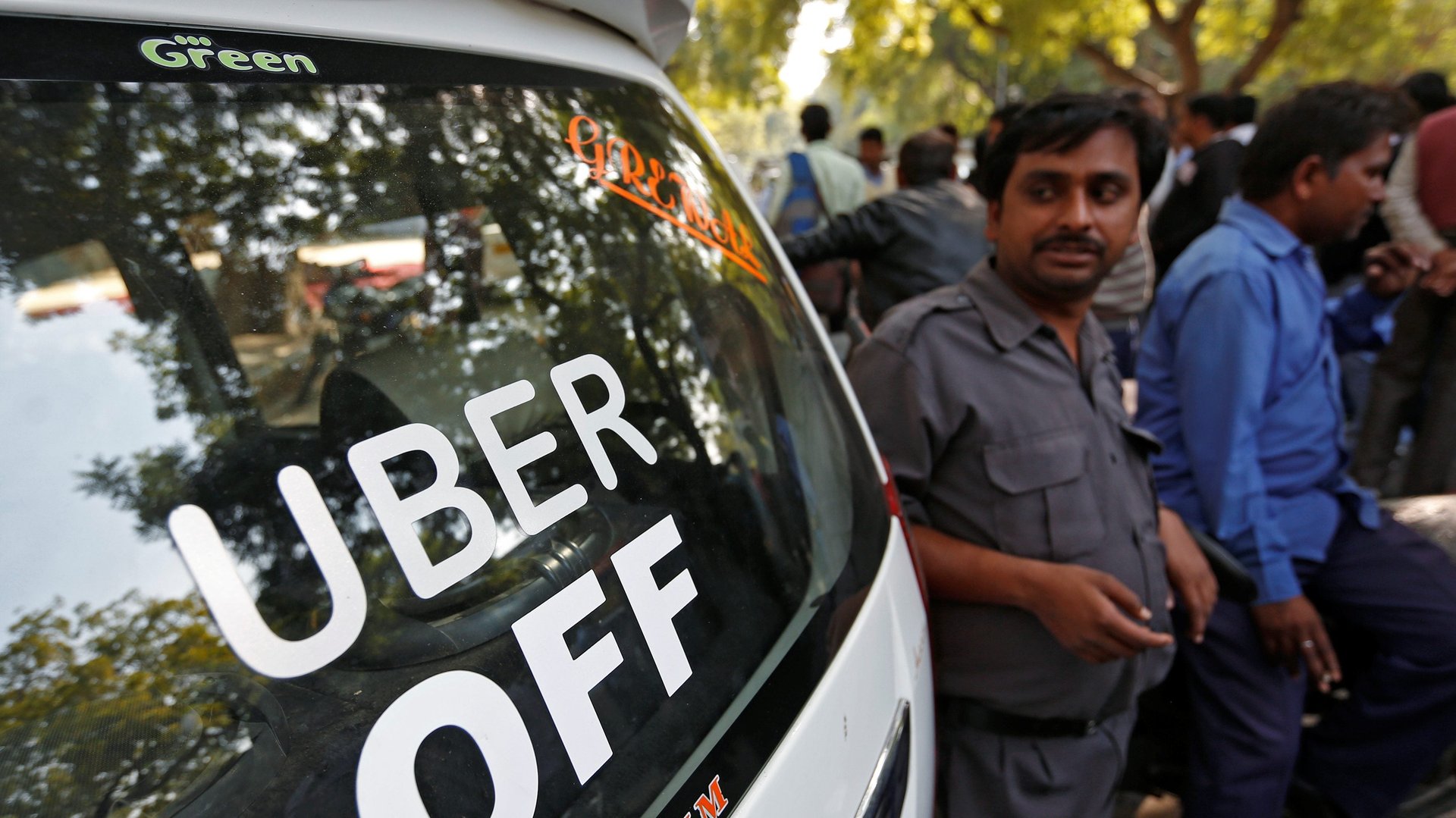
Would you be more willing to hail an Uber if the car were owned by Uber rather than a stranger? You might assume a company would be more diligent about vehicle safety checks than an individual, after all. But as the latest scandal shows, that’s not necessarily the case.

One year ago, China’s ride-hailing industry experienced two major turning points. In late July, Beijing passed a national law that officially legalized Uber, Didi Chuxing, and similar services. Then, days later Uber and Didi announced they would merge, with Didi purchasing Uber’s China operations while Uber took a 17.7% stake in Didi.

Over the weekend Apple removed dozens of virtual private network (VPN) apps from its Chinese app store, depriving many users of tools that are critical to jumping the country’s Great Firewall. The move marked a major capitulation to China’s censorship regime, and follows similar requests to block various apps and content in the country.

It’s been a gloomy week for internet freedom.

Since its introduction to US consumers in mid-2015, Amazon’s Echo has become a promising hit. By the end of last year, the e-commerce giant had sold an estimated 11 million of the smart-speaker personal assistants, which serve as vessels for Amazon’s artificial intelligence software Alexa. But the Echo is not on sale in China, and it offers no Chinese-language support.

A graveyard of failed deals coming from China looks set to grow more crowded this year.

Apple’s next retail outlet opens on July 1 in Taipei—its first-ever in the island, 497th worldwide, and 78th in Asia, where it has steadily expanded its footprint. In May it opened its first store in Singapore, ringing in the occasion with a “giant” little red dot sign that some found perplexing.

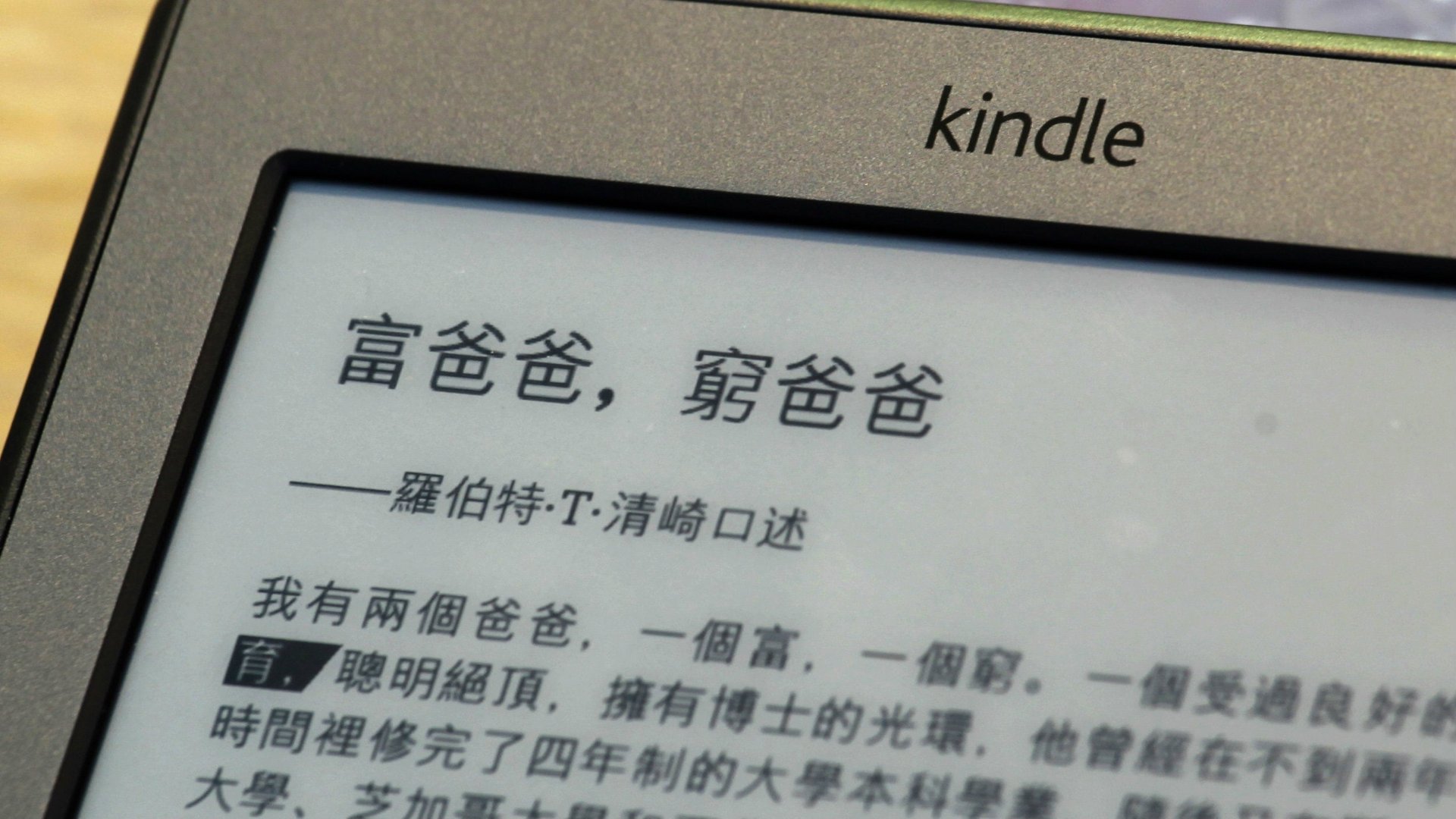
Yesterday Amazon announced the release of a special version of the Kindle E-reader tailored for China. As with almost anything Amazon does in China, one question looms: Why bother?

For China’s livestreaming craze, the party is over it seems—now that the Communist party has arrived.

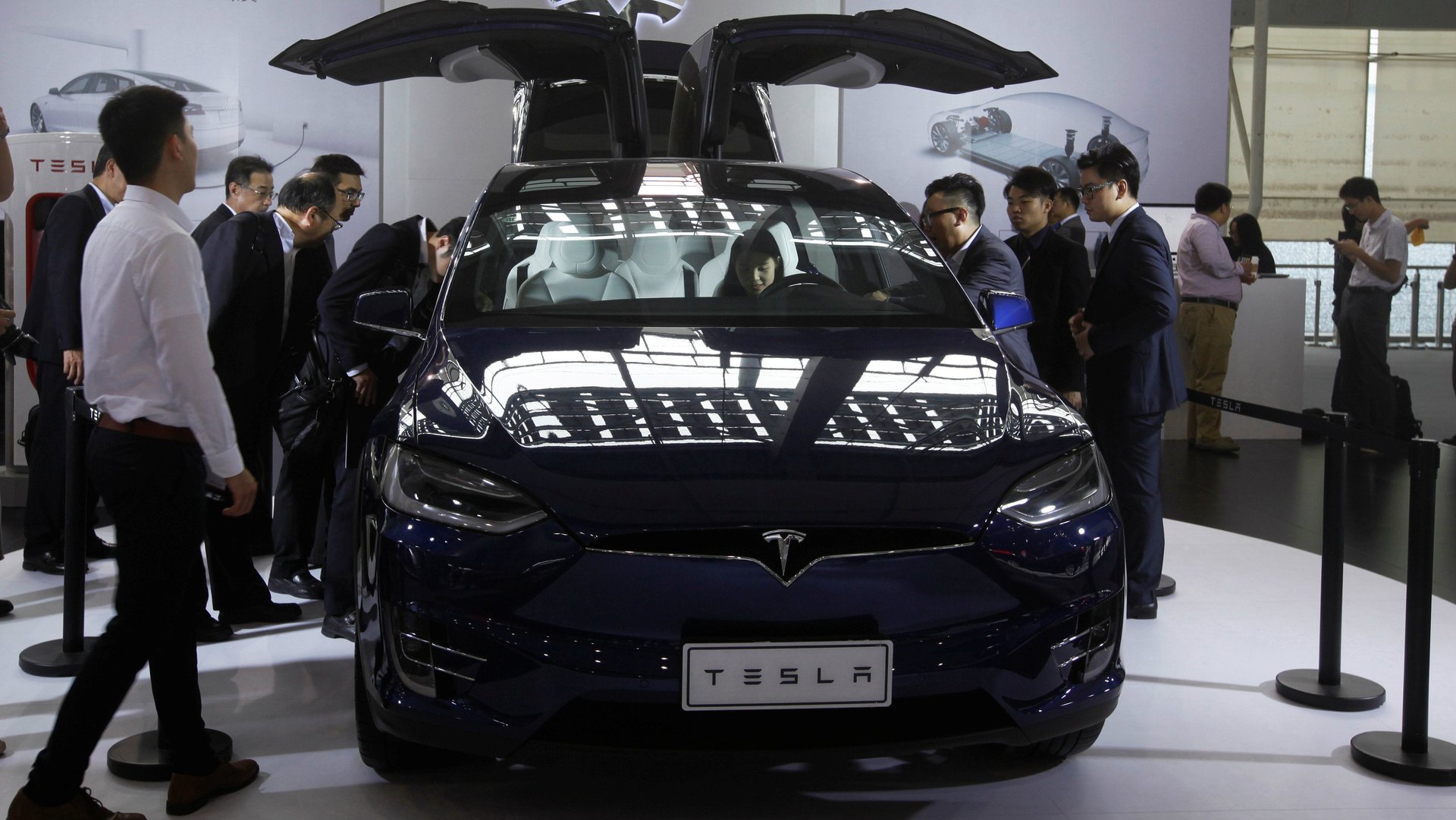
Tesla is inching ever closer to its China dream.

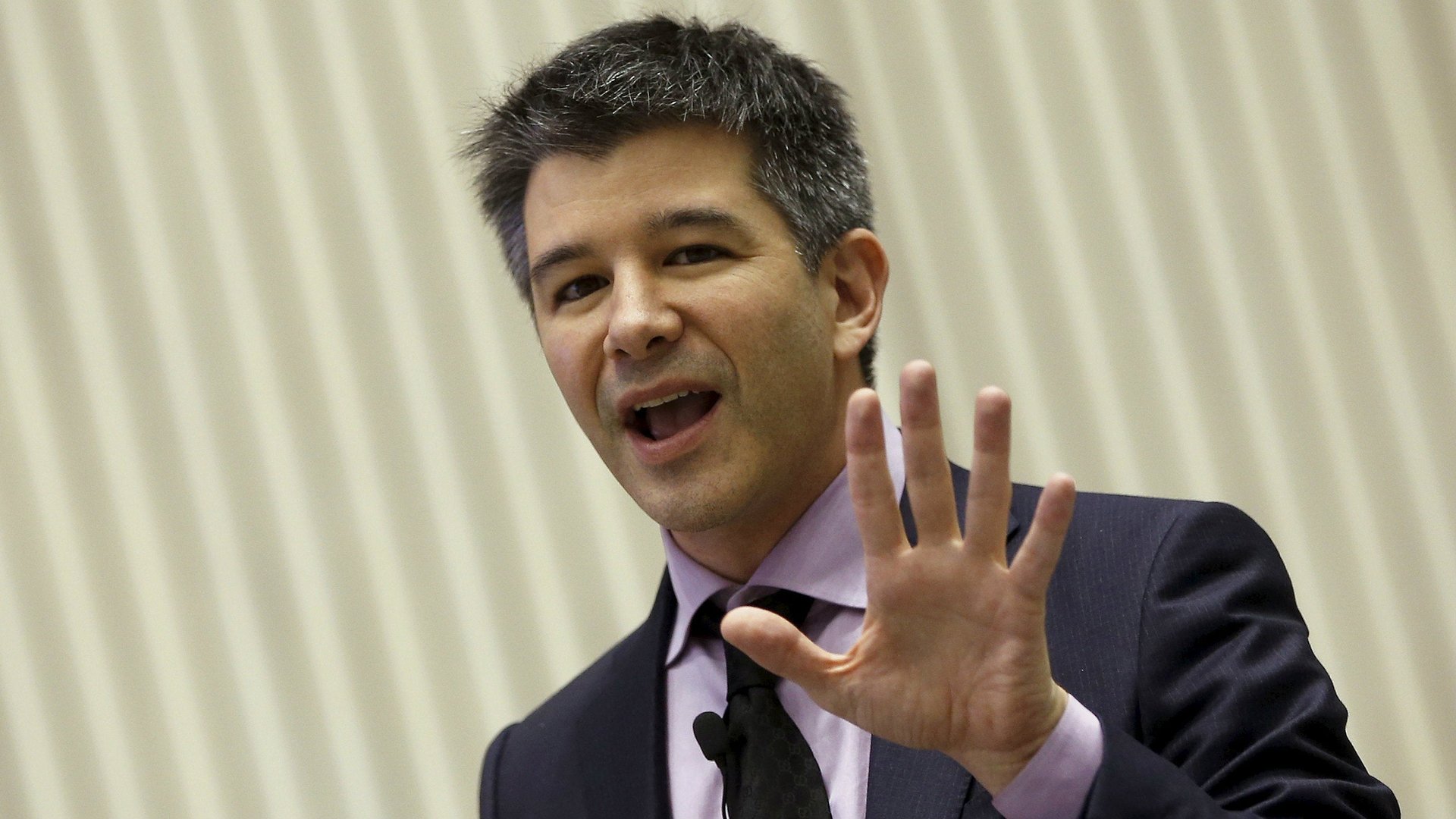
During his tenure at Uber, Travis Kalanick turned an American startup into a global behemoth using a simple strategy—just barge in. Don’t ask governments for permission, don’t worry about whether a country is too rich or too poor for Uber, don’t worry about the local taxi lobbies.

It’s the end of an era for Uber.

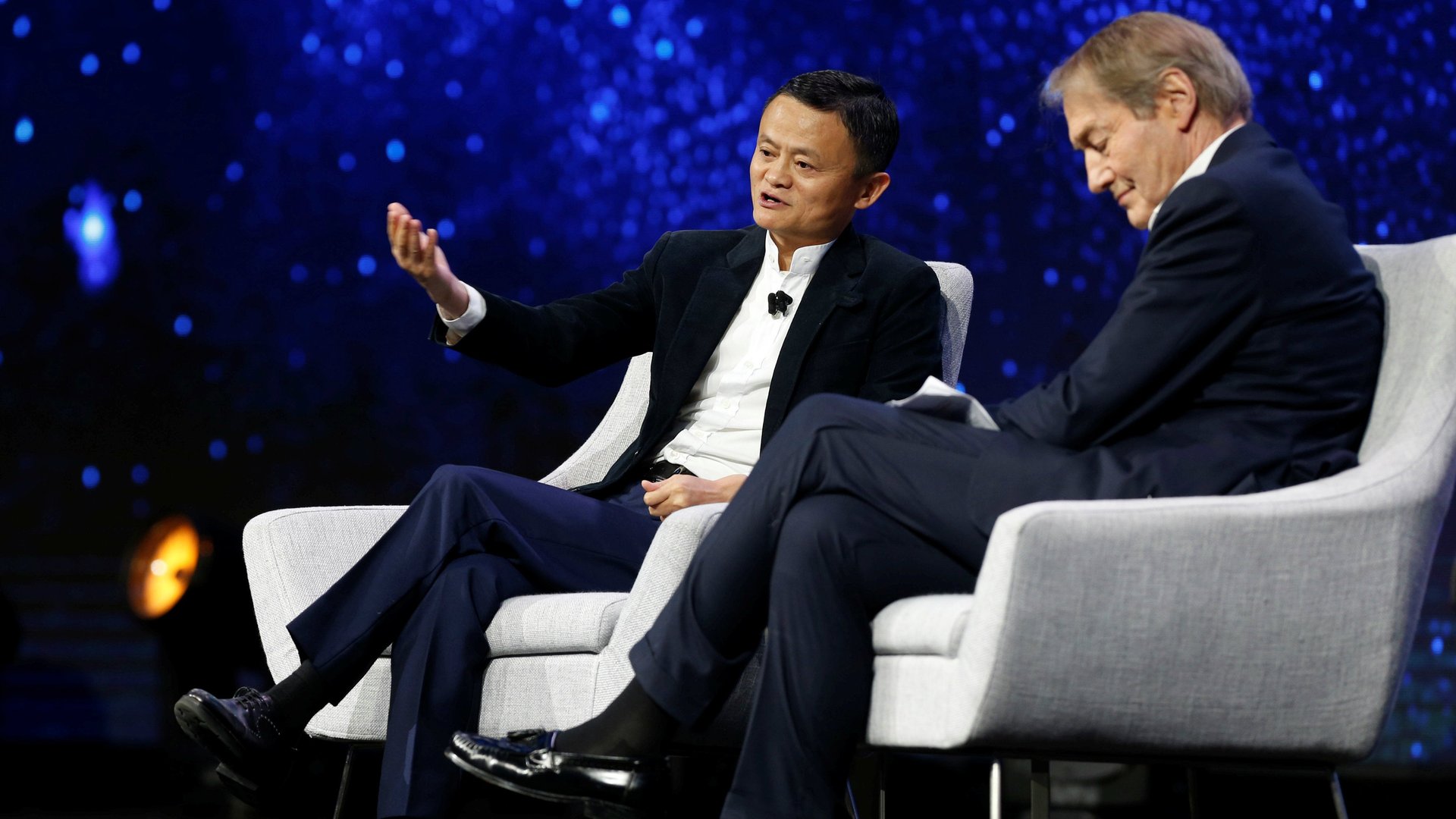
On June 20 Jack Ma took the stage in Detroit in front of thousands of entrepreneurs for Gateway ’17—an event intended to draw US small businesses onto Alibaba with the promise of reaching “one billion Chinese consumers.”