
Tech & Innovation
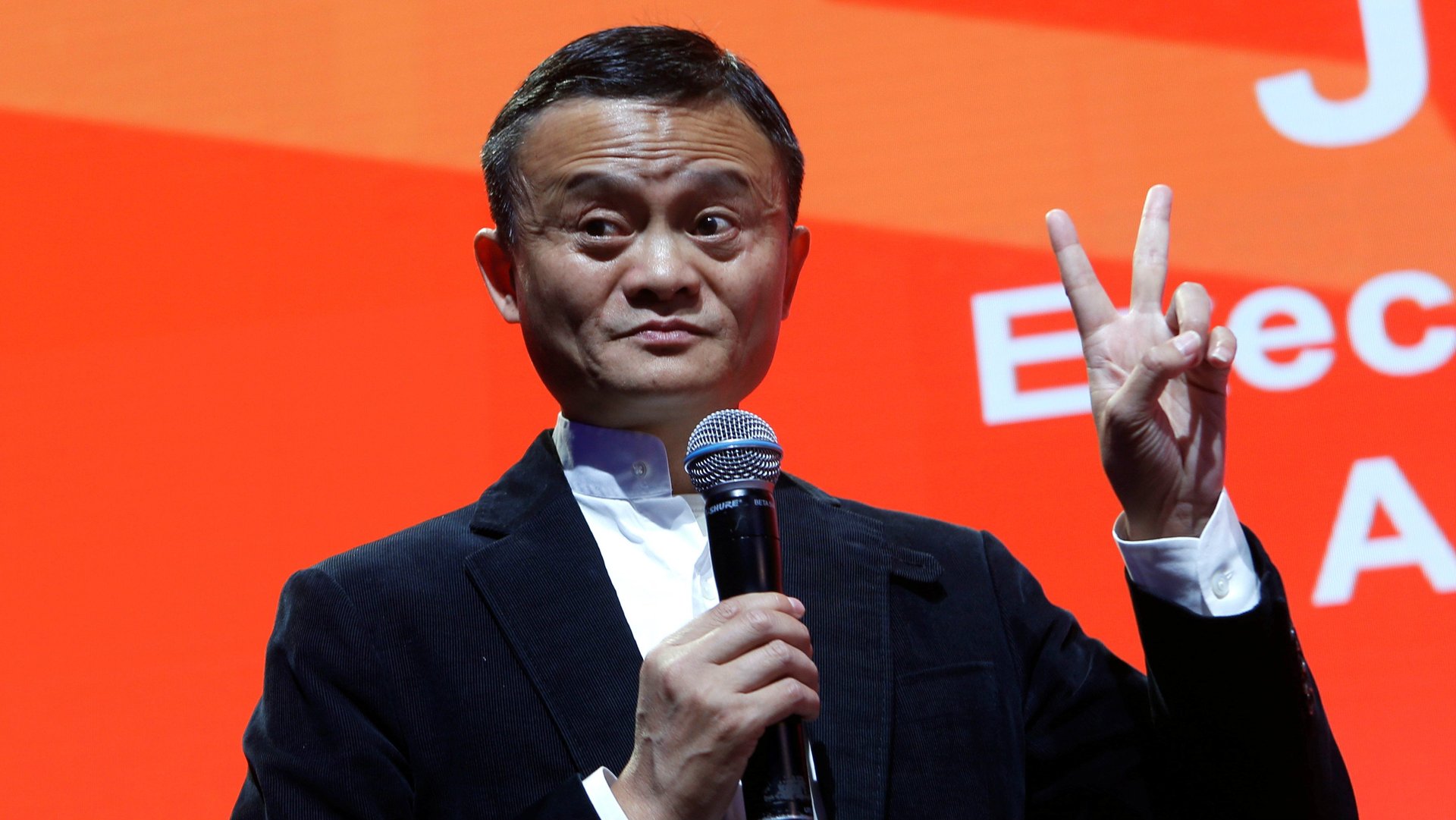
Alibaba has come to Detroit to sell small businesses the Chinese dreamAlibaba is selling the Chinese dream this week—in Detroit.
Updated July 20, 20228 min read
Alibaba is selling the Chinese dream this week—in Detroit.
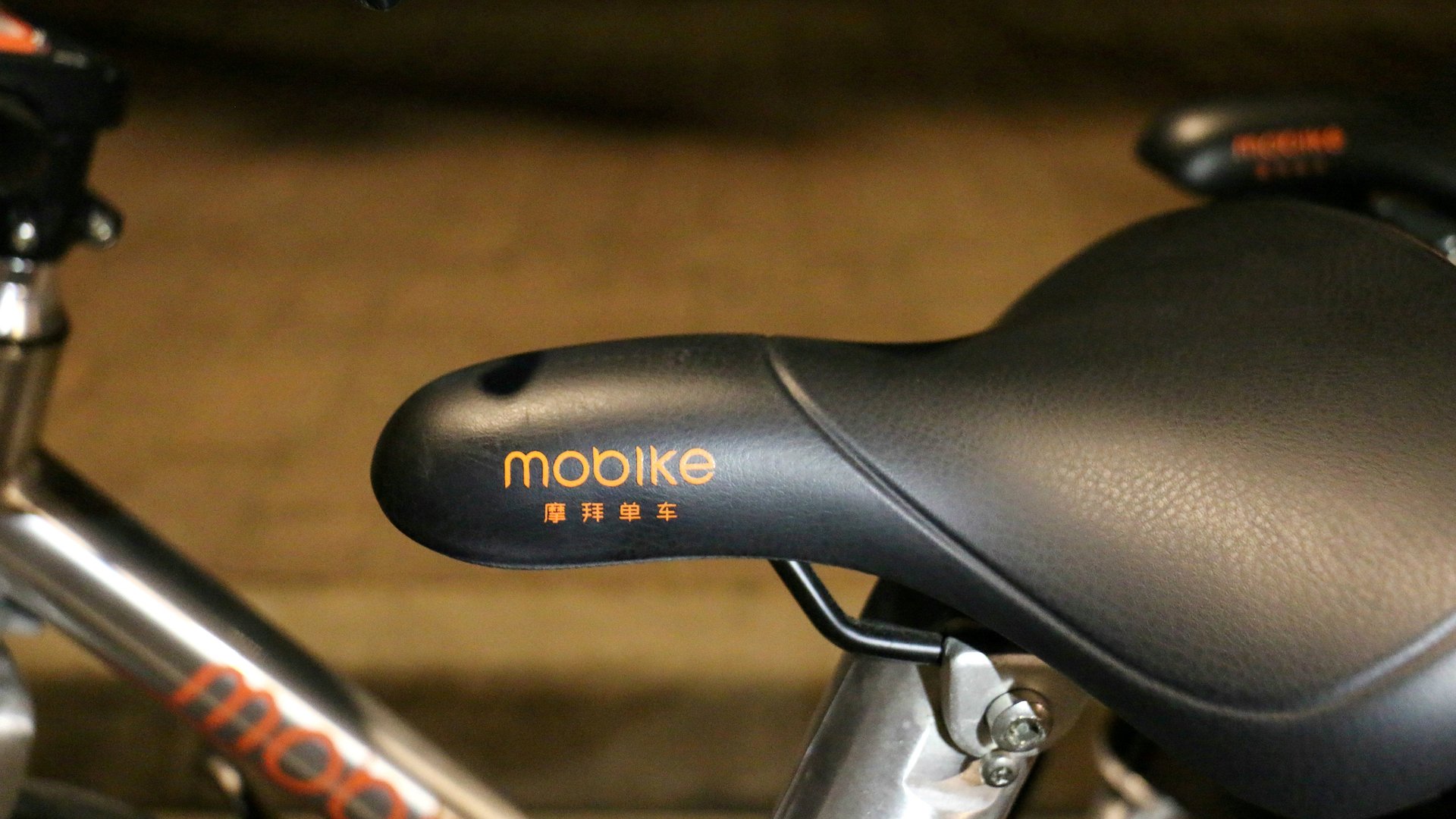
In their home market, China’s bike-sharing companies are charging full speed ahead. But in the West, they’re stuck in first gear.

This Saturday (June 17), the Dalai Lama will deliver a commencement address at the University of California San Diego, where a good portion of the student body will consider his very presence an affront to the peace and unity he preaches.

A patriarch dies, the family mourns, and then promptly fights over the house. That’s what’s happening in Singapore, only the patriarch was the architect of the nation.
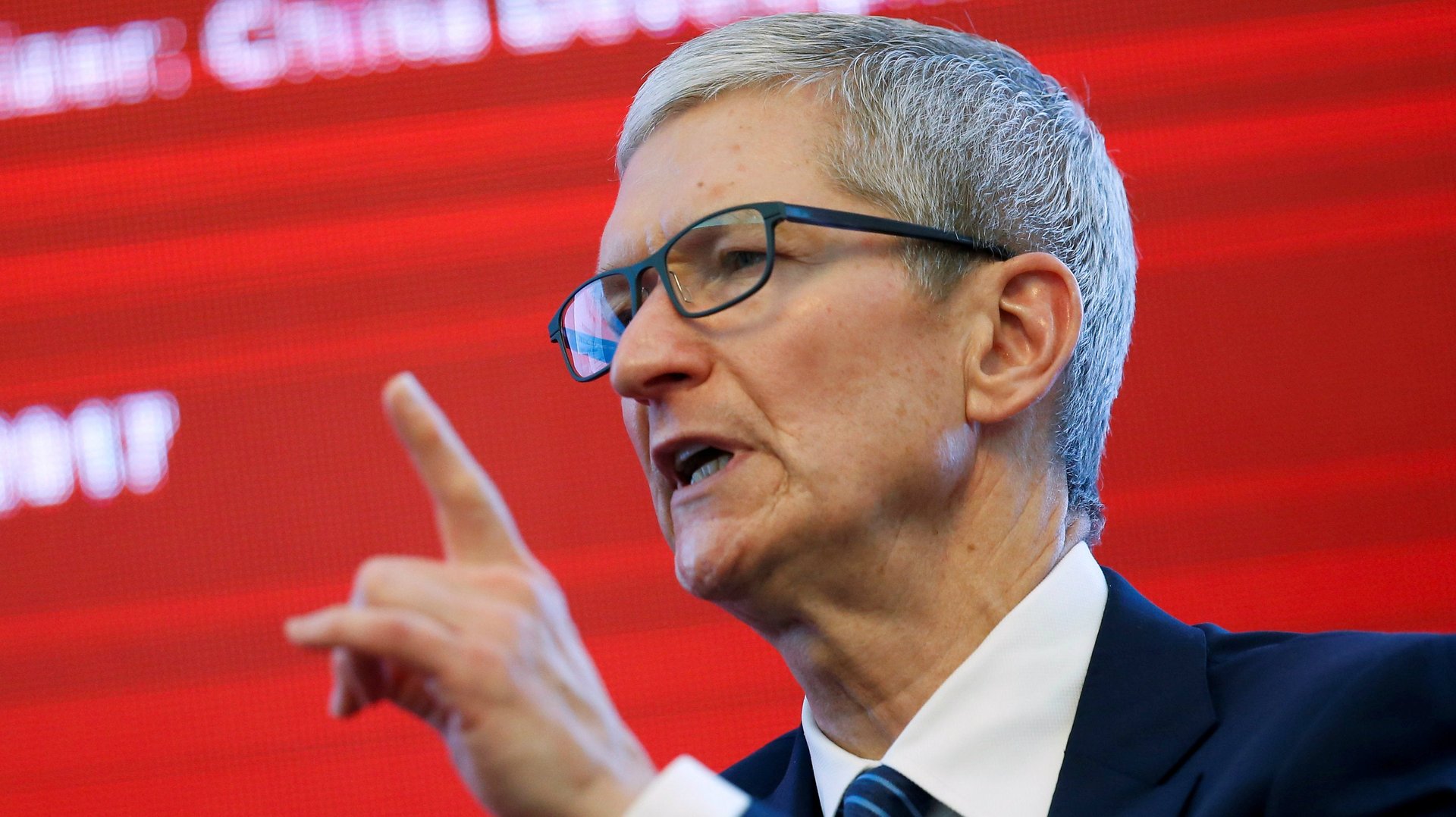
Apple has a tip for China—all online tips must go through Apple before they go anywhere else.
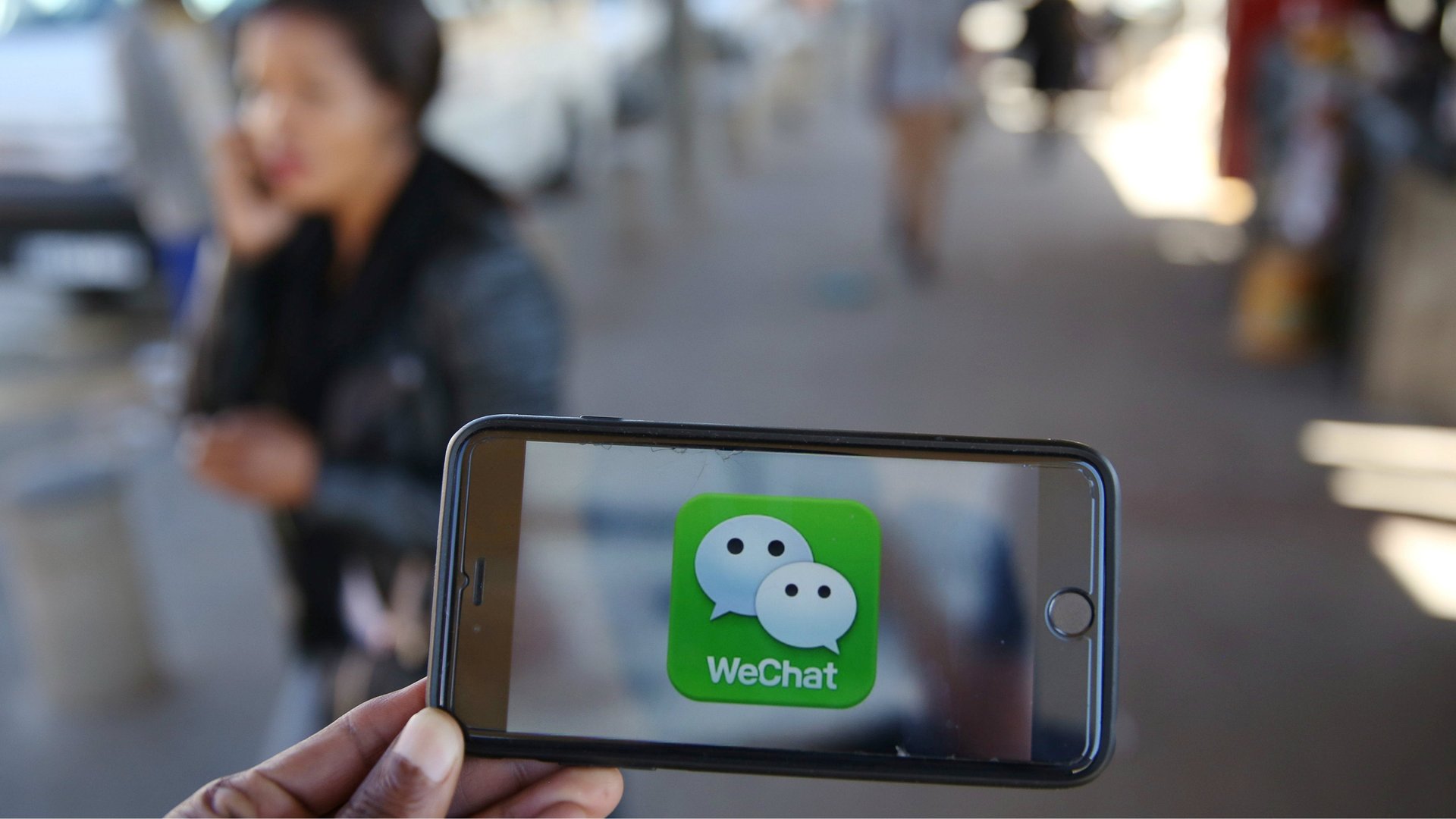
Today Chinese internet giant Tencent launched a new feature (link in Chinese) for its WeChat app designed to collect and debunk online rumors, which remain just as common in China as they are in other parts of the world.

The Chinese government has issued new guidance for China’s universities, on how to manage students from overseas.
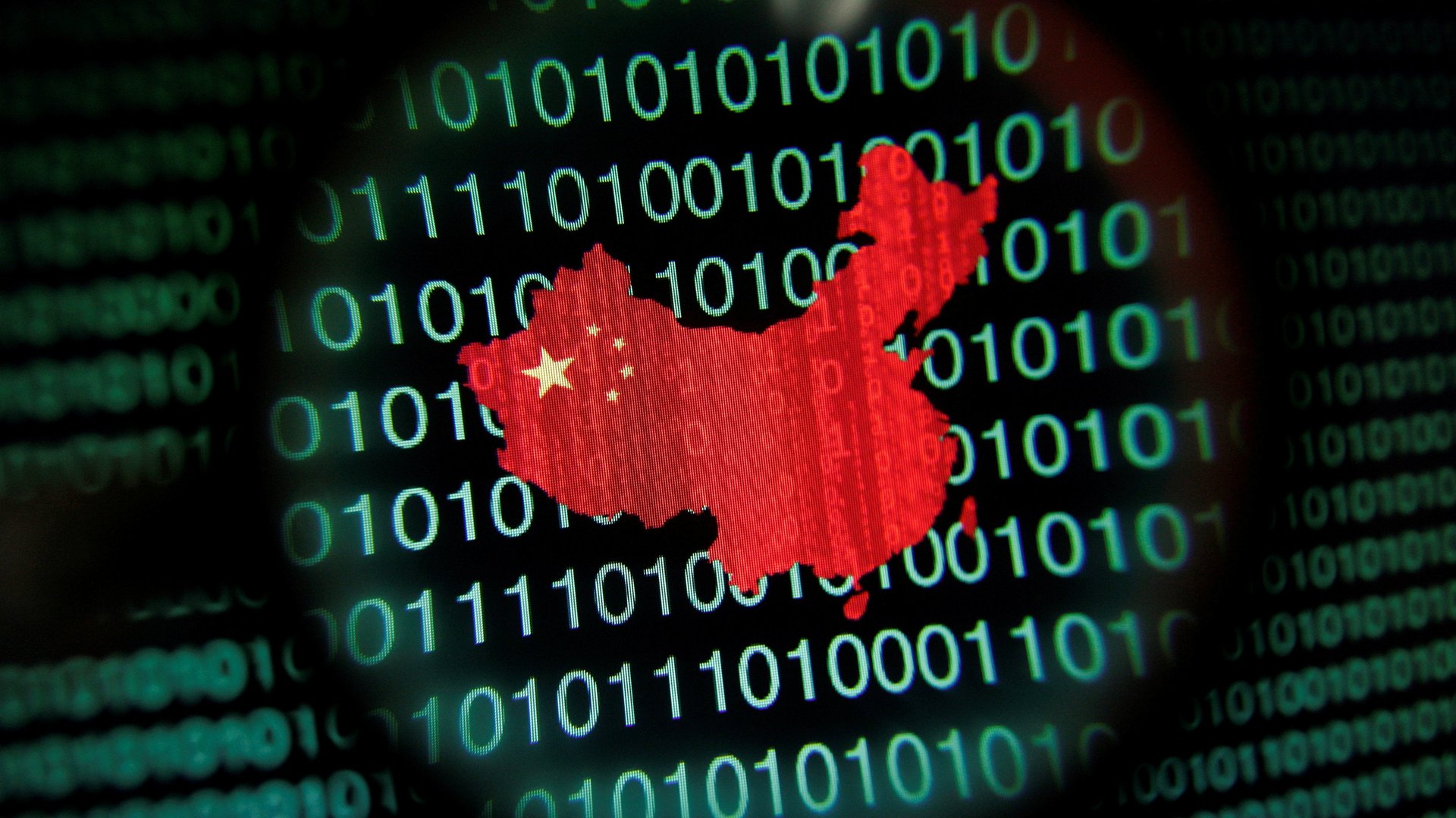
Last week China’s long gestating 2016 Cybersecurity Law finally went into partial implementation.
China’s internet giants are often collectively referred to as BAT, meaning Baidu (known for its search engine), Alibaba (e-commerce), and Tencent (social media and gaming). Perhaps that acronym should be shed by two-thirds.
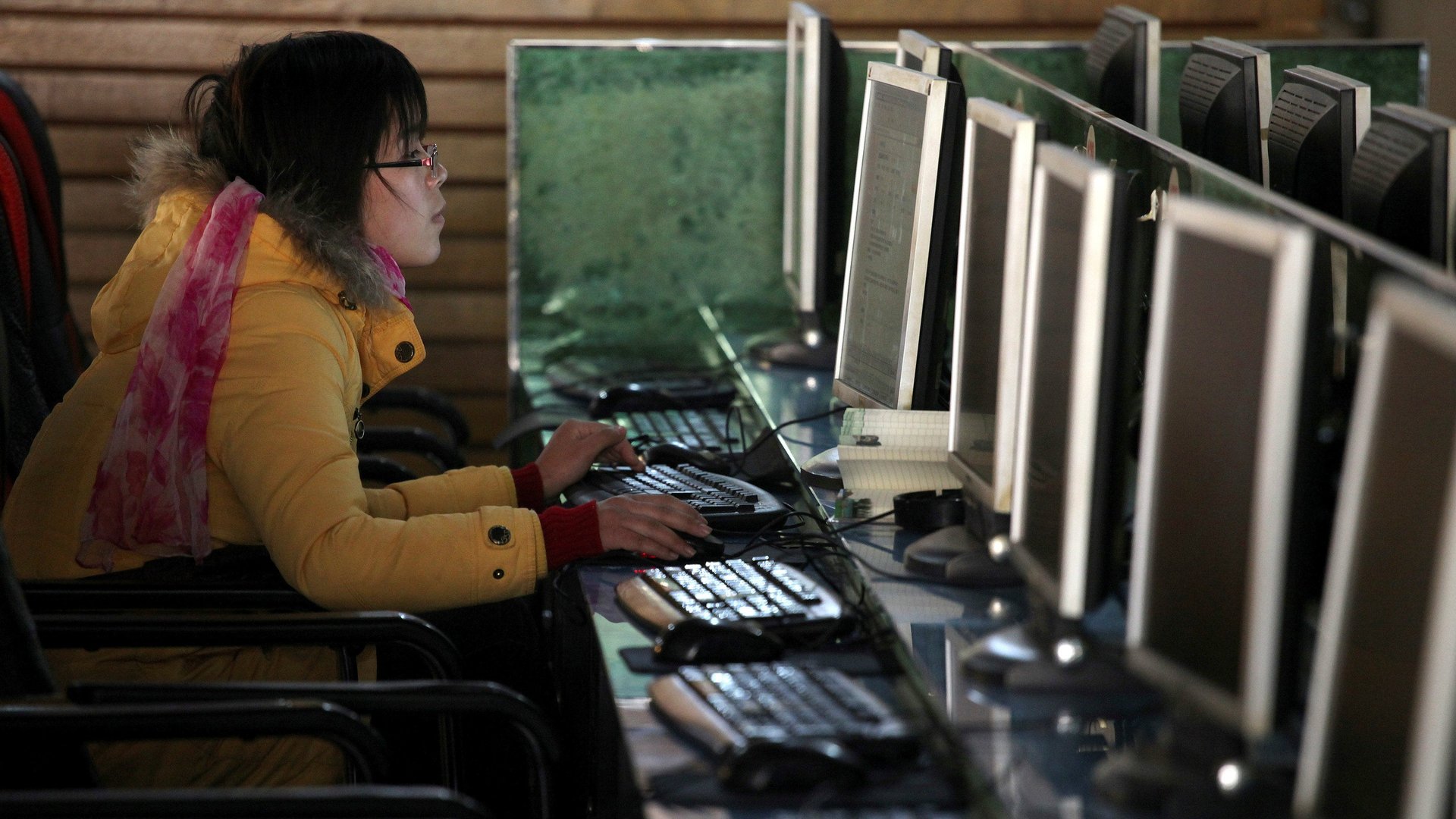
It’s a familiar story for students or businessmen on their first-ever visit to China. After rounds of beer and baijiu with potential clients, or a karaoke gathering through a university exchange program, the foreigner will ask the Chinese person sitting next to her for his email address.
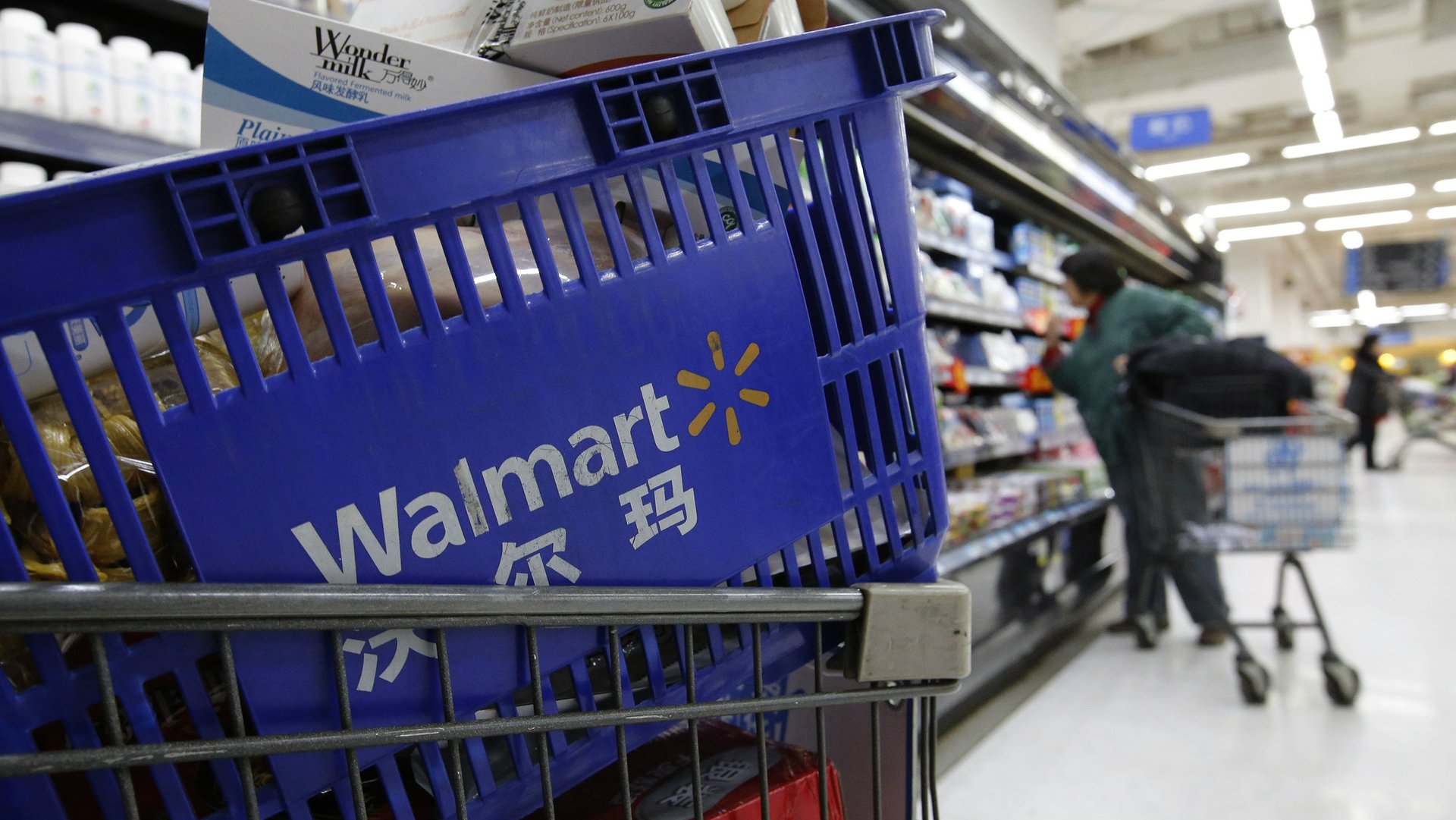
In China, Walmart is not only betting on e-commerce, it’s betting on a top Chinese e-commerce giant.
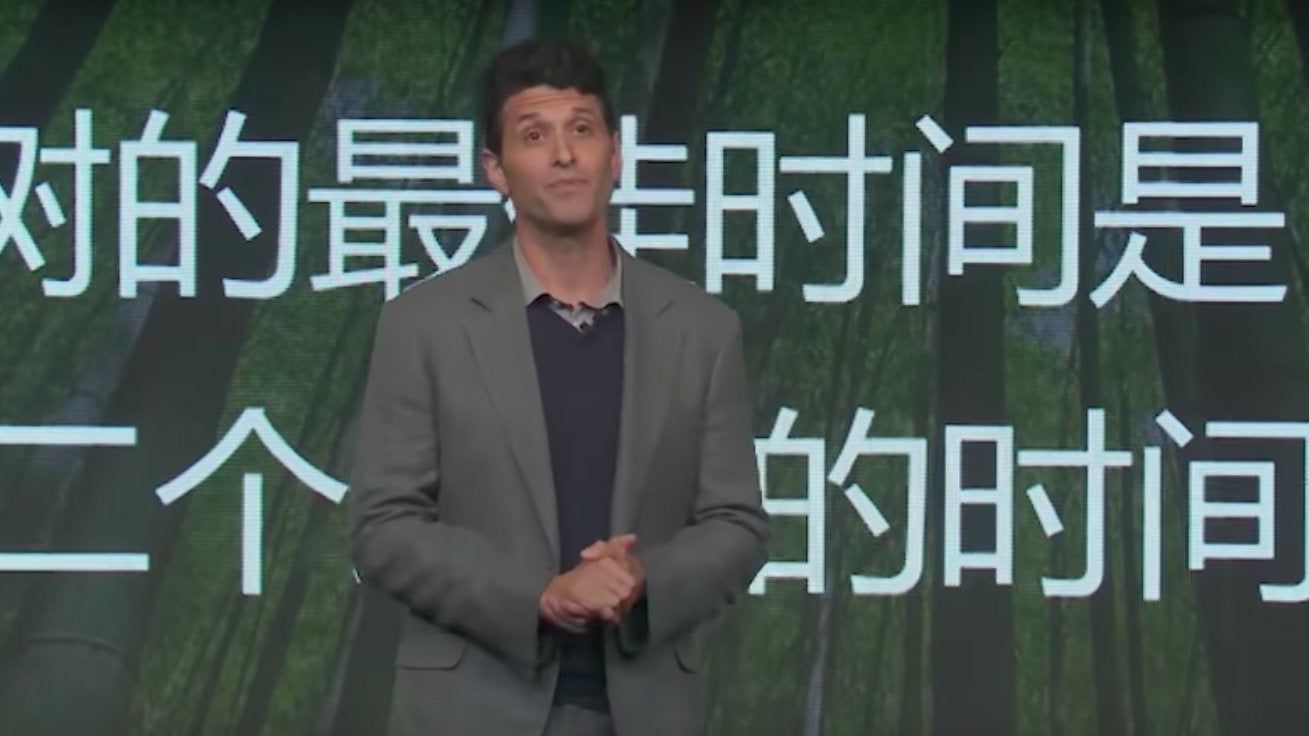
On May 23 Microsoft formally announced a new version of Windows 10, customized for an important client—the Chinese government.

Many saw it coming, and it finally arrived—today (May 24), the self-governing island of Taiwan became the first place in Asia to recognize a constitutional right to same-sex marriage for all its people.

As the summer approaches, a group of art students in Taiwan have concocted an unusual treat for the heat.

Every year in May a handful of commencement speeches will go viral, usually for the speaker’s sense of humor or ability to inspire. But one graduation speech from this year is going viral in China for a different reason–it’s politically incorrect.
China’s already-big WeChat is searching for how to get even bigger. The answer? Search.
It’s a meeting of the old economy and the new economy. The closed internet and the open one. Aging US holdouts and young Chinese giants. All in a single deal, which looks set to face close scrutiny this year.
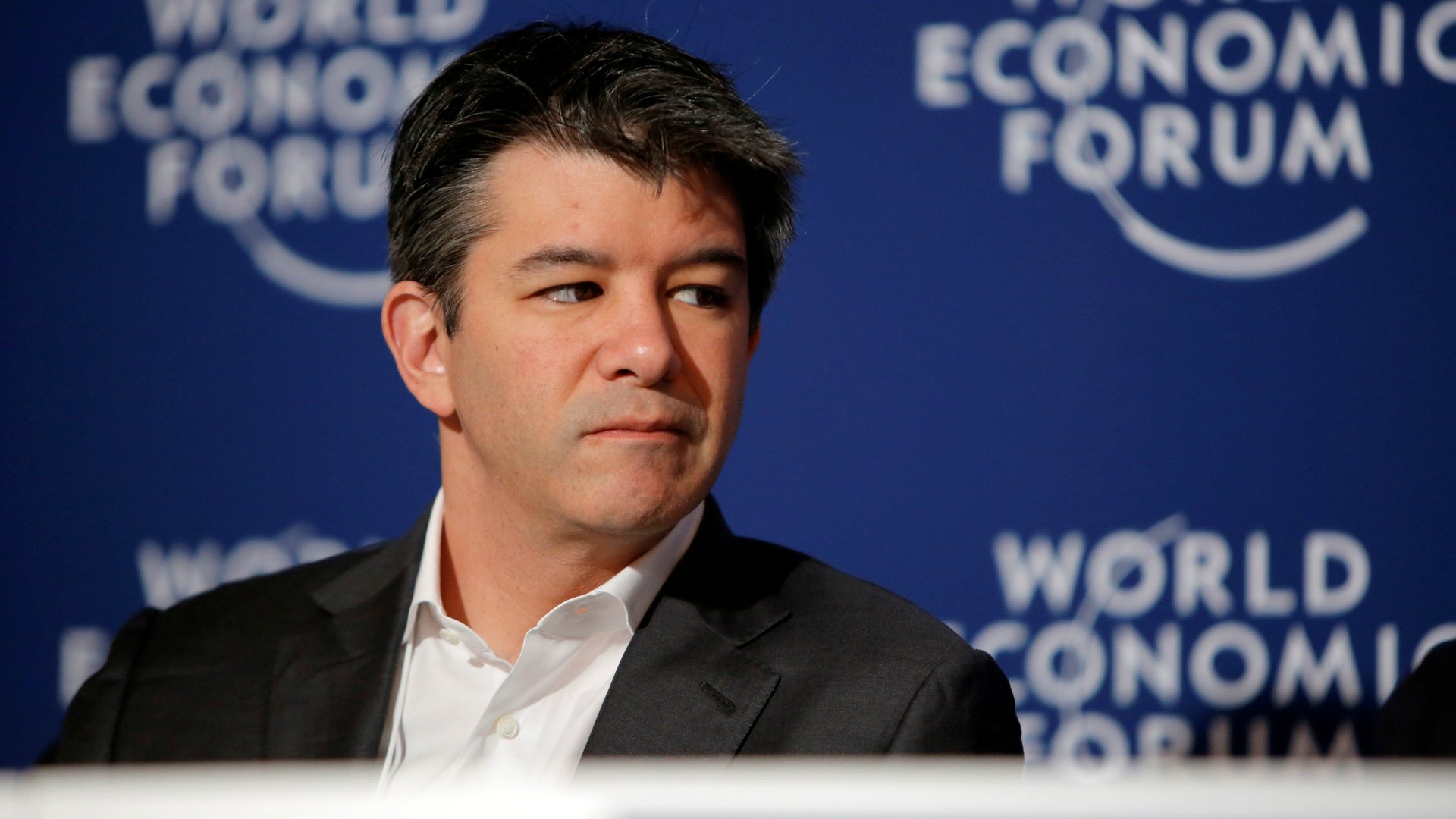
Uber’s race to develop self-driving car technology has taken a Shakespearean turn.
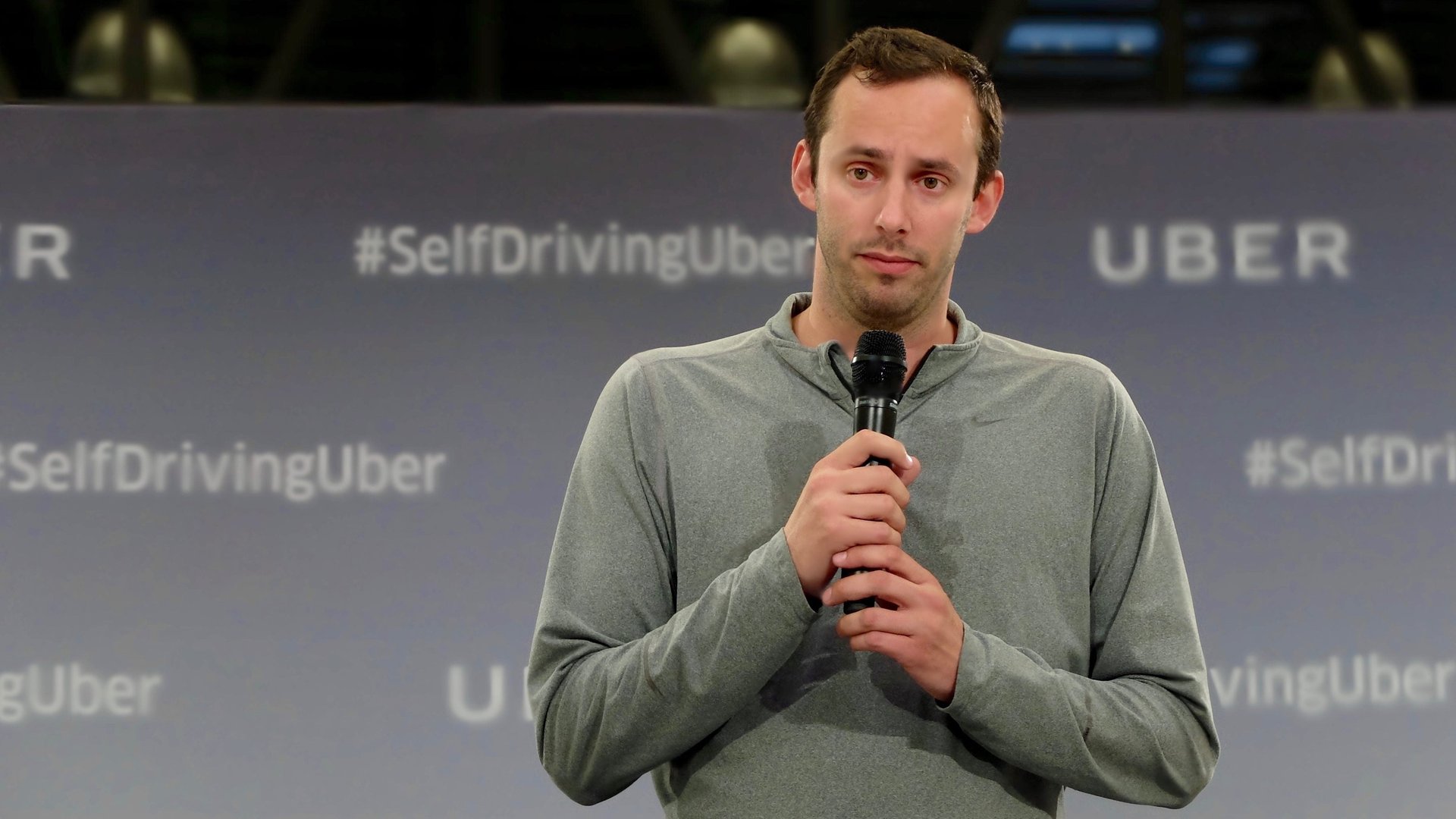
Uber’s legal battle with Waymo looks set to get much uglier.

Hollywood’s latest box-office success in China probably isn’t the boon you might expect.
For years, Chinese internet authorities have barred foreign tech companies from entering its market, or made it enormously difficult to operate, in the name of promoting “internet sovereignty.” Now it’s on the receiving end.

China is changing. Apple is changing. And with that, Apple’s depiction of China is changing.
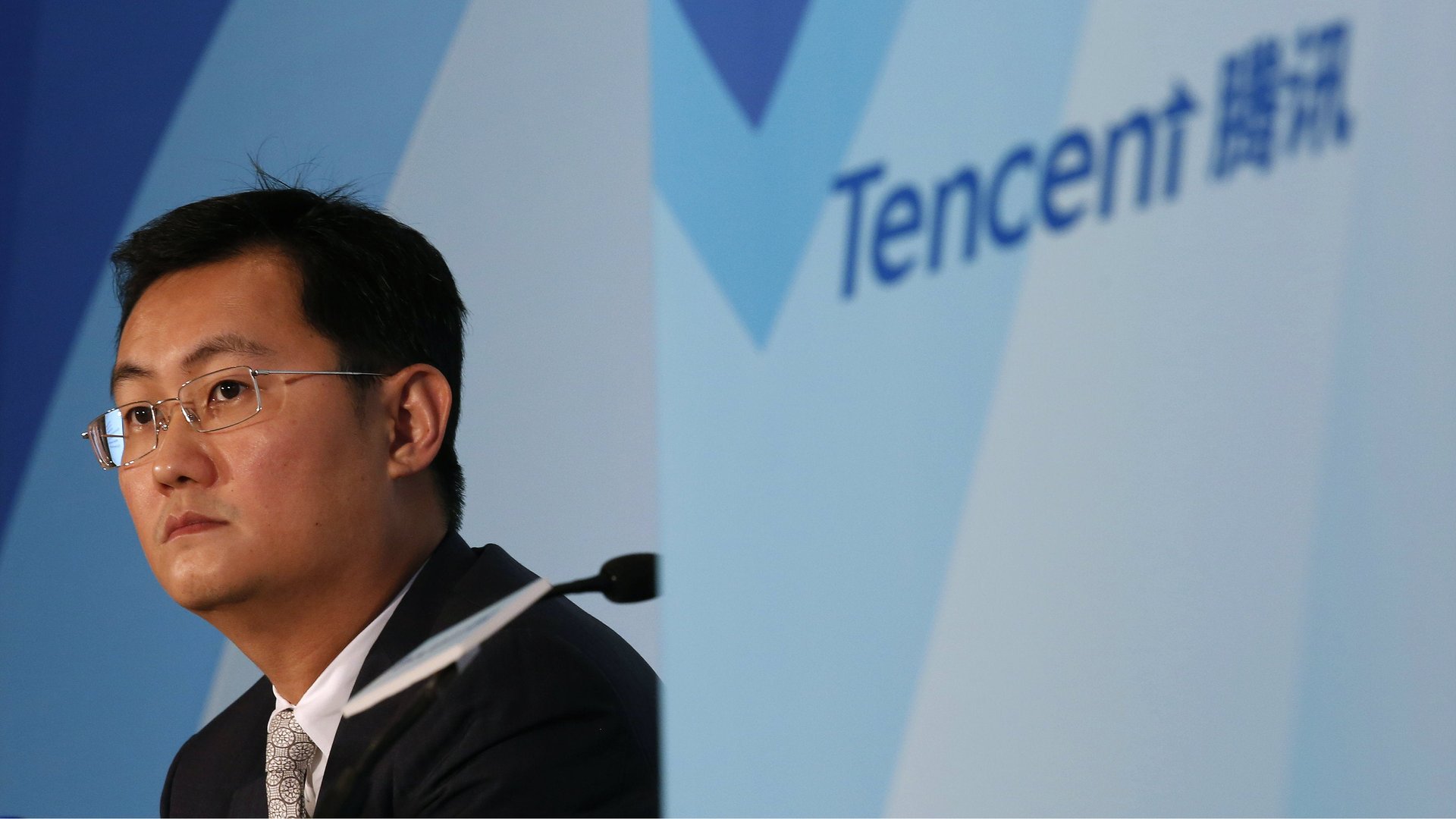
As internet giants all over the world herald their advances in AI, one company has been conspicuously absent—Tencent, the Chinese social media giant, now worth over $300 billion. But the company’s relative silence in matters of artificial intelligence looks set to change quickly.
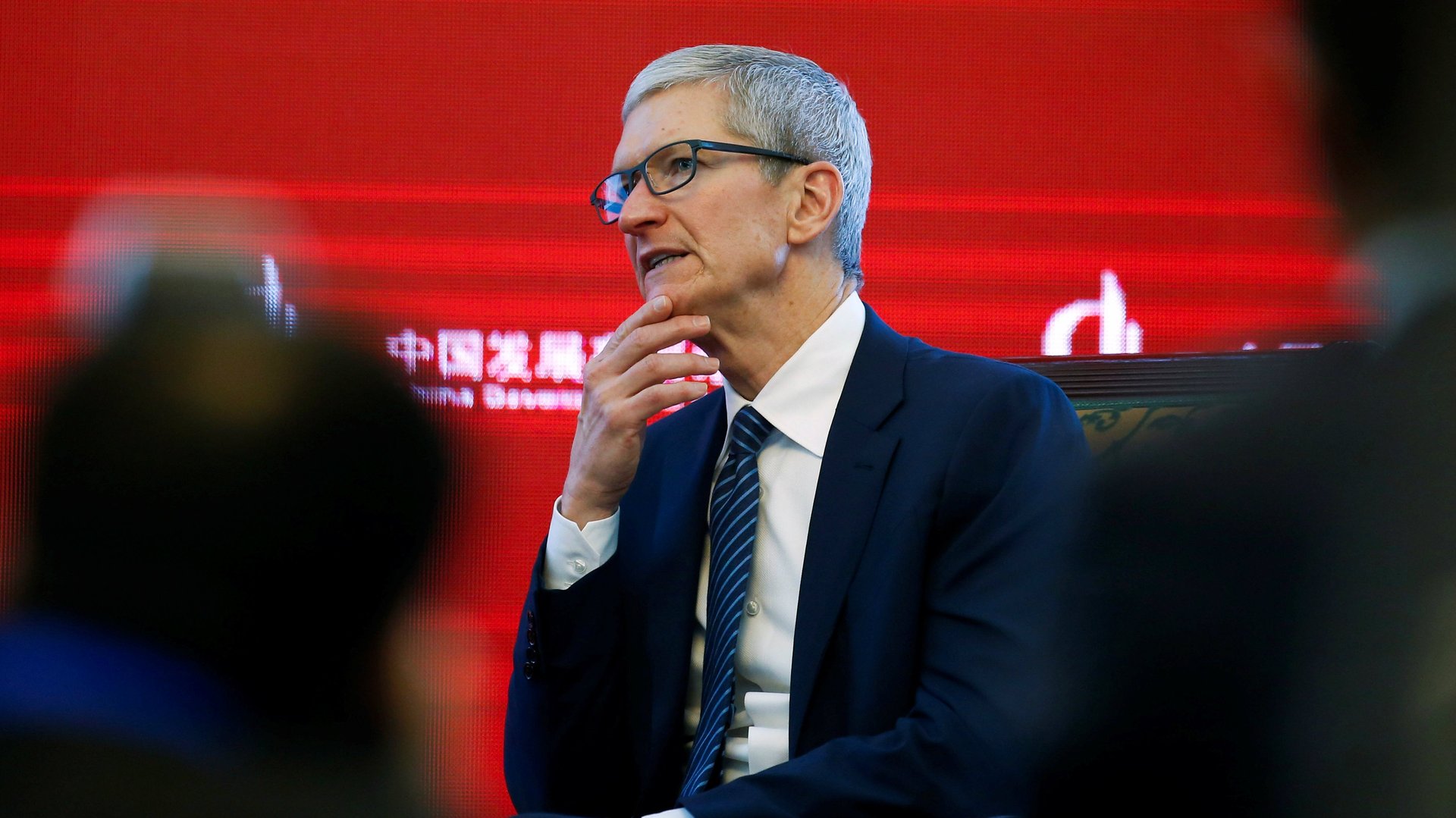
Apple just announced its earnings for the quarter ending March 2017, and in China, the numbers tell a familiar tale. Sales are slowing, confirming the company’s heyday in the country has come to an end and that it can no longer rely on China as a growth engine.