

Tech & Innovation
Using an air dryer after you wash your hands may just make them dirtierBacteria are like biology’s glitter; they get absolutely everywhere.
Updated July 20, 20223 min read
Bacteria are like biology’s glitter; they get absolutely everywhere.

When A-68, a trillion-ton iceberg the size of Delaware (or ten Madrids or two Luxembourgs, whatever you want to call it), parted ways with the Antarctic Larsen-C ice shelf in the summer of 2017, it was the largest recorded calving in history.

When Jennifer Lawrence falls on a flight of stairs in her own home, she gets up, brushes herself off, and goes on her way. But five years ago she didn’t: she face-planted on live television in a gown, walking up steps to Dolby Theatre stage on her way to accept an Oscar, and covered her face in embarrassment. And simultaneously, most people watching cringed—or at least felt a pang of embarrassment for her in their chests.
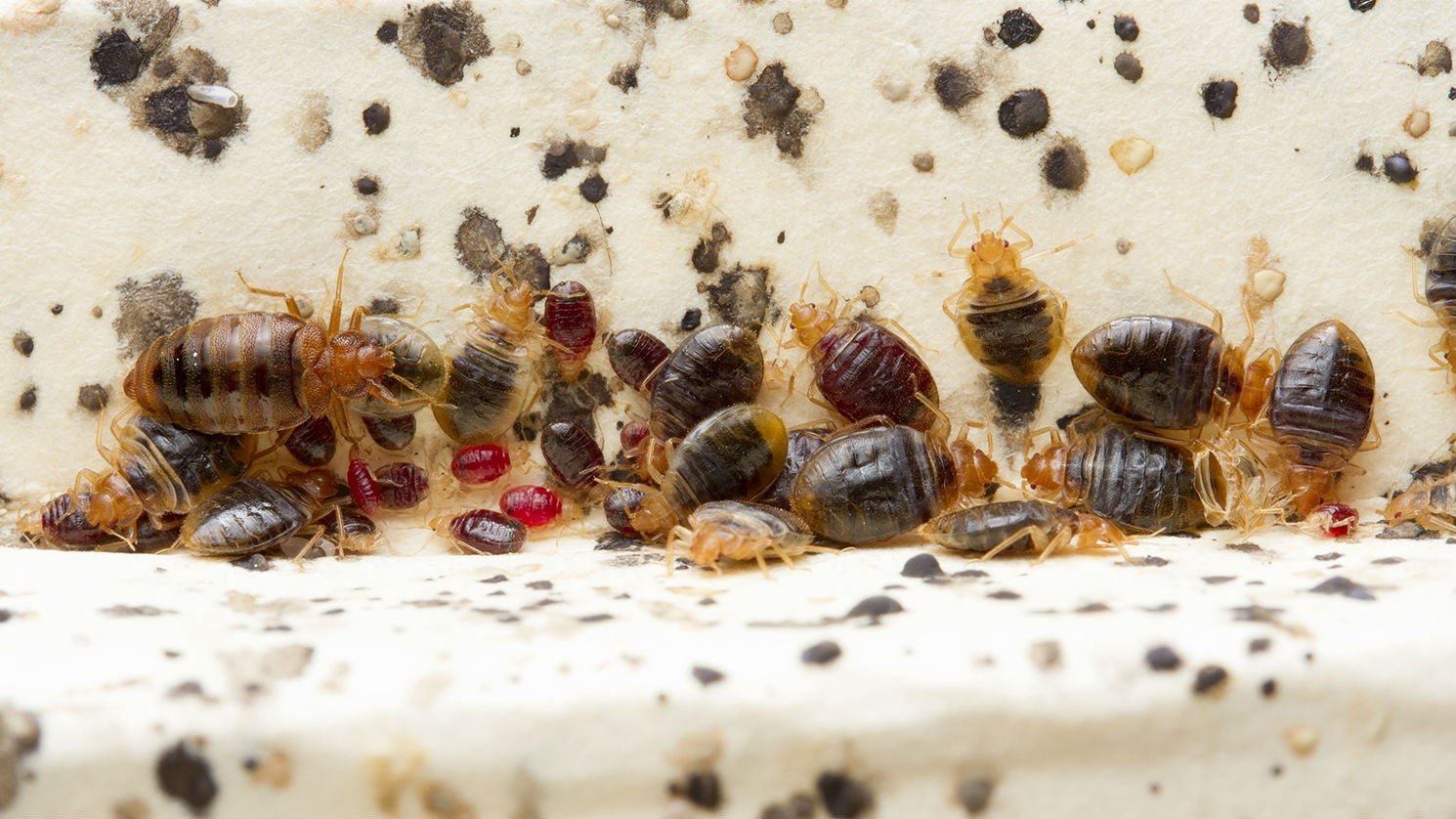
After bed bugs are eradicated from an infestation, they leave behind a potentially unhealthy souvenir that lingers in the air for months afterward.

Ovaries are the best incubators known to womankind—chemically nurturing and pruning human eggs until they’re fully mature and ready to be fertilized. Scientists have never quite been able to recreate the process.

There’s no such thing as a good flu season, and it’s no secret that this one has been a particularly nasty in the US (despite what some of the president’s campaign advisors may think). Although health officials plan for outbreaks of influenza every fall and winter, in January last year there were 368 deaths related to the flu; this year, there were 852.
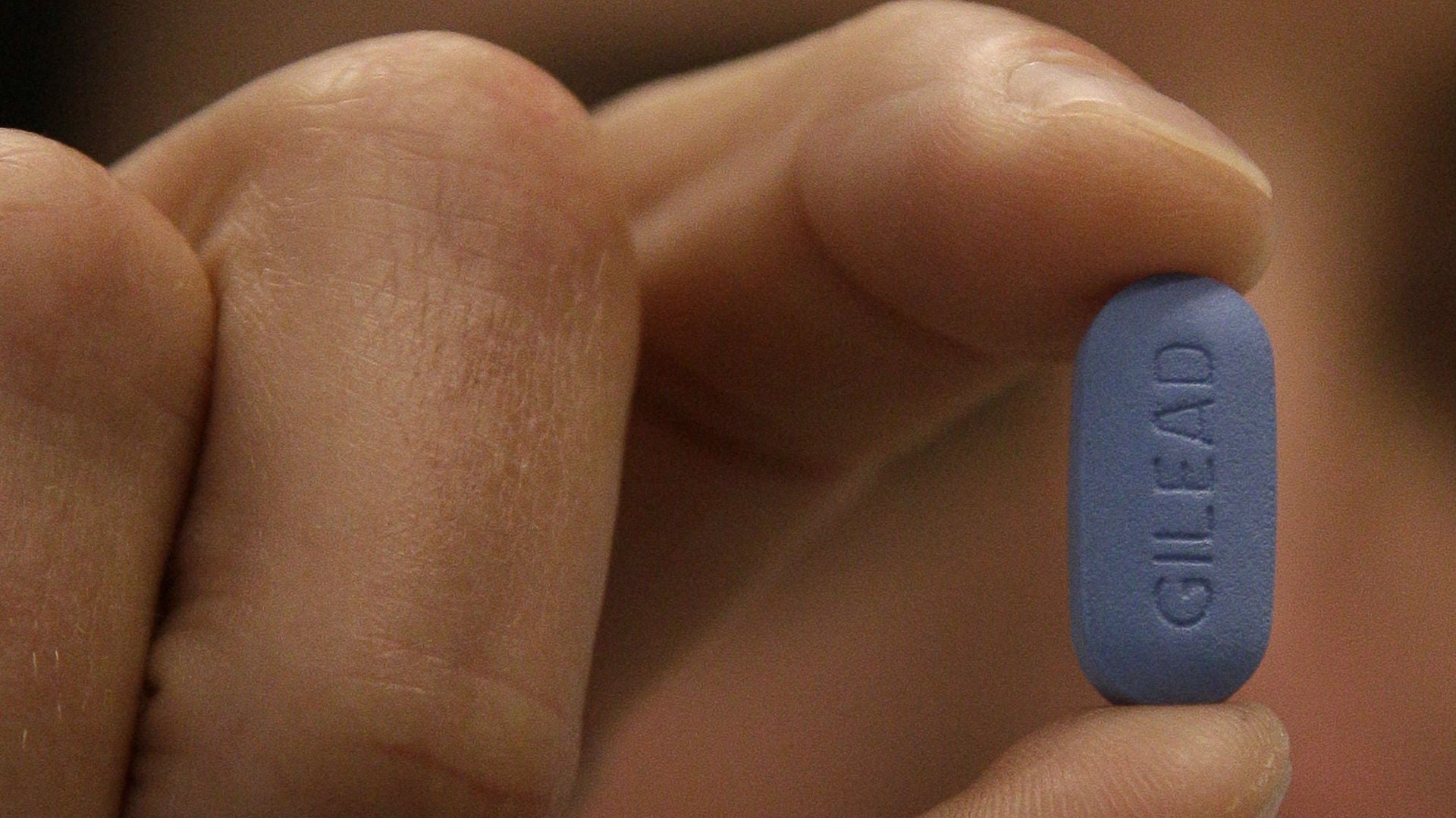
Medication tends to work best when people can actually take it.

In 2016, environmental scientists celebrated victory in an almost-two-decade battle. The stratospheric ozone layer—a blanket of molecules made up of three oxygen atoms that protect the planet from some of the sun’s ultraviolet rays—was finally rebounding. It seemed like international collaboration had paid off: The Montreal Protocol, a multilateral treaty that restricted the problematic chemicals that were putting holes in the ozone around the poles, seemed to be working, and the layer was bouncing back.

There’s no such thing as a mild flu season, Dan Jernigan, director of the US Centers for Disease Control’s influenza division, told reporters last month. Yet if the most common strain of the influenza virus is nasty every year, this season is arguably worse.

It’s not surprising that professional football players need to eat a lot.
In an old, converted garage, Vicis employees enthusiastically beat the crap out of football helmets. They call it the “Smash Lab.”
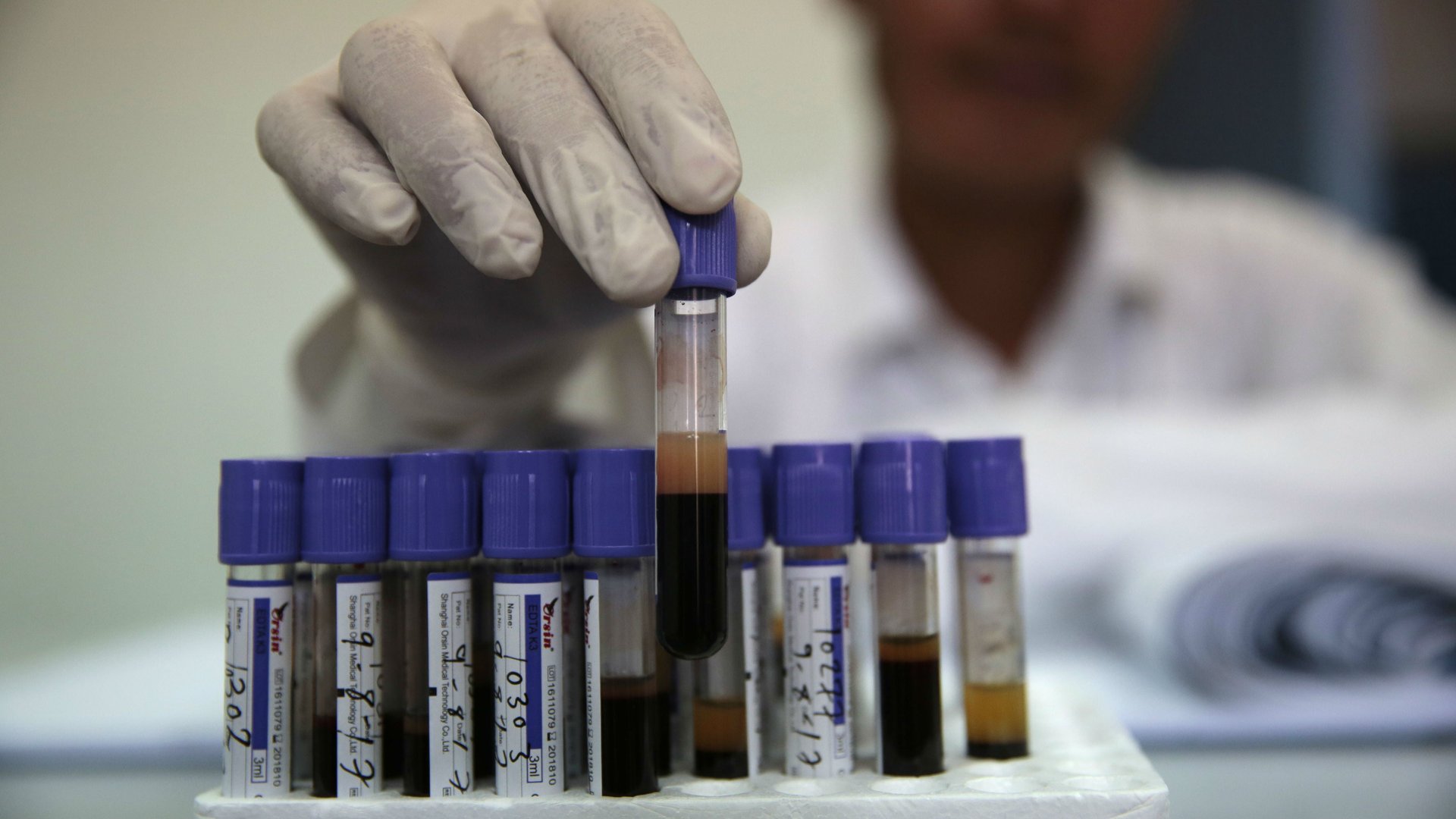
The big problem with Alzheimer’s is the disease begins as much as two decades before any symptoms show up, usually in a person’s 60s. There are a handful drugs that can slow the progress of memory loss that comes with Alzheimer’s, but by the time the disease is diagnosed, it’s too late: there’s already been irreversible damage done to the brain. The disease almost always progresses until it becomes fatal. Most Alzheimer’s drug trials have failed in part because it’s so difficult to find suitable populations of those who have the earliest stages of the disease.

One of the biggest tragedies of Alzheimer’s is by the time patients suspect something is wrong, there’s usually not a whole lot that medicine can do to help.

Until relatively recently, scientists didn’t really understand contraception.

“Brain surgery is a terrible profession,” Wilder Penfield wrote in 1921. “If I did not feel it will become different in my lifetime, I should hate it.”
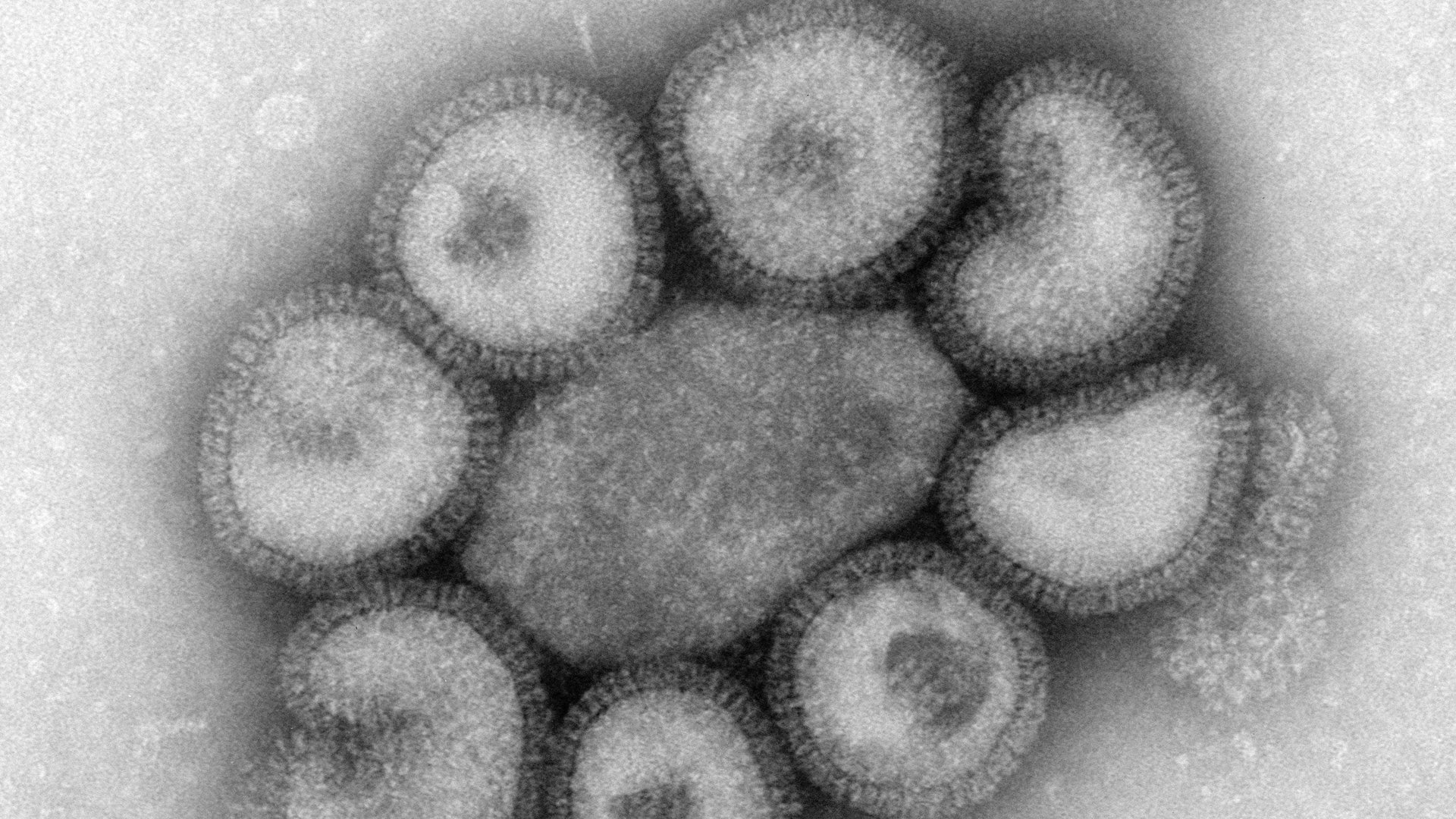
This year’s flu season is undoubtedly bad. Vaccines are less effective than usual, and the strains seem particularly virulent.

This year’s flu season has been a particularly bad one in the US. The active strain of H3N2 is particularly virulent, and vaccines are just somewhat effective due to the difficult nature of predicting influenza mutations over time.

China is taking the lead in the global race to perfect gene therapies.

As a health reporter, every so often I’ll get inspiration from questions in my own life. Or in this case, my coworker’s.

During the 16th century in the southern part of Mexico, a mysterious illness killed some 18 million indigenous Mixtec people. The disease, which was referred to by the name cocoliztli in historic records, caused headaches, fever, liver damage, and bleeding from the eyes, nose, and mouth.
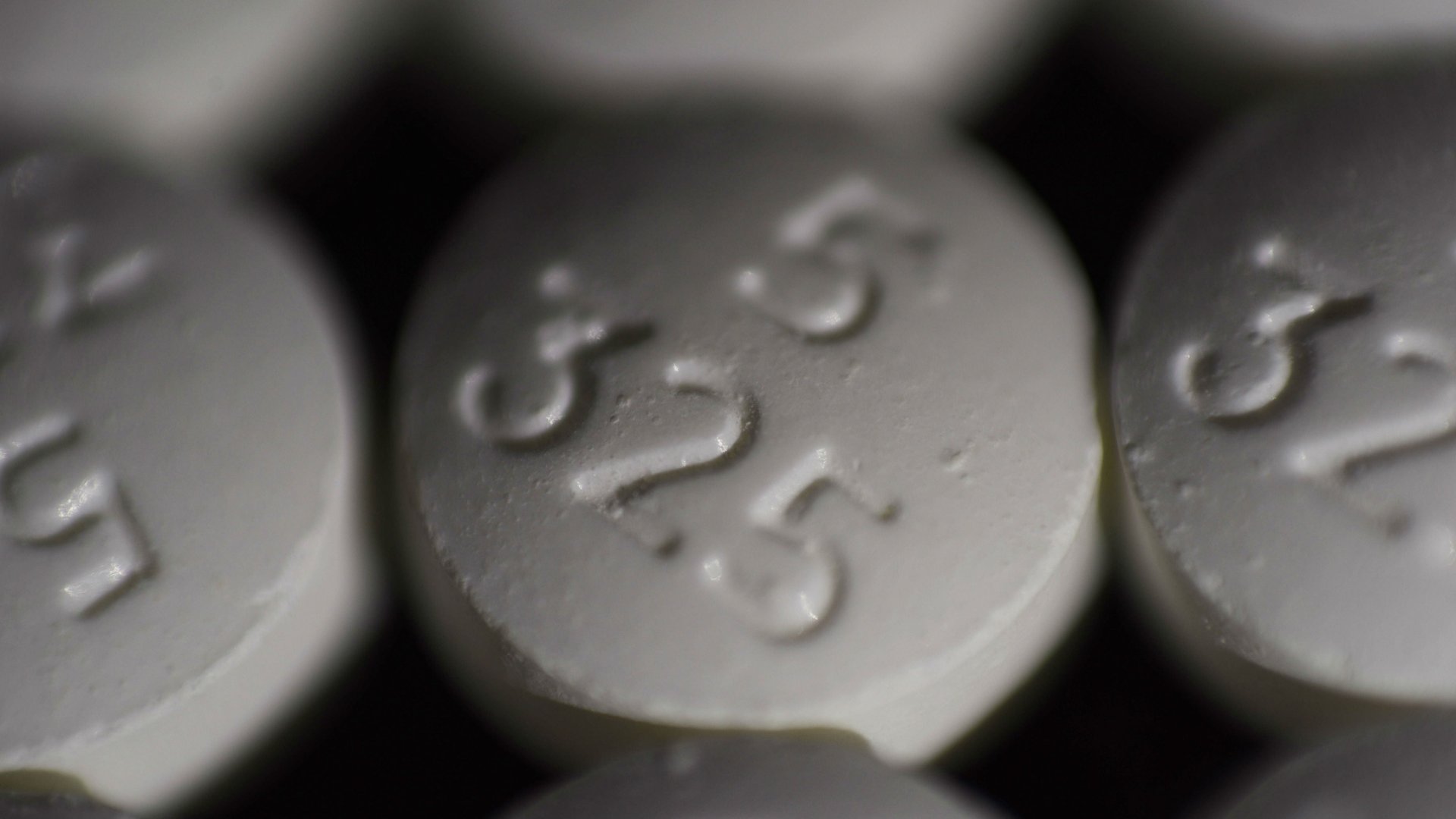
Tamper-resistant or “abuse-deterrent” opioids have been held up by the pharmaceutical industry, government health agencies, state lawmakers, and health professionals as a potential solution to the opioid epidemic growing in the US. The problem is there’s little to no evidence abuse-deterrent pills actually deter abuse.

Advil, Motrin, Propinal—whatever the brand name, all these versions of ibuprofen sold over the counter are pretty much ubiquitous for an easy ache-and-pain remedy. Part of the reason these drugs are a painkiller of choice is because in low doses, they don’t typically have side effects. Nor do they interact strongly with other medications or supplements. Most of us don’t think twice when popping a few pills to ease a headache or cramp.

Digestion is something of a black box. We know food gets put through a physical and chemical pulverization to make it easier to extract nutrients before we get rid of the waste. But there are all sorts of variances in each of our own unique digestive tracts. So when someone’s digestion goes awry, it’s hard to tell what exactly is wrong or how to fix it.

The new year is a convenient opportunity to start fresh and get into shape. Unfortunately, every day in the new year has the same number of hours as the days of the last. So if you had trouble finding any time in 2017 to get workouts in, turning the calendar to January 2018 might not help.