Much of the western optimism around Iran’s new leader, Hassan Rowhani, centers on his early cabinet choices, in particular a single individual—his foreign minister, Mohammad Javad Zarif.

Much of the western optimism around Iran’s new leader, Hassan Rowhani, centers on his early cabinet choices, in particular a single individual—his foreign minister, Mohammad Javad Zarif.

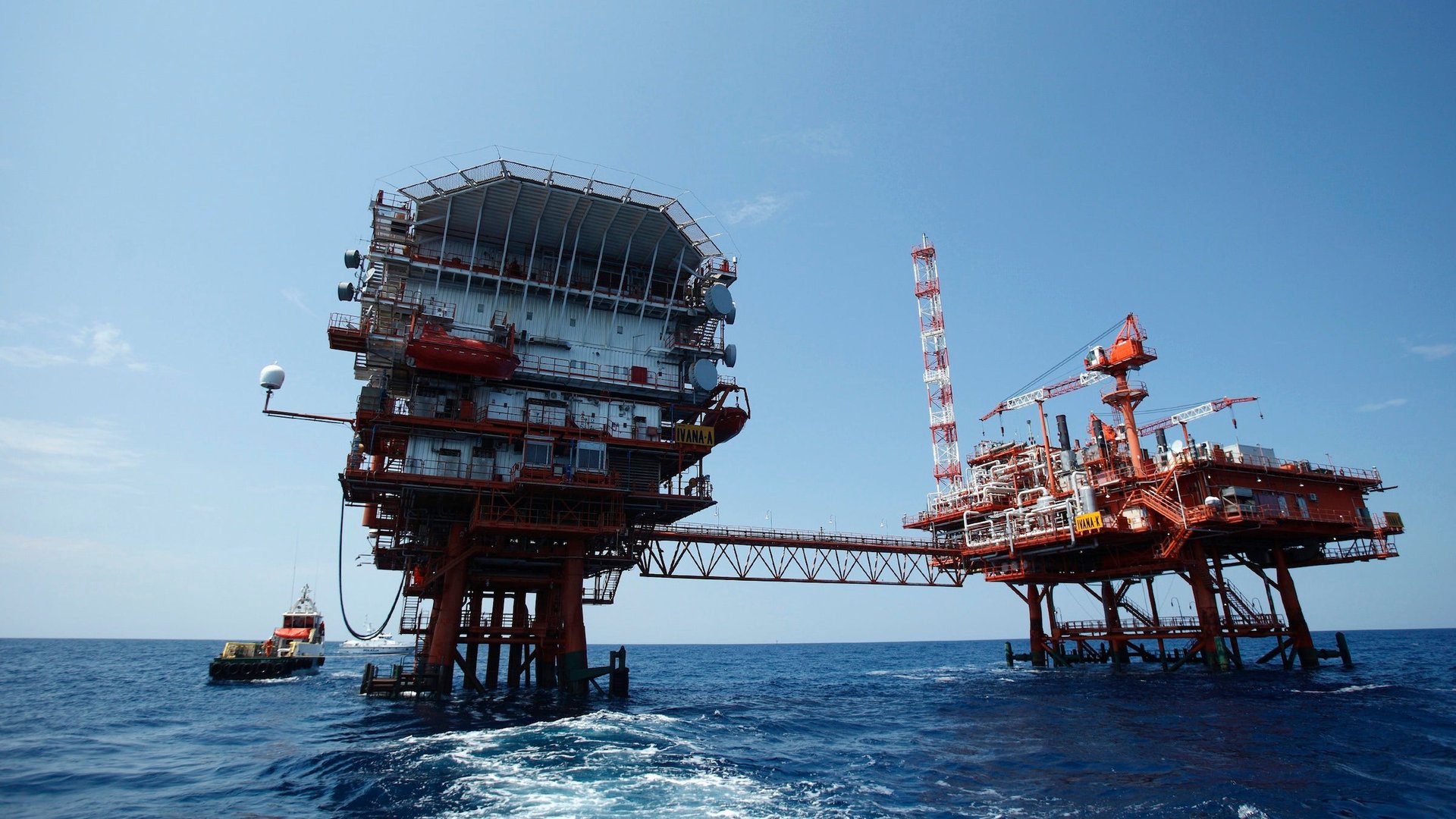
Chevron has just joined the rest of Big Oil in reporting a miserable second quarter. And there do not seem to be consistently better days ahead. These gigantic energy companies face higher costs, trouble maintaining their size, and fierce competition from smaller, nimbler players.

A money-laundering settlement in Amsterdam closes the latest chapter in the long career of John Deuss, one of the most successful international wheeler-dealers of recent decades.

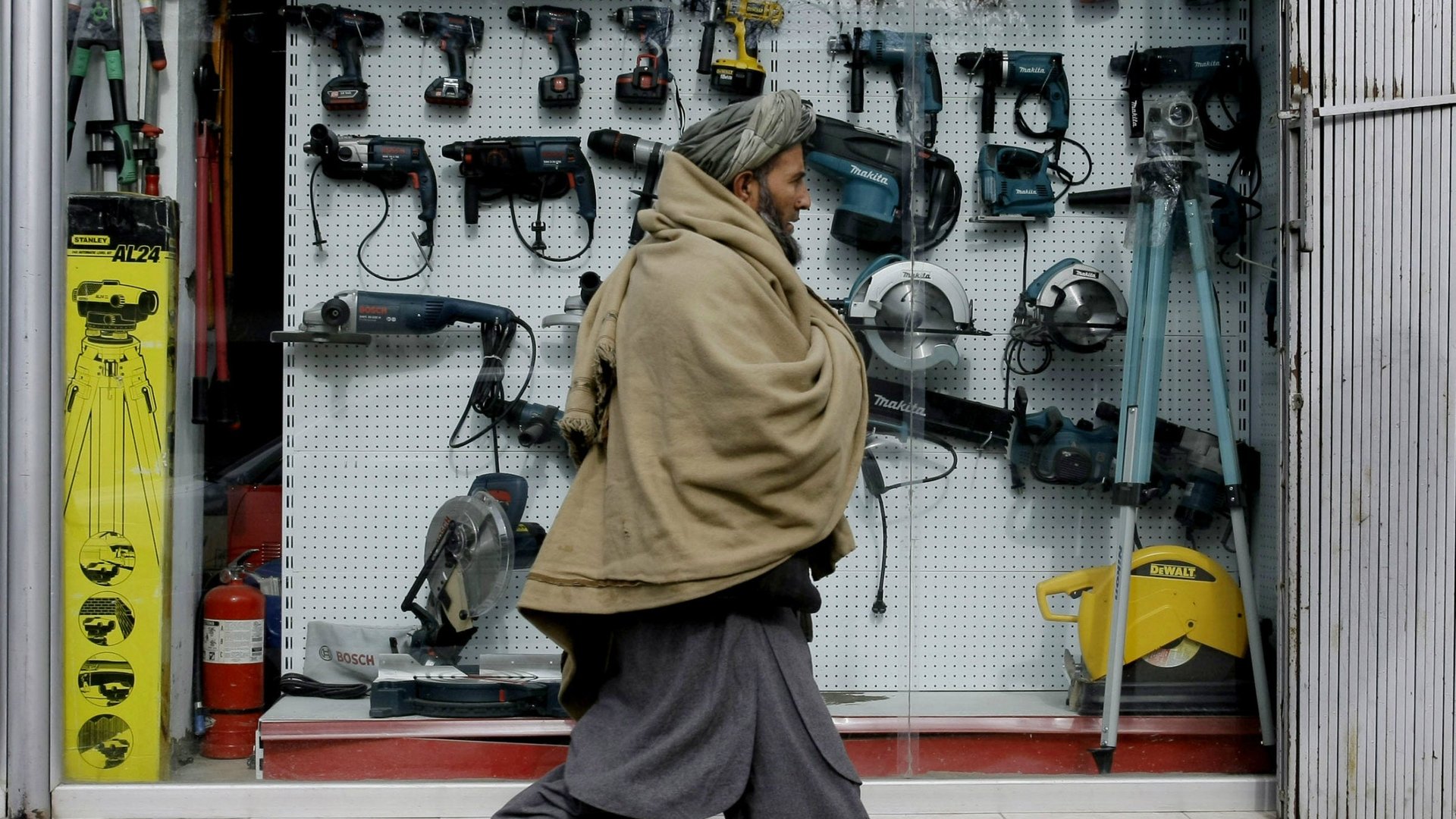
For two years, the US State Department and the Pentagon have been incubating a plan to win the Afghan war without actually defeating the Taliban on the battleground. The idea is to triumph commercially by building a “New Silk Road”—a transportation-and-energy route to the West whose long-term financial dividends would prompt combatants to set aside their arms and get rich instead.

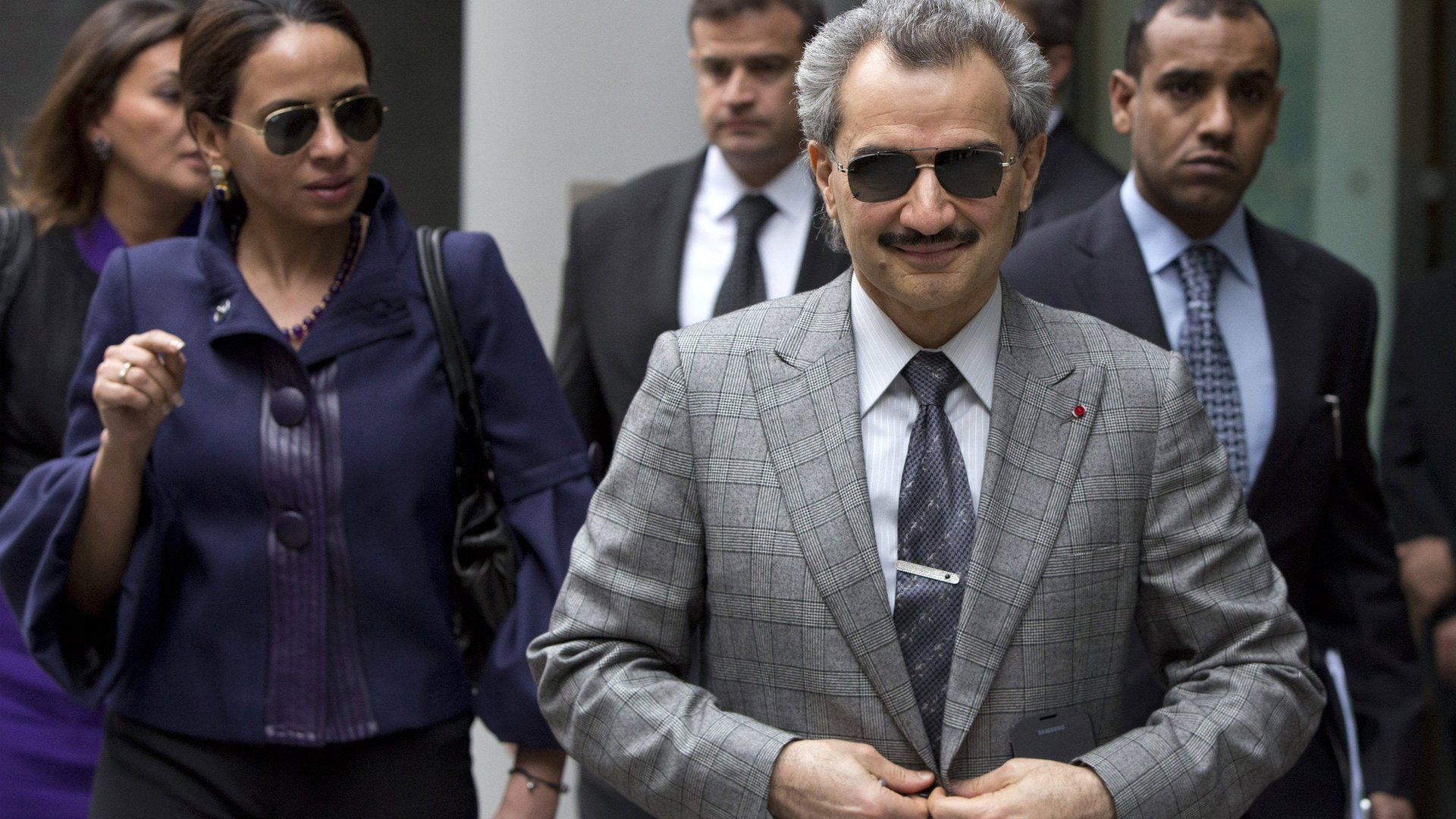
Saudi Arabia, home to the world’s largest reserves of cheap-to-drill oil, describes itself as a painstaking economic planner. It plots to keep current oil prices stable even while diversifying for harder economic days ahead. These practices have, among other things, resulted in the accumulation of $700 billion in official foreign reserves.

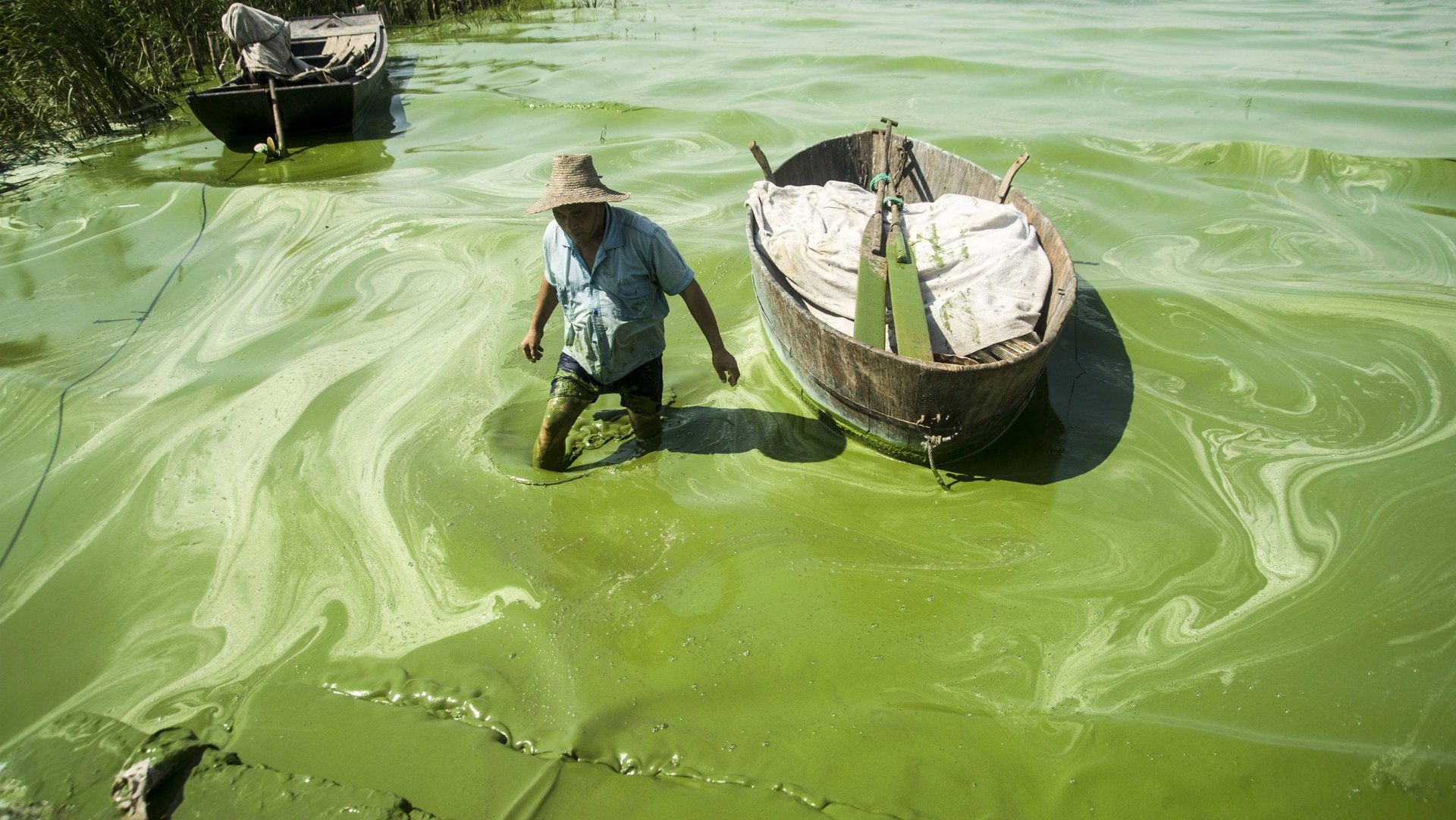
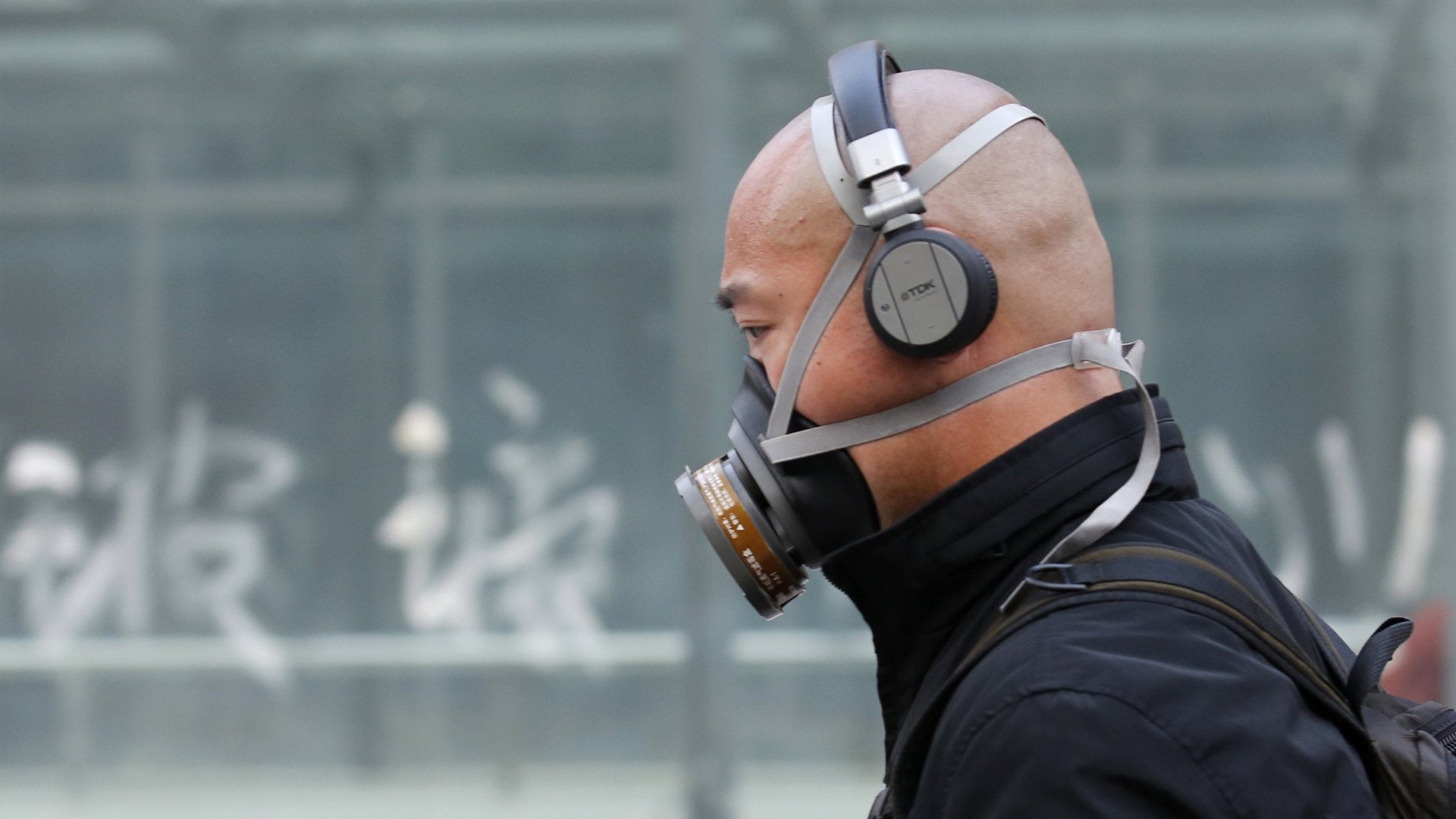
Chinese authorities have had trouble fighting the air pollution that is choking urban areas in part because entrenched interests—especially state-controlled industries in industries like energy and automobiles—have lobbied hard against stricter environmental safeguards. But increased attention on toxic soil pollution in the rural areas that the country depends upon for its food supply may prove to be more compelling.

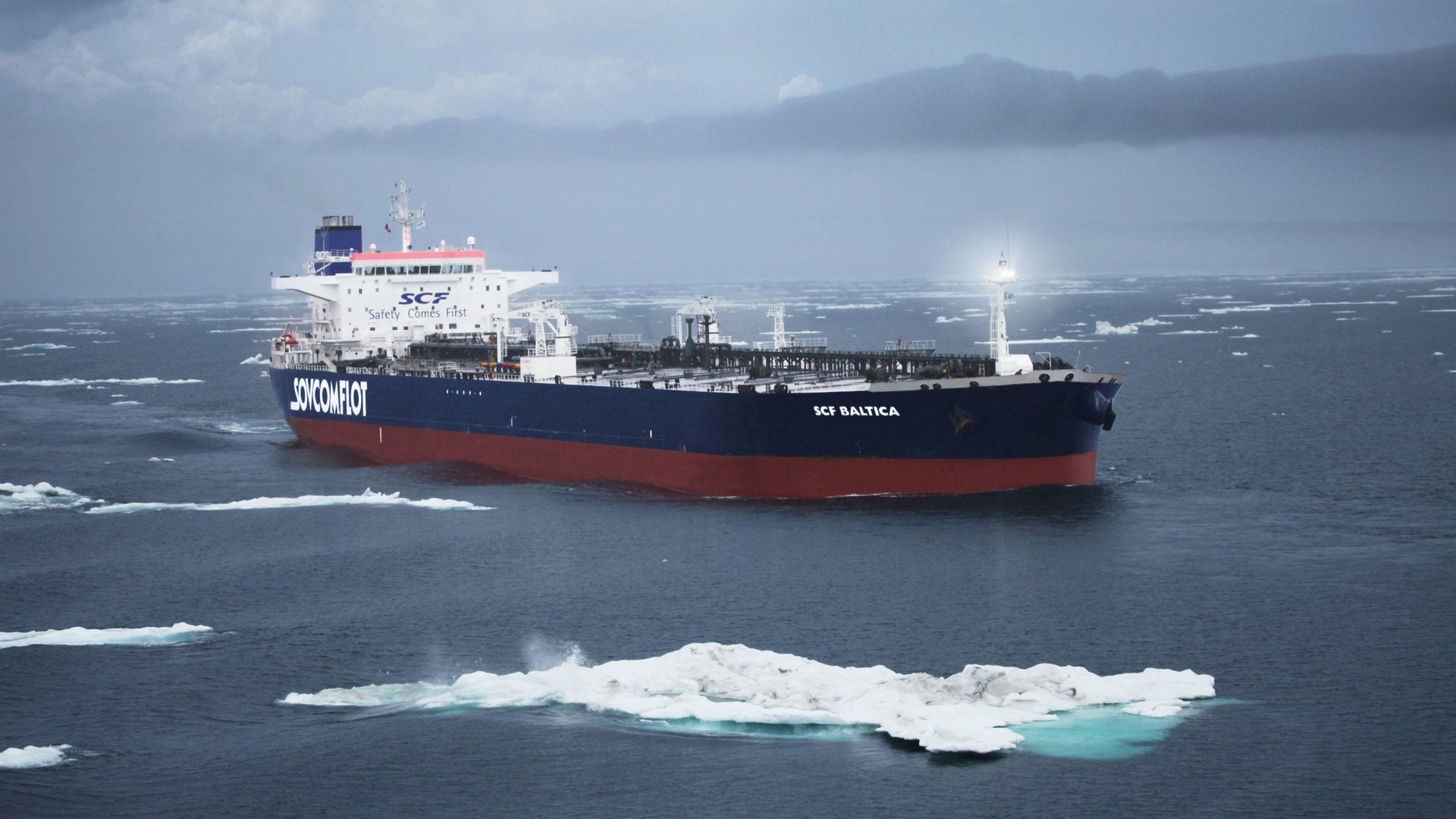
Nobody wants to end up like the Titanic. But a boom in Arctic shipping, triggered by global warming, has made the fate of the luxury liner a real risk for hundreds of ships.

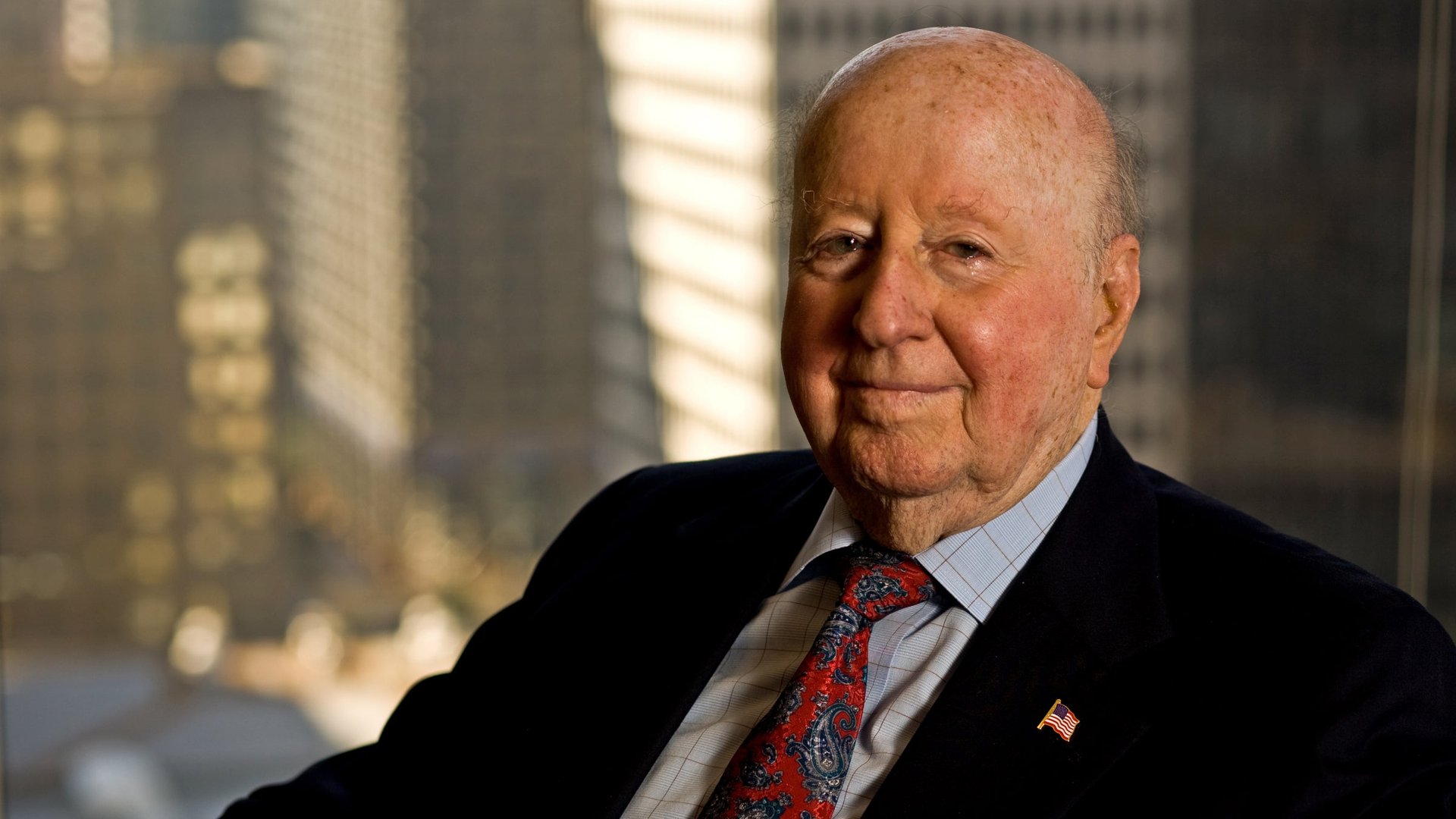
Billionaire George Mitchell, who died Friday at the age of 94, was a tenacious personality who changed the industries he touched, most famously pioneering a drilling technique that has overturned global economics and geopolitics.

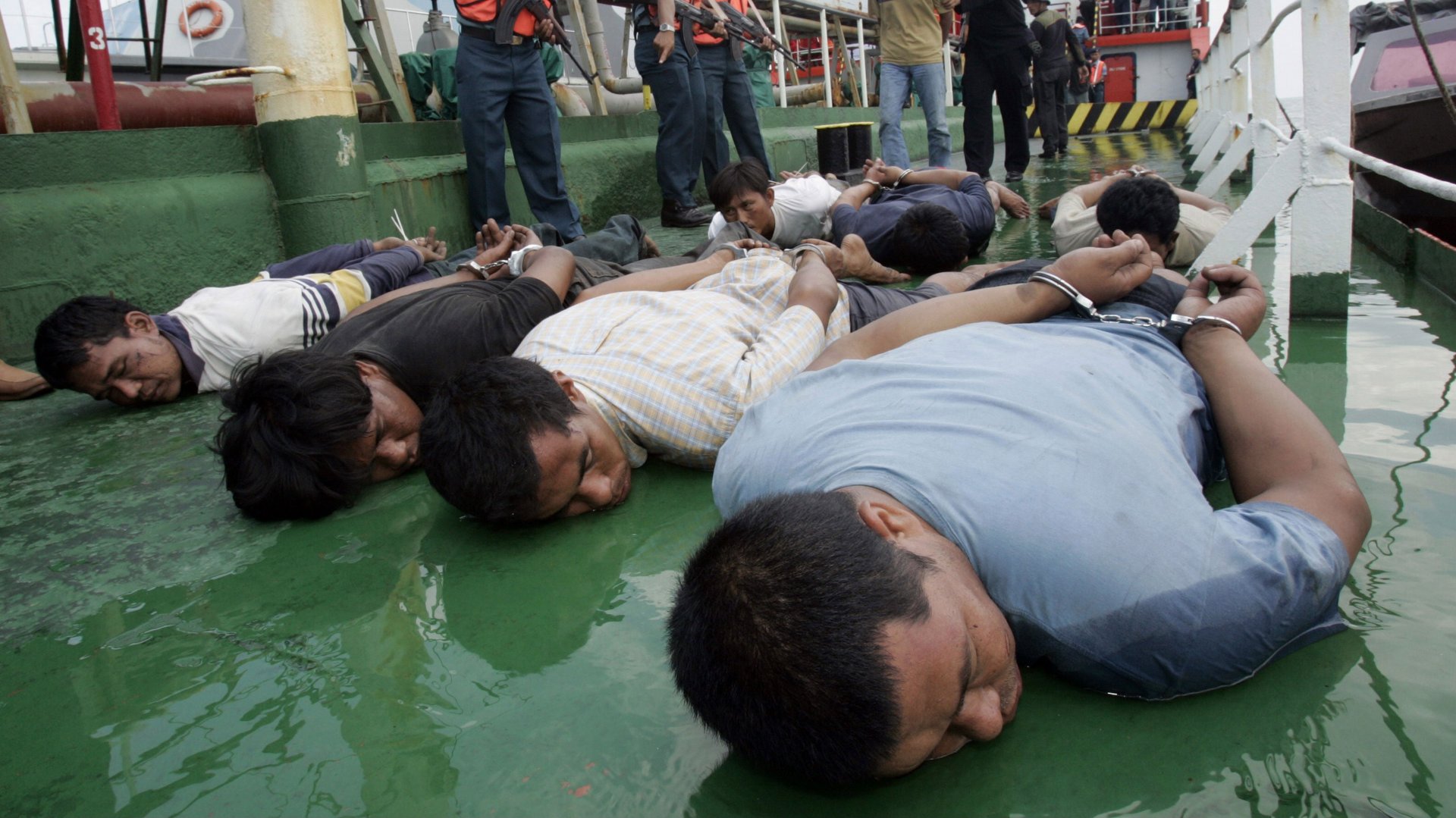
There has hardly been a better time to be an oil and gas company, with an abundance of new places to drill. That is, unless terrorists and pirates bother you.

The waning of the long American love affair with the automobile seems to have begun nine years ago, and appears to be unconnected to the economic downturn, according to a new study by the University of Michigan.

Someone is spoofing Iran’s supreme leader, Ali Khamenei, at this Twitter address, although his underlings do update the masses as to his doings here. Hassan Rouhani, who will be sworn in Aug. 4 as the nation’s new president, tweets in a more personal style in both English and Farsi: On July 5, Rouhani sent out the photo above, of the Iranian women’s futsal team after it won a silver medal at the Asian Indoor and Martial Arts Games in South Korea. Among three tweets in the last 24 hours, he included the photo below of what he suggested was a reunion of Khamenei’s circle.

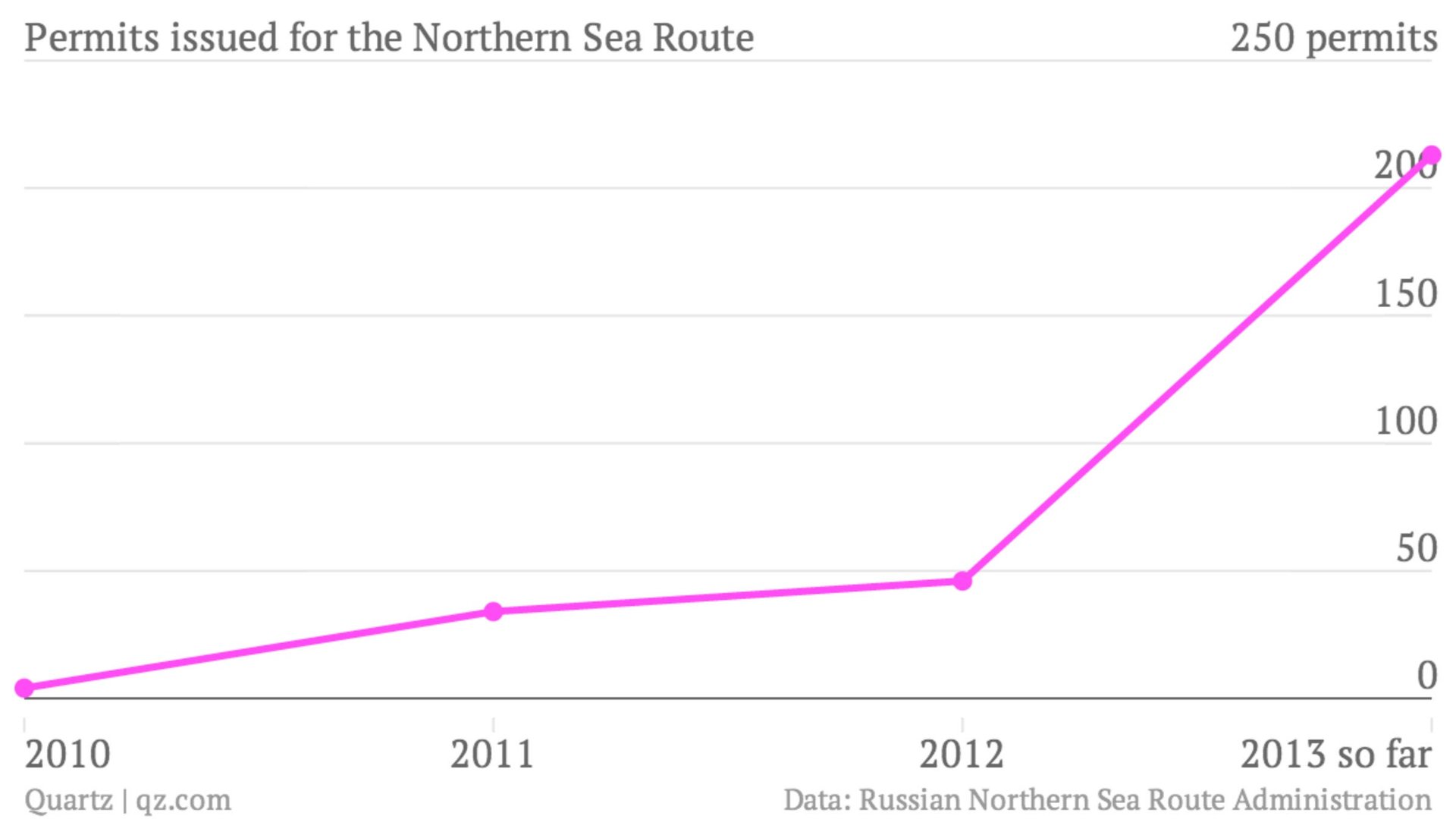
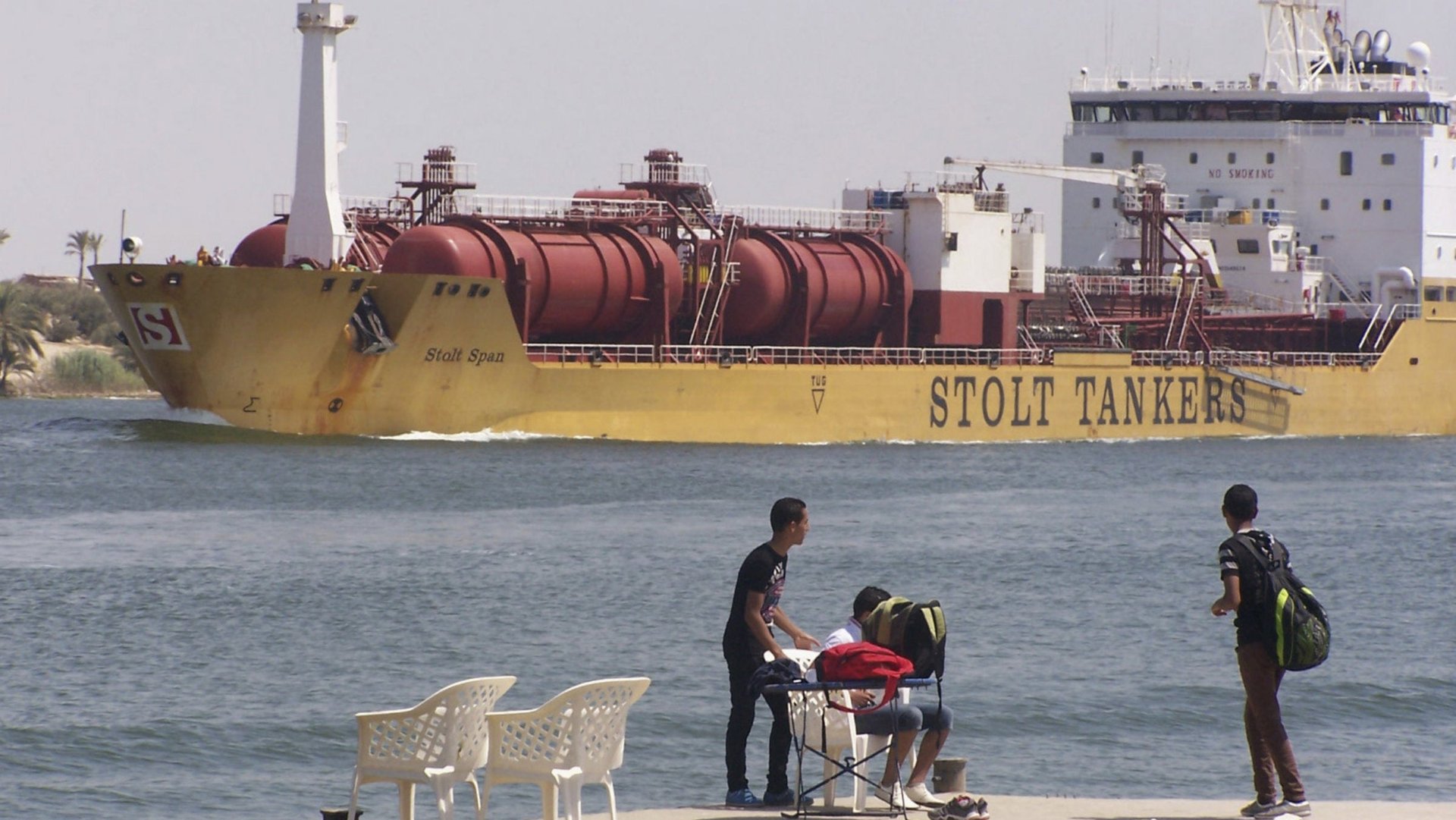
The Suez Canal has new competition. Captains watching the creation of a rare new ocean passage–the Northern Sea Route through the melting Arctic—say that shipping has quadrupled (paywall) over just the last year. The route’s governing body—known as the Northern Sea Route Administration—has so far granted permission for 213 shipping trips through the passage this year. As this chart shows, that is up from 46 in 2012, 34 in 2011 and four in 2010.

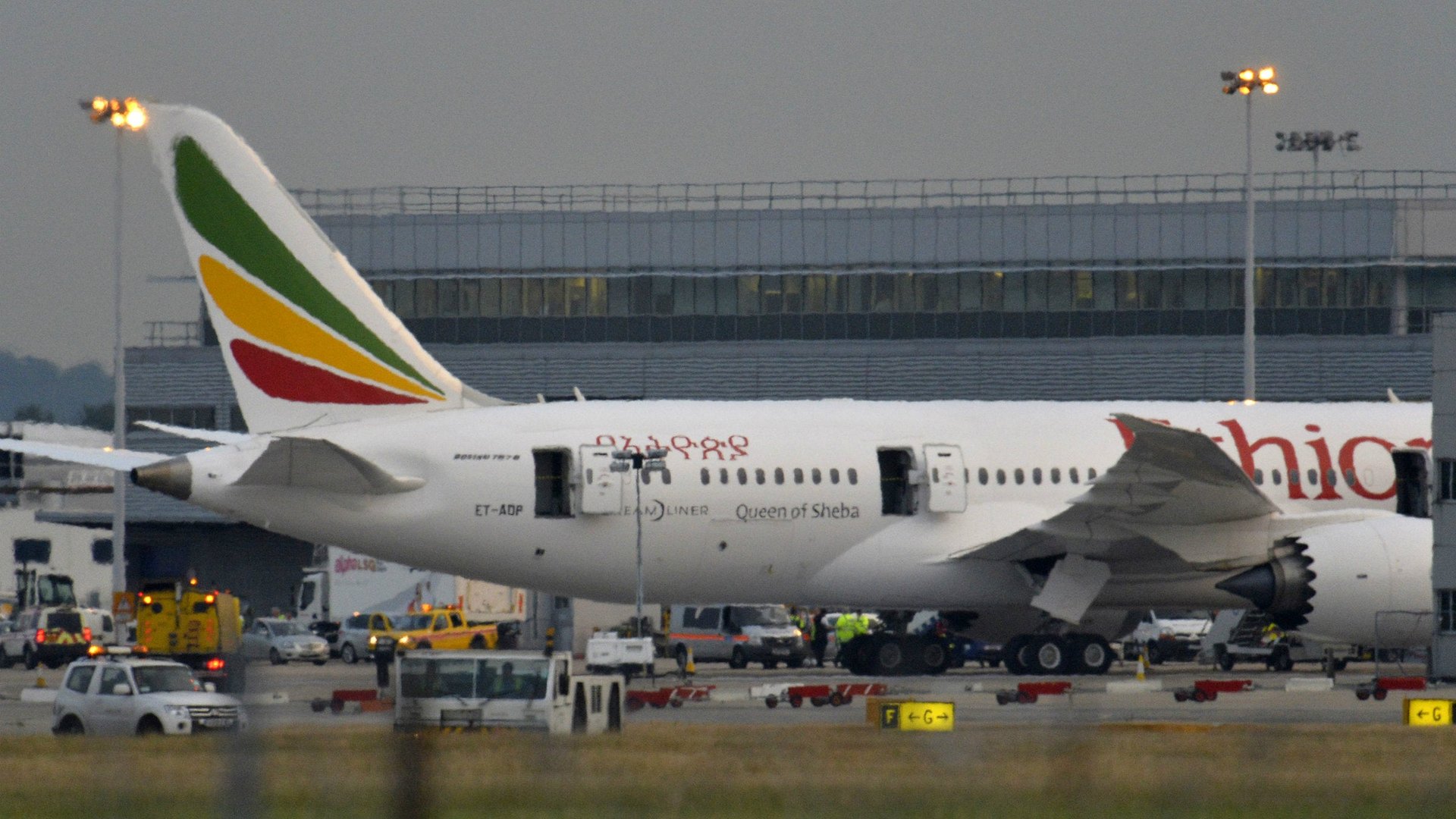
A Japan Airlines 787 Dreamliner on the way to Tokyo has landed in Boston, returning to its originating airport after a reported fault. An early report suggests a problem with the plane’s fuel pump could be to blame. But whatever the case, Boeing’s flagship airliner is starting to look star-crossed. And its investors are anxious: Boeing’s share price fell in after-hours trading on the report that the JAL plane was returning to Boston.

A Russian stock market plunge today suggests that, no matter how many times president Vladimir Putin makes clear that Russia is an arbitrary and capricious place, investors continue to expect something different.

Given Russian president Vladimir Putin’s regular tirades against the US, you would think he’d be thrilled to be hosting Edward Snowden, the fugitive US intelligence contractor who on July 16 officially requested Russian asylum. But at least publicly, Putin is restraining himself in this opportunity to goad Washington. Instead, he says he prefers that the American leave Moscow as soon as possible.

The share price of electric carmaker Tesla has nearly quadrupled this year, thanks in part to smooth talking by its founder, California entrepreneur Elon Musk. That is, until a paragraph of calculations in a Goldman Sachs report sent its shares down by 13.7% on July 16, their biggest one-day loss in 18 months. But do not count out the company yet.

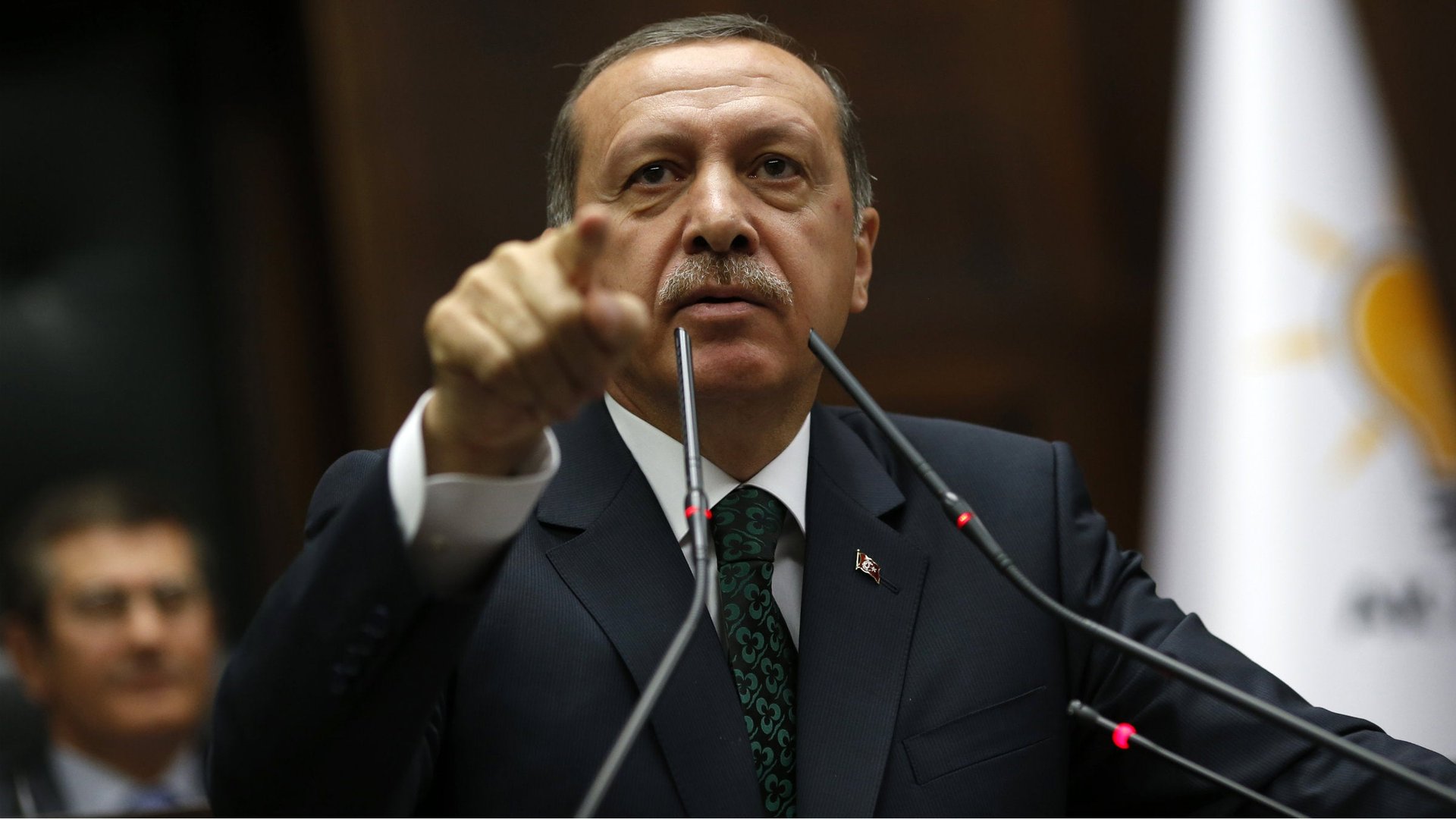
The coup against Egypt’s elected president is causing unease among some leaders in the Middle East region who fear a similar fate. One of them, Turkish prime minister Recep Tayyip Erdogan, is being proactive in preventing his ouster. He has persuaded parliament to amend a rule that the nation’s military has used as justification to stage coups.

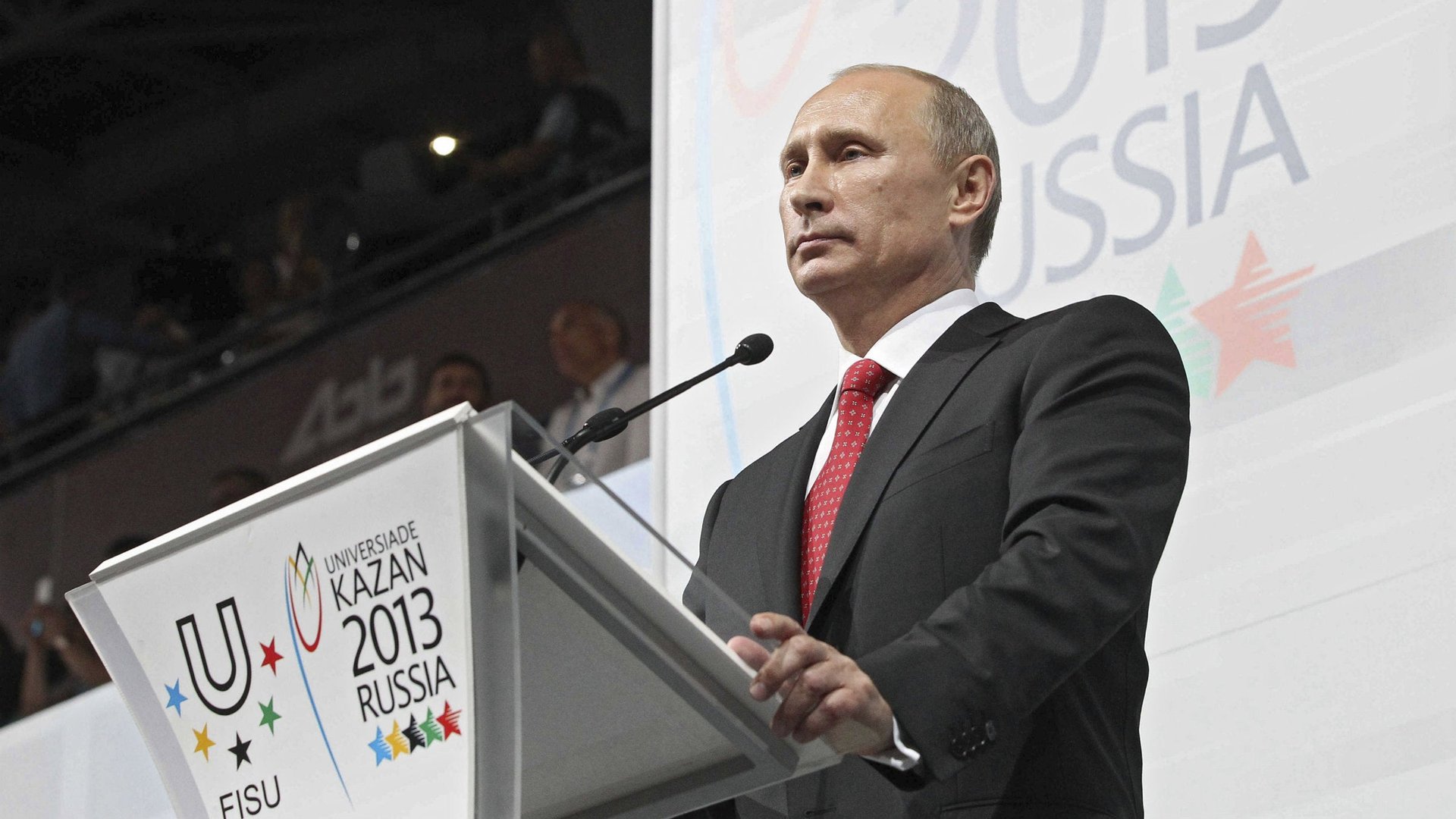
What a difference a day makes for Russian president Vladimir Putin.

(Updated 4:30 EST with even higher oil price)

Some of the world’s biggest polluters are finally cutting their carbon emissions. But not because they’ve suddenly decided to save the planet—it’s just in their financial interest.

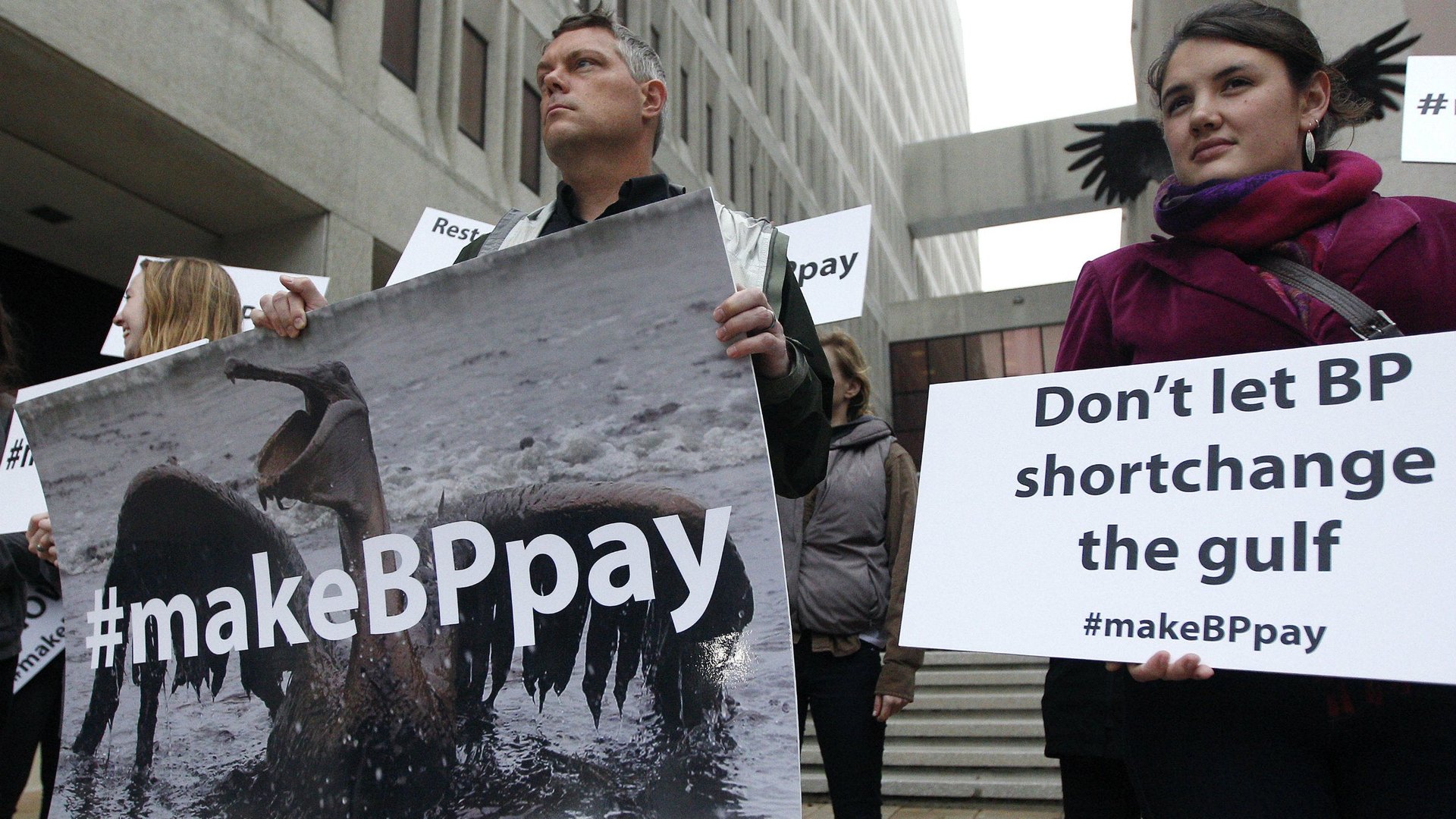
BP goes before a US appeals court today to argue that it has been swindled out of hundreds of millions of dollars by unscrupulous American businessmen and their lawyers. The objective is to recover the money—involving claims for lost business as a result of BP’s 2010 Macondo oil spill disaster—and to avoid billions more in spurious petitions. But the company is hearing a shortage of sympathy outside the court.

Global transparency watchdogs are disputing the rationale for a US federal judge’s ruling that exempts American oil and mining companies from publicly divulging their payments to foreign states and their rulers.

If you want to keep up with events in Egypt as they unfold but not be overwhelmed, here’s our carefully selected list of the best sources.

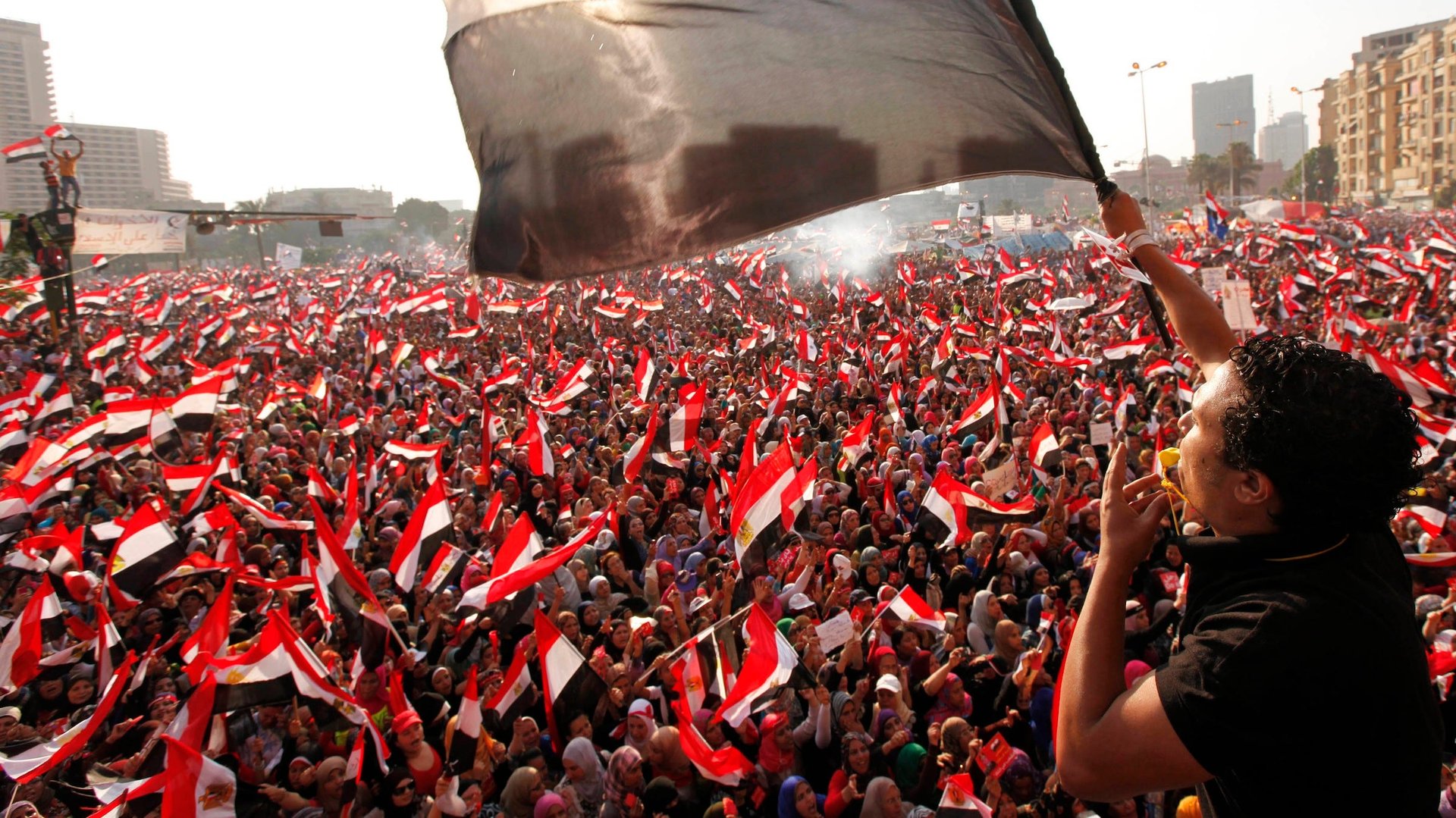
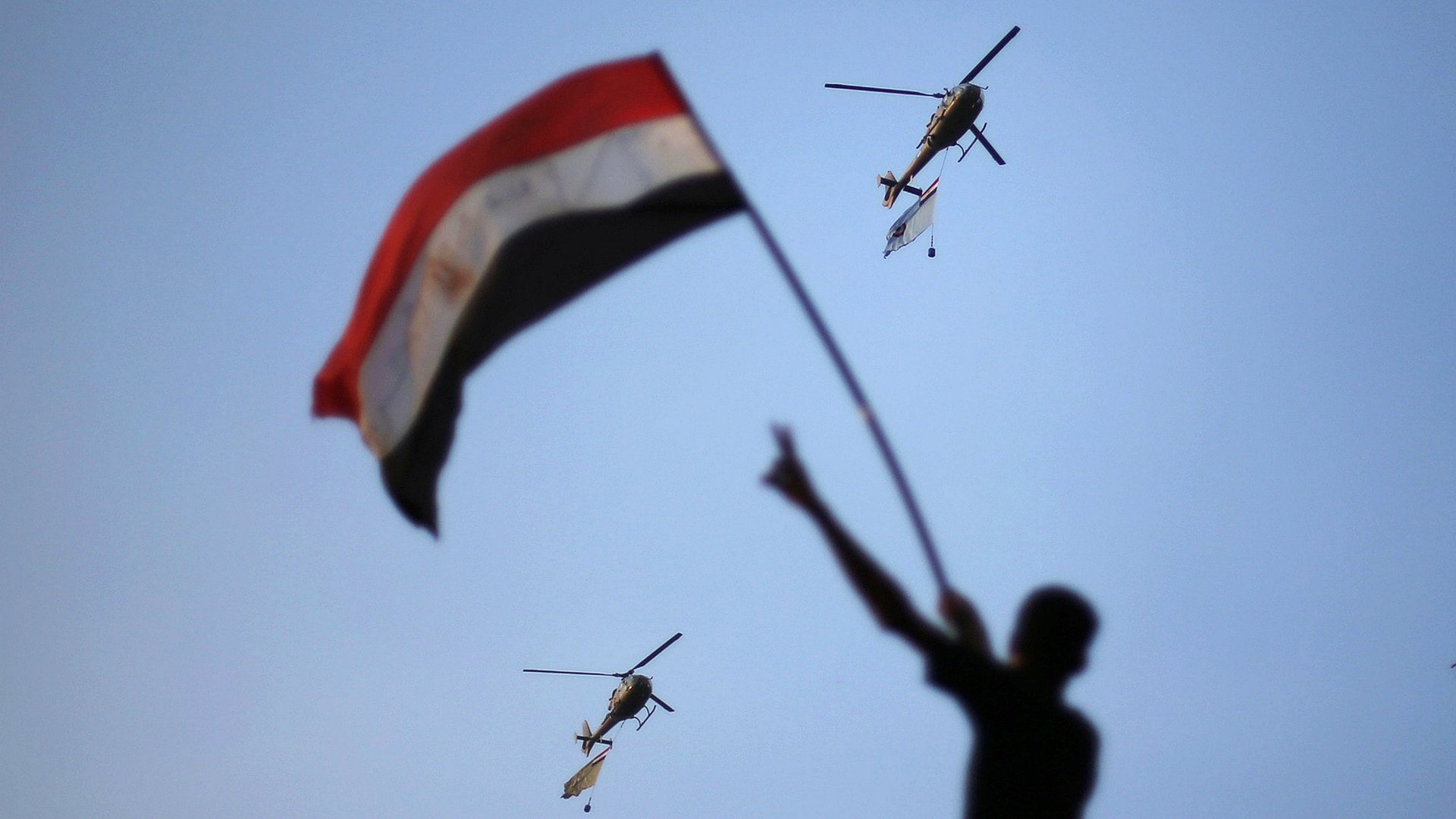
If you envision Cairo this evening as a battleground of three reluctant armies, you have a fairly clear picture of the confrontation that is deciding the fate of Egyptian president Mohamed Morsi.