We talk about time like it’s money, and that may explain why we say “Daylight Savings Time,” capitalizing the concept to emphasize its awesomeness. After all, who wouldn’t want to be able to save hours like cash?

We talk about time like it’s money, and that may explain why we say “Daylight Savings Time,” capitalizing the concept to emphasize its awesomeness. After all, who wouldn’t want to be able to save hours like cash?

Humans are creatures of habit. We repeat behaviors, creating patterns that we rely on physically and emotionally. When these are disrupted—as sleep patterns are twice annually, internationally, with daylight saving time changes—people get “cranky, lazy, and possibly dangerous.“

You can’t help it. You check your phone constantly, forever sneaking a peak, seeking distraction, and the more you do it, the more distracted you become. Don’t feel bad—it’s a common problem that can be solved with the help of technology.

In an ever-evolving culturally diverse society, efforts to be sensitive can often have the opposite effect. The recent scandal over a textbook for American nurses is a prime example of this. Nursing: A Concept-Based Approach to Learning was supposed to teach nurses to relate to patients of various backgrounds. The result, instead, was incredibly tone-deaf and offensive.

In the US, people consume more opioids than anywhere else in the world. Opioid overdoses—largely due to abuse of prescription pain pills like OxyContin and Percocet—kill 142 people nationally every day, according to the latest data from the Centers for Disease Control and Prevention.

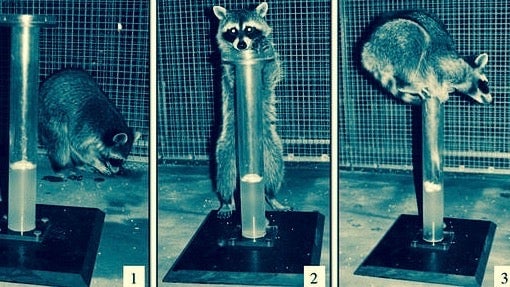
In Aesop’s fable “The Crow and the Pitcher,” a thirsty bird hoping to drink from a narrow vessel with just a bit of water at the bottom raises the liquid to drinking level by displacing it with pebbles. Though the crow initially despairs, with this exercise the bird learns the critical life lesson that “little by little does the trick.”

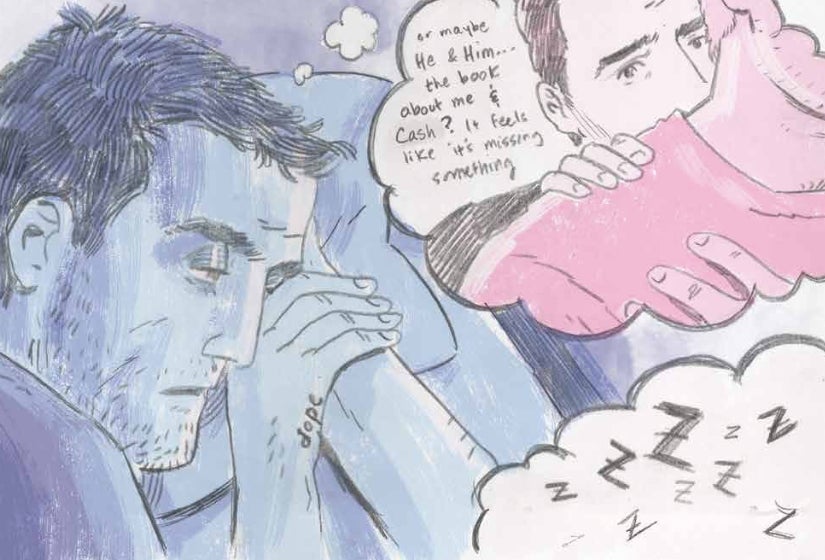
Sina Grace started studying superheroes seriously when he was four years old. “I’d copy Batman stories, and draw them on printer paper,” says the storyteller from Los Angeles, California, now 31.

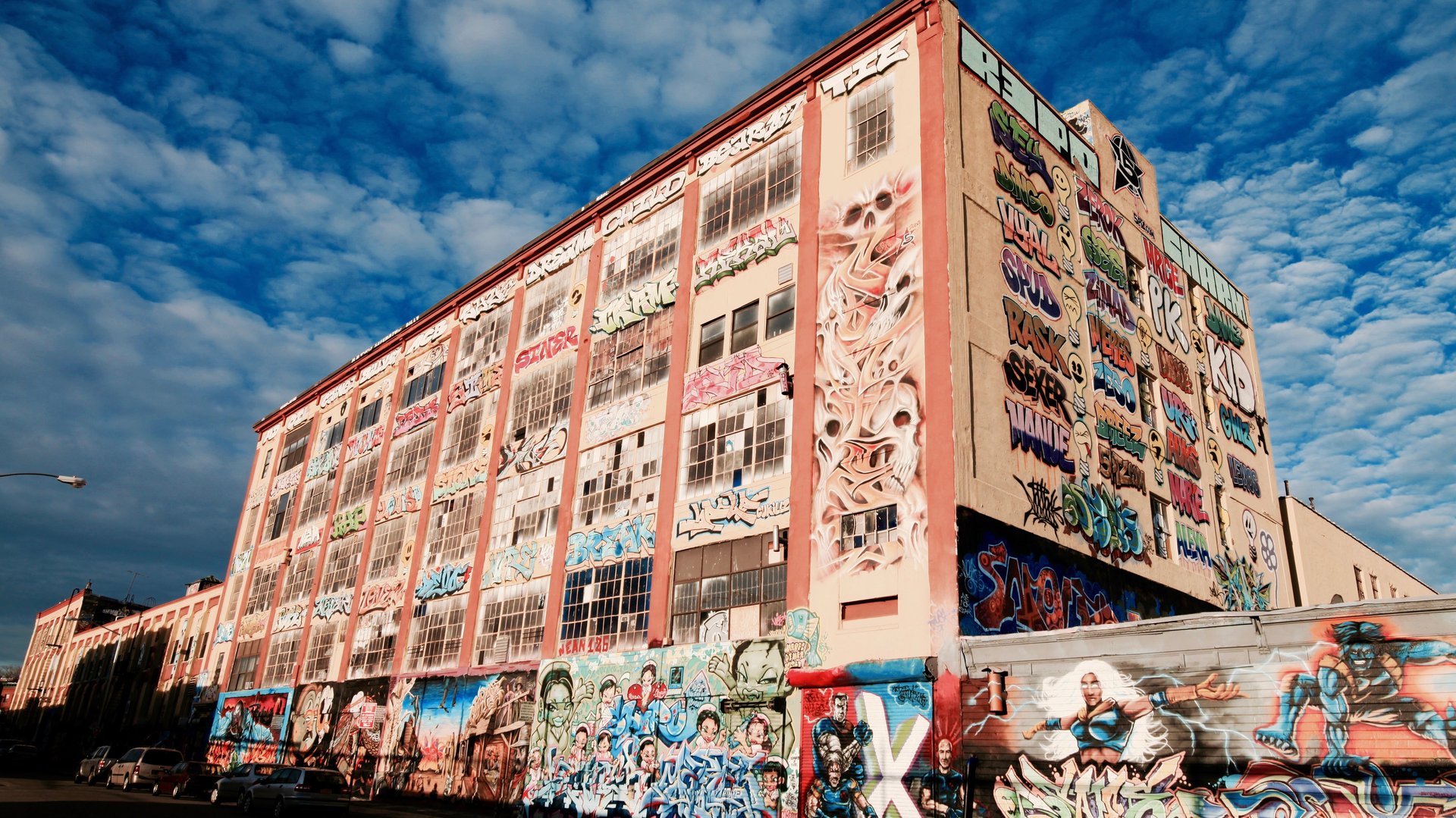
Graffiti’s transformation from a kind of vandalism to a high art form is almost complete. In the last half century, street art has evolved from a stain on neighborhoods to a tourist draw and the toast of museums and galleries, embraced in pop and high culture.

Life keeps us so busy writing emails that most of us haven’t considered what happens to our electronic communications when we’re dead. Can they be accessed by your family, or by a representative you designated in life? What if you leave no will and people need to know what you wanted done with your stuff?

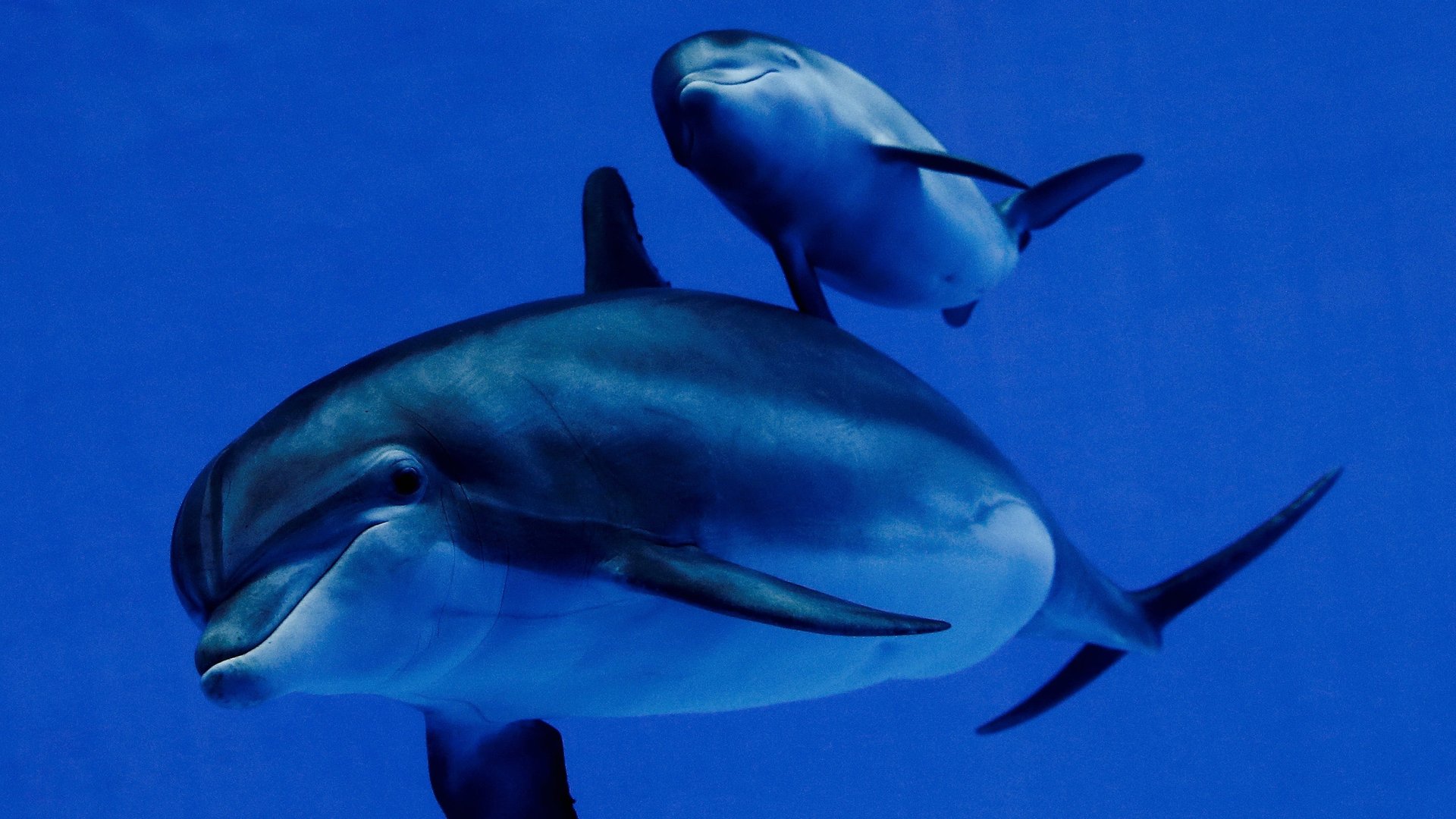
The human brain has evolved and expanded over millennia to accommodate our ever-more-complex needs and those of our societies. This process is known as “encephalization” and has given us the big brain we need to communicate, cooperate, reach consensus, empathize, and socialize. The same is true for cetaceans, like whales and dolphins, it seems.

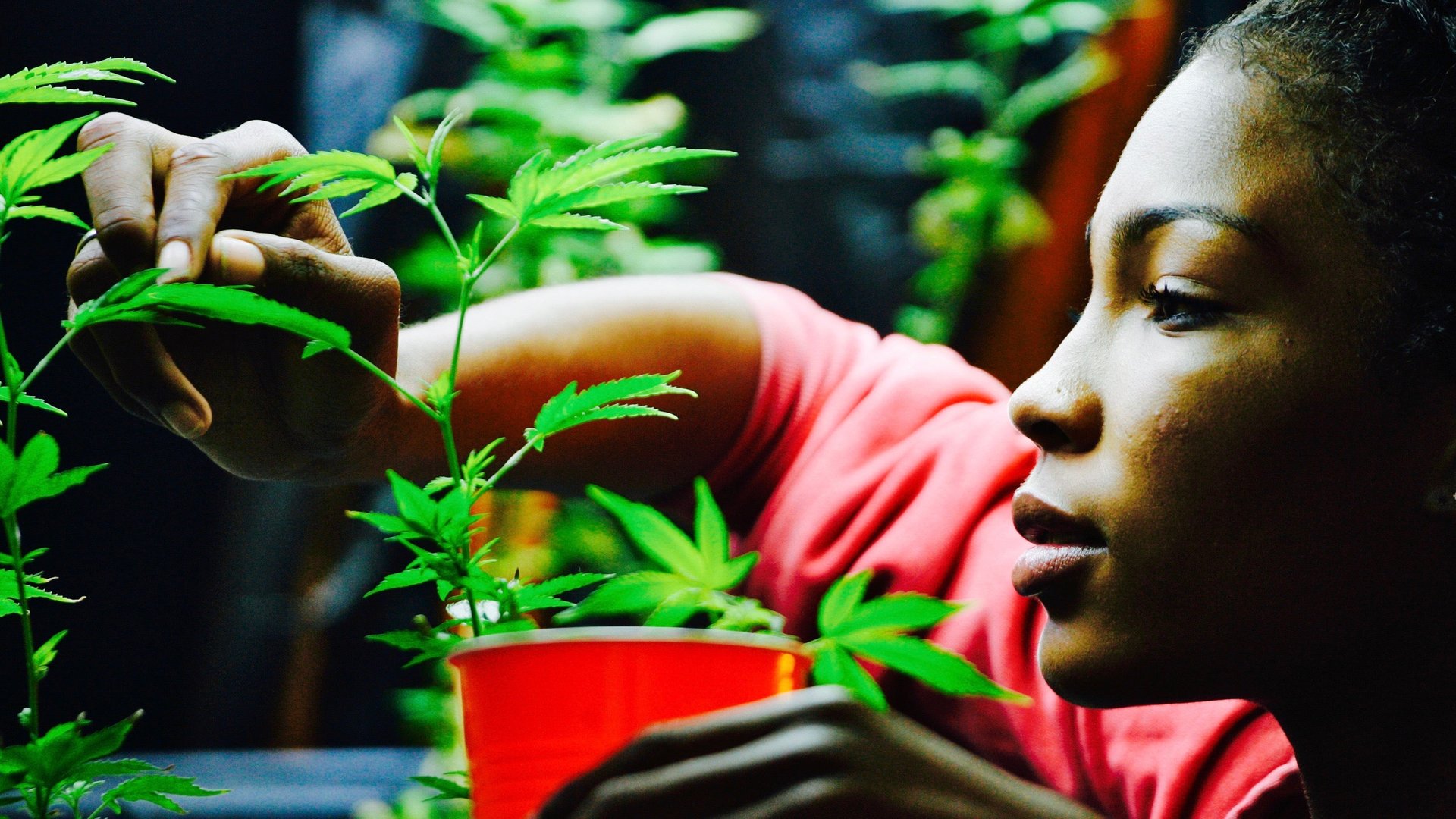
Jane West is all about Mary Jane. The former corporate-event planner from the suburbs of Denver, Colorado founded an eponymous cannabis lifestyle brand and a pot-party planning company, Edible Events, in 2014. She believes women should be flooding the legal weed business. Now. Before men lock it down.

Imagine if you could disappear into the background at opportune occasions, blending into the wallpaper when the boss threatens or changing shape when a date is dull. Well, cephalopods can do that sort of thing, and now scientists have created a replica of morphing octopus skin for use in robots.

Mindfulness practices are promoted at major corporations like Google, offered as psychotherapy via the National Health Service in the UK, taught to about 6,000 school children in London, and widely studied across sub-disciplines of psychological science. And yet there’s still not even a consistent scientific definition of “mindfulness.”

Ask almost any American woman today if she’d raise nine kids and she’d likely reply, “Hell, no.” Considering the attention and expense children demand, such a proposition would seem absurd and well nigh impossible.

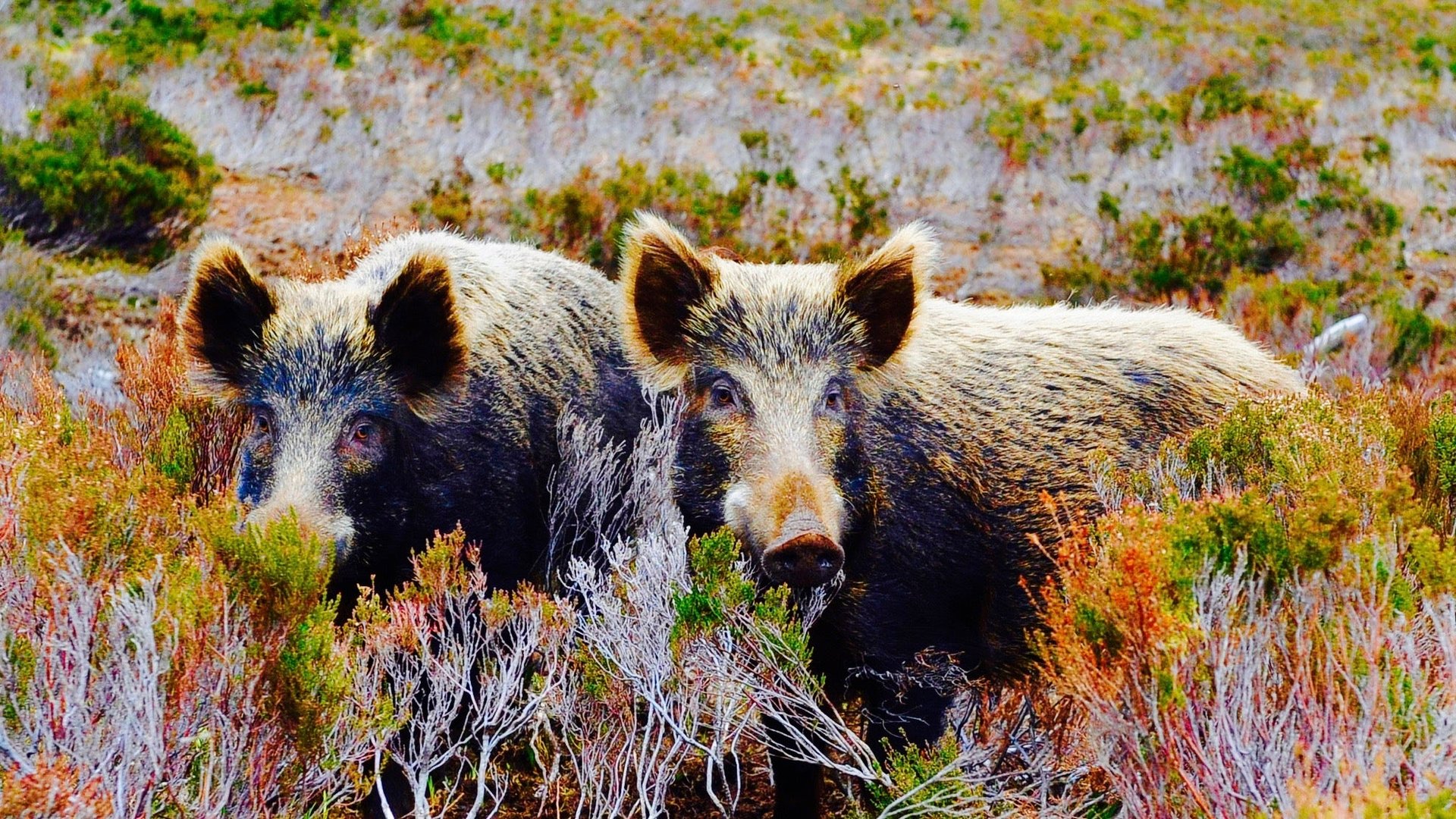
Radioactive wild boars currently roaming central and northern Sweden are proof positive that nuclear disasters have long-term environmental impacts, both near and far from where they occur.

The deadly wildfires raging across northern California are destroying lives and livelihoods beyond those of its renowned winemakers.

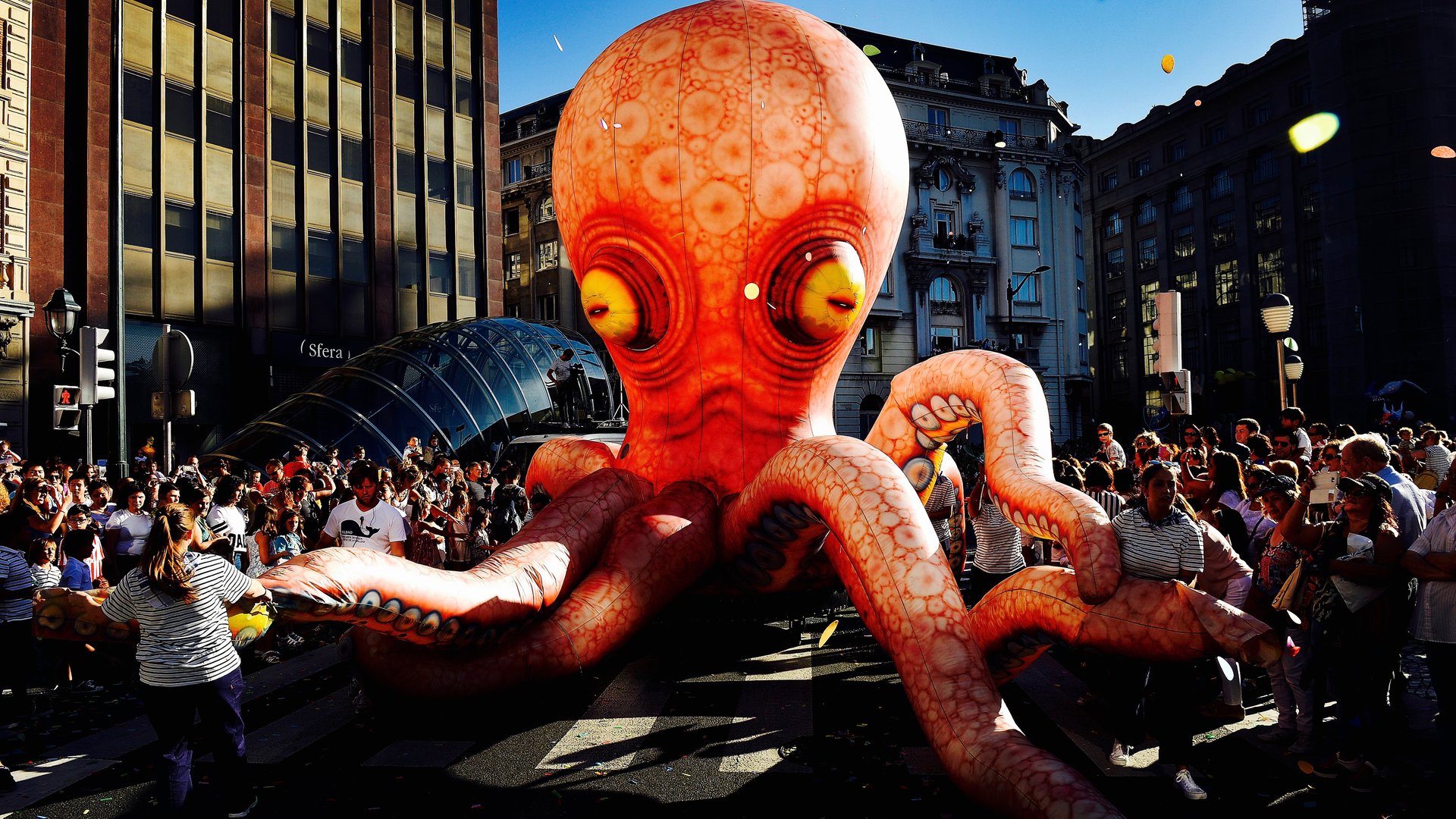
Octopuses are popular these days, the subjects of numerous scientific studies and books in which humans acknowledge their intelligence, consciousness, and potential to shed light on our own lives. The shape-shifting, eight-tentacled sea creatures even have their own dedicated World Octopus Day every Oct. 8.

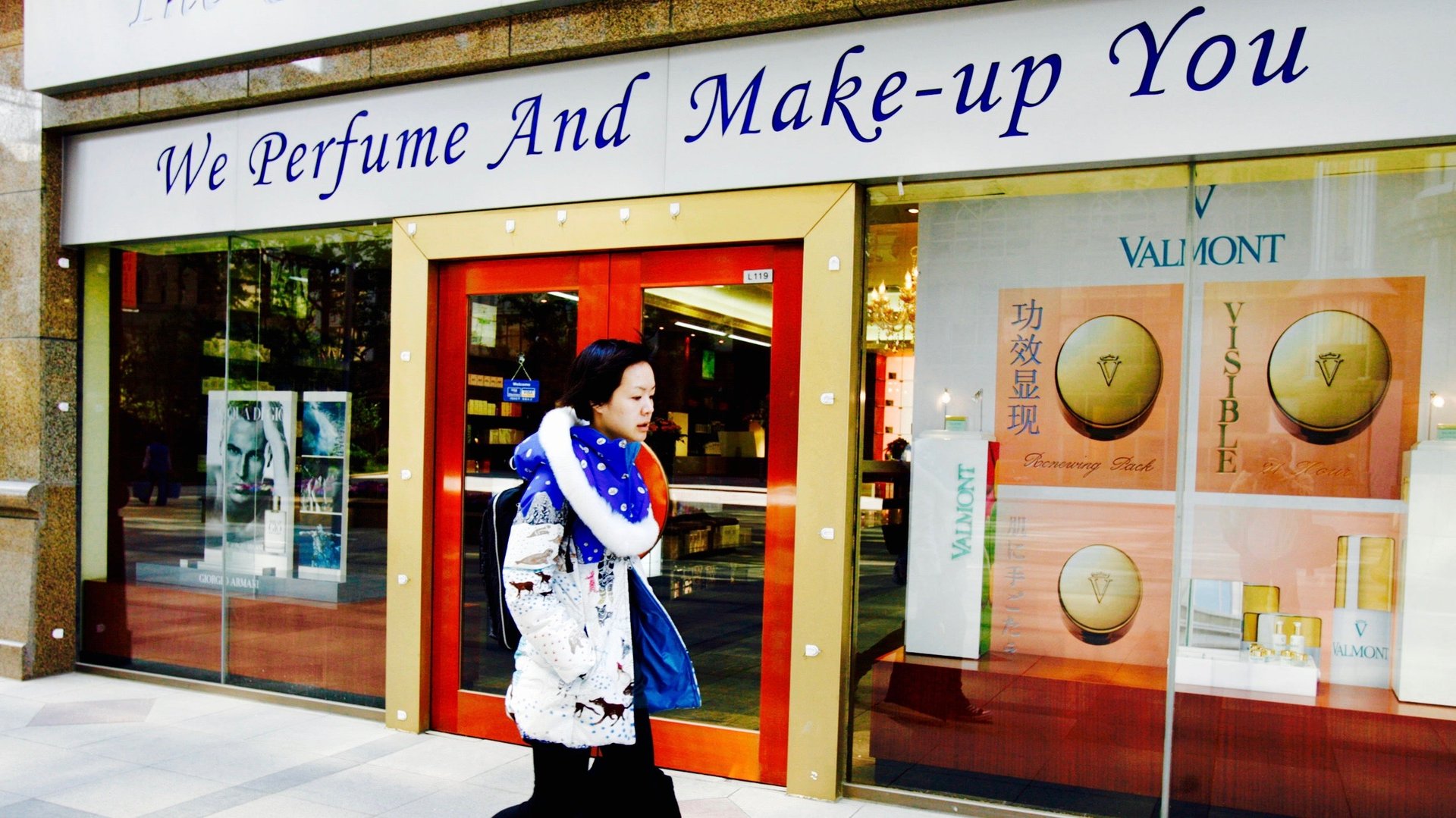
Professional and home chefs, everywhere and forever, have claimed to rely on one special, ineffable spice that makes any dish extra-nice. Officially, however, love is not an ingredient.

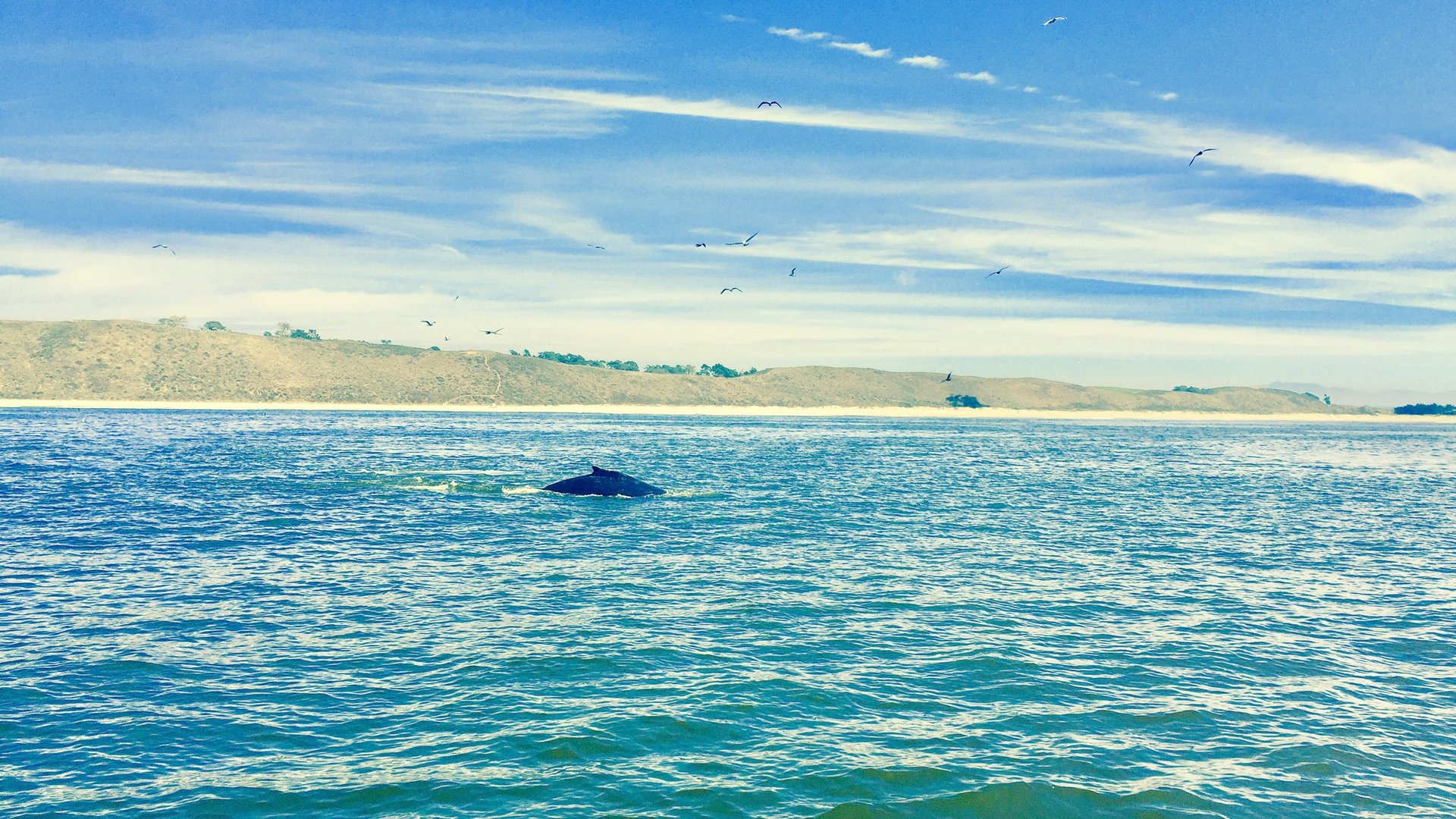
Before we embark, we’re warned: there may be no whales. Humpbacks don’t contract with the Santa Cruz sailors who take tourists out in California’s Monterey Bay, and every voyage is a crapshoot.

Cartography is having its day in court and the outcome could make a big difference in American voters’ lives. Map making is a political act, and today (Oct. 3) the US Supreme Court heard oral arguments in a case that essentially asks, “What is a fair map?”

As many bilingual kids will attest, it can be a pain to to speak one language at home while studying and speaking another at school. For their parents, it’s tough enough to get kids to do homework, forget about having to also struggle with two tongues. Yet there are cognitive benefits to bilingualism, brainy payoffs for families able to fight the good fight.

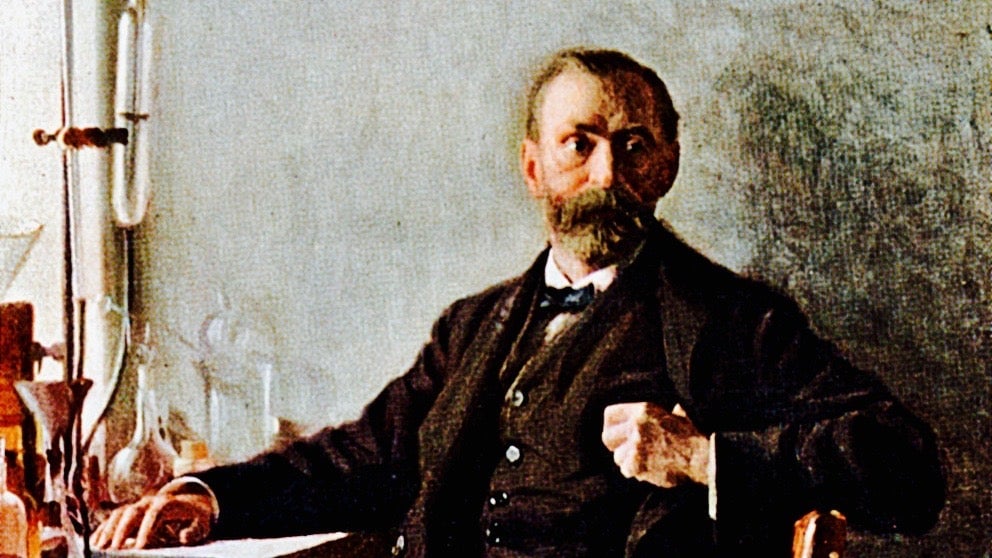
Fame can be a burden, depending on how you make your name. Take Alfred Nobel. We now associate Nobel with international prizes for peace, science, and literature, but during his life, he was dubbed the “angel of death” by the press.

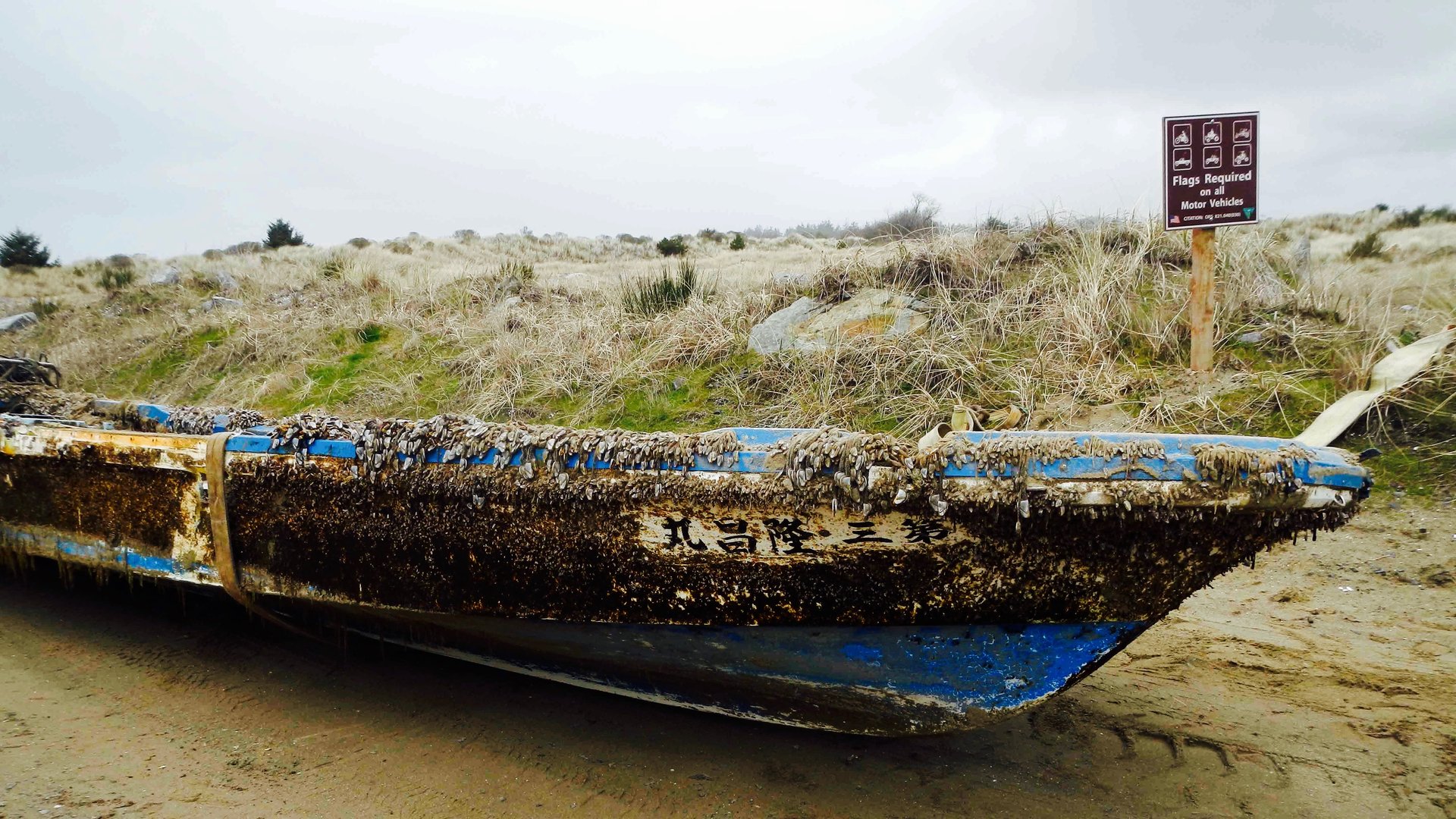
Aquatic species apparently respond to crisis like humans do, fleeing when home is uninhabitable, sometimes surviving treacherous journeys on makeshift rafts, and showing up unexpectedly in new territory.

Industrialization changed the world’s palette, adding an array of synthetic hues to the universal, more natural, color scheme. This shifted human vision and experience, literally adding shades to how we see the world as cultures created more objects in ever more tones.