The proposition is simple: Install a device in your car and allow your insurance company to monitor your driving—how fast you drive, how hard you brake, how sharply you corner, and so on. In exchange, it will give you a discount on your premiums.

The proposition is simple: Install a device in your car and allow your insurance company to monitor your driving—how fast you drive, how hard you brake, how sharply you corner, and so on. In exchange, it will give you a discount on your premiums.

On Monday, July 7, the street leading up to the Queen’s residence in London turned into a little piece of France. Gendarmes roamed the streets; advertisements for Carrefour, a supermarket chain with no presence in Britain, lined the pavements; trucks full of technicians shouted at each other in French, Gauloises cigarettes hanging from their lips. There were baguettes.

Last year, Apple poached Angela Ahrendts, the CEO of Burberry, a British purveyor of luxury-goods. Today, Apple added a senior sales director from Tag Heuer, a Swiss purveyor of luxury watches, CNBC reports, citing Jean-Claude Biver, the head of watch brands at LVMH, a company that owns lots of luxury-goods makers. They did not name the sales director.

It’s all coming back to Google now. The search giant is re-instating links to news articles that it removed from its search results on July 2. That’s bringing even greater scrutiny on why the company decided to take them down in the first place.

British journalists are in a tizzy this morning. It started yesterday, when James Ball of the Guardian wrote a gently seething comment piece about notices his paper received from Google, warning it that six articles would no longer be listed on the search engine’s European sites. This was followed by a post from the BBC’s economics editor, Robert Peston, who complained that Google had removed “this example of my journalism.”

After the United States, the market with the most Facebook users is India. Yet India contributed less than a quarter of 1 percent of Facebook’s global revenue in the year to March 31, 2013. This week, Facebook’s operations boss Sheryl Sandberg is in India talking to companies, the press, and government officials in an effort to drum up some business.

The “internet of things” is one of those odd phrases that can mean many things and nothing at the same time. On one hand, it describes a future that is rapidly becoming the present, with all sorts of objects—from televisions and watches to cups and streetlights—able to connect to the internet. On the other hand, it is used a marketing tactic by chip-makers and networking companies eager to sell their wares. Between 26 and 50 million “things” will be connected to the internet by 2020, according to various forecasts.

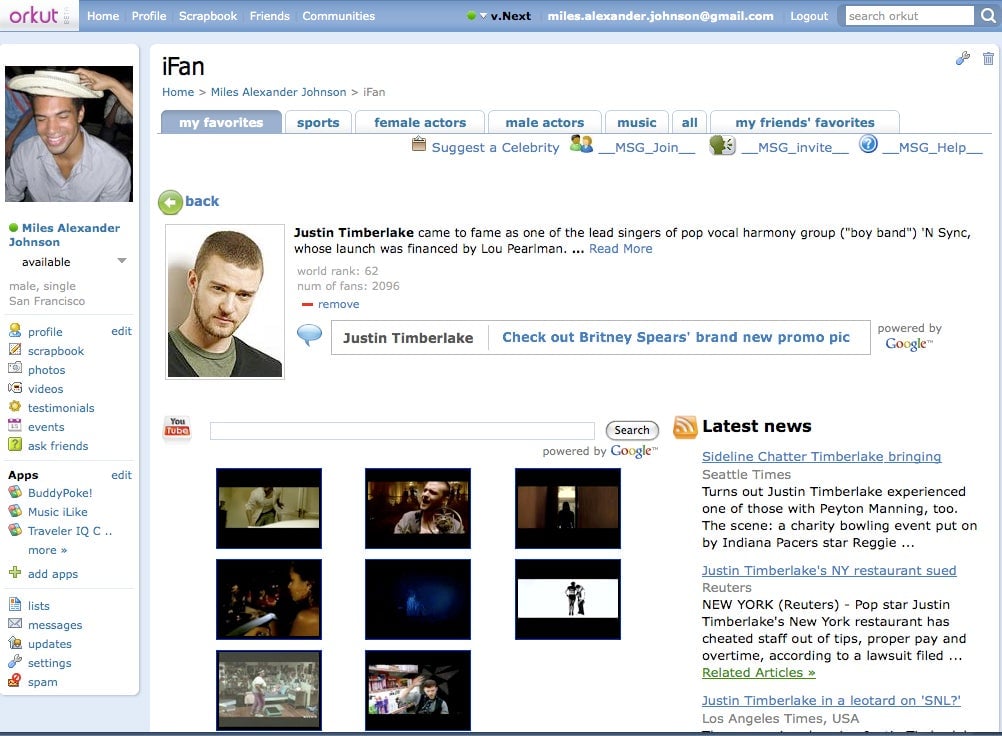
Before the many-headed hydra that is Google+, before Google Wave, before even Google Buzz, there was Orkut, a surprise hit of a social network created by a Google engineer in his spare time. Today Google announced that it is shutting it down. That is no surprise. Indeed, it is more surprising for many that Orkut was still around.

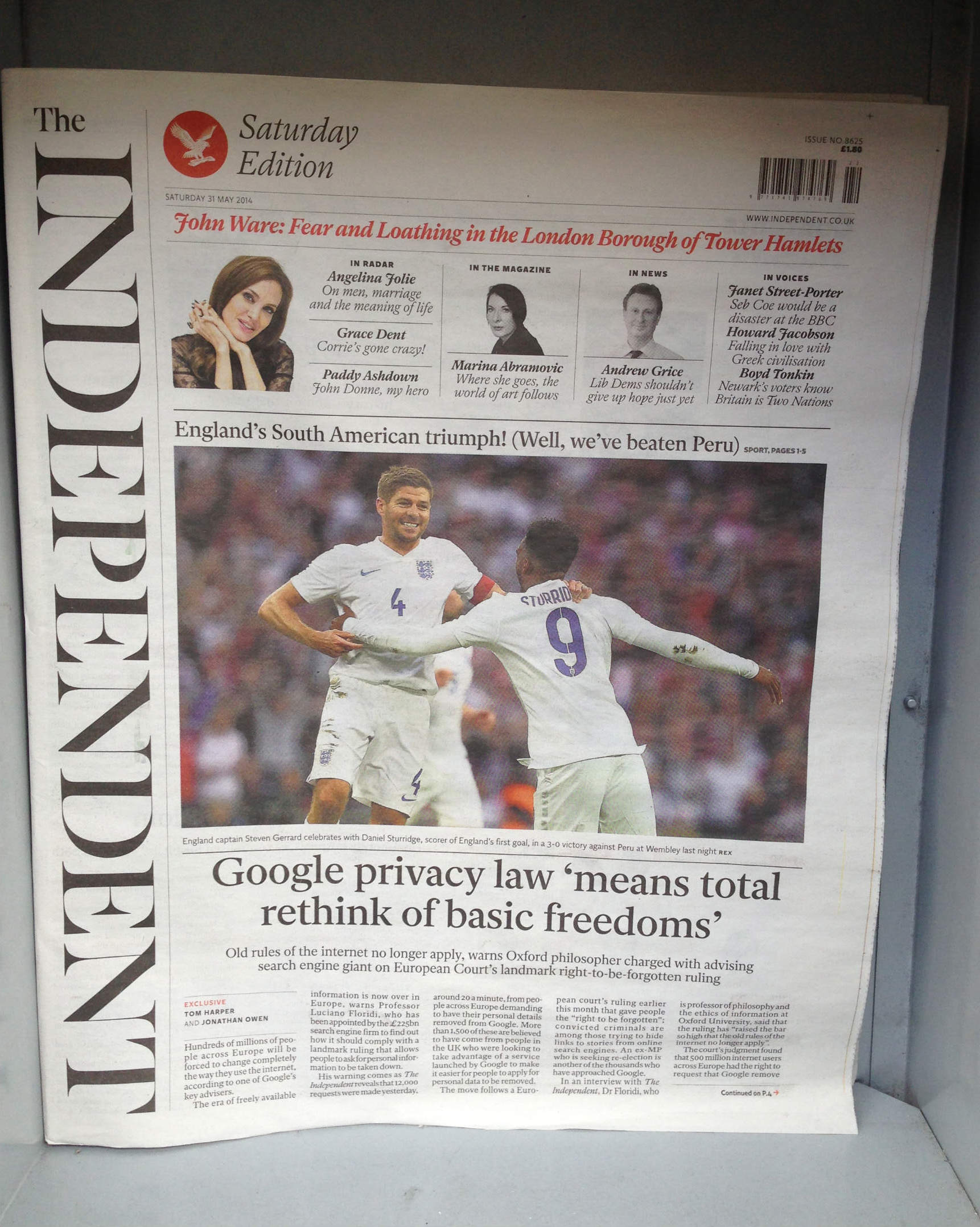
Last week, Quartz wrote about Forget.me, a service that aims to make it easier for Europeans to request Google to de-list search results to information about them that is “irrelevant, outdated, or otherwise inappropriate.” (The European Court of Justice recently laid down (pdf) when Google must comply with such requests.) A week in, Forget.me has received 1,106 applications asking for 5,218 links to be taken down. Here’s what people don’t want other people to know about them.

In the year ending March 31, 2013, Facebook made $5.49 billion in global revenue. Nearly half of that came from the United States and Canada, which the company counts together. But the second-largest pool of Facebook users, in India, contributed just 756.4 million rupees, or $12.57 million—less than one quarter of one percent of the total.

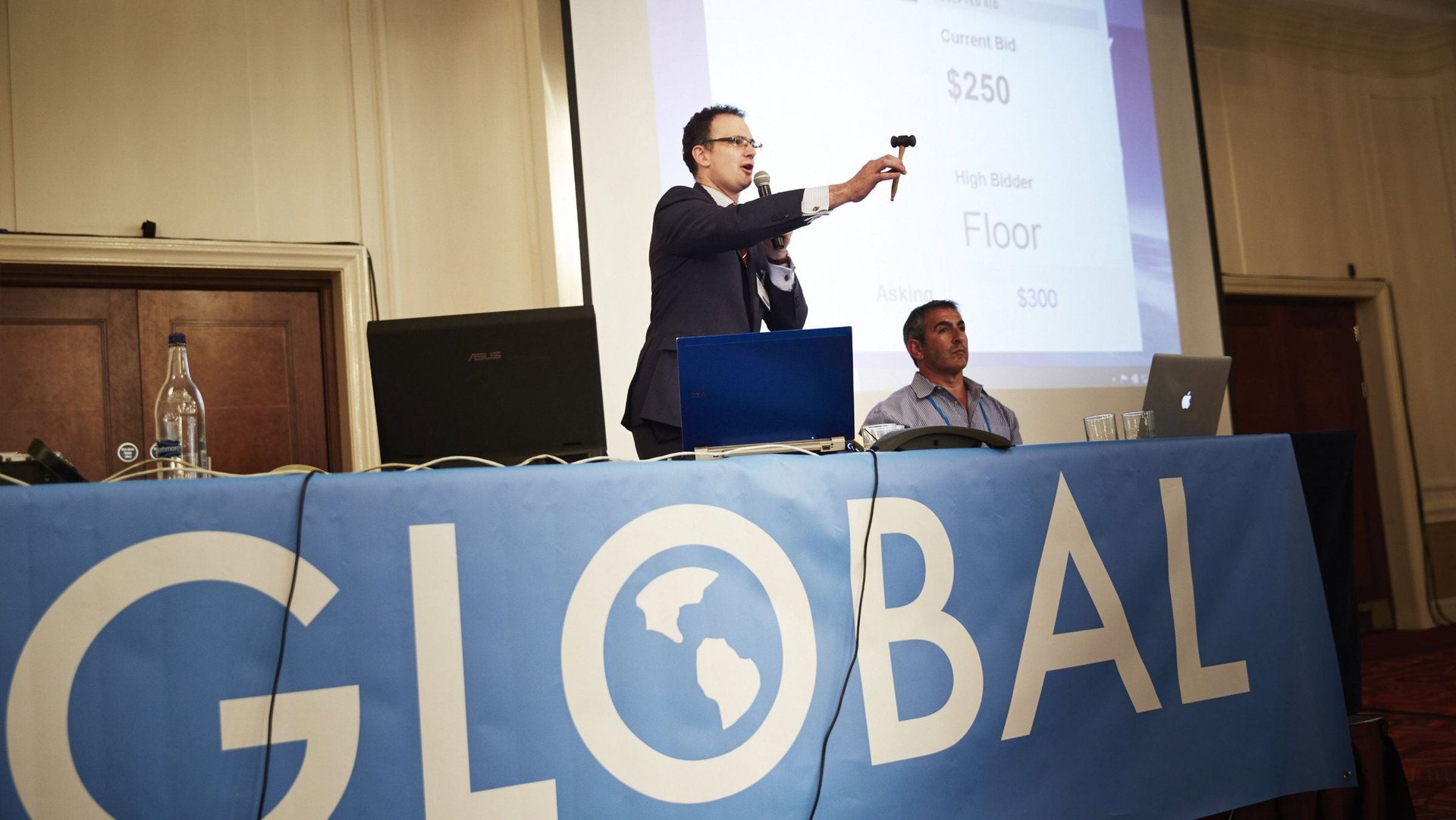
The man with paddle number 68 wasn’t shy about it. He wanted an adult website, and he wasn’t going to let a few hundred dollars stand in his way. The bids inched ever higher: $3,000, three-one, three-two. The underbidder, an anonymous online account, stopped at three-four. The hammer went down at $3,500. The man with paddle number 68 beamed. He was now became the proud owner of the web address adult.global. “Good evening, sir!” cried the auctioneer, as he moved on to lot 320: gamble.global.

If various surveys of happiness, peacefulness, and prosperity (and the endorsement of Tyler Brûlé) are to be believed, Scandinavia is the best place in the world. Judging by Copenhagen’s bikes, they may all be right. The capital of Denmark is in the process of rolling out a new bike-share program that makes the rest of the world’s municipal cycles look positively archaic in comparison: they come with electric motors; they’re fitted with on-board tablets; and they cost 25 Danish kroner ($4.50) an hour, less than half the price to access one of New York’s clunky Citibikes.

If you try to search Google for content that falls afoul of copyright laws, Google transparently and openly tells you that some results have been removed. Here’s a notice from a search for “Games of Thrones download”:

Here’s the thing about those cheap sub-$100 smartphones that nobody tells you: They’re awful. Many of them use ageing hardware to run old versions of Android. People tend to use them like regular phones—except to surf Facebook when they’ve got a Wi-Fi connection.

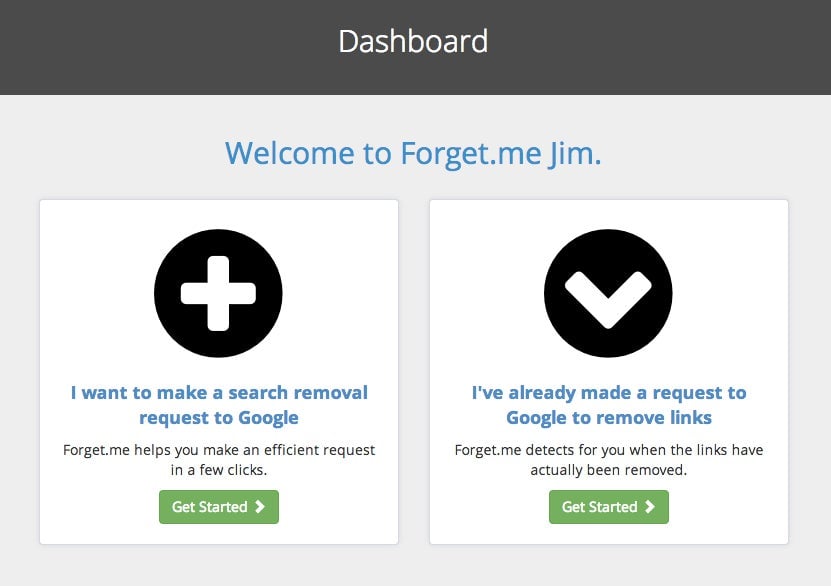
The only surprise is that it took this long. This week, the French entrepreneurs behind Reputation VIP, an online-reputation management service for “brands and VIPs,” launched Forget.me. It’s an online tool to help Europeans submit “right to be forgotten” requests to Google, in the wake of a European Court of Justice ruling (pdf) that people should be able to edit their search results to remove out-of-date or needlessly embarrassing links. The service is free for now and will remain so until the end of summer, says Bertrand Girin, a co-founder of both websites.

In the past year, Facebook’s app has shrunk how much space it takes up on Android devices by 65%. Its data consumption is half what it was, as is the load time when you start up the app. And Africa is at the reason for that improvement.

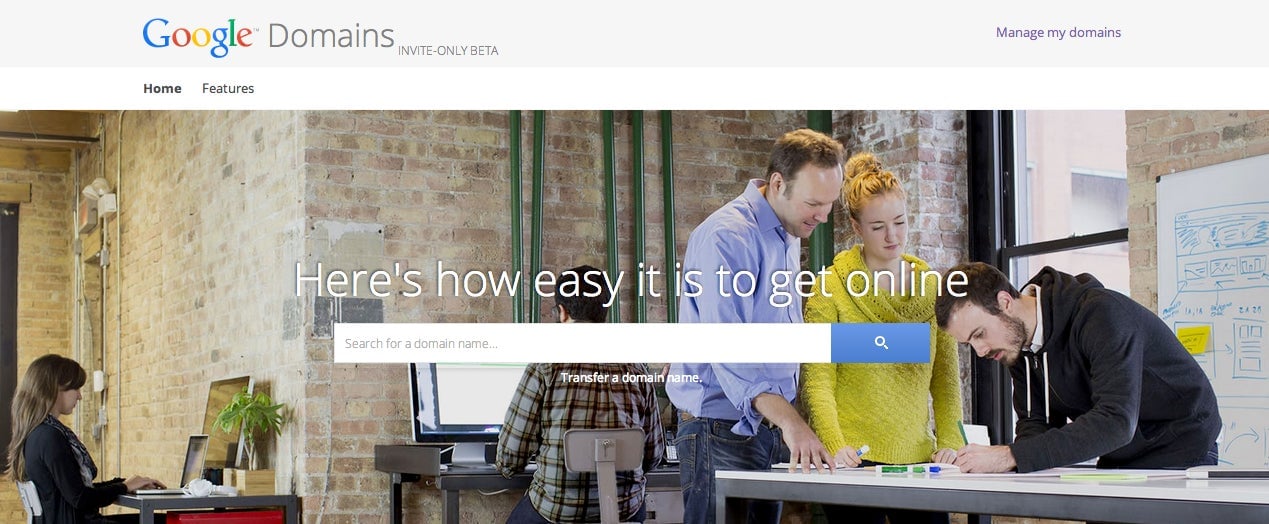
When Google released its web browser, Chrome, in 2008, the most striking thing about it was that it merged the web address bar—where you type in qz.com—with the search bar. It called this the “omnibox.” As new domain names rolled out this year, observers wondered what the point was when nobody remembers, let alone types, full web addresses any more. Google has also toyed with the idea of further obscuring the web address in Chrome.

There are some great things about London’s iconic double-decker buses, including the view, the sense of space, and the ability (if you nab the front row) to pretend you’re the one driving a giant hulk of metal through the streets. Less great is climbing up the stairs on a busy bus only to sheepishly lurch back down when you discover that all the seats are taken.

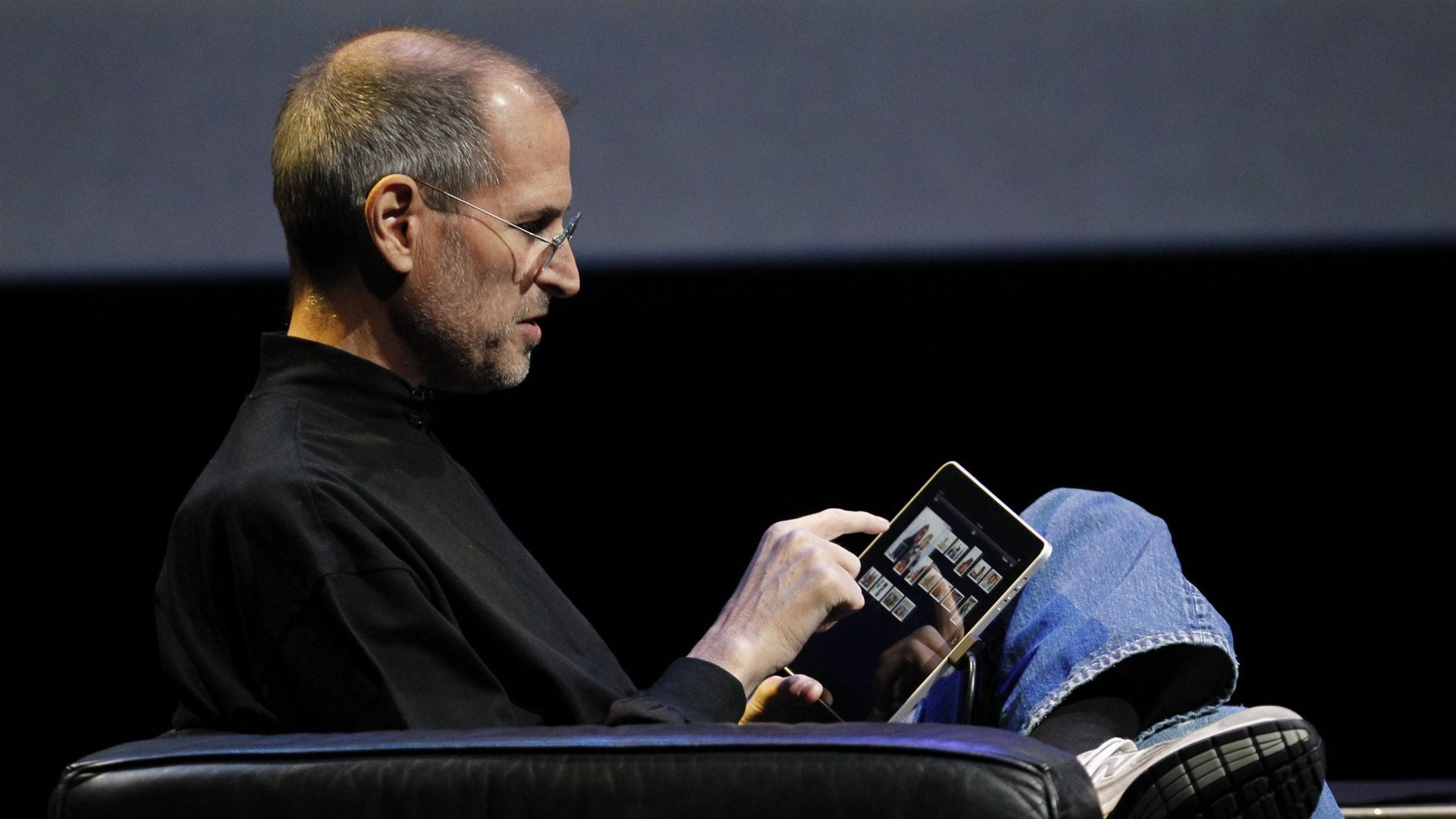
The last time Foxconn’s share price hit this level was in early 2010, around when Steve Jobs took the stage in January to announce the very first iPad (which shipped a few months later, in April). Foxconn—listed as Hon Hai Precision Industry on the Taiwan stock exchange—manufactures the majority of Apple’s electronics in China. Back in early 2010, people suspected Apple was on the verge of releasing a tablet computer of some sort, but Apple was a tighter ship those days, with fewer leaks. Still, there seemed enough believable rumor at the time to drive up the value of Foxconn’s stock:

Famed venture investor Marc Andreessen made an observation yesterday about the hoopla around Yo, the messaging app that sends only the message “yo” (and which has already turned out to be embarrassingly flawed):

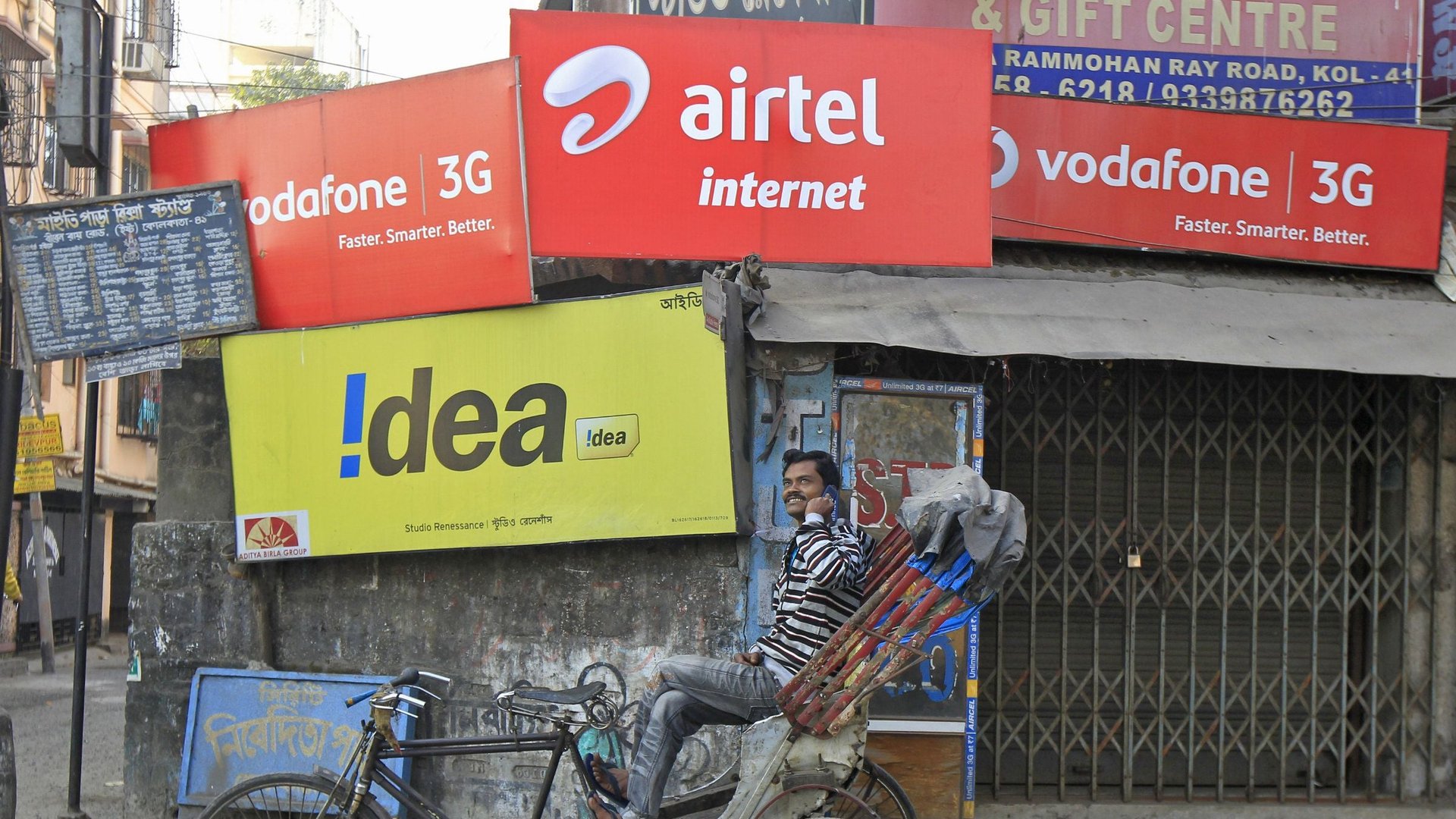
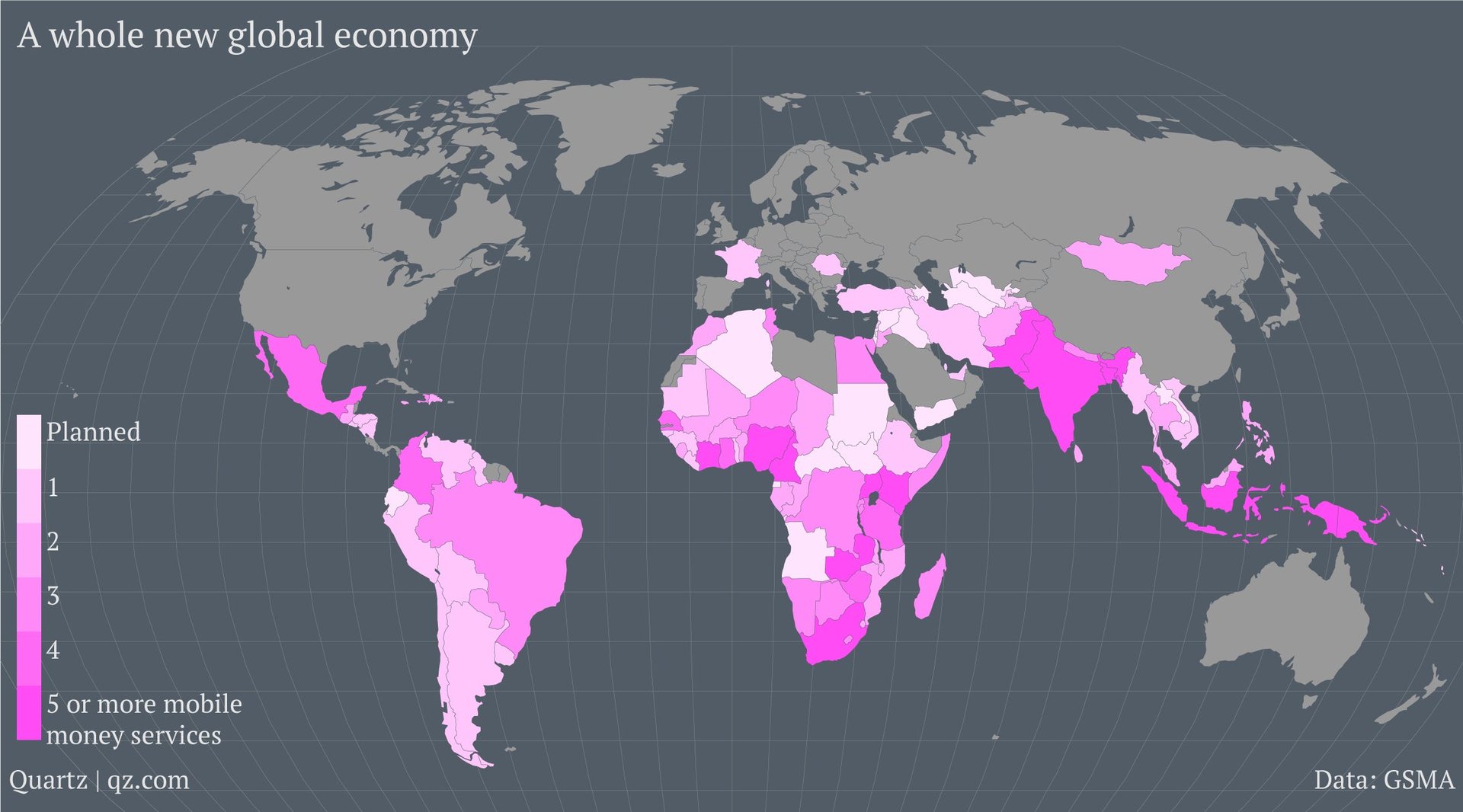
As we report this week, in much of the developing world, mobile money is evolving. Initially just a means of making payments, it’s now becoming a platform for an entire financial-services industry. But one of the world’s biggest and poorest countries has remained immune to the attractions of mobile money. Despite the potential benefits, “the uptake has been limited,” says Graham Wright of MicroSave, a financial-inclusion organisation working in India. “And because of those challenges, the mobile operators are unsure about how much to invest in this business.”

Last week, as we reported, Apple made a tiny technical change that could make it more difficult for marketers to spy on you. The company changed a setting that broadcasts an iPhone’s Media Access Control (MAC) address to any Wi-Fi network within range. Businesses use this to identify a phone and figure out how many times its owner has been in a shop and for how long, or where in the shop she is browsing. The change is that in iOS 8, the iPhone’s new operating system due out later this year, your Apple device will broadcast a random “fake” MAC address, which will make tracking somewhat more difficult, unless you actually connect it to a Wi-Fi network.

“I feel like a caveman who’s just been handed a Bic lighter,” reported Charles Graeber, a writer for Bloomberg Businessweek who recently went to Nairobi to check out M-Pesa, Kenya’s dominant mobile-money provider.

“There’s a storm coming, Mr Wayne,” Selina Kyle said to the man who sometimes prances about in a bat costume. She meant it metaphorically, but if the lady who often dons a cat outfit had one of these in her utility belt, she’d have known a thing or two about the weather too. Launched last week on Kickstarter, StormTag promises “a bluetooth weather station on your keyring.” In the seven days since it went live, the project has raked in over $43,000, more than twice the amount requested.