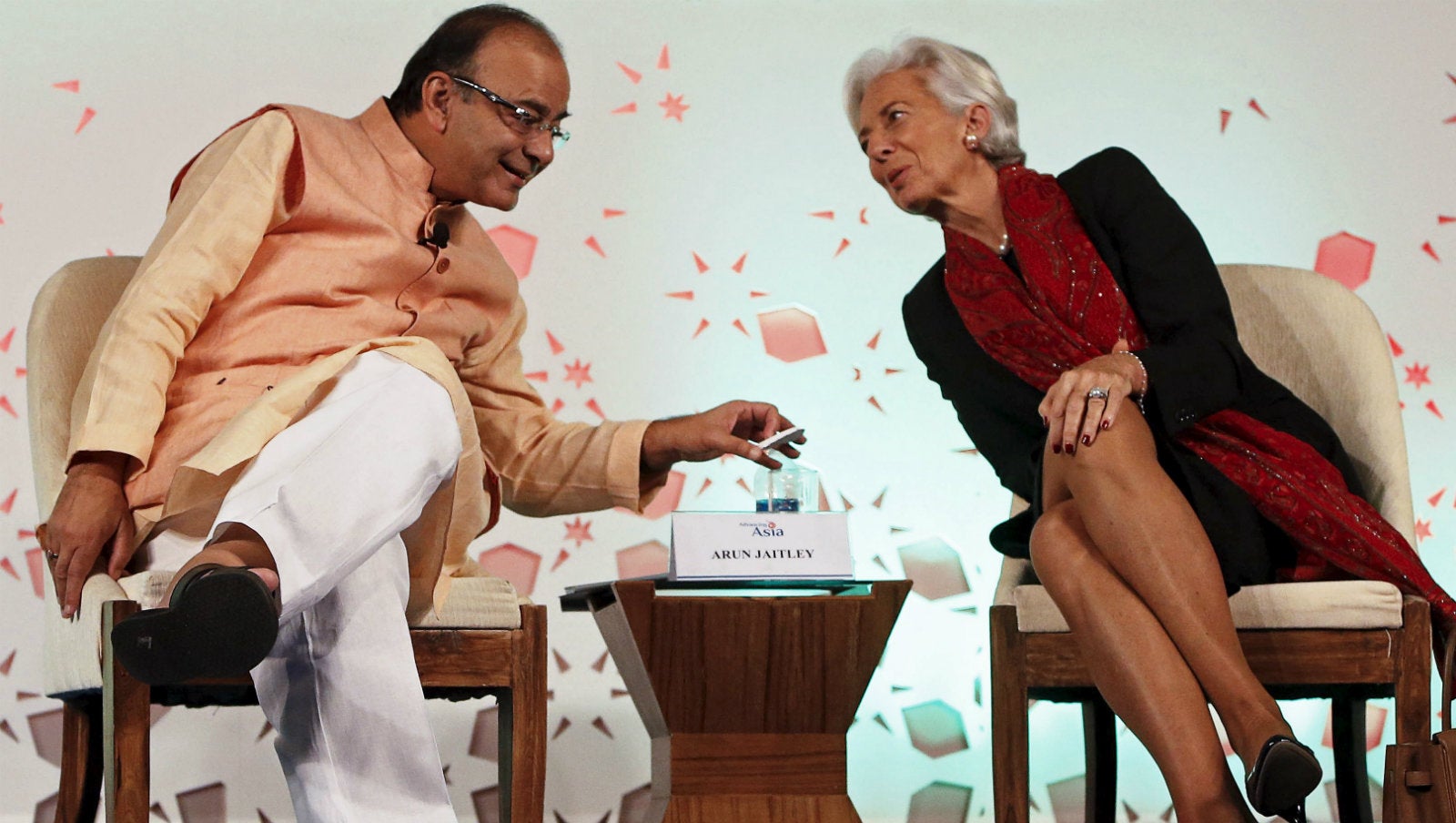
India is celebrating 25 years of economic liberalisation this month, but a recent report by the International Monetary Fund (IMF) suggests a sobering future.

India is celebrating 25 years of economic liberalisation this month, but a recent report by the International Monetary Fund (IMF) suggests a sobering future.

A generic version of a popular blockbuster cholesterol drug in the US will be soon made by Indian companies.

Indian banks are in trouble, and the trouble-makers refuse to toe the line.

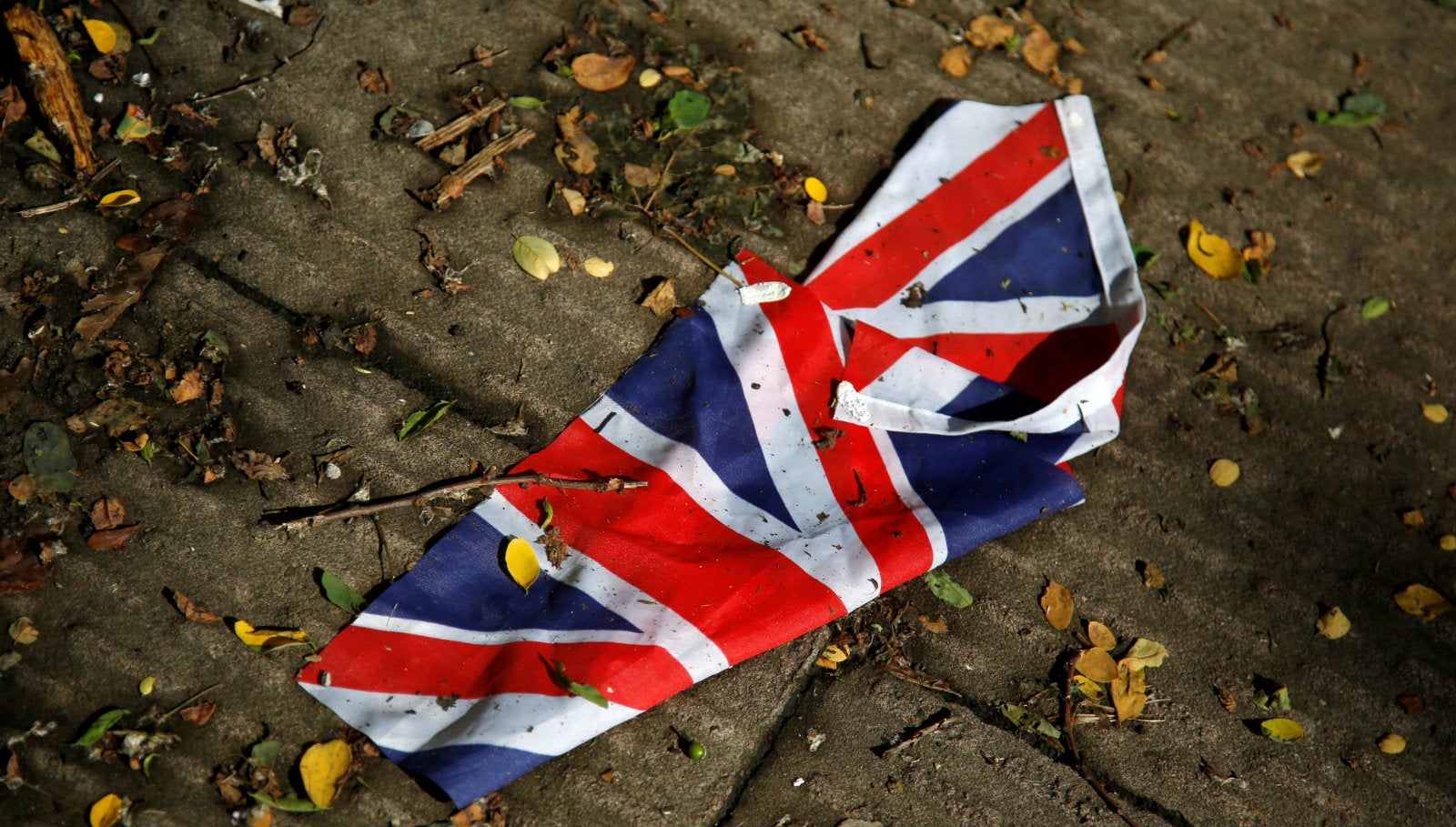
The BRICS grouping is passe and the top emerging markets are losing sheen. Brexit has battered stocks world over and currencies across economies are weakening.

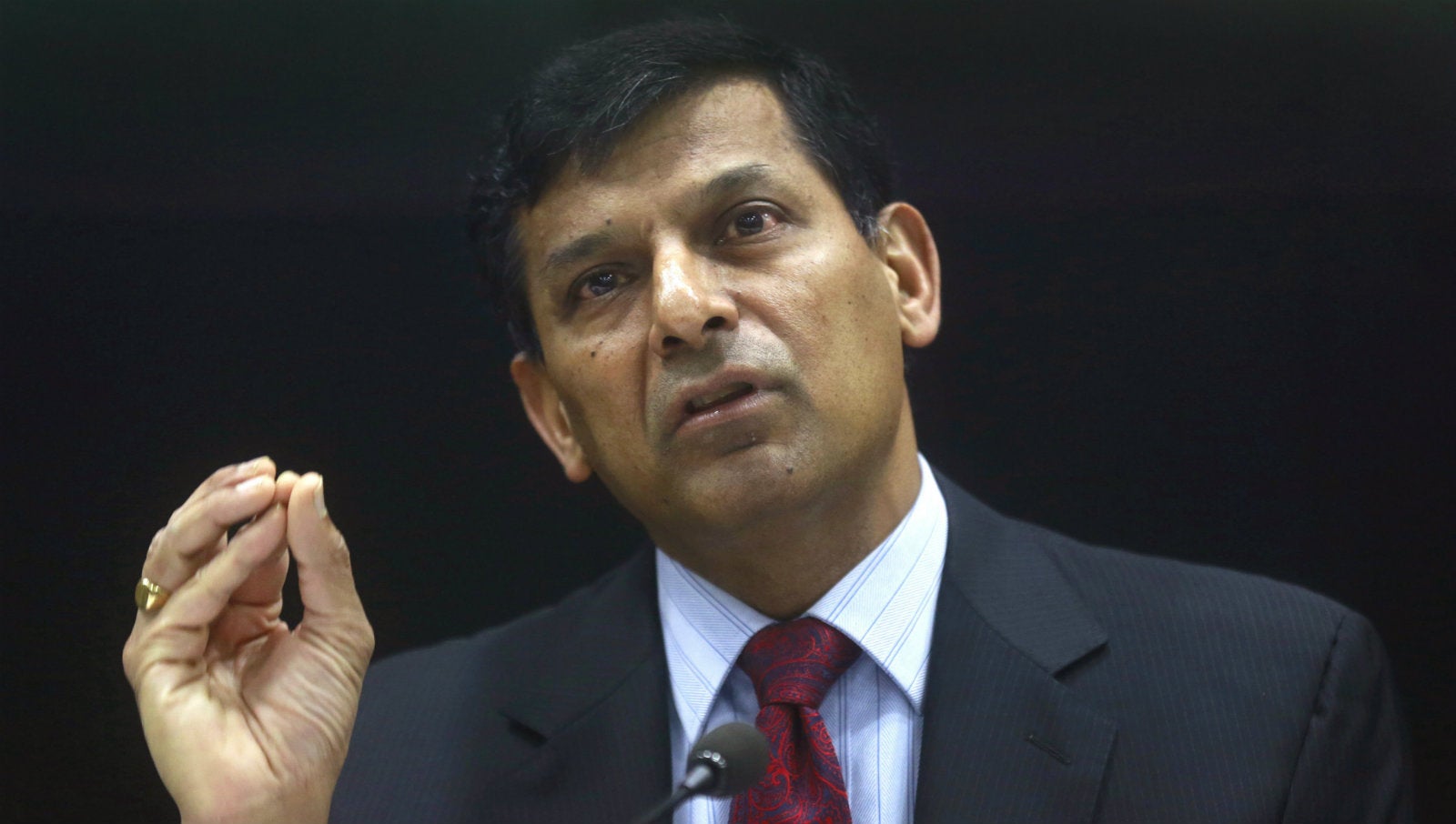
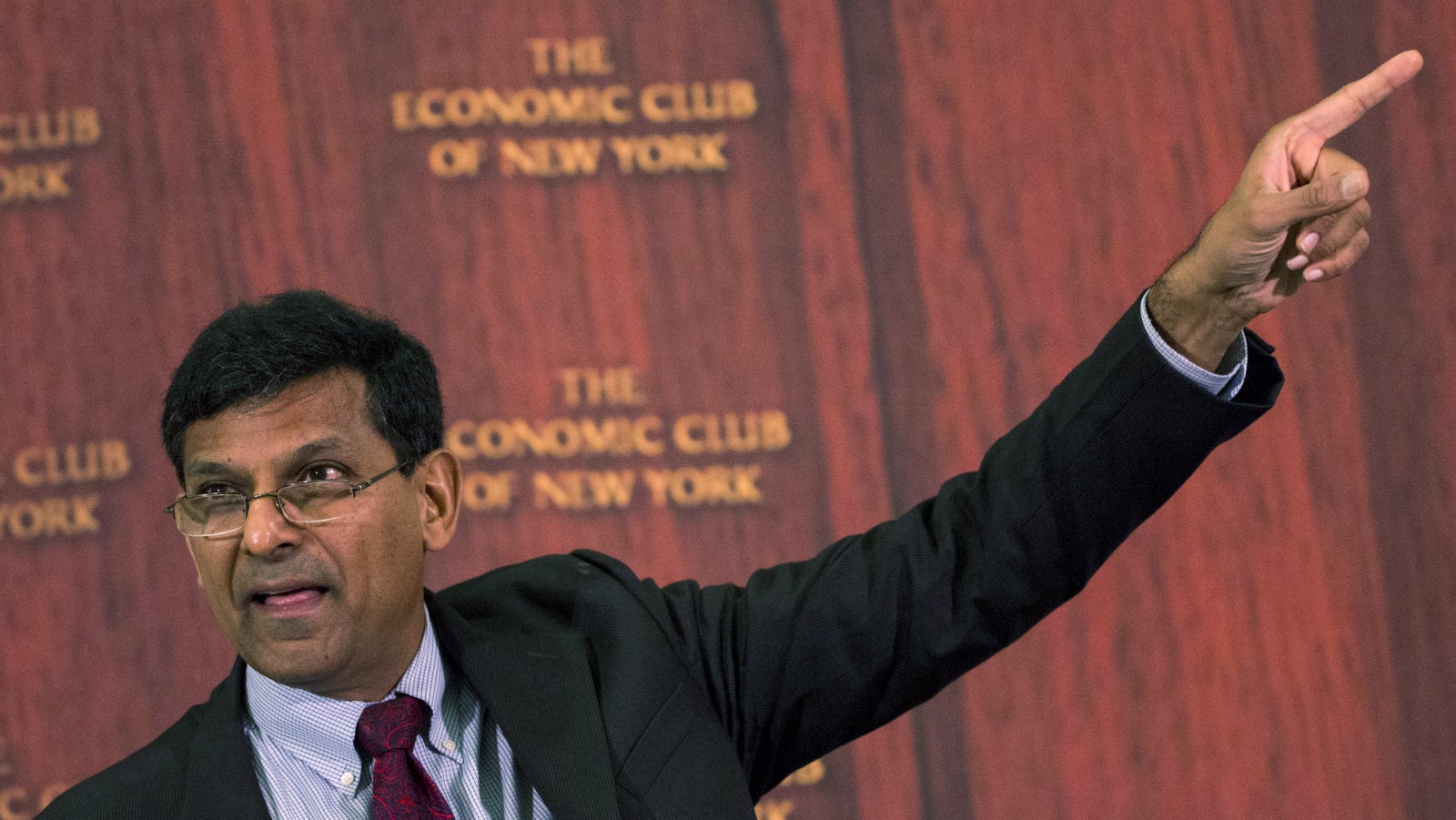
Raghuram Rajan, India’s outgoing central banker, has always been vocal about how every Indian needs access to basic banking facilities.

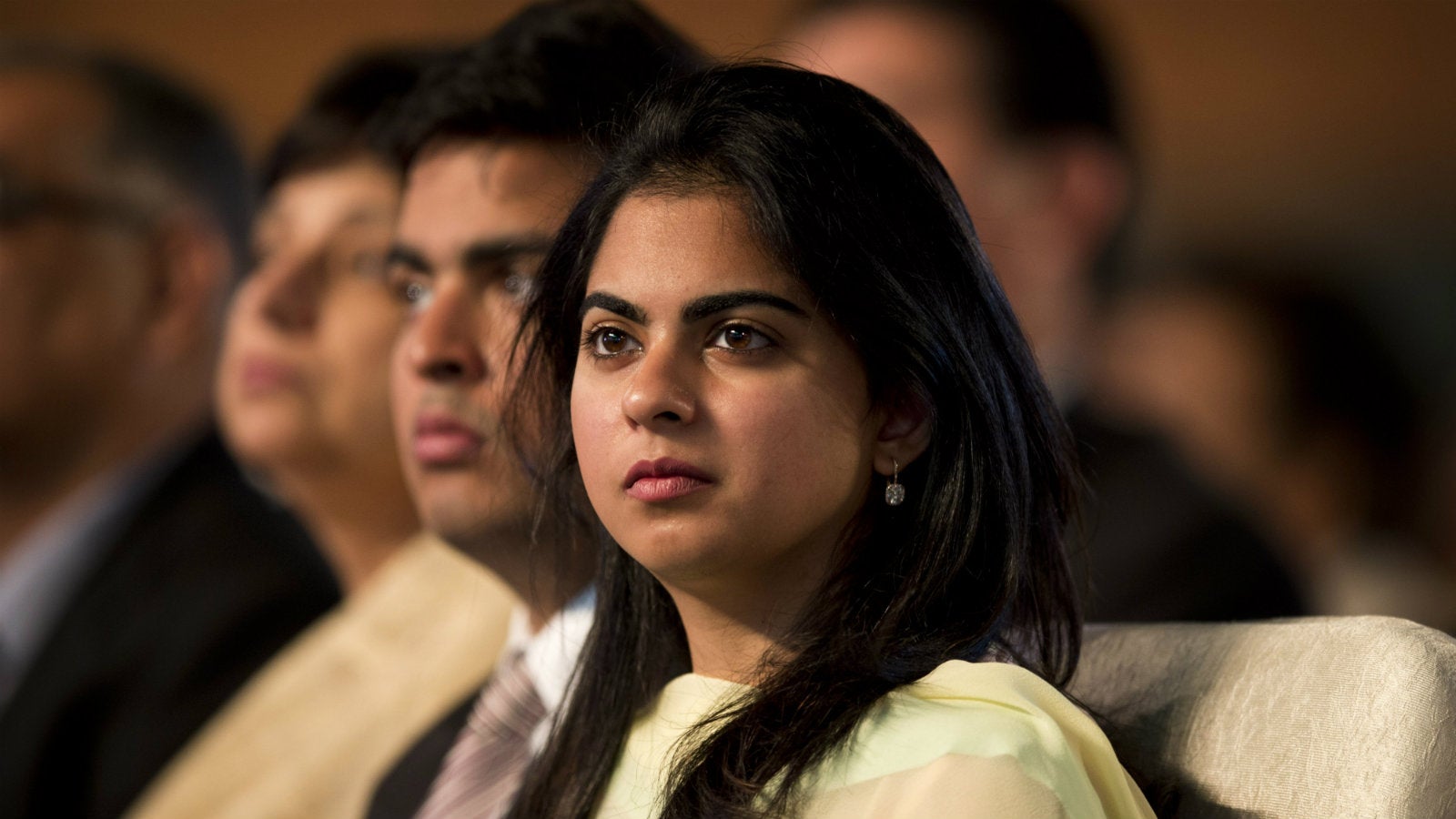
Last week Bloomberg named the next generation of India Inc to watch out for. Many of these well-educated young tycoons belong to some of the country’s oldest family-owned businesses, but there’s an interesting new trend among them: Several are women, in a society where business families have traditionally been patriarchal.

Narendra Modi has opened the coffers to make millions of young Indians more employable.

Indian investors don’t seem to have lost their affection for information technology (IT) stocks, new or old.

For decades, “Nirma” has been synonymous with low-cost detergents and soaps in India. Its advertising jingle is so iconic it is hummed as a reflex action by Indians of a certain age every time reference is made to washing power.

Mergers and acquisitions mean big bucks for buyers and sellers. And they also mean massive earnings for investment banks.

A country’s GDP growth is a key indicator of the state of its economy, but India’s biggest fund manager has no time for it.

Others may hanker for a job at Amazon and Facebook—known to be glamorous workplaces—but for Indian students, good old Reserve Bank of India (RBI) takes the cake.

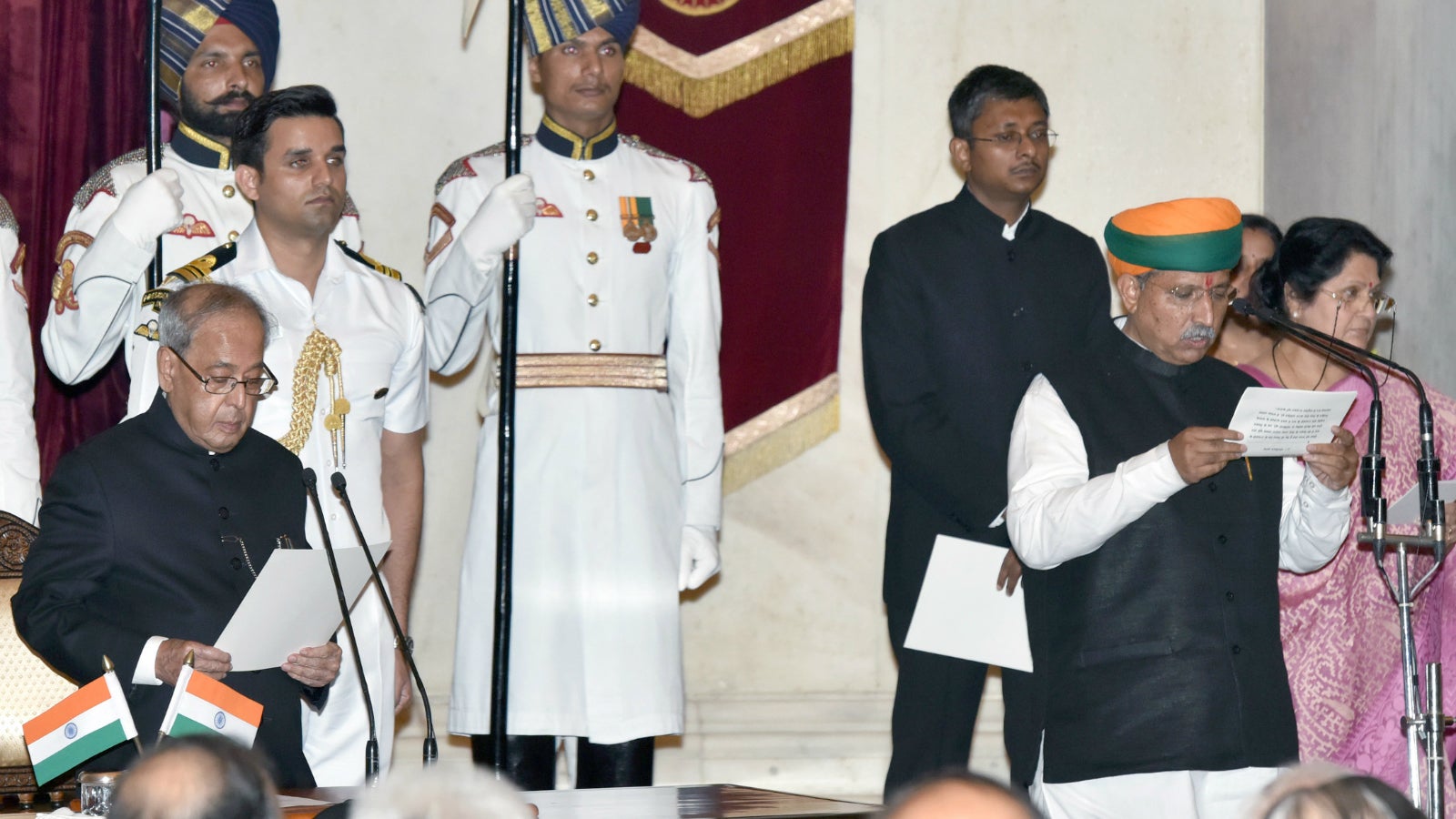
He first made headlines when he rode a bicycle to the Indian parliament in April 2015.

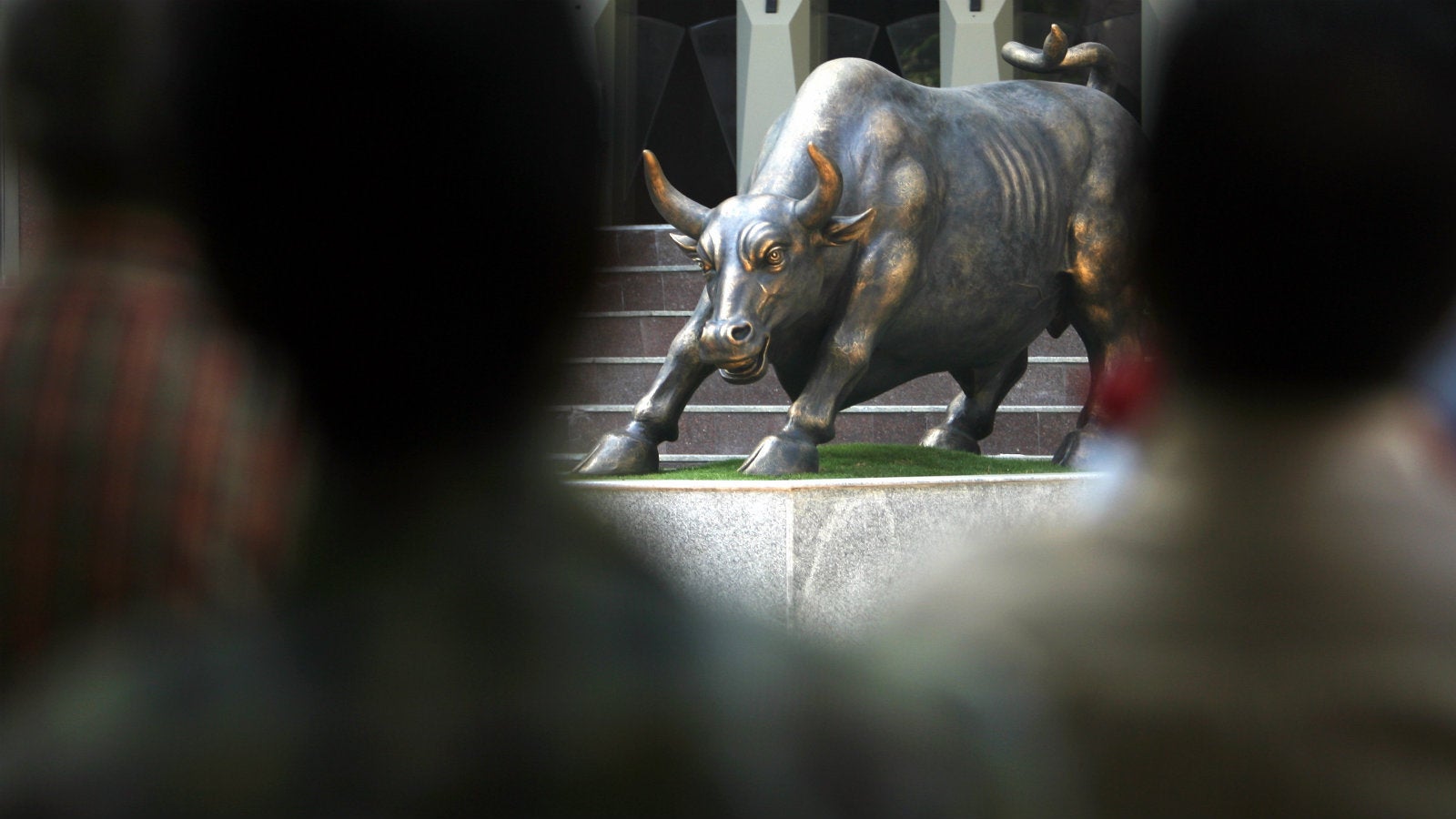
The market for initial public offerings (IPOs) in India is booming.

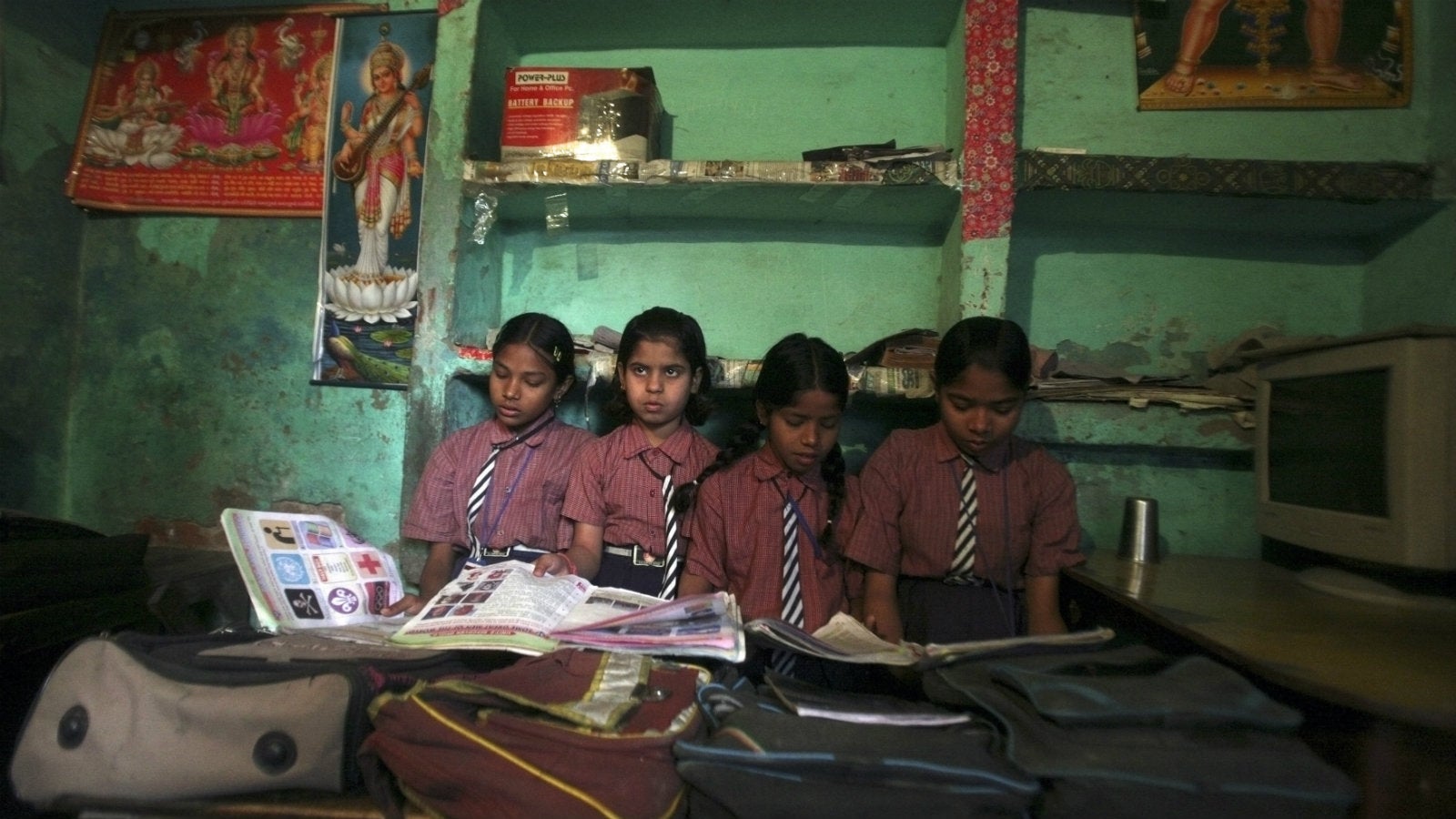
An evaluation of college teachers in the northern Indian state of Uttar Pradesh (UP) last week showed that some of the professors lack even basic knowledge of the subjects they teach. For instance, an economics professor did not know what “audit” means or what “IMF” (International Monetary Fund) stands for.

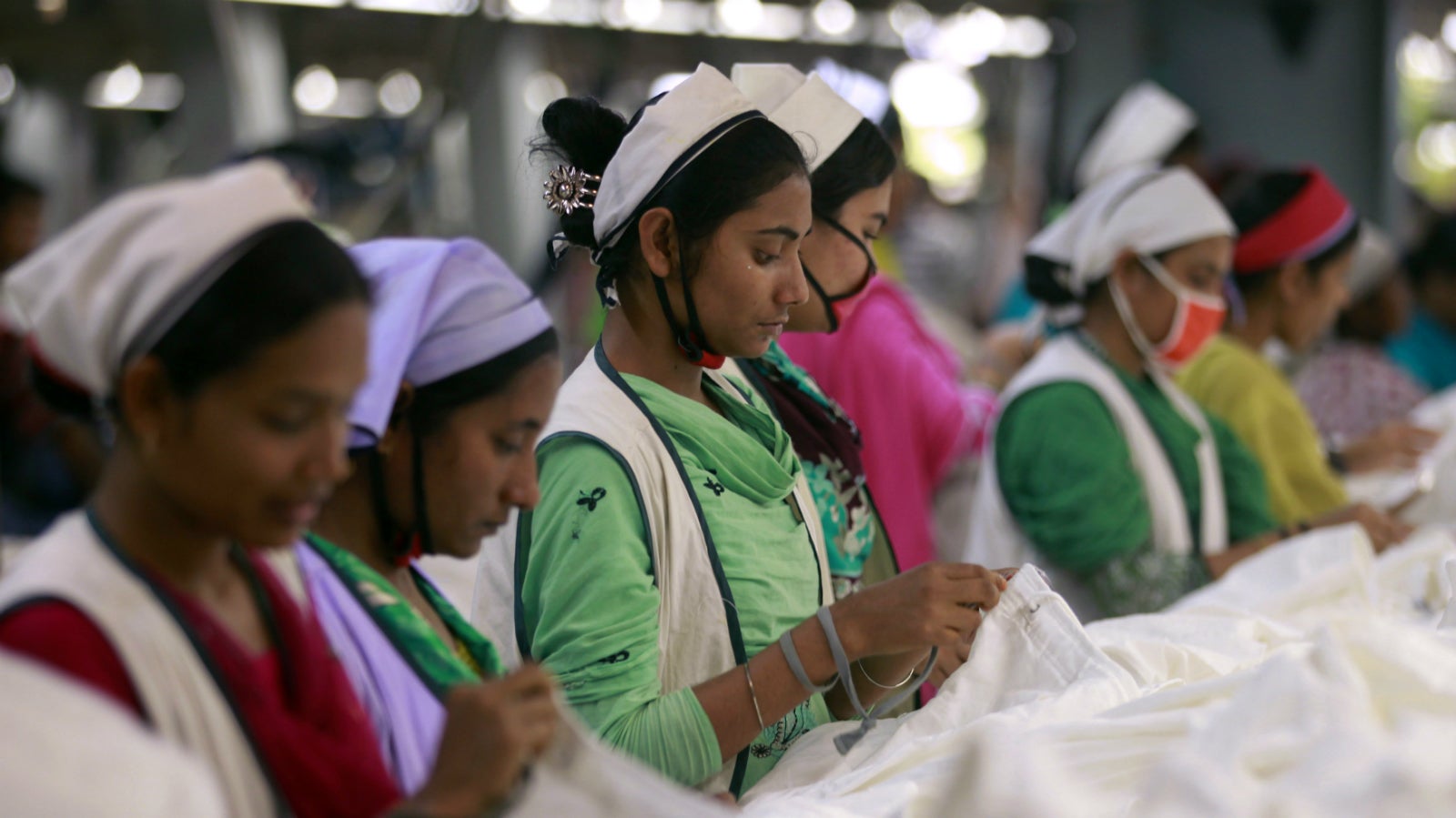
The terrorist attack at a cafe in Dhaka on July 1 that targeted foreign nationals has rattled global fashion brands, which import garments from Bangladesh.

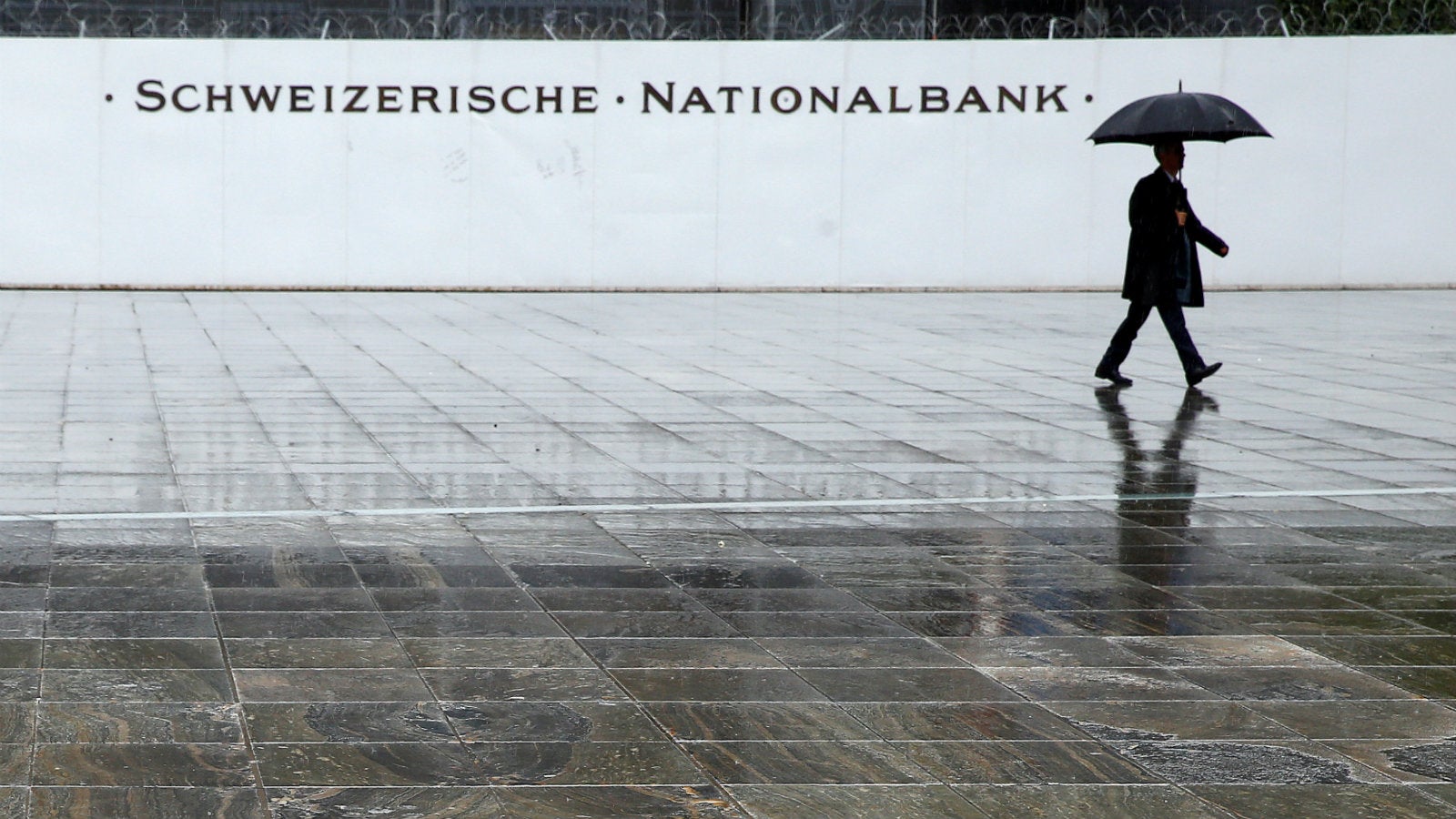
Indians are perhaps becoming weary—or wary—of stashing their money in Swiss banks.

India’s government employees and pensioners are getting a massive pay hike.

The toxic loans problem plaguing India’s banking sector doesn’t look like it’s going away soon.

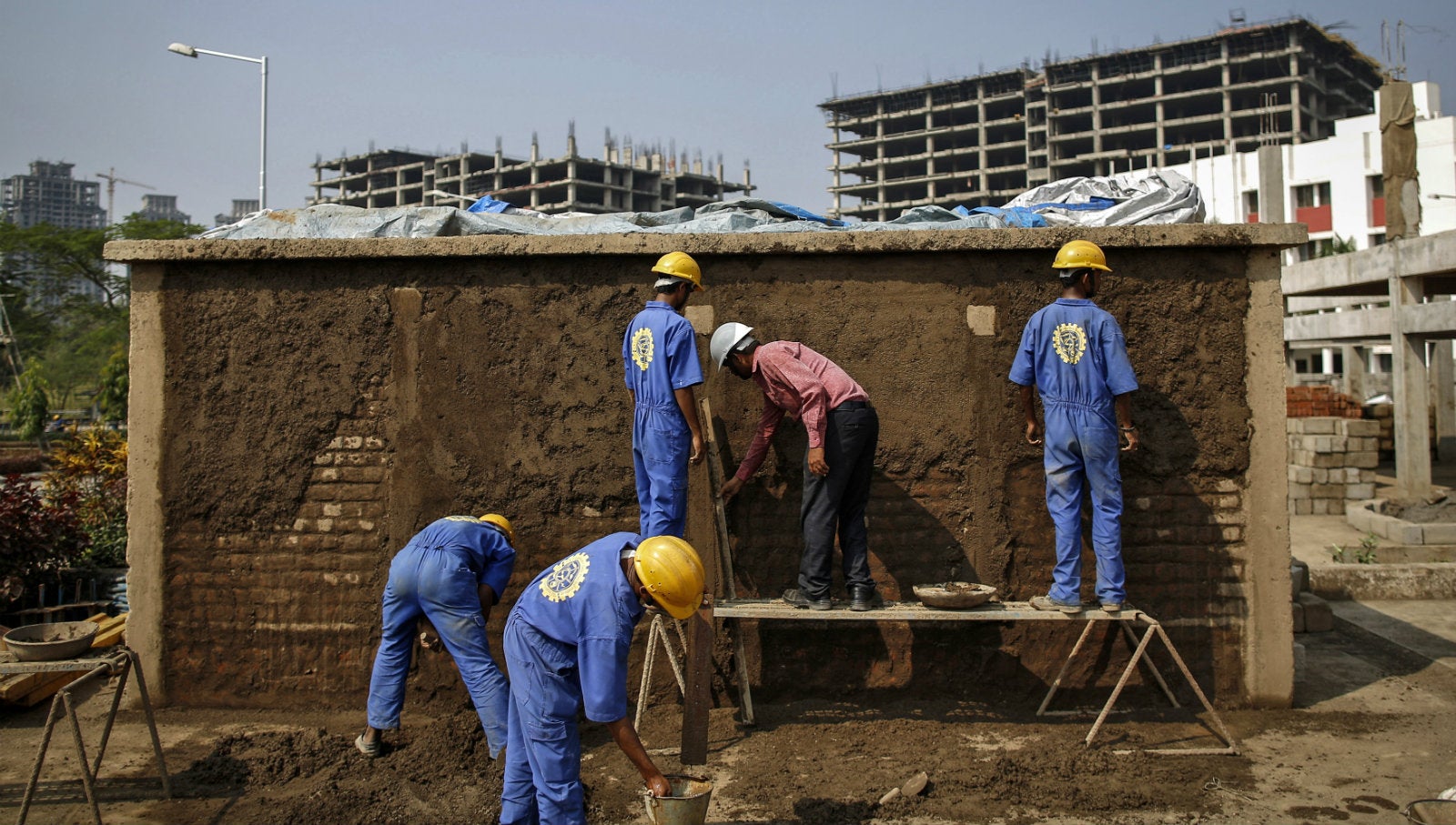
India is the world’s fastest-growing major economy. But there’s a jobs crisis brewing.

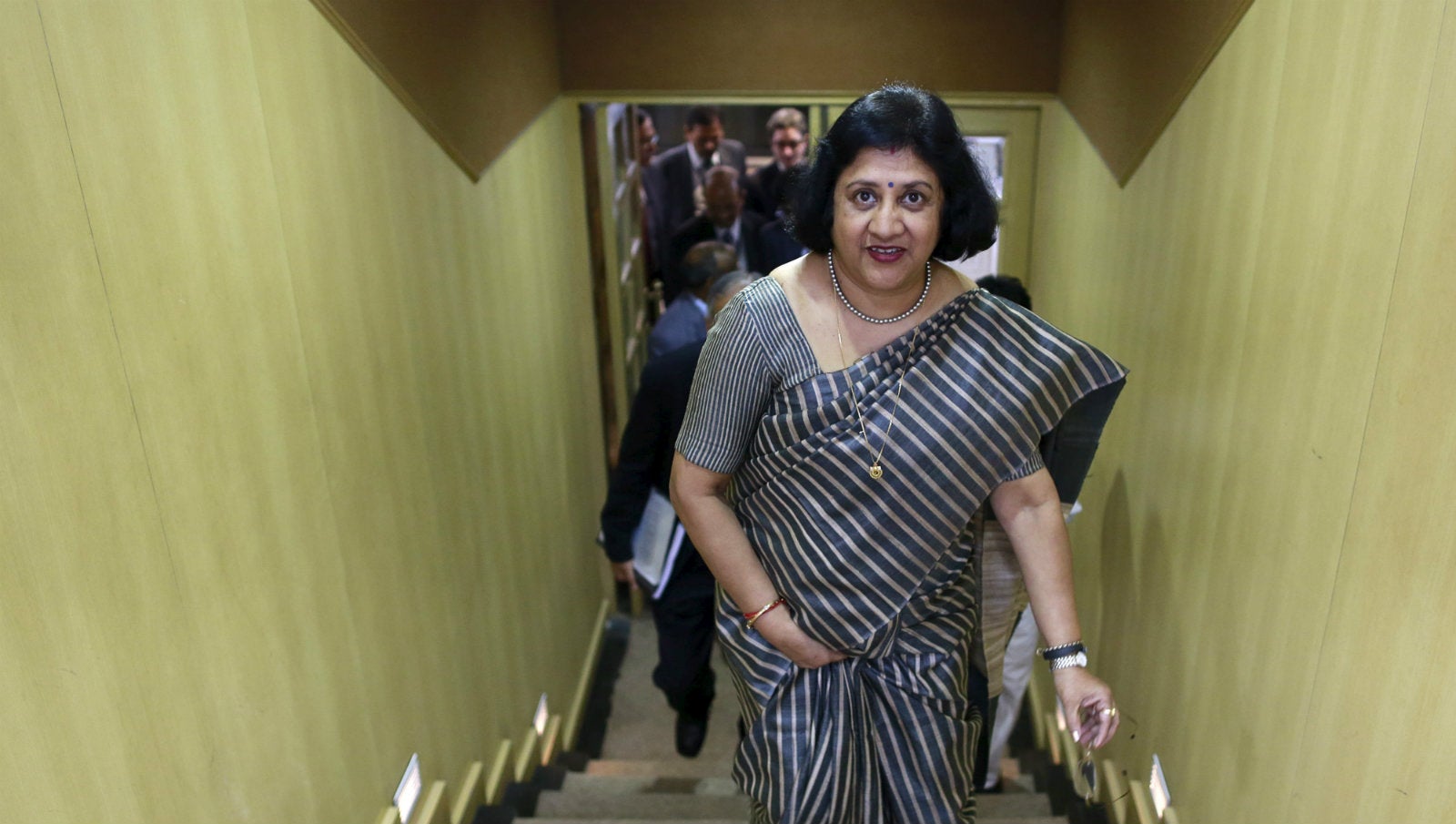
India’s 81-year-old central bank has never had a woman in charge, but that could soon change.

The bad loan mess at Indian banks may be easing.

Brexit has singed India’s equity markets.

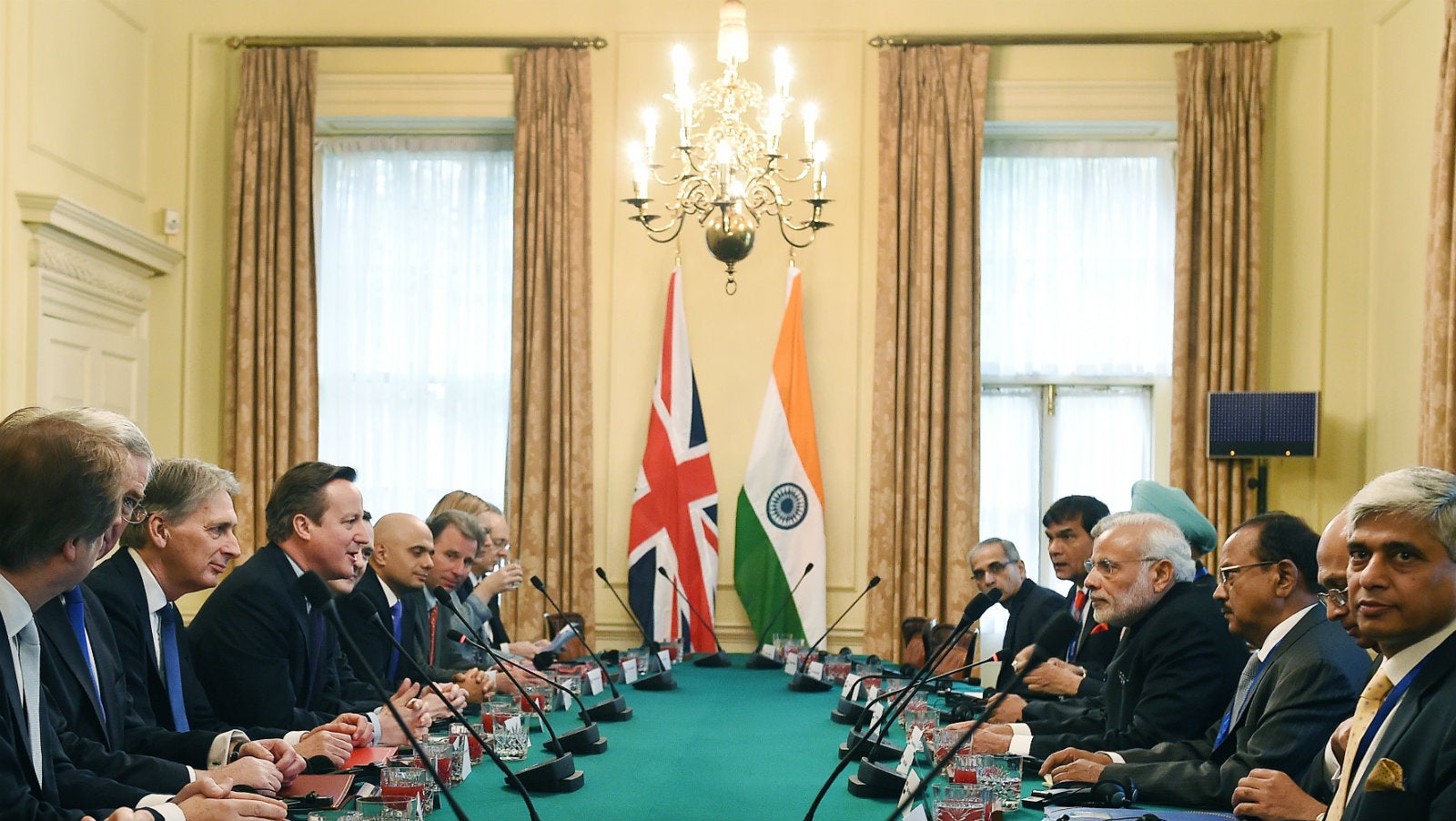
It’s an all-important day for the UK—and India is keenly watching.