
Lifestyle
Prada has pulled its red-lipped monkey dolls, which echoed racist “Sambo” imageryContext matters, as international brands keep learning the hard way.
Updated July 21, 20223 min read
Context matters, as international brands keep learning the hard way.
The global fashion business is a massive industrial source of greenhouse gases, largely as a result of all the textiles it produces. A recent analysis (pdf) by the Ellen MacArthur Foundation, an organization dedicated to hastening a transition to a circular economy, estimated that textile production released 1.2 billion tons of CO2 equivalent in 2015—roughly as much as a passenger car emits over 257 million miles of driving, according to the US environmental protection agency’s equivalency calculator. The figure is only set to increase, as growing middle classes in countries such as China and India begin buying up more clothes.
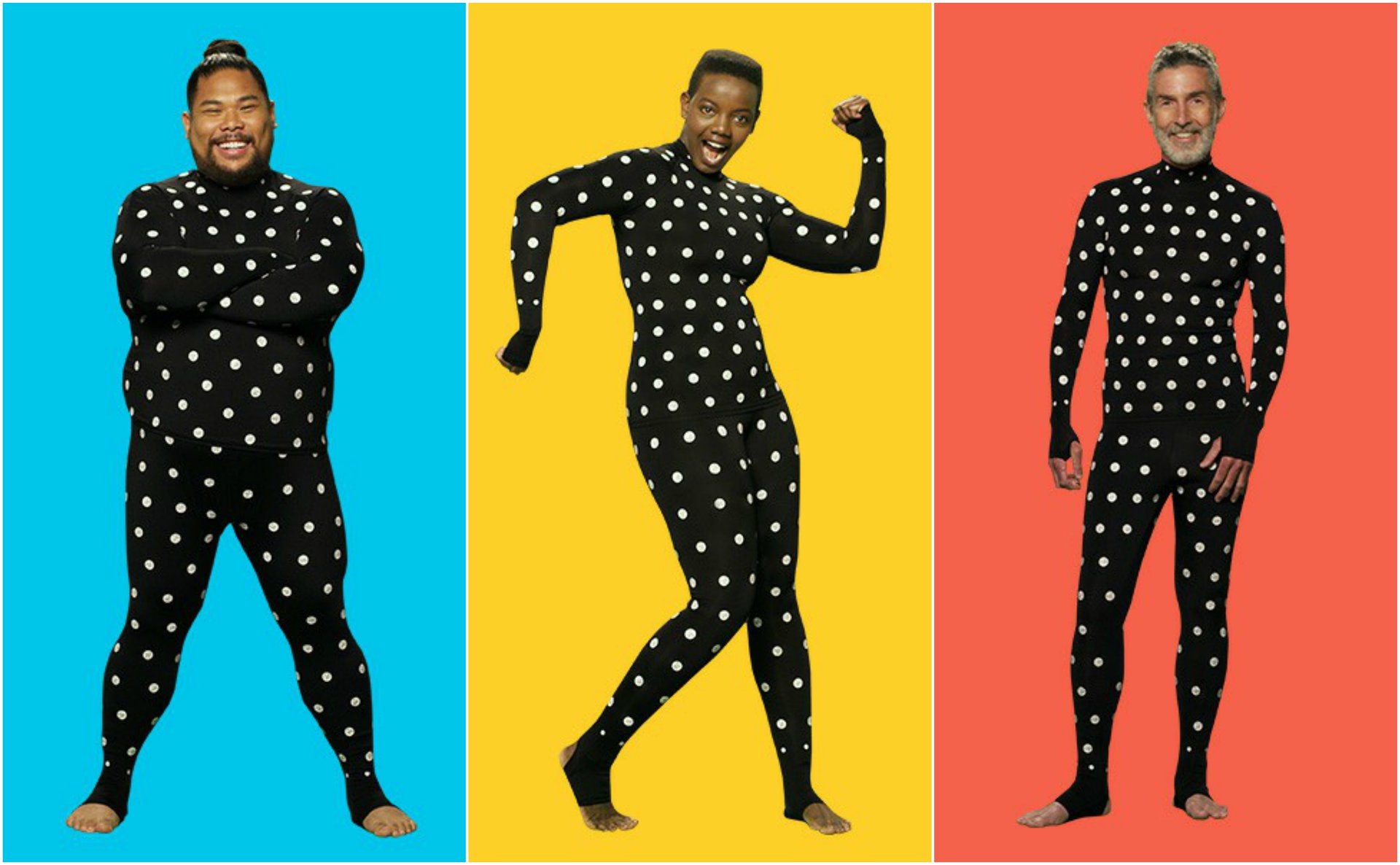
Earlier this year, Yusaku Maezawa made the wildly ambitious announcement that Zozo, his company’s private-label clothing line, had developed a tech-enabled system that allowed it to make and deliver custom-made clothes in two weeks to customers in 72 countries.
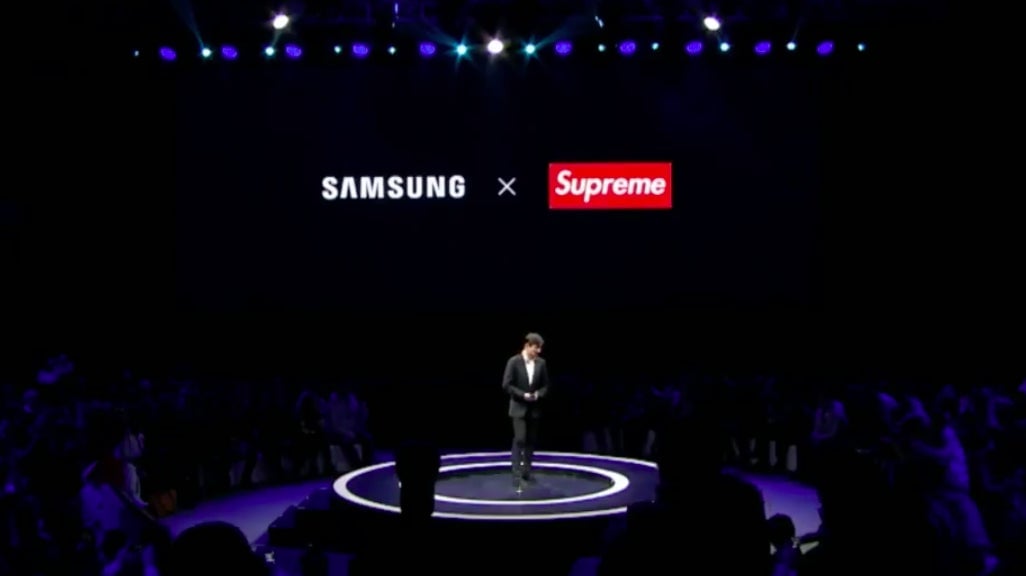
Samsung in China has announced a surprising new collaboration with the hyped skate-and-fashion brand Supreme.
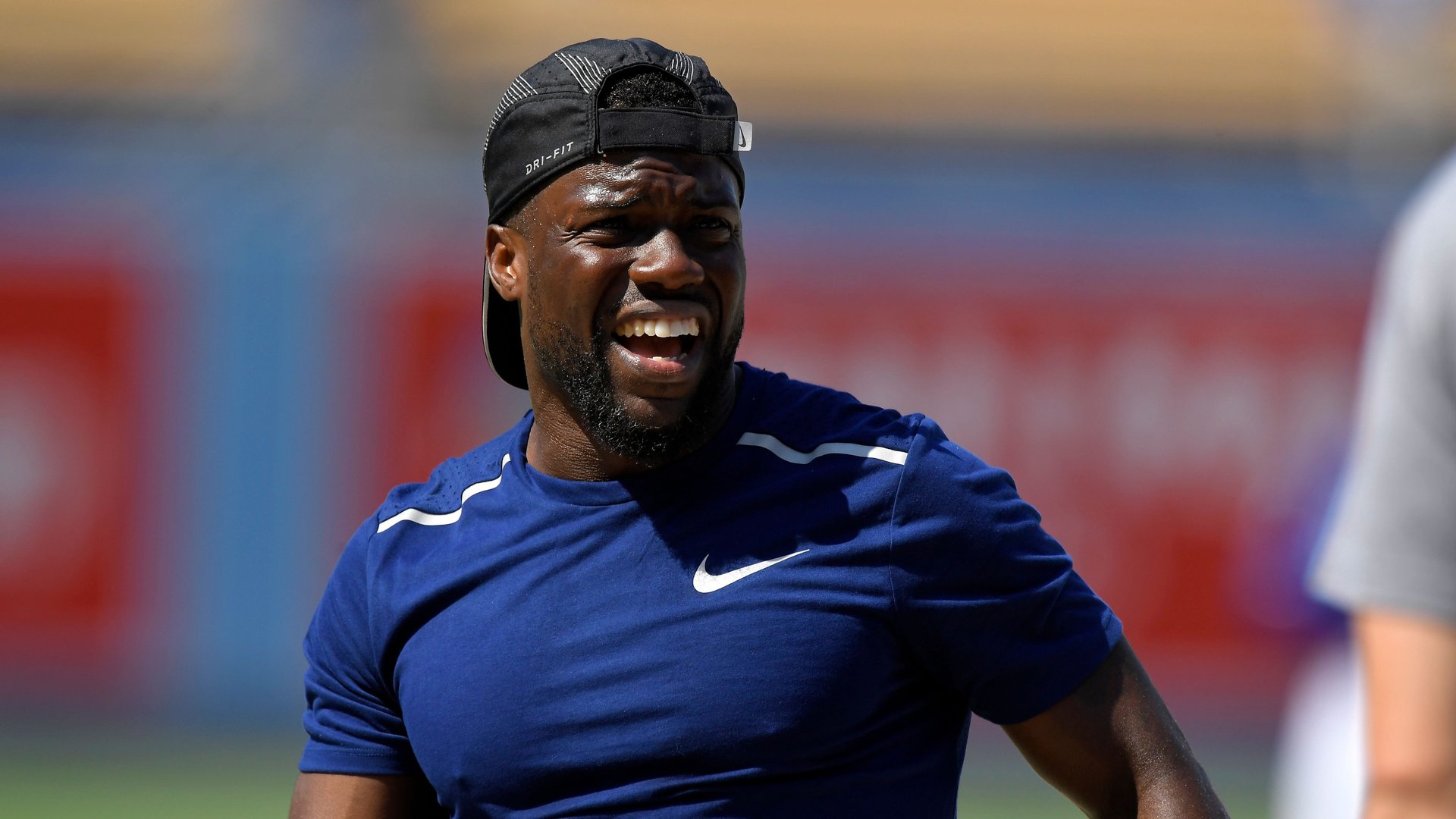
Three days after Kevin Hart was revealed as the host of the 2019 Oscars this week, the actor and comedian withdrew from the role. He had faced mounting criticism over his history of homophobic comments, including tweets from several years ago—which he then rushed to delete—and a standup routine that included a bit about not wanting his son to be gay.
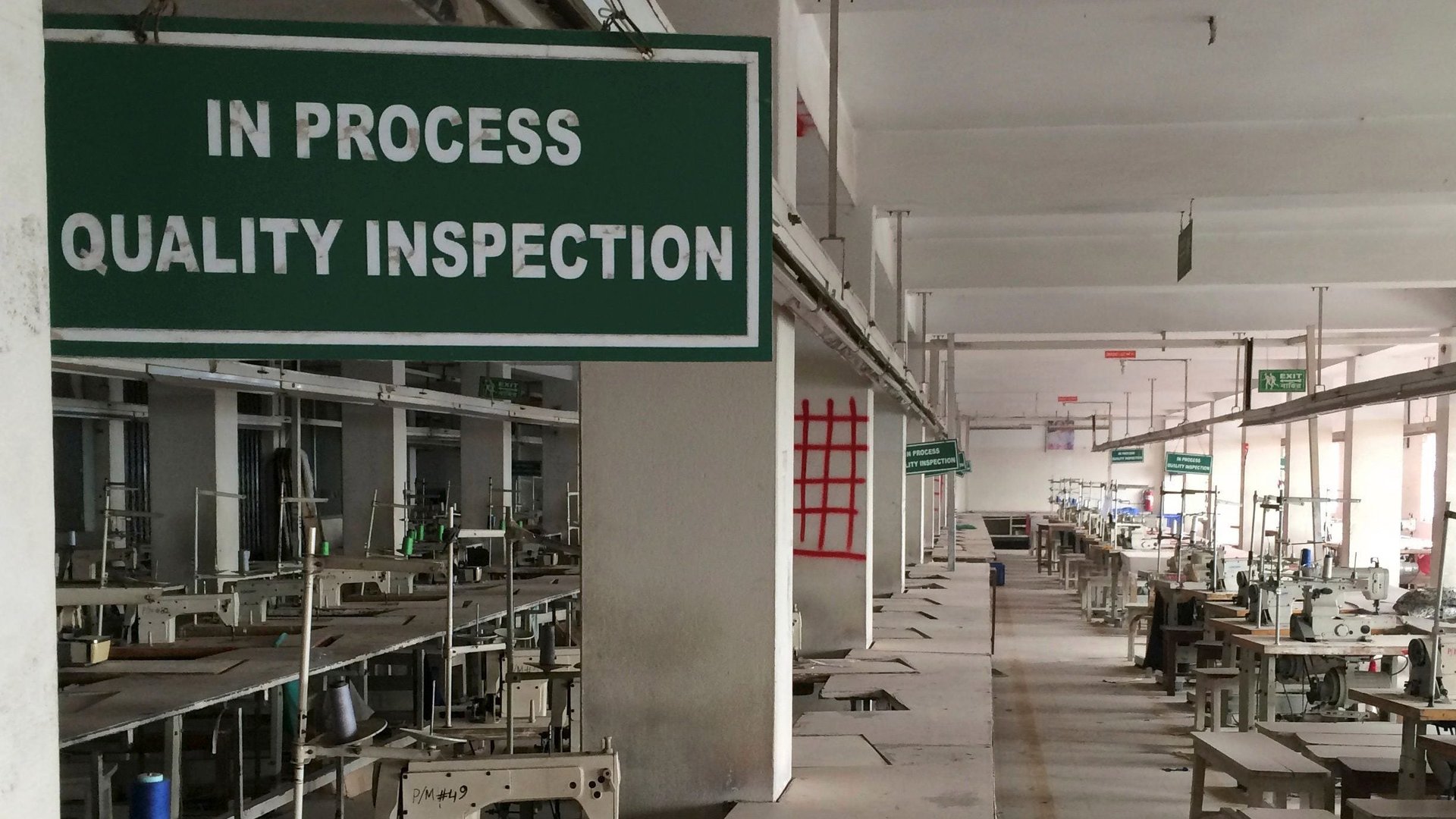
The 2013 factory collapse at Rana Plaza was among the worst industrial accidents in history. Its death toll of 1,134 people shocked the world, spurred a wave of consumer consciousness, and prompted an international alliance of fashion brands, retailers, and trade unions to join in a massive, complex effort to make Bangladesh’s garment industry safer.
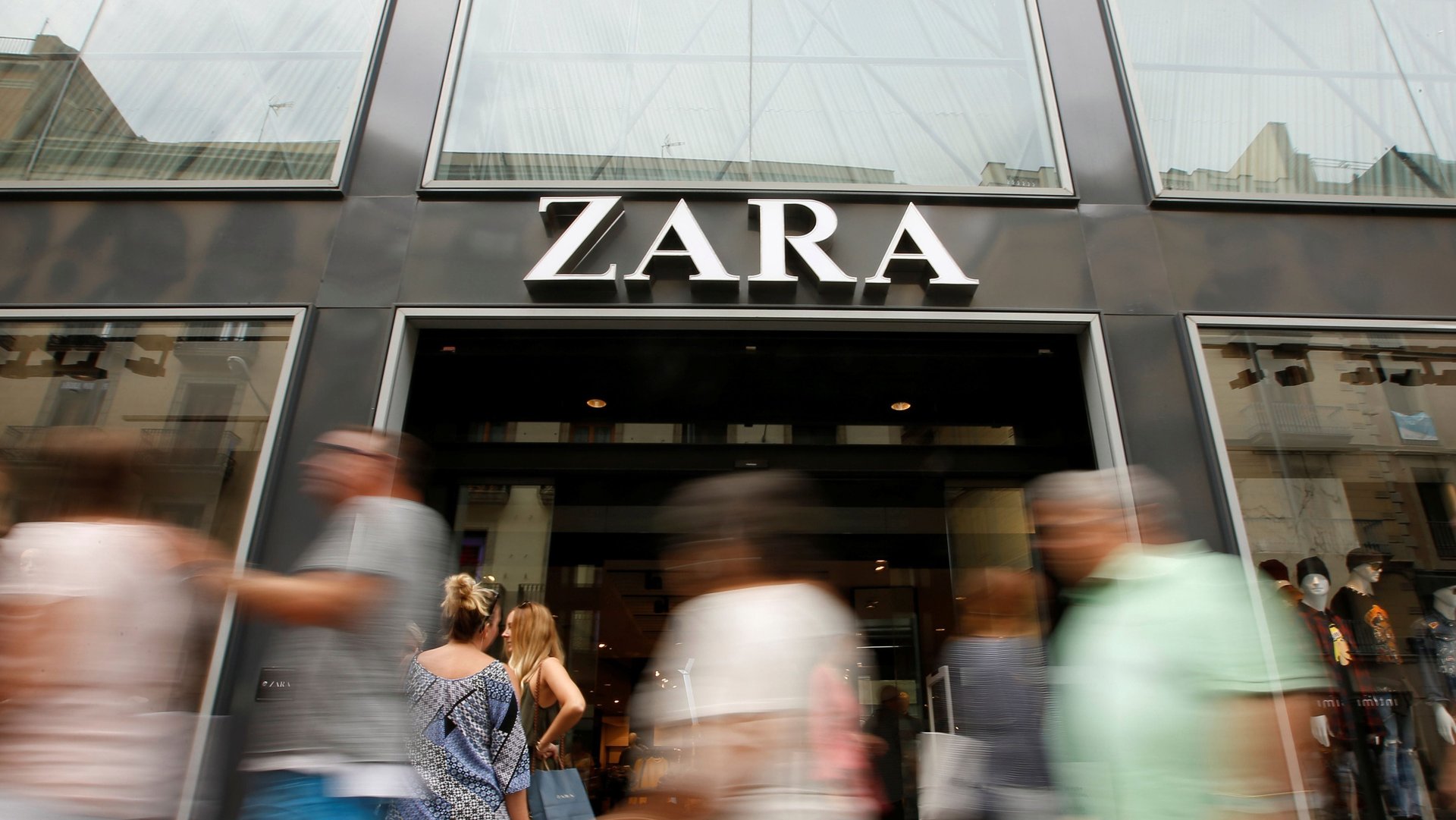
The global fashion business is becoming increasingly polarized.
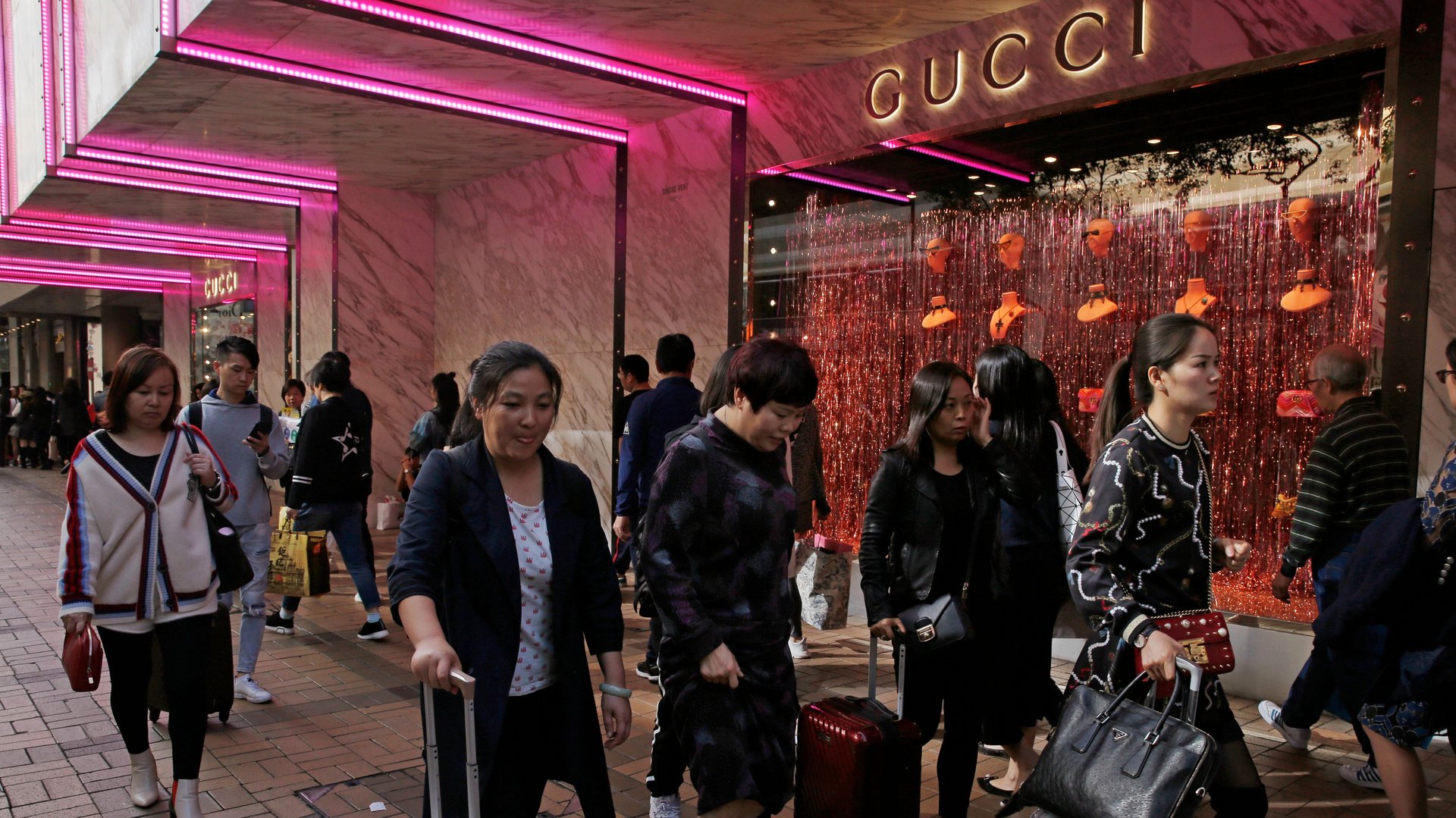
In 2019, China is poised to reach a milestone that signals how the rebalancing of economic power in the world is reshaping industries with it.
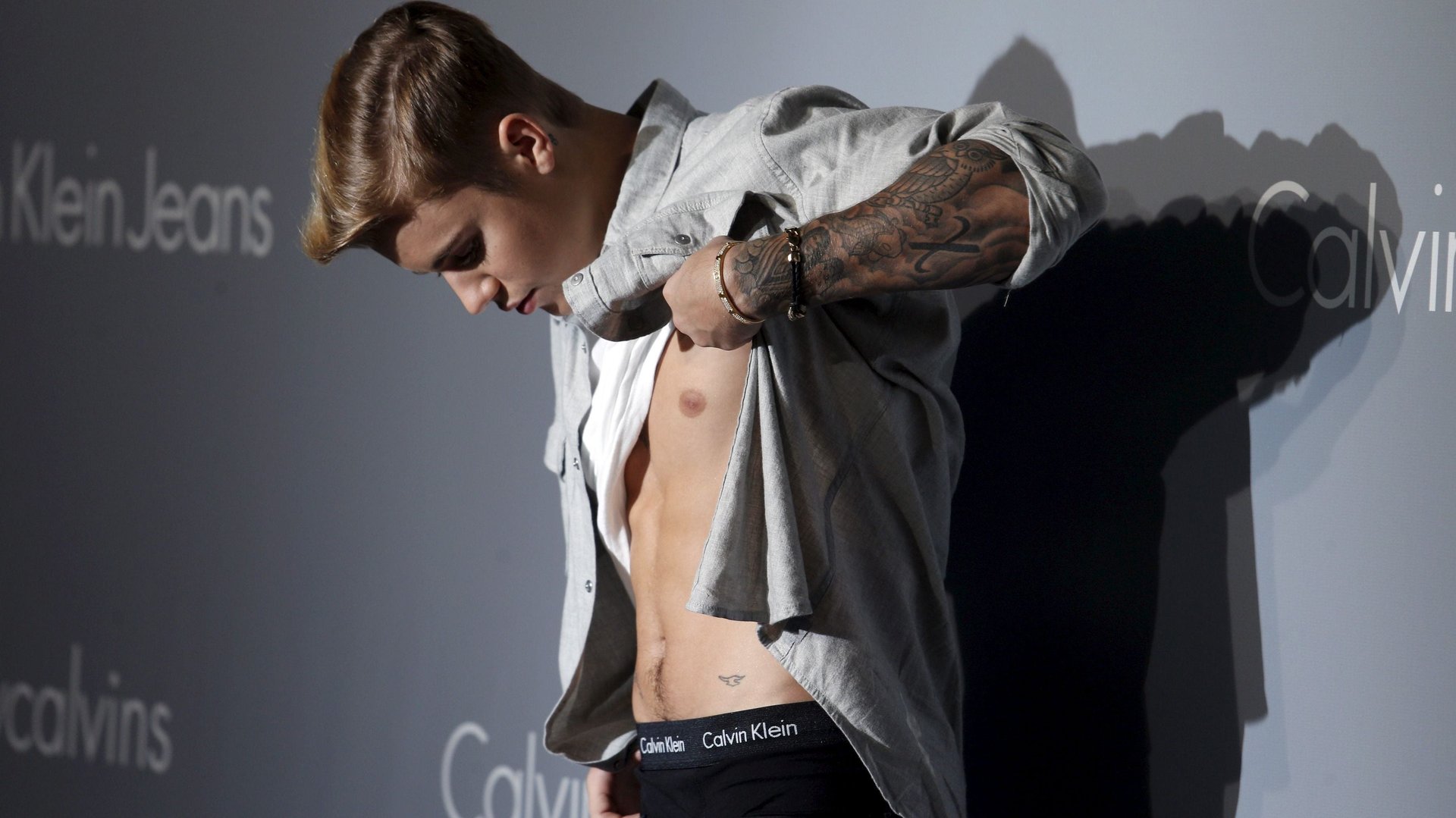
Calvin Klein took a big gamble in 2016 when it made Raf Simons the first person since Klein himself to have complete creative control of the brand.
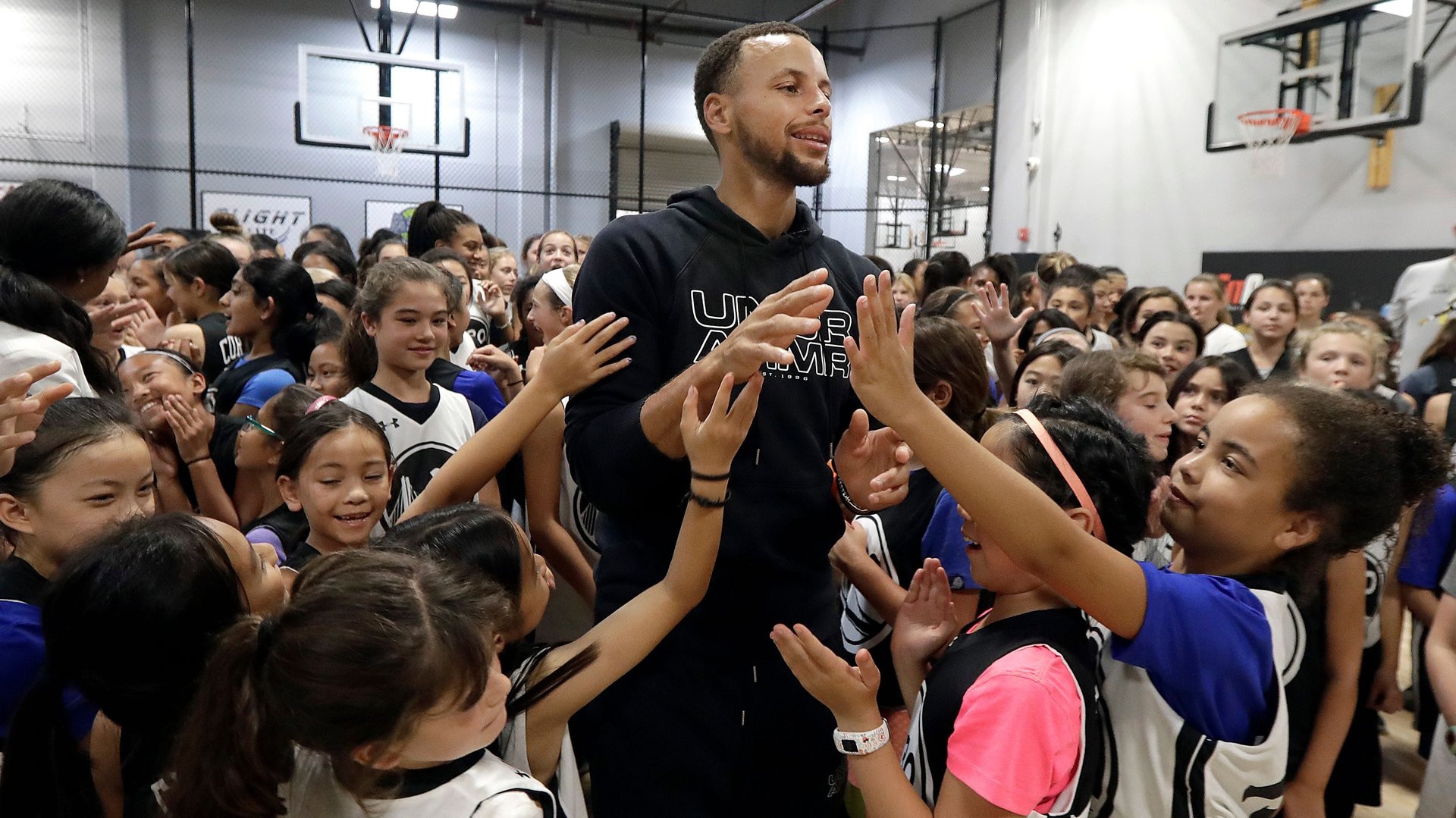
When Riley Morrison and her father went to Under Armour’s website to buy her a pair of NBA player Stephen Curry’s newest signature sneakers, the Curry 5, they were disappointed to find that the shoes didn’t appear to be available for her. At least, they didn’t turn up in the girl’s section of the website, though they were offered for boys and adults.
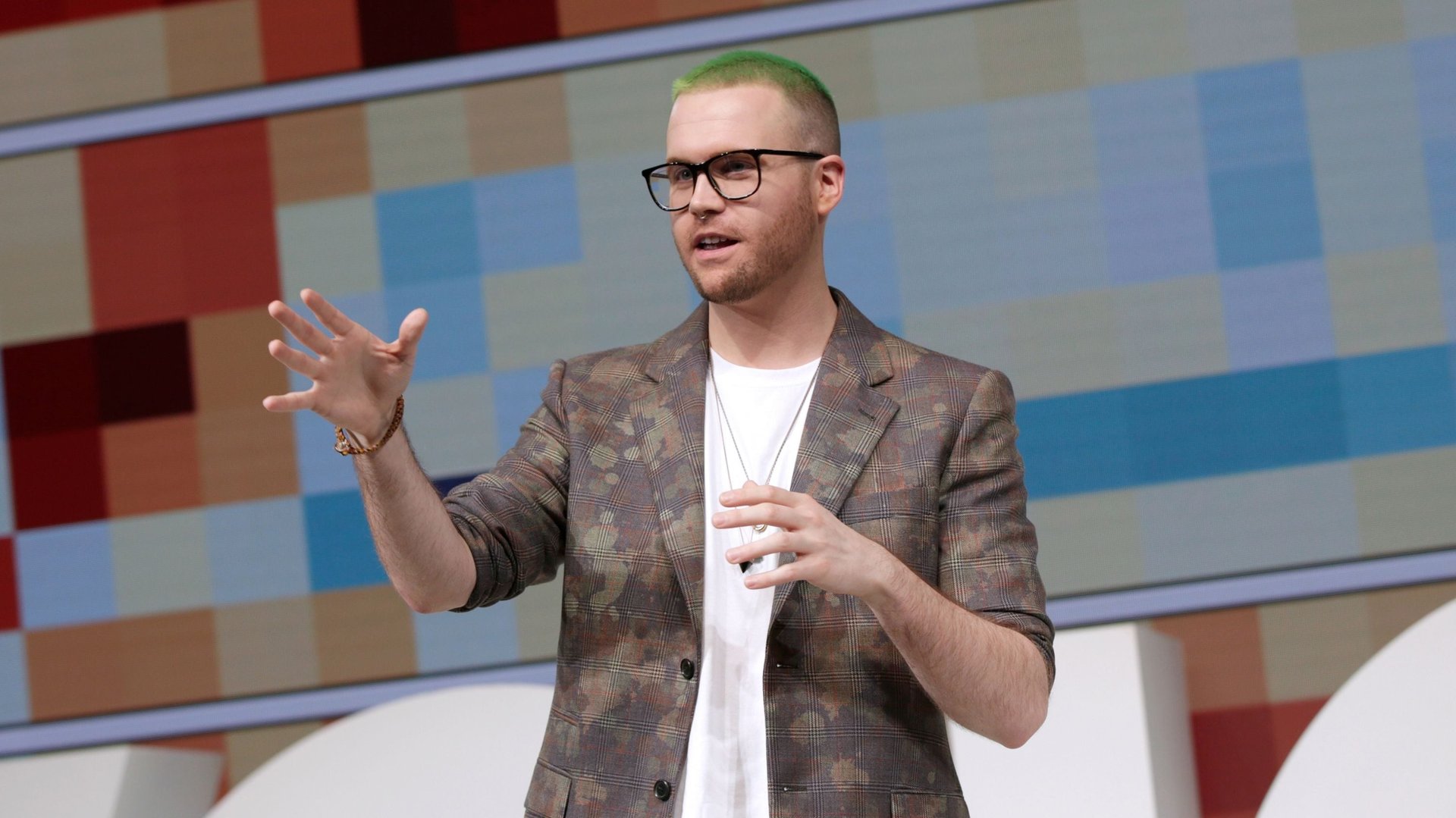
The fashion tastes of Facebook users played an unexpectedly important role in Cambridge Analytica’s work to help get US president Donald Trump elected, a whistleblower on the data mining and political consulting firm revealed today.
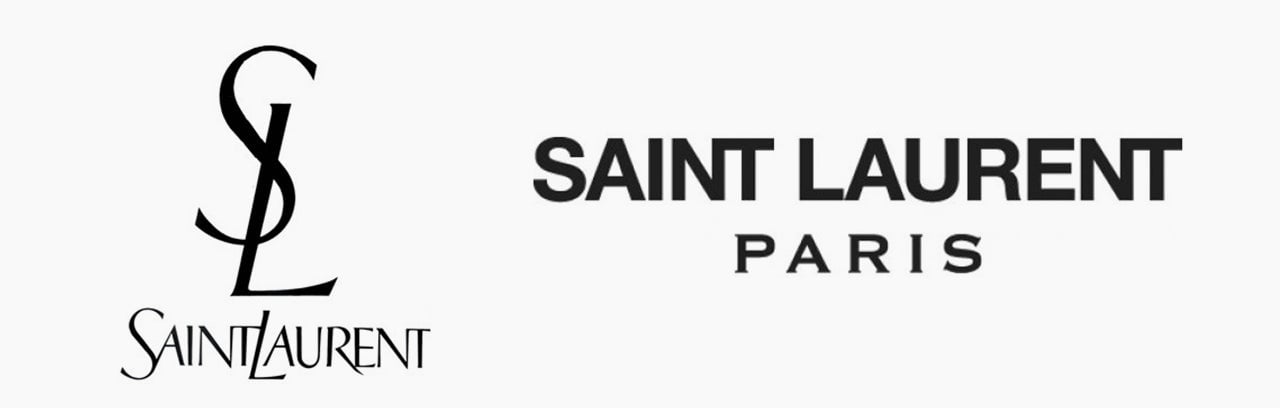
Over the past few years, Armin Vit, co-founder of the graphic design firm and publisher UnderConsideration, noticed something happening to the logos of luxury fashion brands.
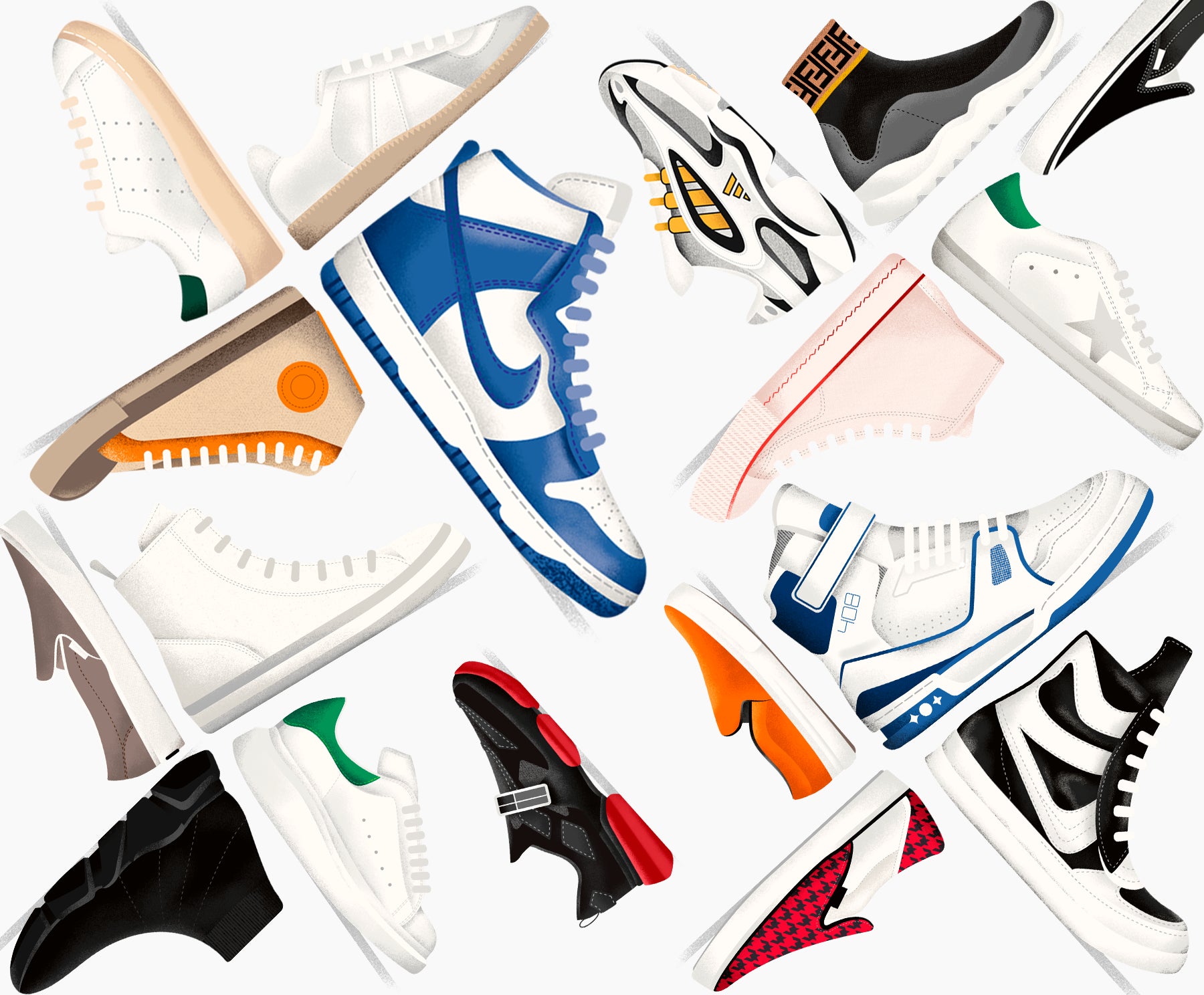
Luxury brands love sneakers. The lucrative, runaway popularity of the shoes has tempted seemingly every high-end fashion label into making its own version, especially as young, sneaker-obsessed shoppers become more important buyers of luxury.
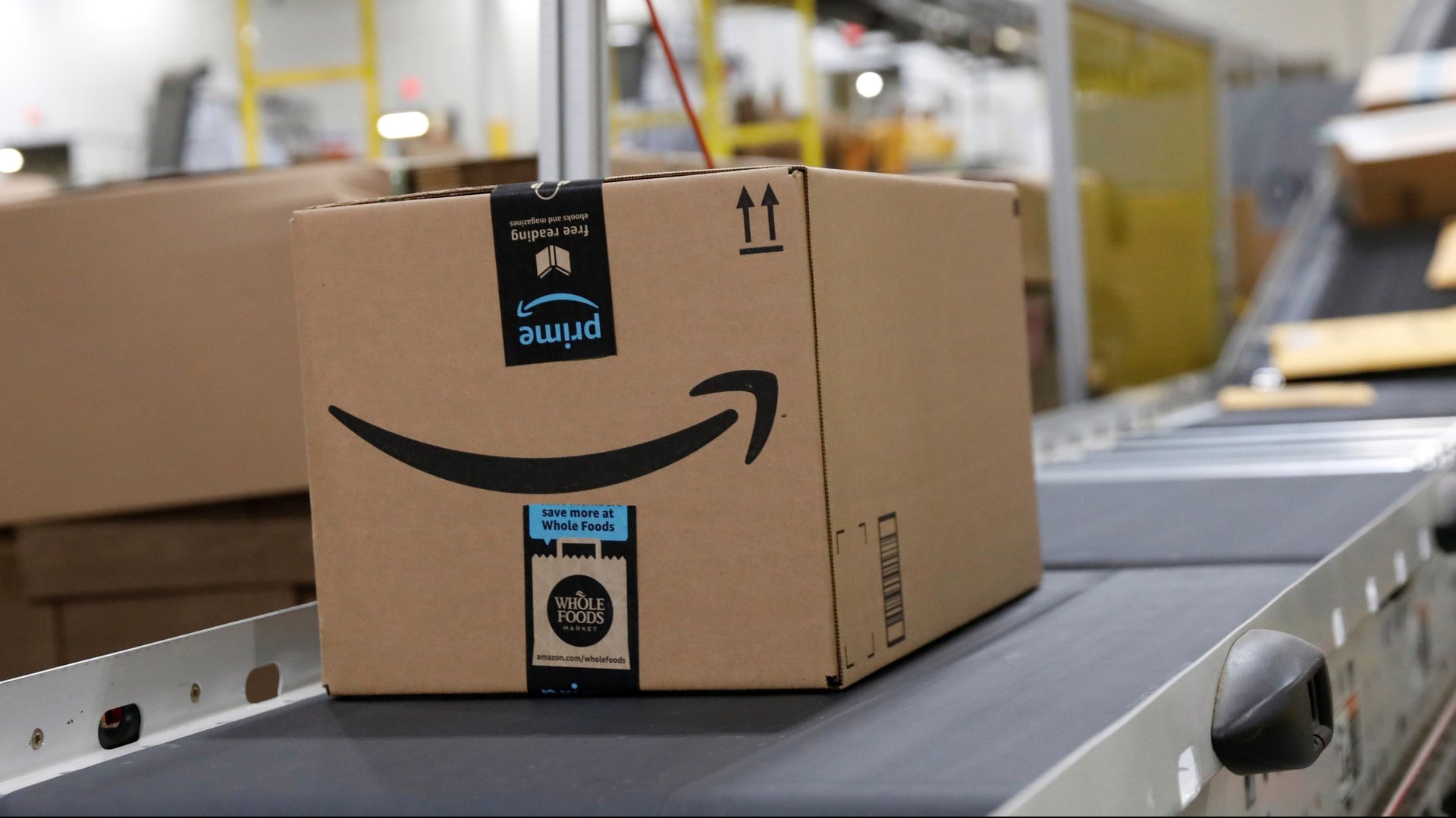
Americans ordered a whole lot of stuff during the online shopping event known as Cyber Monday.
Every so often, a brand really makes a mess for itself with an ill-considered marketing campaign or culturally boneheaded misstep. Recent entries in this hall of shame include Dove, which admitted it had “missed the mark“ last year with an ad showing a black woman turning white after using its body wash. H&M joined the club in January, when it was forced to apologize for a product image featuring a black child wearing a hoodie that said “coolest monkey in the jungle.”
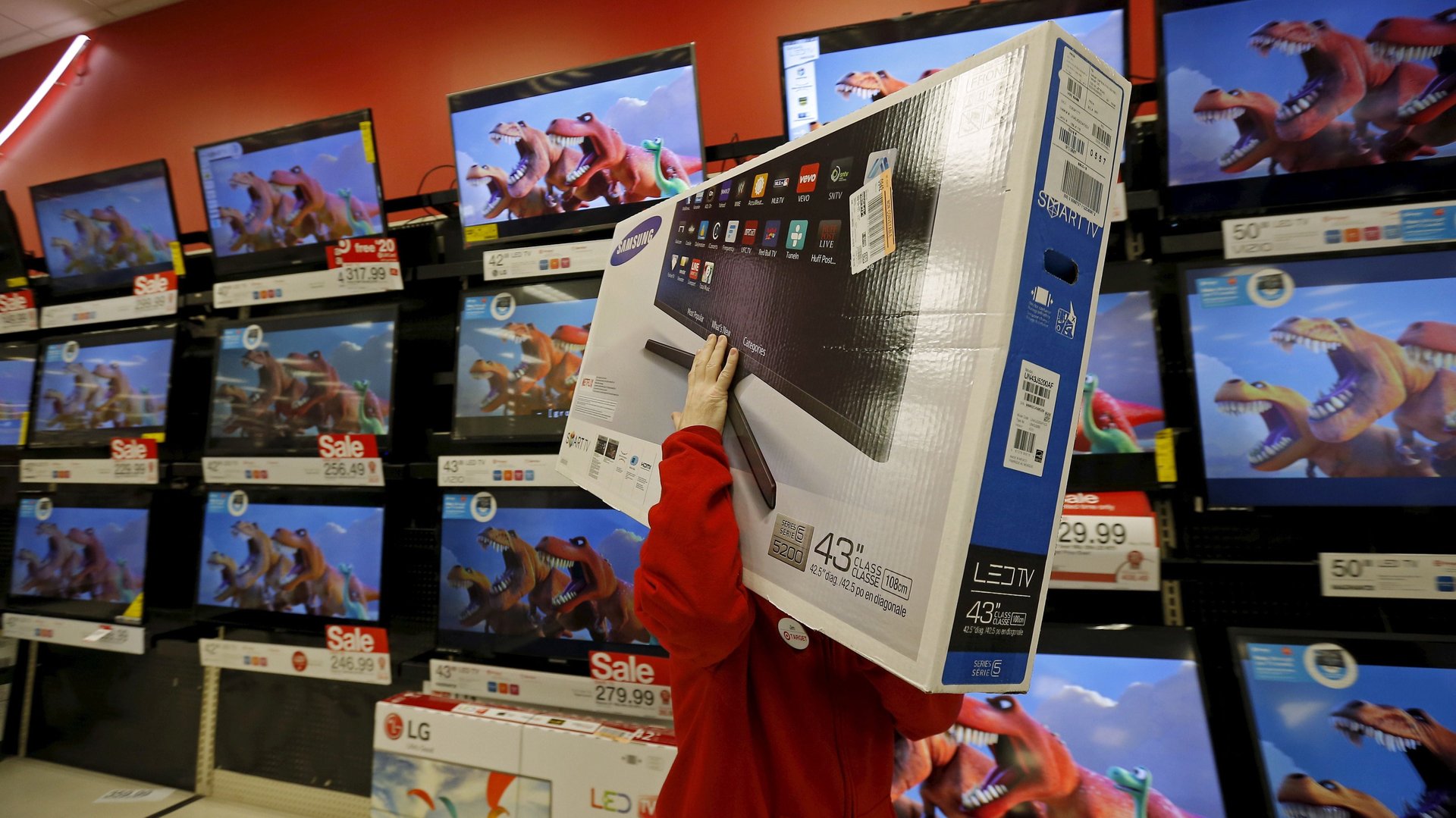
Gift-giving is supposed to be about others, a way to buy the people in your life something thoughtful to show your gratitude, love, and consideration. It’s a nice idea, in theory at least.
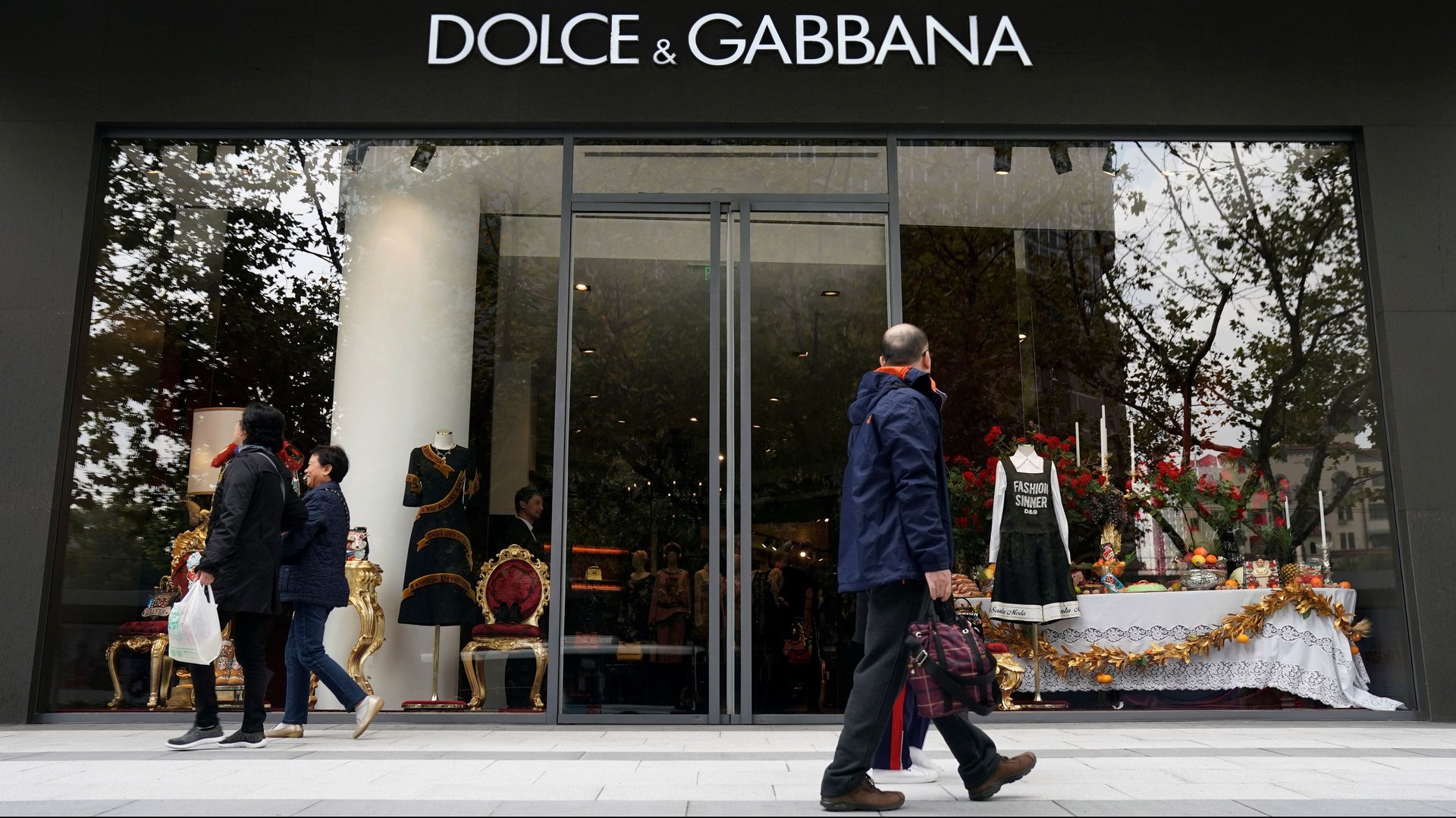
The massive, 500-look fashion show Dolce & Gabbana had planned to stage in Shanghai today (Nov. 21) has been abruptly called off.
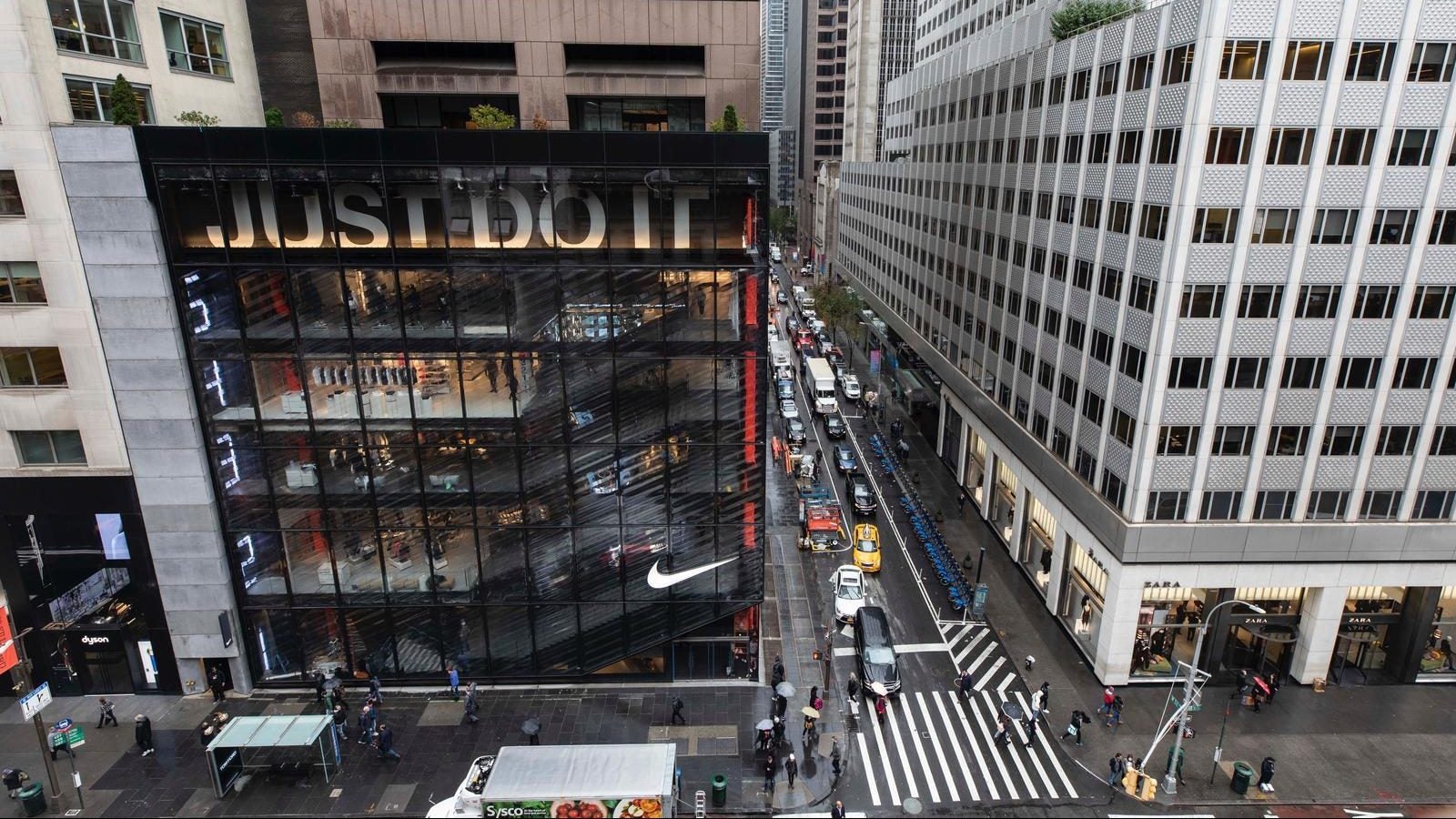
Less than a mile apart, two extravagant new shopping destinations have opened in New York City. One, by Levi’s, sits right in Times Square, surrounded by the area’s flashing screens and rush of pedestrians. The other, Nike’s, is located on a tony stretch of Fifth Avenue, across the street from Cartier and a short walk from Rockefeller Center.
Rewind a few decades, and the main thing shoppers looked for when they bought from luxury brands was a top-notch product.
In February 2018, there were more Amazon product listings for Nike than any other clothing or footwear brand, according to an analysis by research firms Coresight Research and DataWeave. Just over six months later, Nike had dropped to the eleventh most-listed brand, as the number of Nike products for sale fell by nearly half.
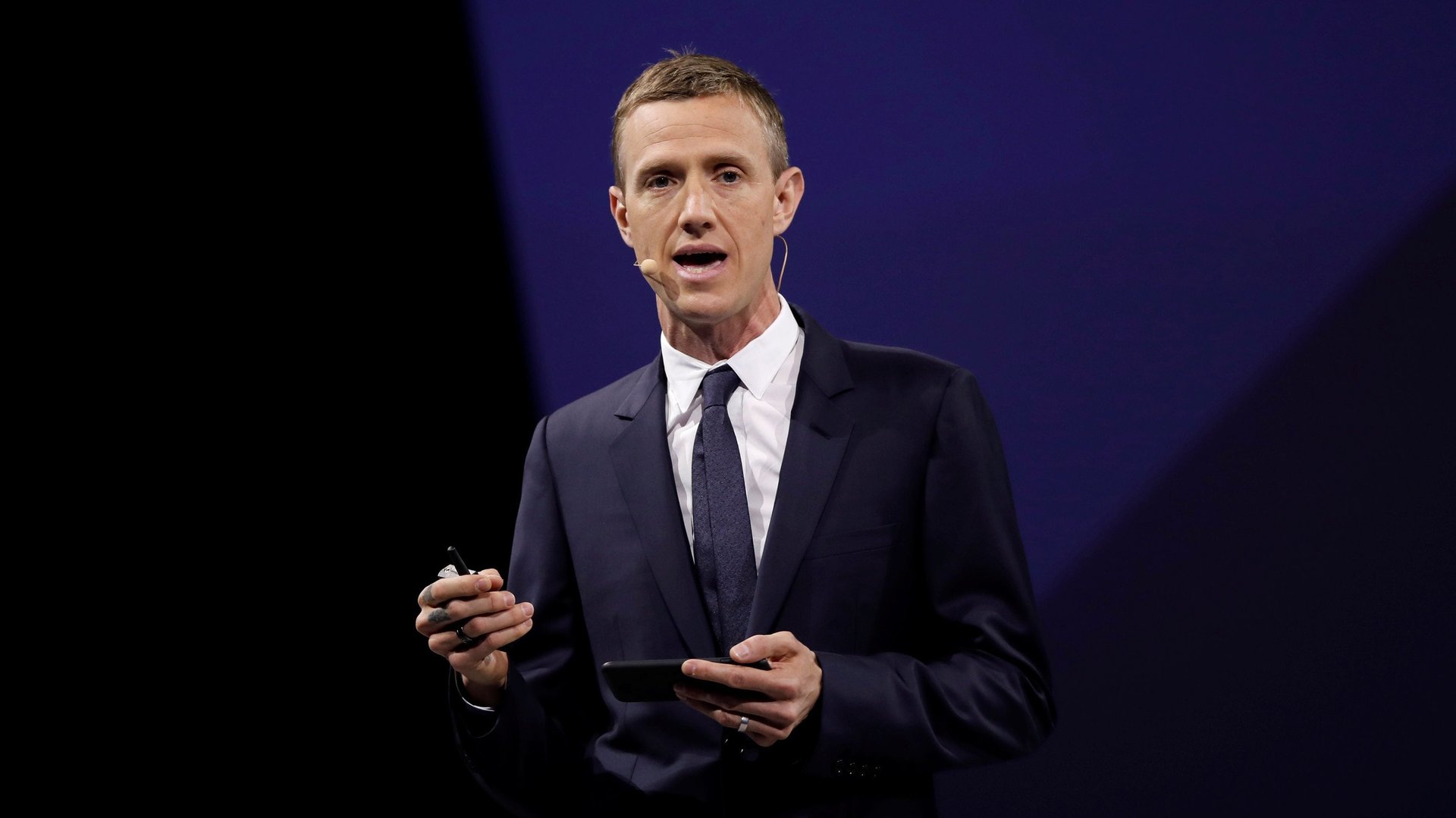
The role of chief digital officer has been swiftly on the rise, in both numbers and prominence. But what if the title is a bit suspect? It’s an interesting assertion, all the more so because it was made by Ian Rogers, the chief digital officer of LVMH, in a new interview with Wired UK.
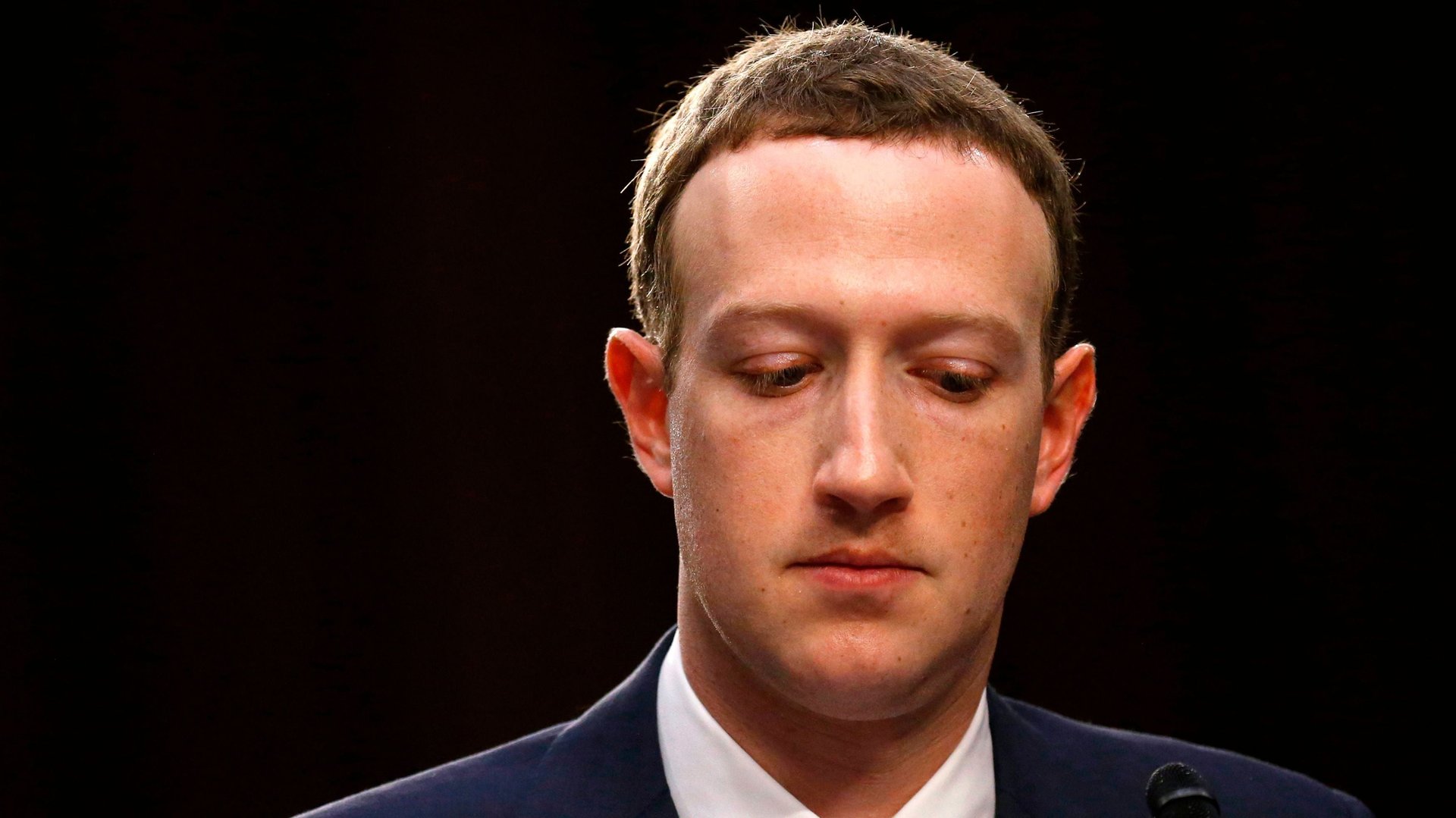
Exactly what happened between Facebook and Palmer Luckey, the co-founder of virtual-reality company Oculus, which Facebook bought in 2014, has been the subject of speculation since Luckey left the company last year.

Camp Fire, the devastating blaze raging across the Sierra Nevada foothills, has become the most destructive wildfire in California’s history. By the evening of Nov. 10, it had scorched 105,000 acres of land and killed 23 people, with more than 100 people still unaccounted for.
A number of studies have by now correlated social media use with mental-health risks, such as loneliness and depression. But correlation isn’t causation, leaving a bit of a chicken-and-egg problem: Is social media actually behind these issues, or are people who are already depressed and lonely just more likely to spend time on social media?