

Business News
This is what it sounded like the moment the guns of World War I went silentA century ago, on Nov. 11, 1918, World War I came to an end.
Updated July 20, 20221 min read
A century ago, on Nov. 11, 1918, World War I came to an end.
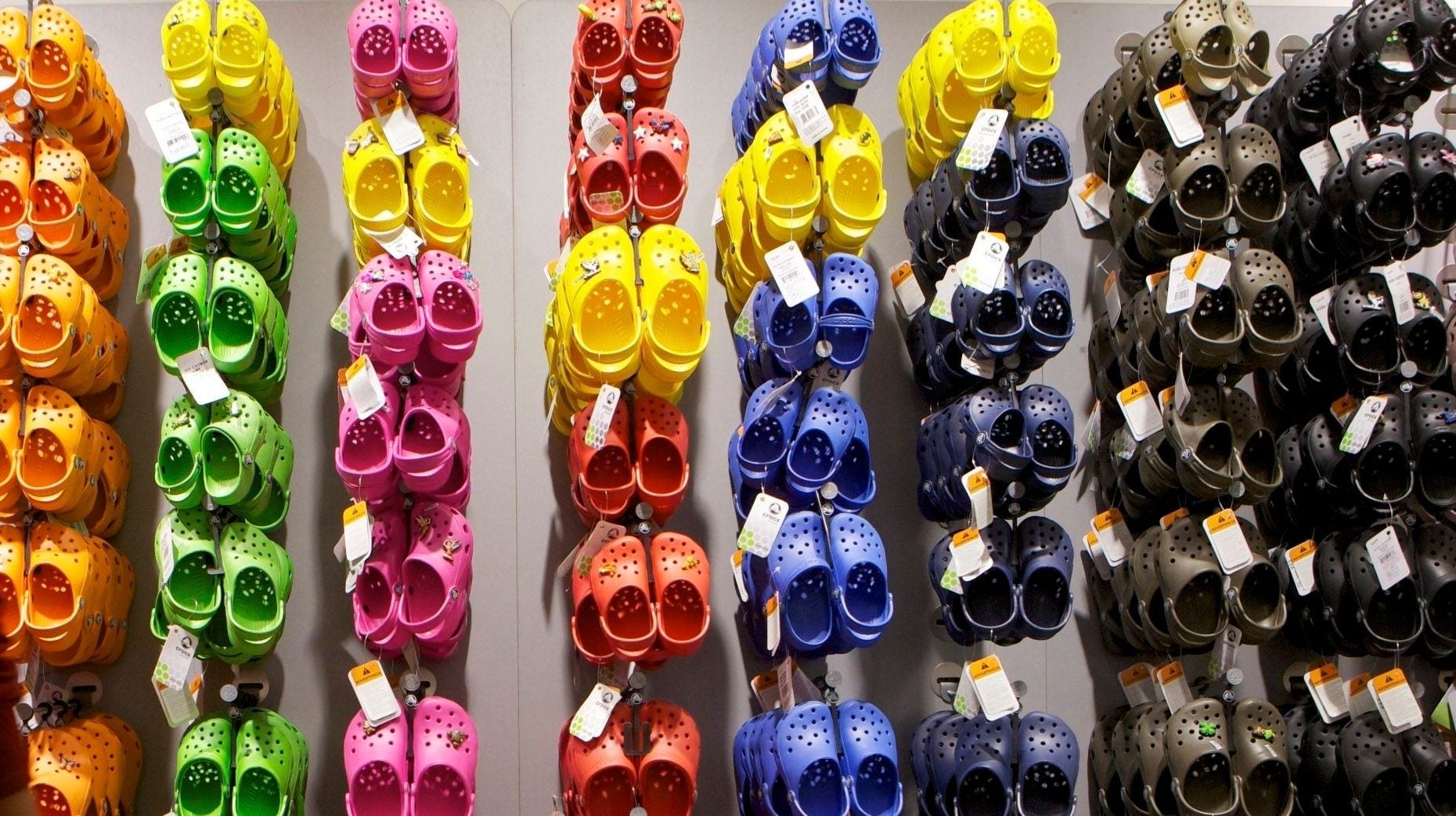
Something unexpected is happening in America’s high schools and colleges right now: teens, a demographic that often buys based on appearances and perceptions of how cool a brand is, are gravitating toward Crocs’ famously lumpy, foam-resin footwear.
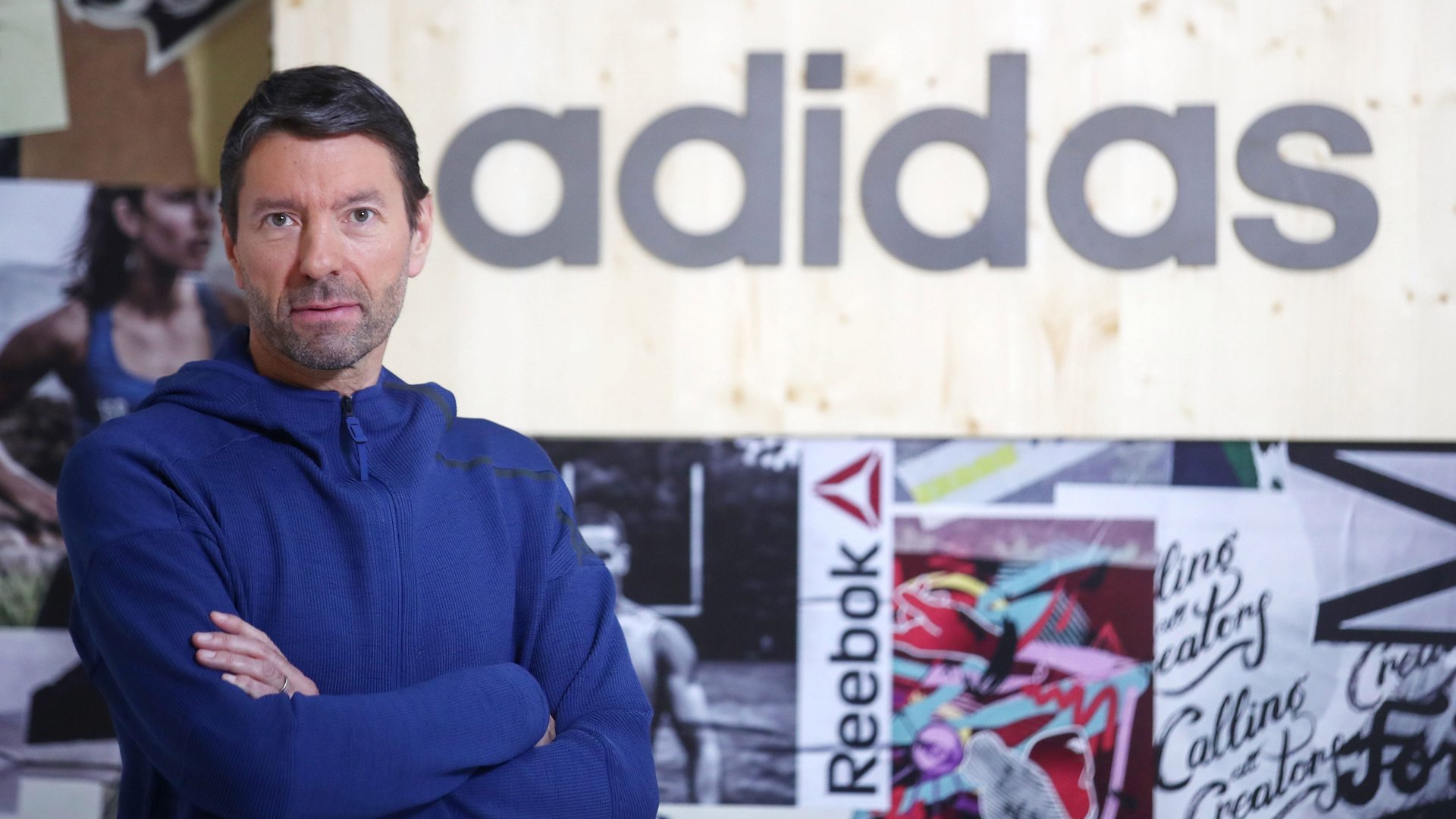
A lot of sneaker fans and industry watchers have been speculating about the health of Yeezy, the collaboration between Adidas and Kanye West.
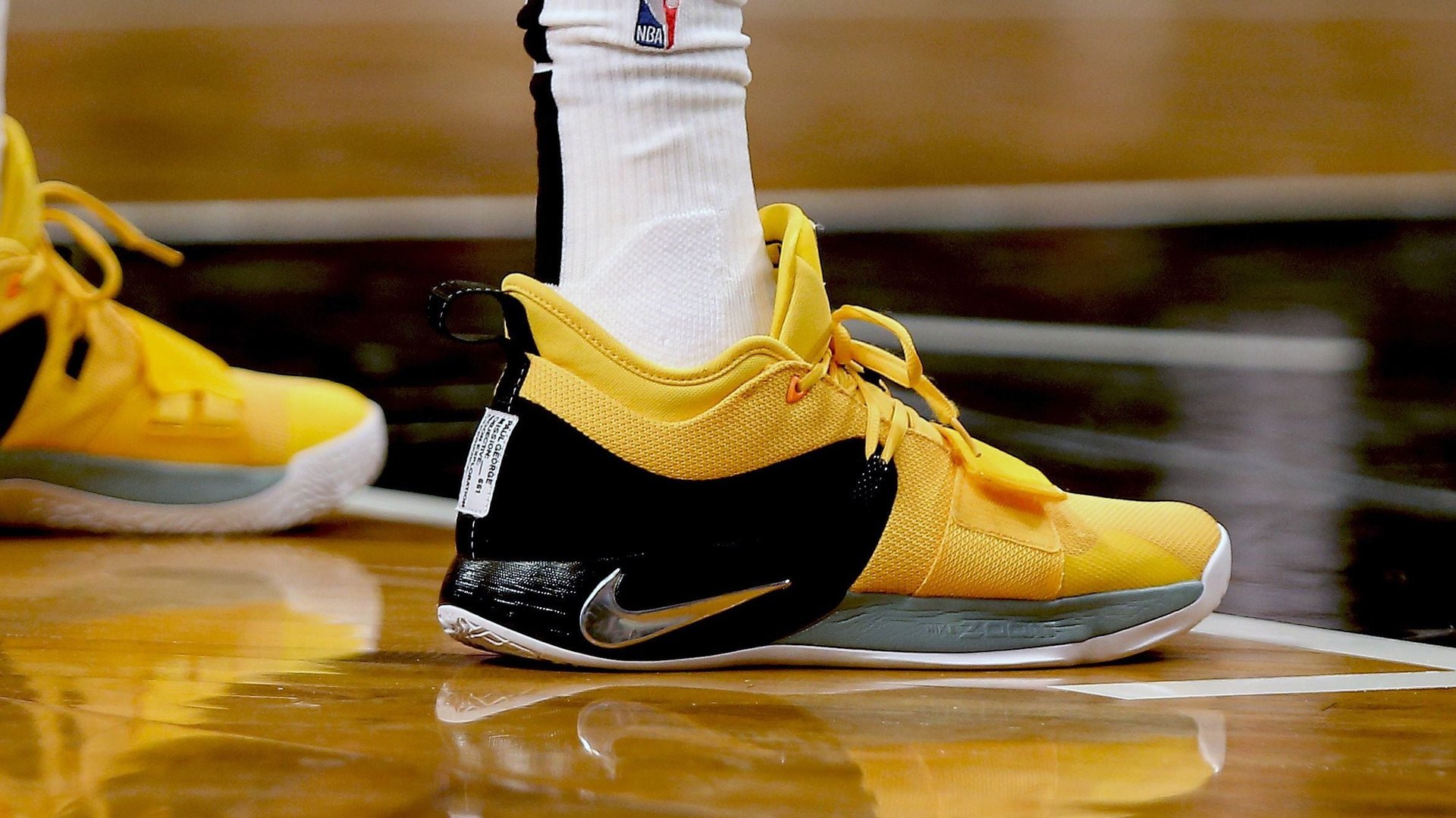
There are two kinds of basketball sneakers.
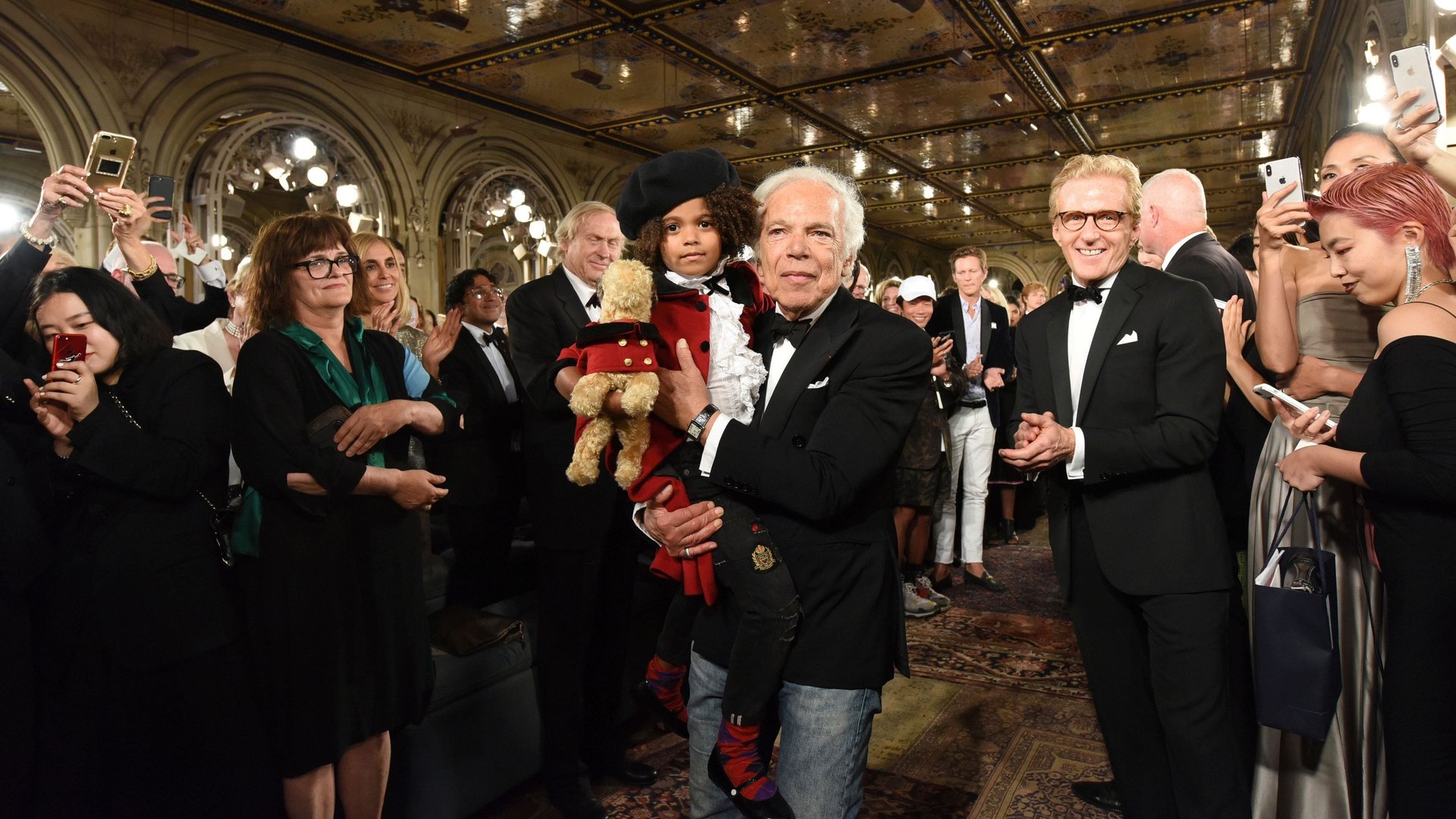
This year, Ralph Lauren celebrated a milestone: It turned 50. The brand and the person—born Ralph Lifshitz in the Bronx, New York—commemorated the achievement with a party-cum-runway show in September, drawing celebrities including Oprah, Hillary Clinton, and Kanye West. What the company is having a harder time attracting these days are American shoppers, especially young ones.
Under Armour is doing its best to give Nike a run for its money, and not just in footwear sales. Roughly eight months after Nike’s senior management team was upended by complaints about the treatment of female employees, the Wall Street Journal has investigated Under Armour (paywall) and uncovered a culture that can charitably be described as demeaning to women.

Last year, when New York’s Museum of Modern Art staged its first fashion exhibition in more than 70 years, it collected 111 items that it deemed to have profoundly influenced modern fashion, including little black dresses by designers such as Chanel, elaborately decorated Chinese cheongsams, an archival pair of Levi’s 501 jeans, and exquisite Indian saris. Among those iconic items was a simple, red, Champion hoodie.

Like a kid getting ready for space camp, you could, if you wanted, throw on some NASA-branded tech pants by New York designer Heron Preston in the morning, pair them with a NASA t-shirt from Urban Outfitters, and maybe add a Coach letterman jacket with a NASA patch if you grabbed one last year. Or, assuming you missed the jackets, you could opt for a NASA parka from Heron Preston. Heads up, though: That parka will set you back $1,878, and the pants $1,265.
Talk around millennials can make the generation sound more than a little alien.
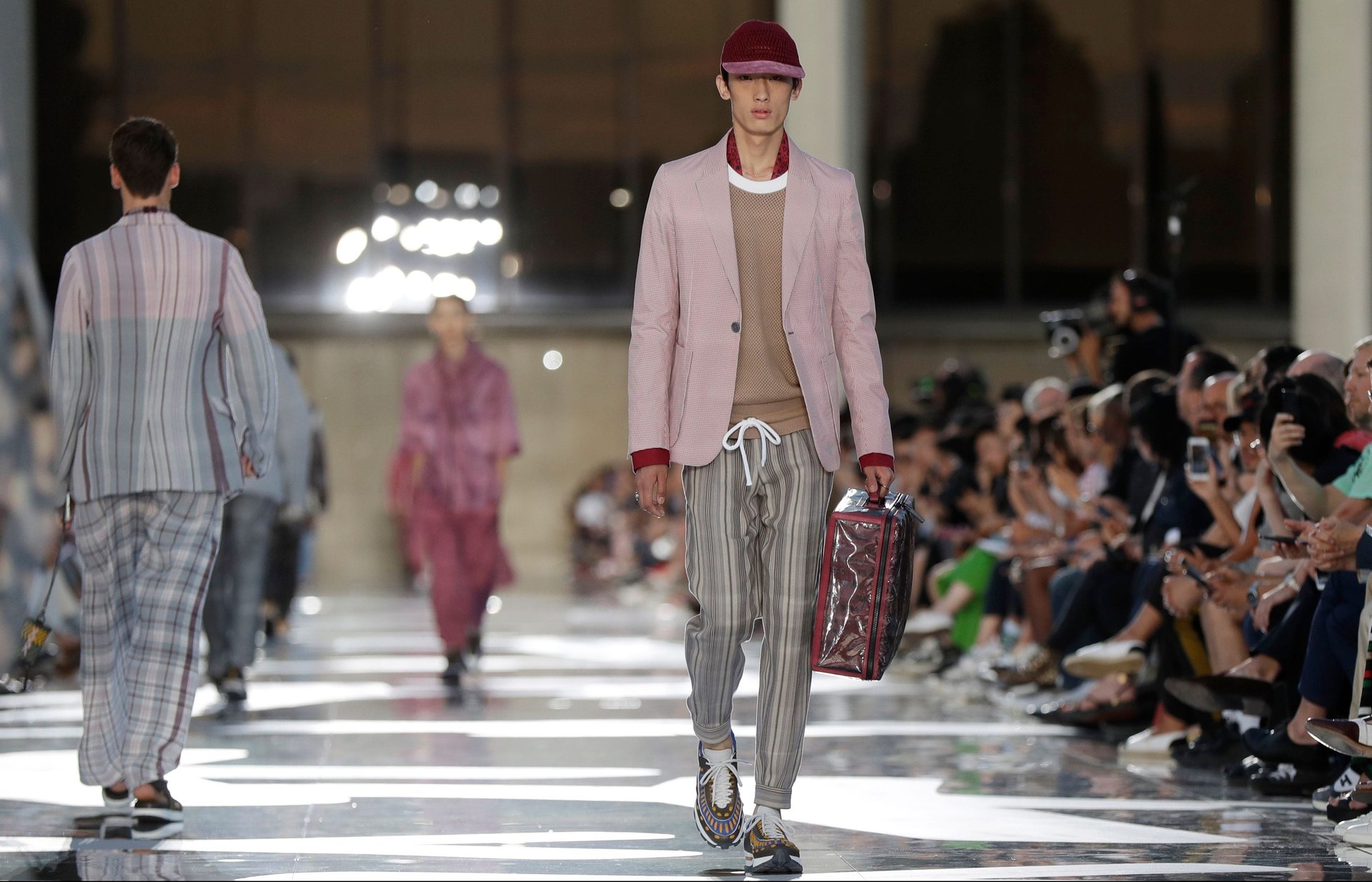
Along with cities such as Paris, Tokyo, and London, New York is recognized as one of the world’s great hubs of culture, fashion, and art. But at a conference in the city this week, the CEO of the iconic Italian menswear brand Ermenegildo Zegna explained that when his company wants to feel the pulse of luxury shoppers, New York is no longer where it goes to try out new products:
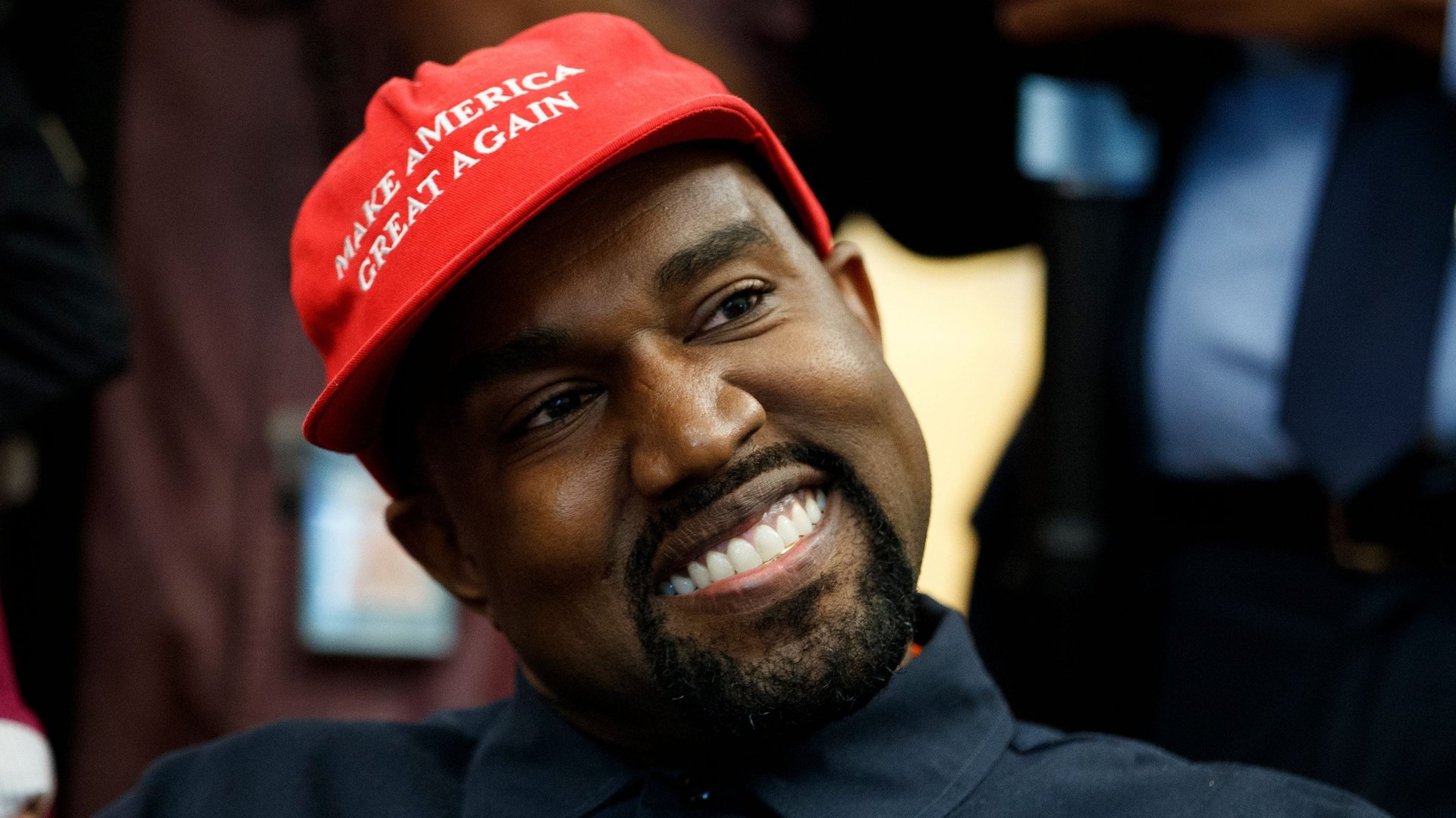
Politically, black Americans aren’t a monolith, but they still overwhelmingly vote as Democrats. There’s a movement of black conservatives trying to change that, though, and it’s apparently getting creative help from rapper Kanye West.
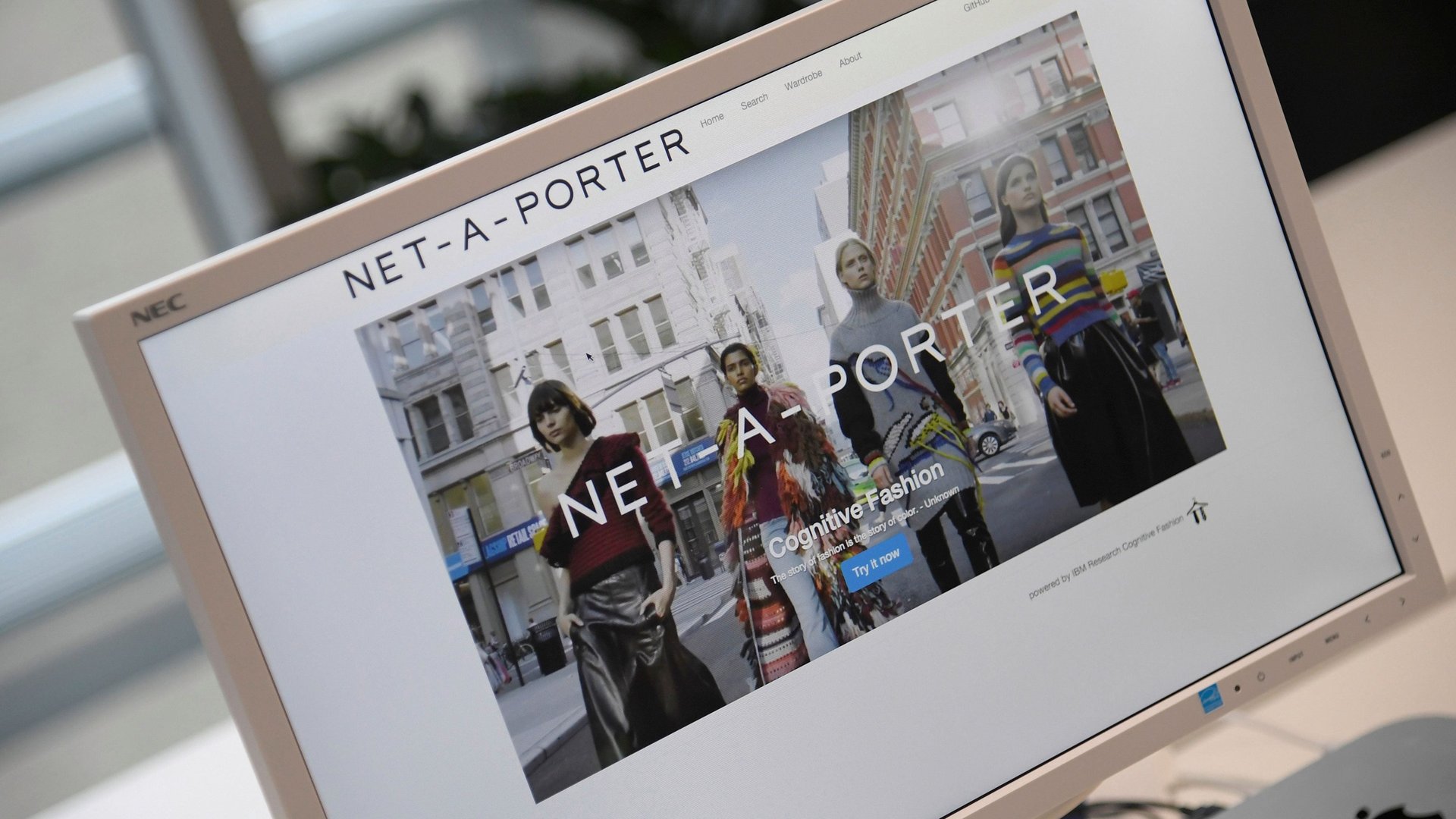
How’s this for big? A major new partnership has Yoox Net-a-Porter Group (the world’s biggest online luxury retailer) joining forces with Alibaba (China’s biggest e-commerce company) to feed the appetite of Chinese shoppers (the world’s biggest luxury buyers) for high-end fashion.
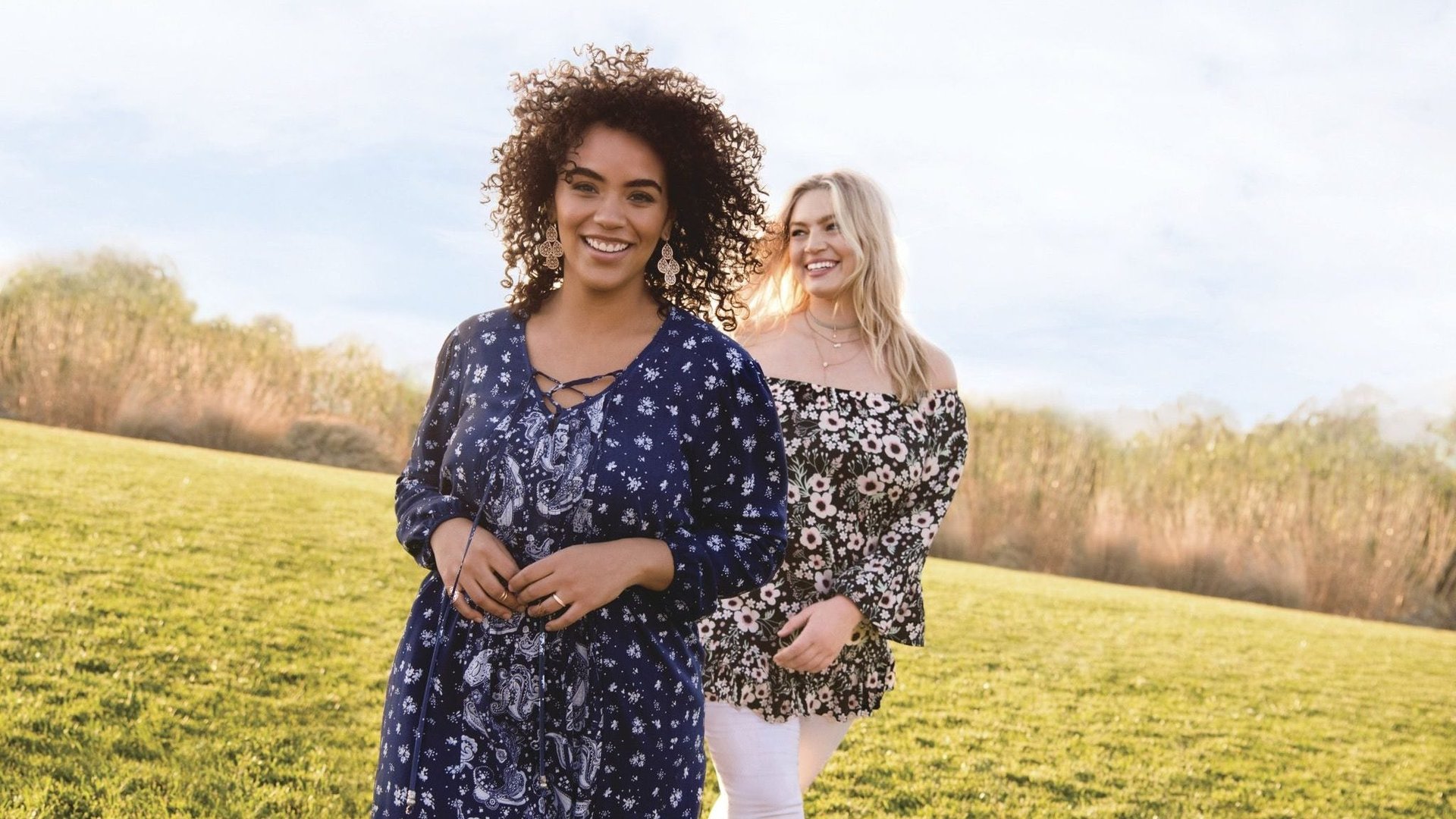
Every clothing retailer out there seems to be launching its own private label. Big box stores such as Target and Walmart are launching them. Online fashion retailer Asos has several. Revolve has a whopping 19, and Yoox is currently gearing up to introduce (paywall) its own collection of private brands. Never one to be left out, Amazon is practically building an army of its own secret labels.
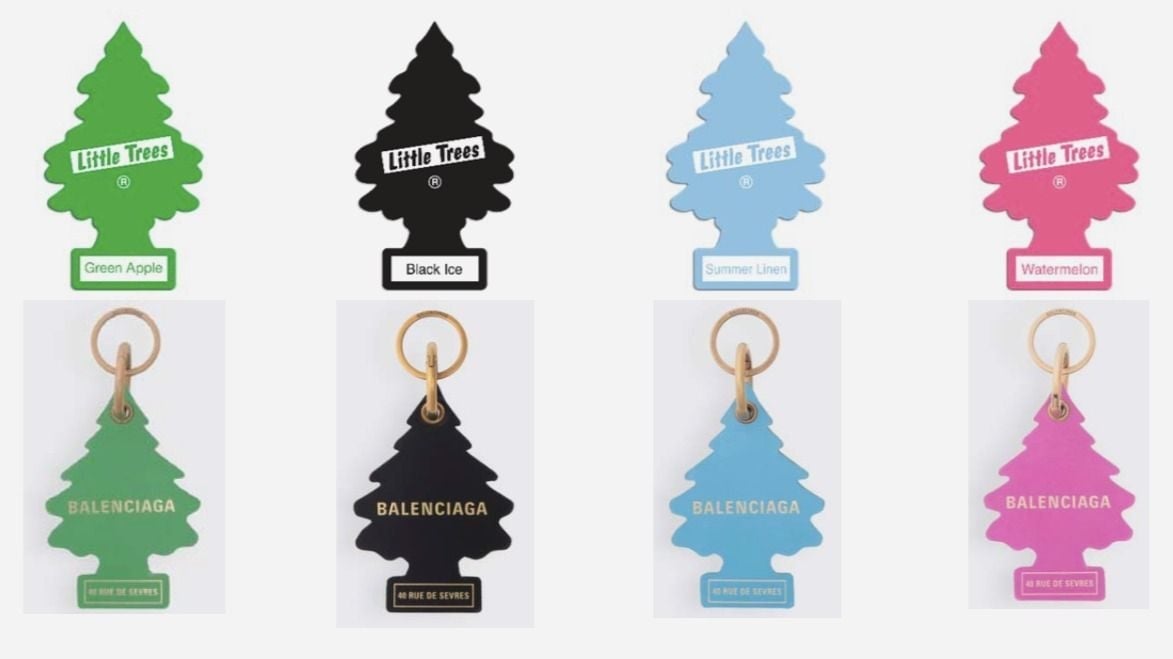
Accusations of copying are plentiful in fashion. They’re basically the reason the Instagram account Diet Prada exists.
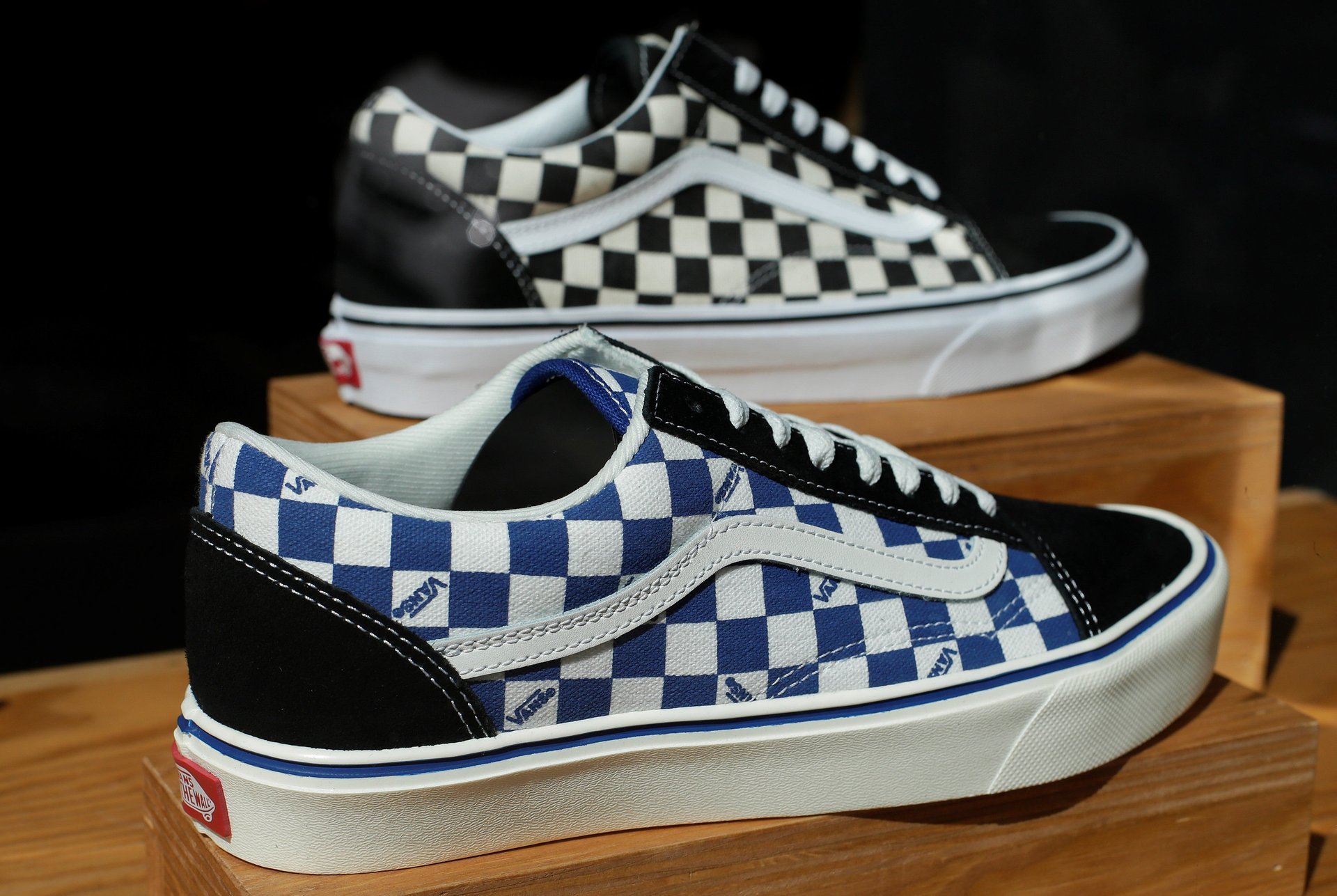
To figure out what American teens are into, investment bank Piper Jaffray has been asking thousands of them twice a year since 2001 about their favorite brands and what they see as the biggest fashion trends.
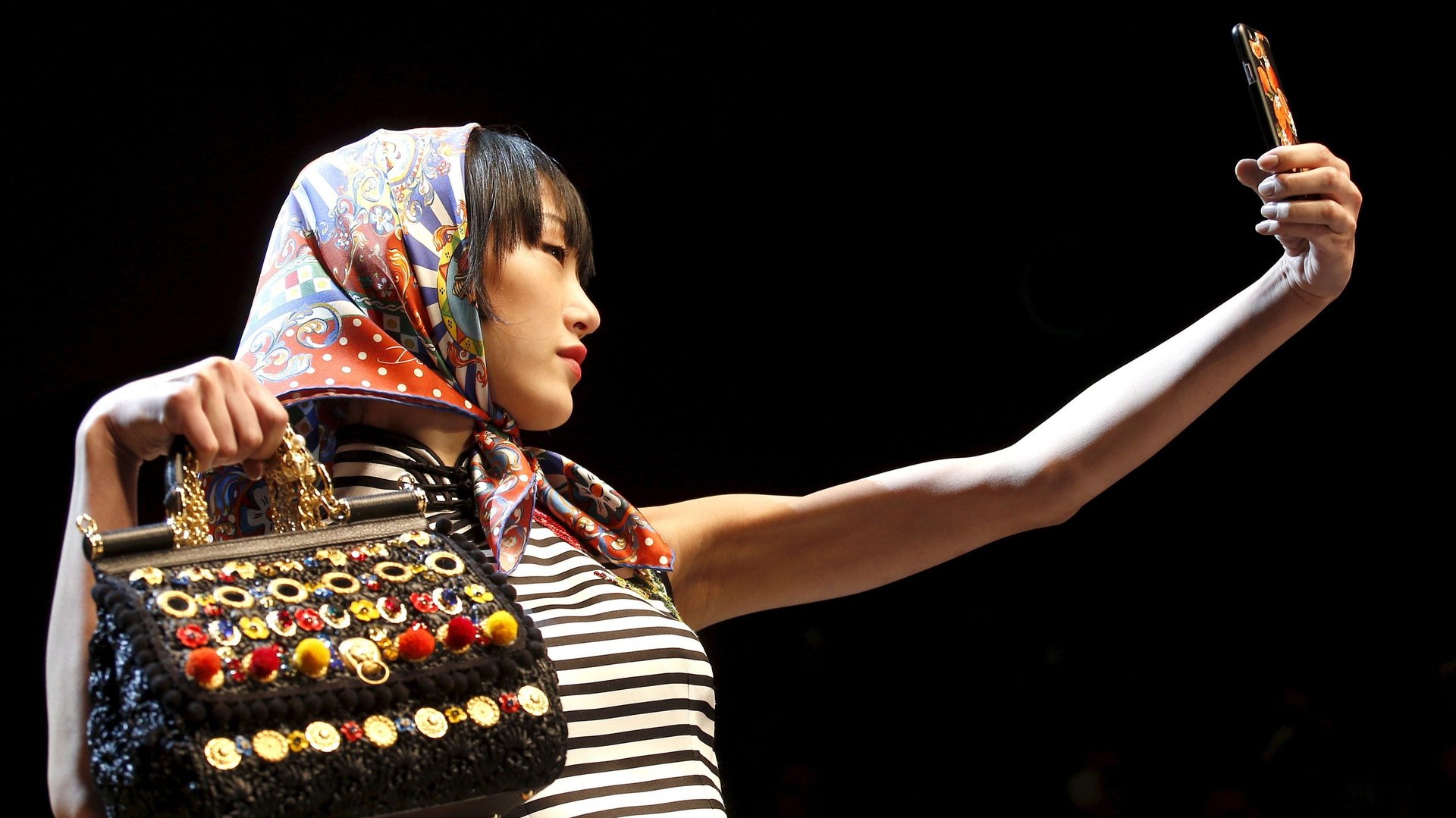
Beyond being a preferred venue for annoyingly perfect food pictures, dog videos, or wellness and workout tips, Instagram is also a place where many people, particularly millennials and younger generations, go to connect with their favorite brands.
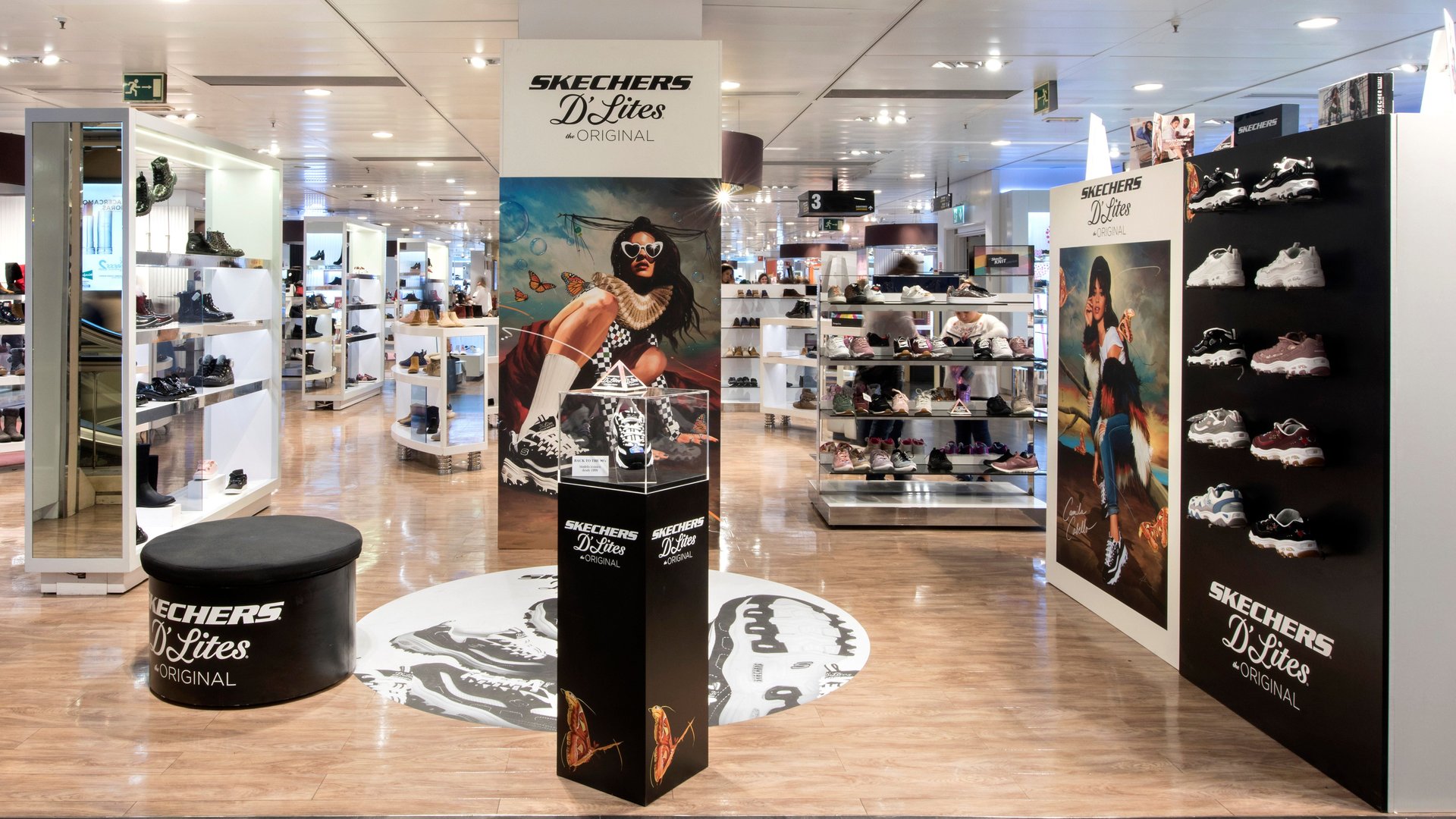
Hulking, clunky, faintly orthopedic in some cases, the “dad sneaker” has become an improbable star in fashion, part of a growing taste for 1990s-inspired and sometimes just plain ugly athletic shoes that’s been flourishing for over a year.
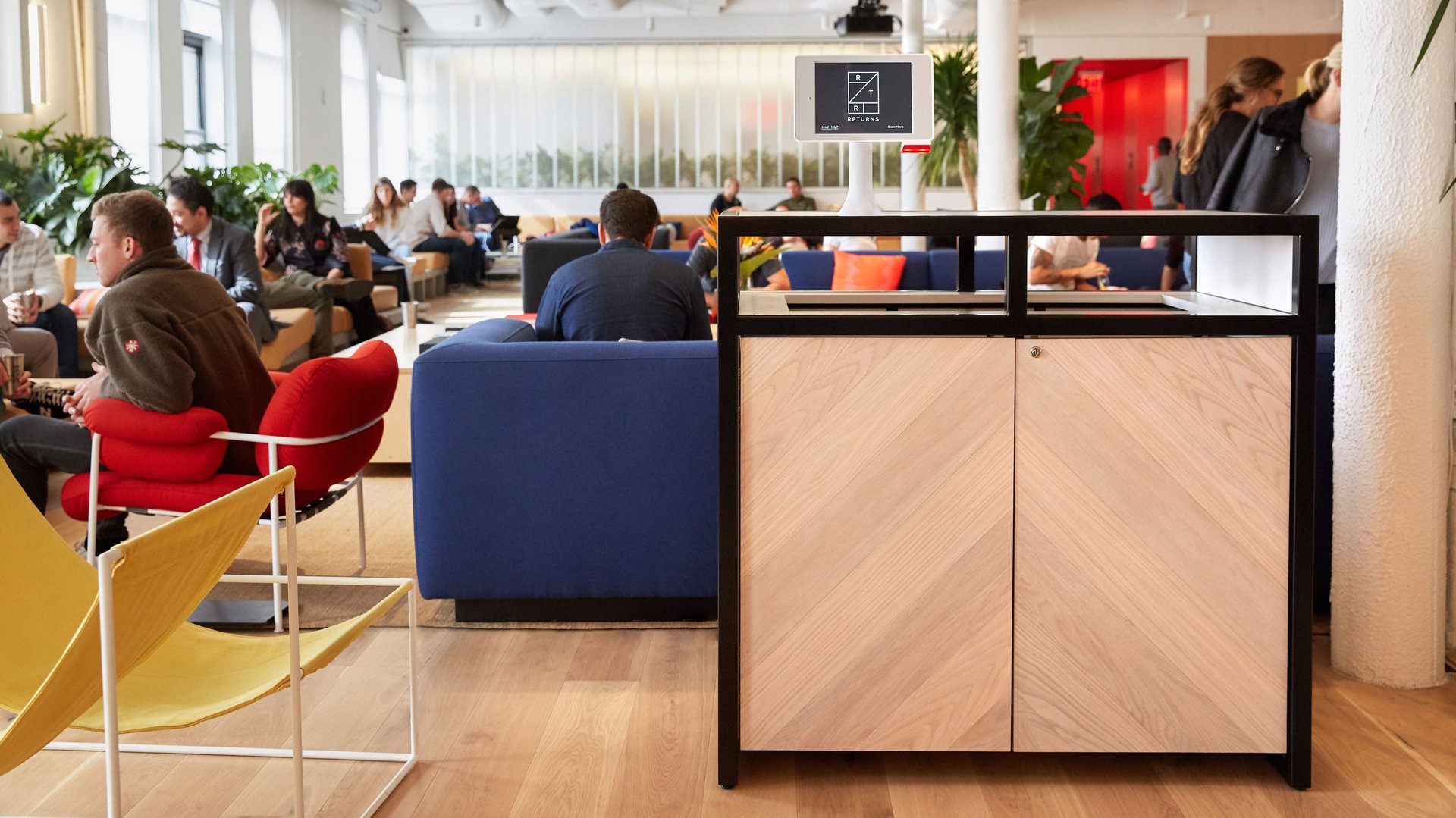
Imagine this: You, a working American woman, wake up in the morning and get dressed for work, not in clothes you own, but in ones you rent. In fact, they just arrived last night, sent to you by Rent the Runway thanks to your “Unlimited” membership, which lets you borrow an ongoing rotation of different styles.

Fashion’s global supply chains run thick and fast through China. It’s by far the world’s biggest clothing exporter (pdf), a status it acquired by being quick, reliable, and inexpensive, and has for decades offered many big brands the most cost-effective option to produce their clothes.
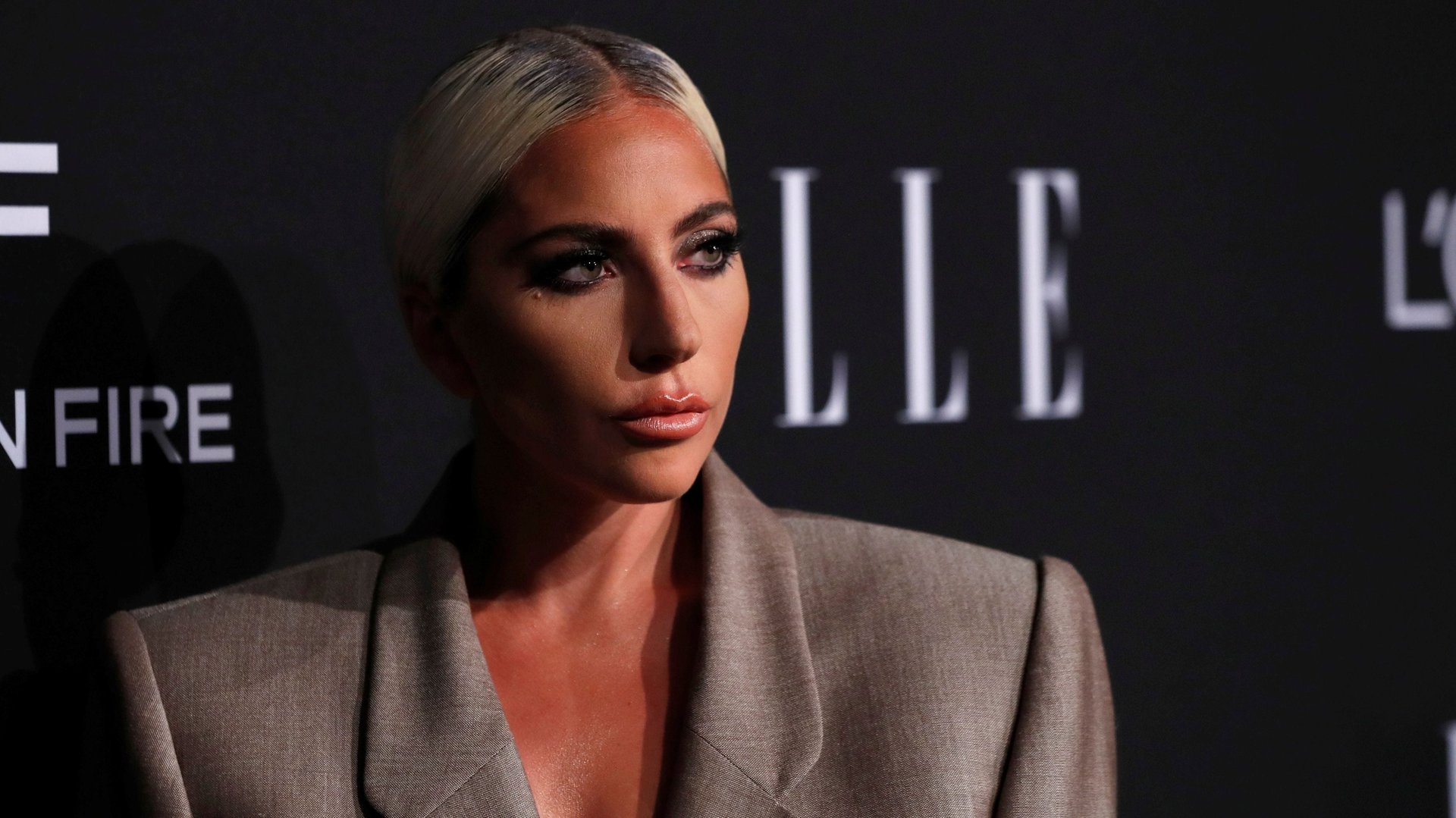
Of all the outrageous looks Lady Gaga has worn over the years, few have made so strong a statement as the Marc Jacobs suit she donned for the 25th annual Elle Women in Hollywood celebration on Oct. 15.
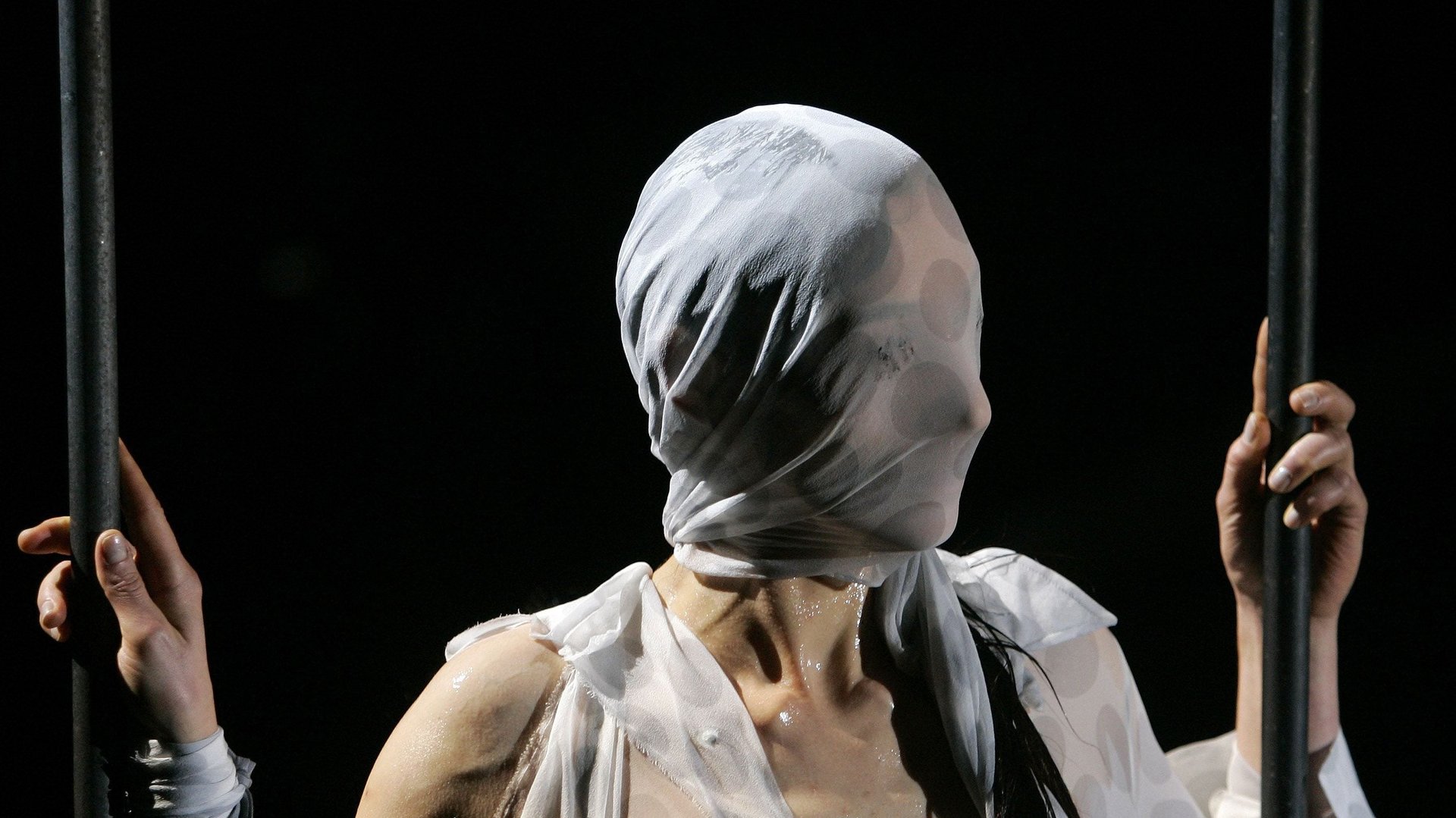
In the fashion world, the Belgian designer Martin Margiela is like a mythical creature. He’s like Big Foot, but if Big Foot were confirmed to be real and also happened to be a revered genius in his industry (whatever that might be).
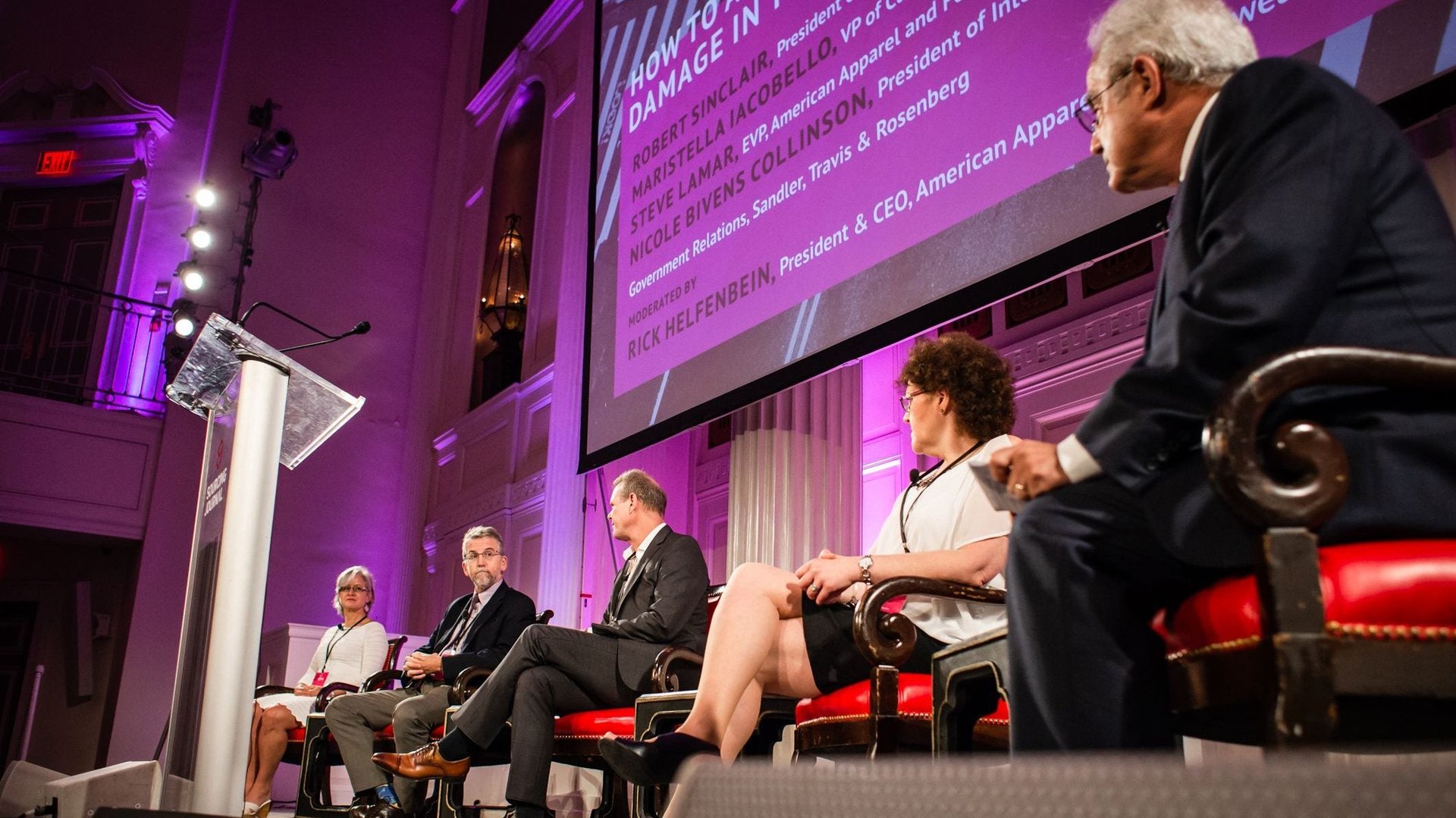
To those hoping a détente is at hand in the escalating US-China trade war, experts at an Oct. 11 summit had a blunt message: Settle in. This war is just getting started.
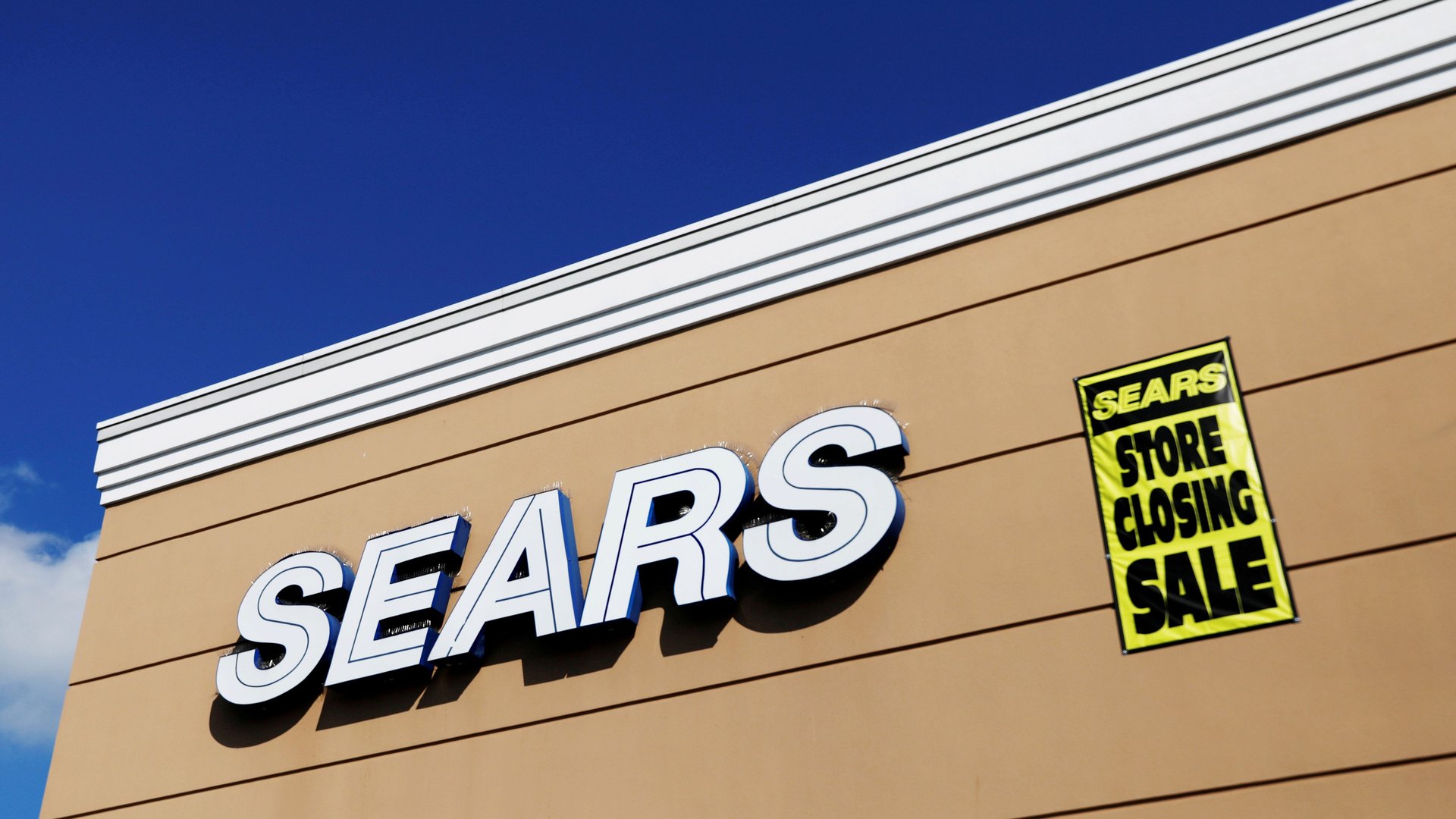
The local Sears was where generations of Americans went to buy their washing machines, power tools, home goods, and clothes.
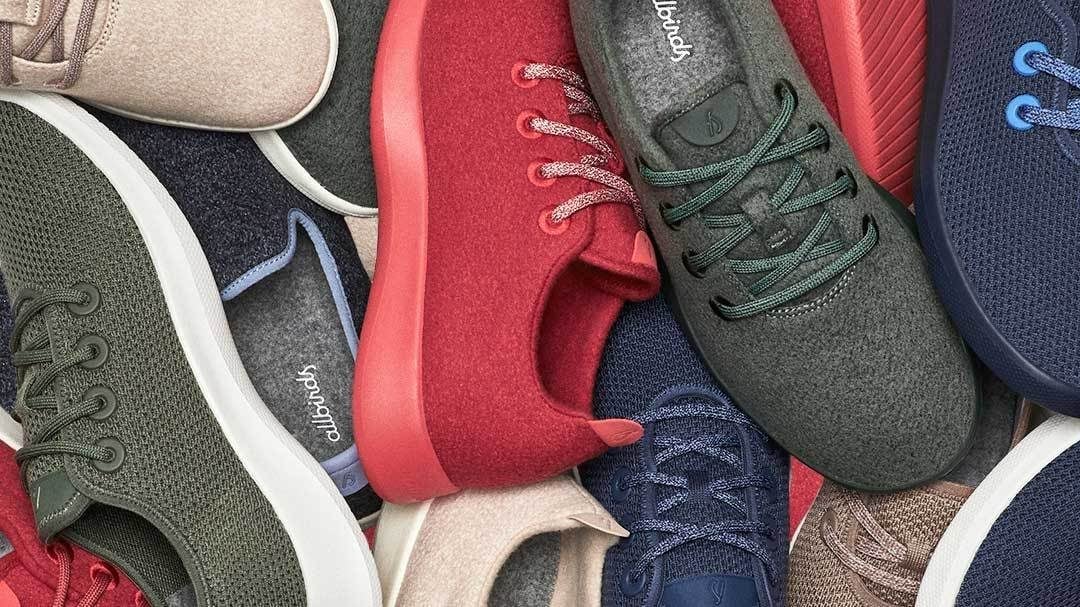
There are a few things Allbirds is known for. For starters, it sells sneakers made from merino wool, instead of the usual synthetics or leather. These sneakers have a reputation for being very comfortable; the company bills its products as the “world’s most comfortable shoes.” And they’re particularly popular in the offices of Silicon Valley tech startups—not too surprising given that the San Francisco-based, digitally native, director-to-consumer brand is exactly the sort of business Silicon Valley loves.