Distress may not always bring out the best of Indians, but it does often bring out the funny, the ingenious, and the poignant in them.

Distress may not always bring out the best of Indians, but it does often bring out the funny, the ingenious, and the poignant in them.

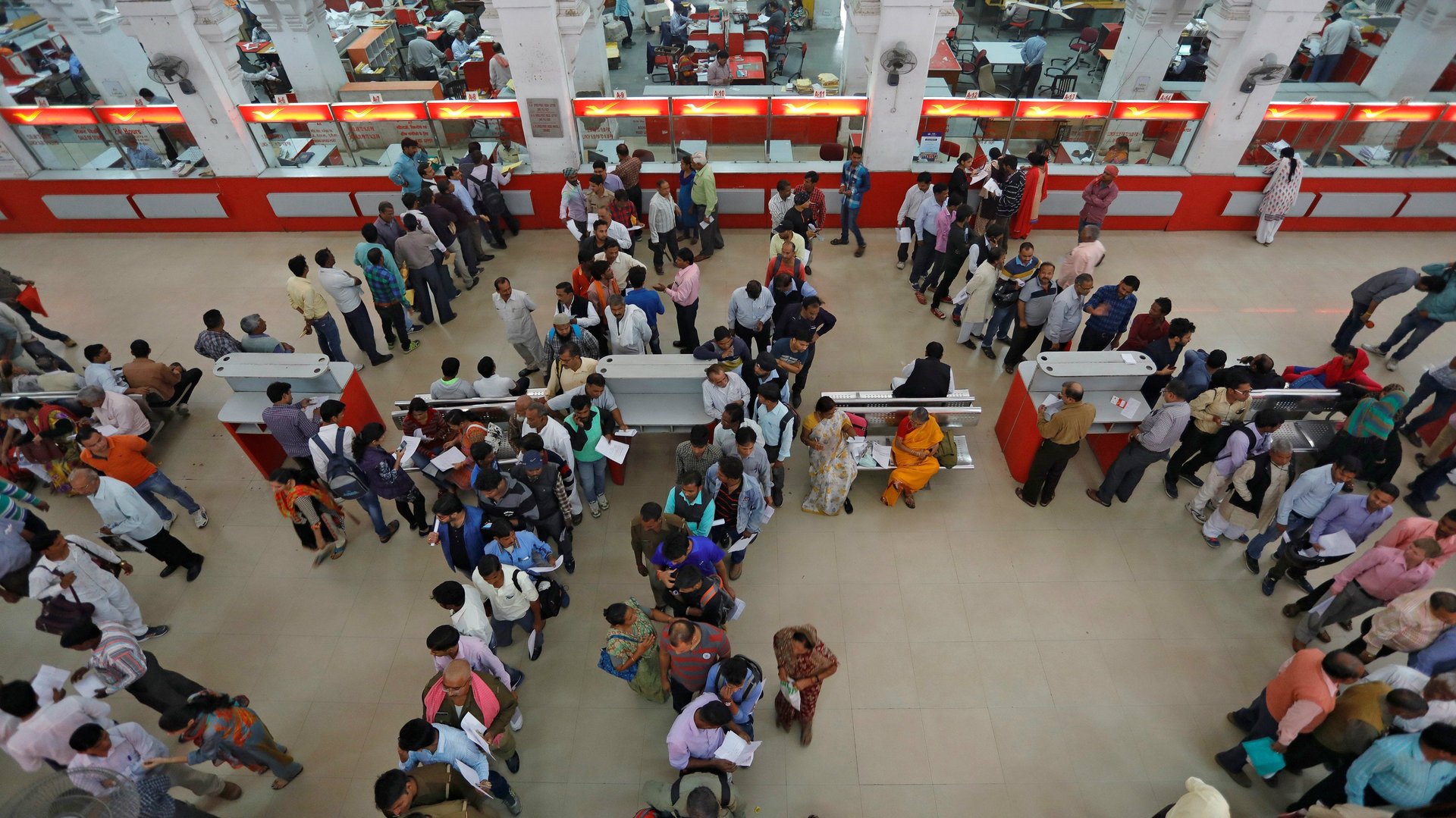
It’s been nine days since prime minister Narendra Modi announced his polarising decision to do away with India’s old Rs500 and Rs1,000 notes and most Indians have spent these days waiting in line.

It costs a lot of money to make money.

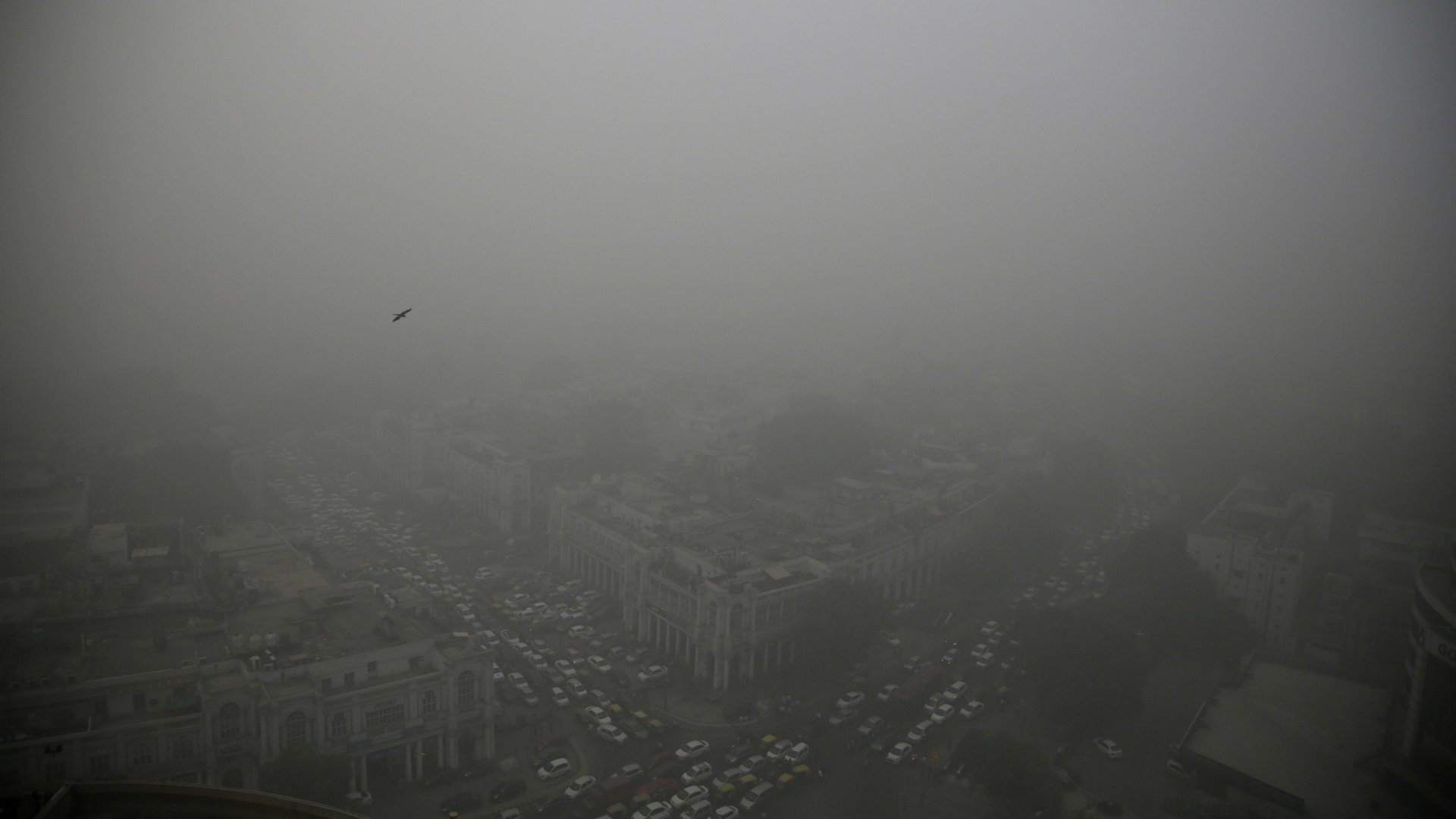
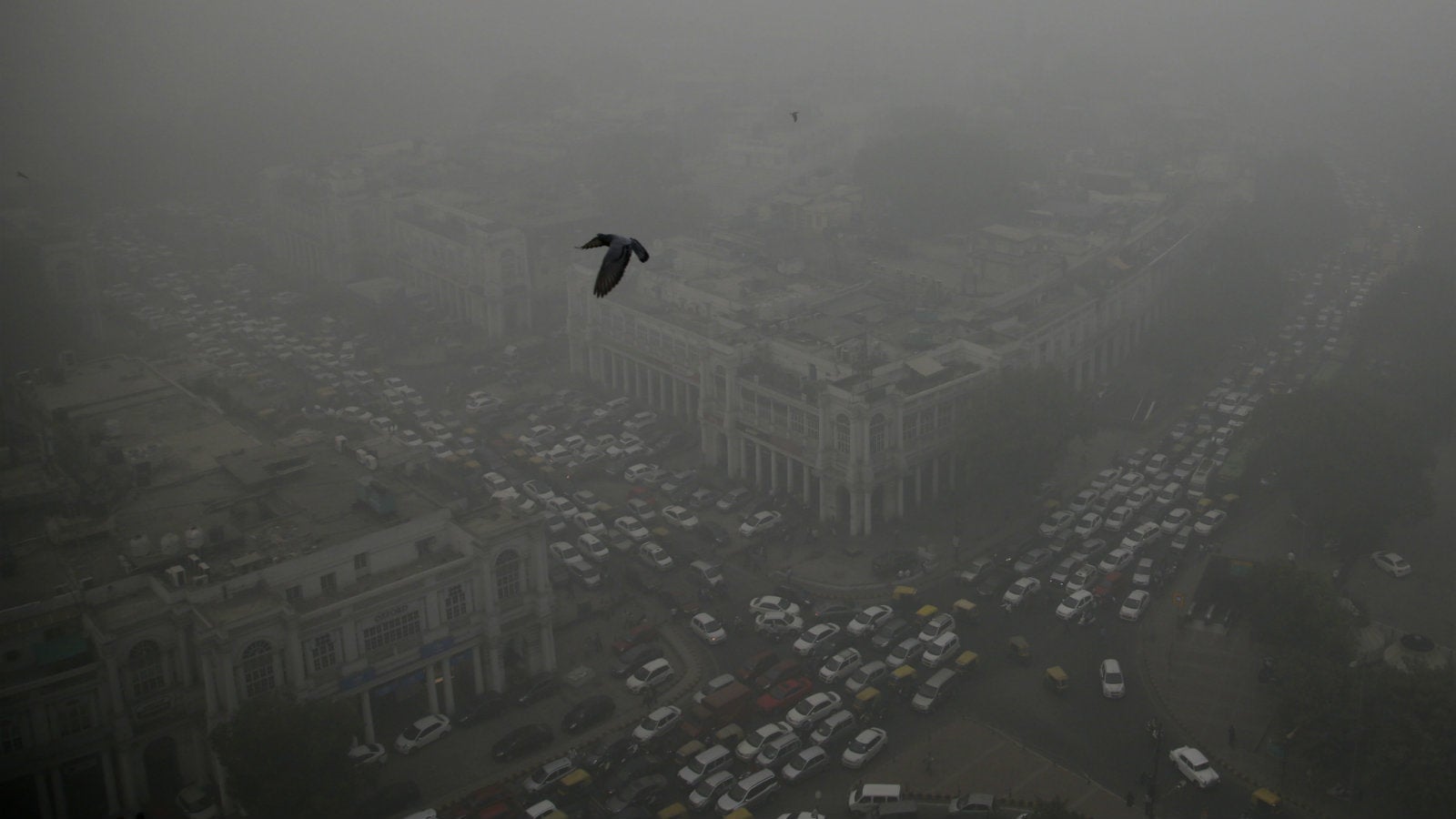
Till just a few days ago, a choking Delhi was on top of the minds of many Indians, particularly the chatterati and opinion-makers. It seemed like a momentum was building up towards finding potential permanent solutions to the problem of chronic pollution in India’s capital.

Knowing that the current Rs500 and Rs1,000-denominated notes are now a relic of the past makes you look at them differently. In one night, what was once legal tender became nothing more worthy than Monopoly money.

On the night of Nov. 08, hours after prime minister Narendra Modi announced the end of the current Rs500 and Rs1,000-denominated notes, thousands of Indians lined up outside ATMs across the country to quickly withdraw some cash.

Over the past few days, tourists visiting the magnificent Taj Mahal have barely been able to view it. The deadly smog that has made normal breathing impossible in large parts of northern India, particularly in Delhi, has rendered the iconic monument almost invisible.

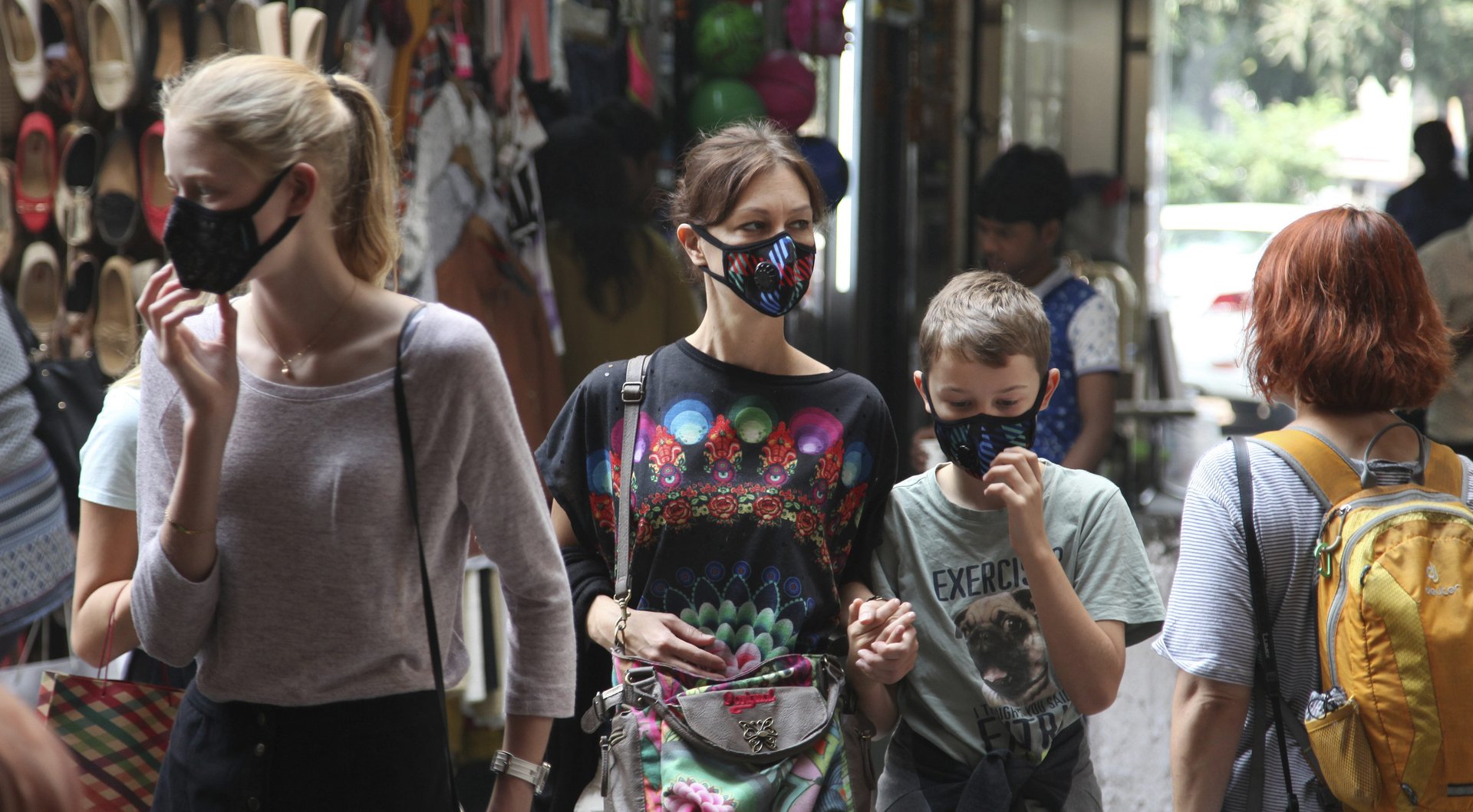
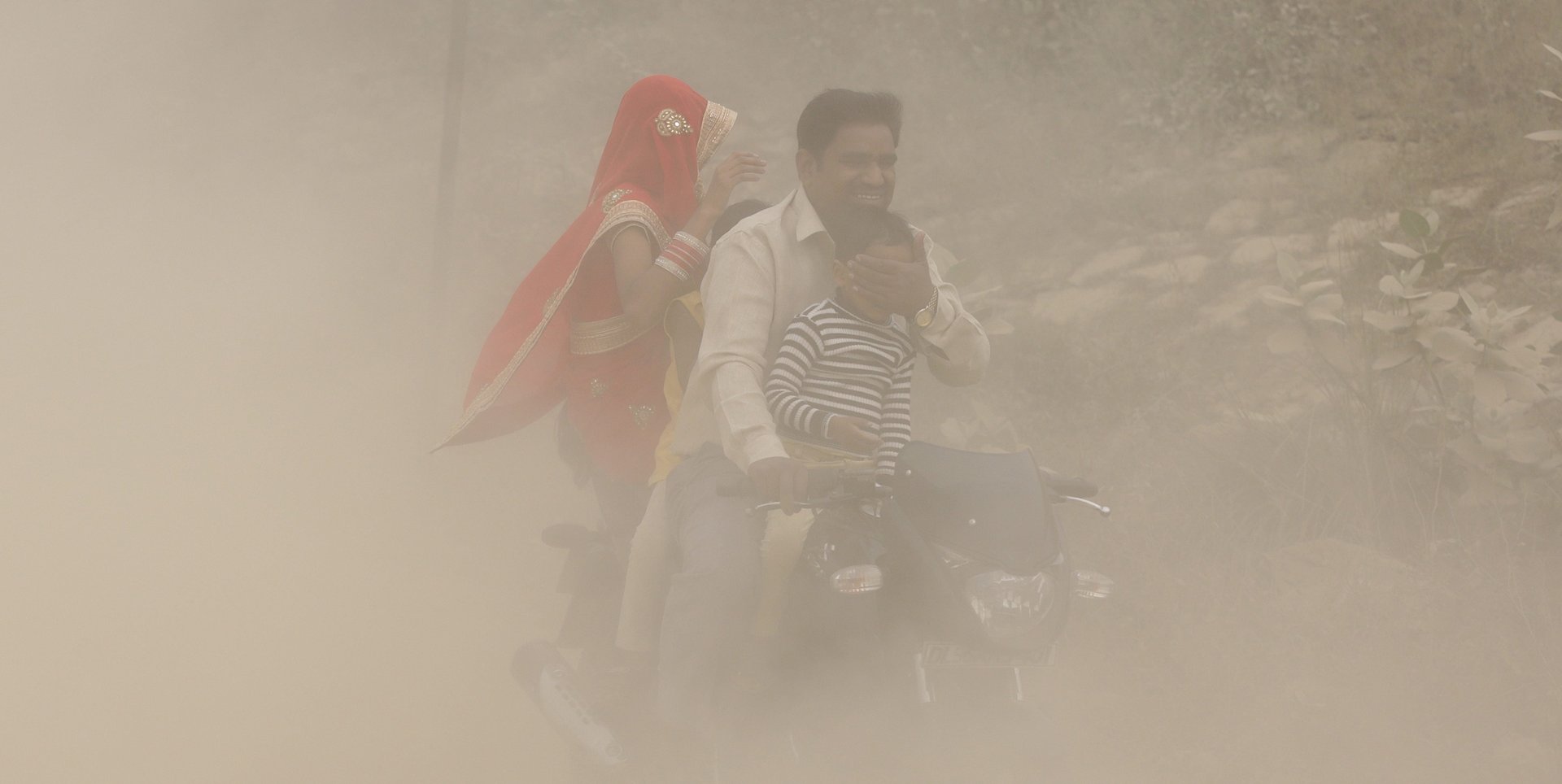
As Delhi remains enveloped in a toxic smog, some of the city’s residents are bearing the situation in style.

Residents of India’s metropolises are no strangers to air pollution but New Delhi’s toxic haze has, worryingly, raised the bar for concern.

New Delhi is ghastly right now.

The story of Indian women in the field of architecture begins as early as the 1930s with Perin Jamshedji Mistri.

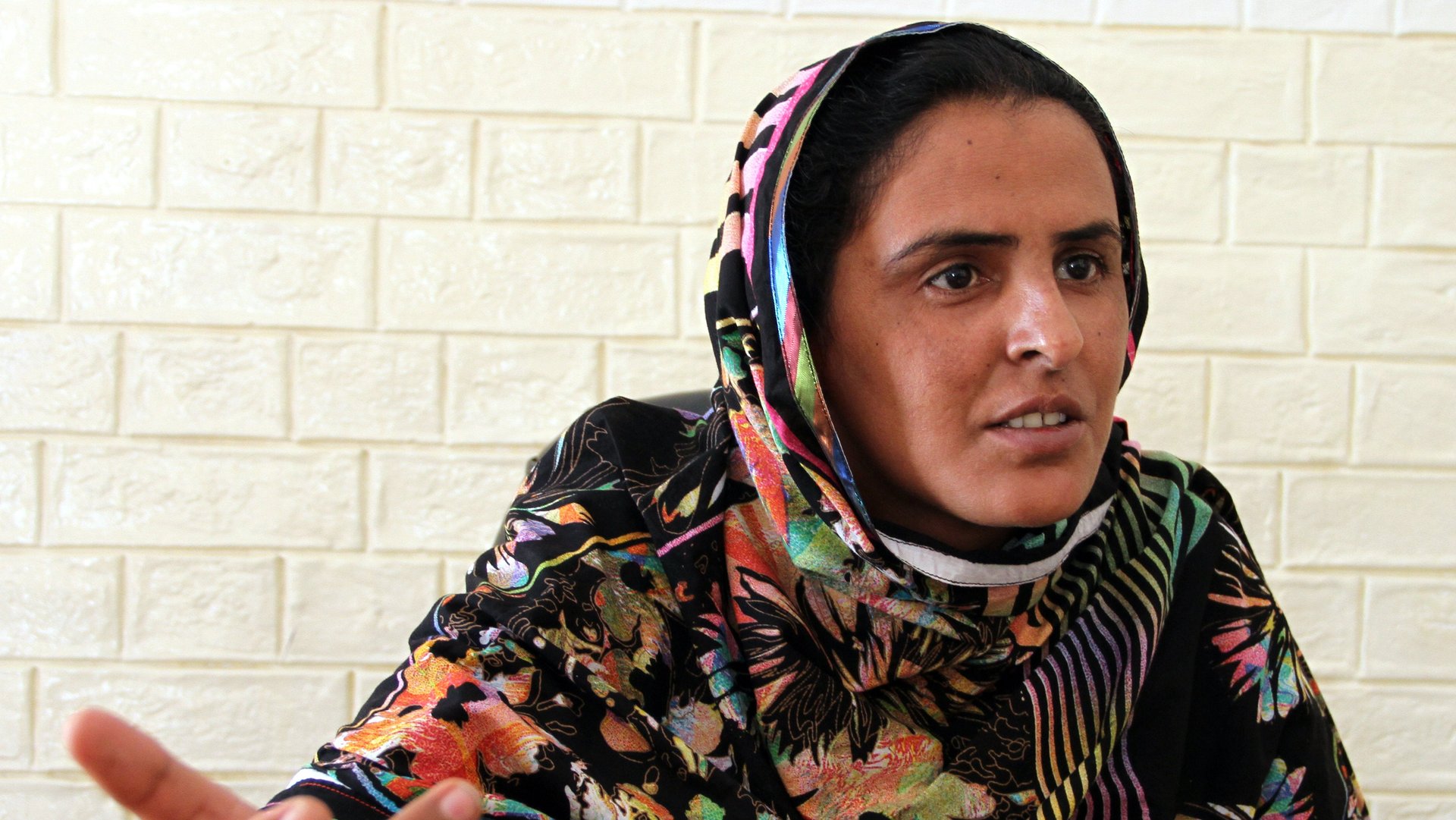
One of Pakistan’s most iconic women’s rights activists, a gang-rape survivor, made her runway debut this week.

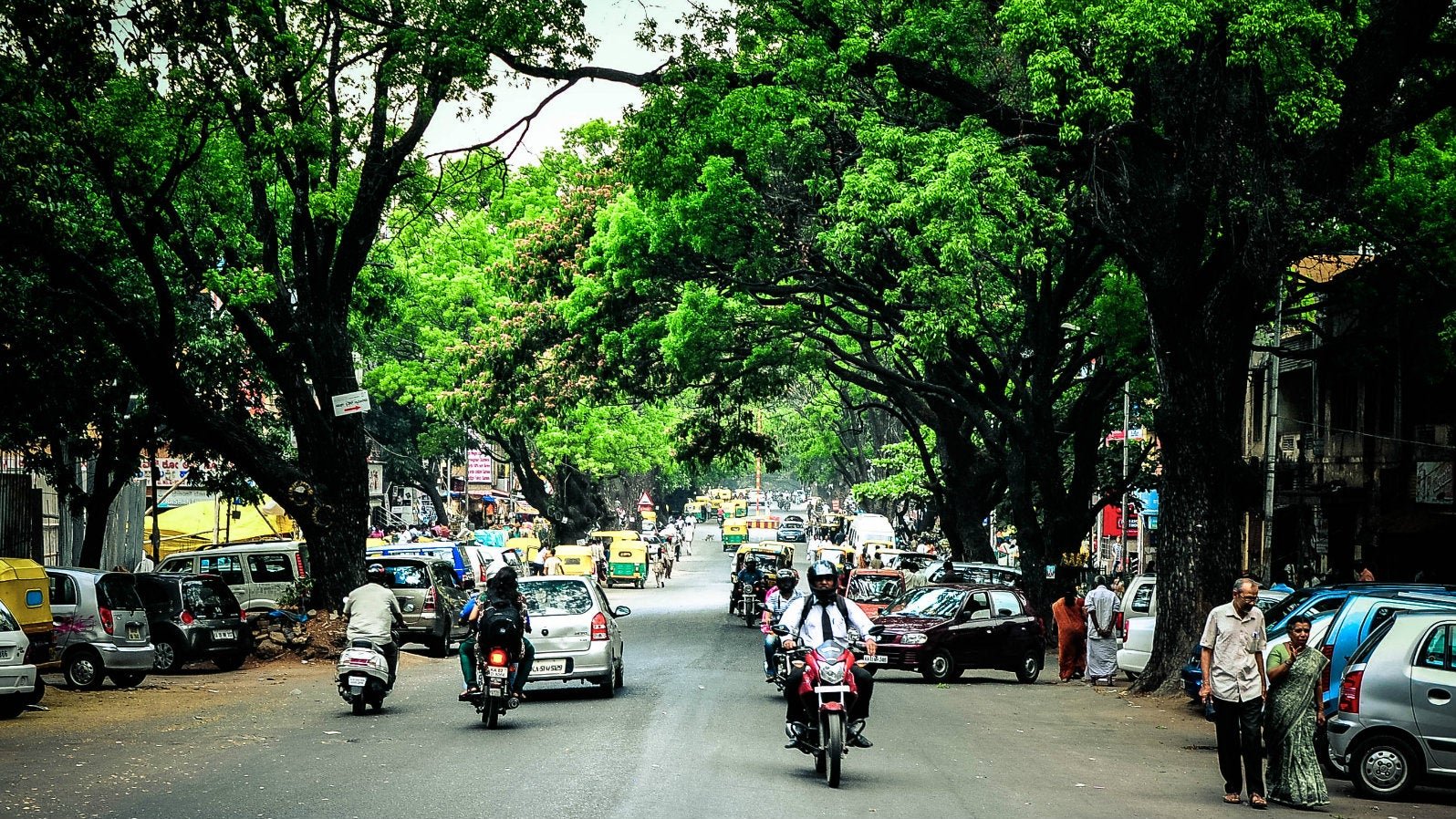
For almost everyone who knew Bengaluru before it became India’s Silicon Valley, its transformation into a metropolis has been cause for concern.

Following a weekend of bursting firecrackers to celebrate Diwali, residents of New Delhi woke up on Oct. 31 to some serious smog.

It’s that time of the year in India.

In a time of rising anti-immigrant rhetoric across Europe, it’s stories of people such as the Sikhs who make Parmigiano Reggiano cheese in Italy, for instance, that act as a reminder that diaspora communities do wonderful things for their adopted homes.

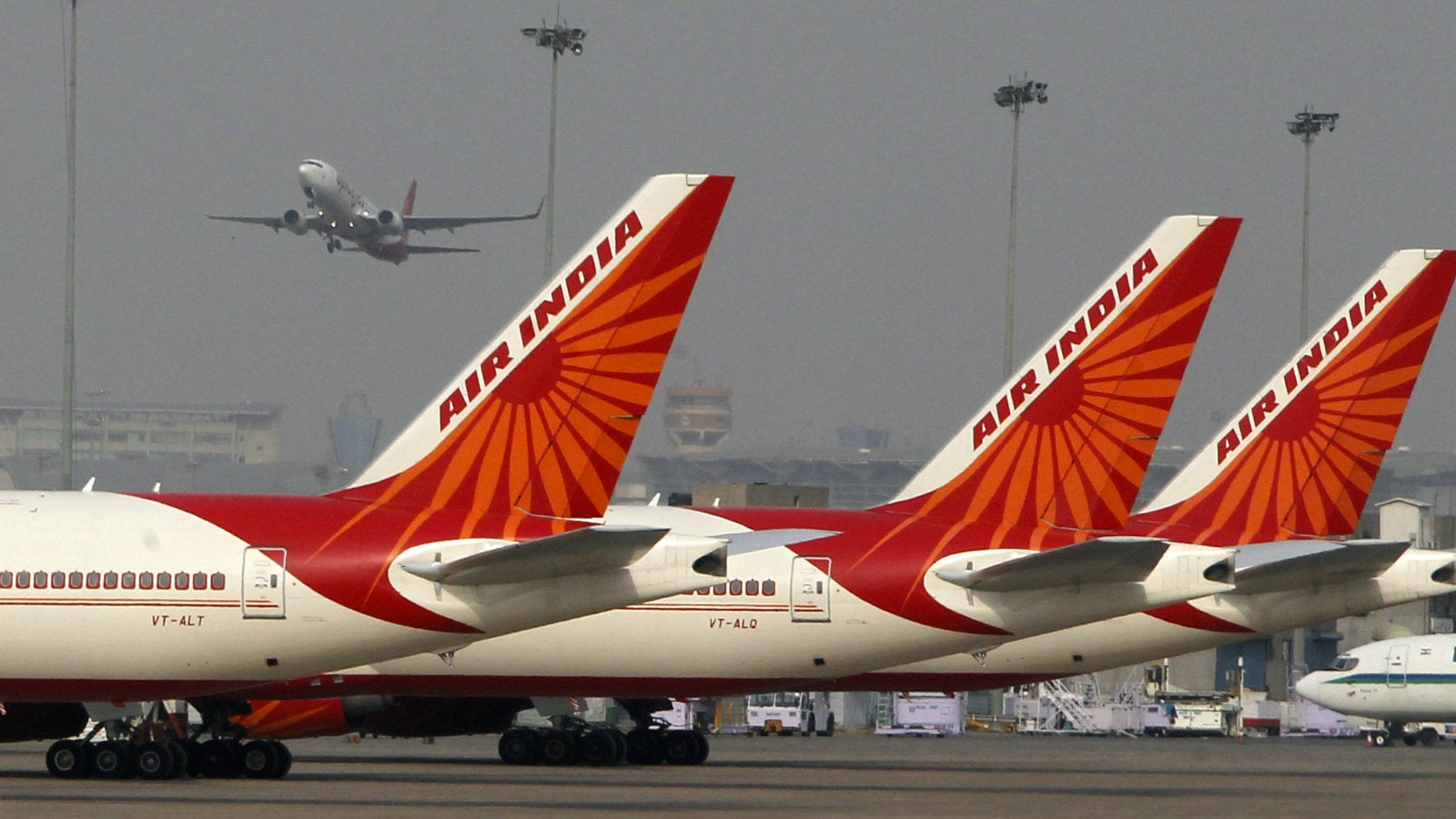
India’s national carrier just raised the stakes in the long-haul flights game.

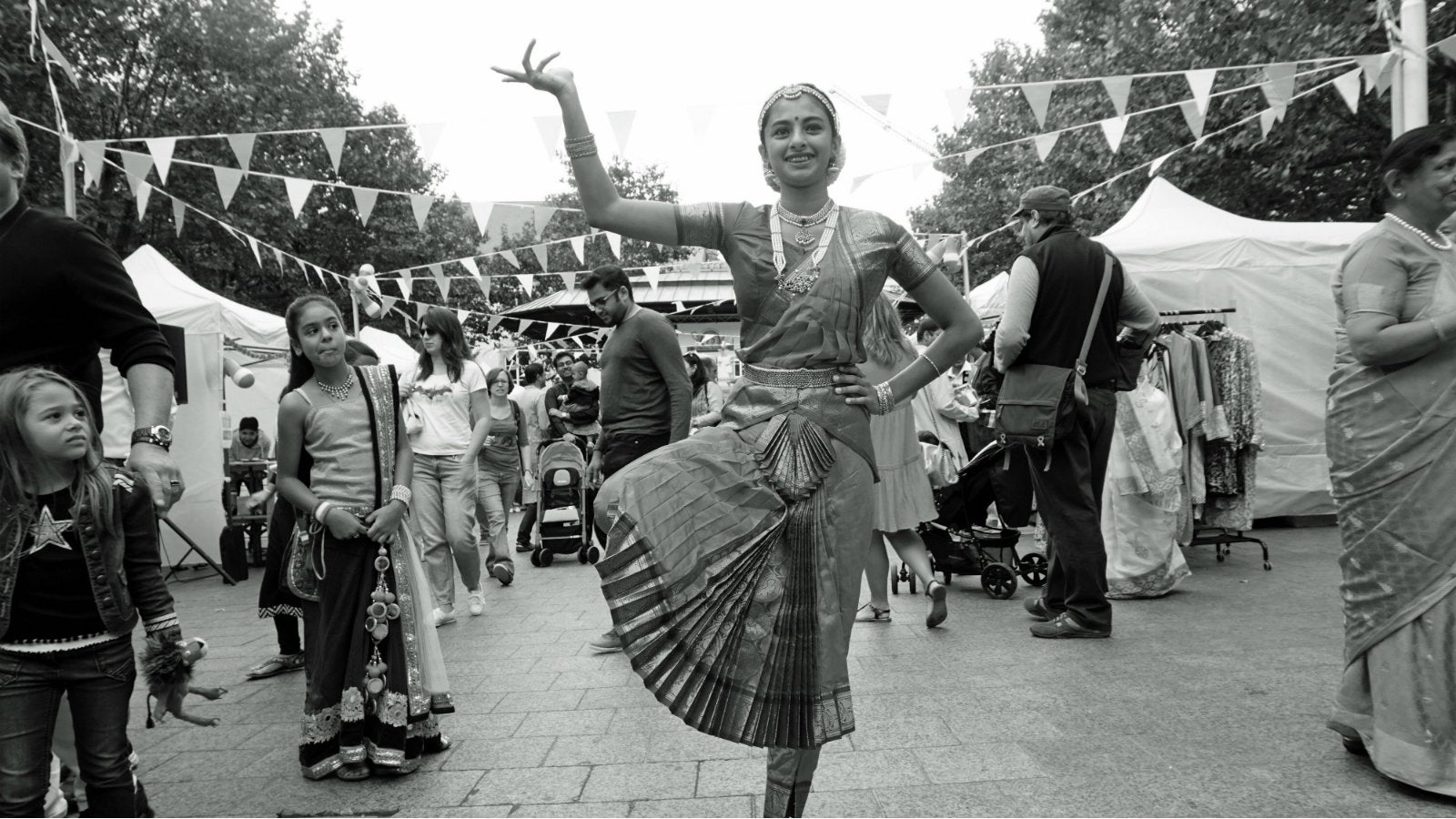
For many women in urban India, wearing a sari is a daunting prospect.

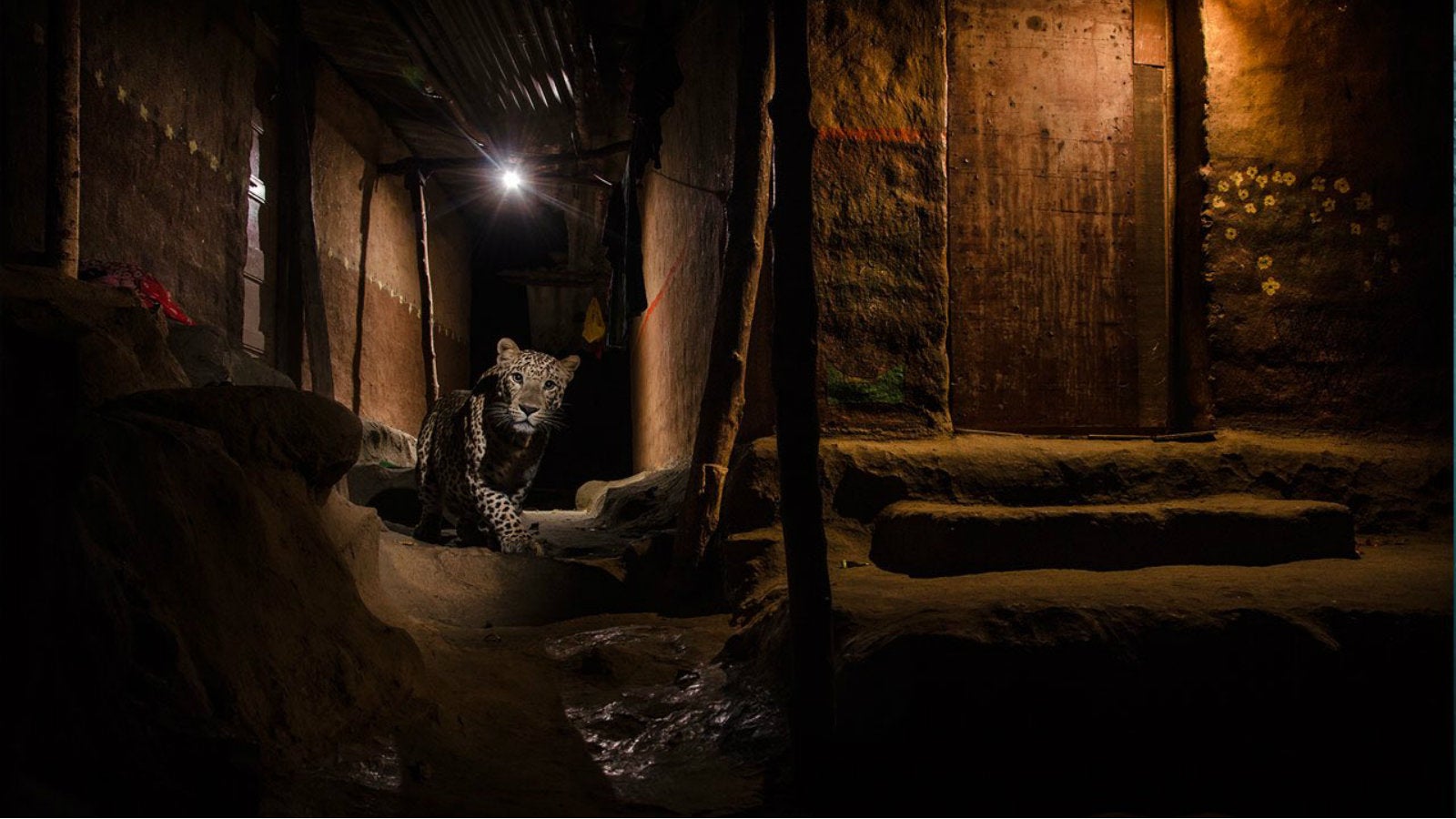
It took conservationist and biology professor Nayan Khanolkar four months to capture the perfect shot of a leopard roaming through the Aarey Milk Colony in suburban Mumbai. But all that waiting paid off.

First, a disclaimer: there is no one “real Indian accent.”

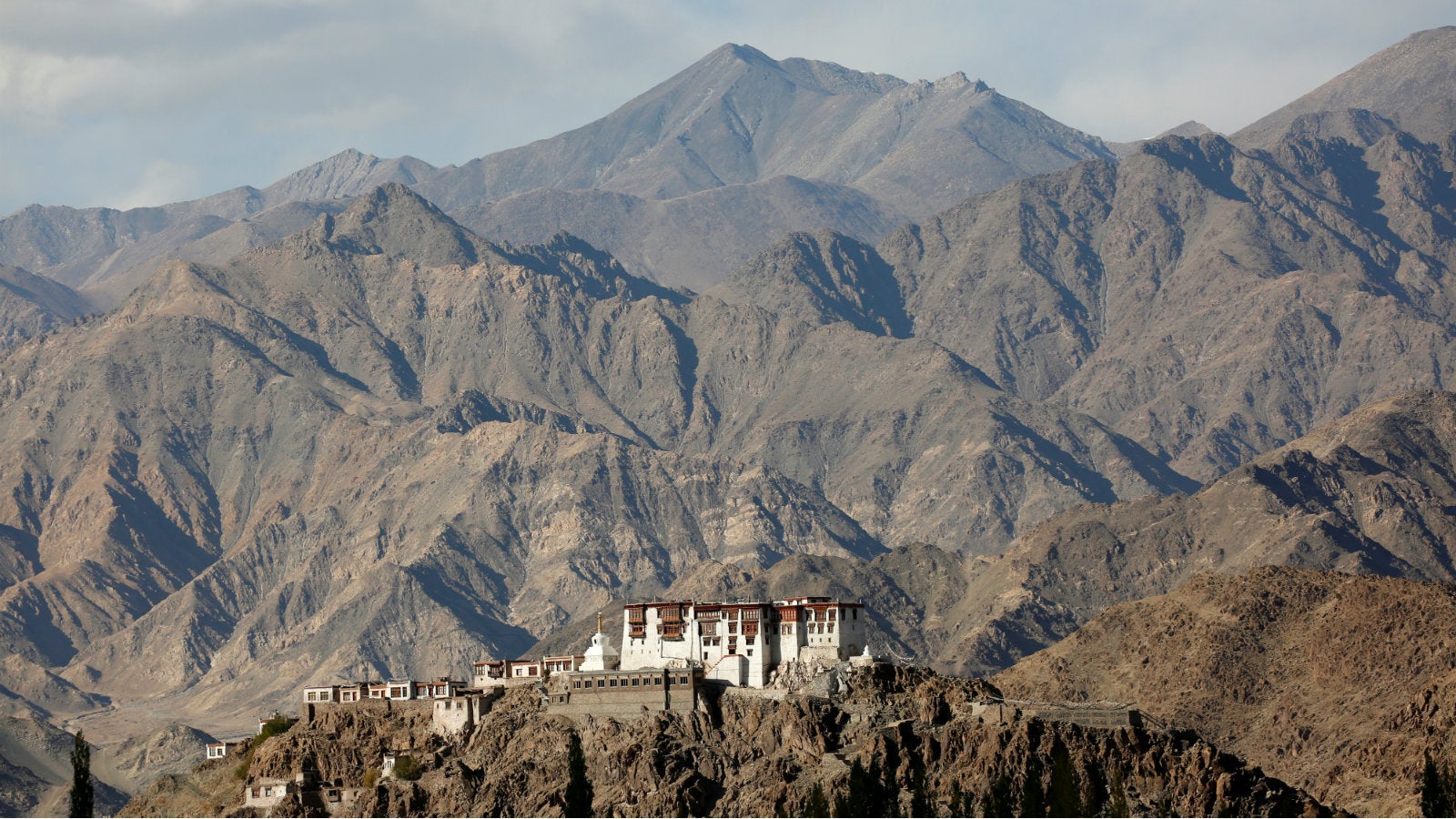
Nestled high up in the Indian Himalayas, Ladakh was first opened up to tourists only in 1974. That year, just 527 visitors made the trip; of these, only 27 were from India. But in recent years, with rising disposable incomes and a growing interest in travel, Indians are increasingly flocking to the region’s high-altitude villages, encouraged by better accessibility and the proliferation of package tours.

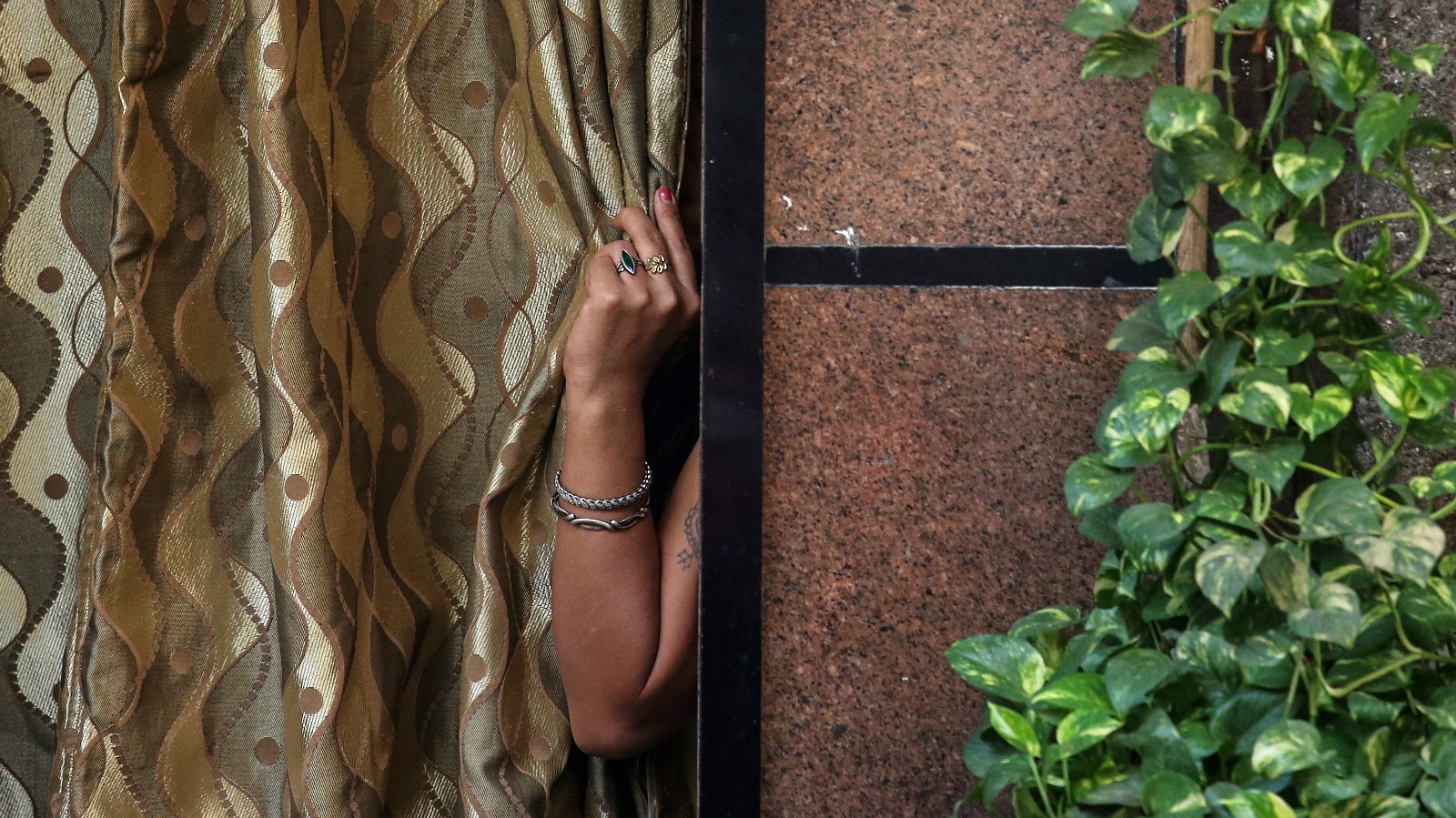
The business of male escort services in India is often complex and dangerous.

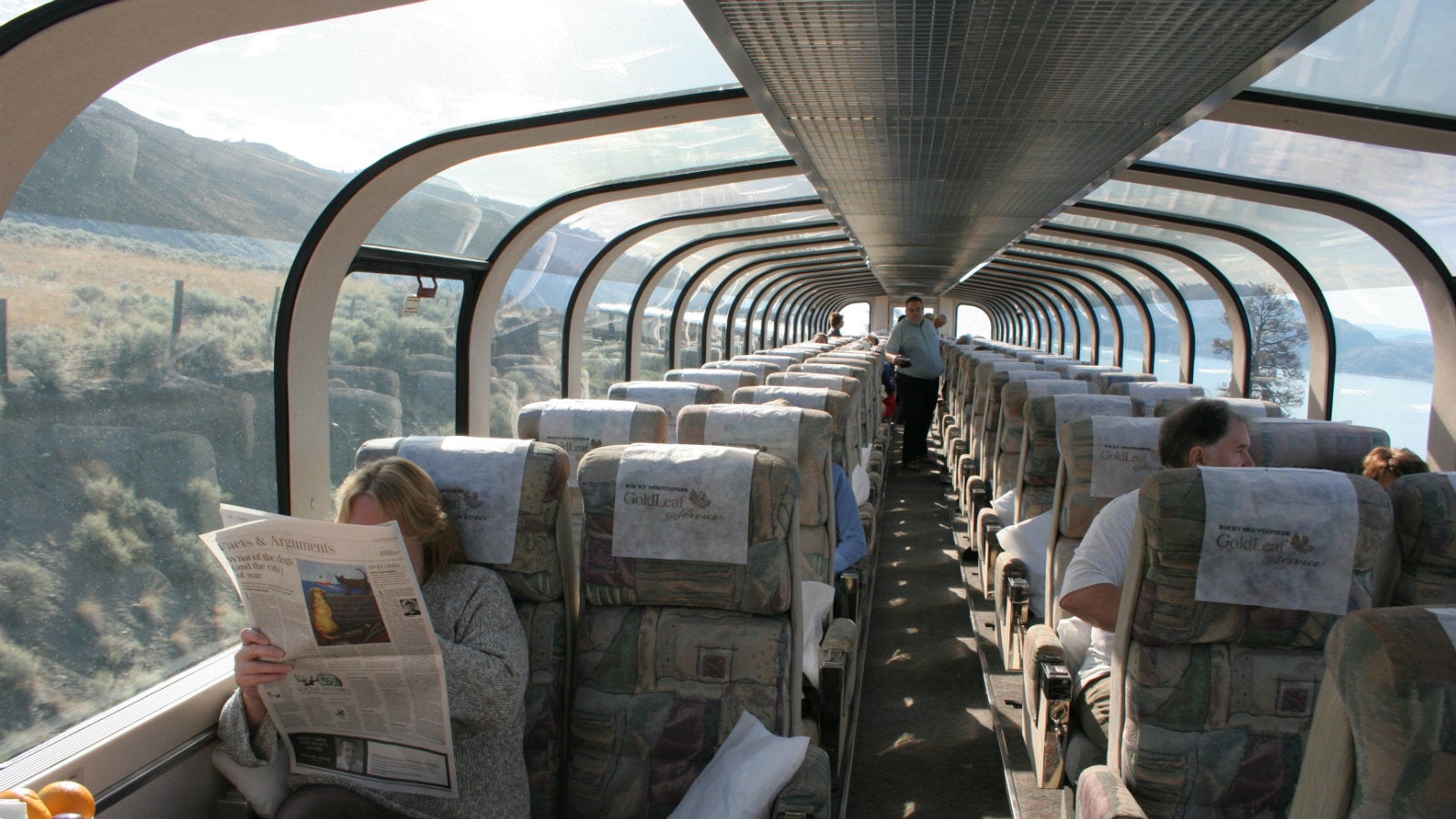
India is looking to add a touch of luxury to its railway network, inspired by Switzerland’s glass-topped trains. The move is a part of the government’s attempt to revamp the massive transport system.

After opening campuses in cities such as London, Singapore and Dubai, an Indian educational institution with a rather controversial history has set its sights on New York.