

Lifestyle
Star Wars: “Rogue One” is a devastating, universal story about living under tyrannyThere are no spoilers in this review.
Updated July 21, 20223 min read
There are no spoilers in this review.
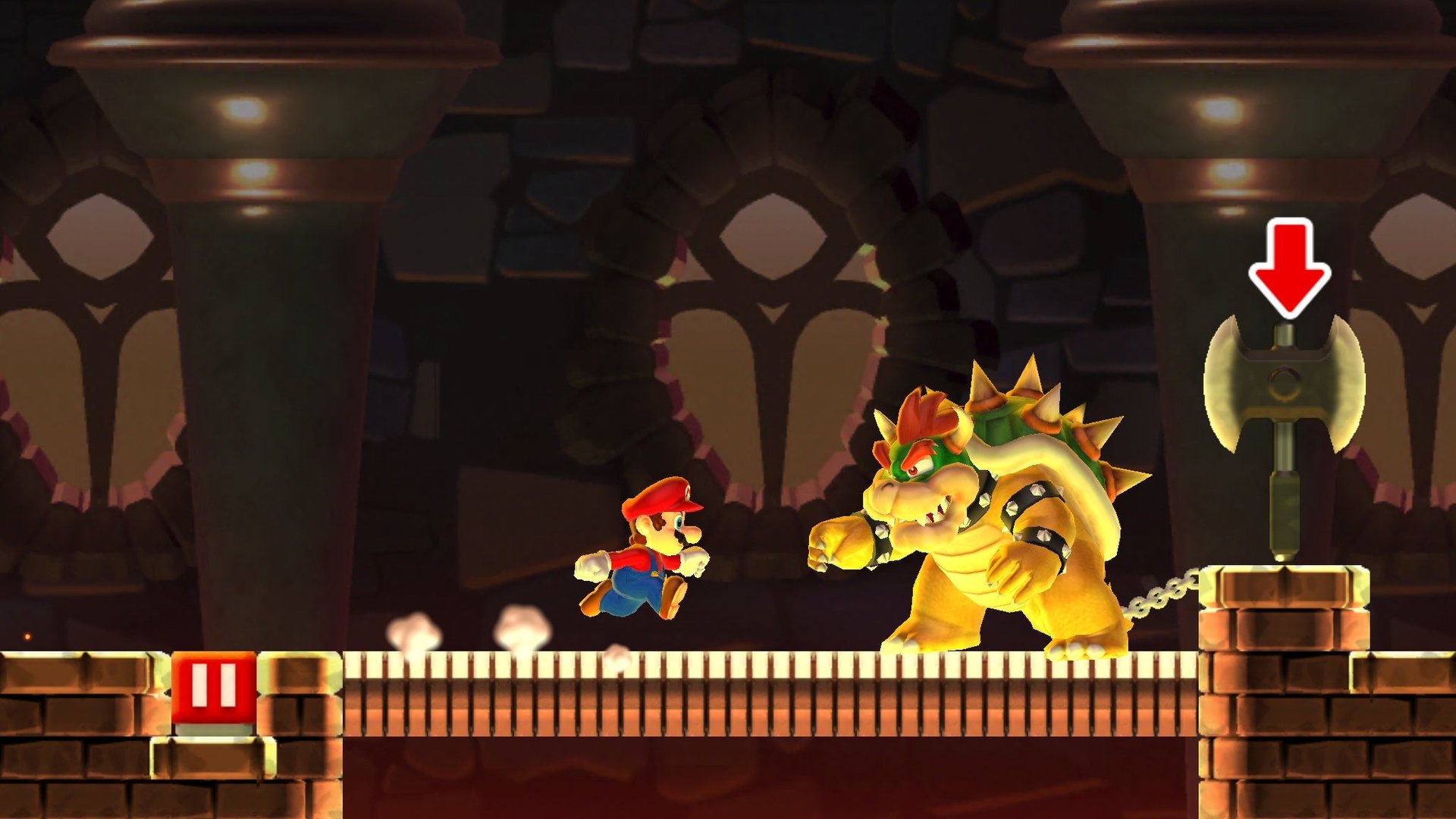
Super Mario Run, Nintendo’s first real mobile game, was released for the iPhone and iPad Dec. 15. Its creator, Nintendo creative lead Shigeru Miyamoto, designed the game to be played with one hand, as Mario runs continually in the game, meaning you only need one finger to control his jumps. Theoretically, that makes it the perfect game to play on a smartphone as you cling to a pole on a packed subway car on your morning commute, hoping to find some fleeting escapism in the Mushroom Kingdom before work starts.
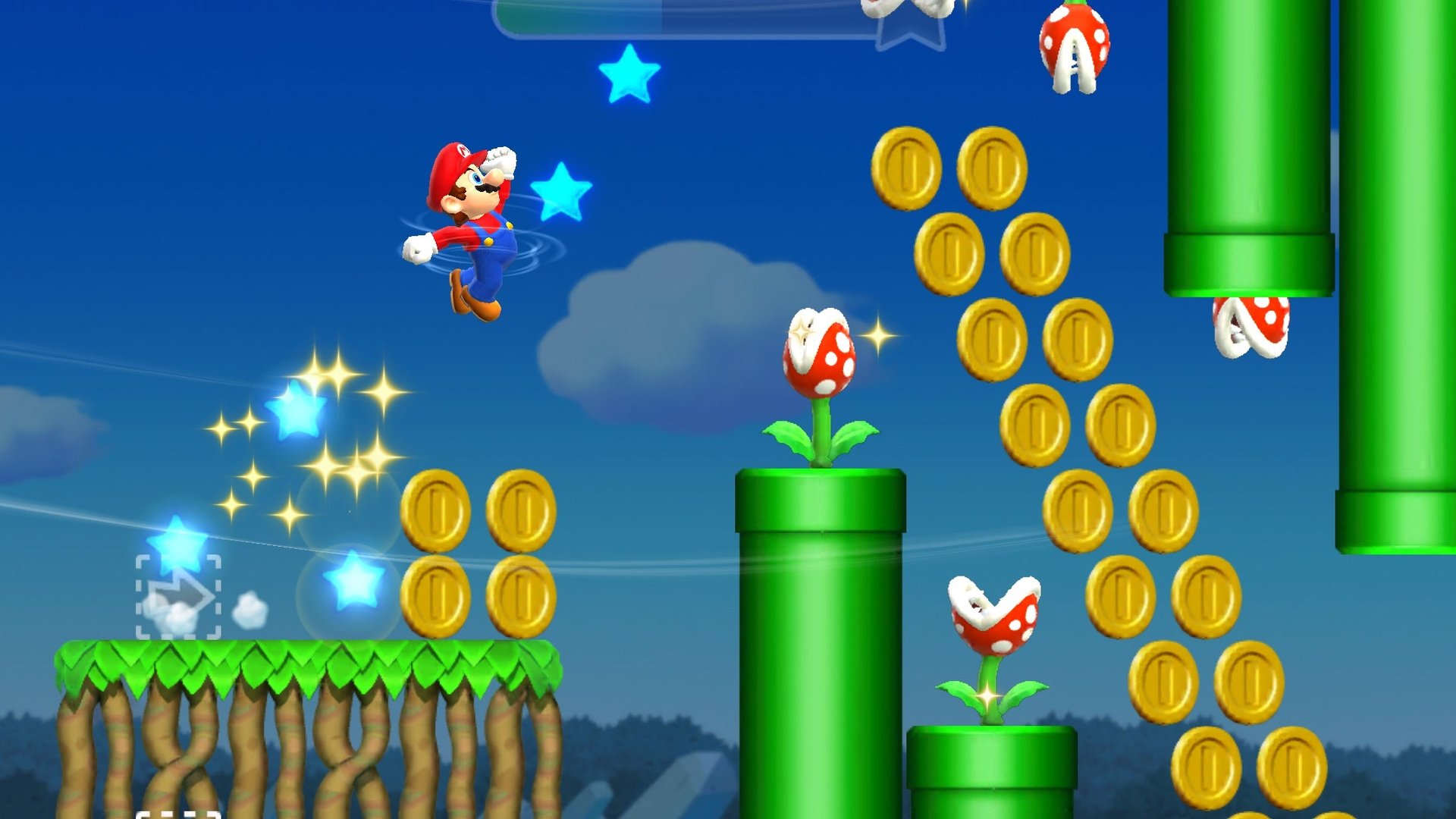
Nintendo’s hotly anticipated mobile game, Super Mario Run, has just been released on Apple’s App Store for the iPhone and iPad.
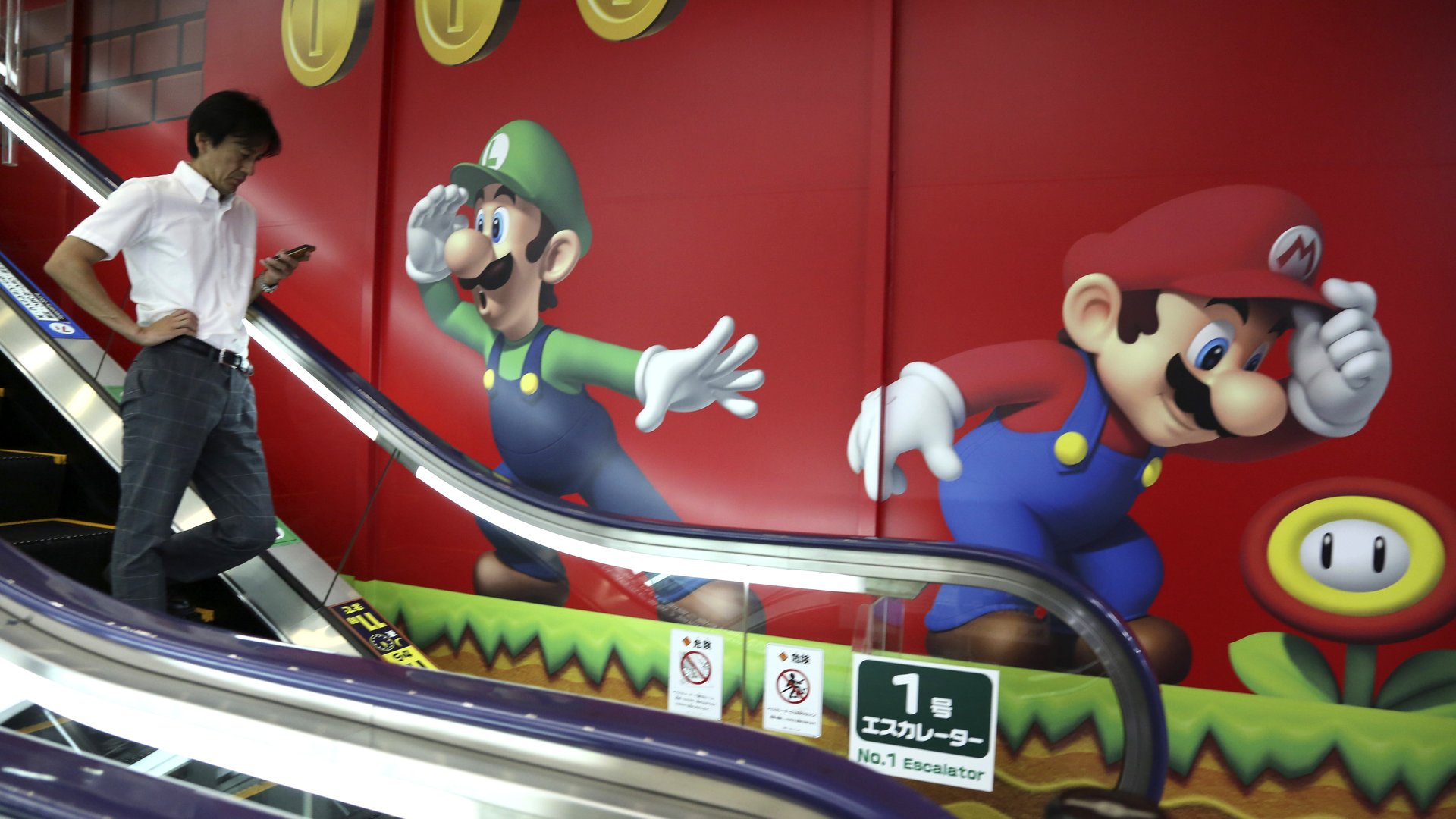
Nintendo’s first true iPhone game, Super Mario Run, is set to be released for the iPhone today, Dec. 15. But neither Nintendo nor Apple have given any indication as to when exactly the game would be available today, and it seems that people have spent the last half-day endlessly checking in on Apple’s App Store to see if the game is available yet. Apple set up a notification system where prospective Mario runners could asked to be alerted when the game is available to download, and over 20 million people have signed up for the notifications. But, as of the time of publishing, the app’s page on the store is still saying “notify” rather than “download.”

Americans love to celebrate Christmas by covering every square inch of their homes—inside and out—with festive lighting. But cautionary tales have shown us just how much of a hassle that can be. In 2016, must we risk life and limb to set up a few strands of holiday lights? No, thanks to technological advances in recent years.
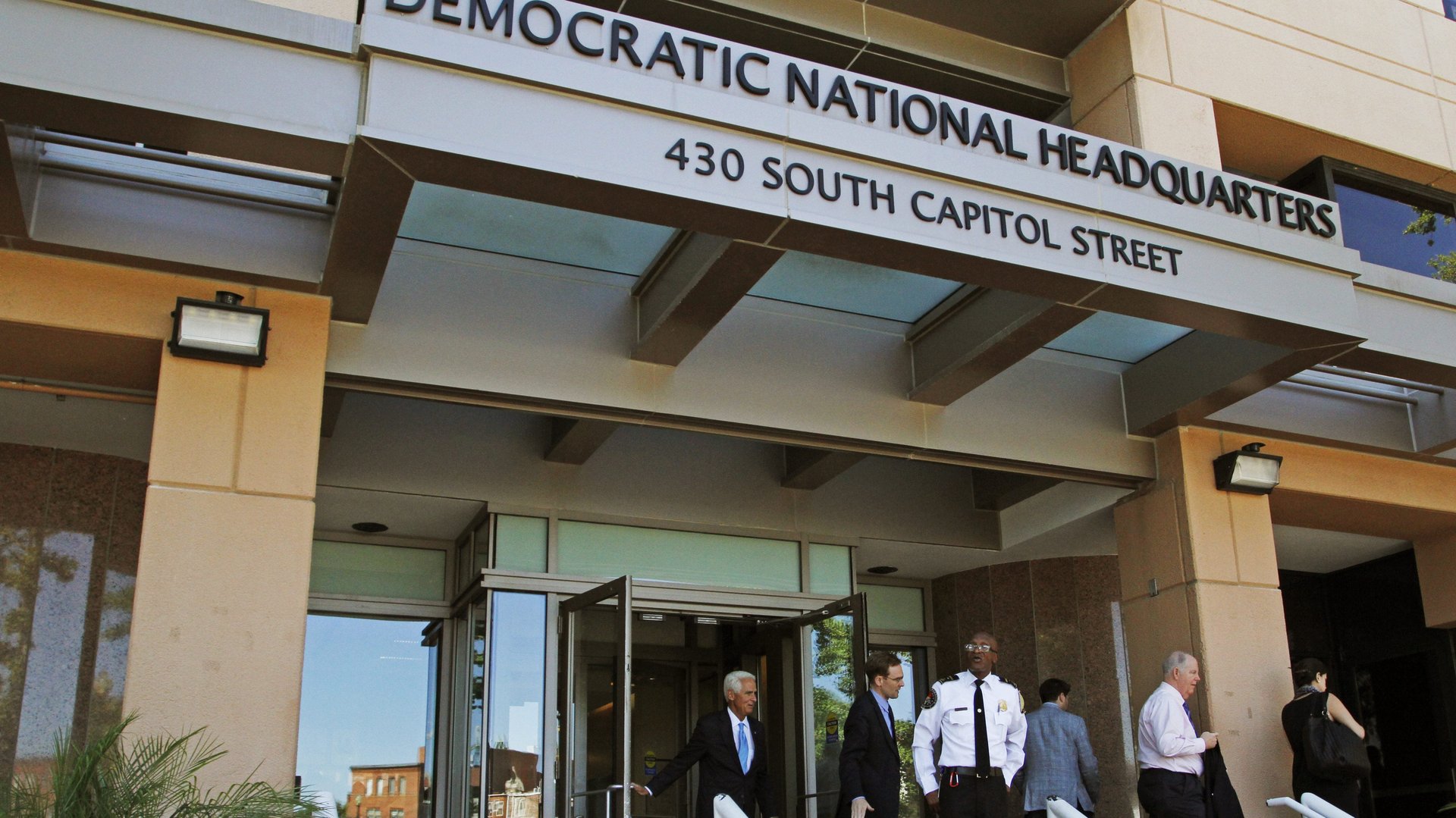
The US FBI told the Democratic National Committee in September of 2015 that its computer network had been breached by hackers linked to the Russian government. But nothing concrete happened about the cyber break-in for seven months, according to an exhaustive report on Dec. 13 in the New York Times (paywall).
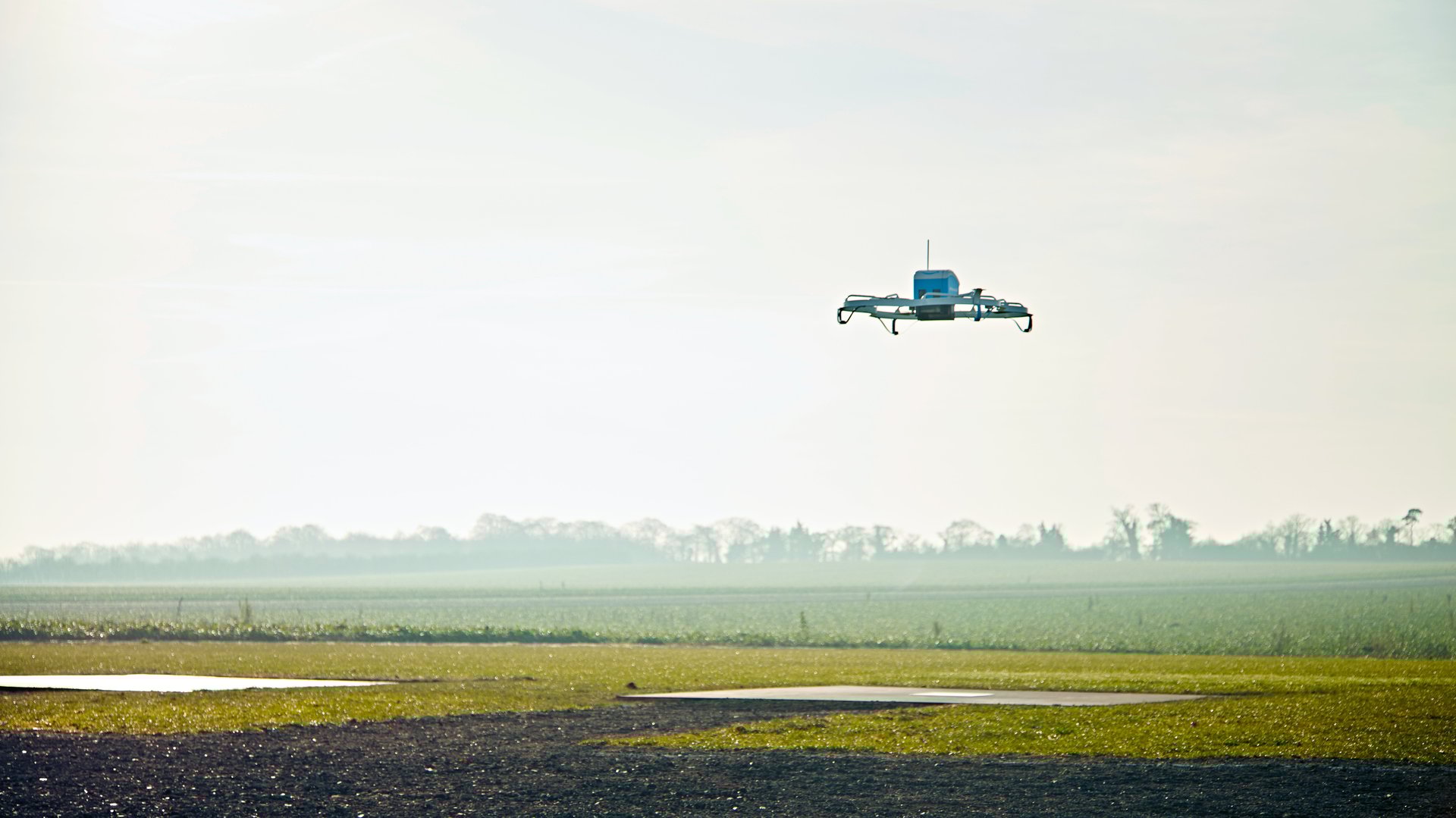
A future where we can press a button, or tell a one-foot cylinder to order whatever we’re running low on, and have a flying robot deliver it faster than Domino’s can deliver a pizza is slowly coming into view.
The koalas are growing up.

As they boldly went where no one has gone before, the crews of the USS Enterprise often found that it was extremely useful to have a small device that could diagnose any ailment just by waving it near a person or alien—the tricorder.
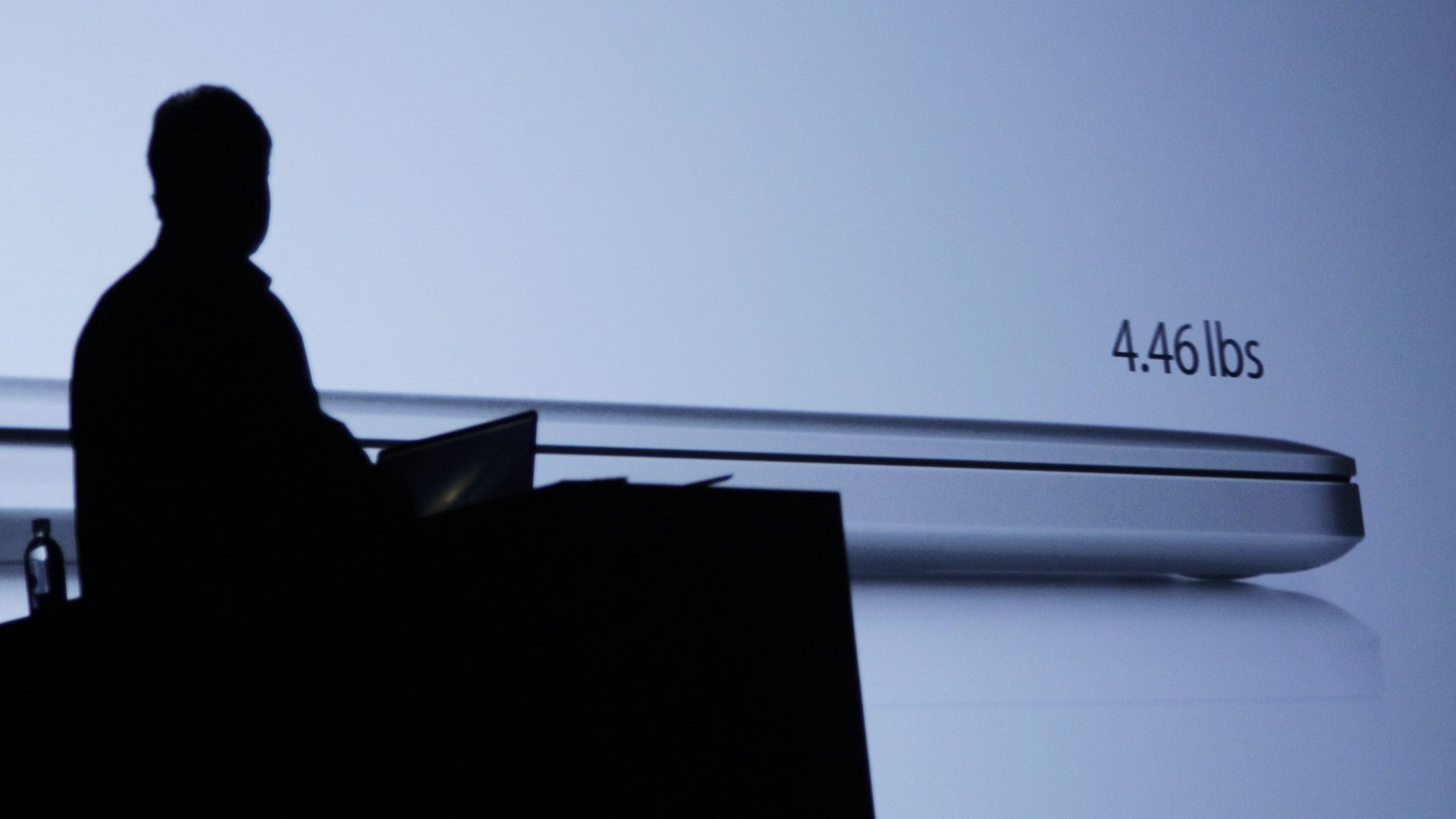
If you’ve recently bought one of Apple’s newest laptops, the MacBook or the MacBook Pro, you might be a little concerned by its lack of ports. The new models only have a few USB-C ports, meaning all of the accessories, SD cards, external hard drives and monitors you’ve accrued over the years won’t work with your new laptop without a series of adapters, or a USB hub or two.
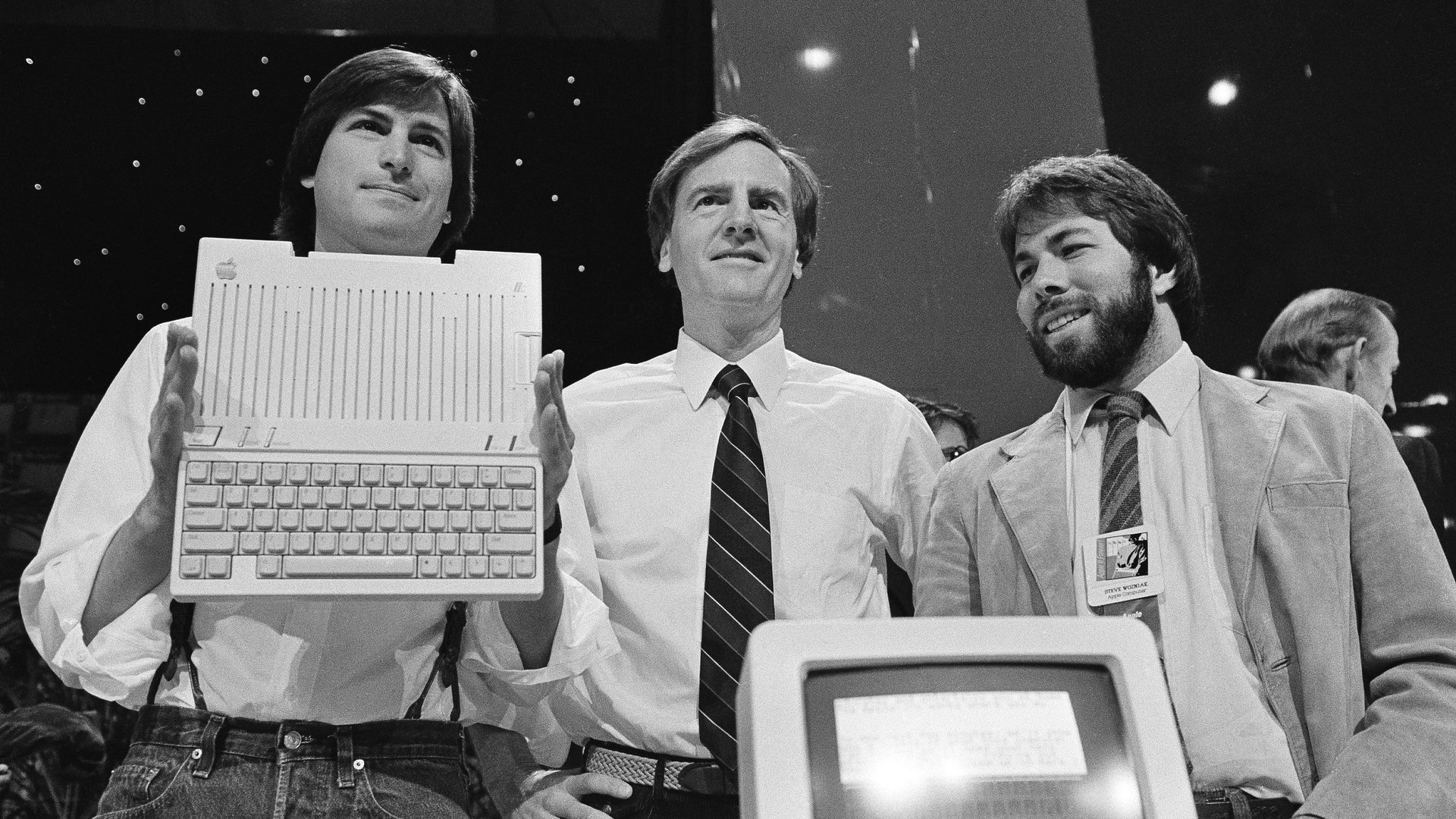
Thirty-six years ago today, Dec. 12, Apple went public. If you’d been investing in fledgling computer startups in the early 1980s and had no problem playing the long game with your investments, they would’ve paid off dearly with even a small investment in Apple.
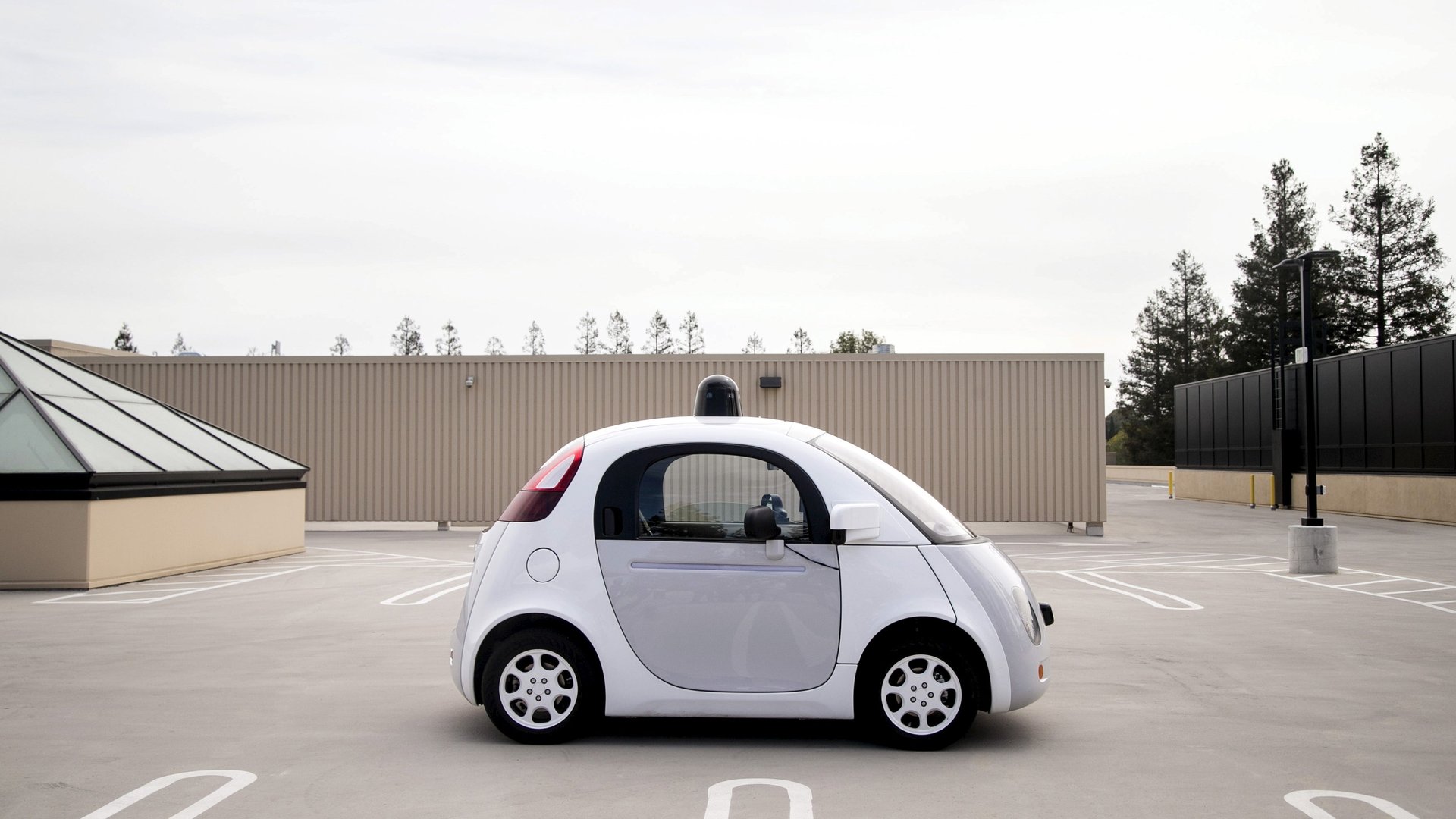
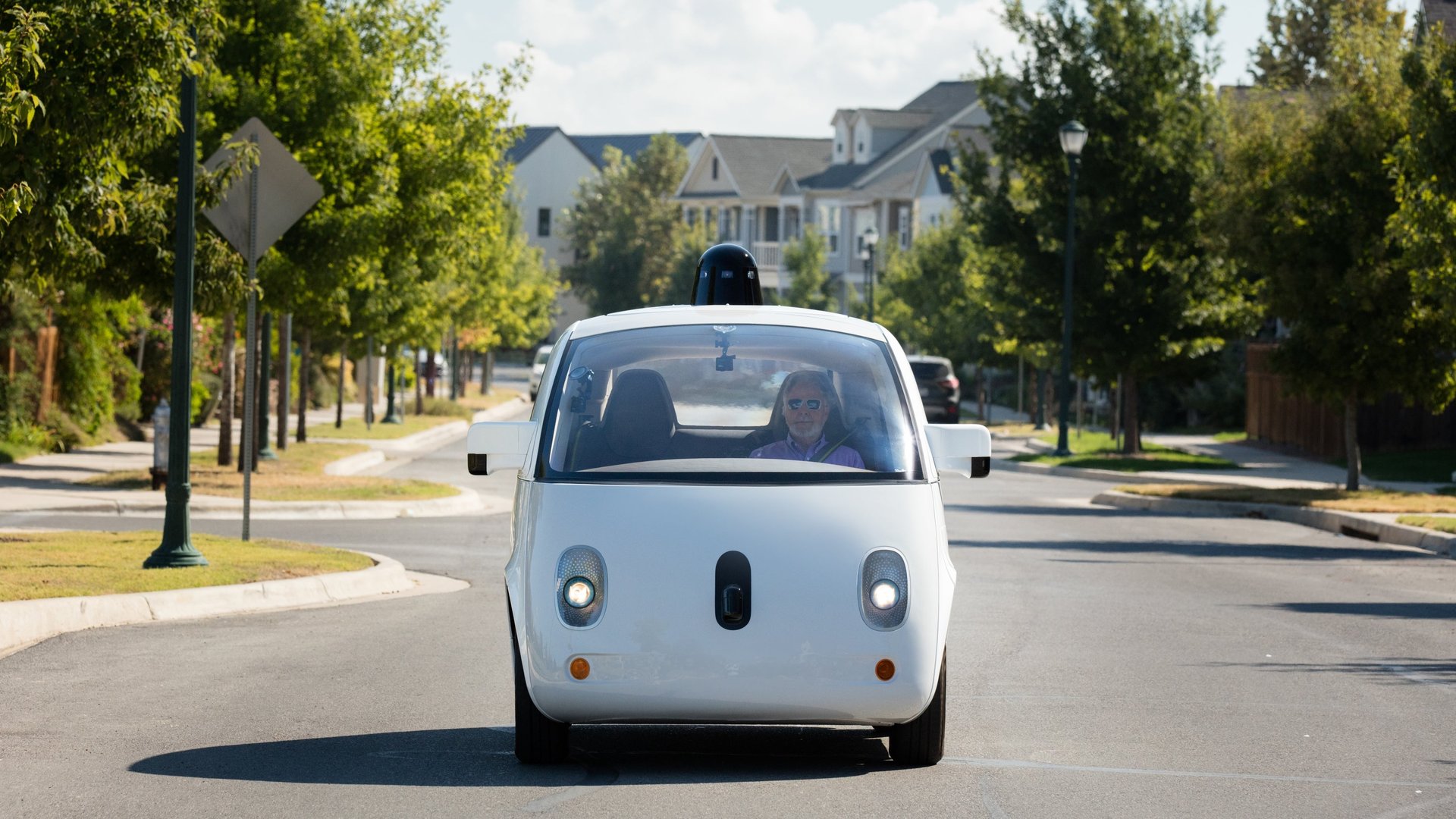
Slowly but surely, states across the US are moving to allow the testing, and eventual sale, of self-driving cars.
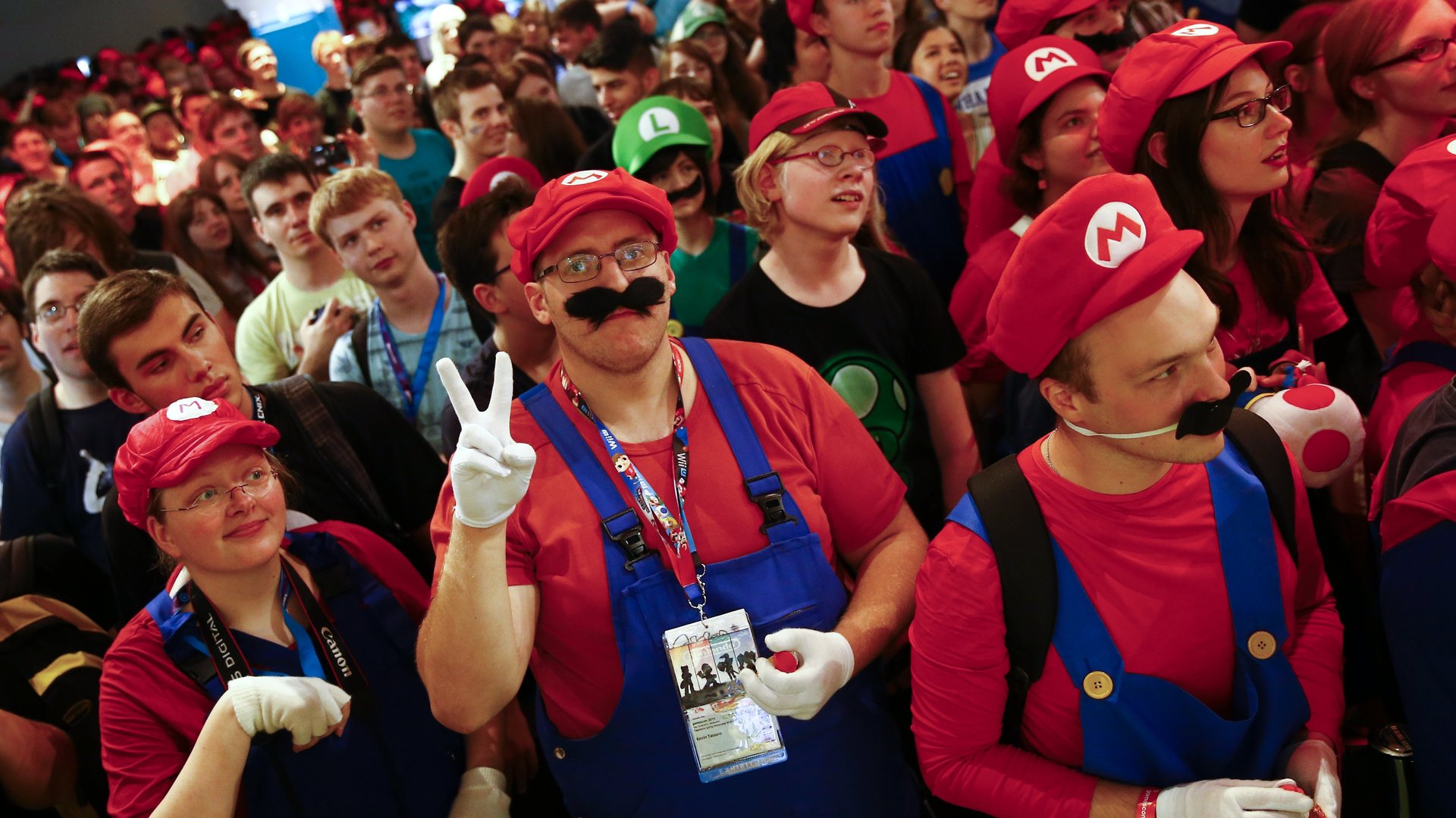
Next week, Apple’s iOS App Store will face one of its greatest tests to date: Nintendo’s favorite son, Super Mario, makes his mobile-game debut on Dec. 15, and millions of people are expected to download it.
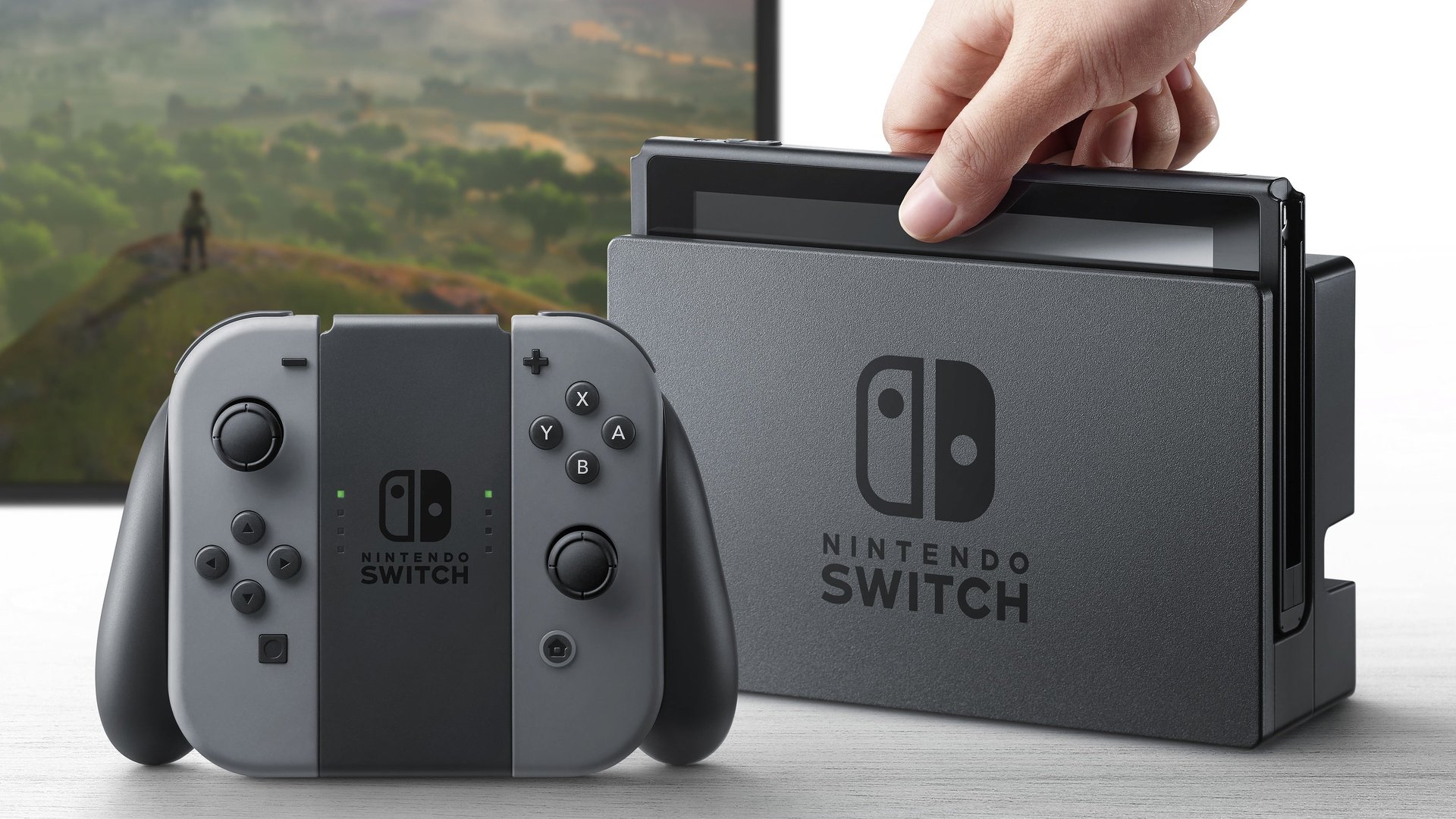
Nintendo’s Switch won’t be out until March 2017, but more details on the multifaceted video game console are starting to trickle out.
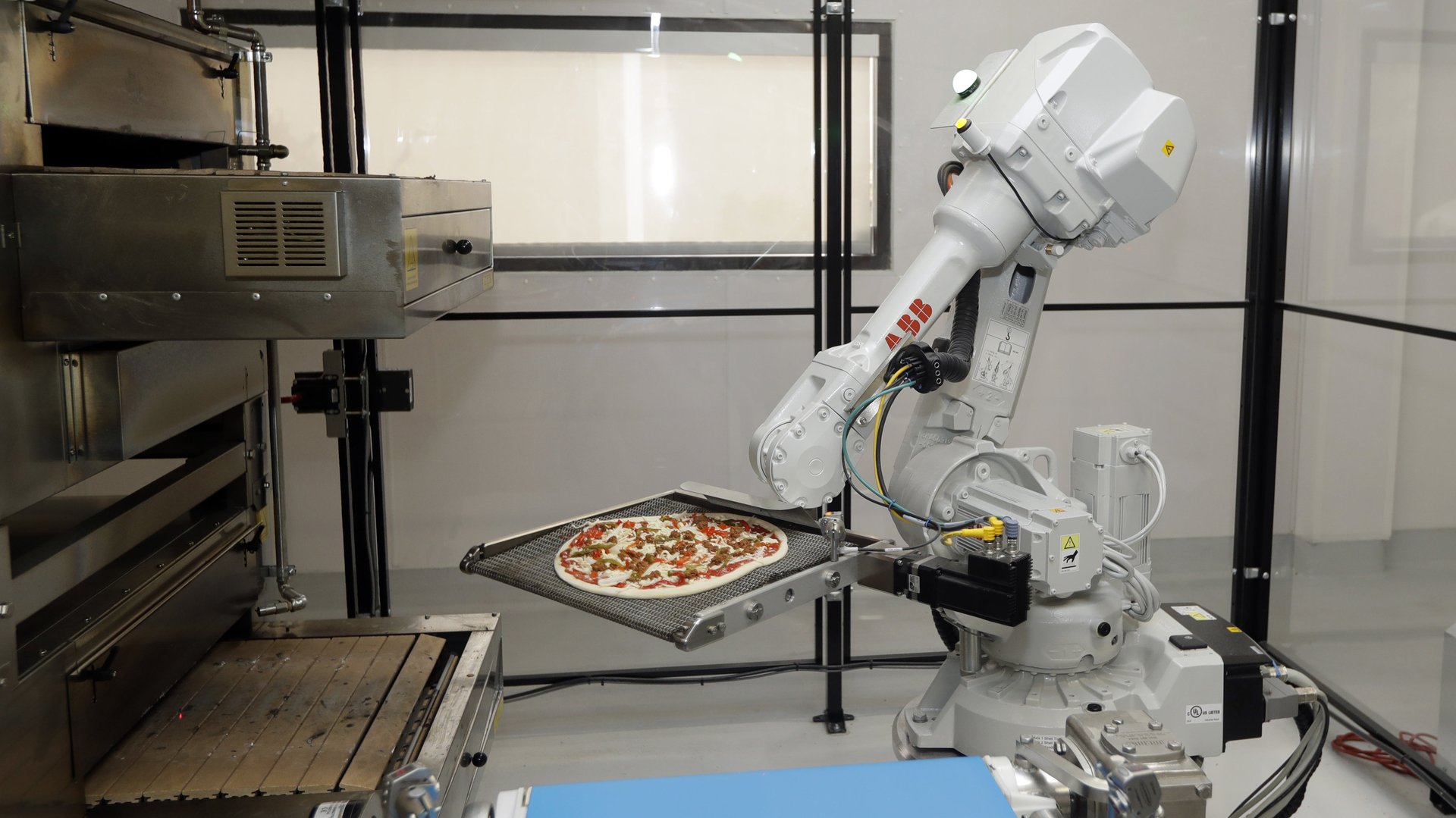
This week, Amazon announced that it’s launching a new type of grocery store. You walk in, pick up the boxes of food you want, and you walk out. Thanks to a combination of modern tracking technology, artificial intelligence, and a mobile app that has your payment information, you don’t need to interact with a single other human to get the chicken Caesar salad wrap, Diet Coke, and cupcake you so desired.
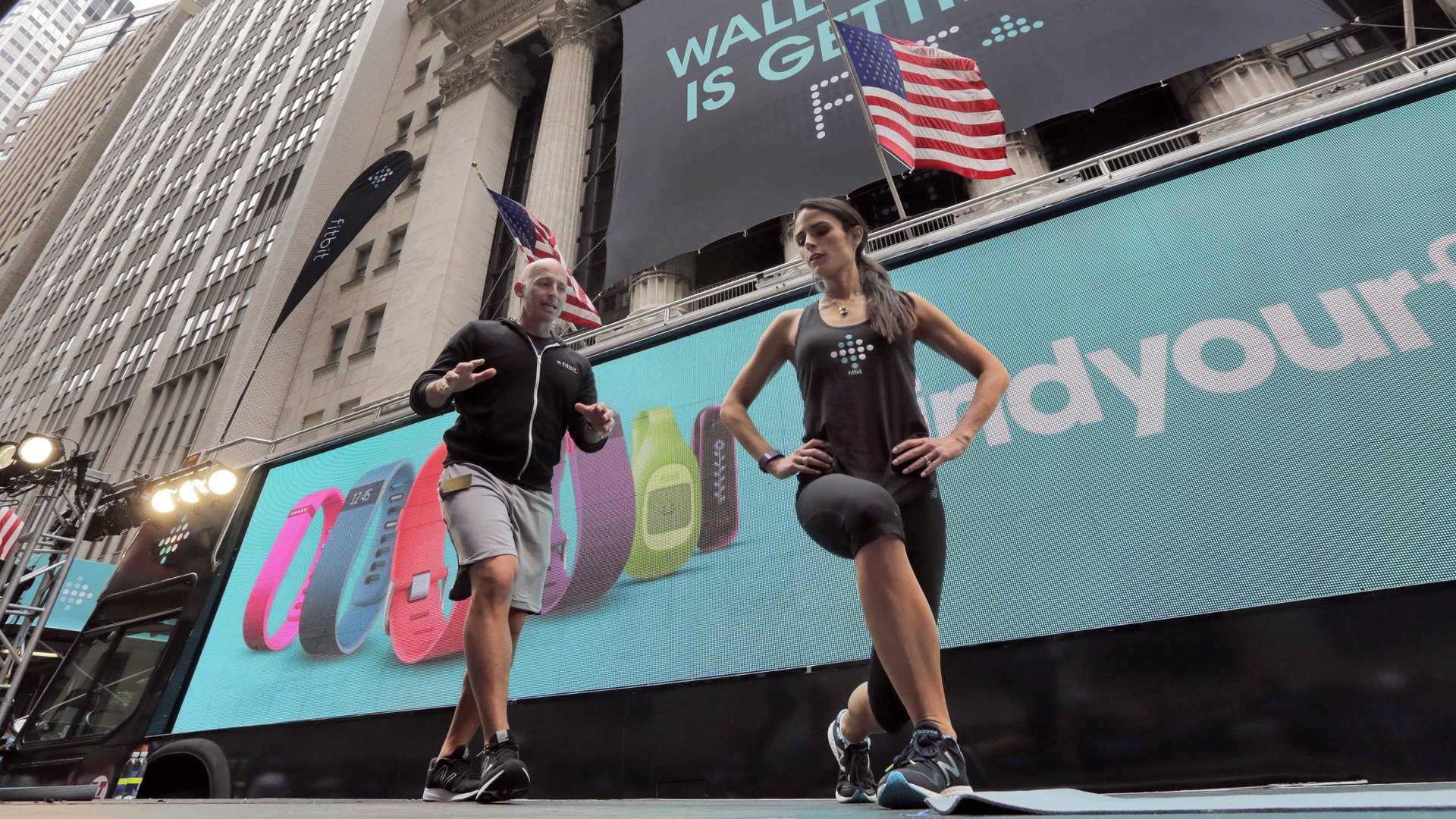
Just like its users, Fitbit is trying to stay healthy.

Japan is hosting the next summer Olympics, and it’s already concerned that one of its common cartographic symbols will confuse a lot of visiting tourists.
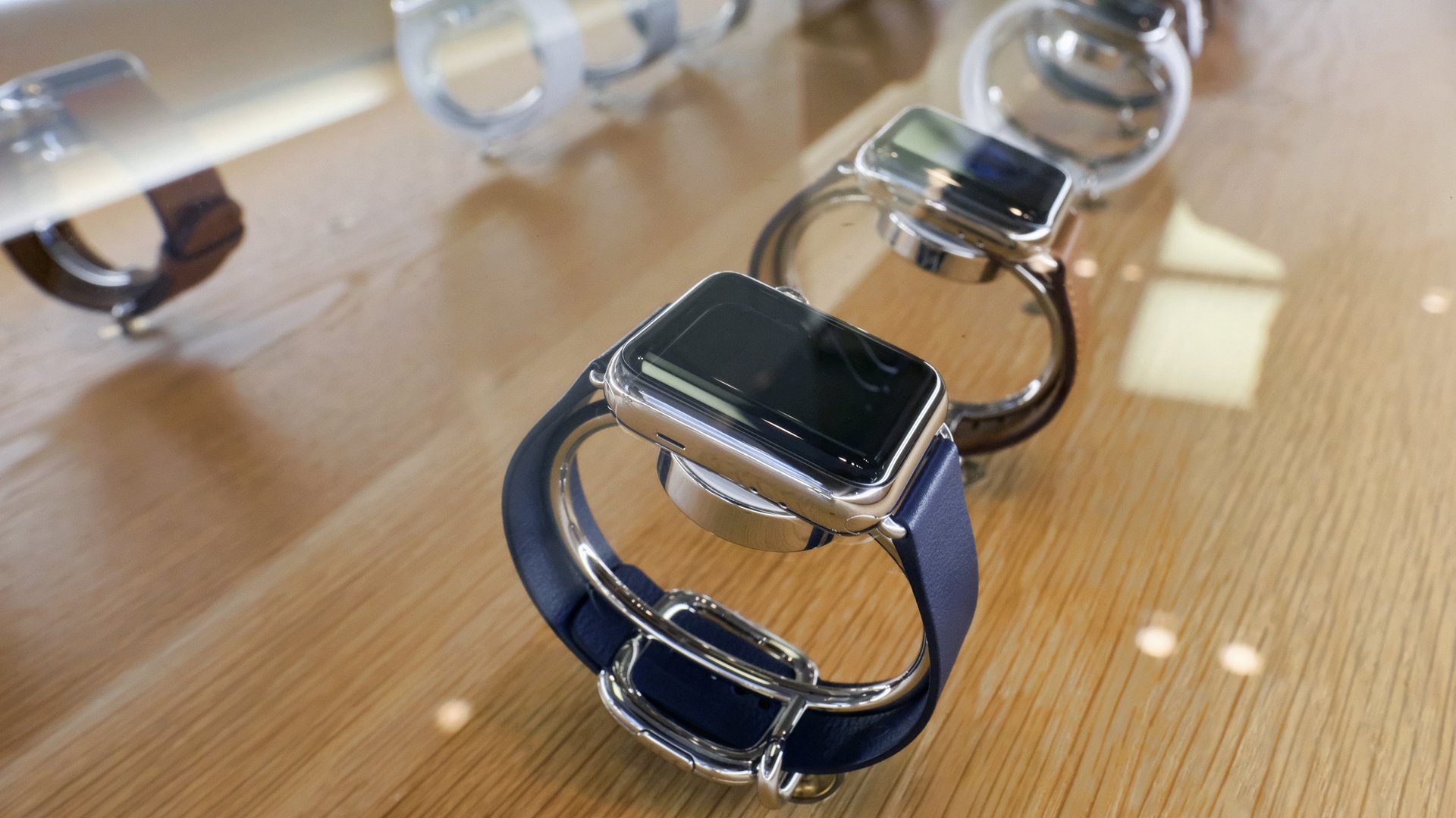
Despite its best efforts, Apple is still boring.

Over the weekend, it was reported (paywall) that Apple had tacitly admitted it was working on a long-rumored self-driving car. The admittance, inasmuch as there was one, came in the form of a letter from Apple sent to the US National Highway Traffic Safety Administration (NHTSA) Nov. 22 in response to the government agency’s recent announcement of rules for companies looking to develop self-driving cars for US roads.
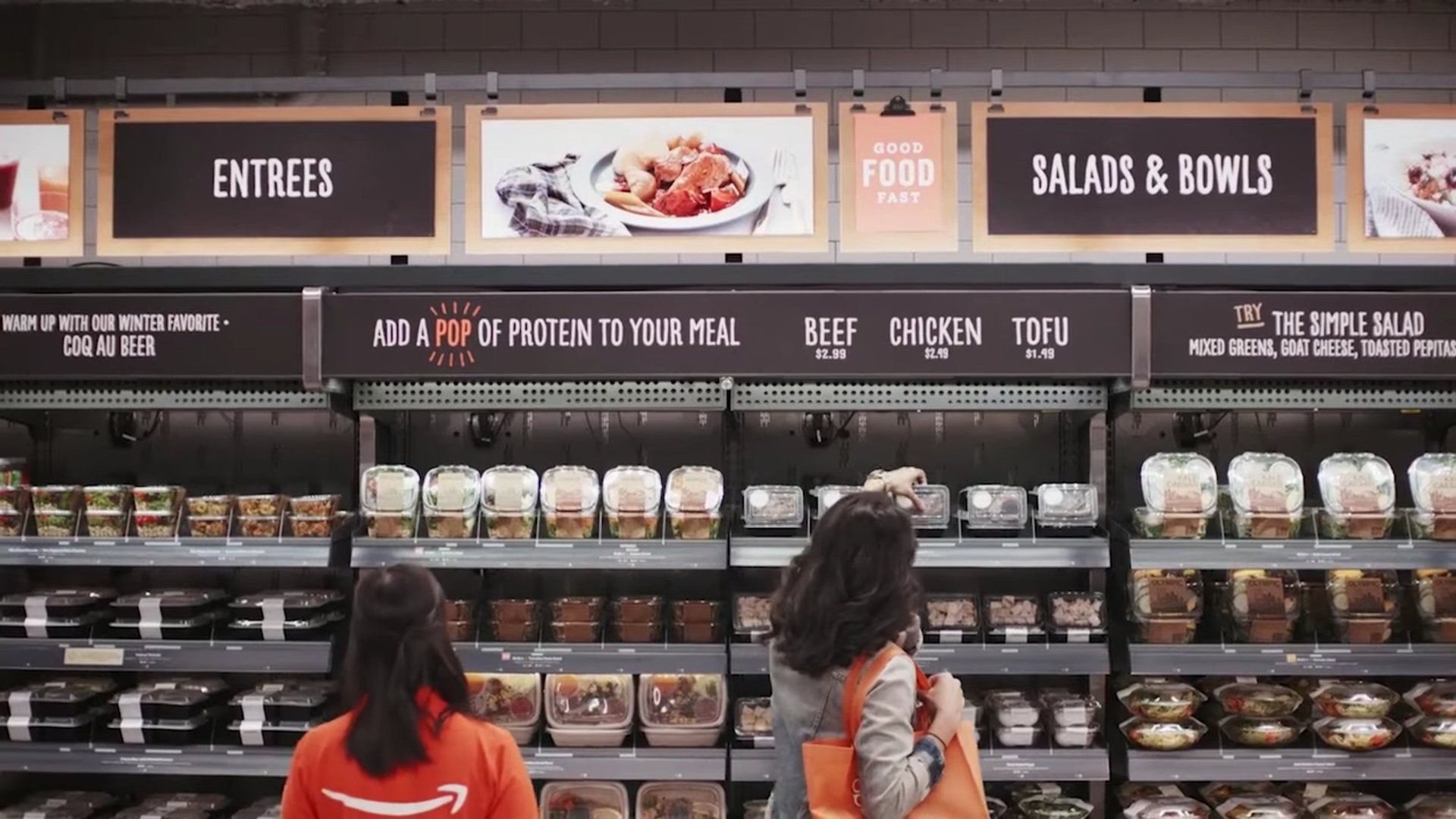
We’re getting closer to a future where we don’t ever have to talk to another human we don’t want to.
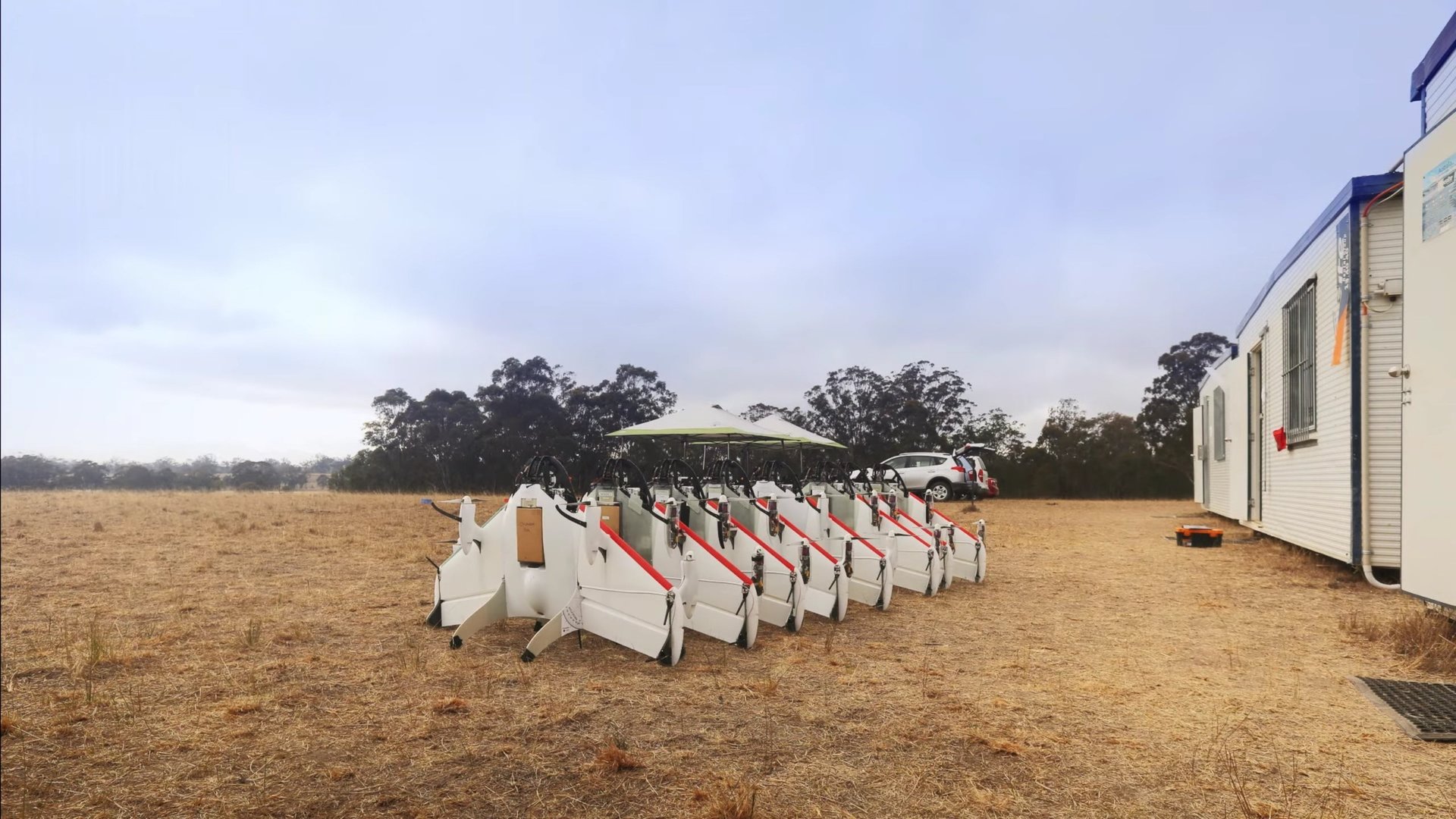
What’s that buzzing sound?
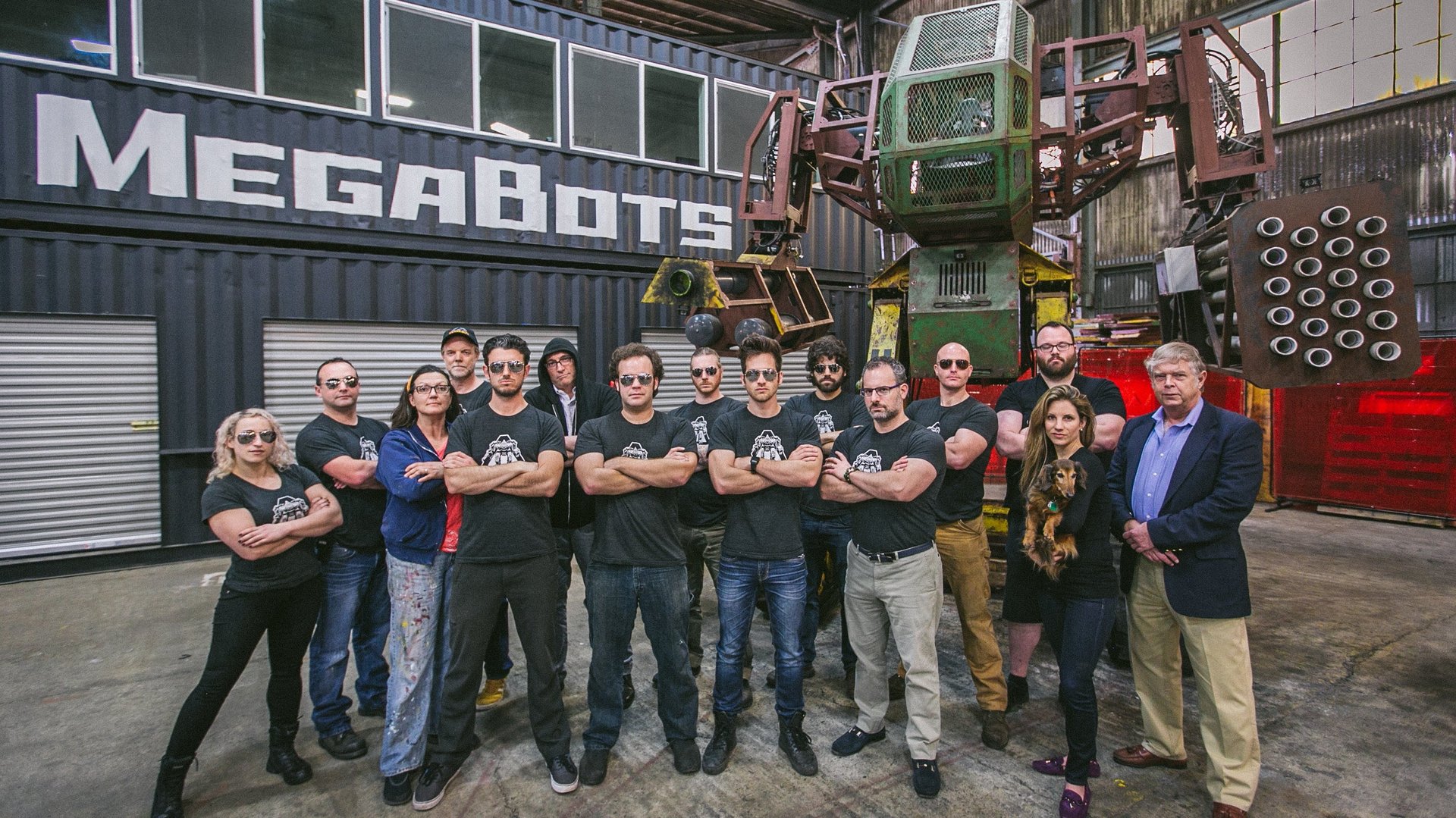
It’s a tale as old as time: A group of engineers meet up in a former steel-working plant, and decide to build a giant robot.
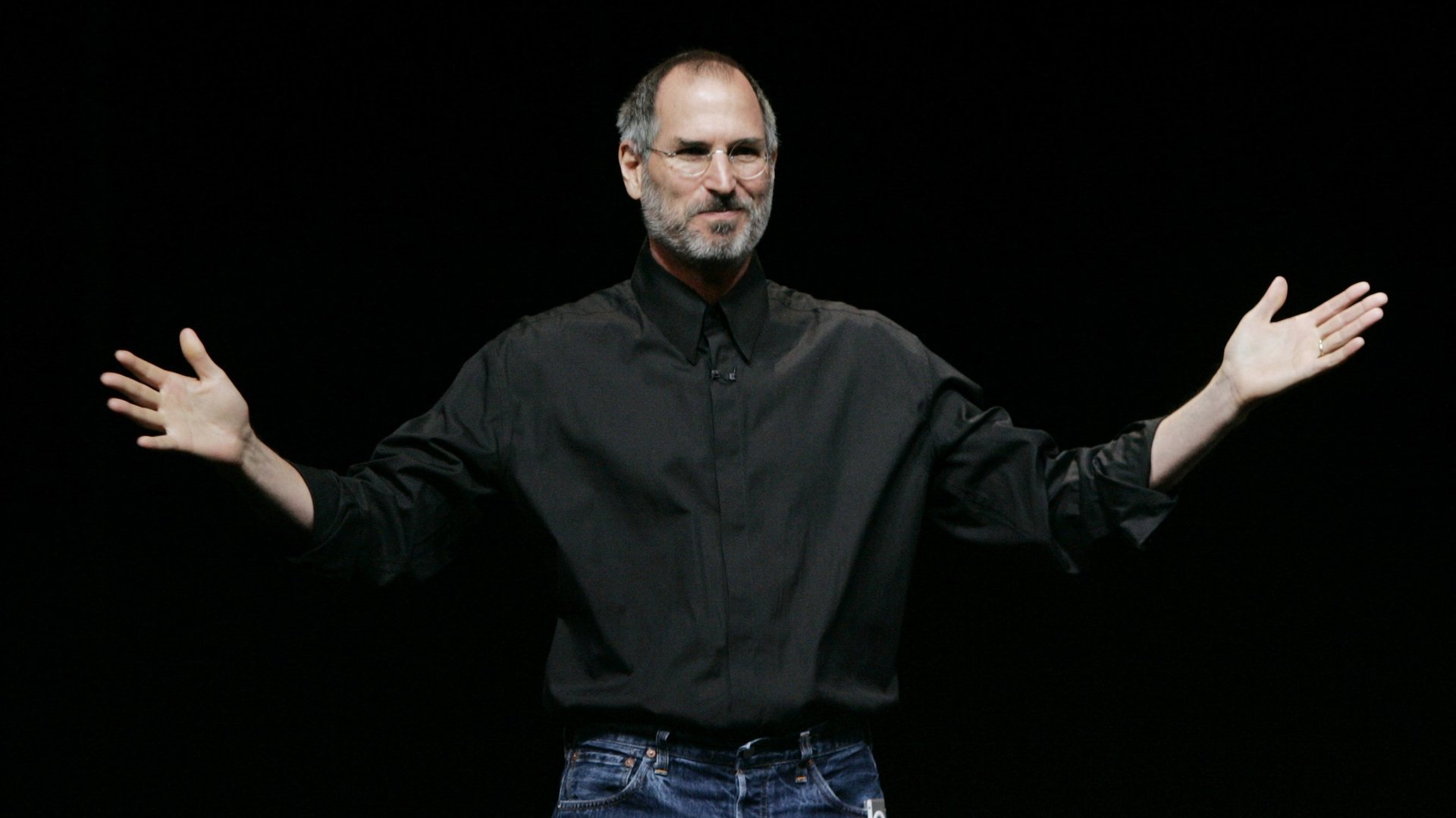
Paris is in the process of building a massive new startup incubator, Halle Freyssinet, which will eventually host over 1,000 startups, according to VentureBeat. In building the giant hall, the city will create a few new streets, and Jérôme Coumet, the mayor of the borough where the new building is being constructed, wants to name one of them after the late Apple CEO Steve Jobs (link in French).
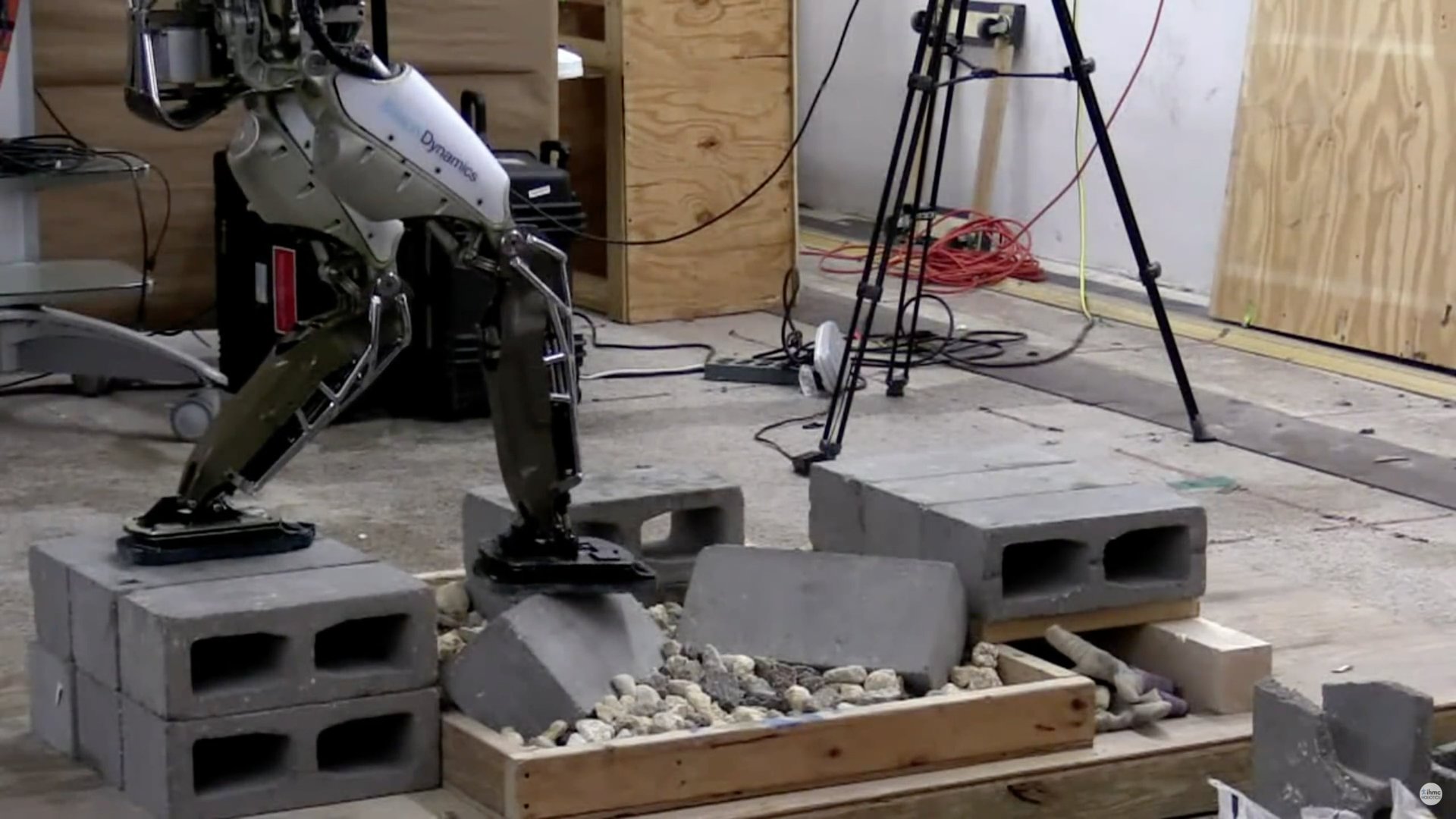
Your greatest fear has been confirmed: When the day comes, robots will now have no trouble getting past any obstacle that you put in its way. Your best hope is that their tyranny will be swift and their new world order merciful.