
Tech & Innovation
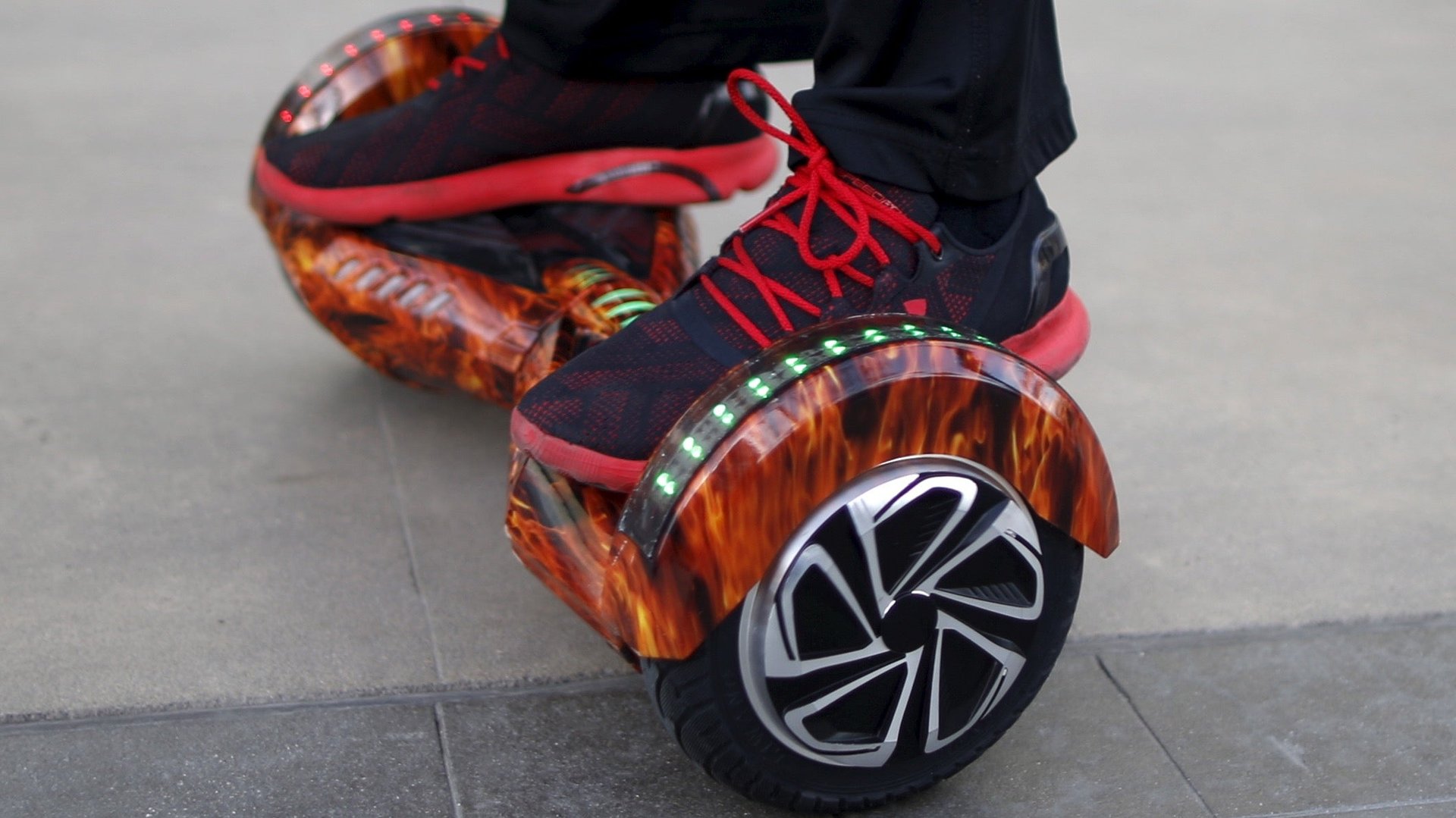
Great news for everyone who’d like to get around slightly faster: Hoverboards are backThey still don’t actually hover, but at least they’re probably not going to explode anymore.
Updated July 21, 20222 min read
They still don’t actually hover, but at least they’re probably not going to explode anymore.
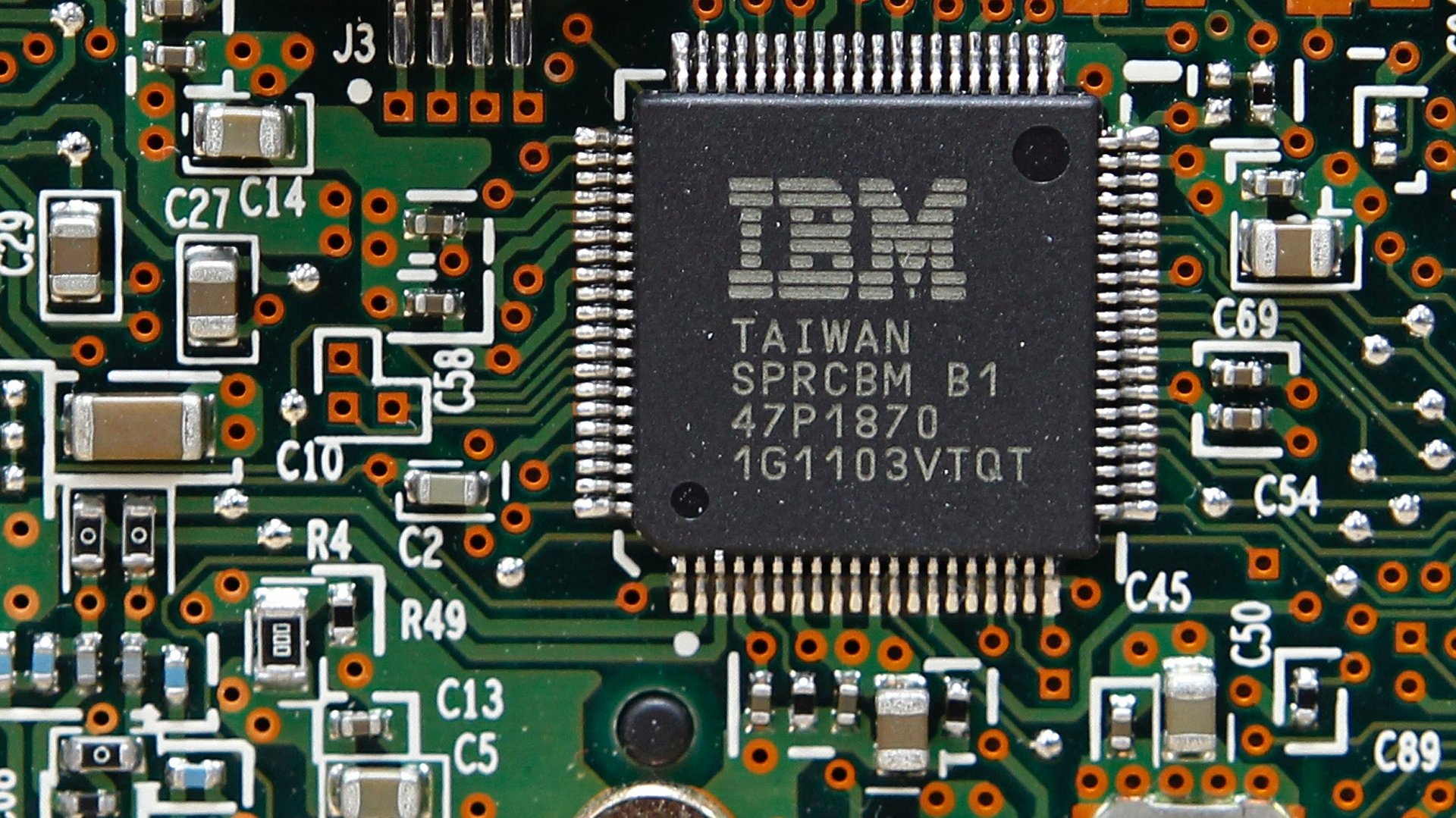
The media tends to focus on the crazy things Google, Facebook, and Apple patent, but they’re still dwarfed by more traditional companies like IBM and Samsung when it comes to the number of patents they’re awarded each year. Through the first half of 2016, IBM has, yet again, been the leader in technology patents, averaging roughly 23.6 patents awarded each day.
Facebook has been listening to US users of its apps since 2014, but a recent report from The Independent claims that the social network is always listening. Kelli Burns, a communications professor at the University of South Florida, told the paper that she believes Facebook listens to all conversations people have while the app is open, to serve more relevant ads to those people by listening to what they’re talking about.

Mary Meeker, a former Morgan Stanley internet analyst and now partner at venture-capital fund Kleiner Perkins Caufield Byers, delivered her annual internet trends report at this year’s Code conference in California today. Here are her slides:
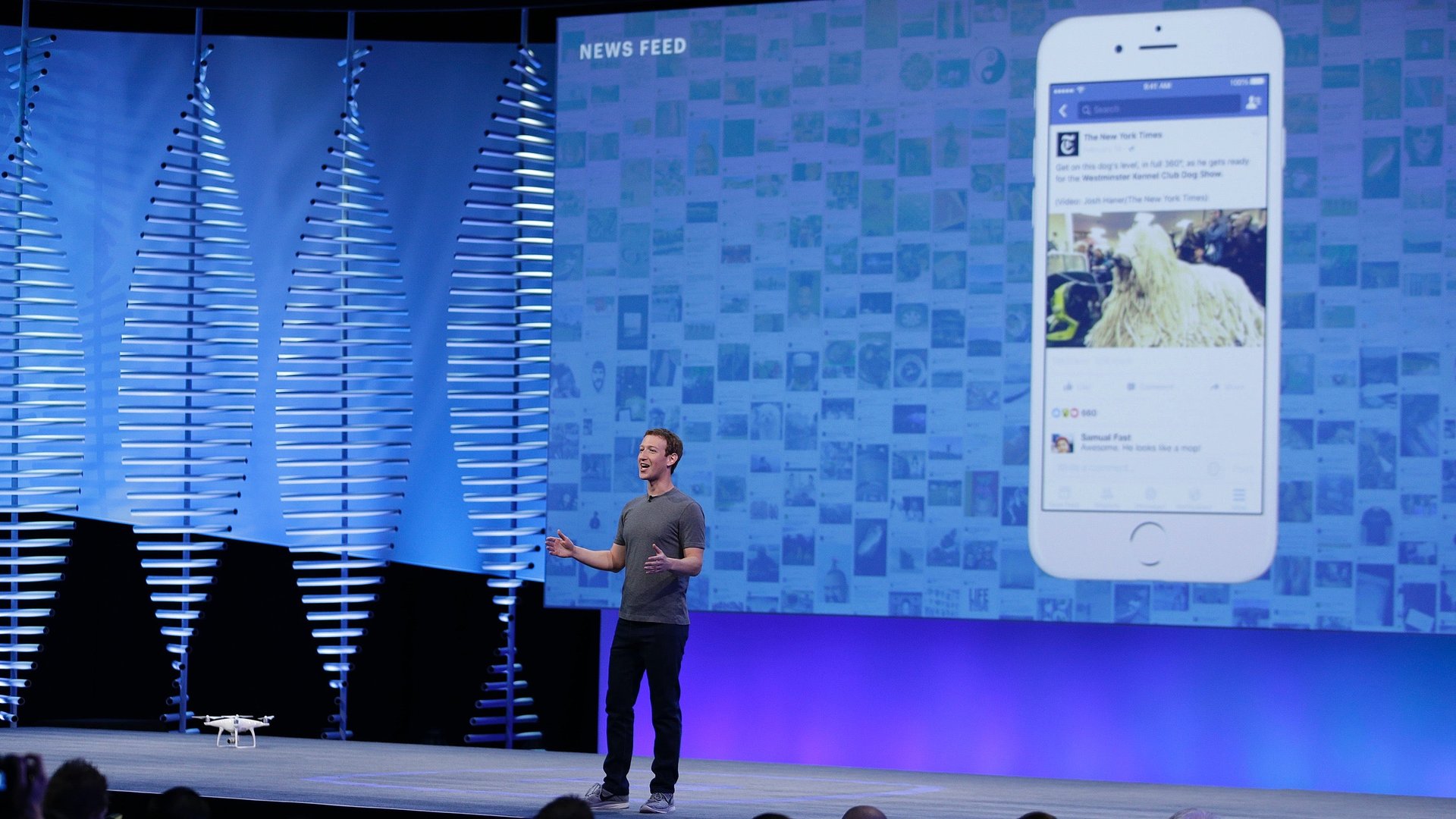
Today, Facebook announced Deep Text, an AI engine it’s building to understand the meaning and sentiment behind all of the text posted by users to Facebook. In a blog post, Facebook said that it was building the system to help it surface content that people may be interested in, and weed out spam.

When you think about the headliners at a music festival, it’s unlikely that the first person to pop into your head would be Martine Rothblatt—the founder of Sirius XM, the one-time highest-paid female CEO in the world who made a robot clone of her wife, and the founder of the Terasem religion, which believes we’ll live forever by uploading our consciousness to the cloud. But Moogfest, a four-day citywide festival of music and technology in Durham, North Carolina, was not the average music festival. Unlike other festivals that make cursory overtures to technology, Moogfest dedicated as much time to explaining how technology influences creativity as to the creative output itself, even listing headline ‘technologists’ alongside its top-billed musical acts.

If you saw the launch of the iPhone 6S last year and thought it was decent, but your old iPhone could probably hold up until Apple launches its next amazing new phone in 2016, we have some bad news. It seems increasingly likely that the next iPhone will look a lot like the iPhone 6S, which looks a lot like the iPhone 6.
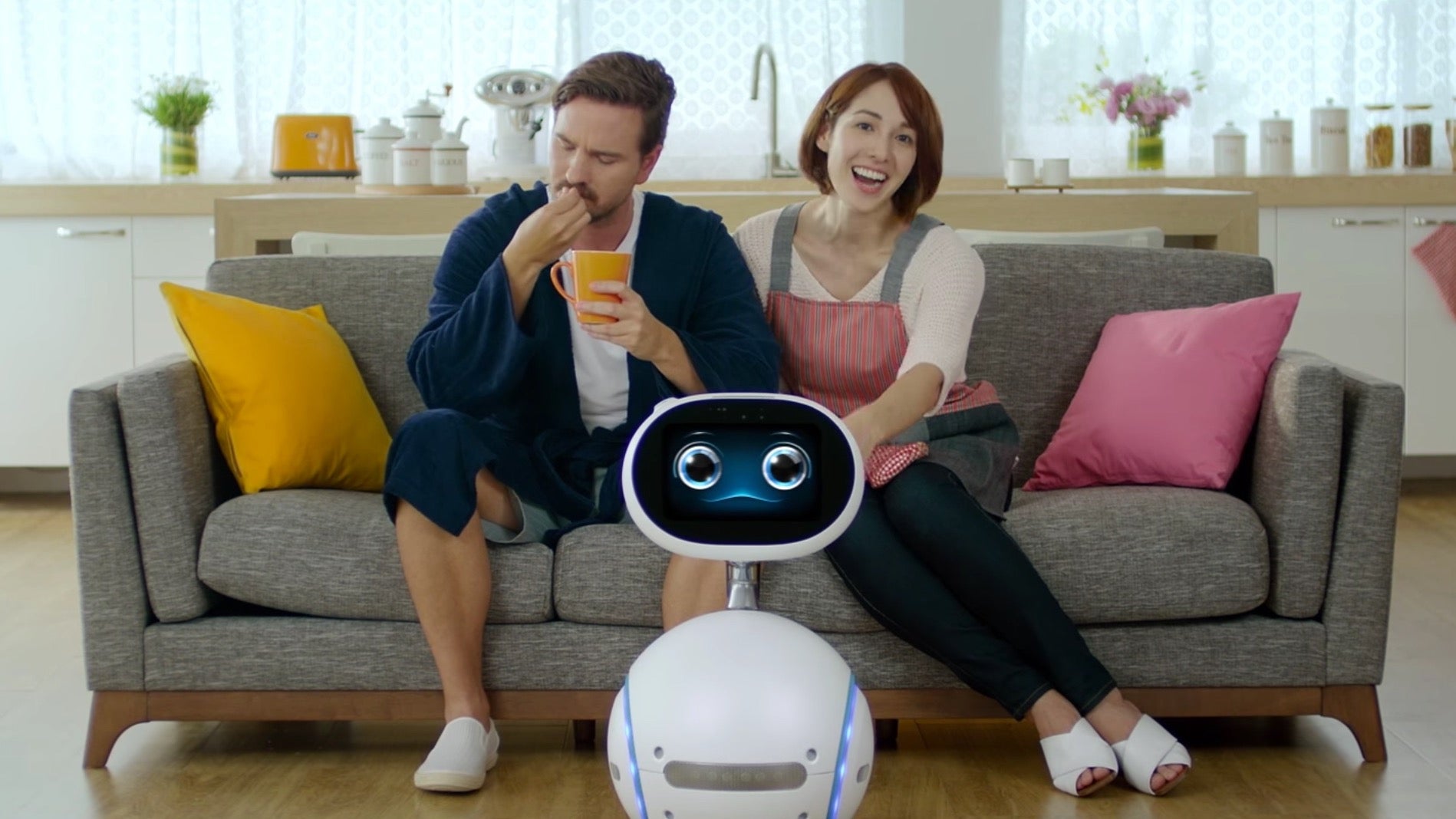
In case you ever wanted to know what it would look like if Wes Anderson gave up on life and made a short film about a forthcoming robot butler and how it ties together a suburban family with disparate accents, laptop manufacturer Asus has you covered.
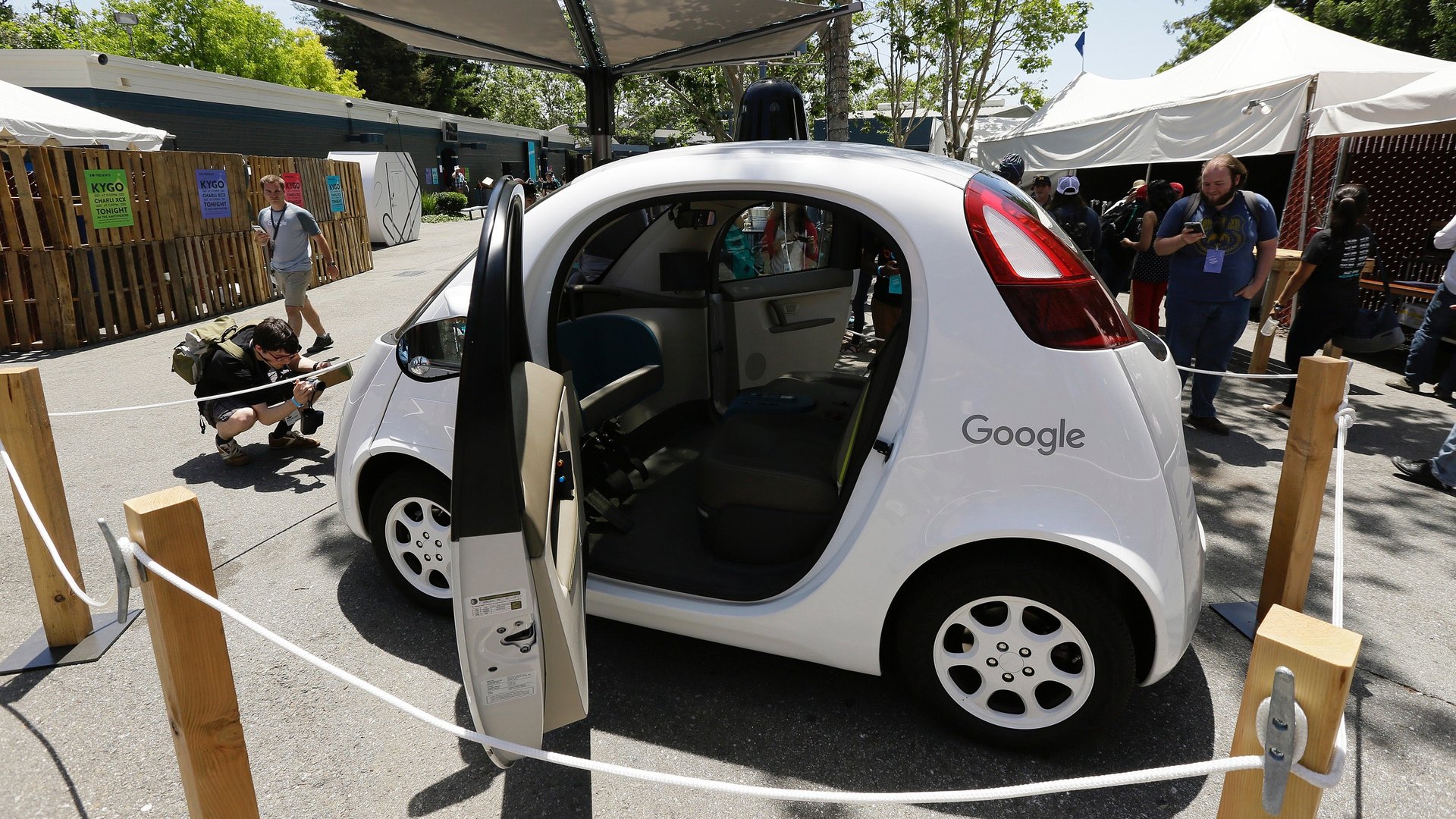
For anyone driving long distances, cruise control is fantastic. Pressing a button, letting go of the accelerator, and focusing on the road ahead makes long drives a little more bearable. According to a new patent published today, Google wants to make self-driving cars just as simple to use.

Magic Leap is apparently working on a virtual reality technology that’s so revolutionary it justifies valuing the company at $4.5 billion, even though almost no one has seen this mysterious tech, or knows exactly what it will do.
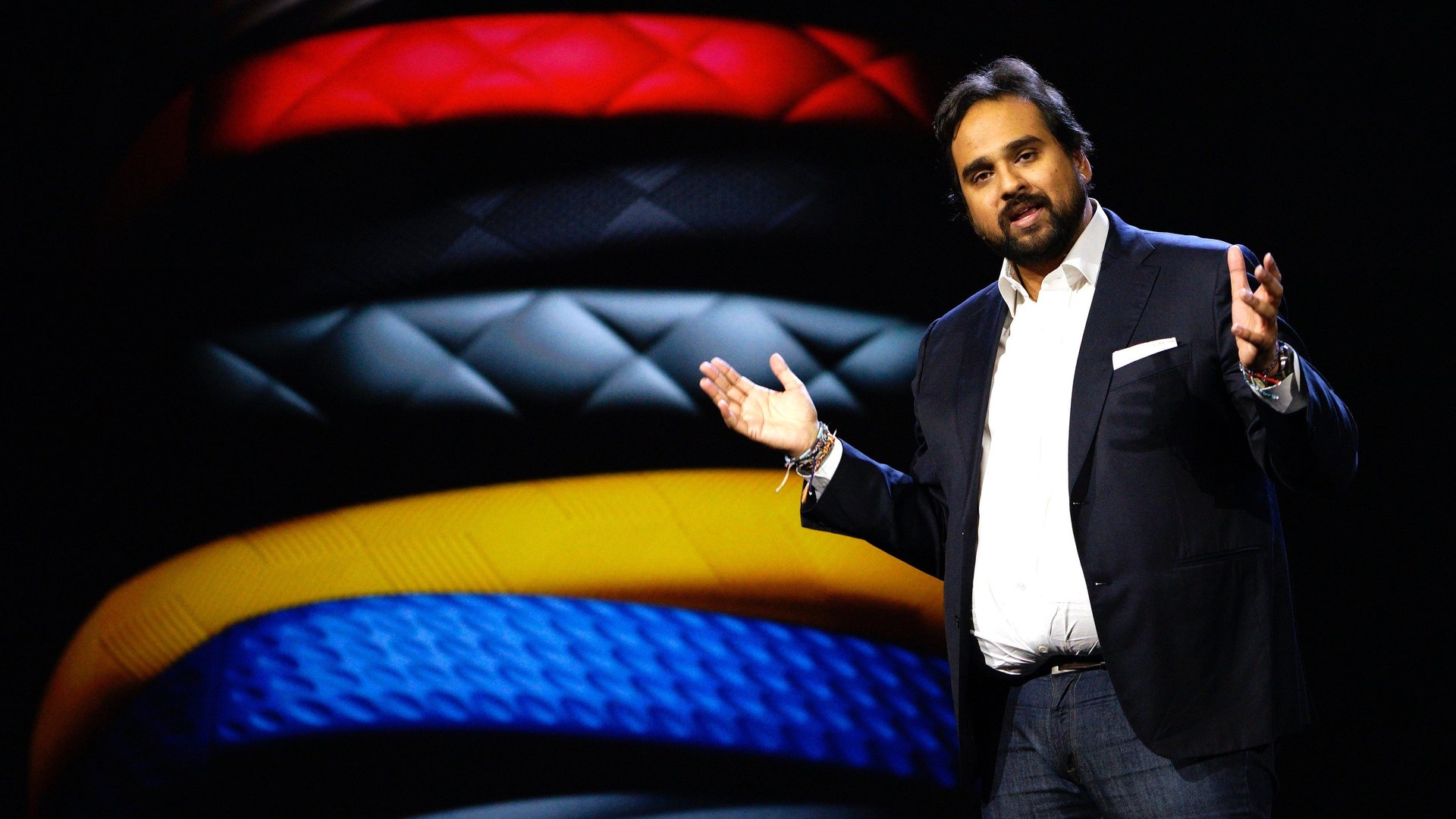
All the beautiful Yves Béhar designs in the world probably won’t be enough to save a company.
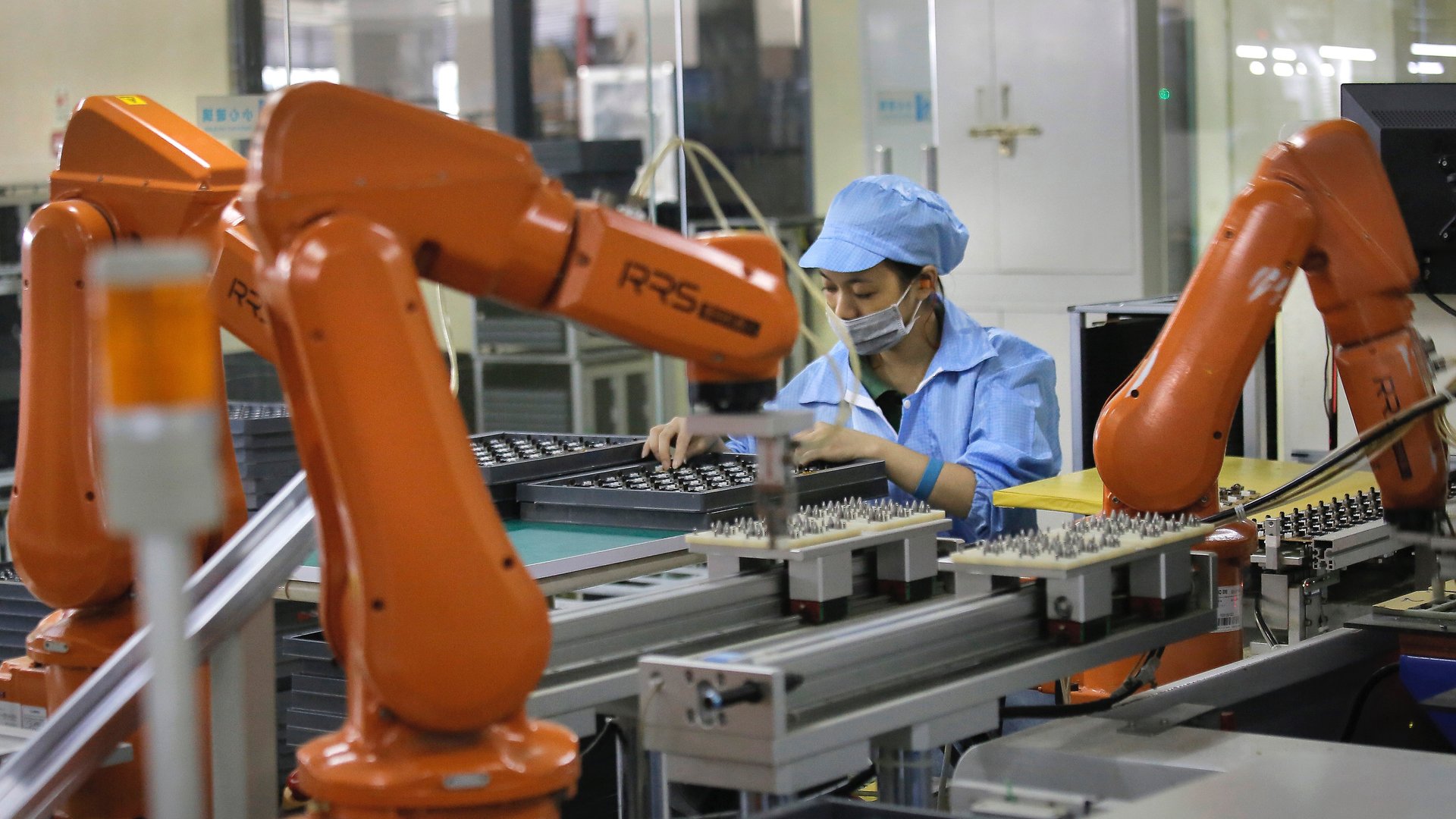
The next time you buy a new iPhone, it’s possible that it will have been made by a robot.

The next Star Wars film won’t be released for another seven months, but for those jonesing for a fix of the galaxy far, far away, there’s new hope in the form of a short film put together by a group of drone pilots, depicting a Rebel Alliance starship escaping Imperial fighters.
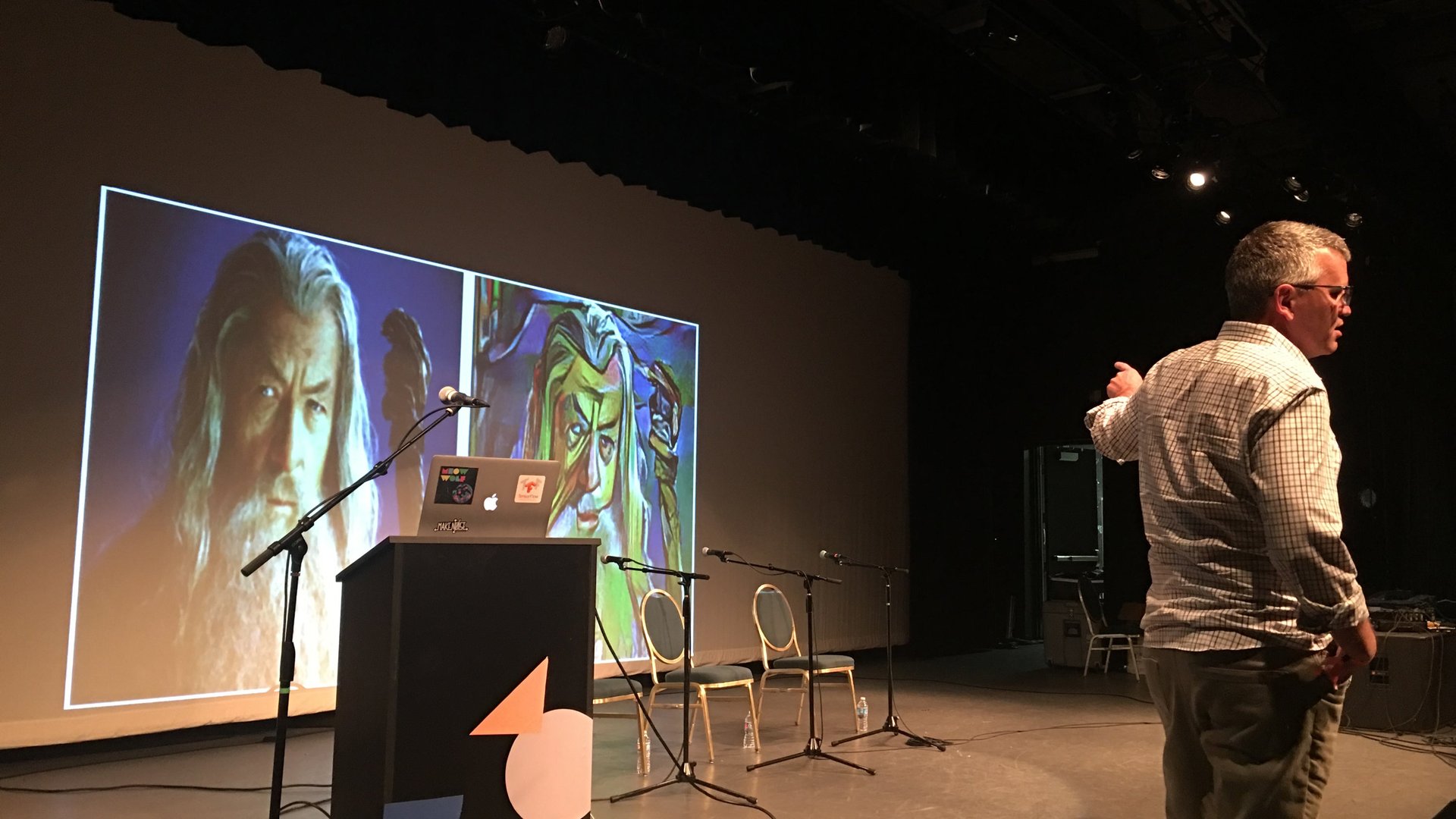
Google wants to put the art back in artificial intelligence.
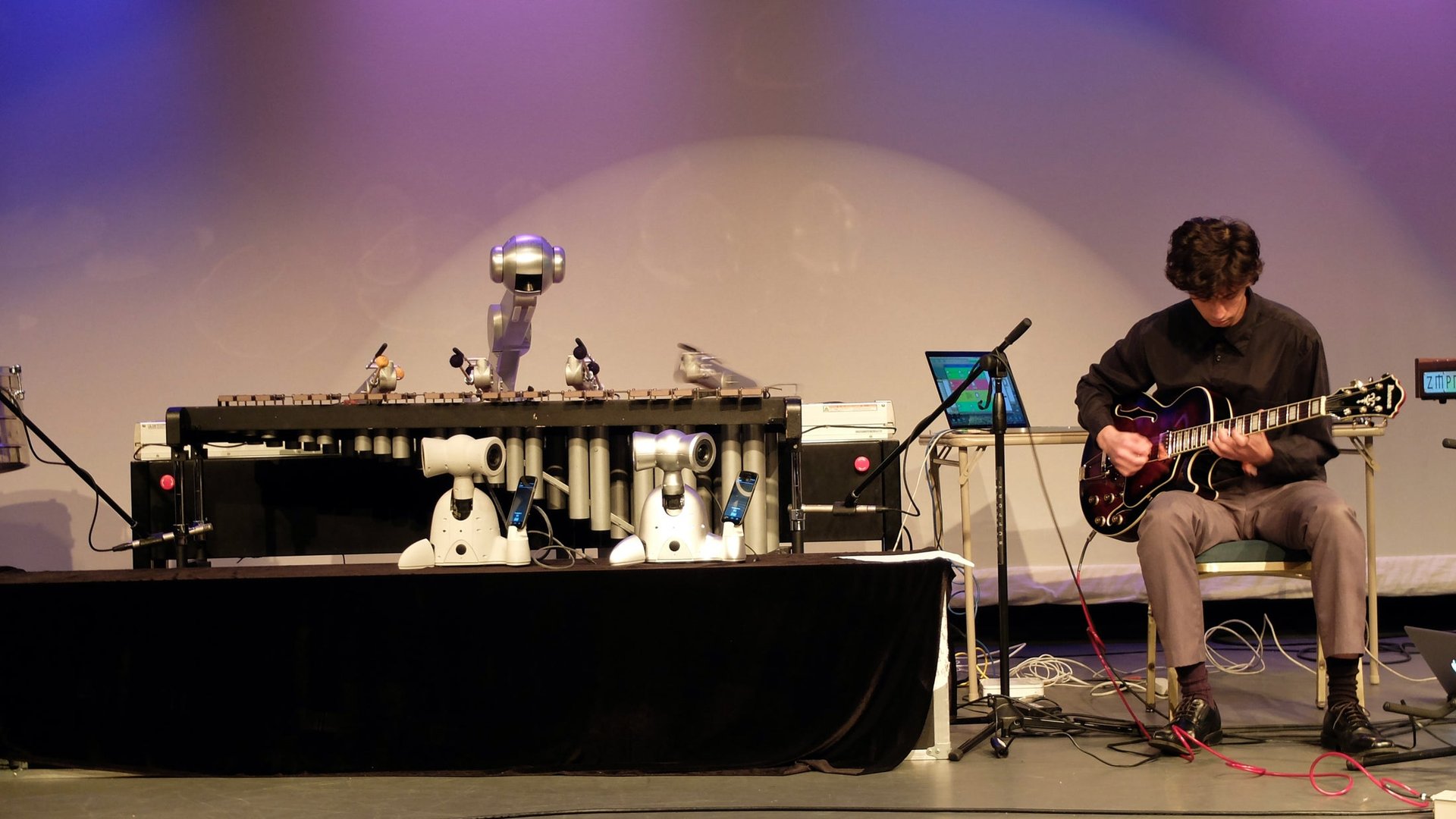
He bobbed his head with the groove, and leaned way in when he wanted to play more complicated melodies, rocking and rolling with the beat of the jam. This wasn’t a your average jazz band member, though—this was Shimon, a four-armed robot marimba player built by the Georgia Institute of Technology to be able to listen to music, improvise, and play along with human musicians.

“It just works.”
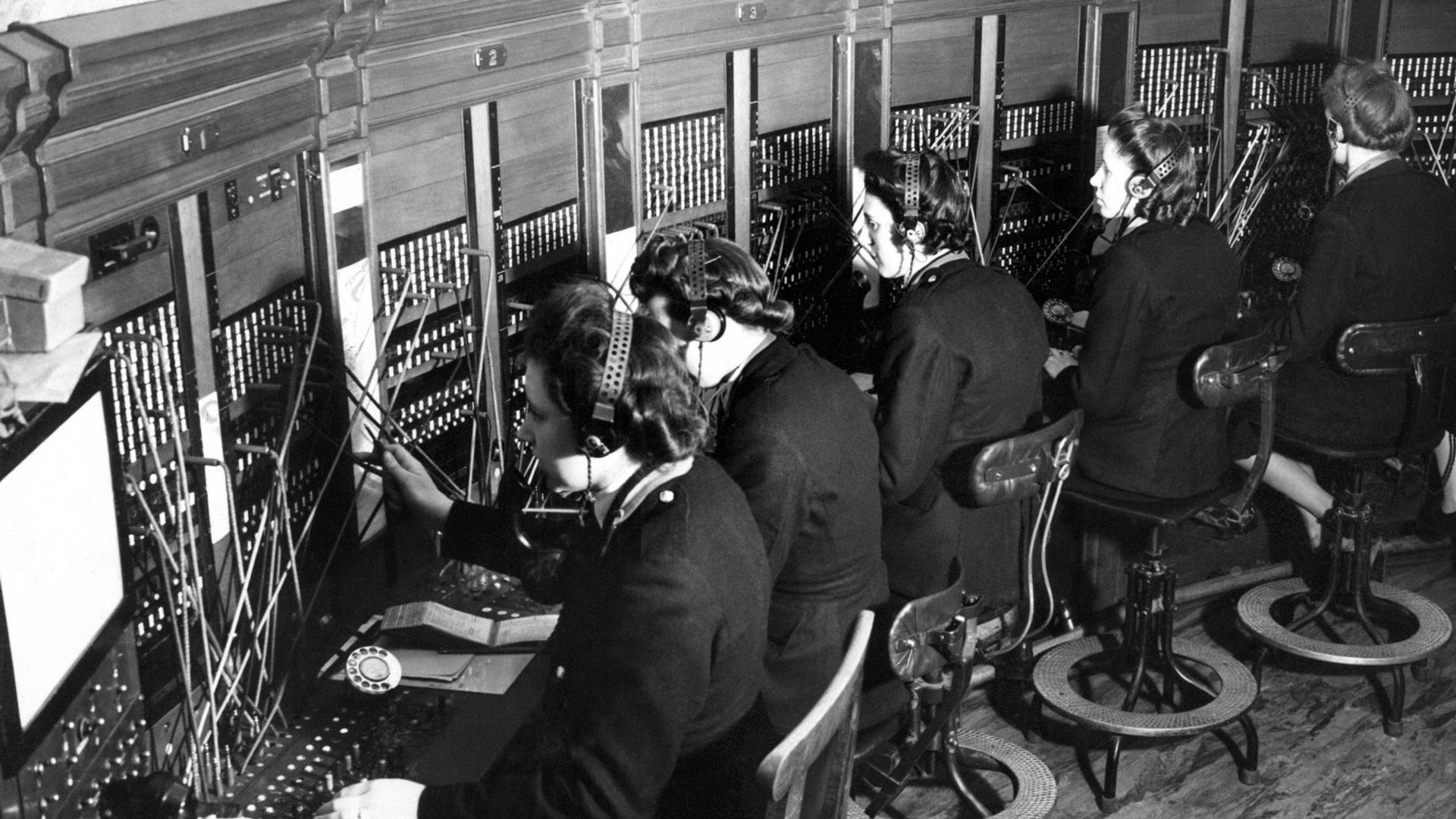
There was an eerie hum emanating from a dimly lit room above a bakery on a side street in Durham. In the corner of the room, Lori Napoleon sat next to a series of old switchboards, draped in wires and covered in blinking red lights. She’s controlling the switchboards, which are creating the droning sound that’s somewhere between an ambient beat and audible corollary for a sense of foreboding doom.This is what it sounds like when you turn antique telephone switchboards into musical instruments
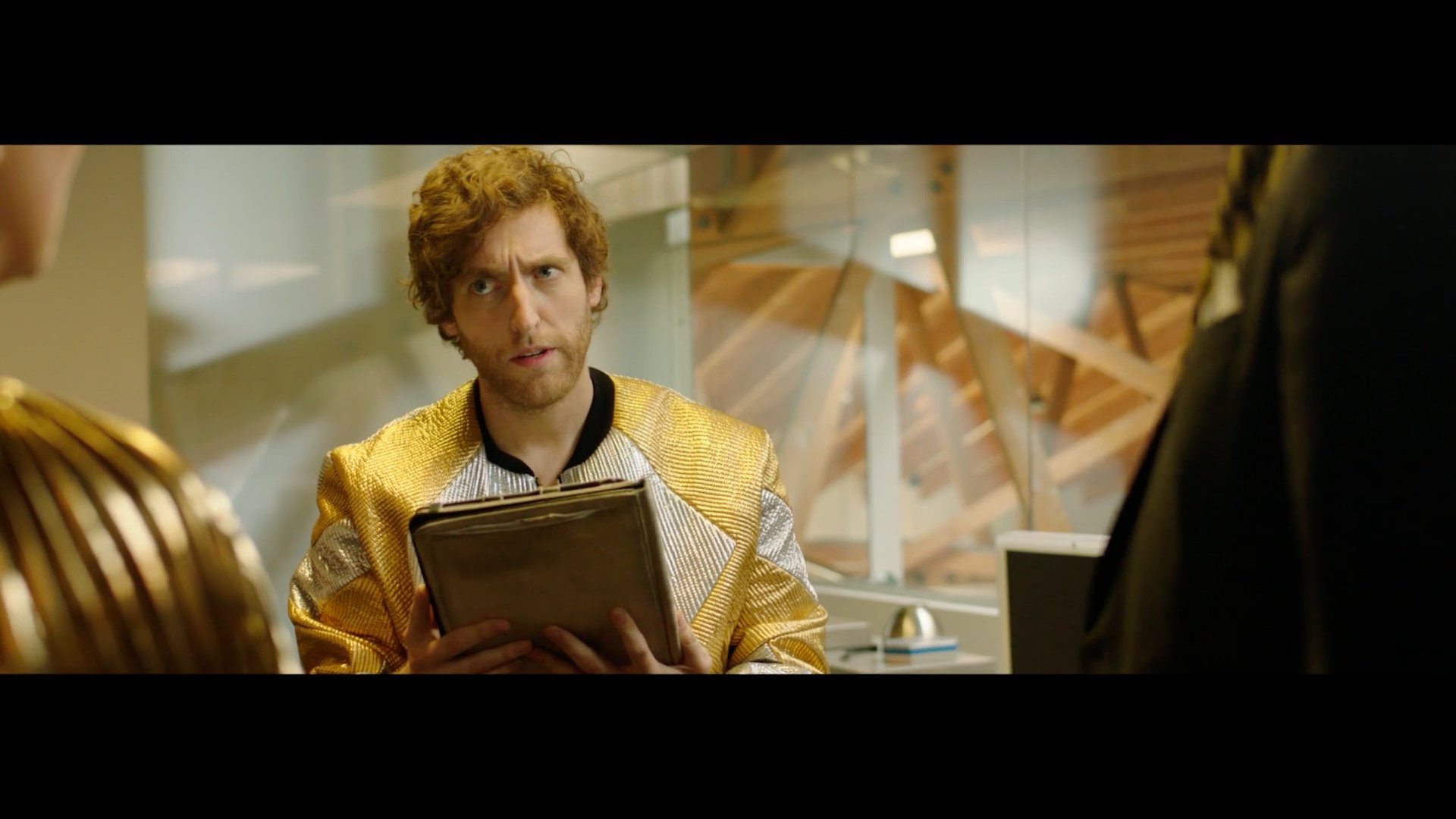
If you believe the alarmists out there, robots are eventually going to take every job. They’re already being hired as advertising executives, legal aides, and teacher’s assistants, and making art and music. So perhaps it’s inevitable that they will be able to write movies in the future. But it doesn’t seem they’re quite there yet.
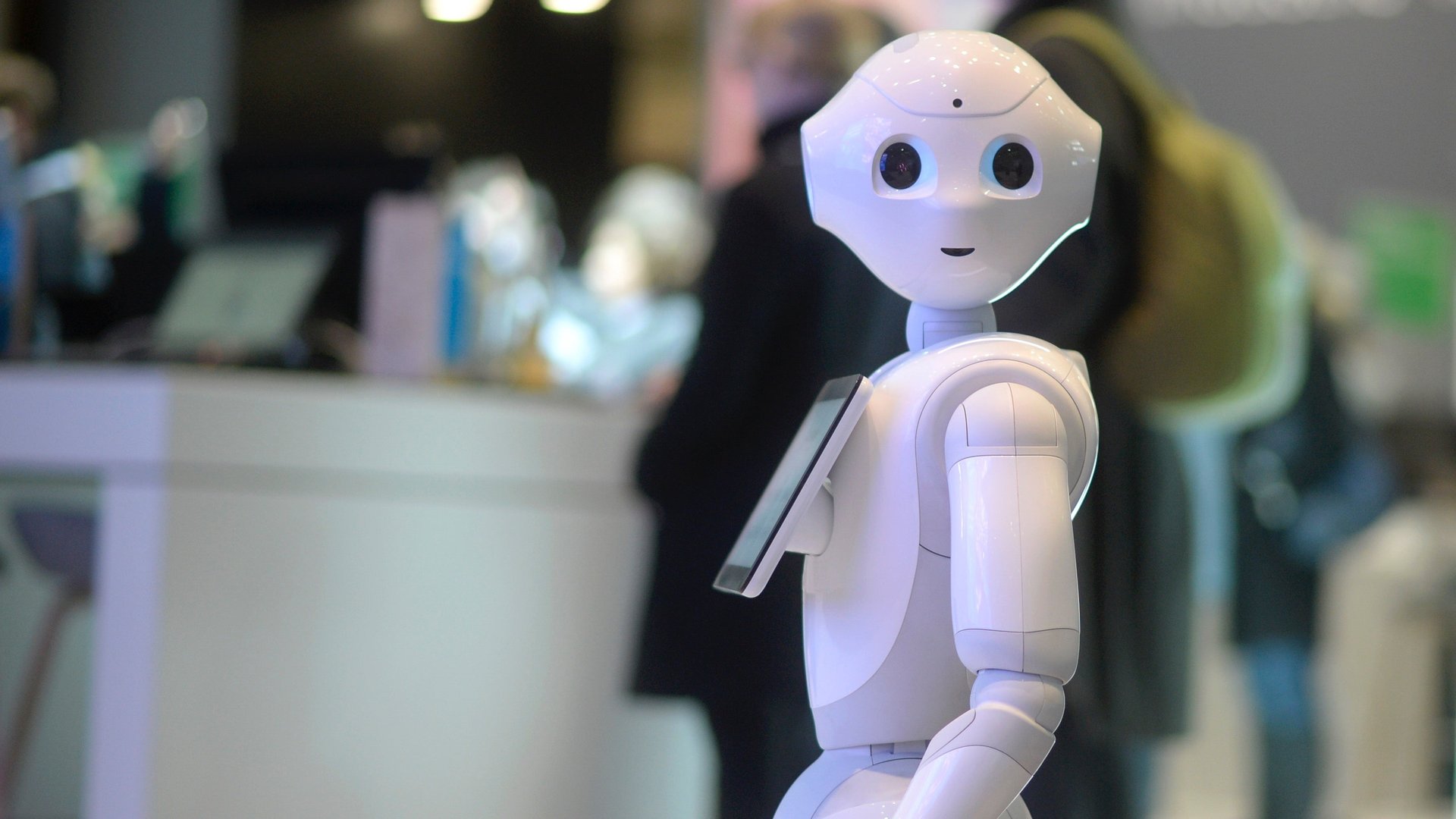
Google’s mobile operating system just got a little more mobile. Starting today, developers can build out apps on Android for Pepper, the humanoid robot made by Japanese telecom firm SoftBank, using the same tools and languages they’d use to code apps for smartphones and tablets.

Snapchat, the messaging service where missives disappear within seconds or days, has started selling an ice cube tray on Amazon. According to the description on its product page, Snapchat sees ice cubes as kindred spirits, as they too disappear after a given amount of time.

Pandora, the internet radio site, has been told by hedge fund Corvex Management—its largest shareholder—that it should think about selling itself, the New York Times reported yesterday (May 16).
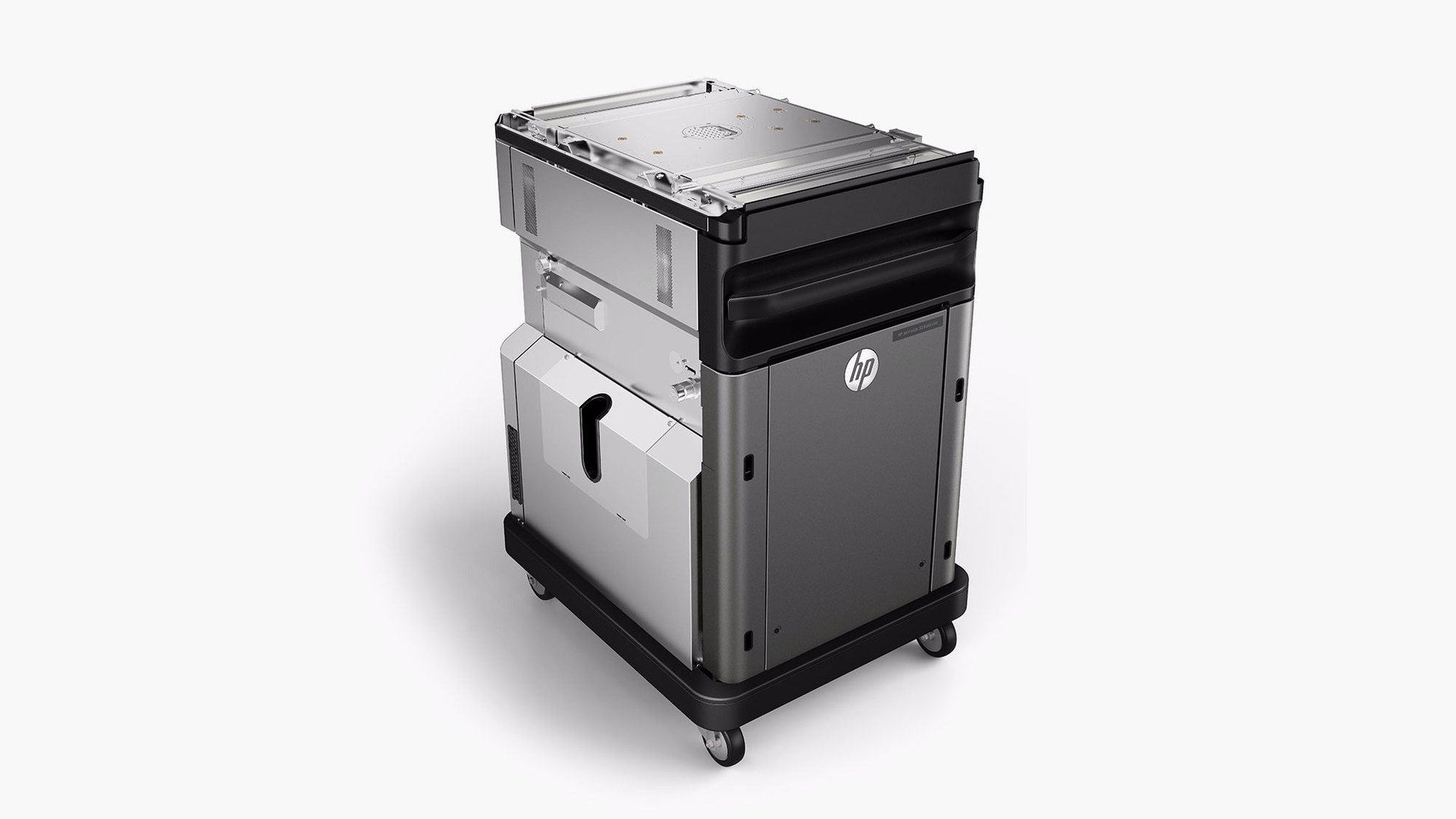
The world’s biggest printer company is finally ready to make the leap into the third dimension.
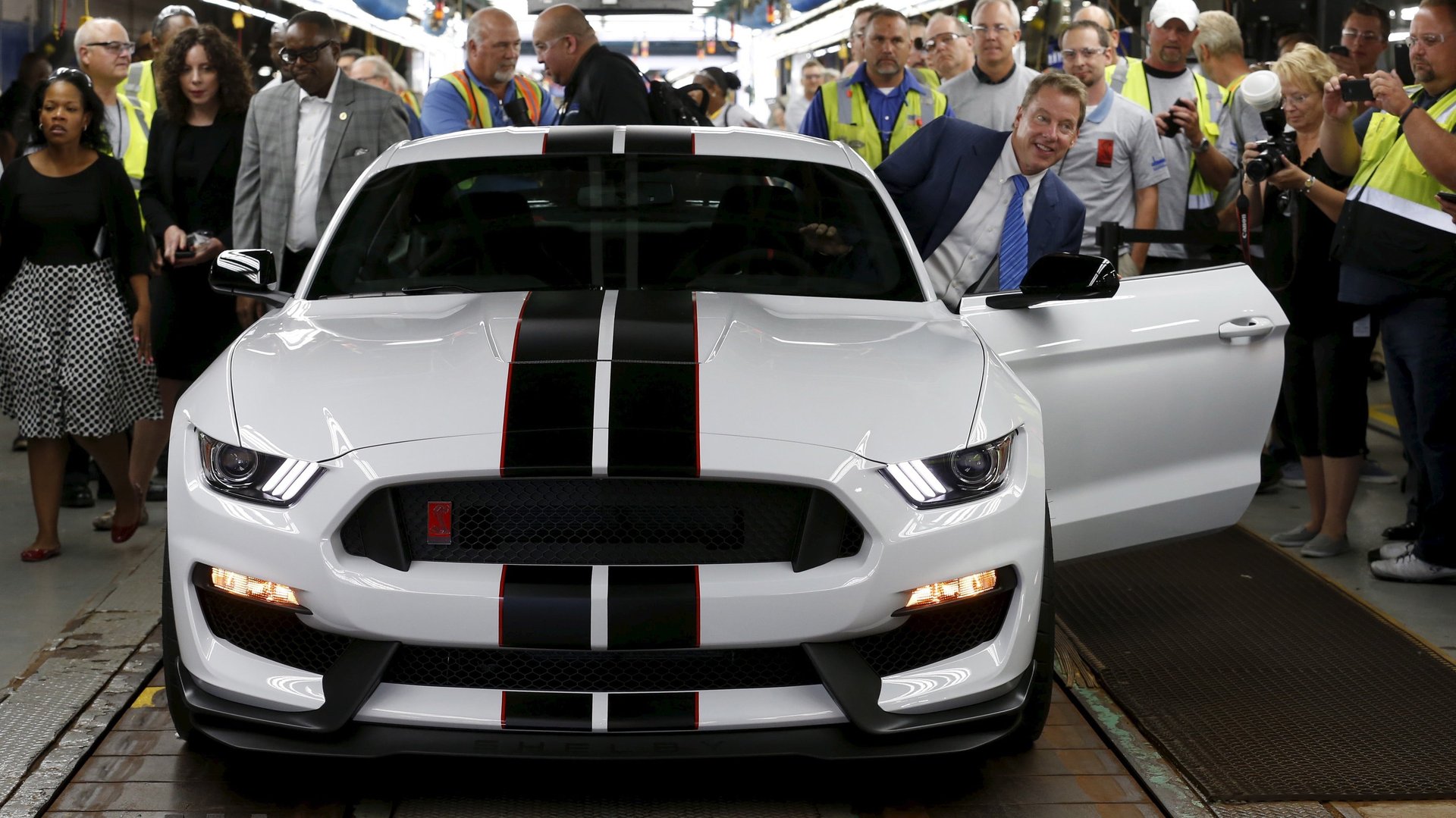
In a small lab in a research facility near Ford’s headquarters in Dearborn, Michigan, there’s a picture of Henry Ford whacking a plastic fender made with soybeans with a sledgehammer, and another of him wearing a soybean-fiber suit. He even built a soybean car in 1941. Ford wanted, as his museum suggests, to “combine the fruits of industry with agriculture.” But after World War II, the price of oil plummeted, and the company continued to produce cars that both ran on and comprised petroleum parts.

If having intimate relationships with sexbots is a future you want to be part of, you might want to have a look at what goes into their production.