For a fortnight in Glasgow, delegates from nearly 200 countries will argue back and forth over the great energy transition—over the political and practical challenges of shifting the world from fossil fuels to renewables.

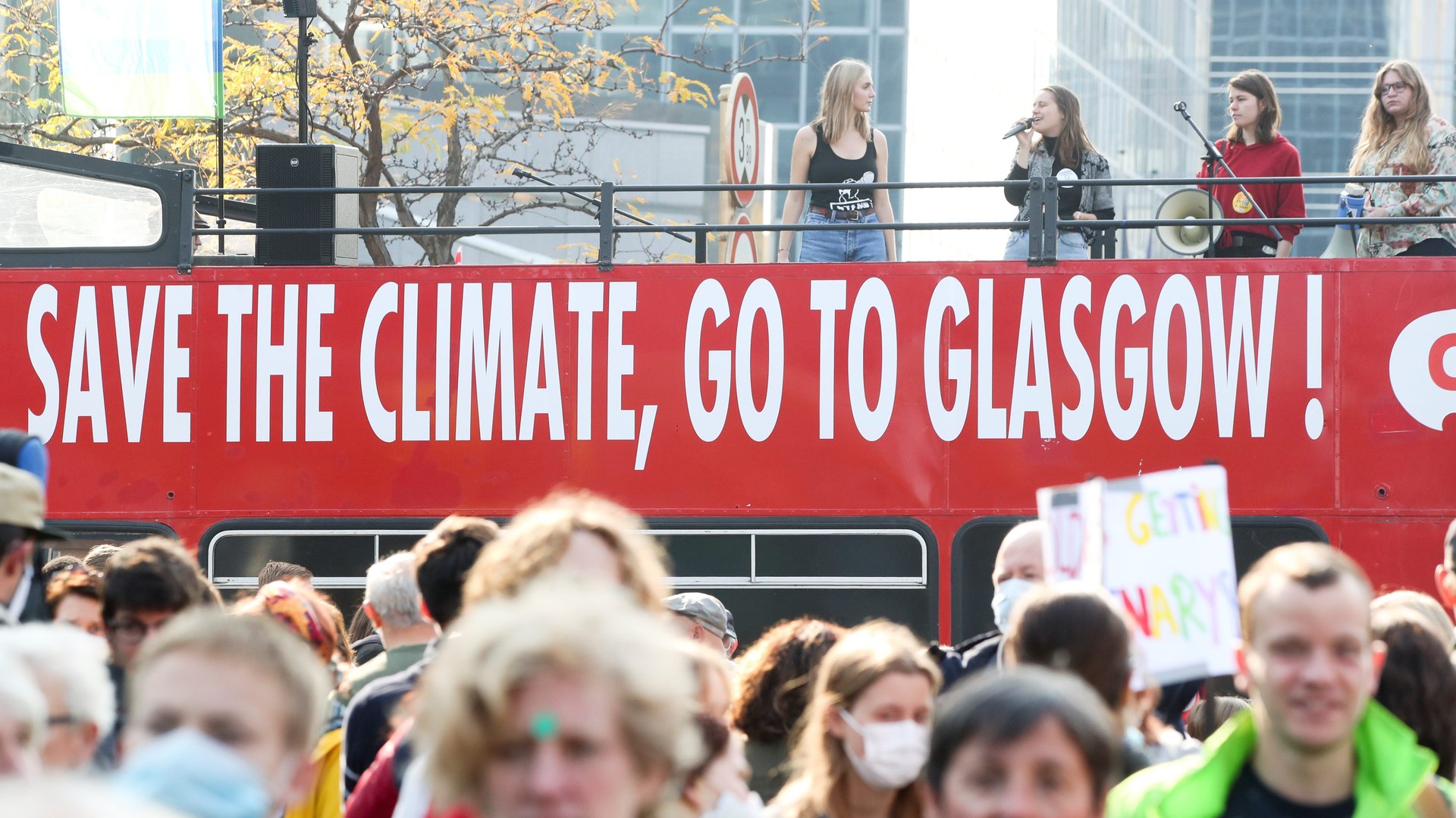
For a fortnight in Glasgow, delegates from nearly 200 countries will argue back and forth over the great energy transition—over the political and practical challenges of shifting the world from fossil fuels to renewables.

Between April and August, the US’ share of global computing power devoted to mining bitcoin more than doubled, from 17% to 35%, as miners looked to relocate from China after the government there began cracking down on cryptocurrency.

The UK government knows that it’ll have to take difficult decisions to achieve its goal of being a net zero emissions economy by 2050. It’ll have to consider taxing beef, levying carbon taxes on flights, and finding other ways to modify the behaviors of consumers and producers from on high.

This could be among the last few articles you ever read about Facebook.

For corporations, everything is a marketing opportunity—even a UN climate summit trying to solve planetary deterioration caused, in large part, by corporate excess.

The Commodity Research Bureau Raw Industrials index, the US’ oldest commodities index, is 87 years old, but some of its items could have been plucked right out of a market in the Middle Ages.

For almost half a century, Chinese officials have overseen one of the greatest economic transformations in human history. The country has gone from collectivized farms and famine to world-leading tech companies and gleaming megacities connected by superfast trains. More than 800 million Chinese have been pulled out of poverty as the Communist Party and its leader Xi Jinping string together (according to the party’s numbers) decades of uninterrupted growth.


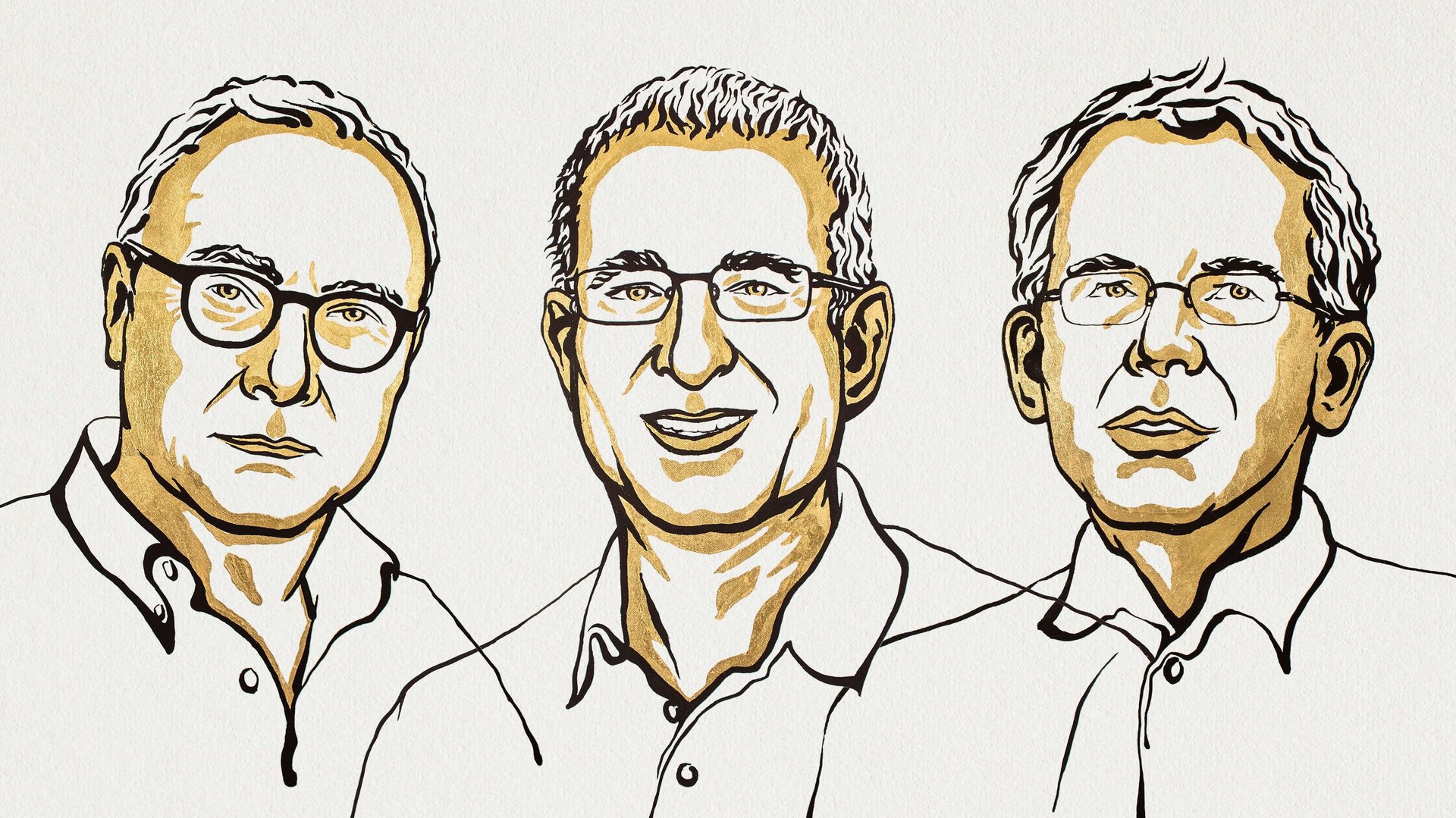
In economics, experimentation is an elusive affair. In examining whether a school education improves the mental health of children, for example, no economist can design and run a controlled experiment. As Eva Mörk, a member of the committee that judged the 2021 Economics Nobel, said during the prize announcement on Monday (Oct. 11): “We can’t let some individuals take part in school and forbid others from going to school.”

Good morning, Quartz readers!

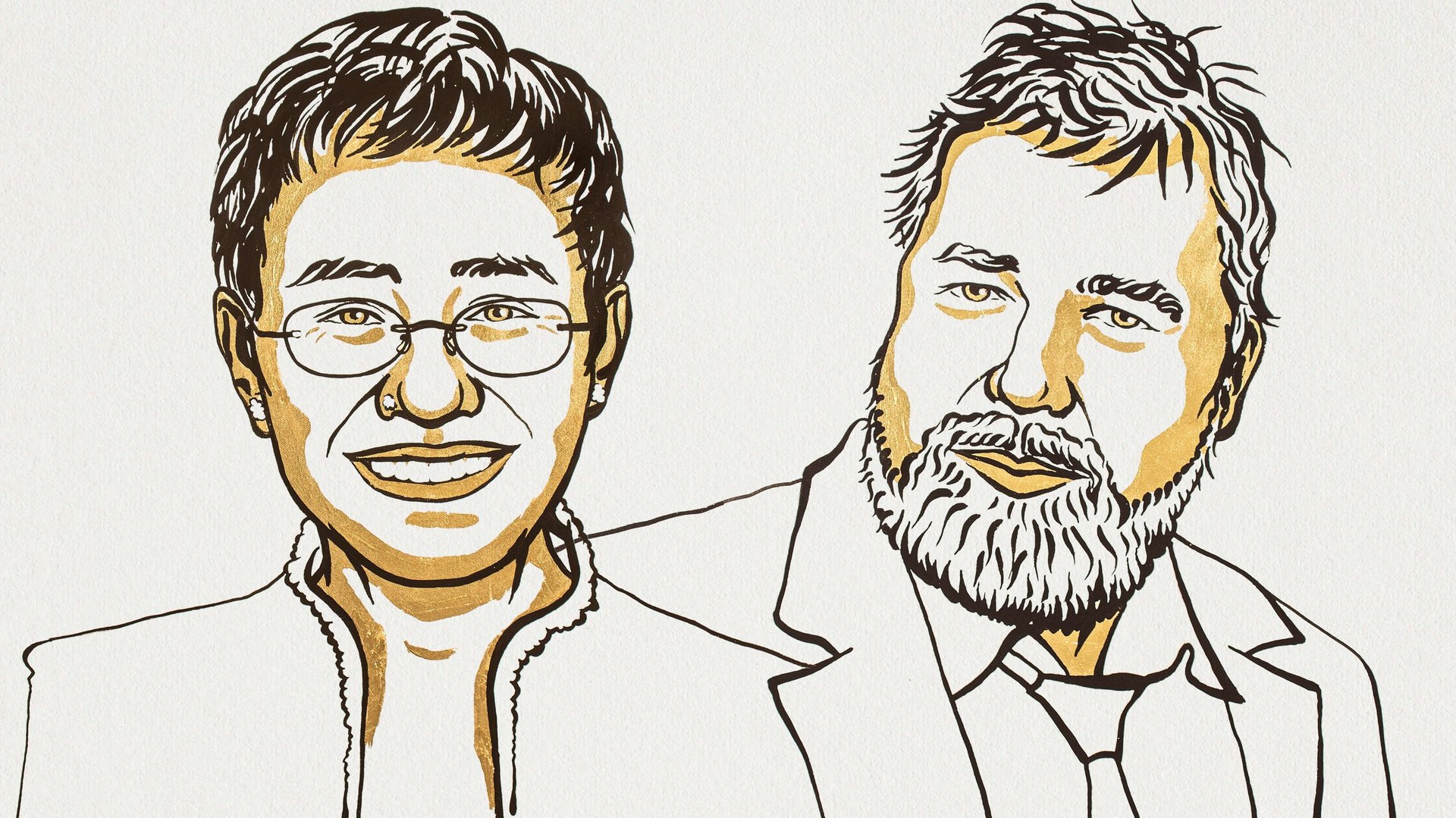
In a plain rebuke to the leaders of Russia and the Philippines, the Norwegian Nobel Committee awarded the 2021 peace prize to Dmitry Muratov and Maria Ressa, journalists who have struggled against their governments’ suffocation of the press.

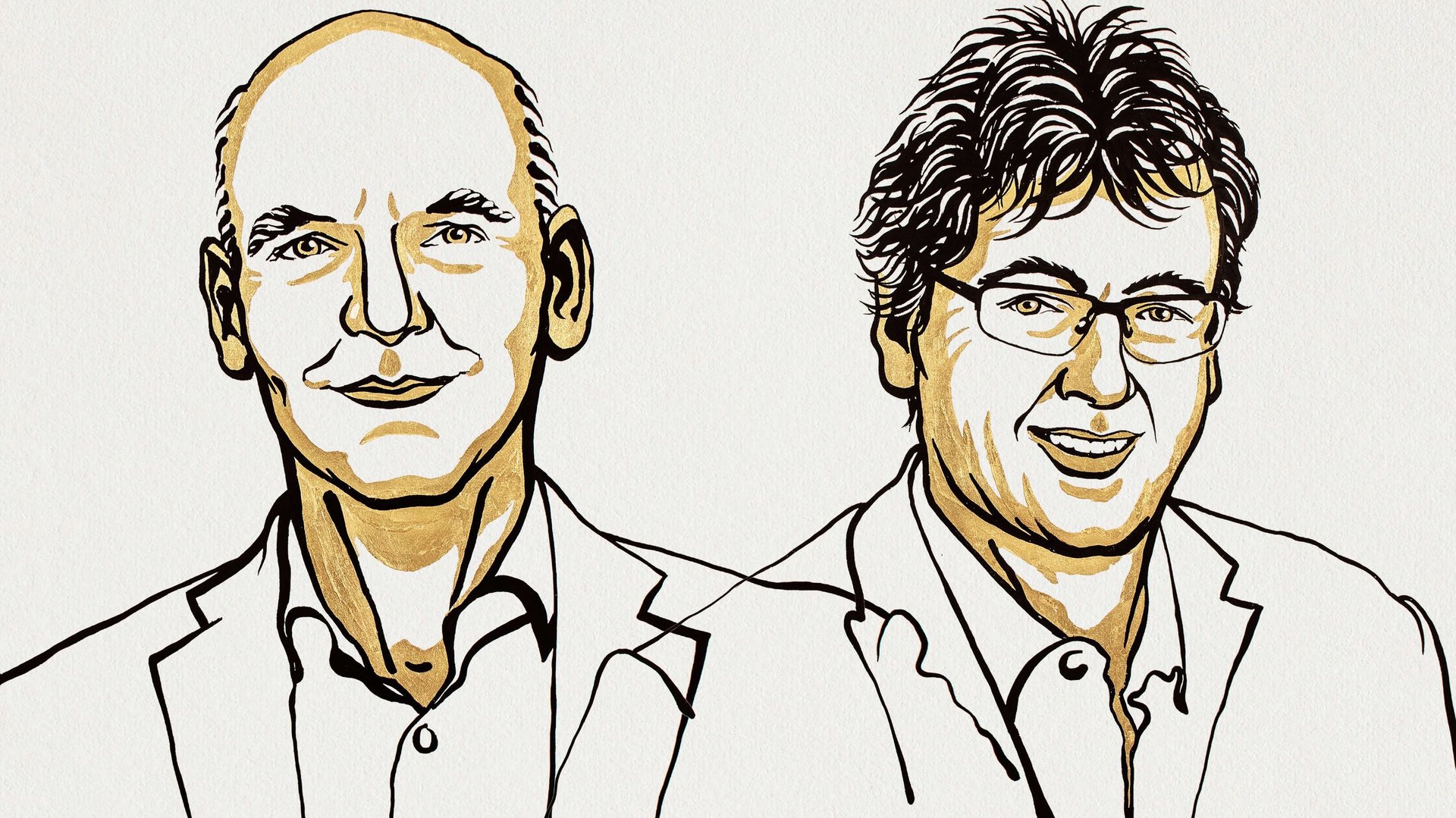
In the late 1950s, doctors began prescribing a new drug named thalidomide to pregnant women in Europe and North America, to ease their morning sickness. The results were heartbreaking: tens of thousands of babies delivered stillborn or with birth defects, leading to a swift ban on the drug.

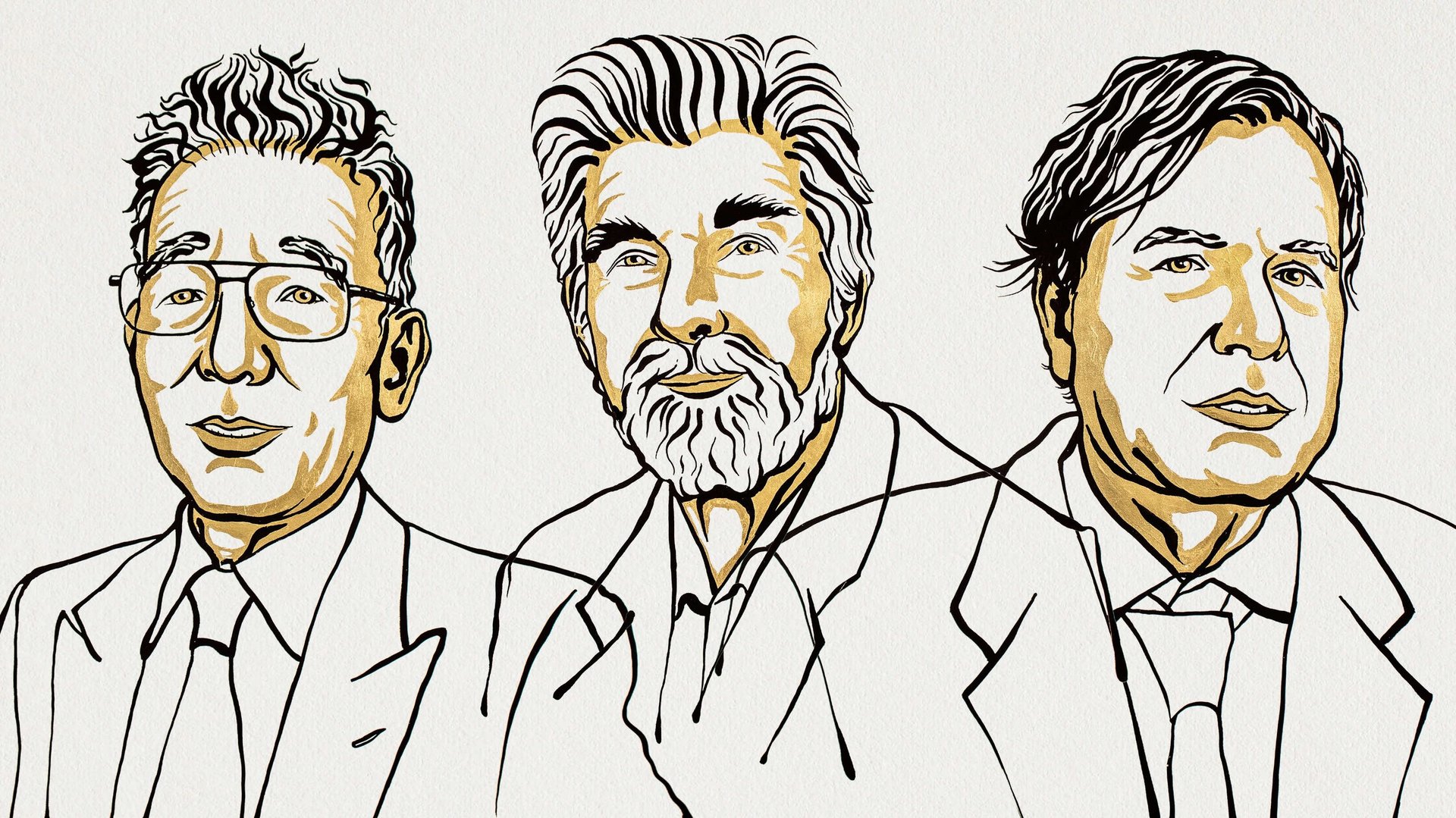
When Syukuro Manabe was working on his PhD at the University of Tokyo, late in the 1950s, he was part of a team that tried to predict rainfall. The team’s methods now seem painstaking and rudimentary: testing air to see how much moisture condensed out of it, and using those measurements to extrapolate the likelihood of future rain.

There’s never such thing as a shoo-in at the Nobel Prizes. The scientists who developed the various Covid-19 vaccines saving lives around the world may have been thought to be the frontrunners for this year’s Nobel in physiology and medicine.

Like a malign comet, the debt-ceiling debate has swung into the skies of American politics again, as it does at regular intervals. And everyone from economists to pundits to everyday Americans can already feel the fatigue of the partisan politics playing out through this deliberately manufactured crisis.

It hasn’t been the best of years for entities with names that start with “Ever.”

Hi Quartz members,

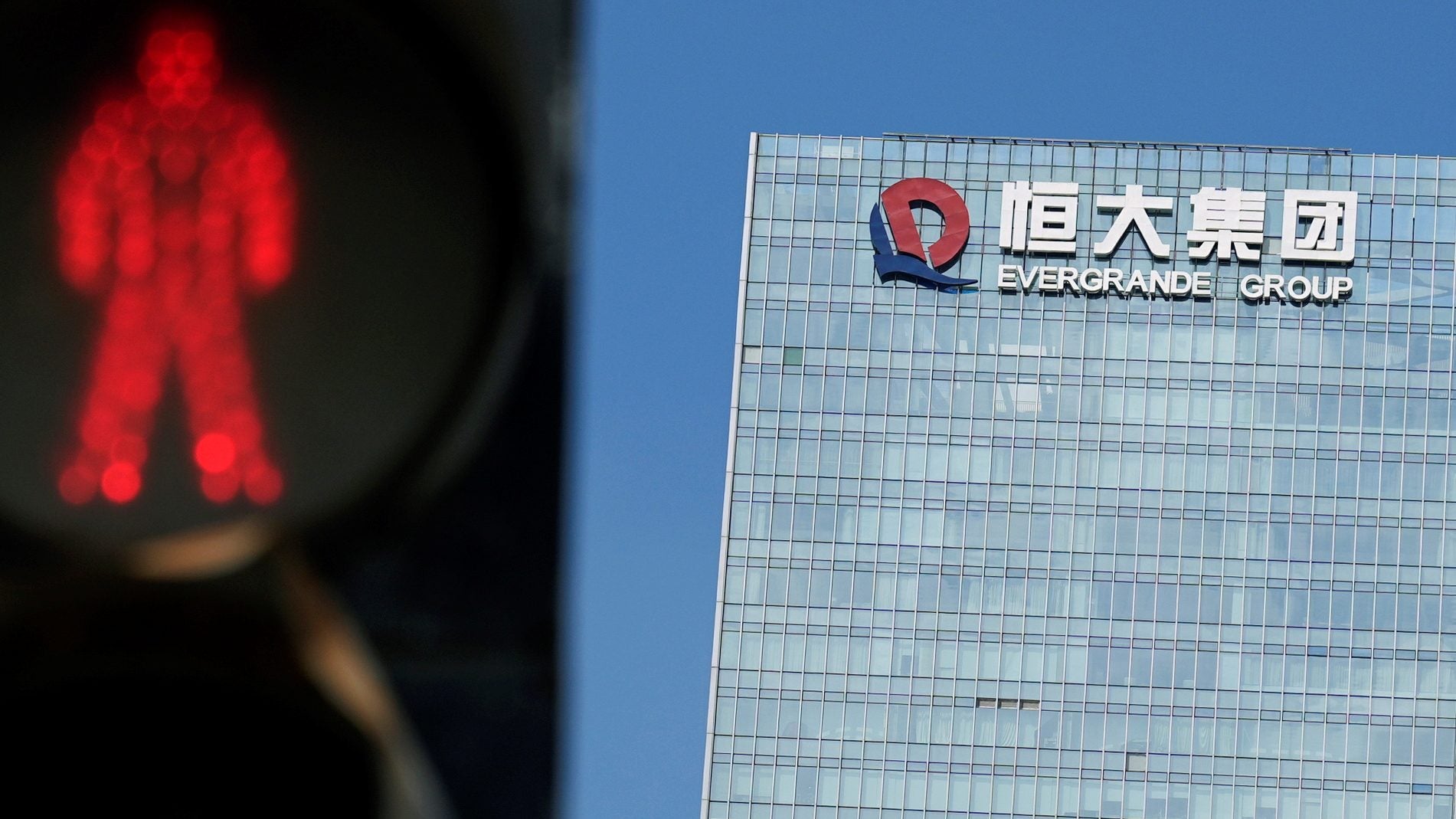
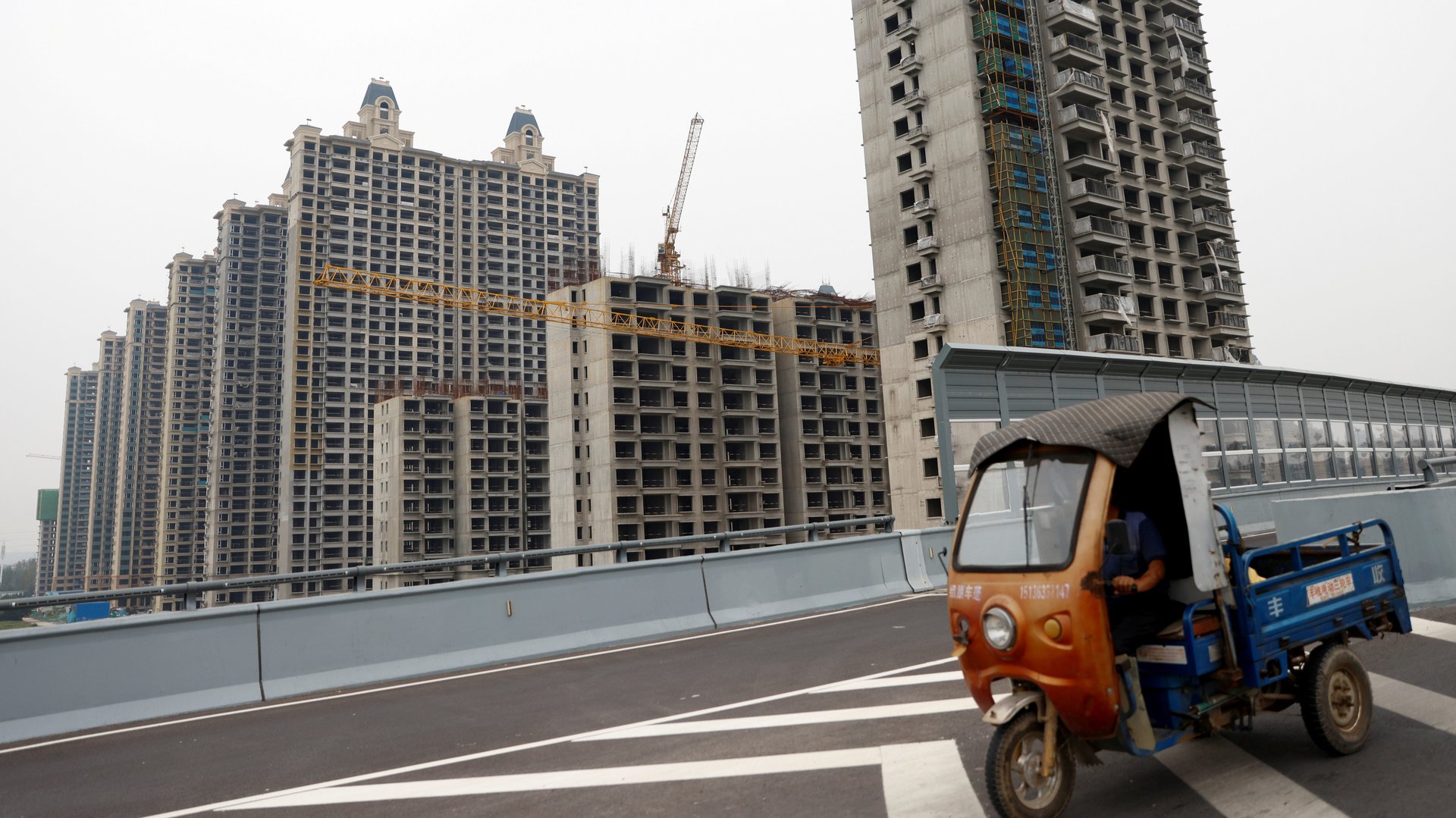
By midnight US eastern time on Sep. 23, Evergrande, the debt-ridden Chinese real estate giant, was scheduled to have paid $83.5 million to investors overseas. By the following morning, at least some of these investors had not been paid, according to Reuters and the Financial Times—a critical milestone that renewed fears of Evergrande’s complete collapse.

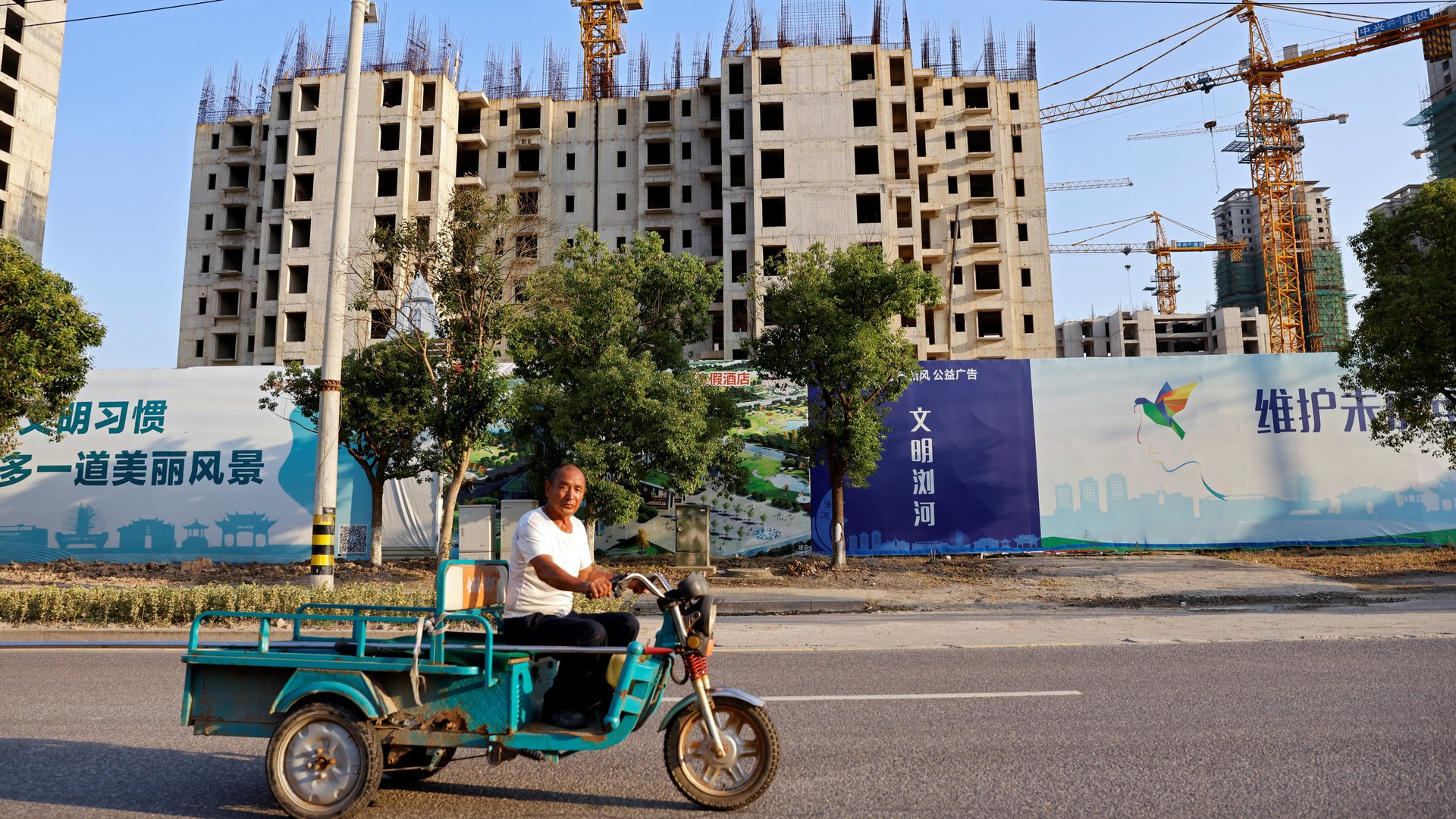
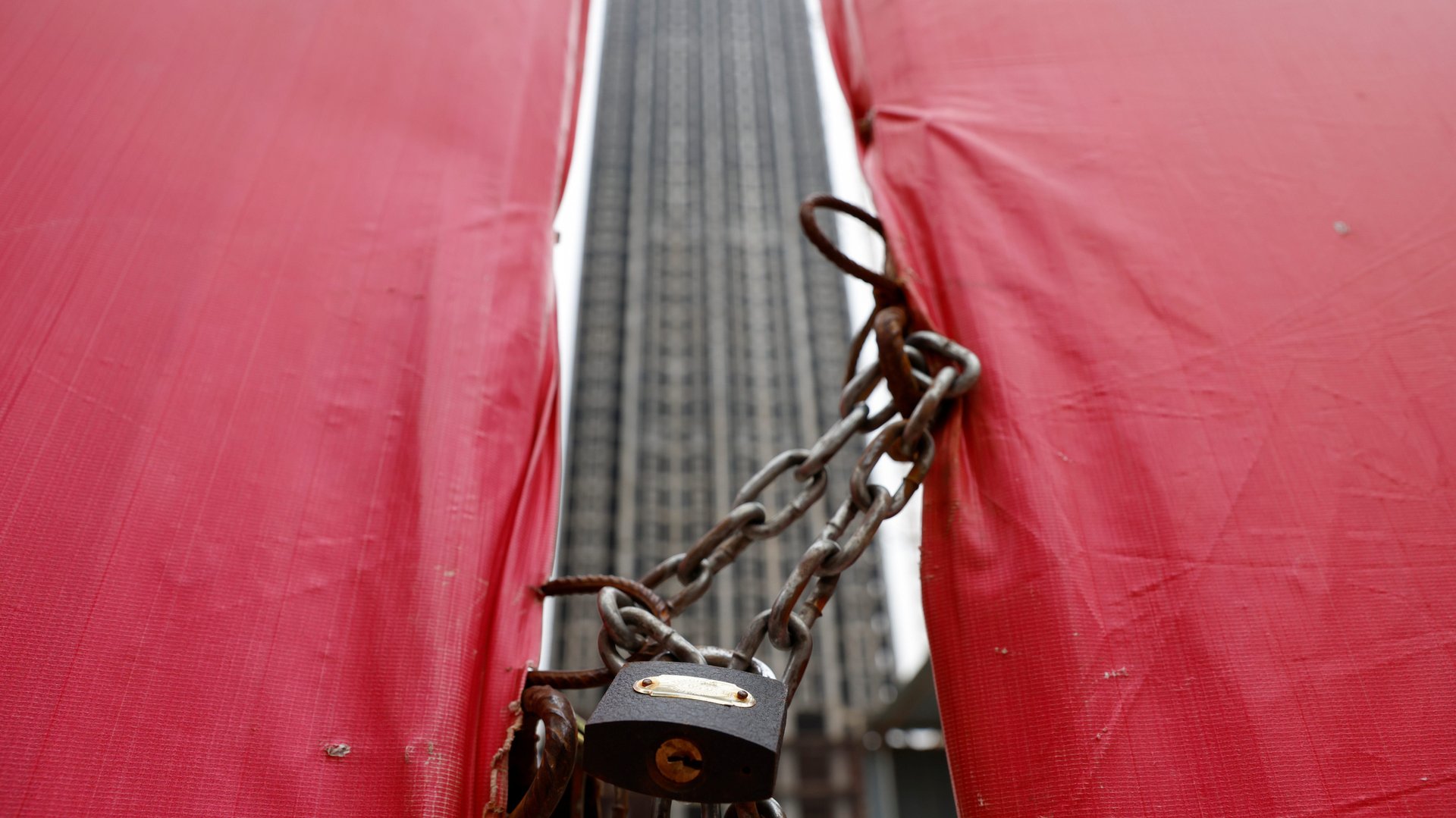
When Anne Stevenson-Yang lived in China in the 1990s and 2000s, she went on long weekend bike rides from her home near the airport, and she’d see the ghost towers: “an endless inventory of office parks and apartments, all empty.” She saw more developments mushroom after she moved to the US in 2014, when she made monthly work trips to China. As the co-founder of J Capital Research, which publishes reports on Chinese listed companies, she was intrigued by these projects. At first, she thought: If there were so many empty new buildings in Beijing—a city of high demand for housing and high incomes—what was it like in other places? On her travels through China, she saw ghost towns all over. She took photos and put them up on a web site, calling the images “Eye candy for pessimists.”

The Evergrande Group, one of China’s biggest real-estate developers, owes more than $300 billion to a number of lenders. Its interest liabilities are rising by an average of $28 million daily. On Thursday, Sep. 23, alone, the company needs to pay around $120 million as interest payments to bondholders.

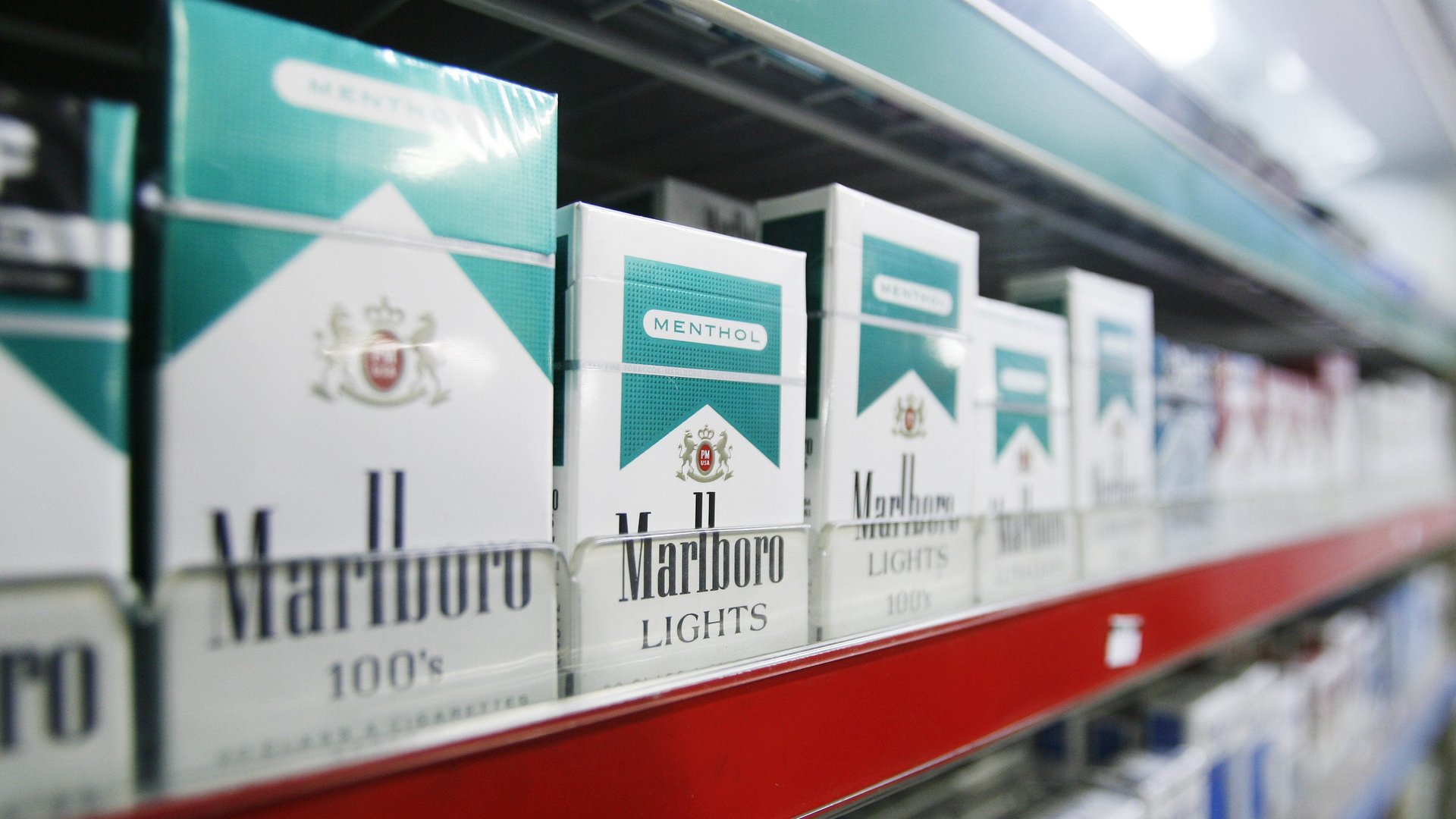
The tobacco giant Philip Morris is trying to position itself into a pharma company—and healthcare advocates don’t like it.

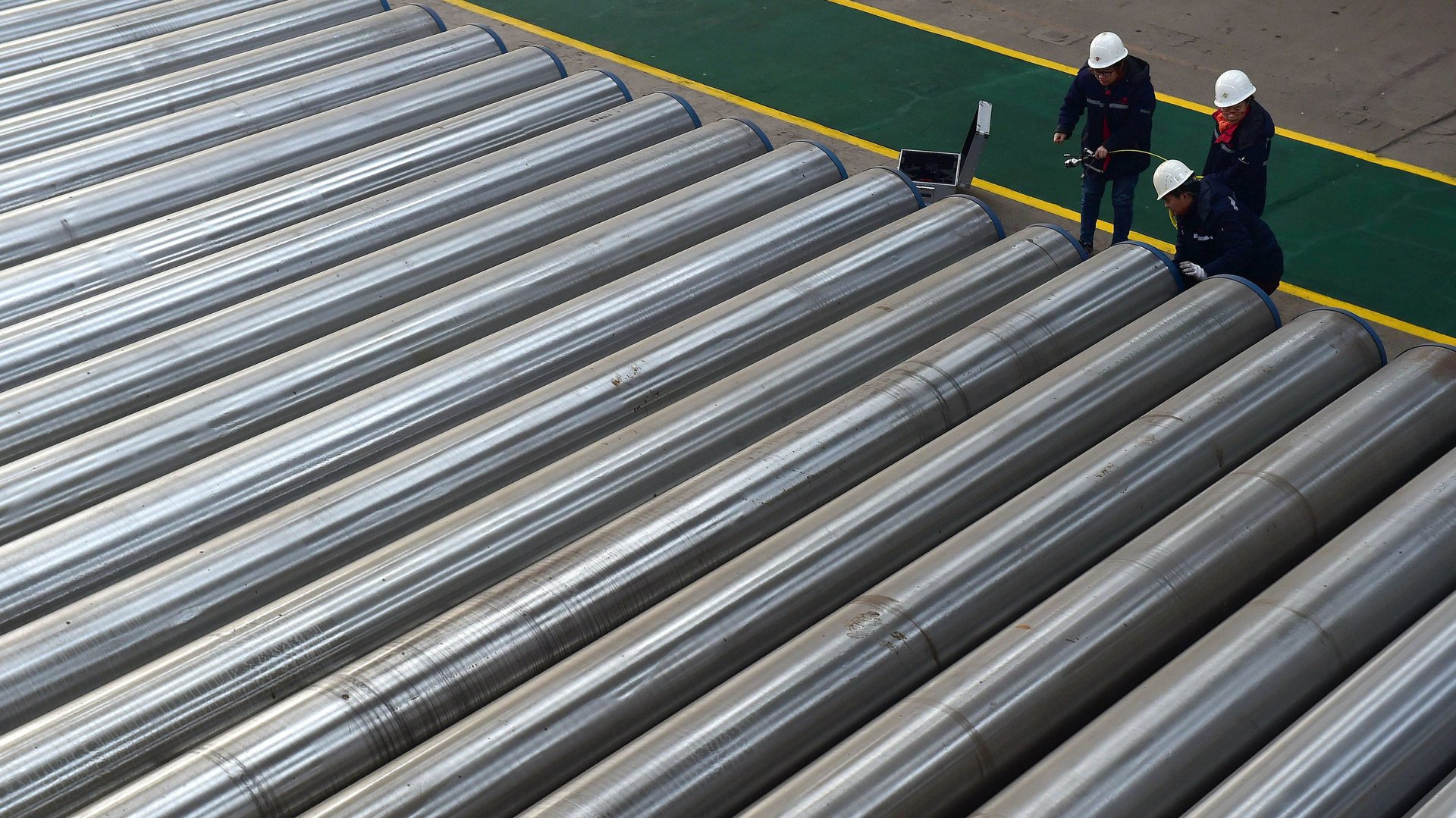
In the global metals market, a seeming contradiction is playing out.

Until last year, Stuart was a man with ties to many countries—an exemplar of this multinational age of business. He was a Briton who’d lived since 1996 in Japan, working as a flight attendant on international flights. His employer through all those years, United Airlines, was American.

On Aug. 31, Israel registered 11,000 new Covid-19 cases, the highest daily number since the pandemic began. The worrying thing was: That day’s case count beat a record set in mid-January, when only a small proportion of Israel’s population had been vaccinated.