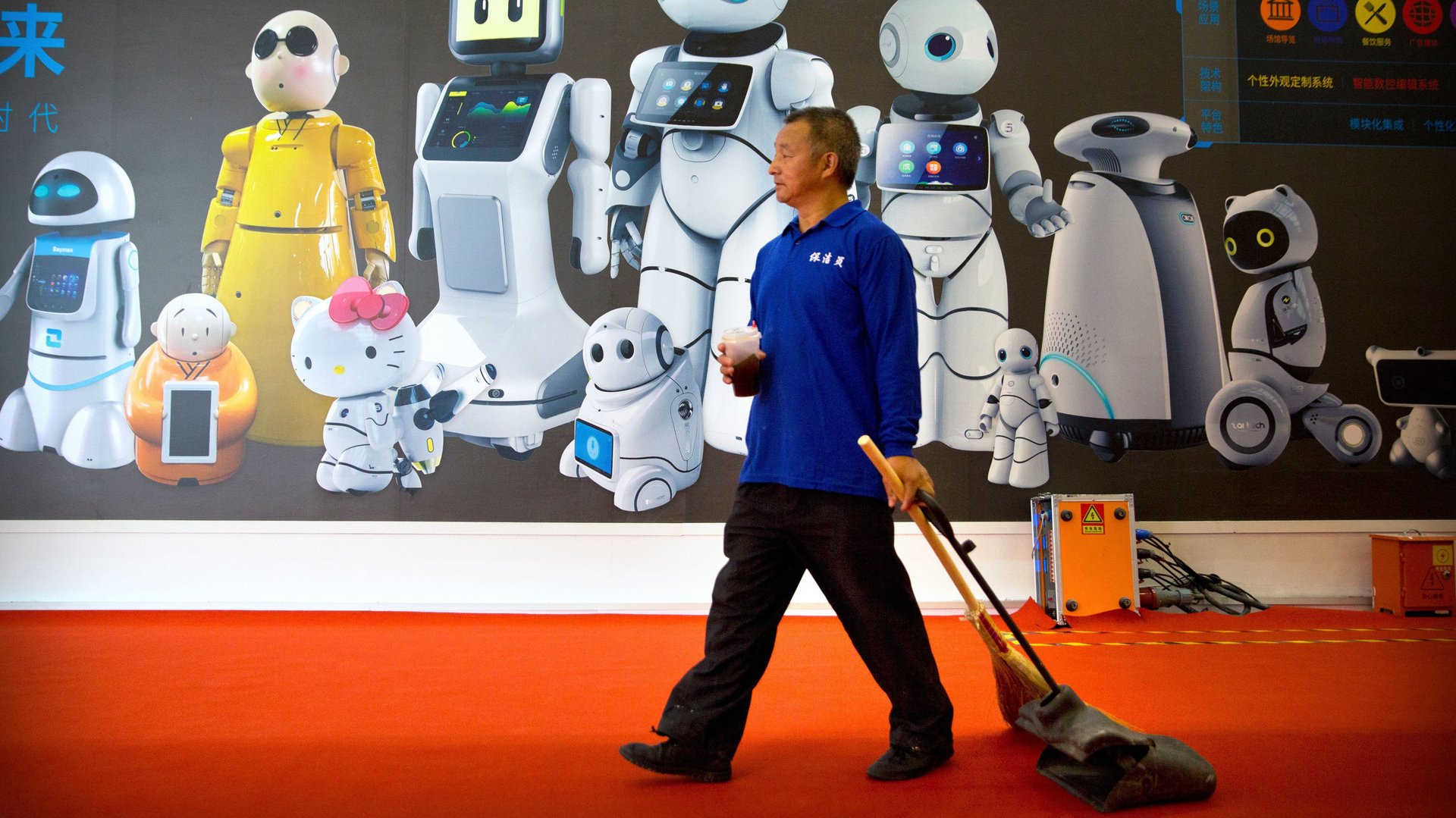
When we talk about the future of work, we often talk about job titles as a proxy for where the economy is heading. Machinists and truck drivers are out, robotics programmers and project managers are in.

When we talk about the future of work, we often talk about job titles as a proxy for where the economy is heading. Machinists and truck drivers are out, robotics programmers and project managers are in.

Before experience, educational background, or skills, a small profile picture on LinkedIn is often the first thing a recruiter sees when making a judgment about a potential hire.

In the spring of 2010, Vice had a meeting with Intel that could have been make-or-break for the company.

Tuesday (Nov. 6) should be the busiest day of the year for Phone2Action, a Washington DC-based outfit that makes it easier for voters to contact their elected officials and easier for candidates and causes to organize supports. But a quarter of Phone2Action’s employees won’t be at work.

Hourly work rarely comes with benefits. But the baristas, waiters, and retail workers of the world might soon have access to a benefit formerly reserved for the C-suite.

Freelancers are on the rise. And they’re rising up.

Millennials love to share.

The beer is flowing a little less freely at WeWork locations in New York City.

There’s work, and then there’s the work that goes into doing your work. And a lot of workers spend more time on the latter.

There are 30 strangers currently living together in Bali. There are another 30 in Mexico City, and 30 more in Buenos Aires. None of them are locals. None of them are on vacation. And this isn’t an episode of the Real World.

Here’s a feature that’s sure to delight avid users of Google Drive.

What a time to work at Google.

In Silicon Valley—the 50-mile peninsula between San Jose and San Francisco—there are both more software engineers than anywhere else in the world and not nearly enough of them to meet the Bay Area’s insatiable needs.

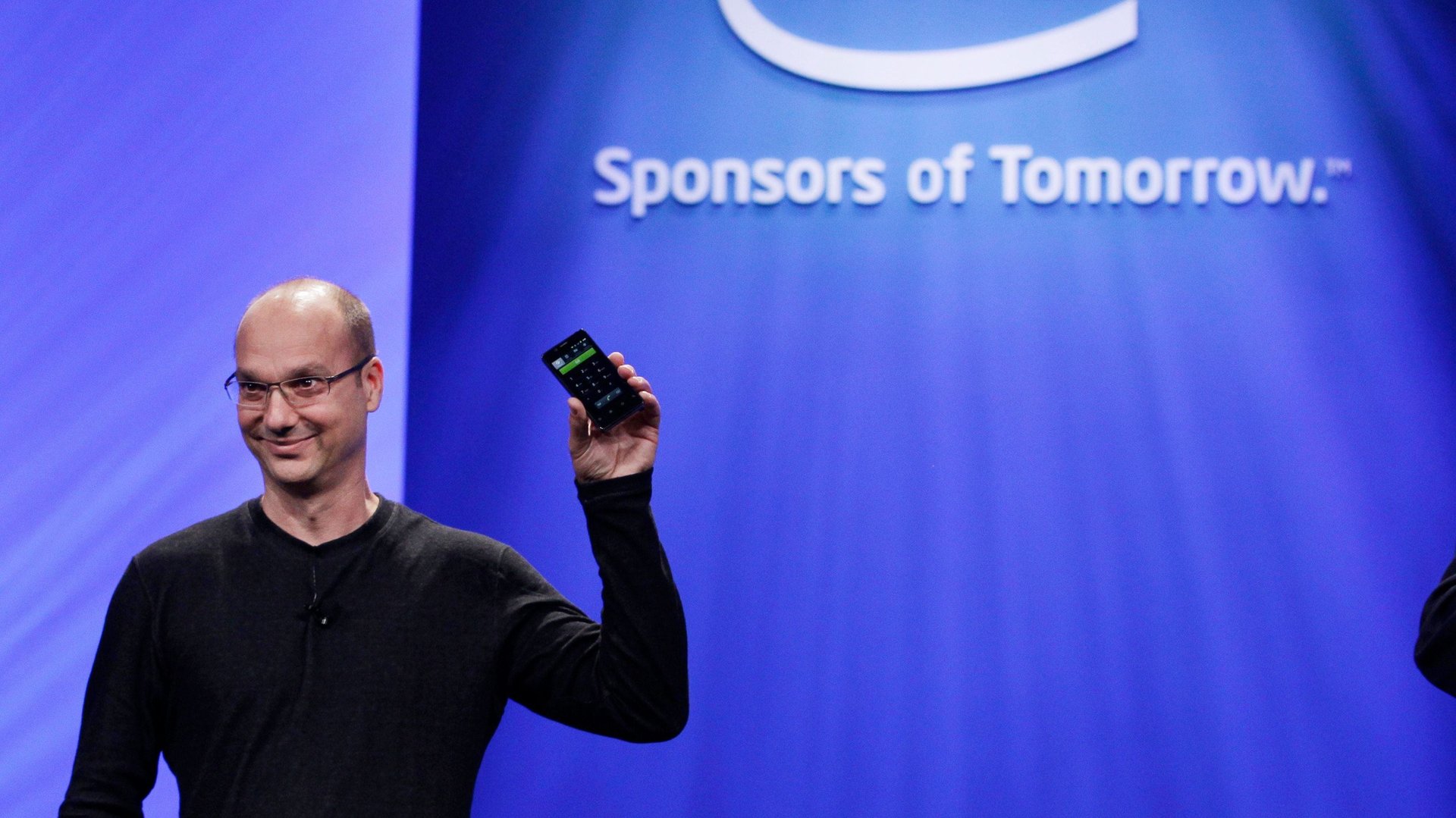
A bombshell report from The New York Times today (Oct. 25) revealed that Google gave Android founder Andy Rubin a $90 million exit package despite finding sexual-misconduct claims against him to be “credible.”

More than ping-pong tables or catered lunches, millennials want to pay down their student loans.

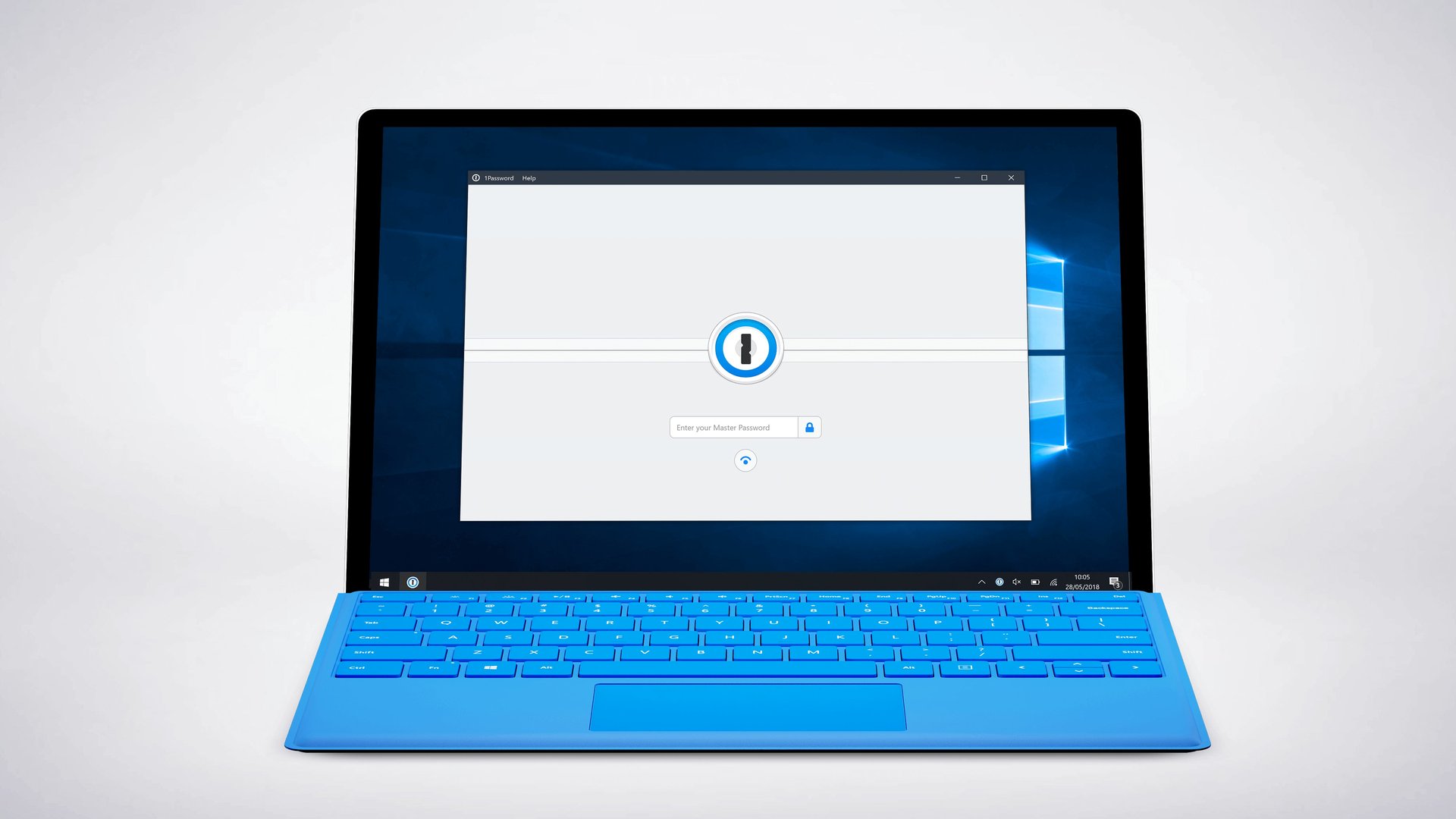
Strong passwords won’t save democracy, but they certainly can help protect it.

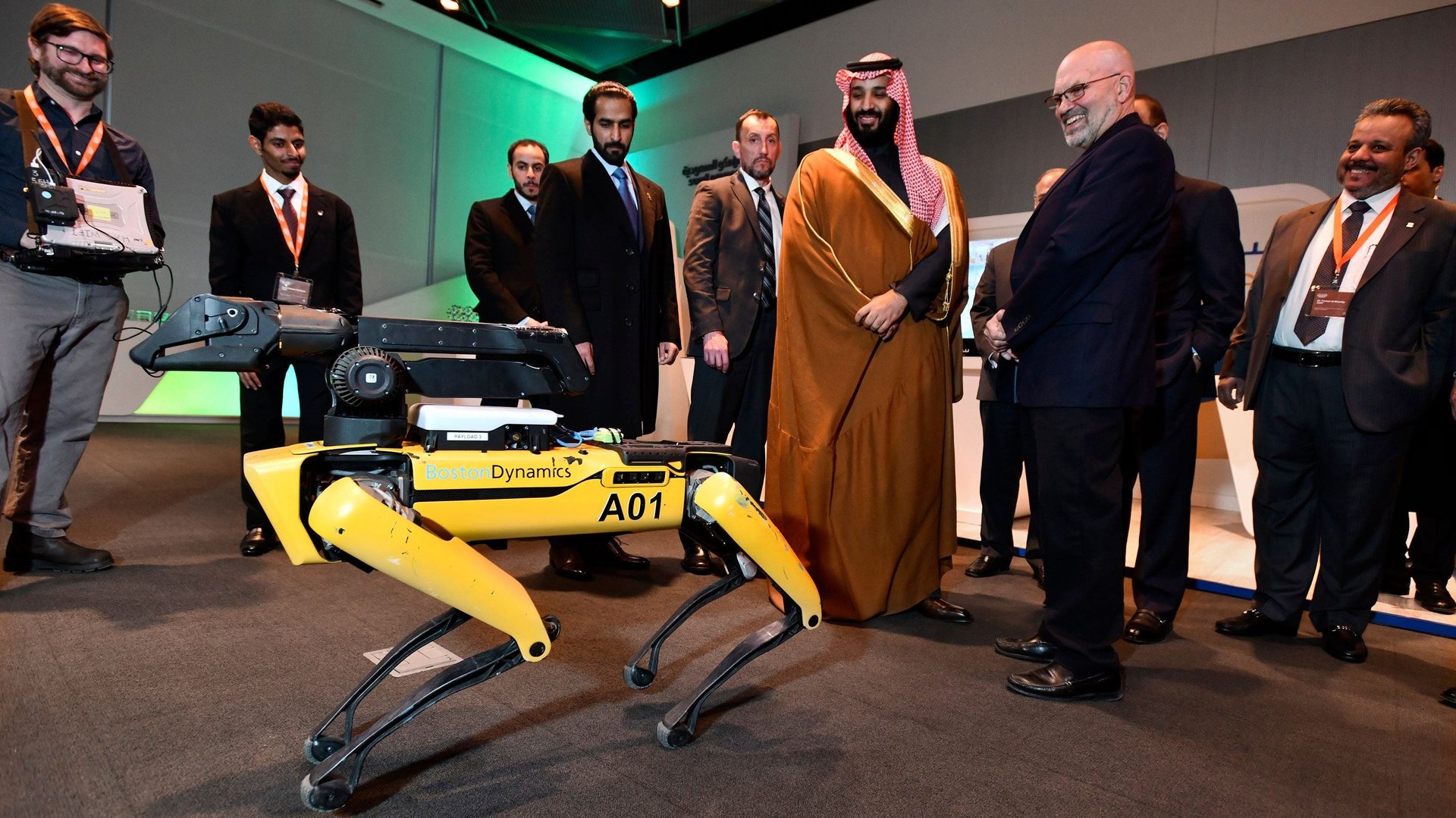
There’s a suddenly inconvenient truth about Softbank’s Vision Fund.

Stop me if you’ve heard this one.

If robots are automating away the jobs of the future, it makes sense to place your employment bets now. New data from the employment website CareerBuilder might help you make your decision.

Most meetings are not conversations. They are a series of lectures.

Waco is a town of 137,000 people in central Texas. It has six local television stations, about as many local newspapers and magazines, and more than a dozen local radio stations. An hour away in Round Rock sits the headquarters of Dell, the computer company, which employs 138,000 people globally.

How much money does it cost to advance your career? It depends on where you spend it.

In 1942, a mother-daughter duo created a personality test that would captivate a generation.

Clark Valberg is staring into his computer’s webcam. As the CEO of InVision, a 750-person software company where every employee works remotely, video conferences are the norm for him. But there’s one peculiarity about the meeting Valberg is currently in with his chief operating officer. They’re sitting in the same room.