
Lifestyle
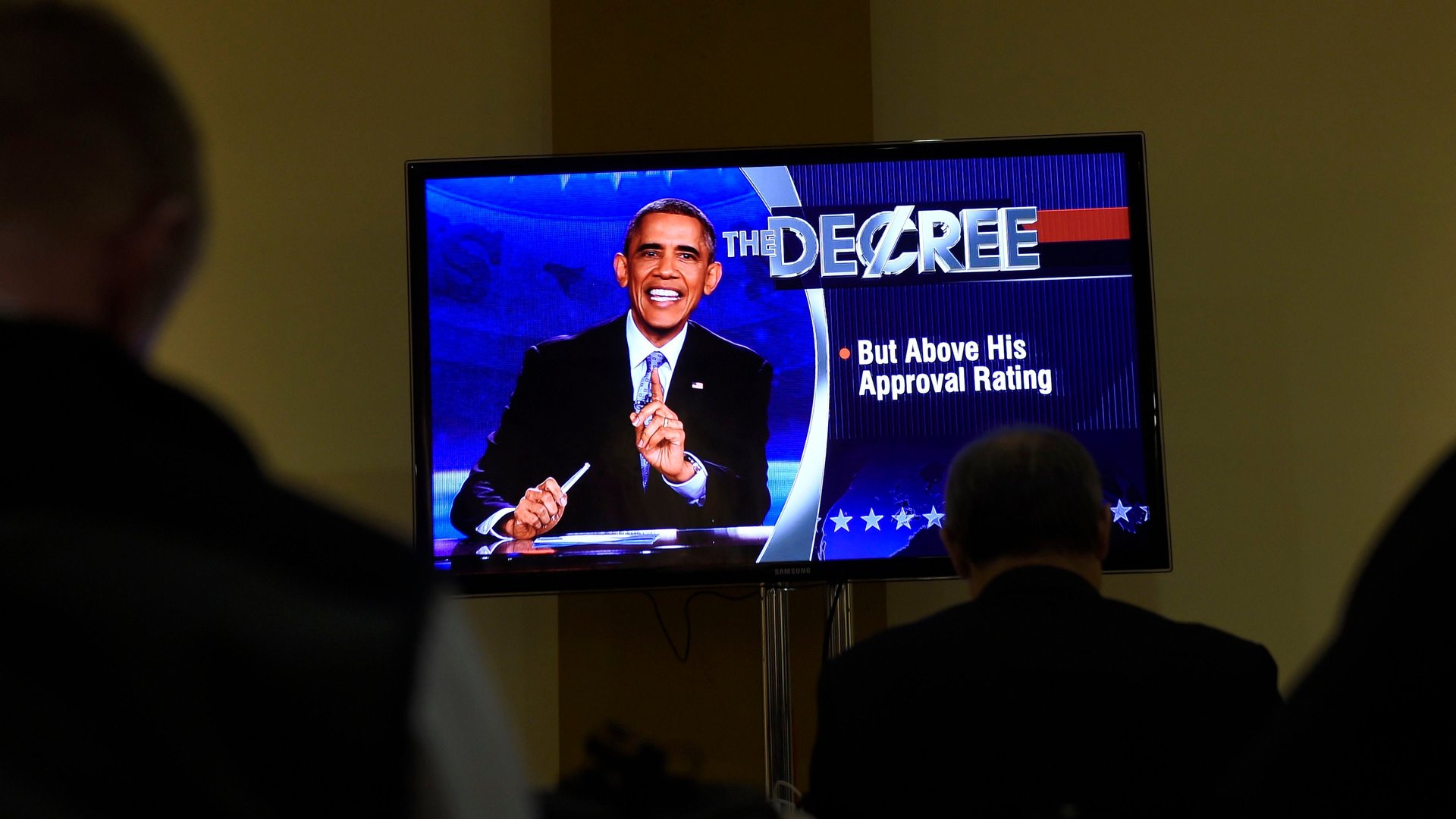
President Obama kicked Stephen Colbert off his own show“I could be a politician like that,” said Stephen Colbert with a snap of his fingers. “But a politician could never do by job.”
Updated July 21, 20222 min read
“I could be a politician like that,” said Stephen Colbert with a snap of his fingers. “But a politician could never do by job.”

Spending half your waking hours away from work in traffic during your commute is clearly a huge downer. But those bummed out feelings can spread into your larger outlook on life, according to new research.
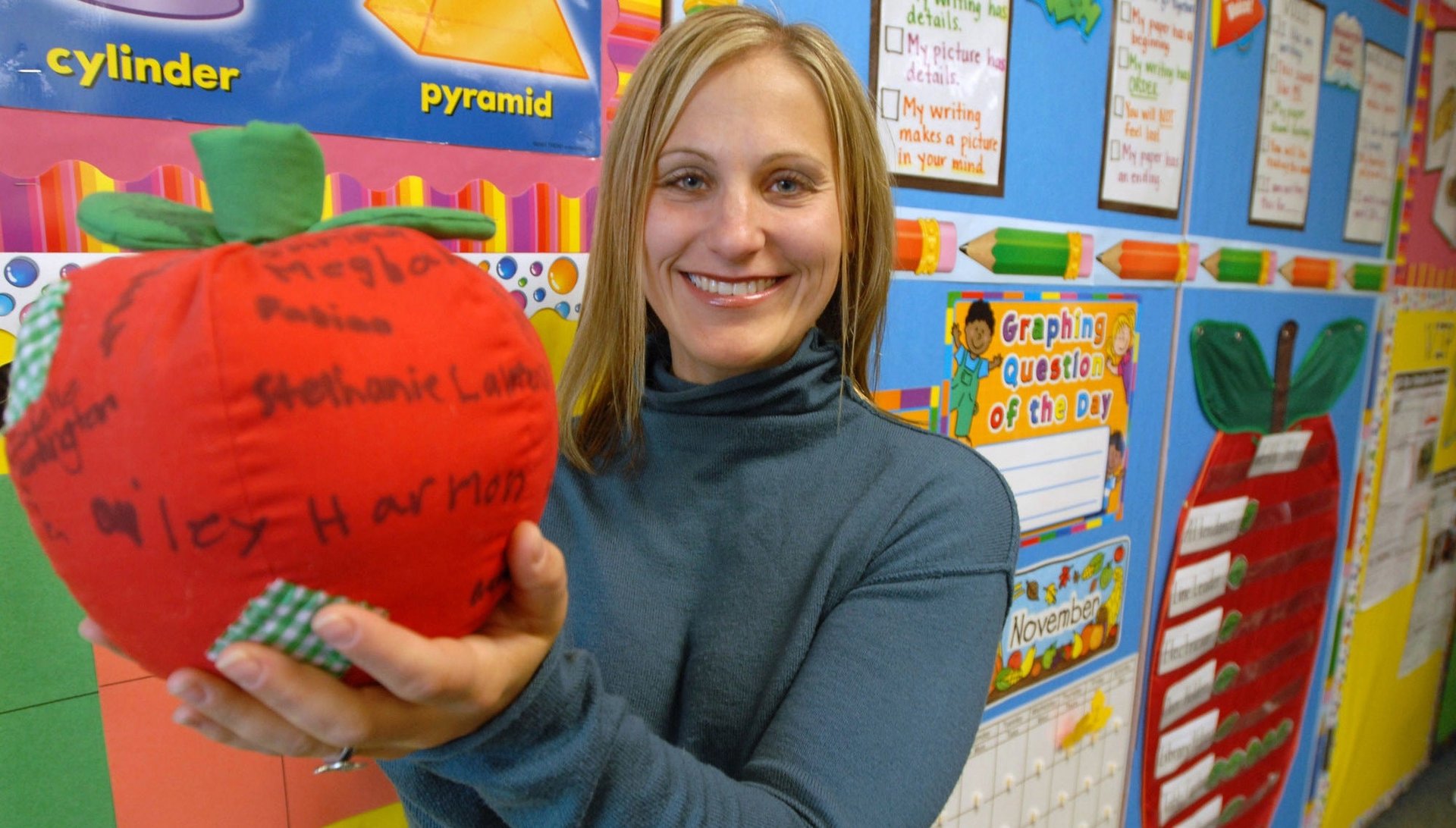
The holidays are swiftly approaching, and for many families that means a lot of people to tip: the doorman, the housecleaner, the newspaper delivery person, to name a few. But what about the person you trust to mold your child’s mind?
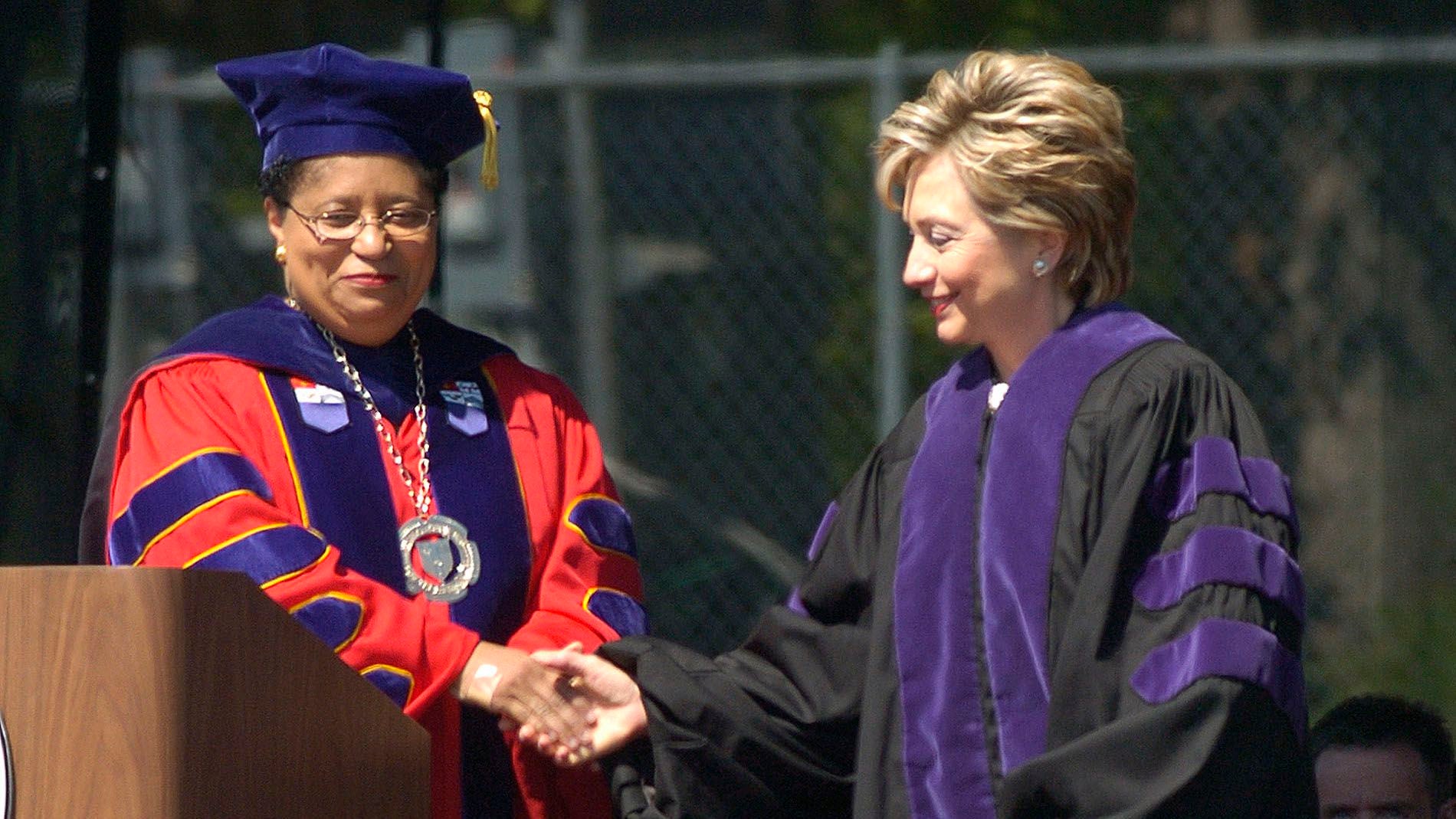
Theoretical physicist Shirley Ann Jackson is the president of Rensselaer Polytechnic Institute, a small college in New York state, with 6,995 students, as of fall 2013.

When Lamborghini unveiled its concept for a hybrid vehicle in October, it was sleek, sexy, and definitely a sports car.

On Dec. 3, social media was aflame after a grand jury in New York decided not to charge a white police officer who was caught on video holding a black Staten Island man, Eric Garner, in a chokehold that led to his death. New Jersey Senator Cory Booker, one of two African Americans in the US Senate, posted this column to his Facebook page:

Most couples who marry force a gruesome statistic to the back of their heads: There’s a 50% chance this won’t work out. Turns out that isn’t so.
This post has been corrected.

Ugly Christmas sweaters (or Chanukah sweaters, if you prefer) have become entrenched in the holiday season, particularly in the US and the UK. Americans devote an entire day to them. Now one company is trying to disrupt the ugly Christmas sweater market with an all-encompassing festive outfit: the Christmas suit.
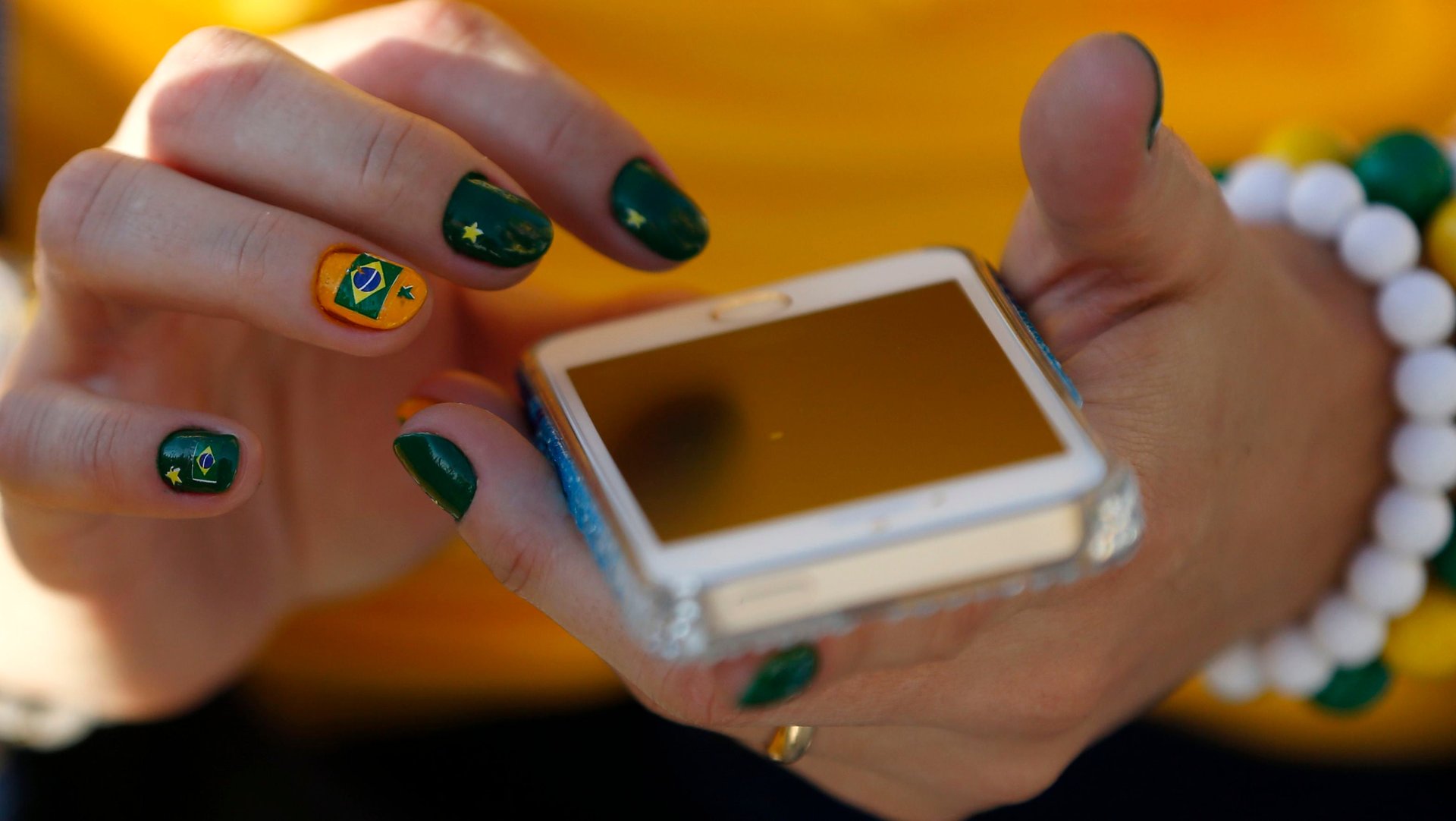
Thanks to its young population armed with smartphones, Brazil beat nine other internet-connected countries for its citizens’ frequency of web use, according to a new report from business consultancy ATKearney.

The weekly true crime podcast Serial isn’t just entertainment—it’s an addiction.
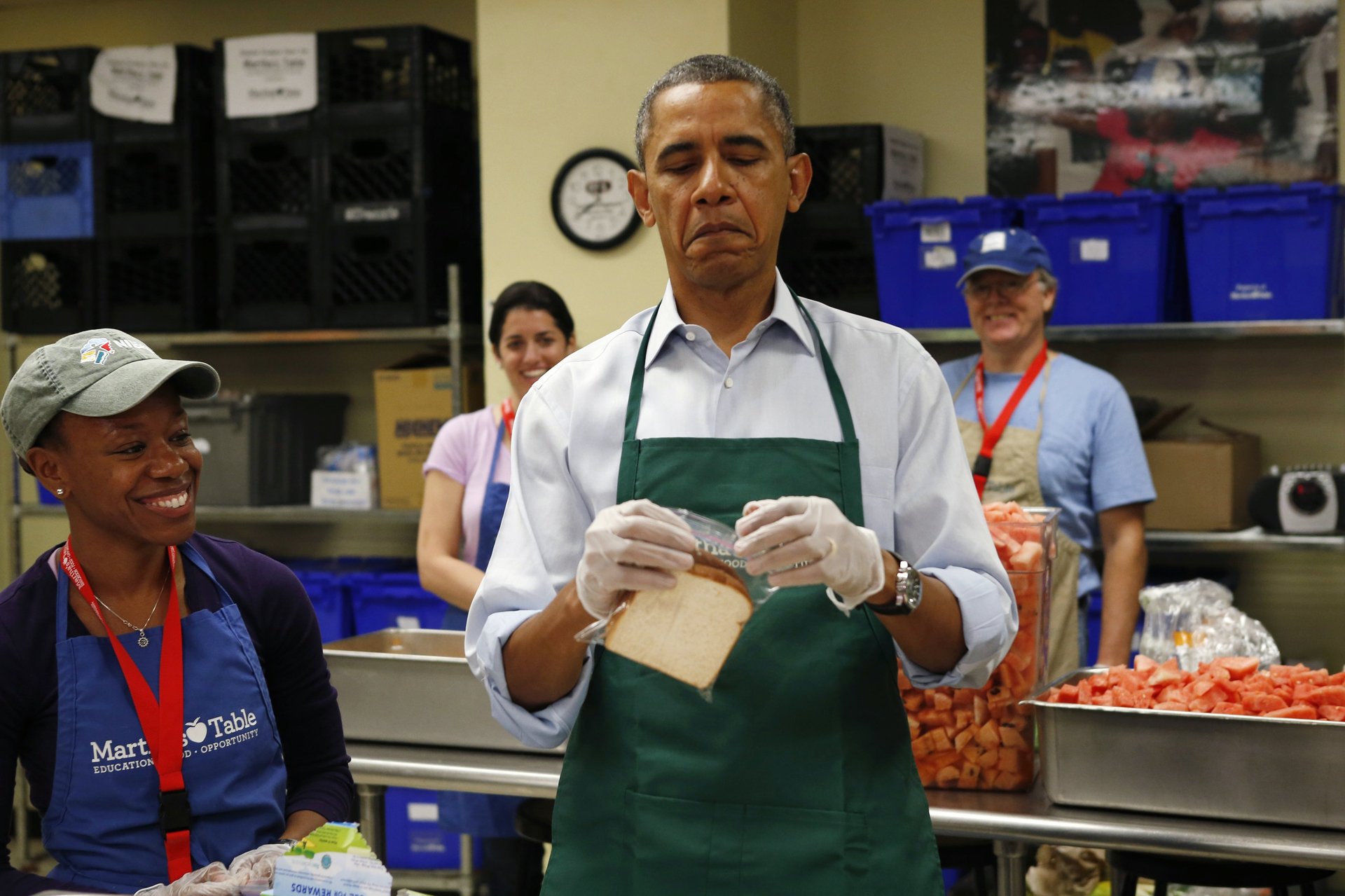
If you’ve been following the news from Myanmar, where Buddhist mobs are accused of perpetrating a genocide against minority Muslims, this will come as a surprise: The people of Myanmar (also known as Burma) regard themselves as highly charitable. So charitable, in fact, that a new poll ranks Myanmar— alongside the US—as the world’s most caring nation.

No, it’s not Germany, or Britain: an Eastern European country beats out the rest of the world in beer consumption. People in the Czech Republic buy the most beer per capita.

Add it to the list of ways Norway wins—soon the country will have a passport that reveals an image of the Northern Lights when placed under a black light (see picture above).

Harnessing happiness has become something of a cultural obsession. Countless studies have linked our happiness to money, age, location, and timing of having children, to name just a few.
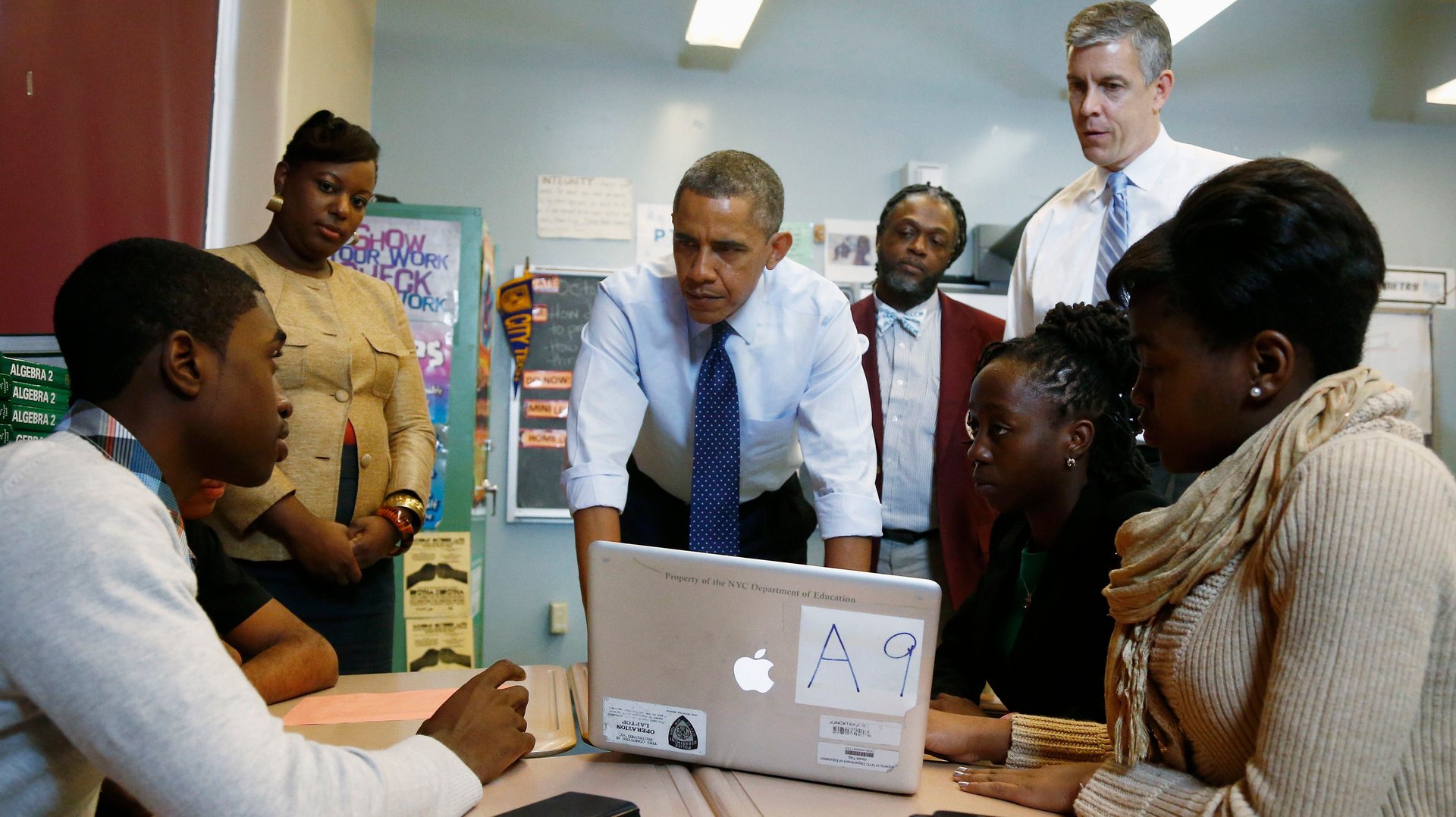
This post has been corrected.

In the US, there are upwards of 886,000 international students, primarily from China, India, and South Korea, which together account for about half those students. But the number of students coming from other countries, like Brazil and those in the Middle East, is growing, according to a new report out from the Institute of International Education.

Chocolate is getting more expensive, thanks to growing demand (especially in China) combined with a number of factors that are putting crops at risk—thanks, frosty pod, climate change (pdf), and ebola.
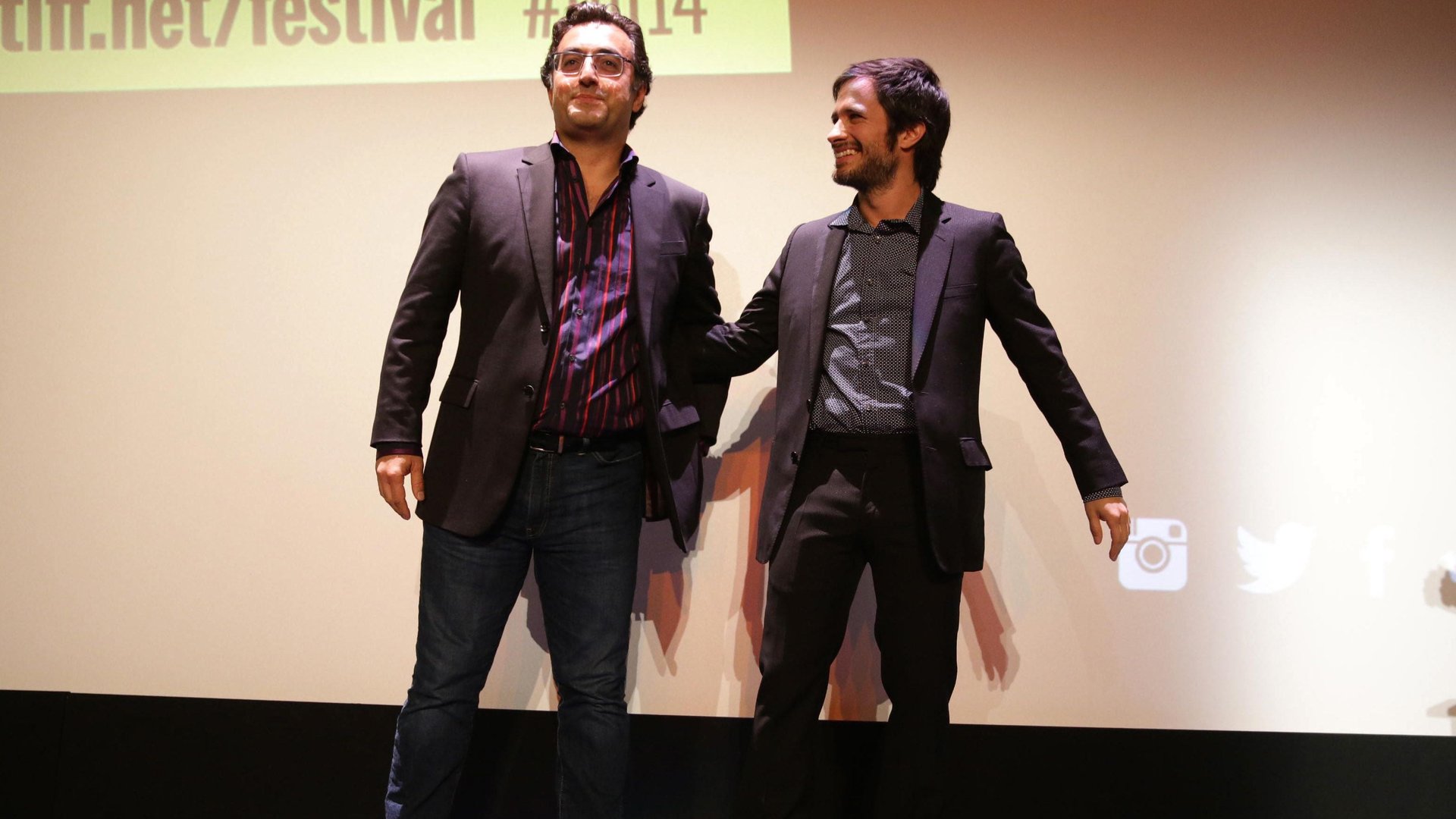
Rosewater, Jon Stewart’s directorial debut, opens today. The film is a passion project for the US comedian and talk show host, and it stars a Mexican actor, Gael García Bernal, playing the role of Iranian Canadian journalist Maziar Bahari, who was arrested in Iran and spent 118 days in detainment there.

Learning another language is touted as a cure-all for all manner of things: dementia, distraction, over-parenting, to name a few.

In 2012, the Yale economics grad student Craig Palsson read an article suggesting that parents were spending a lot of time on their smartphones when they were supposed to be watching their young children, and doctors worried that might be causing the kids some harm—as dad is typing an email, his daughter bonks her head on a table edge. While there had been an increase in children’s injuries since smartphones became popular, there was no evidence that it was because of the phones. So Palsson decided to look for a connection.

For most adults, the acronyms teen girls are using on Instagram would be hard to decipher without a special dictionary. BMS means “break my scale,” as in “this photo is so precious that it goes beyond 10 on a one-to-10 scale.” Established affectionate gestures like “xo” or “143” (short hand for ‘I love you’, according to the number of letters in each word) have been replaced by new acronyms like ILYSM—”I love you so much.” The secret language of teen girls is the stuff of Girls Leadership Institute co-founder Rachel Simmons, who has taken pains to enlighten clueless grownups about their habits and behaviors in the social media era.

The 16 million American adults (or 6.9% of the country’s population) with major depression are a prime target for big pharma. Not only does this group of drug consumers use traditional antidepressants with a vengeance. They are also candidates for far more expensive antipsychotic drugs used to treat less-common disorders, like schizophrenia or bipolar disorder, which can help with depression when paired with a traditional antidepressant.
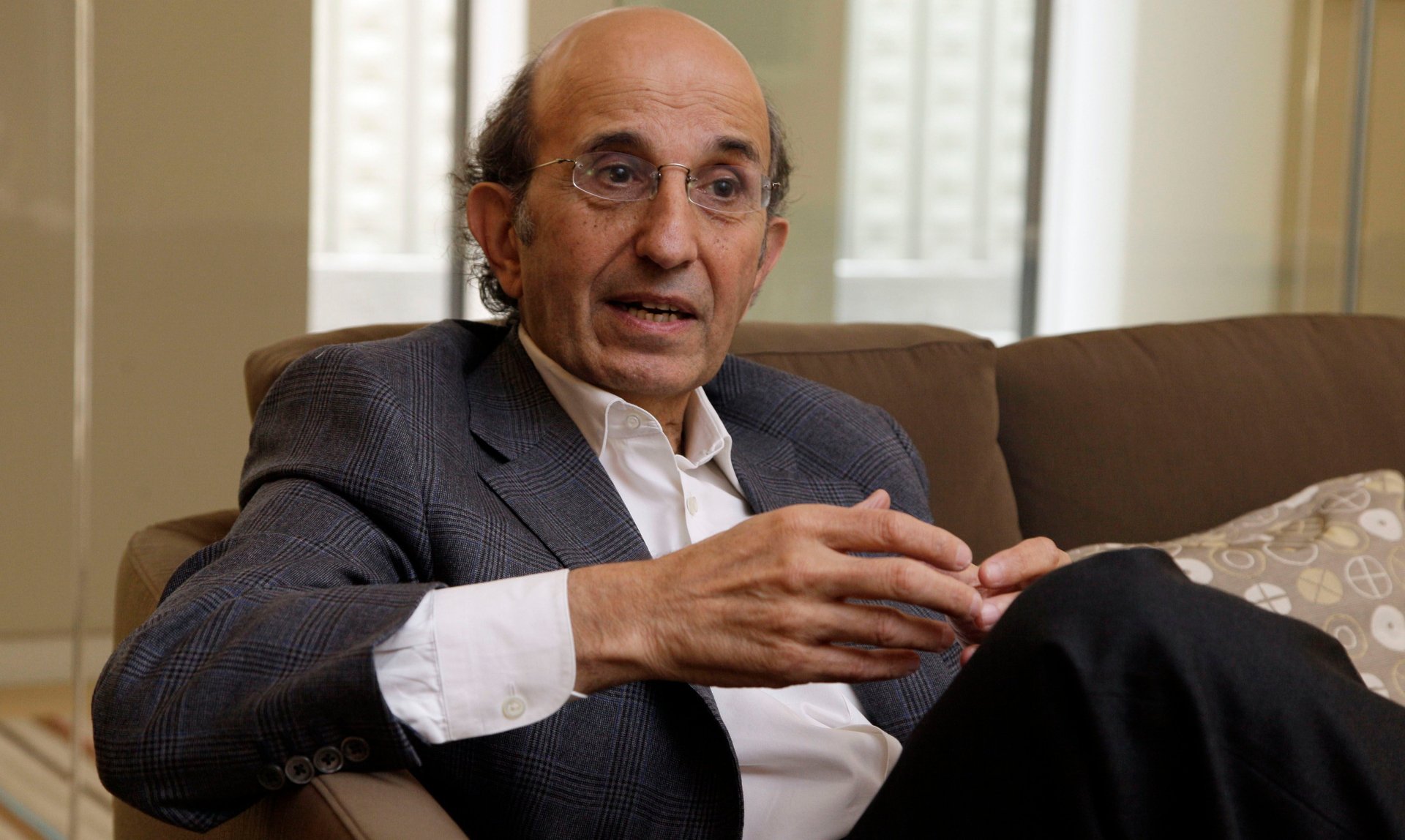
Joel Klein served as chancellor of the New York City public school system for eight years, from 2002 until 2010. He was the first chancellor appointed under mayor Michael Bloomberg’s new system that put the mayor in charge of all the city’s schools, as opposed to splitting them up into many different districts of control. His tenure was a controversial one and included opening more than 100 charter schools and a number of small high schools, and giving more control to principals. He was an outsider, a lawyer previously with the Clinton administration, and had no education experience coming into the job of running America’s biggest school system. Now the CEO of education-technology company Amplify and an executive vice president of News Corp, Klein last week released a book about his time as chancellor, entitled Lessons of Hope. Quartz spoke with Klein last week. What follows is an excerpt of the conversation, edited for length and clarity.