
Money & Markets
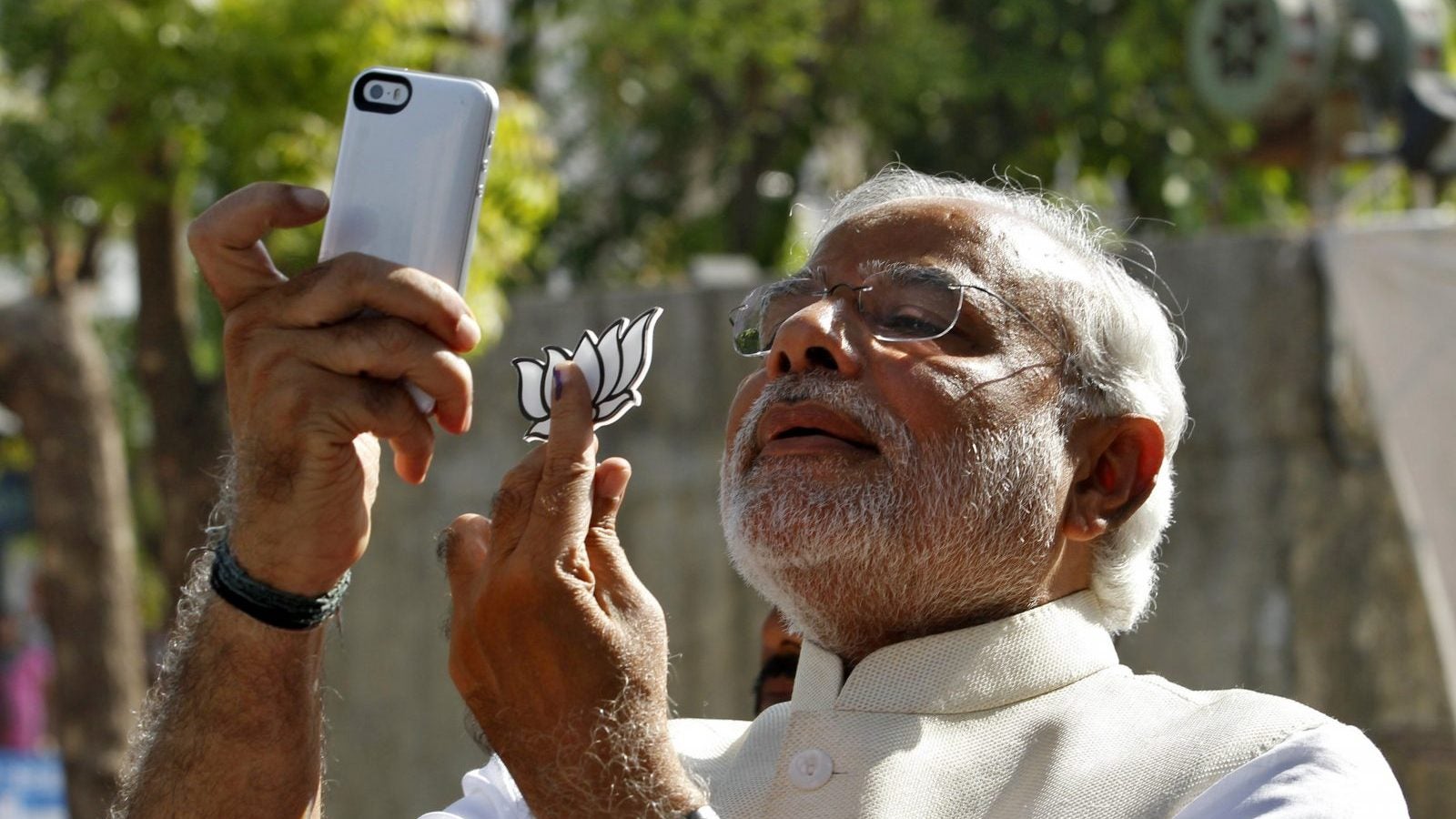
Amid privacy fears, a list of the many apps launched by the Modi governmentIndian prime minister Narendra Modi’s love for all things internet is no secret.
Updated July 20, 20224 min read
Indian prime minister Narendra Modi’s love for all things internet is no secret.
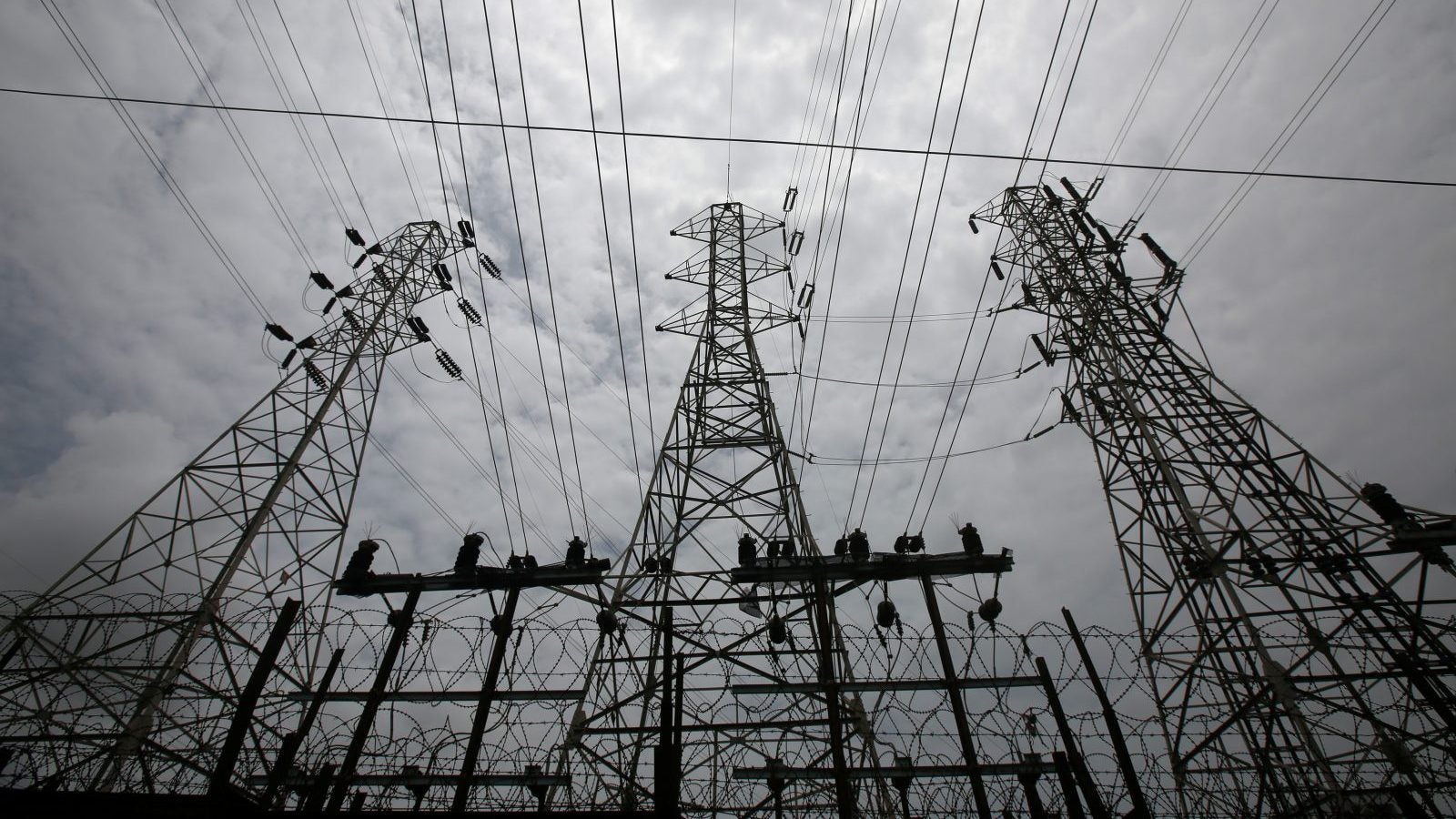
India now generates around 1,160.1 billion units of electricity in financial year 2017, up 4.72% from the previous year. The country is behind only China which produced 6,015 terrawatt hours (TWh. 1 TW = 1,000,000 megawatts) and the US (4,327 TWh), and is ahead of Russia, Japan, Germany, and Canada.

Bengaluru is losing its position on the global startup map.
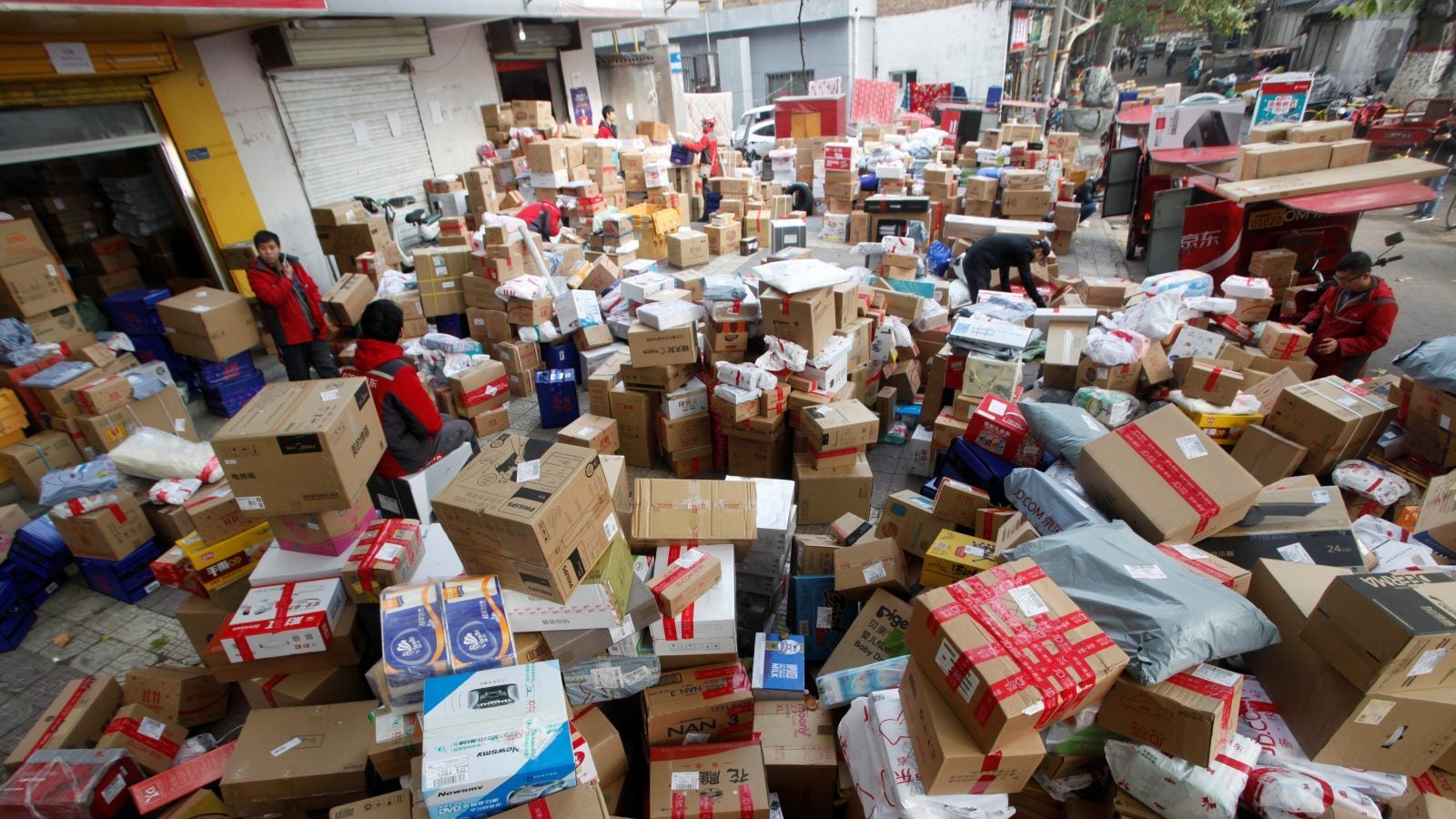
Despite a slowdown in the last few years, the Indian e-commerce market remains one of the world’s fastest-growing and is set to overtake several global peers.
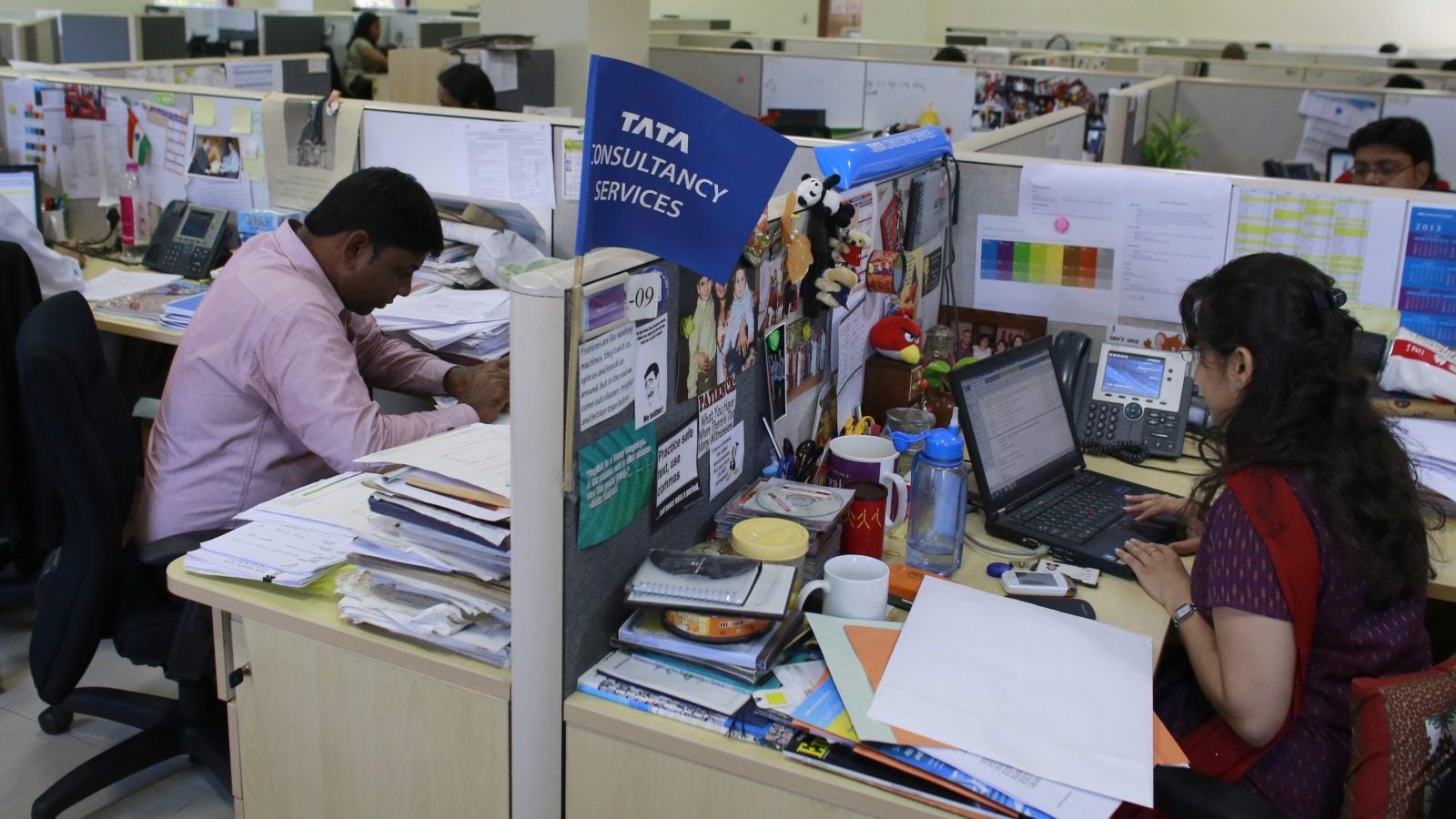
Indian companies seem to be finally taking gender diversity seriously.
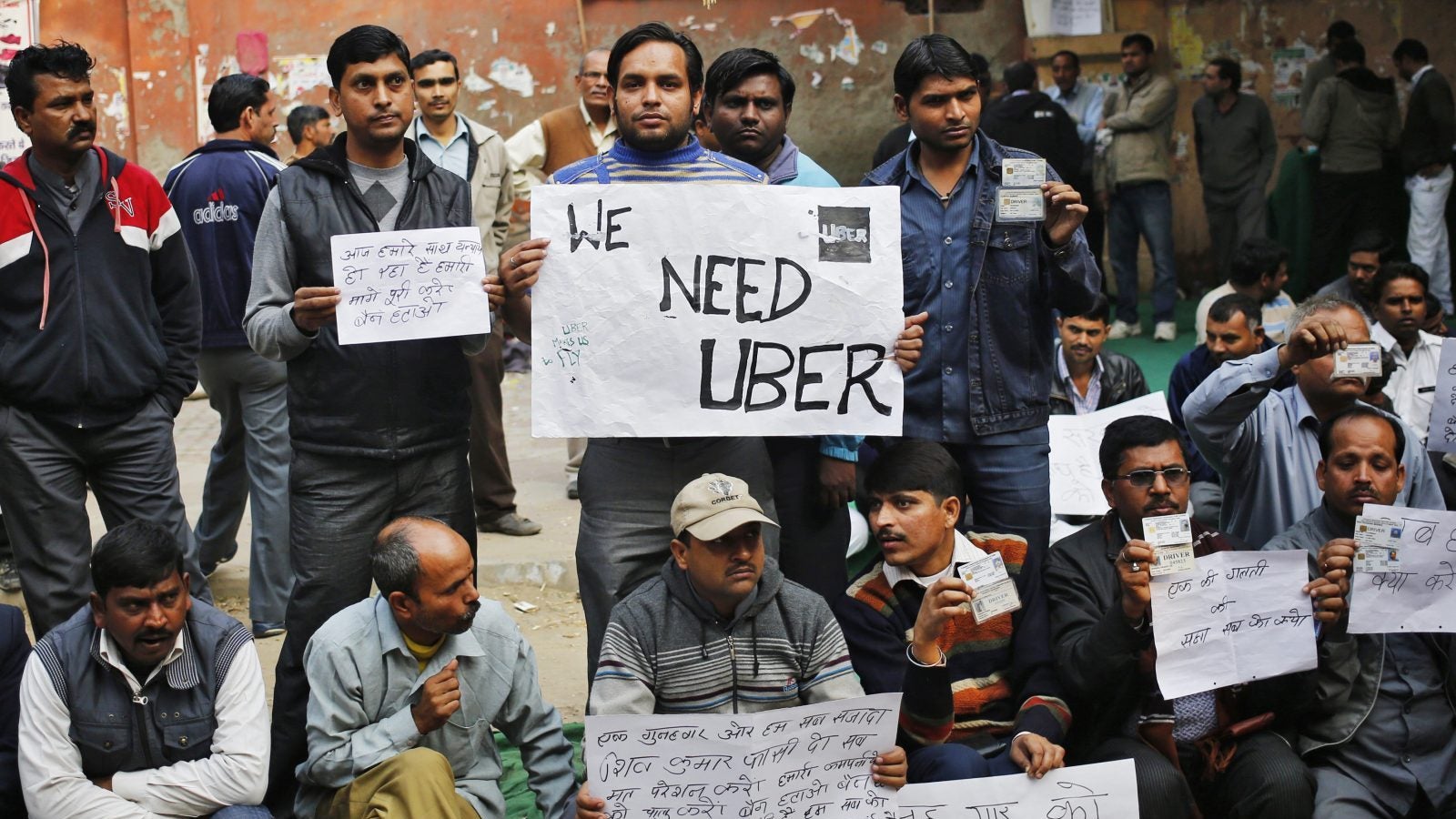
An Infosys techie’s starting monthly salary, according to Glassdoor: Rs28,975.25.
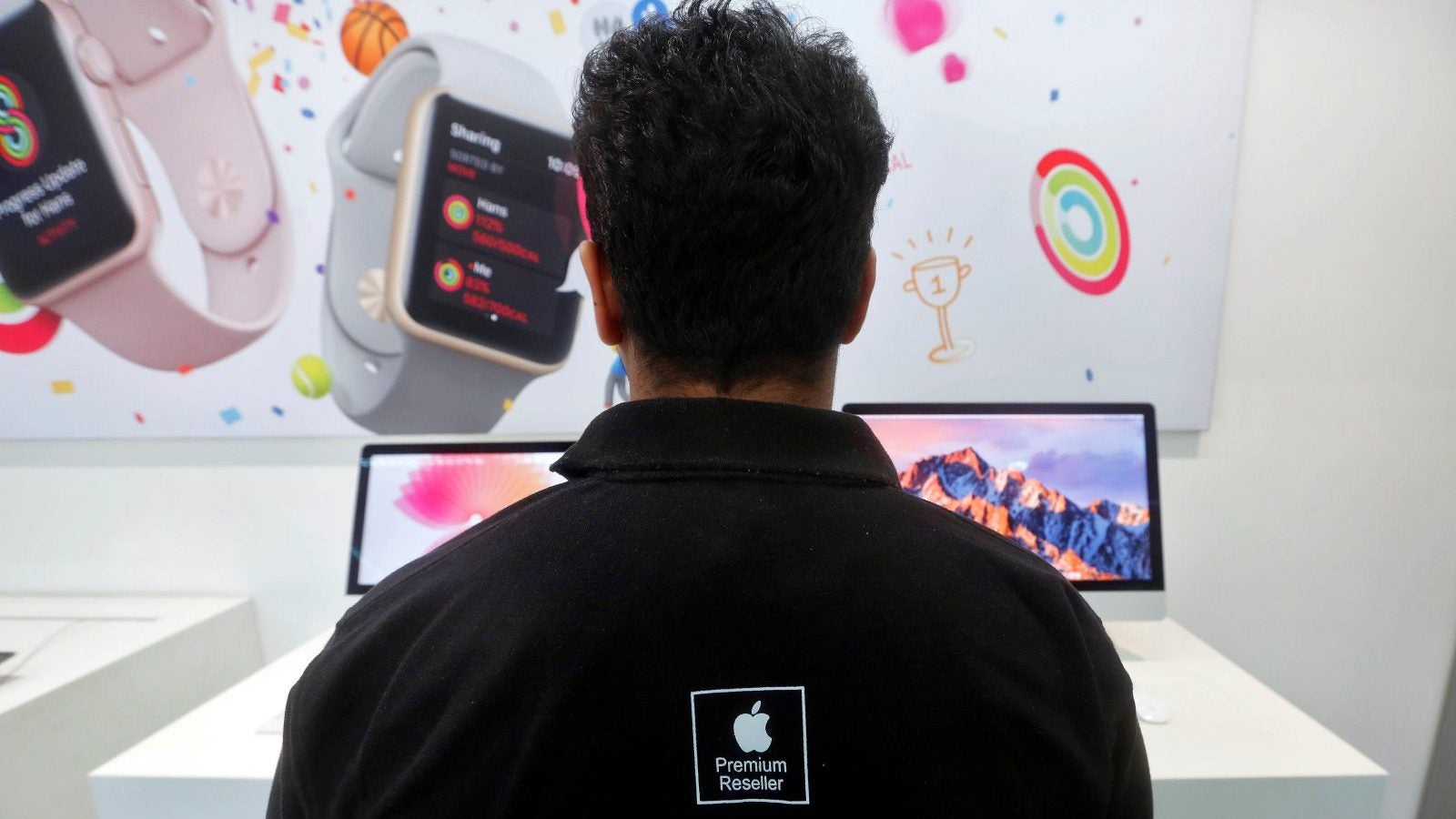
E-commerce major Amazon and iPhone maker Apple may have stepped up investments in India in recent years, but the country is finding fewer mentions in their CEO’s speeches than before.
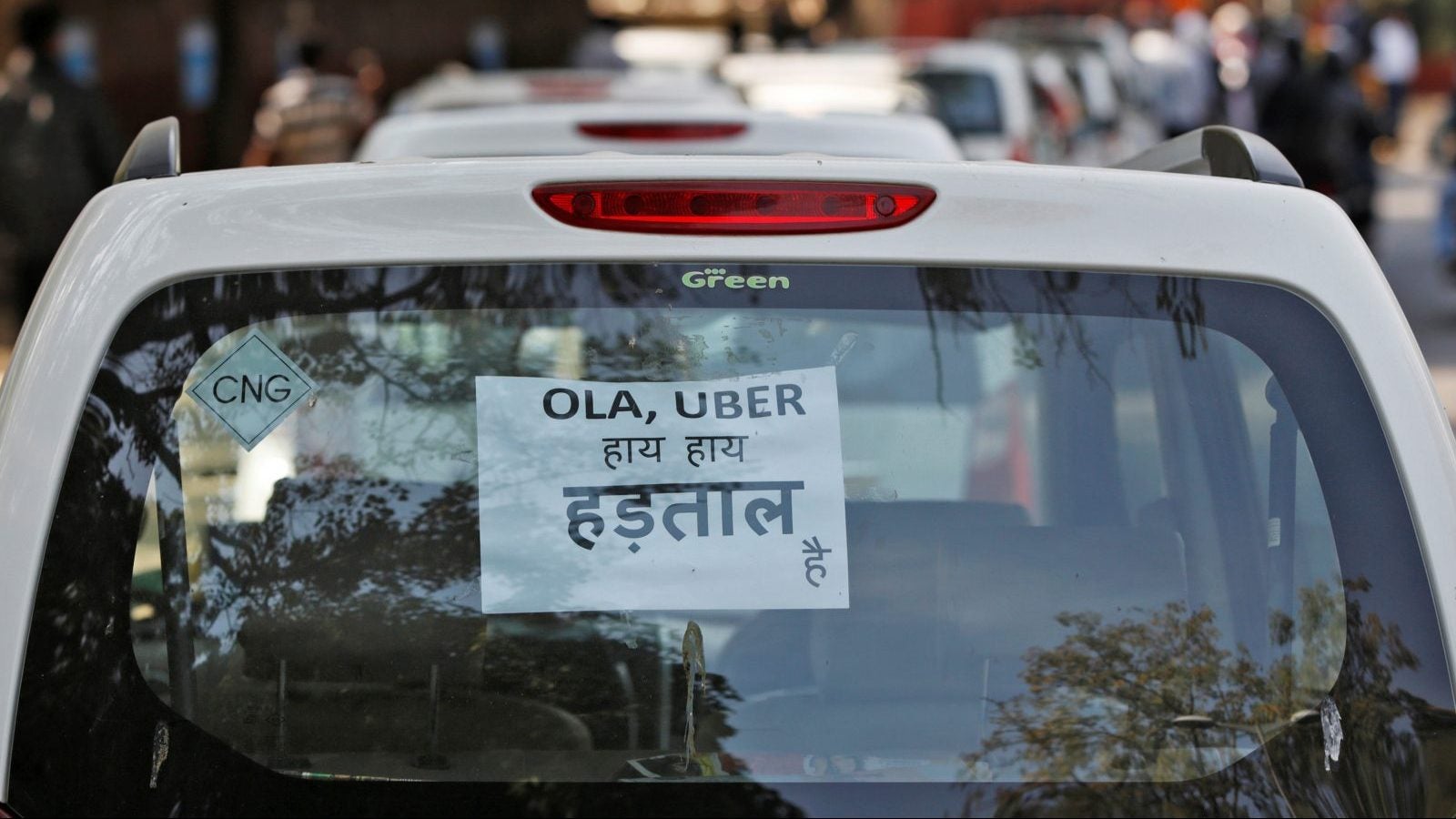
Tanveer Pasha, a 33-year-old taxi driver in Bengaluru, is in a dilemma. As president of the OTU (Ola, Taxiforsure, and Uber) Drivers and Owners Association, he’s keen on joining his colleagues in Mumbai and New Delhi in their March 19 strike against mobile app-based cab aggregators over dwindling earnings. Yet, he just can’t afford to.
From ethnic clothing to copper cocktail glasses, Made-in-India products are all the rage among global online shoppers.
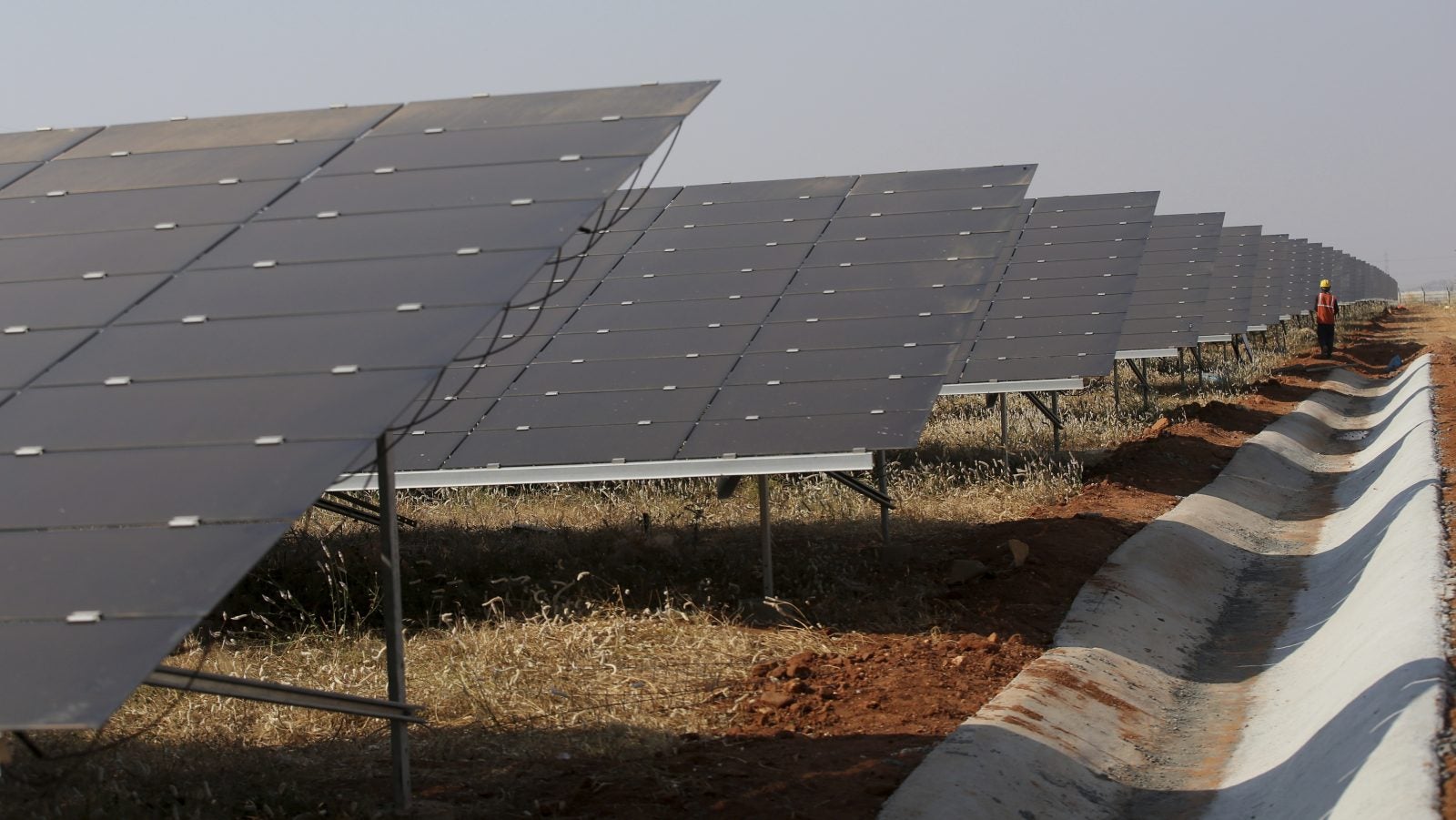
India’s sizzling solar sector is drawing some big money.
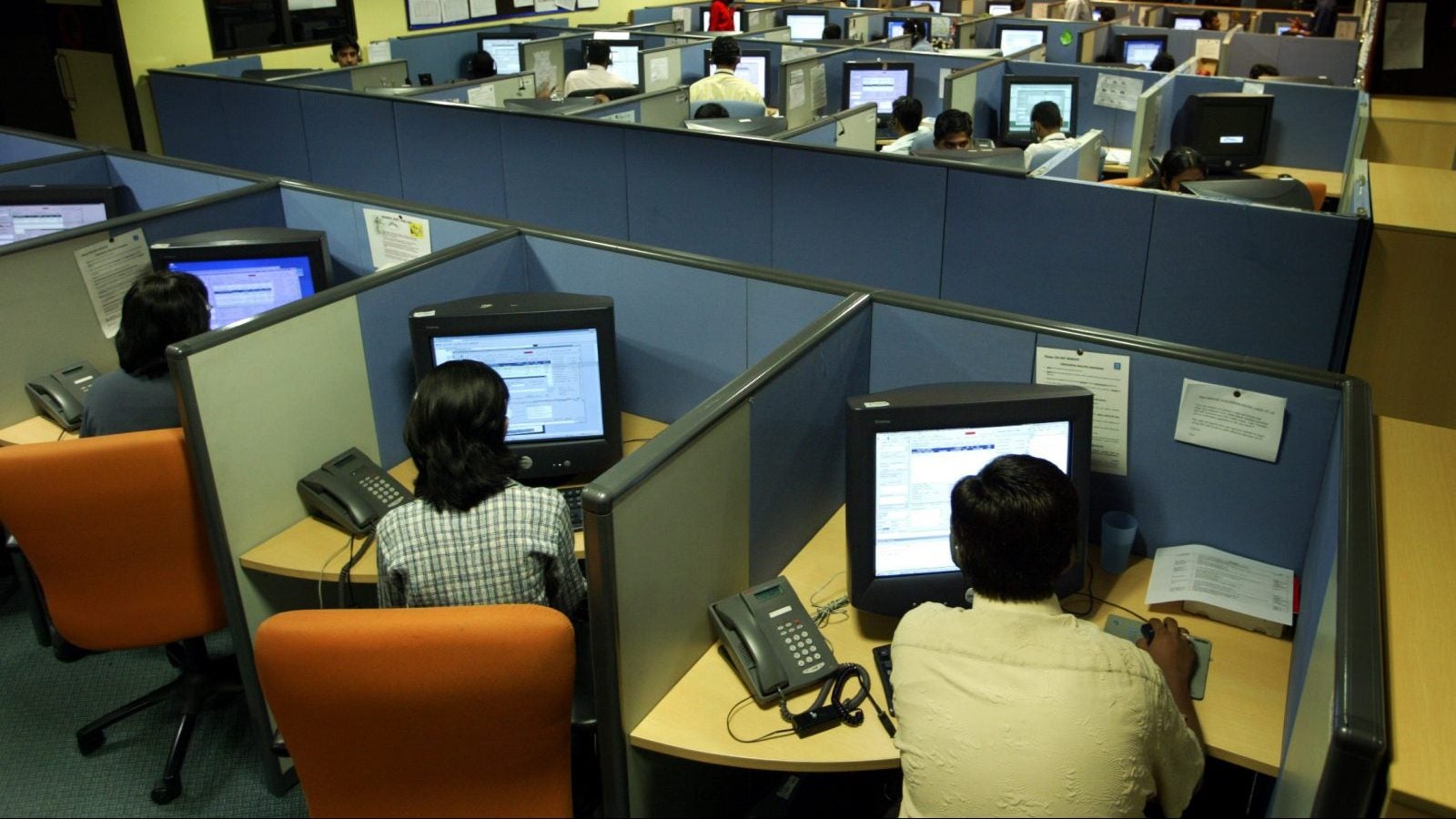
After a year that saw over 56,000 layoffs in India’s tech sector alone, there may be some respite for professionals. None of the 4,612 employers surveyed across sectors by US-based workforce solutions company ManpowerGroup said they planned to downsize in April-June 2018.
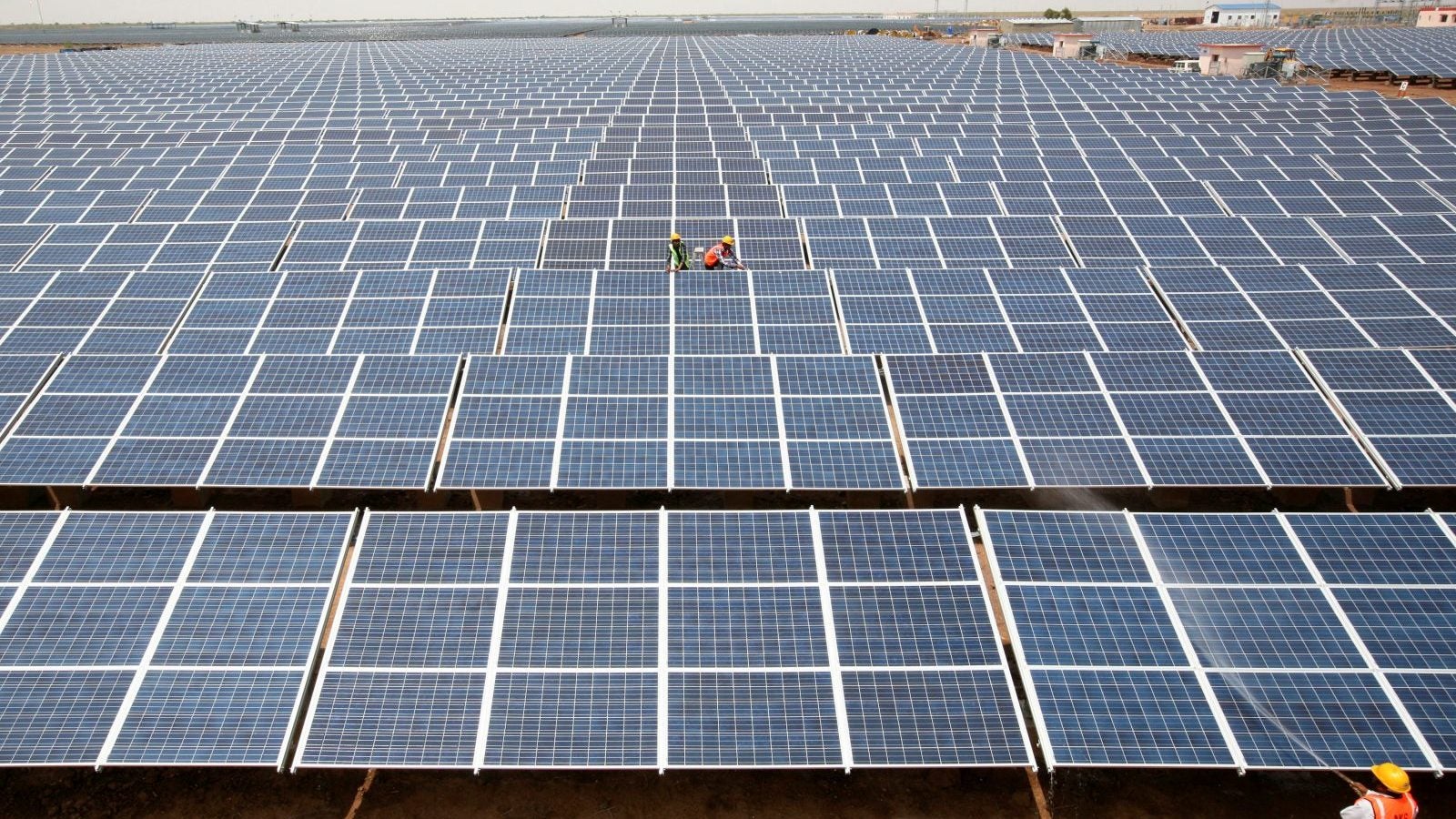
On Sunday, March 11, the heads of around 40 countries landed in India for the first official summit of the International Solar Alliance (ISA), a non-profit treaty-based group of 121 countries promoting the use of solar energy.
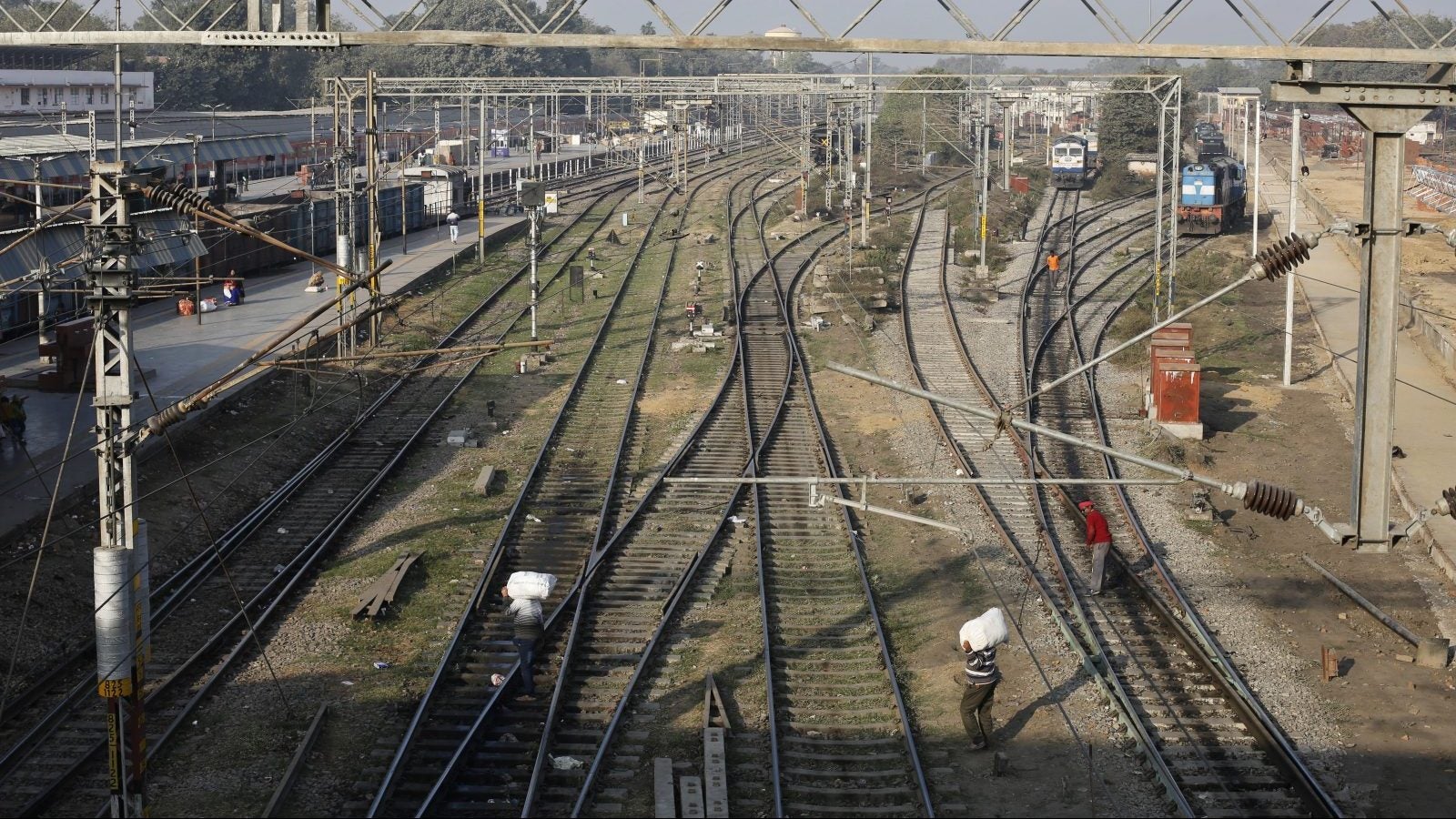
Upon entering the premises of the Integral Coach Factory (ICF) in the southern Indian city of Chennai, what meets the eye first is not train coaches being built. Instead, it is frenzied construction activity with large land-moving and drilling equipment that blocks the view of the manufacturing lines, which roll out nearly 2,300 coaches a year.
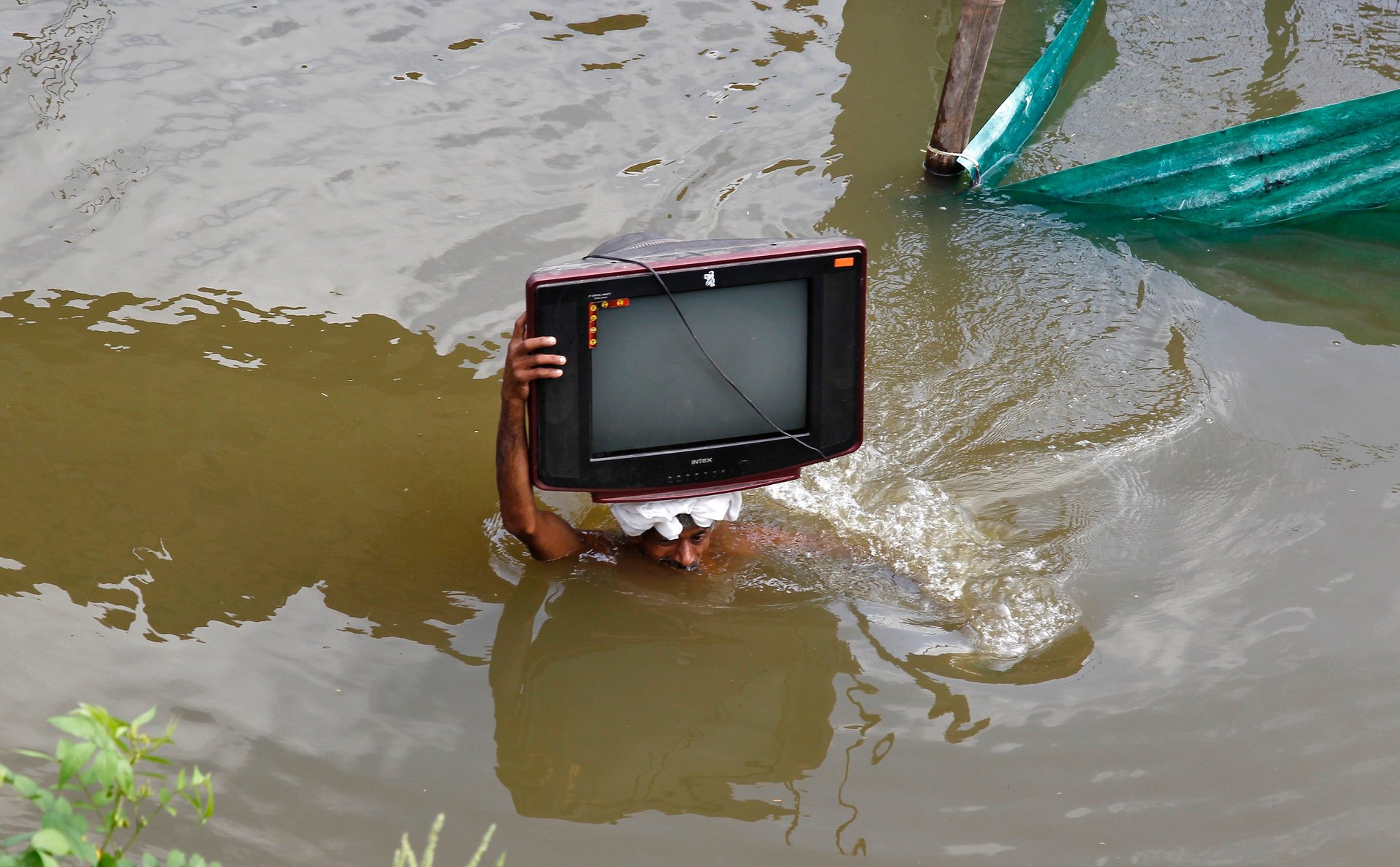
Telecom operators bled out—Aircel even went bankrupt—after Mukesh Ambani-owned Reliance Industries entered the sector with Jio in September 2016. Now, a similar threat looms in the direct-to-home (DTH) television segment as, once again, Reliance Digital TV sparks a potential price war.

An Indian startup has found a way to get rid of a centuries-old social problem in India that has only turned deadly in recent times, killing more people in a year than even terrorism does in Kashmir.
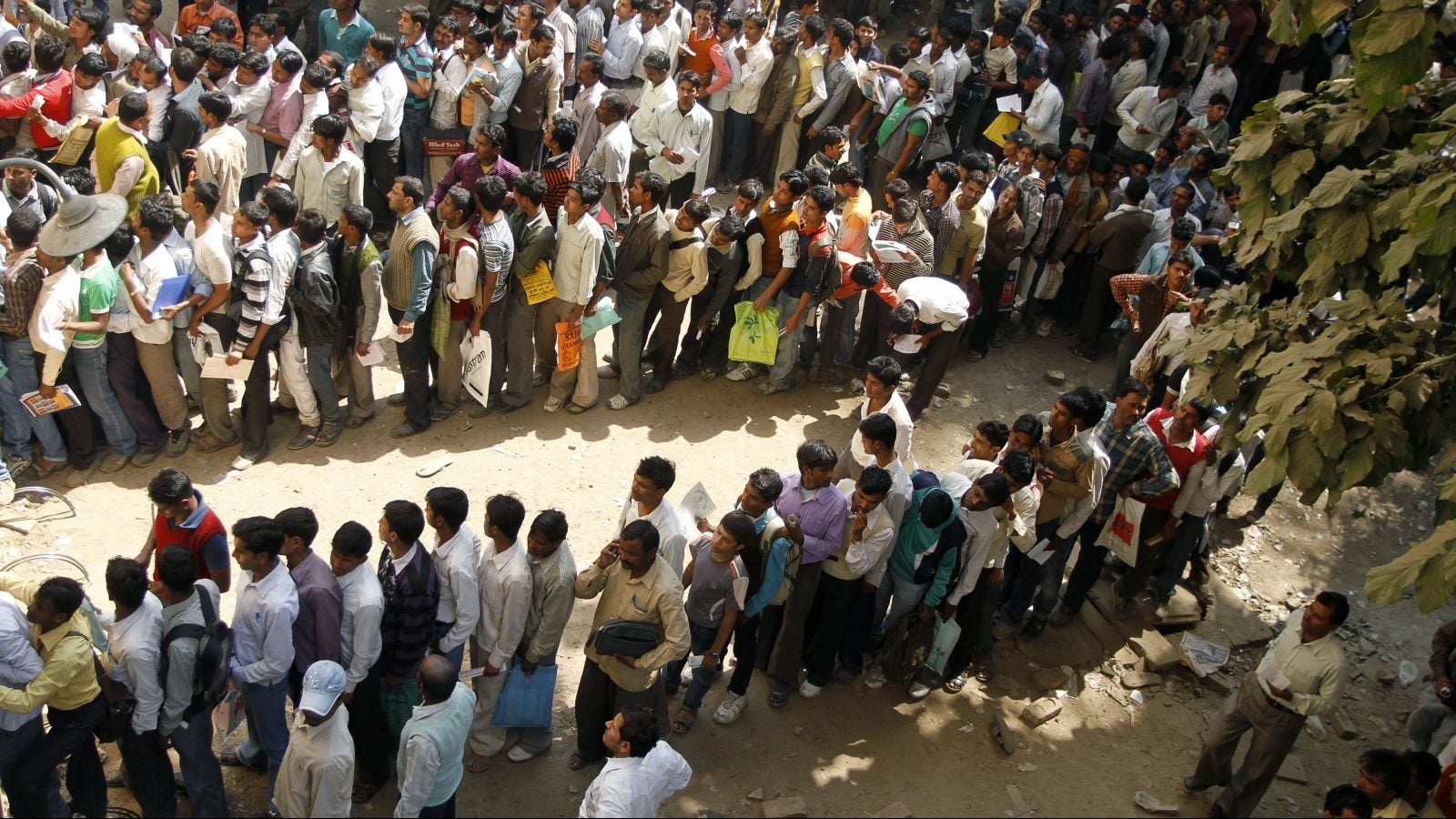
The number of jobseekers in India, rising steadily over the last few months, spiked to 7.1% in the week ended Feb. 25.

Even as firms and advertisers splurge to grab consumers’ attention, a Mumbai-based startup has found a simple, cost-effective way to do it: paper cups.

The Donald Trump administration’s protectionist rhetoric seems to have put off Indian students.
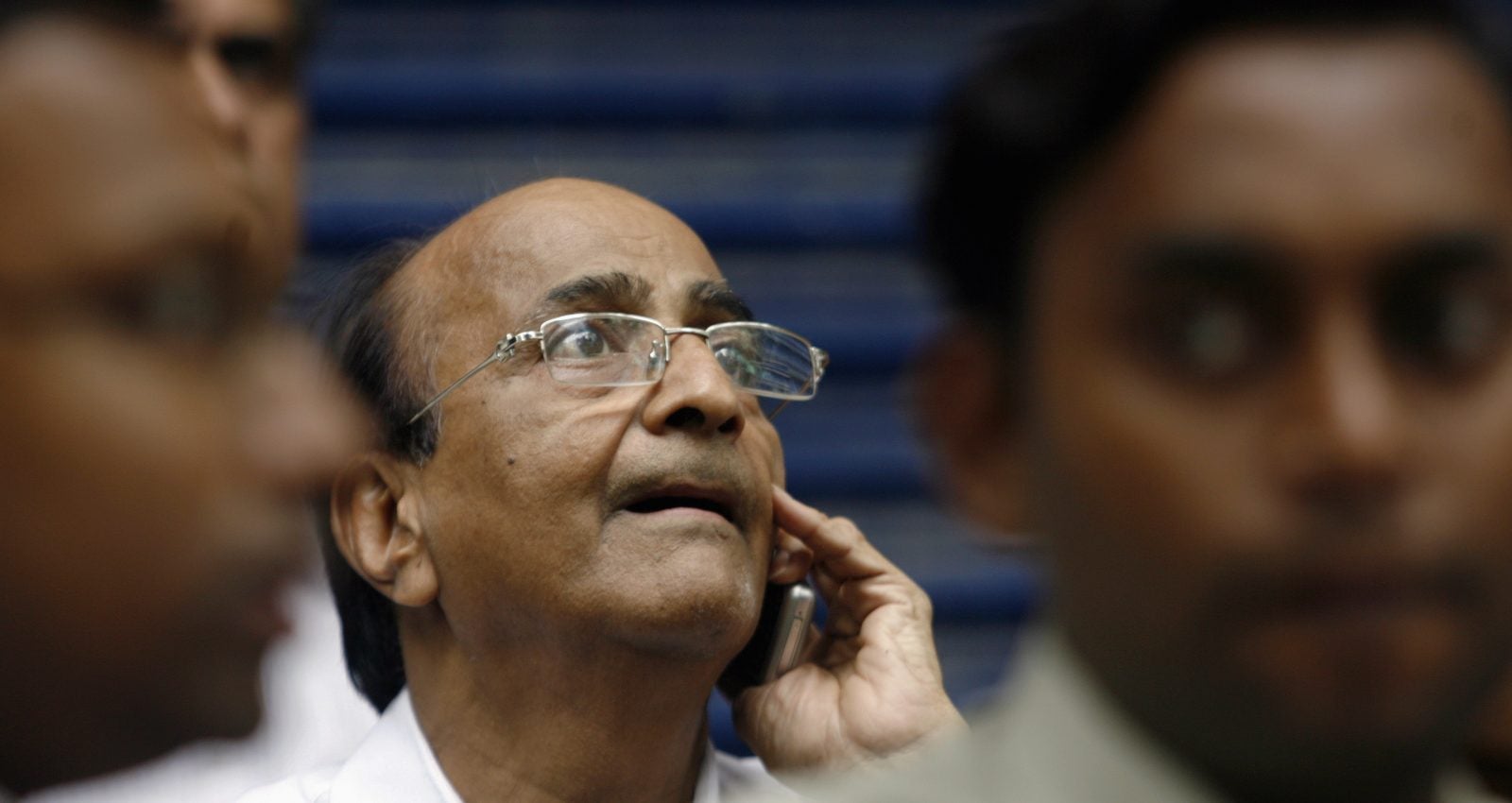
Since Wednesday (Feb. 21) morning, Divya, the owner of clothing boutique Tamara in the south Indian city of Chennai, has been struggling with her mobile phone connection. Being a small boutique, her business depends a lot on her ability to interact with customers over the phone, she said.
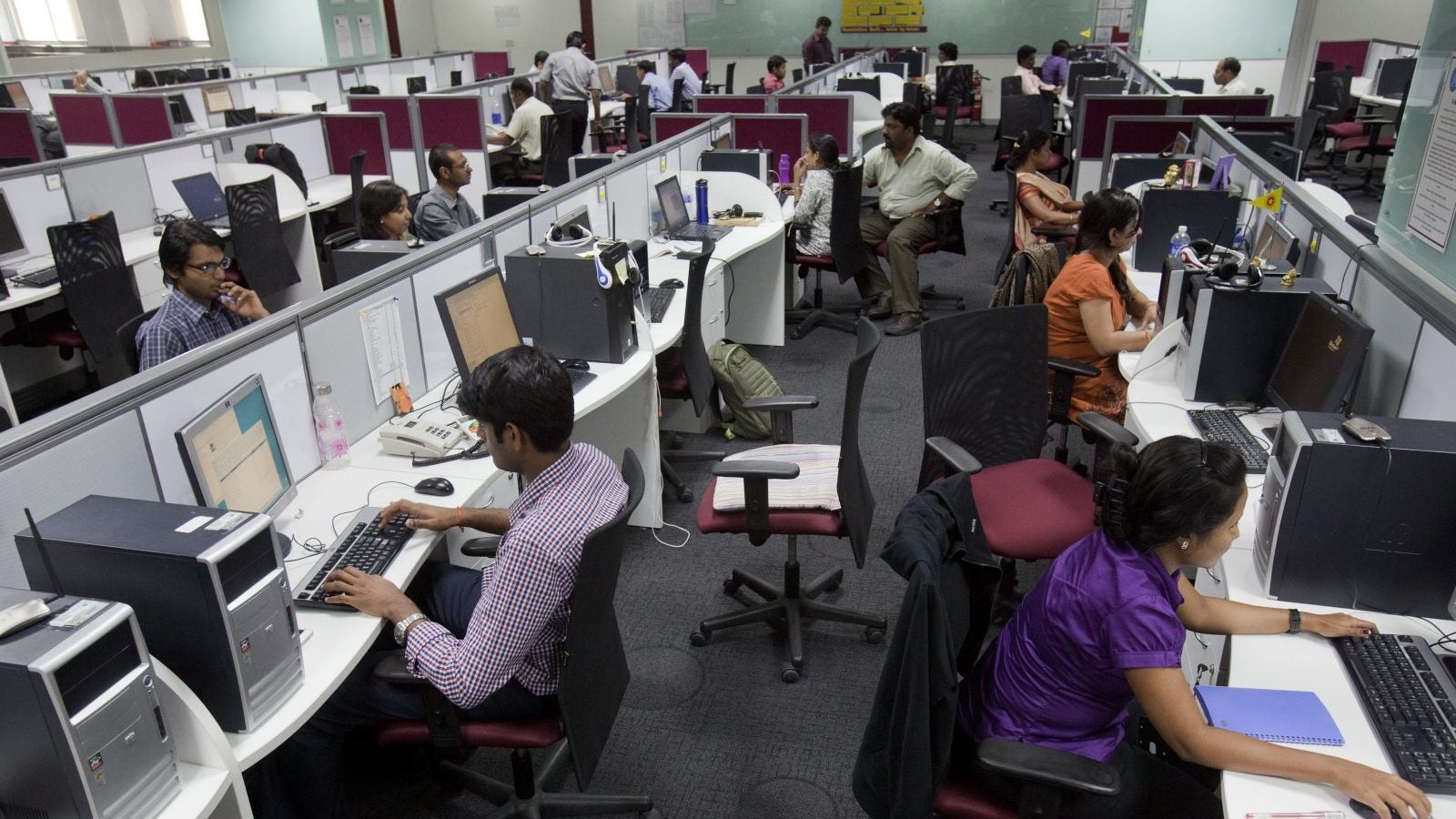
At a time when redundancies and pink slips have clouded the Indian IT sector, there is one silver lining: the local research and development (R&D) centres of multinational companies (MNCs).
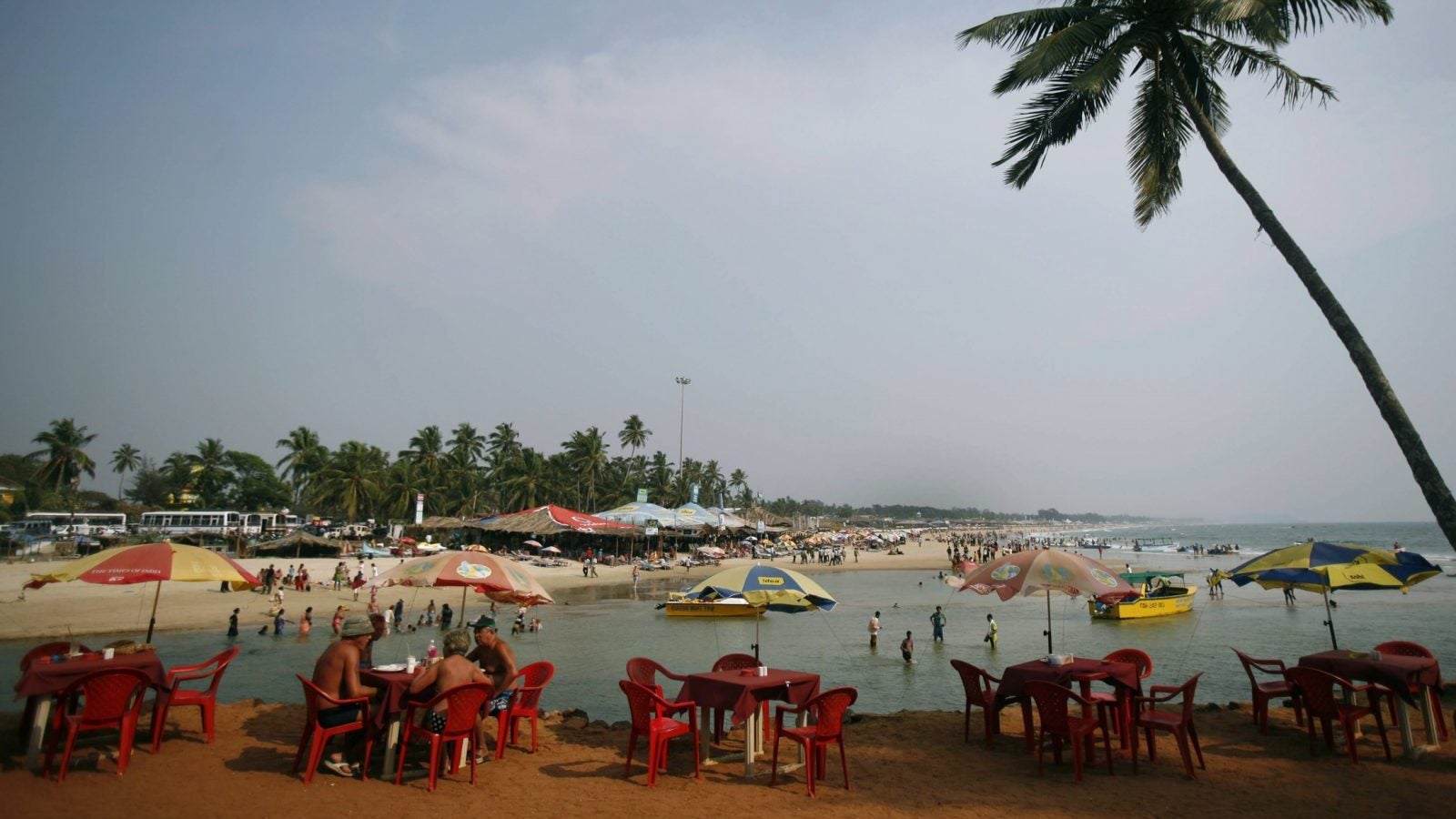
India’s Gen Z, born in and after 1996, doesn’t care much about travelling.

Nearly half of the 430 million internet users in India use WhatsApp and businesses want their hands in that pie.
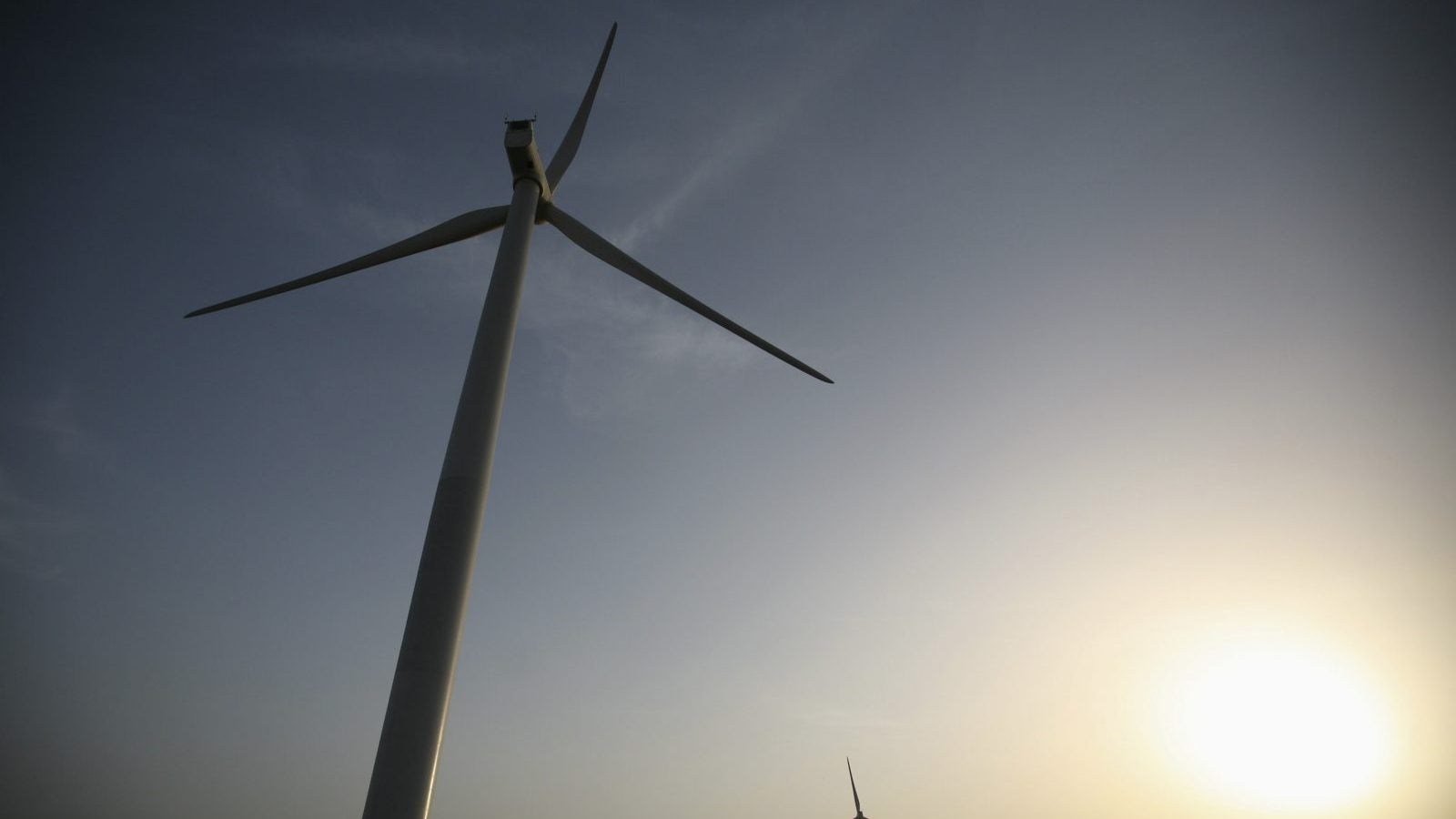
The southern Indian state of Tamil Nadu is one of the top nine markets globally to have achieved an exceptionally large share of renewable power generation, according to a report by US-based think-tank Institute for Energy Economics and Financial Analysis (IEEFA).
WhatsApp’s entry into India’s crowded online payments ecosystem has set off a public spat among the homegrown players.