
Lifestyle
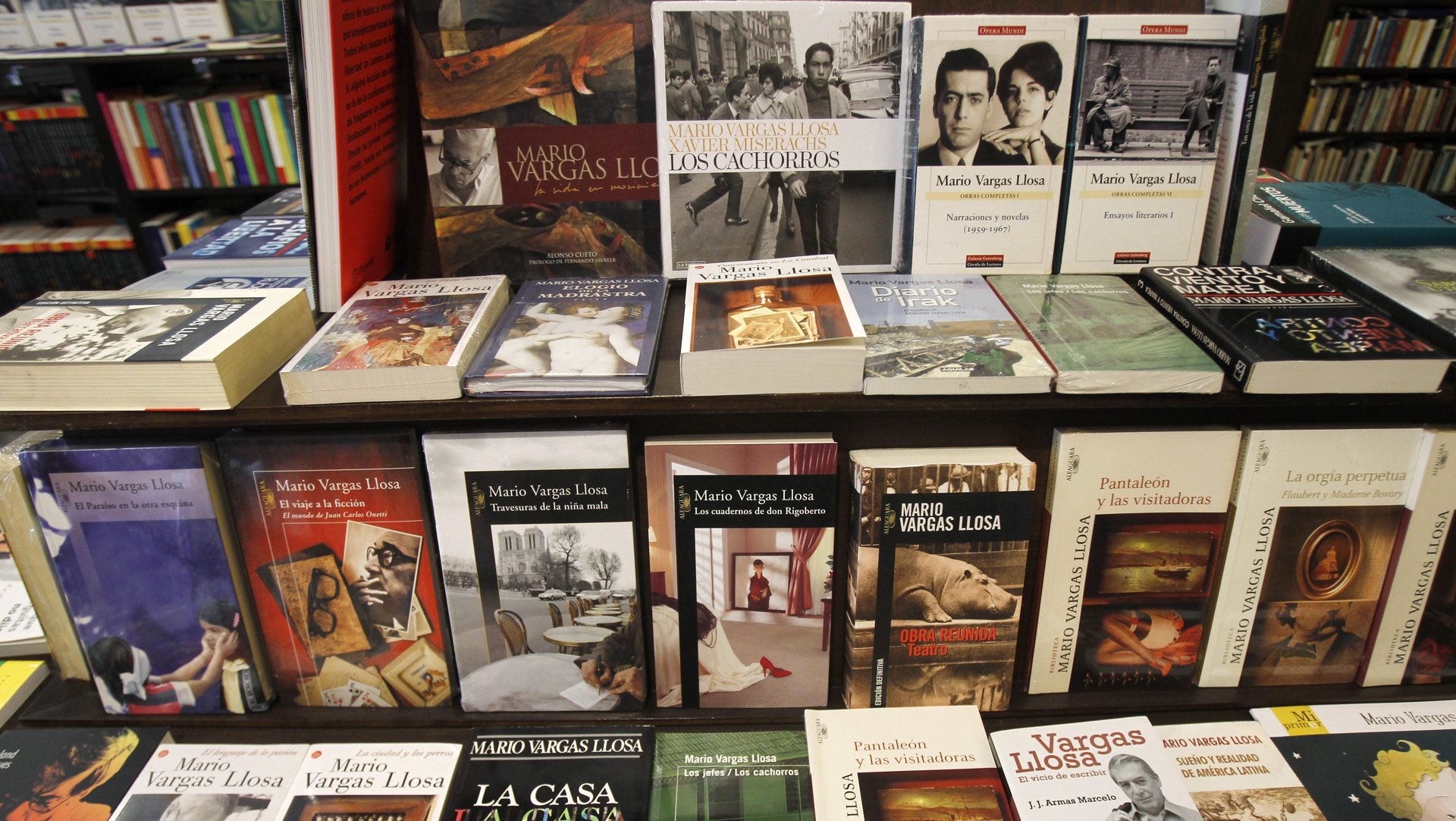
The US national book award now recognizes not all great books are in EnglishThe committee for the US’s biggest book prize is looking past its borders.
Updated July 20, 20221 min read
The committee for the US’s biggest book prize is looking past its borders.
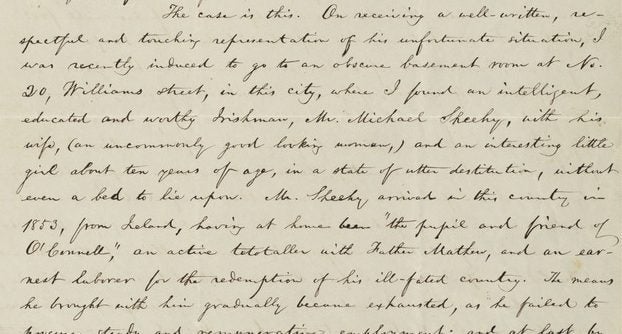
The US abolitionist movement needs your help.
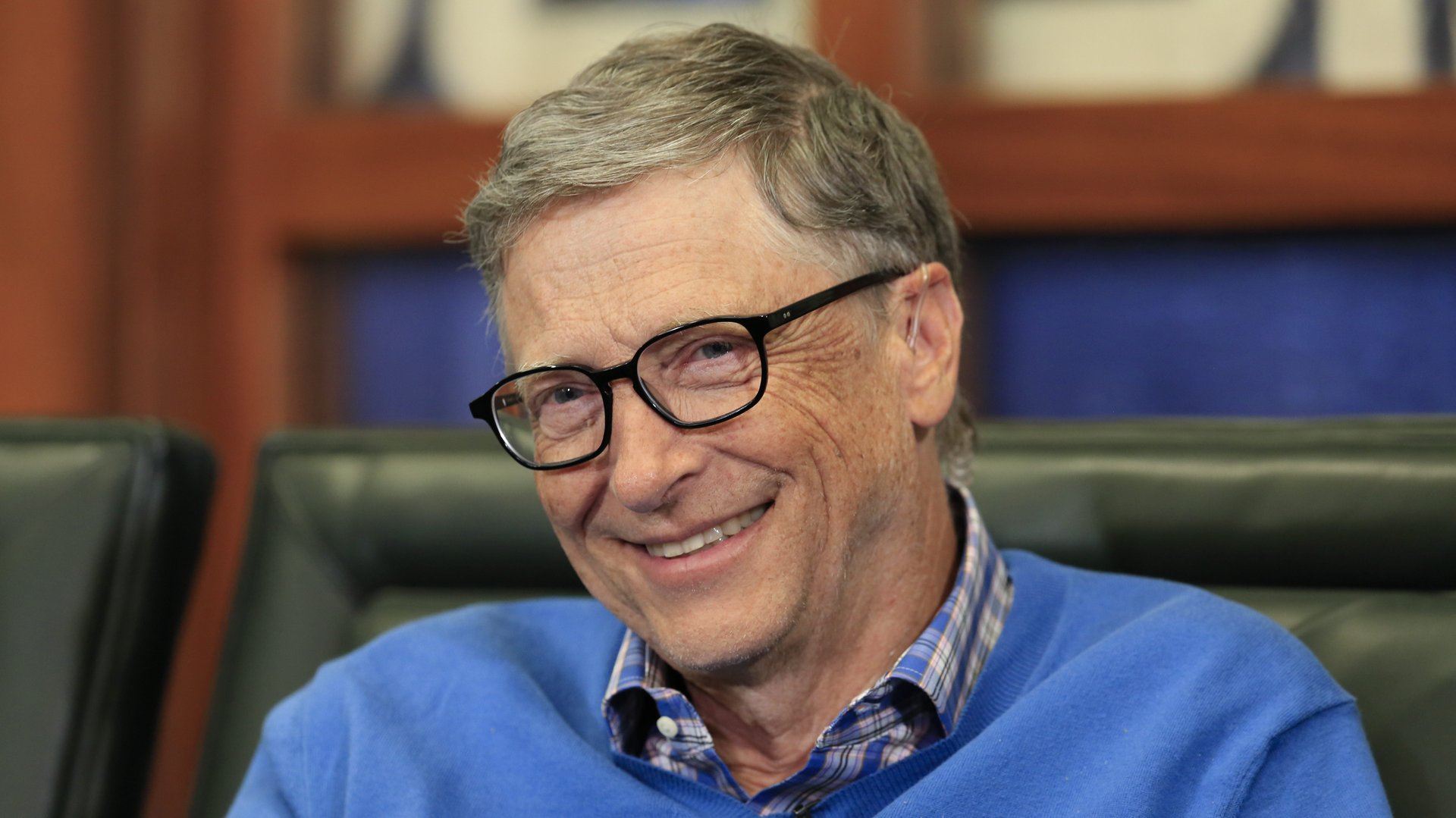
After a brief flirtation with novels and comic memoirs, Bill Gates is getting back to big ideas. The Microsoft co-founder and philanthropist has found his new “favorite book of all time,” Steven Pinker’s Enlightenment Now: The Case for Reason, Science, Humanism, and Progress.
Of the big tech companies, Amazon has long had the market cornered on selling and making print and digital books. Now a whiff of competition is wafting north from Silicon Valley heavyweights.
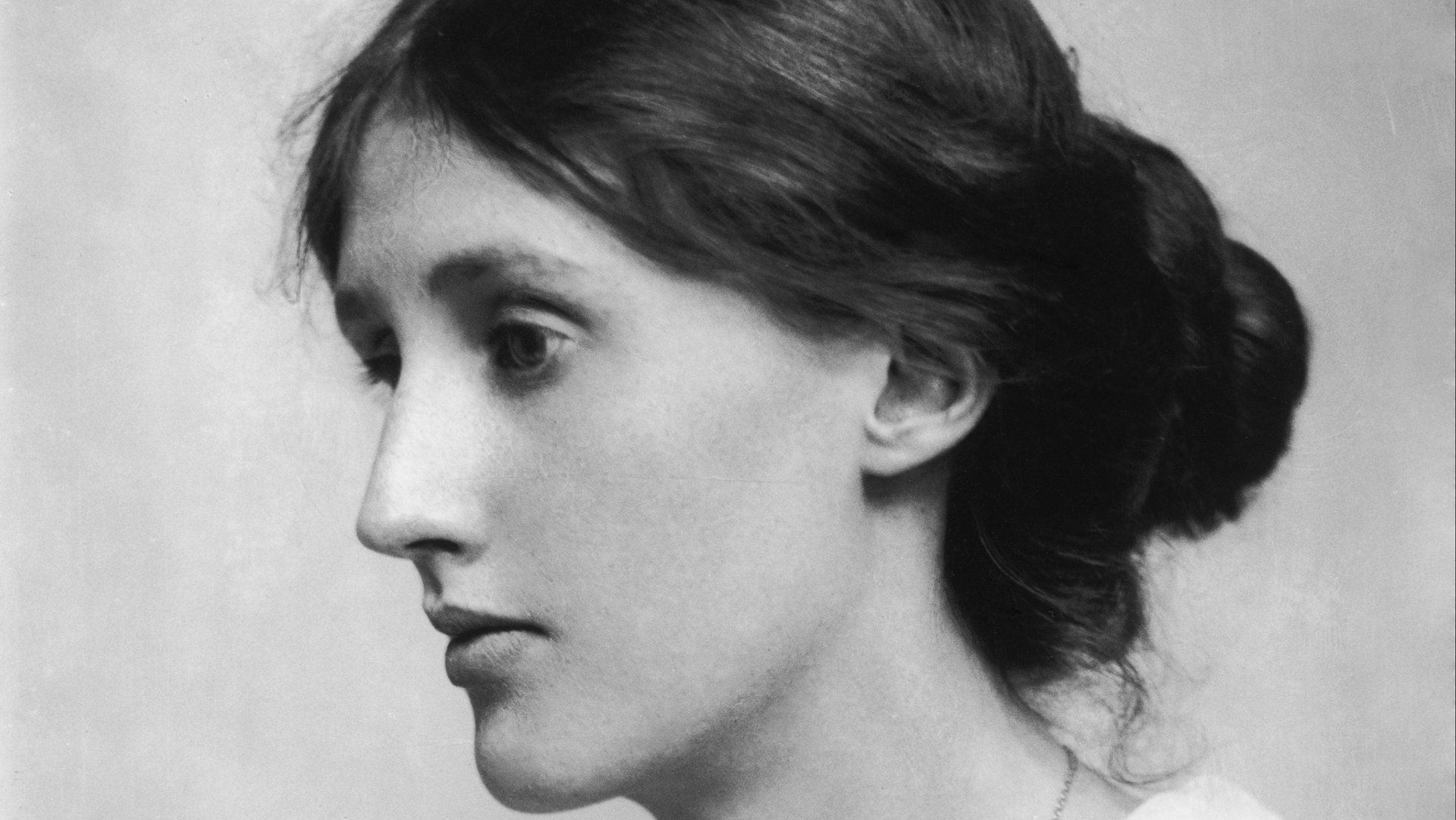
Virginia Woolf knew the enormous potential of a closed door.
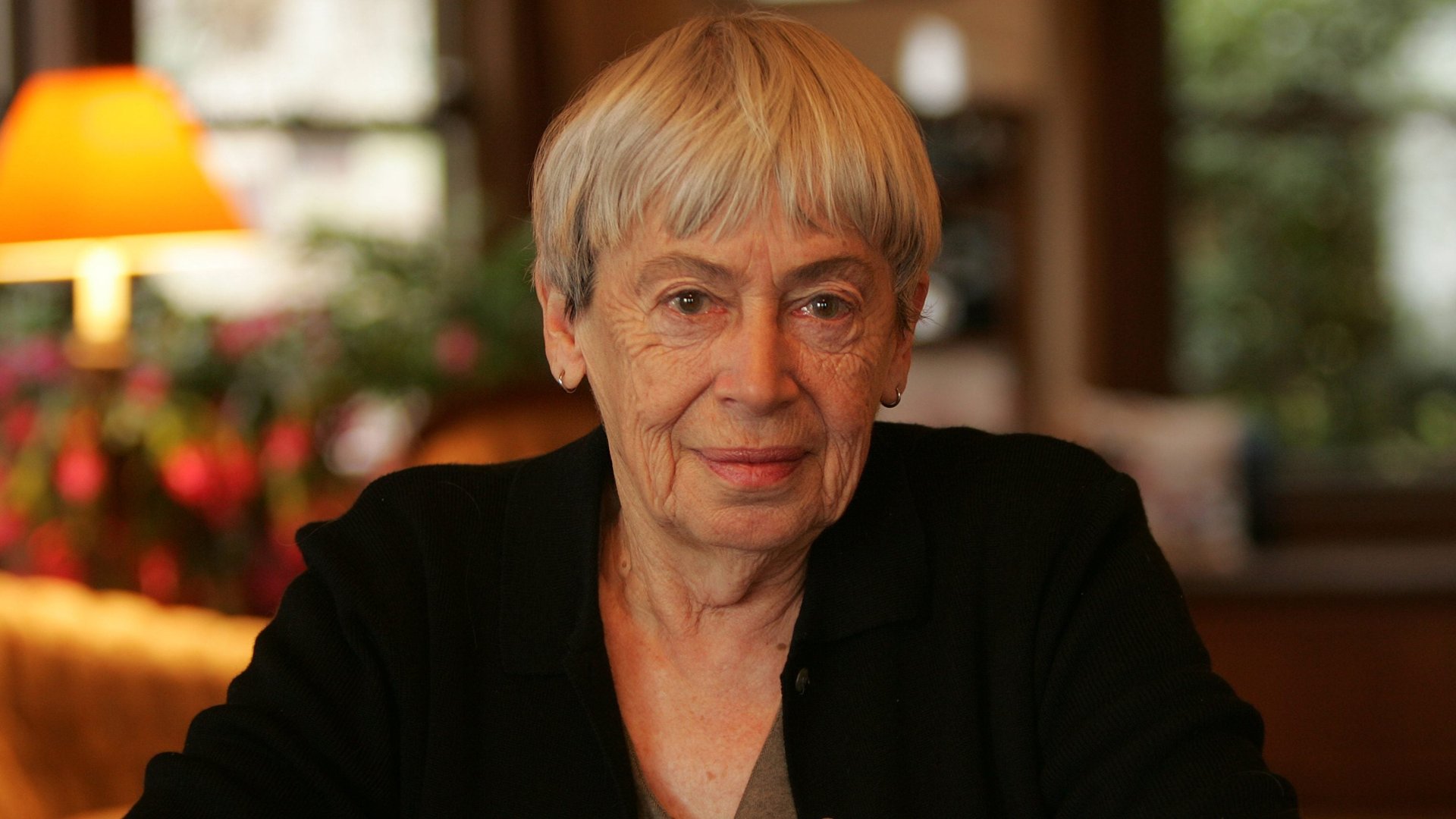
The beloved, acclaimed American writer Ursula K. Le Guin died Jan. 22 at 88, leaving behind a legacy of fantasy and science fiction that reimagined societies and challenged our accepted values.
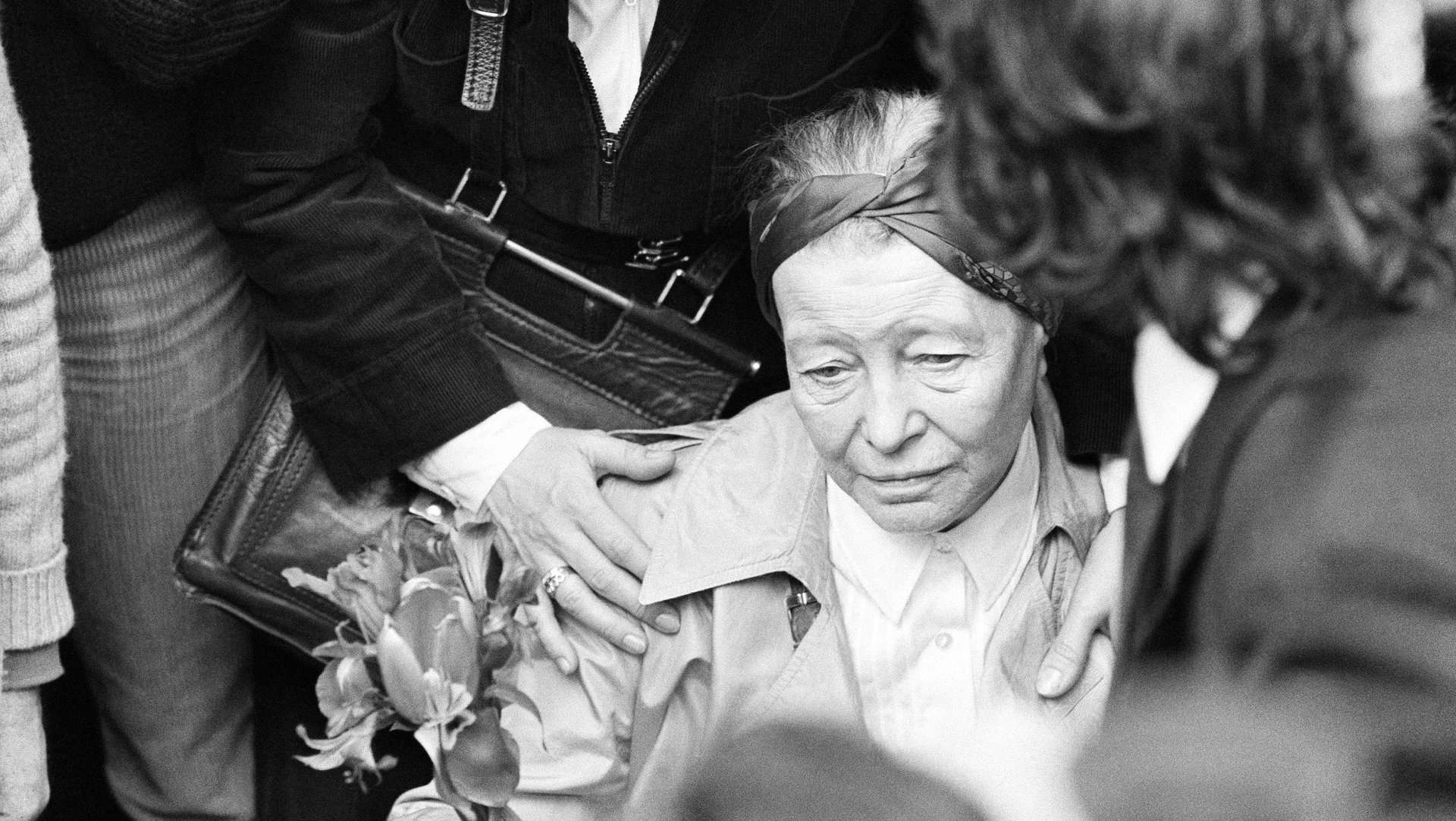
Wading into a literary skirmish, French newspaper Le Monde has published a never-before-seen letter from Simone de Beauvoir to one of her lovers, director Claude Lanzmann.
Elena Ferrante, reclusive Italian novelist, will soon have to trudge through the same morass of noise and nonsense as the rest of us writers.

Last week, following a public outcry, New York governor Andrew Cuomo announced he would suspend a pilot program that would have severely restricted books in state prisons and left 50,000 inmates in veritable information darkness. The program would have prohibited inmates from receiving any packages that weren’t bought through approved vendors, which critics pointed out carried very few books on topics outside religion and puzzles.

Amazon seems to be putting extra effort toward keeping trolls and fake reviewers off the page for Michael Wolff’s controversial new book, Fire and Fury: Inside the Trump White House. Reviews have been unexpectedly civil and almost entirely from verified purchasers—both highly unusual for such an inflammatory book.
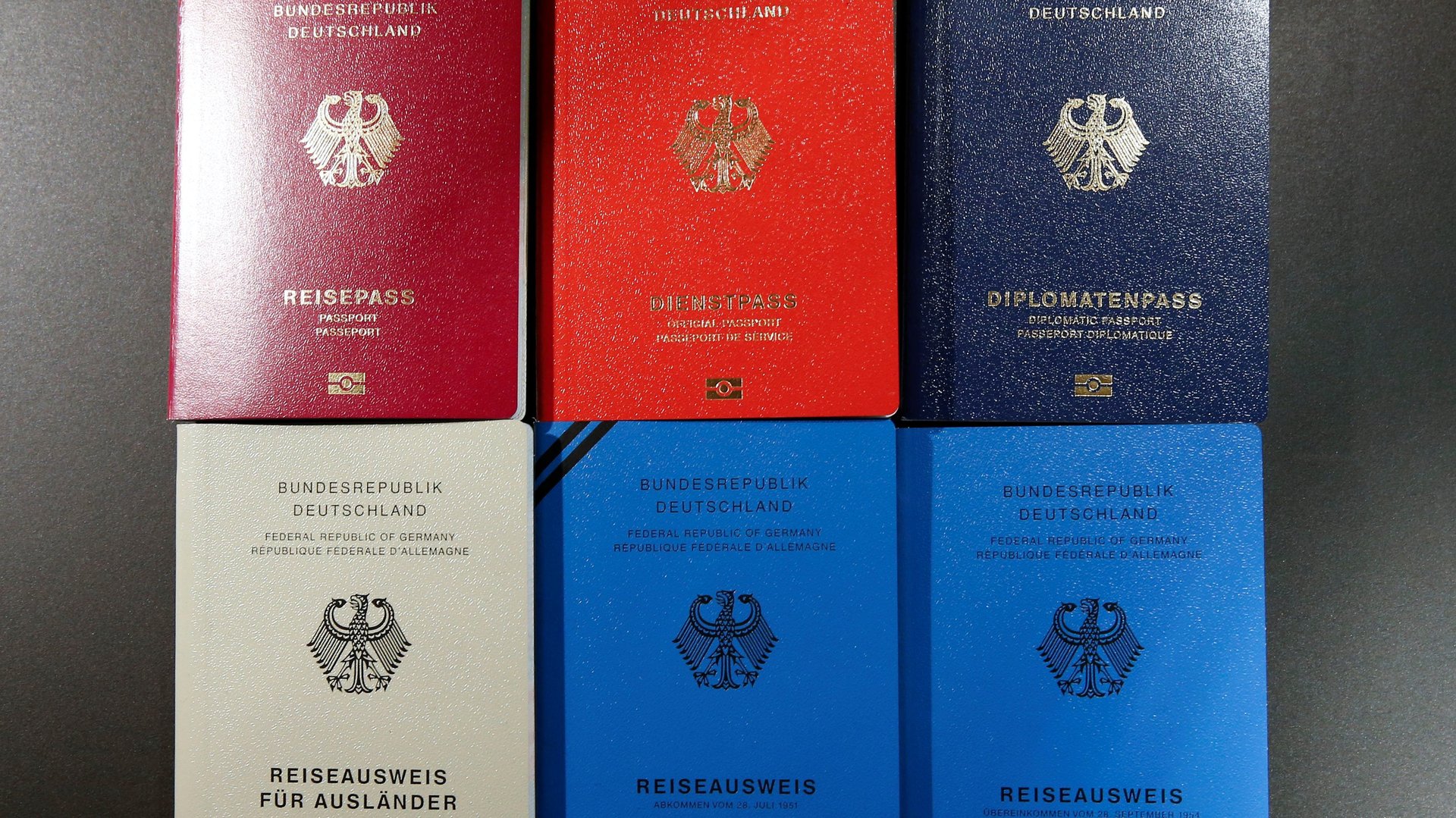
The world’s governments have spoken. Germany’s citizens are the travelers most welcome to cross their borders.
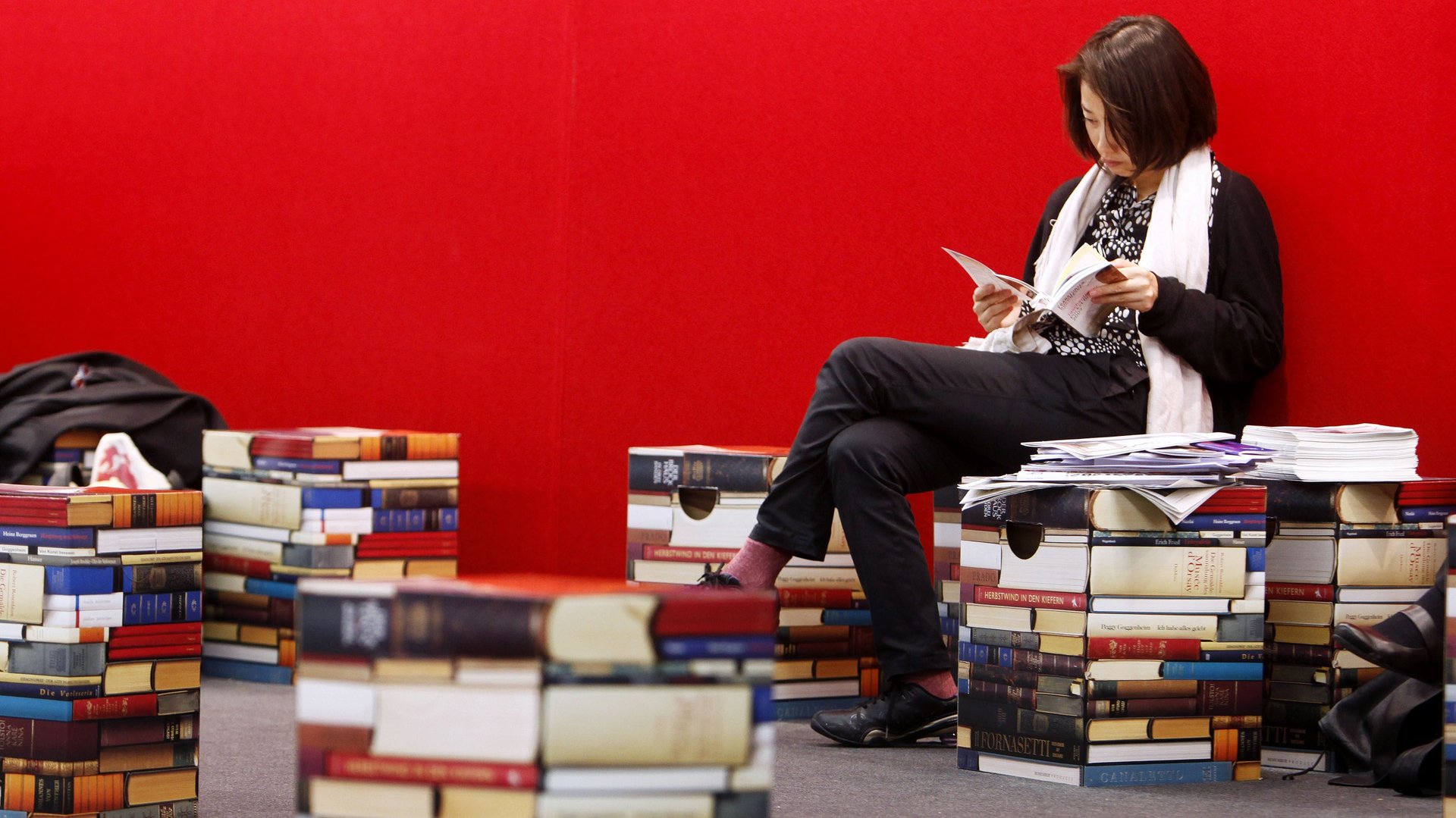
Last month was crazy. You learned about all these great books published last year. You got worried about the fact that you had only read a couple of them. You got excited about all the ways you’re going to catch up in 2018.
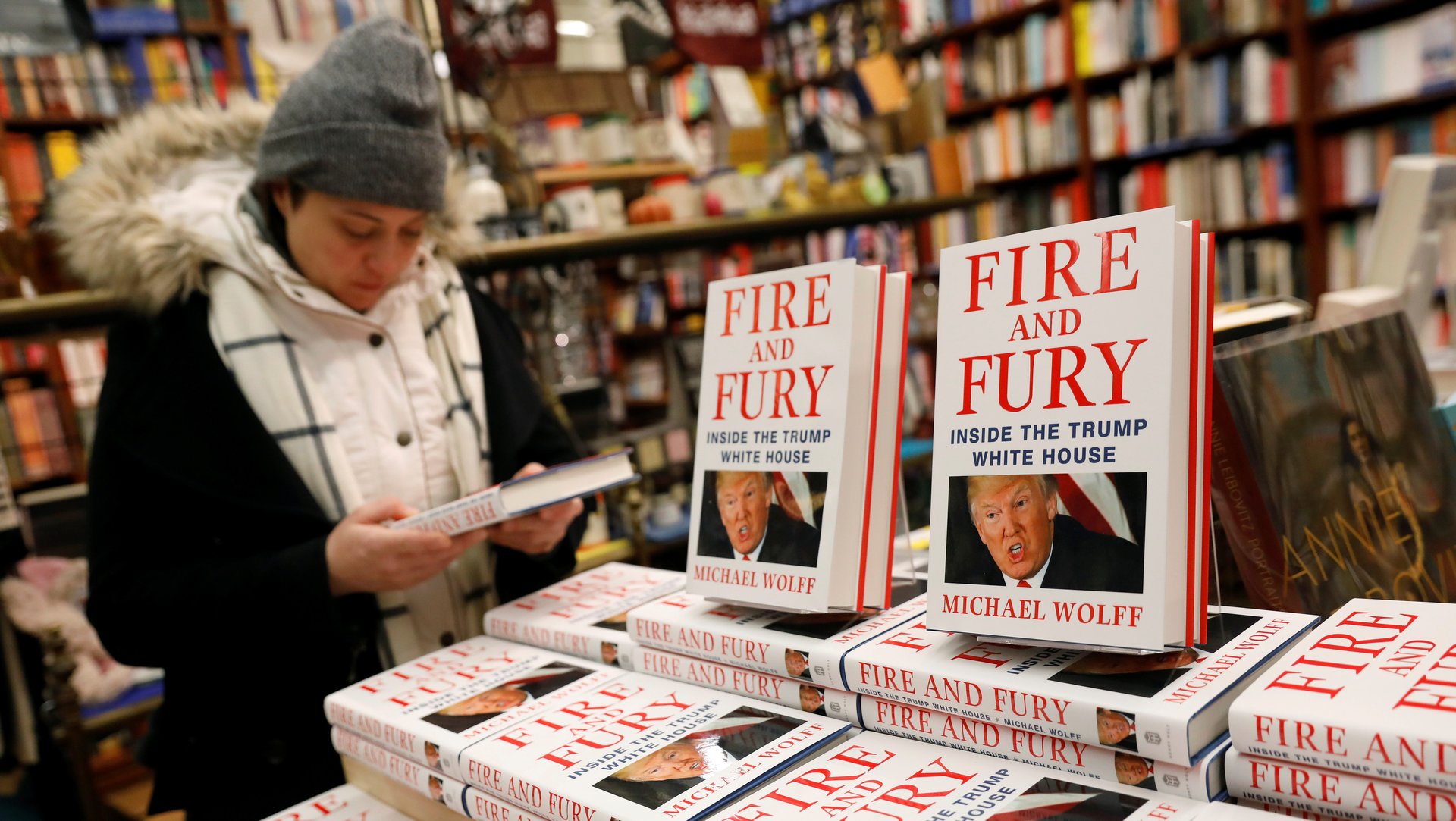
Amazon has learned an important lesson about trolls and fake reviewers.
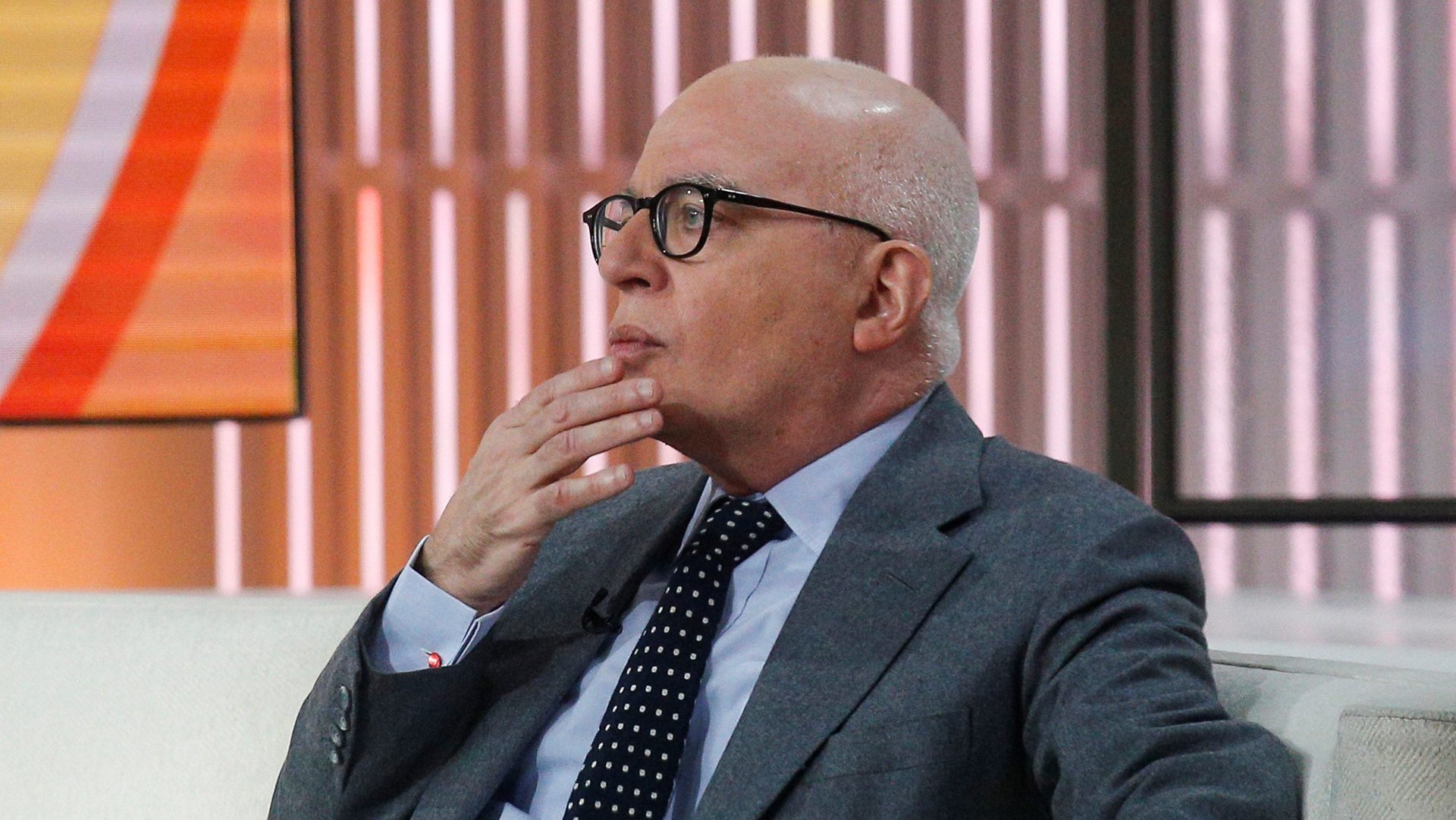
US president Donald Trump is fanning a countrywide fire.
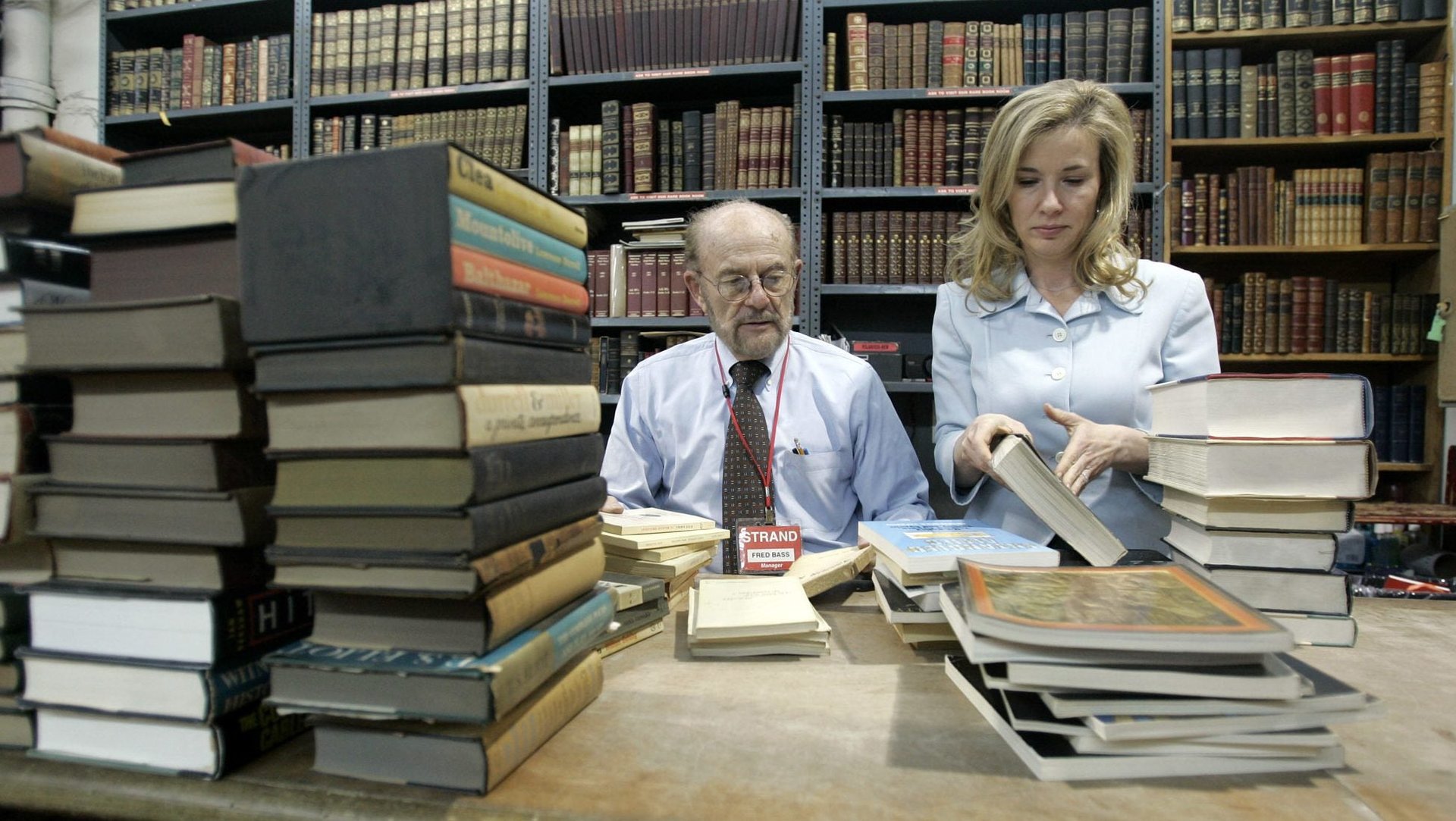
Fred Bass, co-owner of New York’s massive used bookstore, fondly known as the Strand, died of heart failure yesterday (Jan. 3) at 89.
There was a time when the biggest library in the United States considered every tweet worth preserving. This year it changed its mind.
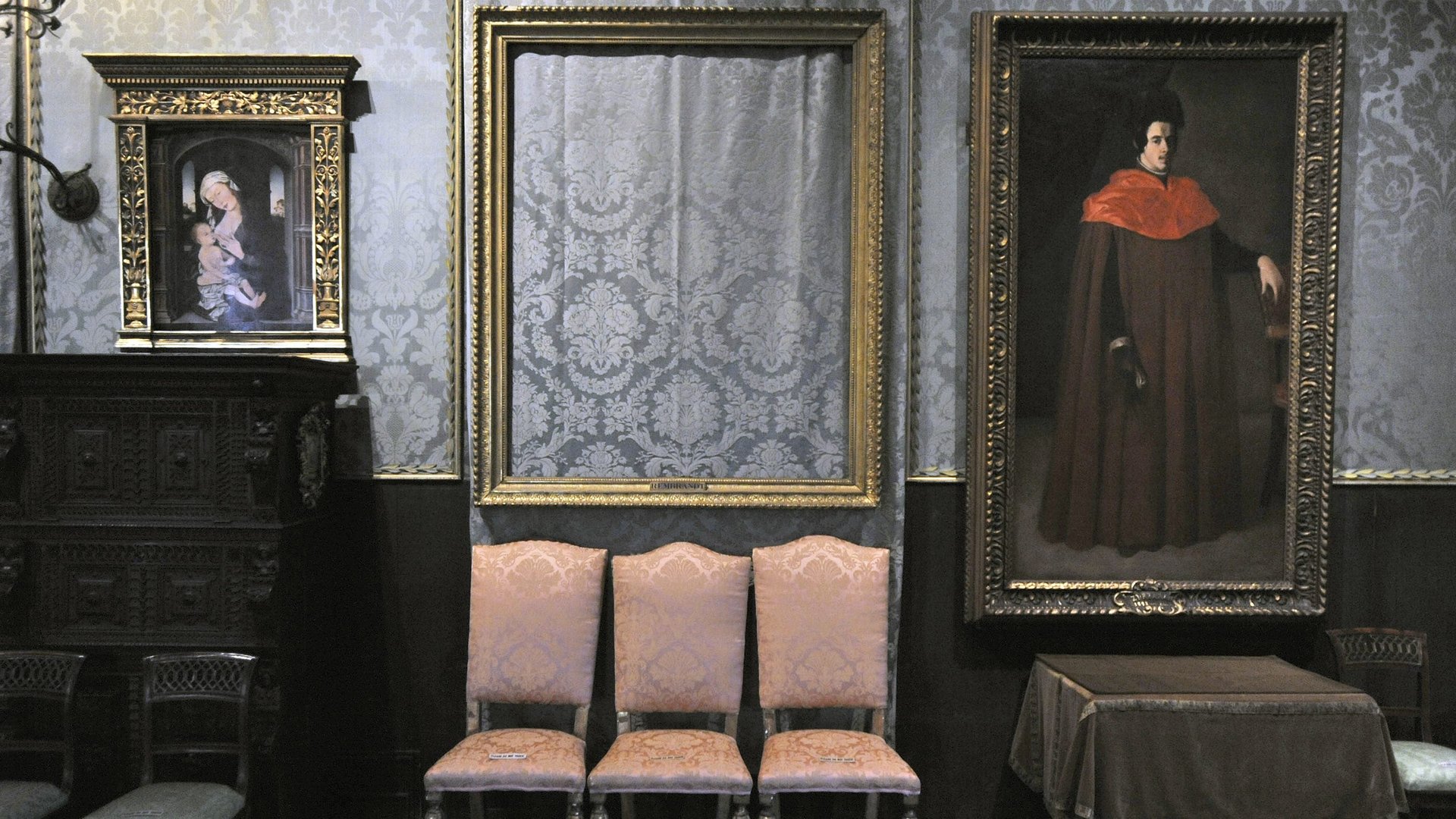
The window for someone to make big money off stolen European masterpieces is closing quickly.
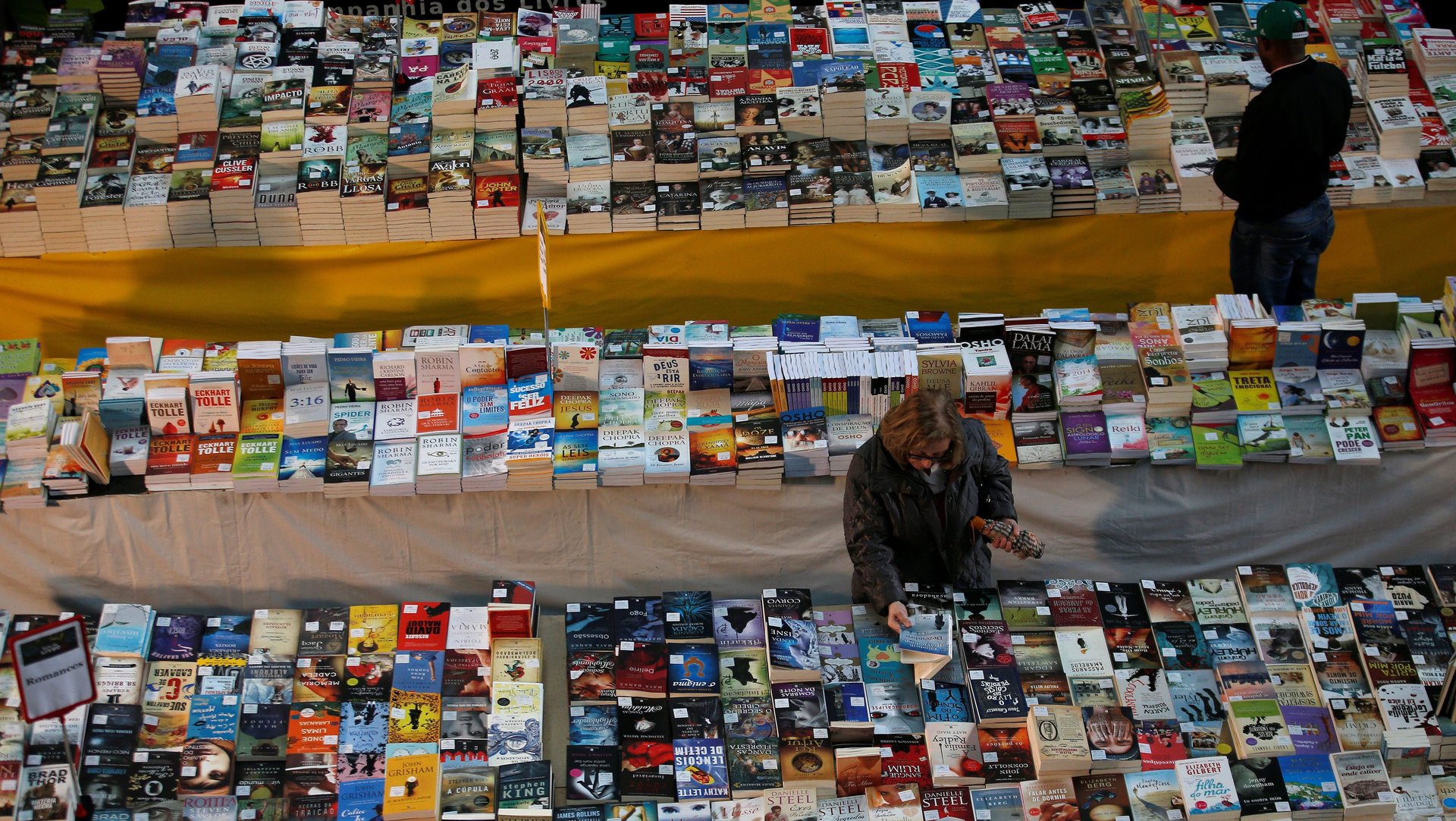
If you read for pleasure, it makes sense if you stick to your comfort zones. You’re spending your own time and money, so why not read exactly what you like, whether that’s World War II tomes, true-crime histories, or supernatural YA?

You can do it Irish, Polish, English, or French. No matter the style, it feels just as good.
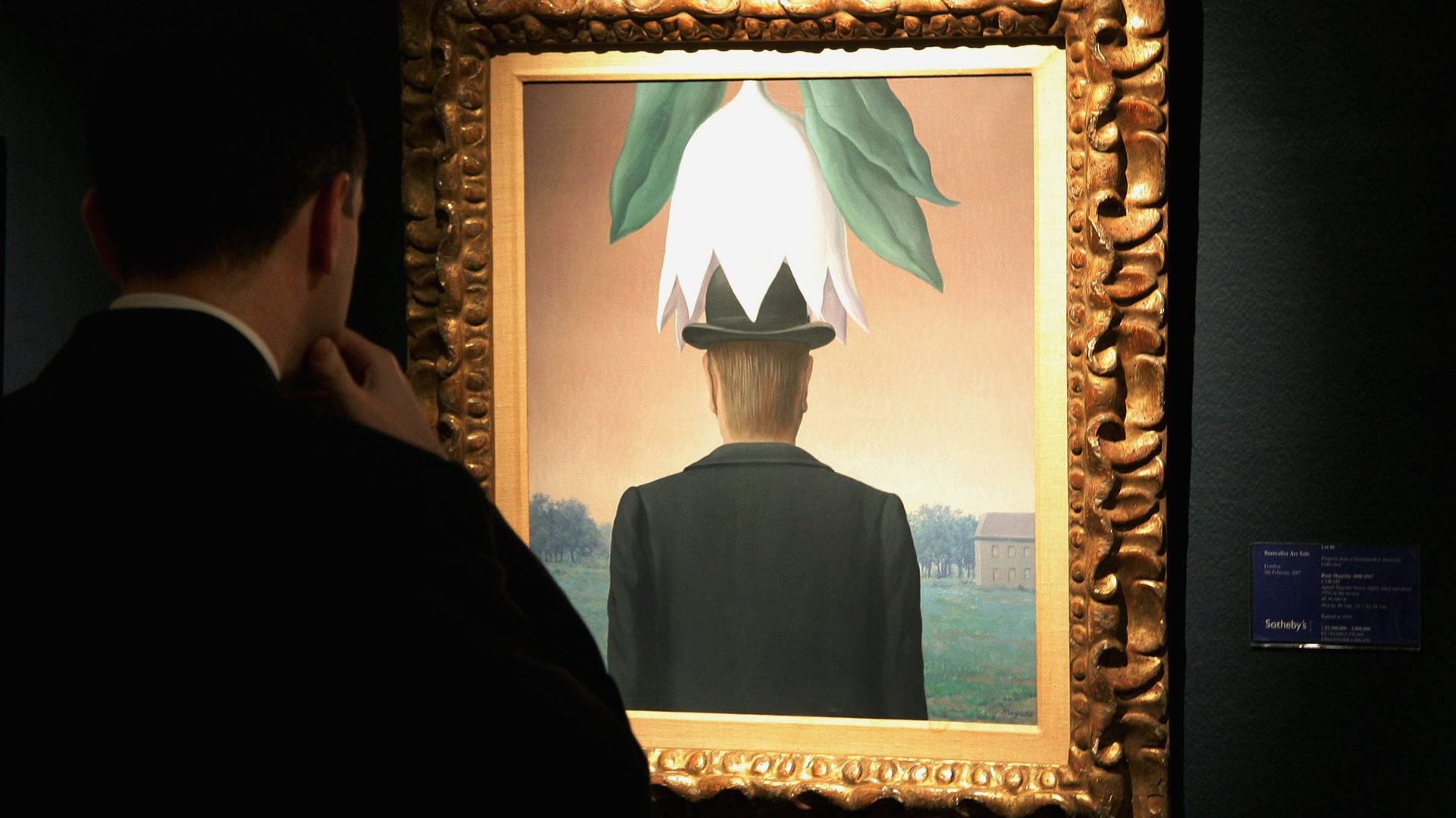
On Jan. 1, much of the world will be getting a sack of free art and writing from famous folks with which to do whatever they wish—sell t-shirts, publish online, put on YouTube, include in movies without asking, for example. Public domain day 2018 is coming.
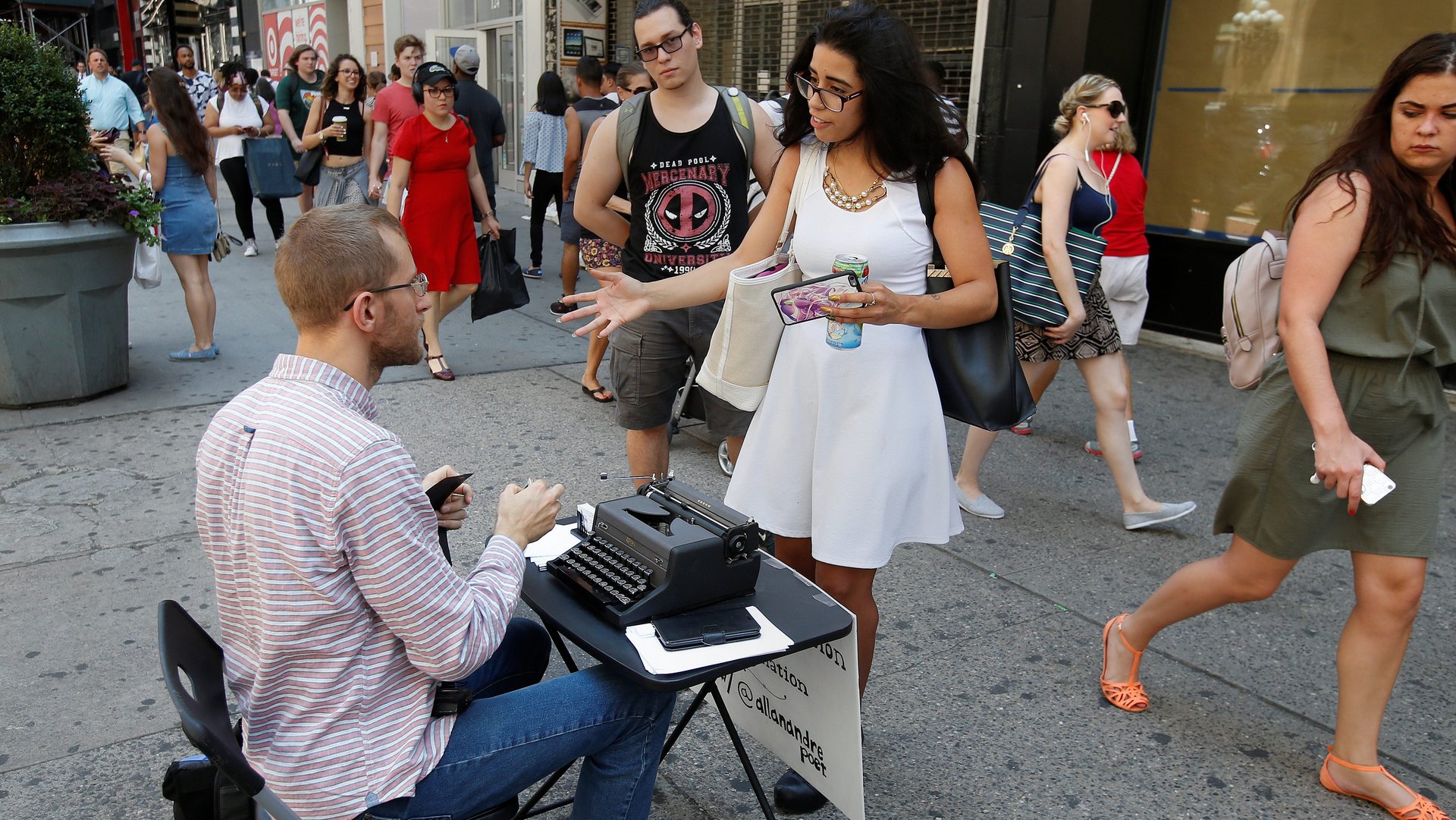
It’s getting harder and harder to be a writer who just writes.

Content begets content.

Add one more dramatic layer to Bram Stoker’s legacy.
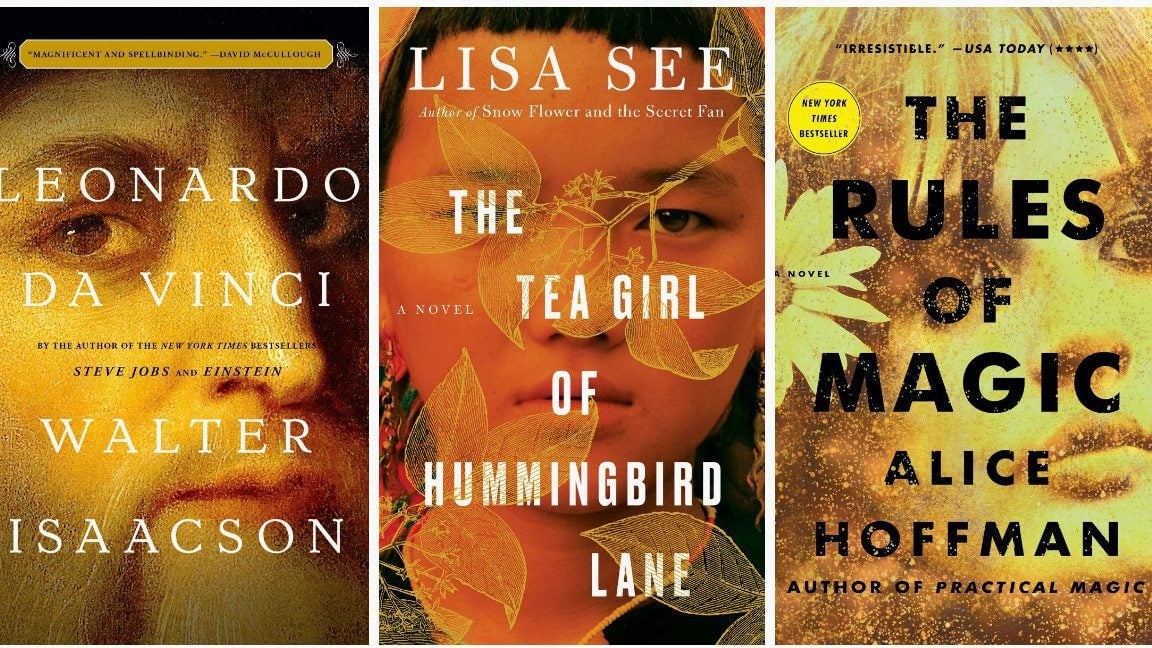
Two years ago, the aesthetic was super flat and pastel. Last year, we saw a striking profusion of birds on yellow backgrounds and pencils on white. This year, US book cover designers were crazy for paintbrush letters and enigmatic faces bathed in gold.