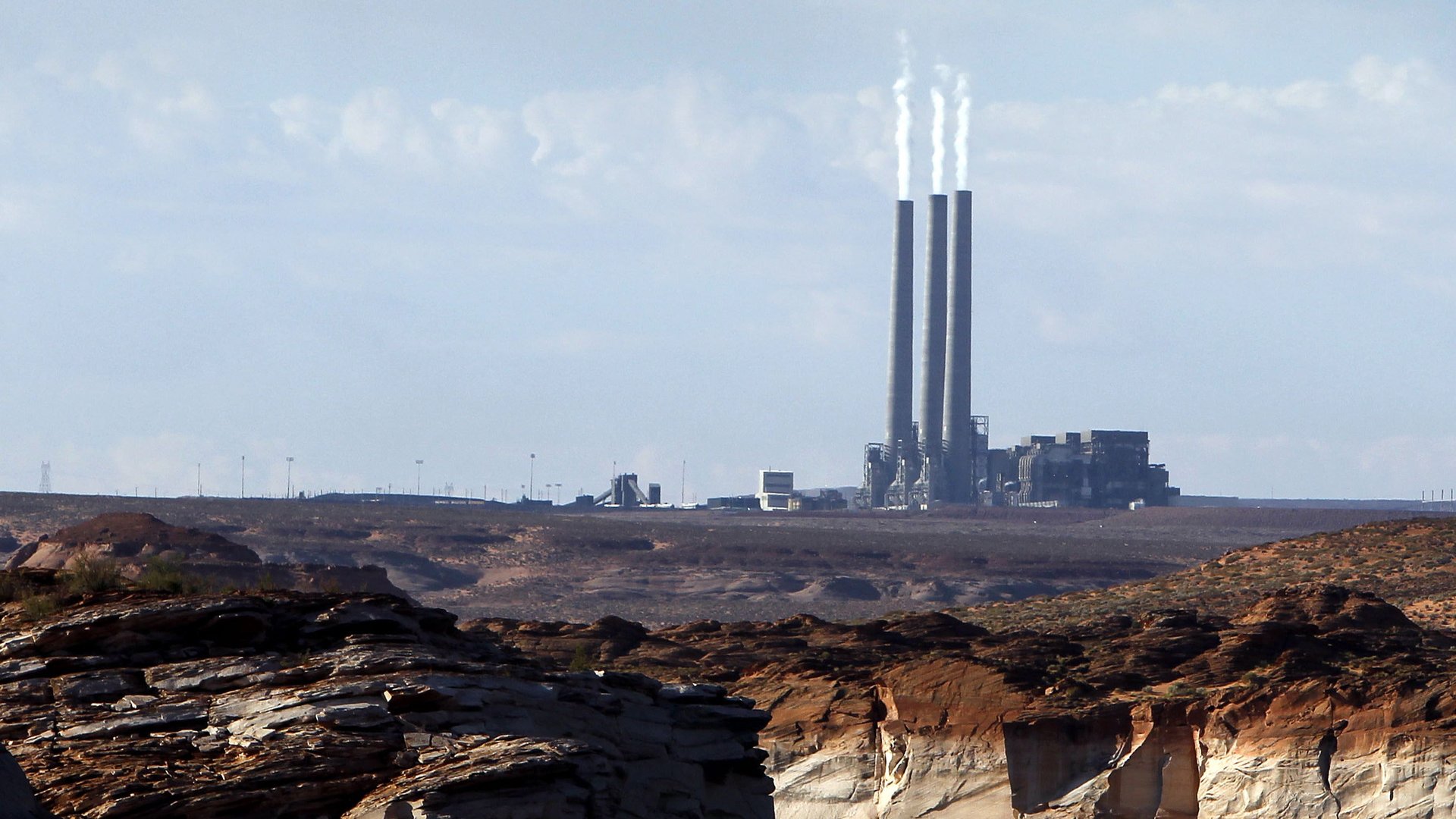
We’ve taken the US Energy Information Administration (EIA) to task for its projections of future energy production and consumption that assumes the nation’s fossil fuel addiction will continue until the dinosaur juice runs dry.

We’ve taken the US Energy Information Administration (EIA) to task for its projections of future energy production and consumption that assumes the nation’s fossil fuel addiction will continue until the dinosaur juice runs dry.

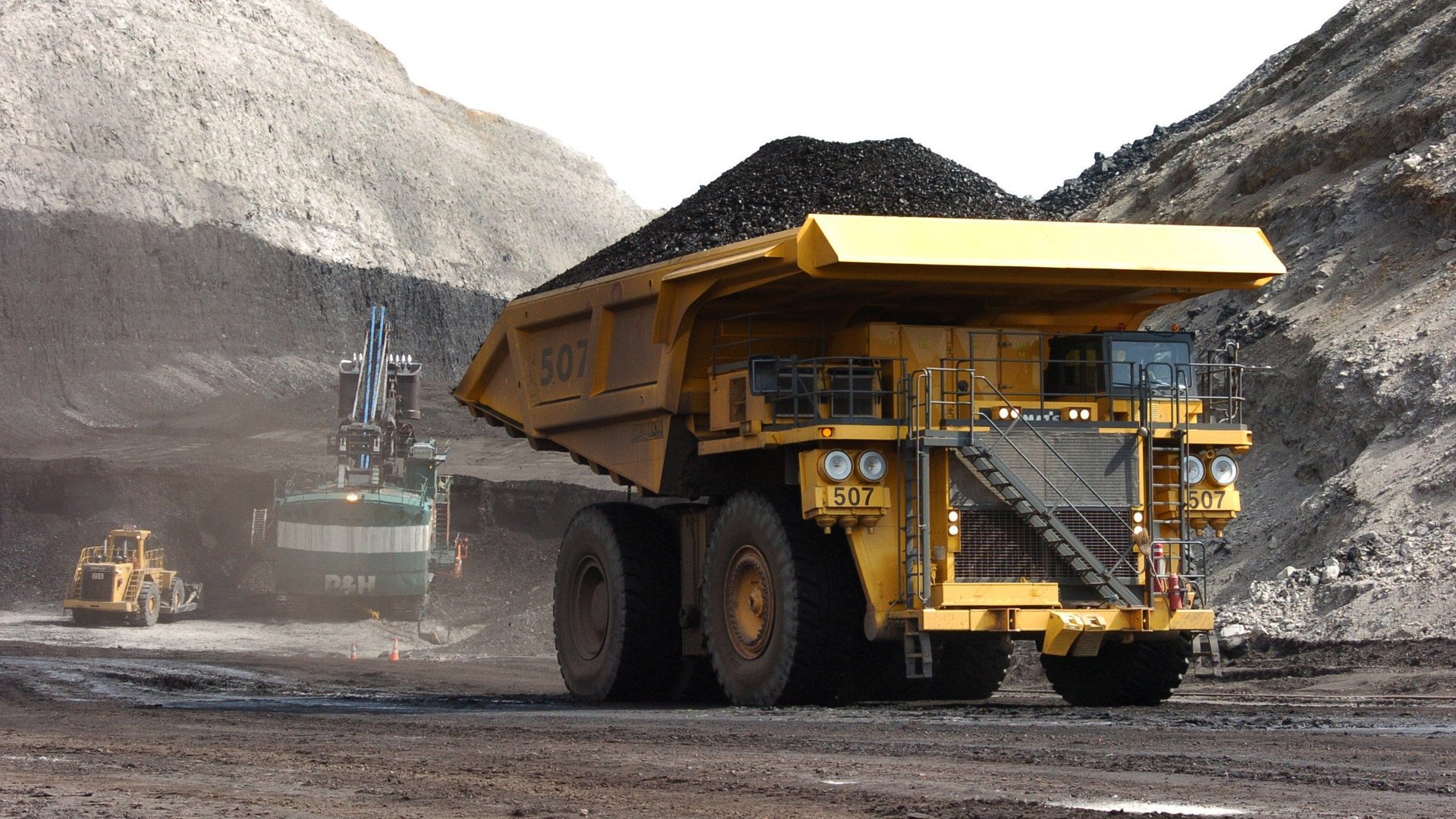
While US banks like to trumpet their investments in renewable energy they don’t talk so much about financing environmental pariahs like the coal industry. Bank of America, for instance, has committed to financing $20 billion in green lending this decade but it also is the biggest bankroller of coal-fired power plants and environmentally destructive mountain top mining in the US, according to a report released yesterday by the Sierra Club and Rainforest Action Network.

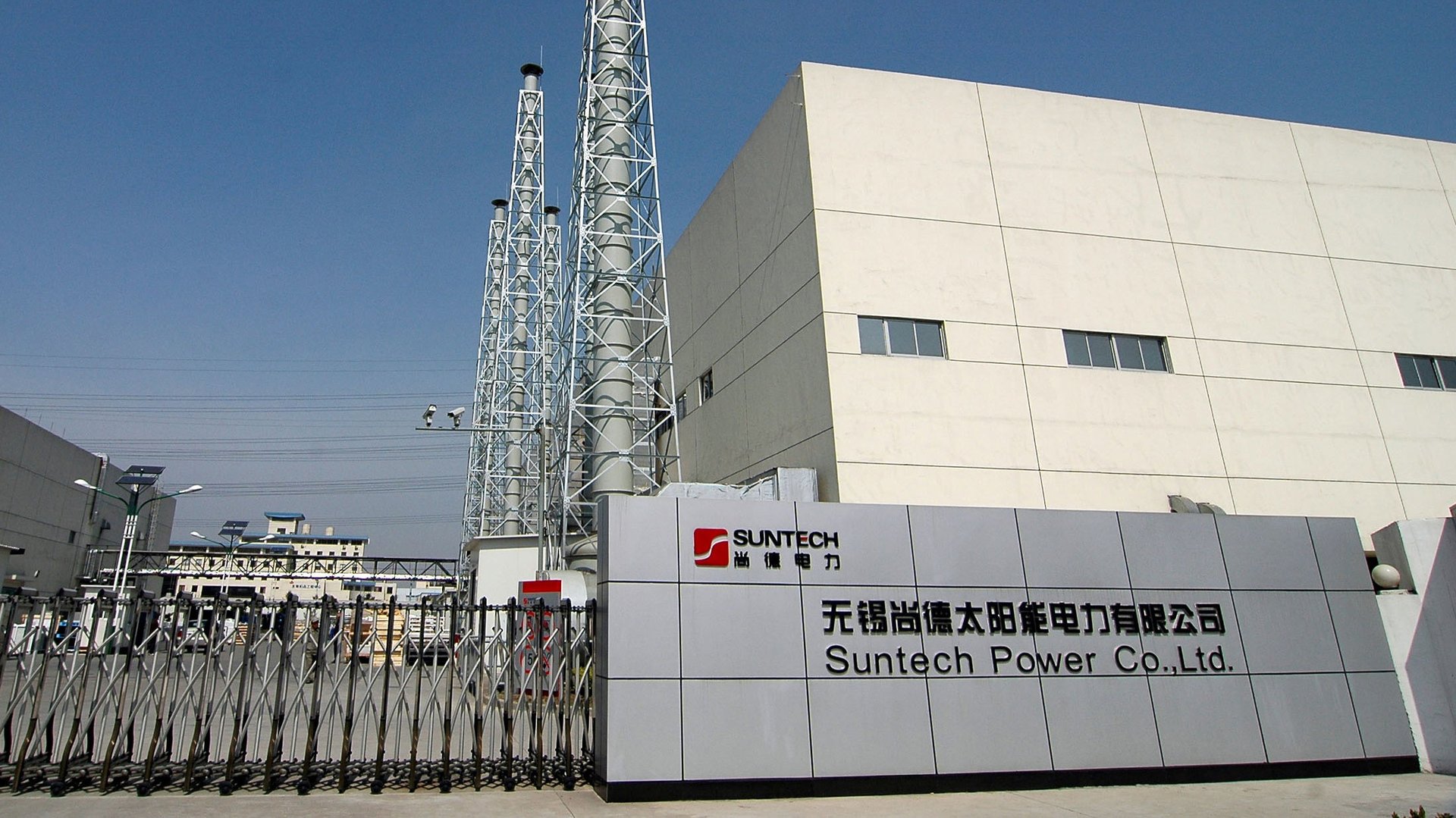
This doesn’t look good. Suntech, the embattled Chinese solar panel maker, has canceled $1.3 billion in polysilicon orders with South Korea chemical giant OCI. Polysilicon is the key raw ingredient in photovoltaic panels and Reuters reports that the disclosure by OCI in a regulatory filing sent OCI’s shares tumbling 9.5% to a six-year low on South Korea’s stock exchange.

We still may not be driving flying cars in 2040—will we ever?—but it’s likely our rides will powered by natural gas.

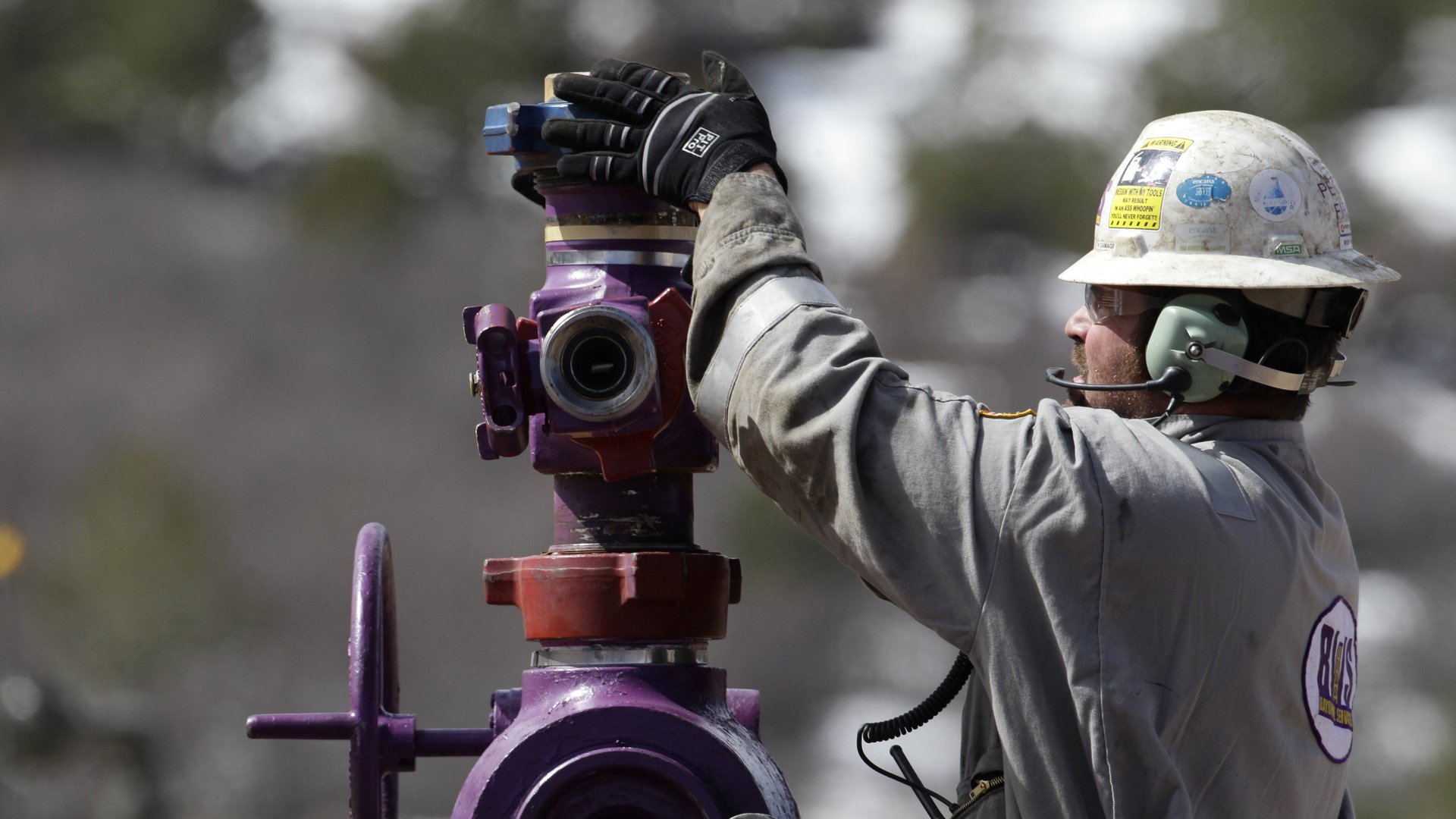
A Los Angeles company called OriginOil has developed a technology to help boost production of algae biofuels, one of the great green hopes for displacing fossil fuels and cutting planet-warming carbon emissions. Now OriginOil is repurposing its technology to serve the oil and gas industries as the fracking boom booms.

This item has been corrected.

Finally, some good news for China’s struggling solar panel manufacturers. For the first time in four years, prices of Chinese photovoltaic modules sold in Europe rose, according to a report released today.

China’s solar panel manufacturers are in trouble, and not all will survive the shakeout. But China Development Bank, the country’s biggest state-run policy bank, seems to be placing a bet on the outcome. Yingli Green Energy announced today that it had secured a $165 million loan from the bank to “to complement its working capital needs and support the procurement of raw material.”

The United States’ first graduate program in battery technology launches this autumn at a Silicon Valley university. Given the spate of bankruptcies of American battery makers such as A123 Systems and Ener1 over the past year, one might ask if that horse has already left the barn.

Global investment in clean energy fell off in 2012—but that’s a blip, says a new report. The study released today by research firm Bloomberg New Energy Finance (BNEF) predicts that investors will pour $630 billion a year into green technologies by 2030.

Green energy owes much of its rapid growth in the US over the past decade to state laws requiring utilities to obtain a share of the electricity they sell from wind, solar and other carbon-free sources. Now Google wants environmentally-minded but energy-hungry corporations to give green power an added push.

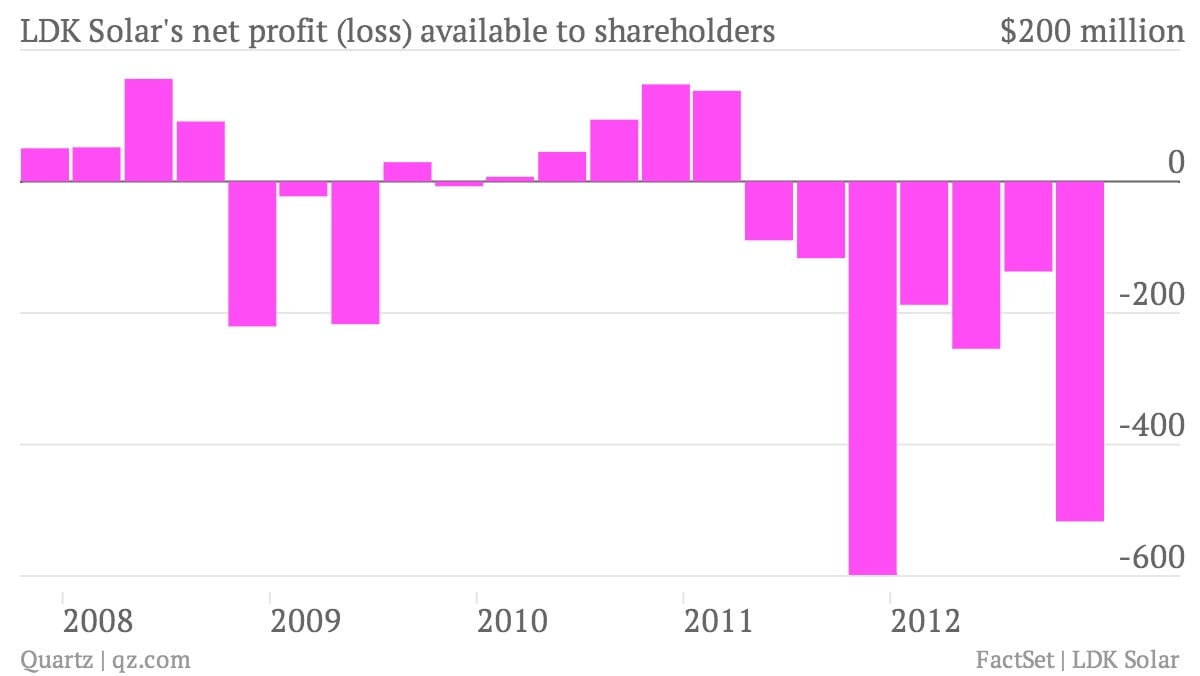
Chinese renewable energy giant LDK Solar reported its fourth-quarter earnings today, and by any measure the news was grim. Falling revenues, a $409 million operating loss, a negative 301% operating margin, and more than $2 billion in debt. As of this morning, LDK has a market cap of $137 million.

It’ll come as no surprise that global investment in clean energy fell last year. Quarterly numbers had foreshadowed that investors and governments were retreating from big green bets. But here’s the twist: Though investment dropped 11%, to $269 billion in 2012, renewable energy installations grew by a record 88,000 megawatts (MW), according to a report released today by the Pew Charitable Trusts.

America’s greenhouse gas emissions fell 1.6% in 2011 even as the economic recovery continued, however anemically, according to the US government’s annual accounting of carbon pollution.

Another debt-ridden Chinese photovoltaic manufacturer has defaulted on its bonds.

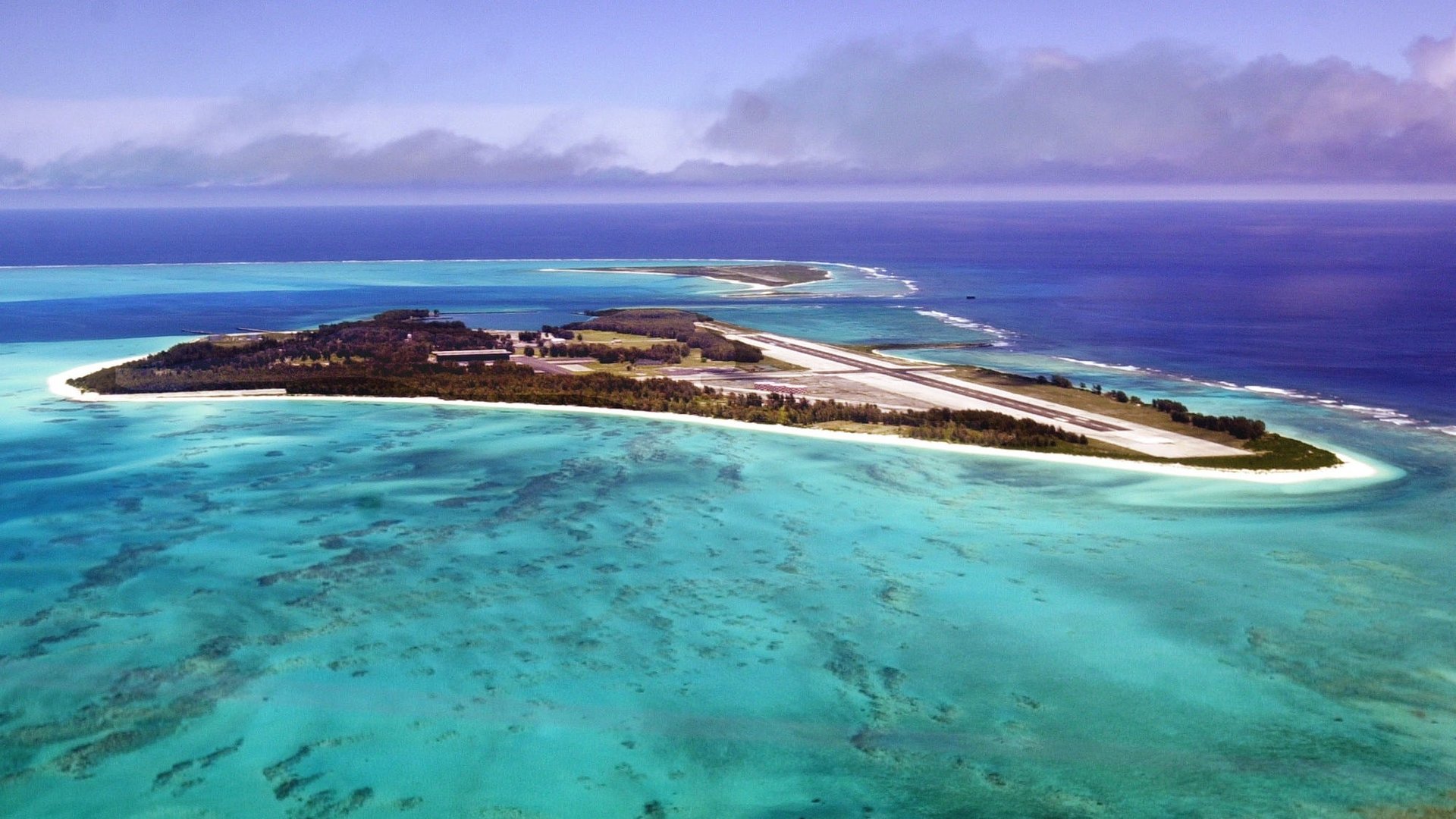
Rising sea levels due to climate change may inundate low-lying Pacific island nations far earlier than had previously been predicted, according to a new study.

The price of gold isn’t the only thing crashing these days. Global investment in renewable energy fell 22% in the first quarter compared to a year ago, according to a report released today by Bloomberg New Energy Finance.

As Americans face today’s deadline for filing their income taxes, the bill for climate-change costs keeps rising.

For all the talk of a natural gas boom, it takes time to build multibillion-dollar power plants to take advantage of the current glut of cheap fuel. Case in point: In March, the US added a whopping—wait for it—44 megawatts (MW) of new electricity generating capacity, according to the Federal Energy Regulatory Commission (FERC).

Nothing like the guillotine to focus one’s mind. Faced with the expiration of a crucial federal tax credit at the end of 2012, US wind energy developers rushed to put steel in the ground last year, installing a record 13,131 megawatts (MW) of new electricity generating capacity.

Uh oh. Chinese solar-panel maker Suntech said today that its Switzerland-based European unit has obtained protection from creditors for two months while it restructures. Last month, the company, until 2012 the world’s biggest photovoltaic firm, saw its China operations forced into bankruptcy by Chinese banks that hold the bulk of the company’s $2.2 billion in debt.

California holds the US’s largest reserves of shale oil, but don’t expect a drilling boom any time soon.

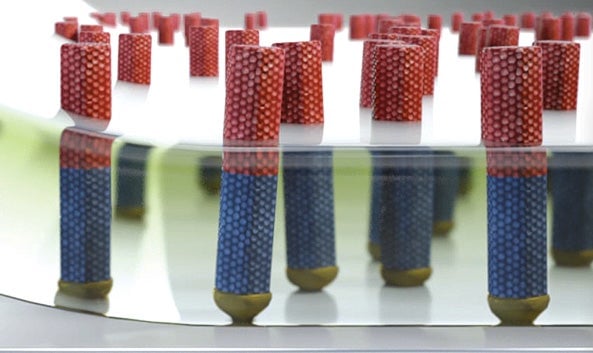
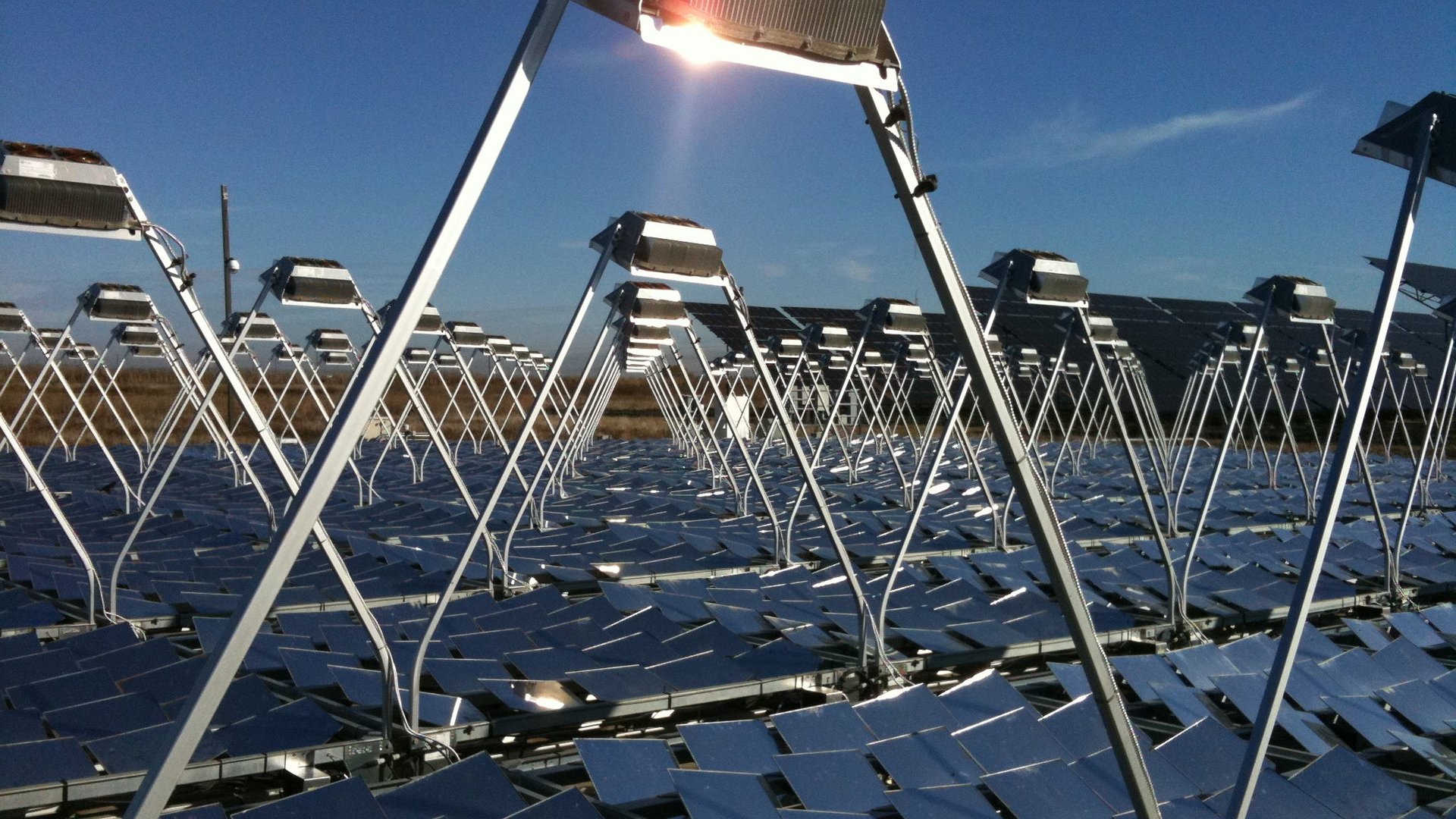
The next big thing in solar technology could be very, very small. Just how tiny? About .00008 inches (.0002 centimeters).

You might put your money into tech stocks or emerging-market bonds, but would you put it into solar panels?