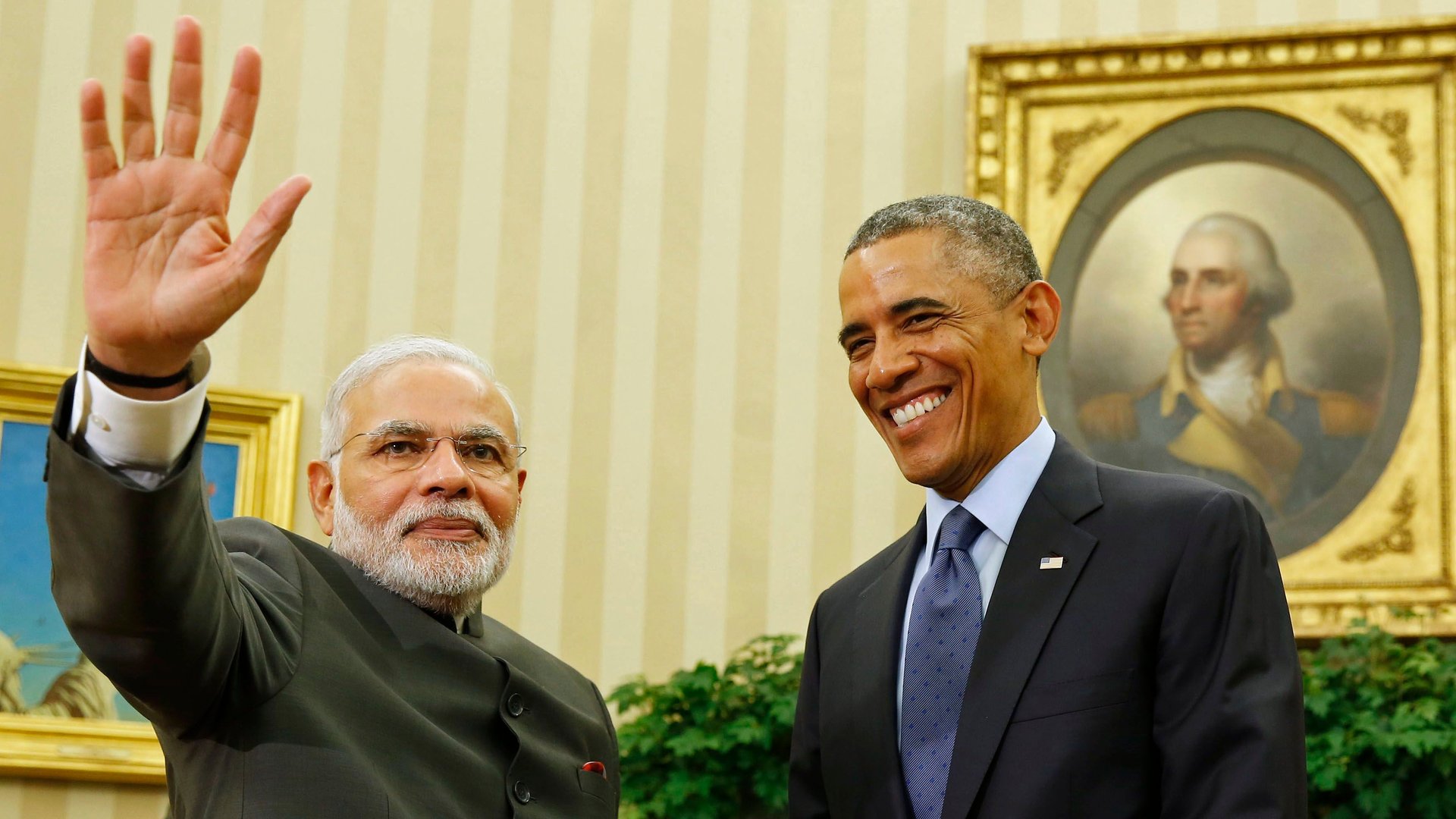
Narendra Modi’s campaign for Prime Minister earlier this year was marked by a particularly adept social media strategy. On Facebook, the Indian politician has been “Liked” over 22 million times.

Narendra Modi’s campaign for Prime Minister earlier this year was marked by a particularly adept social media strategy. On Facebook, the Indian politician has been “Liked” over 22 million times.

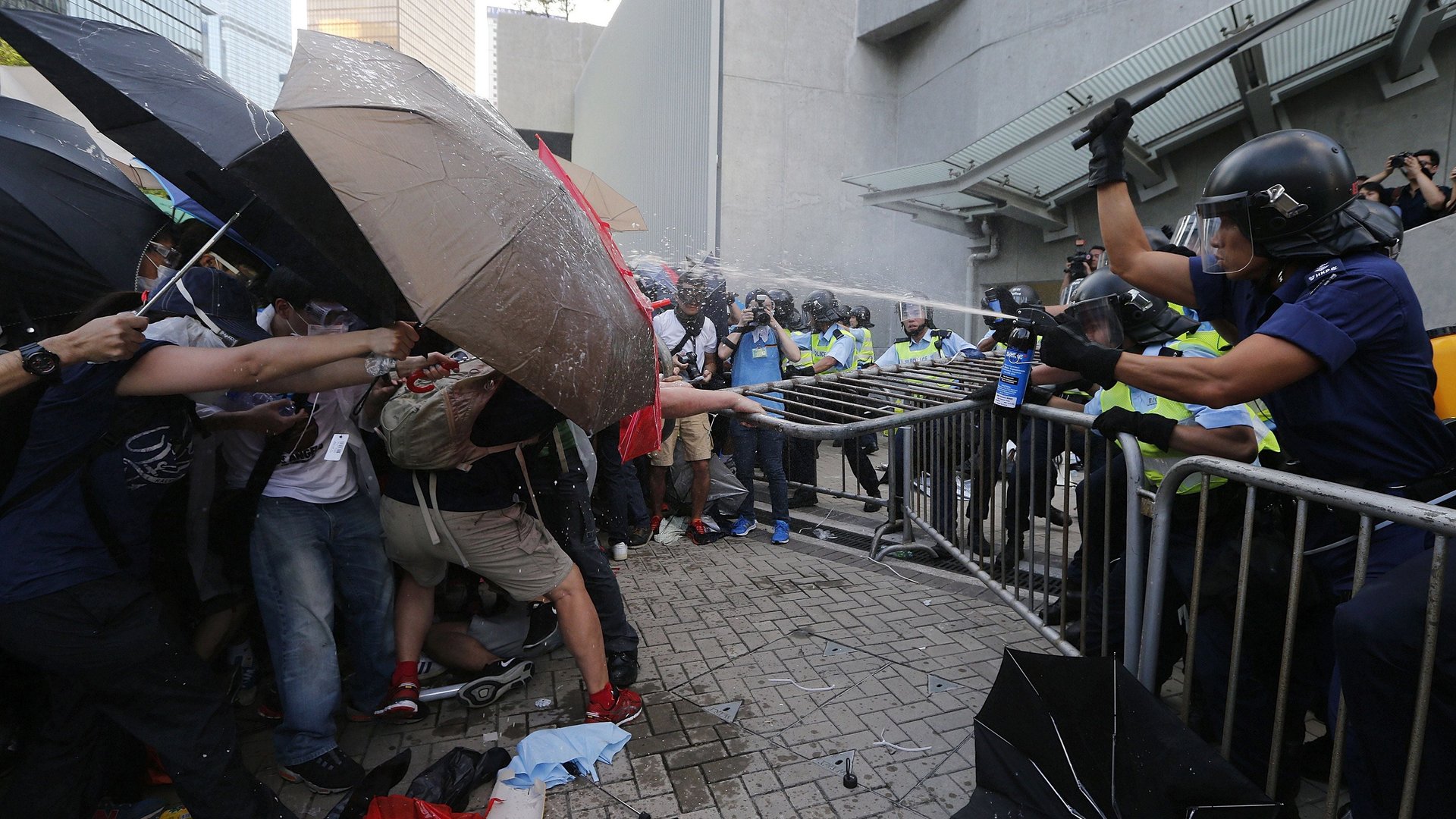
The ongoing pro-democracy demonstrations in Hong Kong have co-opted an unusual symbol: the umbrella. After the publishing of striking images of front-line protestors parrying jets of pepper spray with nylon shields, social media began dubbing the protests the “Umbrella Revolution” and the “Umbrella Movement.”

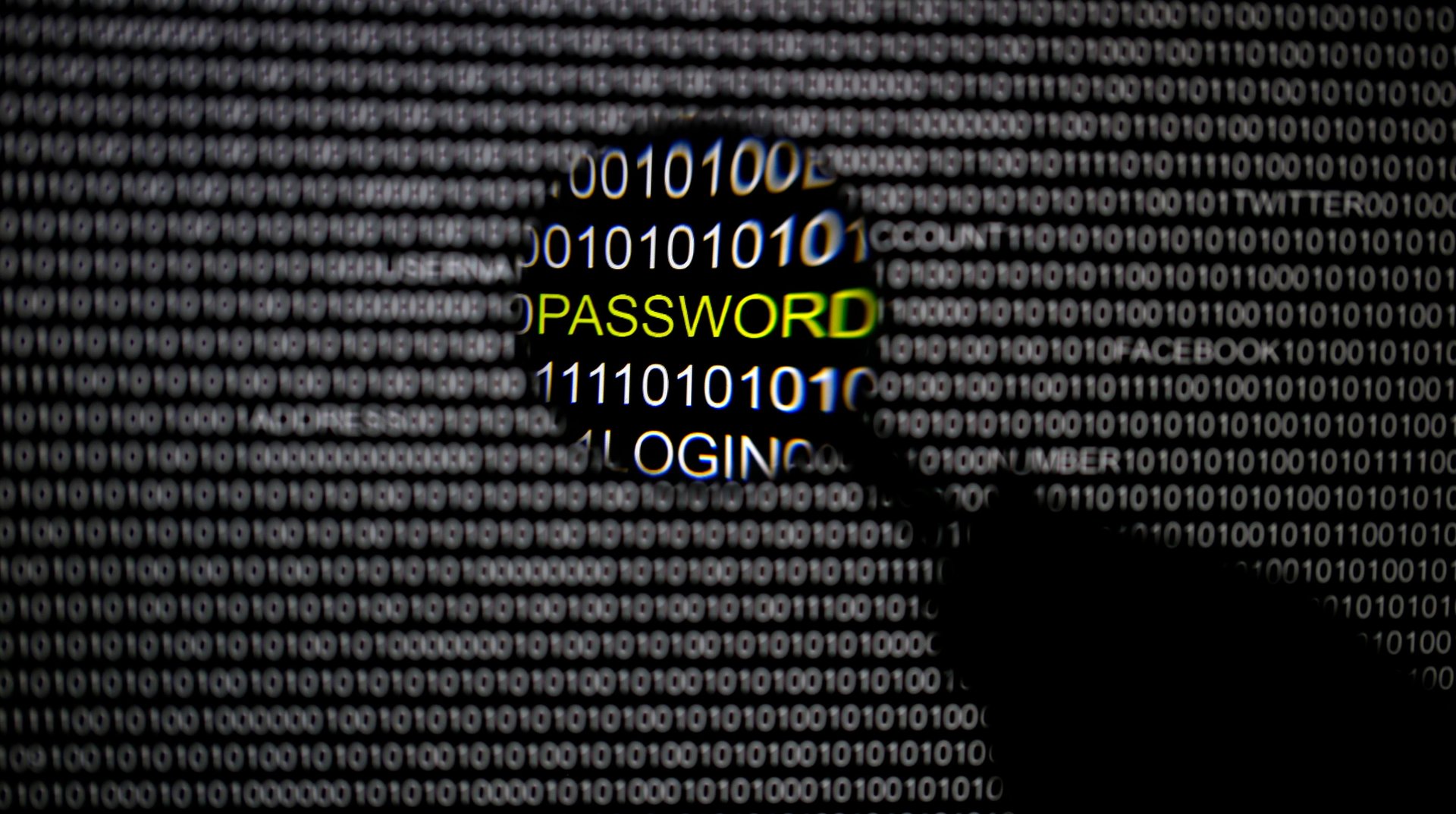
It’s a hacker’s wet dream: a software bug discovered in the practically ubiquitous computer program known as “Bash” makes hundreds of millions of computers susceptible to hijacking. The impact of this bug is likely to be higher than that of the Heartbleed bug, which was exposed in April. The National Vulnerability Database, a US government system which tracks information security flaws, gave the bug the maximum score for “Impact” and “Exploitability,” and rated it as simple to exploit.

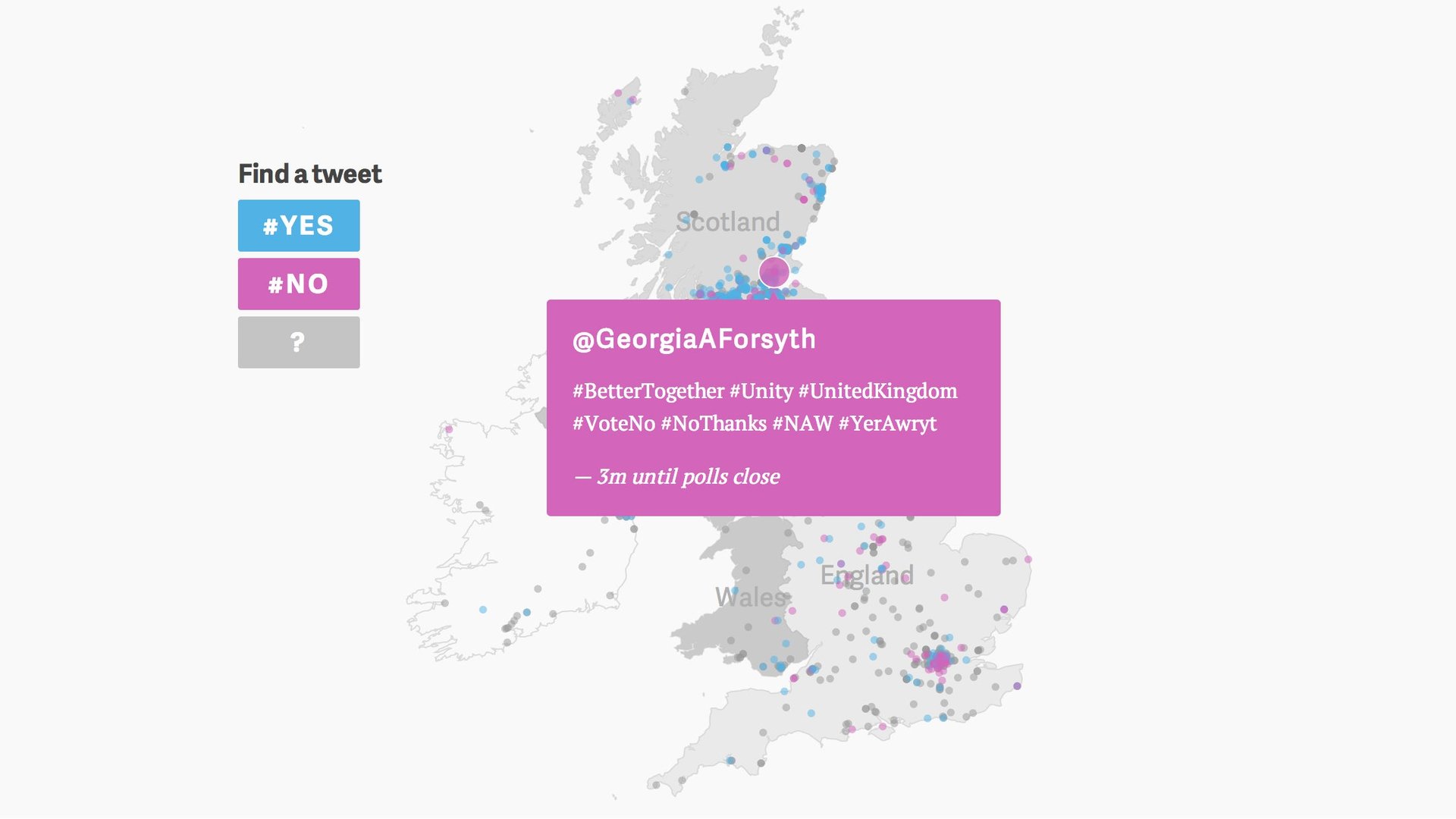
Scotland voted to stay in the United Kingdom, and by a surprisingly wide margin. If you were watching social media as the vote came to a close, however, that outcome didn’t look likely.

What to watch for today

The ranks of billionaires expanded 7% to 2,325 this year, according to a billionaire census conducted by UBS and Wealth-X, a private research firm that studies the ultra-rich. These few thousand individuals control $7.3 trillion, almost 4% of the world’s wealth. Here’s what the report taught us about life atop the money pile.

Last week, previously confidential documents from the US Department of Justice’s Foreign Intelligence Surveillance Court (FCIS) about government demands in 2007-8 for Yahoo user data were released by the federal government. Now, the documents—1,500 pages of behemoth pdf files, some of them heavily or completely redacted—are available online.

Physically fit CEO, financially fit corporation.

The payment systems of big retail chains keep getting hacked, compromising the credit-card information of millions of US consumers (recent breaches at Home Depot and Target alone exposed data on 100 million cards). But at least the banks issuing the cards appear to be getting better at deterring fraudulent uses of the data.

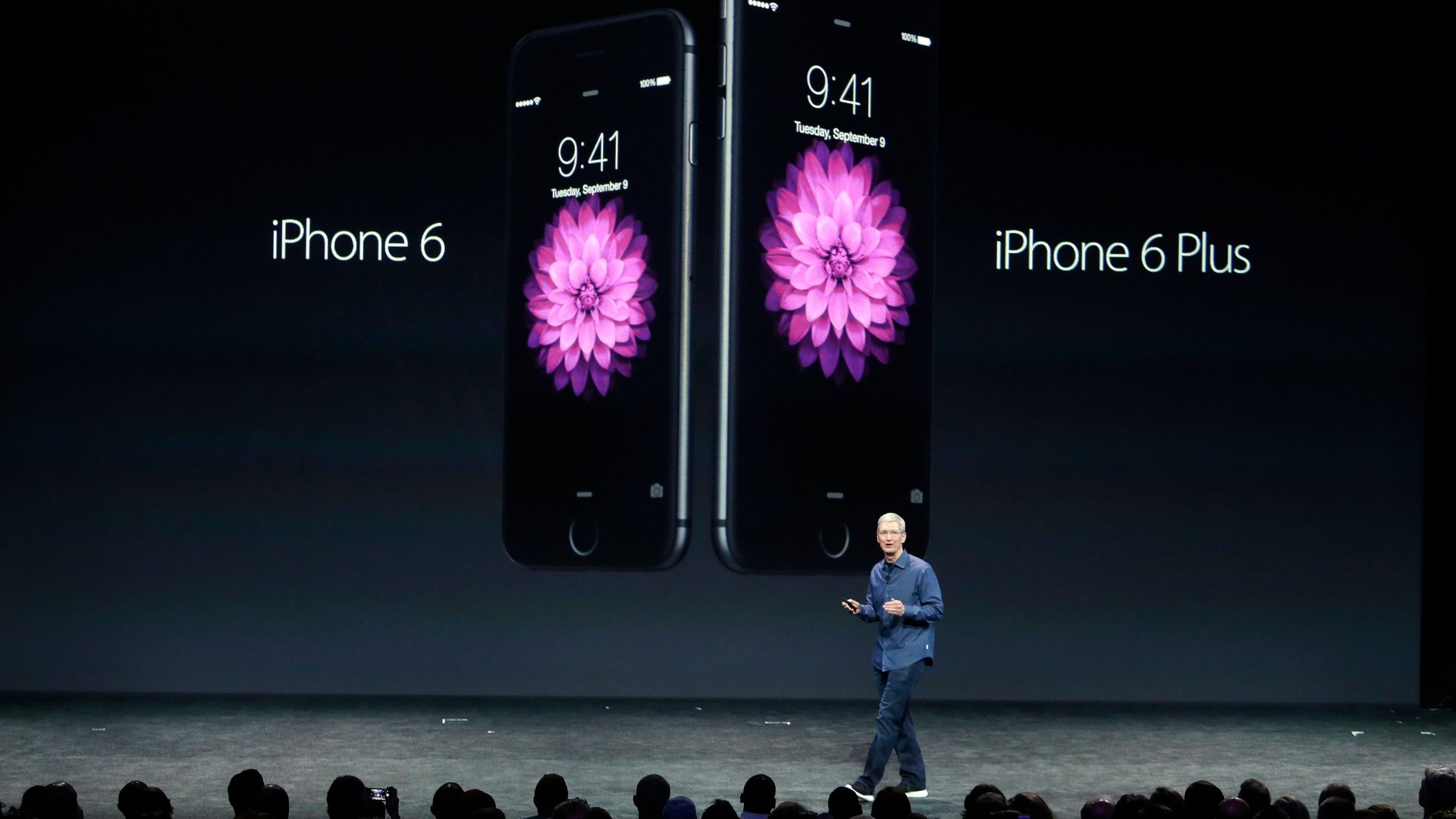
Apple unveiled two new iPhones today, the iPhone 6 and iPhone 6 Plus.

The downfall of the multibillion-dollar online drug market known as Silk Road was due to a simple programming error that allowed the FBI to glean the whereabouts of its servers. That’s according to a document filed last week by the FBI in the case against Ross Ulbricht, the suspected creator of the multibillion-dollar online drug market. Ulbricht was arrested in October in a San Francisco public library, accused of being the man behind the online nom de guerre Dread Pirate Roberts, Silk Road’s founder and operator.

The Home Depot data breach uncovered last week may be one of the largest cases of mass credit-card compromise ever. Data from every card used in a transaction at any US Home Depot store since late April or early May could be in the hands of hackers, who infiltrated company systems using malware similar to what was used in a 40 million-card theft from Target in December. The number of cards stolen from Home Depot is not known, but might exceed the Target total.

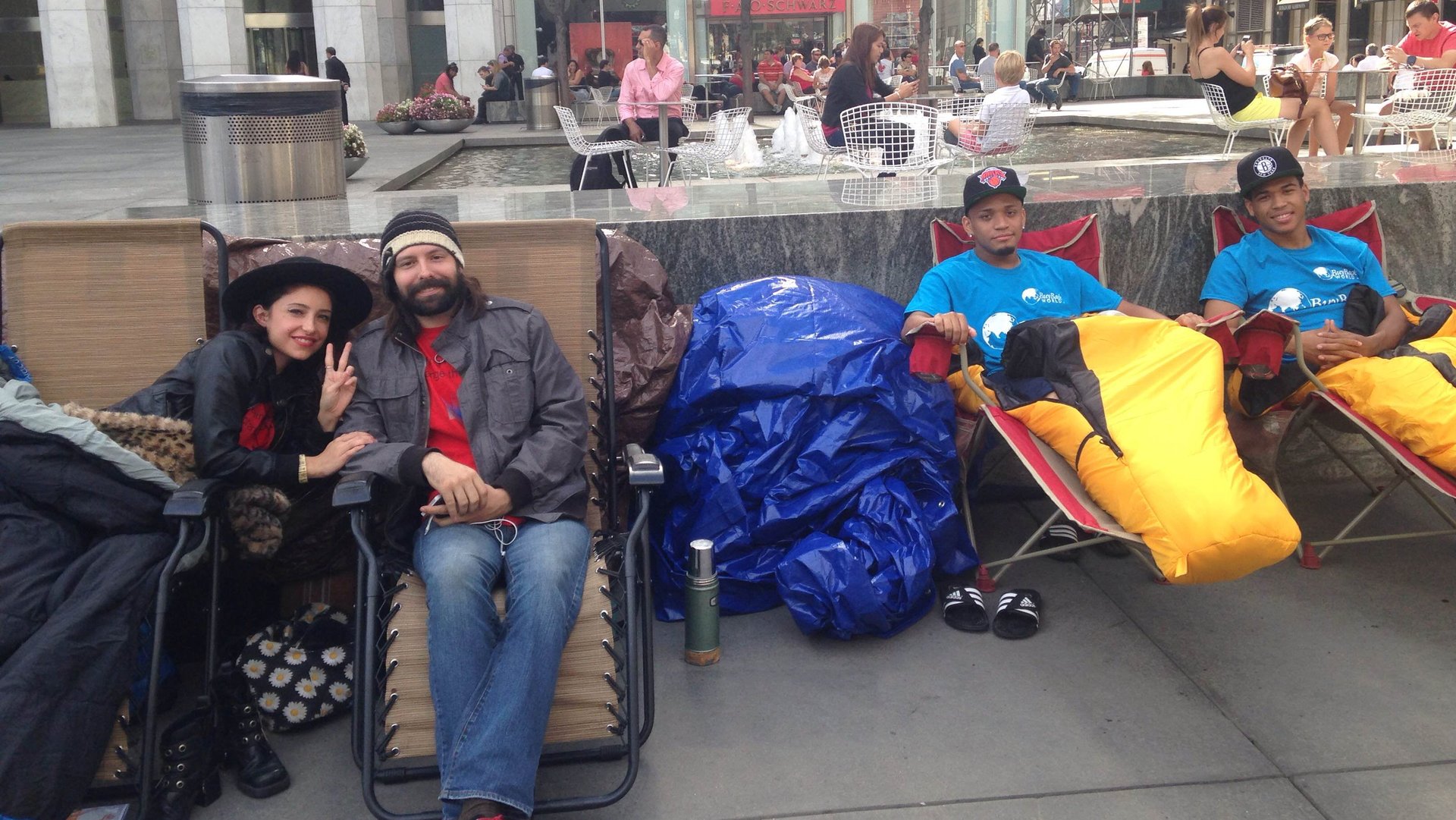
Four people have already lined up to buy the next versions of the iPhone, which aren’t expected to go on sale for another 16 days. But they aren’t really there for iPhones: They are being paid by companies hoping to glom onto the expected frenzy.

In 1973, the British rock star Peter Frampton posed an important scientific question via a killer talkbox solo: “Do you feel like I do?”

In a meritocracy, talent is supposed to rise to the top. That way, important positions like political and executive offices can be filled by those best-equipped to do the job.

The test of a rocket-powered glider called the Advanced Hypersonic Weapon (AHW) failed when US Army engineers ordered it to self-destruct after its launch went wrong early on August 25. The explosion left debris scattered across the Kodiak Launch Complex in Alaska:

If you feel or behave strangely when suddenly roused from slumber, you may have a disorder known in the medical world as confusional arousal—described far more vividly by its alternative name, “sleep drunkenness.”

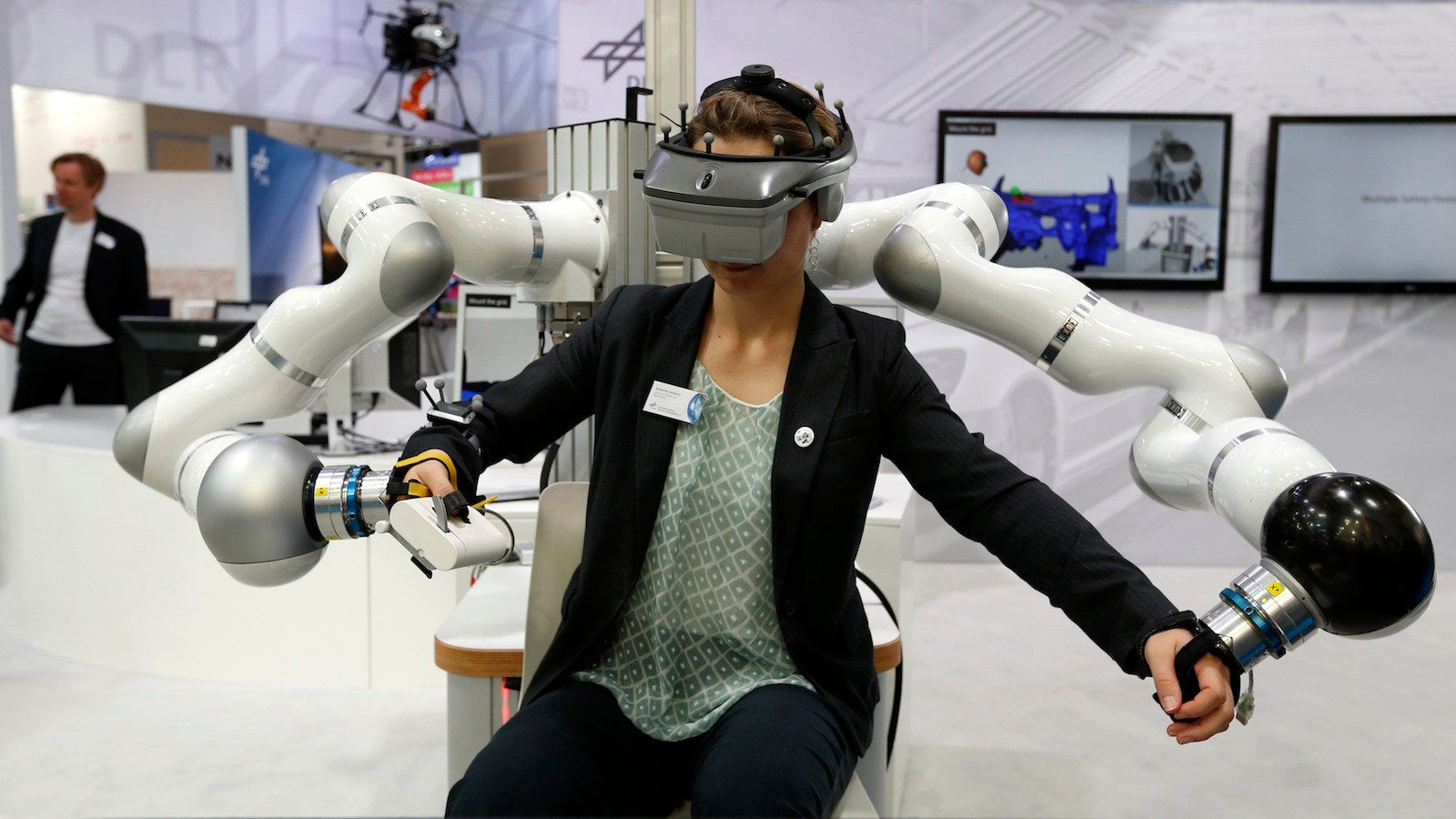
If science fiction has taught us anything, it’s that once humans start taking commands from robot overseers, we’re in trouble.

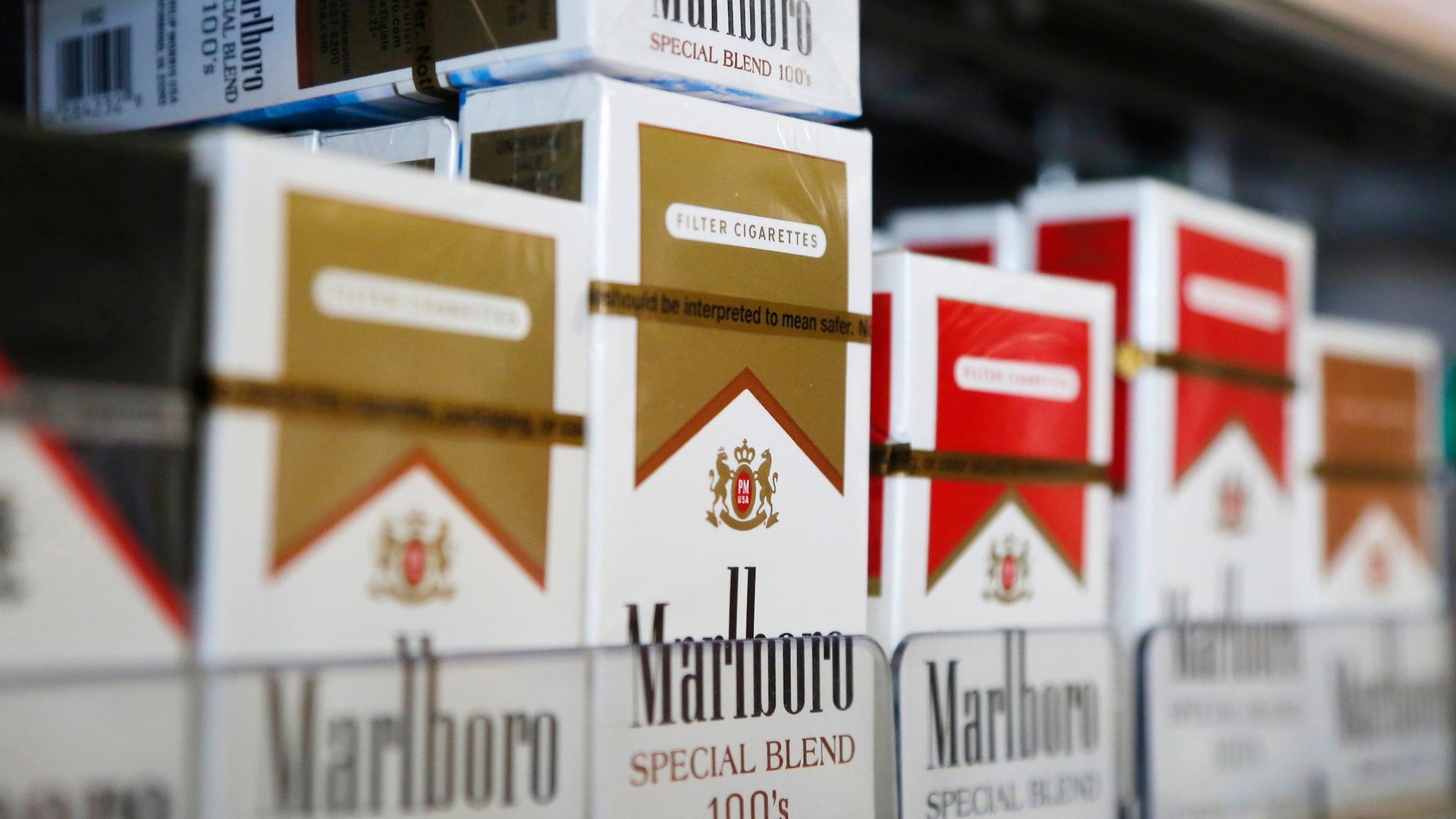
Nicotine, the main active ingredient in tobacco, is highly addictive. So to make it easier to quit smoking, just lower nicotine levels in cigarettes. Right?

Couples that tie the knot with a big wedding have a better chance of finding marital bliss down the road, according to a new report from the National Marriage Project at the University of Virginia.

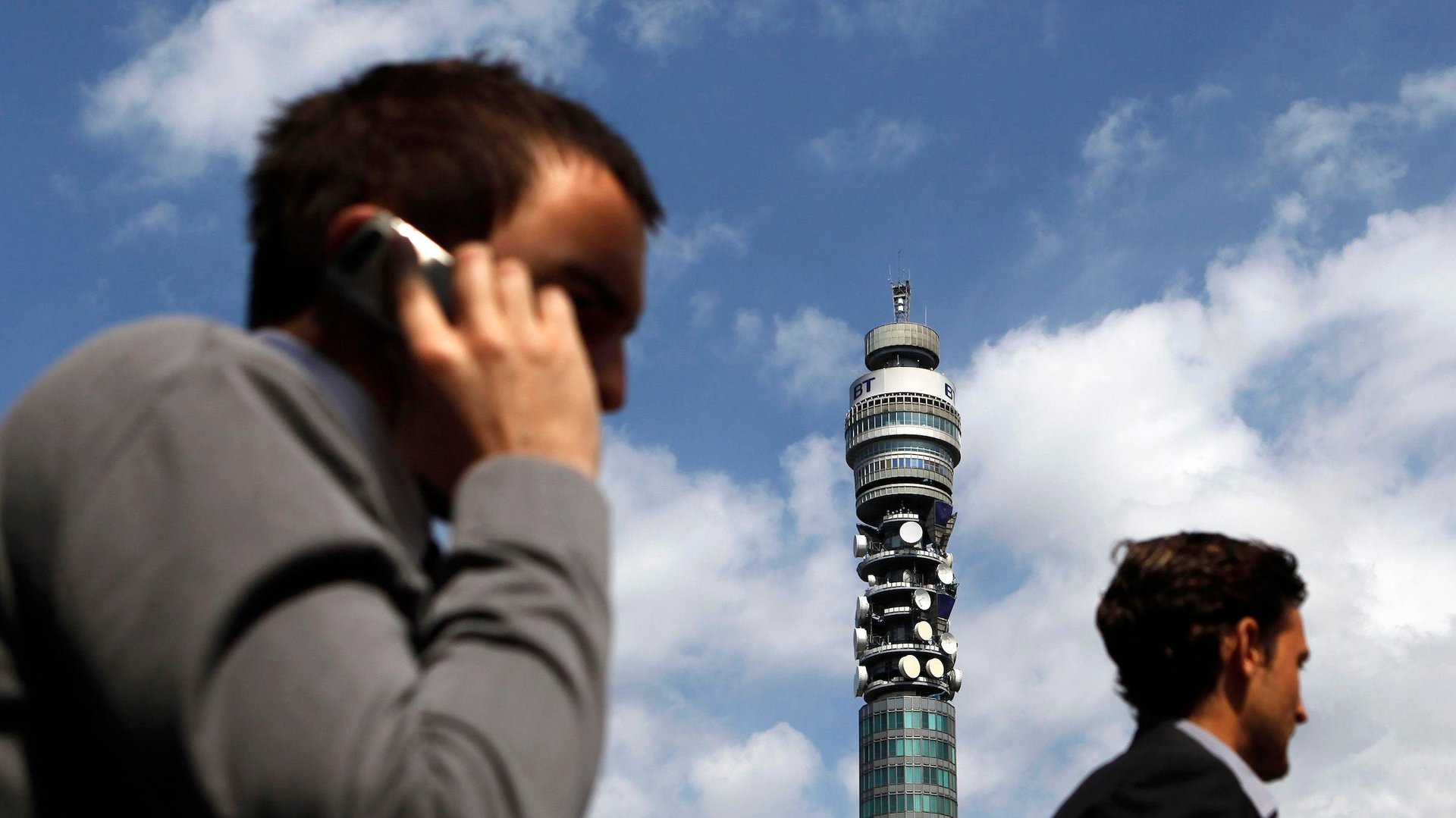
When a criminal duo labeled the “High Country Bandits” robbed a series of Arizona and Colorado banks in 2009 and 2010, FBI investigators turned to the owners of local cell phone towers.

The ongoing Ebola epidemic in Western Africa is already acknowledged as horrific, with 2,000 suspected cases and over 1,000 deaths reported. But the true scale of the epidemic may actually be far greater, according to an August 14 statement from the World Health Organization.

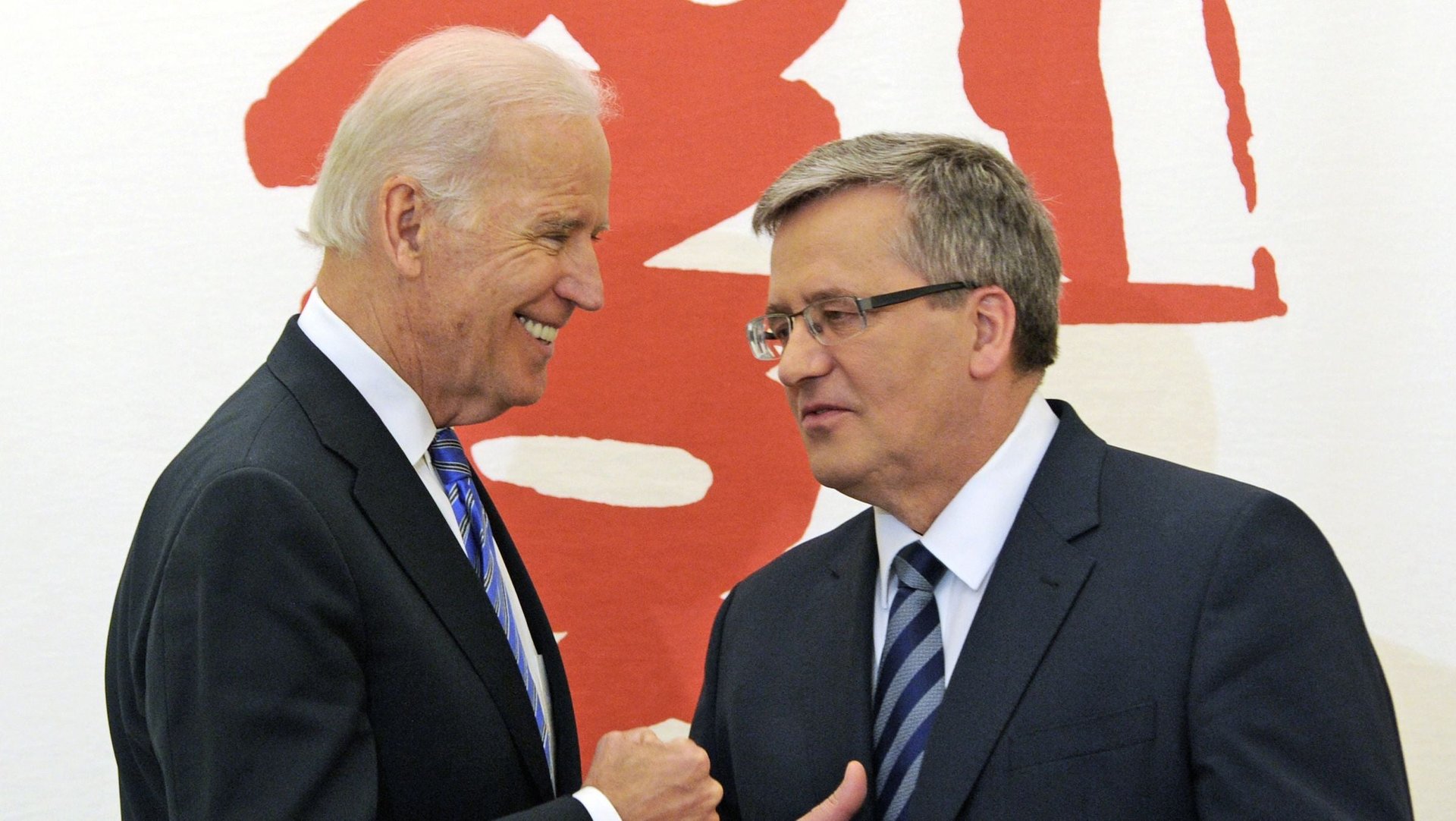
The pro-Russia Ukrainian hacker group CyberBerkut brought down at least 37 Polish web sites in response to Polish criticism of Russian aggression in Eastern Ukraine. Sites affected include those of the president of Poland and the Warsaw Stock Exchange.

When a service outage planned for Aug. 6 lasted a day longer than expected, thousands of customers of the BBVA-owned online bank Simple lost account access and had transactions rejected.