
Tech & Innovation
Taking his last stand against AI, humanity’s best Go player says the robots have already wonIt’s not looking good for humanity.
Updated July 20, 20222 min read
It’s not looking good for humanity.
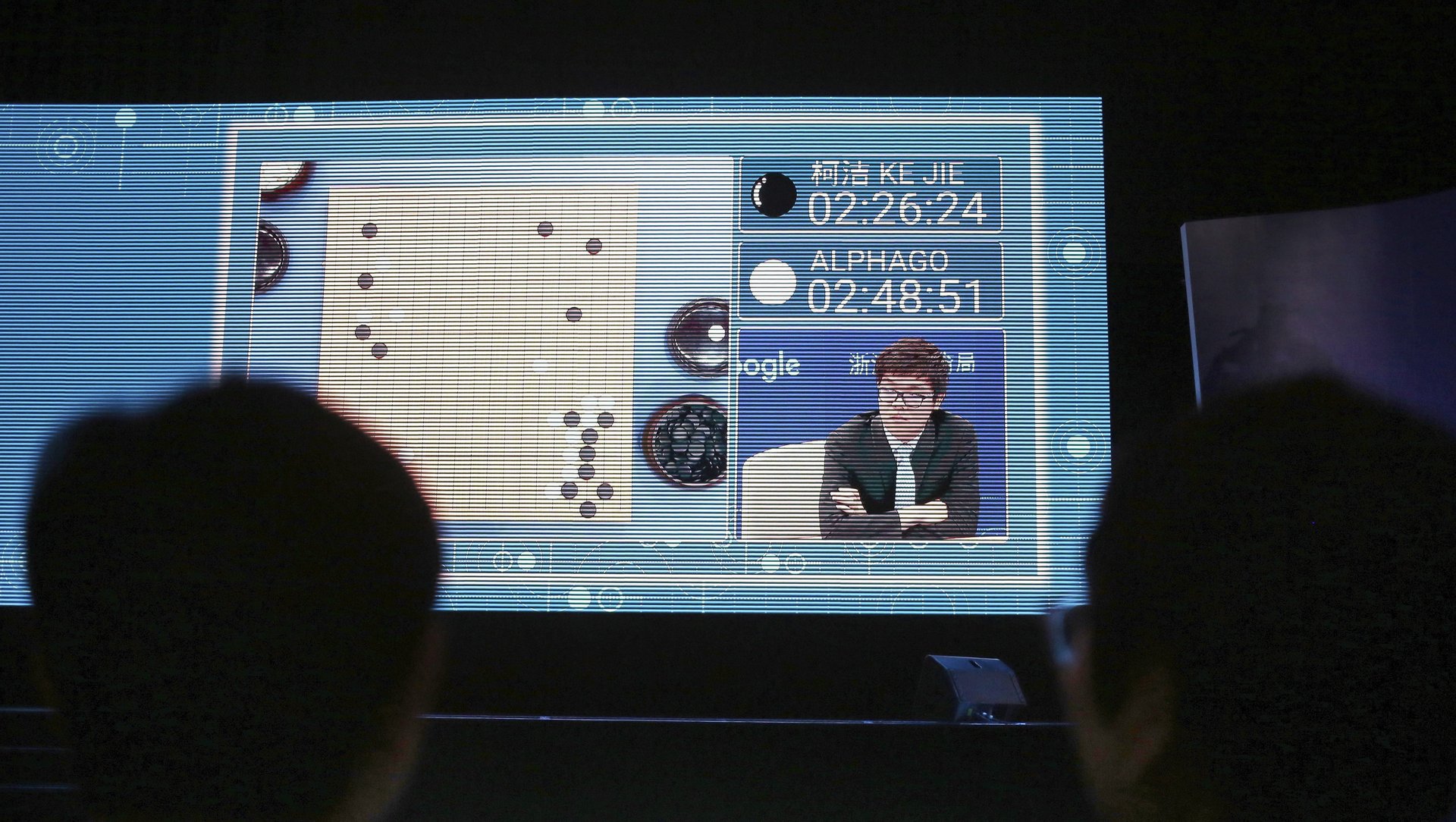
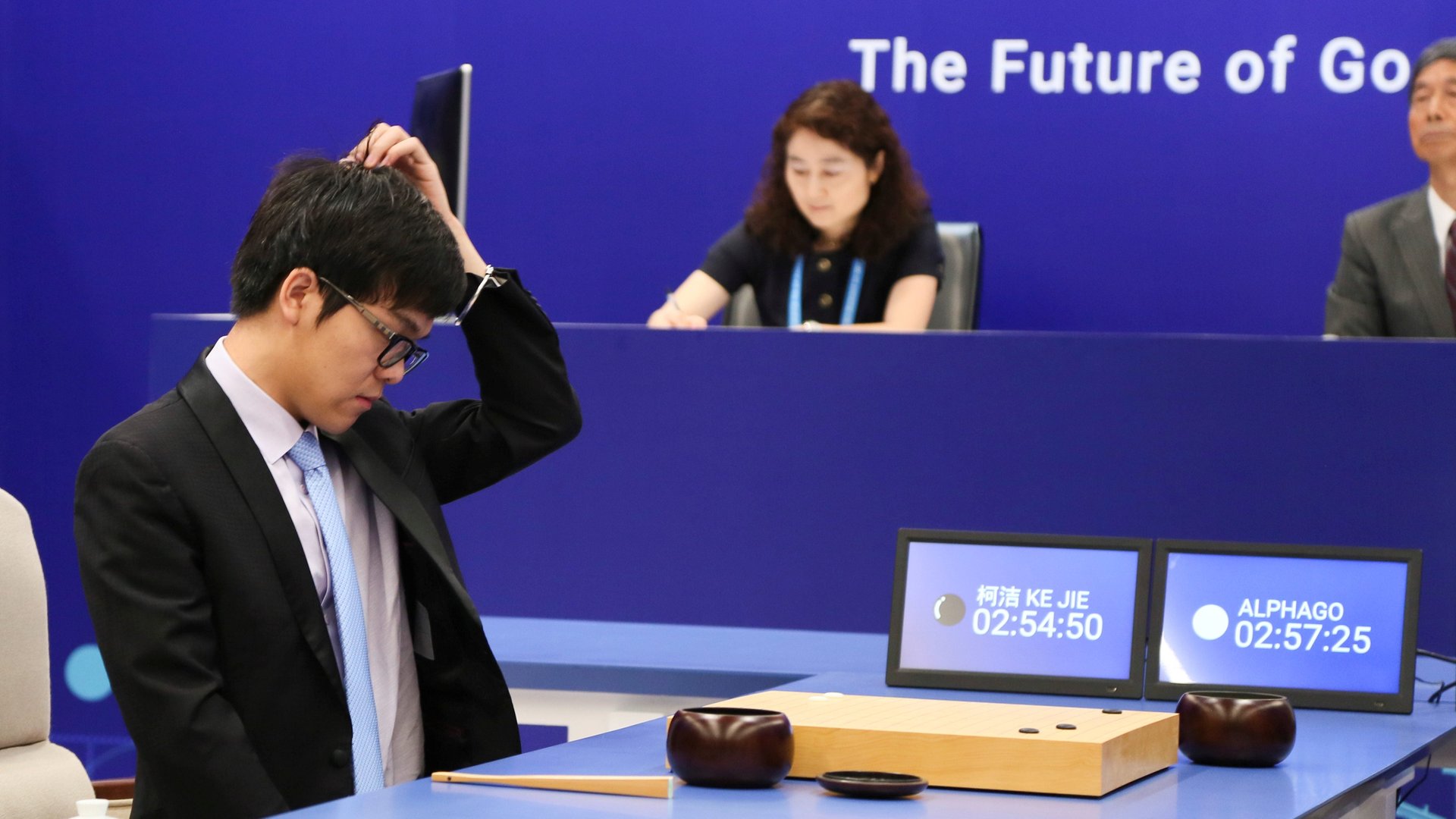
Google’s major consumer services, including its search engine and maps have long been gone from China, but its artificial-intelligence branch has recently made headway in the country, in the form of an epic tournament between man and machine in the board game Go.
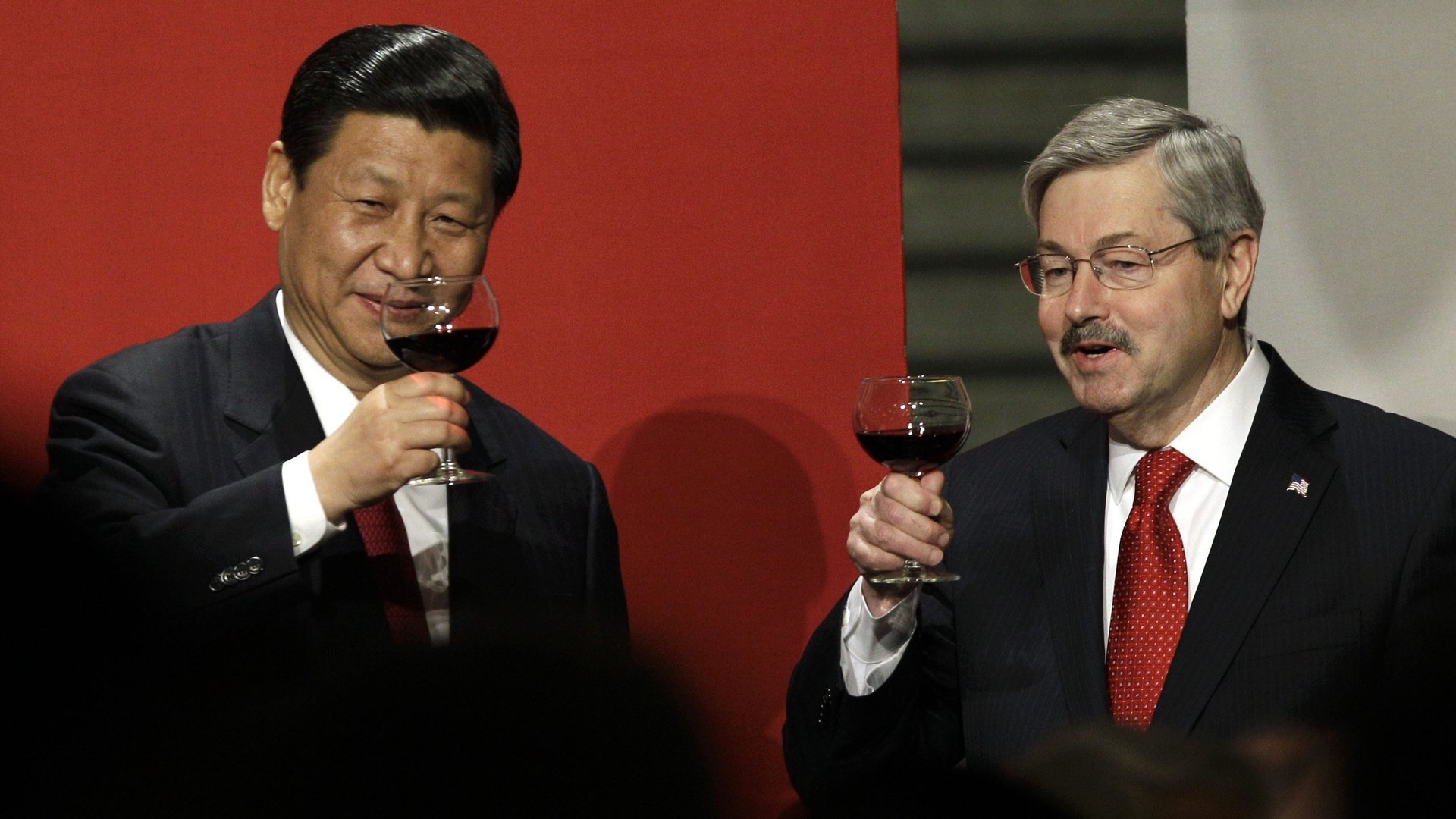
Donald Trump’s chosen ambassador to Beijing, one of the US’s most important foreign envoys, has just been confirmed, four months into his presidency. During that time, China’s hardly been on the backburner—Trump hosted China’s president Xi Jinping at his private Florida resort, and announced a 10-point agreement (paywall) with China on trade.
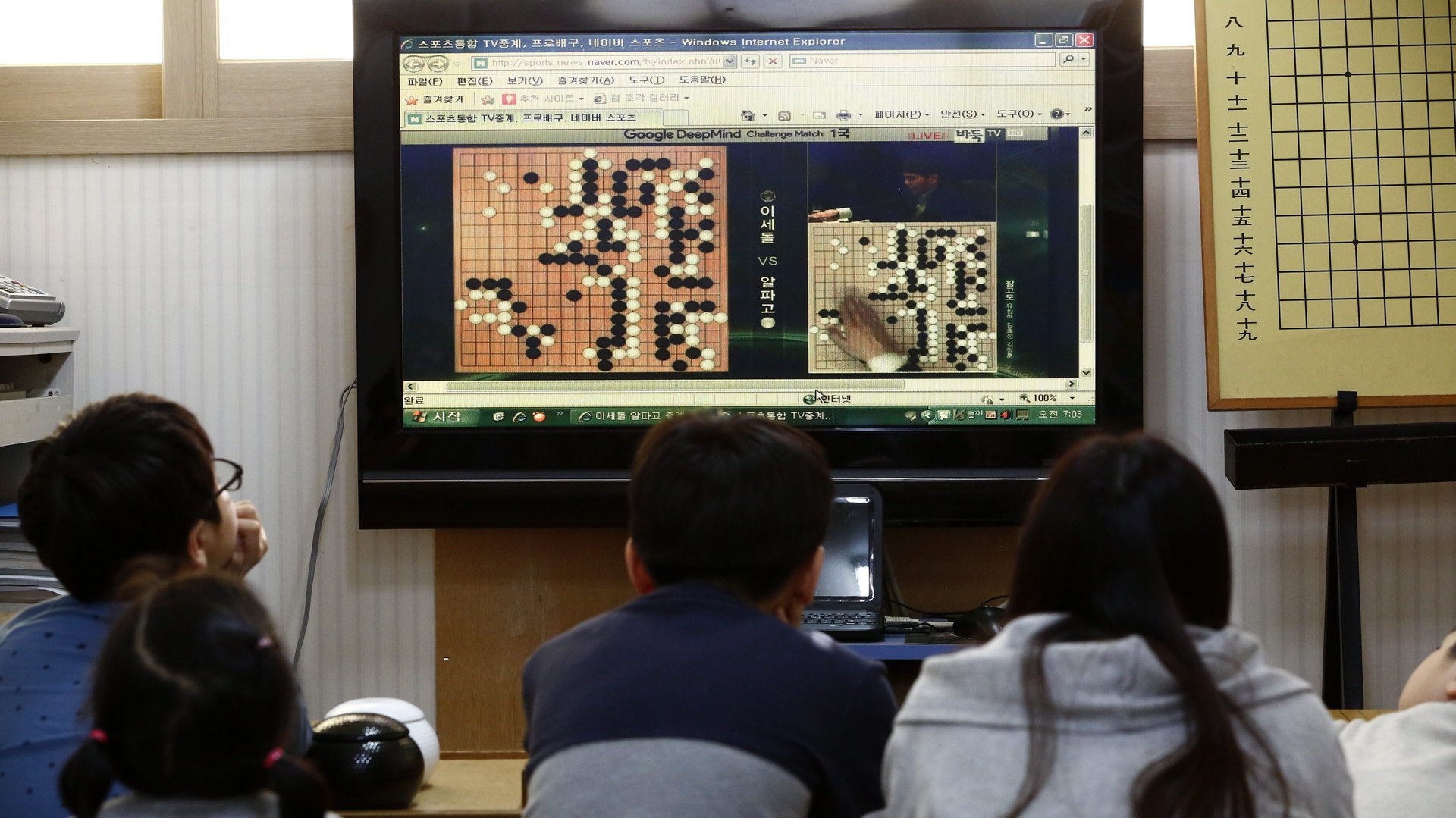
From May 23, Google’s artificial intelligence program AlphaGo is taking on the world’s No. 1 player Ke Jie in three games in a five-day festival of Go in the game’s birthplace, China.

You can’t make this stuff up. In a scene that would do sitcom writers proud, US president Donald Trump followed a speech in Saudi Arabia about good and evil by striking a super-villain pose straight out of the comic books or Nordic-inspired quest trilogies.
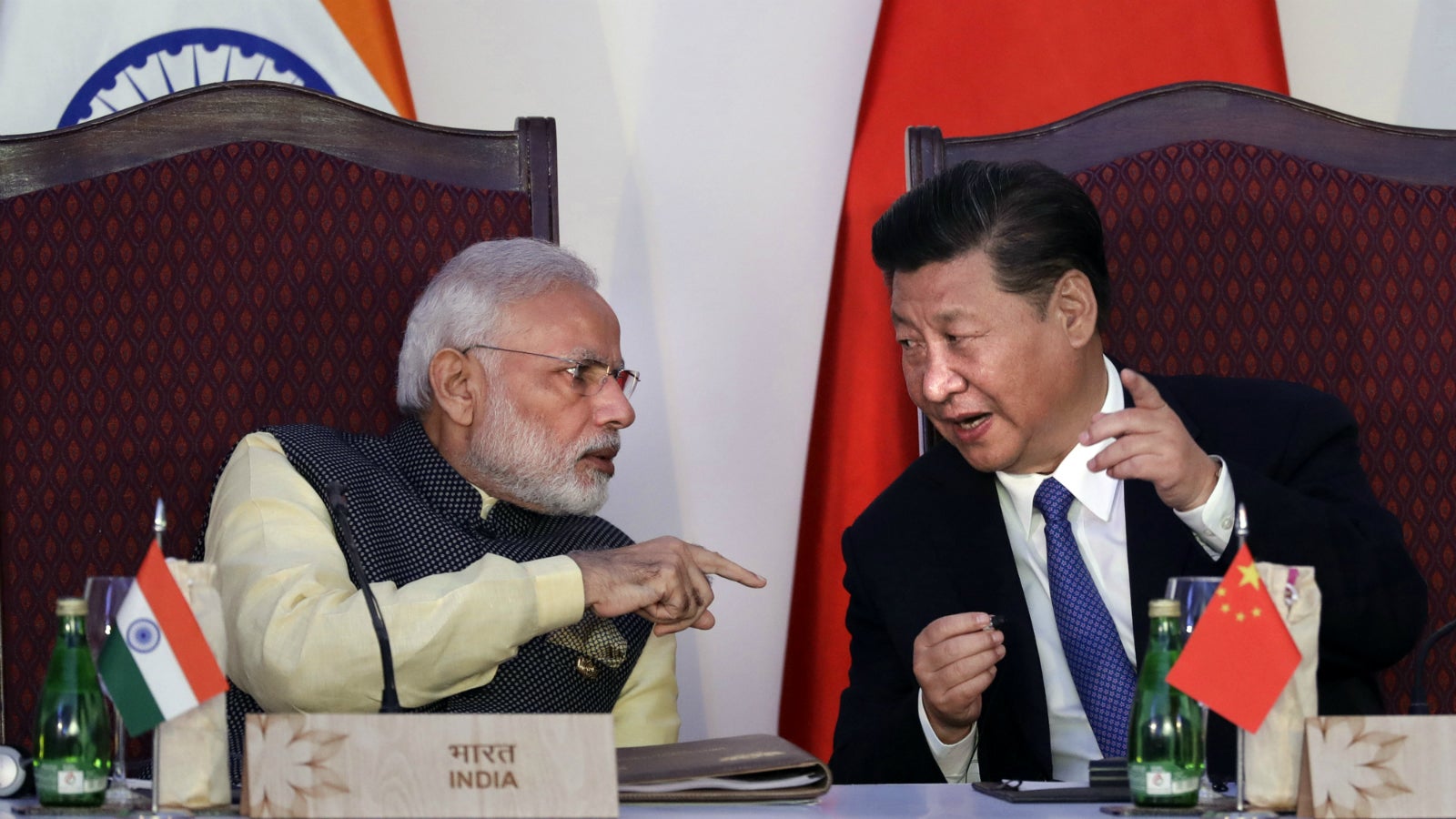
At his swearing-in three years ago, Indian prime minister Narendra Modi pulled a coup of sorts by featuring an array of heads of states from South Asian countries, including arch-enemy Pakistan, at an event that rarely has a high-profile foreign contingent. Months later, the Indian prime minister’s bromance with former US president Barack Obama—who even wrote a note in praise of Modi in Time magazine—was the subject of much adulation.
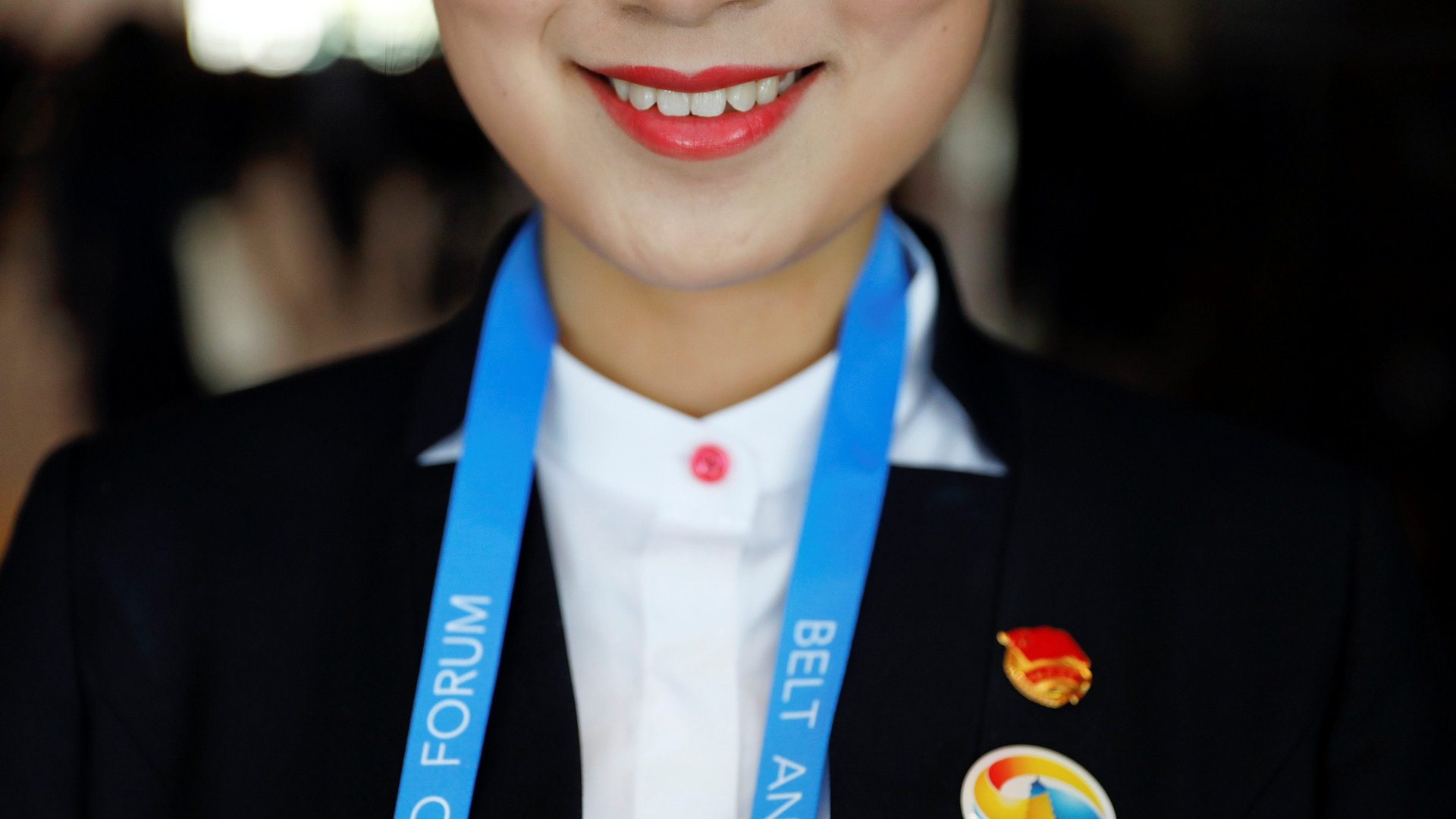
China’s internet is never short of creative language. Often memes taking over its social media subtly ridicule government misconduct and end up getting censored (paywall)—once authorities catch on, that is. But in rare instances, the Communist Party turns a grassroots catchphrase into one of its own propaganda terms. A case in point is “positive energy,” or zheng neng liang (正能量).
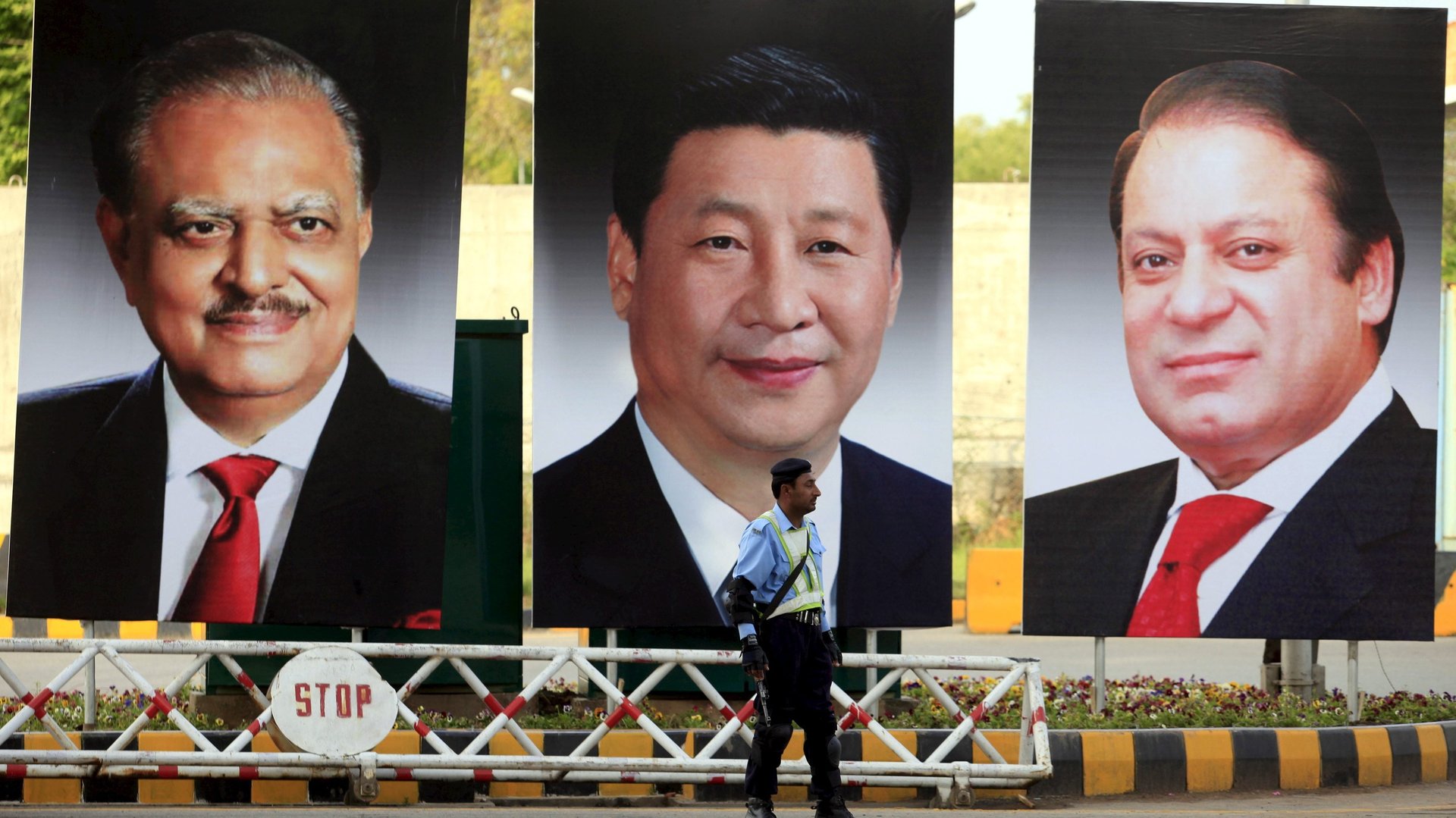
Ever since China’s sweeping “One Belt, One Road” (OBOR) initiative was introduced in 2013, details on it have remained scarce. But this week, thanks to the Pakistani newspaper Dawn, we have one of the most comprehensive looks so far into a key project: a land corridor that runs through Pakistan, connecting China to the Arabian Sea.
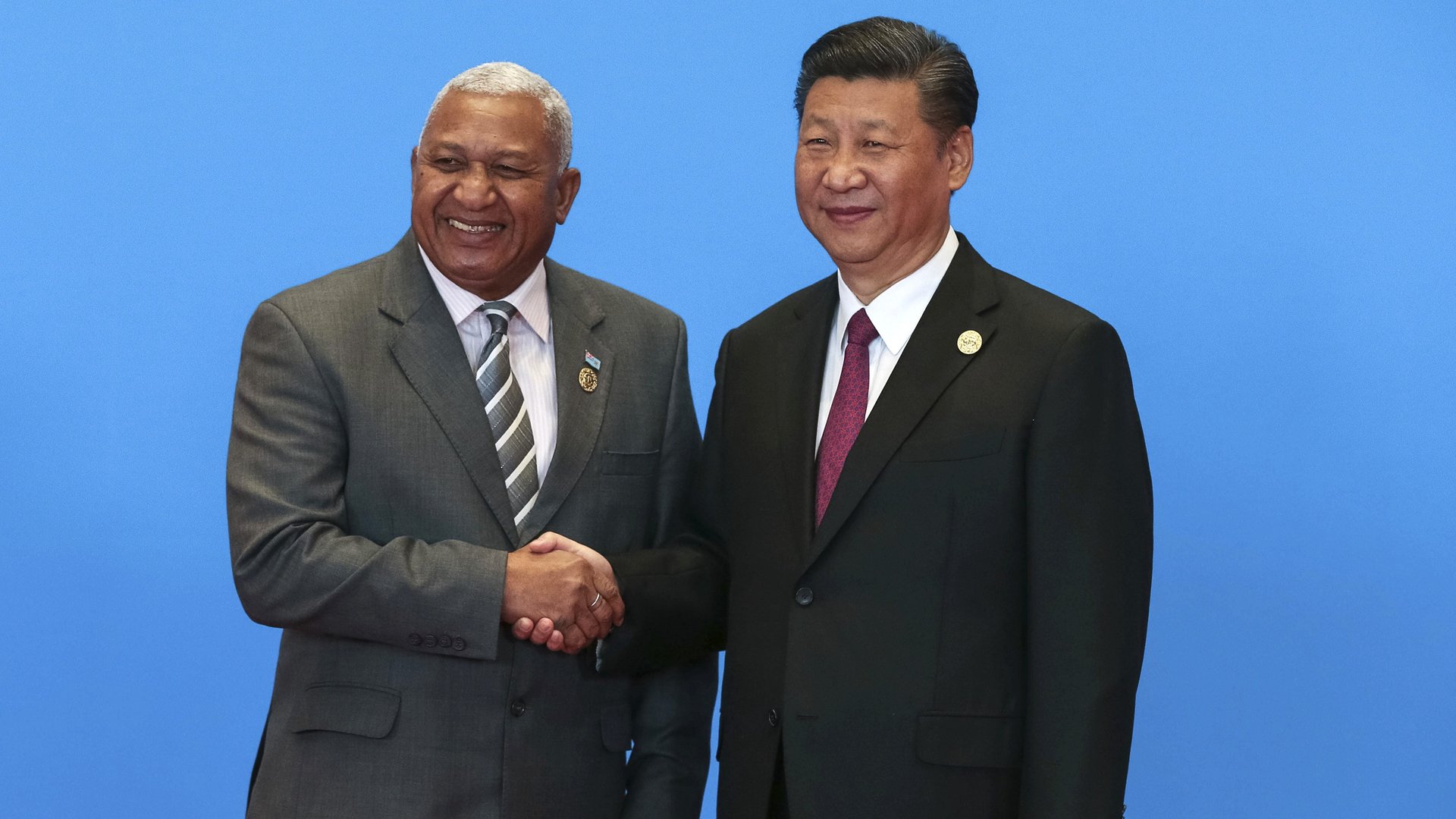
The “China stands for globalization” narrative just got a boost.
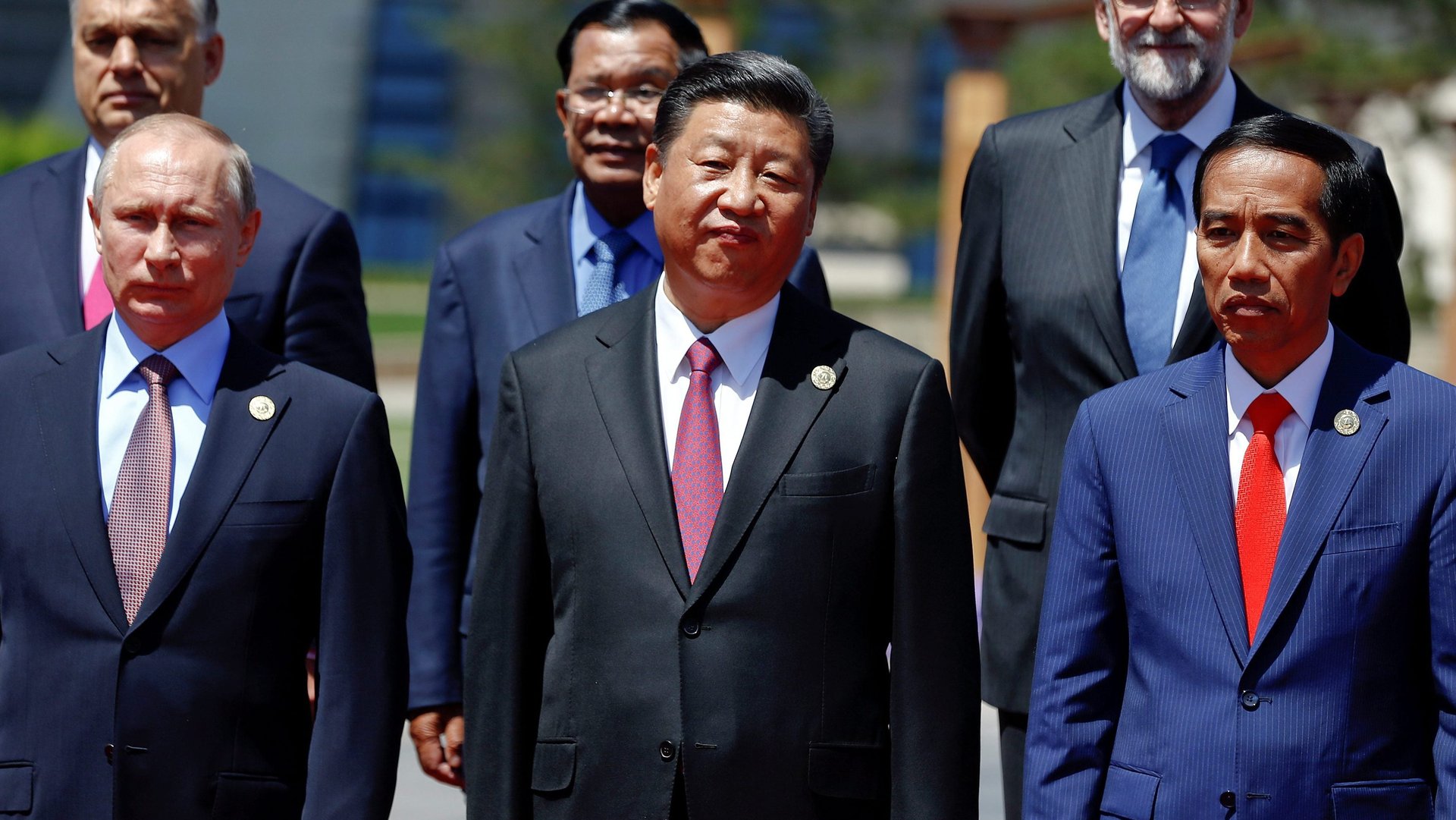
World leaders gathered in Beijing over the past two days to hear China’s plan for global trade: the One Belt One Road initiative. Nearly 70 countries and international organizations have signed up for the mega infrastructure project, said president Xi Jinping at the close of the summit today (May 15), but others still have no idea what it is. The next gathering in Beijing is slated for 2019.
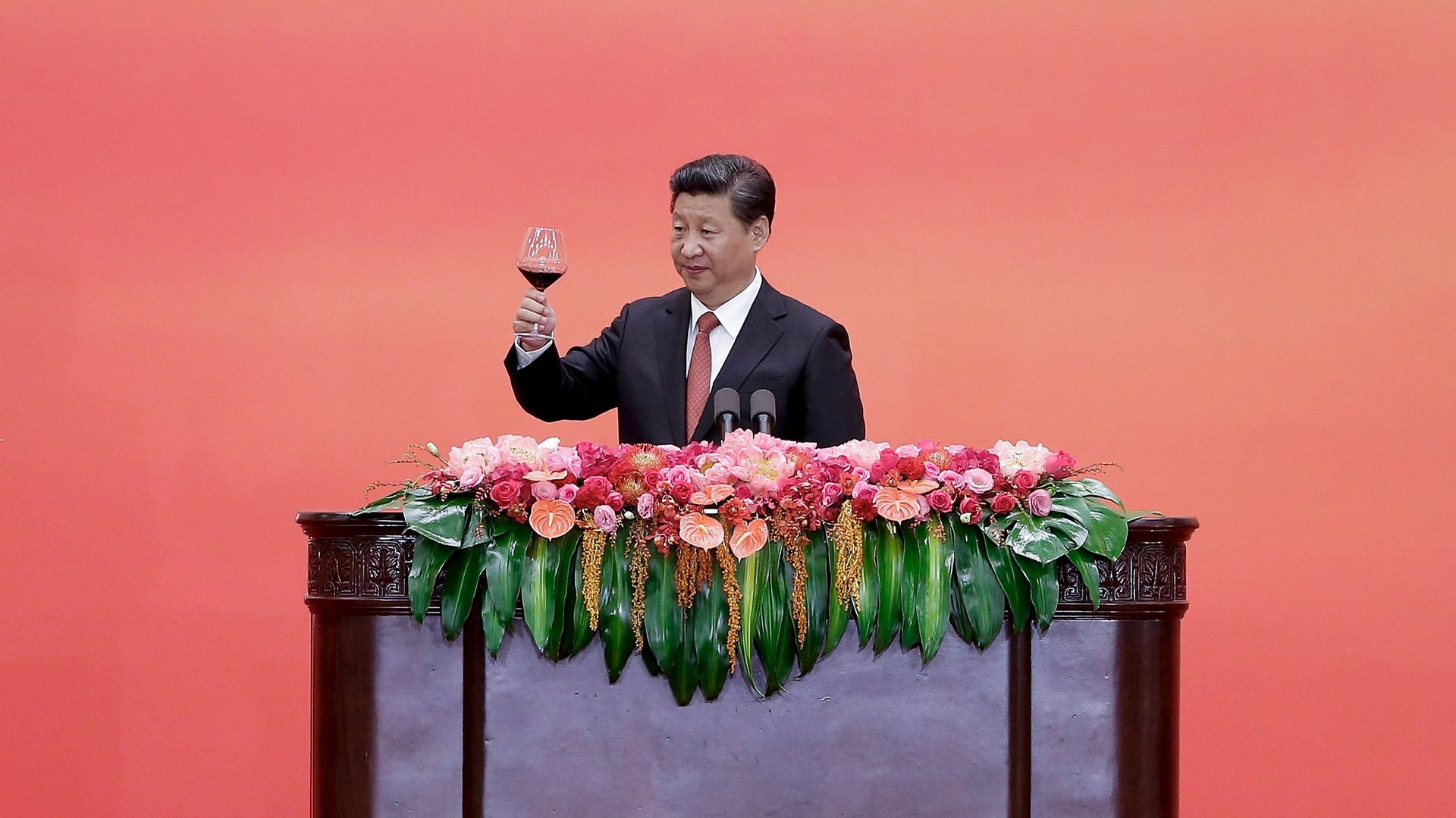
World leaders are gathering in Beijing this weekend for a big summit touting China’s infrastructure spending spree to connect Europe, the Middle East, Asia, and Africa. The project, known as the Belt and Road Initiative—or “One Belt, One Road” (OBOR) in straight translation—was introduced by president Xi Jinping in 2013 as a land-and-sea version of the fabled Silk Road trading route of the 16th to 18th centuries.
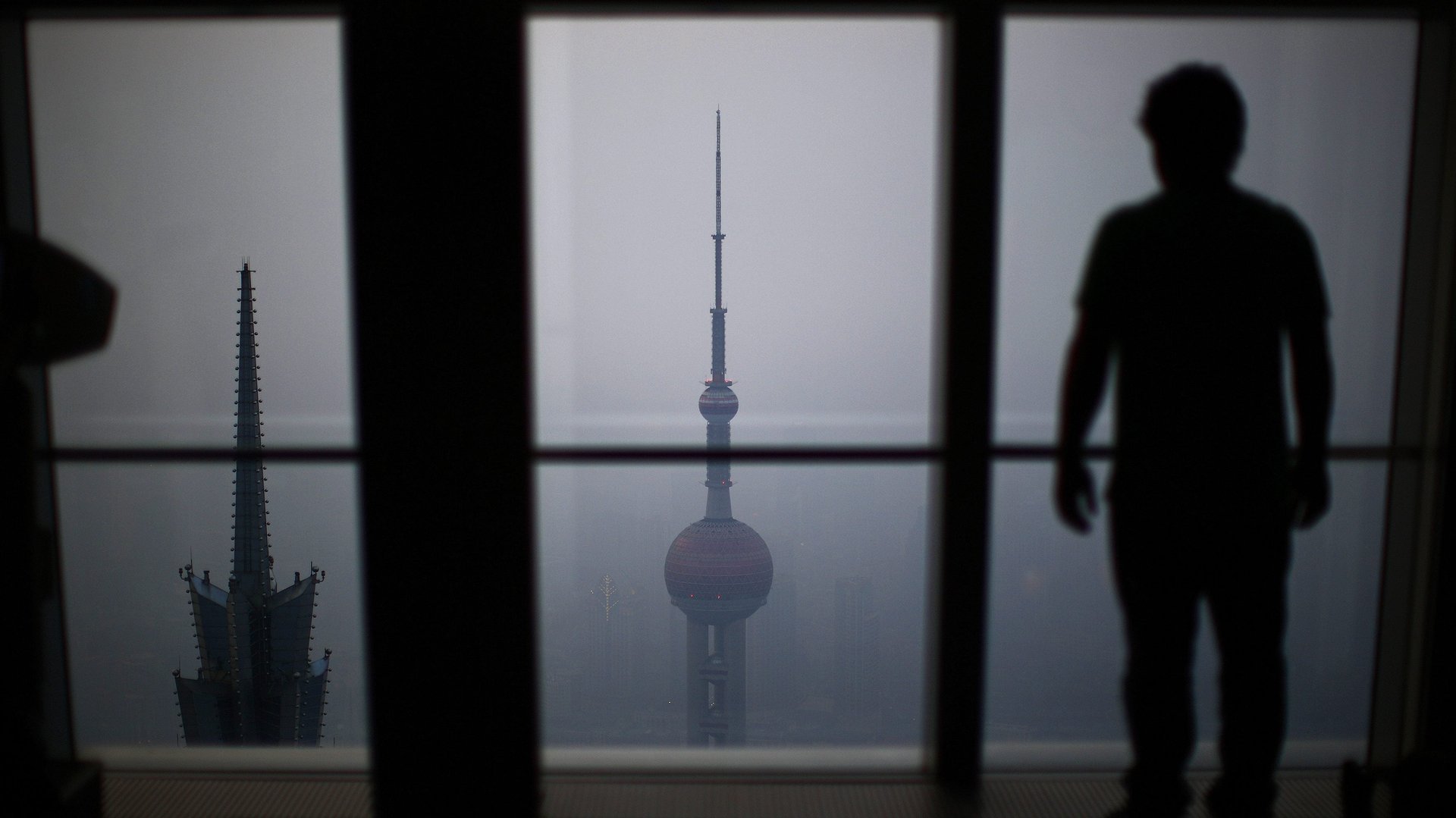
In Amusing Ourselves to Death, American cultural critic Neil Postman contrasted the worlds of George Orwell’s 1984 and Aldous Huxley’s Brave New World, towering dystopian novels published decades ahead of their time. “Orwell feared that our fear will ruin us. Huxley feared that our desire will ruin us,” he wrote.
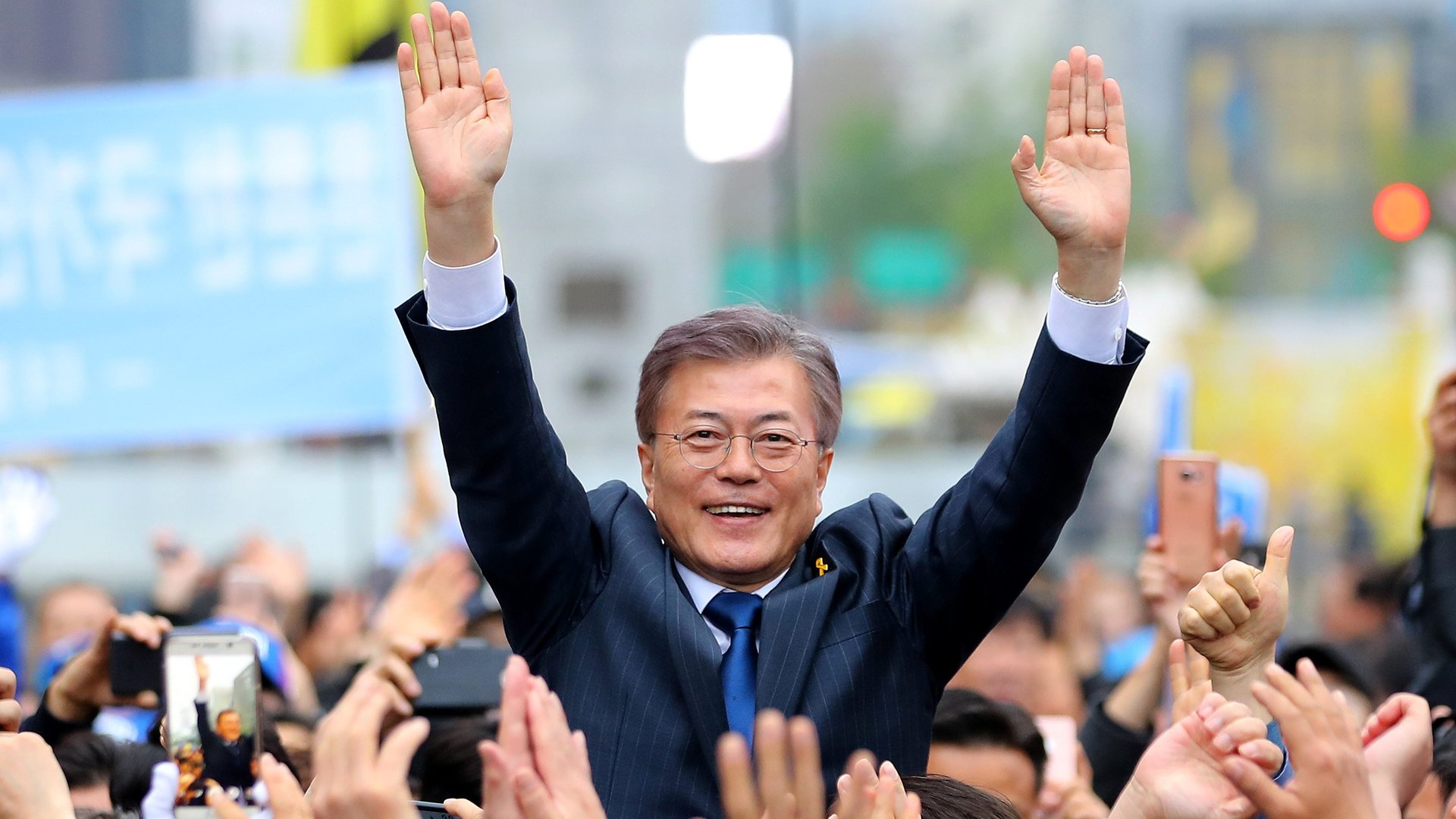
South Korea’s citizens have chosen a 64-year-old former human rights lawyer, Moon Jae-in, as their new president, exit polls showed Tuesday night. Moon will take over from an interim government that replaced the disgraced ex-president Park Geun-hye, who was impeached in March. More than 41 percent of South Koreans voted for Moon over his main rivals, conservative candidate Hong Jun-pyo of the Liberty Korea Party, sometimes called “Hong Trump,” and centrist candidate Ahn Cheol-soo, a software entrepreneur who joined politics.
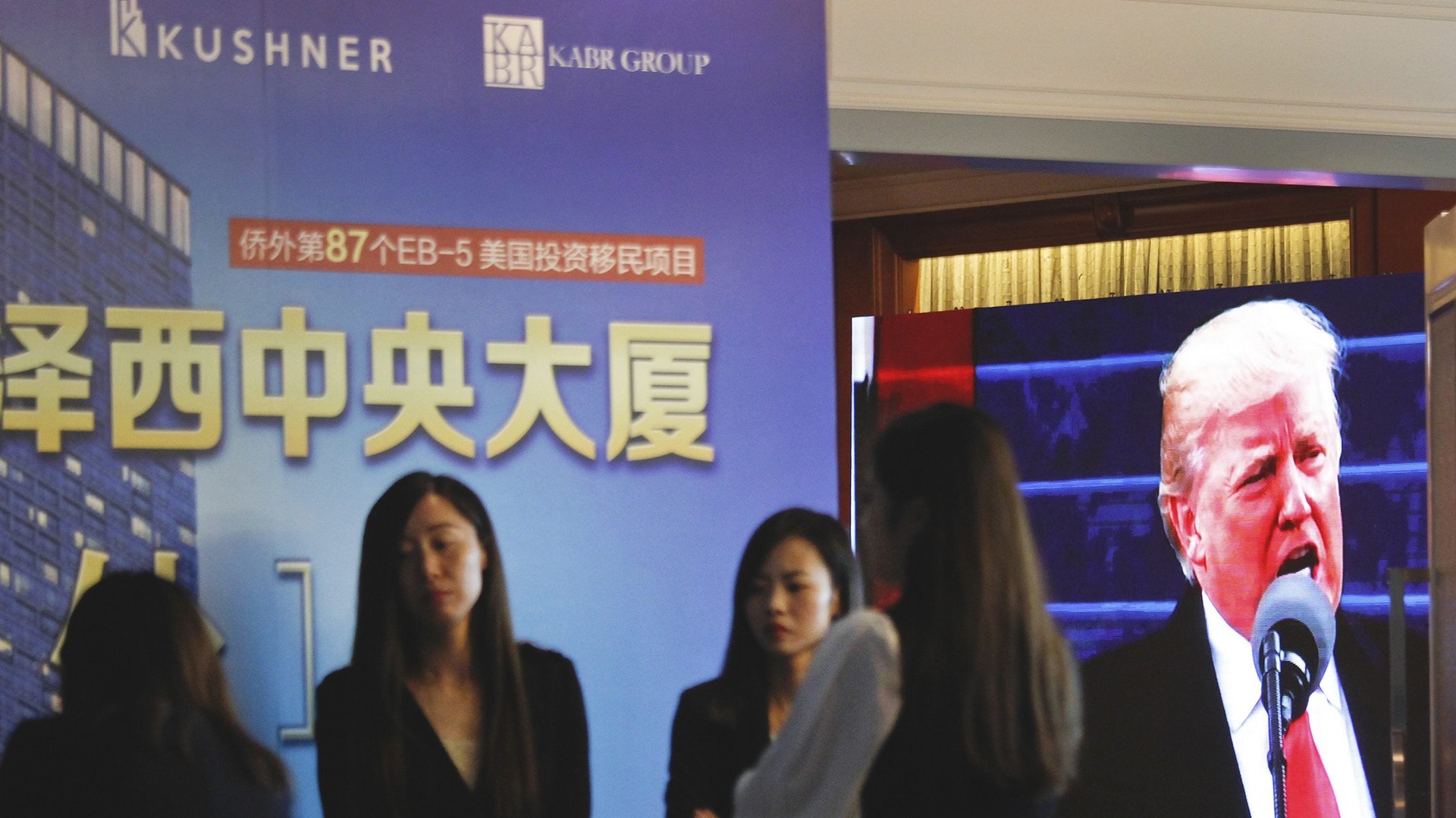
Donald Trump’s administration has made it harder for foreigners to get US work visas. But the sister of Jared Kushner—Trump’s son-in-law and senior adviser—is using her White House connections to lure Chinese investors to help fund a real estate project via a controversial visa program that in essence sells US citizenship to wealthy foreigners.


点击阅读本文中文版本
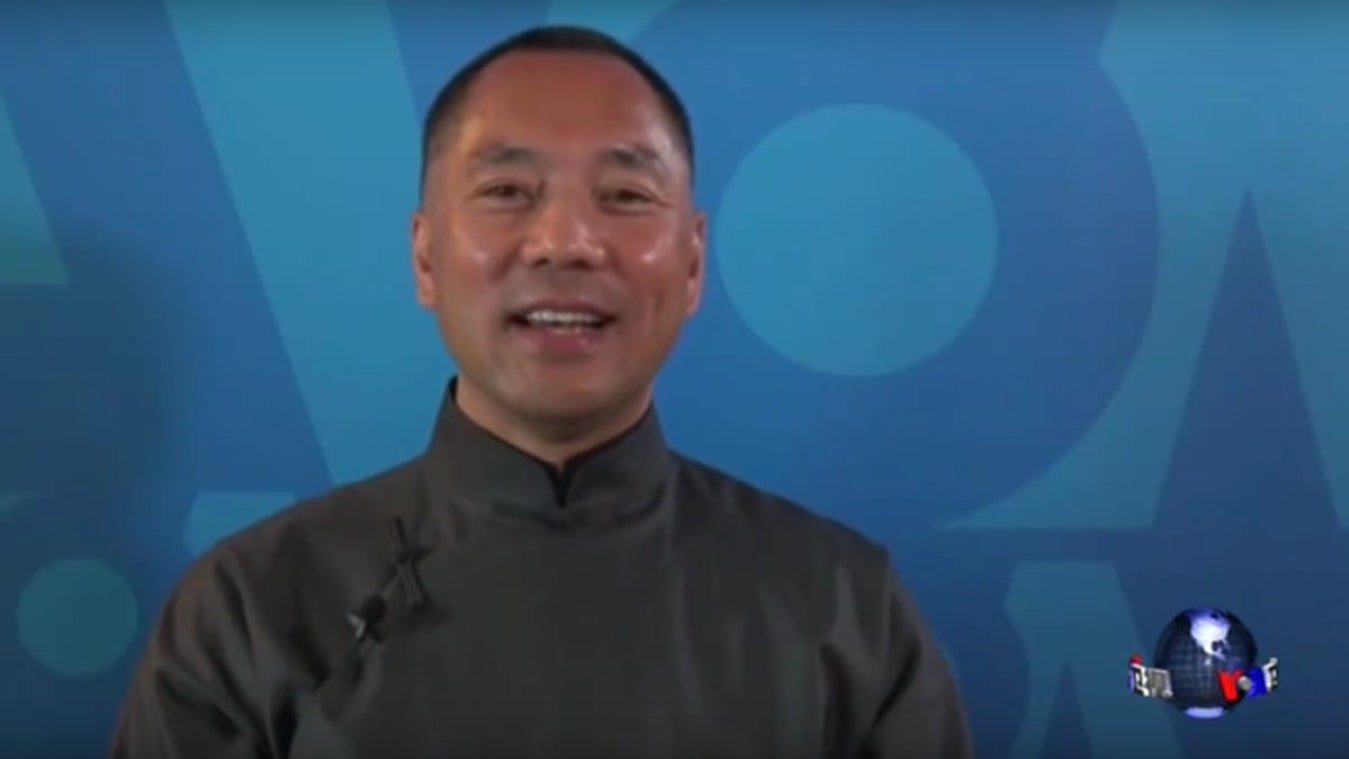
The Chinese government can’t seem to do anything about its most wanted man, who now lives in exile in the US.
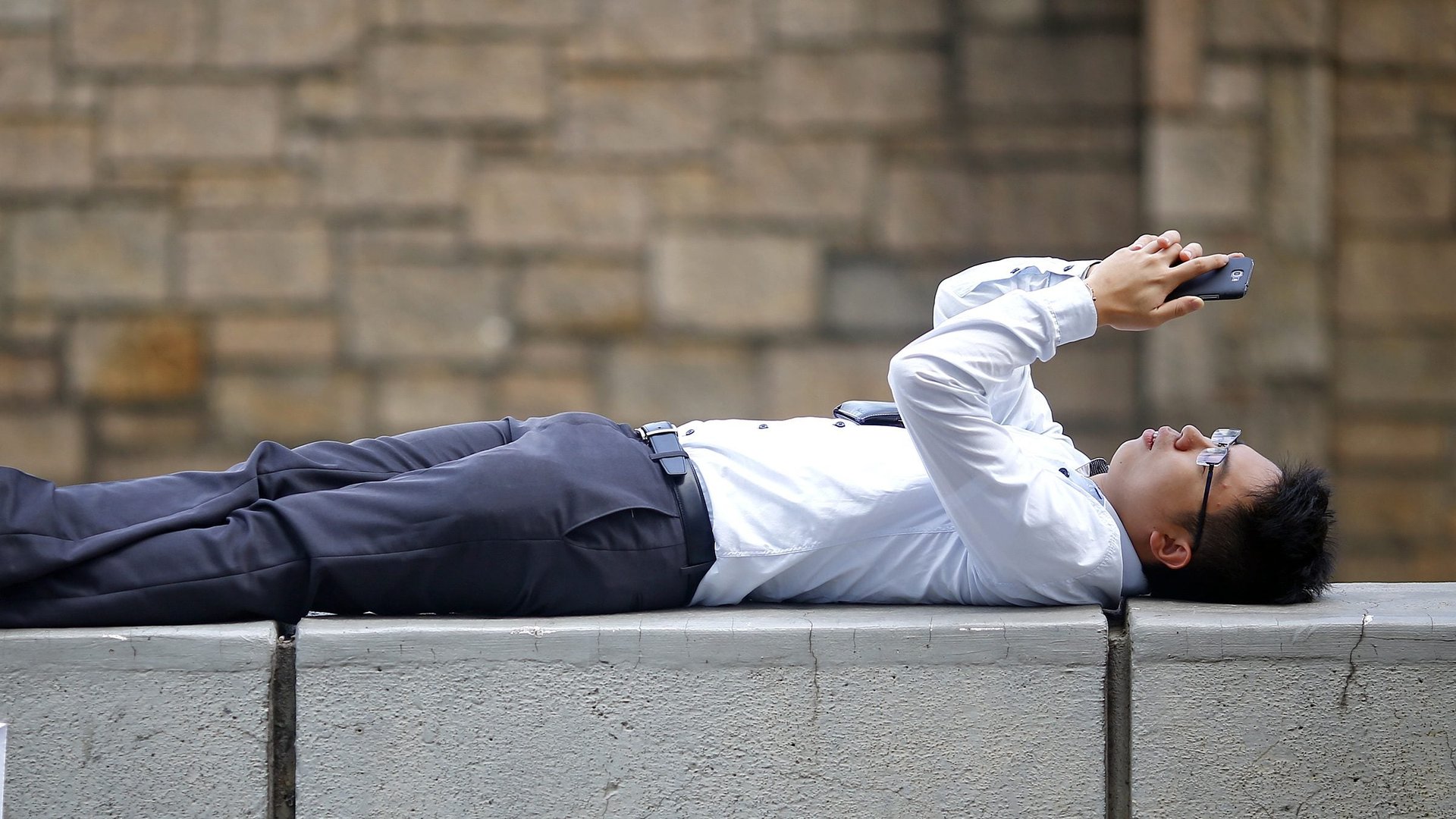
Members of China’s surging middle class—already the world’s largest—are not shy about putting their newfound economic power to use. They spend freely on everything from luxury handbags to high-quality seafood to three-story brownstones in Brooklyn. Their lives are tinged, however, with fear and regret.

Ever since their first real-life encounter earlier this month, US president Donald Trump has been touting the “great chemistry” he has with his Chinese counterpart, Xi Jinping.


点击阅读本文中文版
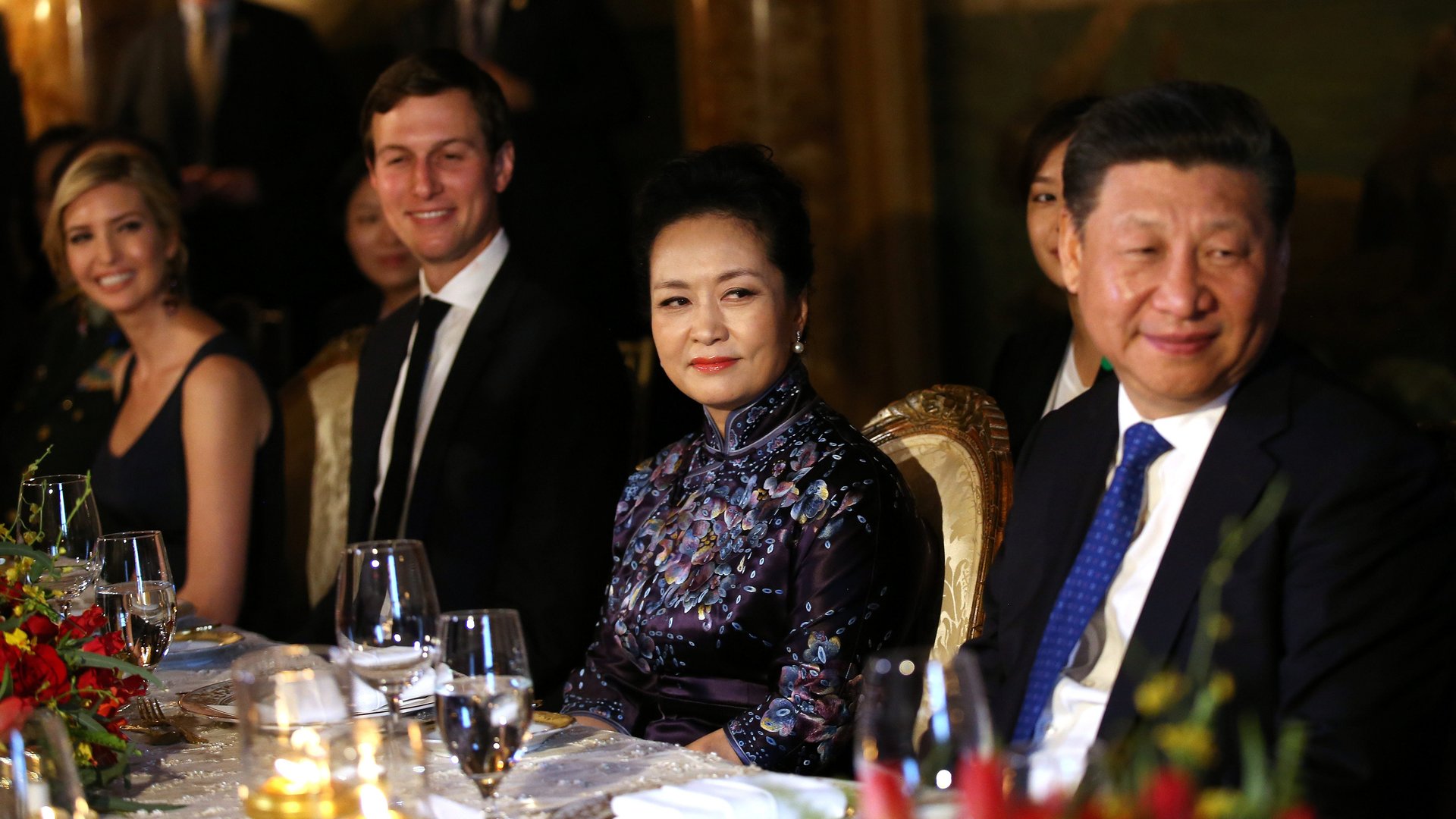
When Donald Trump hosted his Chinese counterpart, Xi Jinping, at his Mar-a-Lago resort in Florida last week, the US president’s grandchildren conducted a major charm offensive during the summit. Before a sit-down dinner, which wrapped up with US airstrikes on Syria and a “beautiful piece of chocolate cake,” Ivanka Trump and Jared Kushner introduced their two older kids, Arabella and Joseph, to Xi and his wife. The kids then performed in front of a full house of politicians and journalists.
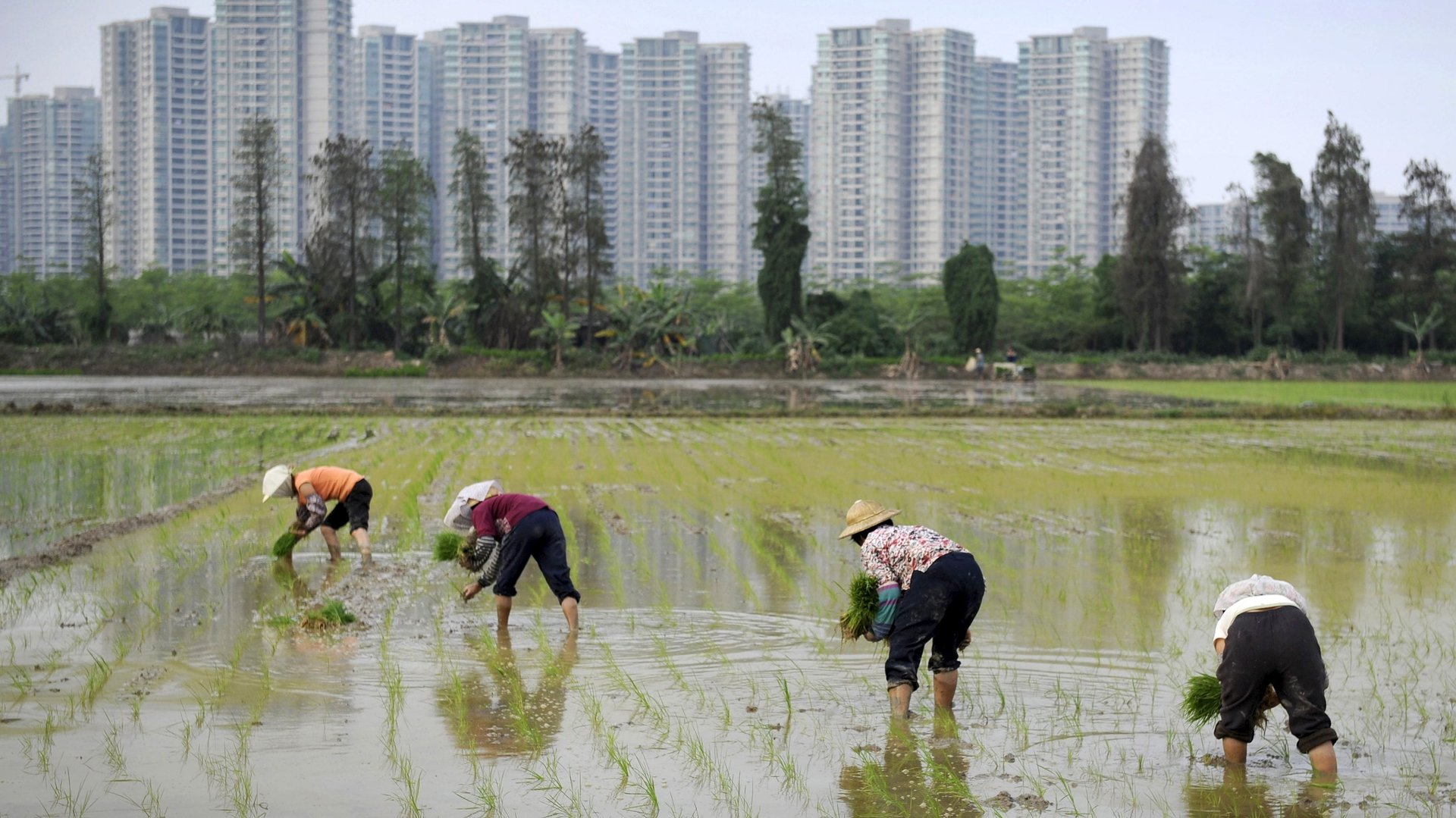
China’s highly-publicized efforts to weed out corrupt Communist Party officials have often culminated in “suspended death sentences,” but it would be a mistake to think that party workers or bureaucrats count for a large number of the people sentenced to death in China, estimated to be the world’s top user of the death penalty.
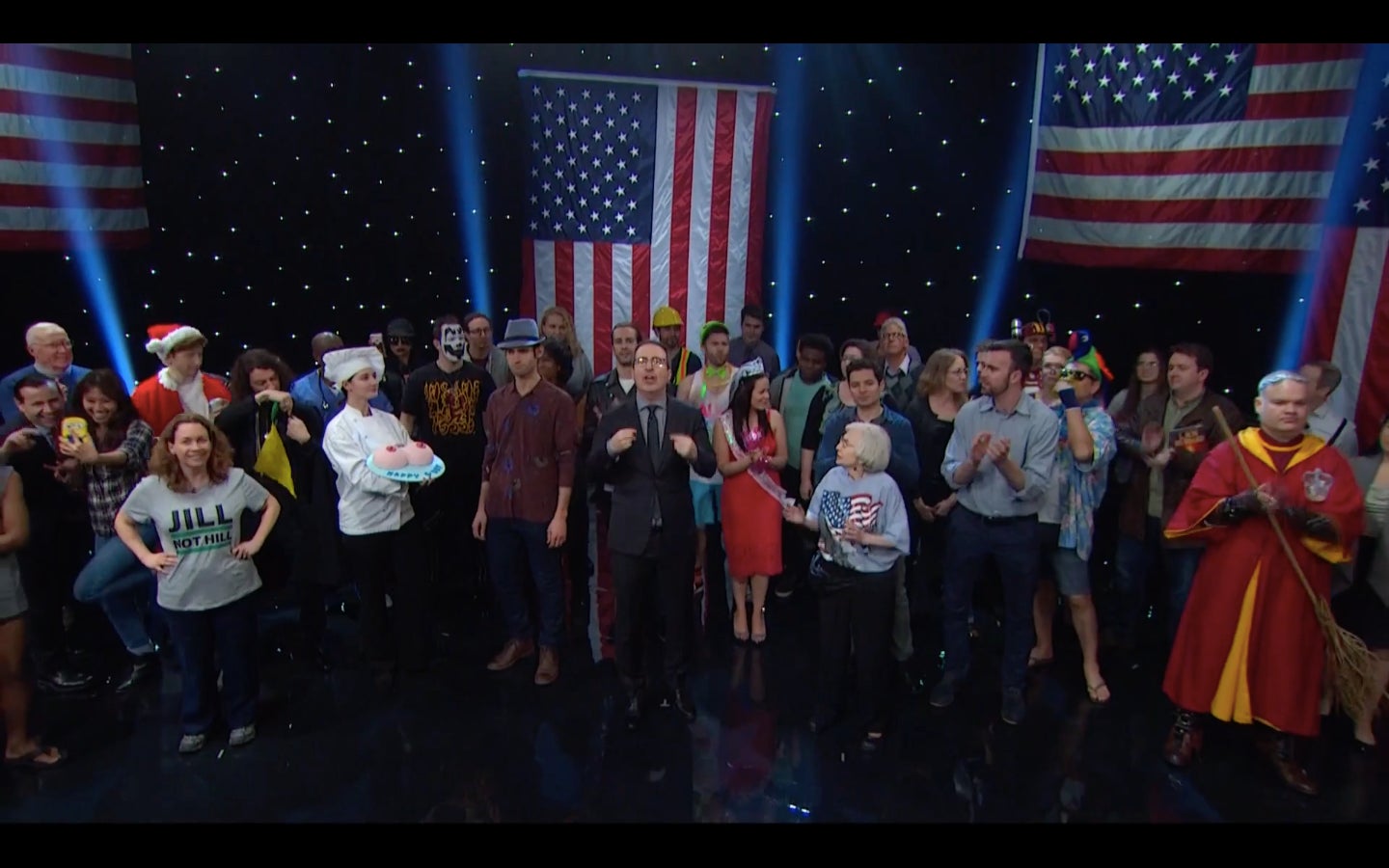
One of the gravest structural problems in American democracy is gerrymandering, the practice of “drawing voting districts in a way that creates unfair advantages to whoever happens to be drawing the line,” says John Oliver.