
Lifestyle
A script for answering your nosy relatives’ prying questions over Lunar New YearIt’s funny because it’s true.
Updated July 20, 20223 min read
It’s funny because it’s true.

China’s premier Li Keqiang championed globalization in a rare commentary published today (Jan. 26) on Bloomberg’s website. Touting Beijing’s buzz phrase “a community of shared destiny,” Li wrote, “We remain convinced that economic openness serves everyone better, at home and abroad.”
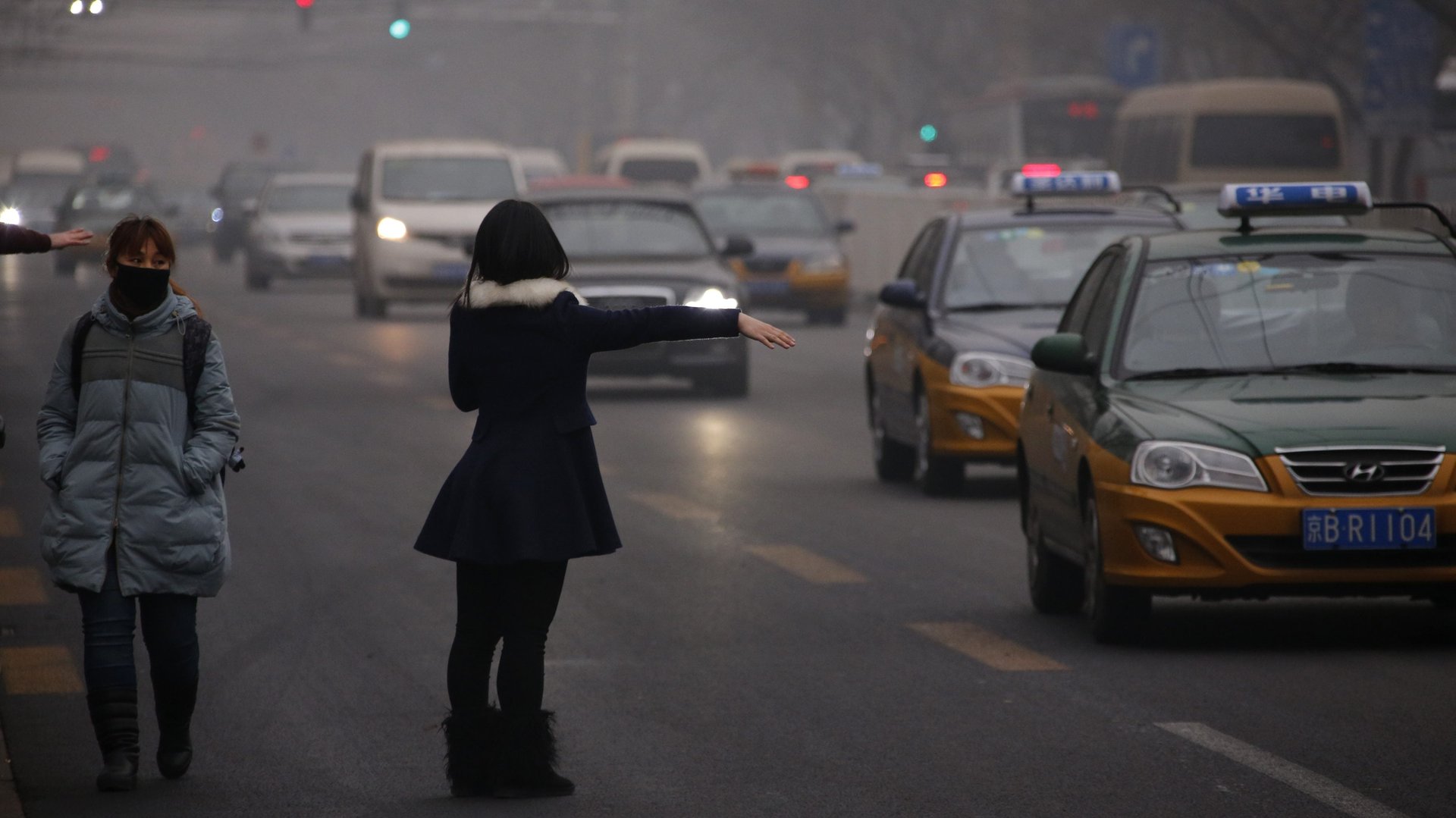
Ride-hailing in China is getting harder. Uber quit the market last August by selling its operations to rival Didi Chuxing. Then Didi, finding itself in a near-monopoly position, began to raise fares, cut back on discounts, and lower the subsidies used to motivate drivers.
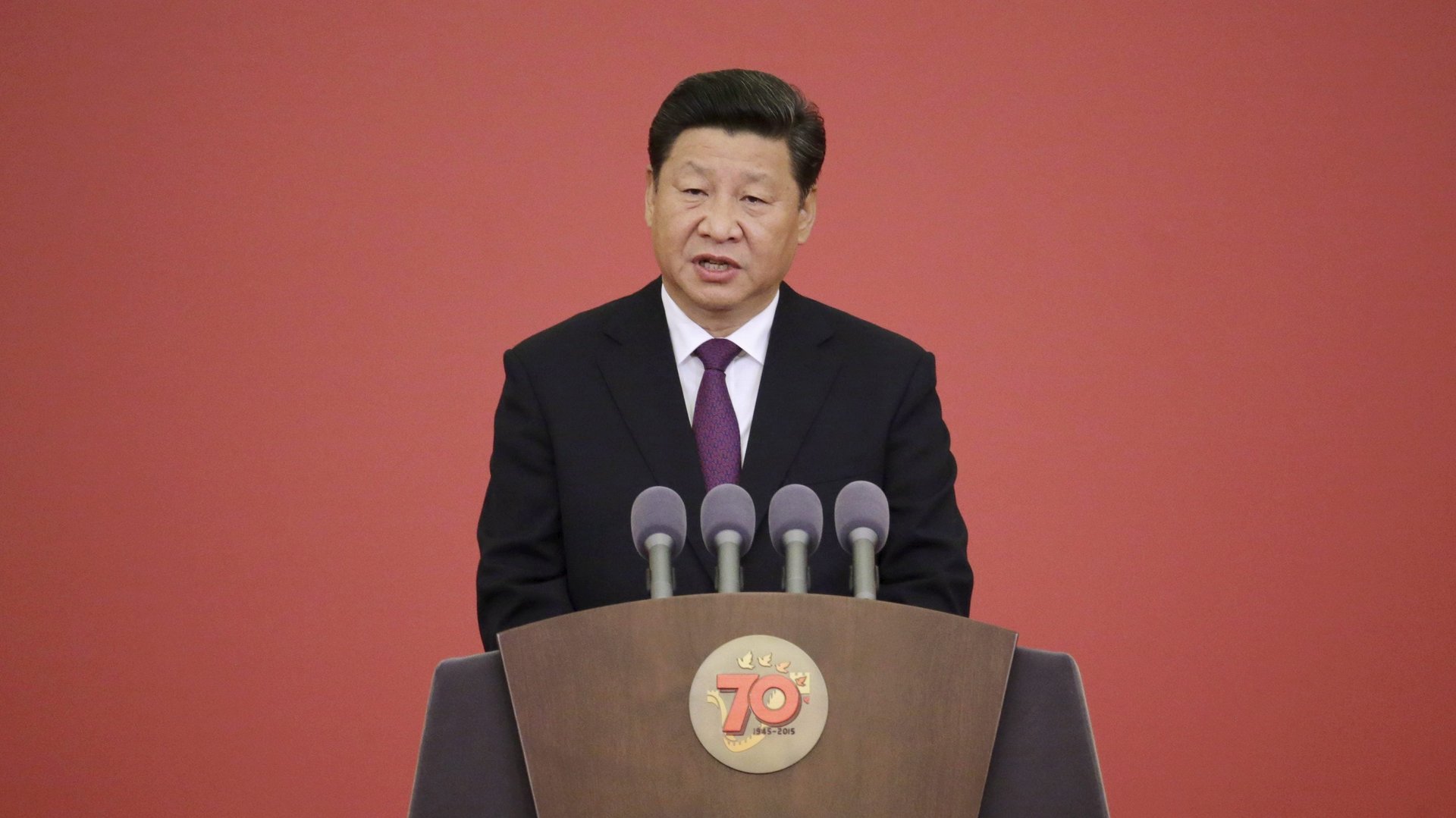
China’s top decision-making body, the Political Bureau of the Communist Party, announced yesterday (Jan. 22) the establishment of a new agency to integrate the country’s military and civilian capacities—once again headed by president Xi Jinping.
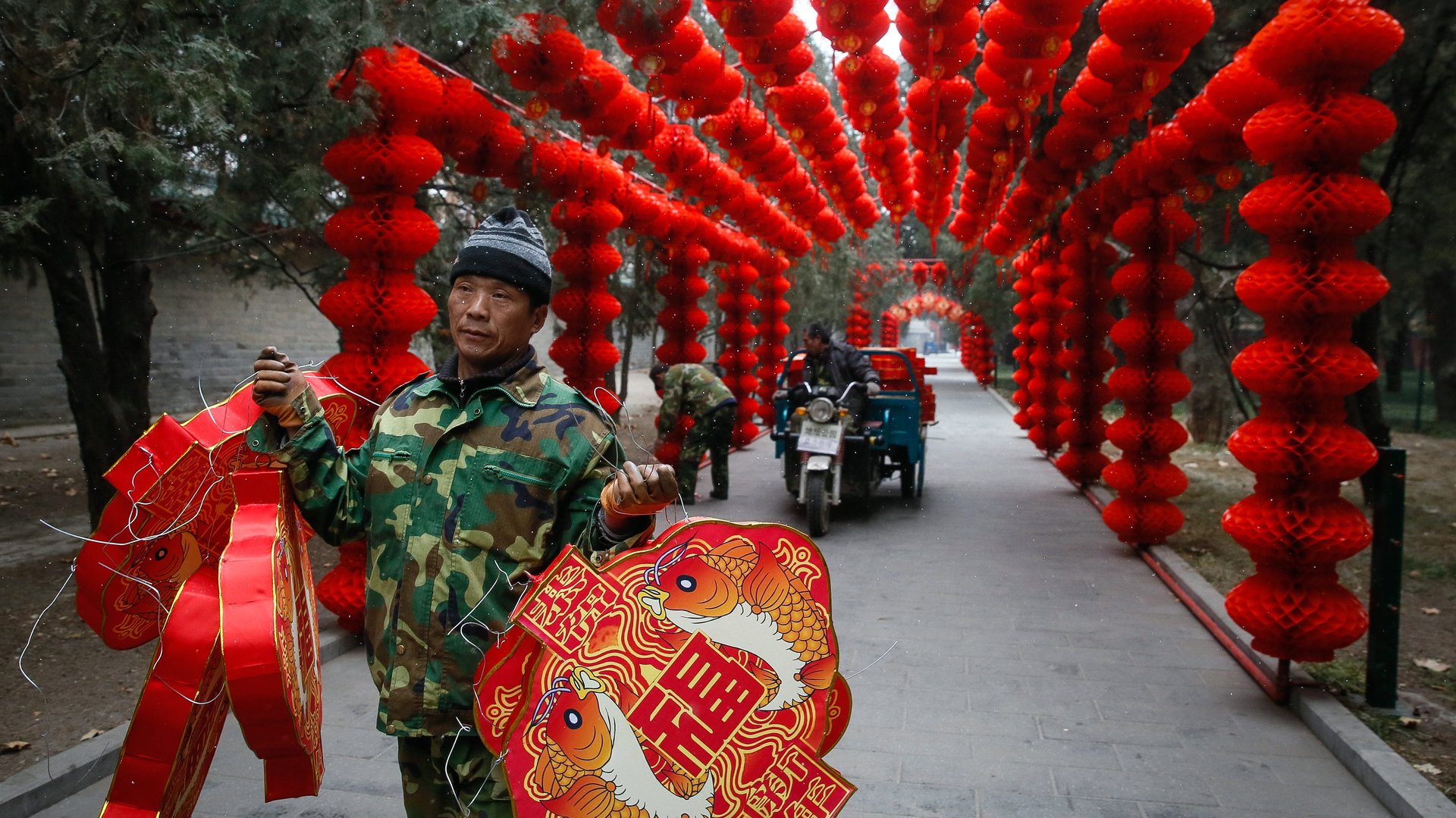
Chinese families usually take huge amounts of cash out of banks ahead of the Lunar New Year, a tradition that bothers Beijing to no end because it severely squeezes money supply in the markets. The cash ends up in little red envelopes given as gifts, and is also spent on booze, food, travel, and other holiday-related spending. This year the problem is worse as the weeklong holiday (starting on Jan. 27) extends over the month’s end, when companies also have to pay for salaries and taxes.
China’s economy expanded 6.8% in the fourth quarter of 2016, the latest official data (link in Chinese) show. For the full year, China’s GDP grew 6.7%, the slowest in 26 years—but within the government’s target range of 6.5% to 7%.
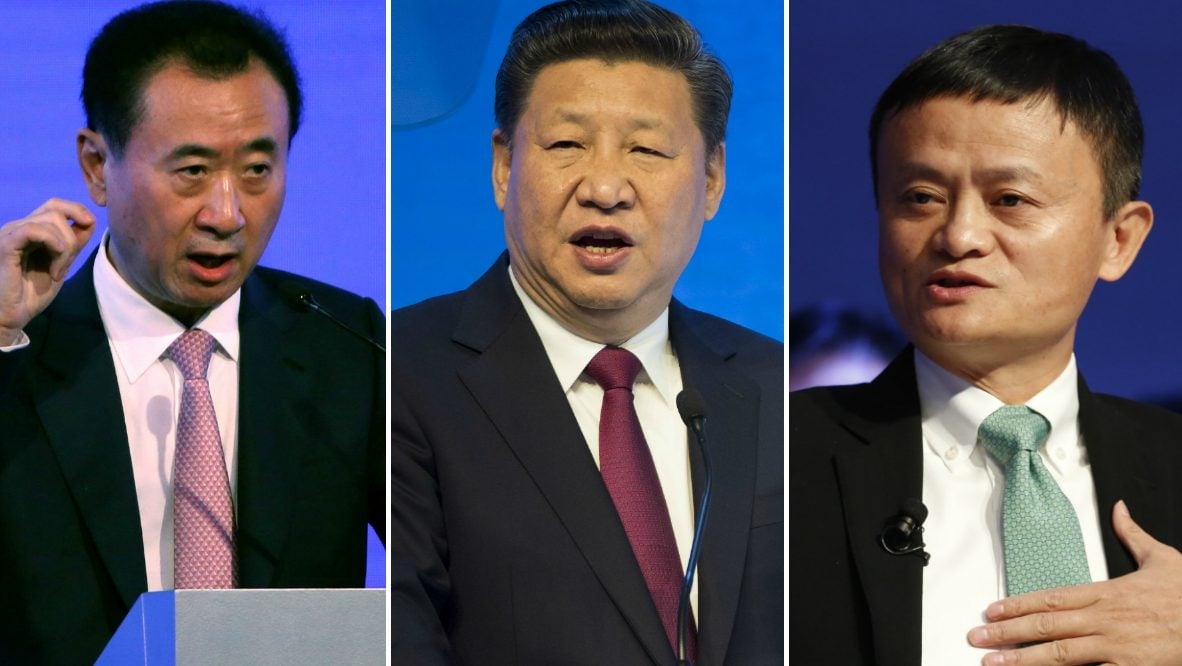
Chinese president Xi Jinping became globalization’s most vocal champion with his speech at Davos earlier this week. Though he didn’t name Donald Trump in his speech, two of China’s richest men echoed Xi’s message, and aimed it squarely at the incoming US president.

Chinese billionaire Jack Ma made an on-stage appearance at the World Economic Forum in Davos yesterday (Jan. 18)—and showed why he’s considered a smooth political operator.

China’s top judge is one of the country’s most vocal critics of judicial independence.
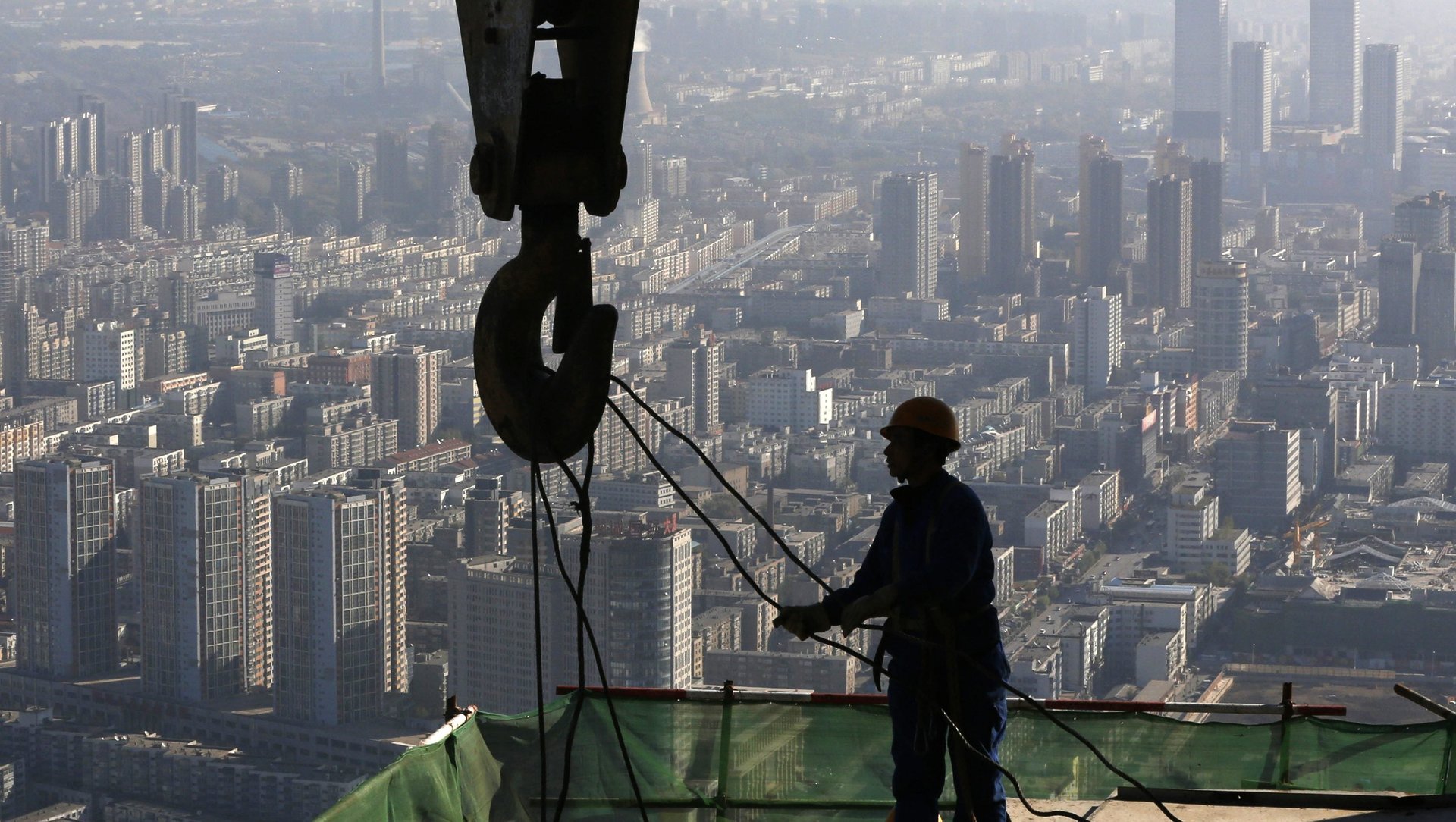
For many who have long believed that China’s economic growth figures seemed too good—and tidy—to be true, they now have official confirmation of that skepticism.
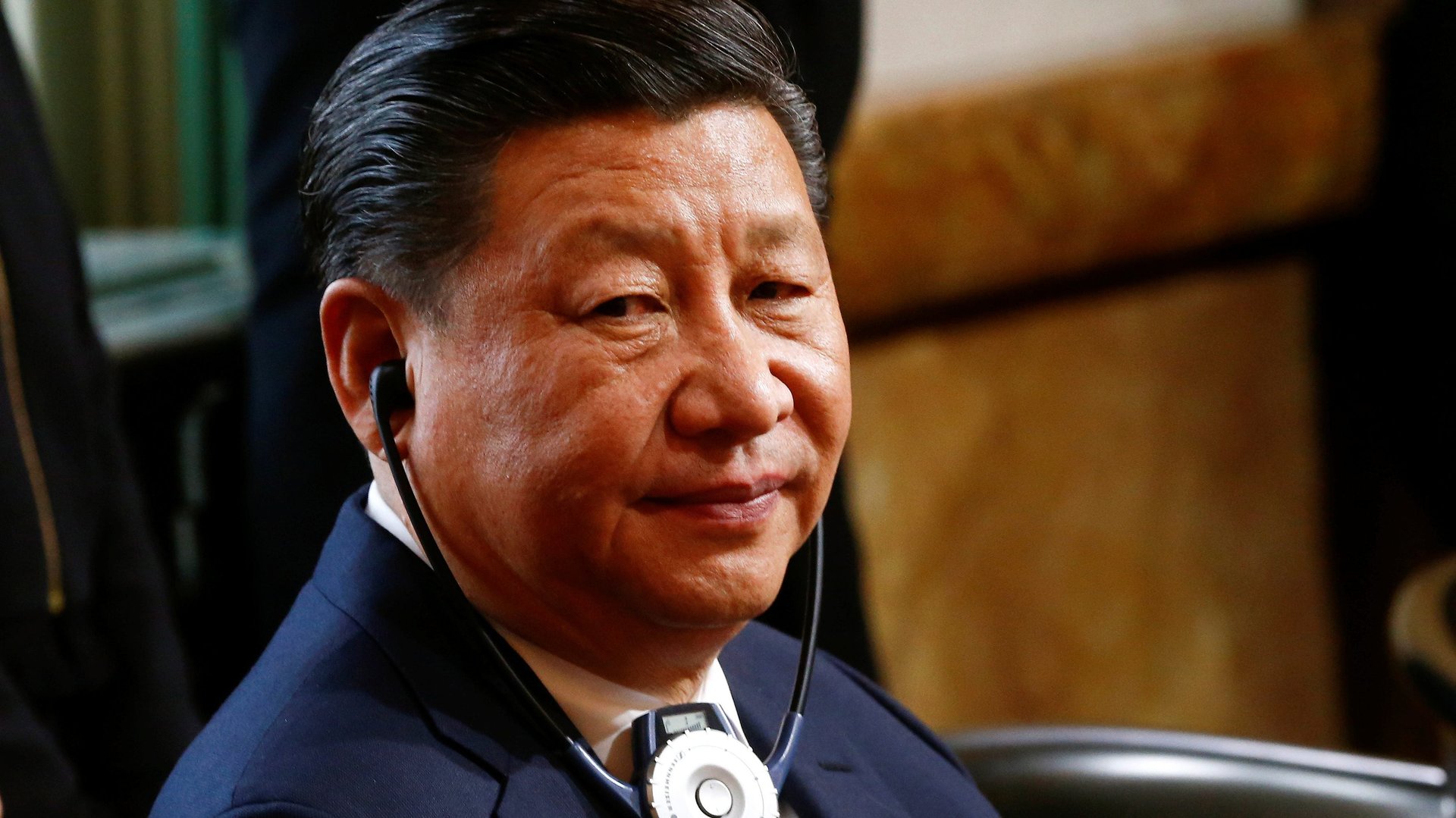
China’s Xi Jinping has too many titles on his business card. President, general secretary of the Communist Party, head of the Central Leading Group for Comprehensively Deepening Reforms, and the mysterious-sounding party “core” that he was officially endorsed as last October, to name just a few.
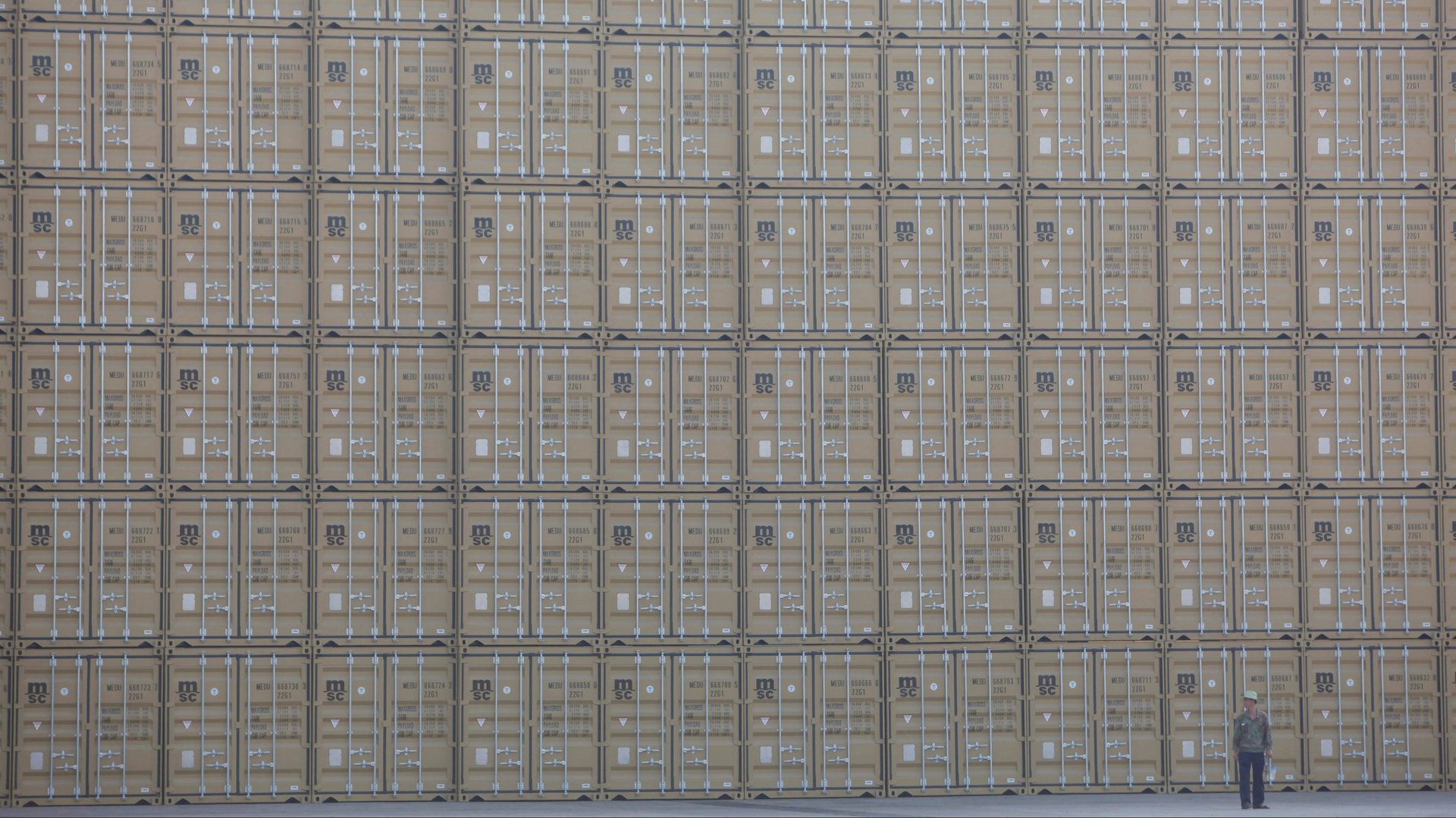
China’s export figures in 2016 did not look good thanks to continuing weak global demand. But officials are likely to be even more worried about this year as they are closely watching potential threats against trade that incoming US president Donald Trump could impose on the country.
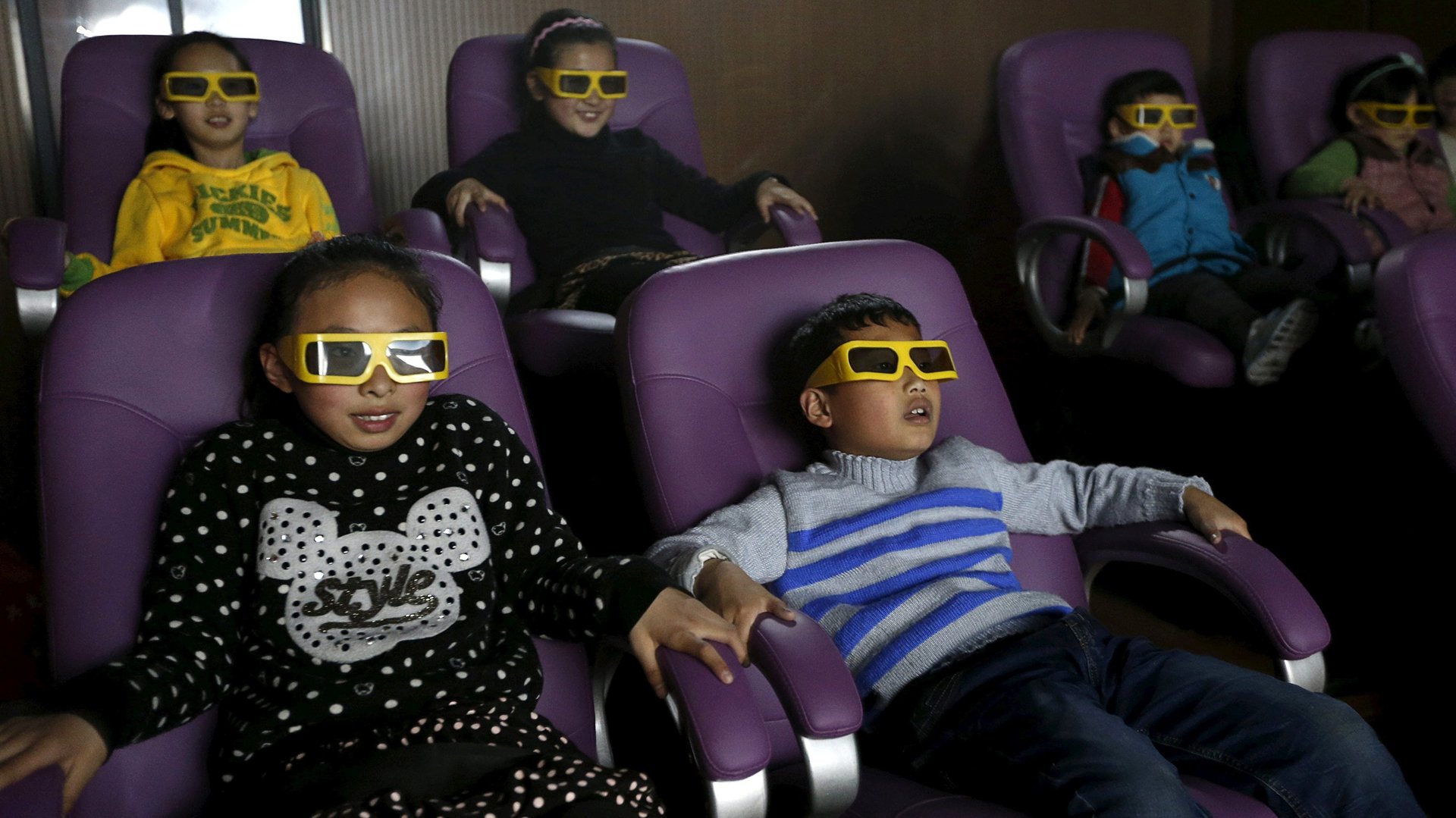
China’s film industry was quite a disappointment in 2016. The country’s box office went up just 3.6% last year, putting an end to a double-digit growth that had lasted for more than a decade. Shoddy domestic productions and a cutback in movie ticket subsidies by Chinese internet companies led to the worse-than-expected performance, analysts say.
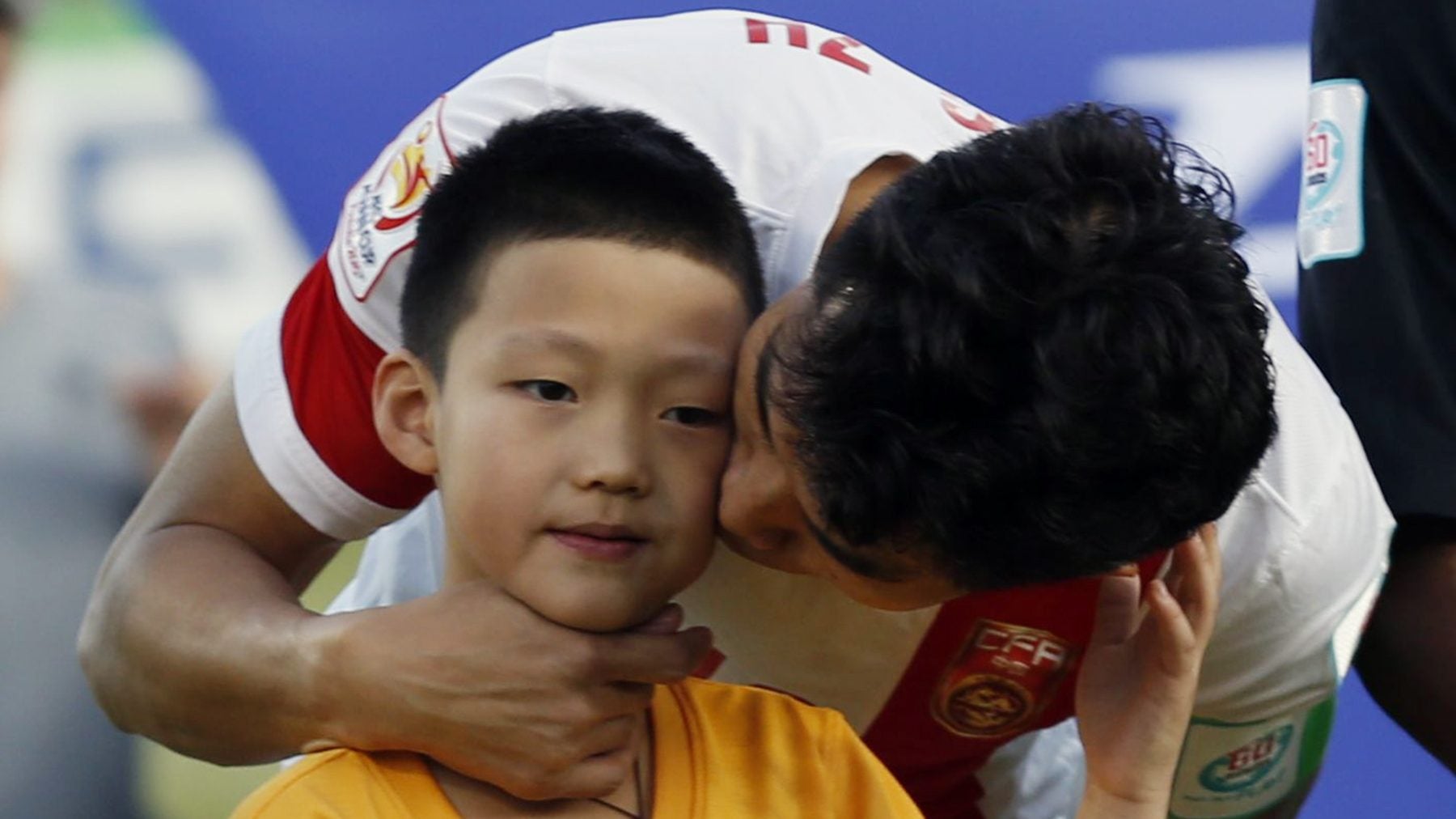
At the 2002 World Cup, China’s national soccer team suffered three straight losses at the group stage, giving up nine goals without scoring one of their own. That embarrassing performance is a cherished memory for many fans. It remains the only time their squad has reached the group stage (where the weaker teams tend to get weeded out).
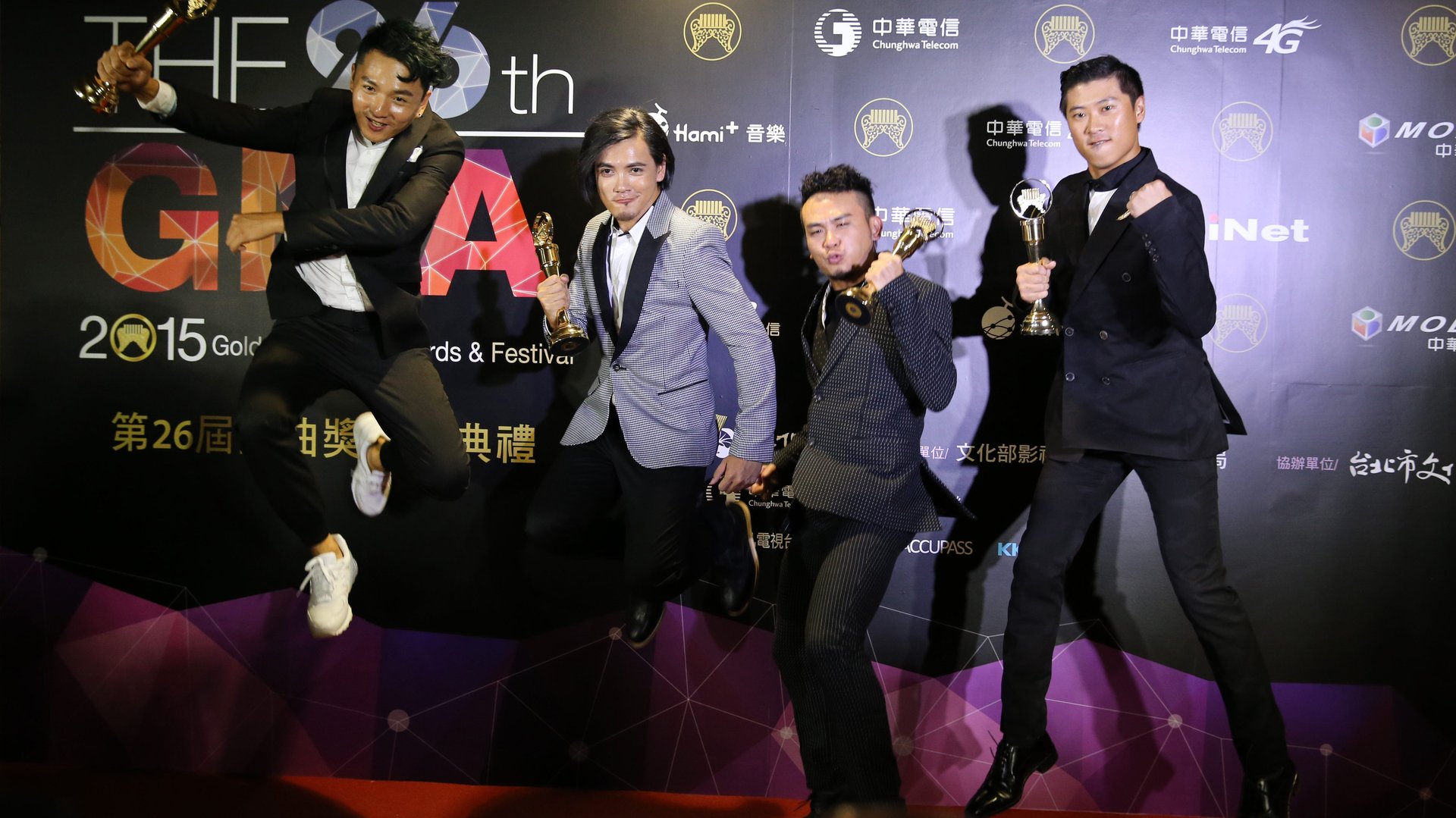
China has allegedly blacklisted over four dozen overseas celebrities, including several high-profile singers from Taiwan and Hong Kong who have expressed political views unfavourable to Beijing, another sign that China is tightening control over the cultural industry.
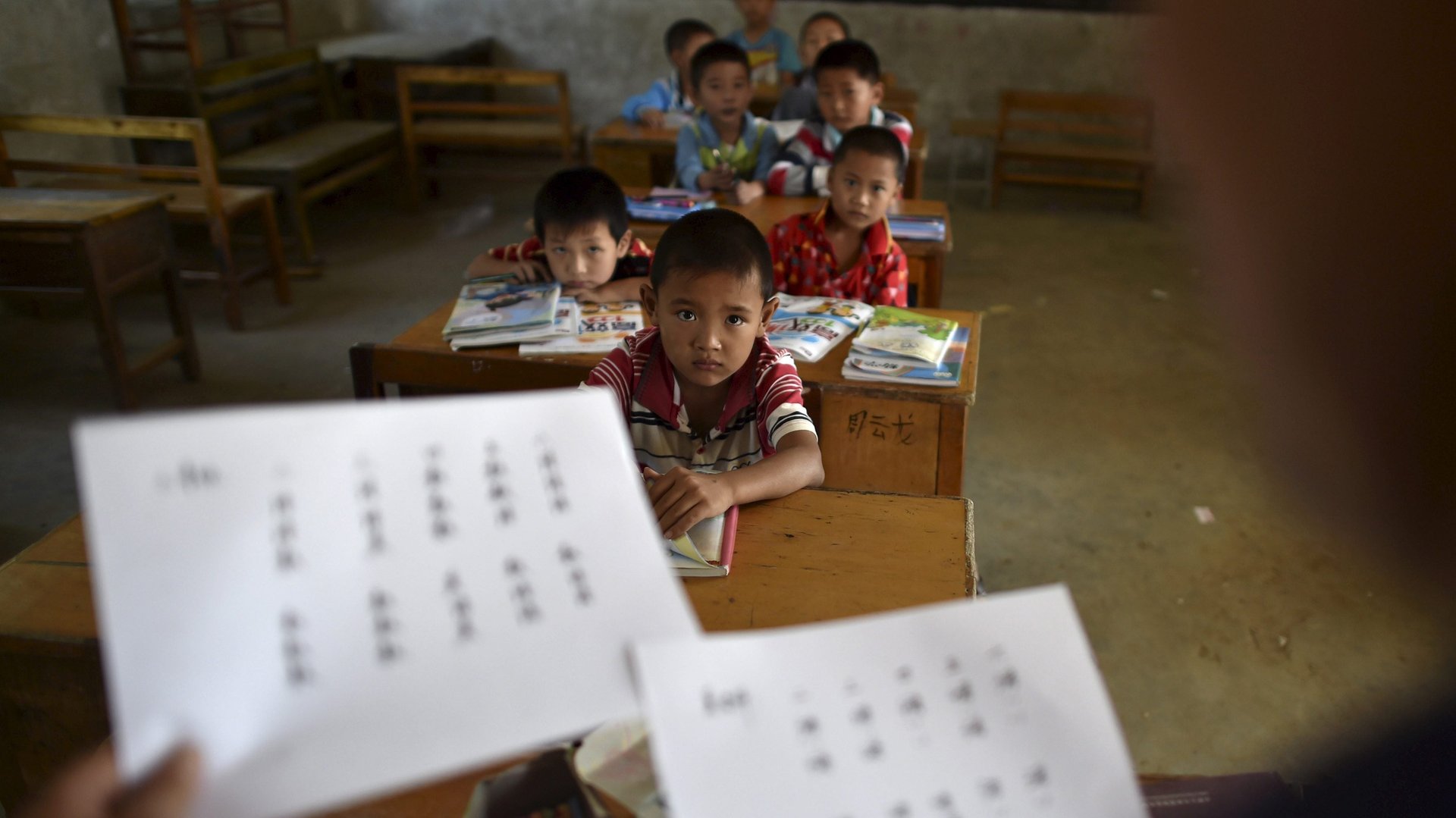
On July 7, 1937, the Imperial Japanese Army exchanged fire with startled Chinese troops near a bridge outside Beijing, after a Japanese soldier was reported missing in the vicinity. The battle, known as the Marco Polo Bridge incident, is widely viewed as the outbreak of the Second Sino-Japanese War, which ended eight years later when Japan surrendered.
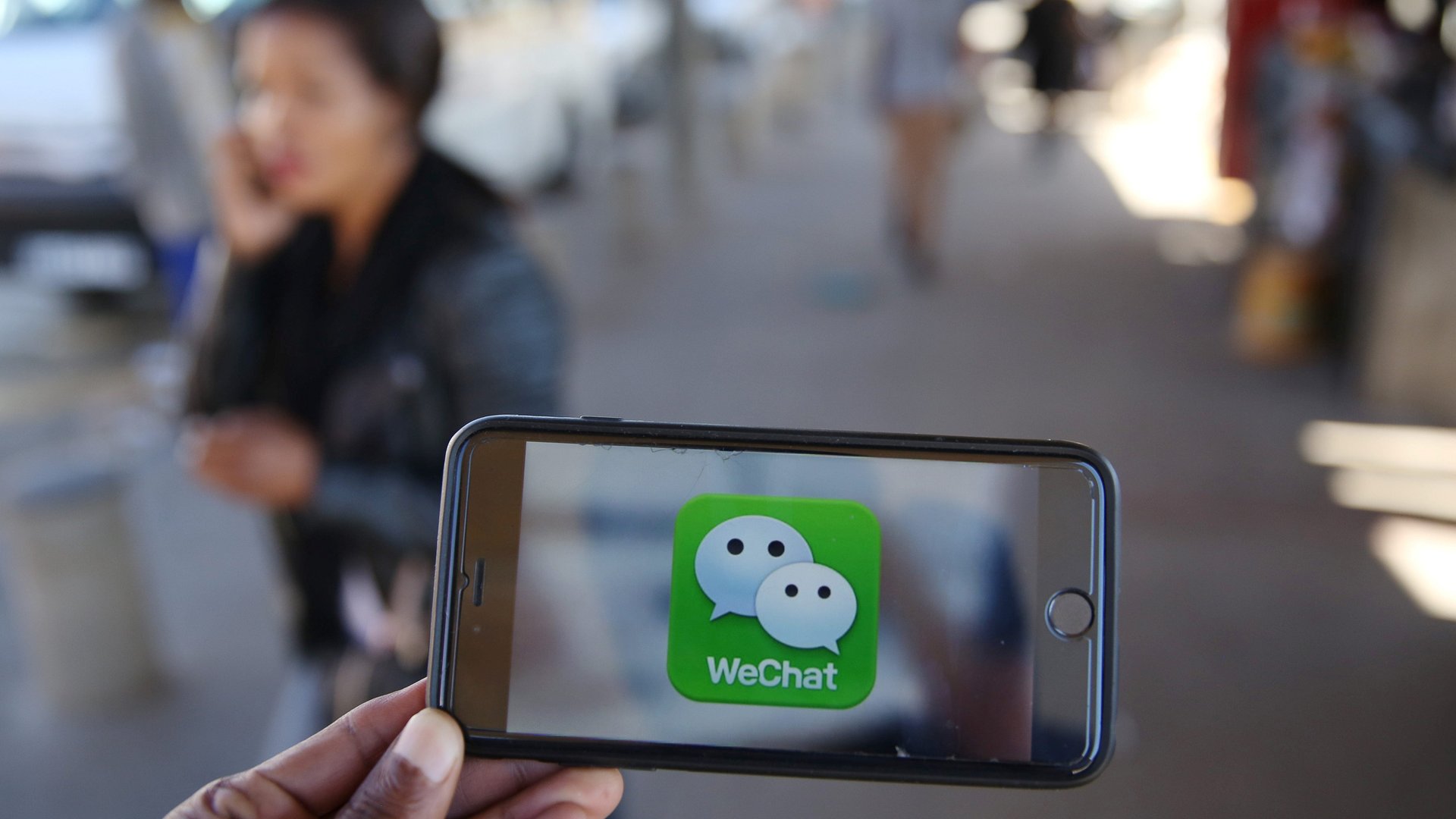
WeChat has evolved from China’s answer to WhatsApp into a smartphone Swiss army knife. Originally a chat app, it’s become far more than a social networking platform for its more than 800 million active monthly users. Owned by internet giant Tencent, it also lets users order food, book hotels, and shop online through its Wallet feature, which links to the web apps of third-party providers.
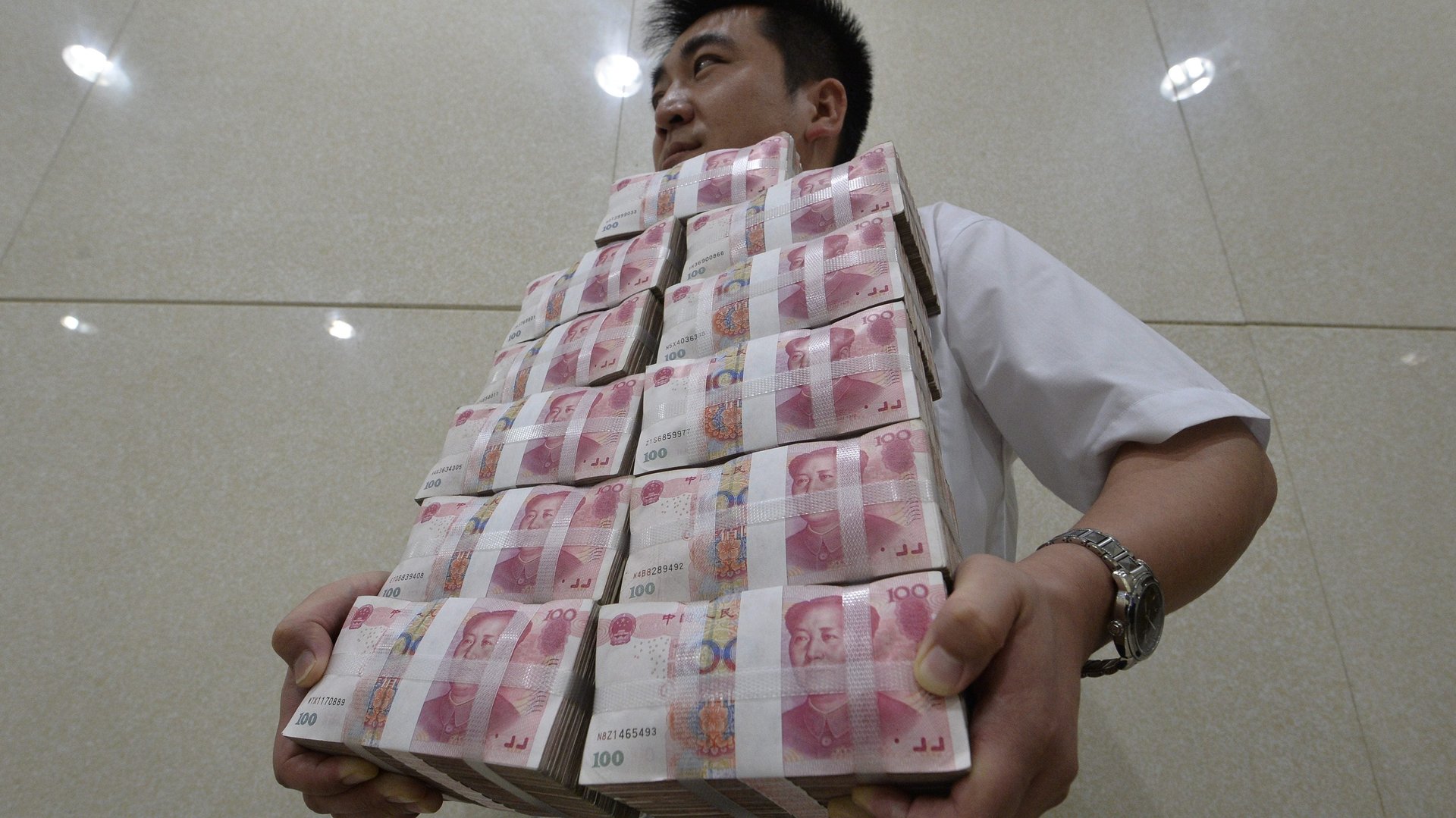
China’s currency policy has been one of Donald Trump’s favorite targets, both before and since his election victory. The incoming US president has repeatedly called out China for artificially lowering its currency value to dump goods in the US—an accusation almost two decades out of date.
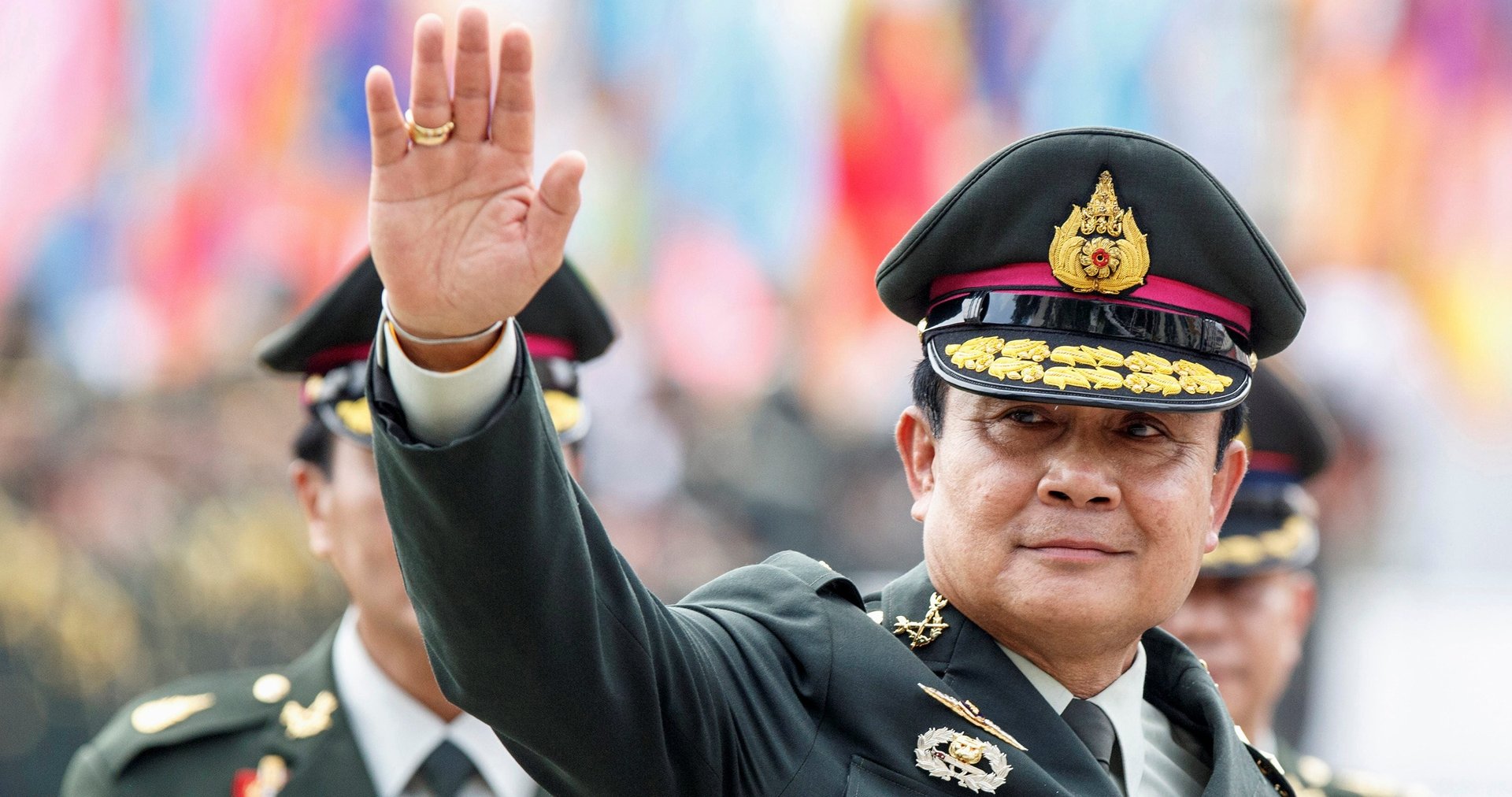
It’s easy to forget that 2016—a year dominated by Donald Trump’s election victory, Brexit, and tragic terrorist attacks in Europe—was a time of seismic importance for Asia as well. Not unlike other parts of the world, political instability and authoritarianism remained on the rise, especially in Southeast Asia. Corruption was a dominant theme and will likely continue fueling dissatisfaction in 2017.
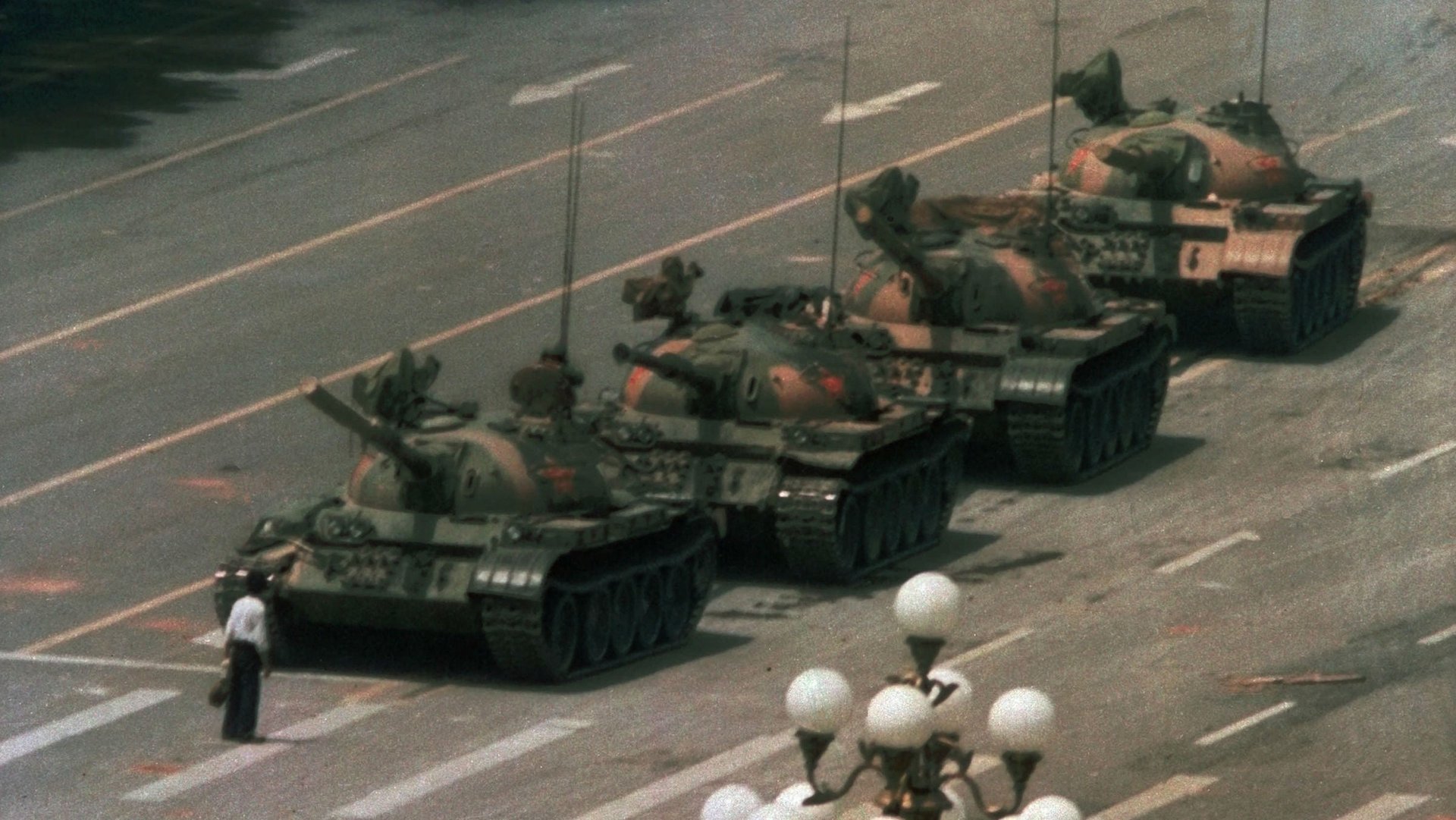
“Two hundred dead could bring 20 years of peace to China,” former Chinese leader Deng Xiaoping was quoted as saying in recently declassified documents. His words were spoken weeks ahead of the bloody military crackdown on student protesters in Beijing’s Tiananmen Square on June 4, 1989.
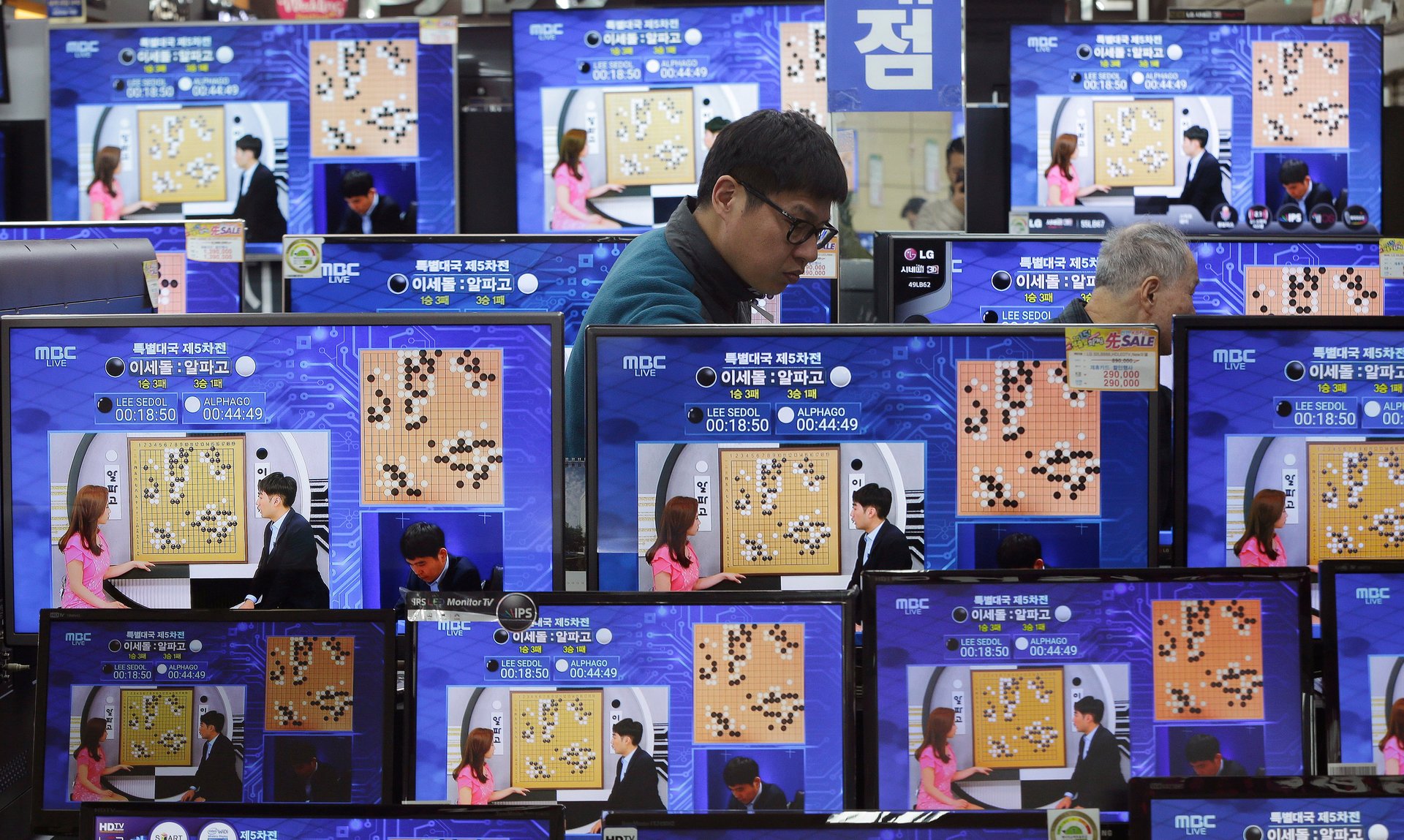
Robots 60, Humans 0.
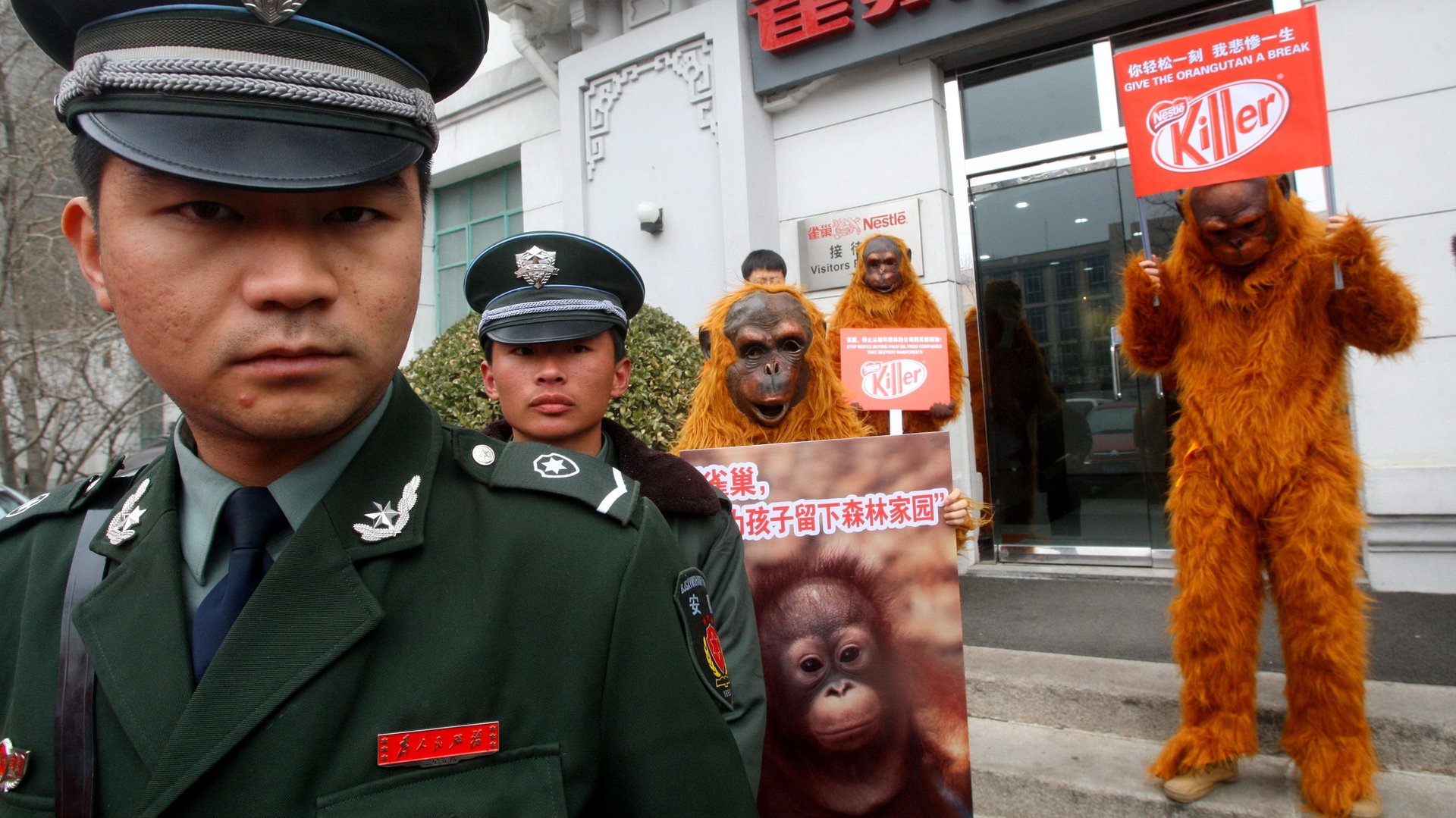
Some of the most famous names in the nonprofit world may be forced to quit China this year.
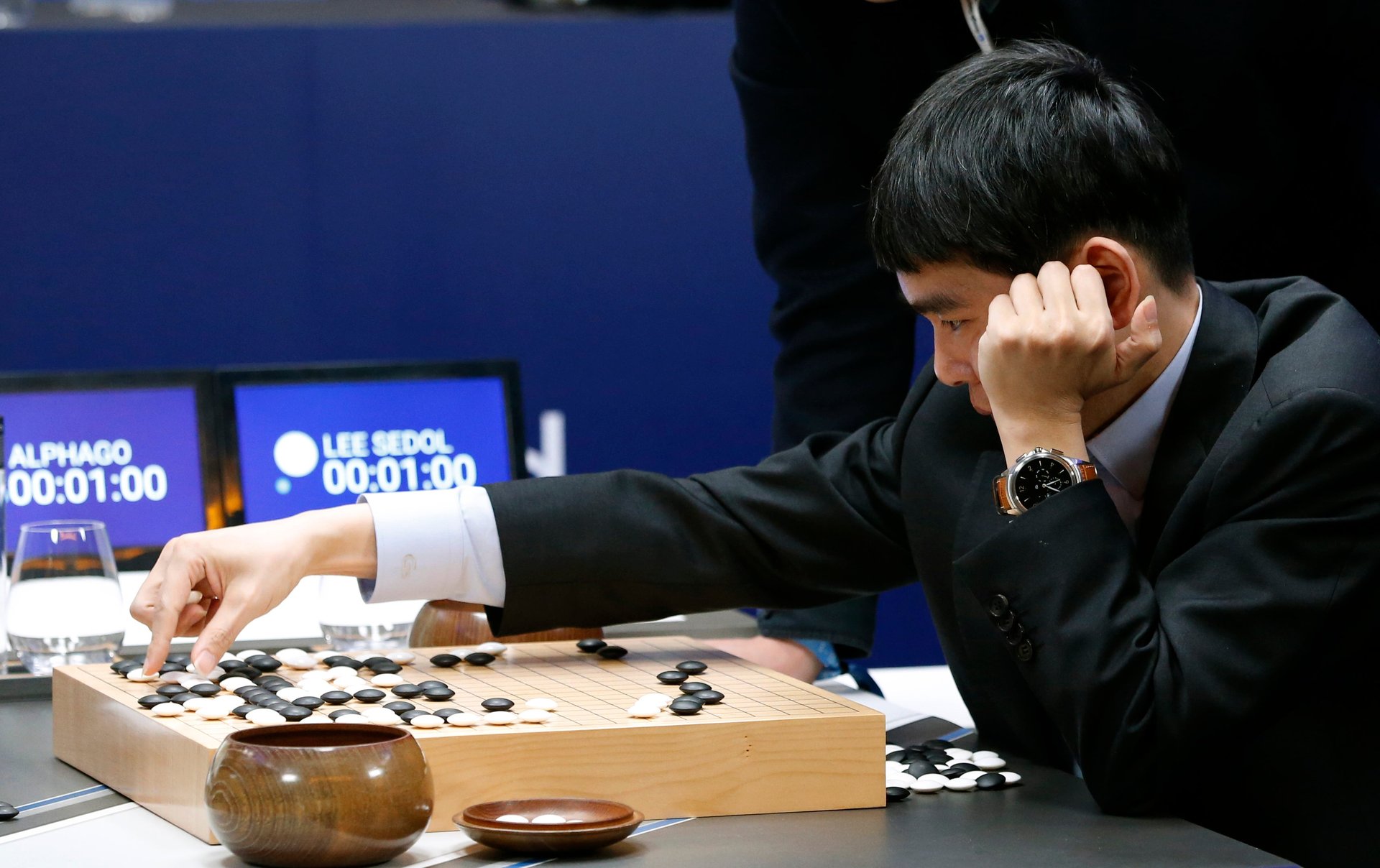
When Google’s artificial intelligence program AlphaGo made history by taking down Korea’s Lee Sedol—one of the world’s best Go players—in a landslide 4-1 victory in March, Chinese player Ke Jie was skeptical. He famously wrote on Weibo the next day, “Even if AlphaGo can defeat Lee Sedol, it can’t beat me,” and has since agreed to take on the AI at an undecided time.
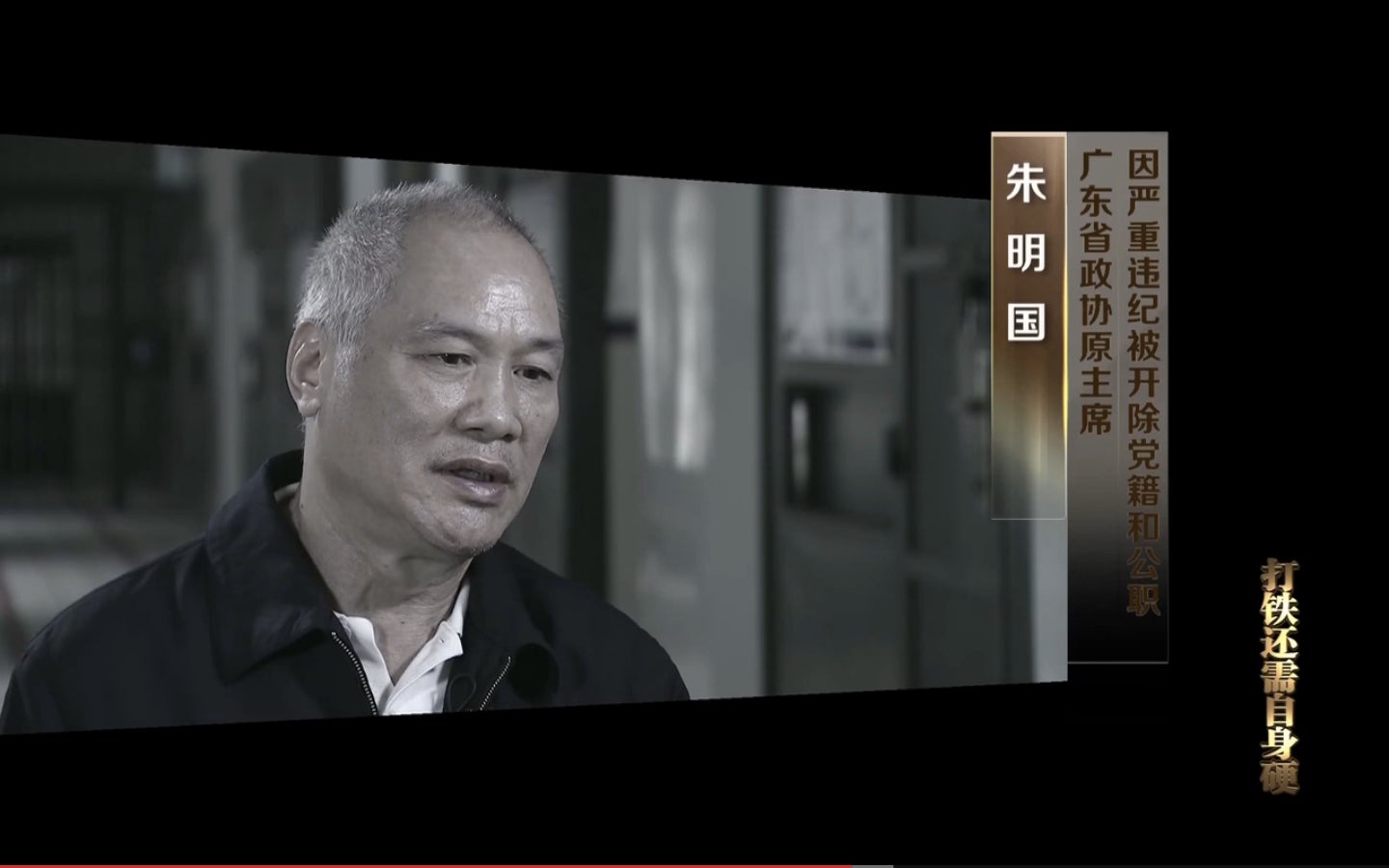
The Central Commission for Discipline Inspection (CCDI) of the Chinese Communist Party is the agency that steers president Xi Jinping’s ruthless anti-corruption campaign that has netted thousands of party officials in the past years.