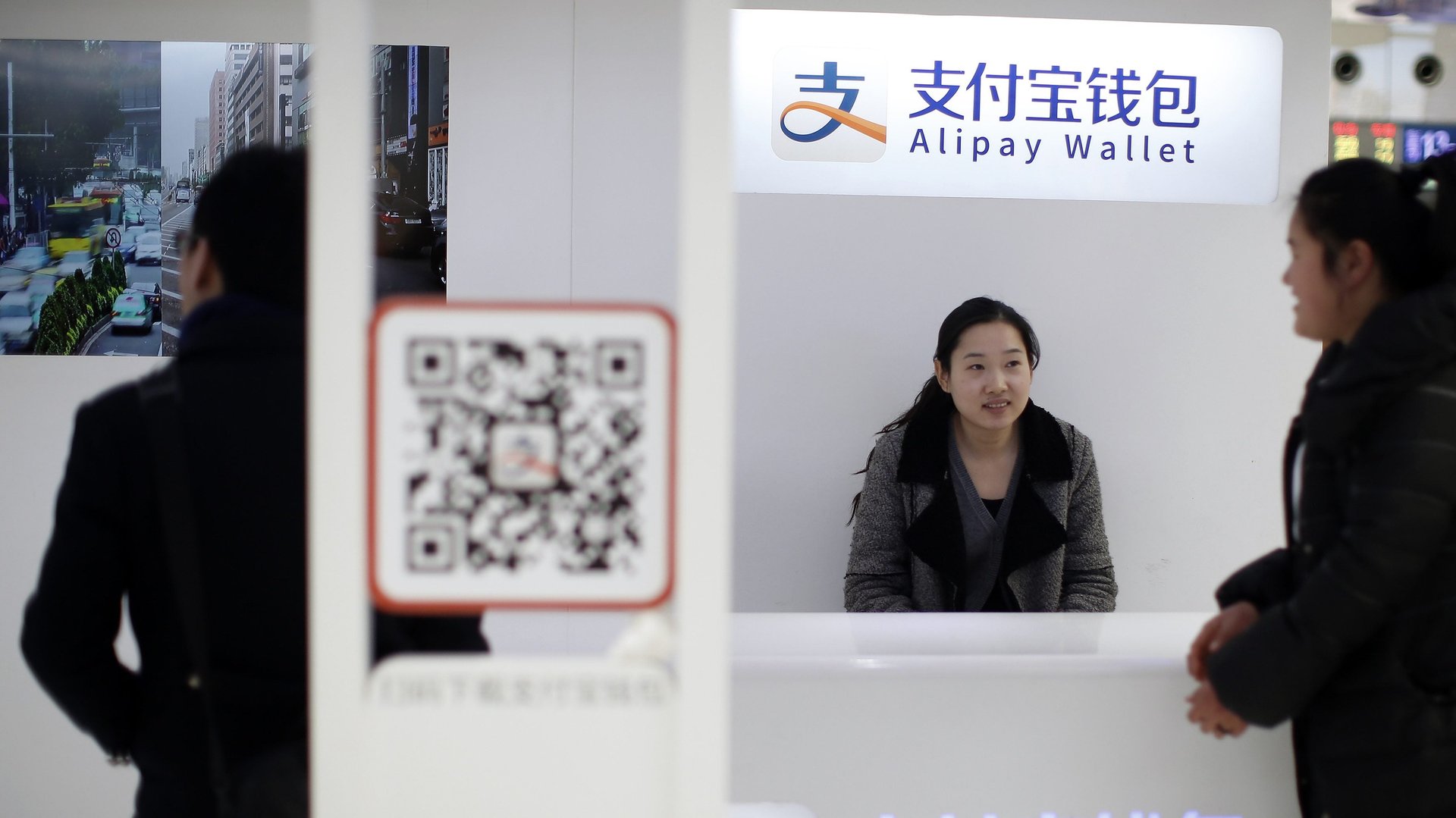
The dating app Tinder brings two lonely hearts together based on their appearance. Alipay, China’s most popular payments app, has taken things several steps further.

The dating app Tinder brings two lonely hearts together based on their appearance. Alipay, China’s most popular payments app, has taken things several steps further.

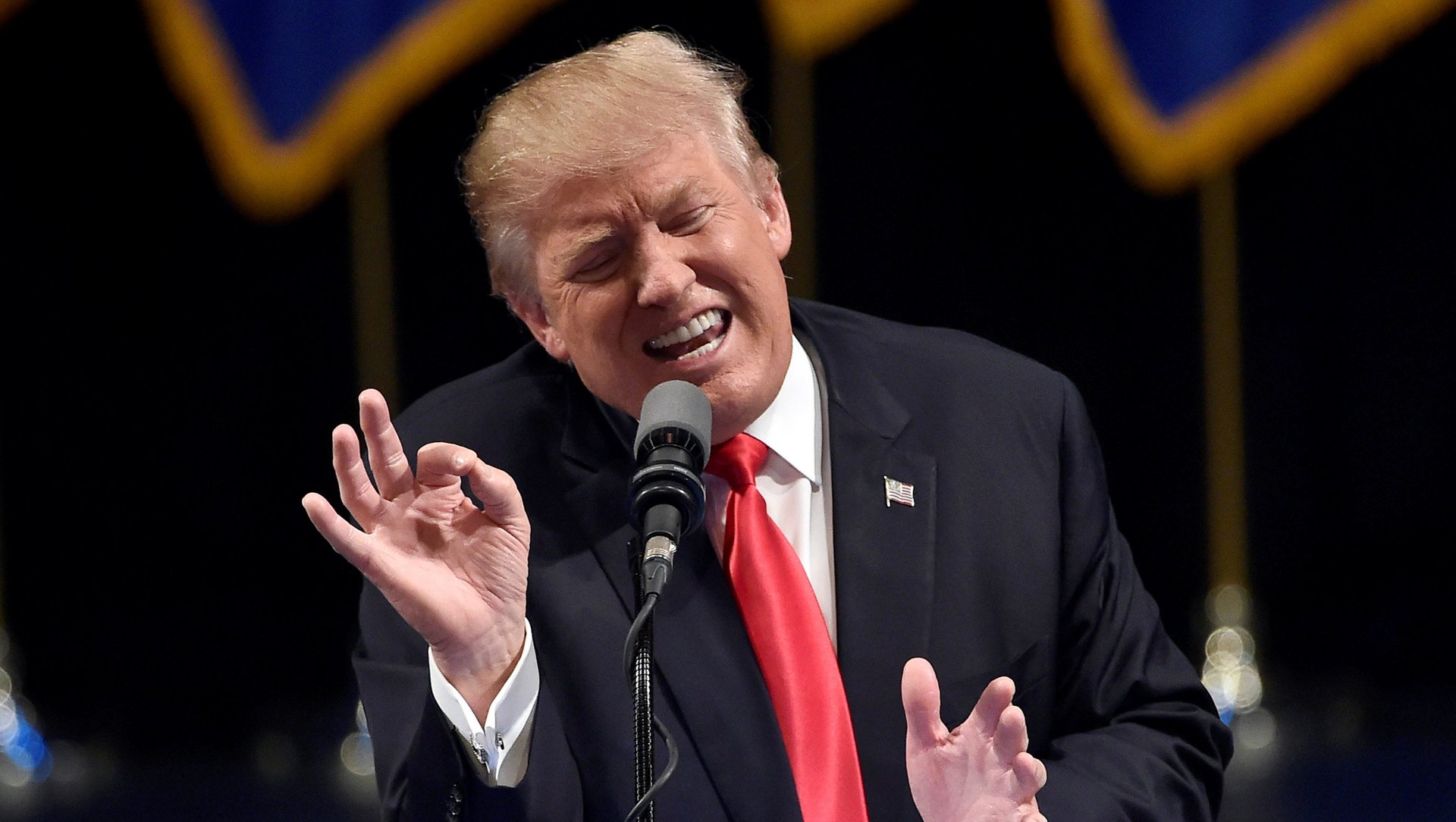
US president-elect Donald J. Trump has promised to tear up the Trans-Pacific Partnership on his very first day in the White House. If that happens, then a China-led trade pact that involves half the world’s population, but excludes the US, is likely to fill the void.

The election of Donald J. Trump as the next US president is widely expected to propel China, and Chinese president Xi Jinping, into a new role. Trump’s talk of increasing trade barriers, disdain for global organizations and agreements, and a focus on a domestic agenda could create a more isolationist US, leaving China to fill the gap.

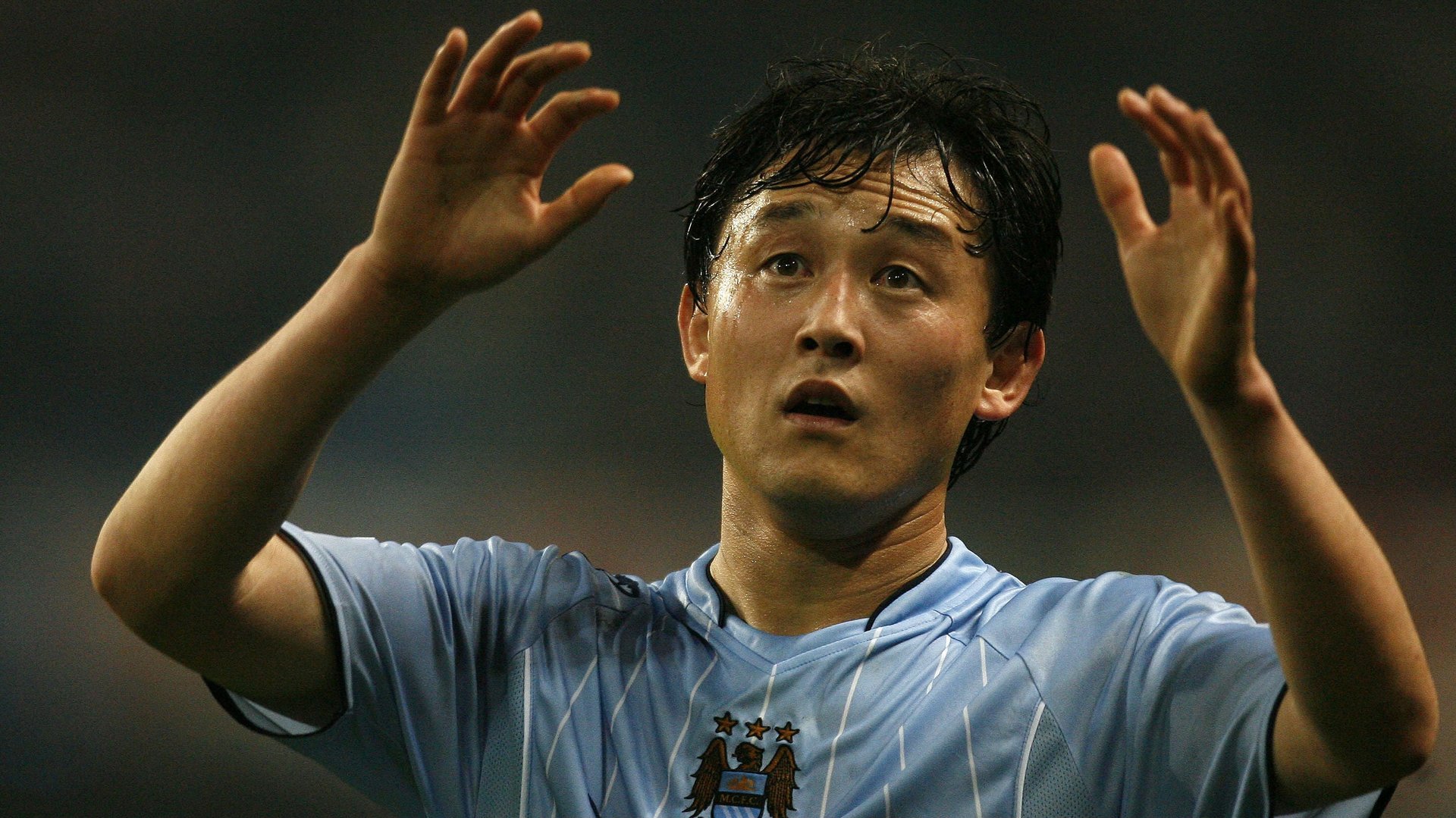
The English Premier League is so popular in China that its broadcast rights just became more expensive there than anywhere else in the world outside the UK.

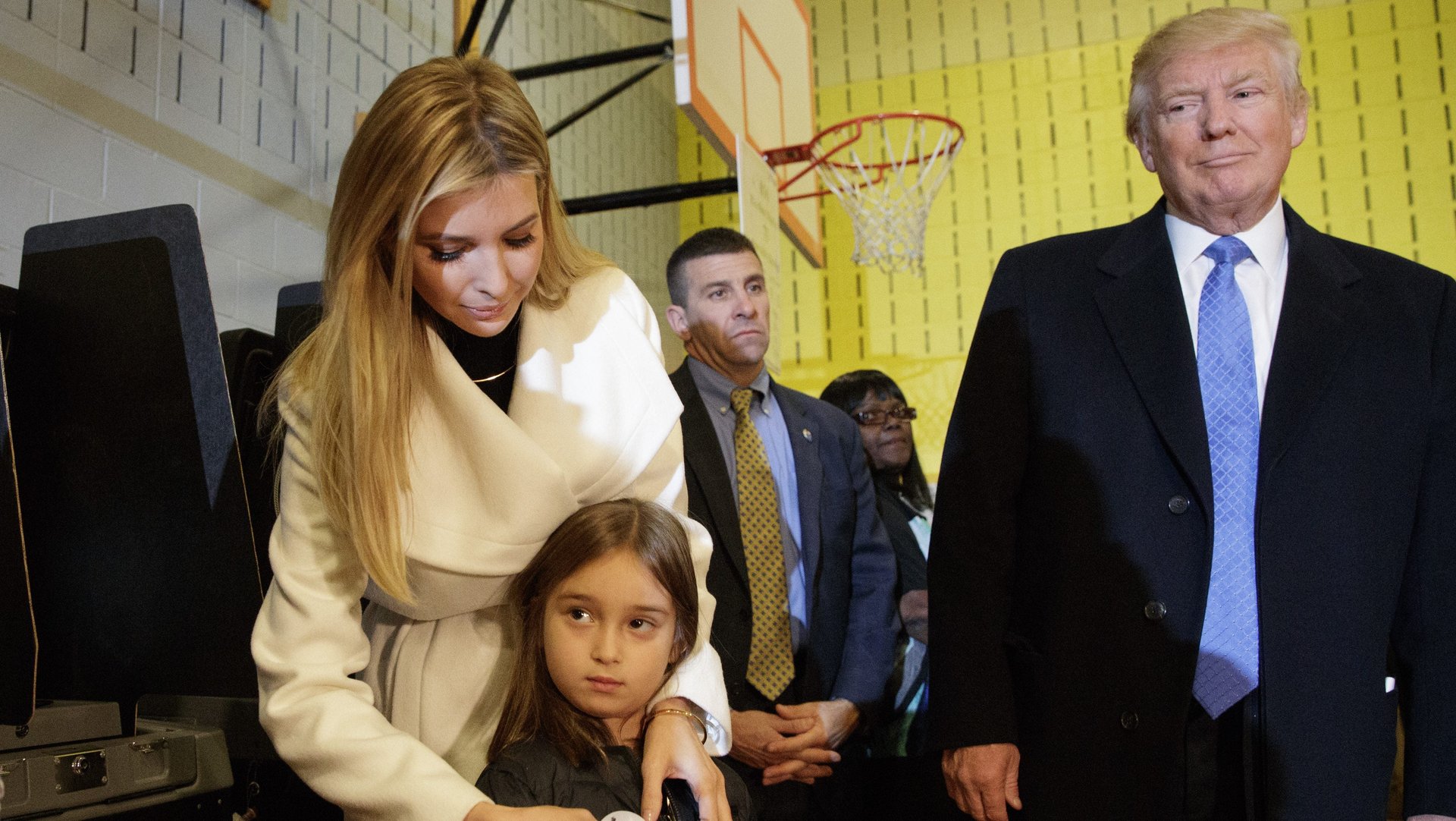
While US president-elect Donald Trump was bashing China on the campaign trail, his granddaughter Arabella was learning Mandarin.

Two US Republican senators have introduced new legislation that would punish Hong Kong or mainland Chinese officials who suppress basic freedoms in Hong Kong in the wake of Beijing’s increasing interference into the city’s promised high autonomy.

US president-elect Donald Trump spent a lot of time China bashing on the campaign trail, labeling China a currency manipulator, accusing it of stealing jobs from the US, and threatening high tariffs on Chinese goods.

The world’s largest online shopping holiday, Singles’ Day, kicked off at midnight on Nov. 11 in China. In eight years, e-commerce giant Alibaba has transformed China’s answer to Valentines’ Day from a small university event to what is likely to be a $20 billion sales bonanza this year.

What does China want the most from a Donald Trump presidency? Stability.

People in China have found it fun to mock Donald Trump in the past.


点击阅读中文版本

Bejing is curtailing Hong Kong’s judicial independence by delivering an interpretation of the Basic Law, the city’s mini-constitution that protects its special “one country, two systems” status.

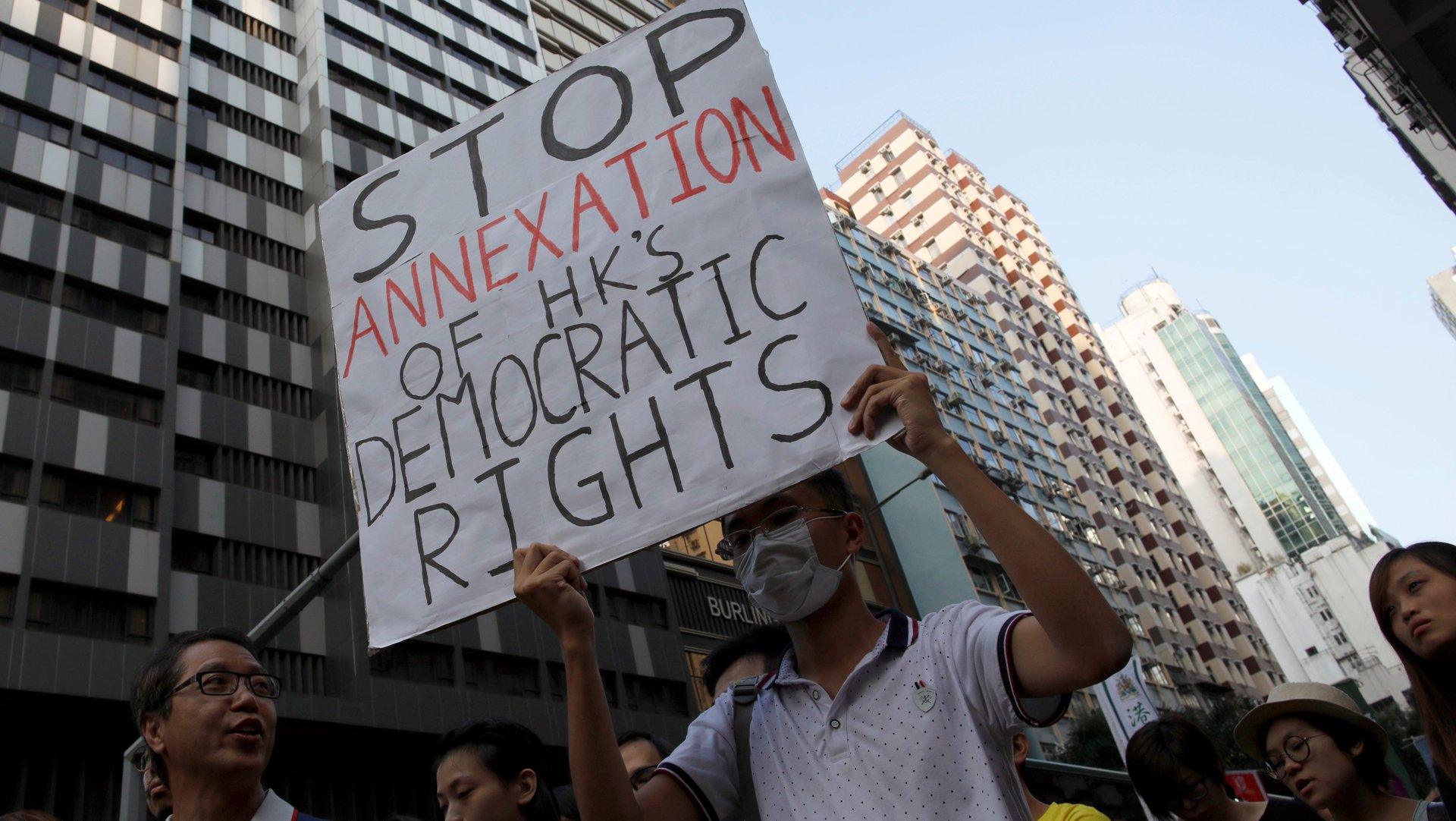
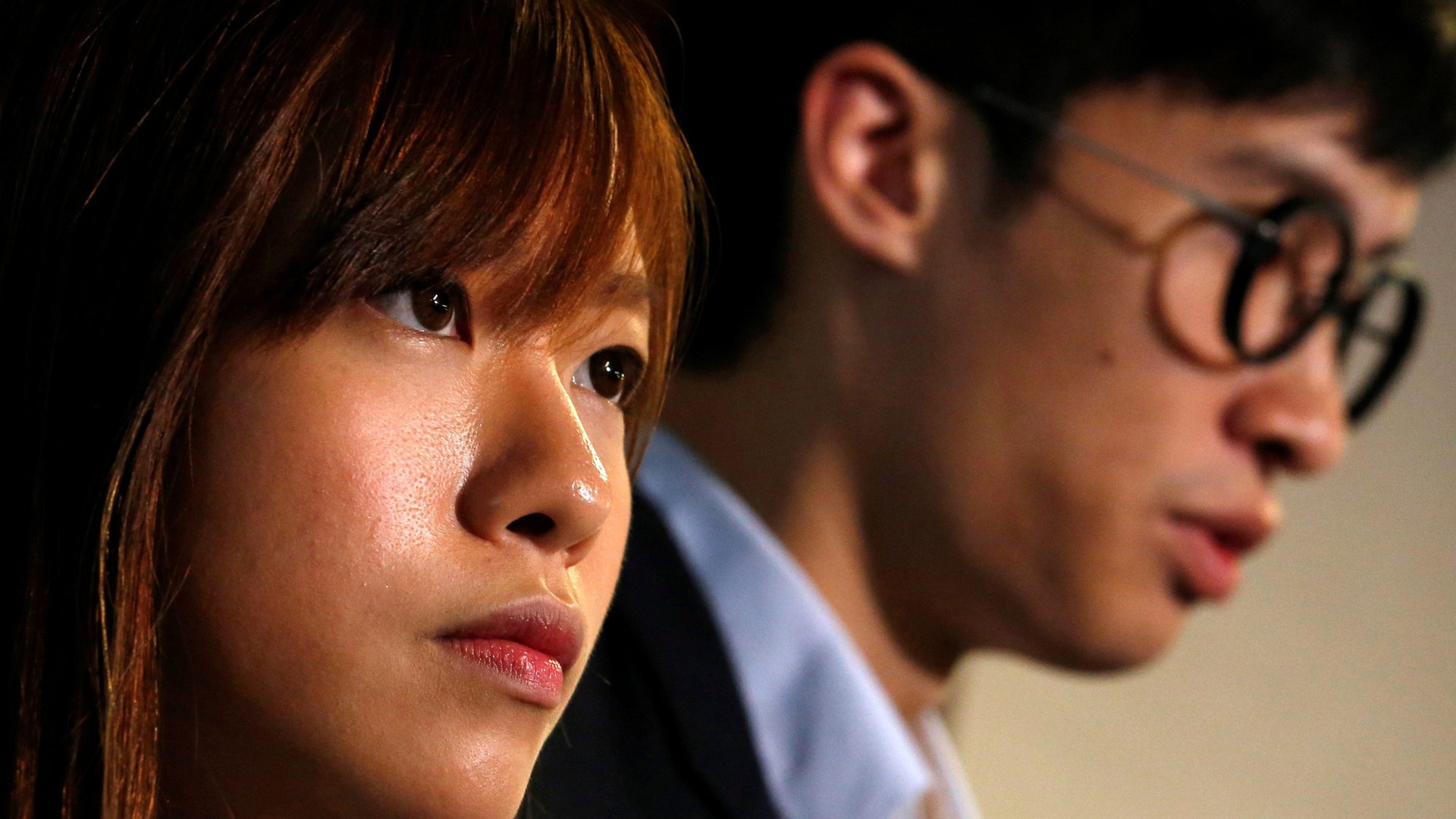
China’s top law-making body issued a rare interpretation of the Basic Law that governs Hong Kong on Monday (Nov. 7) that effectively ousts two democratically elected officials from office permanently. The action by Beijing, which has increasingly tightened its grip on free speech and demonstrations in Hong Kong after 2014’s Umbrella Movement protests, could spark widespread protests in a city where demonstrators have already taken to the streets over the issue.

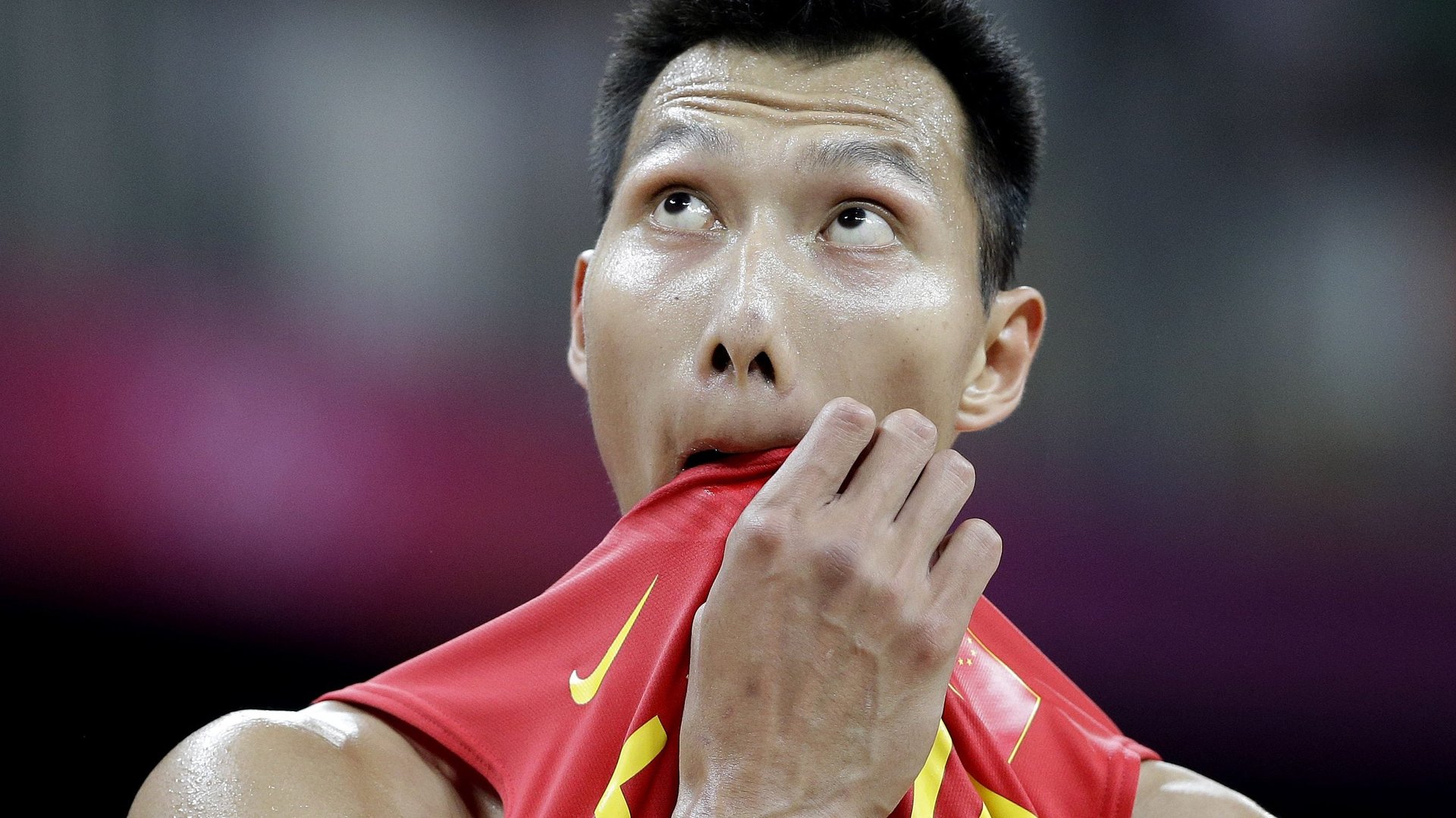
Domestic players in the Chinese Basketball Association (CBA) are being forced to wear sneakers made by local brand Li Ning in the new season, which kicked off last week—and some Nike-sponsored athletes are apparently not happy about it.

Articles claiming Hillary Clinton is the key culprit in the birth of ISIL are going viral on China’s internet, attracting hundreds of thousands, and maybe millions, of readers—many who know little other information about the US presidential frontrunner, because of China’s censorship.

China’s president Xi Jinping is now officially the “core” of the ruling Communist Party, a sign that the strongman leader is consolidating his power to a level unprecedented since Mao Zedong ruled it with an iron fist.

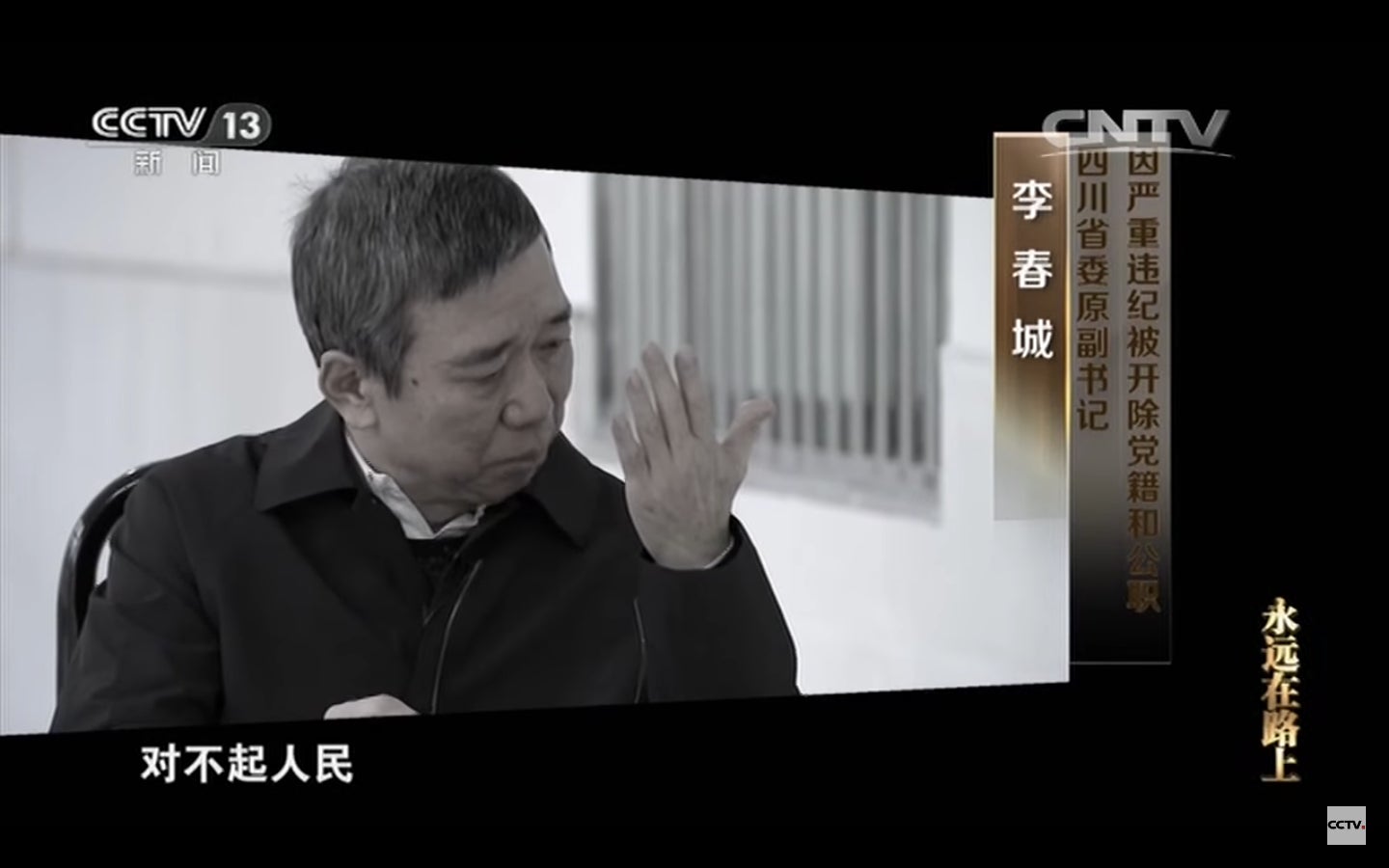
Always on the Road, an eight-part television series featuring confessions by 77 allegedly corrupt Chinese officials, concluded yesterday (Oct. 27). The series, which aired last week on state broadcaster CCTV, is a hit in China, with millions of internet users discussing it on social media.

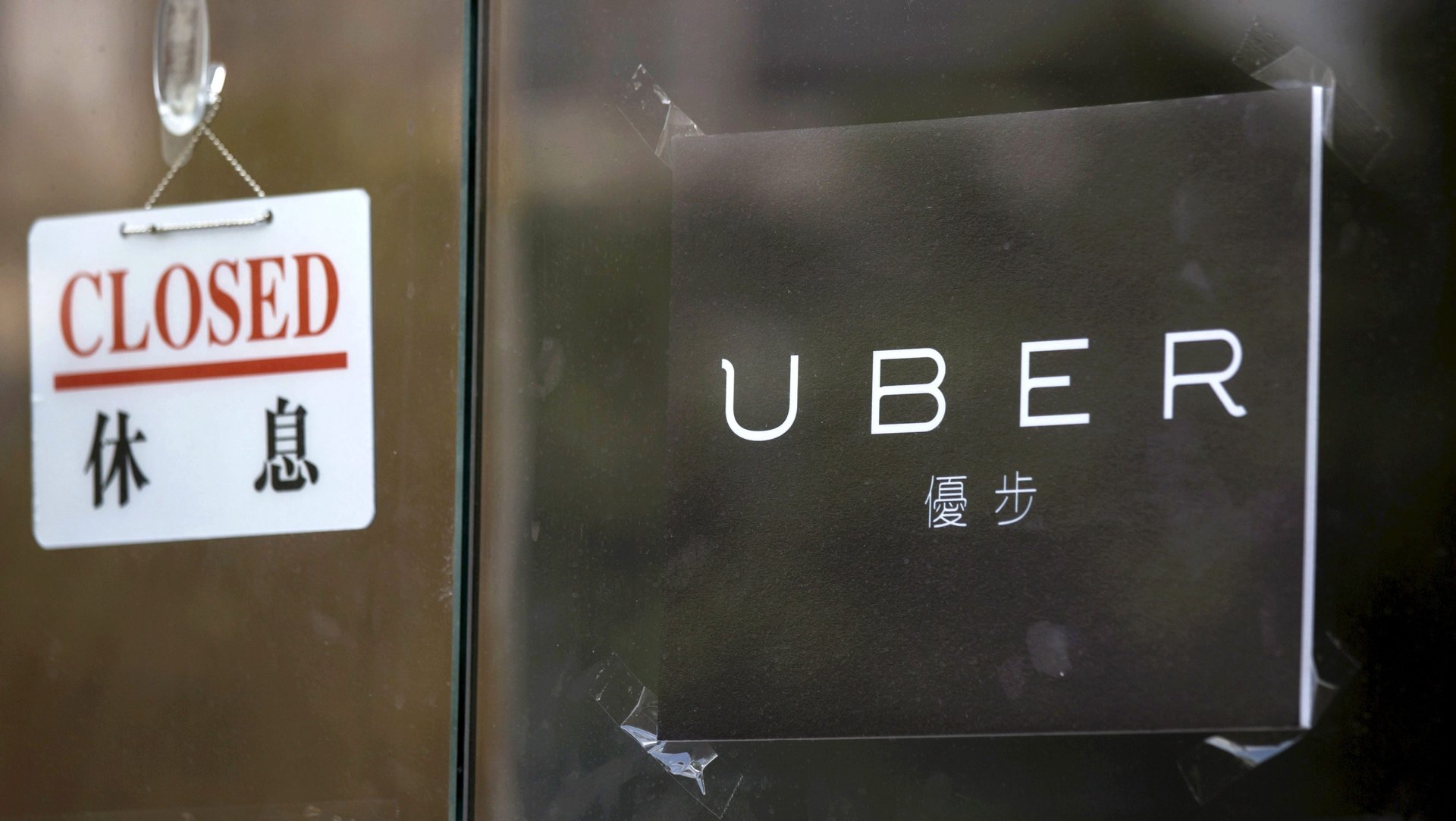
Uber China is looking less and less like the company that created it.

Nearly 400 top leaders from China’s ruling Communist Party are gathering in Beijing on Monday (Oct. 24) for a key meeting that will help shape the country’s leadership for years to come. Here’s a quick summary of what you need to know about the conclave.

The Chinese government has published a “whitepaper” (link in Chinese) that sets out key milestones for the development of blockchain technology in the country, in the strongest signal yet that it’s encouraging the growth of the technology there. The move will give further impetus to firms pushing for blockchain applications in sectors ranging from payments to smart contracts on the mainland, which is already a central force for bitcoin mining (paywall).

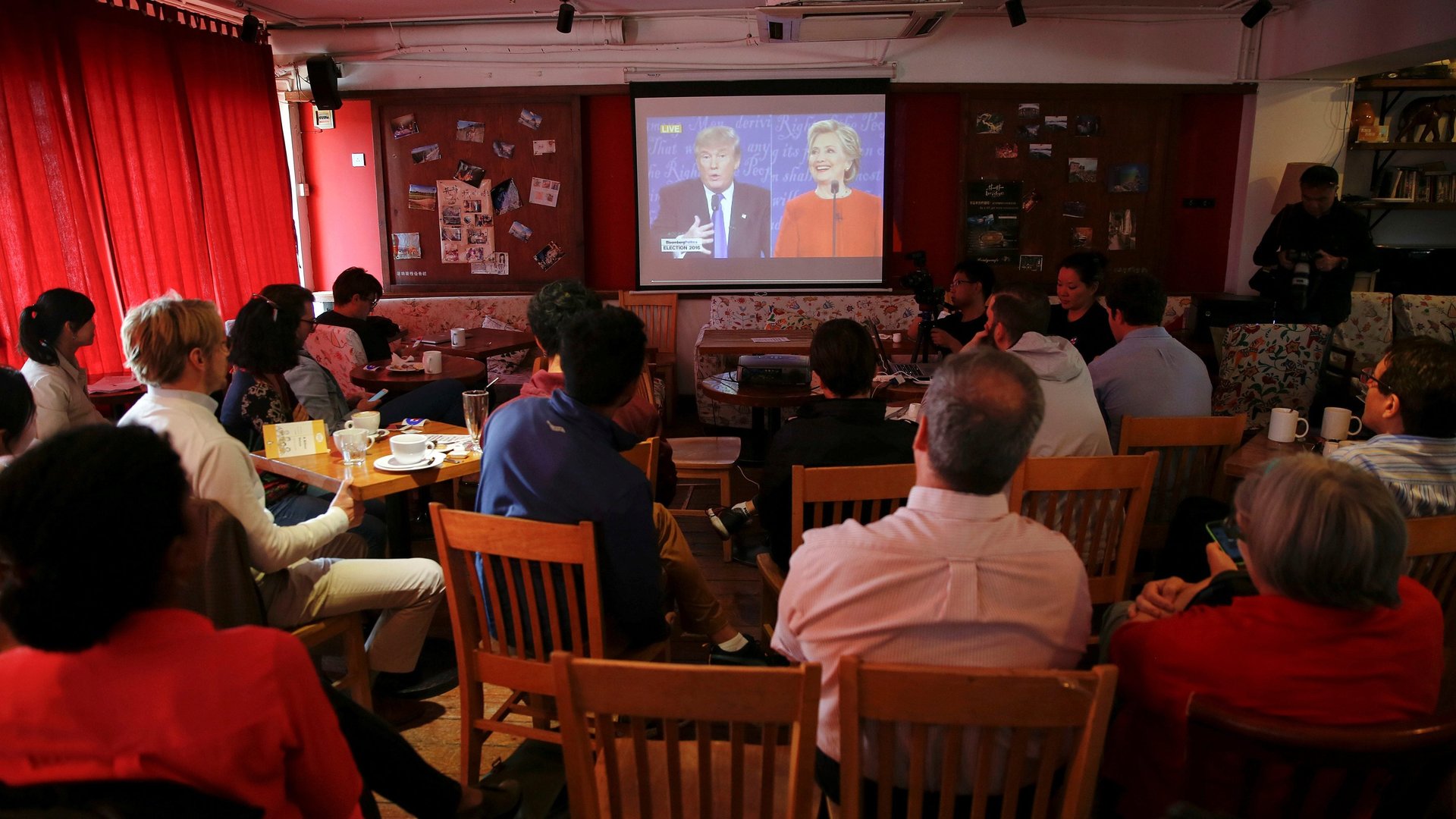
If the first US presidential debate was a battle between a “granny” and a “bastard,” the second a romantic karaoke session between Clinton and Trump, then the third was all about Chris Wallace, the moderator—at least according to China’s internet users.

US presidential candidate Donald Trump could be developing a real estate complex in the central business district of Beijing today if his Chinese business partner, a powerful state-owned company, hadn’t been involved in corruption.

Over centuries, China’s once-powerful royal families secretly transferred their assets, worth trillions of dollars, overseas. Now “the great cause of the nation” is to repatriate that money, in order to combat the country’s foreign enemies and realize president Xi Jinping’s China Dream. All Chinese patriots need to do is pay a membership fee to help.