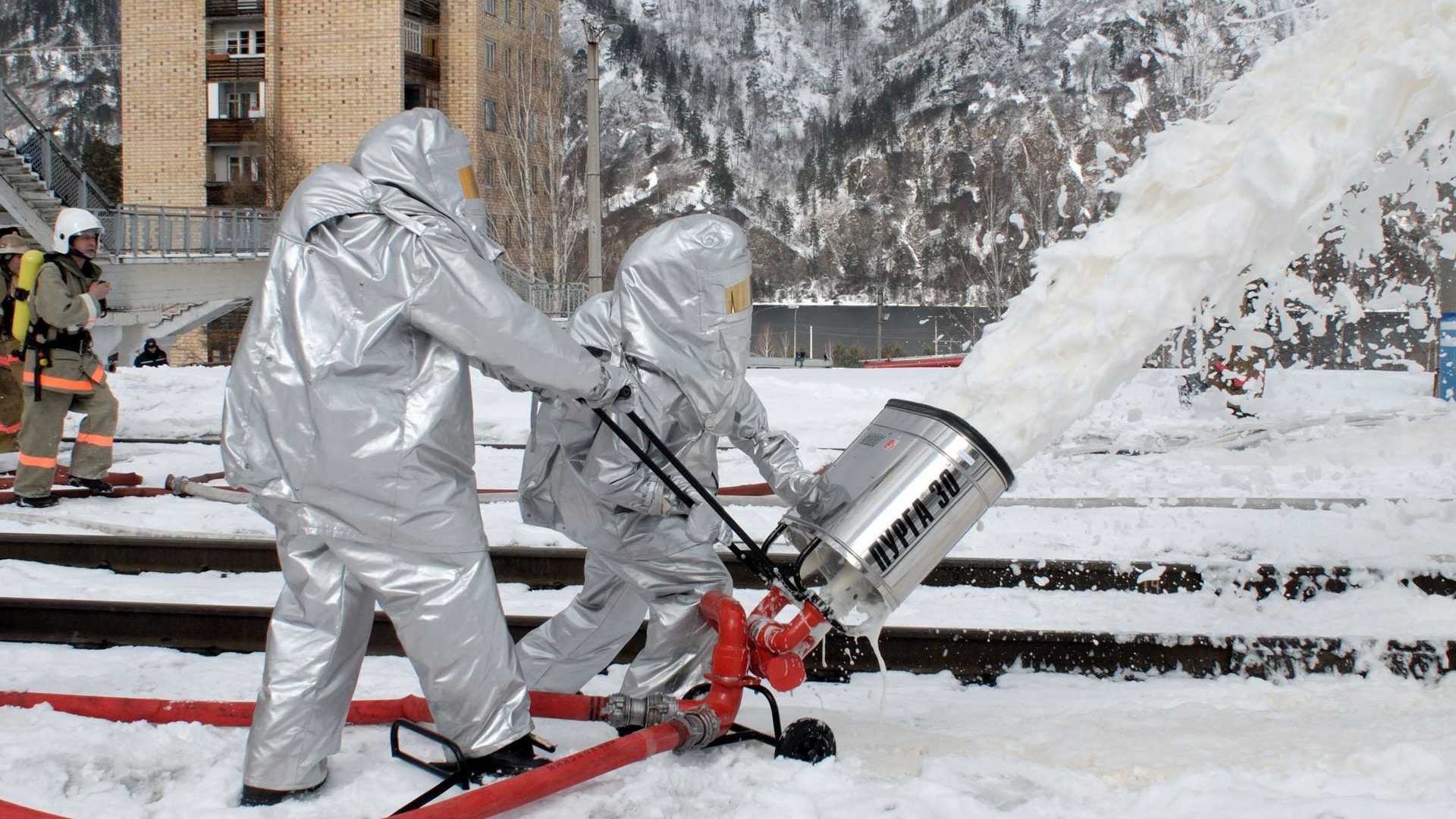
Multinational manufacturer 3M, which developed two types of industrial chemical now found in the blood of virtually all Americans, has known since 2001 that those chemicals were entering the food supply, according to a newly surfaced study.

Multinational manufacturer 3M, which developed two types of industrial chemical now found in the blood of virtually all Americans, has known since 2001 that those chemicals were entering the food supply, according to a newly surfaced study.

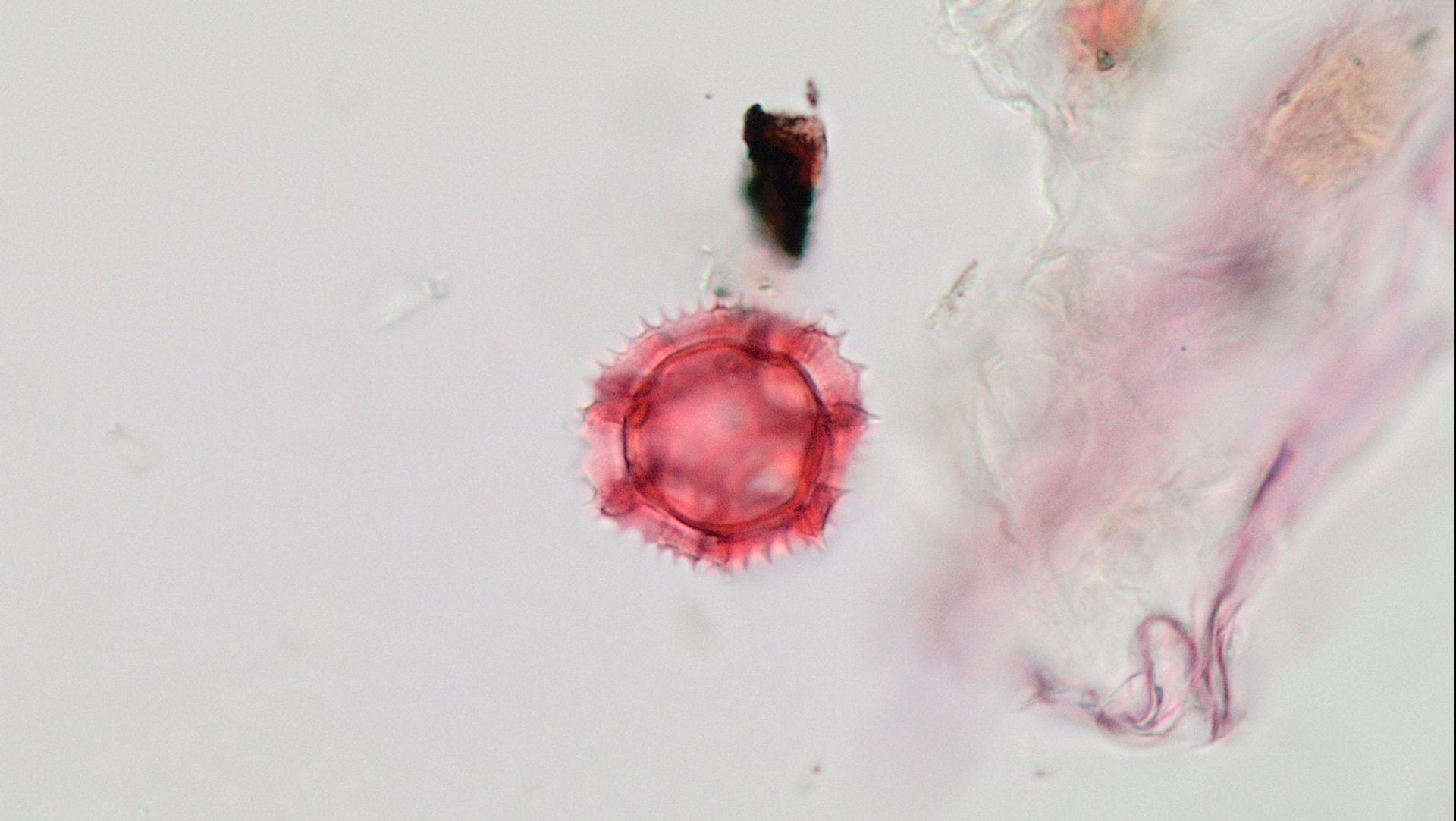
Pollen is with you wherever you go. And that means it knows where you’ve been.

It seems the US Department of Energy has made a linguistic decision to rebrand natural gas as “freedom gas,” and refer to its chemistry as “molecules of freedom.”

New Hampshire is the latest state to file suit against a number of companies, including Dupont and 3M, for their roles in a nationwide drinking water contamination crisis. The lawsuit claims that the polluted water is the result of the manufacture and use of perfluorinated chemicals, a group of more than 4,000 compounds collectively known as PFAS.

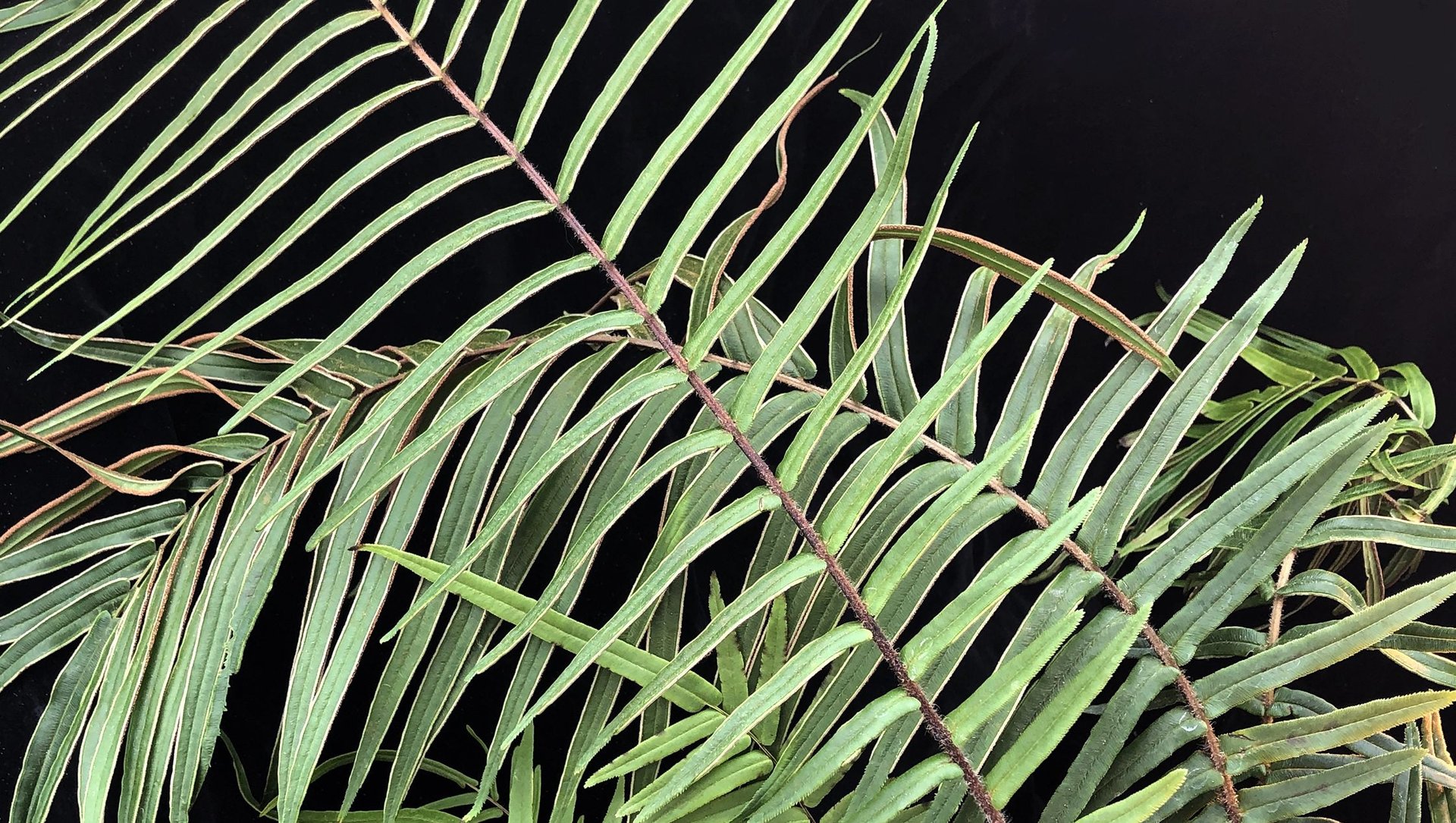
Ferns are truly some of the world’s wildest organisms. One type can be dehydrated for 100 years and perk right back up with a bit of water. Another can house their own internal fertilizer-making factory. Others can grow to the size of large trees.

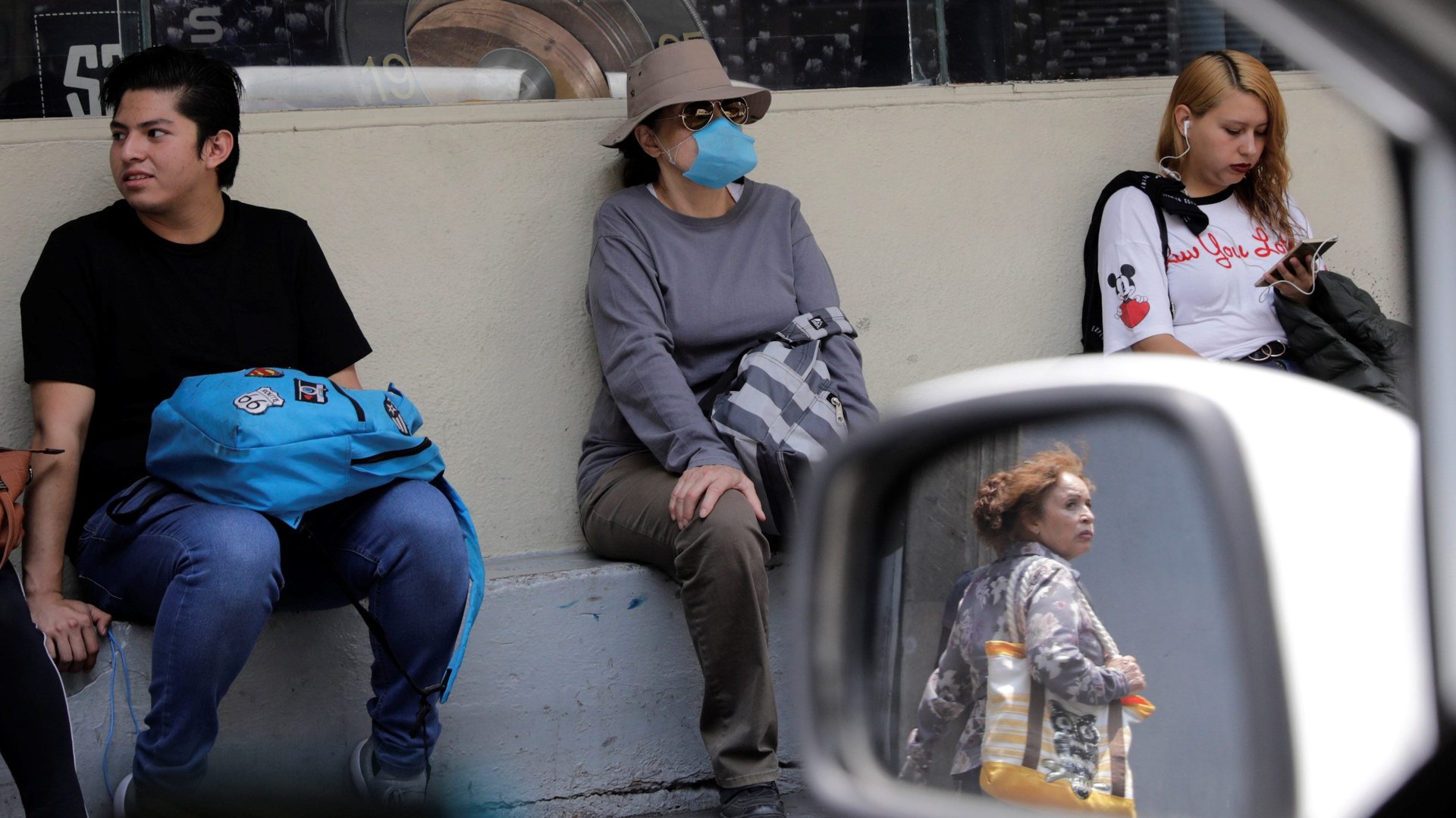
Dozens of wildfires have broken out in Mexico over the past week, sending plumes of smoke drifting far beyond the burn sites to blanket population centers, including Mexico City, home to 21 million people.

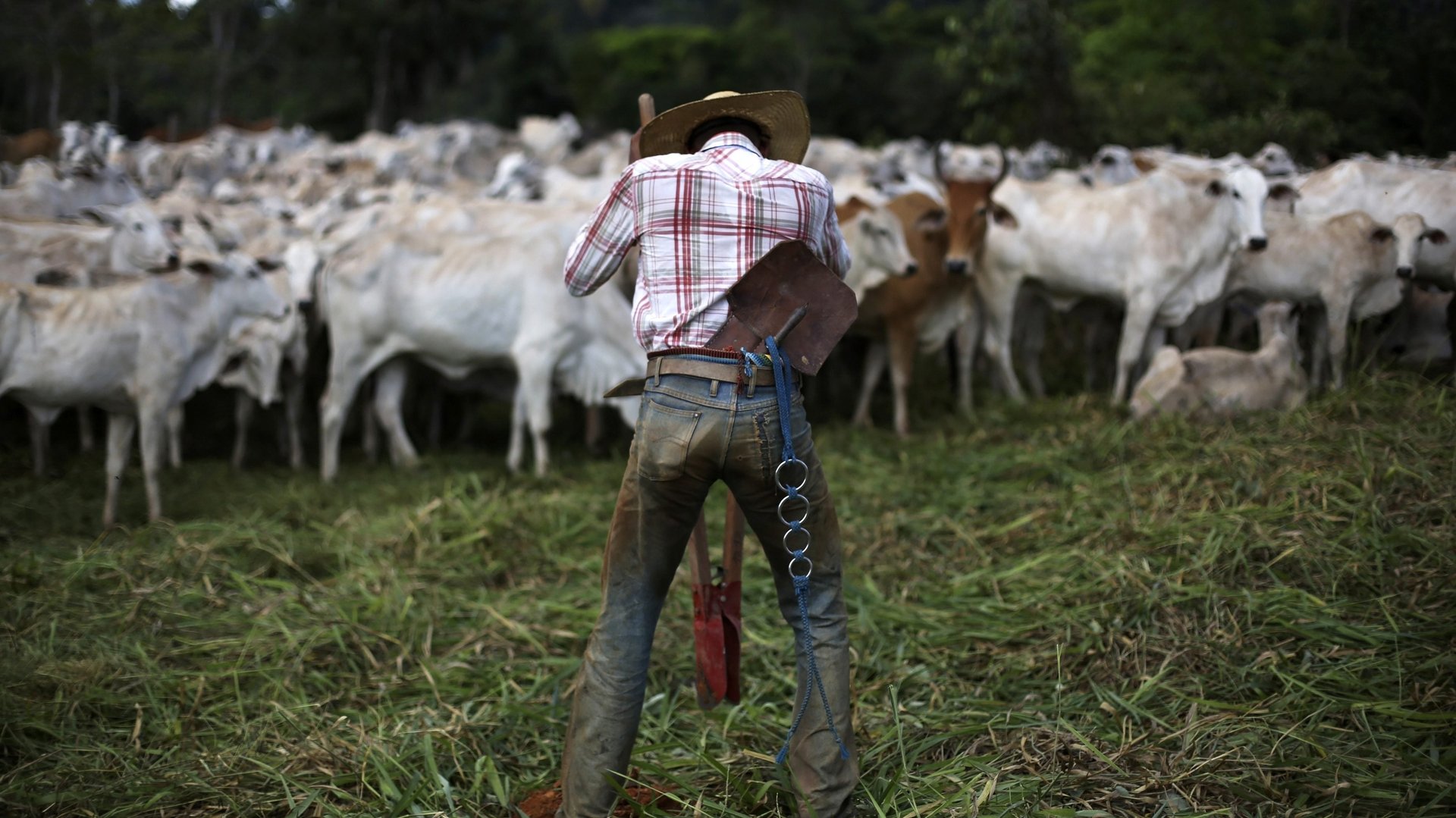
If you live in the UK, you might be taking a little piece of the Amazon rainforest home from your local supermarket—in the form of a can of tinned corned beef.

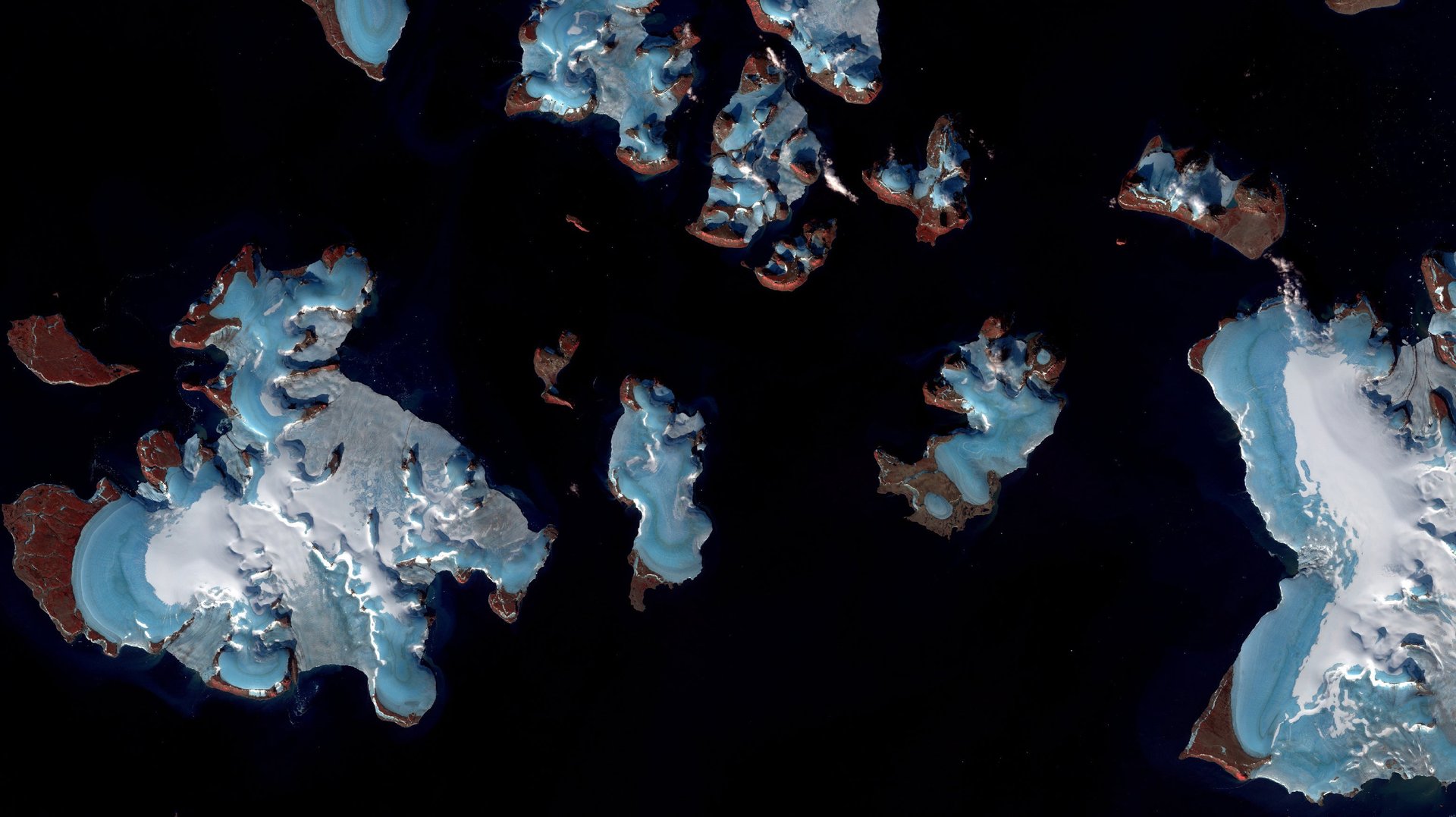
The Arctic is warming far faster than the rest of the planet. Its permafrost, frozen year-round for thousands of years, is thawing. Sea ice is disappearing. Glaciers are melting, causing sea levels to rise globally.

Global capitalism is, indeed, destroying the Earth.

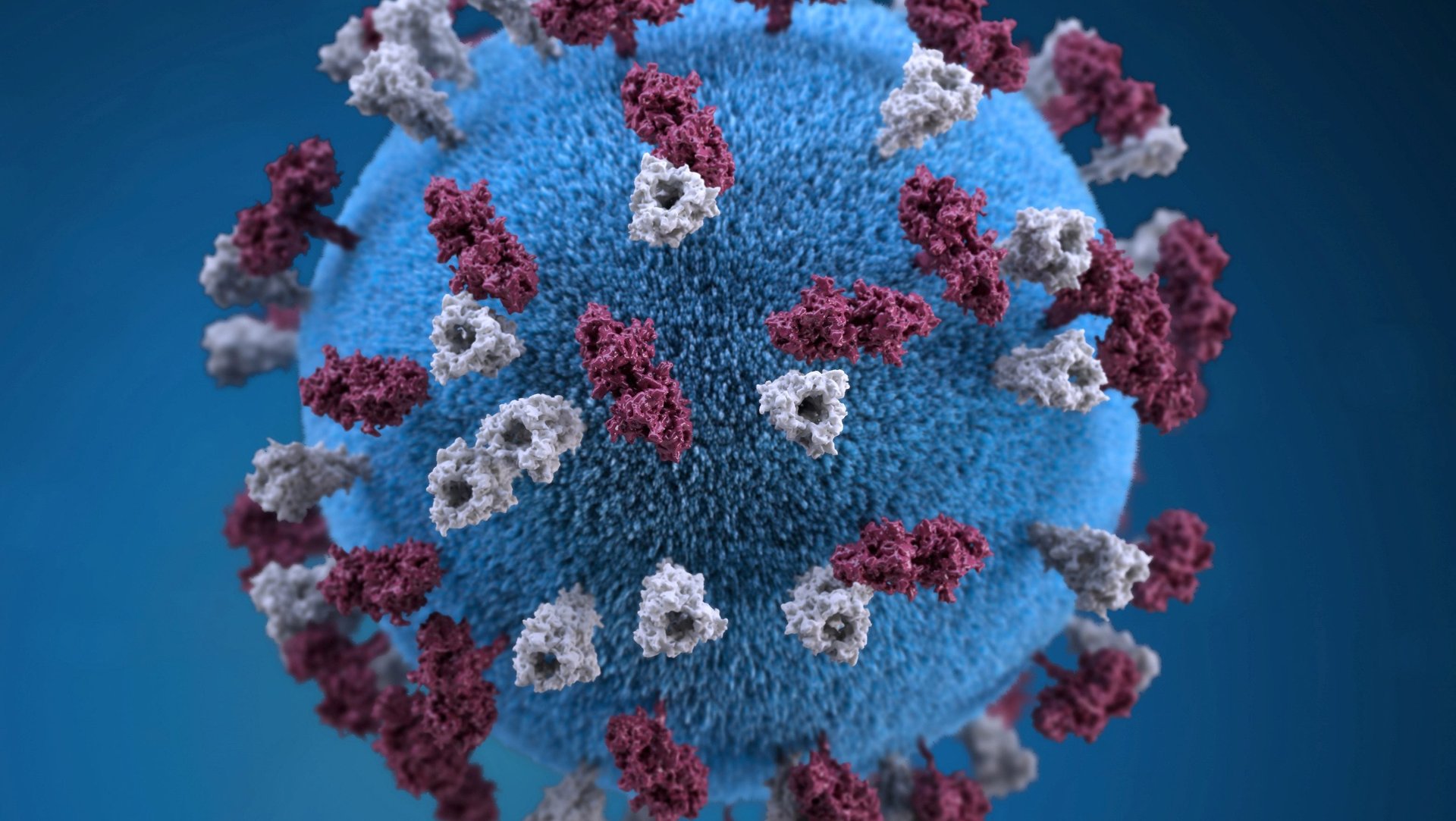
Cruise ships are great places to rapidly infiltrate new hosts, if you’re a virus. So many people sharing the same airspace, with nowhere to go.

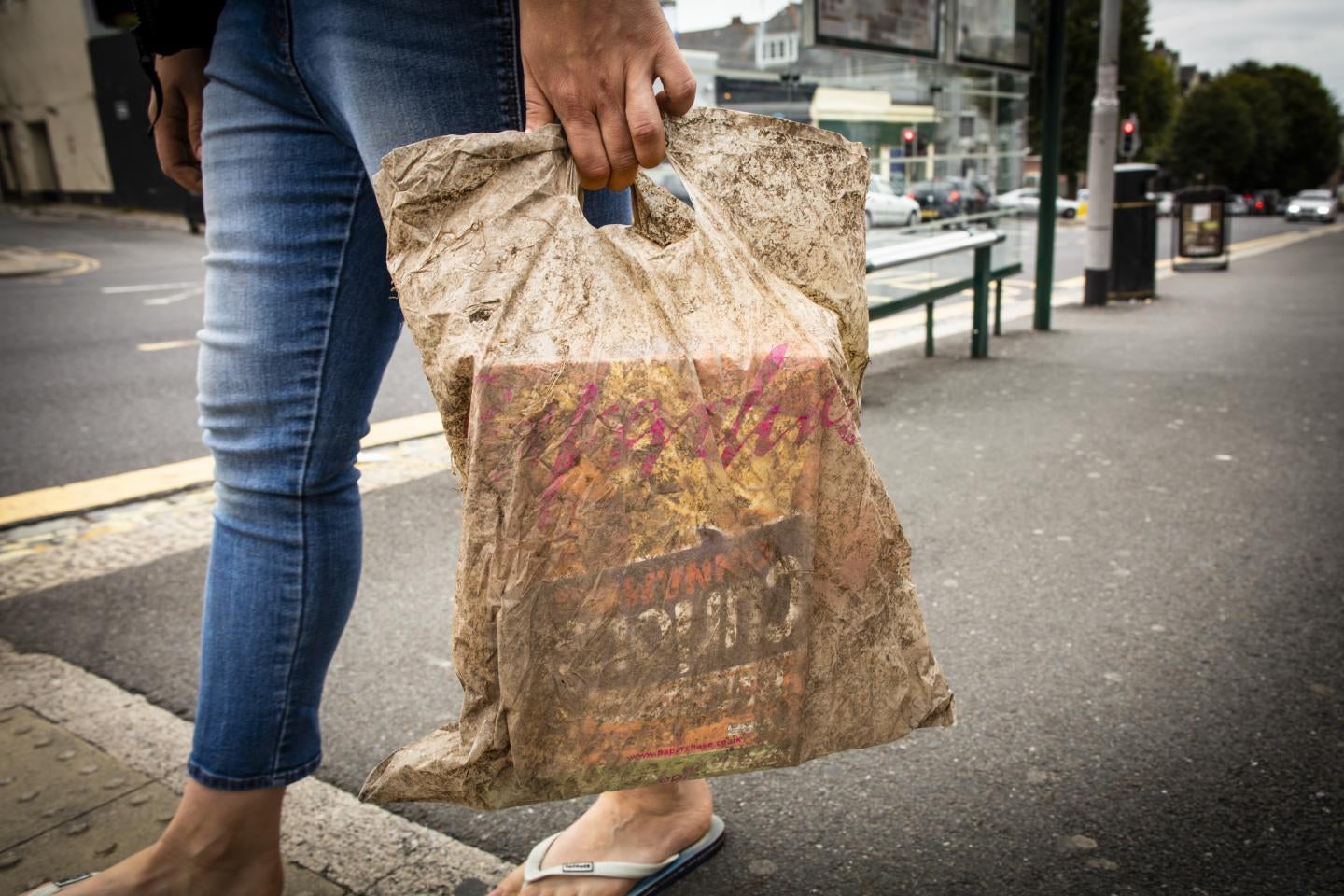
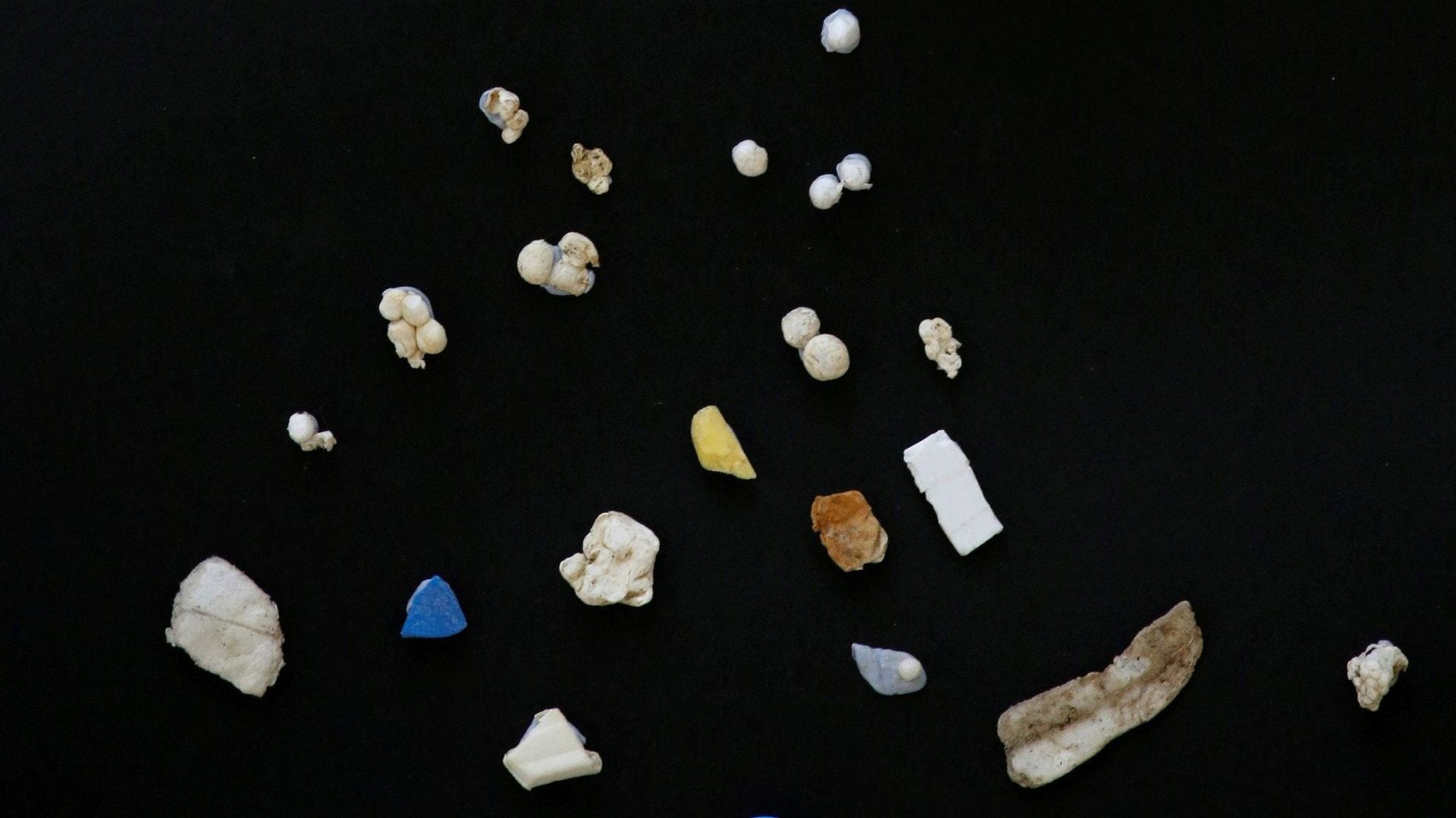
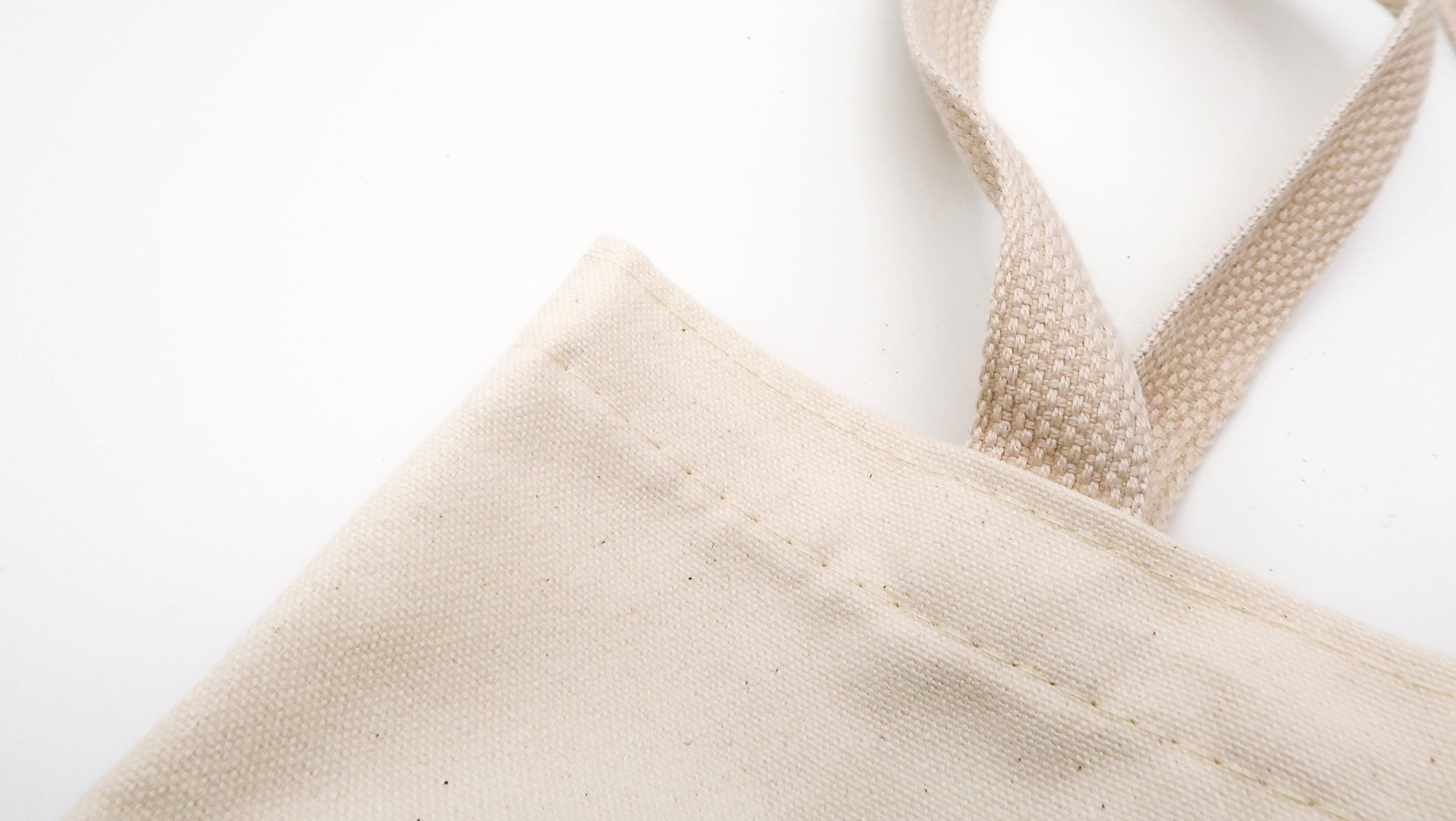
At this point, images of plastic waste-filled landscapes have managed to reach and horrify much of the general public. Plastic bag bans are proliferating in response. Now, bags made from alternative, biodegradable plastics are popping up in retail stores with regularity.

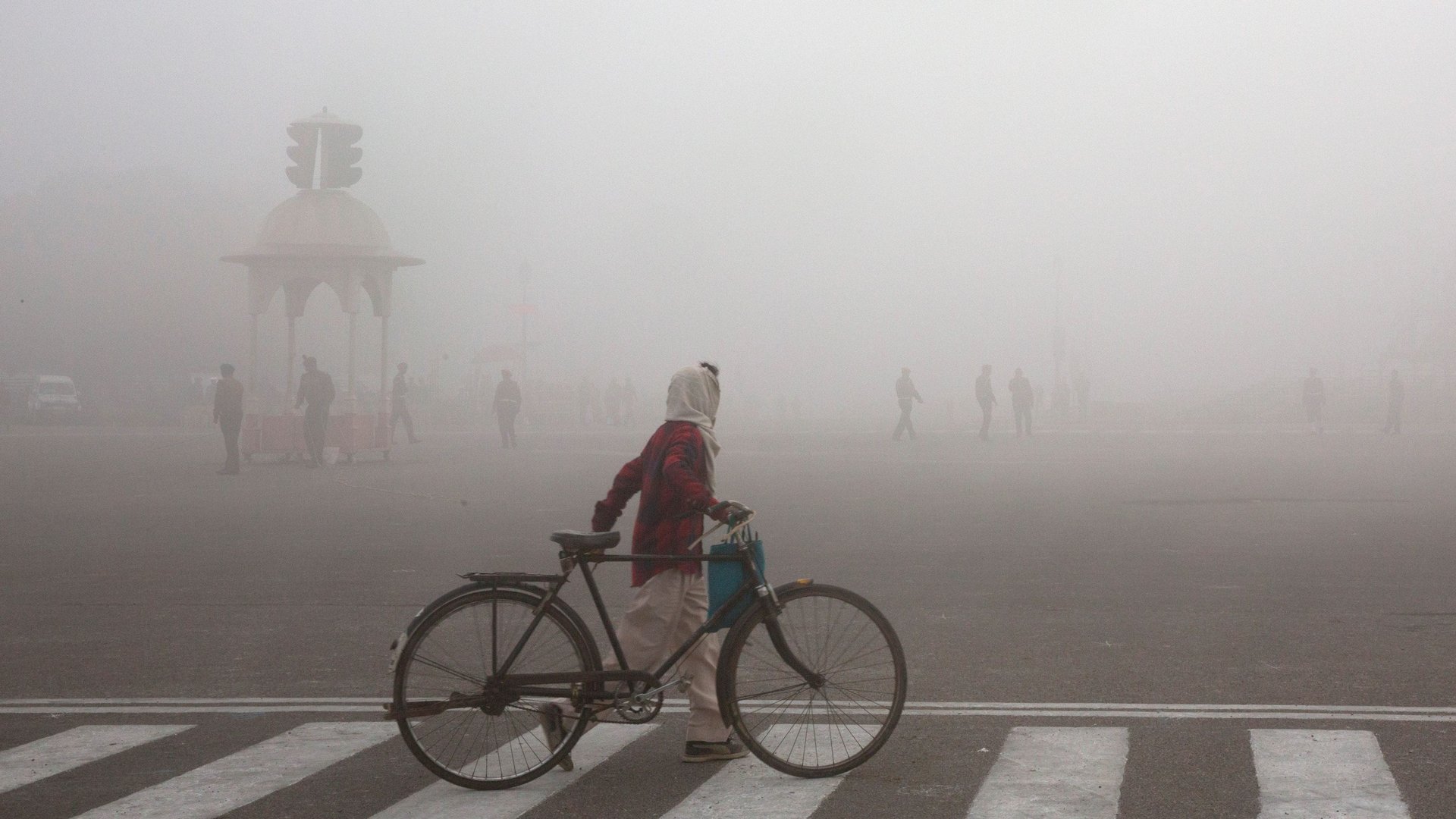
It isn’t easy to find a city with exceptionally clean air in the US. About four in 10 people in the US live in counties where the air has either more ozone or more particulate pollution than is considered healthy. That’s about 43% of the population. So where is it safe to breathe?

Among the US cities where breathing the air is most dangerous to human health, California’s metro areas dominate the list.

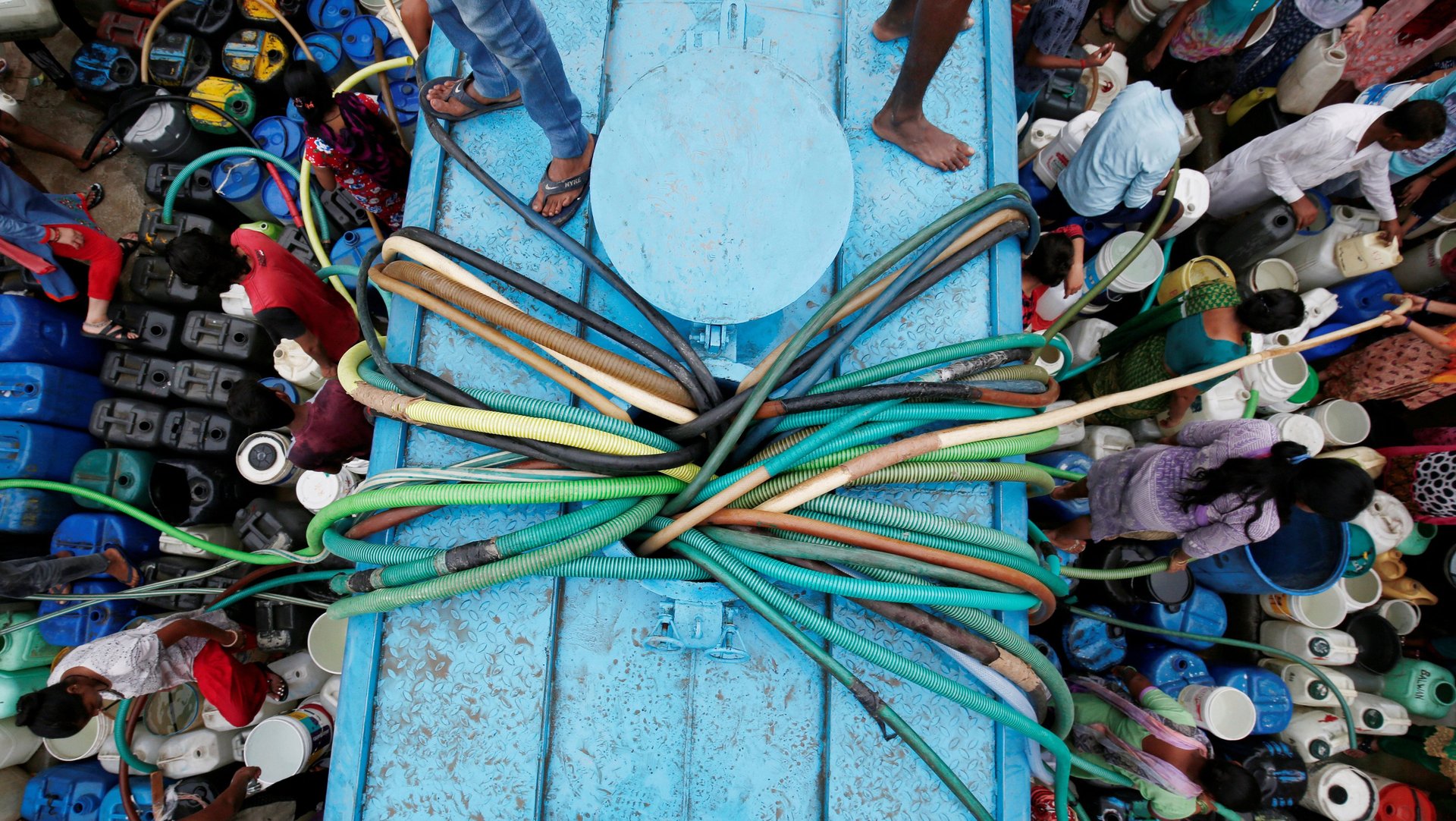
Corporations in many sectors of industry use a lot of water. In general, industry uses around 20% of the world’s freshwater withdrawals, while in the wealthiest nations, corporate water consumption can be as much as 40% of the total. And according to one March 2019 survey, 64 of 86 (or 75% of) large, multinational companies polled have goals in place to use less.

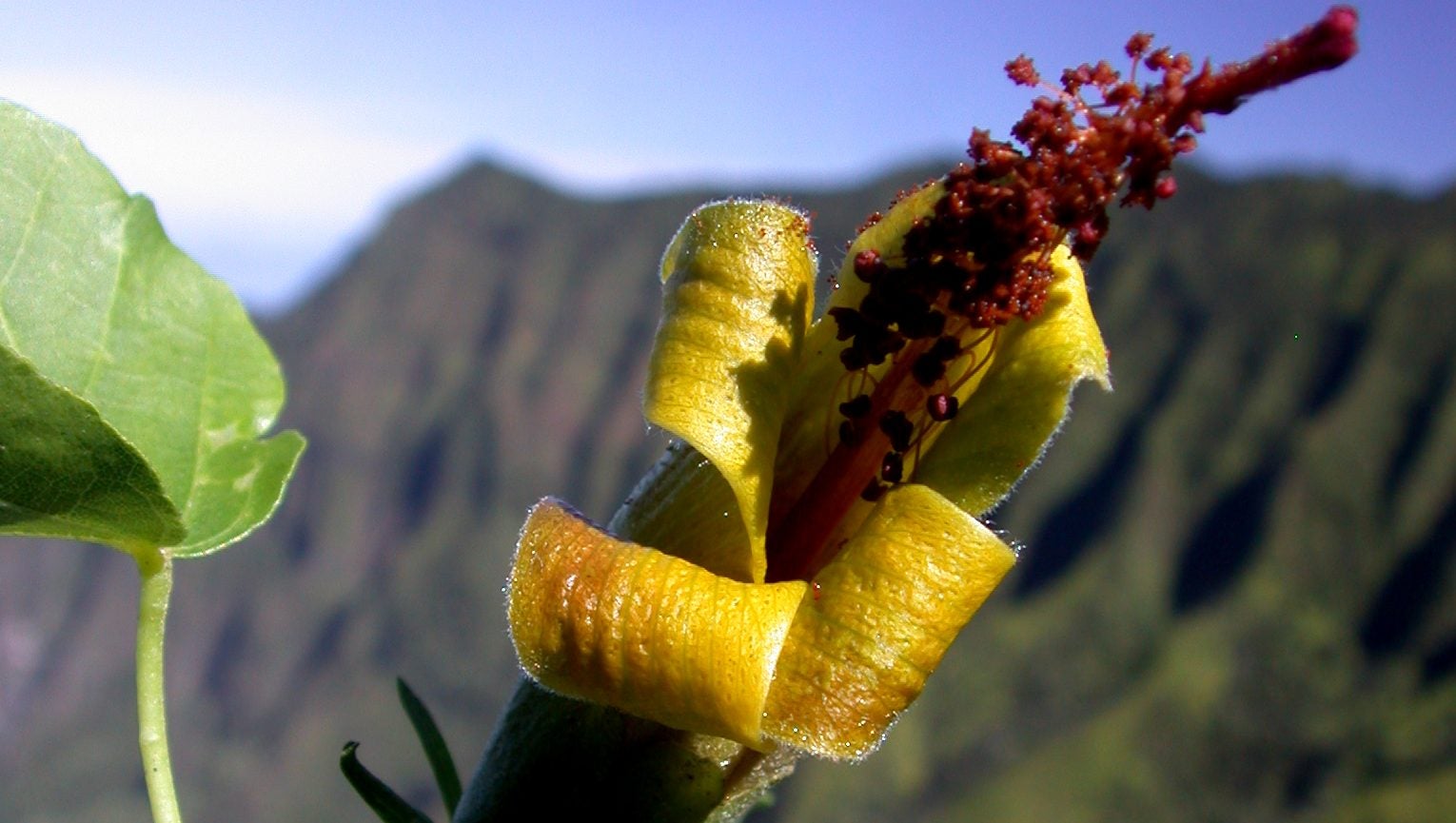
There are many benefits to living on a sheer cliff face, if you’re a very rare Hawaiian plant. Hungry goats can’t get to you. Neither can oblivious people, who are known to crush priceless plants underfoot.

By most metrics, the Pyrenees mountains can be considered pristine wilderness. Many parts of the range between France and Spain are remote, hard to access, and sparsely populated. But there’s one thing that can reliably reach them: Man-made pollution.

Globally, 4 million children get asthma every year due to vehicle-related pollution, according to a study published April 10.

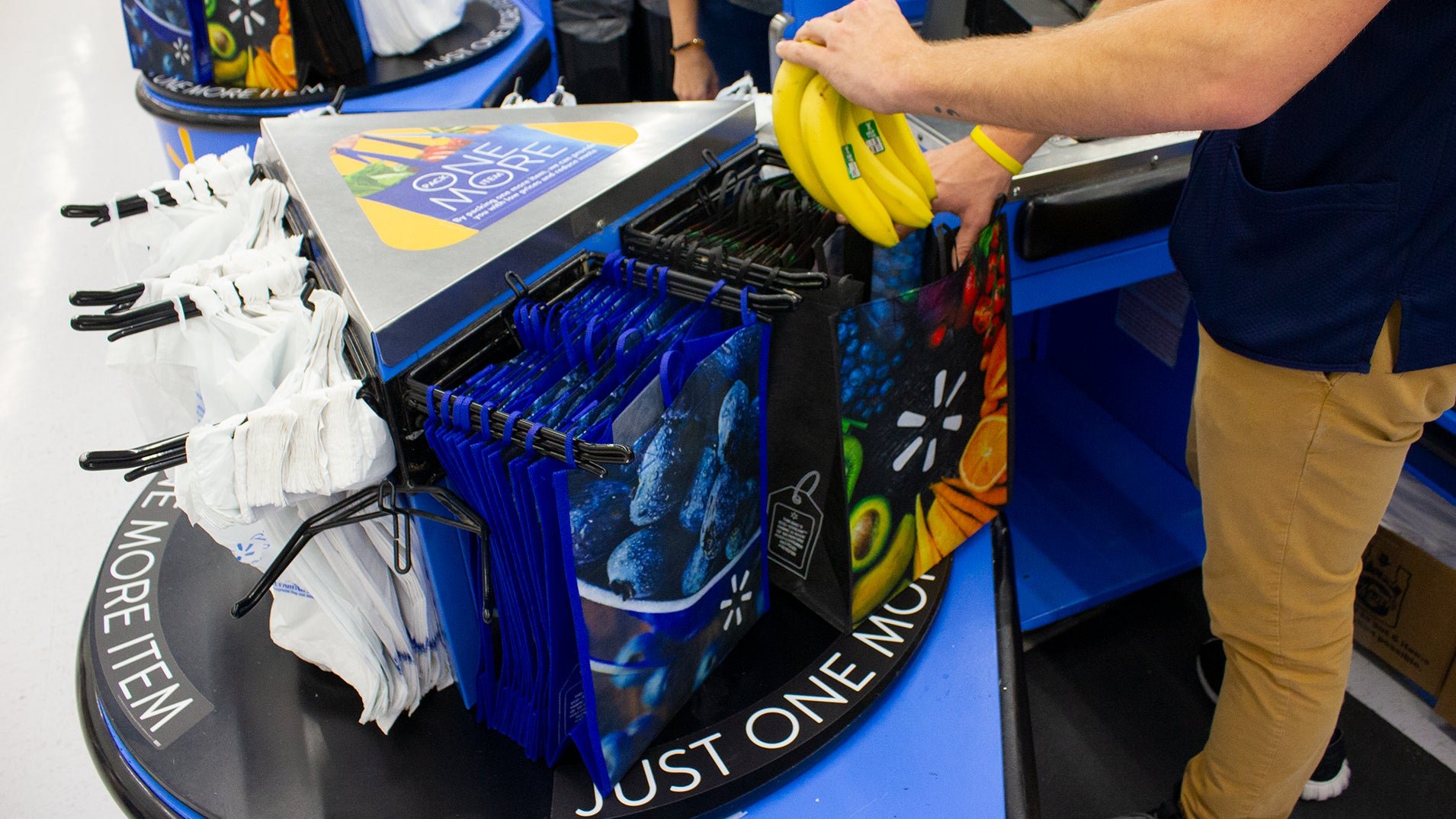
Walmart announced Wednesday that it would begin offering reusable plastic bags made with recycled plastic fibers at cash registers, in an effort to move toward its sustainability goals. The reusable bags will cost $0.98, and Walmart will continue to offer customers single-use plastic bags for free.

A new study that surveyed 19,000 glaciers—a far higher number than in previous research—shows that most of them are melting, fast. Glaciers are shedding about 335 billion tons of ice per year—or fully three times the ice volume stored in the entirety of the European Alps.

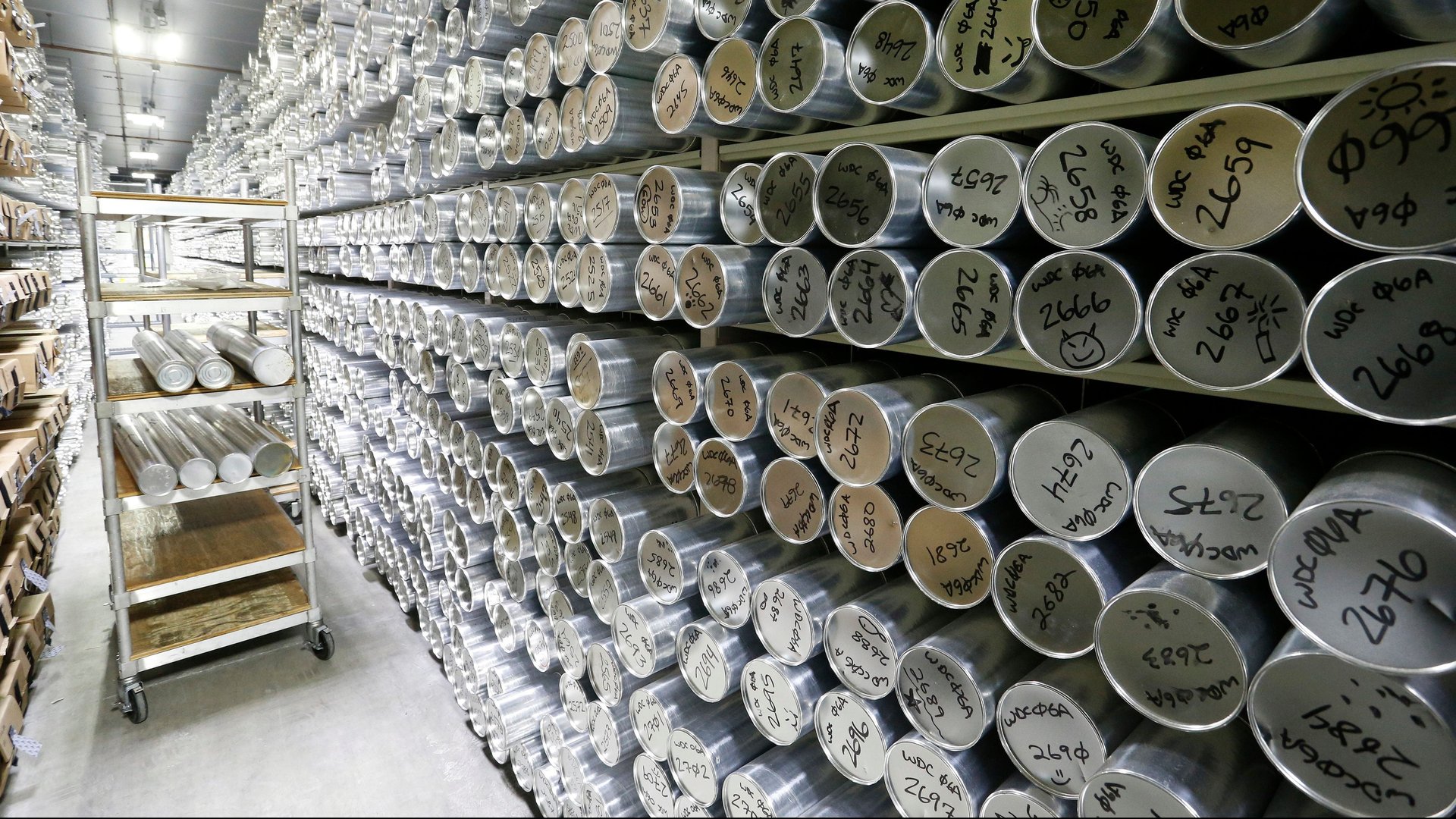
Selecting the right spot for ice-core drilling is a difficult pursuit. And after three years of searching with radar and on-the-ground sampling, an international team just struck gold: They found a spot on Antarctica where the ice is thick enough to reveal 1.5 million years of climatic history. It will take another three years to drill down that far.

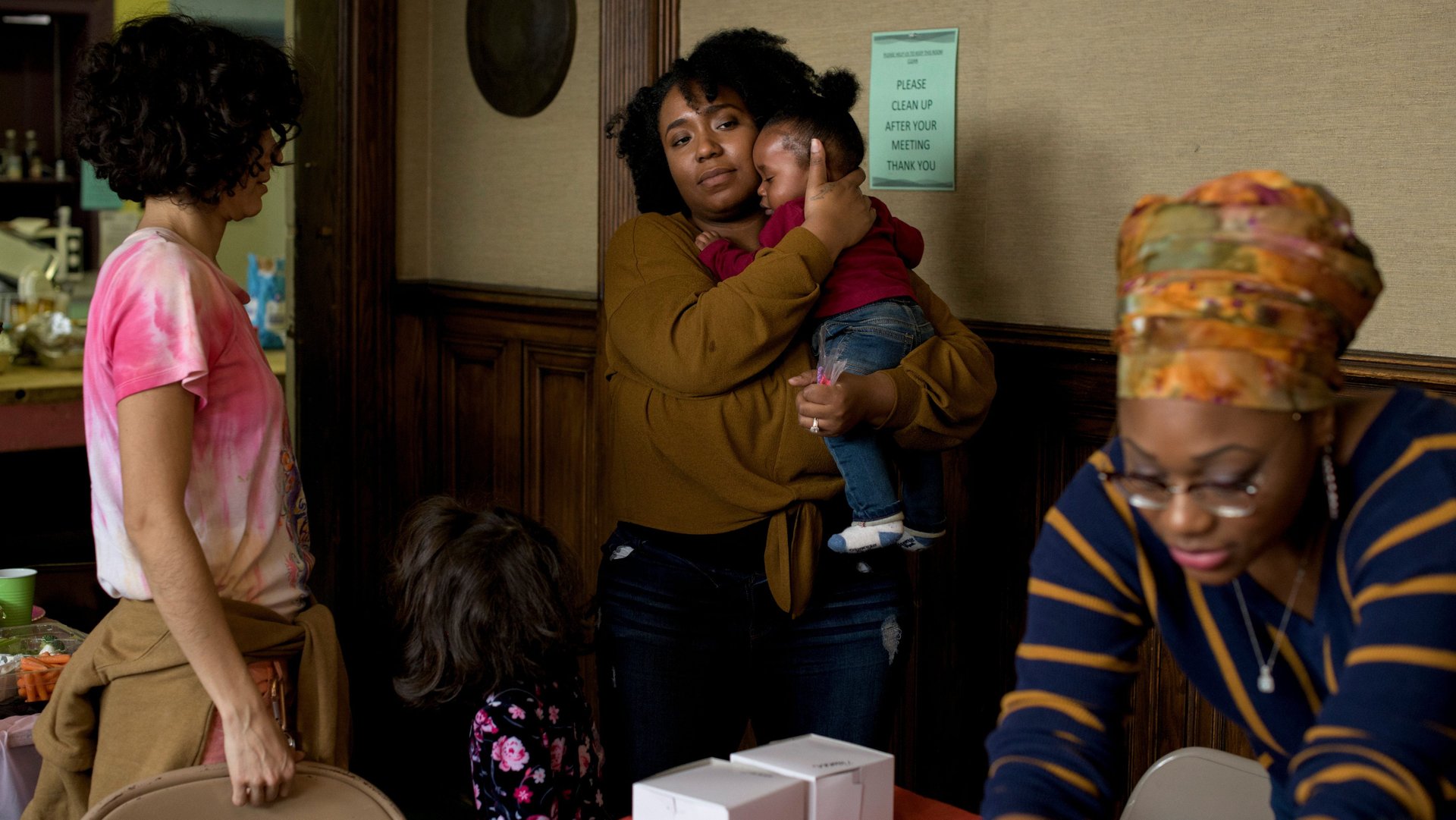
Siwatu-Salama Ra knew it was time to go to the hospital. As the early stages of her labor began on a day in late May 2018, officers placed handcuffs on her wrists and led her into the transport van. She arrived to the hospital and to a delivery room where, inside, armed guards would wait all day and night and watch her give birth.

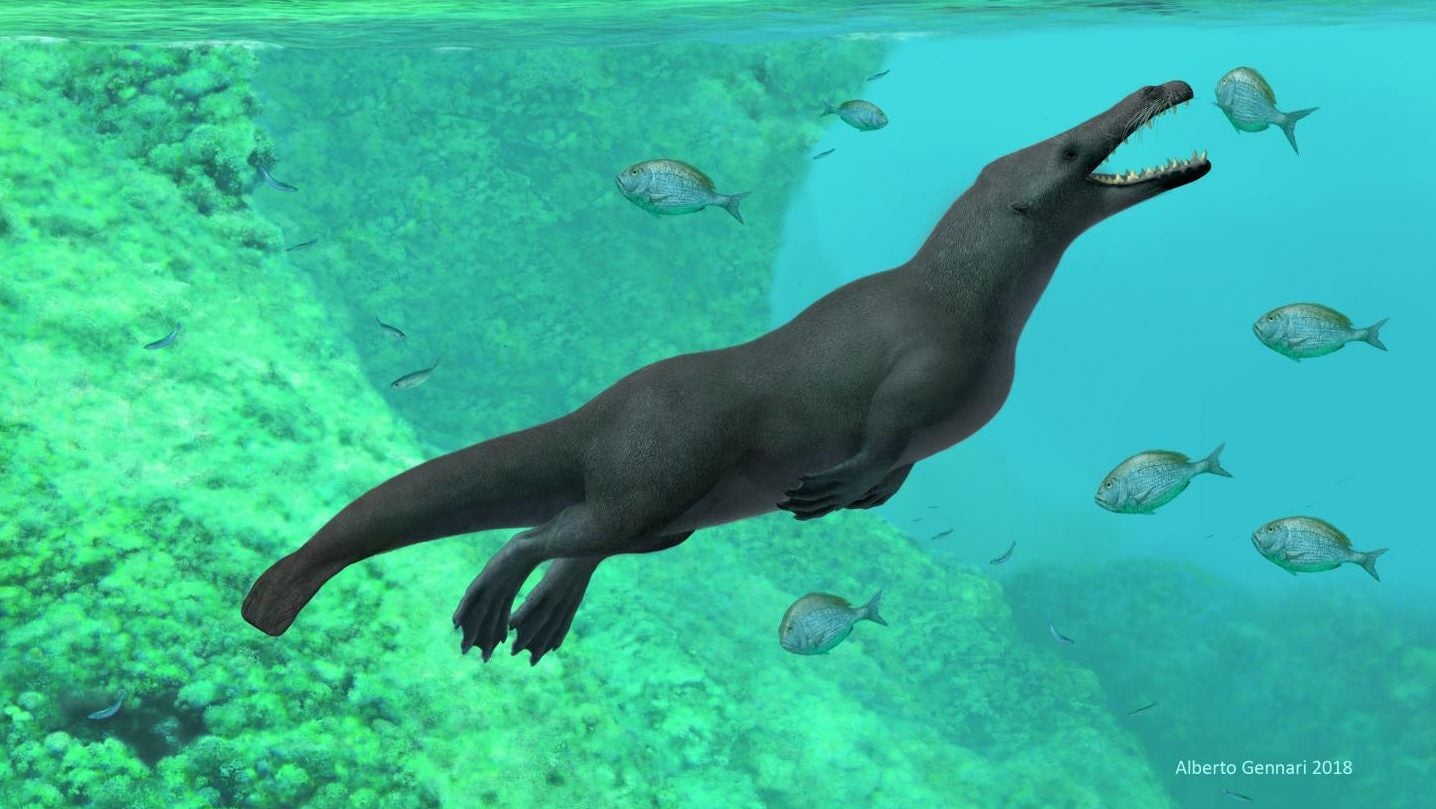
Being an illustrator of prehistoric creatures must be great: You get to do things like draw the world’s first image of a four-legged whale. From now on, when anyone wonders, “What did a whale look like roughly 42.6 million years ago?” they will encounter your image as an answer. And what an image!

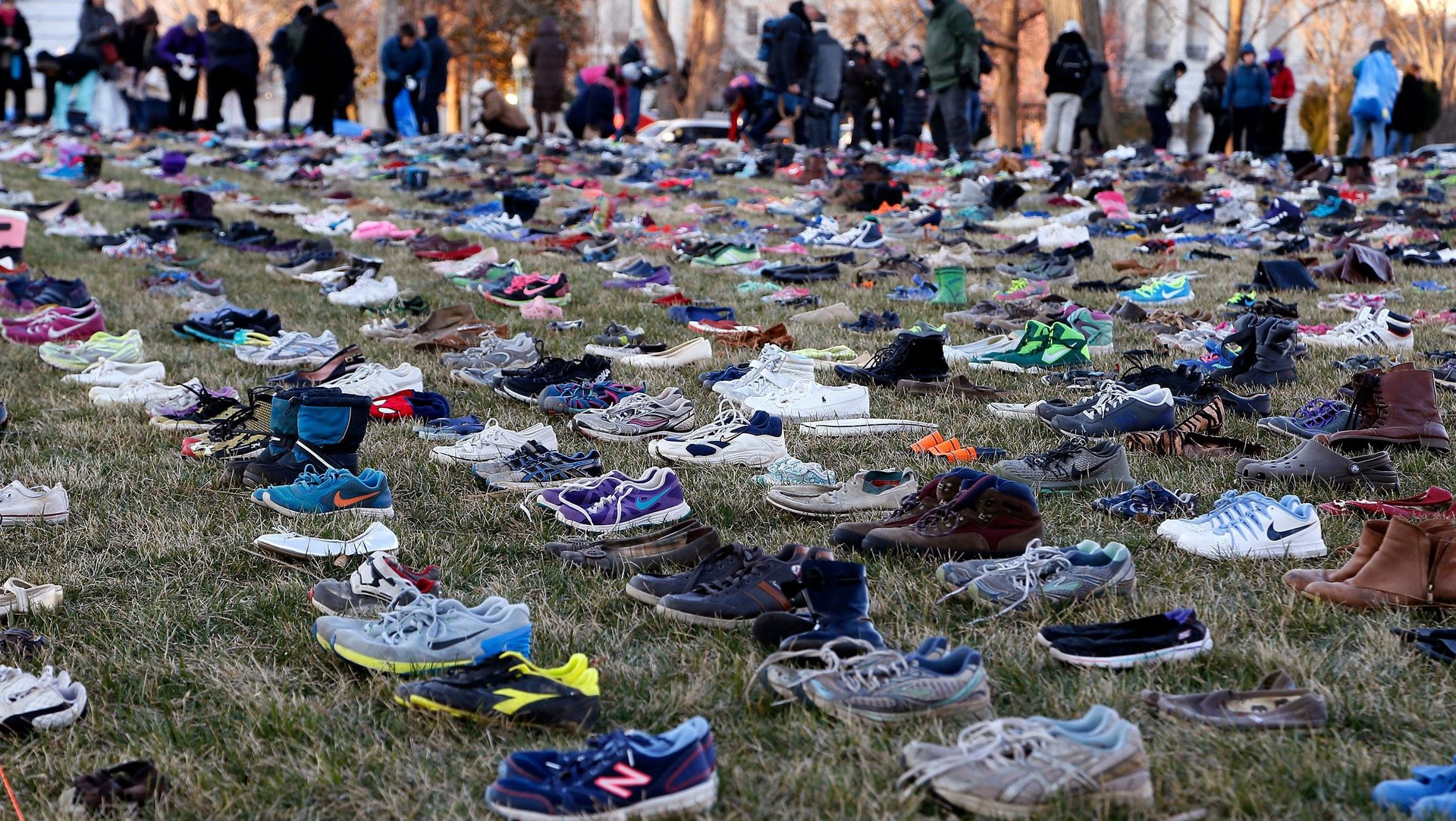
In 2017, more than 20% of deaths of people aged 15 to 24 involved guns.

If you’re trying to contribute as little as possible to the two global calamities of climate change and the swirling gyres of forever-materials slowly filling our oceans, there’s a useful formula to keep in mind: Use fewer things, many times, and don’t buy new ones.