

Business News
Quartz Daily Brief—Europe edition—UK interest rates, Greek bonds, China’s trade surprise, pre-paid NYC taxisWhat to watch for today
Updated July 21, 20223 min read
What to watch for today
What to watch for today
What to watch for today
What to watch for today
What to watch for today
What to watch for today

It wasn’t the kind of real estate collapse that many China observers have been warning about—but for dozens of residents of an apartment building that disintegrated in the eastern province of Zheijiang on Friday, it was much scarier.
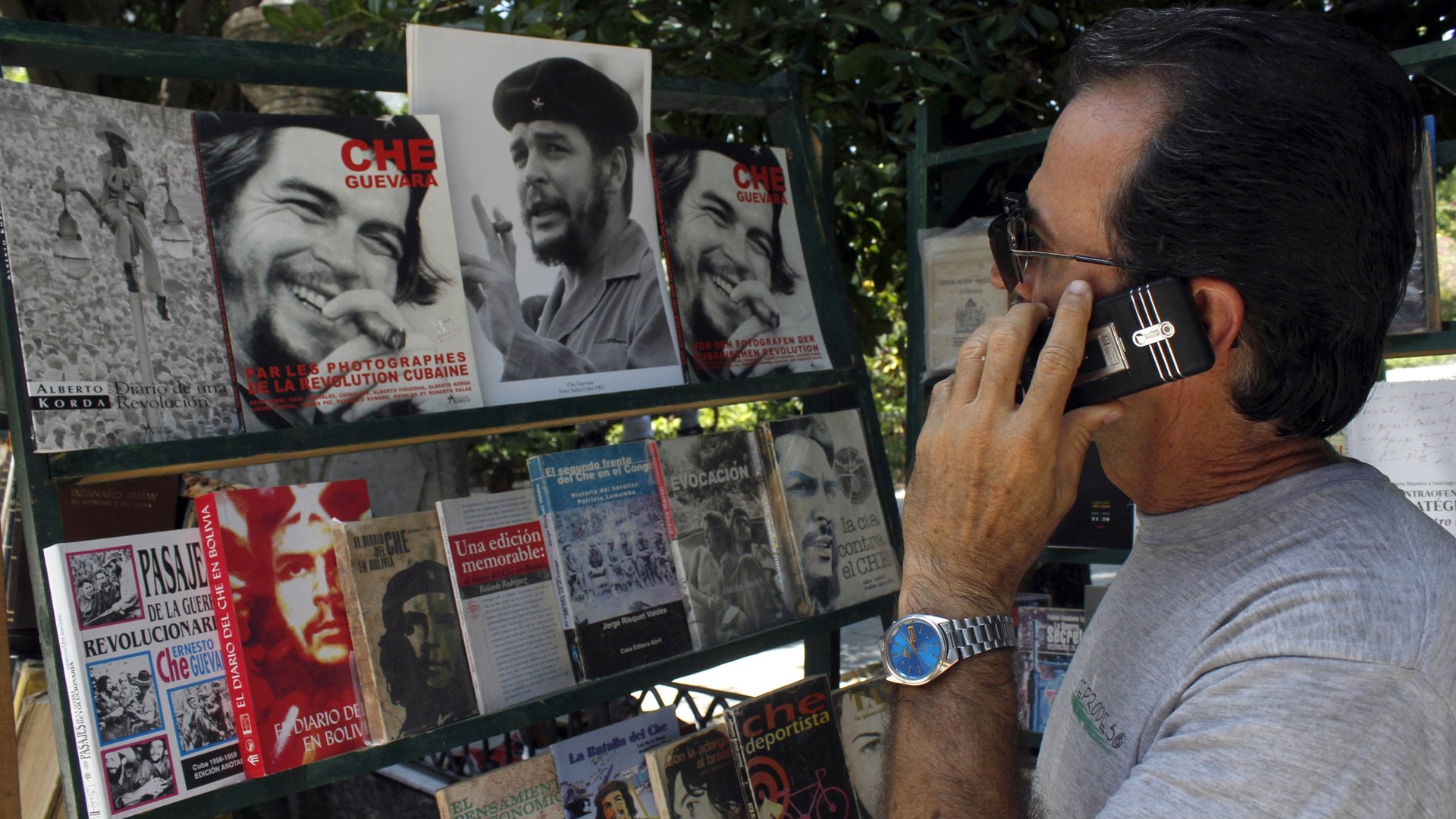
The Associated Press has a bombshell: The US Agency for International Development (USAID), which is responsible for administering American foreign aid and development funds, spent years covertly establishing an SMS-only social network in Cuba, in the hopes that it might develop into a “Cuban Twitter” that would undermine the island’s communist government.
The tweet from Asher Vollmer, one of the creators of the cult hit video game Threes, seems almost as puzzling as his app: Why have so few Chinese users bought the mobile game, compared with the much larger number who are playing it every day, making China the game’s second biggest market?
This post has been updated.
In the lead-up to its blockbuster IPO (expected to be the biggest since Facebook’s), Chinese e-commerce giant Alibaba has been on quite a shopping spree, shoring up its fortifications against assault from internet rival Tencent. Now it’s getting into malls, spending $692 million for a 26% stake in Intime Retail, a department store operator that will help the company reach people who prefer to do their shopping the old-fashioned way.

If—like so many of us—you have fond memories of the 1999 cult comedy movie “Office Space,” you probably remember the exuberant sartorial requirements of the chain restaurant “Chotchkie’s” where Jennifer Aniston’s character worked as a waitress.
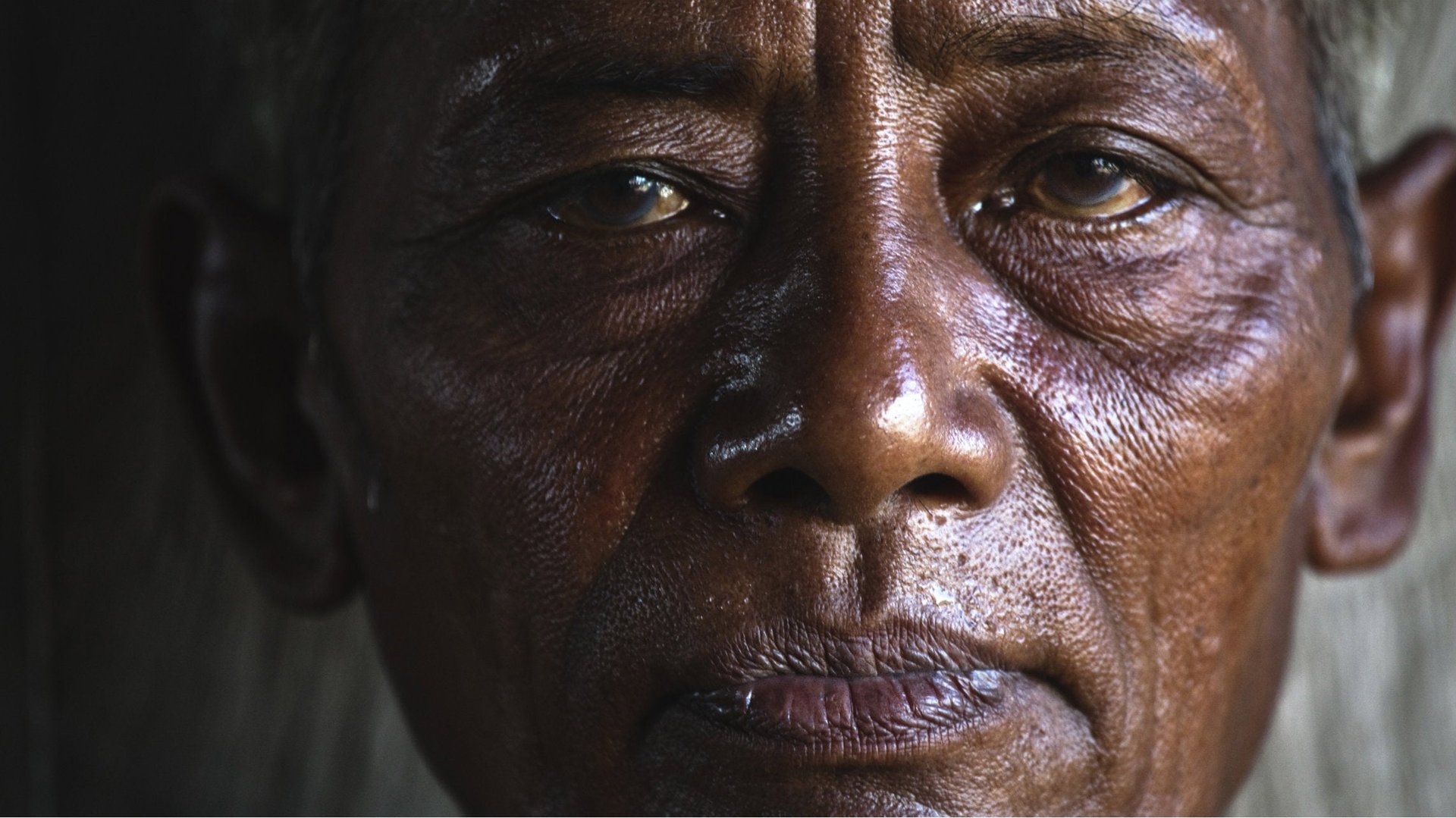
When the Global Fund to Fight AIDS, Tuberculosis and Malaria unveiled a detailed 88-page report in November exposing how Cambodian government officials solicited nearly half a million dollars in bribes, a spokesman for the ruling Cambodian People’s Party vowed that justice would be served.

With Russia’s annexation of Crimea essentially a done deal, NATO and the US are warning that Transnistria—a breakaway province of Moldova, on Ukraine’s western border—may be the next sliver of land to be absorbed by Russia at the invitation of an unrecognized government. The quasi-independent state has a feeble legitimate economy and a booming underground trade in illicit goods. More importantly, it has been propped up by Moscow for two decades.
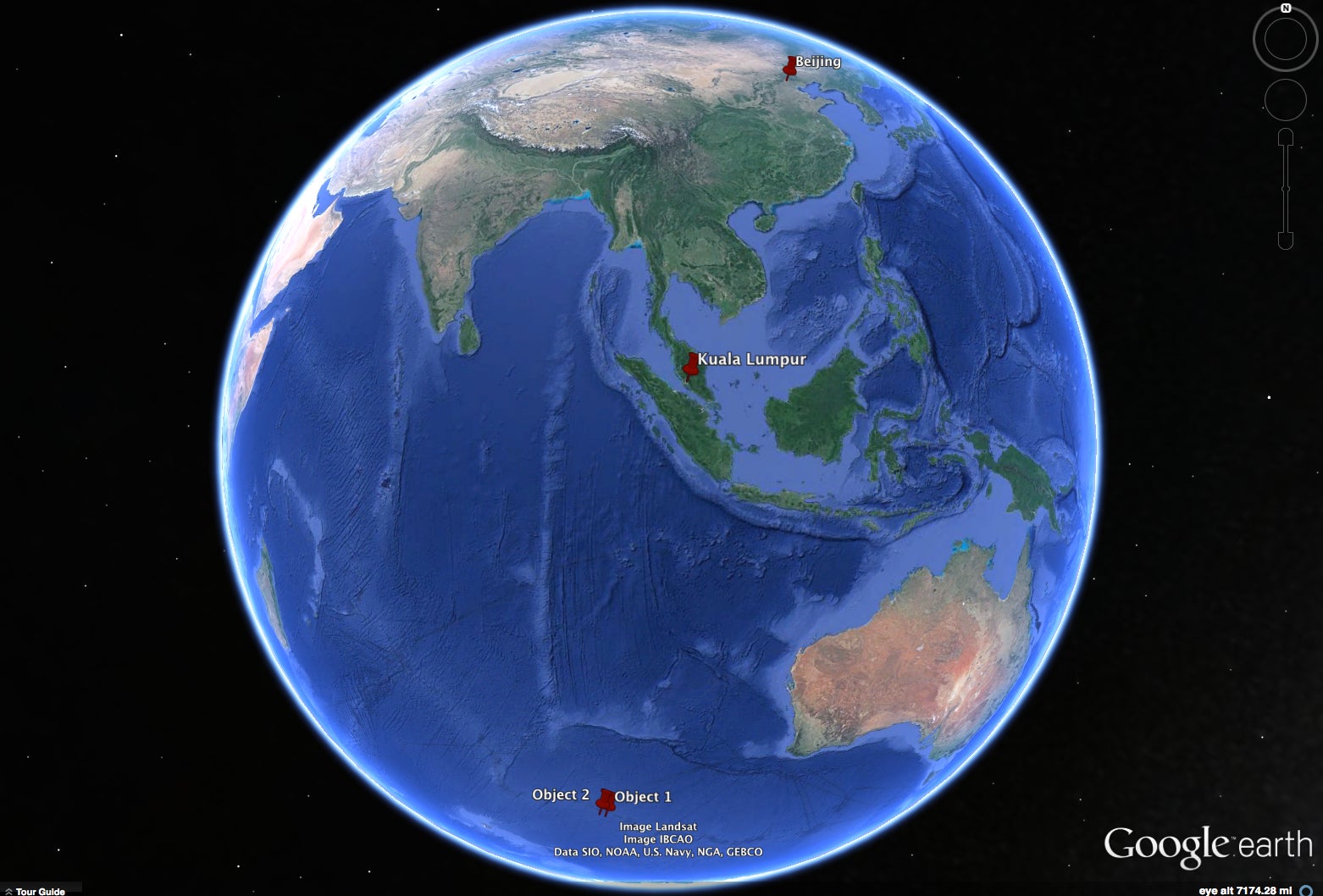
Australian marine authorities have detected several pieces of debris in the southern Indian Ocean that may be related to the Malaysia Airline flight that has been missing for nearly two weeks. If the debris spotted by satellites—some 2,500 kilometers southwest of Perth—is conclusively linked to the plane, it would suggest the Beijing-bound flight flew for hours in the opposite direction of its intended destination.

The numbers: China’s biggest publicly-listed technology company posted fourth-quarter net income of 3.91 billion yuan ($631.5 million), up 13% from the previous year. That was in line with estimates, according to Reuters, or fell slightly short, according to Bloomberg. Advertising revenue surged by 70%, to 3.4 billion yuan, but sales and marketing expenses were also up sharply as the company tried to add more users outside of China for its WeChat messaging app.
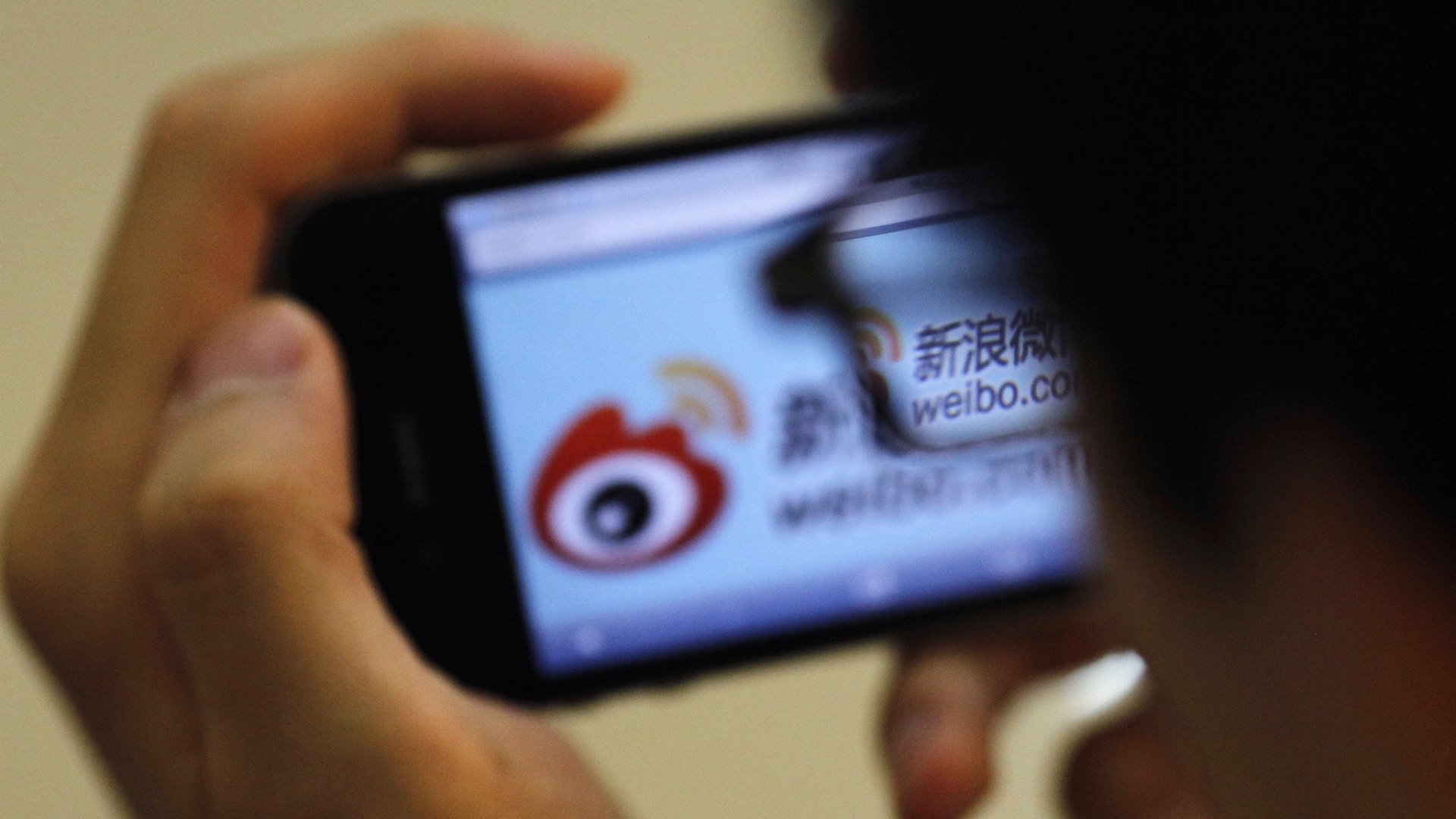
Sina Corp’s micro-blogging Weibo unit—China’s version of Twitter—plans to raise a mere $500 million with its Nasdaq IPO, a small sum compared with other recent tech public offerings. That’s partly because Sina will maintain majority control, and Alibaba, its corporate ally, will keep a hefty stake too. But China’s pervasive meddling with the internet is also having a tangible effect on Weibo’s valuation.
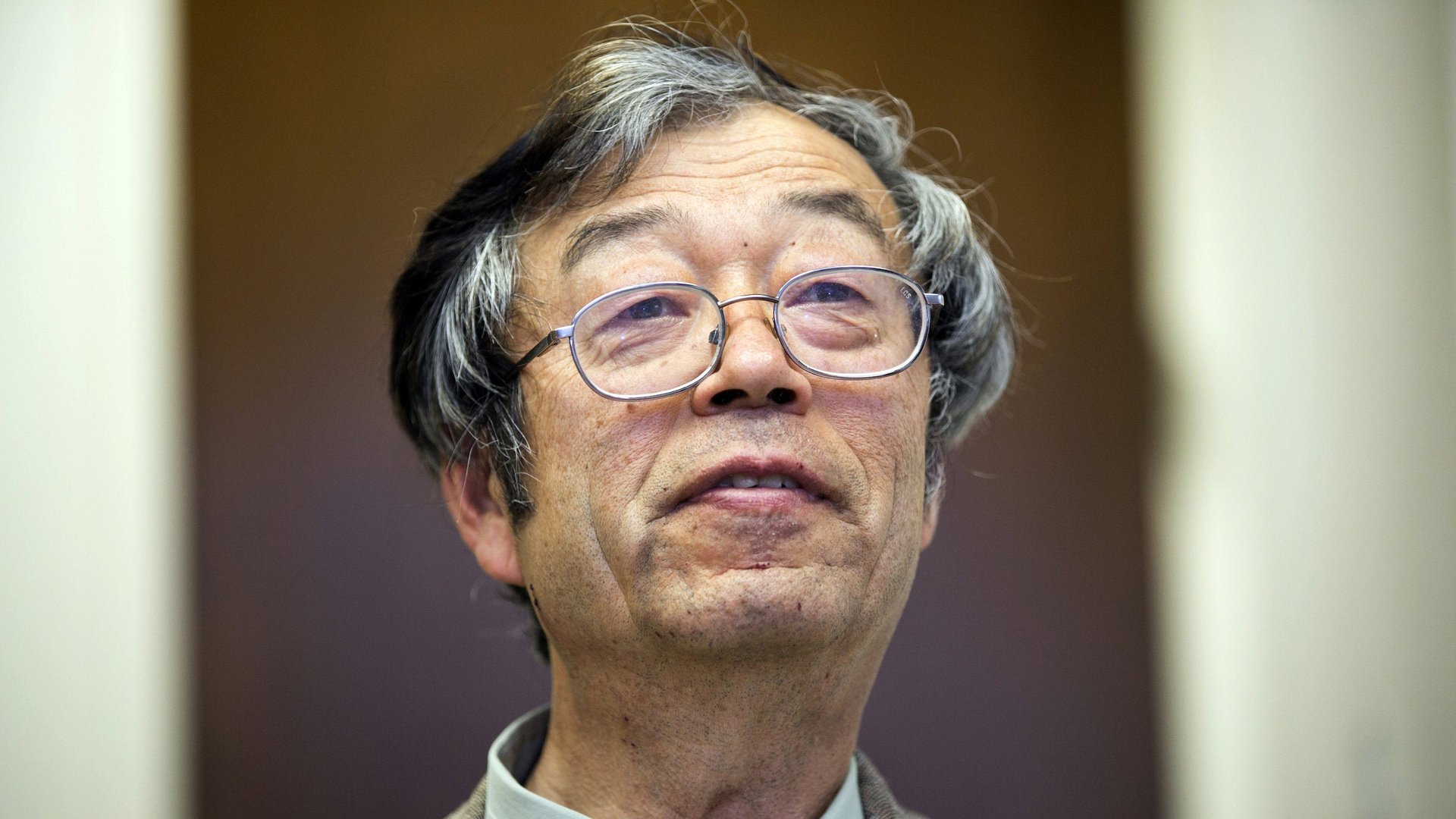
Dorian Satoshi Nakamoto—the man who invented bitcoin, according to Newsweek—has issued a statement through his lawyer denying any involvement whatsoever in the digital crypto-currency, and claims that he has been under such severe financial pressure that he was forced to cut off his internet access last year.

The second season of House of Cards has plenty to offer its fans in China’s leadership—including, according to the country’s ambassador to Washington, some prime lessons about the graft and fraud that pervades the US political system.
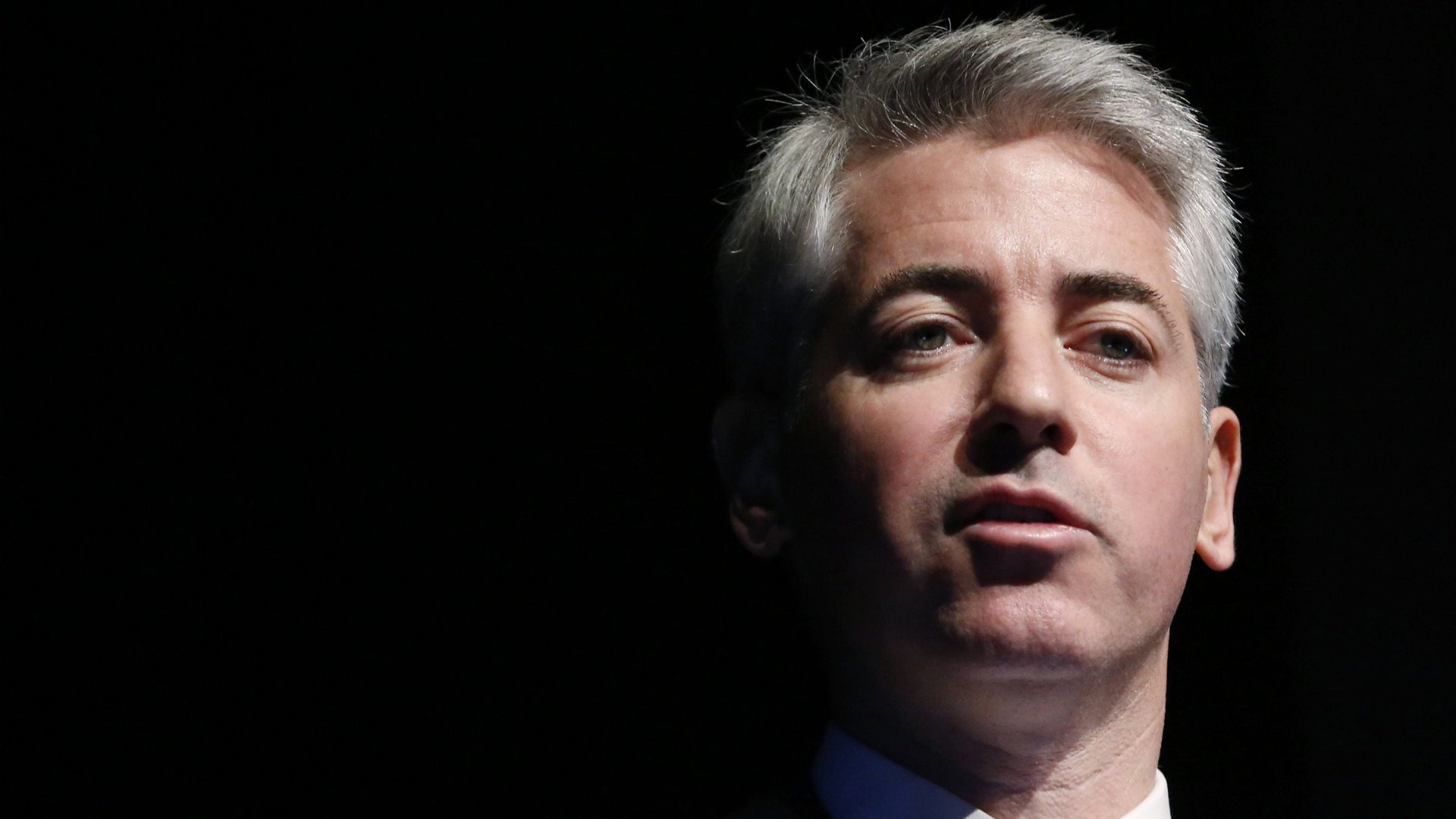
Bill Ackman has had mixed success enlisting the US government in his fight against Herbalife. The hedge-fund manager, who has taken a $1 billion bet against the direct-sales firm he claims is a pyramid scheme, has been lobbying an army of congressmen and other officials to have it investigated. But so far regulators haven’t launched a probe, and Ackman has drawn bad publicity for his attempts to “leverage the corridors of power for his hedge fund’s profit,” as a New York Times investigation recently described it.
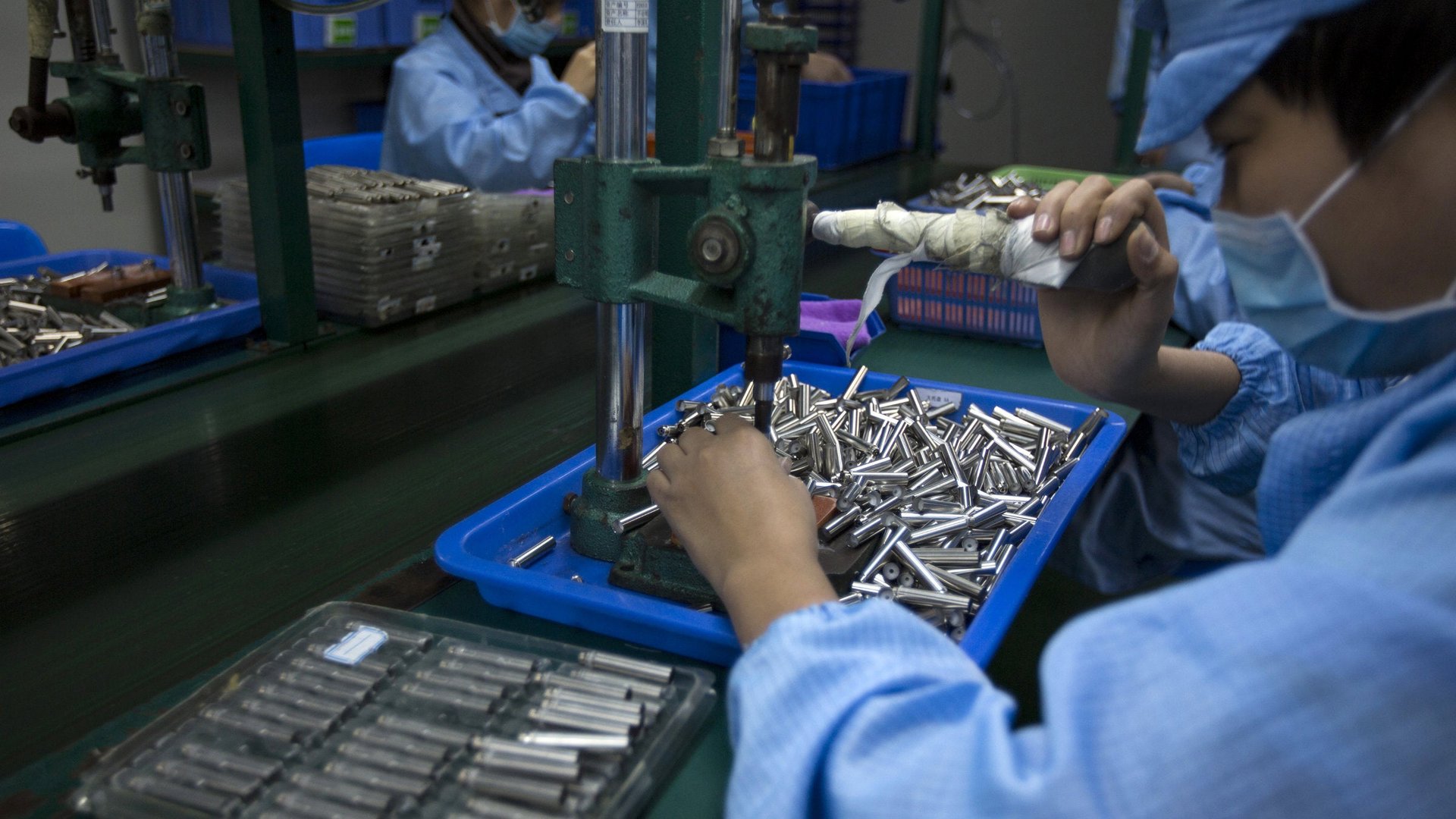
The battle for dominance in electronic cigarettes got a little heated this week, as Imperial Tobacco launched a lawsuit against nine rival e-cigarette makers for patent infringement (paywall). But the story really began with a Chinese pharmacist’s nicotine-induced nightmare, more than a decade ago.
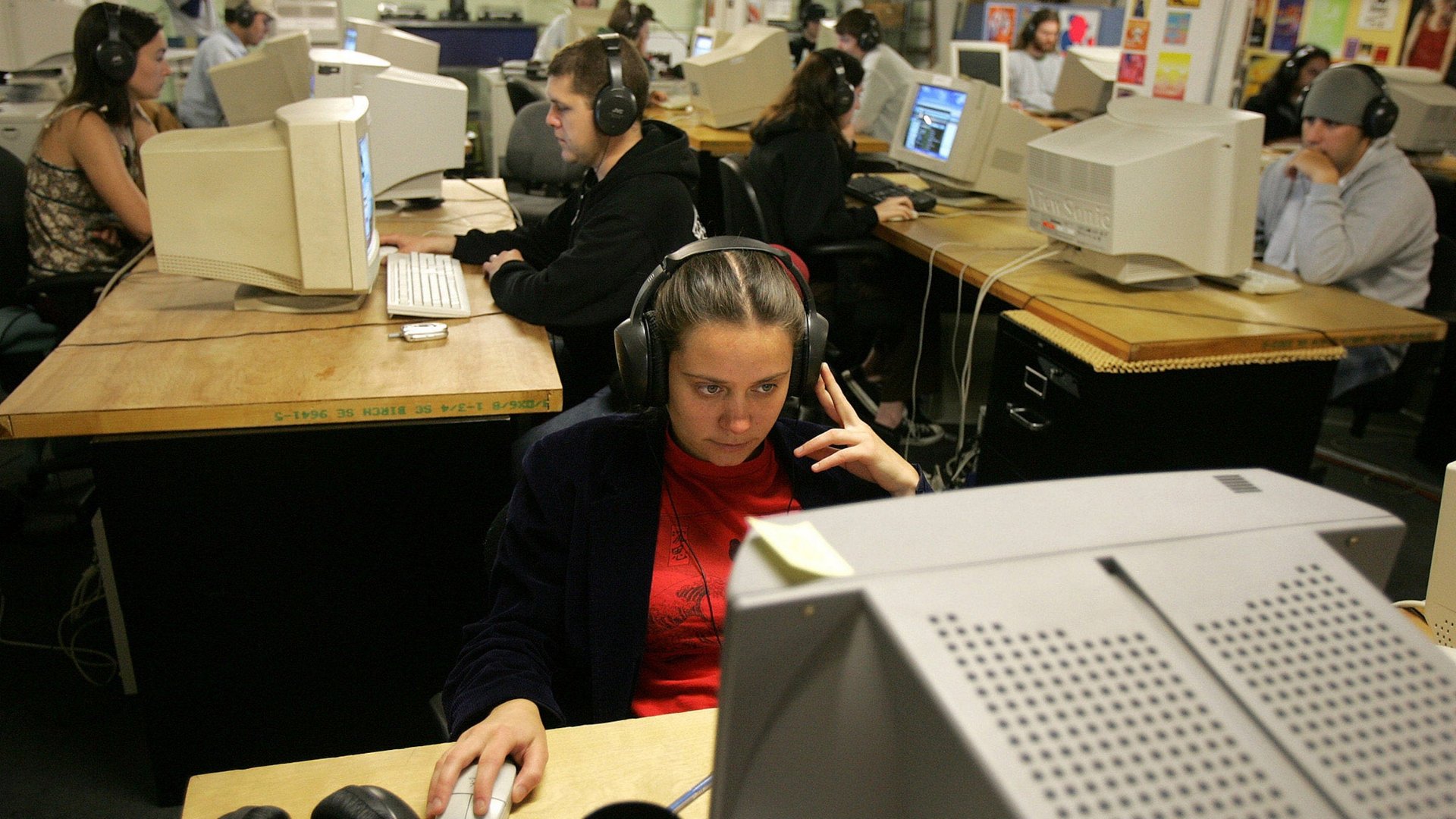
If you’re reading this article at work, there’s a decent chance you’re wearing headphones.
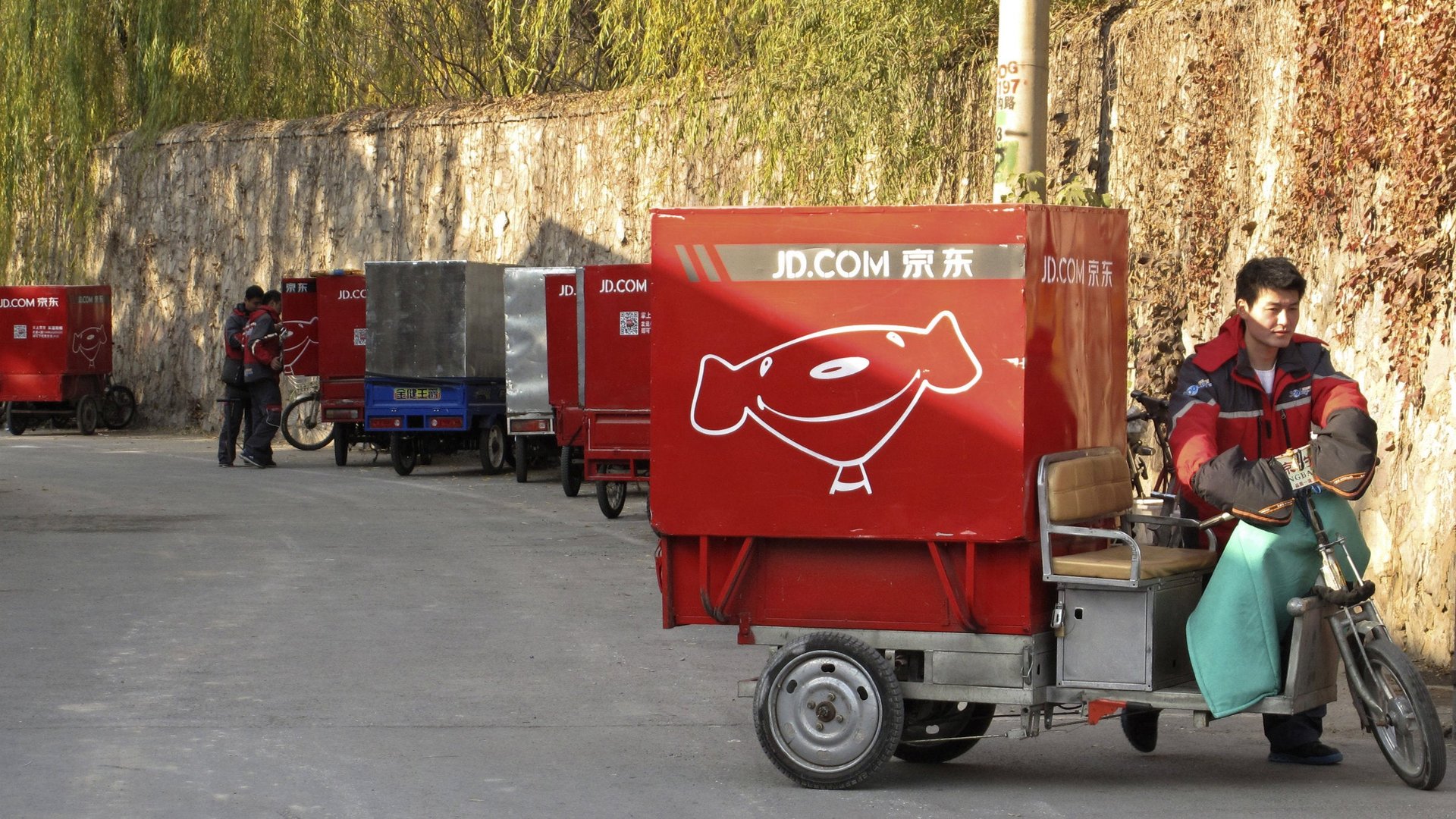
Google, Facebook, Amazon, and Apple are vying for dominance of the developed world’s internet industry, but it’s becoming clear that in China there are only two contenders: Alibaba and Tencent.
Japan has become perhaps the world’s most important locale for bitcoin, the digital currency that was supposed to liberate its users from the tyranny of geography—and its government is playing catch-up.