With the UK soon leaving the European Union, many British teenagers are looking elsewhere for their future studies. It turns out British universities are also considering going abroad.

With the UK soon leaving the European Union, many British teenagers are looking elsewhere for their future studies. It turns out British universities are also considering going abroad.

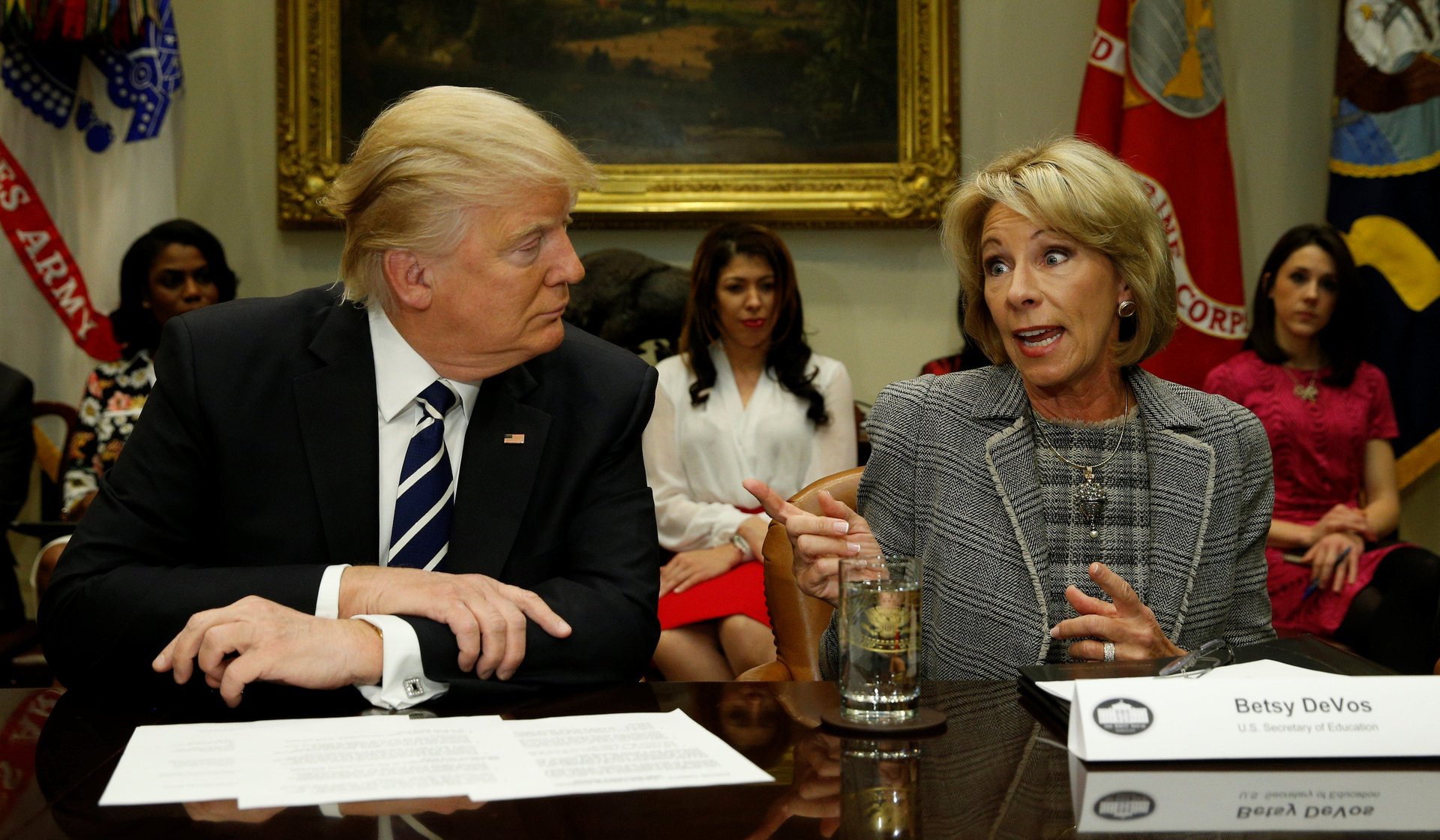
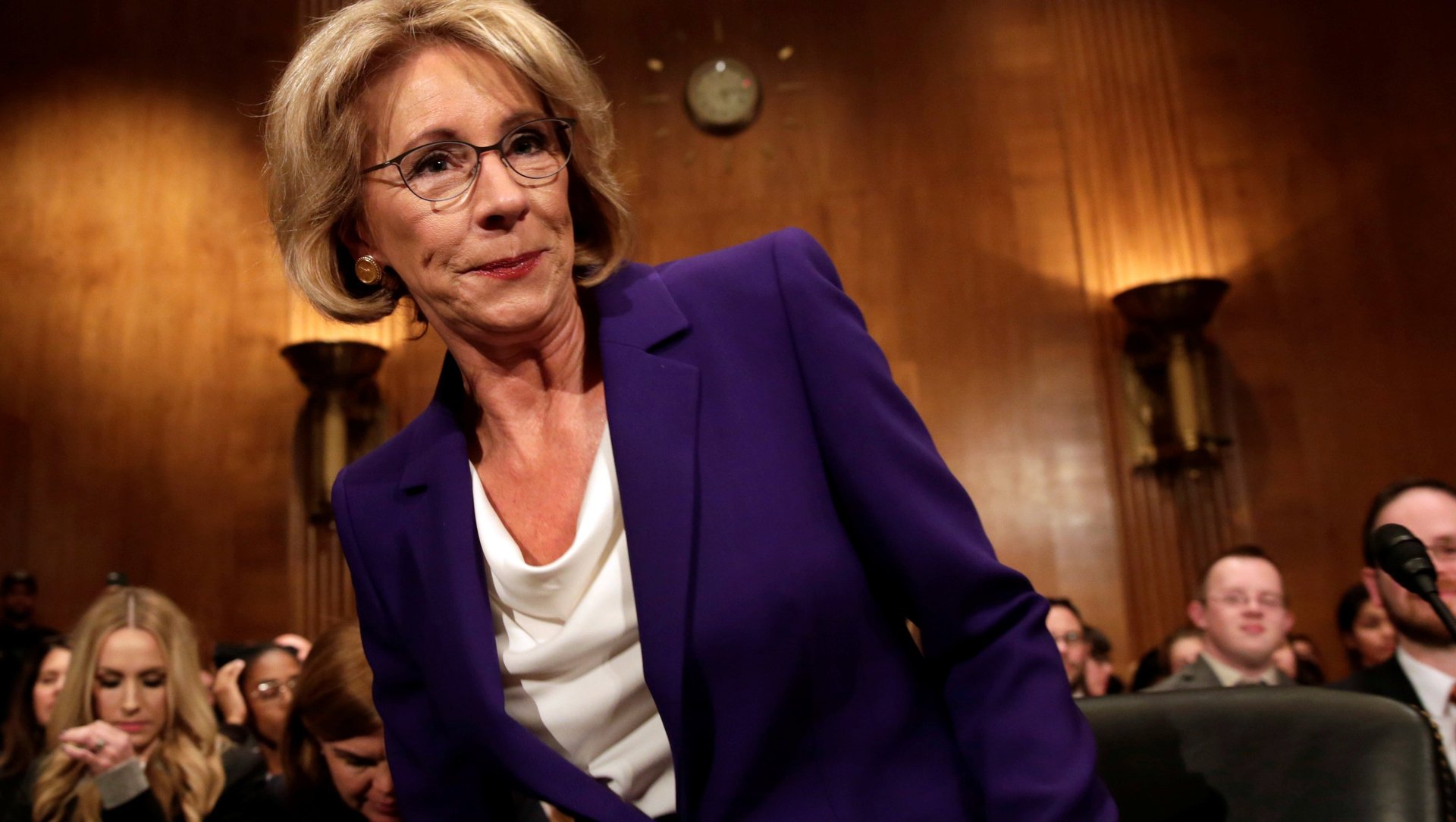
Her Senate confirmation last week—won by a hair’s breadth—didn’t help to make US education secretary Betsy DeVos any less blisteringly controversial.

Controversial speakers on American university campuses like Breitbart editor Milo Yiannopolous have been unerringly blunt, so far, in their provocation.

In honor of Valentine’s Day, the music streaming service Spotify examined the listening habits of its American user base to tease out which populations are most interested in sex- and love-themed playlists.

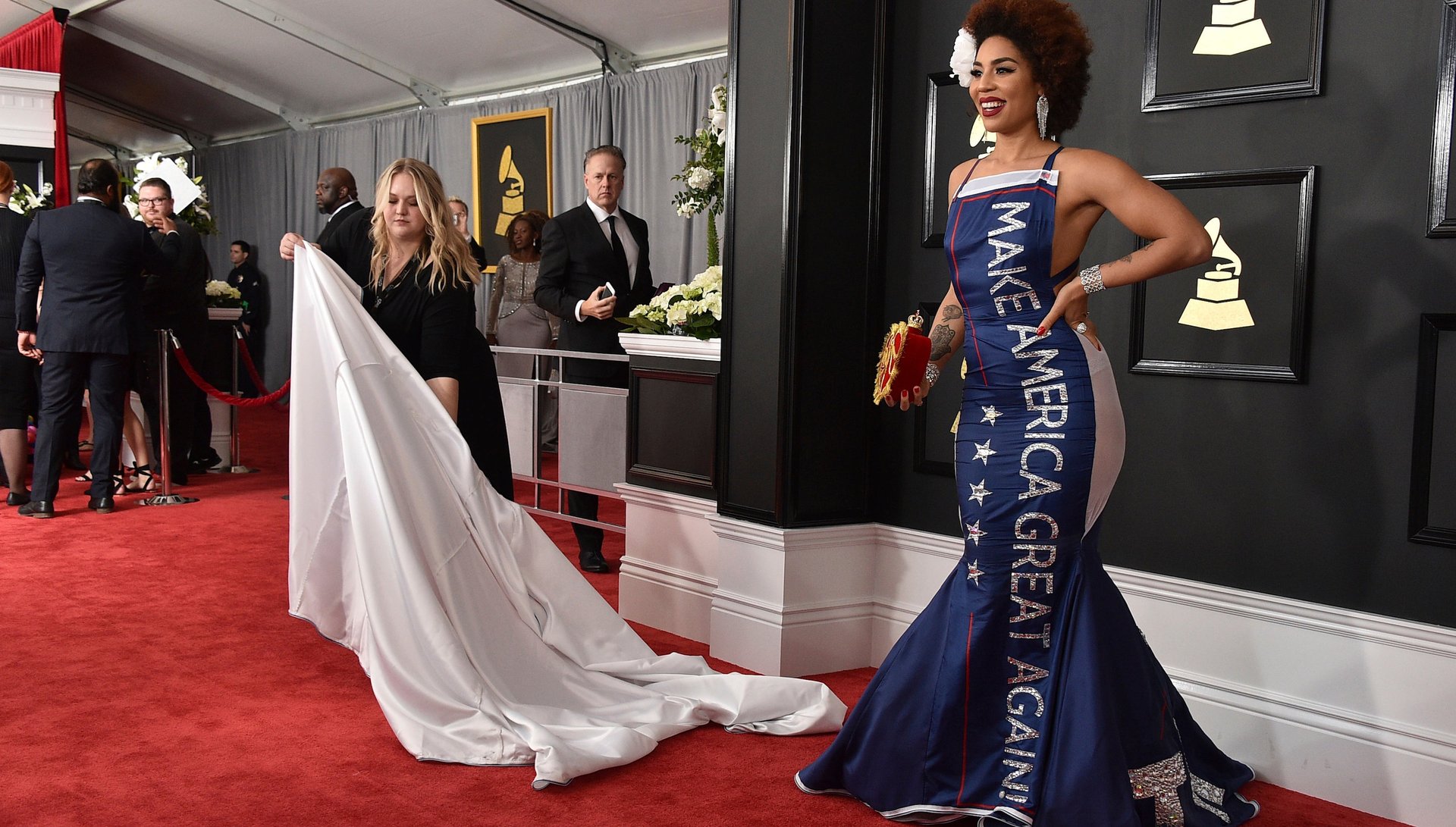
Full of starry pomp and drama as it may have been, the 59th Grammy Awards this weekend also featured its—perhaps needless—share of politics. Katy Perry performed with a “persist” armband in front of a giant projection of the US constitution. A Tribe Called Quest railed against “president Agent Orange” for “perpetuating all of the evil.” Chance the Rapper wore a hoodie from his new Barack Obama-themed clothing line. As had happened prior to Donald Trump’s inauguration as US president, few musicians seemed to be on Trump’s side.

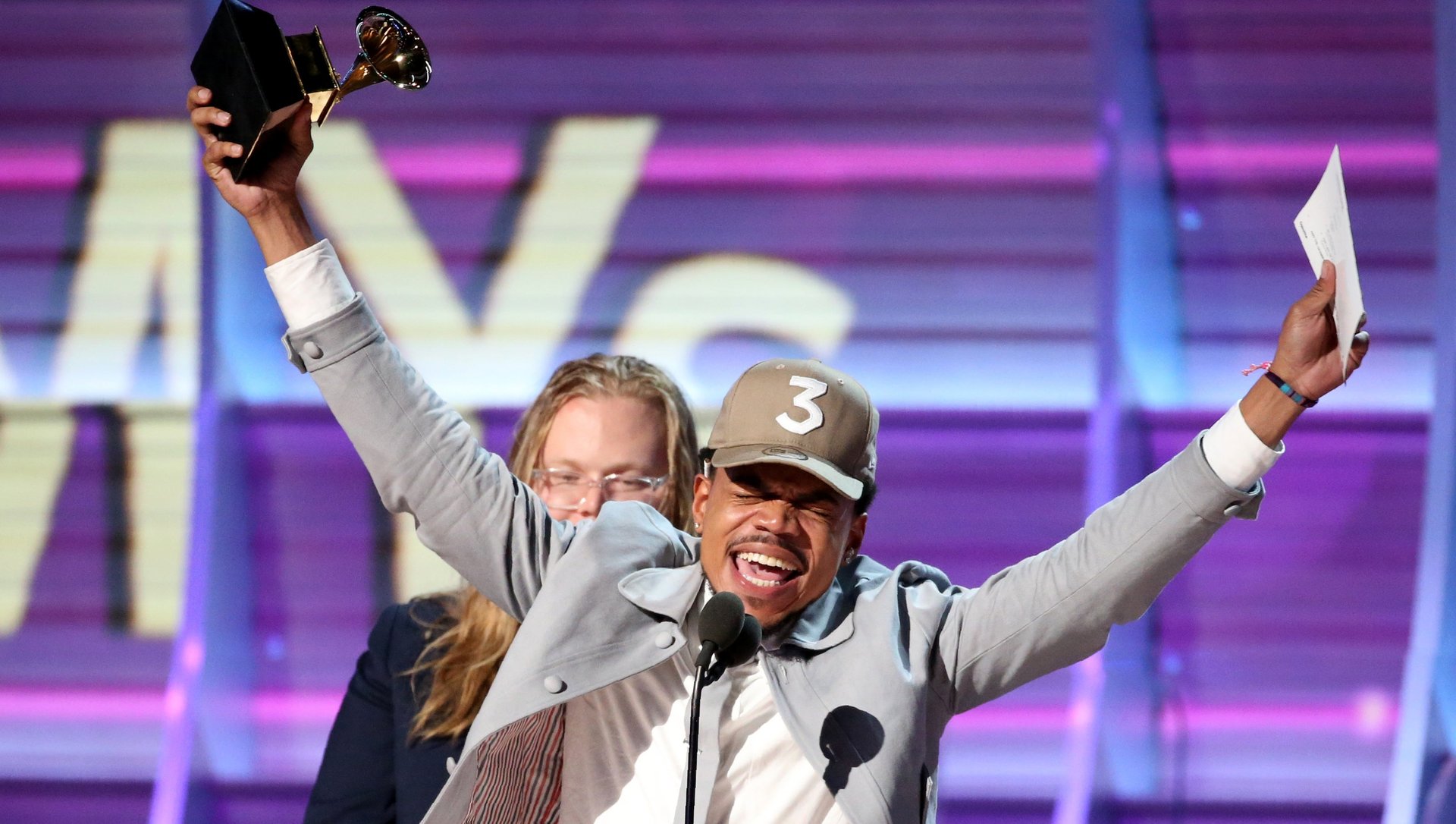
Beyoncé may have serenaded the world in pregnant glory at the 59th annual Grammy Awards yesterday, but the greatest feat of the hours-long, glitter-bombed music spectacle was more subtle: Chance the Rapper’s three wins.

Subtlety is being given no place in this victory.

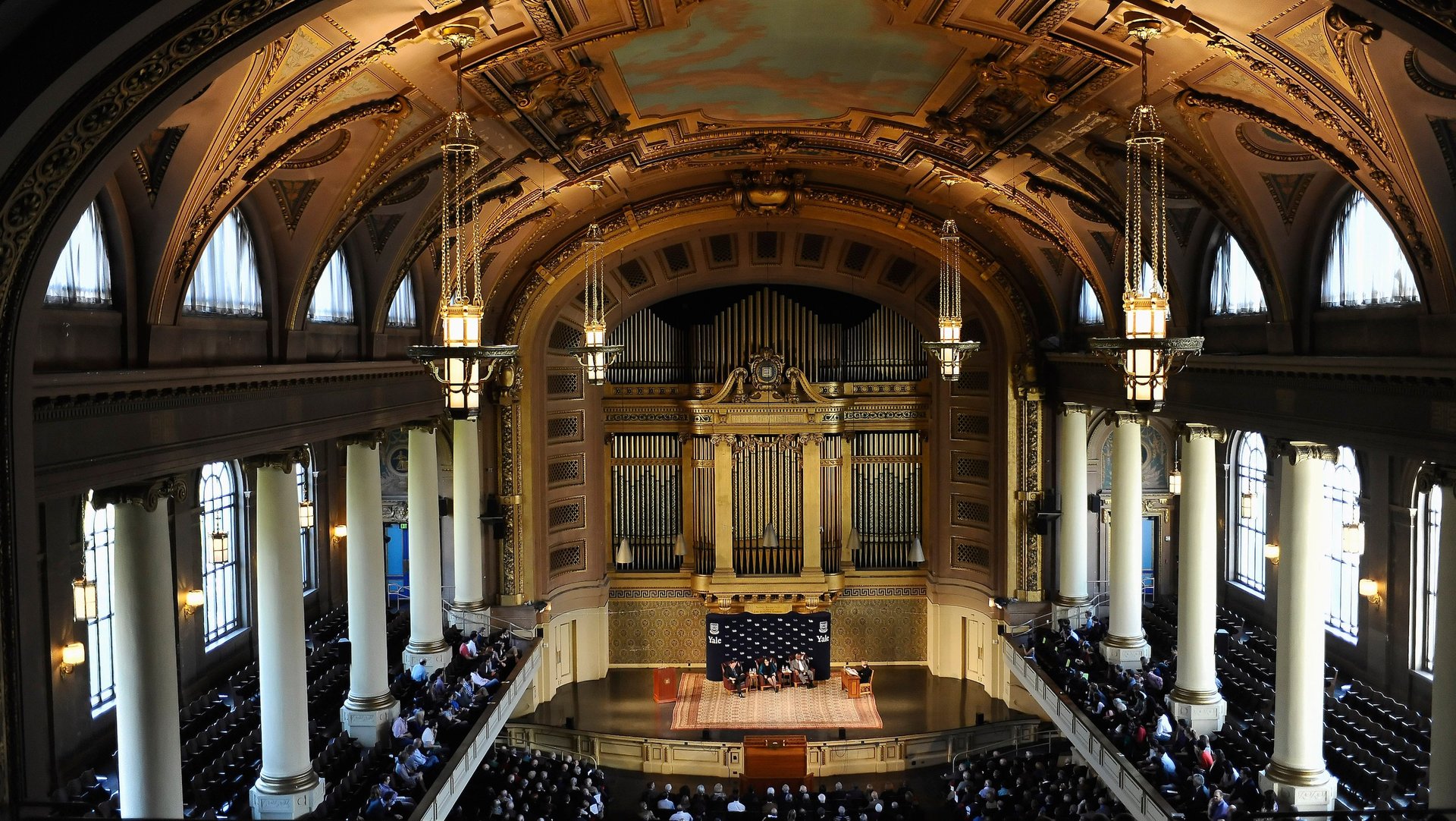
Yale University is reversing course and changing the name of a dormitory that honors an historical white supremacist.

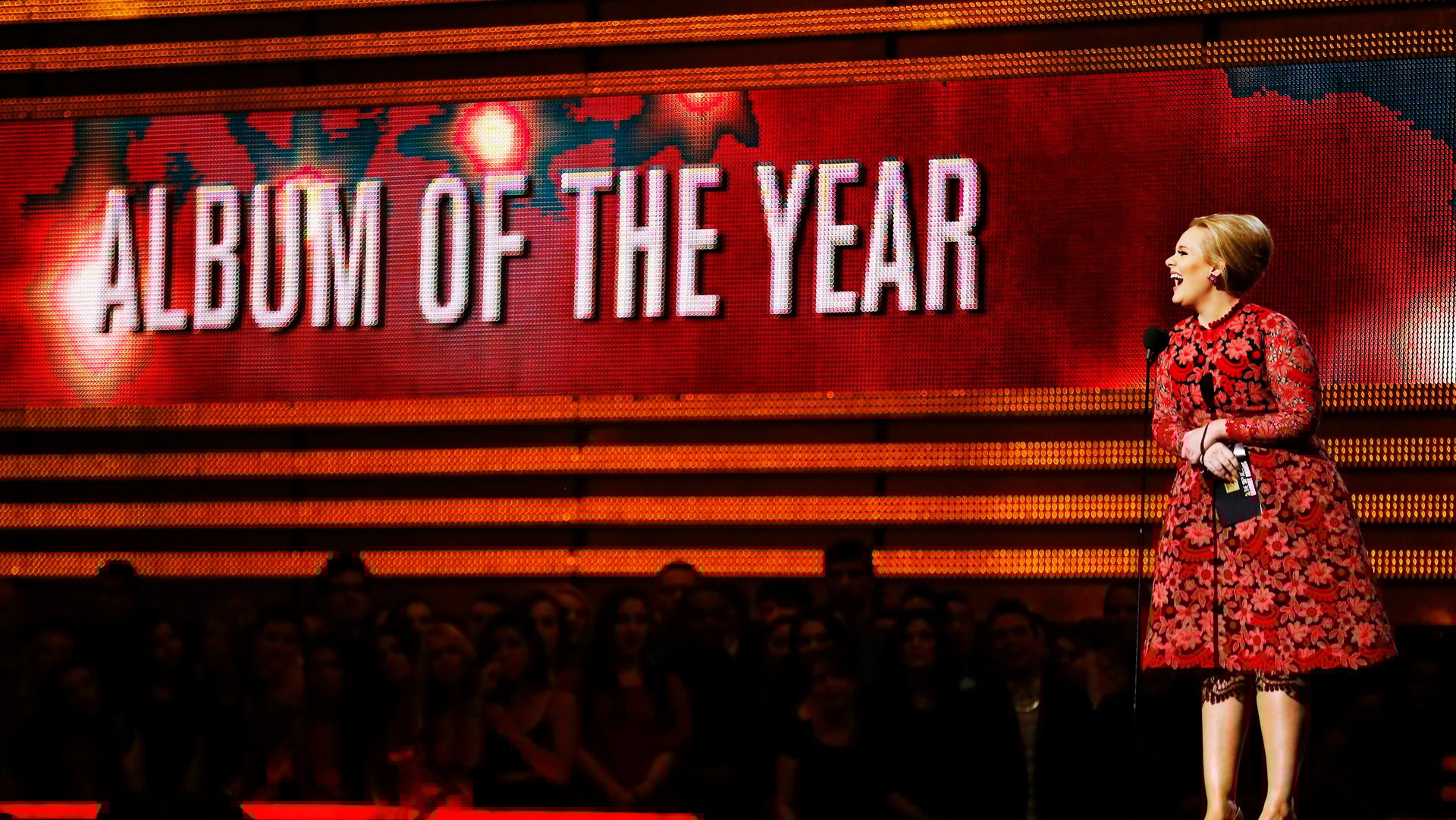
Adele, John Legend, Lady Gaga, Bruno Mars, Katy Perry, Daft Punk, Demi Lovato, Metallica, Chance the Rapper, A Tribe Called Quest—not to mention a pregnant Beyoncé—will be among the score of chart-toppers performing at this year’s 59th Grammy Awards, which airs lives this Sunday, Feb. 12.

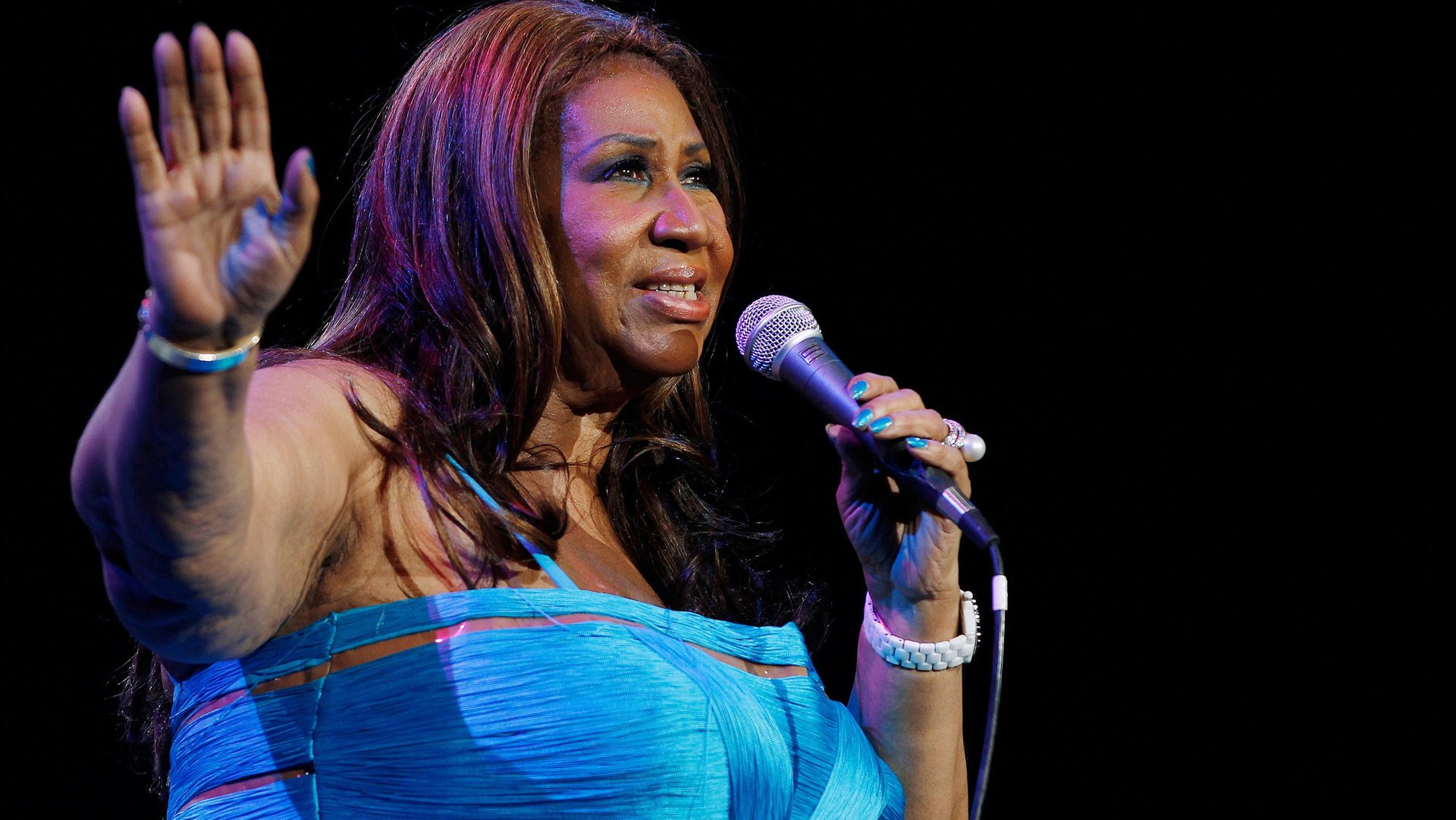
Known for good reason as the queen of soul, 74-year-old Aretha Franklin will retire later this year, after a run of more than five decades in the music business.

In the age when physical music was king—when people clamored to get their hands on the latest CDs and vinyl releases—several big labels operated mail-order record clubs that delivered new albums to fans on a subscription basis. Such clubs, the most famous of which was Columbia House, ruled from the 1950s to the 1990s, before slowly being edged out by the rise of digital music.

However incongruous music and news may be together, the two industries do presently face something in common: an ongoing struggle to get people to pay for their products.

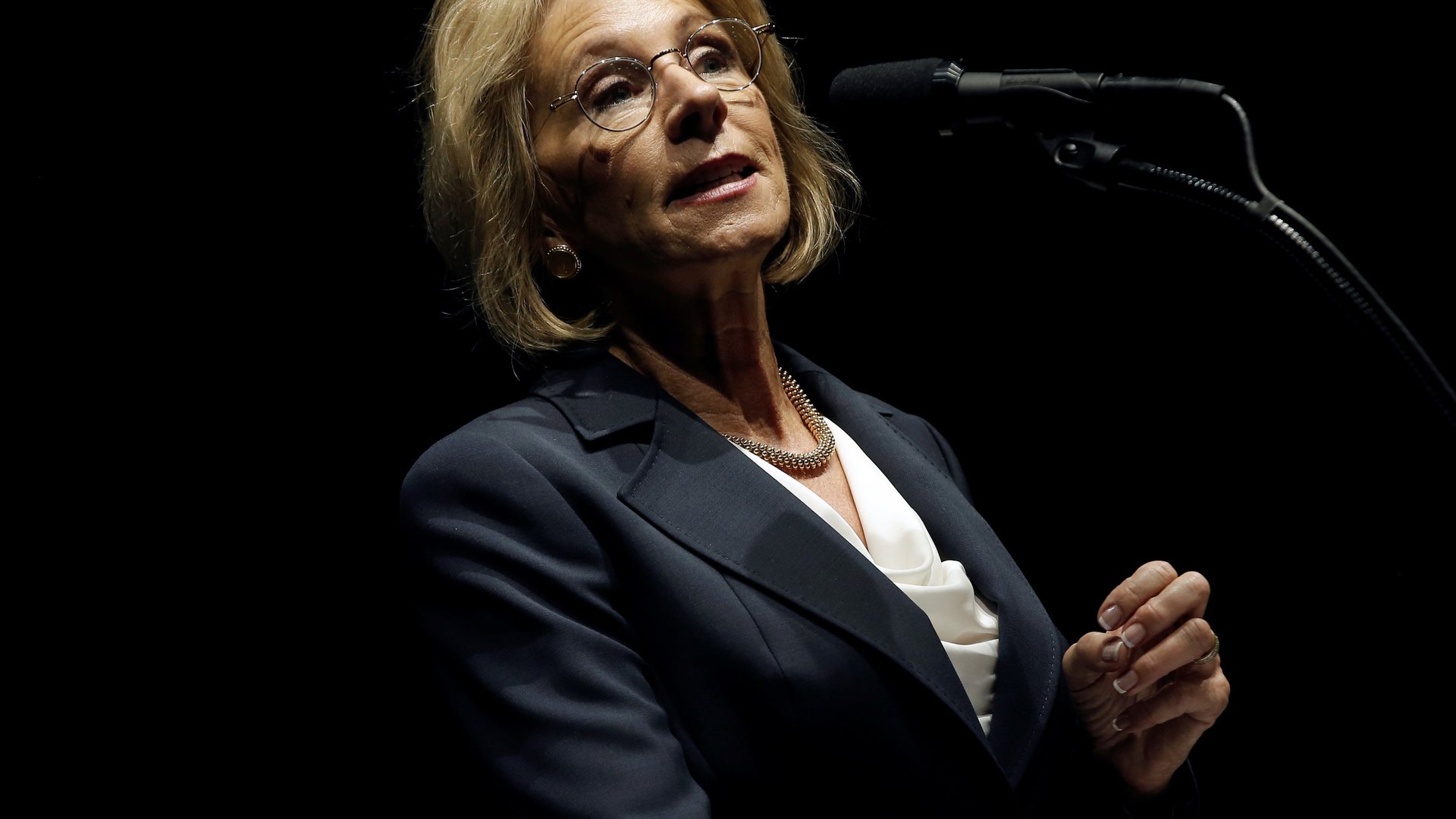
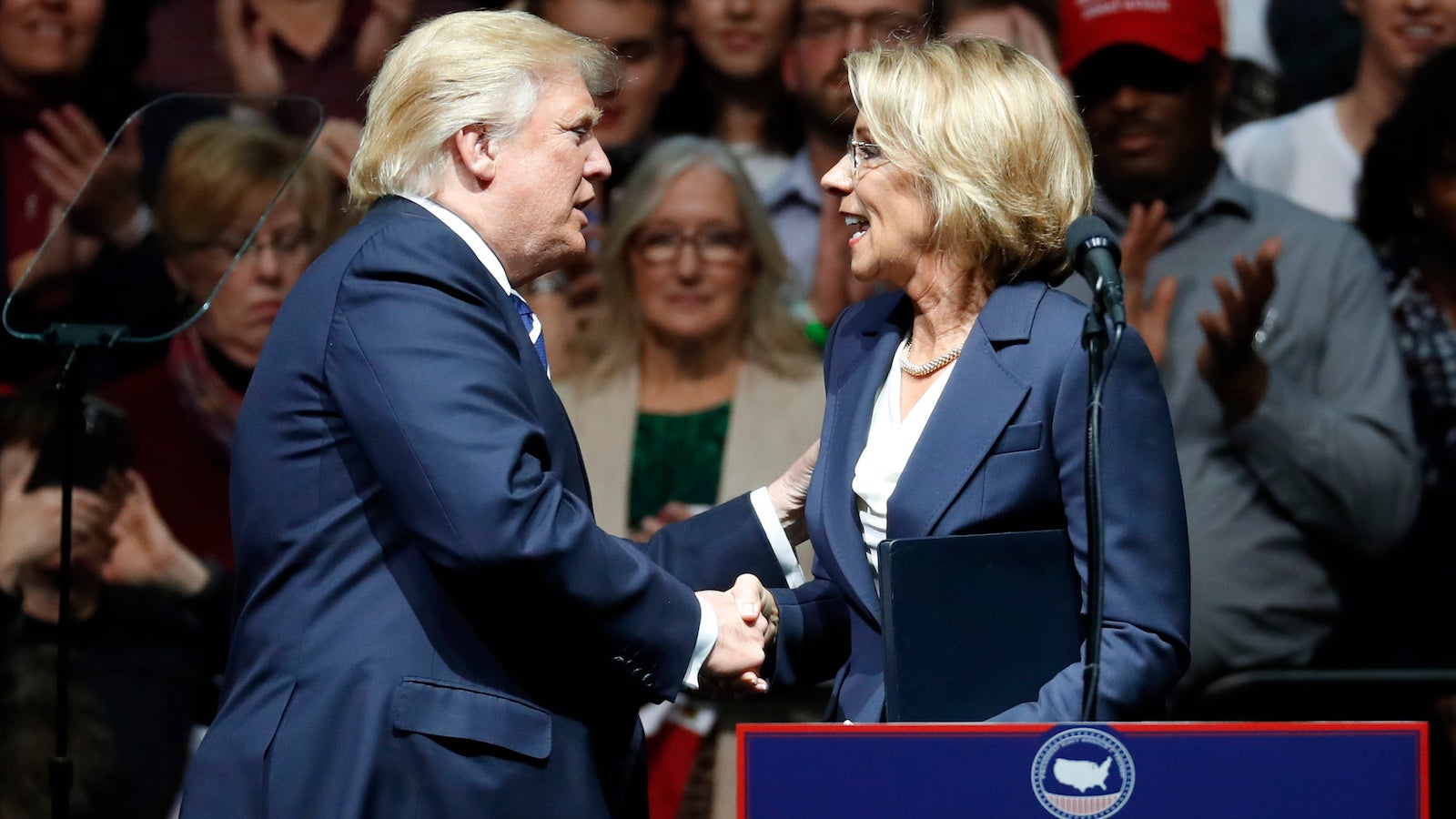
Following no small amount of controversy, Betsy DeVos was confirmed as the United States’ next education secretary today (Feb. 7), making history in the process.

Update, Feb. 7, 12:30pm: DeVos has won the Senate’s confirmation, 51-50, with vice president Mike Pence as the deciding vote.

It’s long been speculated that increases in unemployment bring about upticks in violence, whether domestic or societal. A massive new study out of Northwestern University cinches that relationship by examining one particular type of violence—school shootings in the US.

“I may cut the Department of Education,” Donald Trump—a year and a half ago, back when he was only a celebrity billionaire, and not America’s 45th president as well—mused, casually, on national television.

US president Donald Trump’s latest astonishing feat: Getting Americans to get truly, vigorously riled up over education.

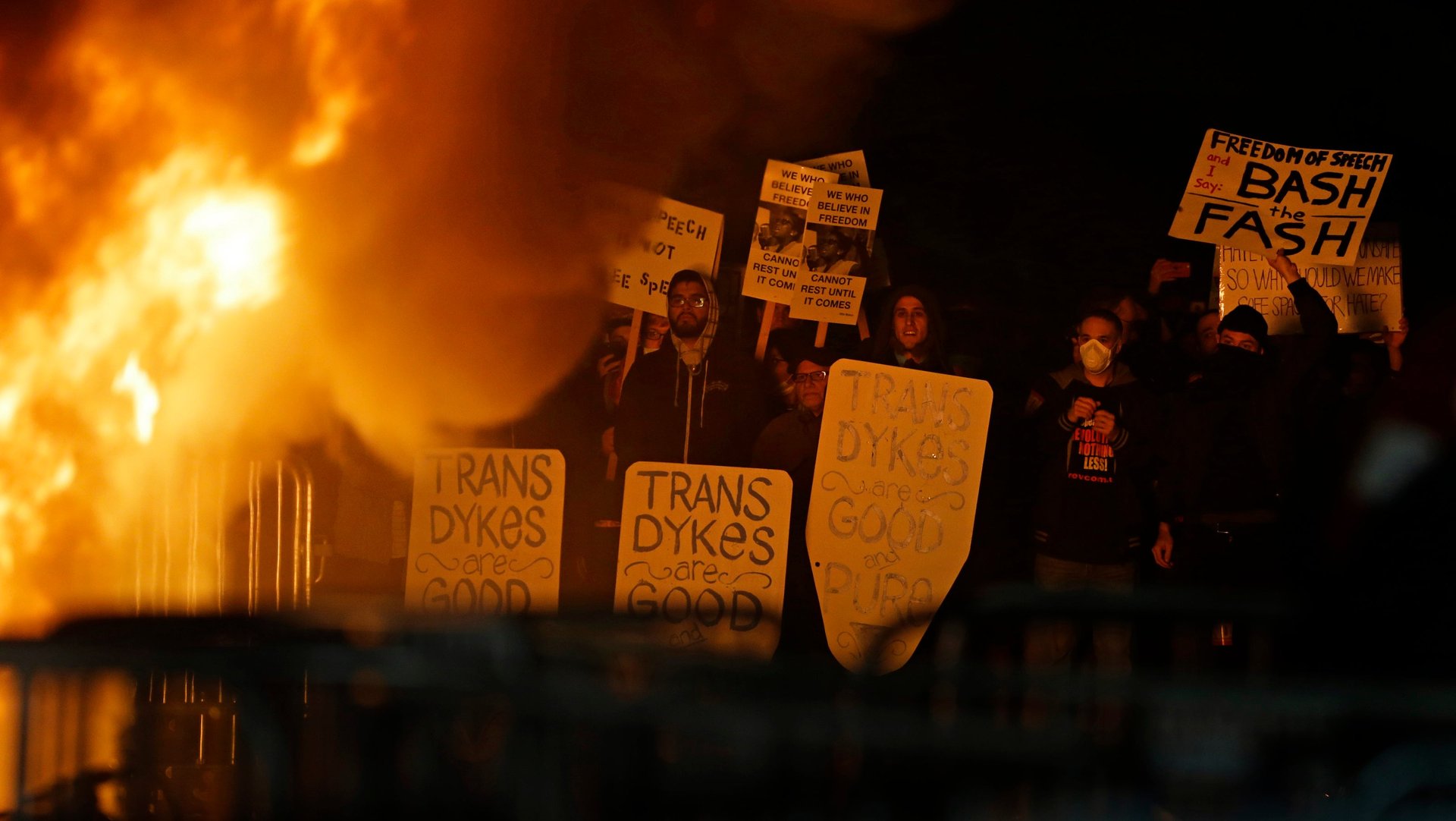
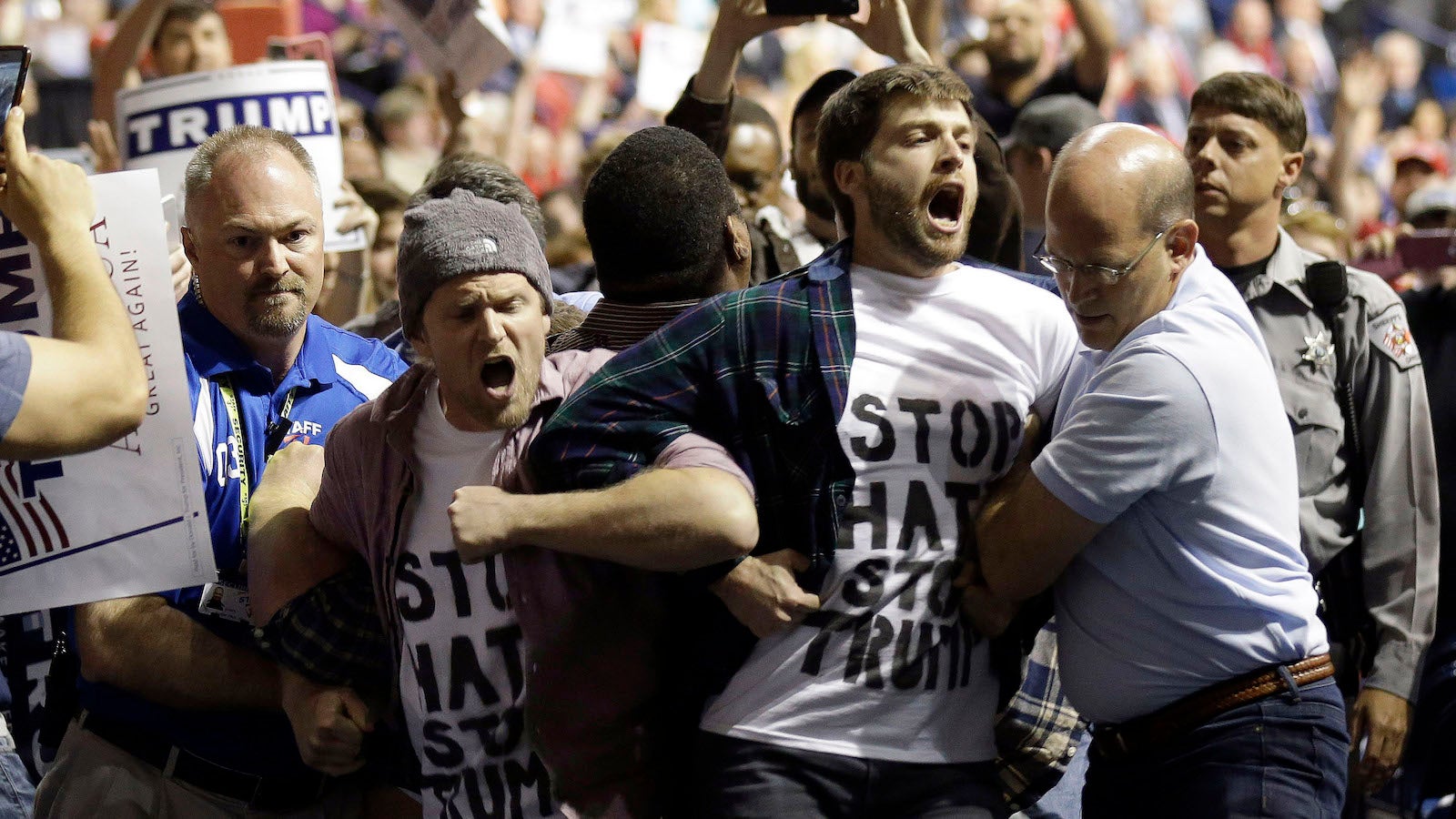
Darkly theatrical was the scene at the University of California-Berkeley last night, where a crowd of more than 1,500 gathered to protest the appearance of controversy-riddled alt-right leader Milo Yiannopoulos. Agitators threw fireworks and rocks at police. Molotov cocktails made generator-powered spotlights burst into flame.

This isn’t a joke.

Pop quiz: Who is Betsy DeVos? Choose the answer that best applies:

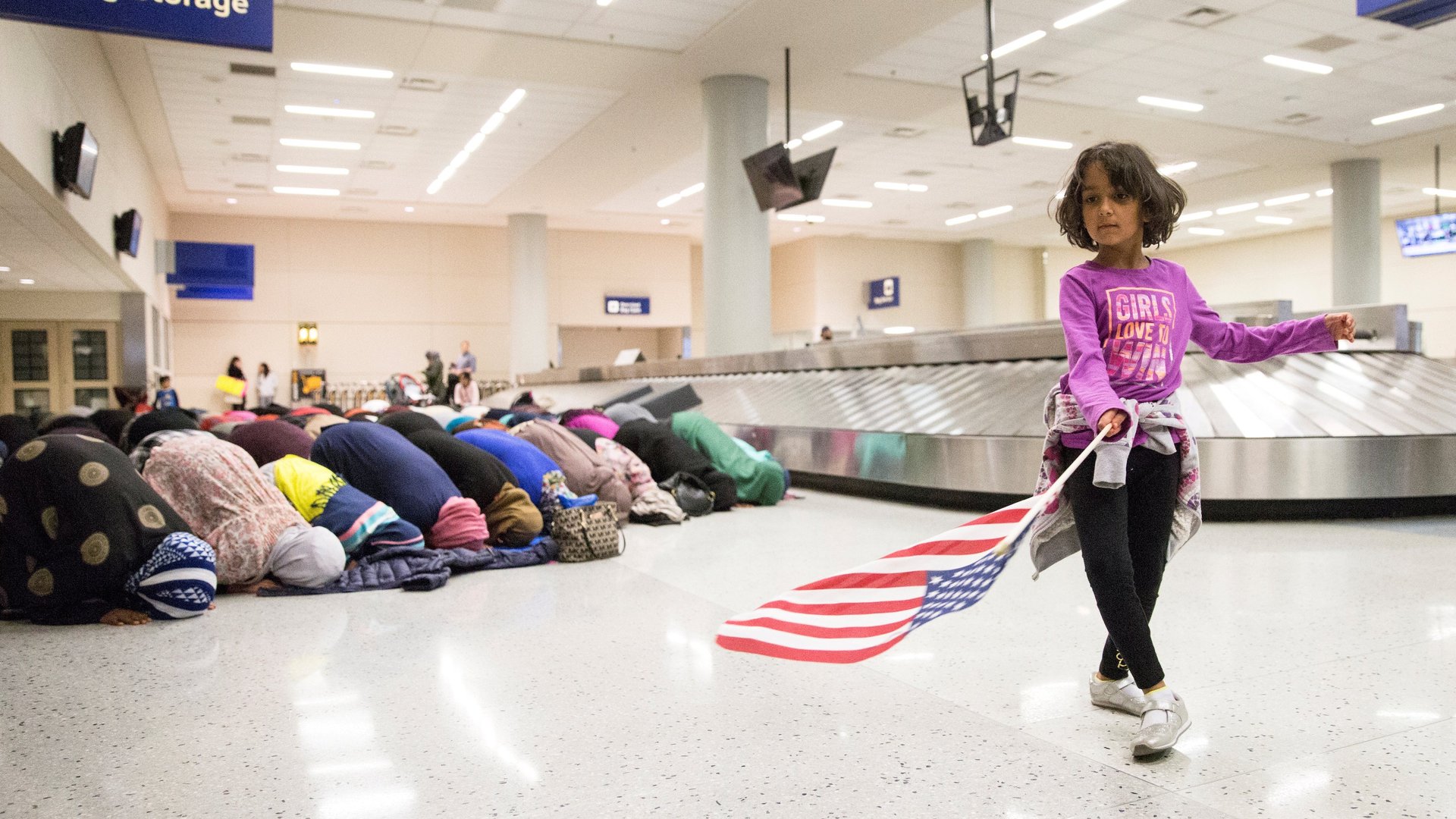
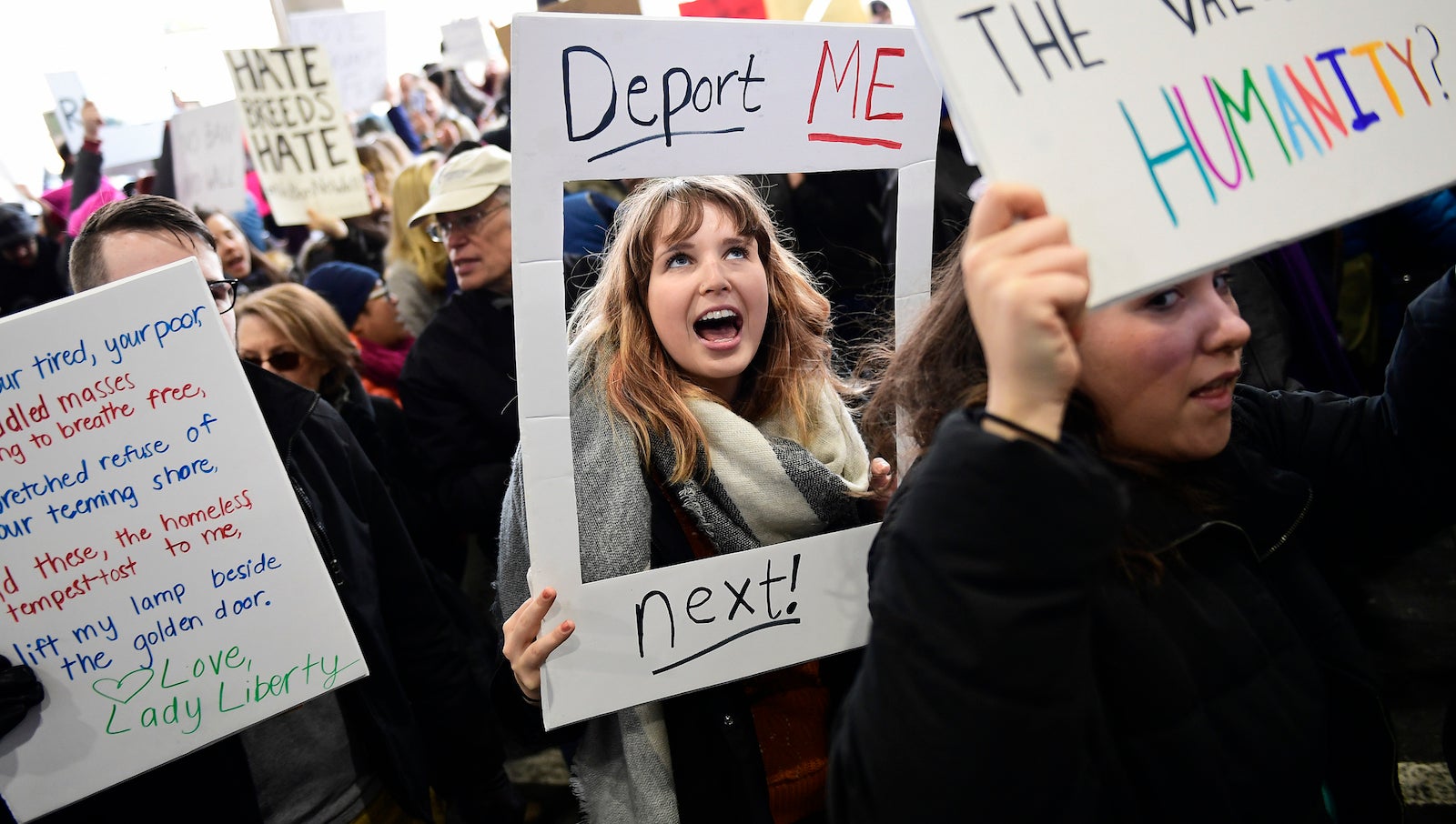
For the single weekend it’s been in effect, US president Donald Trump’s immigration ban—an executive order forbidding citizens of seven majority-Muslim nations from entering the country—has tossed US universities into chaos.

Lunar New Year, Chinese New Year, Spring Festival, chunjie—call it what you want. The year of the rooster begins Jan. 28, hallmarked by the world’s largest human migration and a flurry of splendid traditions.

Milo Yiannopoulos’s “Dangerous Faggot Tour” isn’t going well. Or it is—depending who you ask.

Donald Trump has been in office less than a week, and the UK’s departure from the European Union has yet to happen. But it’s a measure of how rattling both news events have been that these countries’ world-famous universities—institutions usually slow to react to any sort of social or political change—are already feeling strain.