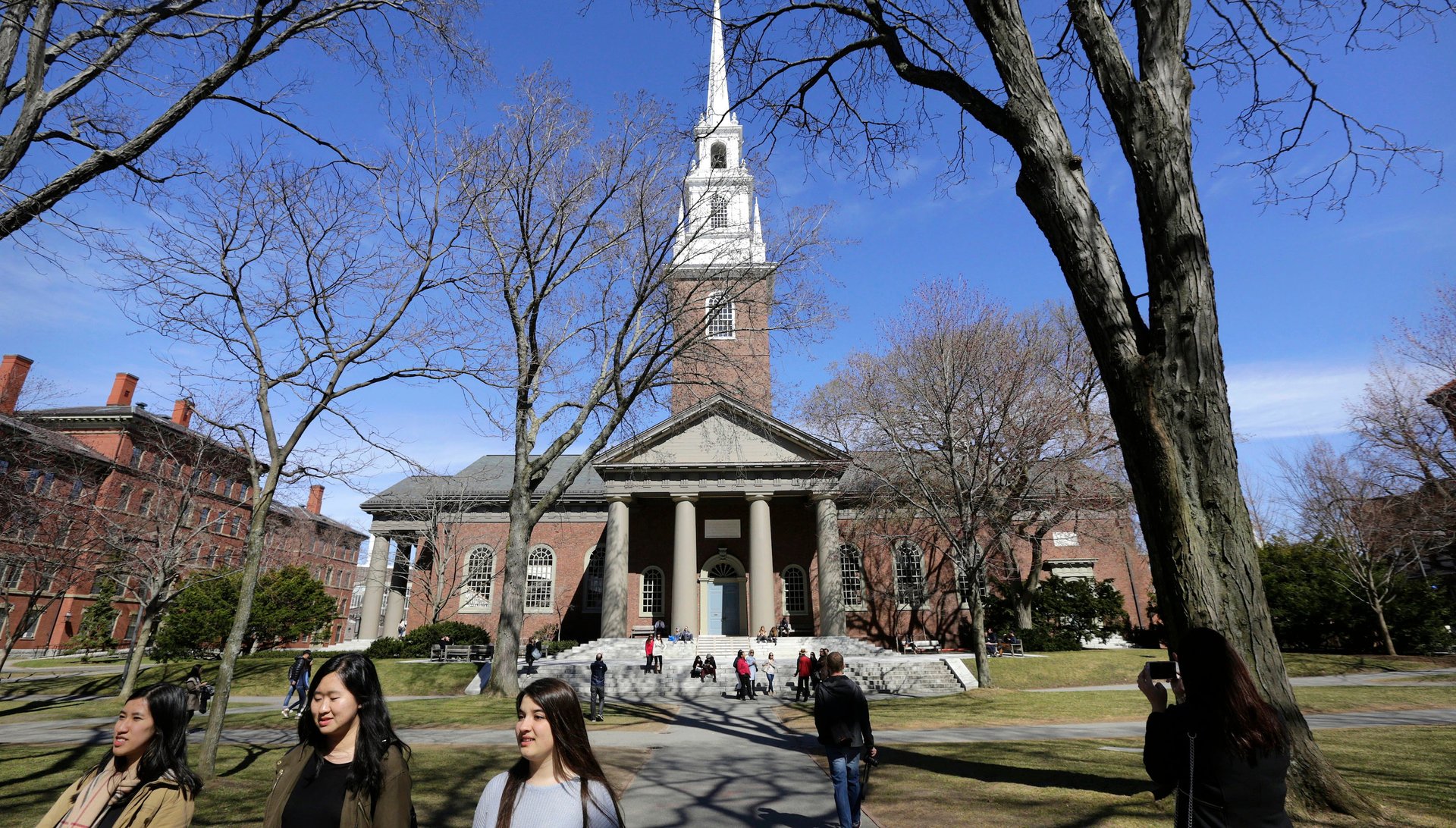
At the start of yesterday, Harvard’s men’s soccer team was top of the Ivy League and well on its way to a spot in this year’s NCAA tournament. By the end of the day, the remainder of its season had been canceled. It wasn’t a willing forfeit.

At the start of yesterday, Harvard’s men’s soccer team was top of the Ivy League and well on its way to a spot in this year’s NCAA tournament. By the end of the day, the remainder of its season had been canceled. It wasn’t a willing forfeit.

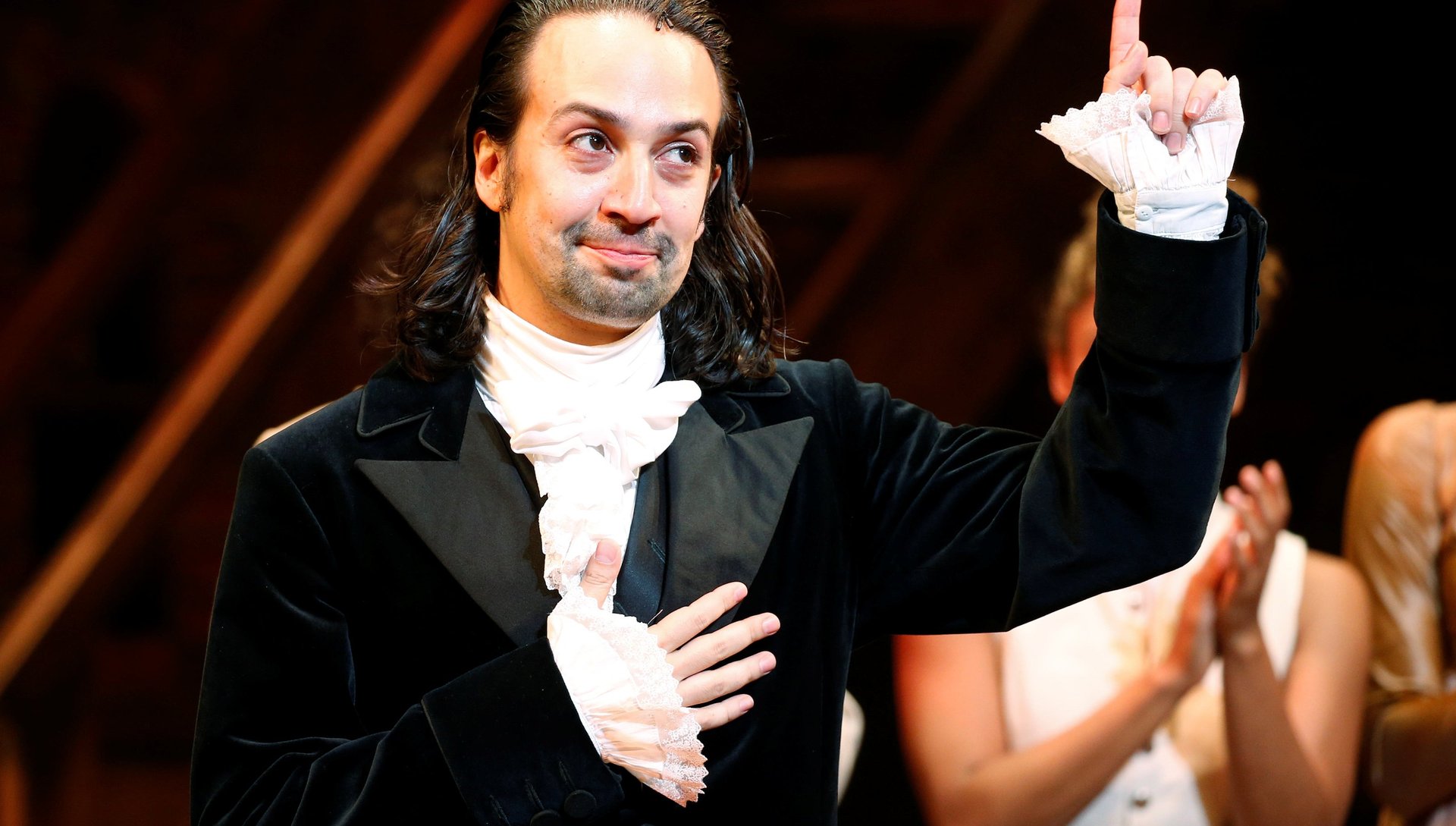
Though tickets to Hamilton may remain nearly impossible to snag, some major artists are bringing a new version of the hit musical to your personal speakers.

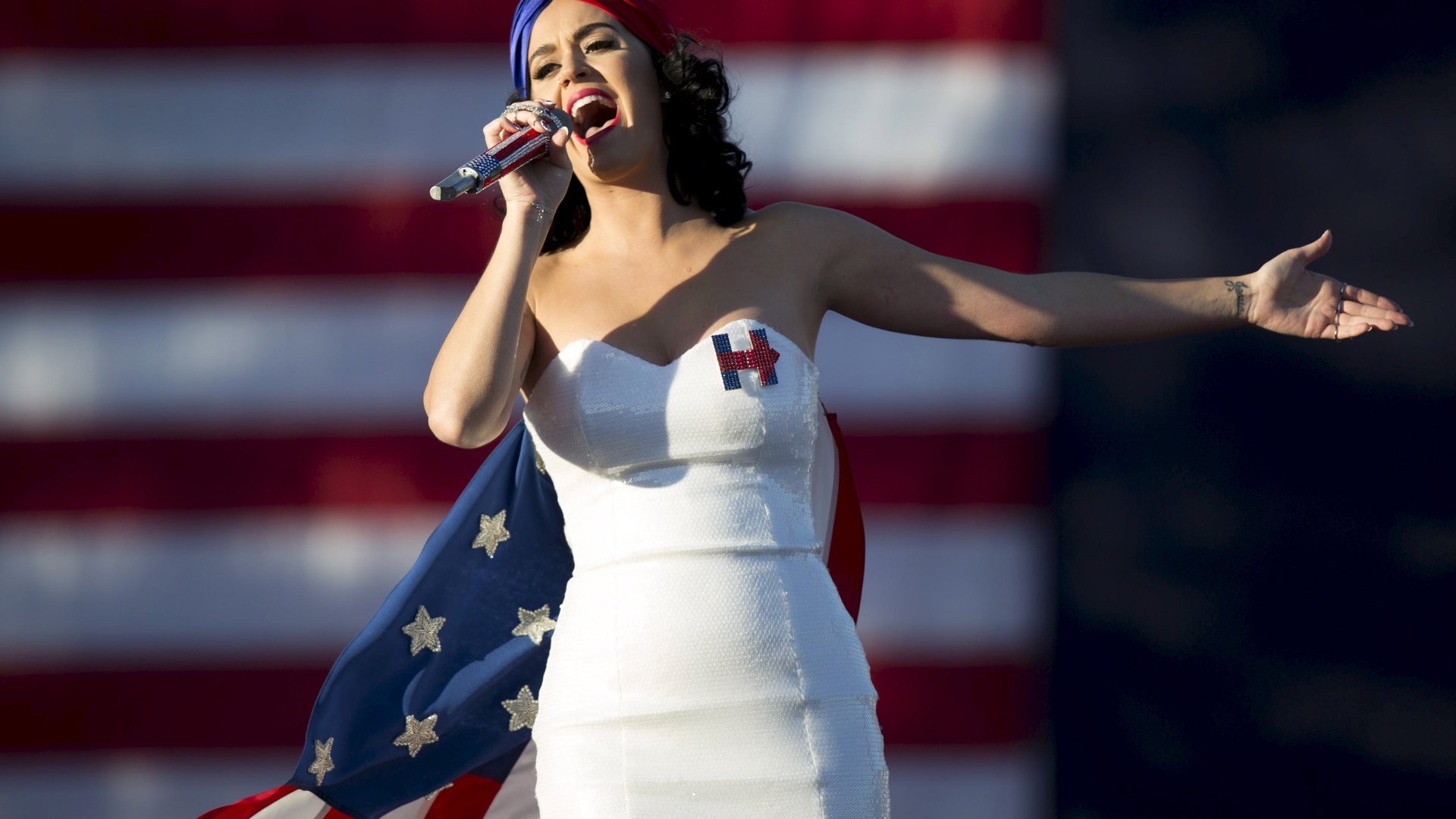
Election 2016 has been saturated with music. Specifically: protest songs, anti-establishment music videos, and a whole lot of angry artists.

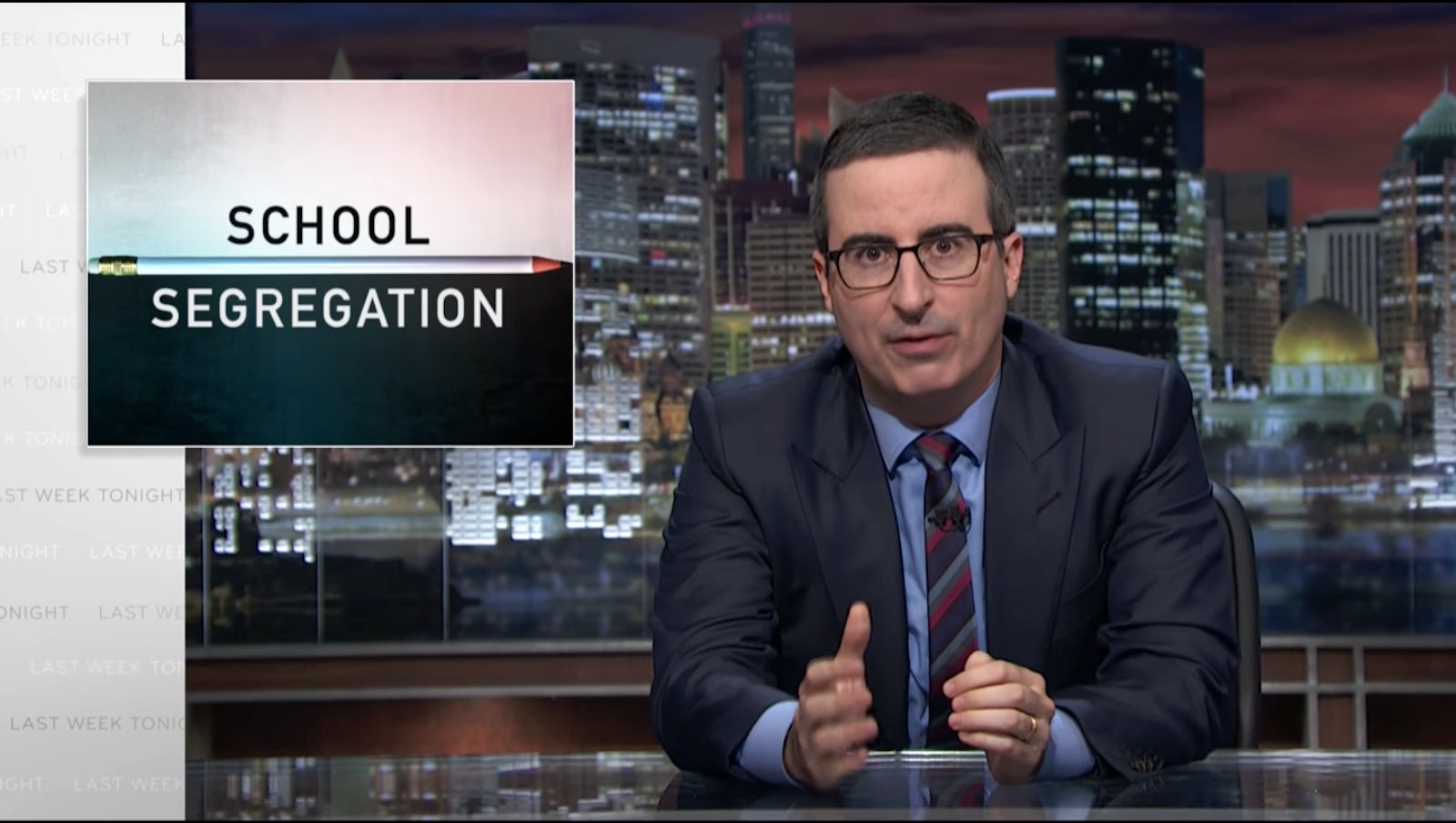
“The hard truth is,” says John Oliver, “you don’t have to be intentionally racist to do things that have racist effects.”

Friendship isn’t always as serendipitous as it might feel; according to new research, there are just three ways people typically structure their social lives.

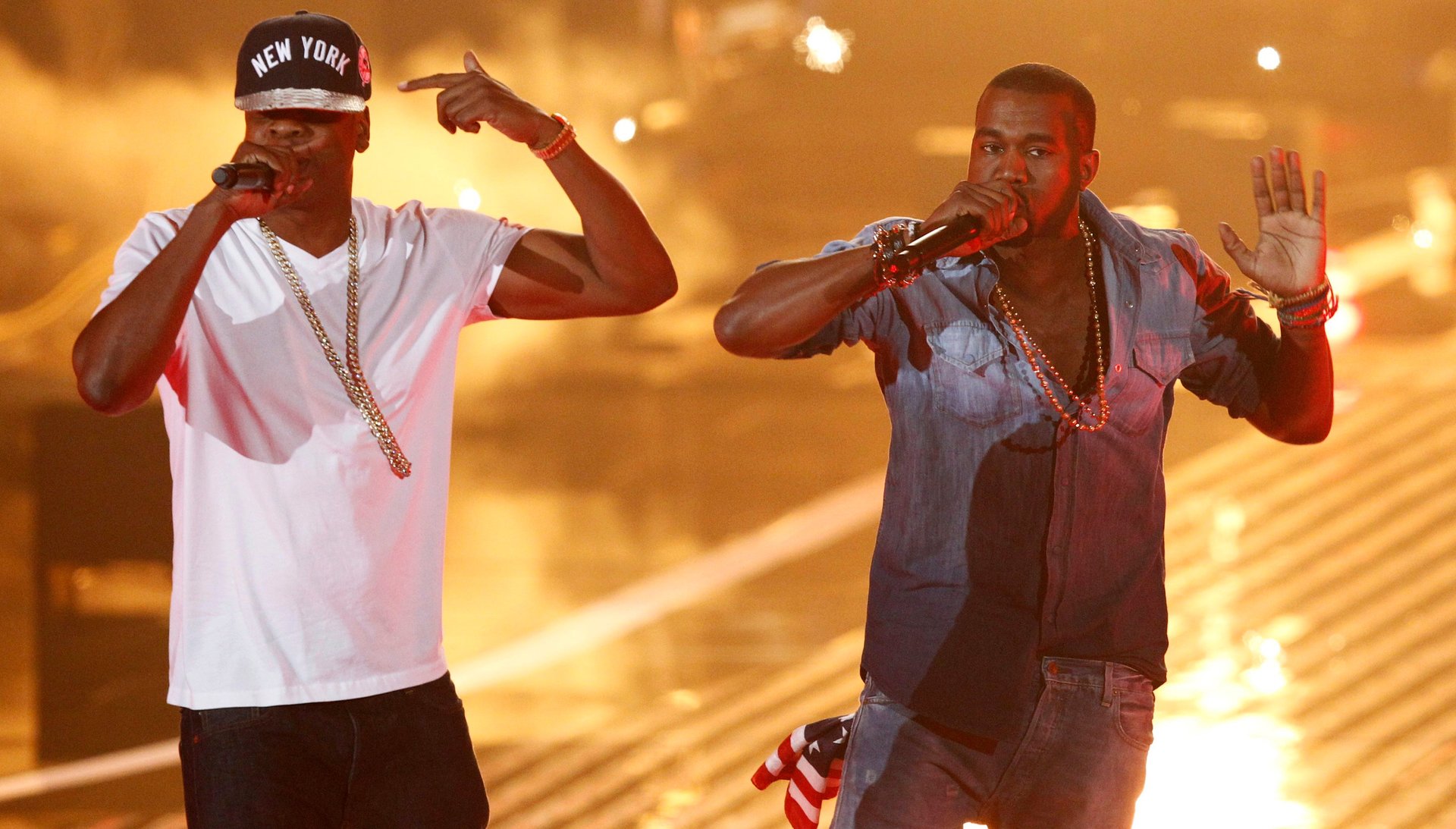
In music, as in life, making it big is often a matter of who you know. Talking of rising up his industry’s corporate ladder, Jay Z once rapped:

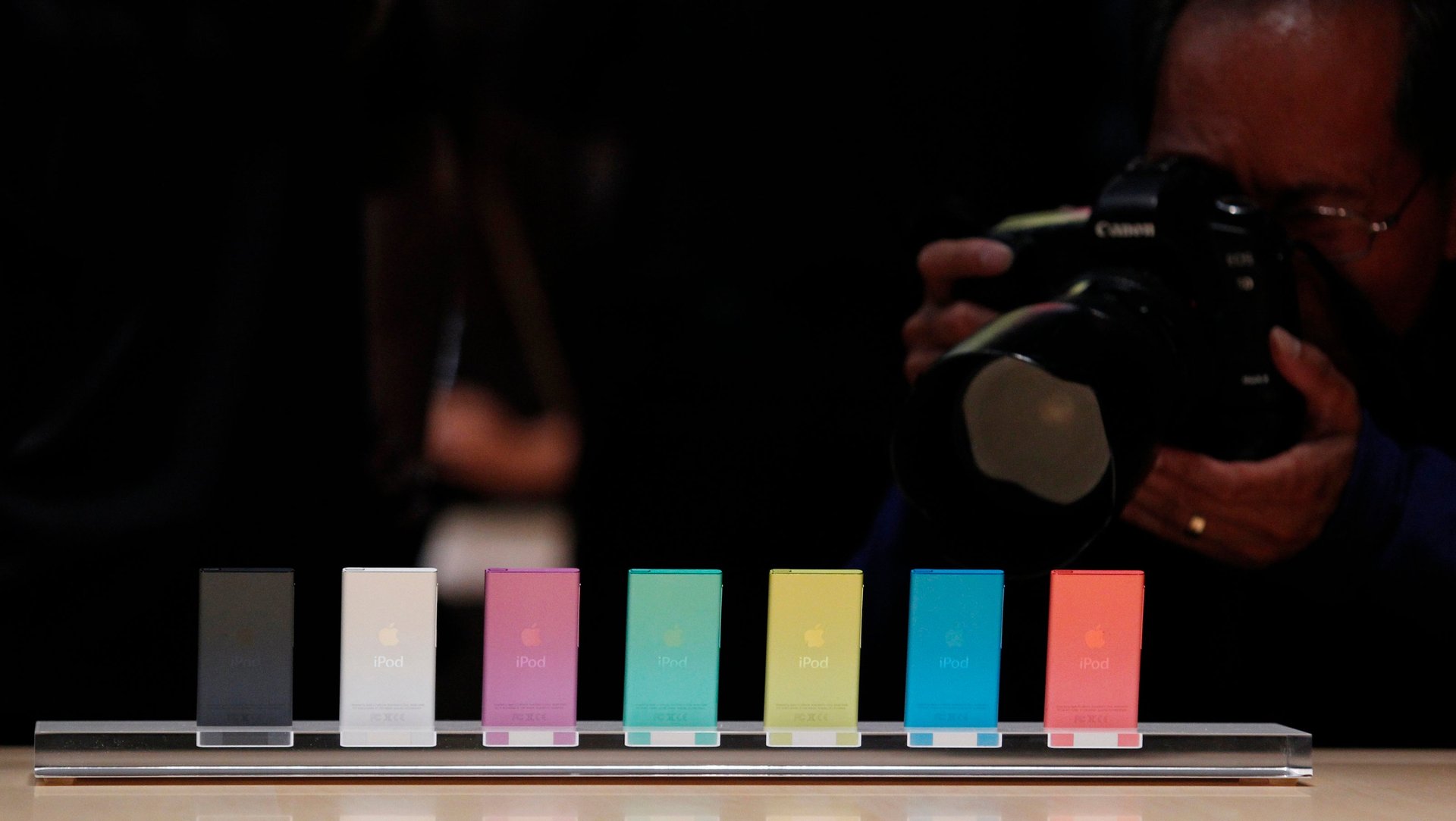
“A nice feature for Macintosh users … but to the rest of the Windows universe, it doesn’t make any difference,” reads an unenthused quote, made by an e-commerce analyst, in the New York Times’ review of Apple’s original iPod.

In a word: T-Mobile.

The posthumous album drop—which happened in the case of Johnny Cash, Tupac Shakur, Michael Jackson, and several other revered musicians—can prove a devoted fan’s wildest dream.

Donald Trump capped off his performance at the final US presidential debate yesterday by—bizarrely, apparently apropos of nothing—interrupting Hillary Clinton’s remarks on tax policy to call her a “nasty woman.”

Apple Music’s not interested in buying Tidal anymore, which seems to have given Kanye West all the more reason to hate on it.

As an increasingly nasty election season enters its final weeks, Americans are stressed out. Getting in a few anxiety-relieving cardio sessions may not be a bad idea.

Researchers at Sony’s computer science laboratory in Paris recently put out a set of pop songs composed by an AI system, which scans songs from a database to compose entirely new pieces in certain musical styles. The final results were, unexpectedly, fairly catchy tunes.

When it comes to education, the US usually ranks well enough in the world, but lacks bragging points over many of its European peers.

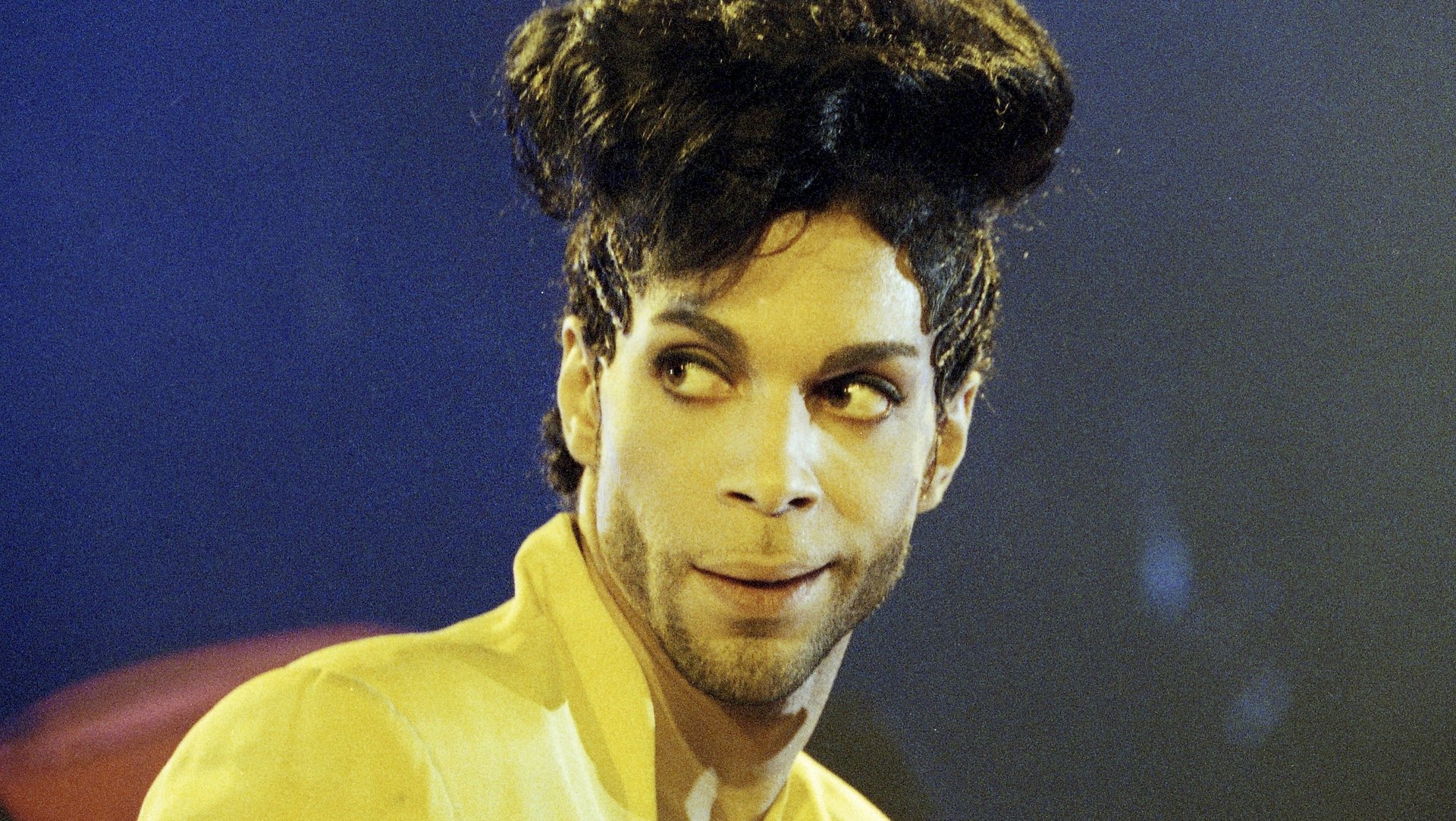
Police investigations into Prince’s death may have come to a conclusion, but the battle for his music has not.

No one would expect that the interview process at an elite school like Oxford would be easy. But the UK university, currently number one in the world by one closely watched ranking, is notorious for asking its applicants especially intimidating questions—a practice some have deemed inherently unfair.

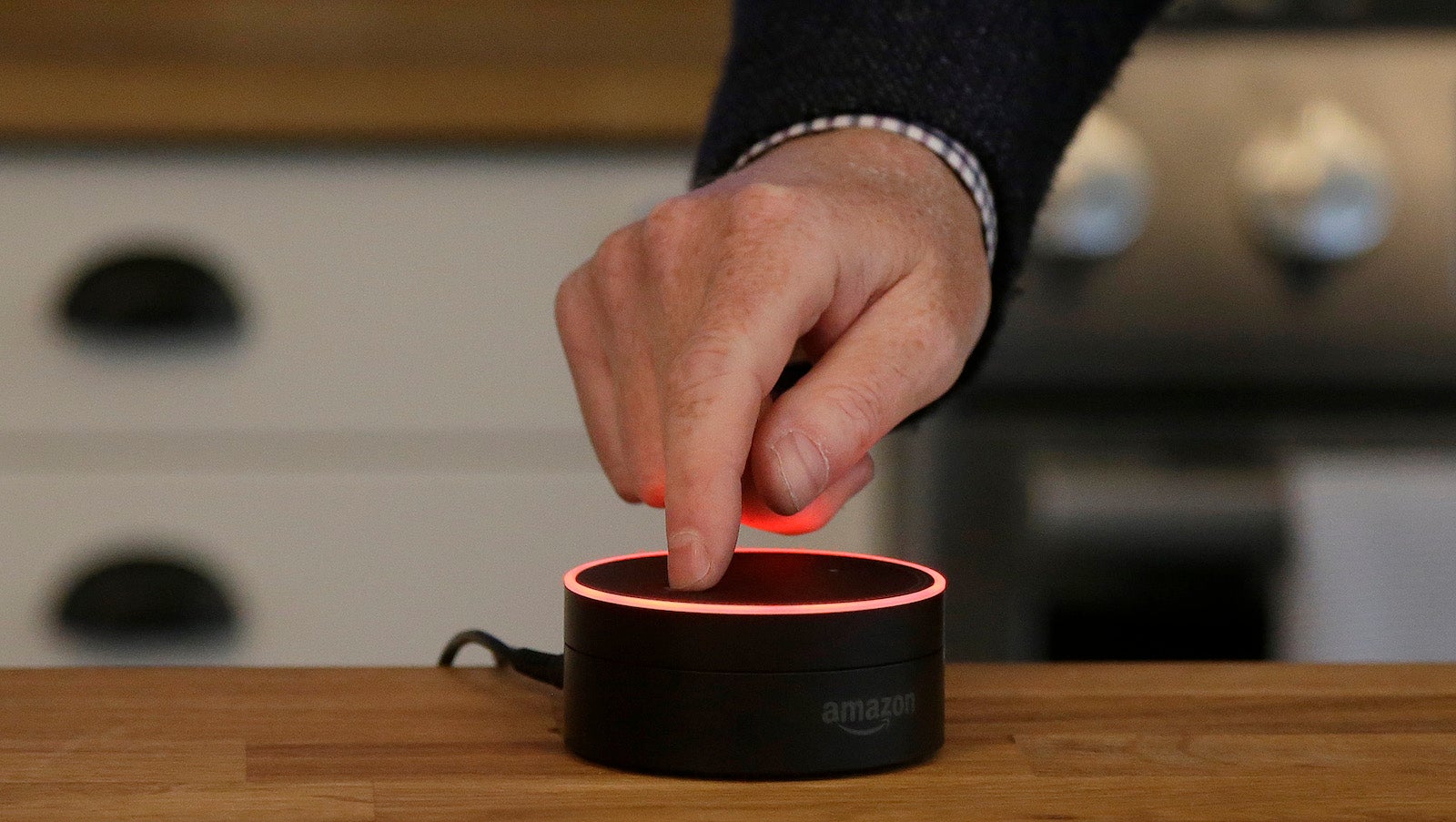
As promised, Jeff Bezos’s Amazon is diving into the music streaming fray. The fingers-in-many-pots company is out today with Amazon Music Unlimited, a standalone, on-demand subscription music service whose main selling point is a low, low price.

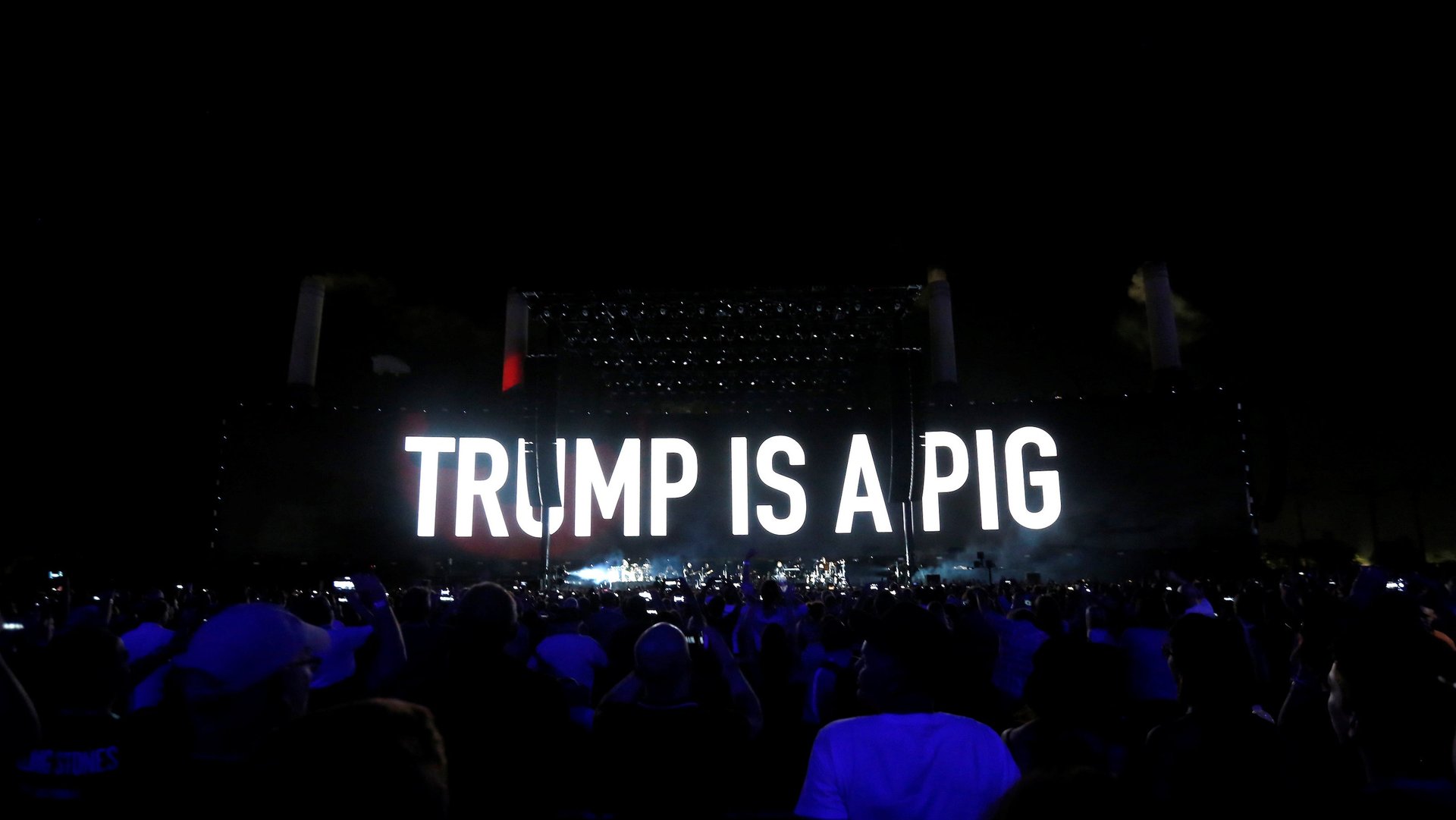
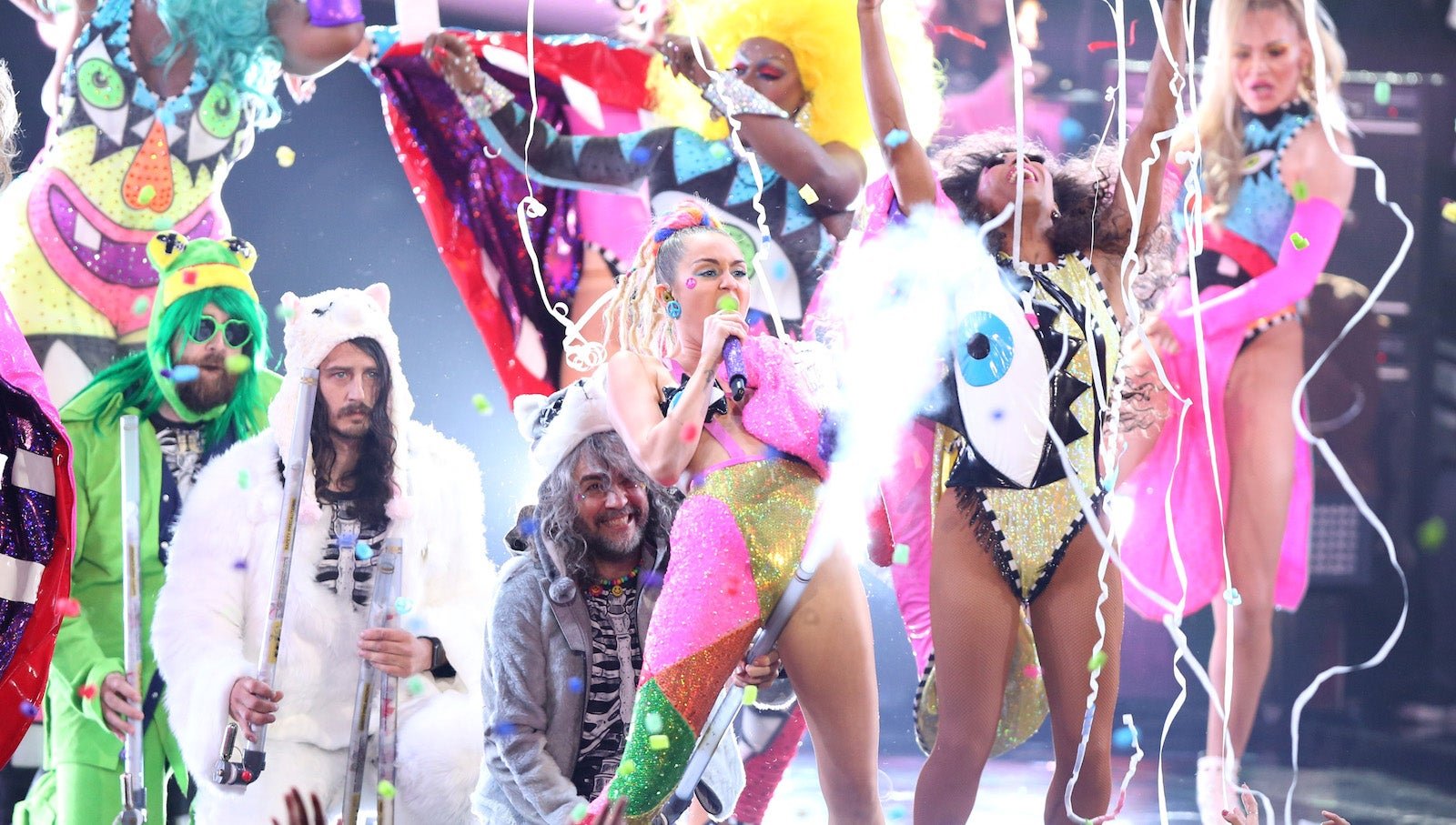
The music world has had enough of Donald Trump. Acts from the Rolling Stones to Miley Cyrus have come out in the past few months to denounce the polarizing Republican presidential candidate, whose campaign hit a low point last week when a video from 2005 emerged depicting him bragging about sexually assaulting women.

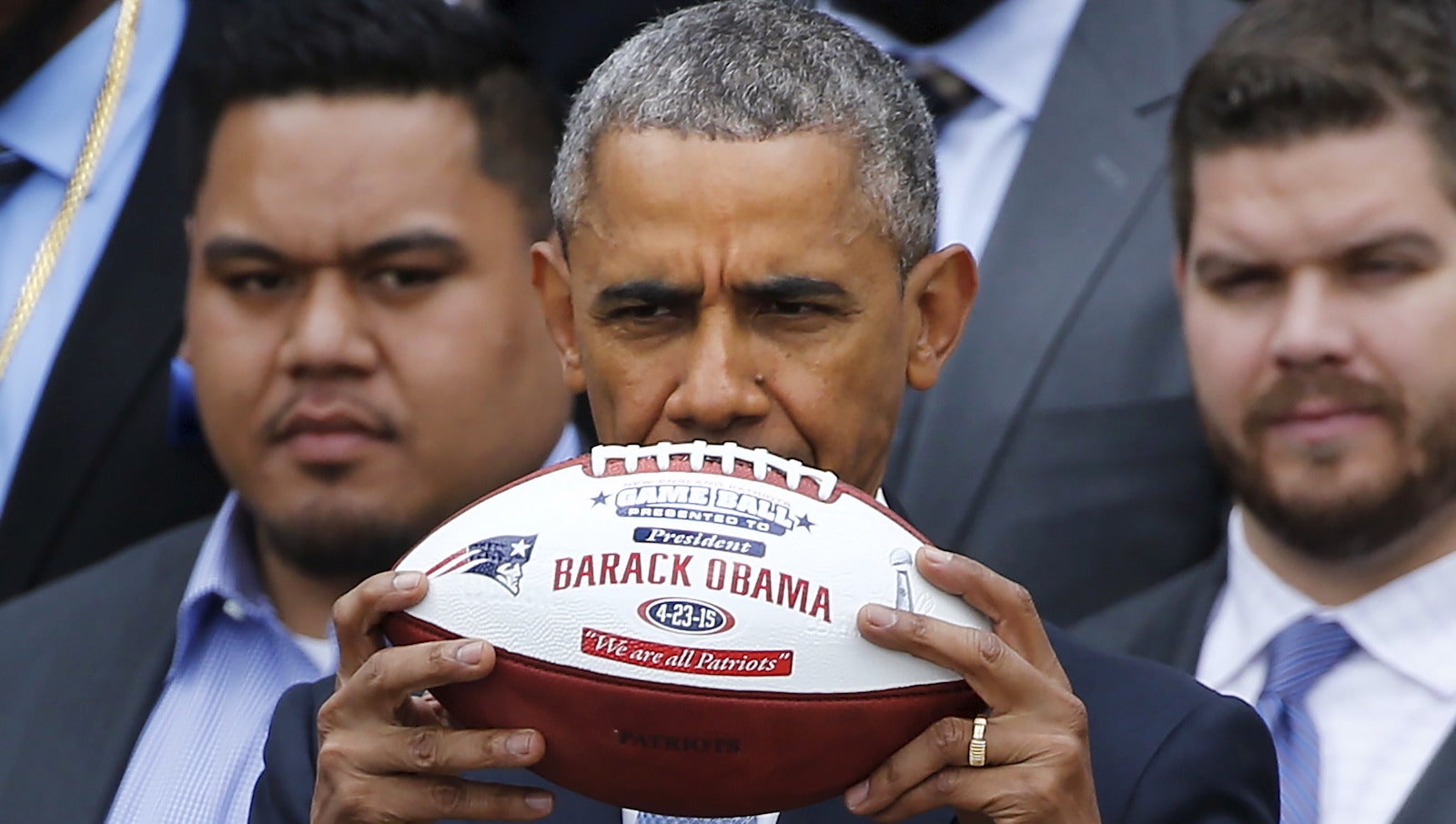
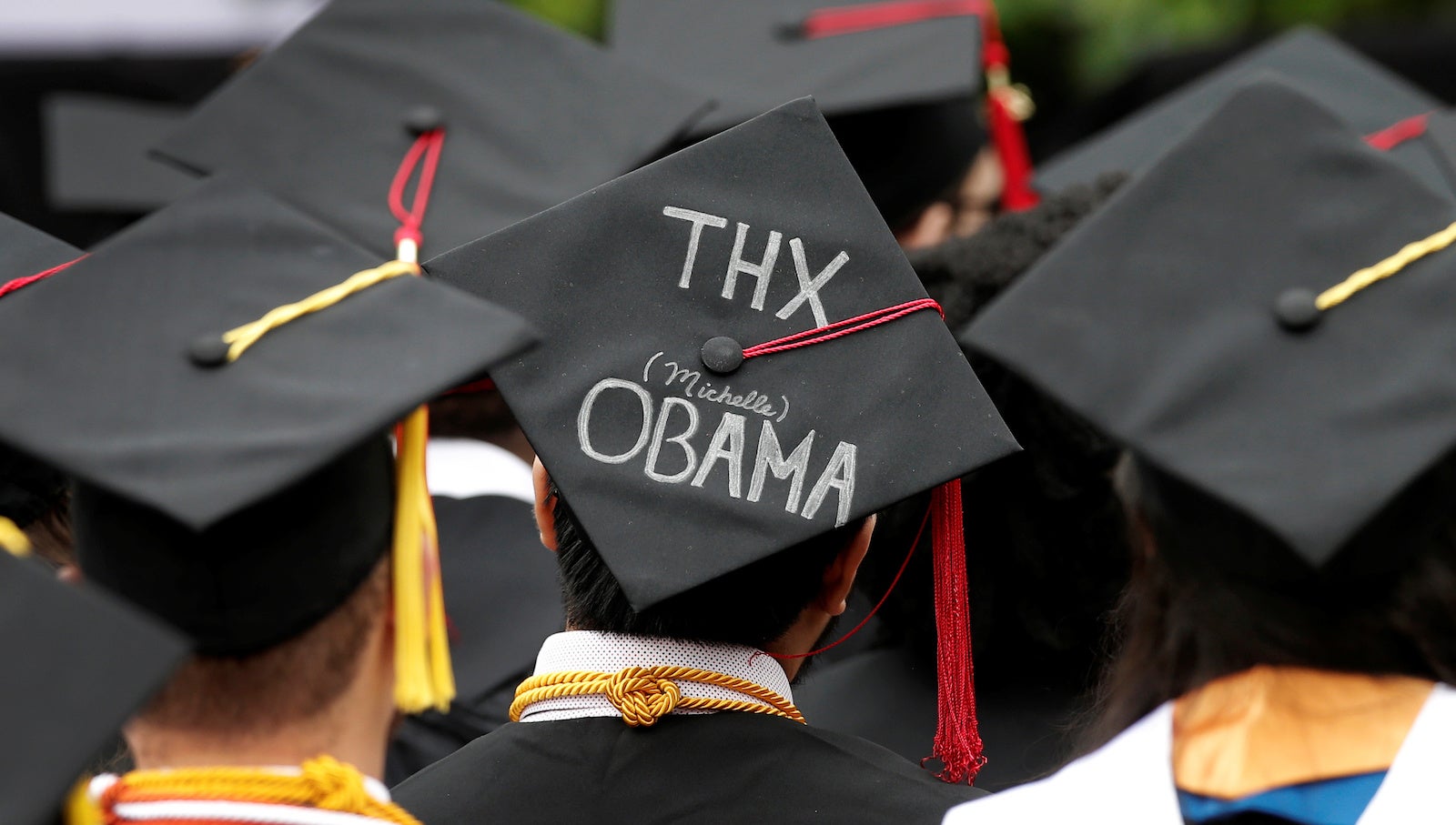
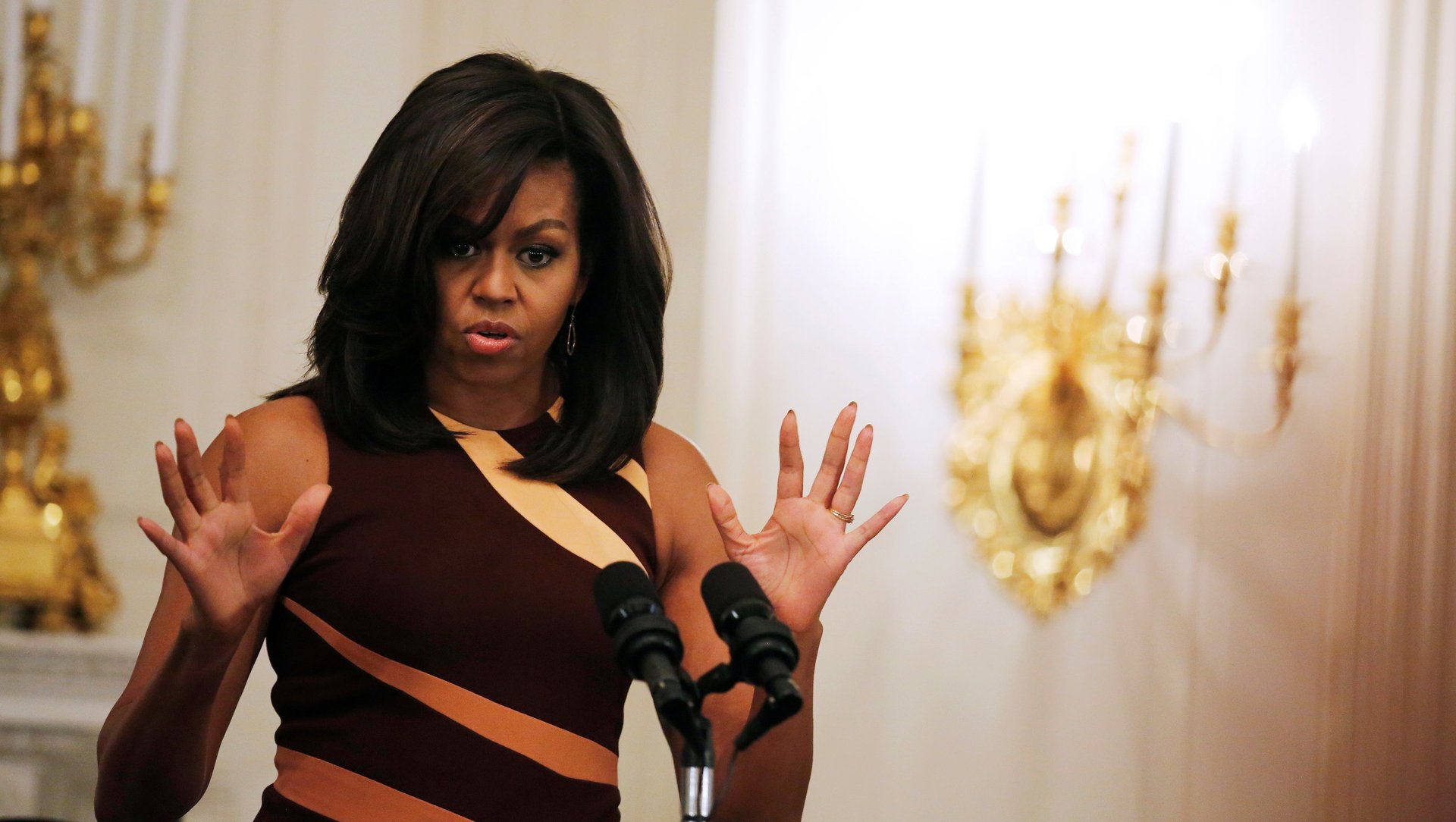
First lady Michelle Obama has one key motivation driving her determined, longtime campaign to improve girls’ education in the US and beyond: Her own life.

Spotify, a modest Swedish company, started small in 2006, and has since grown into a global juggernaut inspiring dozens of similar on-demand music services from some of the biggest tech companies in the world. Now that subscription streaming has solidified into the mainstream, though, what’s next?

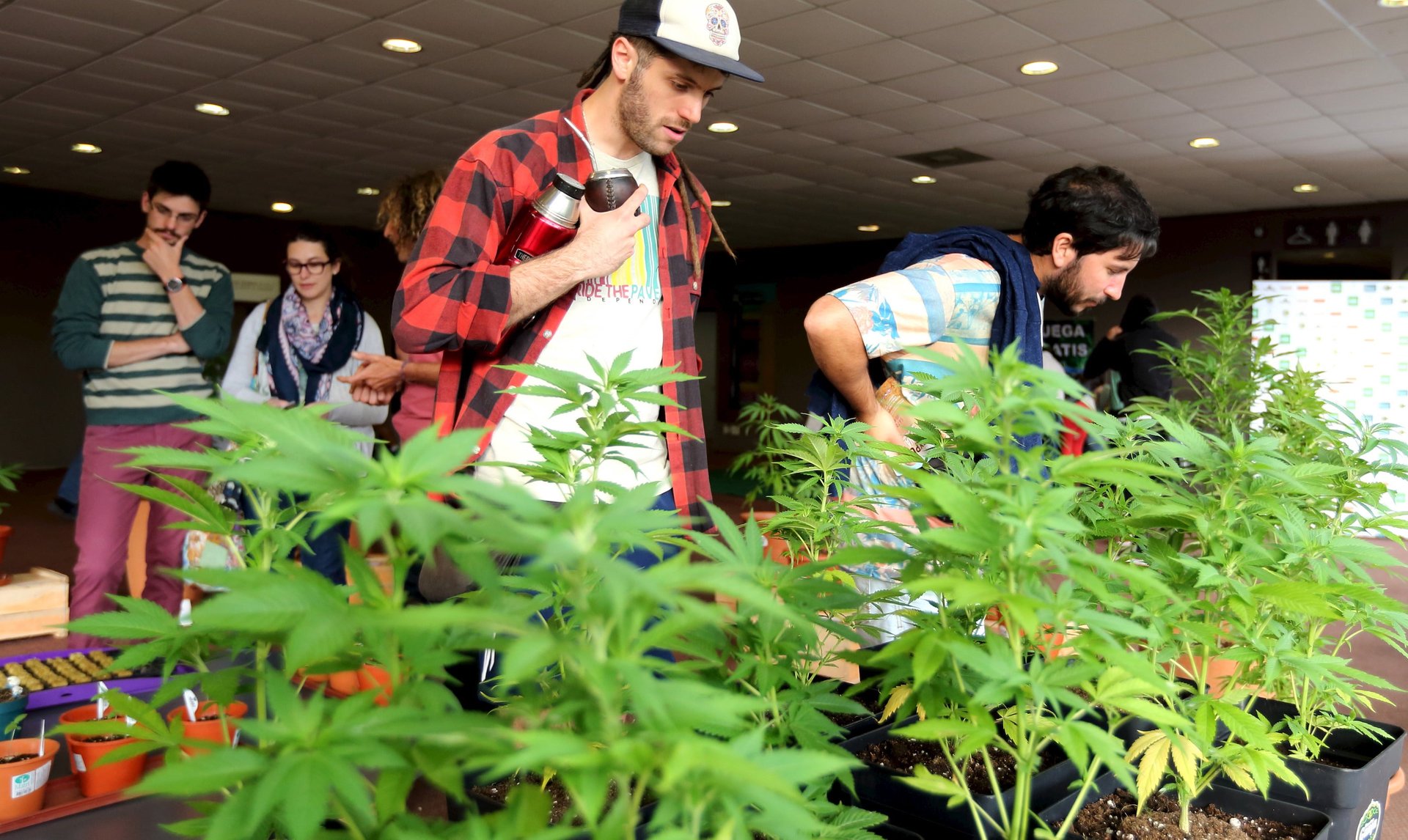
As the world’s marijuana industry flourishes, there’s a rising demand for skilled workers with business savvy. As a result, one college plans to prepare its students by offering a class on growing pot.

Morrissey fans could have a leg up on this one.

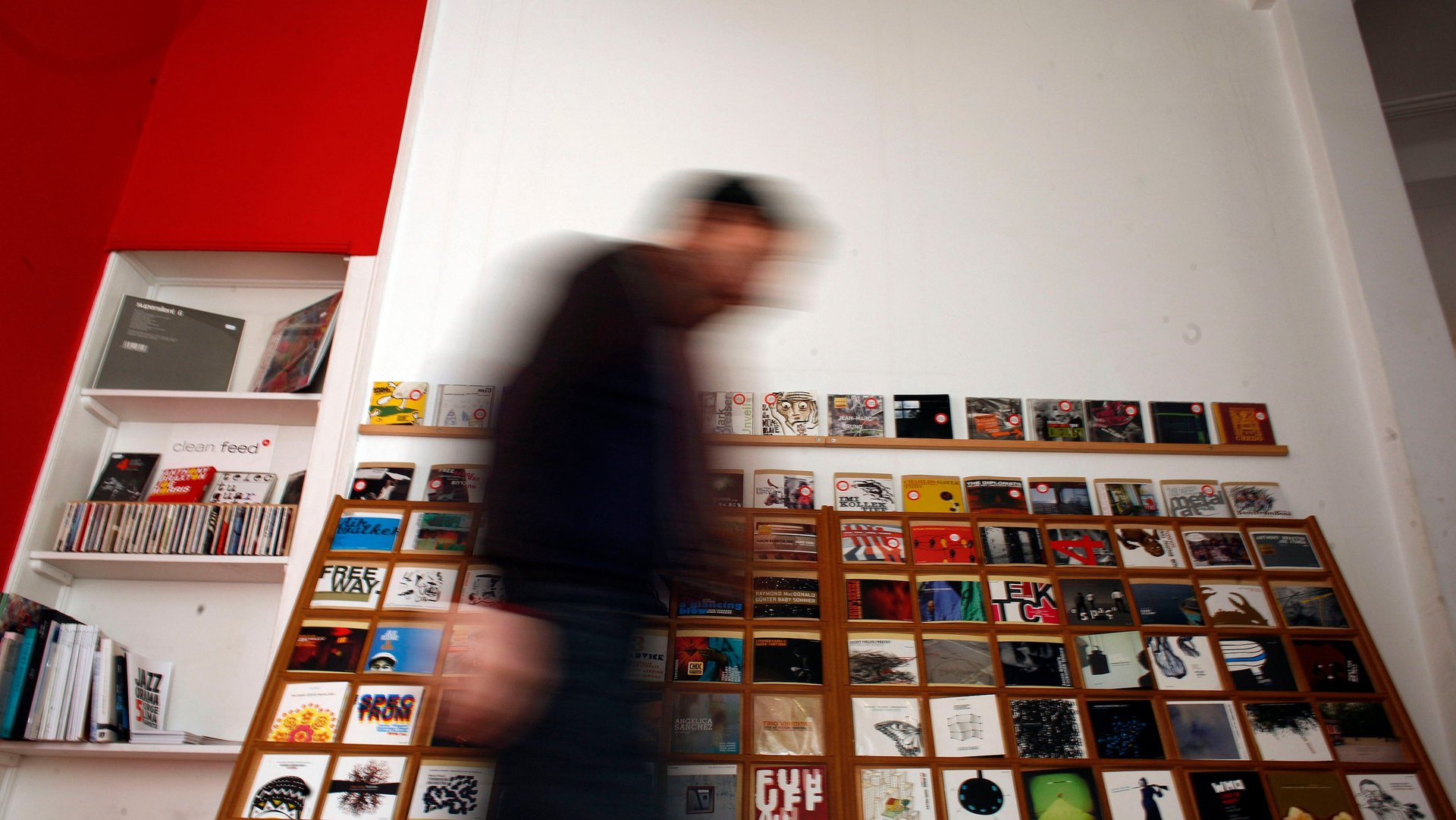
On Telegraph Avenue in Berkeley, California—a long, jutting street renowned for its bohemian history and activist counterculture—sits an auditory mecca. For 26 years, independent record-store chain Amoeba Music has operated its flagship establishment there.

Alas, it used to be so simple. You lovingly collected vinyl. Or bought racks of CDs. Even when music went digital, you only needed to fire up a one-stop platform like iTunes—mediocre, perhaps, but straightforward enough—and queue up the songs you’d specifically purchased and downloaded.