
Money & Markets
Why Obama’s victory tweet got far more retweets than Modi’s“India has won.”
Updated July 21, 20222 min read
“India has won.”
Twitter’s India head Rishi Jaitly has called it the ”Twitter Election.” Indeed, according to the social media company’s own data, 56 million tweets have been sent about India’s elections between Jan. 1 and May 12, with an estimated total reach of 267 billion.
Whatever your plans on May 22 to 25, you better pencil in a visit to the polling booth for the European elections, warns the Danish parliament in a racy YouTube cartoon.
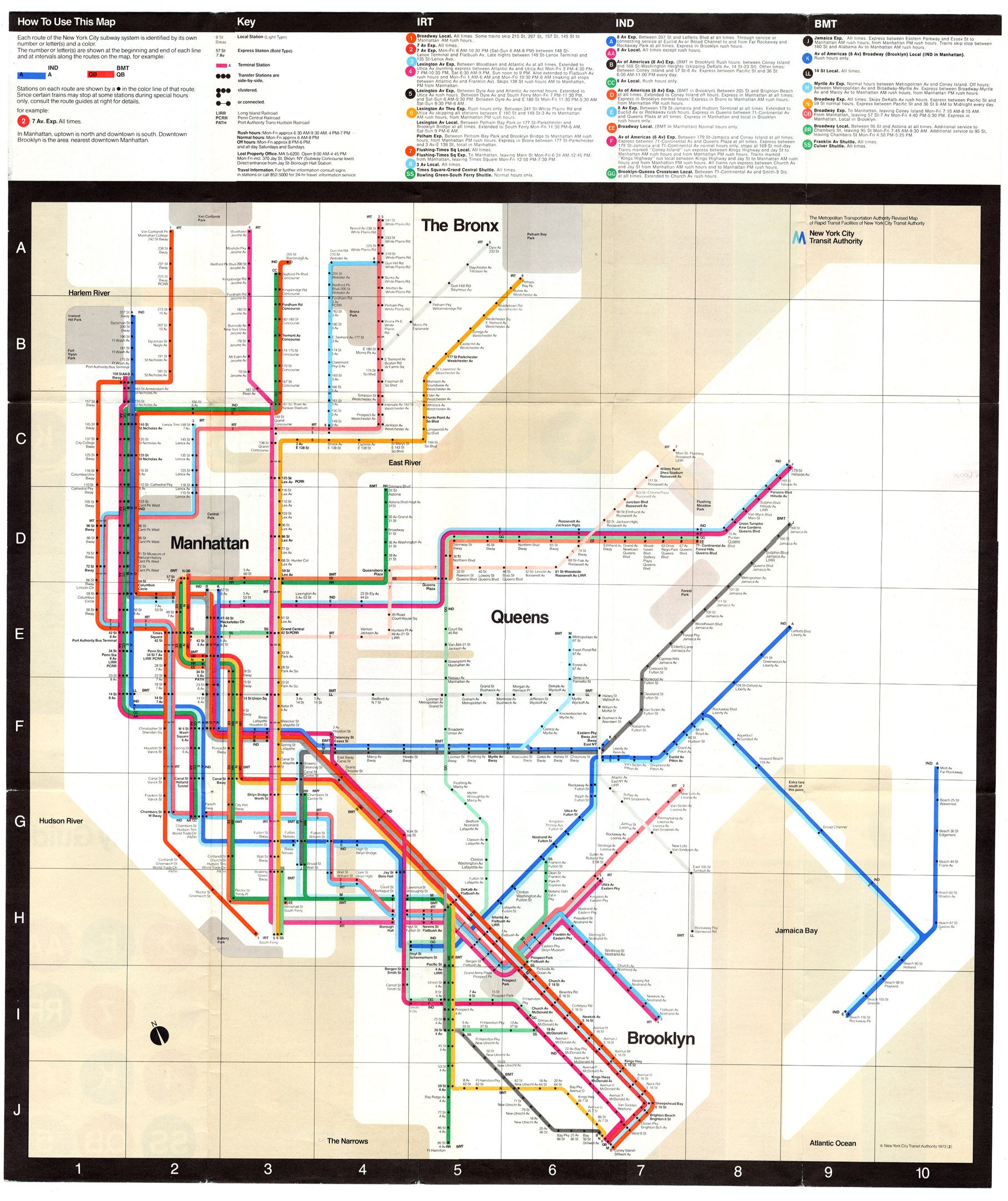
Image via NYCSubway
Although the tradition of celebrating mothers is ancient, Mother’s Day, as celebrated in most of the world, is relatively recent. It was proclaimed officially 100 years ago on on May 9, 1914 by US president Woodrow Wilson, who designated “the second Sunday in May to Mother’s Day.”
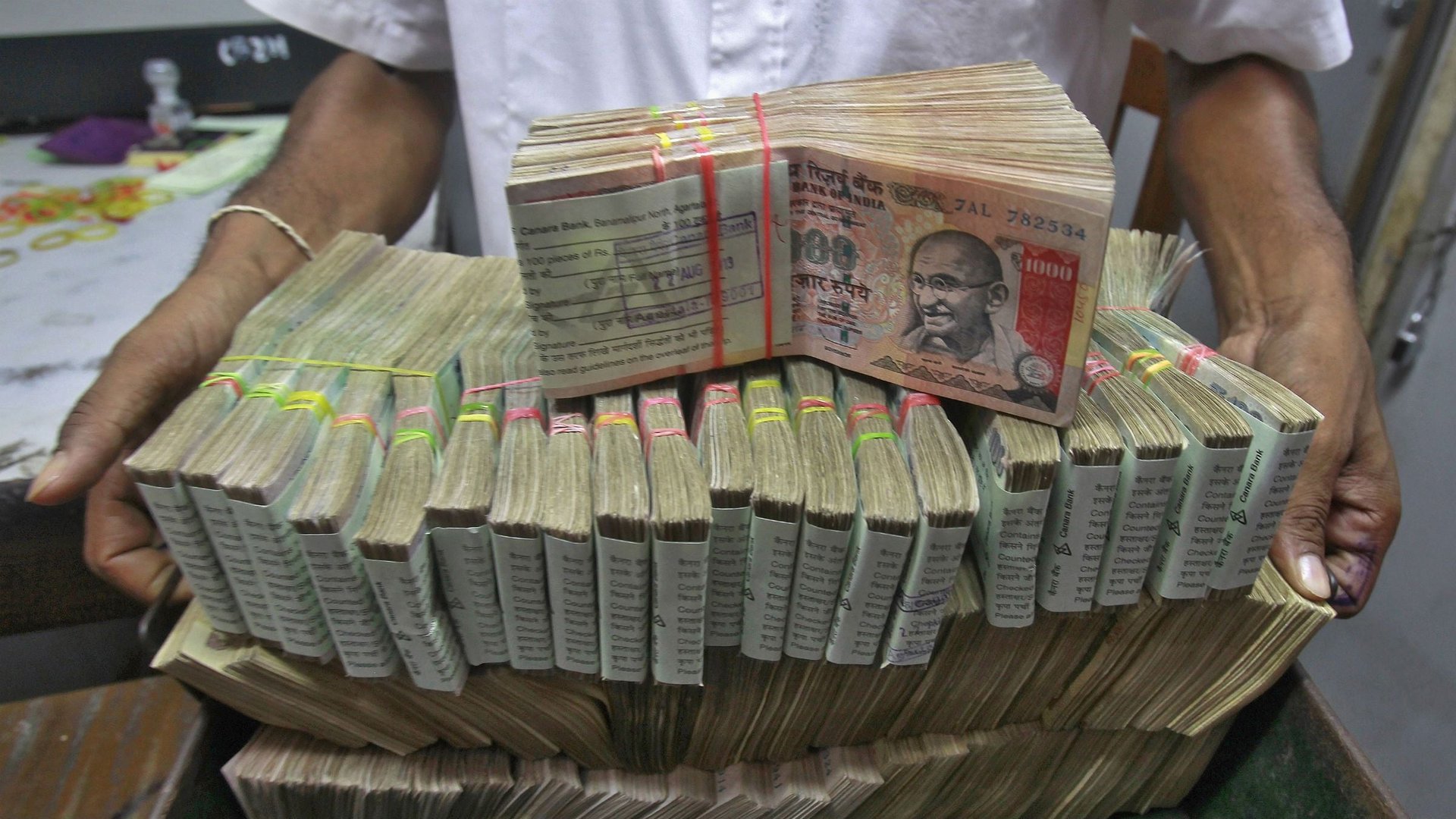
Three of India’s four largest states—representing nearly one-third of India’s 1.2 billion people—are voting this week on whether to elect well-heeled criminals to parliament.
Correction: an earlier version of this article stated that the wheel at the center of the Indian flag is the cotton spinning wheel; it’s the Ashok Chakra.
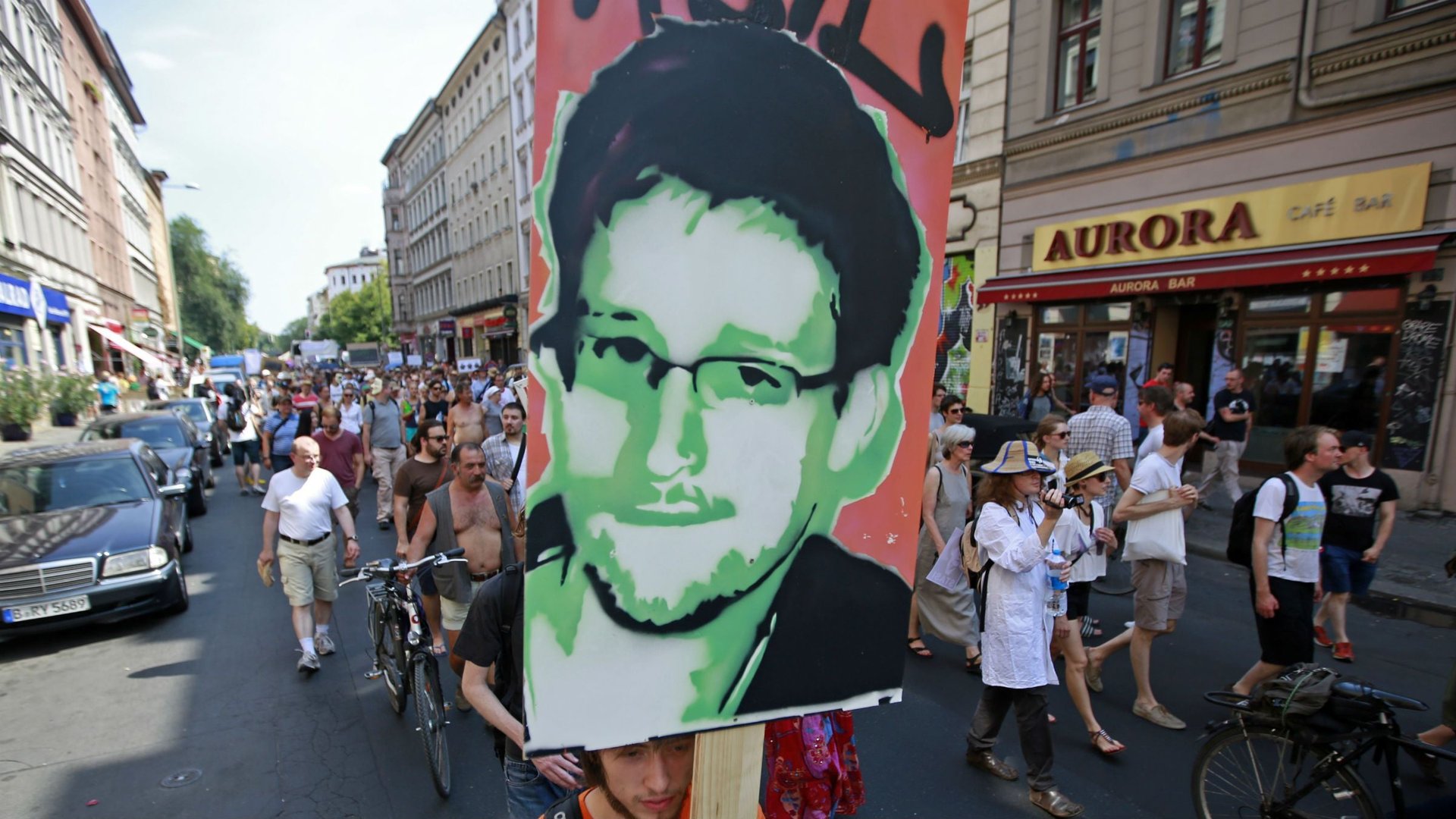
“Big things are happening in Denmark.“ With this Hamletic line, Edward Snowden opens a letter in the Danish newspaper Berlingske.
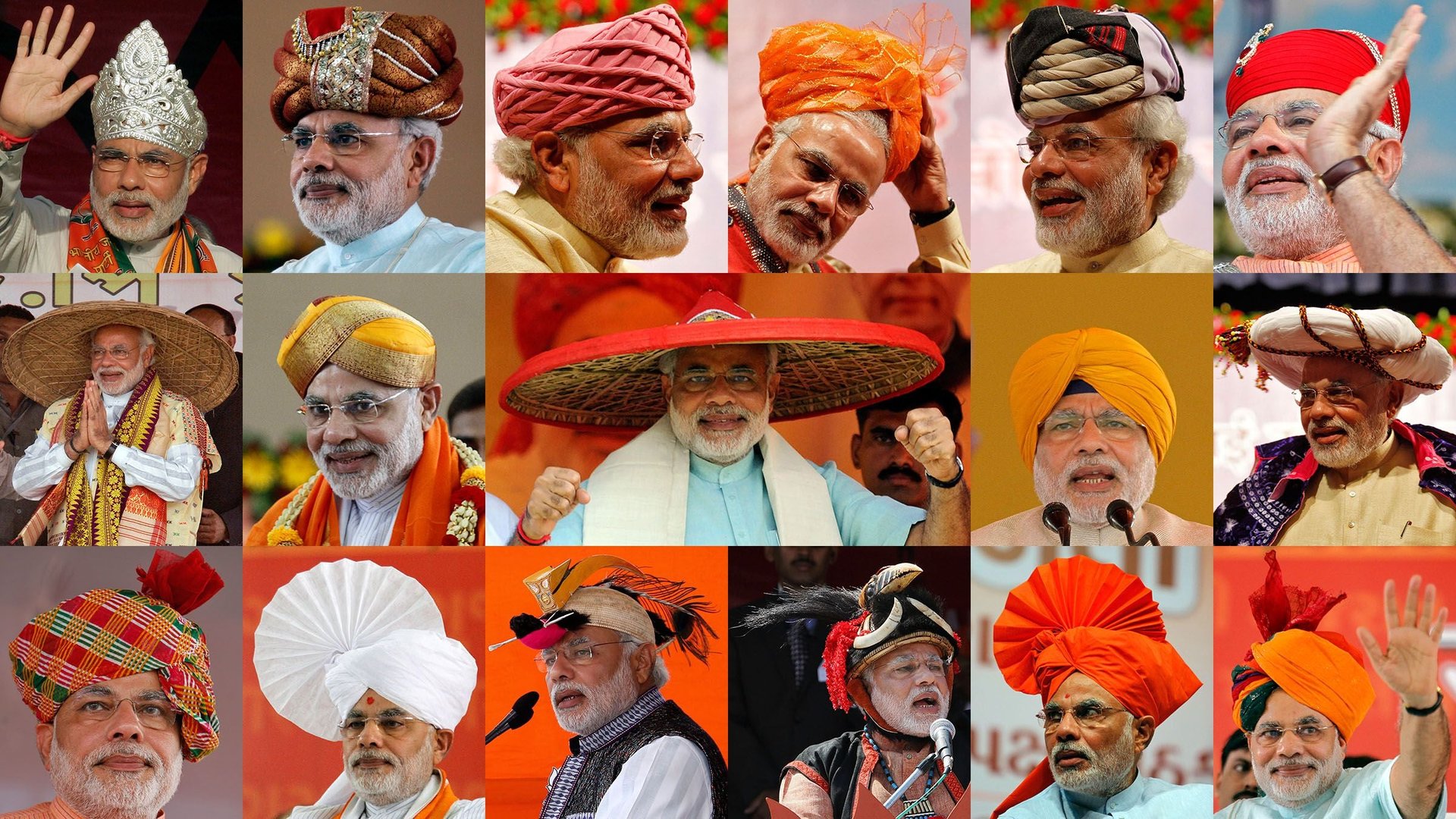
As the biggest election in history nears its conclusion, the western world is waking up to its relevance.
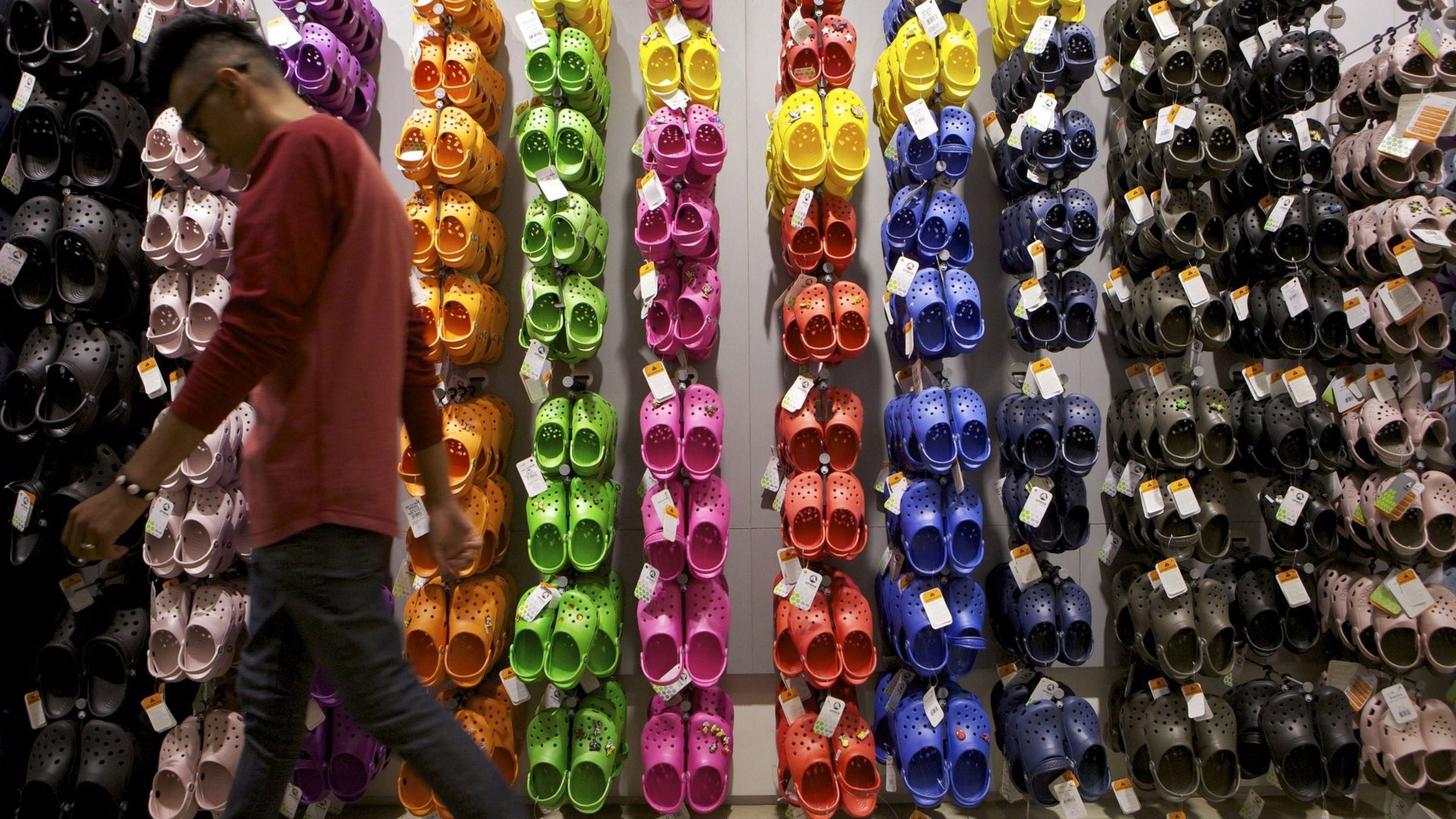
Once upon a time, there were people who didn’t care about fashion and would just wear what was comfortable. Or people who, on their day off, liked non-skinny, non-trendy jeans and non-cool sneakers. There were people who could not be bothered to know what color was in and what hemline was out. People who took the definition of classic, “a garment of a simple, elegant, and long-lasting style,” and took the elegance and style out of it. There were items of clothing with nothing to say, design objects with no design to them, and that was just fine, refreshing even. This phenomenon did not have a name, because no name was needed for something that wasn’t anything.
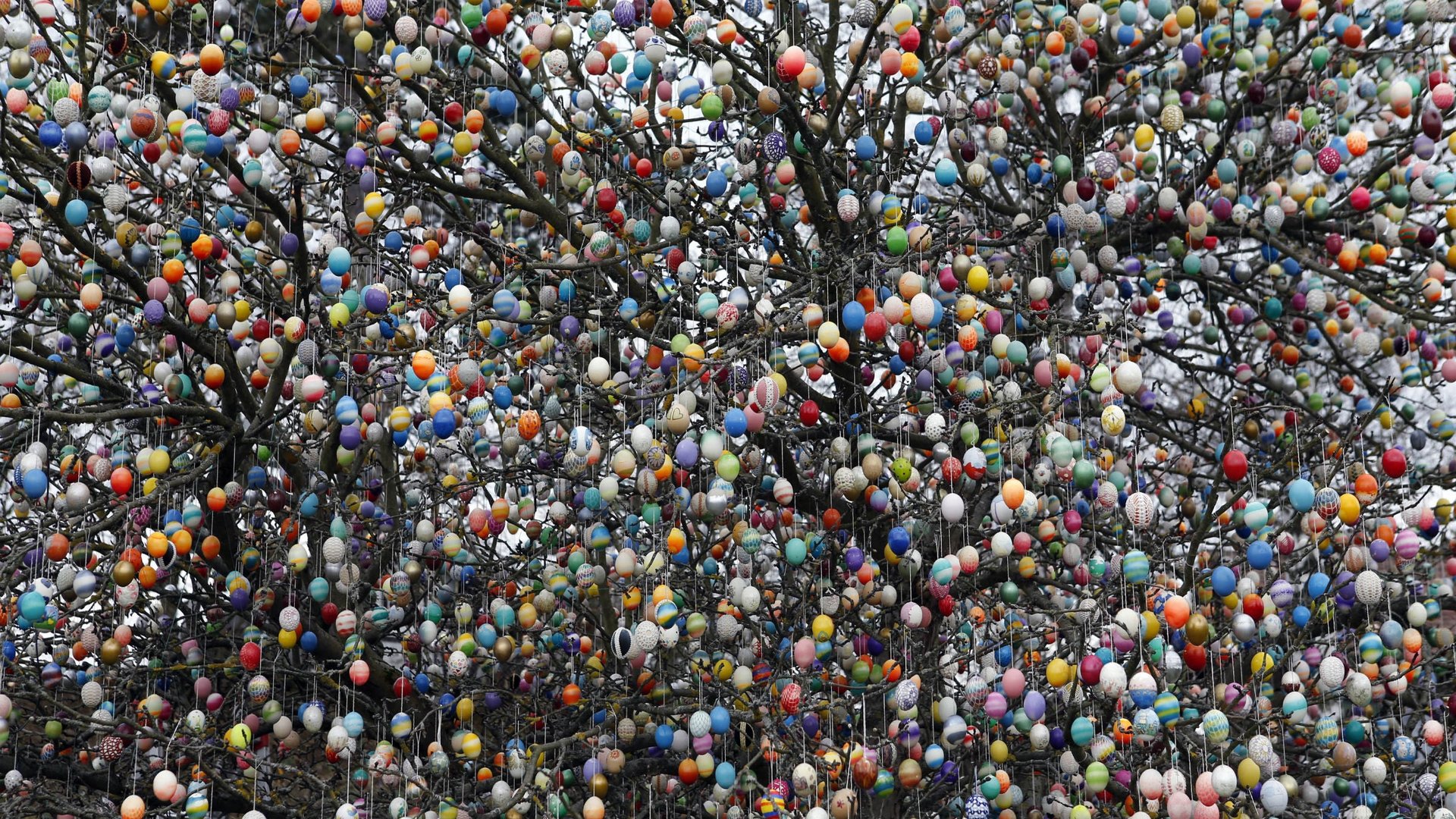
The origins of the association between eggs and the celebration of Easter aren’t certain: one religious tale claims that Mary Magdalene carried eggs to Jesus’s tomb to share with the other women present at his vigil and saw them turn brilliant red during his resurrection. Another theory is that the first Christian communities used to stain eggs with red color as a reminder of Jesus’s death. Whatever the origin, painting and exchanging Easter eggs is a tradition particularly developed in Eastern Europe, Germany, and Austria.
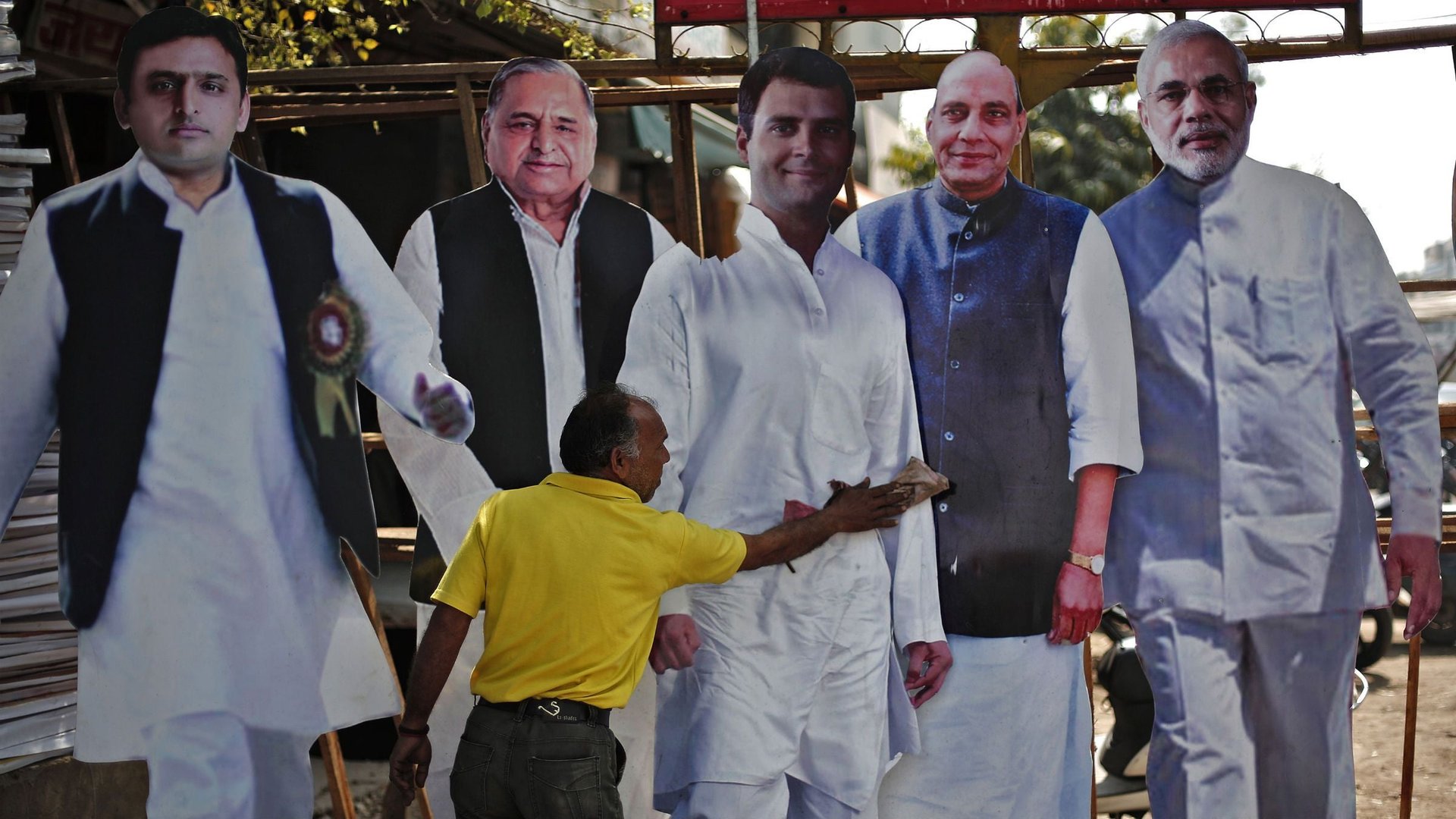
Lucknow is the capital of Uttar Pradesh (UP), the most populous state in India, which also holds the largest number of seats (80) in the lower house of parliament. UP is considered the most important battleground in the Indian elections by many, which is why billboards promoting the National Indian Congress Party and the Bharatiya Janata Party (BJP) pepper rooftops around town. No Aam Aadmi Party (AAP) billboards are up yet, and the BJP promotion is the most predominant.
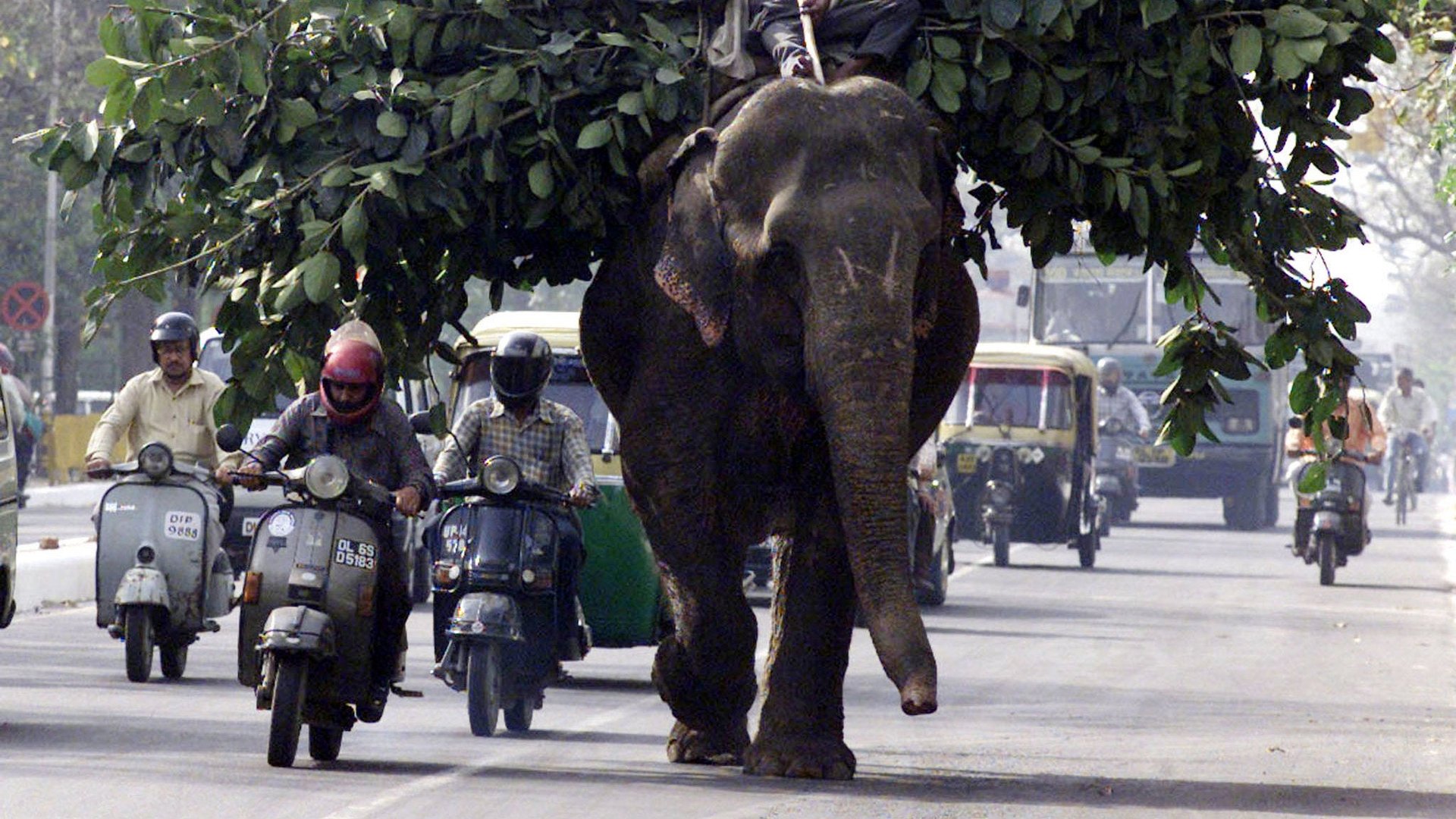
A peninsula stretching south of the Alpide belt whose northern boundary is a breathtaking mountain chain. A land of wonderful—and wonderfully different—landscapes yet subject to devastating natural catastrophes. A place of many languages that share the same root yet are shockingly different from one another. A world of family values where mothers are venerated yet women kept at bay. A country of contrasts, of environmental disasters, crime and corruption; of superstition and creativity, of outstanding engineering and daily carelessness.
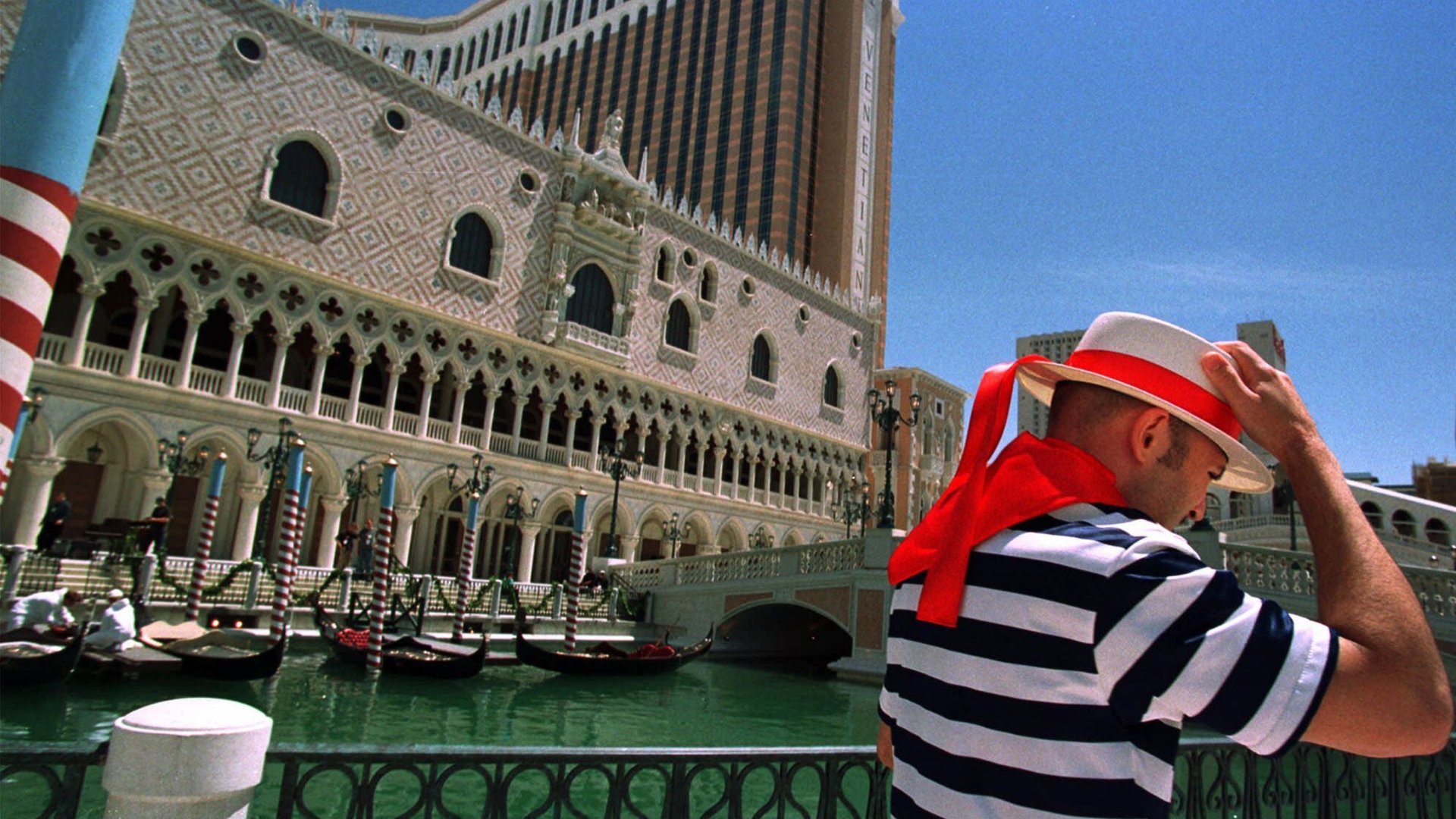
La Bell’Italia (beautiful Italy) leads UNESCO’s list for number of heritage sites, and the country’s priceless collection of art represents, according to many, its most competitive asset. Having been a victim of art thievery for centuries, it’s no wonder that Italy has the largest database of stolen art in the world, comprising over 5.7 million items, and a whole body of the national military police, Comando Carabinieri Tutela Patrimonio Culturale (TPC), that is devoted to safeguarding the country’s cultural heritage.
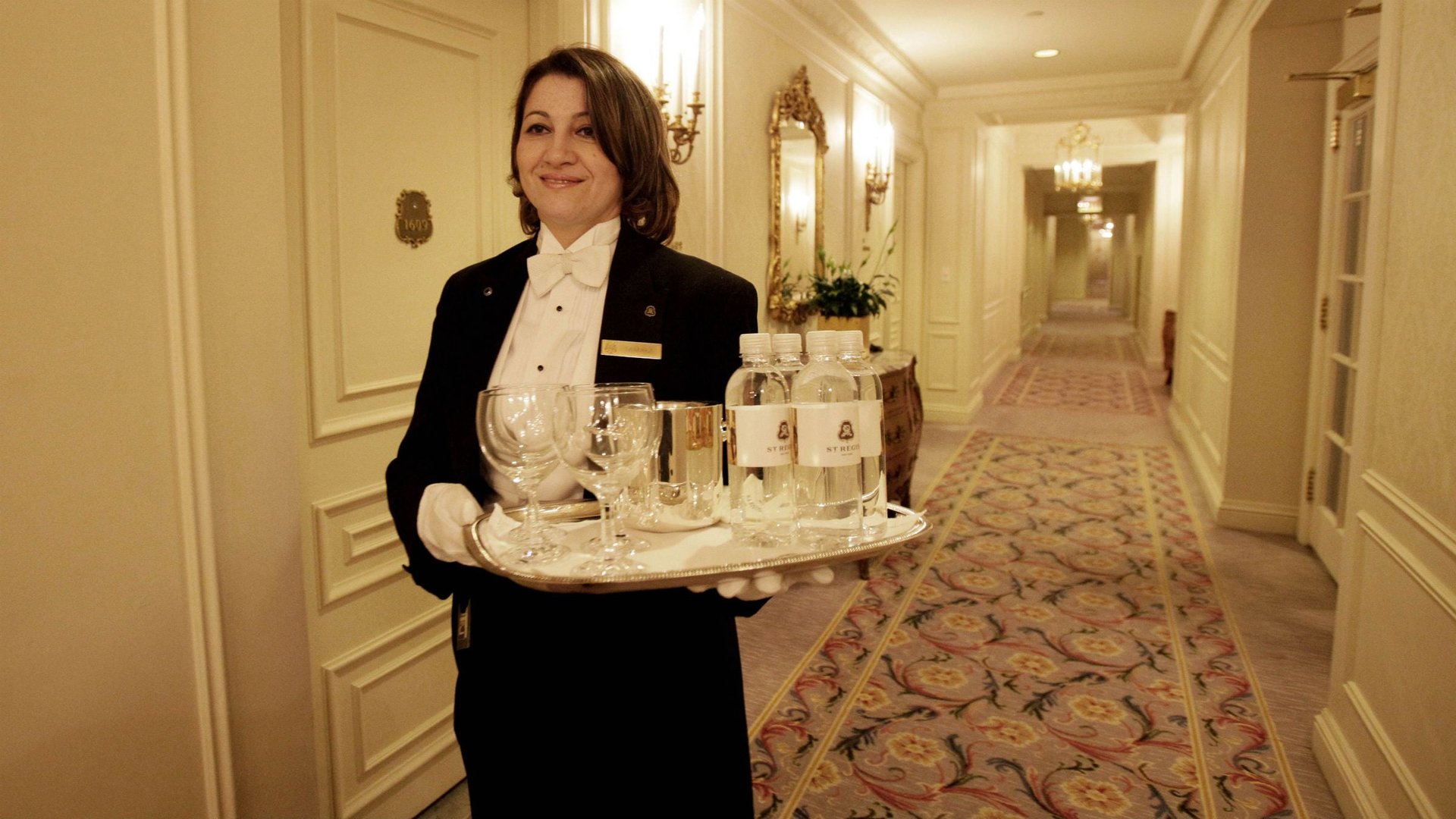
$18.23. That’s how much a can of nuts costs, on average, in Toronto hotel minibars. That was the highest pricetag (in US dollars) for nuts in TripAdvisor’s Tripindex survey of room service prices across the world—though the hotels in New York, Oslo, and some other cities weren’t that far behind. The TripAdvisor survey covers the prices of in-room orders of a club sandwich, can of peanuts, bottle of water, can of soda, mini-bottle of vodka, and to have a shirt cleaned at the 10 four-star hotels most popular with the travel site’s users in each city. (It tallied in-room minibar prices for everything except the sandwich and cleaning.) Helsinki earns the distinction of being the world’s most expensive city of those included for hotel service—and all the Scandinavian capitals are in the top 10. At some warmer destinations, refreshments and services are available for less. The most affordable room service for the basket of things TripAdvisor counted is in Tunis, followed by Cape Town—and Marrakech and Istanbul are also on the cheaper side. What’s surprisingly affordable in hotel rooms across the globe is, however, vodka. It’s much cheaper than peanuts and, in some cases, even water. (Minibar vodka serving sizes are admittedly generally a lot smaller than your average bottle of water.) And while that relative affordability does seem slightly suspicious, perhaps sales of cheap vodka are designed to drive higher overall spending: have a vodka, want peanuts, get thirsty, drink bottled water. In Zurich, Helsinki, and Oslo, the check for that list would add up to $21.10, $24.08 and $28.30 respectively. In all three cases, vodka is the cheapest item of the mix.

We recently published a map showing that most of the world’s countries are involved in land or border disputes of some kind. But that might have given a false impression of the level of conflict in the world. The map above categorizes the conflicts according to their gravity, from dormant disputes to active conflicts. (Countries marked in gray have none.) Central and western Africa, Asia and the Middle East emerge as the areas of the world with most active territorial conflicts.

Crimea is hardly home to the only territorial dispute in the world right now. In the map above, every country in pink is involved in a dispute over its national borders in some way or another.
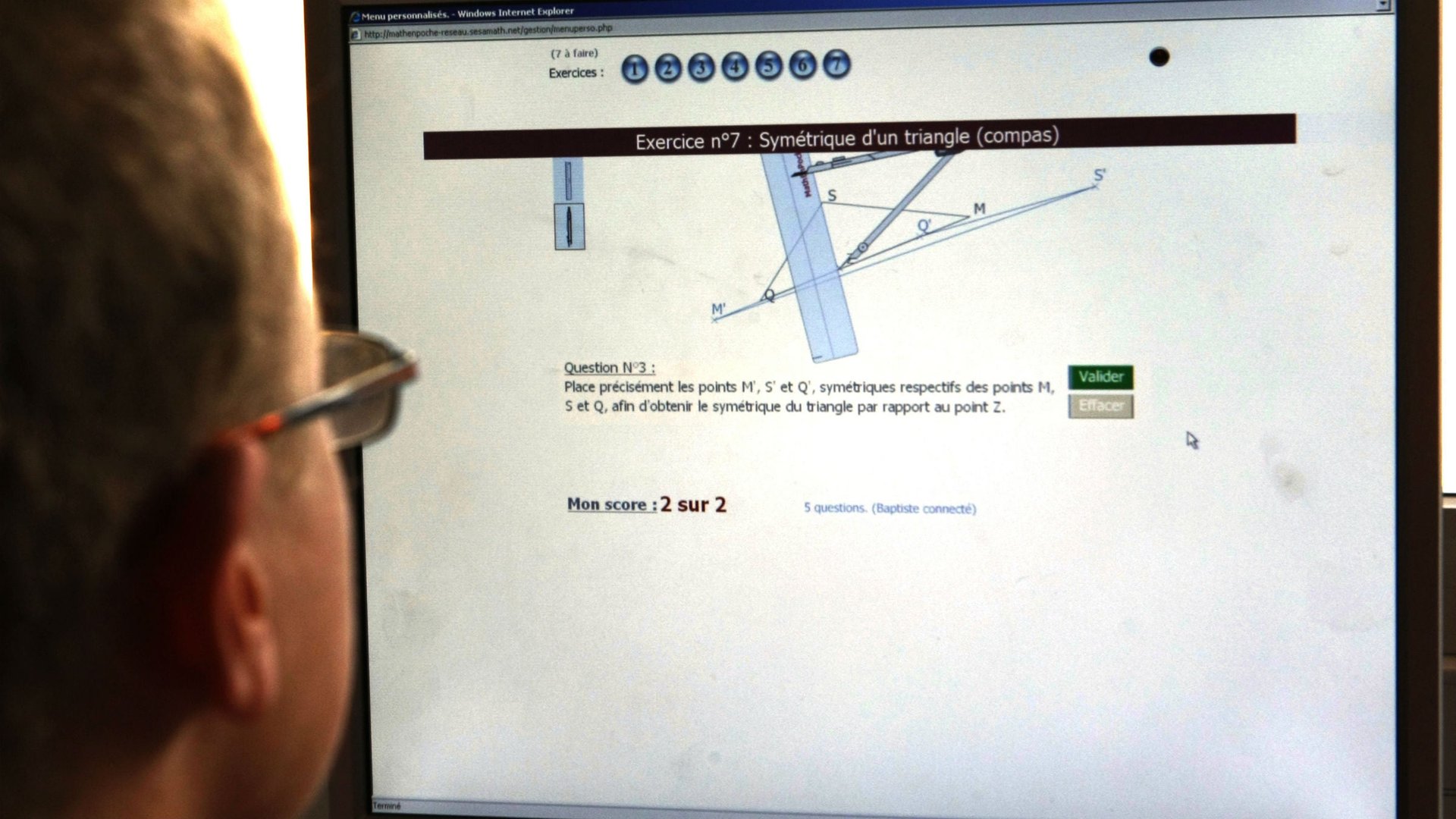
Ever since massive open online courses (MOOCs) were launched, essay after essay has been published on how they are disappointing, what could be improved, and what will never be attained. It is my impression that many of the people who write about MOOCs have never taken nor designed one. Perhaps they work in academia, or perhaps they observe it from outside—the ultimate of ironies because commenting on the world as observed from the outside is the very definition of academia.
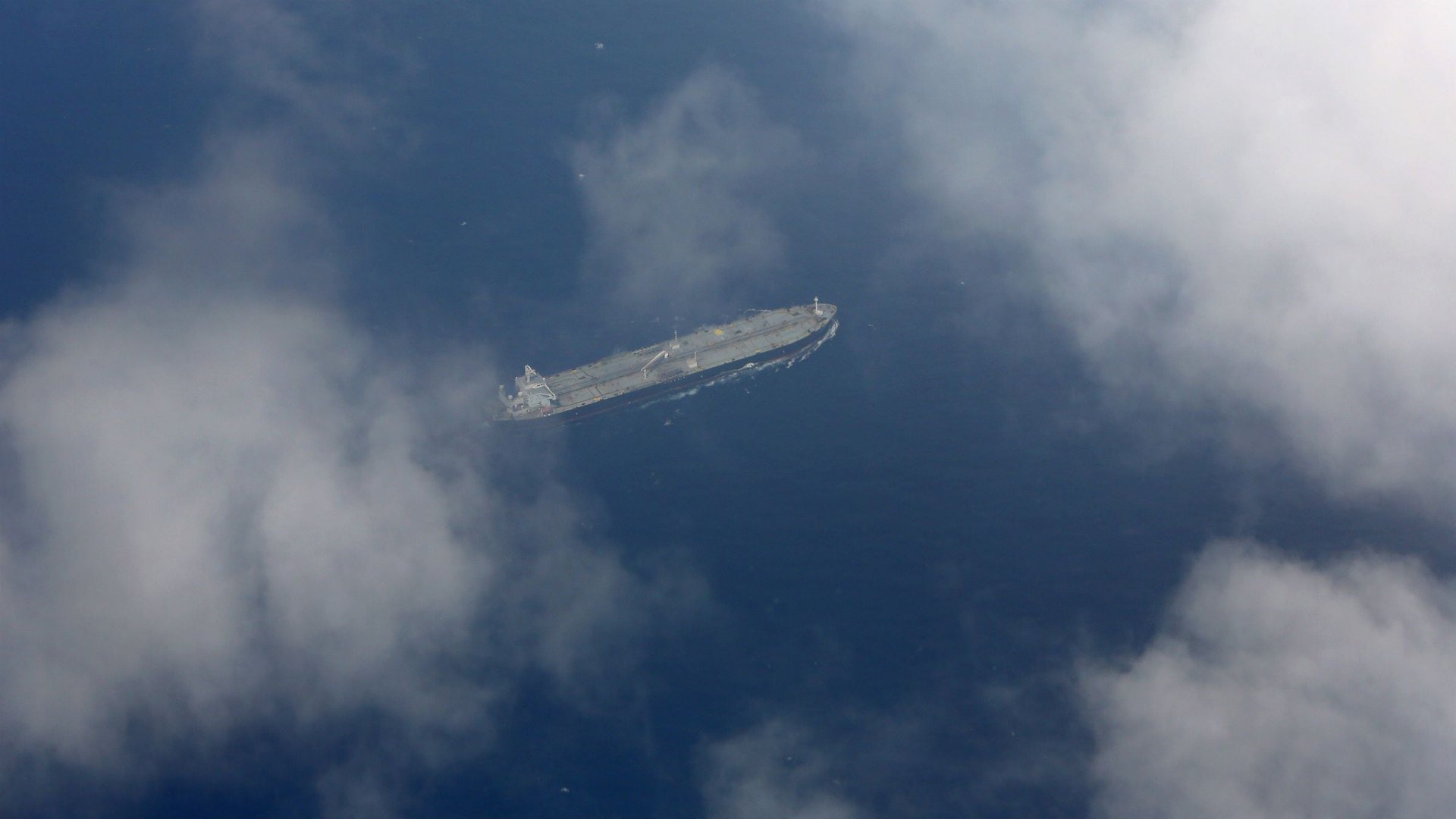
It now appears that the search for Malaysia Airlines flight 370, which vanished en route from Kuala Lumpur to Beijing a week ago, was in the wrong place. Investigators now think the plane was deliberately diverted from its planned route; satellite data suggest its last communication came from one of two long but narrow corridors, a northern one stretching from the Kazakhstan-Uzbekistan border to northern Thailand, and a southern one from Indonesia to the southern Indian ocean.
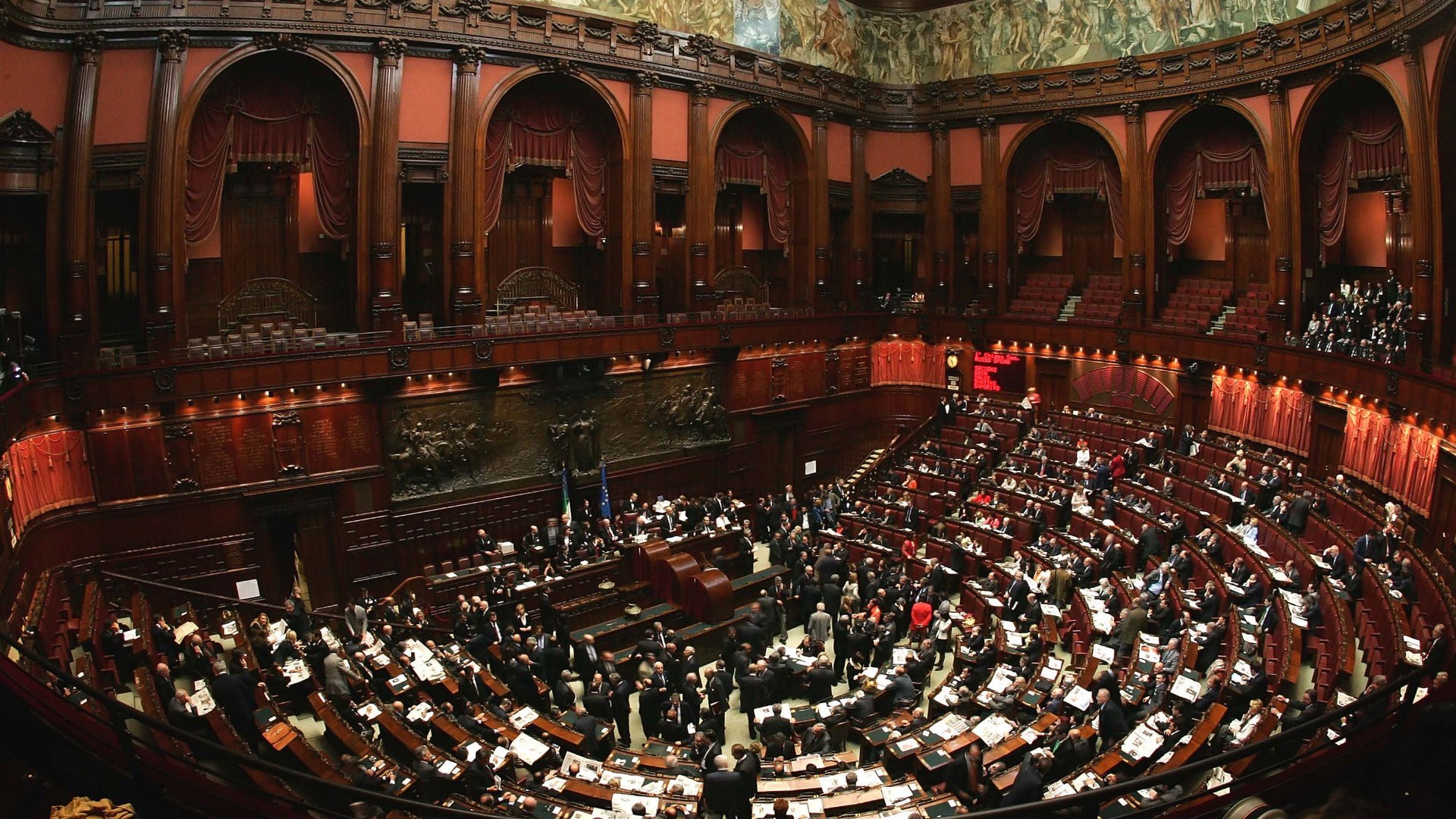
Before he was appointed, Italy’s new prime minister Matteo Renzi promised that he was going to work on a plan to cut the notoriously exorbitant cost of Italian politics by a billion euros a year. His savings proposal was to halve both the number of Members of Parliament and the salaries of the remaining representatives.
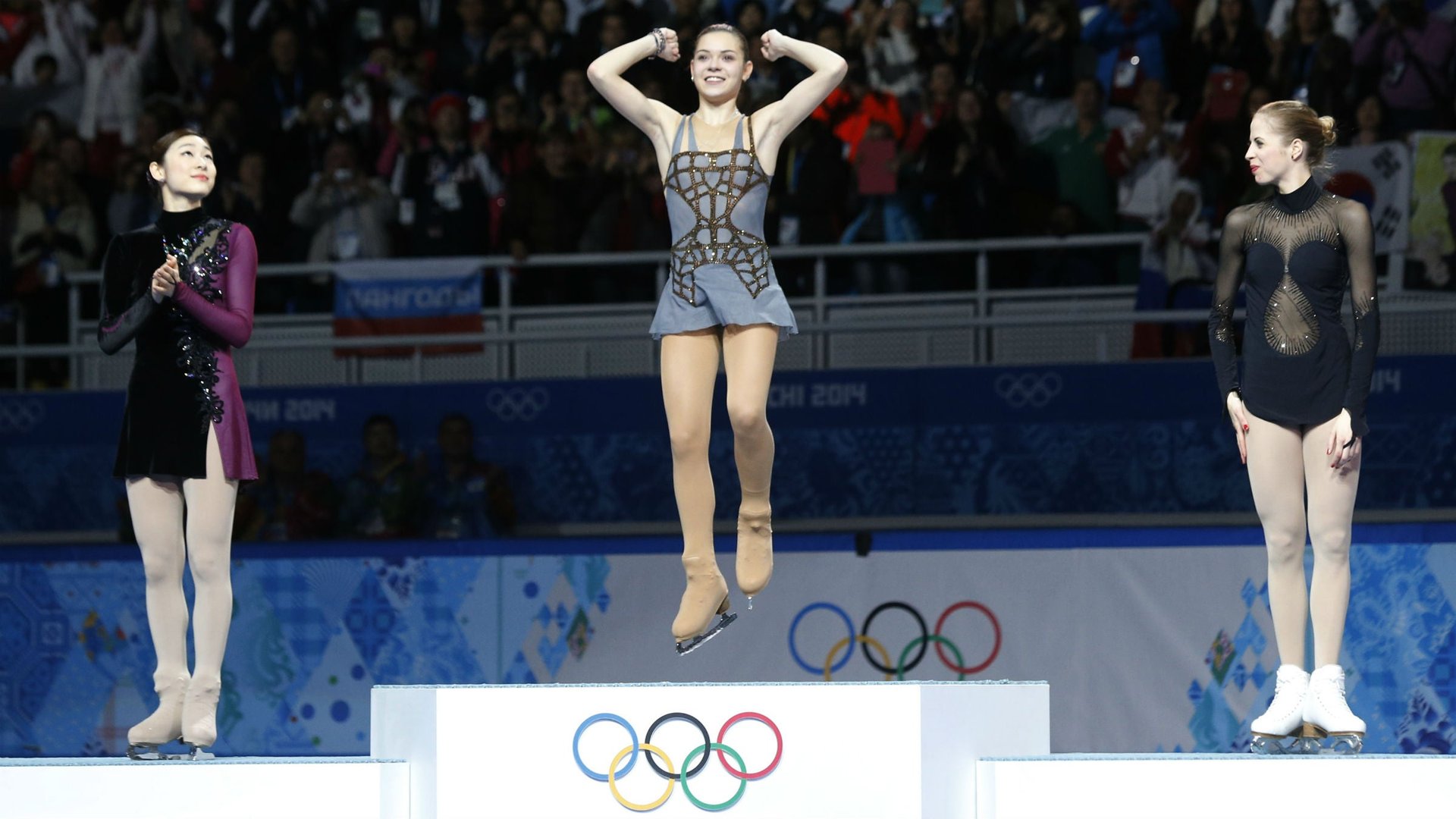
Figure skating is routinely subject of debate, and it’s a Winter Olympic columnist’s specialty to write about whether or not it should even be considered a sport. One of the arguments against its legitimacy as a competitive discipline is the scoring. To improve objectivity, changes have been introduced over time, such as in 2005 when a series of required elements was introduced for choreography. Yet a fundamental arbitrary element remains part of the judging, leaving space to ultimately unquantifiable evaluations—ice skating is not, as the Olympic motto puts it, a simple matter of “citius, altius, fortius.” Translation: Faster, higher, stronger.
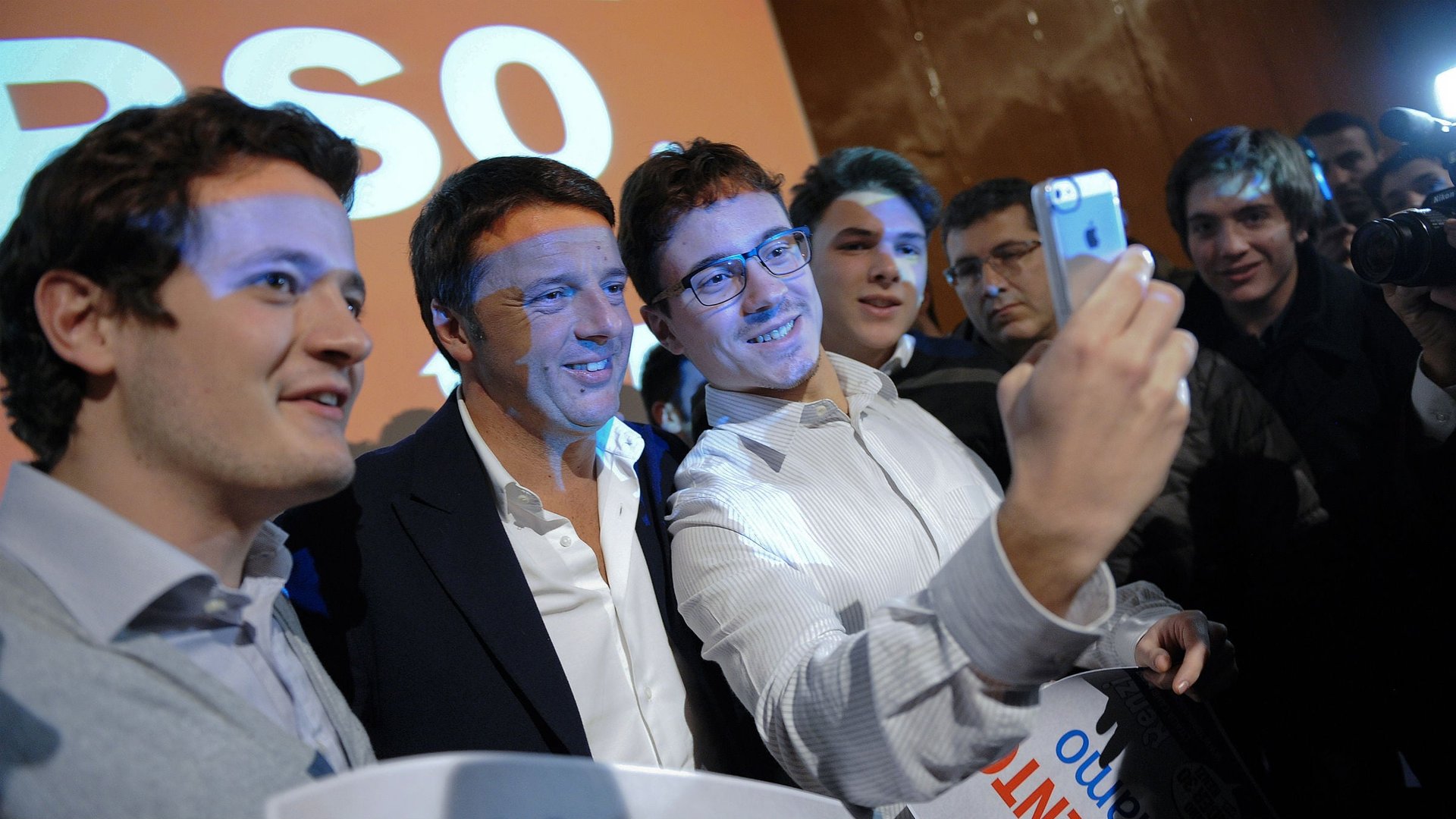
Matteo Renzi is to be sworn in with his new government this weekend, becoming the youngest prime minister in the history of Italy.

Despite several high-profile sales of Greek islands this year at bargain-basement prices, don’t whip out your checkbook just yet. It turns out that buying an island from a country languishing in its sixth year of recession may not, in fact, be the most practical idea.
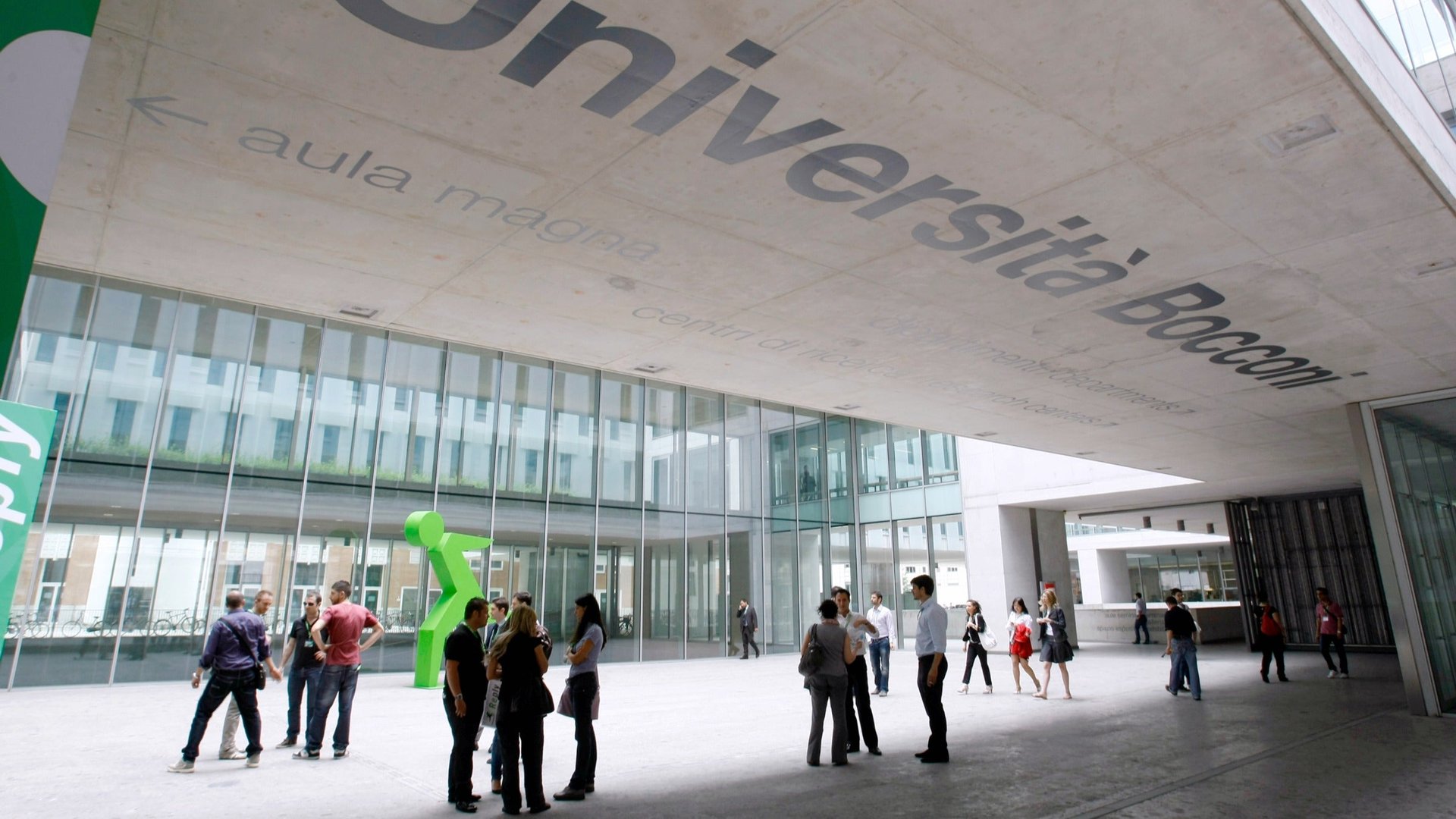
With Italy’s unemployment at an all-time high of 12.5% and youth unemployment at a dismal 40.4%, young Italians might well think that now would be a good time to go back to school.