

Tech & Innovation
The IIT-Delhi grad who helped build WhatsApp in India has quitOnce touted to be its CEO, WhatsApp’s “business guy” Neeraj Arora has quit.
Updated July 21, 20222 min read
Once touted to be its CEO, WhatsApp’s “business guy” Neeraj Arora has quit.

While in fourth grade, Indian internet sensation Bhuvan Bam’s mother enrolled him for vocal Hindustani classical music training. By the time he was in college, every night of the week, from 8pm to 12am, he would play the guitar and sing at a local restaurant. Music was his thing.
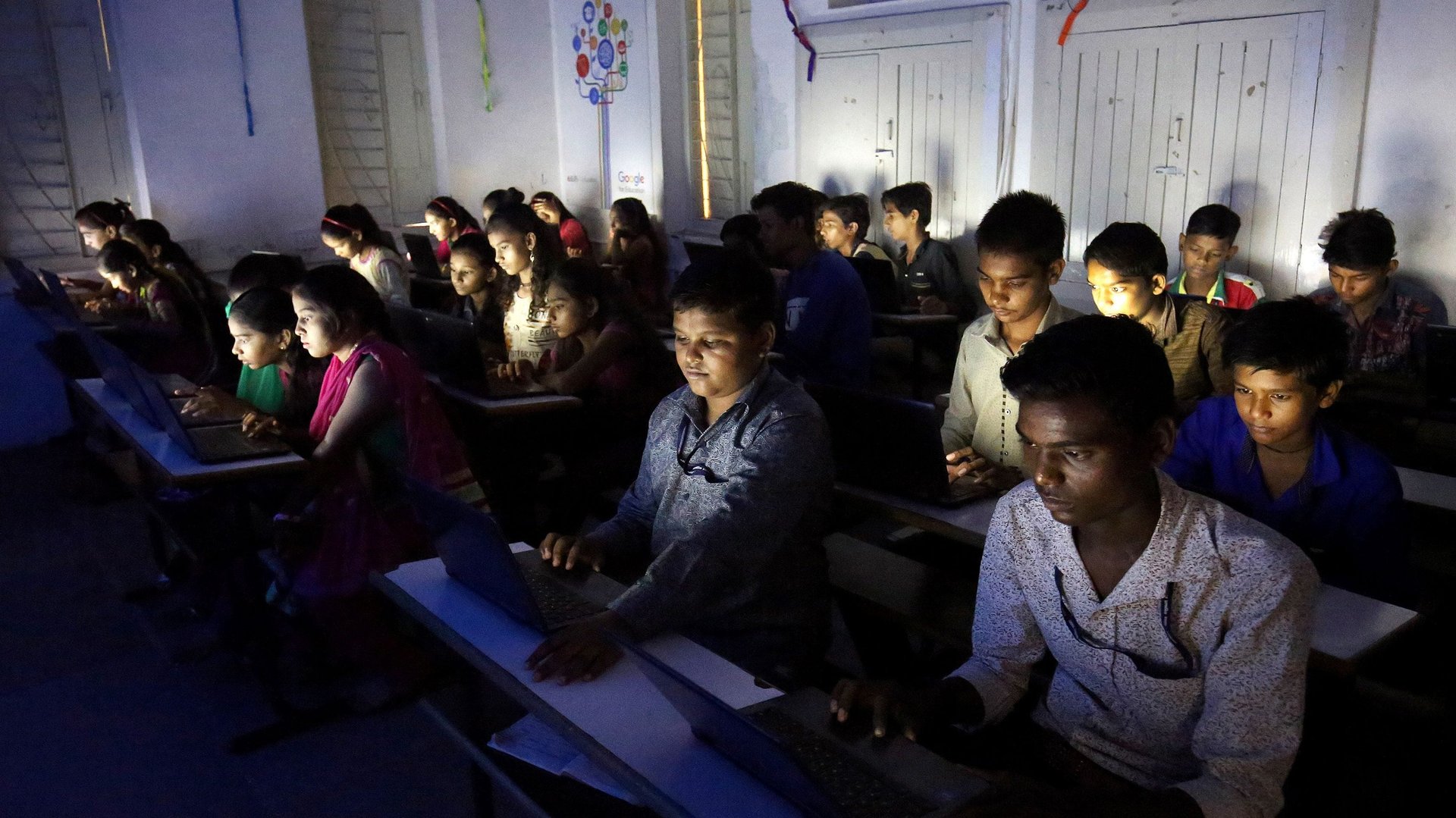
Classrooms the world over are increasingly turning futuristic, with the latest gadgets and technology replacing chalk-and-board teaching. The process is on in India, too, albeit only in pockets.
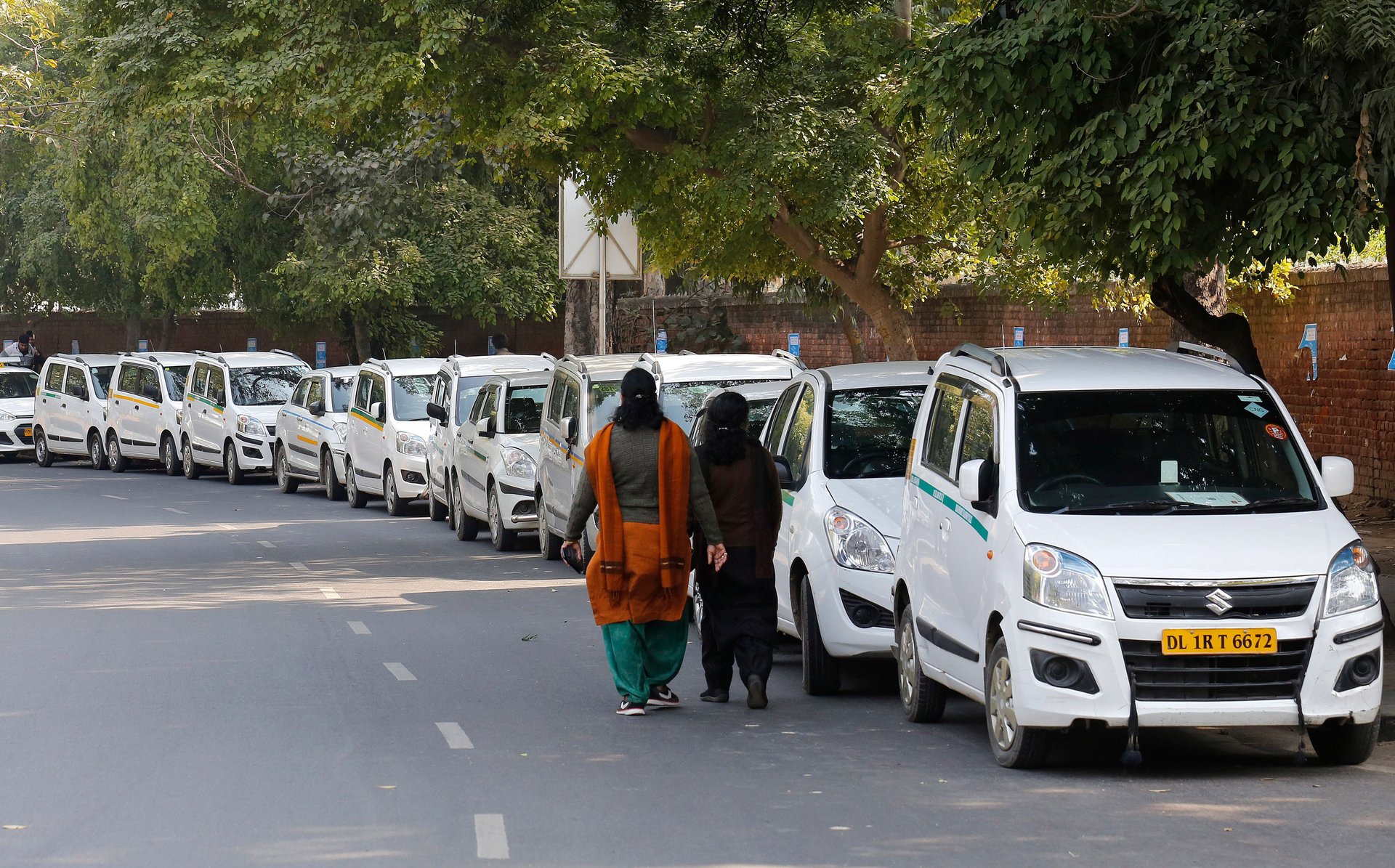
Finding the pricing sweet spot has been the holy grail of consumer-facing businesses in India.
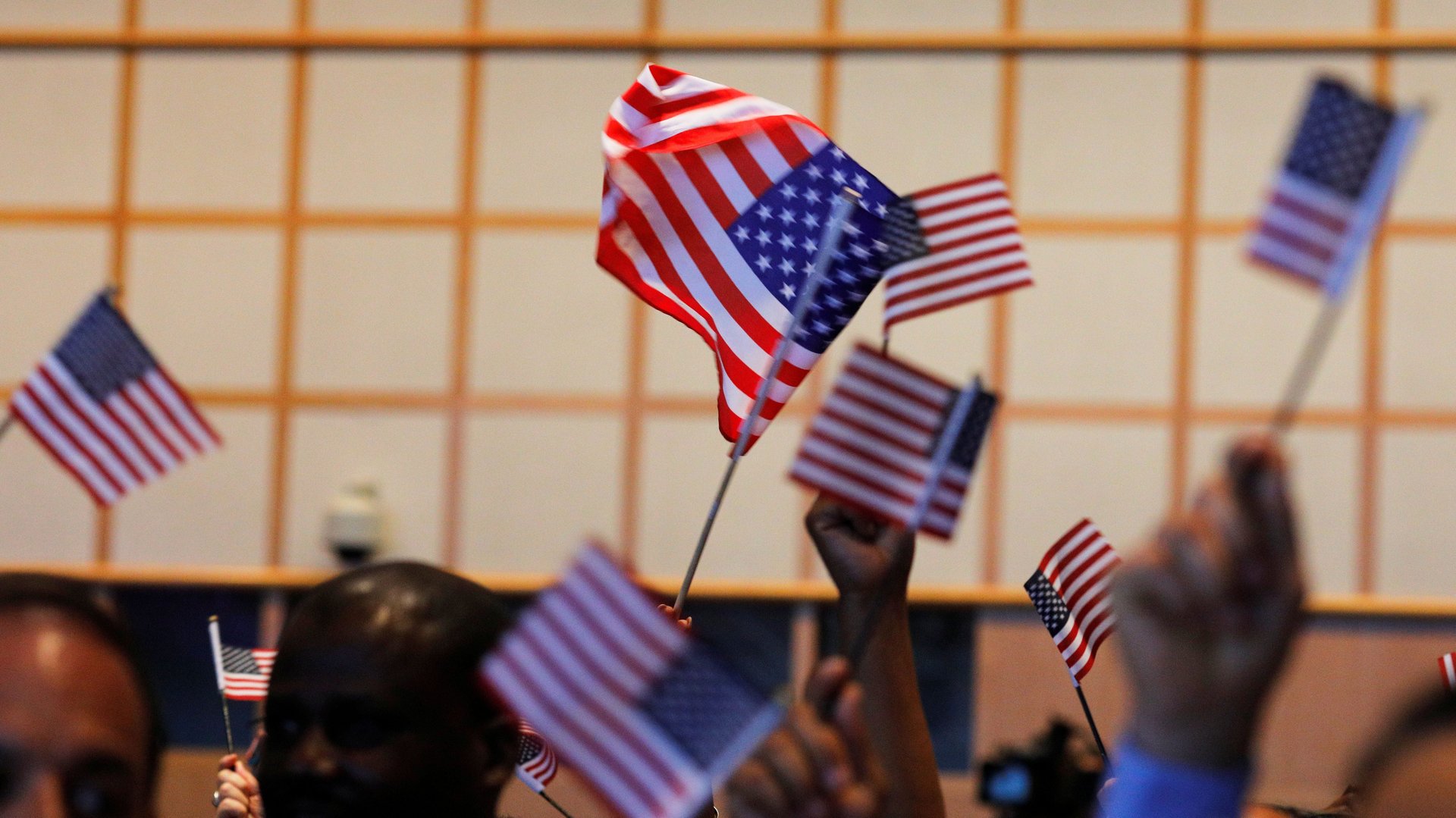
Indian IT outsourcing companies have begun to feel the pinch of the Donald Trump regime’s tough visa stance.
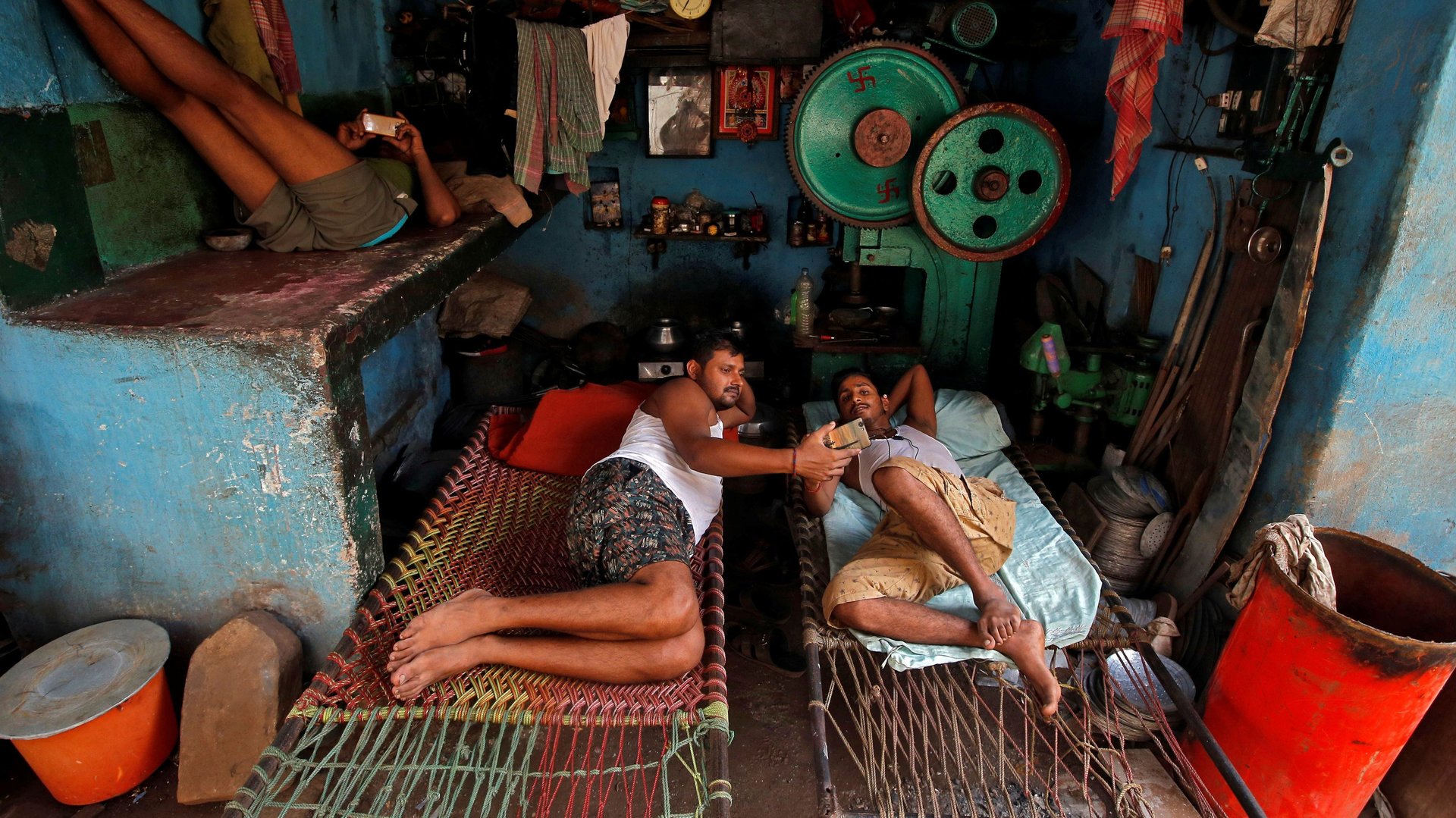
Indians are increasingly using their smartphones mainly for just one activity: watching videos
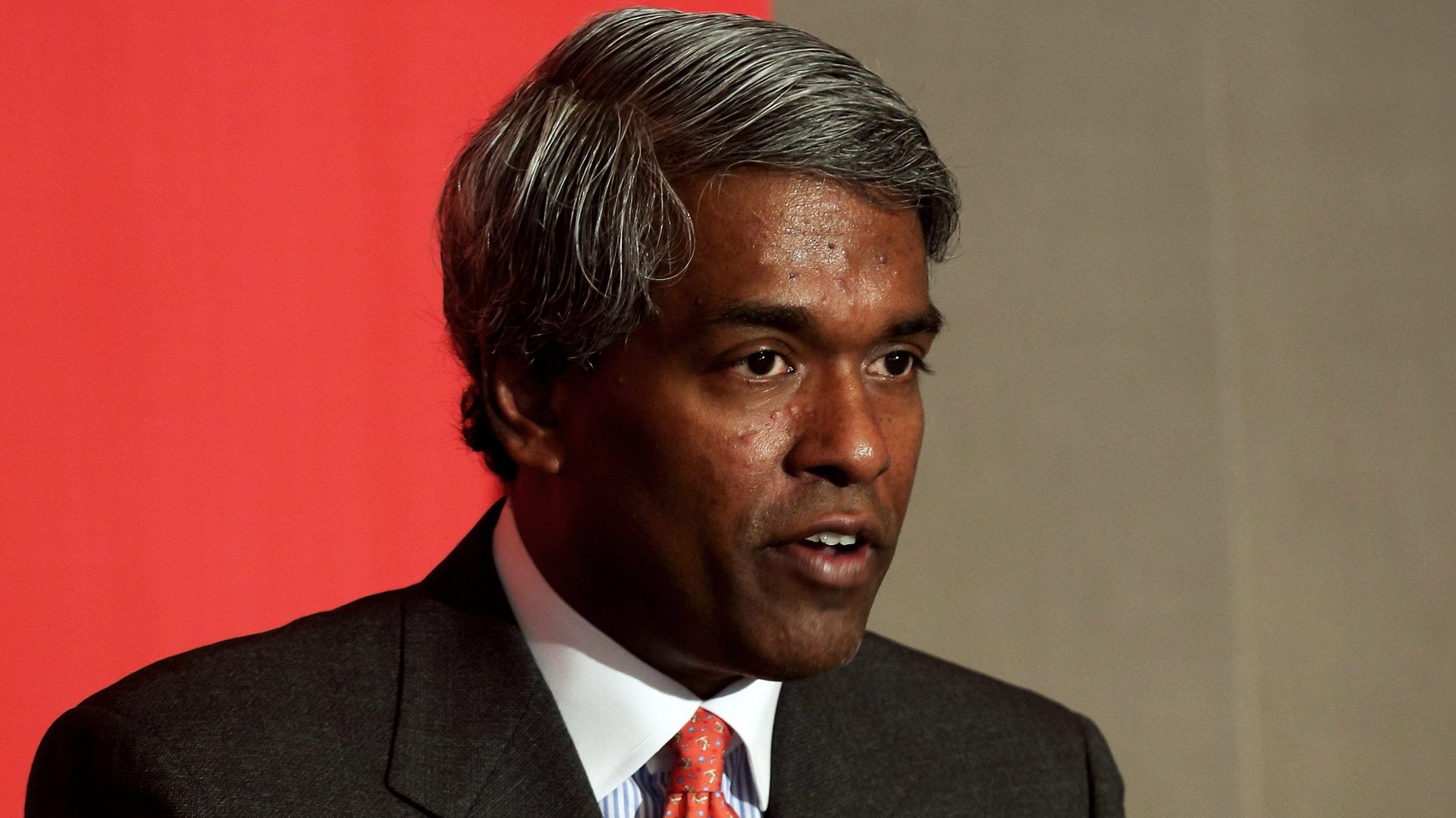
After CEO Sundar Pichai, Google is bringing in another person of Indian origin at the top.
Millions of internet users in India have never used a personal computer (PC) and accessed the web through cheap smartphones only. Yet, Hong Kong-based Lenovo is betting big on PCs in the world’s second-largest smartphone market.
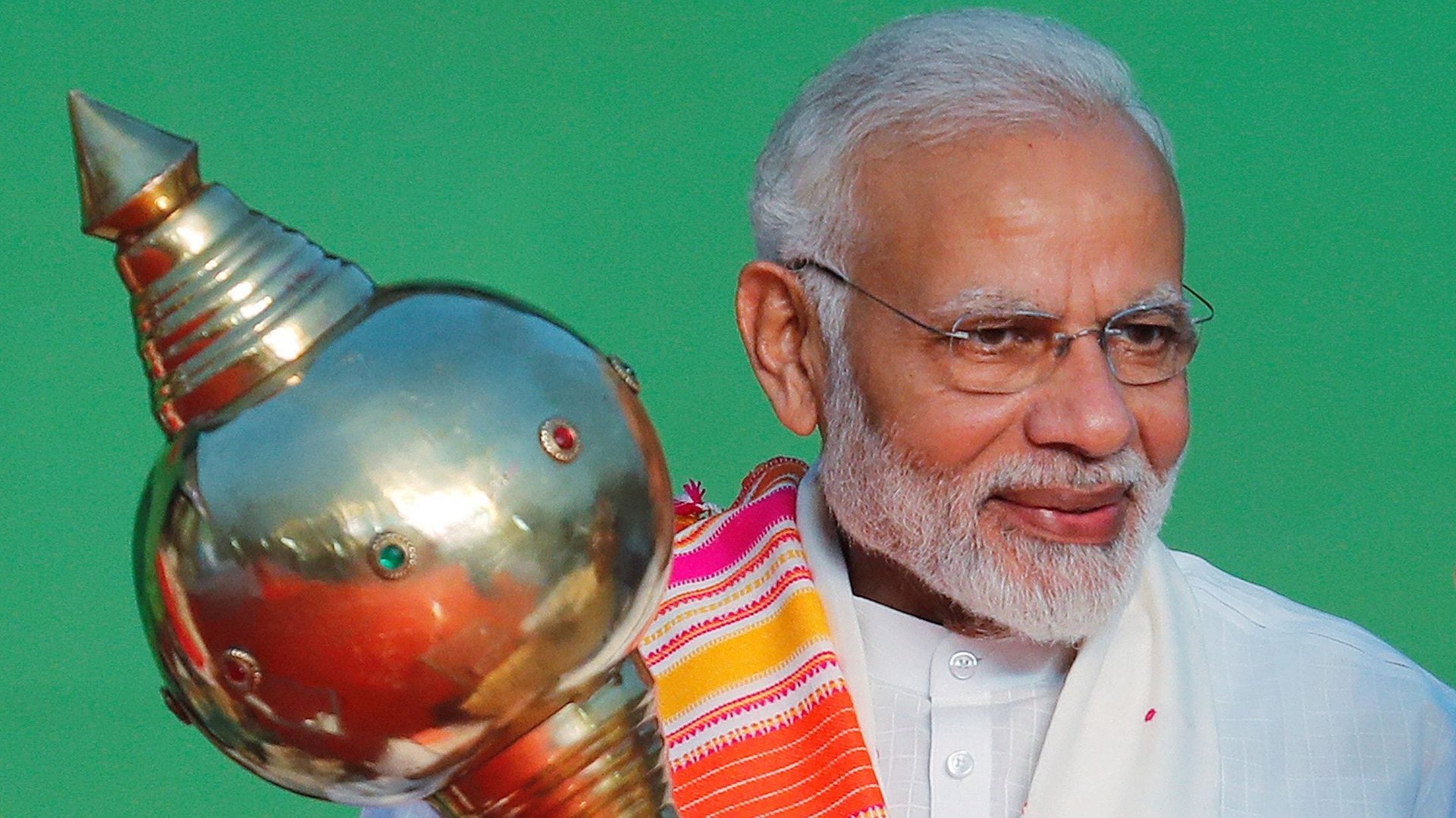
On Nov. 14, Narendra Modi, widely considered India’s most savvy prime minister, cracked a tech joke during his keynote address at the Singapore FinTech Festival:

Once a state-level athlete, a severe basketball injury in the late 1990s at the Doon School, Dehradun, pushed Ali Fazal indoors and onto the stage, acting and debating.
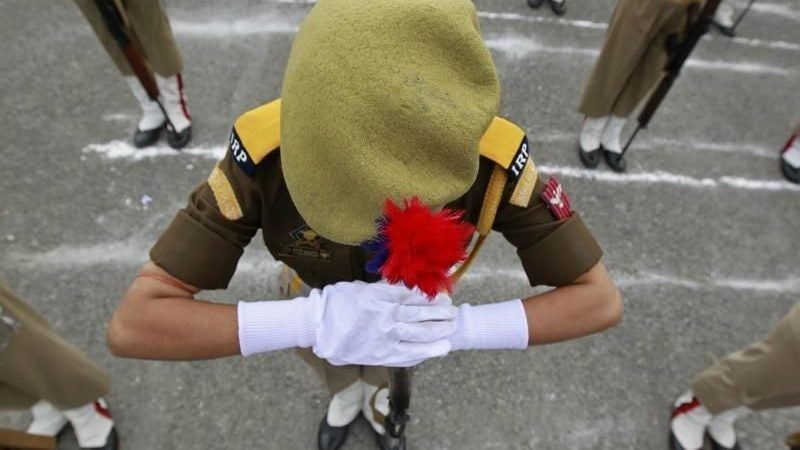
Female police officers in India are changing the way violence against women is reported.
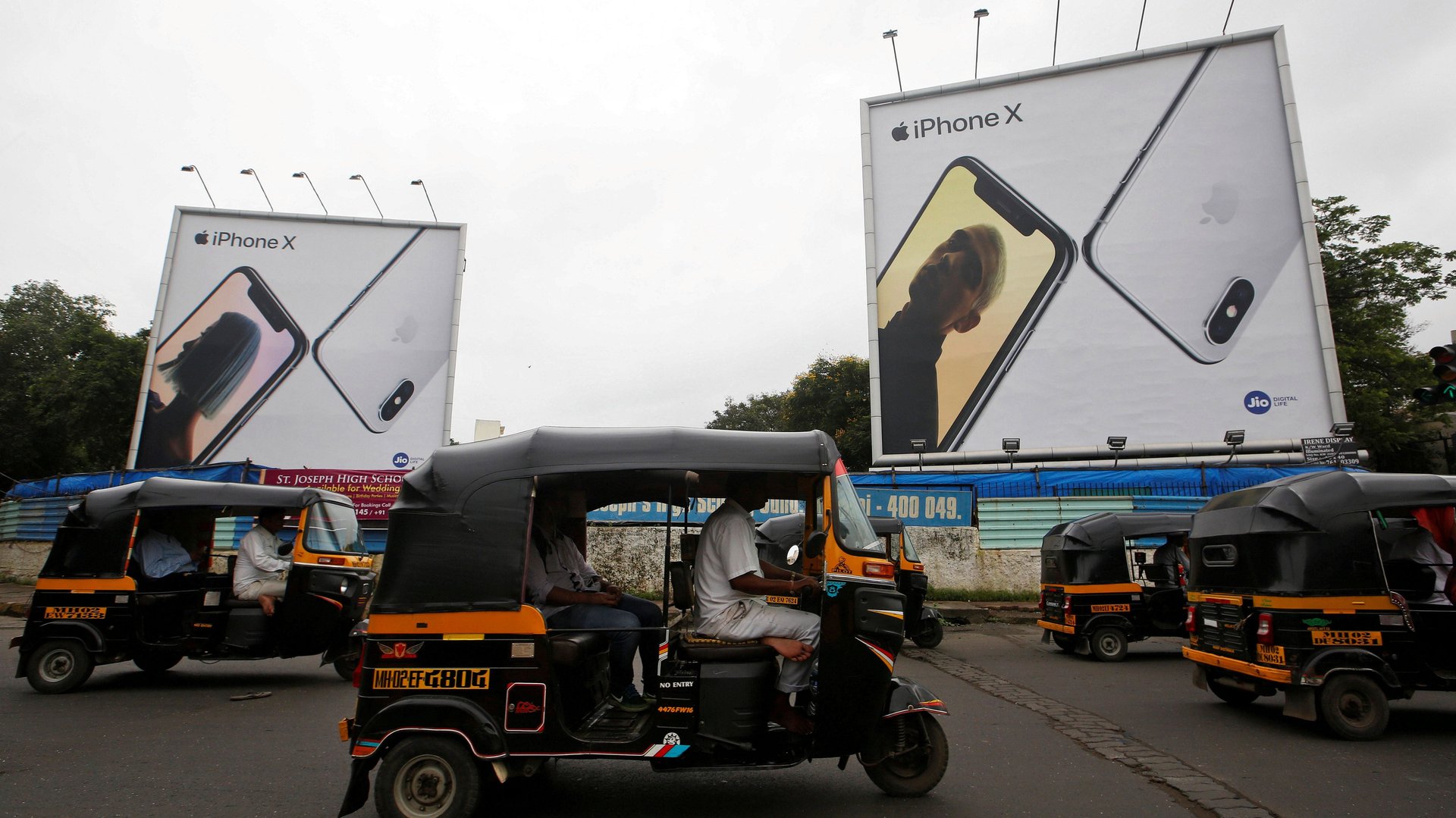
Apple has found a man it feels can put an end to its woes in one of its fastest-growing markets.
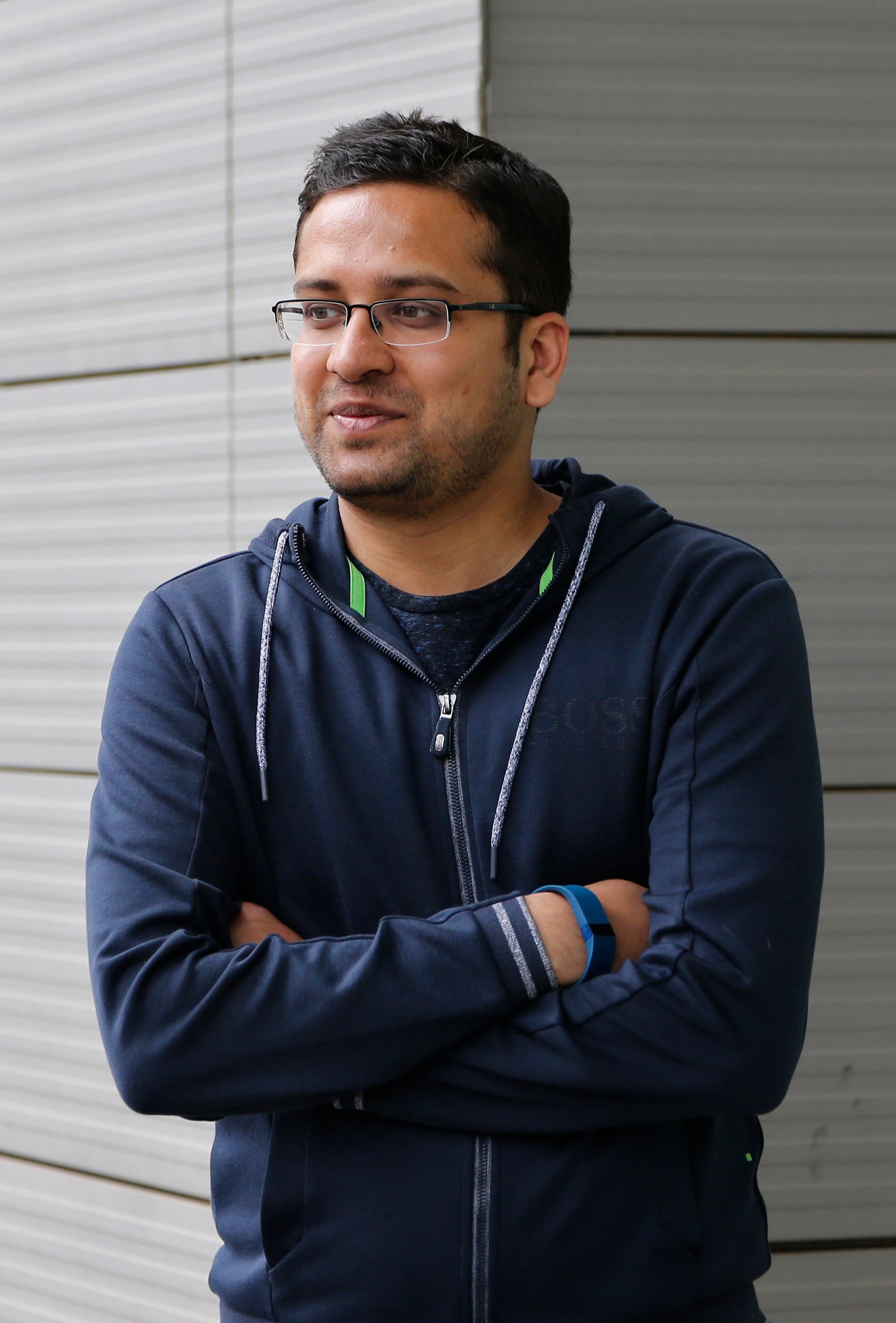
One of India’s most iconic homegrown tech ventures has now become the first prominent firm in the sector operating without any founder at its helm.
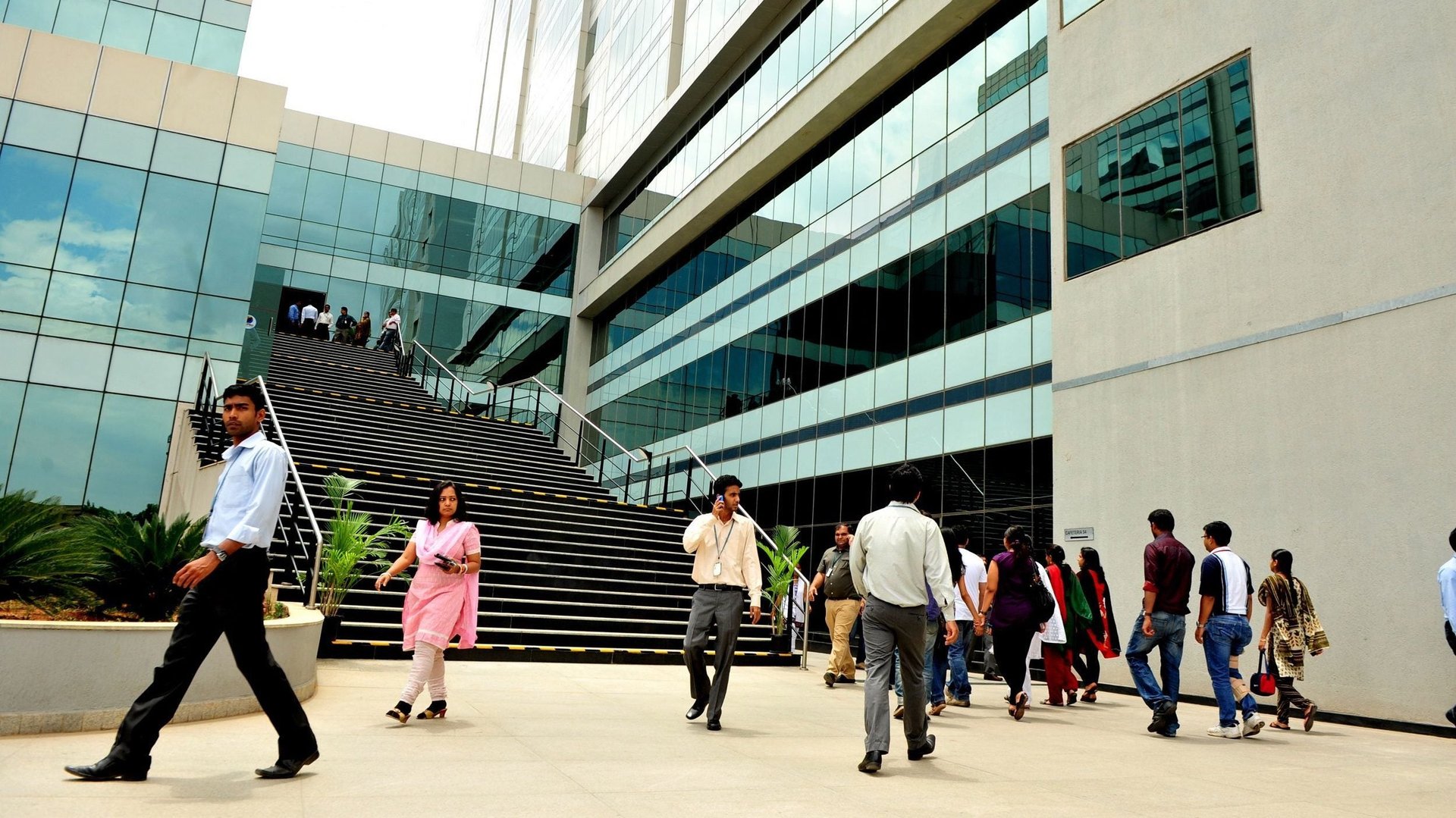
The work culture at India’s large corporates, especially in the technology industry, has often been criticised for being toxic and demoralising.

India’s young internet companies have had a great ride over the past decade with global investors queueing up to pump billions of dollars in them.
India is among the top three countries getting the most bang-for-their buck on Amazon’s Prime Video service.

Like food, fashion, and faith, Indians carry with them their beloved festivals wherever their livelihood takes them.

Launching a startup in India is a massive struggle.
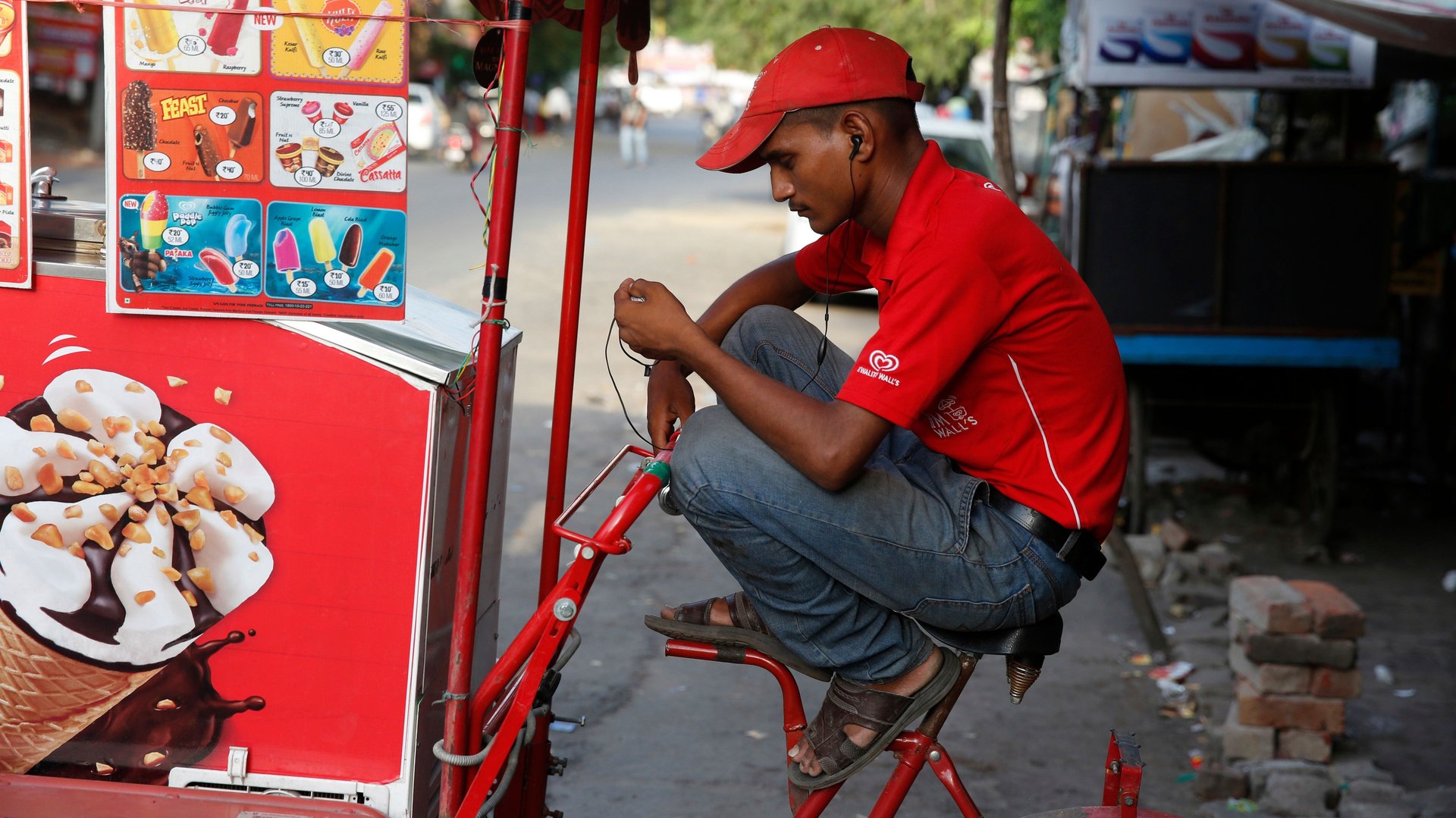
At a time when several global digital streaming companies are investing heavily to add more local-language content for the Indian audience, a domestic over-the-top (OTT) major is betting on English shows to grab eyeballs.
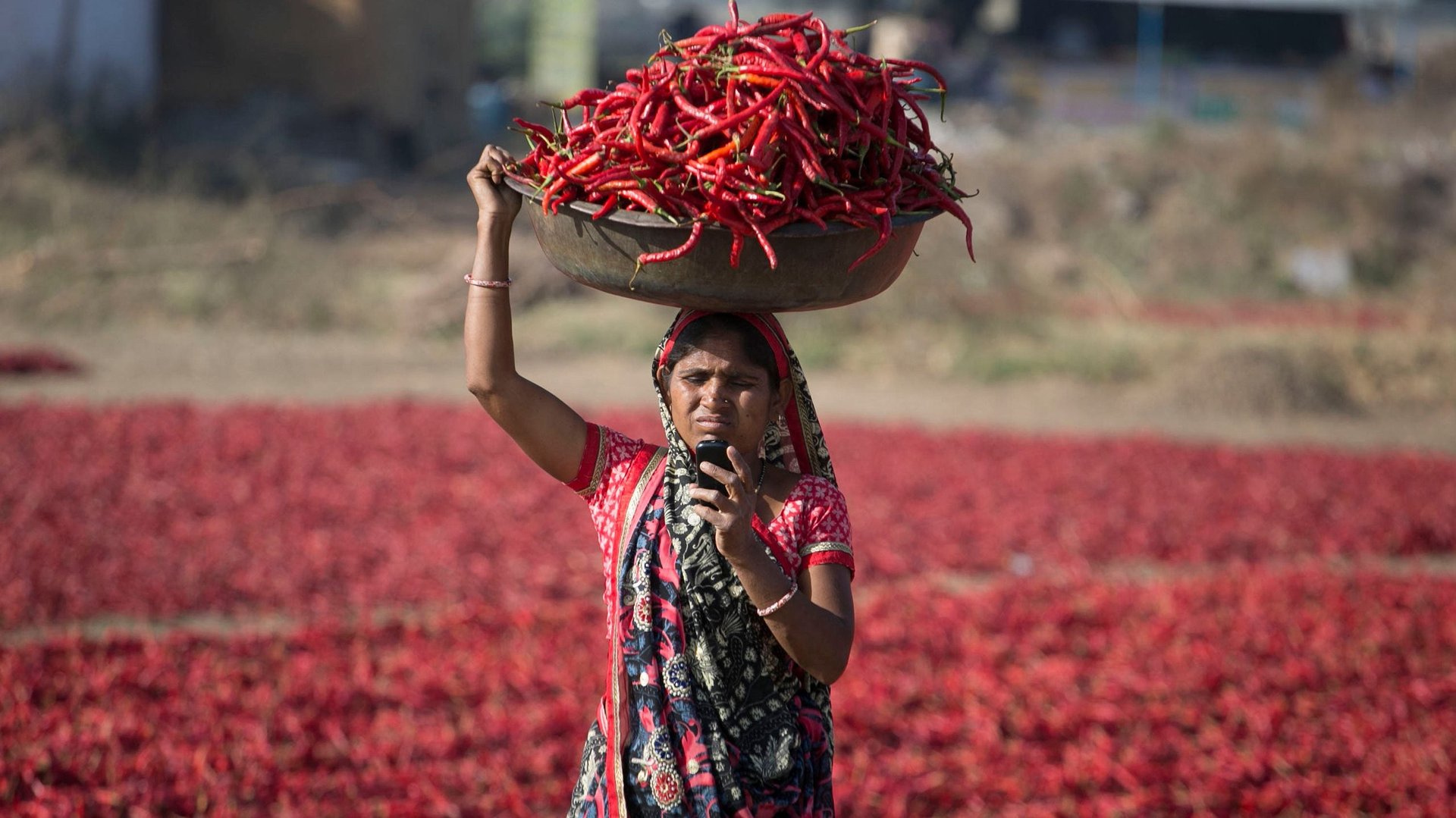
In 2011, a 30-year-old former Infosys employee, Aprameya Radhakrishna, along with a partner, launched taxi-hailing app TaxiForSure (TFS). The Bengaluru-based company was soon one of the top two players in the segment, raising around $44 million in five years from prominent global investors.
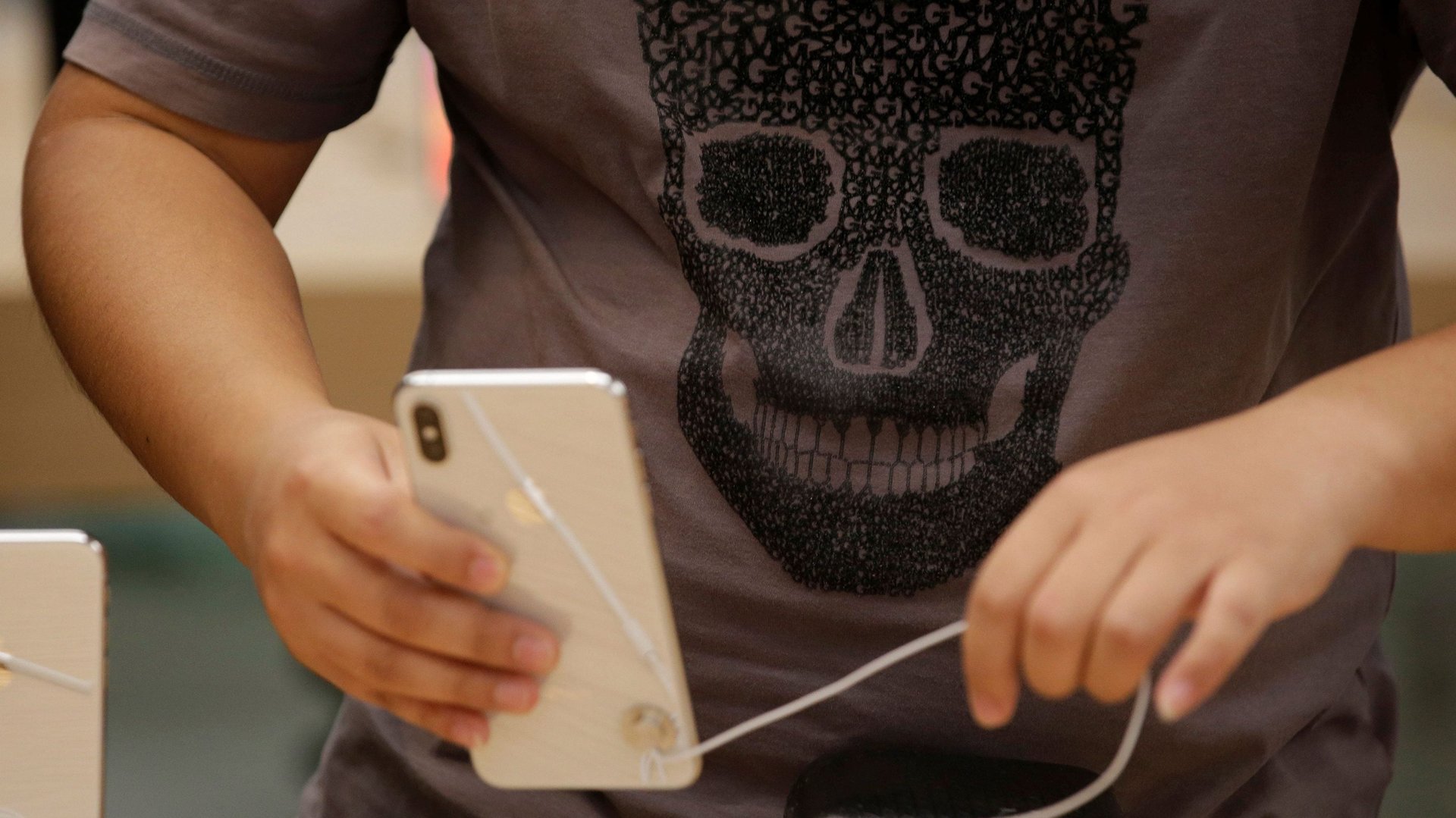
Apple’s India story is falling short of expectations.
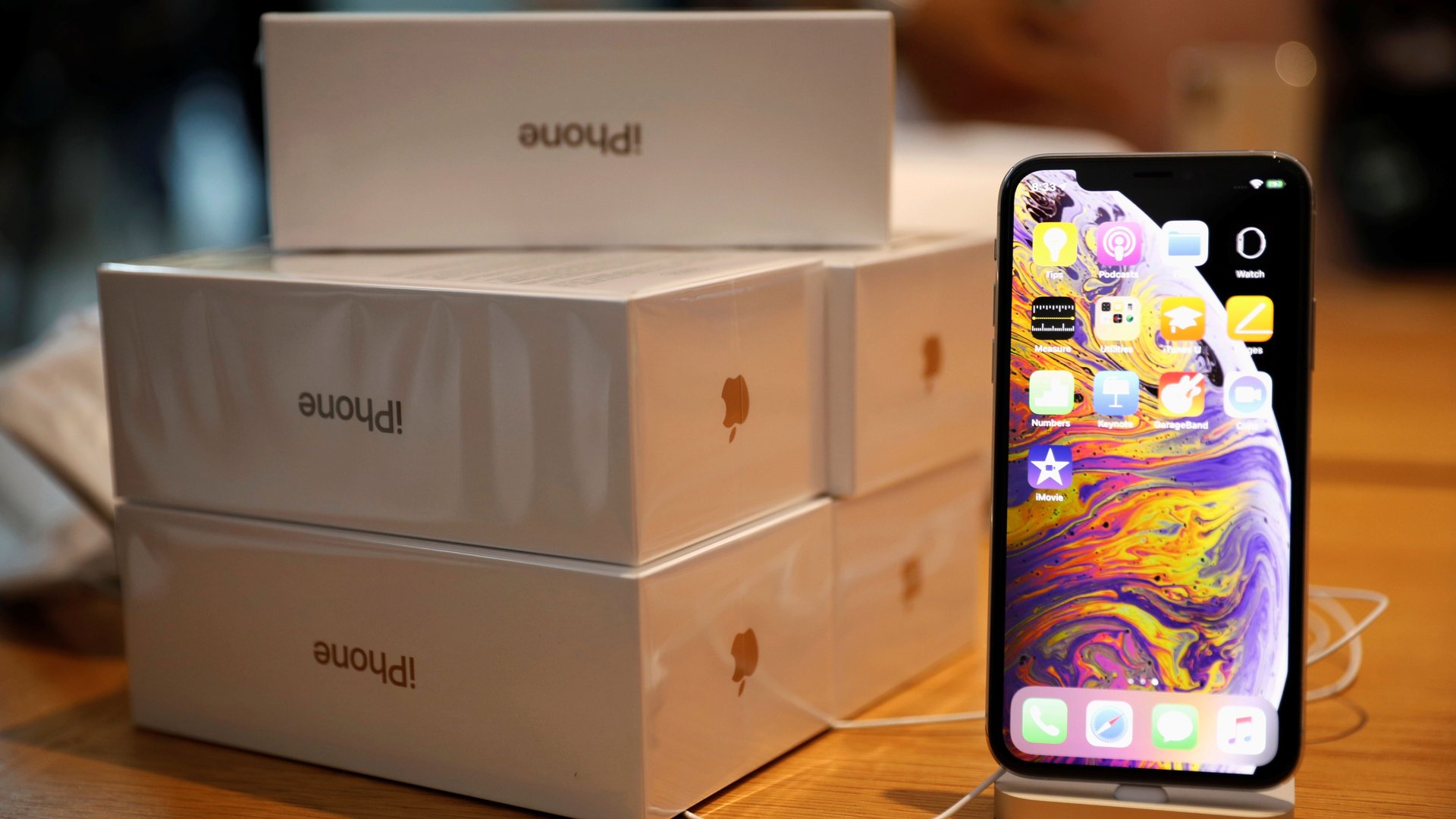
Apple and Xiaomi’s rivalry in India is a juicy paradox.
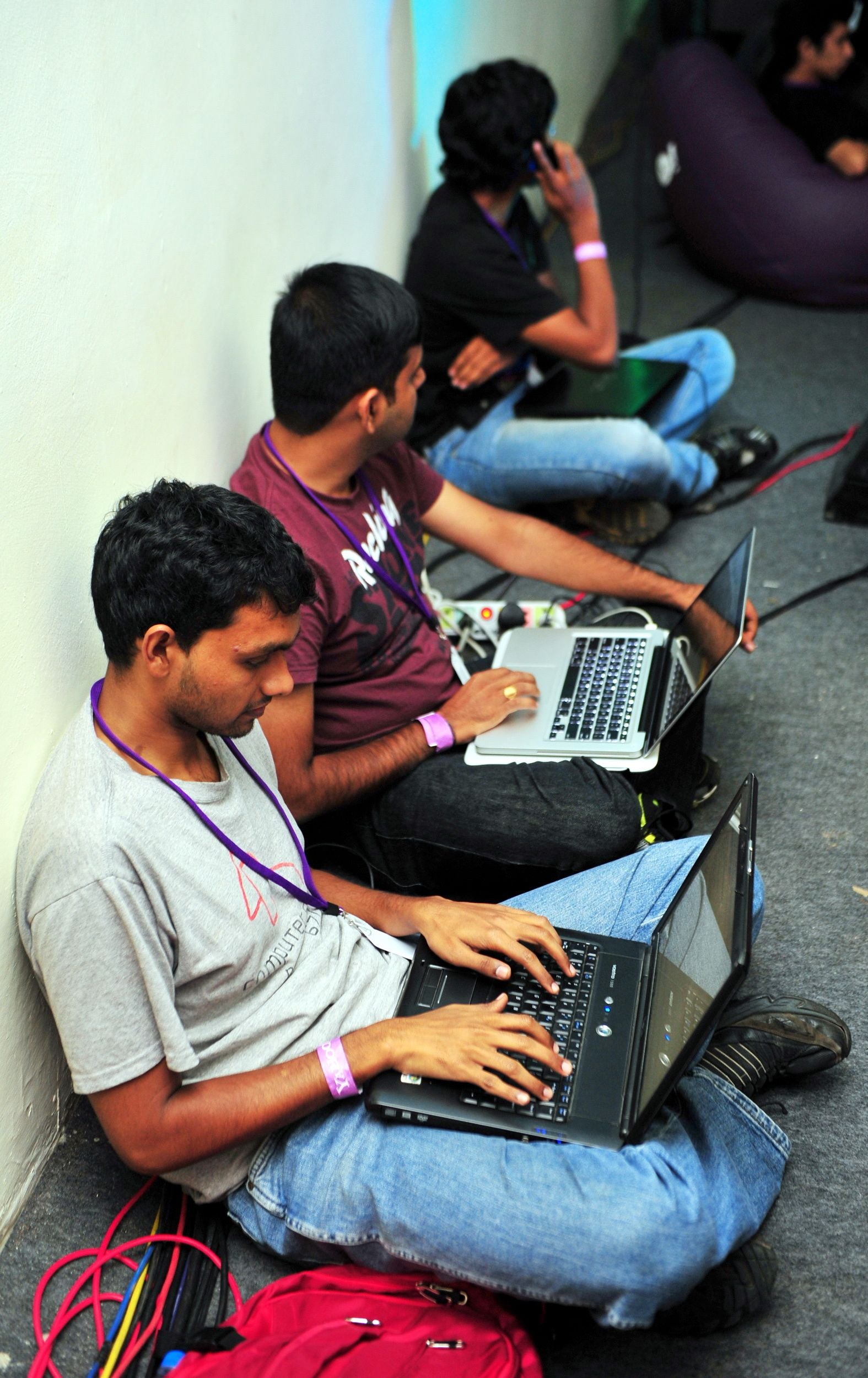
“Reskilling” and “upskilling” have of late become buzzwords in the Indian information technology (IT) sector as engineers look to evolve with changing trends.

After a brief slowdown, investors are once again flocking to Indian startups—but only to the big boys.