

Lifestyle
How a Bollywood star with no godfathers made it big with fresh ideasAyushmann Khurrana is on a roll.
Updated July 20, 20225 min read
Ayushmann Khurrana is on a roll.
The Donald Trump administration seems to have finally succeeded in dissuading Indian companies from relying too heavily on H-1B visas.
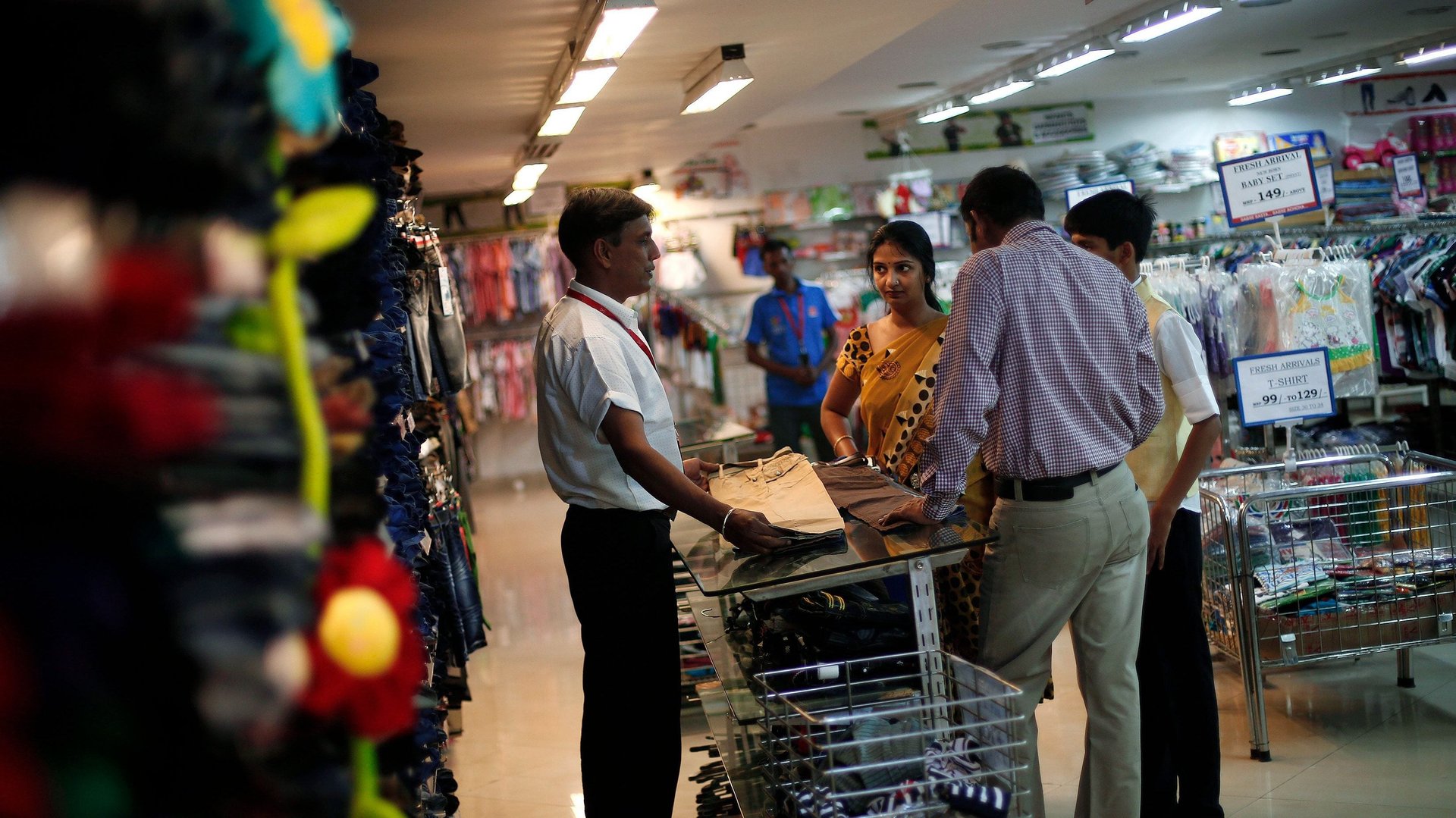
Indian e-commerce companies are still novices when it comes to Artificial Intelligence (AI) and mining big data.
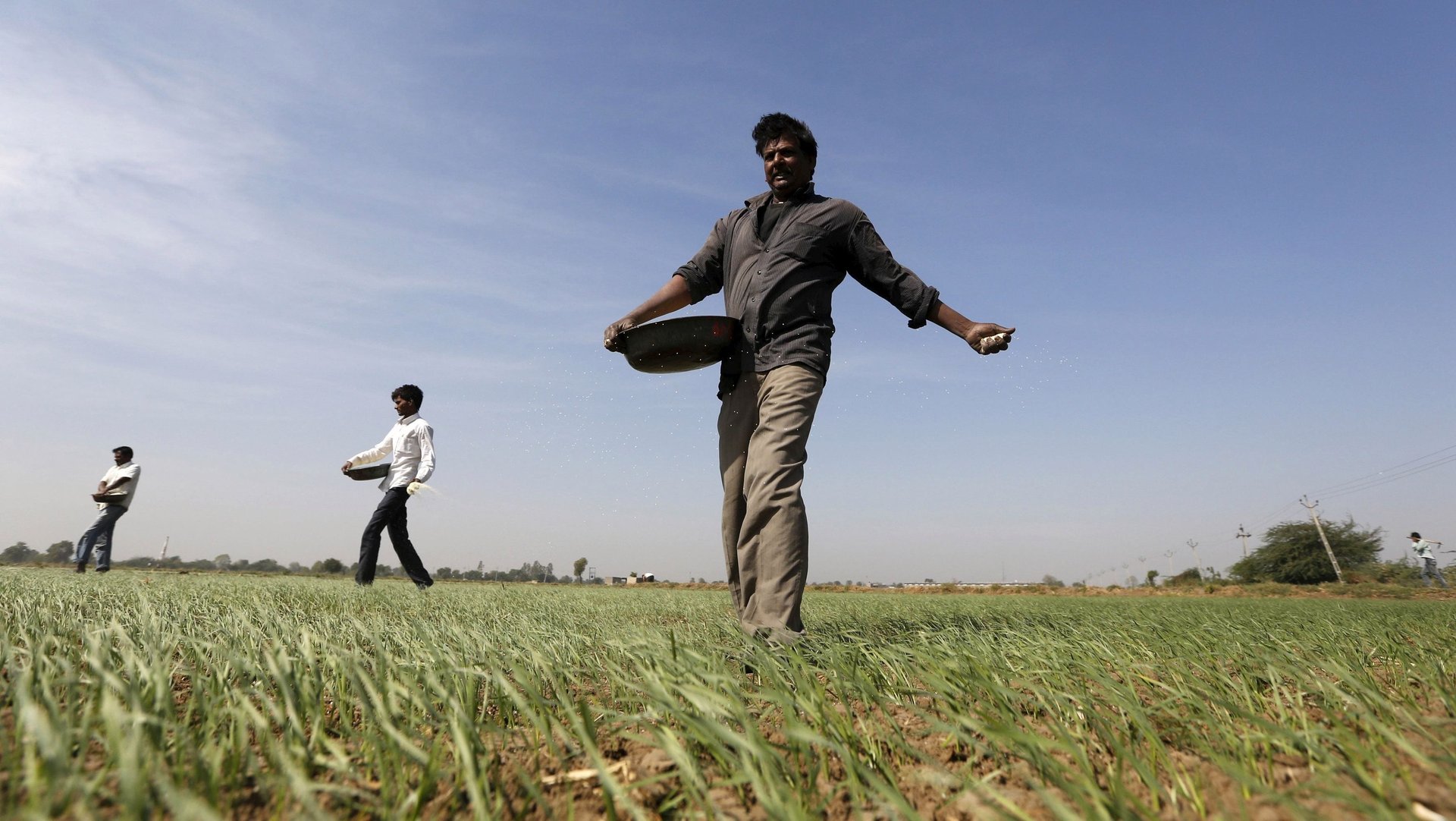
Worsening weather conditions are driving farmers in Bangladesh out of their homes.
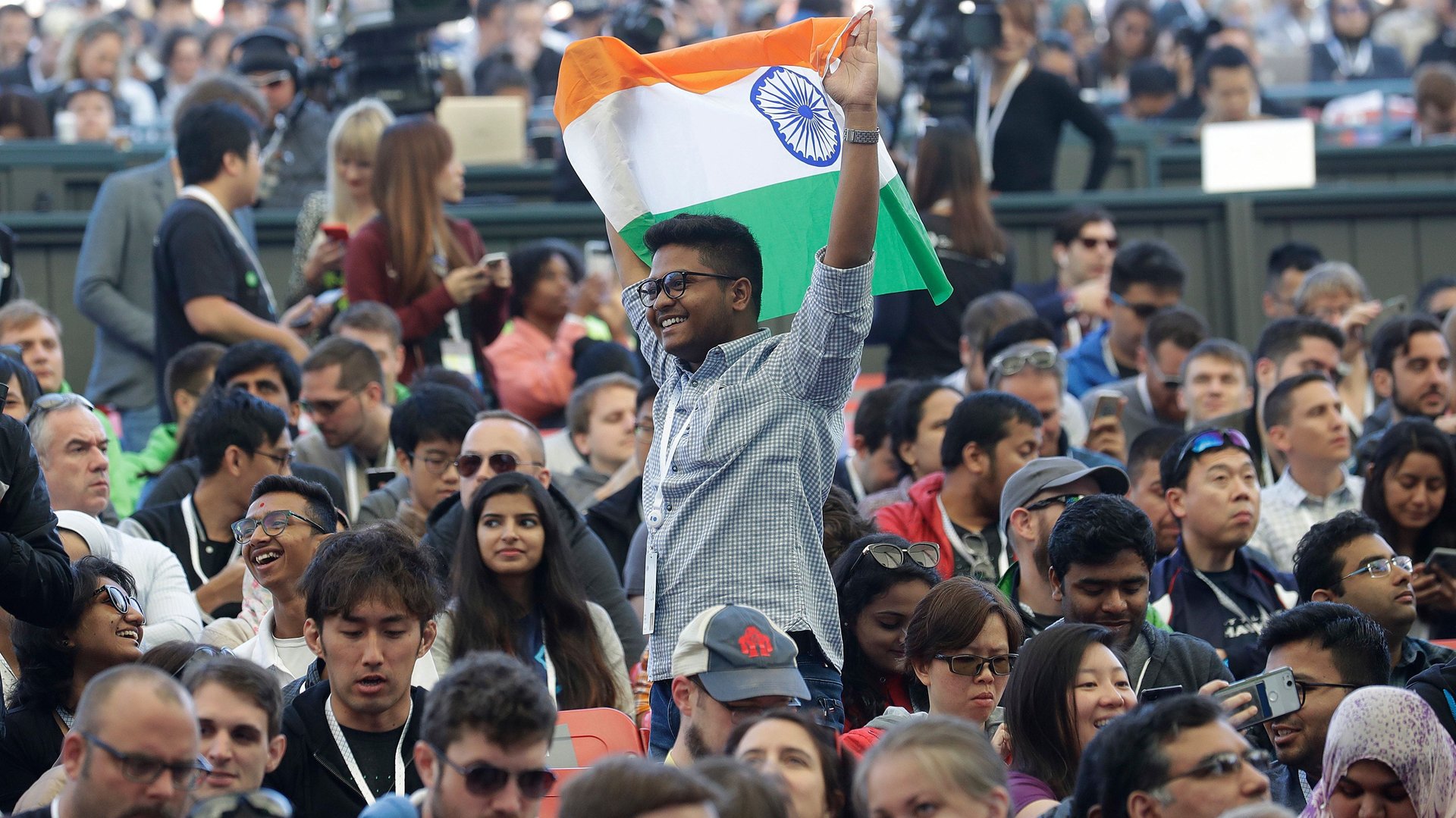
The Donald Trump administration may be going tough on H-1B visa allocation. But there’s no stopping Indians from working in the US.
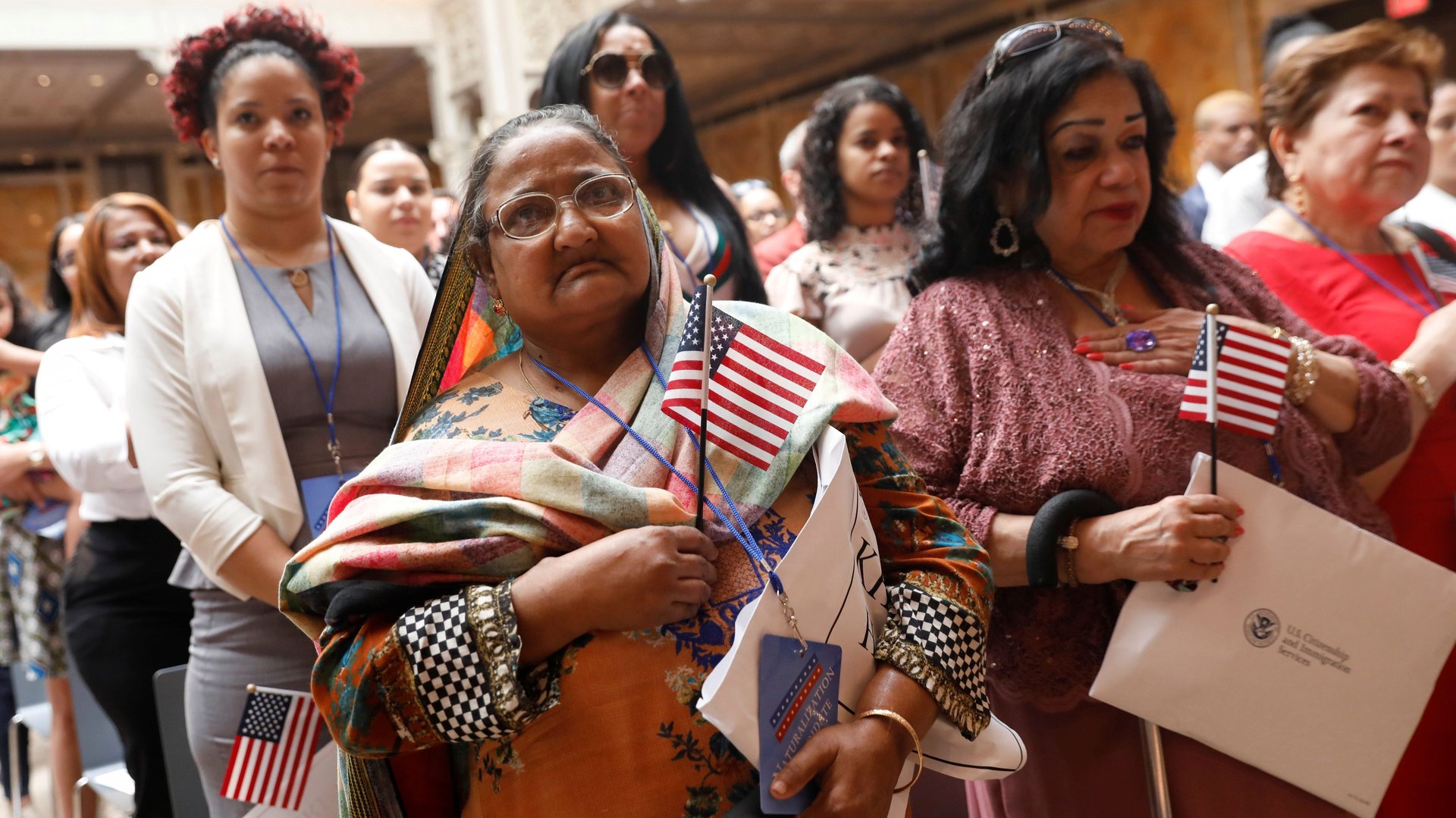
The next three months are crucial for immigrant workers and their spouses in the US.

Forget revenue and profits, India’s largest e-commerce firms seem to believe the height of Dubai’s Burj Khalifa is a fair metric to measure their performance.
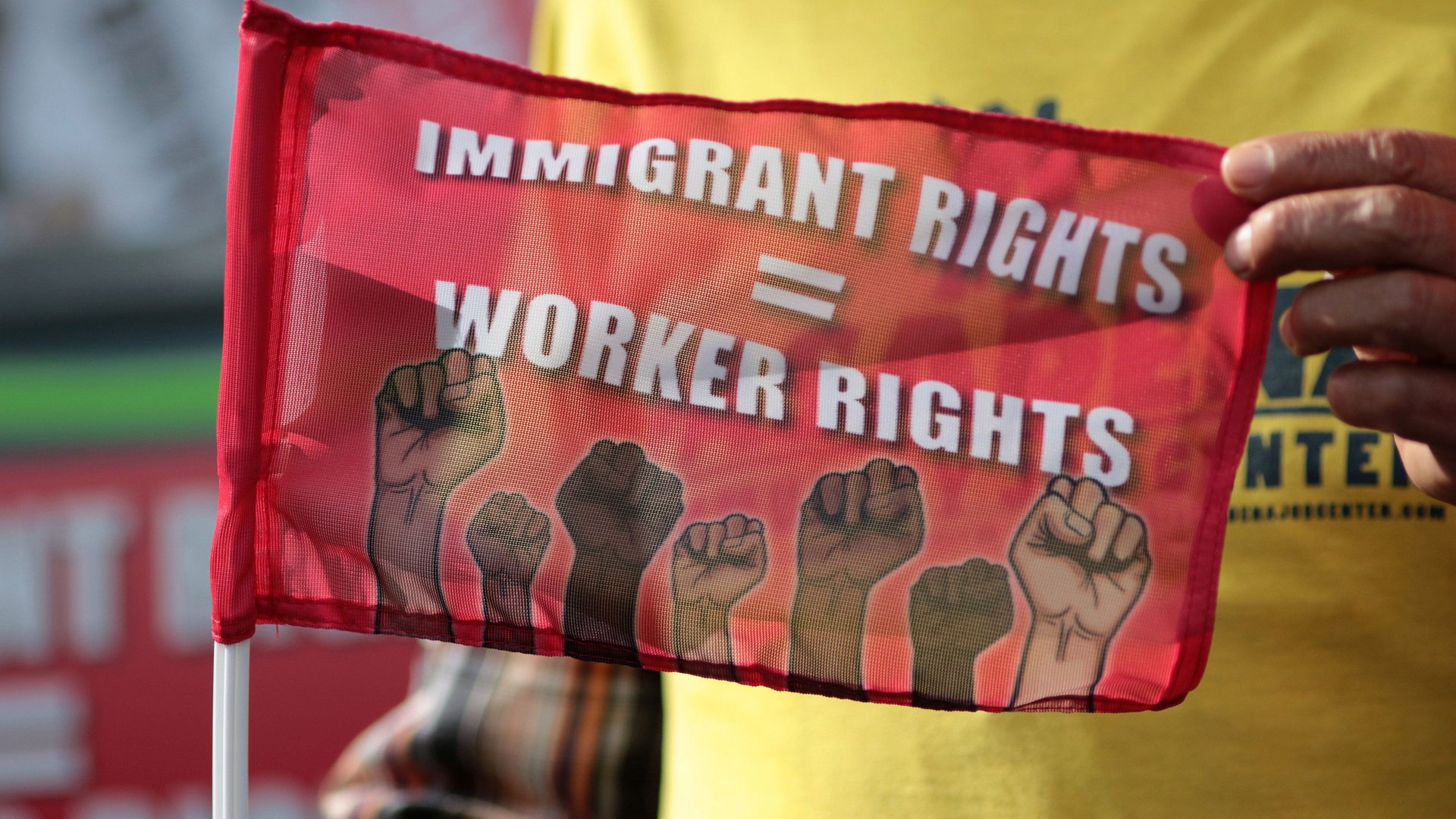
The US information technology (IT) industry is raising hell against the work-visa policies brought about recently by the Donald Trump administration.
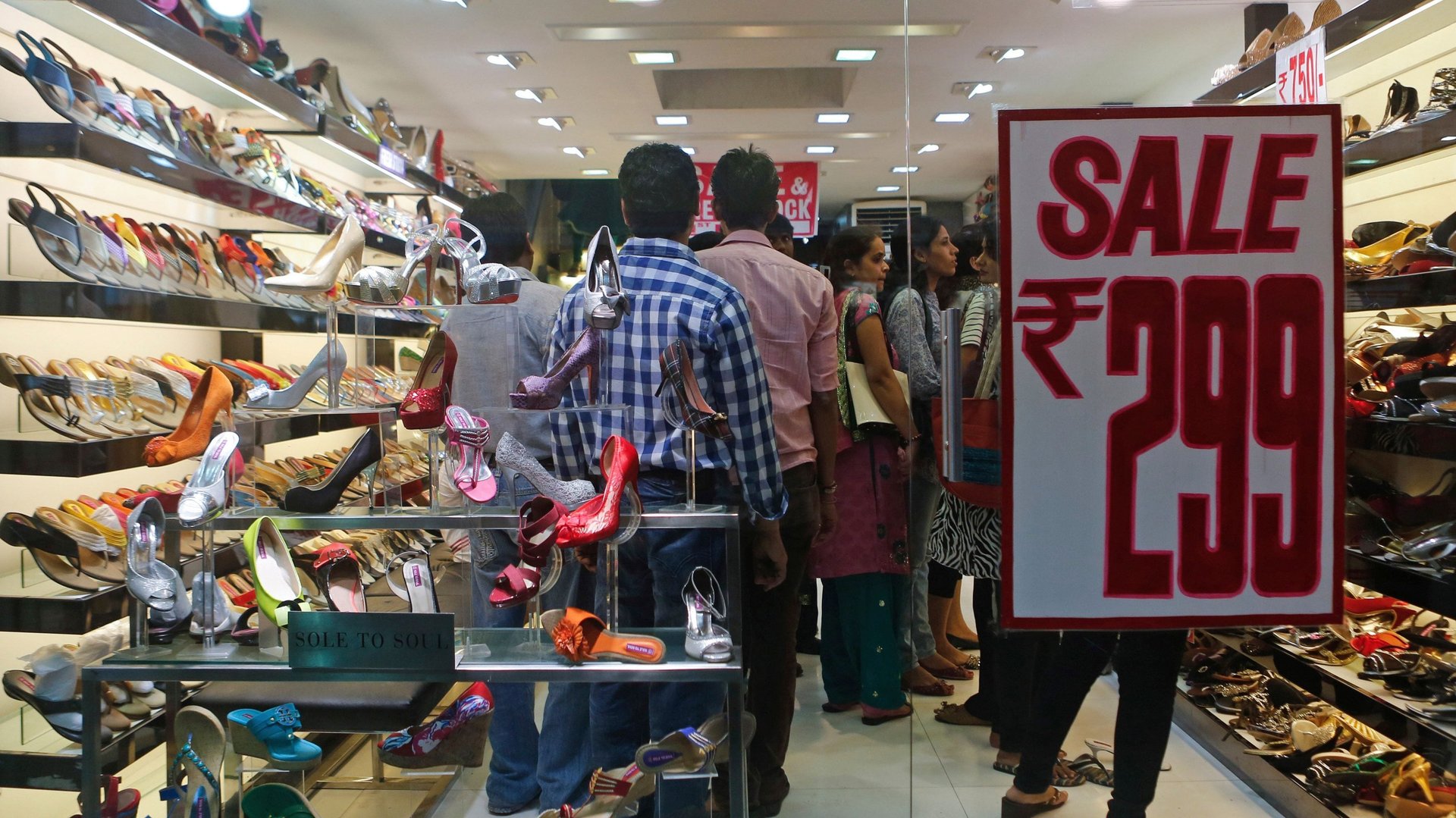
Judging by the hoo-ha around India’s e-commerce festival sales, you’d think the discounts were out of the world. That may not be true, however.

India’s online festive shopping season is mostly a big boys’ arena.

Don’t let the online shopping mania blind you to a lurking threat: cyberattacks.

The world’s second-largest smartphone market is readying for a new milestone.
Snapdeal seems to have learnt its lesson.
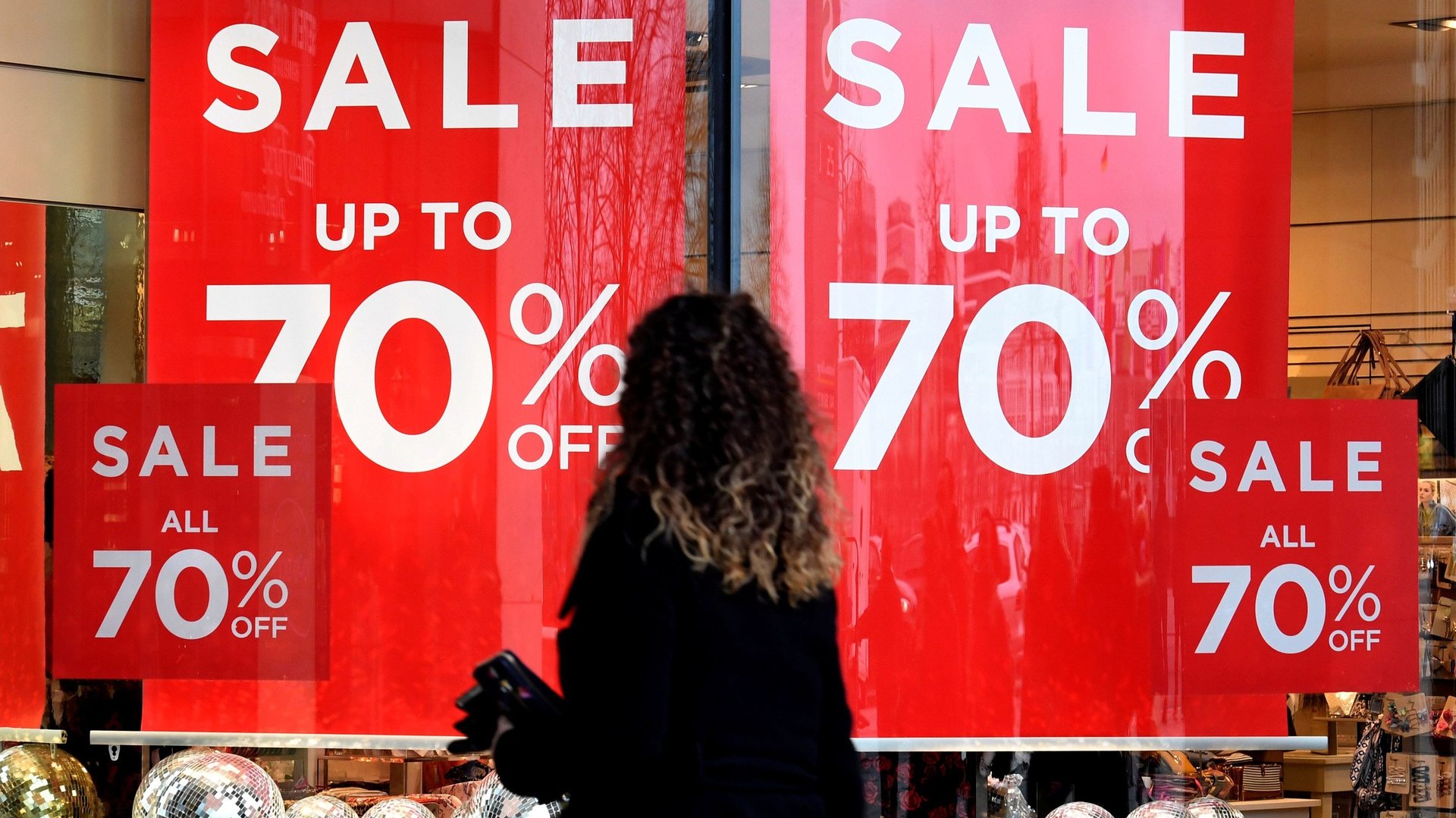
2018 has been a landmark year for Indian e-commerce.
This post has been corrected and updated.

For Anirudh Pandita, Ashwin Suresh, and Aditi Shrivastava, steering their careers away from run-of-the-mill finance jobs in New York to pursue their dreams in the movie business has proved to be a rewarding bet.
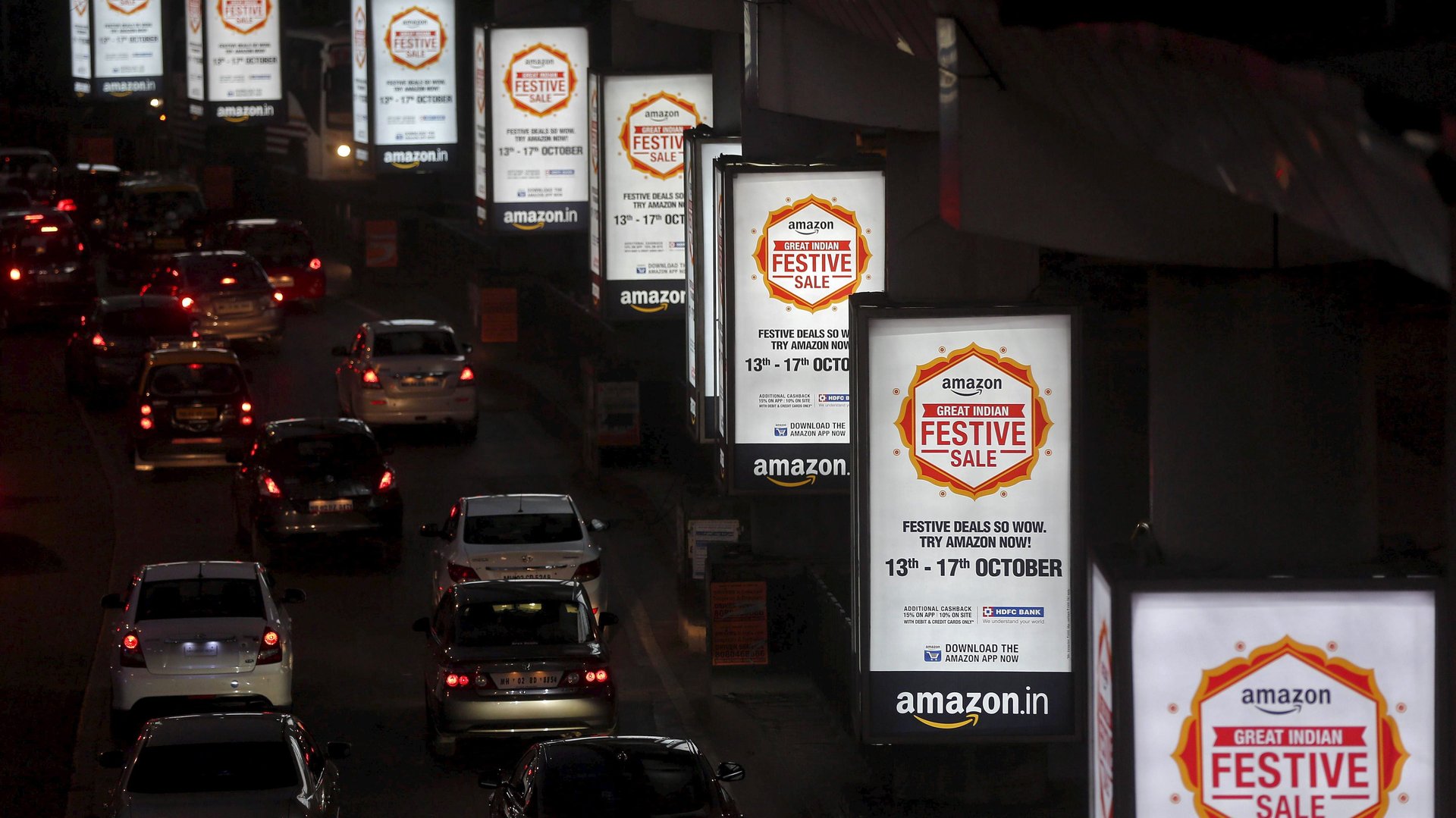
Amazon and Flipkart have been spending millions of dollars on marketing and brand-building. But that hardly seems to impress Indian shoppers.

For half a decade, Swedish video-game commentator Felix Arvid Ulf Kjellberg has reigned on YouTube with the most number of subscribers for his channel PewDiePie. But in just over a month from now, a 40-year-old Indian music label could dethrone his channel.

A few years ago, while backpacking through the country, a college dropout spotted the untapped opportunity in organising India’s neighbourhood hotels. Earlier this week, his enterprise turned into a $5 billion venture.
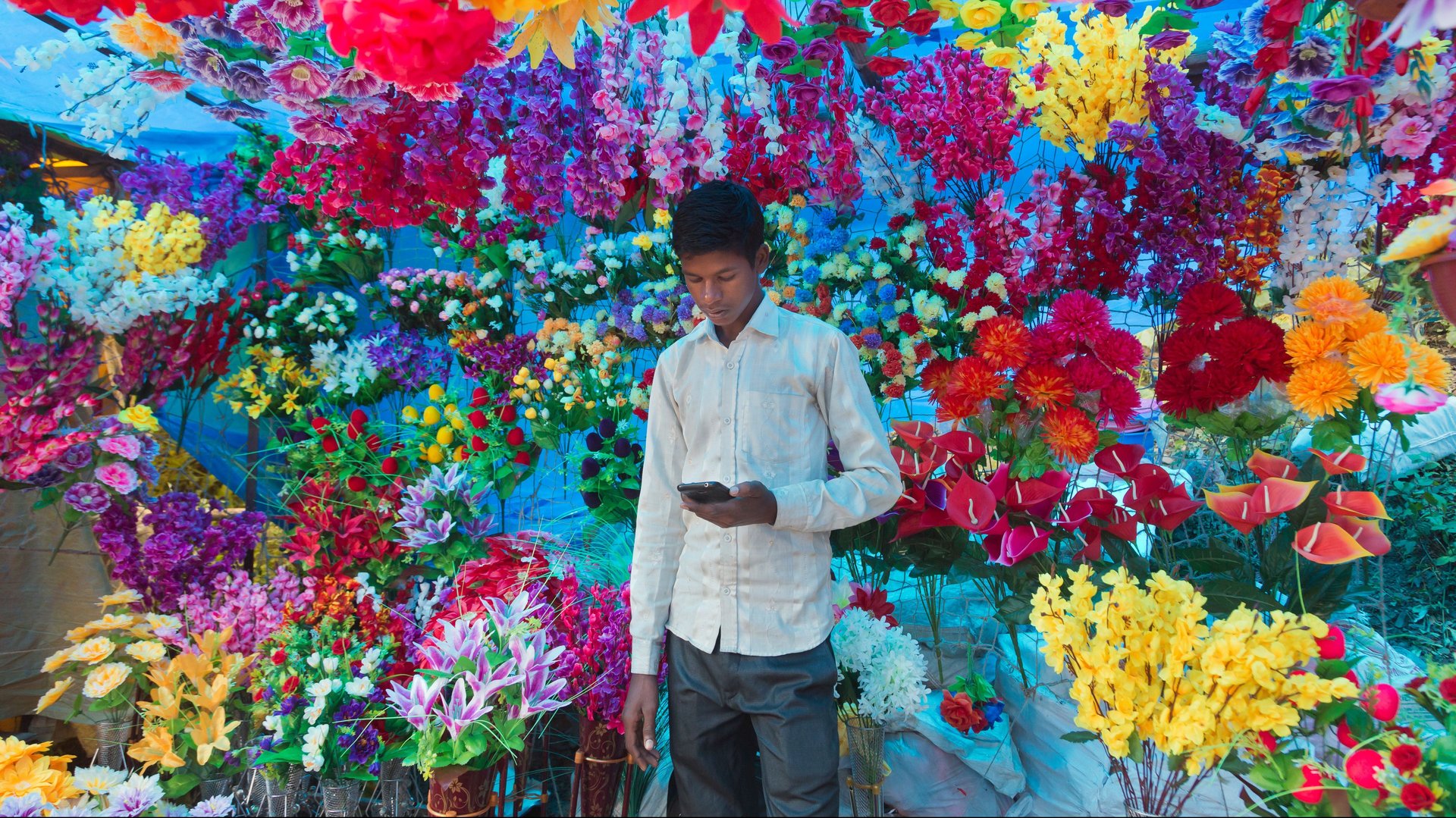
“Do it for the gram” seems to be the new motto all around. People are undertaking do-it-yourself projects, restaurants are designing aesthetically-pleasing dishes and designers are creating spaces with Instagram-worthy backdrops.
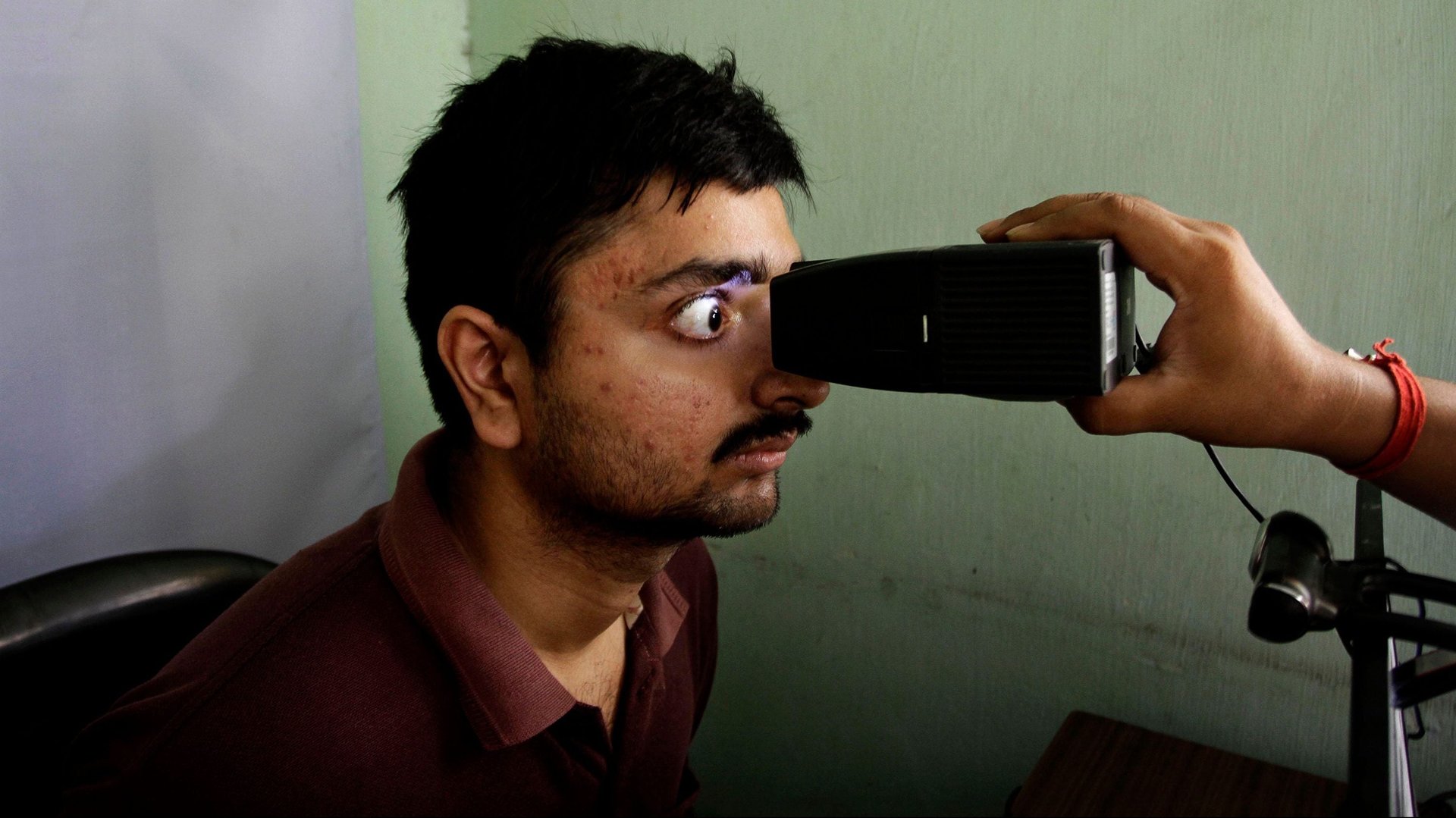
For all the restrictions placed by India’s supreme court on Aadhaar’s scope, it’s too early for citizens to celebrate.
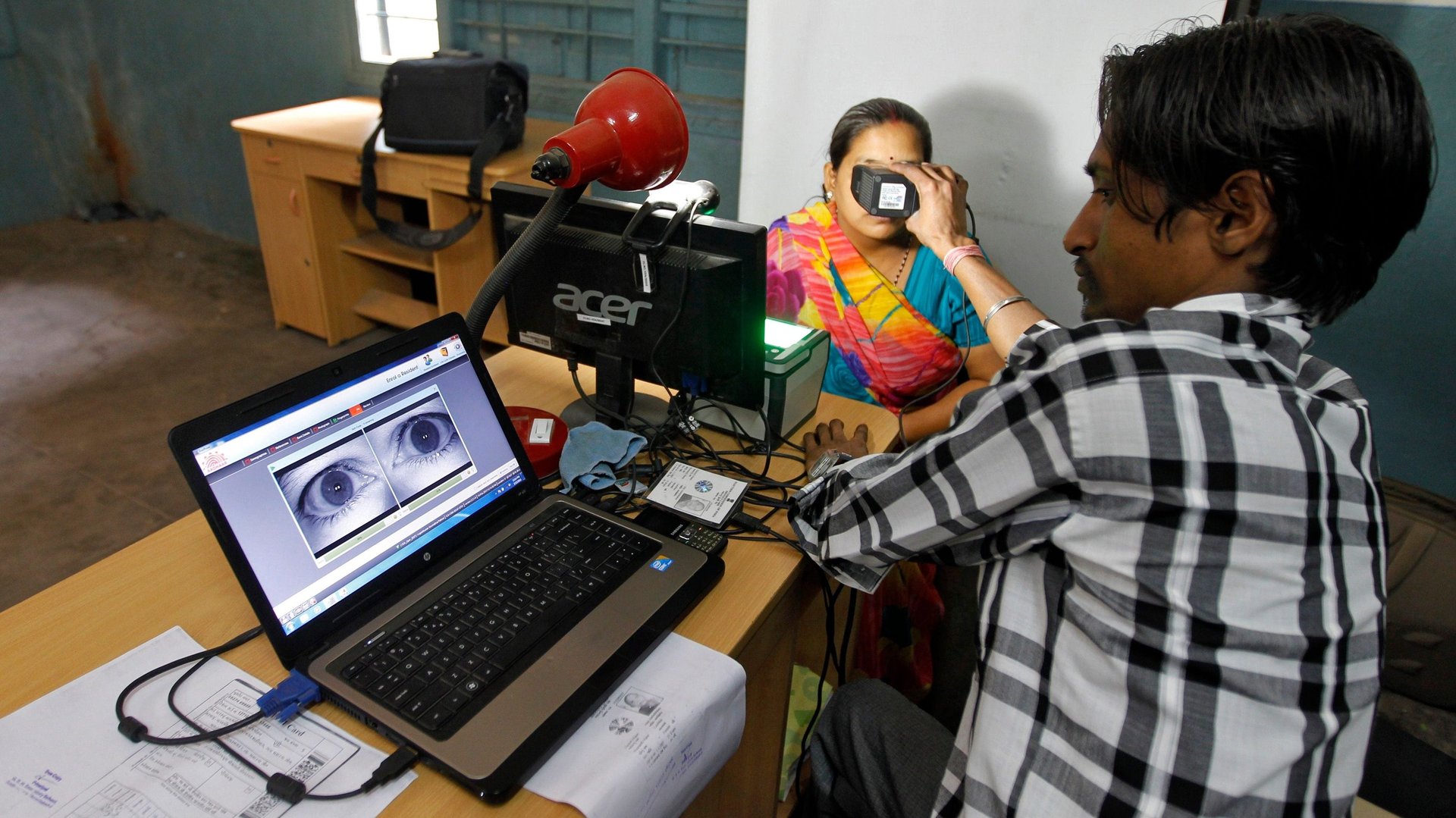
India’s social welfare schemes and subsidy programmes have long been plagued by inefficiencies. From the disbursement of food grains and cooking gas to water and electricity subsidies, government schemes have been characterised by pilferage and theft.
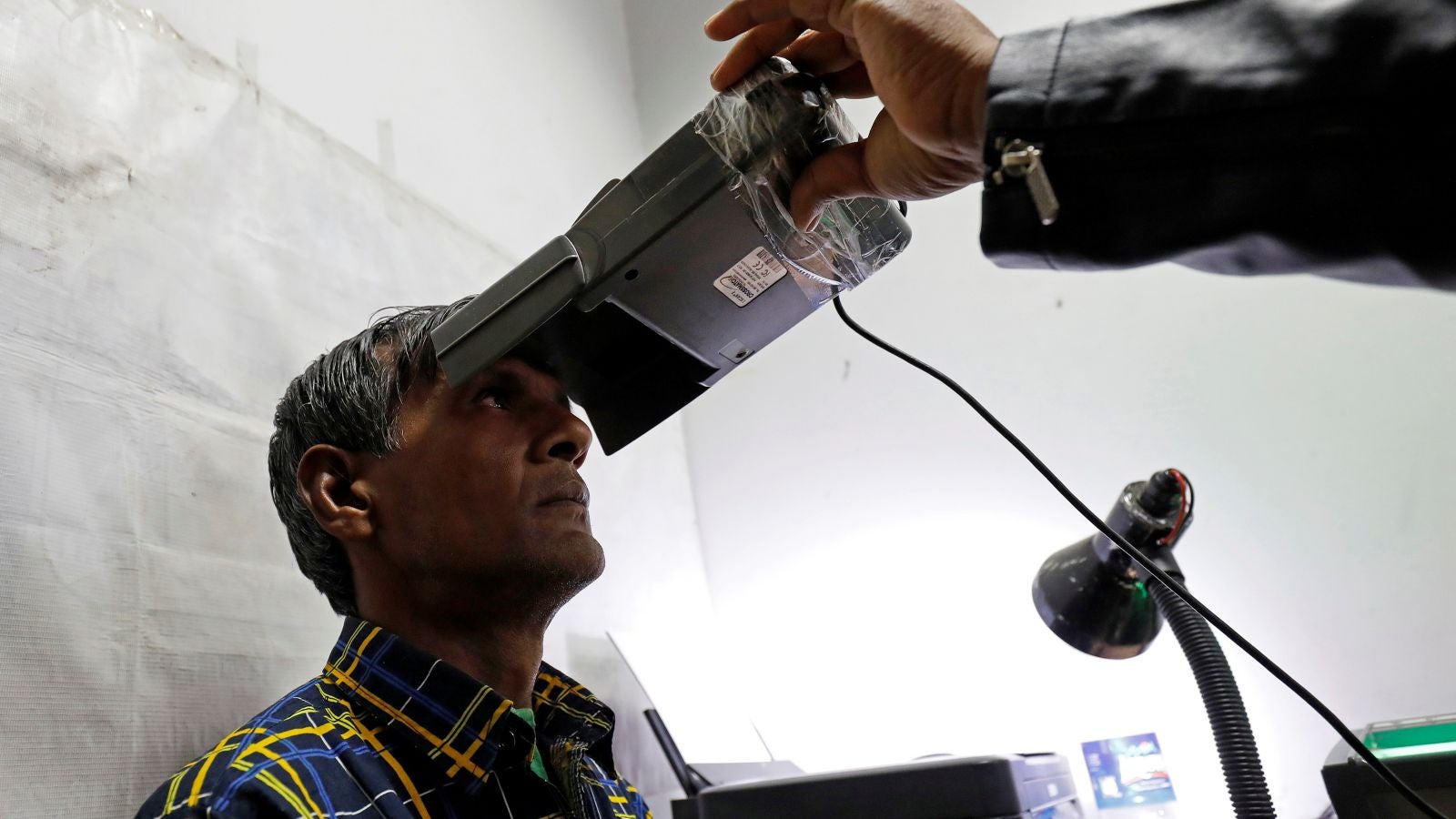
India’s supreme court has come down heavily on the mandatory linking of Aadhaar for almost everything.
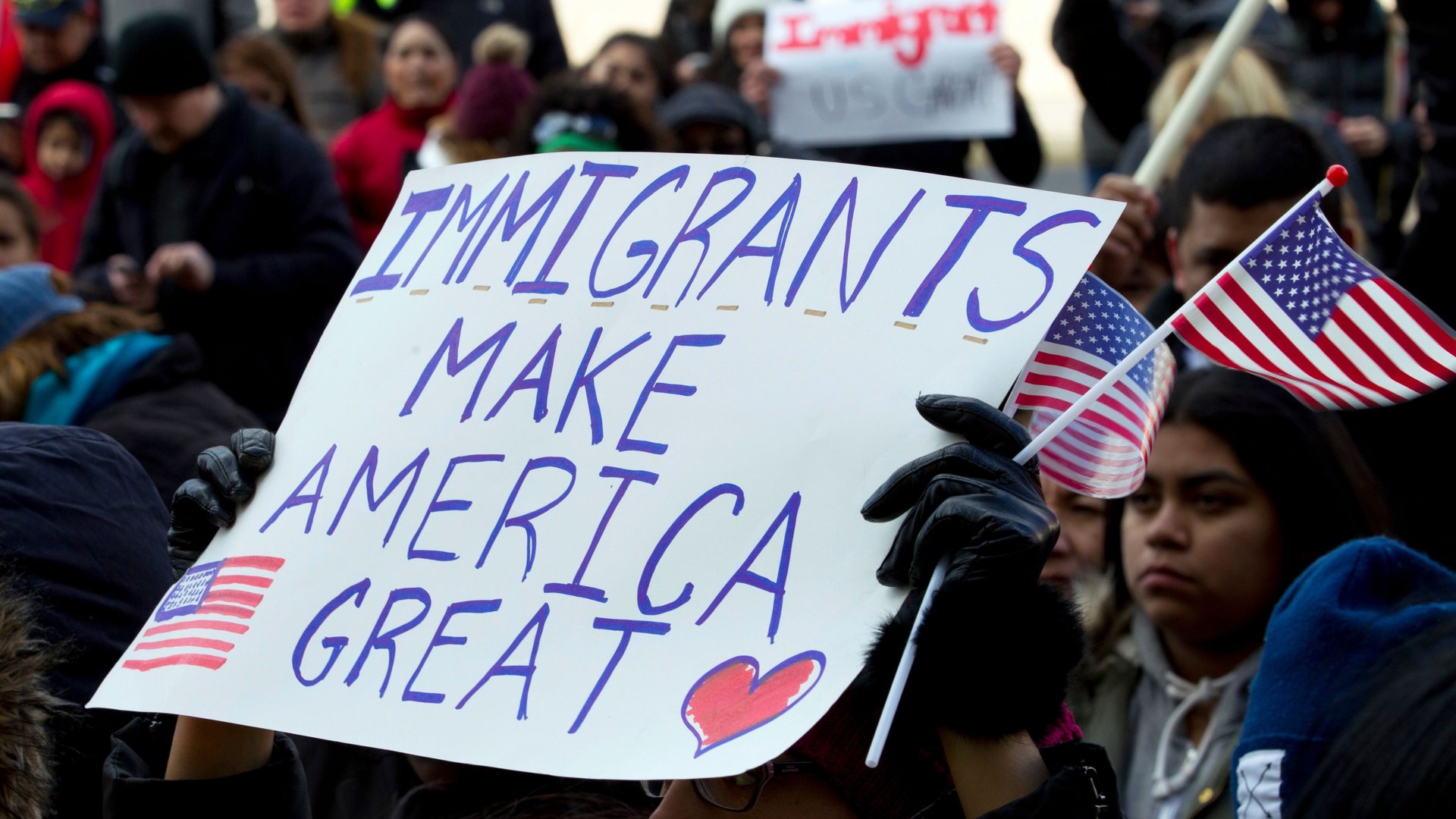
Once again, fears are rife about the US locking spouses of H-1B workers back in their golden cages.