
Tech & Innovation
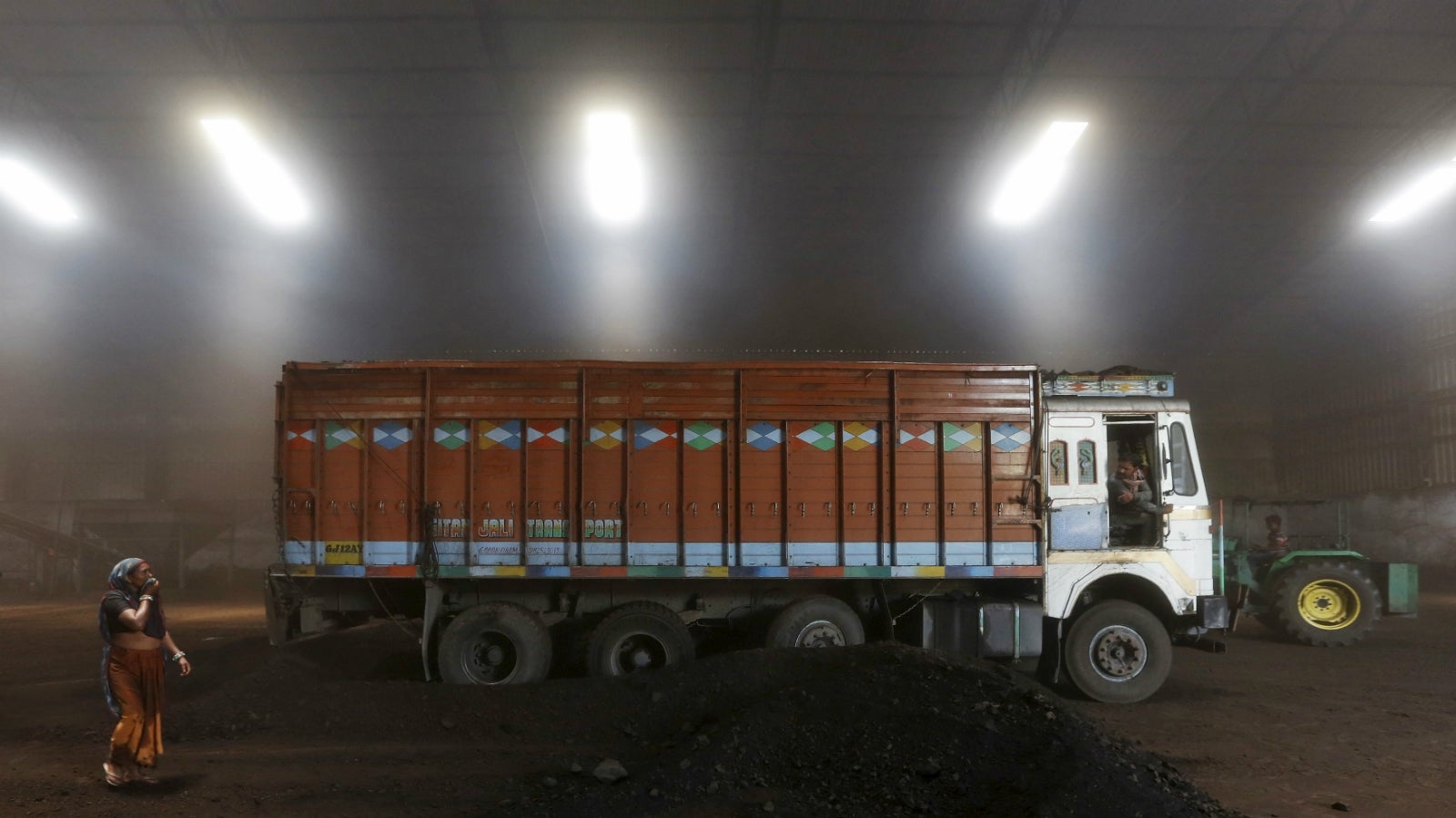
As GST opens up Indian highways, a former McKinsey consultant is ready to profit by the truckloadAround this time of the year, back in 2014, Deepak Garg was following trucks on Indian highways.
Updated July 20, 20227 min read
Around this time of the year, back in 2014, Deepak Garg was following trucks on Indian highways.
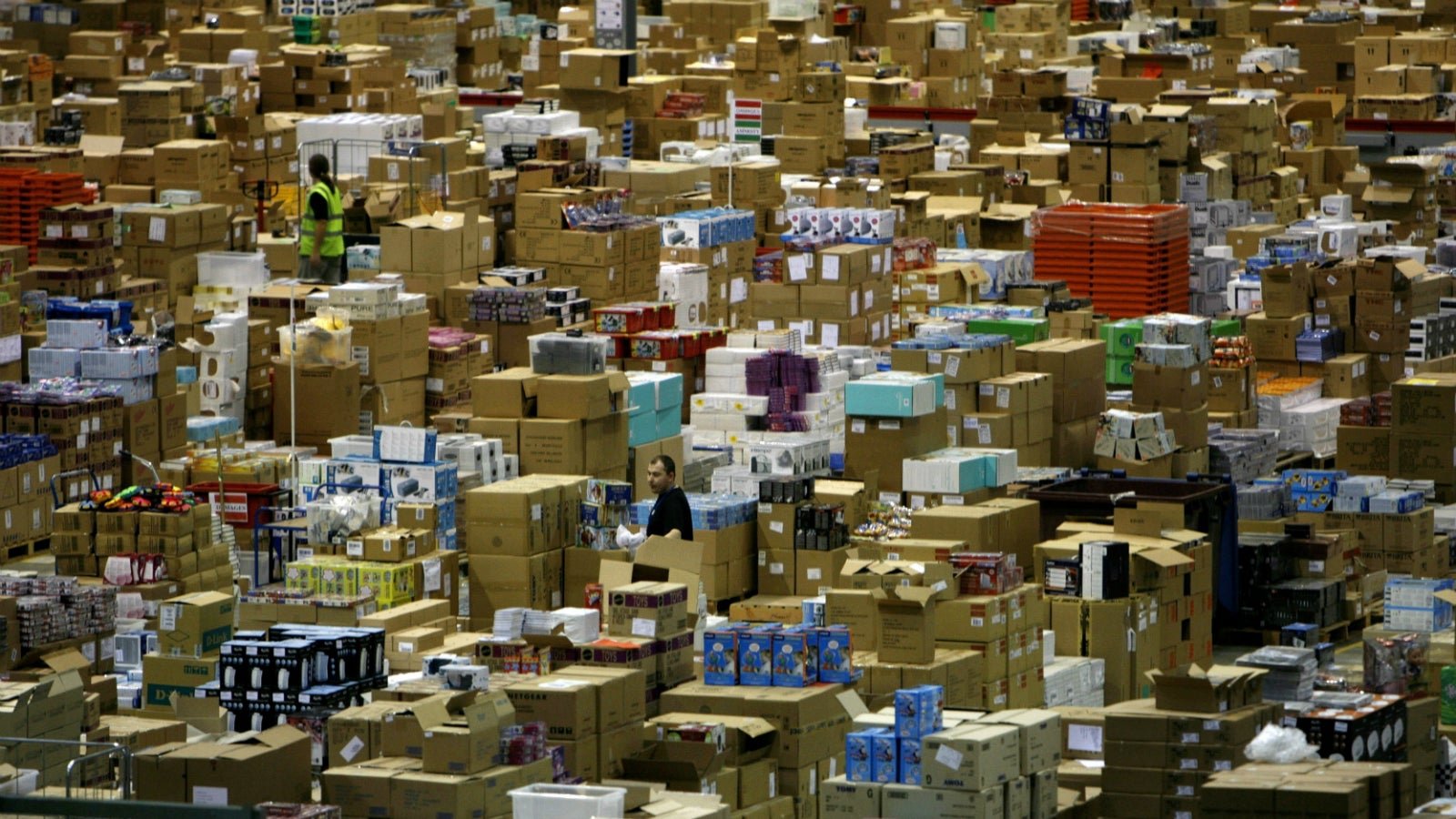
From the busy highway that runs through it, Gurugram’s Sector 34 doesn’t quite look like a hotbed for the robotics revolution. It’s a dystopian confusion of glass-fronted buildings, roadside shacks, and maddening traffic, all of which comprehensively camouflage the quest for order and efficiency underway here.
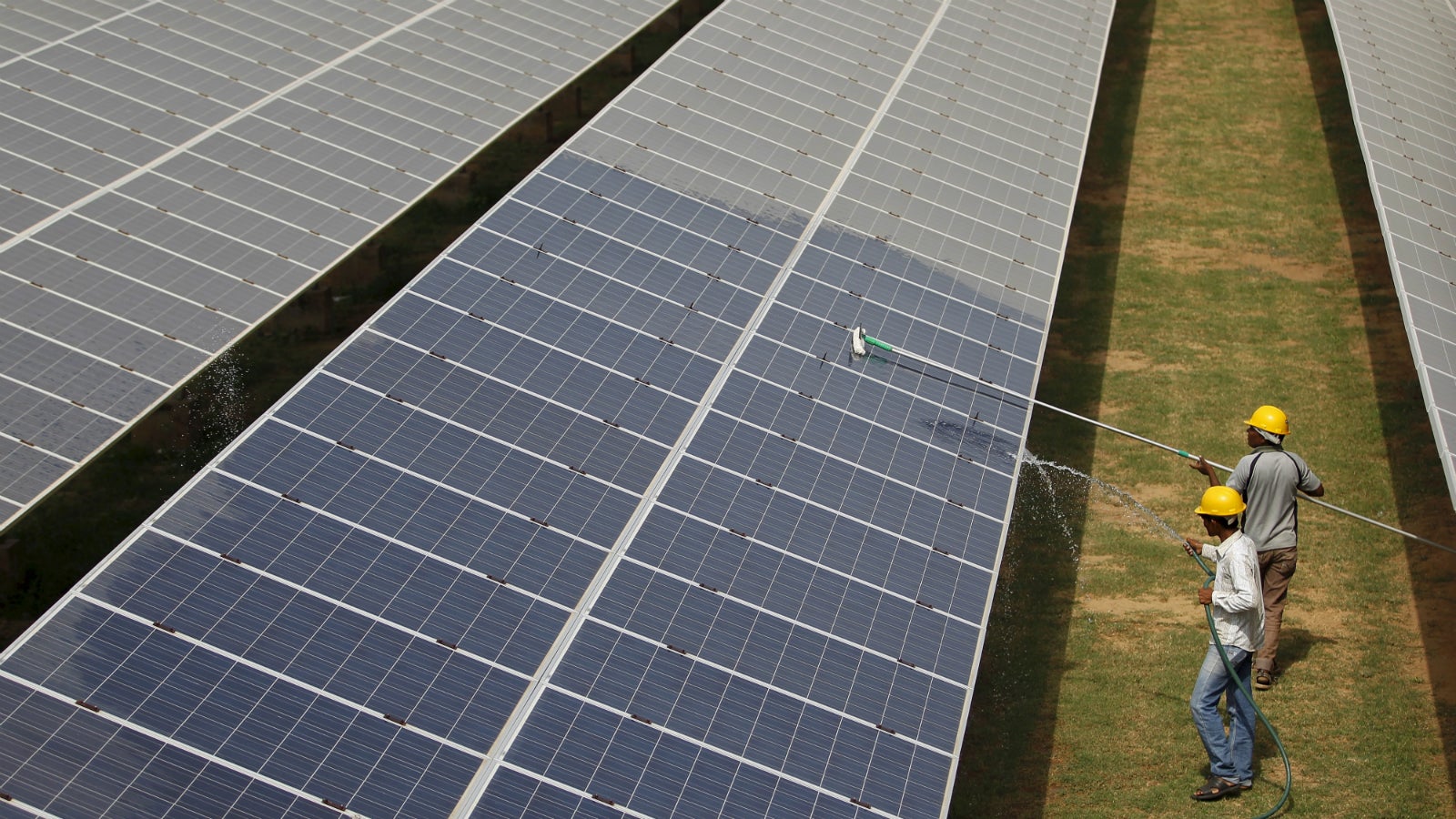
Dirty air is choking India’s quest for clean energy.
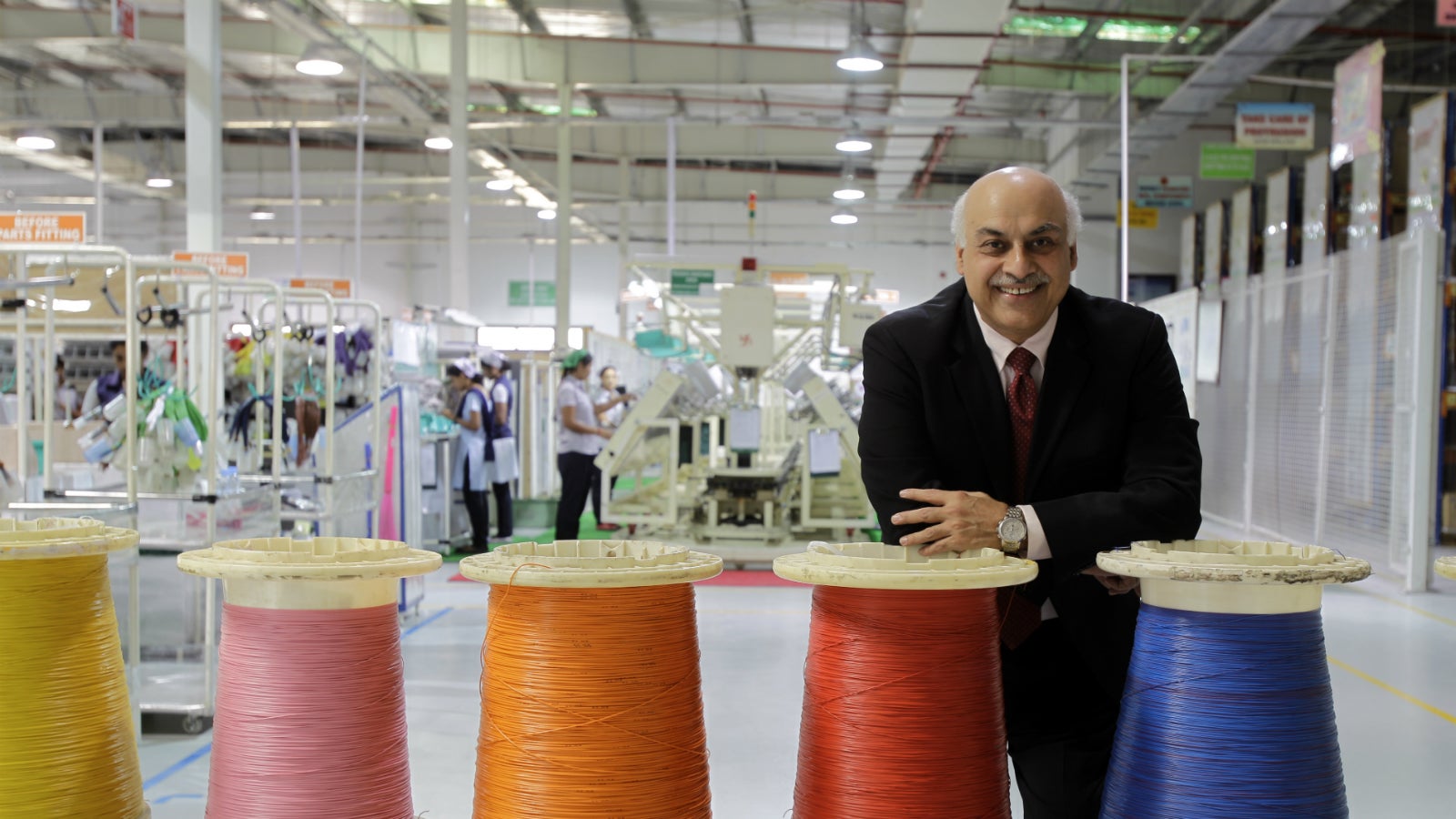
Before Vivek Chaand Sehgal made a name for himself in the business of building car components and the craft of forging lucrative partnerships, he was toying with the idea of manufacturing plastic drinking straws.
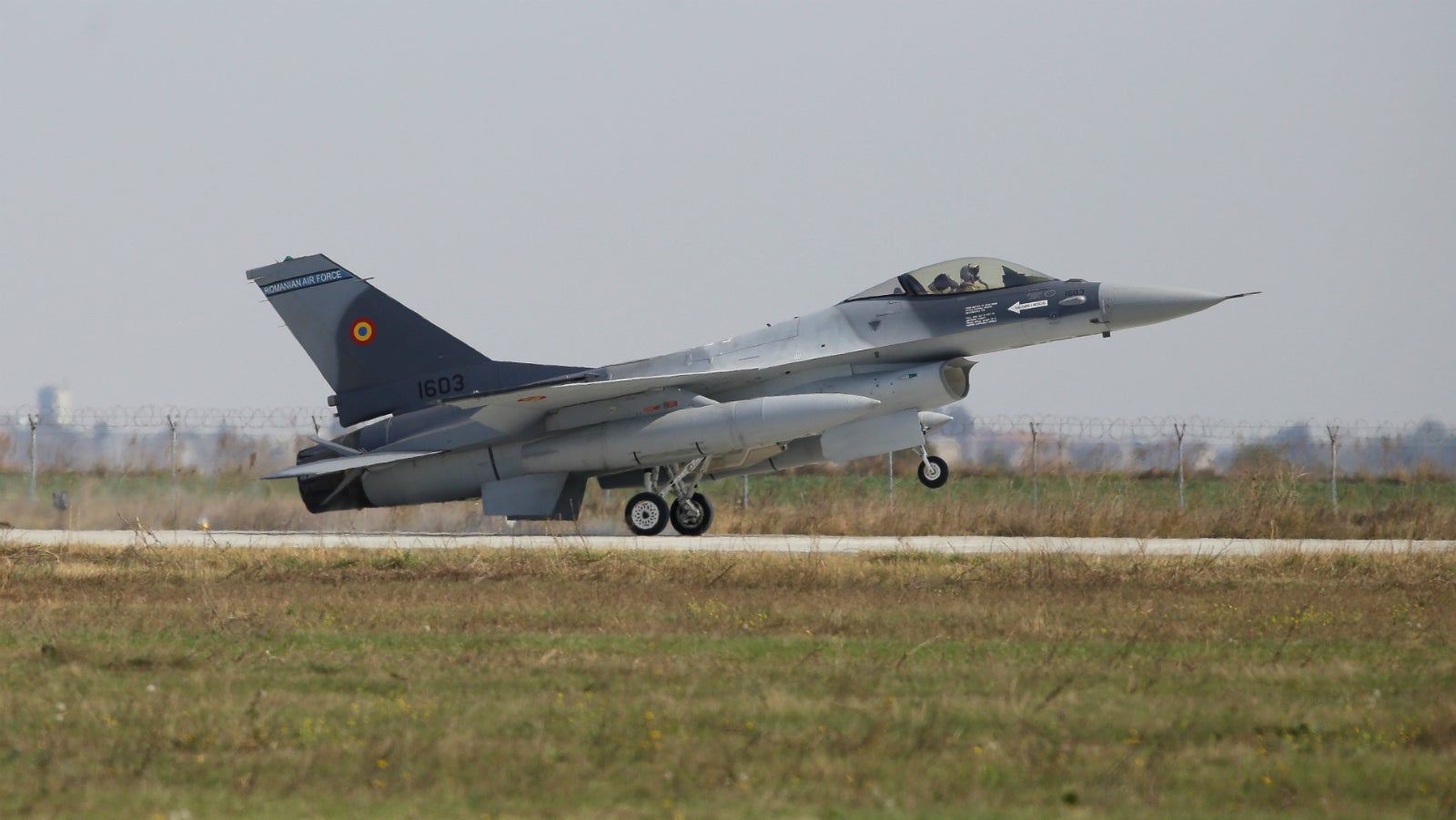
In 2007, as the dust settled on the Tata Group’s audacious takeover of European steelmaker Corus, the storied Indian conglomerate quietly began work on expanding its footprint into aerospace and defence. A company, Tata Advanced Systems (TASL), was launched without fanfare the same year. Its first public announcement would come only in February 2008 when TASL teamed up with US aircraft manufacturer Sikorsky to build helicopter cabins in India.
When Ratan Tata decided to build the Nano, once touted as the world’s cheapest car, the former Tata Group chairman brought together four engineers. Only one of them was from Tata Motors, the group’s main automotive arm. The remaining three came from Tata Technologies, a little-known company from within the salt-to-steel conglomerate.
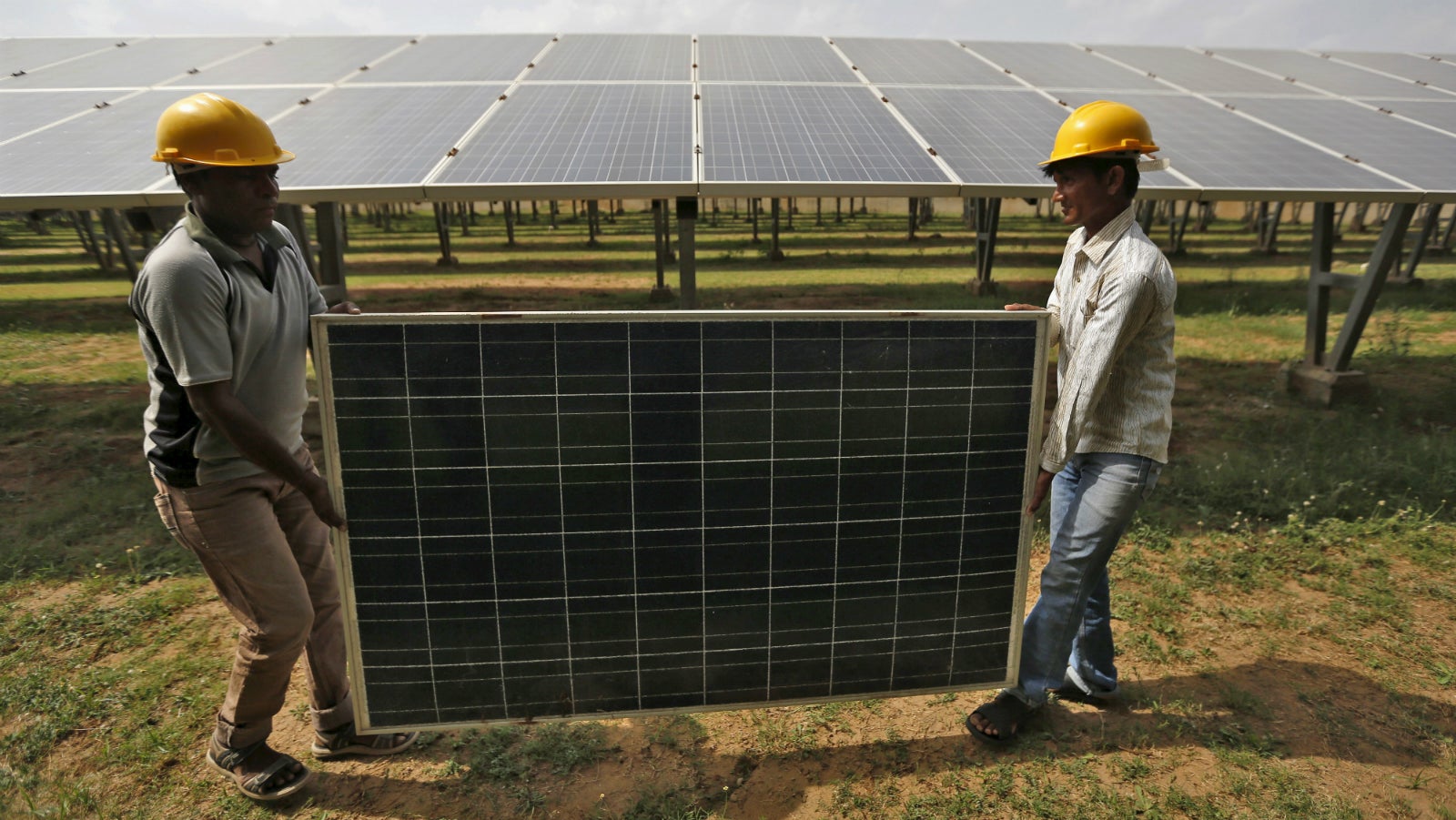
In Australia, the Adani Group is synonymous with big, dirty coal.
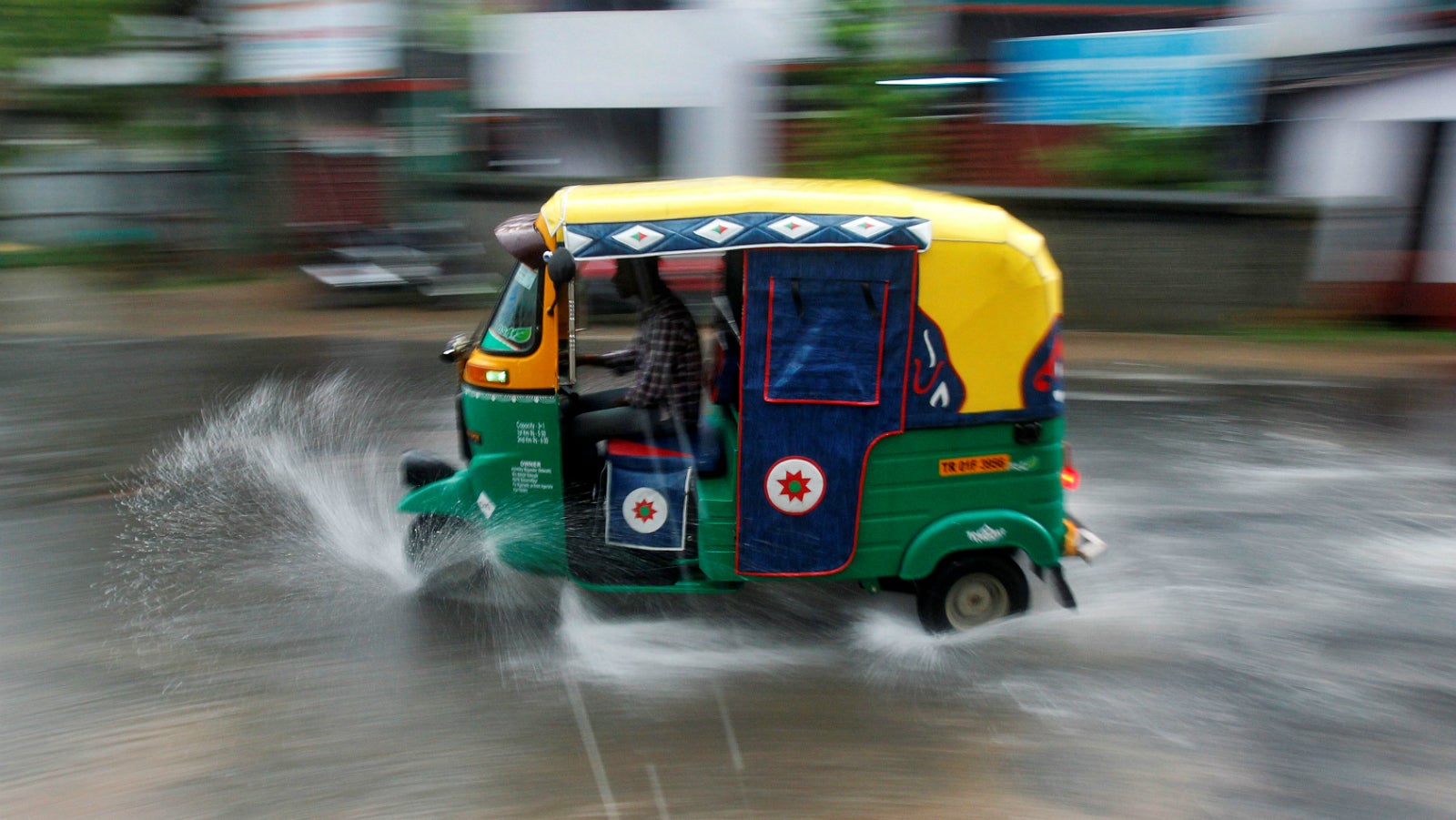
India has floated an audacious plan to turn every car, bus, truck, and everything in between, into an electric vehicle (EV) by 2030.
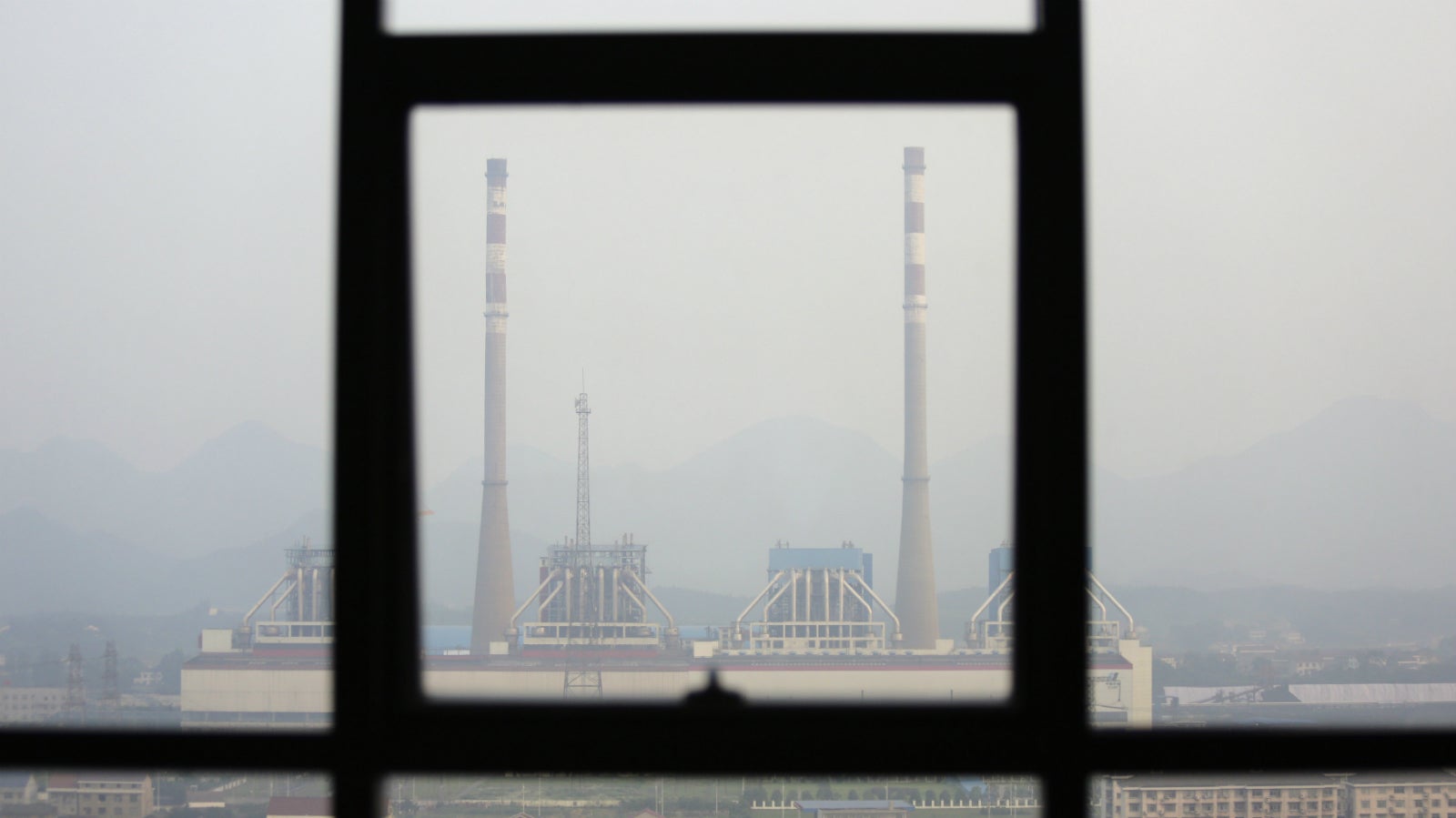
Billions of dollars worth of coal-fired power plants are on the block in India but no one seems to want to touch them with a bargepole at the moment.
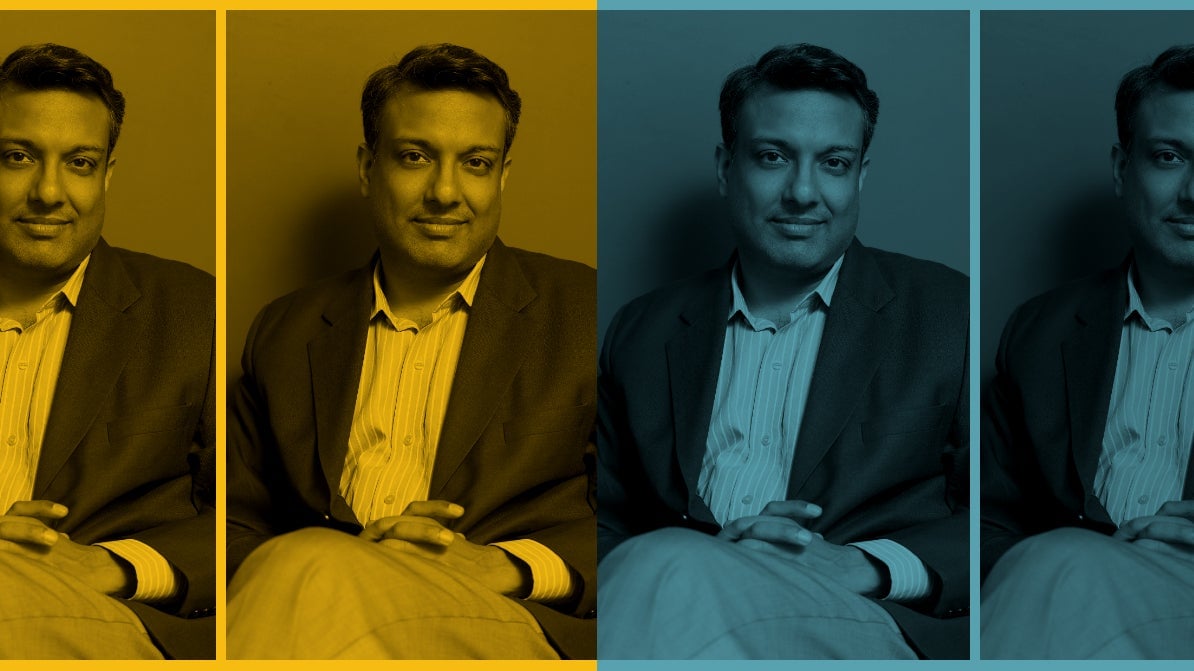
By the time he finished high school in the 1980s, Sumant Sinha thought he knew what he wanted to do in life.
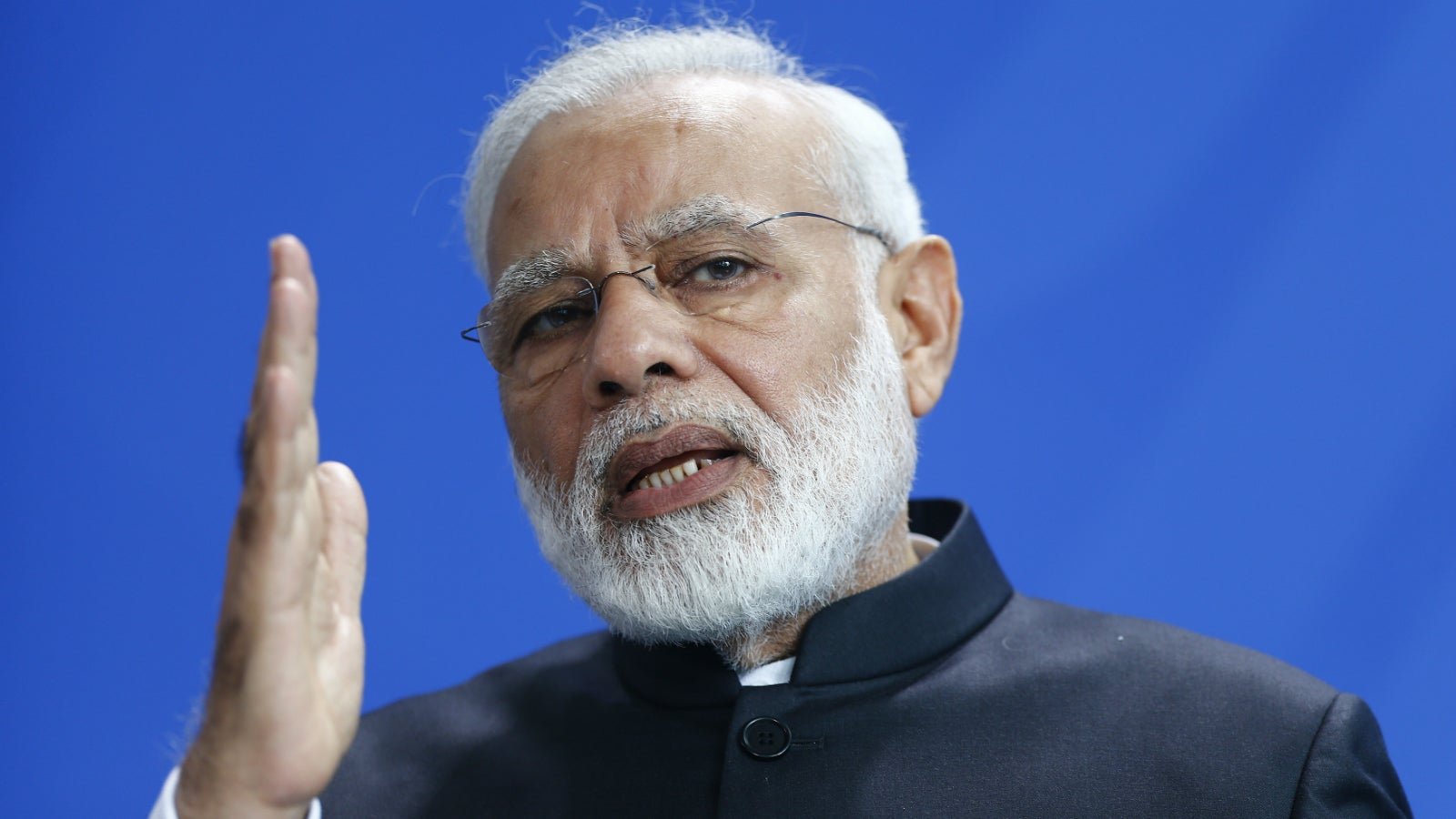
There were many things expected of Narendra Modi when he took office as India’s 14th prime minister in the summer of 2014. Some naturally thought his government would veer right, others bet he’d have a muscular foreign policy. Some foresaw bold economic reforms, while others predicted great public relations.
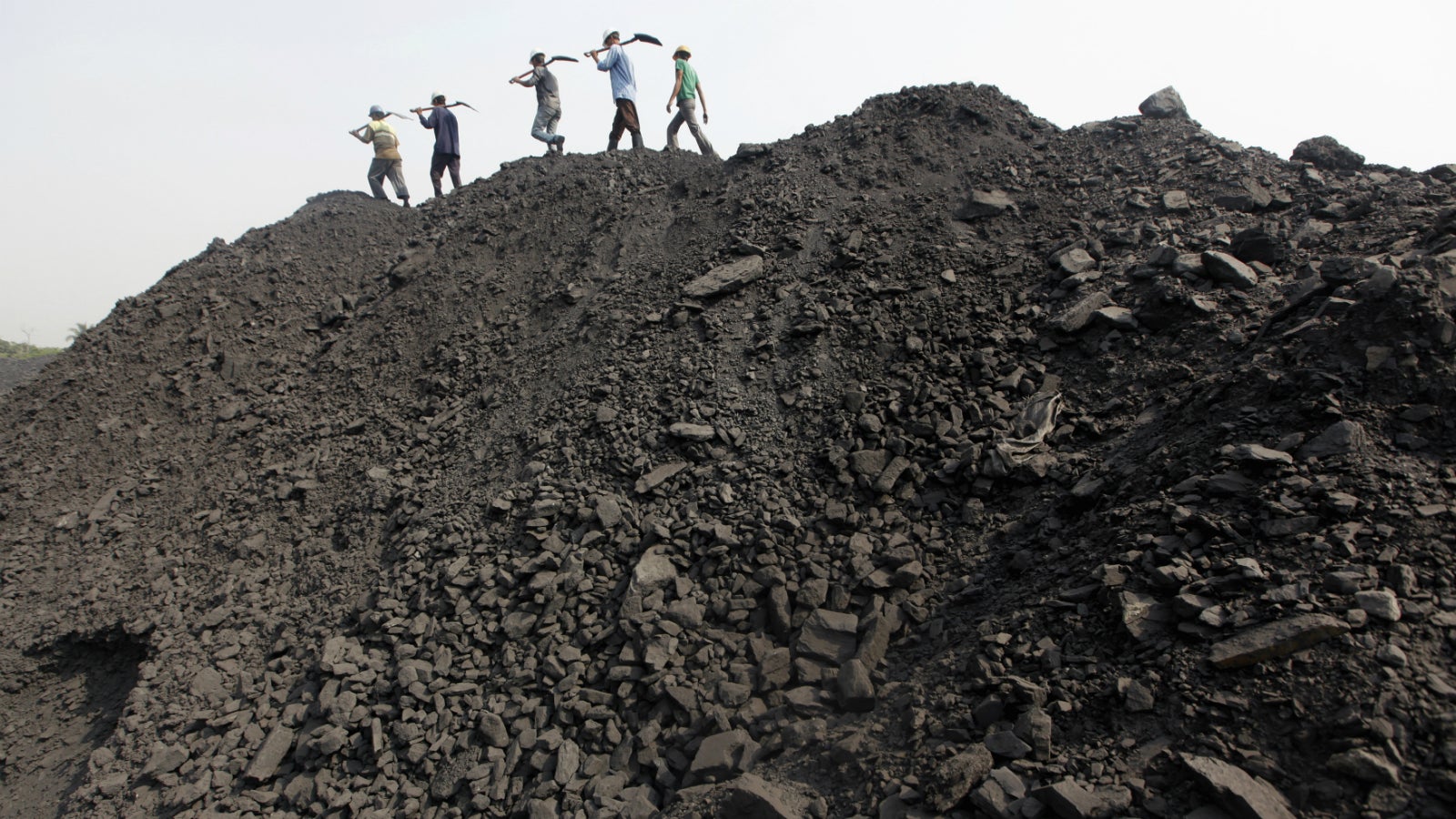
A story of contrasts is playing out in India’s energy landscape: the slide of coal and the rise of solar.
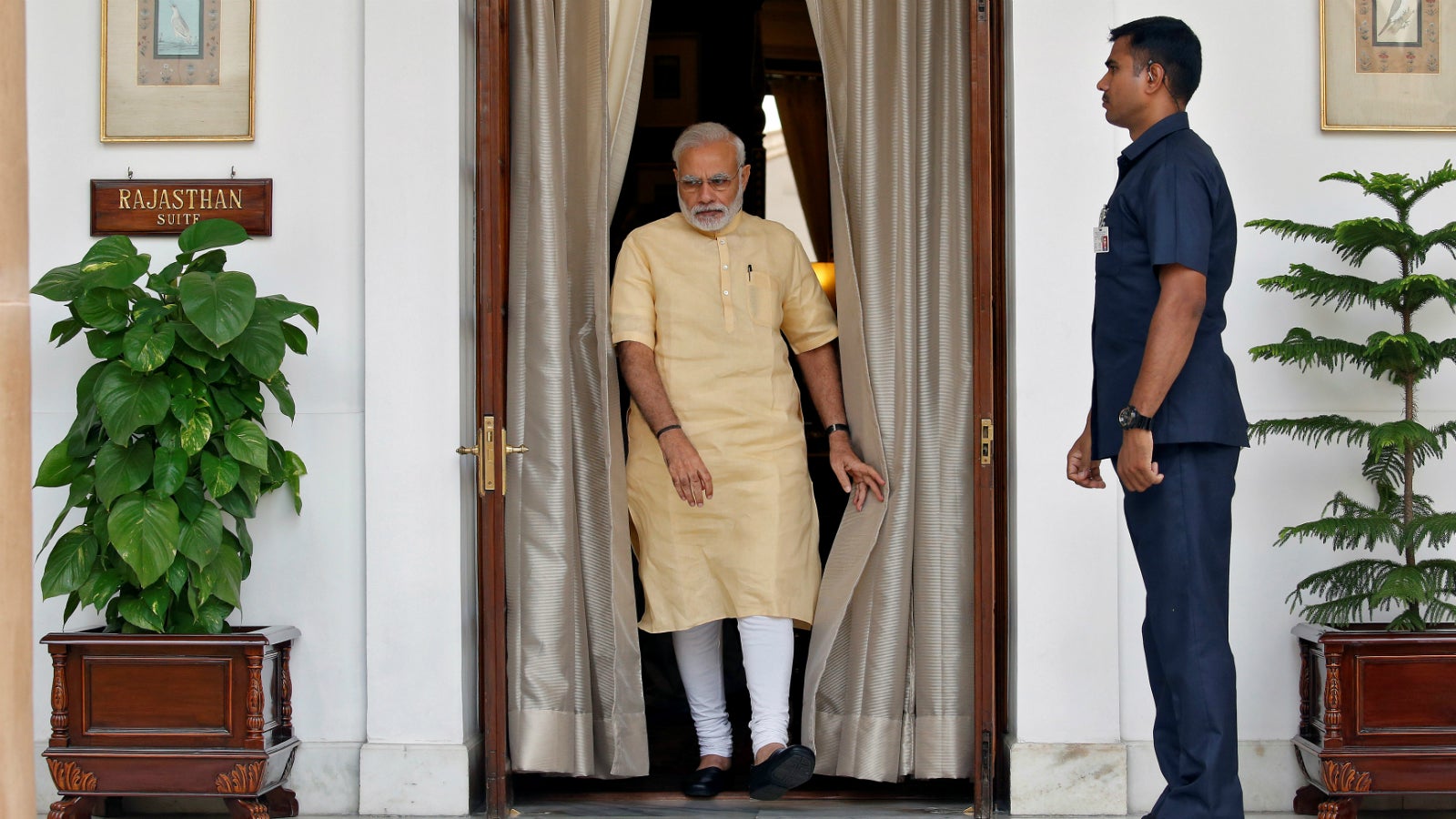
On May 26, 2014, guests at the forecourt of New Delhi’s Rashtrapati Bhawan witnessed an extraordinary sight. As president Pranab Mukherjee swore in Narendra Modi as India’s 15th prime minister, the leader of almost every South Asian nation—including, notably, Pakistan’s Nawaz Sharif—watched on from the front row.
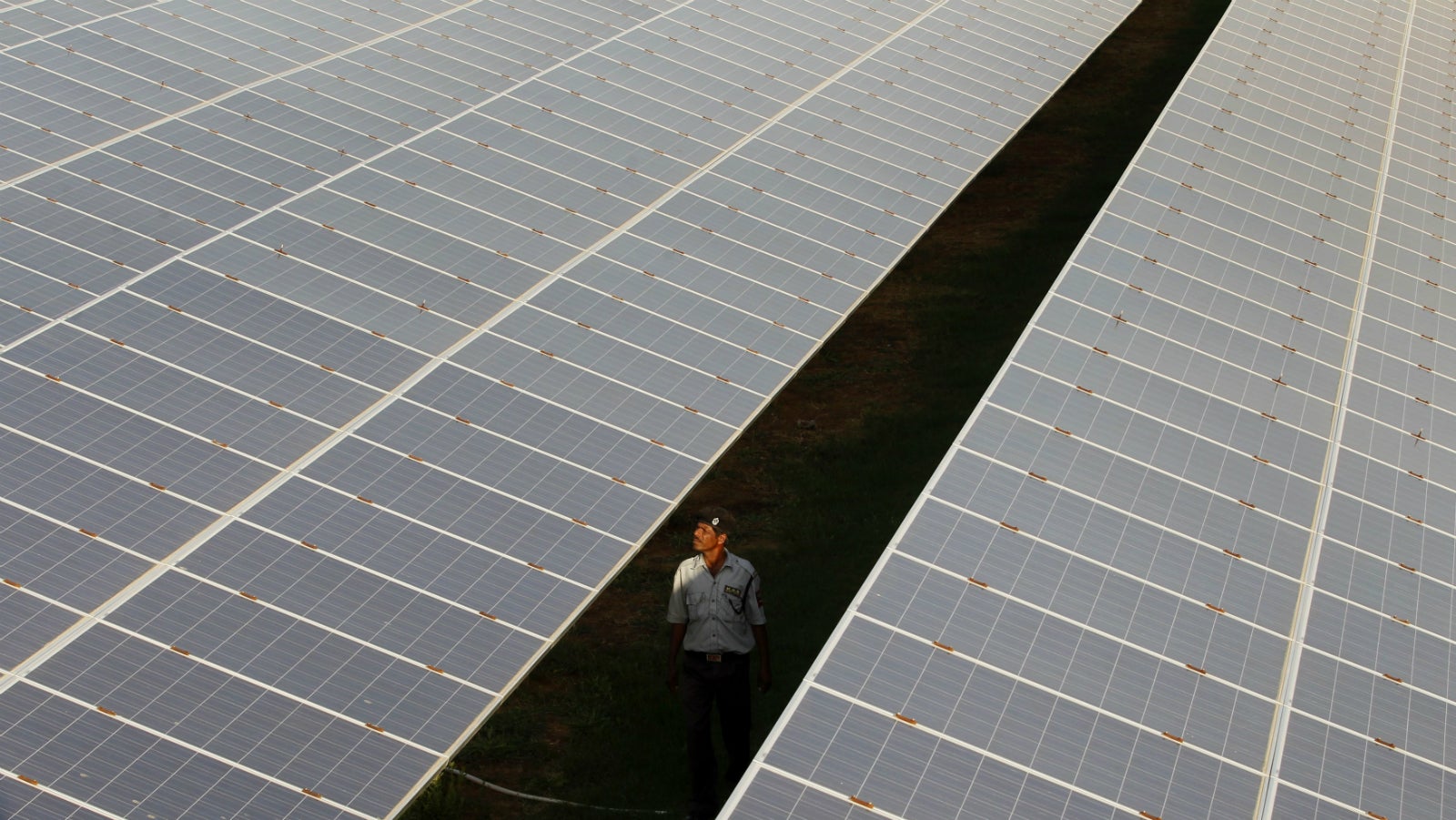
India’s sizzling solar power sector, where rock-bottom tariffs are now competing with coal-based electricity, has been served a tax plan that could cause a lot of burn.
India’s $150-billion information technology (IT) industry has been pushed into a corner lately. Between the pressure to transition in the age of automation, US president Donald Trump’s crackdown on immigration and rumours of mass layoffs, the sector is currently engulfed in a wave of negativity.
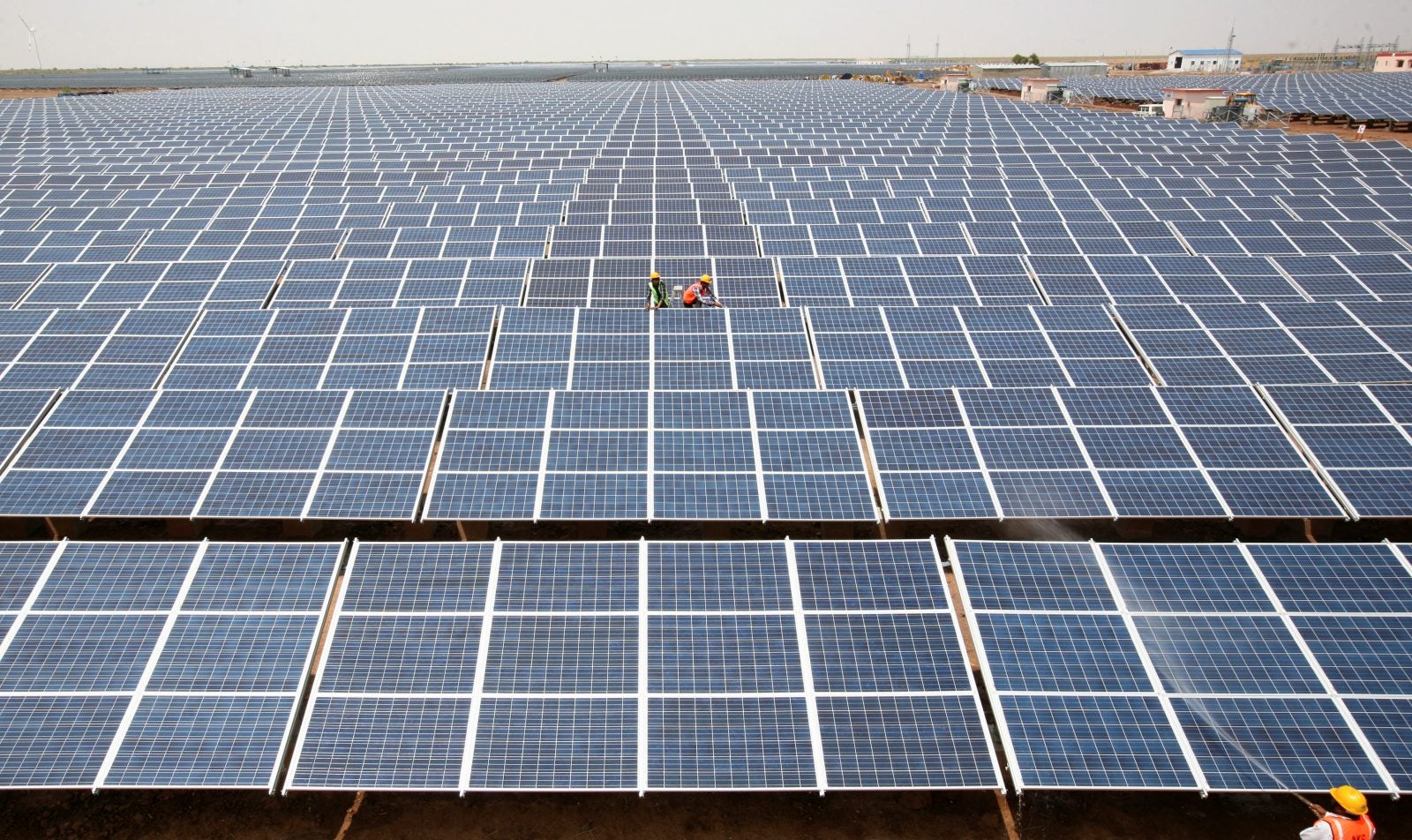
Solar energy prices are crashing through the floor in India.
Manesar, India
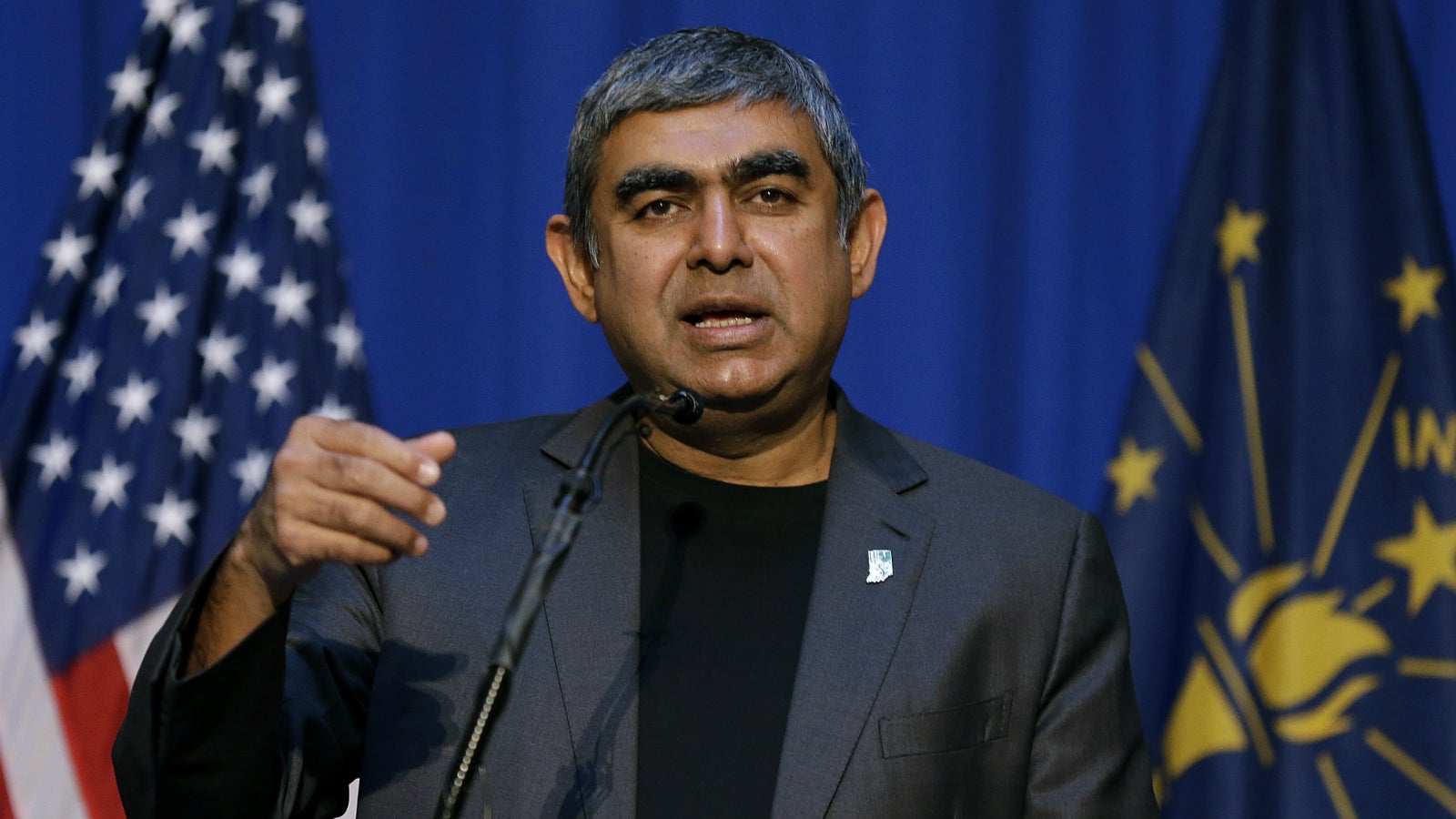
On May 02, Infosys, India’s second largest information technology (IT) company, announced that it will hire 10,000 American workers over the next two years. Three days later, on May 05, Nasdaq-listed Cognizant Technology Solutions, which has a large presence in India, also revealed plans to significantly ramp up hiring in the US.

In recent months, the debate over Aadhaar has reached a feverish pitch as the Narendra Modi government has pushed to make the 12-digit identification number mandatory for more and more schemes.
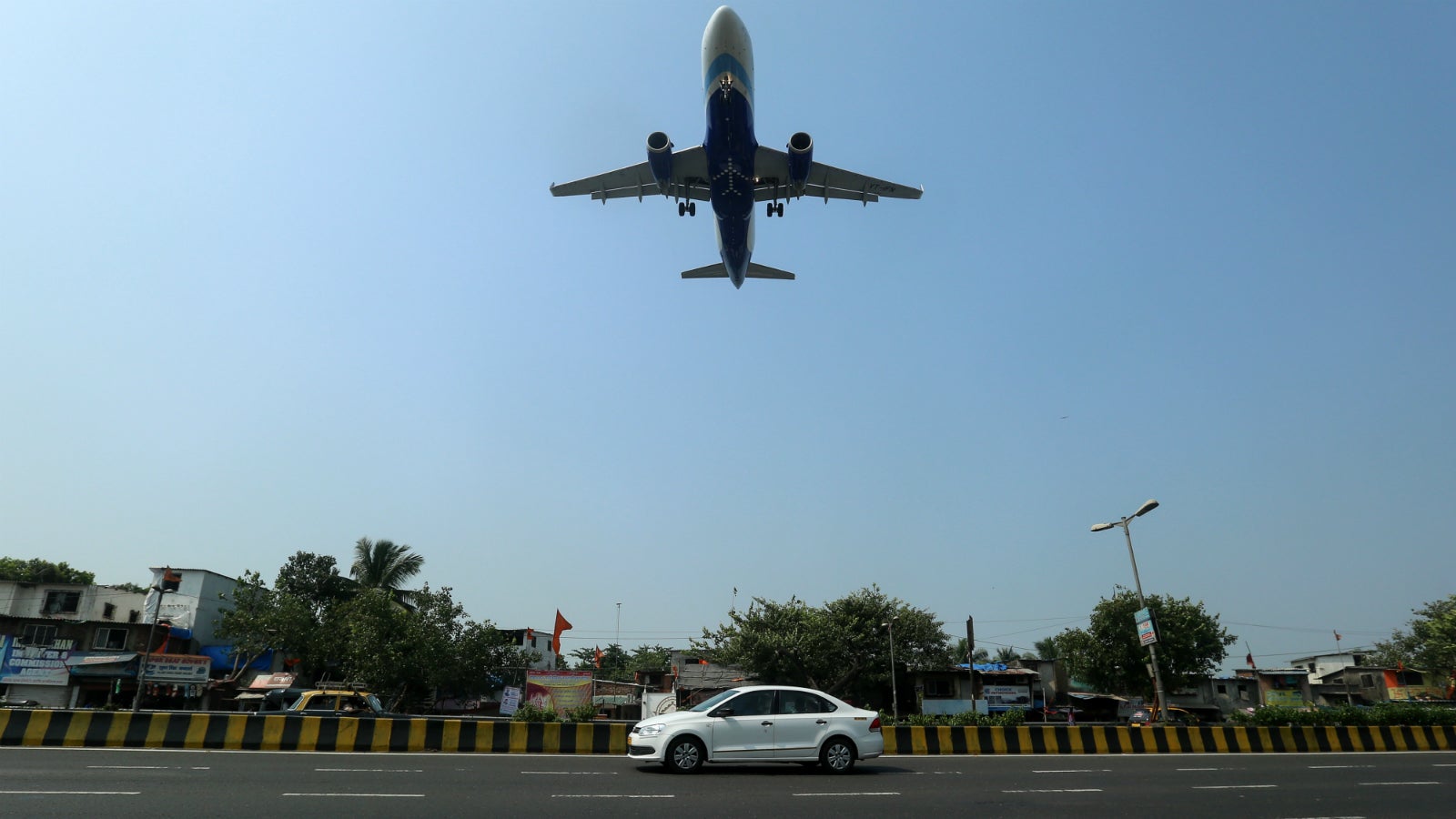
India’s 23-month-long reign as the world’s fastest-growing aviation market is over.
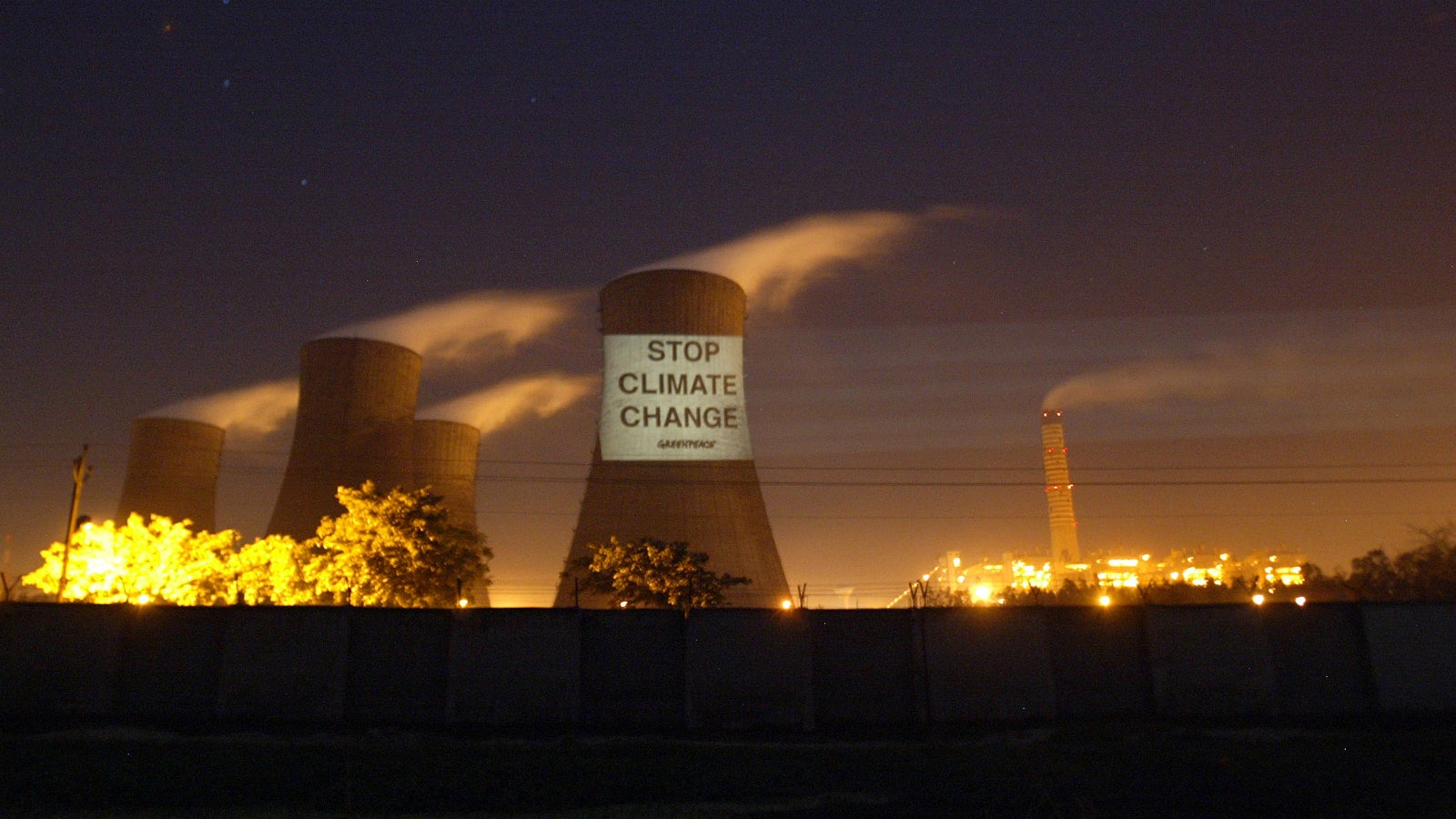
India’s giant coal-fuelled thermal power plants are steadily running out of steam.
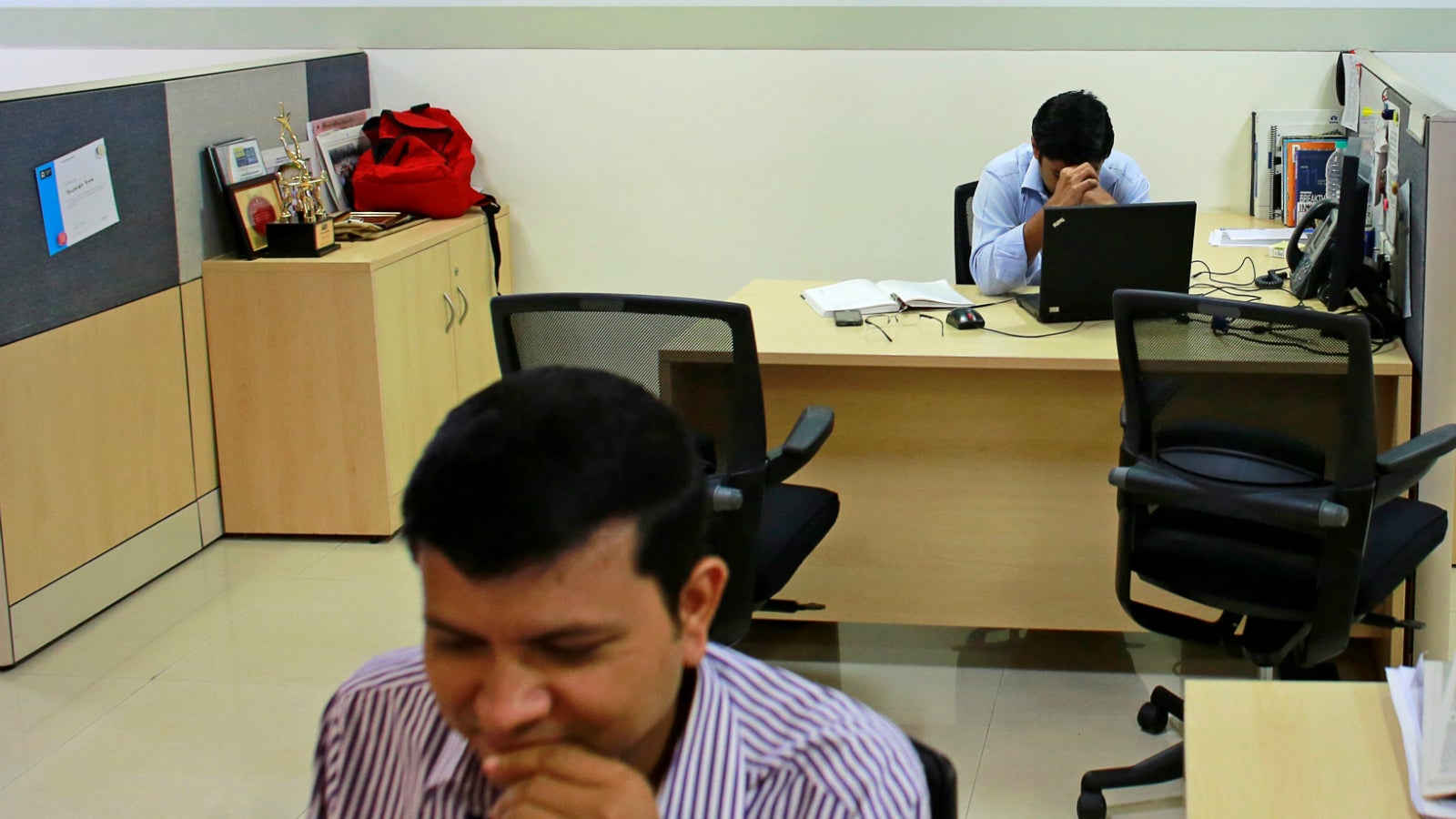
It’s not looking good for India’s information technology (IT) industry—and it’s not just because of Donald Trump.
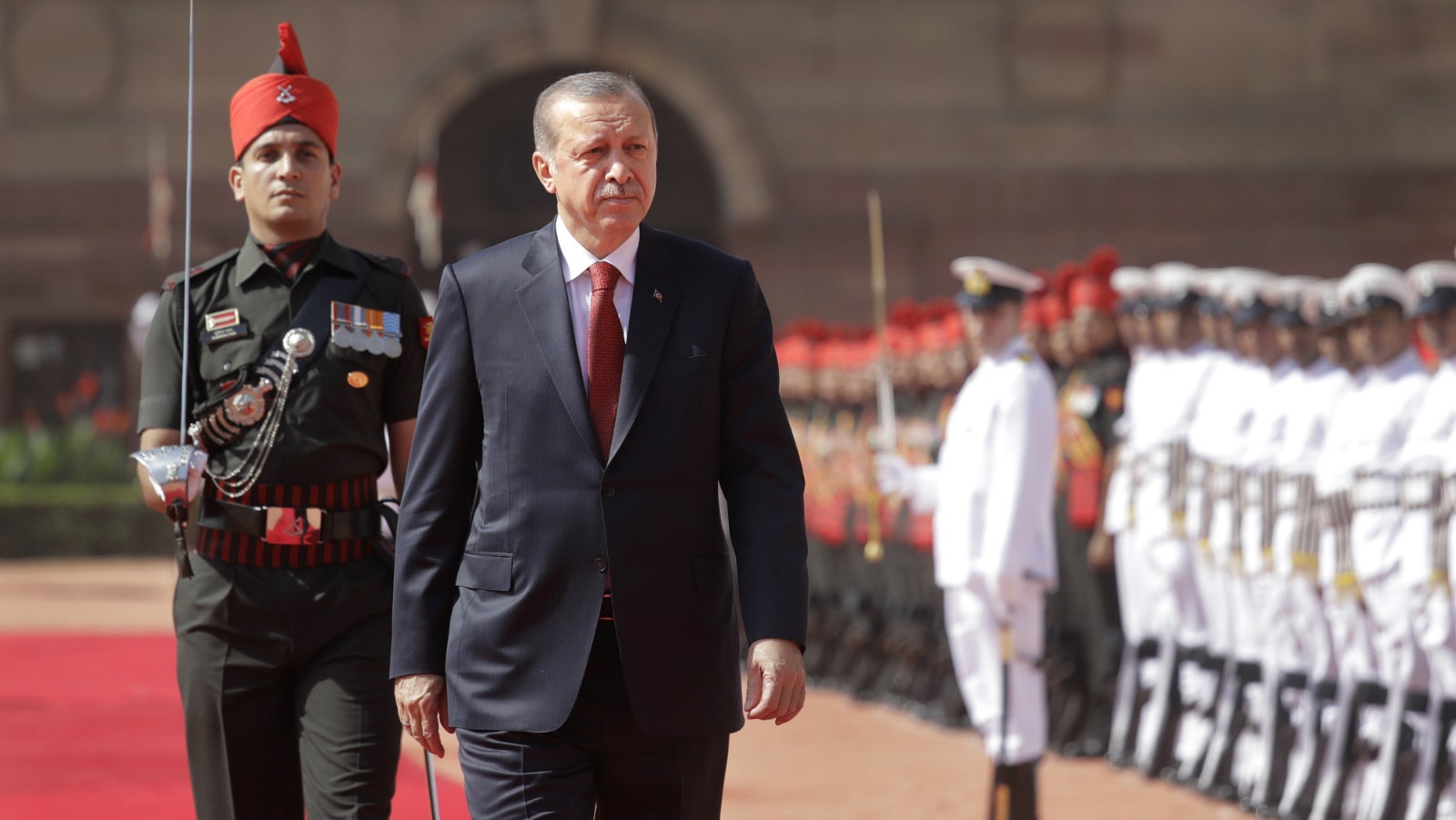
What’s the best way to kick off a state visit to India? Make an offer your host will almost certainly refuse.
It’s official: Korean carmaker Kia is driving into India with some big bucks in tow.