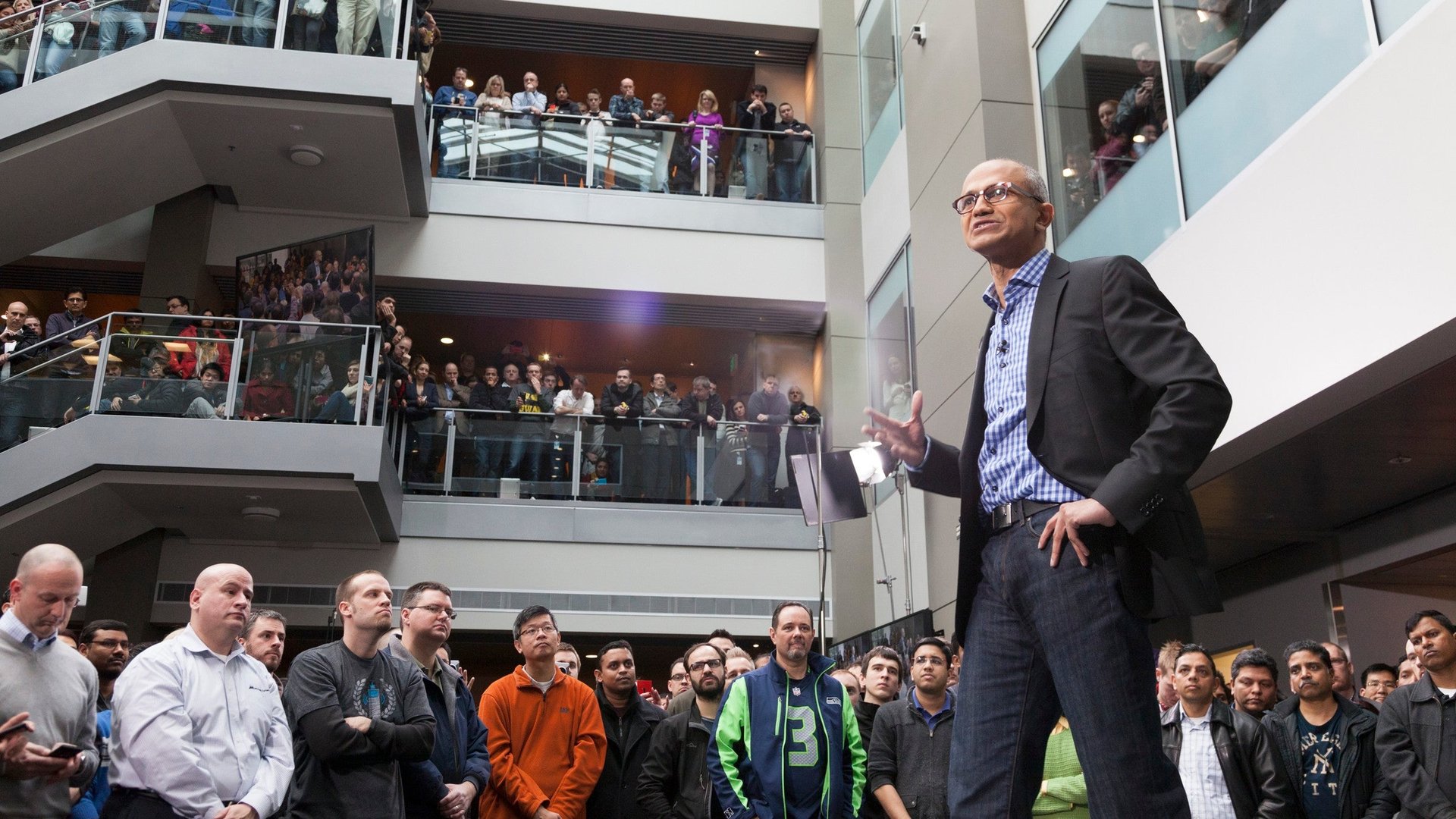
Microsoft finally, truly realizes it must change. In a manifesto published today, new CEO Satya Nadella lays out a sweeping plan for the company, starting with the line: “We live in a mobile-first and cloud-first world.”

Microsoft finally, truly realizes it must change. In a manifesto published today, new CEO Satya Nadella lays out a sweeping plan for the company, starting with the line: “We live in a mobile-first and cloud-first world.”

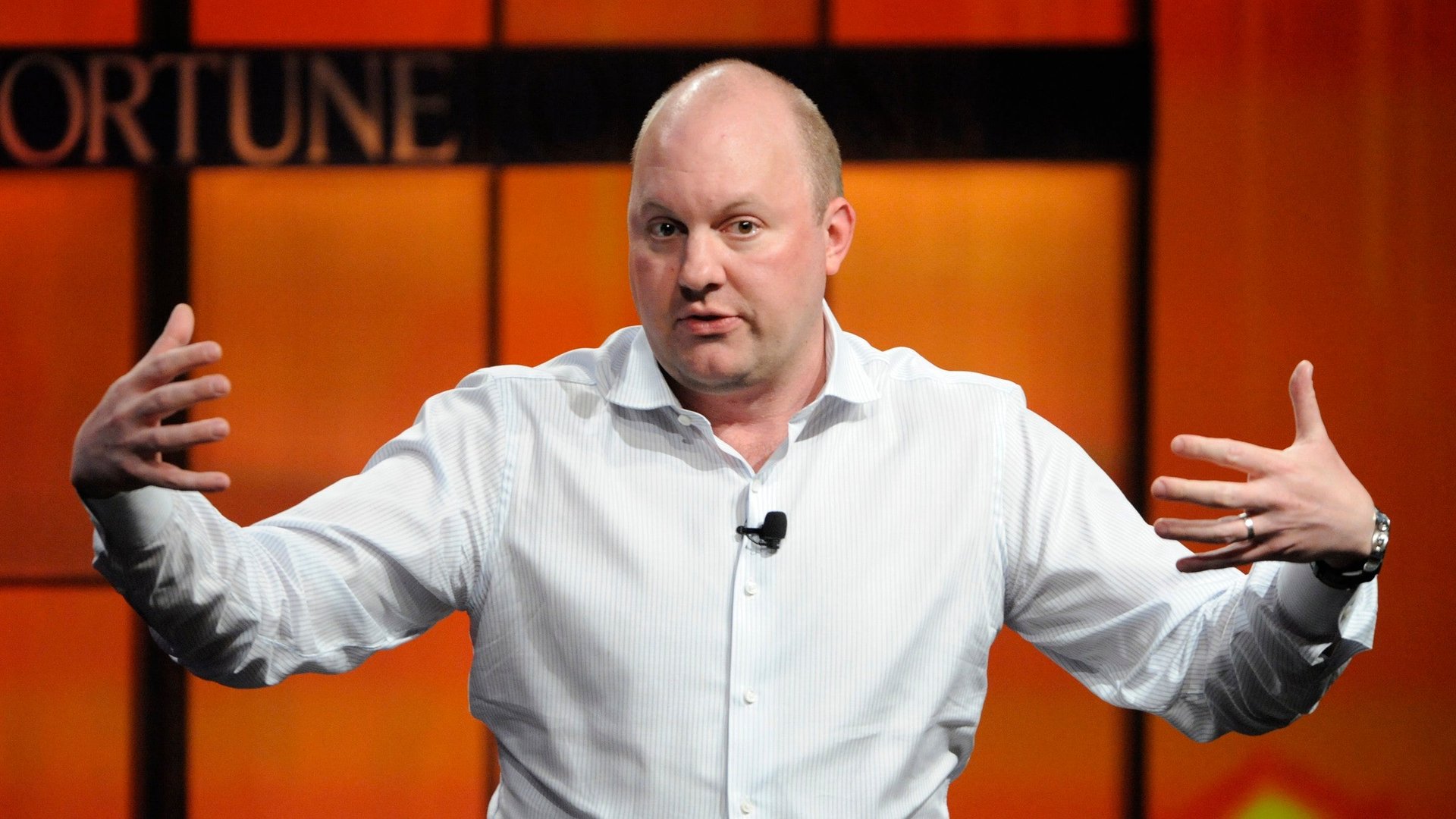
Marc Andreessen—co-founder of Netscape, now a venture capitalist at Andreessen Horowitz—officially registered his @pmarca Twitter account more than seven years ago, on May 10, 2007. But after posting one tweet—”Twittering!”—and a second in 2011, Andreessen only started tweeting in earnest this year, on Jan. 1, at 12:01am Pacific time. “Hello? Hello? Is this thing on?” And then he was hooked, sending 10 more tweets over the next 90 minutes.

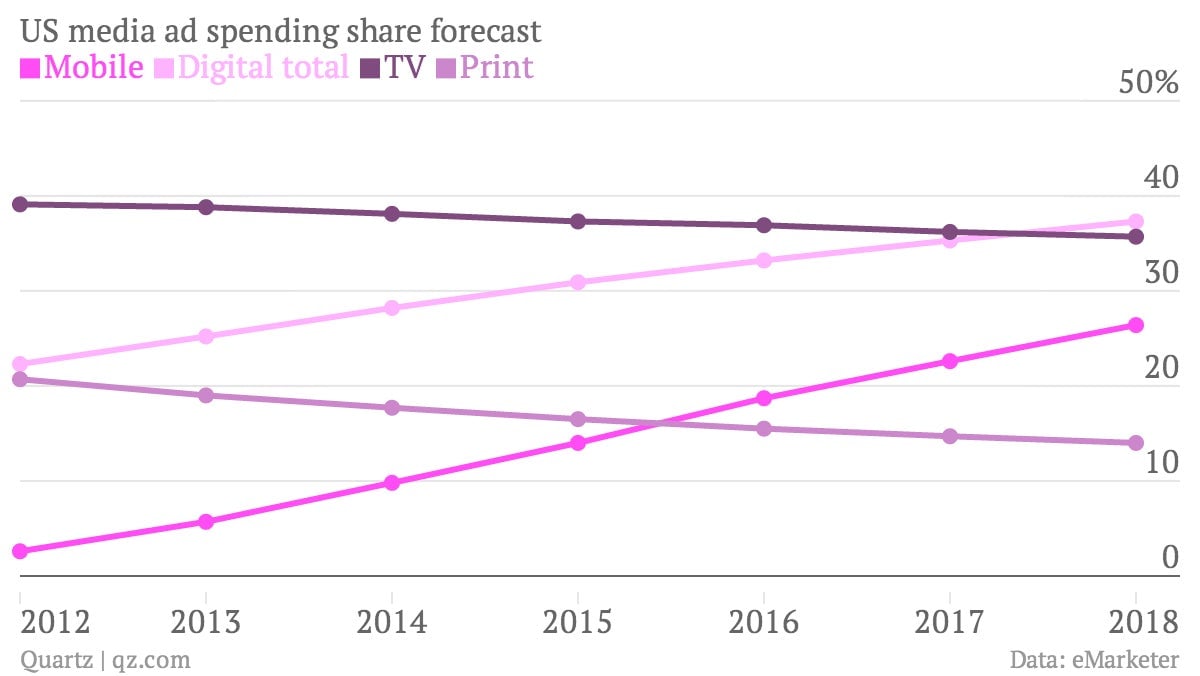
The mobile advertising market has grown rapidly over the years, but it’s still a sliver of overall ad spending—5.7% of the $171 billion total ad market in the US last year, according to eMarketer. This despite the fact that Americans spend an ever-growing amount of time on their phones—about 19% of total media consumption time last year, also via eMarketer.

Facebook has analyzed posts during the World Cup to see which countries celebrate goals the “loudest”—that is, add the most characters when typing the words “goal” in English, “gol” in Spanish and Brazilian Portuguese, “golo” in European Portuguese, and “tor” in German. (While other languages have their own written words for soccer goals—such as ゴール in Japanese or ประตู in Thai—Facebook says those are the only four where they saw “significant use of redundant characters in exuberant posts.”)

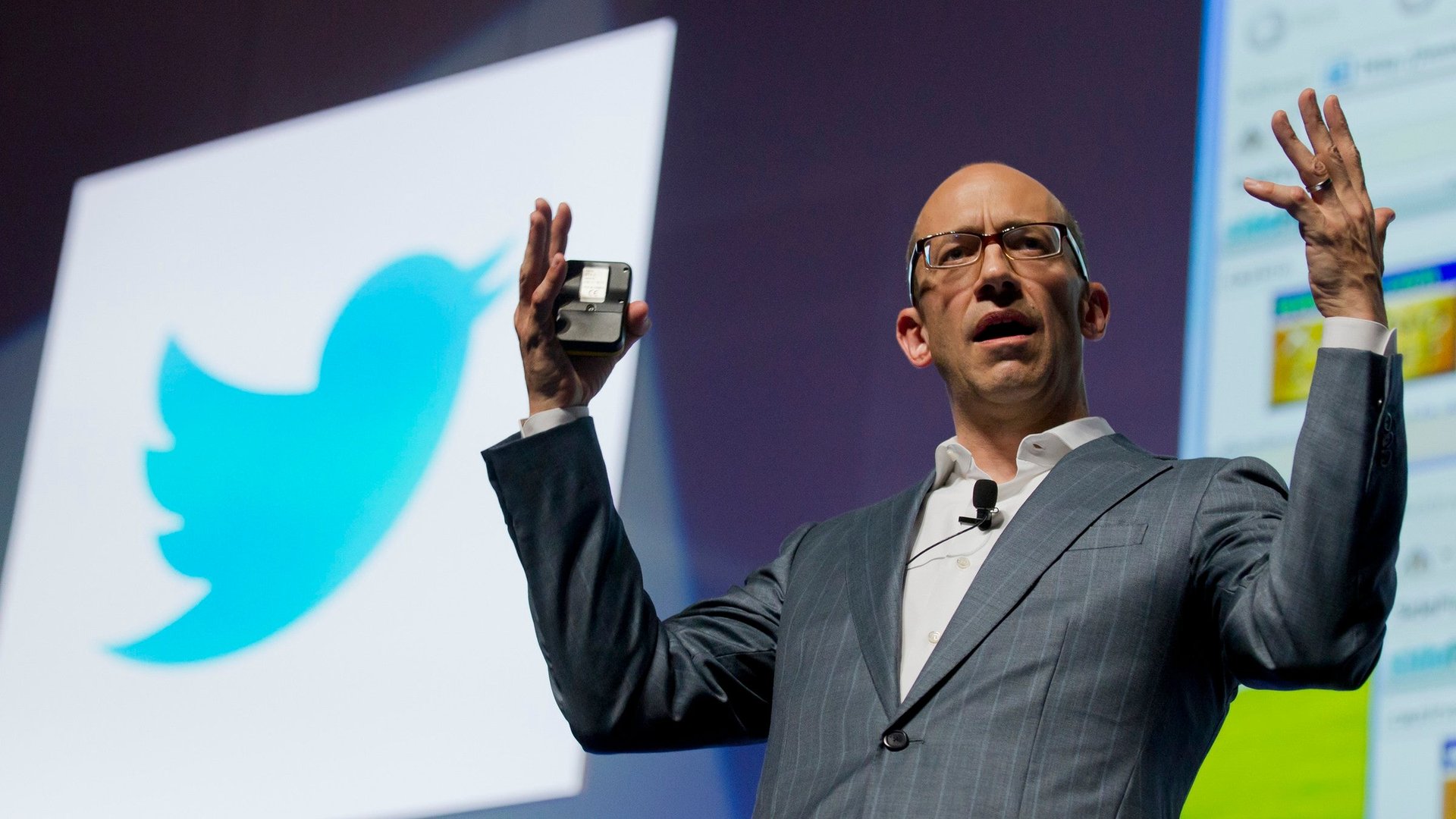
Twitter, which has seen no shortage of drama in its short life-span, is at a fascinating point in its history. When it went public last November the markets rejoiced, then its share price collapsed as reality set in, and now it has increased again, up one-third in value since late May. Over the next year or so, Twitter will show whether it can continue its transformation into a huge, highly functional, independent company—or whether it is destined to merely become the social media division at Google.

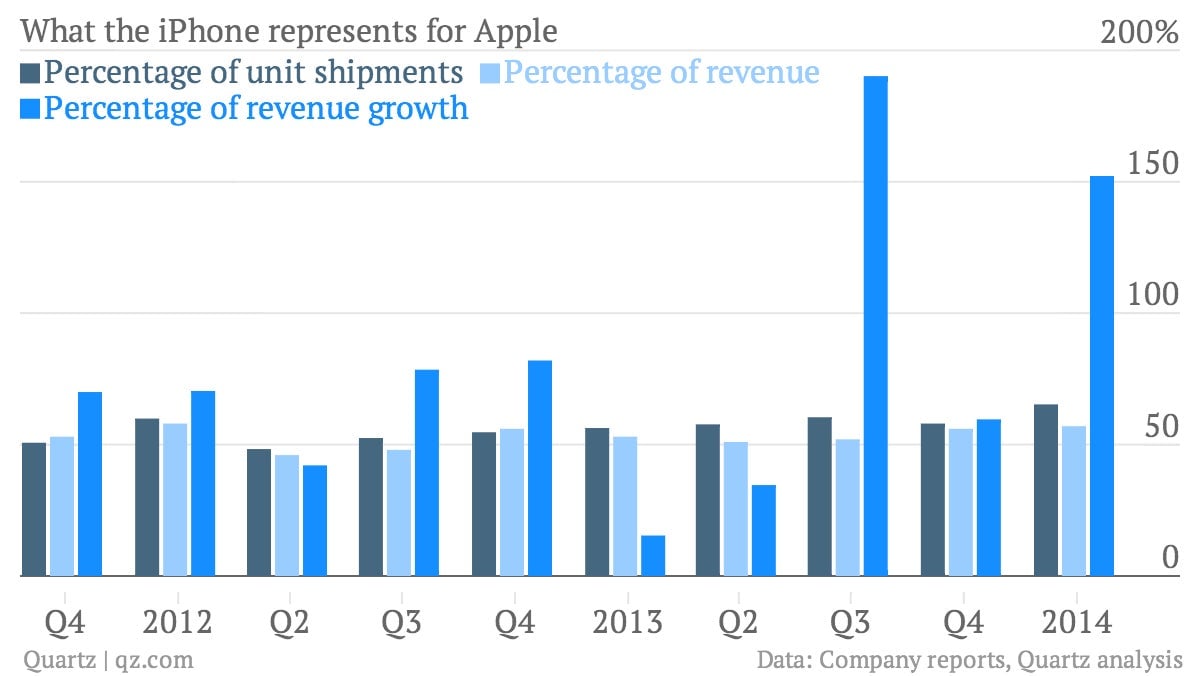
While new gadget categories—such as the supposedly forthcoming “iWatch”—could fetch Apple plenty of attention this year, and take some pressure off CEO Tim Cook, the bulk of its growth is more likely to come from a familiar source: The iPhone, which will be 7 years old this weekend.

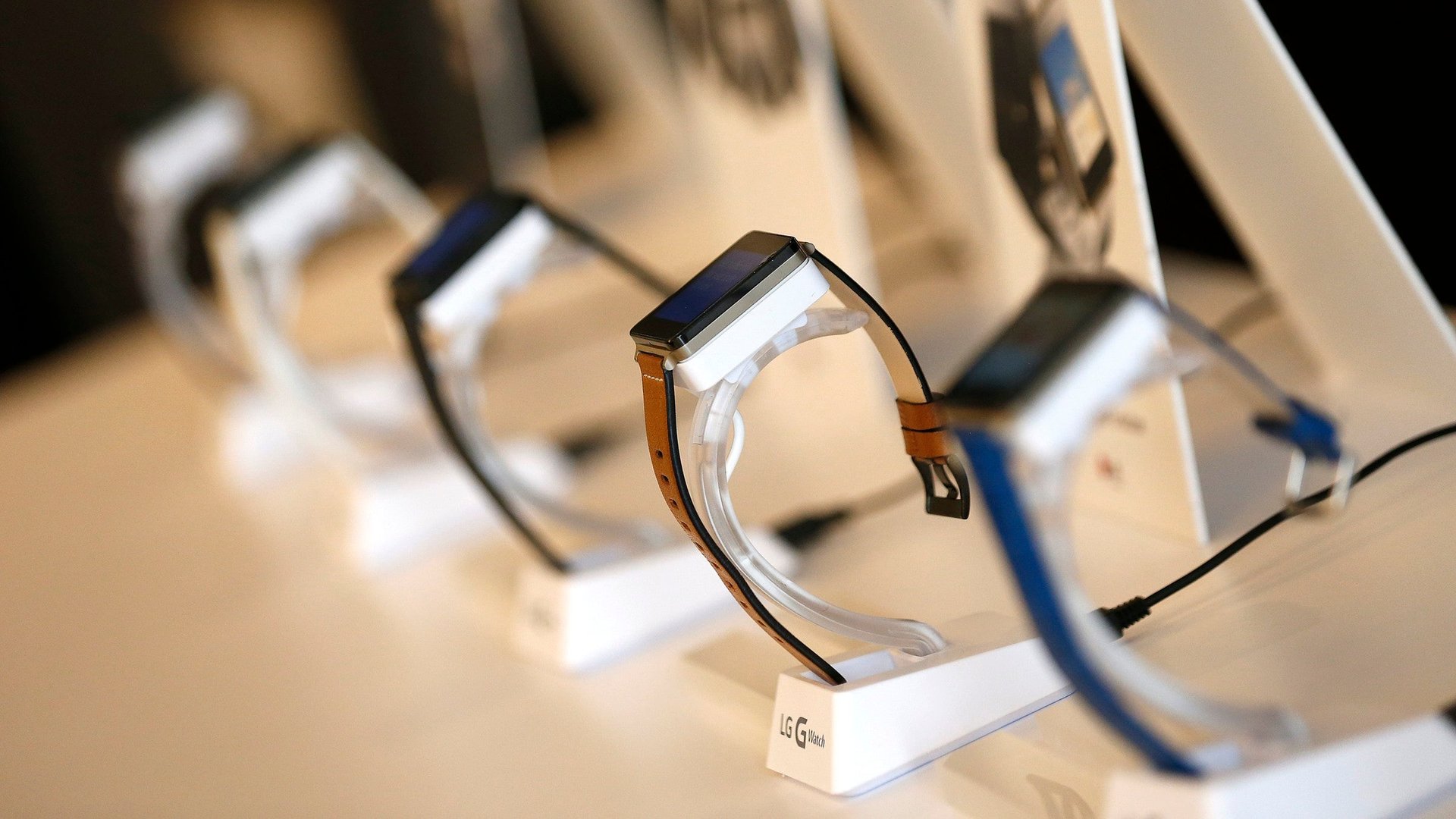
Google presented its vision for smartwatches—one of the first waves of wearable computers—this week at its I/O conference in San Francisco. It was…mildly inspiring.

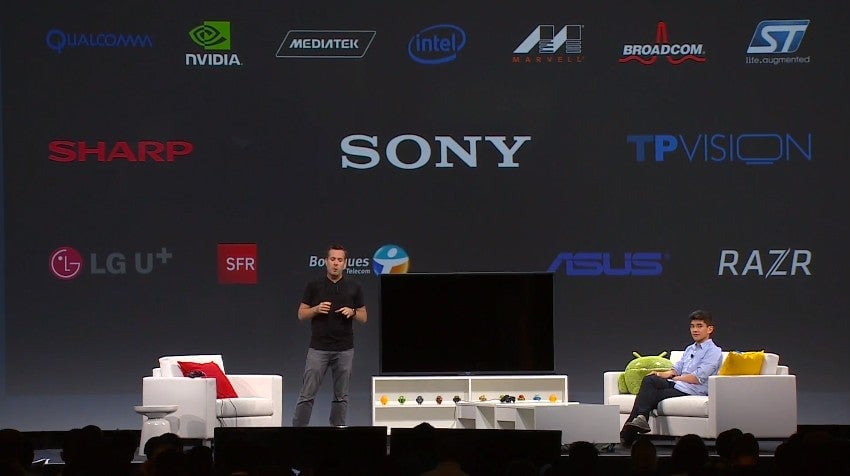
Google unveiled its new Android TV platform today at the I/O conference in San Francisco. It’s Google’s second take on a smart TV operating system, after its cumbersome Google TV platform, which debuted in 2010, never took off.

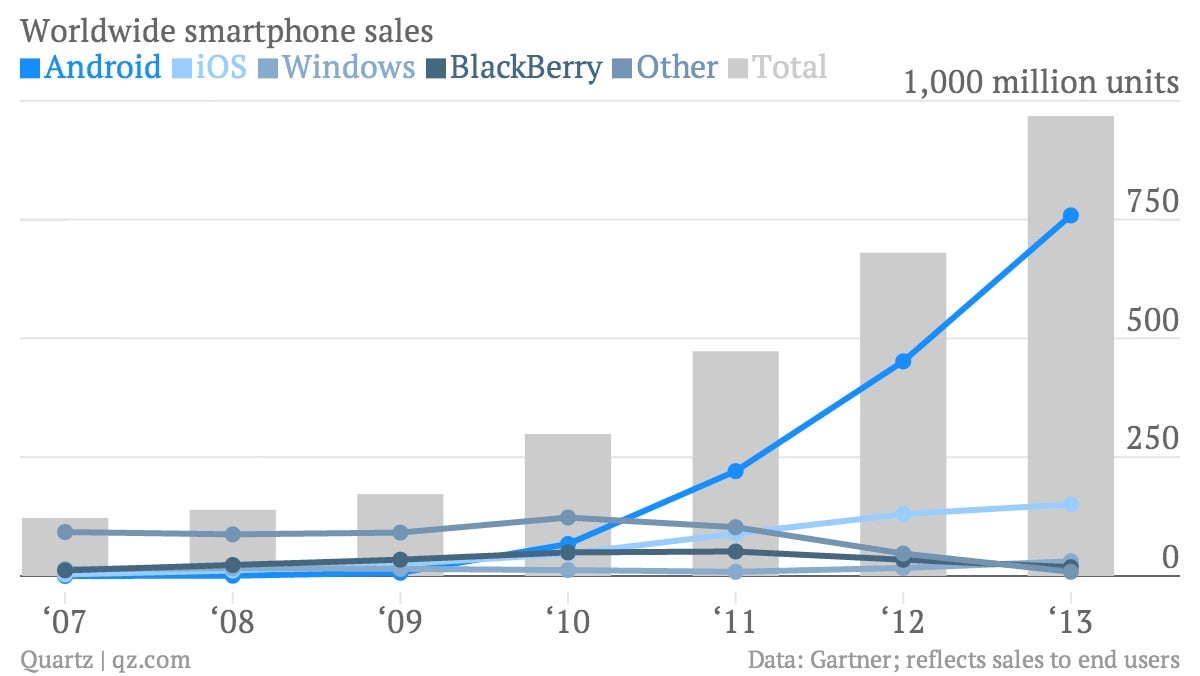
Google’s Android operating system—which the company is updating today at its I/O conference in San Francisco—has come to dominate the smartphone industry in sales, both globally and in its home US market. But despite Android’s audience size advantage over Apple’s rival iOS, app developers still aren’t making Android their priority platform.

Apple is “ramping up” on two new iPhone designs with bigger screens, Bloomberg reports. This has been widely anticipated, as Google Android phones with larger displays have become popular, especially in Asia.

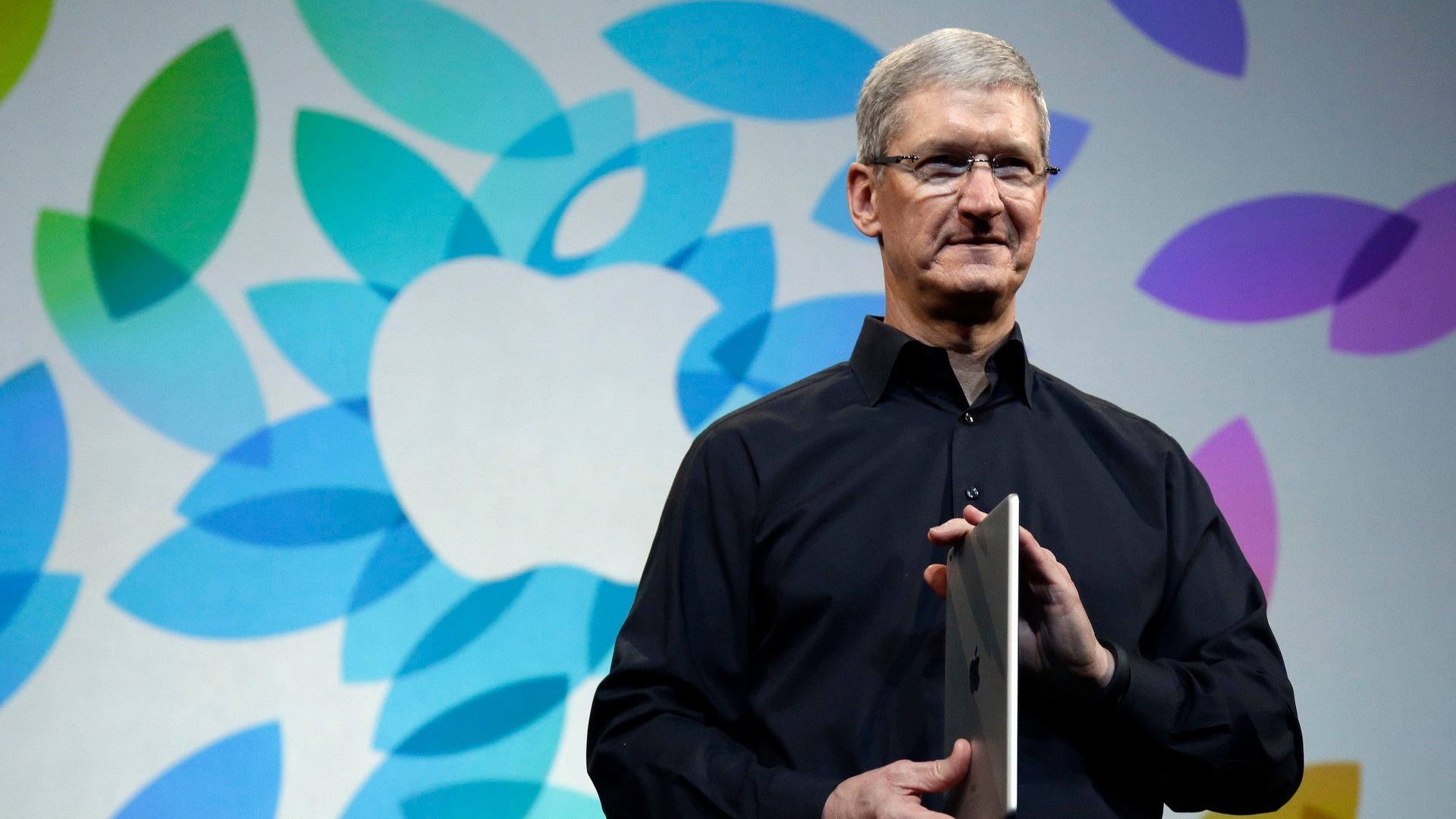
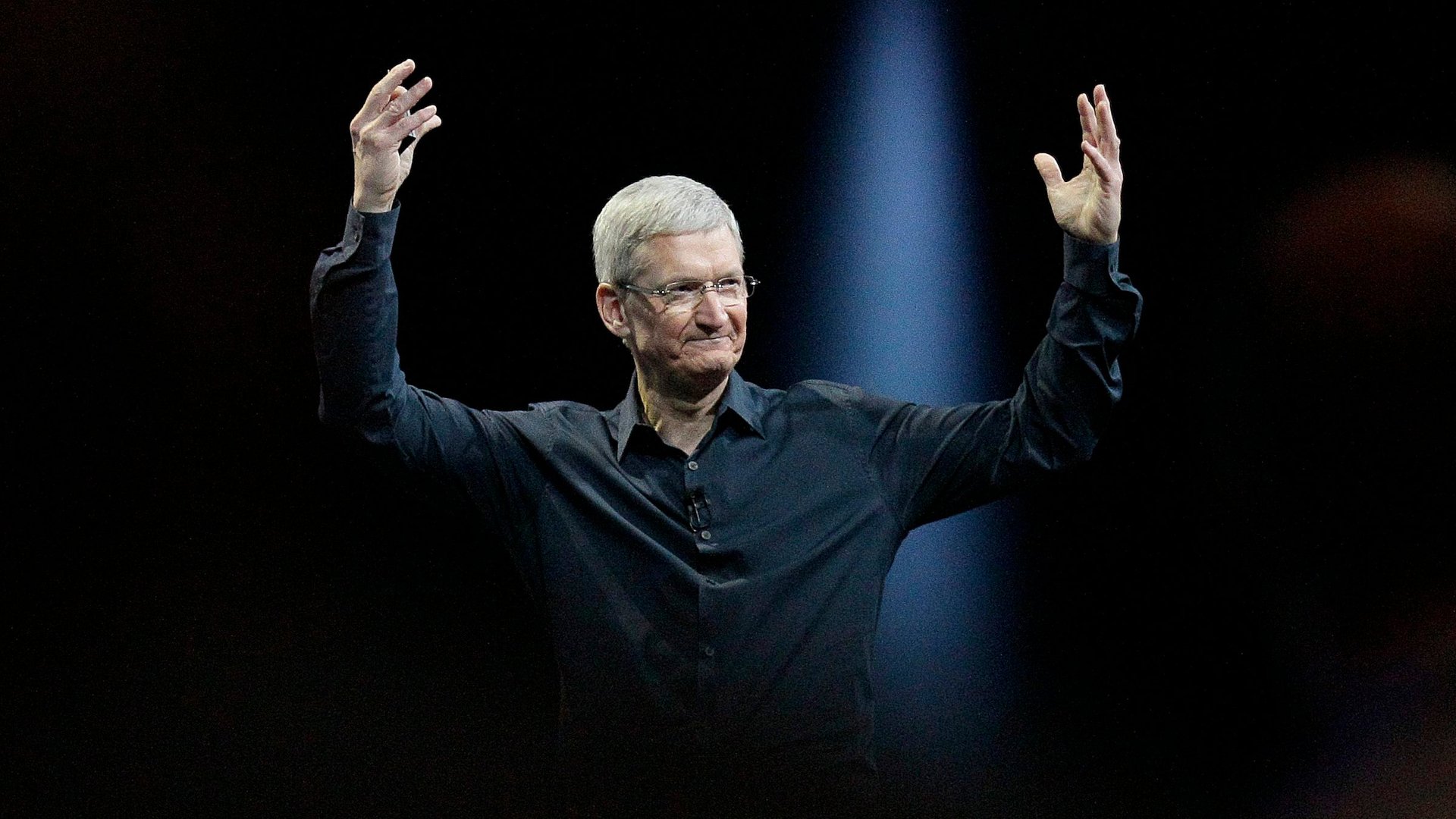
As Apple’s product line matures and growth slows, it is easy—perhaps too easy—to criticize Apple CEO Tim Cook for not being enough like Steve Jobs, his legendary predecessor. But that misses the real story: Since taking over as CEO, Cook has made several key moves—including some Jobs might never have considered—to set Apple up for its next big thing.

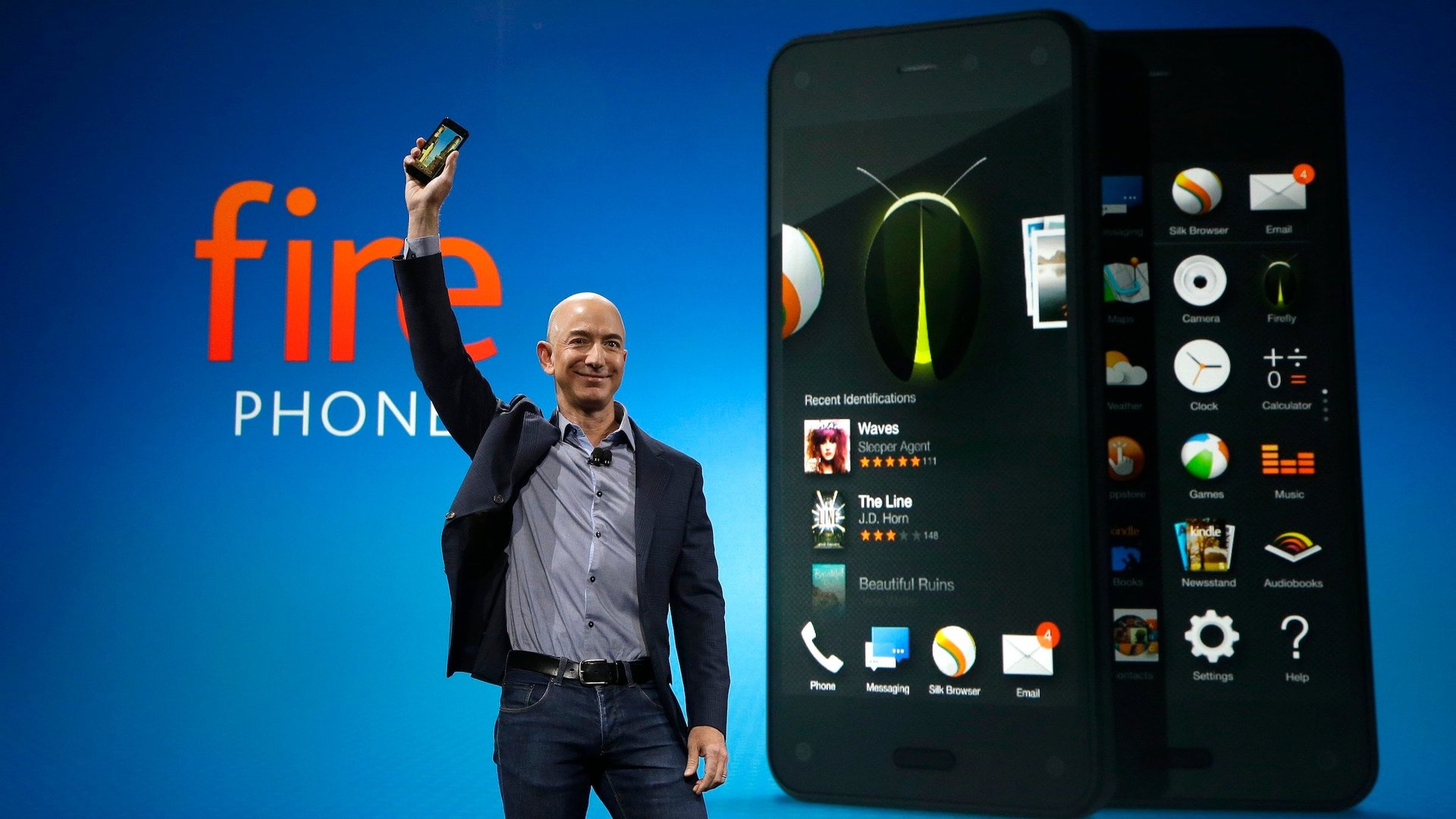
Amazon had an opportunity to shake up the wireless industry with radical pricing for its new Fire Phone. But it’s actually quite conventional.

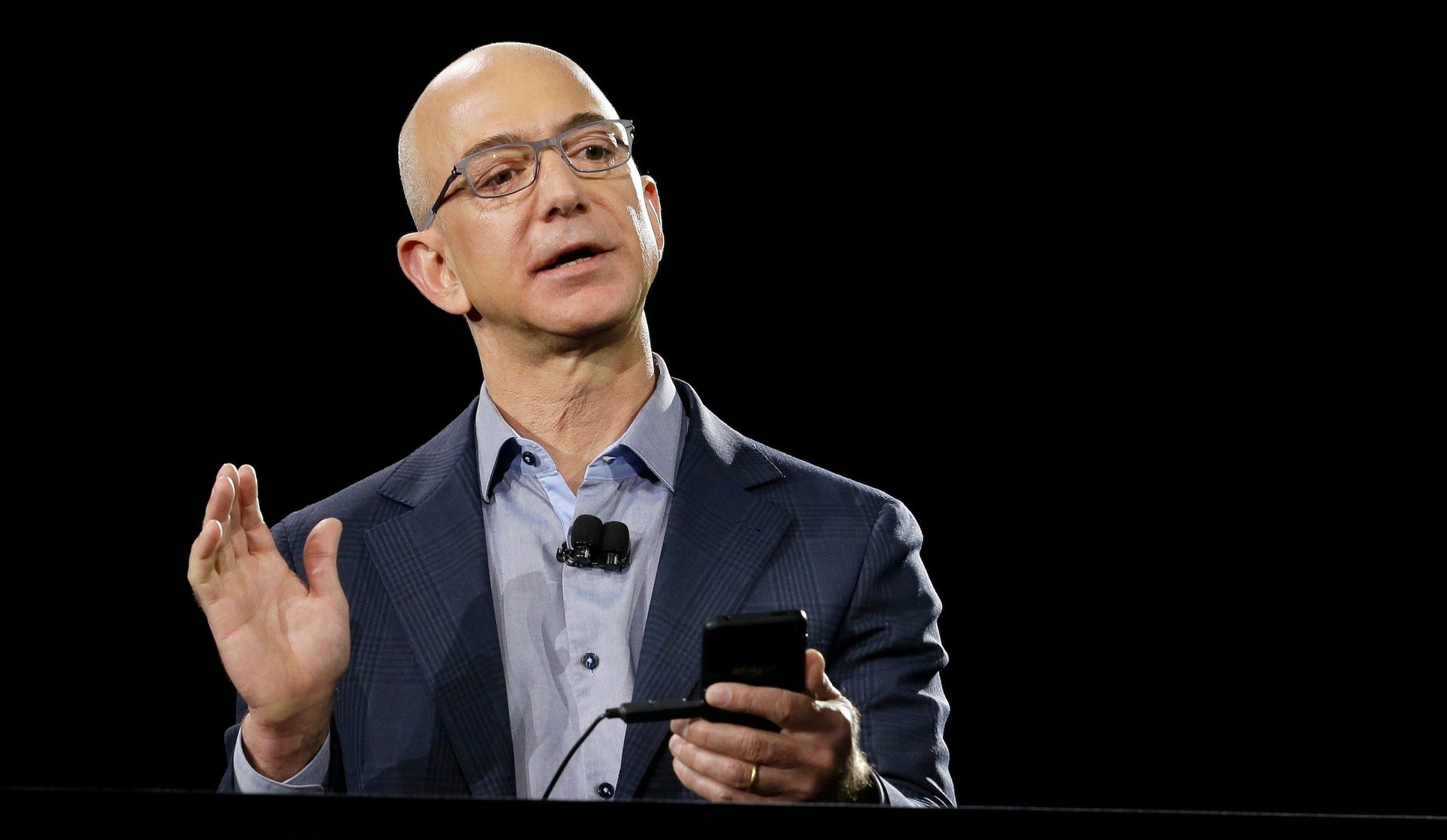
Amazon’s Fire Phone is here: CEO Jeff Bezos unveiled the company’s first smartphone at an event today in Seattle. Details are still rolling in, but Bezos has already made one thing clear: This is a shopping device.

Amazon CEO Jeff Bezos is expected to unveil the company’s first mobile phone tomorrow at an event in Seattle.

Amazon—which is set to unveil its first smartphone this week—is smart to continue investing in its Prime subscription service: A recent survey by RBC Capital Markets, summarized today in a research report, suggests it’s working.

Advertising companies hoping to attract attention at this week’s Cannes Lions advertising festival on the French Riviera have chartered yachts and helicopters, among other excesses. Twitter, meanwhile, has a drone, rigged to take “dronie” (drone + selfie) videos for posting to Twitter’s new @Dronie account.

The Vessyl is a $100 glass cup with companion smartphone app that can supposedly detect what liquid you’ve poured into it, describe it, and identify nutritional information such as calories, sugar, and caffeine.

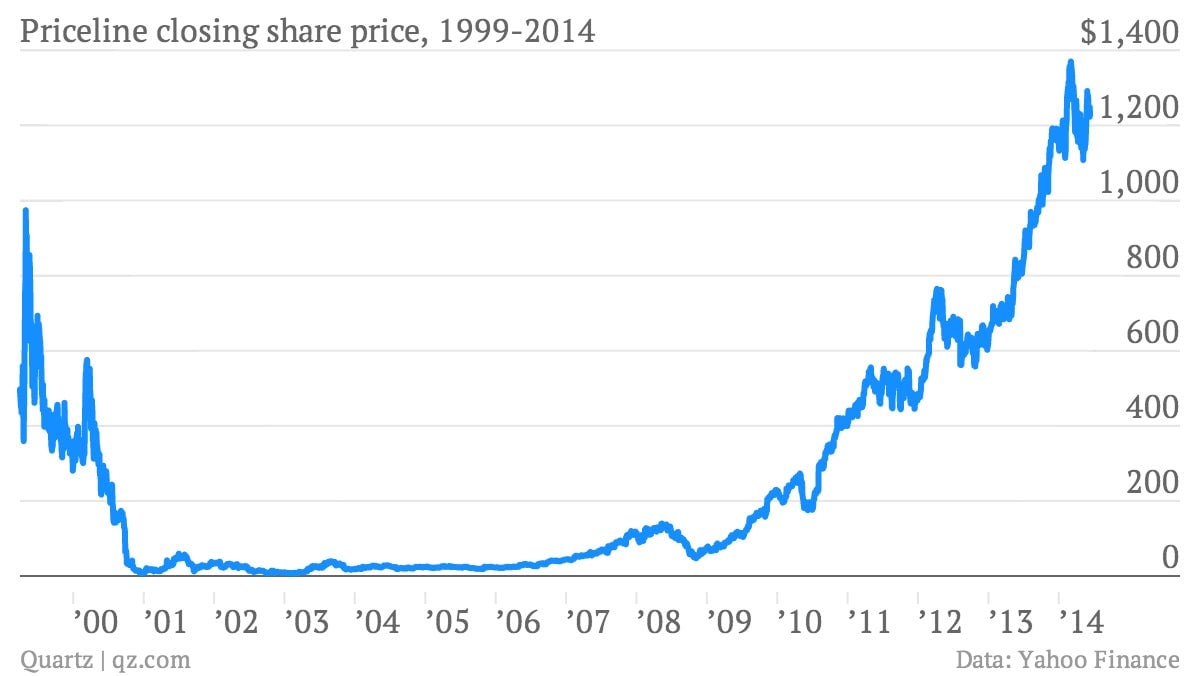
The Priceline Group is in the news today for buying OpenTable, the digital restaurant reservations service, for $2.6 billion. Its long-term stock chart is worth a longer look for two reasons:

Google said today that it will spend $500 million in cash to acquire Skybox Imaging, which produces high-resolution images with its own satellite.

Apple, whose advertising campaigns over the decades have generated both critical acclaim and commercial success, is starting to bring more marketing functions in-house. Under CEO Tim Cook, the company is “madly building an internal agency that it’s telling recruits will eventually number 1,000,” Ann-Christine Diaz and Maureen Morrison wrote for Advertising Age.

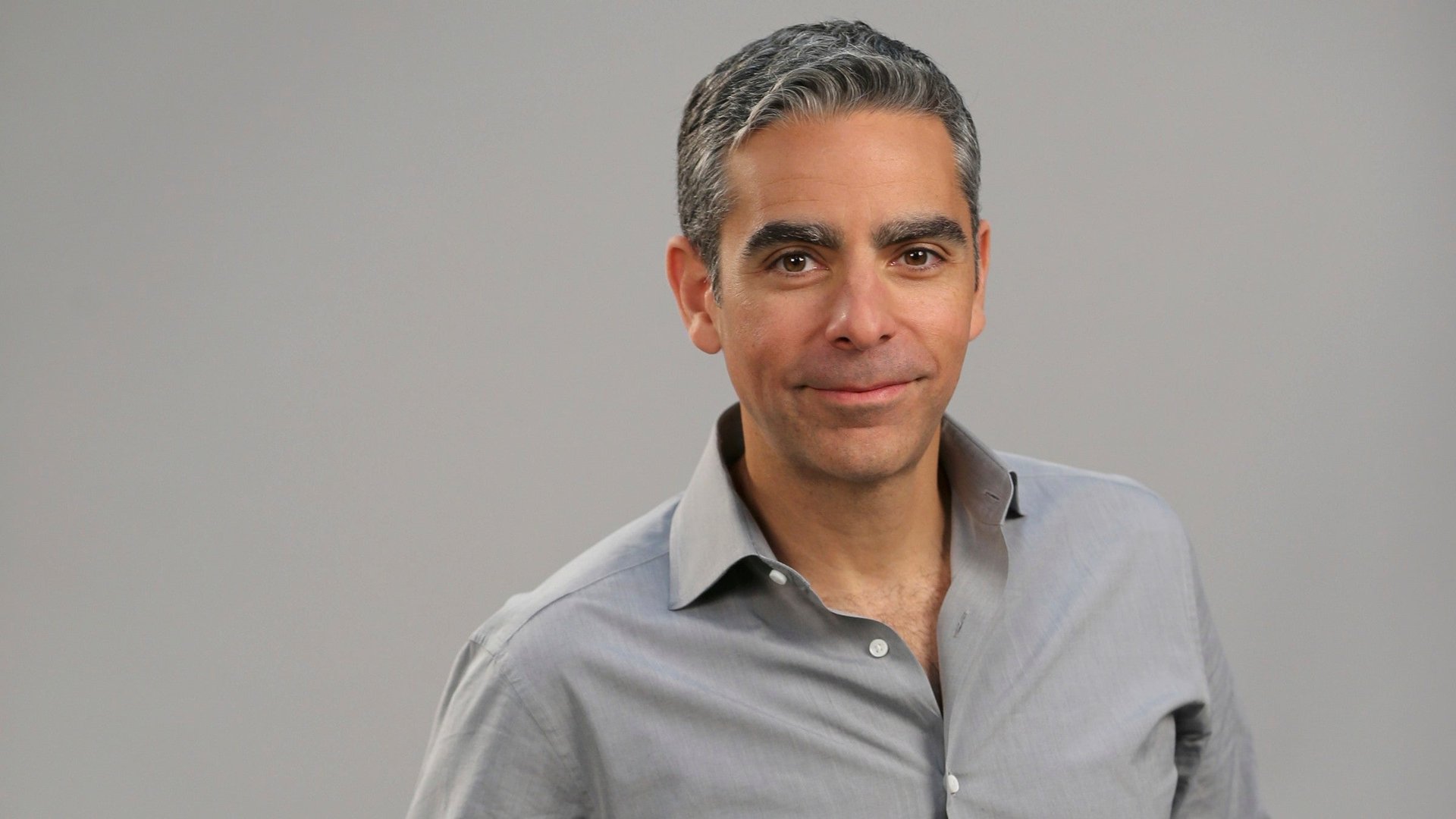
Facebook has hired PayPal president David Marcus to run its messaging business, the company announced today. Marcus won’t oversee WhatsApp—Facebook’s potential $19 billion bet on mobile messaging—but will instead manage Facebook’s other messaging efforts. These include the standalone Facebook Messenger app, which is already one of the largest messaging services in the world, with some 200 million active users.

Apple shares started trading this morning on an adjusted basis, following a 7-for-1 stock split. What a run it has been since Apple’s last stock split in February of 2005.

It turns out Apple didn’t fail at the cloud. It was just taking a while to wind up.

Amazon says it will introduce a new product—likely its first smartphone—at a Seattle event on June 18. A bizarre teaser video suggests the mystery device has a unique technical feature, possibly a simulated 3D display and interface.