

Tech & Innovation
Octlantis is a just-discovered underwater city engineered by octopusesGloomy octopuses engineer small cities where they can hang out together
Updated June 23, 20231 min read
Gloomy octopuses engineer small cities where they can hang out together
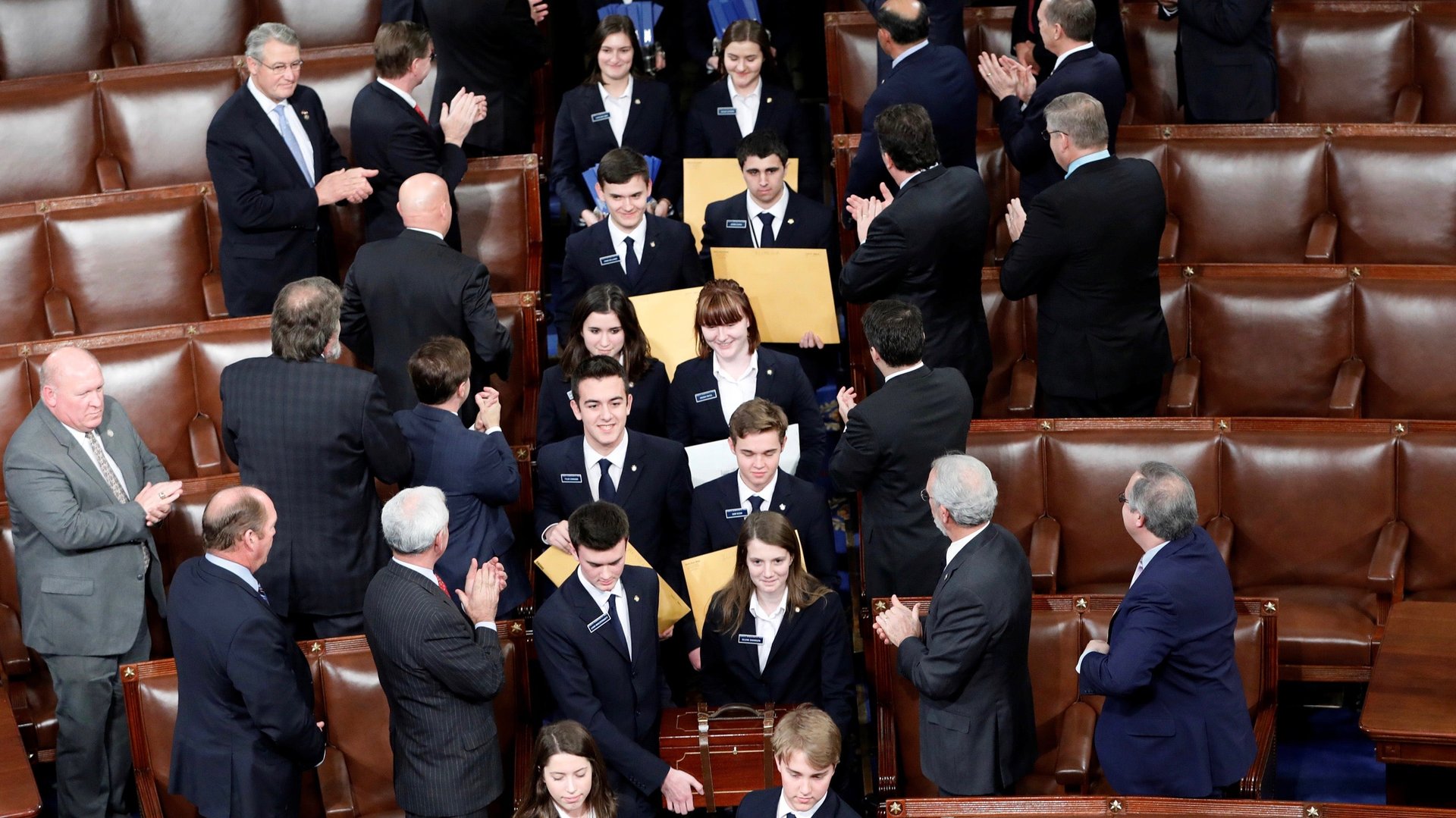
The US Supreme Court is orderly, of course. But today—in debates over rogue voters of the electoral college—chaos reigned supreme.
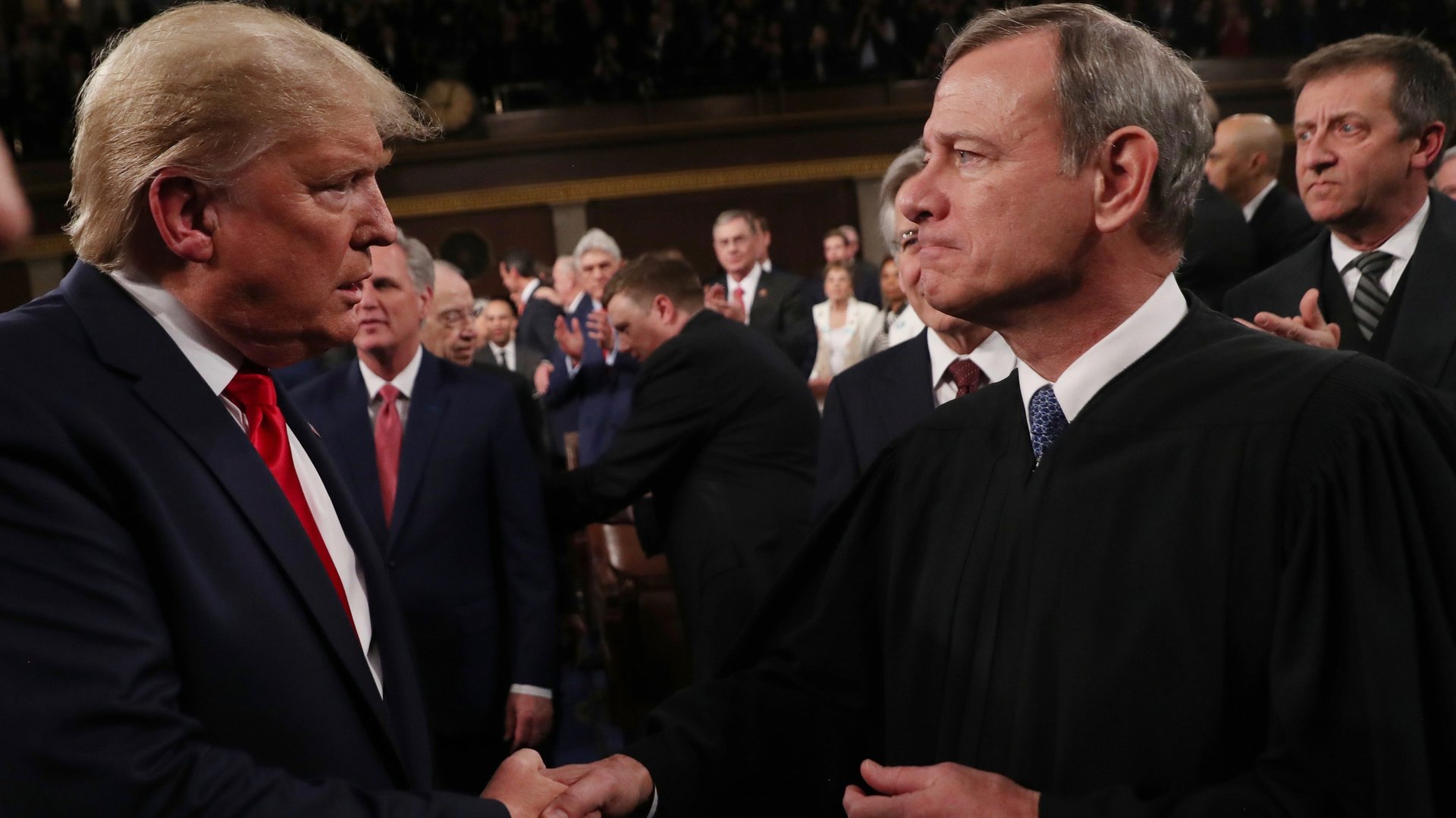
The US Supreme Court heard oral arguments today in cases about subpoenas seeking president Donald Trump’s taxes and financial records from his accountants and bankers. The matters have been long anticipated, are hotly debated, and will surely be discussed and dissected for years to come.
On May 13, the US Supreme Court hears debate in two strange and disconcerting cases about so-called “faithless electors.”
Tomorrow is a huge day at the US Supreme Court. Though the tribunal stands empty due to the pandemic, the justices will hear remote debates in three major cases about US president Donald Trump’s secret taxes and financial records.
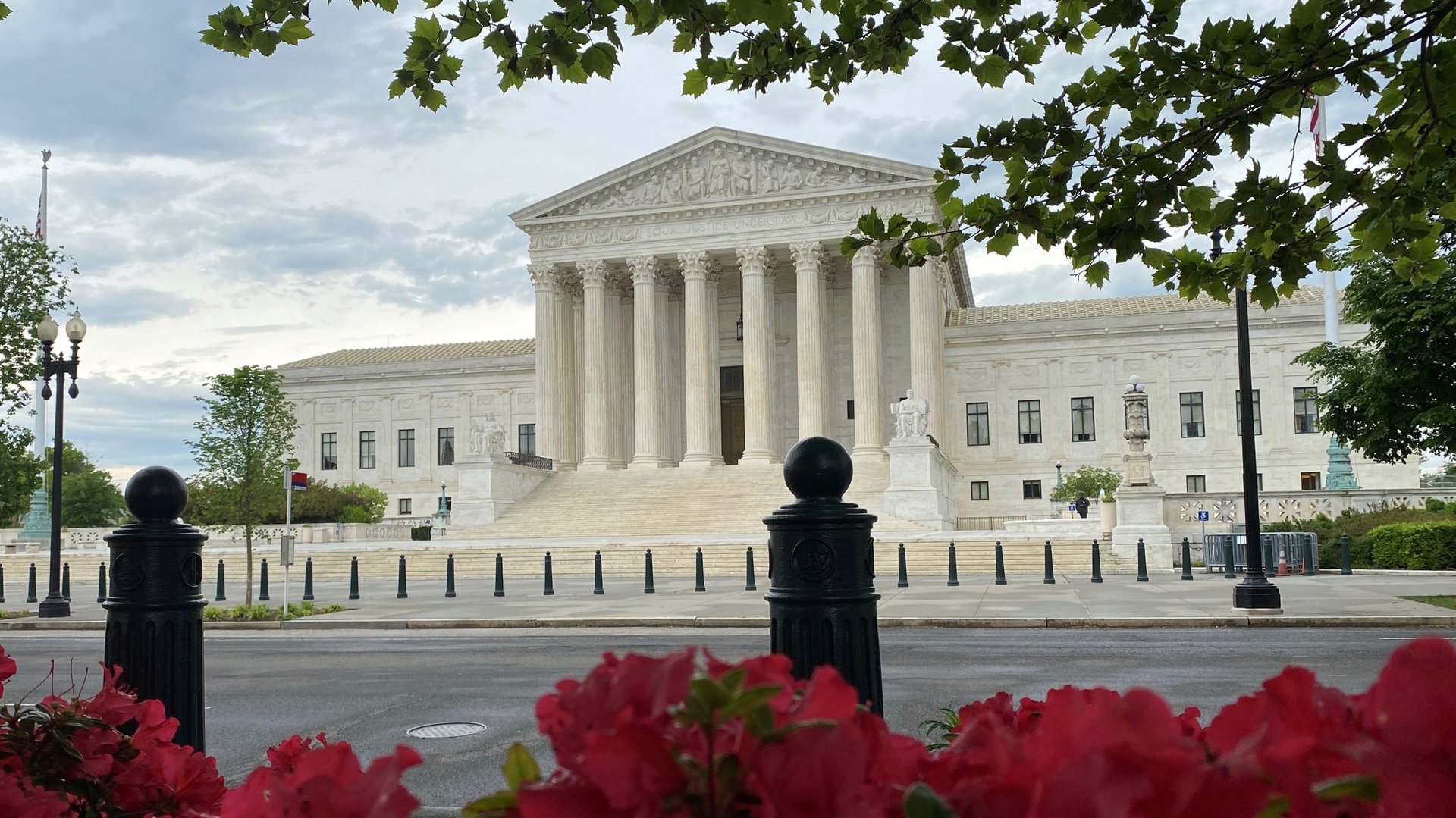
There is one unexpected upside to the coronavirus crisis, a delicious irony amid all the pandemic’s tragedies. Three of the biggest cases of the US Supreme Court term—matters about president Donald Trump’s top-secret taxes and financial records—will be livestreamed for all to hear on May 12.
Prompted by the pandemic, about 33.5 million people in the US have filed for unemployment in seven weeks. Jobs are scarce. Lines at food banks are miles long. Yet the CARES Act coronavirus relief package passed in March offers a windfall for the rich in the form of retroactive tax breaks unrelated to Covid-19, which will cost Americans $86 billon in 2020 alone (pdf).
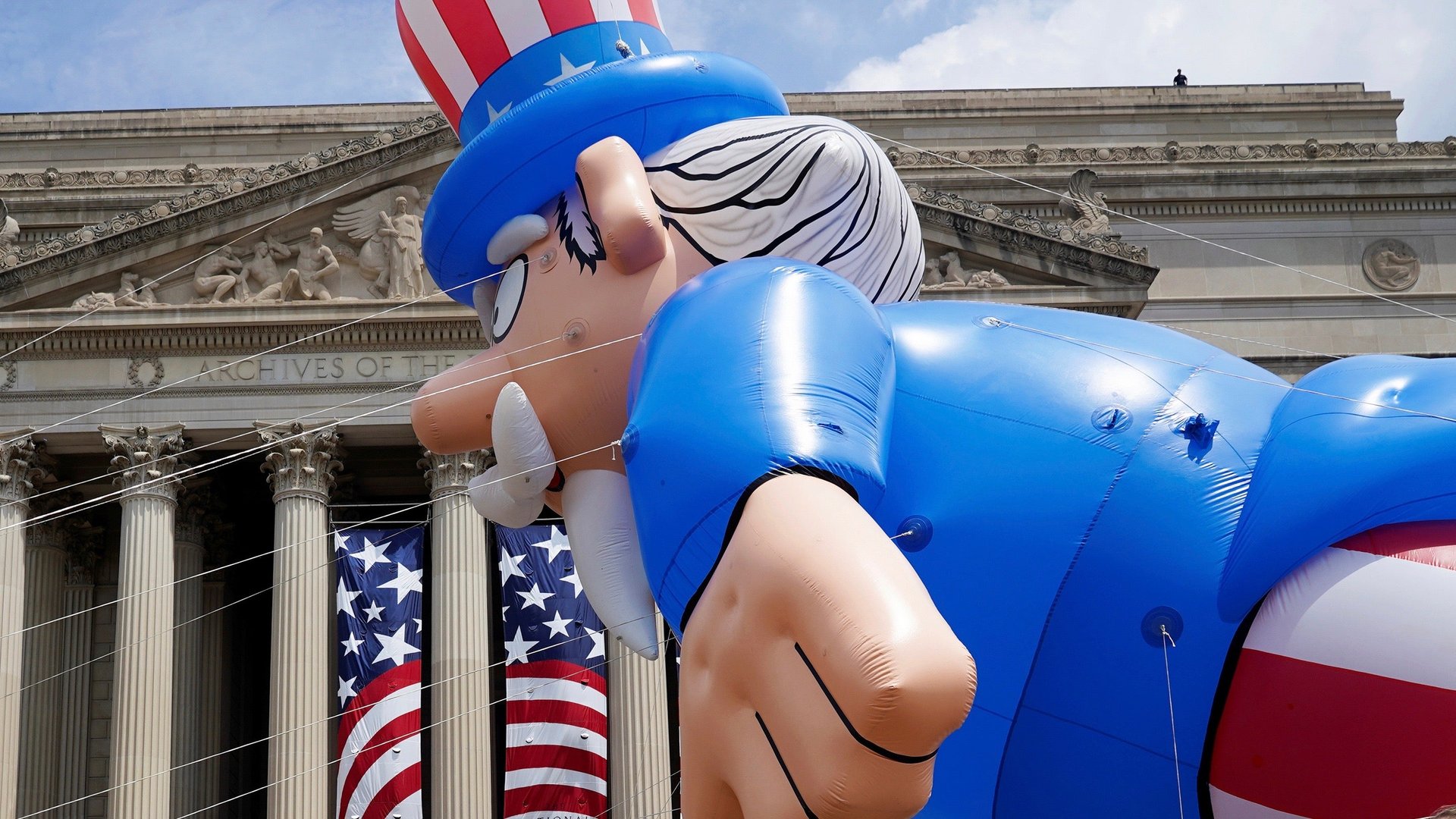
Uncle Sam wants recruits, generally speaking. But not if they have been hospitalized with Covid-19.
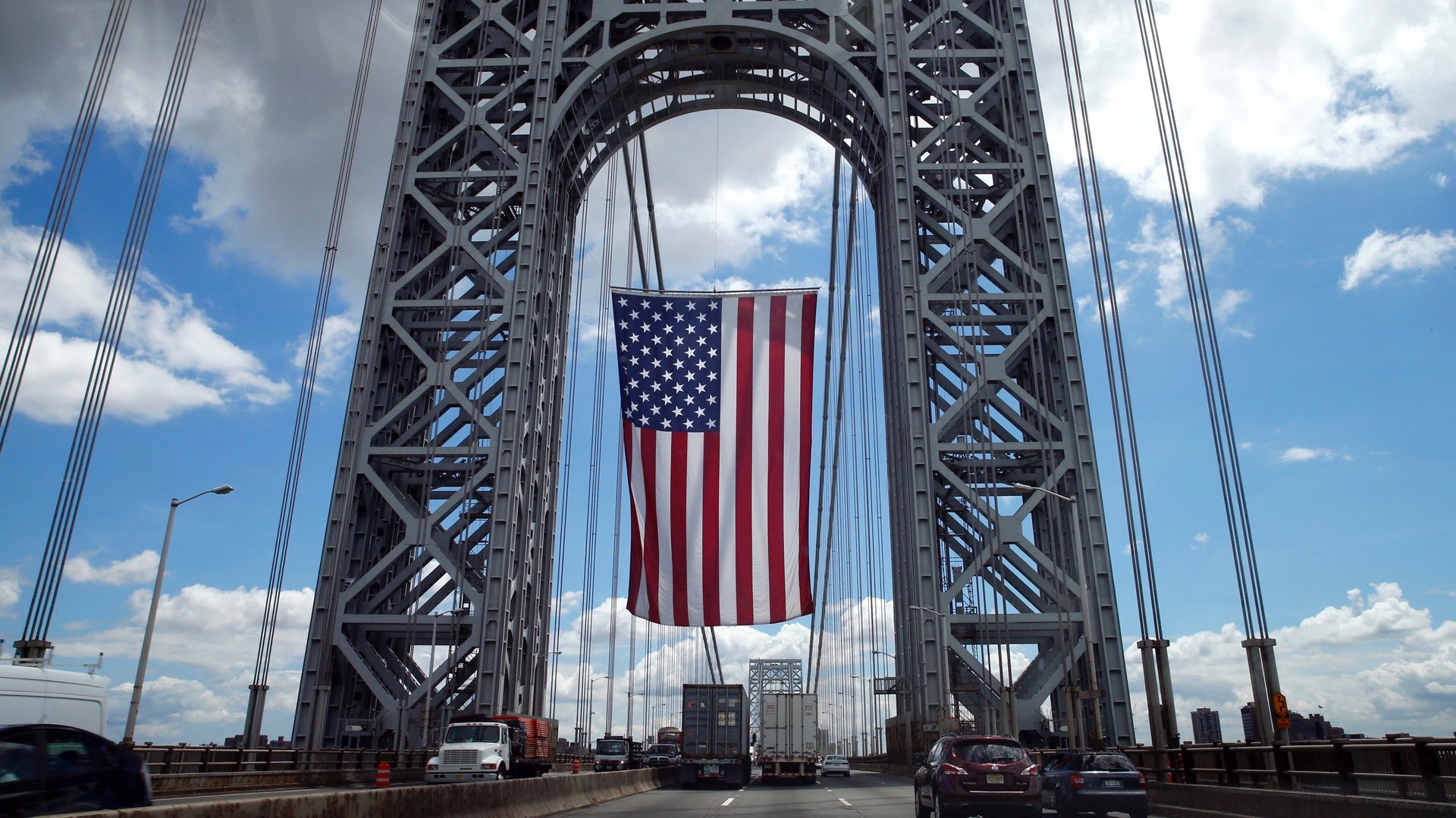
The US Supreme Court today decided a matter about a four-day political scandal on the 12-lane George Washington Bridge, which connects New Jersey and New York. The unanimous opinion penned by justice Elena Kagan is a pretty fun read as these things go, though the decision might surprise you.
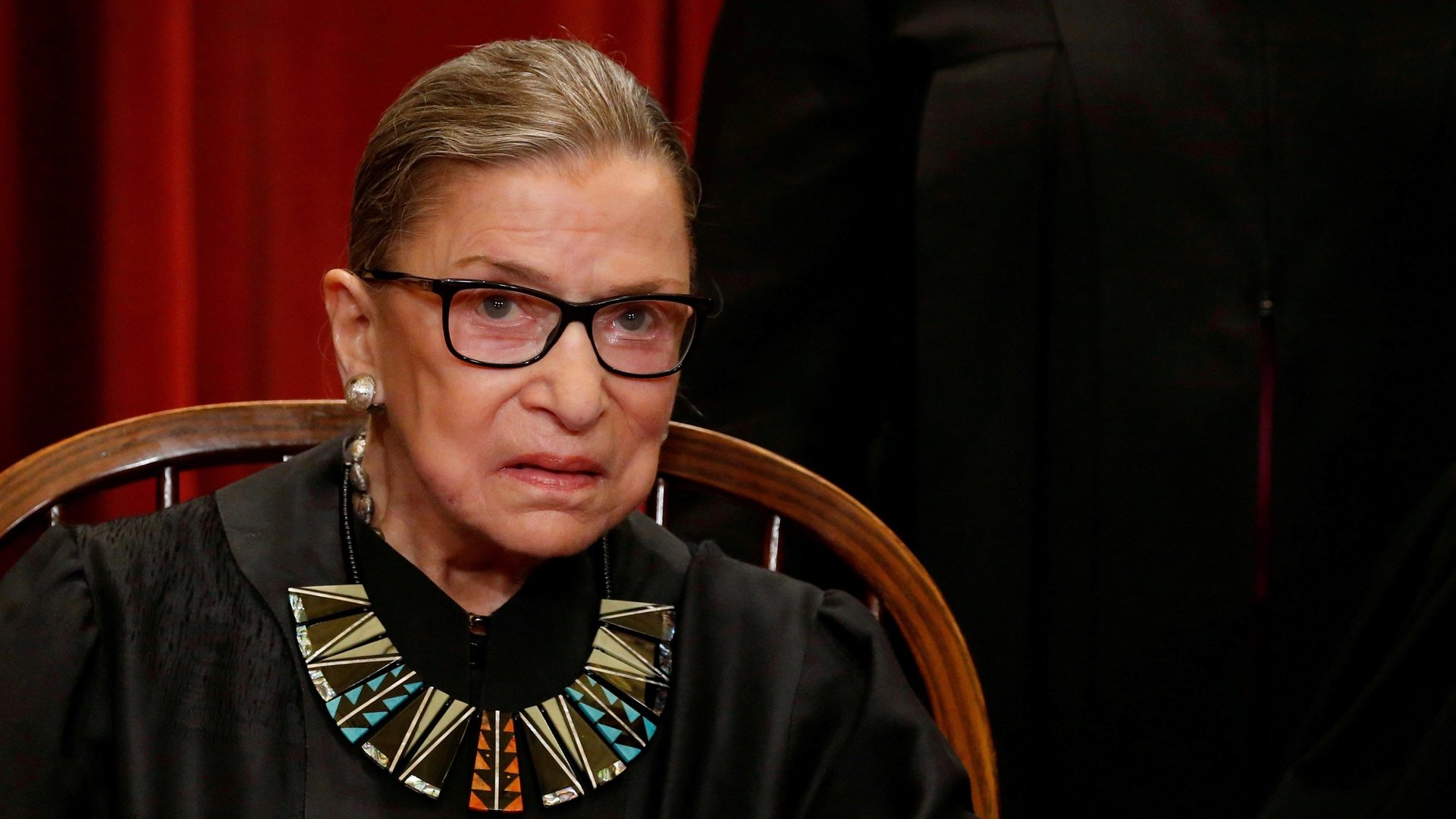
The US Supreme Court today heard oral arguments in controversial cases about religious and moral objections to contraception coverage under the Affordable Care Act. The Trump administration expanded existing “conscience exemptions” dramatically but a nationwide injunction has so far blocked the new rules from going into place.

The pandemic has upheaved the staid US Supreme Court.
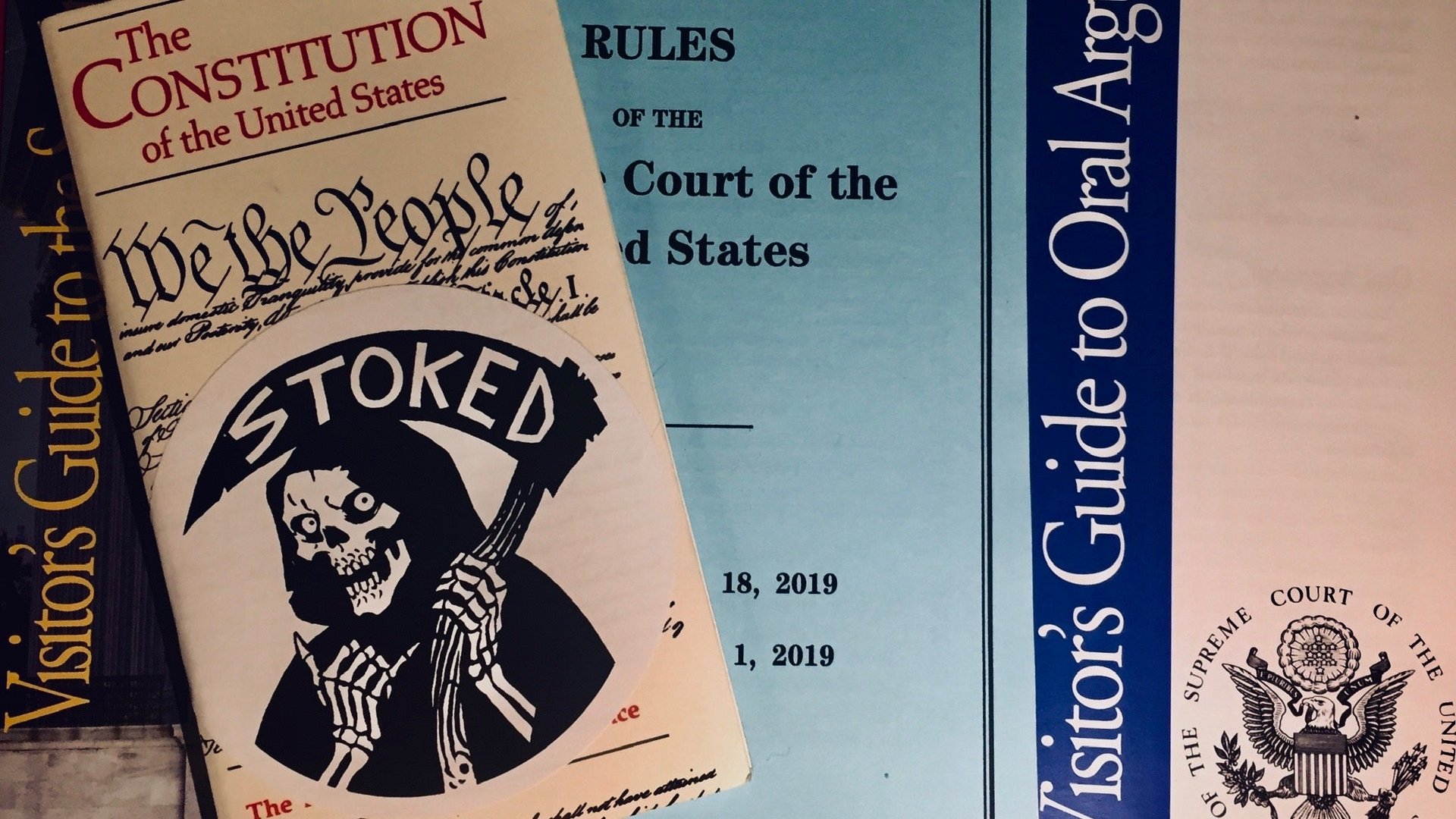
While many Americans have Zoomed into the future, videoconferencing their way through the pandemic, the US Supreme Court is old-school and chats over the phone. Today, the justices will hold a doubly historic hearing, live-streaming their first-ever telephonic oral arguments—ironically, in a trademark case that could change the internet.
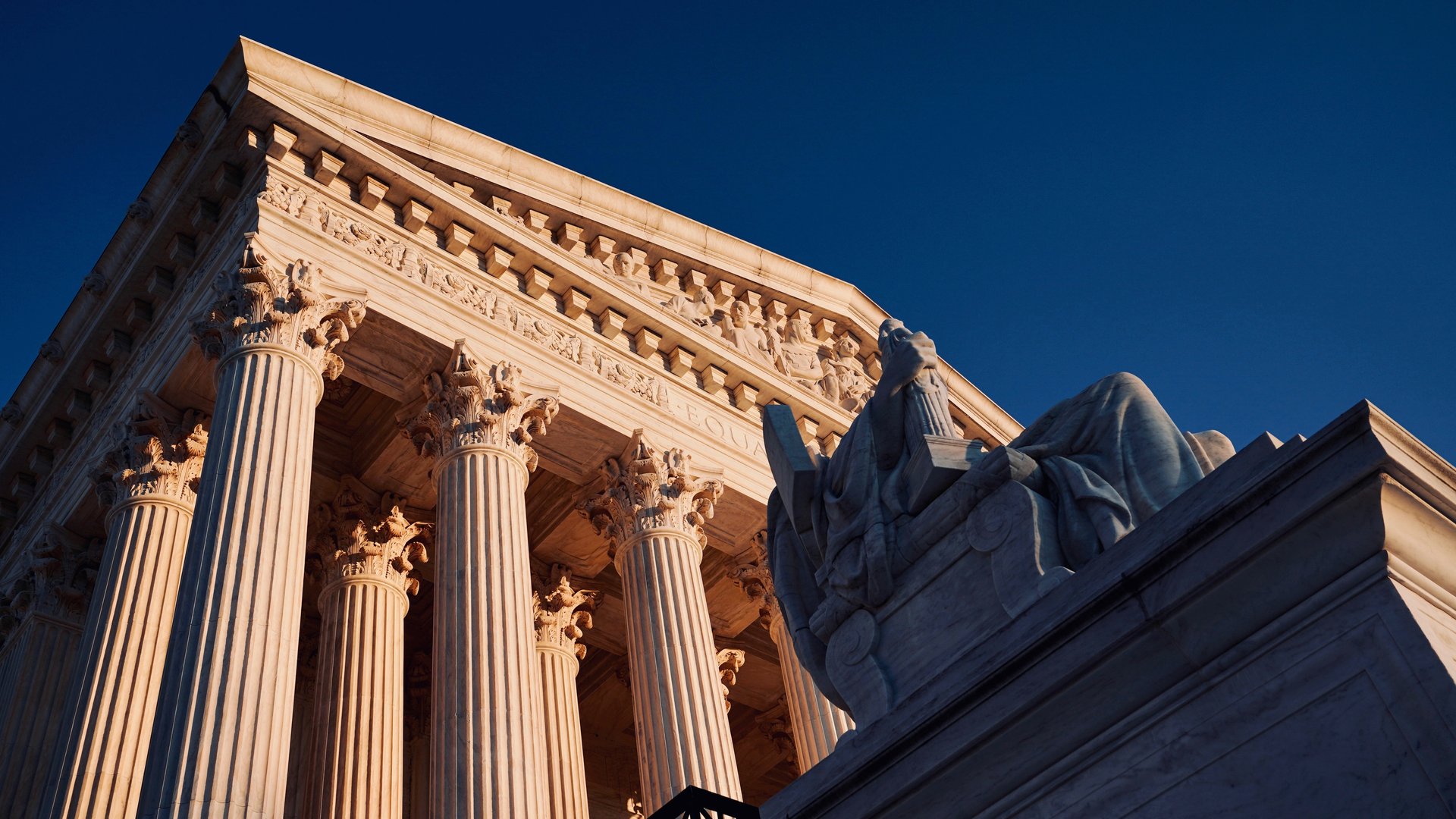
On May 6, the US Supreme Court will hear arguments in two cases about the Trump administration’s expansion of the “conscience” exemptions to contraception coverage under the Affordable Care Act (ACA). The changes allow institutions providing health insurance to avoid paying for birth control, for religious or moral reasons, without notice.
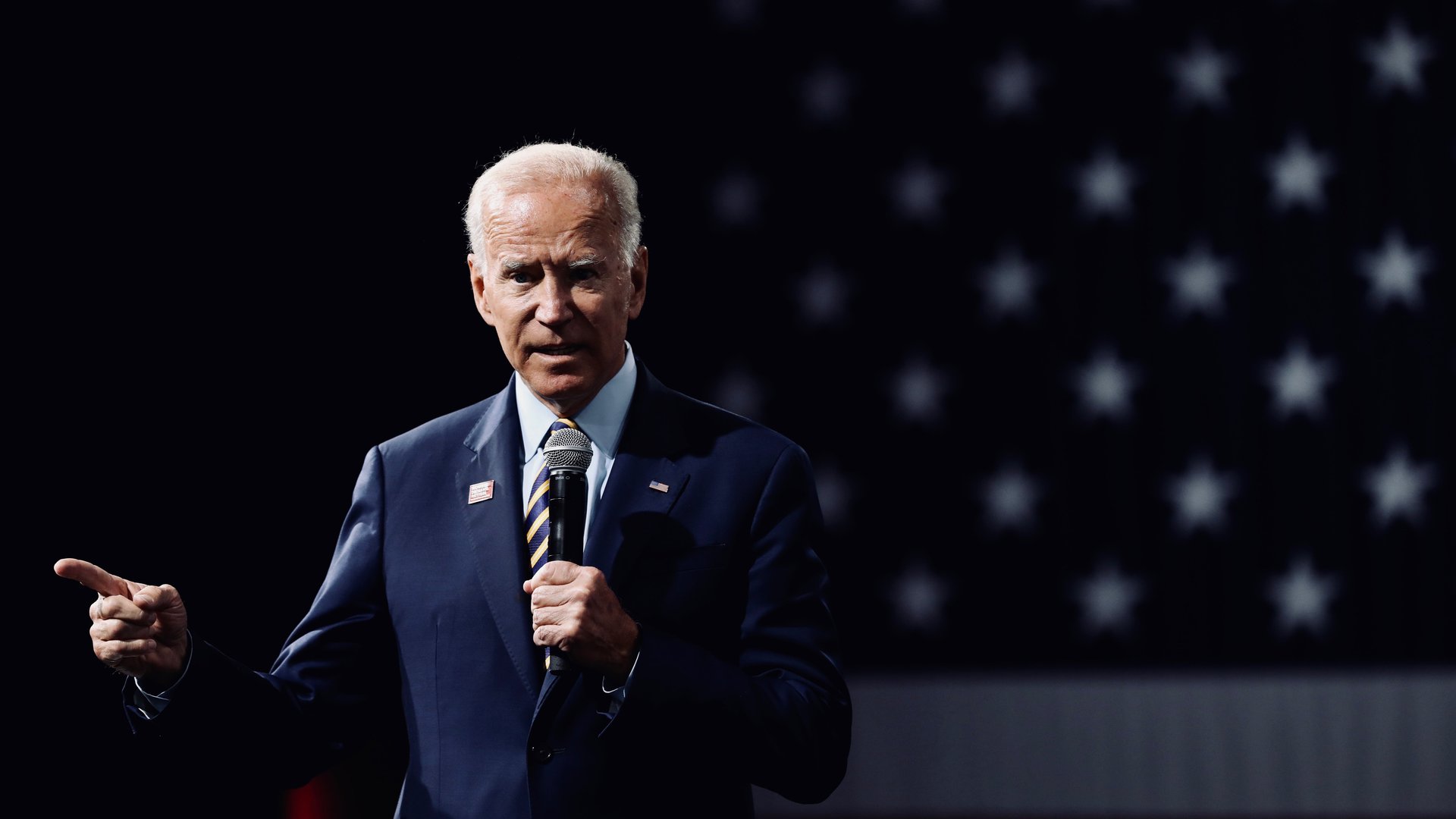
Former vice president Joe Biden is the “presumptive” Democratic nominee for president. This presumption is problematic for voters, although it was convenient for the party to quickly weed out choices and competing voices amid the chaos of the pandemic.

These are the worst of times and we’ll be living in extreme upheaval for the foreseeable future. That makes trying to read the tea leaves an exercise in futility, futurist Richard Watson tells Quartz.
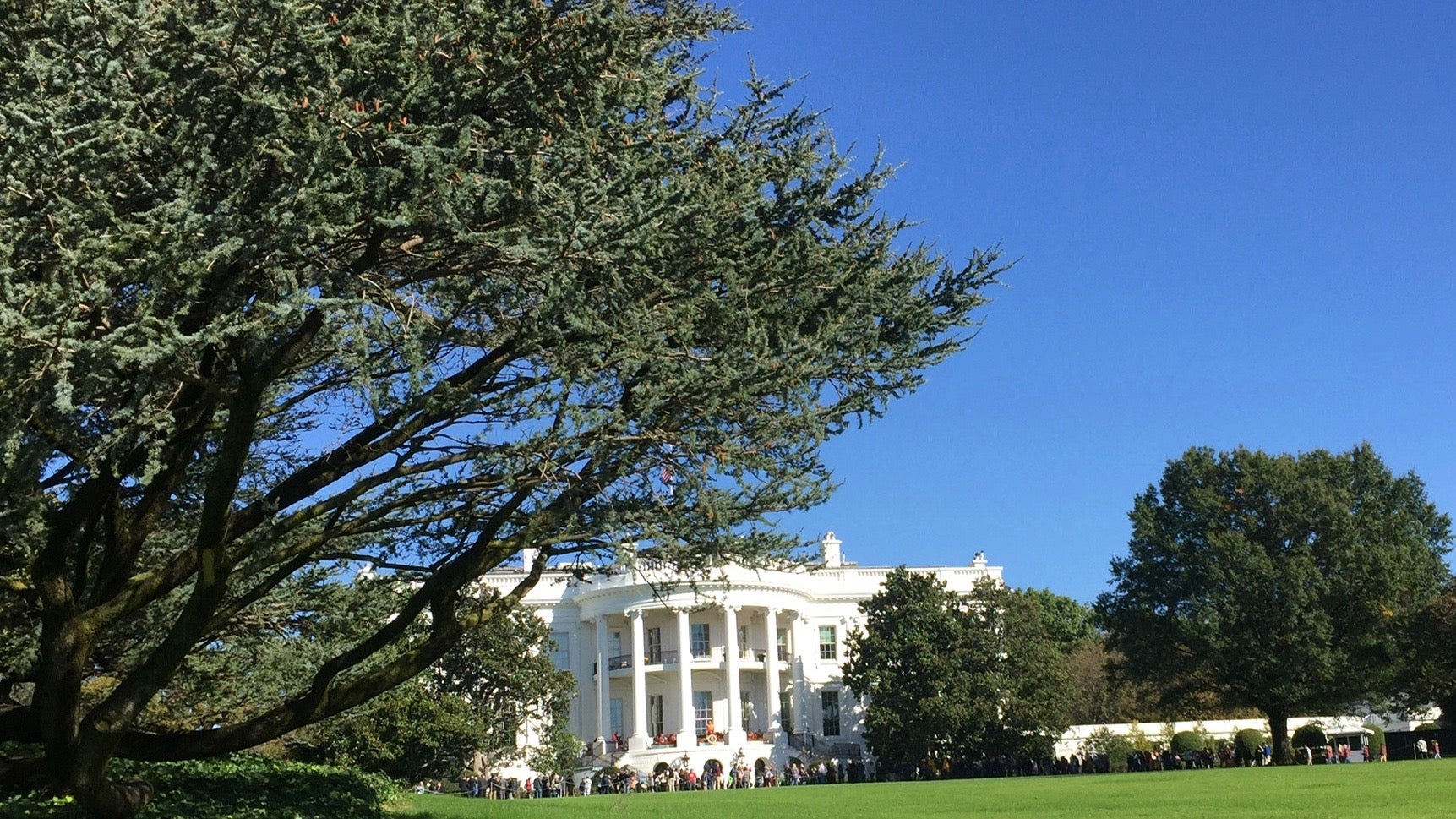
On Monday, the US Supreme Court dropped a jurisprudential bombshell—in the form of an order—that has legal scholars and court commentators abuzz.
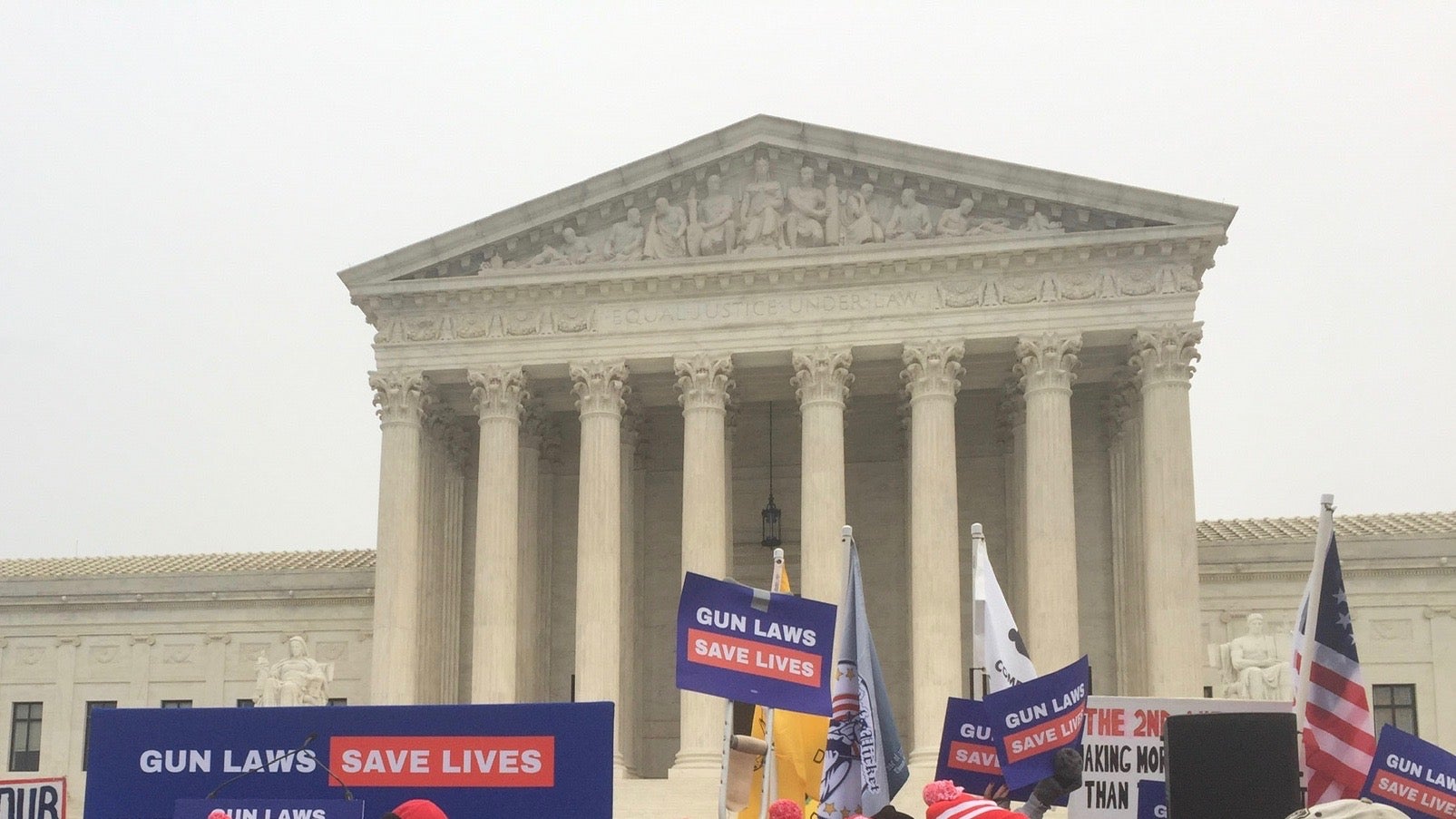
The US Supreme Court today issued a per curiam opinion—an unsigned decision, often signaling unanimity—dismissing a supremely controversial New York gun law case that had Americans up in arms. But the justices were not all in agreement here.
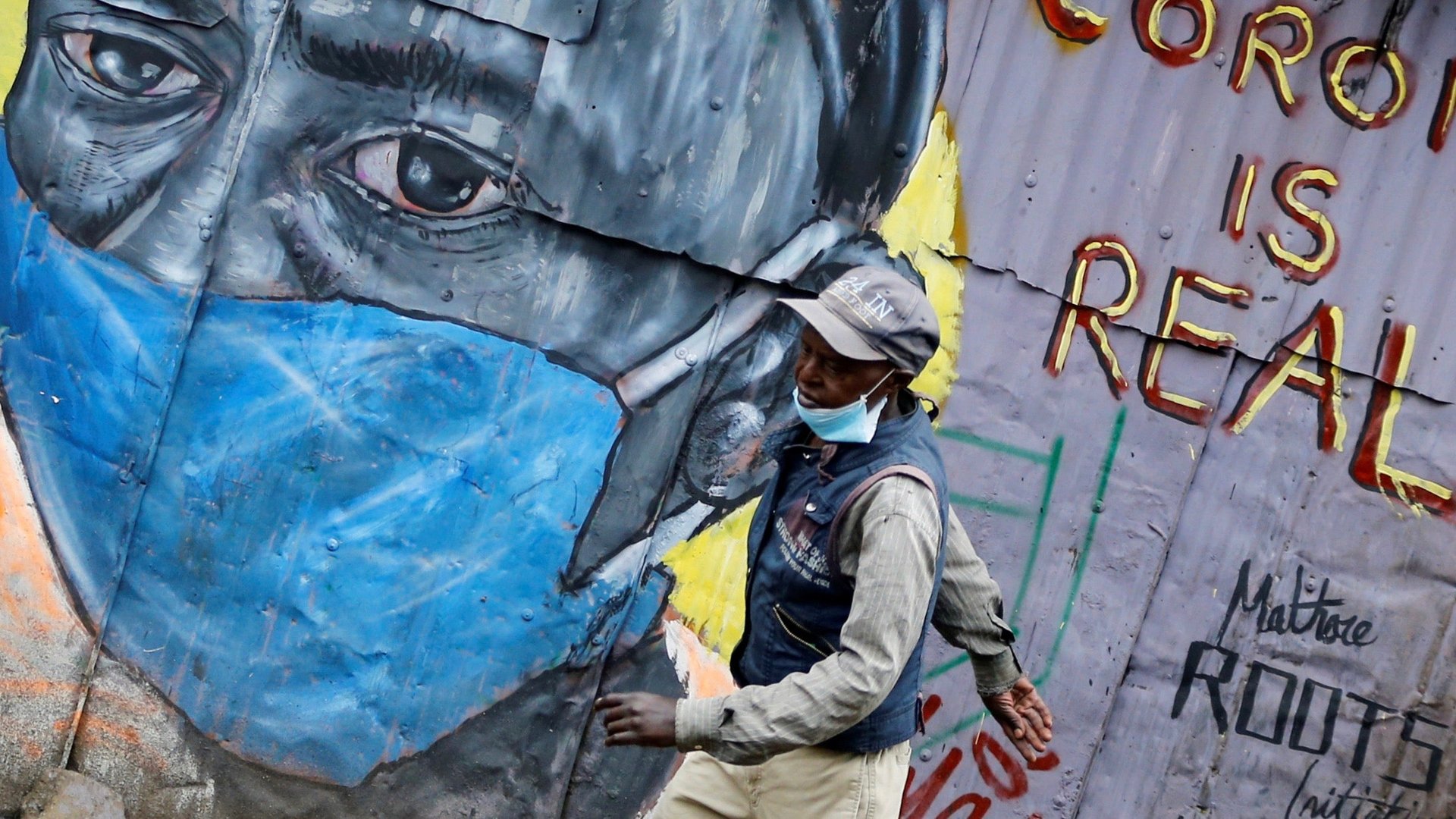
The pandemic has stopped the world in its tracks, but governments are hatching plans to get people and economies back up and running. One way to do that, it’s been suggested, is by providing “immunity passports” or “risk-free certificates” to the infected, based on antibody testing, thus allowing some to emerge from global lockdowns while others wait around for a vaccine to be developed and distributed.
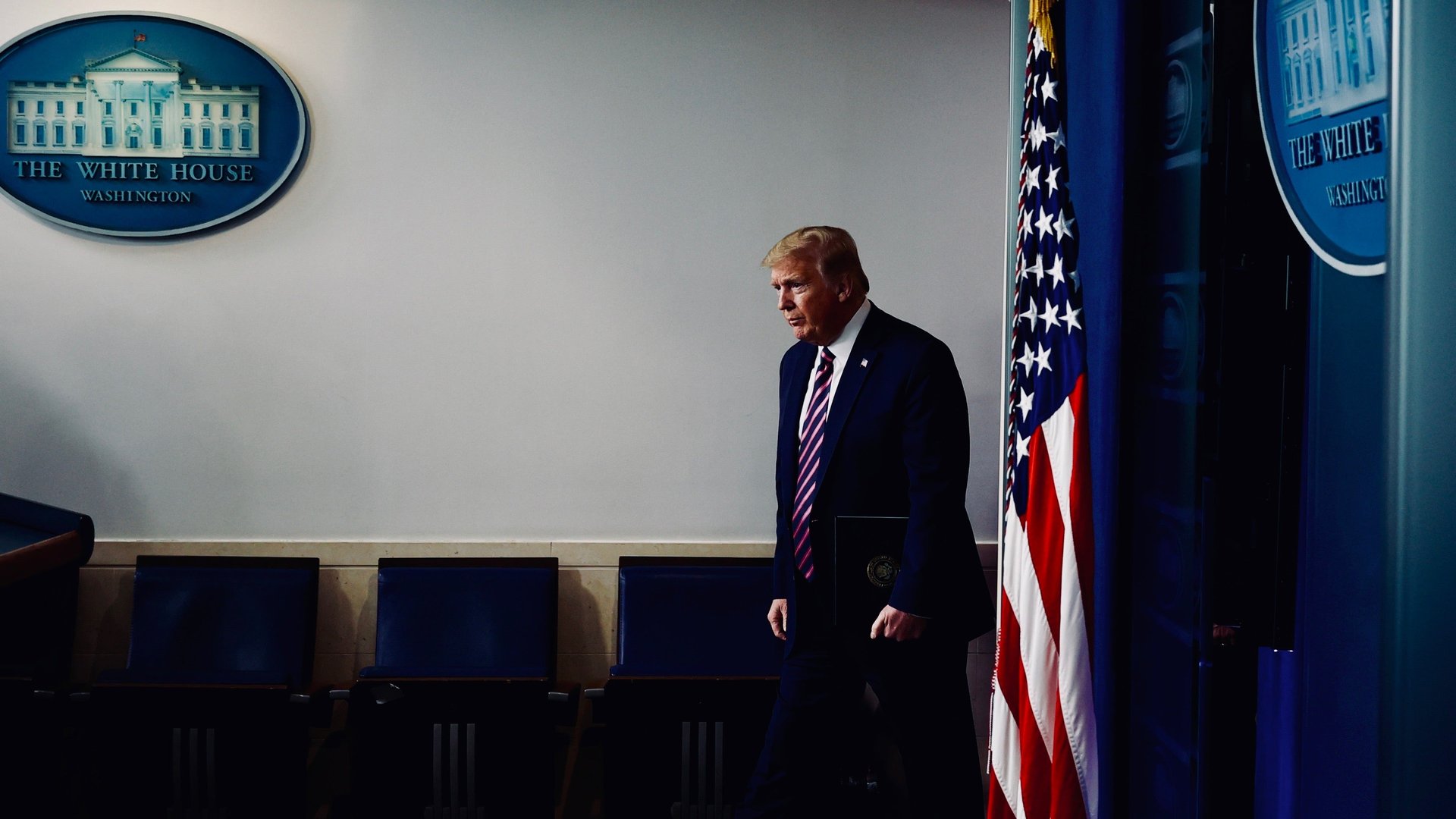
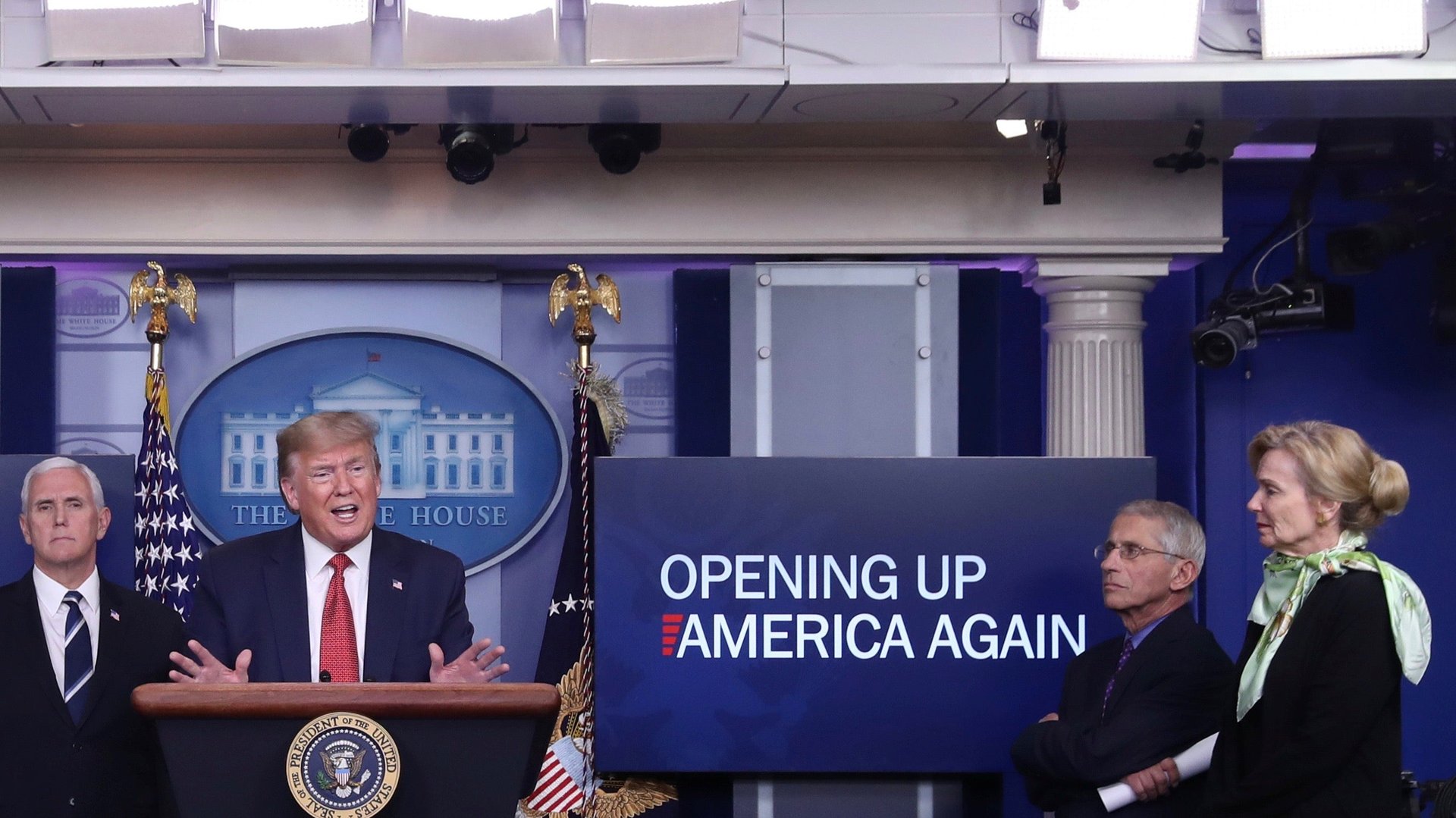
US president Donald Trump’s April 23 musings that ingesting disinfectants could fight infection appear to have sounded the death knell for his controversial coronavirus briefings, though he recently boasted that daily ratings were “through the roof.” They may also have fatally poisoned his chances of reelection in November.
Say you’ve been home alone, have no contact with others for weeks, and are called back into your office, where you promptly fall ill, having been infected by coronavirus. Now your life and livelihood are on the line. What do you do?

Call it a slightly belated Earth Day gift, if you will. Today, the US Supreme Court decided a case about wastewater pollution and the Clean Water Act, supporting environmentalists and rejecting the position of the federal government and County of Maui.
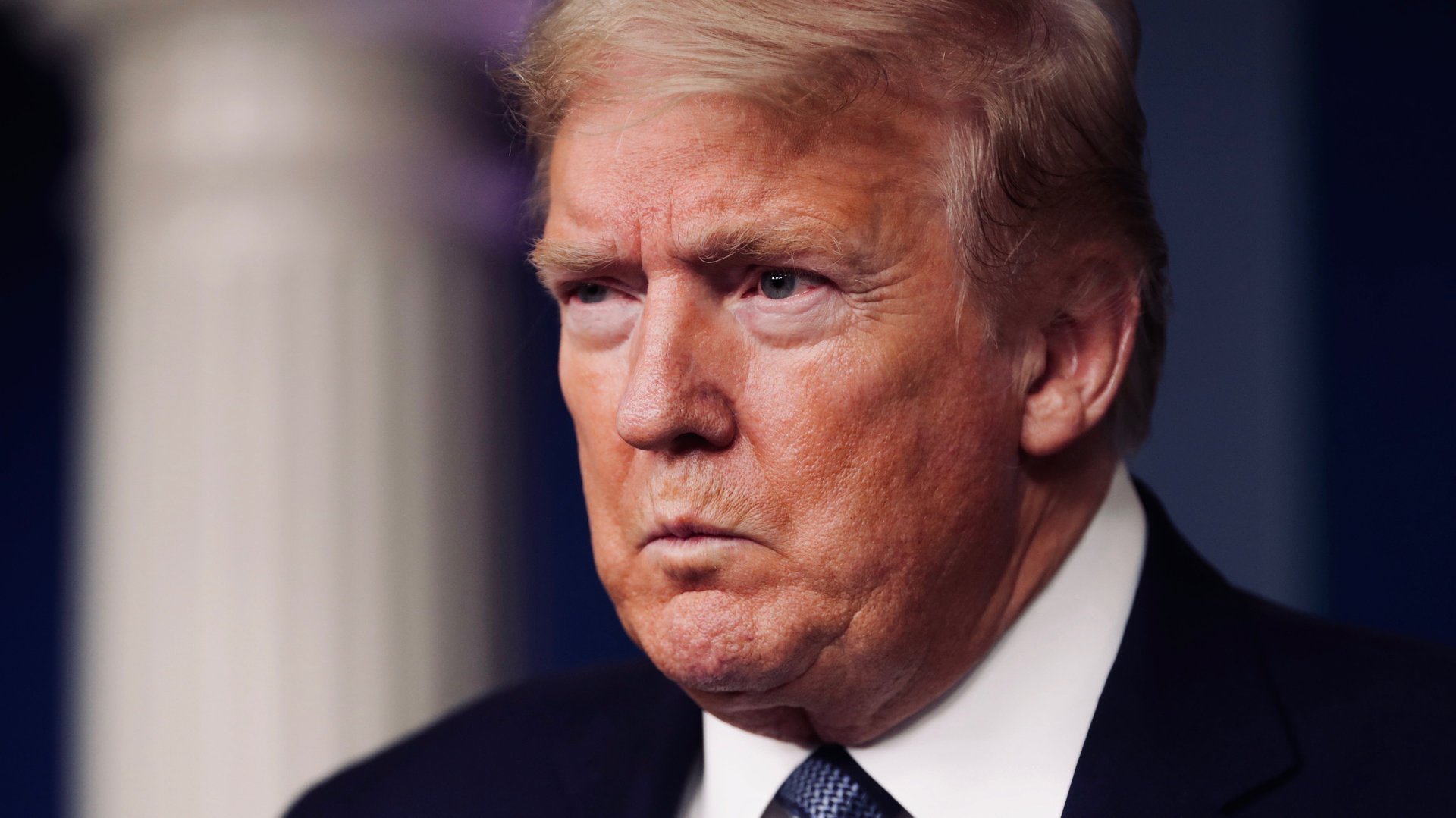
US president Donald Trump was on Twitter bright and early today, announcing at 7am that he plans to sign an executive order “prohibiting immigration into our Country.”
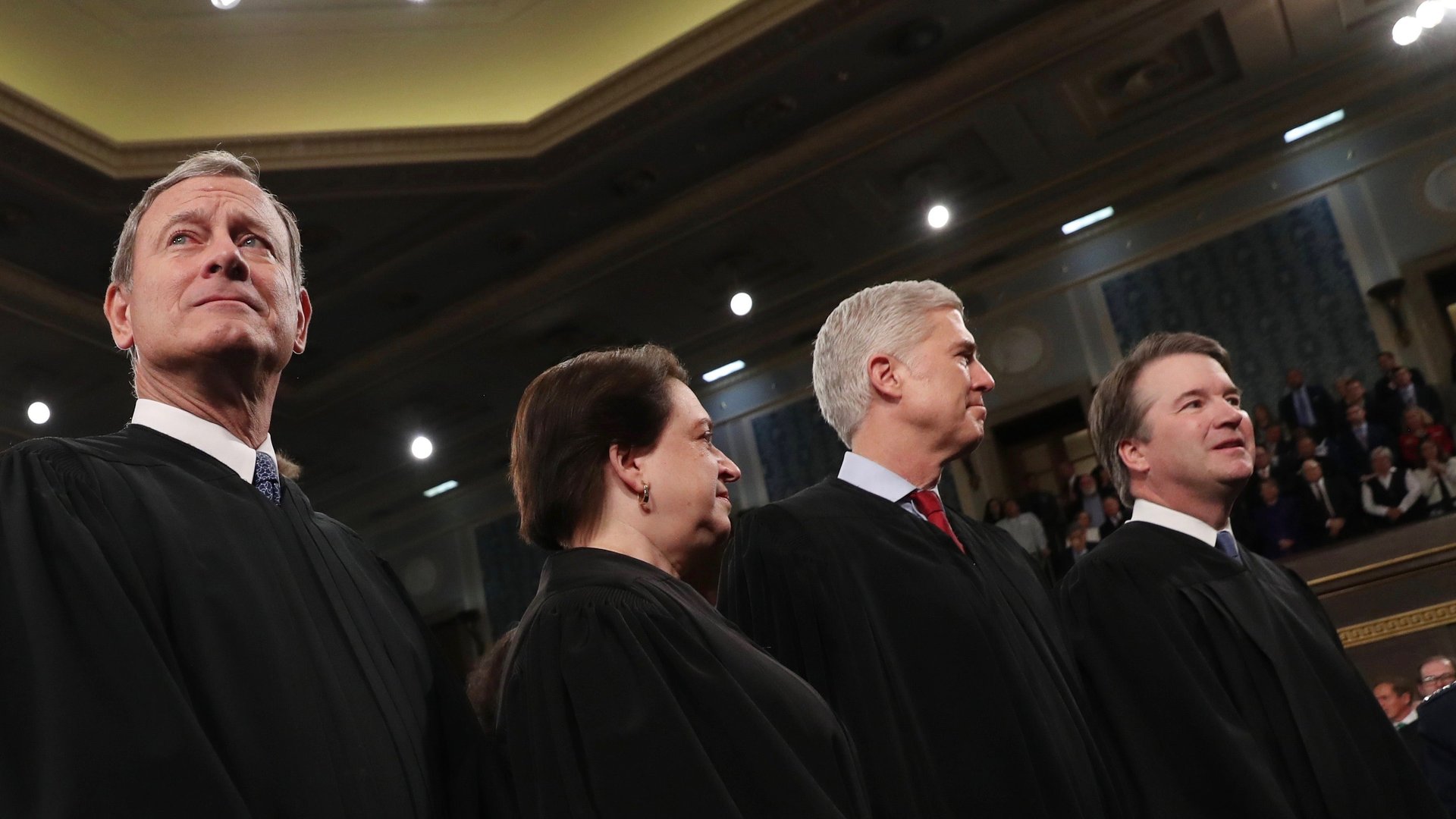
The US Supreme Court today decided a case that pitted 98 property owners in the toxic towns of Opportunity and Crackerville, Montana against the federal Environmental Protection Agency (EPA) and the Atlantic Richfield Company (ARCO). The matter apparently also put chief justice John Roberts at odds with his fellow conservative, Neil Gorsuch.
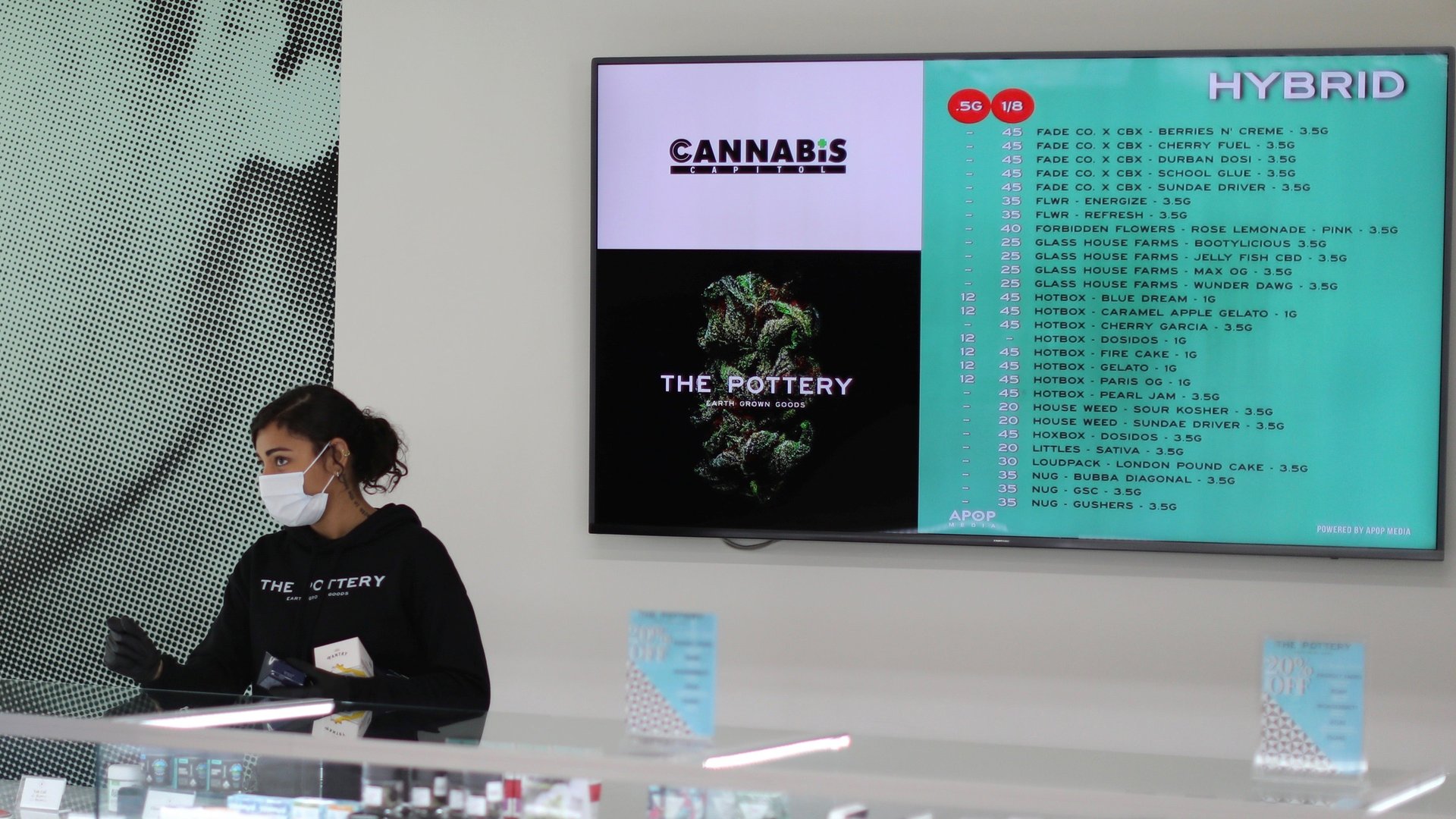
In 1971, a group of high school students in San Rafael, California went in search of treasure. They had a map to a secret marijuana grove and a code for the bounty growing there, referring to the herbal remedy as “420” because they’d gather for the quest every afternoon at 4:20.