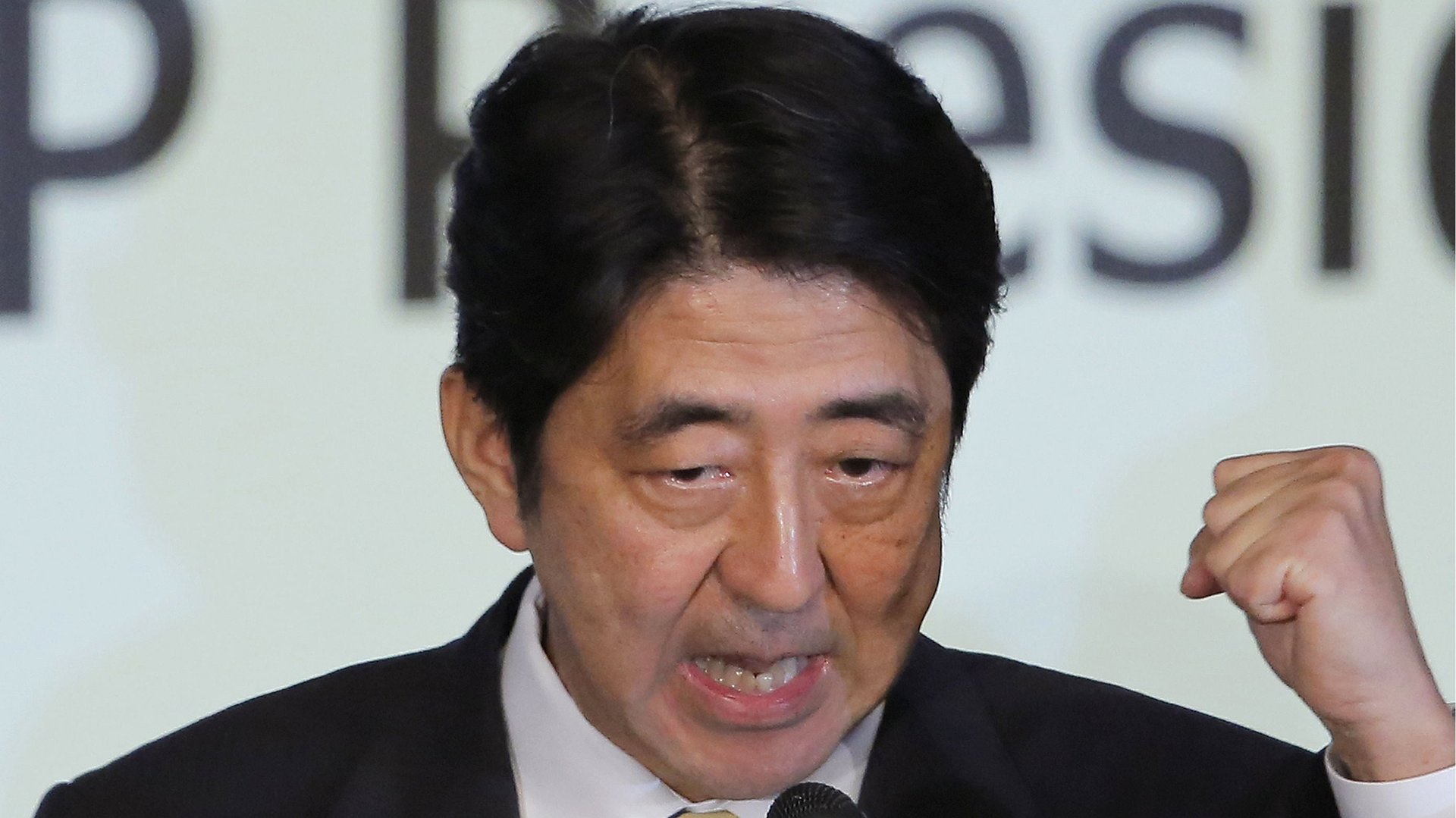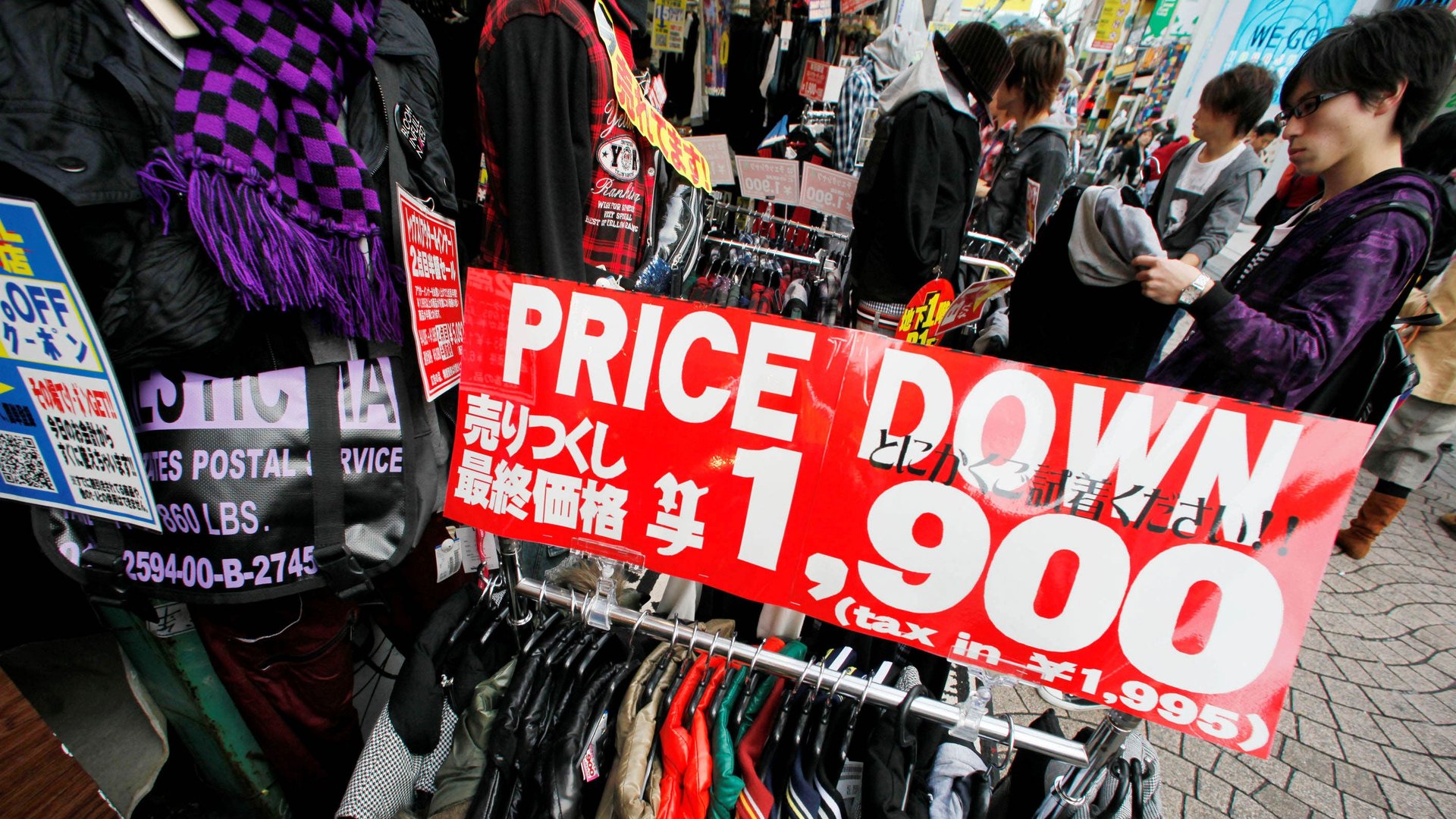
Reuters reports that the Bank of Japan shook hands with prime minister Shinzo Abe’s government on a point of dispute today: inflation targeting.

Reuters reports that the Bank of Japan shook hands with prime minister Shinzo Abe’s government on a point of dispute today: inflation targeting.

Think the flu is bad? Try norovirus. One leading expert calls it “the Ferrari of the virus world” because it’s one of the most infectious viruses known to man, causing nine out of 10 episodes of viral stomach outbreaks worldwide.

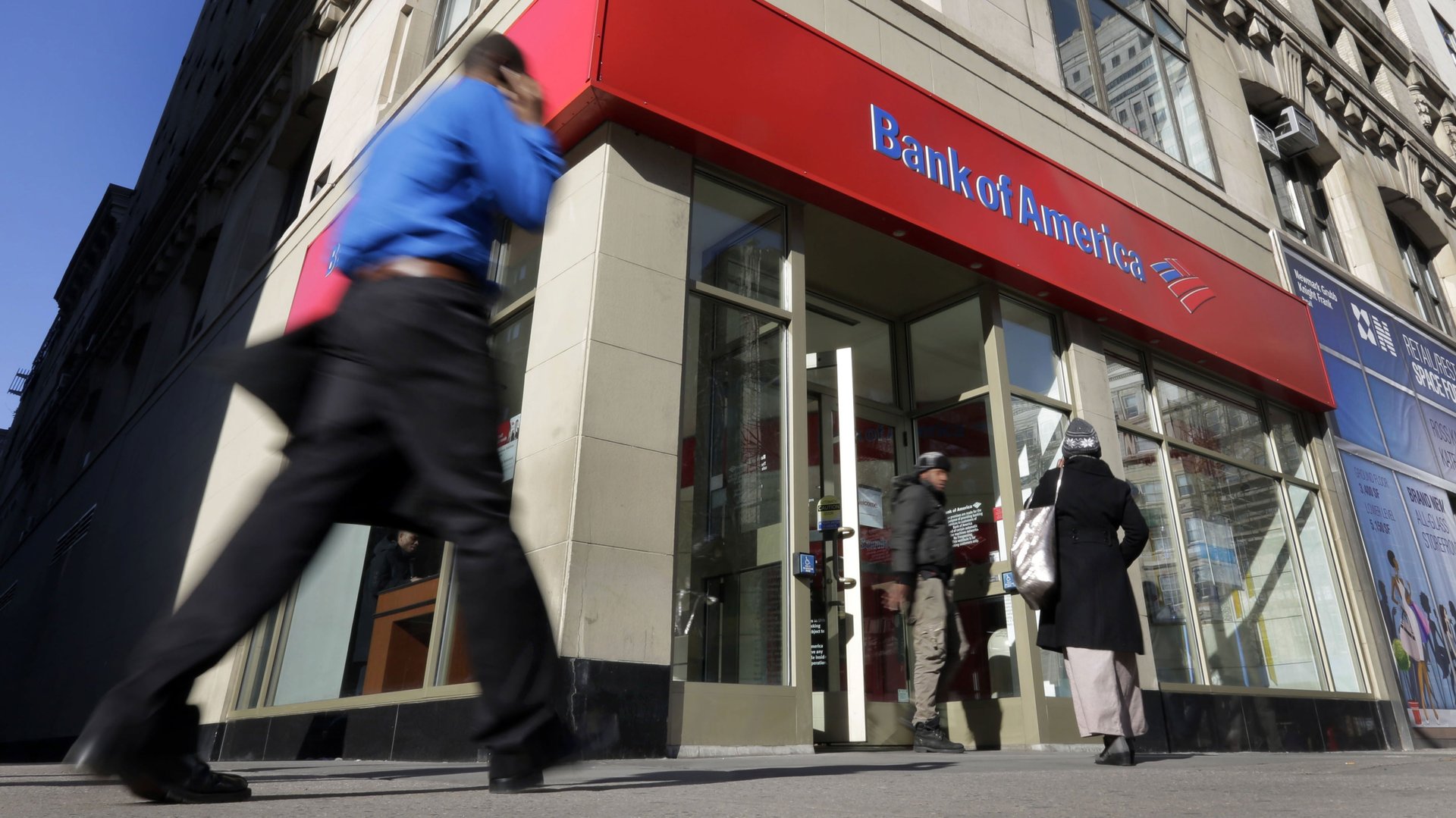
Bank of America’s adjustments for crummy mortgage bonds left its Q4 net income hurting, as the US financial giant announced this morning. Profits amounted to a mere $700 million for Q4 2012, down 63% from $2.0 billion in the same period of 2011.

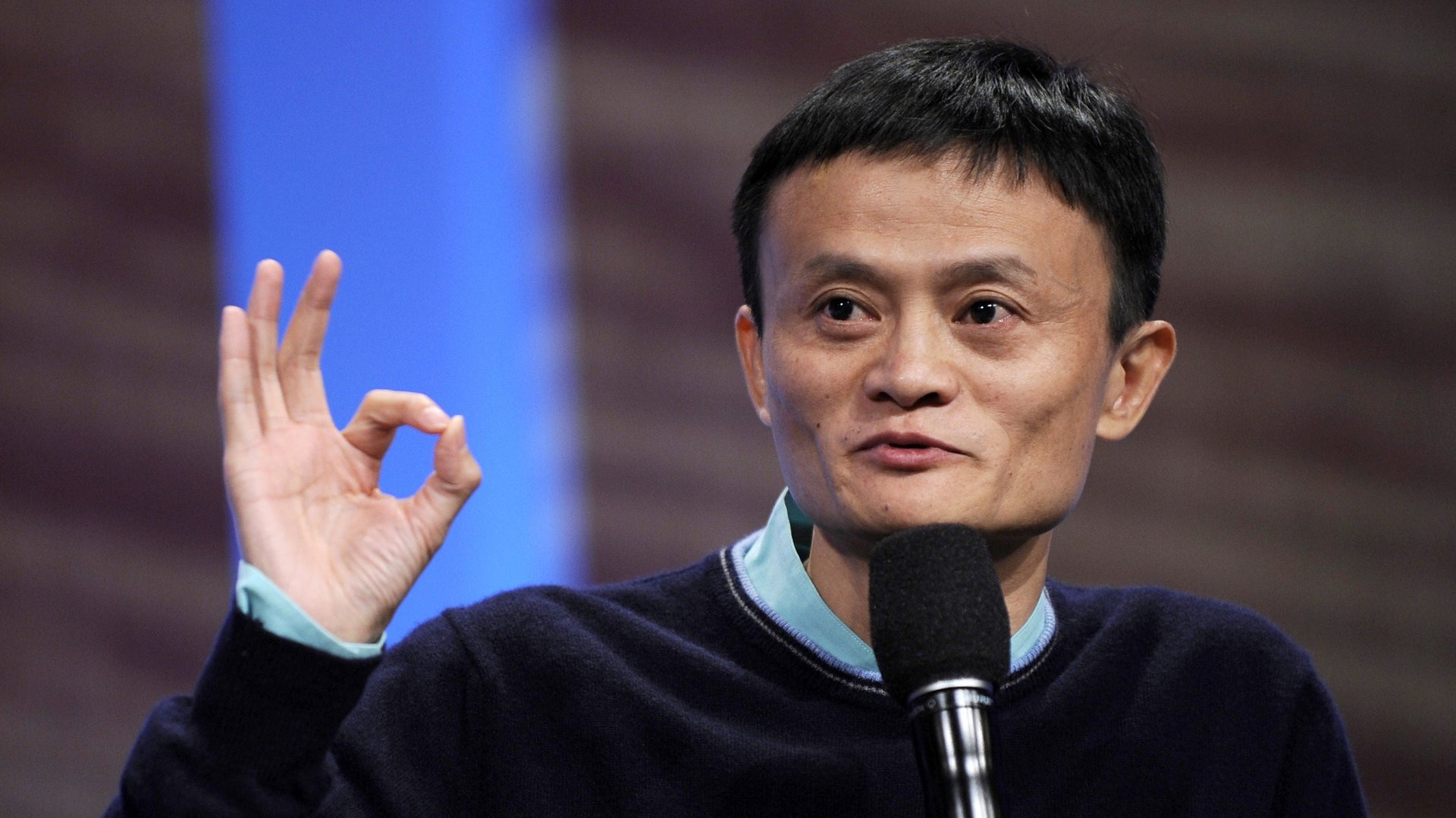
Jack Ma announced today that he is stepping down as CEO of Chinese e-commerce giant Alibaba Group, though he will remain executive chairman. While Ma says the aim is to promote Alibaba’s younger leaders, the timing hints that he is priming the company for an IPO, rumored to be planned for late 2013 or early 2014. Last autumn, the group bought back half of Yahoo’s 40% stake in Alibaba.com, setting the stage for a public listing under its own aegis.

This article has been corrected.

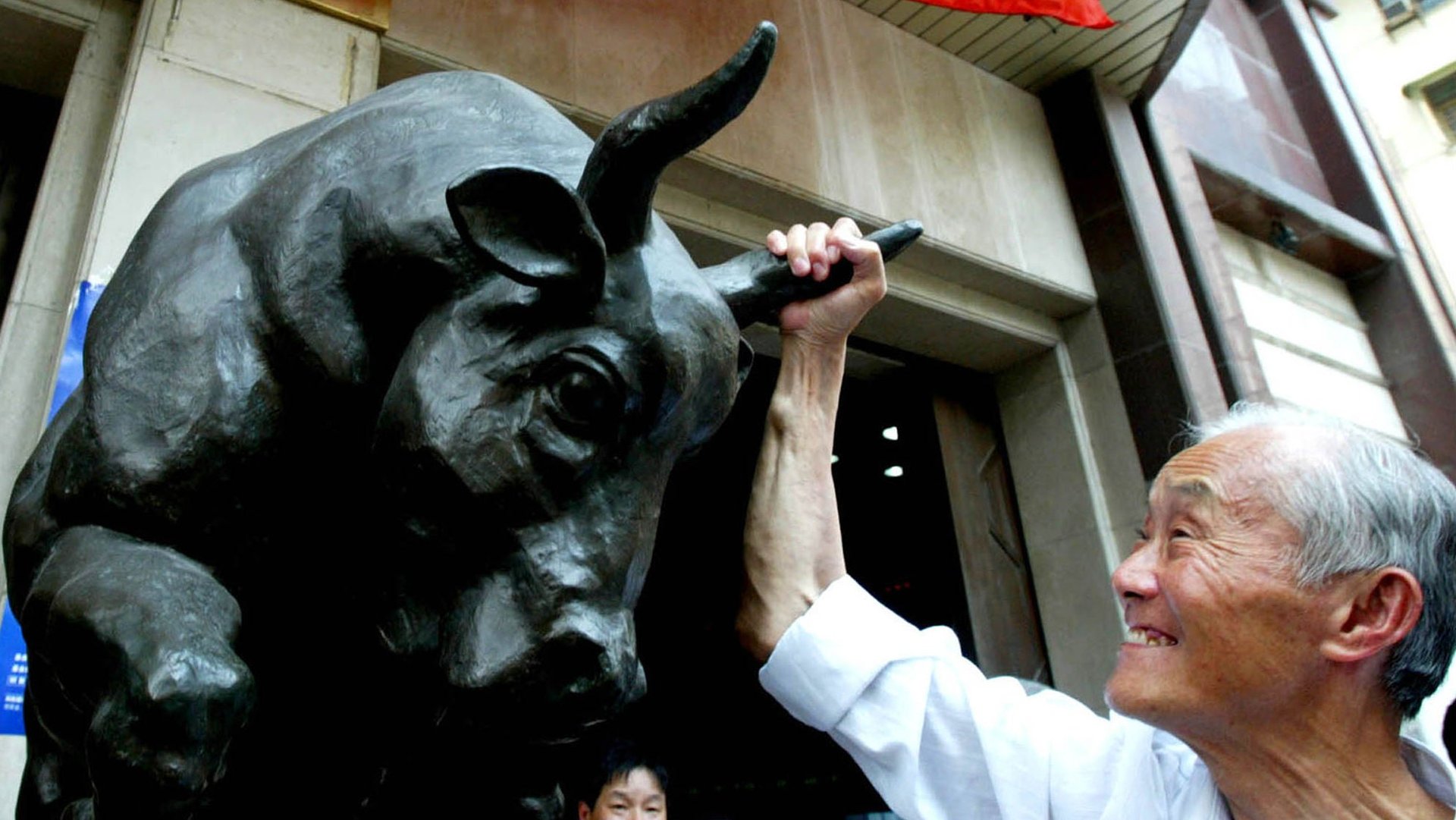
China’s stock market exploded on news that the government was considering widening the channels through which foreign investors can buy stocks, opening the door for a potential influx in demand for A-shares, as Chinese stocks are known. The remarks, which came from China Securities Regulatory Commission (CSRC) head Guo Shuqing at a conference in Hong Kong, sent the Shanghai Composite up 3.1% on Jan 14. ‘‘Our goal is to make it easier for nonresidents to issue and trade securities in the domestic markets,” said Guo, according to the New York Times. “I think at least we can increase [the stock market share held by foreign investors by] 10 times,” he added. (Foreign investors currently hold about 1.5% of China’s total stock market.)

Earlier today, United Parcel Service (UPS) announced withdrawal of its $6.9 billion plan to buy Dutch delivery business TNT Express, after the European Commission told the company it would block the deal on antitrust concerns. The merged company would have generated revenue of around $60 billion, compared with Deutsche Post DHL’s $68 billion and FedEx’s $43 billion, according to estimates.

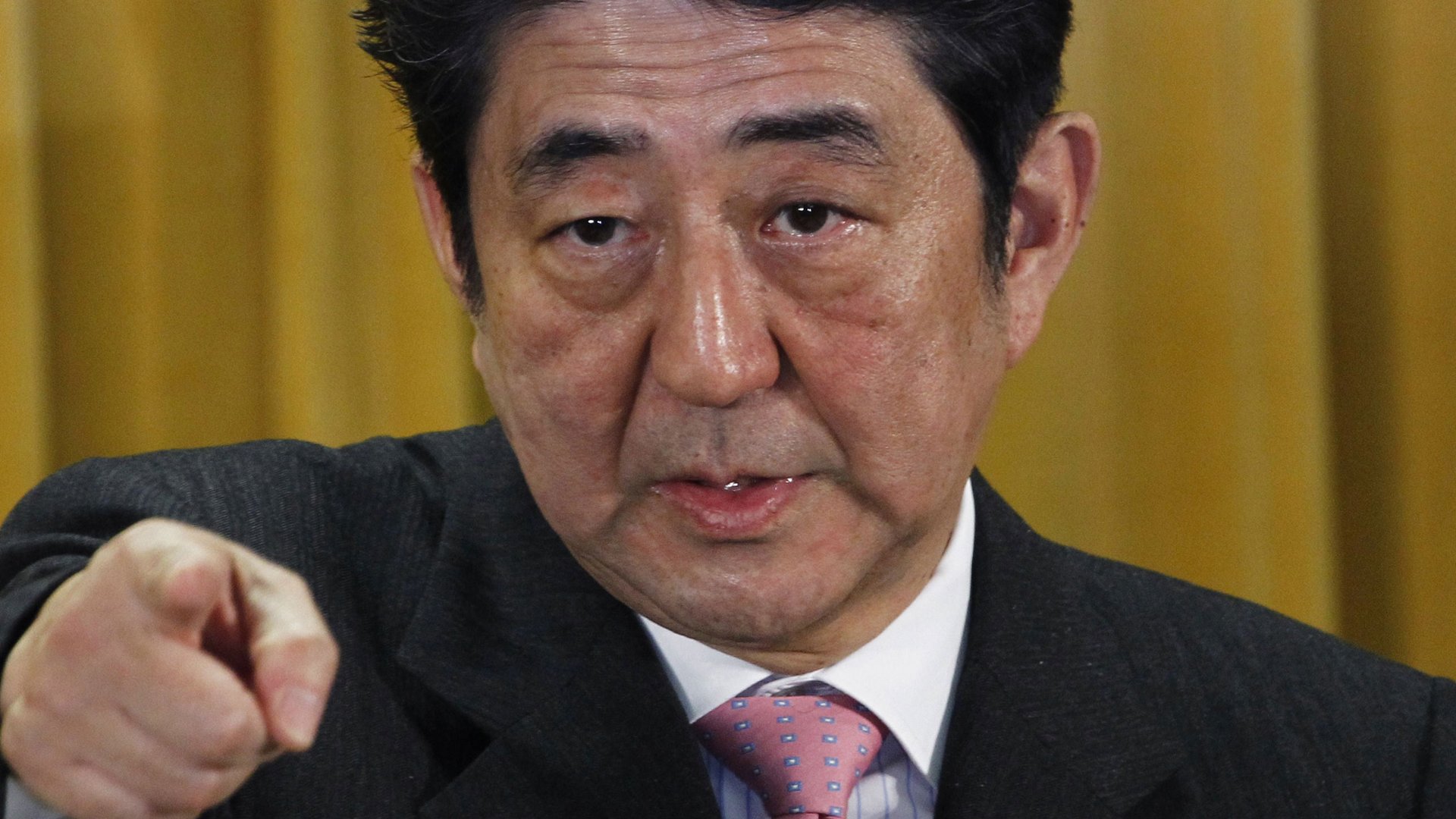
And… he’s off! Prime Minister Shinzo Abe got the green light today for $116 billion in emergency economic stimulus. This will go on public works, including disaster mitigation, as well as on financial support for small businesses and incentives for innovation. The idea, said Abe, was to create 600,000 jobs and boost real GDP growth by 2%, which should be higher than the 3% growth in nominal GDP that was his previous target.

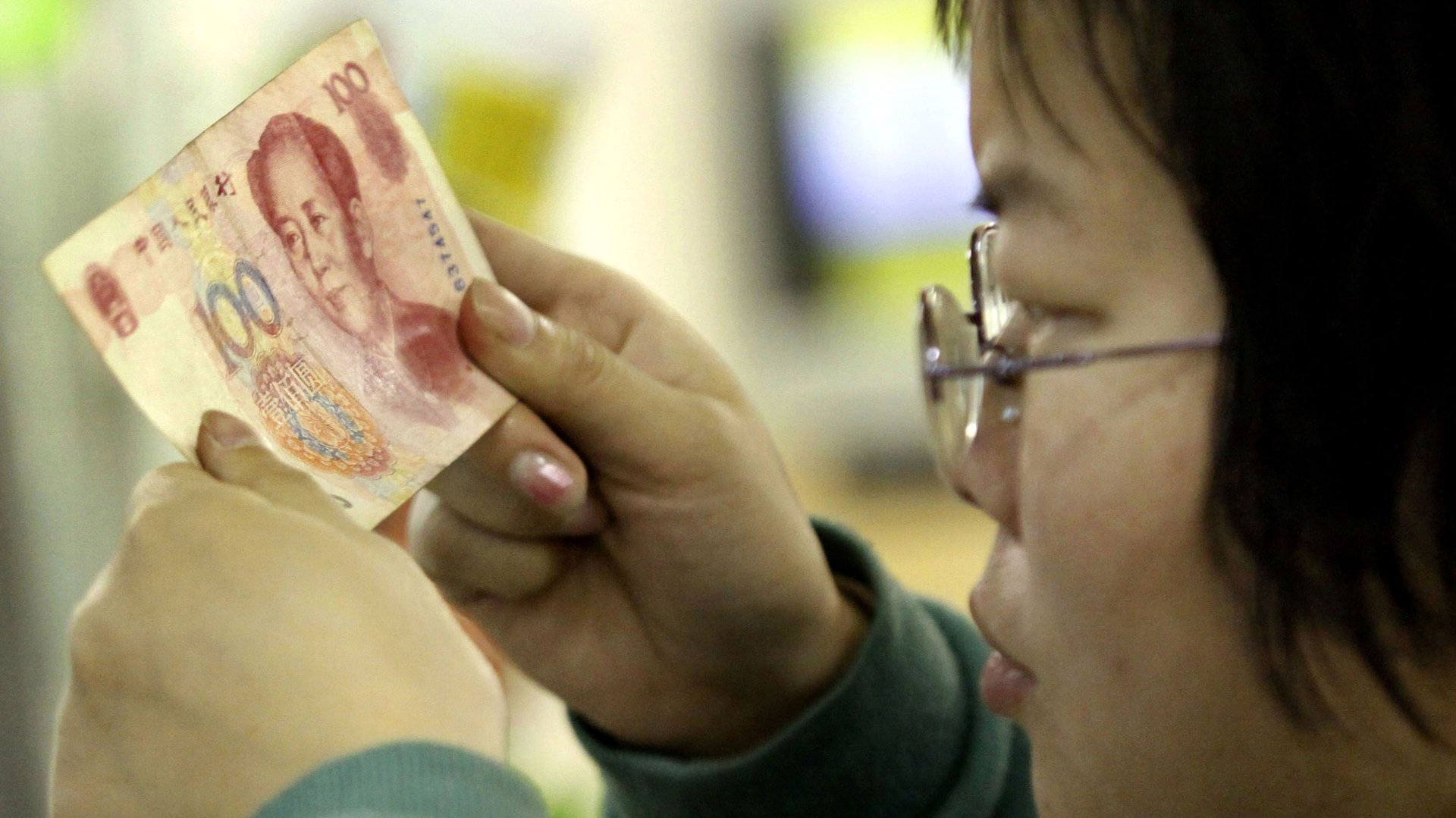
China’s consumer price index (CPI), a key measure of inflation, rose 2.5% year-on-year in December and 0.8% from the month earlier, the biggest monthly increase in a year (in Chinese). Last month’s CPI is the highest since January 2010, and the hint of an uptrend now threatens the relatively stable level in place since June.

Japan’s new leader, Shinzo Abe, has the toughest job in the world right now. Not only does he face another recession, near-zero interest rates, falling wages, deflation and the highest debt-to-GDP ratio (220%) in the world—he’s also vowed to reverse these trends. His approach has so far involved mainly bravado and the bullying of anything that stands in his way, including the country’s central bank, which he recently threatened to relieve of its independence.

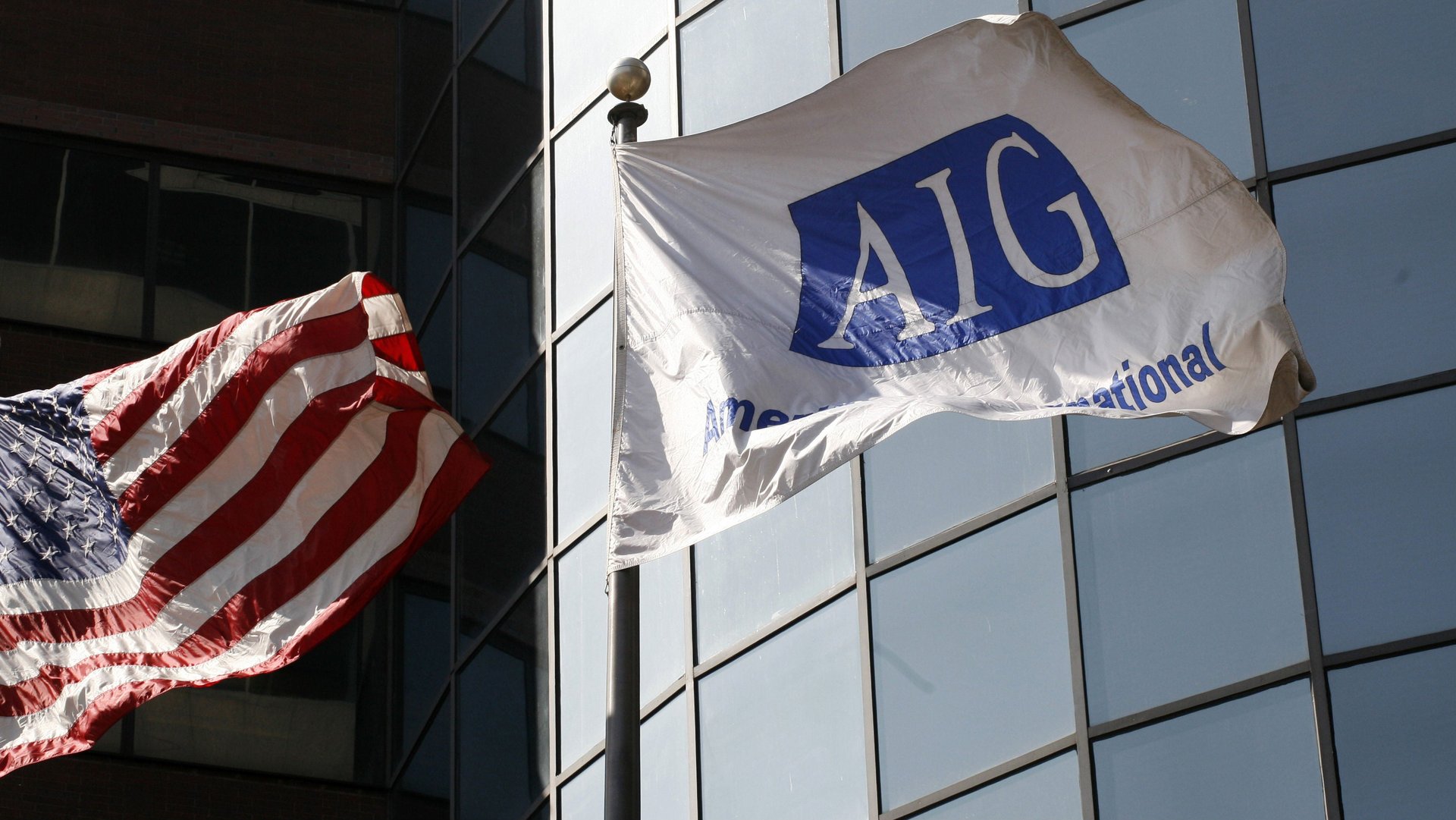
The board of insurance company American International Group (AIG) may join a $25-billion lawsuit against the government for ripping off shareholders, the New York Times reports. This after it only just paid back the $182.3 billion that the Troubled Asset Relief Program (TARP) offered as a stabilizing fund in 2008, netting the government a $22.7 billion profit.

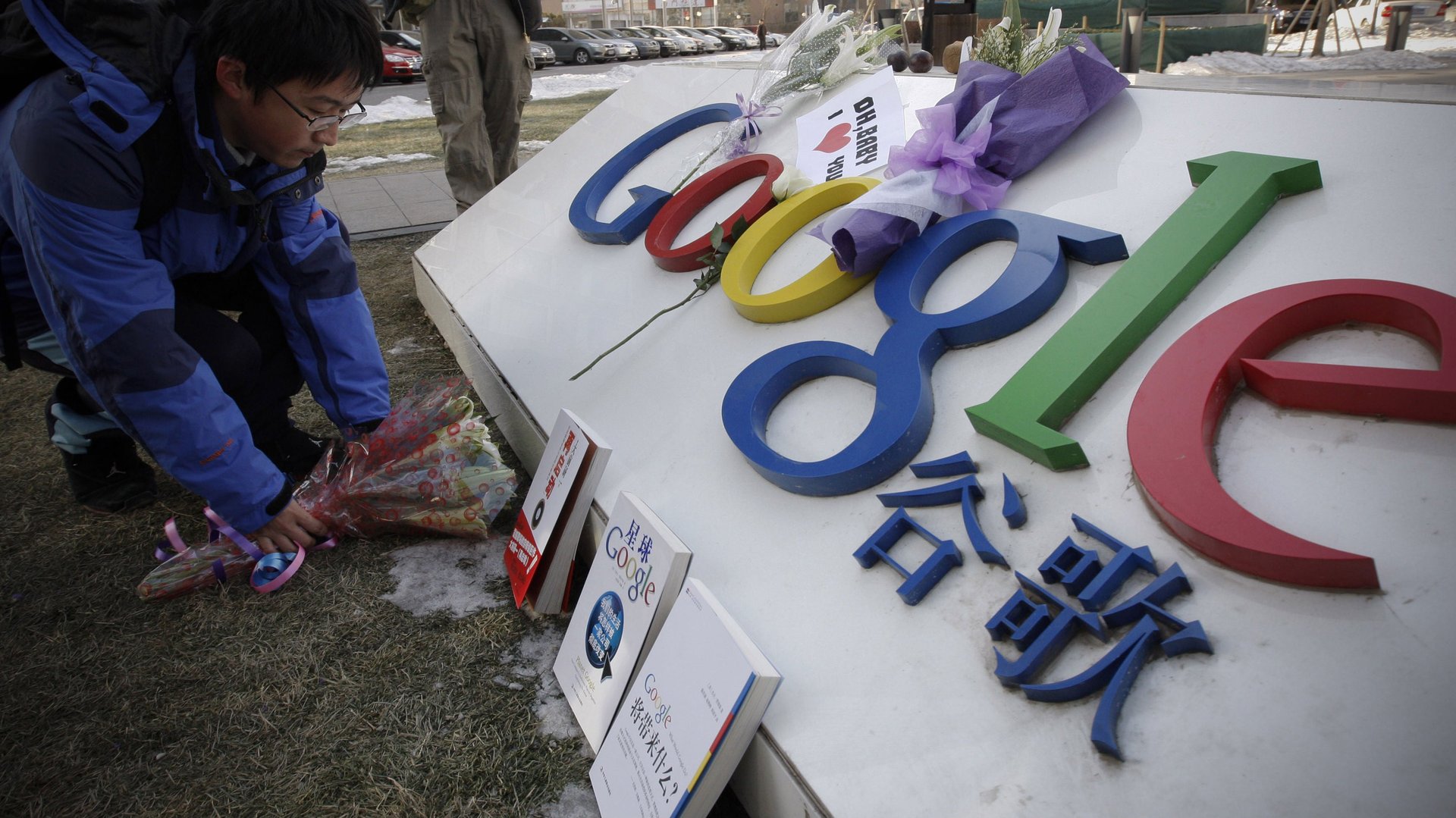
Google last month quietly stopped notifying Google searchers in mainland China when their searches for specific keywords were likely to temporarily break their connections to its search engine. Google always studiously avoided mentioning censorship when discussing this feature, released in May. But the notifications implicitly indicated which keywords were blocked by the Chinese government, which authorities deem a state secret. The Chinese government attempted to break the tool, though Google programmers found ways around that, according to Greatfire.org.

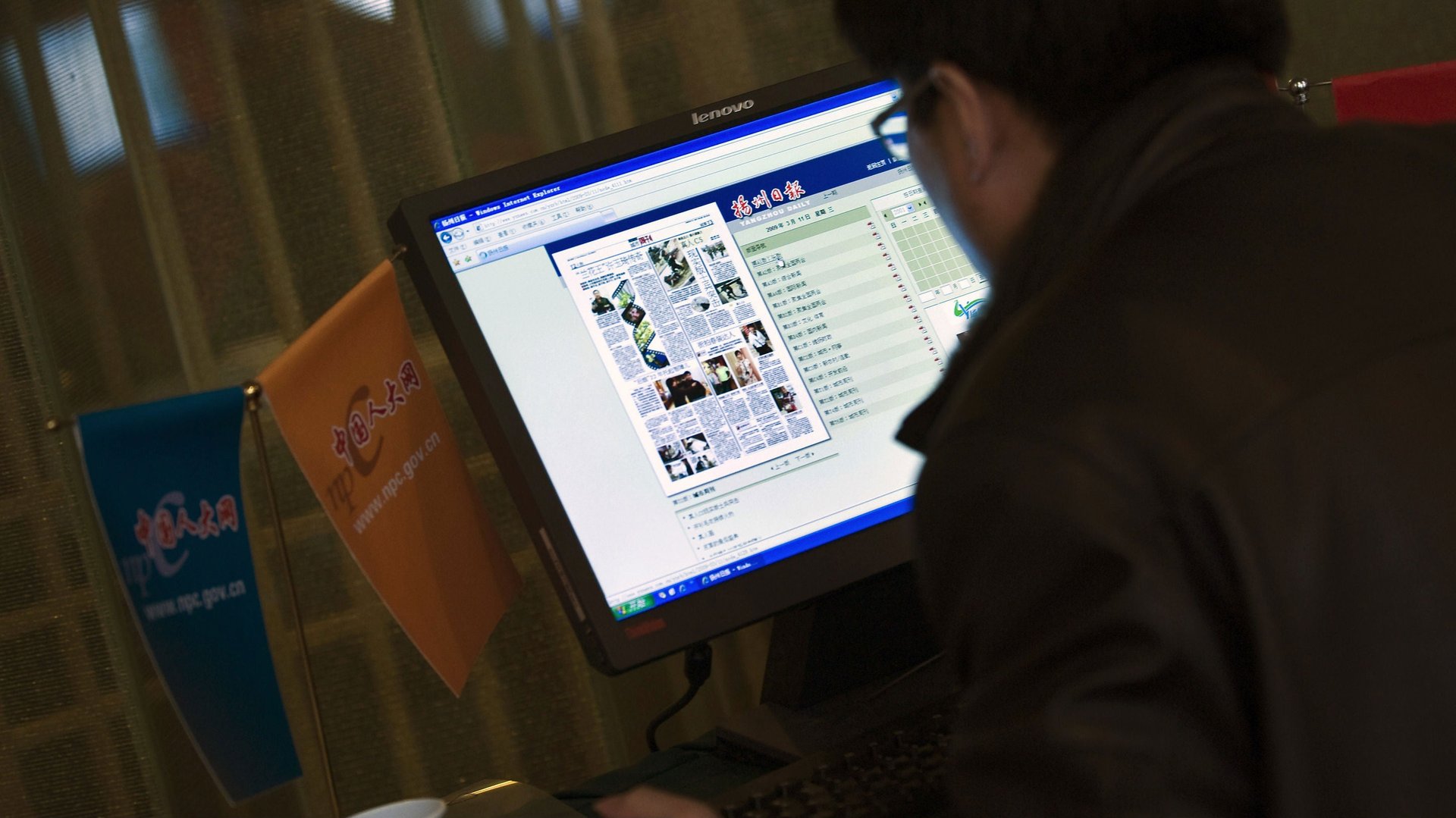
Chinese state-owned news website Xinhuanet.com filed for an IPO in Shanghai over the weekend. Though some 800 companies are in line before it, Xinhua’s prominence as the portal of the official Chinese Communist Party (CCP) news wire suggests it will probably have no problem jumping the queue.

Friday’s report on US employment looked lackluster to most people, but it should be welcome news for bond investors, who watched in horror on Thursday as yields leapt to eight-month highs. The selloff occurred after news from the Federal Reserve signaled that it might end its ultra-loose monetary policy sooner than expected. The job data were particularly important given that the Federal Open Market Committee will meet again late this month, before the release of January’s employment numbers.

When companies say they are doing a deal to gain a bigger foothold in China, it deserves close scrutiny. Sometimes they really are buying a thriving Chinese business. Or they may just be seeking to boost their share prices by associating themselves with China’s high economic growth.

This item has been corrected.

This item has been corrected.

Is capital leaving China? Not if you believe the State Administration of Foreign Exchange (SAFE). Although the authority has just issued data (in Chinese) showing a growing balance-of-payments gap—from $12.5 billion in the second quarter of this year to $19.1 billion in the third—it says that the shortfall is nothing to do with money leaving the country, but merely the result of Chinese companies holding dollars to brace for the yuan’s depreciation, thus making the capital-account deficit increase. (The balance of payments is the difference between the capital and current accounts.)

It’s looking increasingly likely that the Obama administration will not reach a deal with the Republicans who dominate the US House of Representatives before Jan. 1, triggering the automatic tax hikes and spending cuts known as the “fiscal cliff.”

When Yum Brands announced last month that it expected KFC-China’s fourth-quarter sales to decline 4%, spurring a sharp sell-off in the company’s stock, CEO David Novak attributed it the slump to “the macros”—meaning, the much-discussed sputtering of China’s economic growth.

The Liberal Democratic Party stormed the Diet, catapulting Shinzo Abe back into the prime ministership and handing him majority clout, in what Quartz previously declared ”an outright referendum on the Bank of Japan” and its flaccid monetary policy. But Abe ran on “economic recovery” writ large—and, as the the new prime minister notes, his monetary policy won’t take effect for many months.

Instagram CEO Kevin Systrom has backpedaled on the company’s privacy policy changes. Though that might be enough to comfort a gaggle of amateur photographers, surely everyone else now knows that Instagram will live to monetize its data another day.

Tomorrow, the European Union and International Monetary Fund will juice Greece’s ailing finances with a long-awaited €34.3-billion (US $45.2-billion) rescue loan, marking their second bailout of the struggling republic. Some €16 billion euros of that is earmarked to recapitalize Greek banks, which were forced to accept a write-down last spring as part of austerity measures. Looking into the first quarter of next year, Greece is set to receive another €14.8 billion, provided it continues to meet the terms of the EU-IMF assistance program.

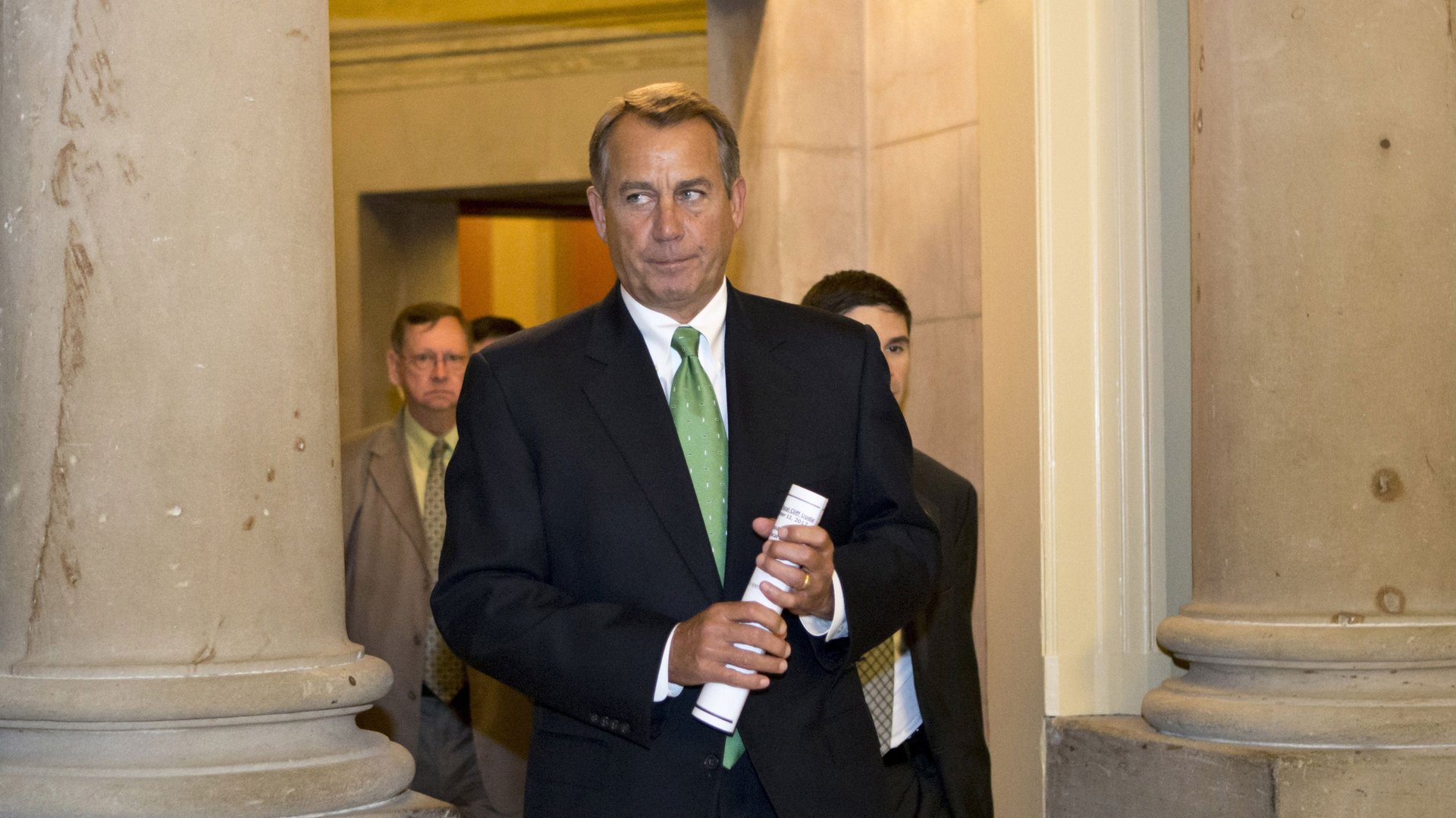
US House Speaker John Boehner and President Barack Obama are edging closer to an agreement that would avoid the automatic austerity measures known as the “fiscal cliff” that are due to take effect in the new year. However, with just 13 days left in 2013, friction on exact numbers remains—as does disgruntlement from House Republicans, with whom Boehner will meet today. Here are the key elements of Obama’s latest proposal: