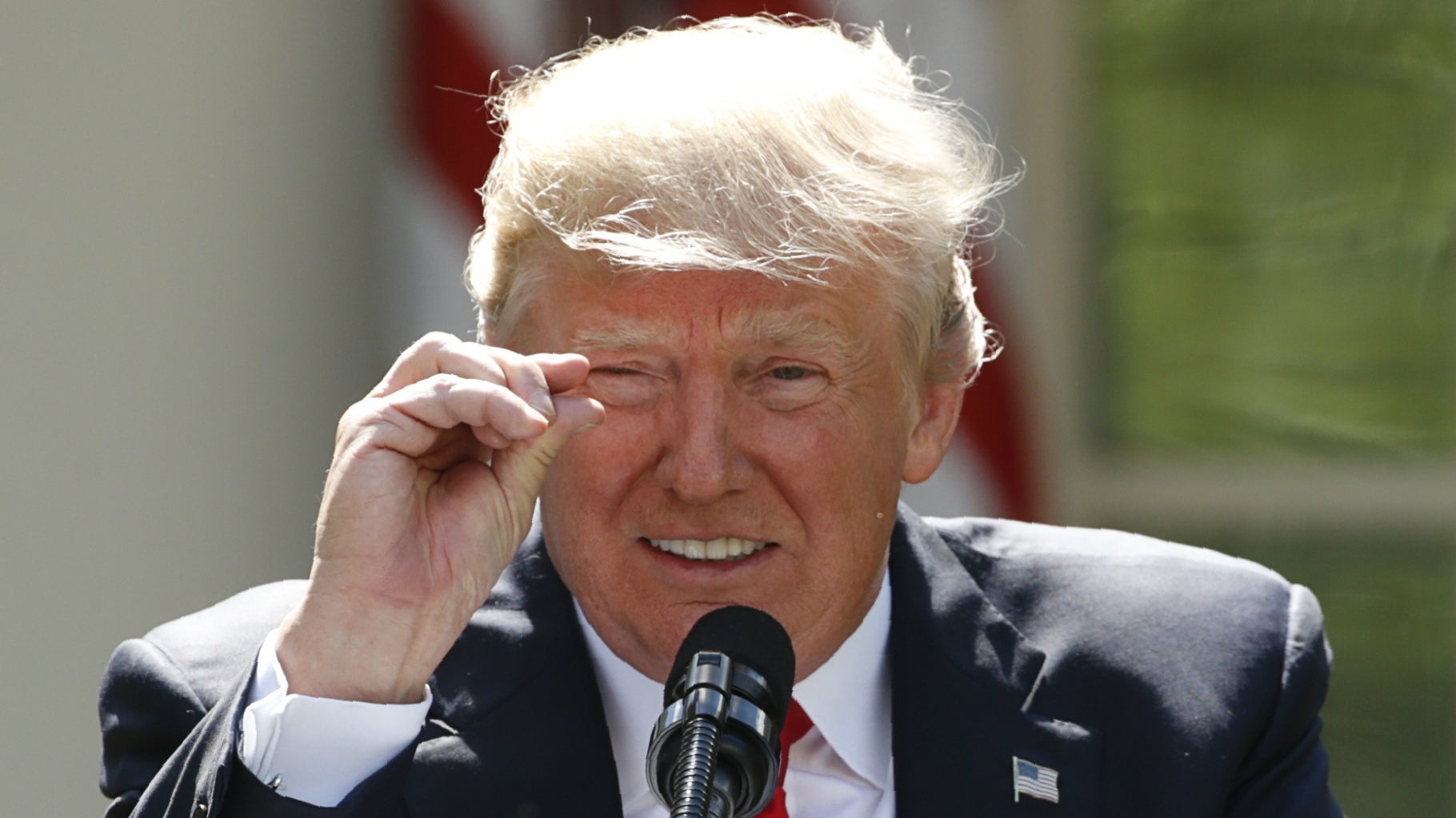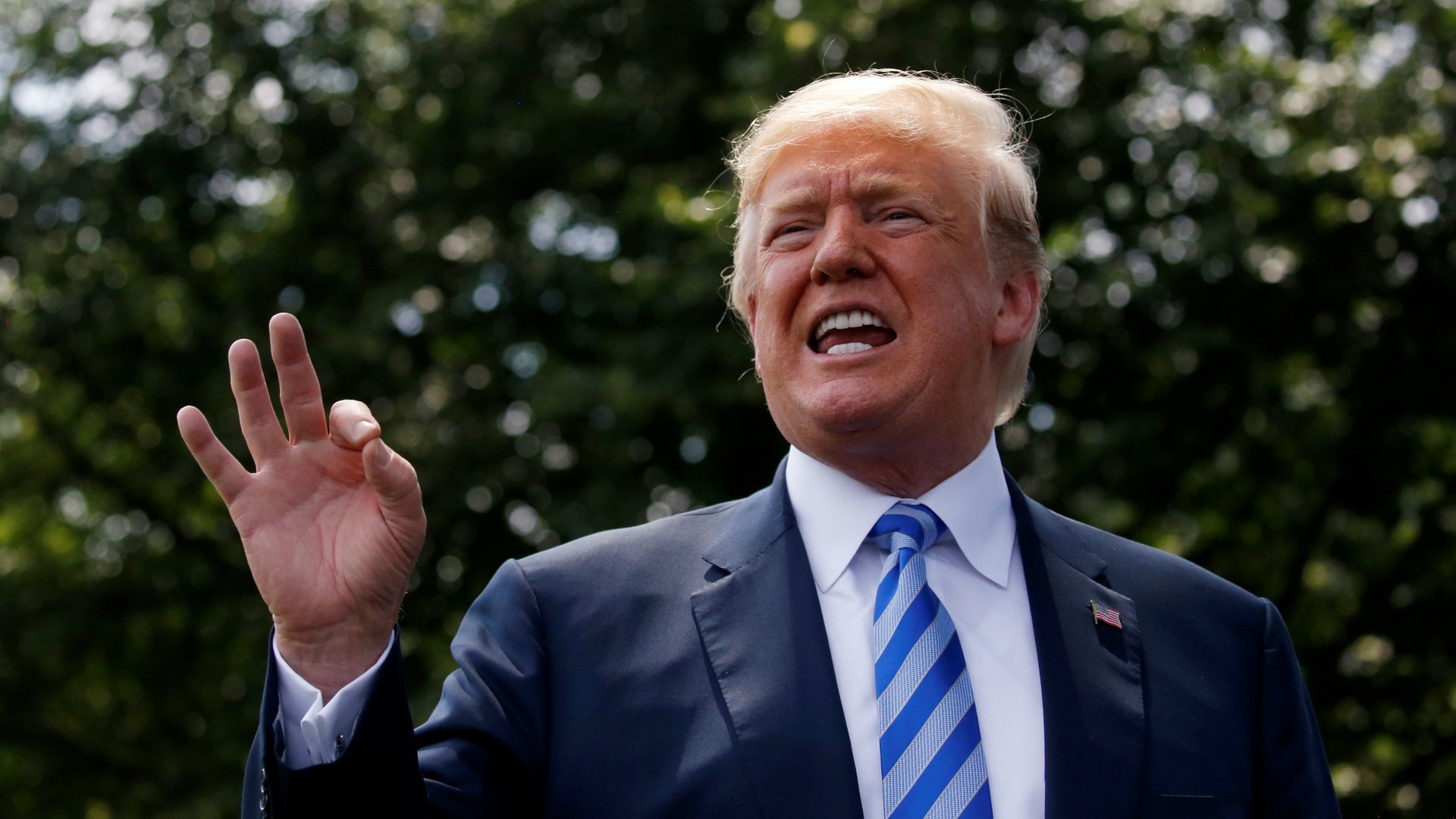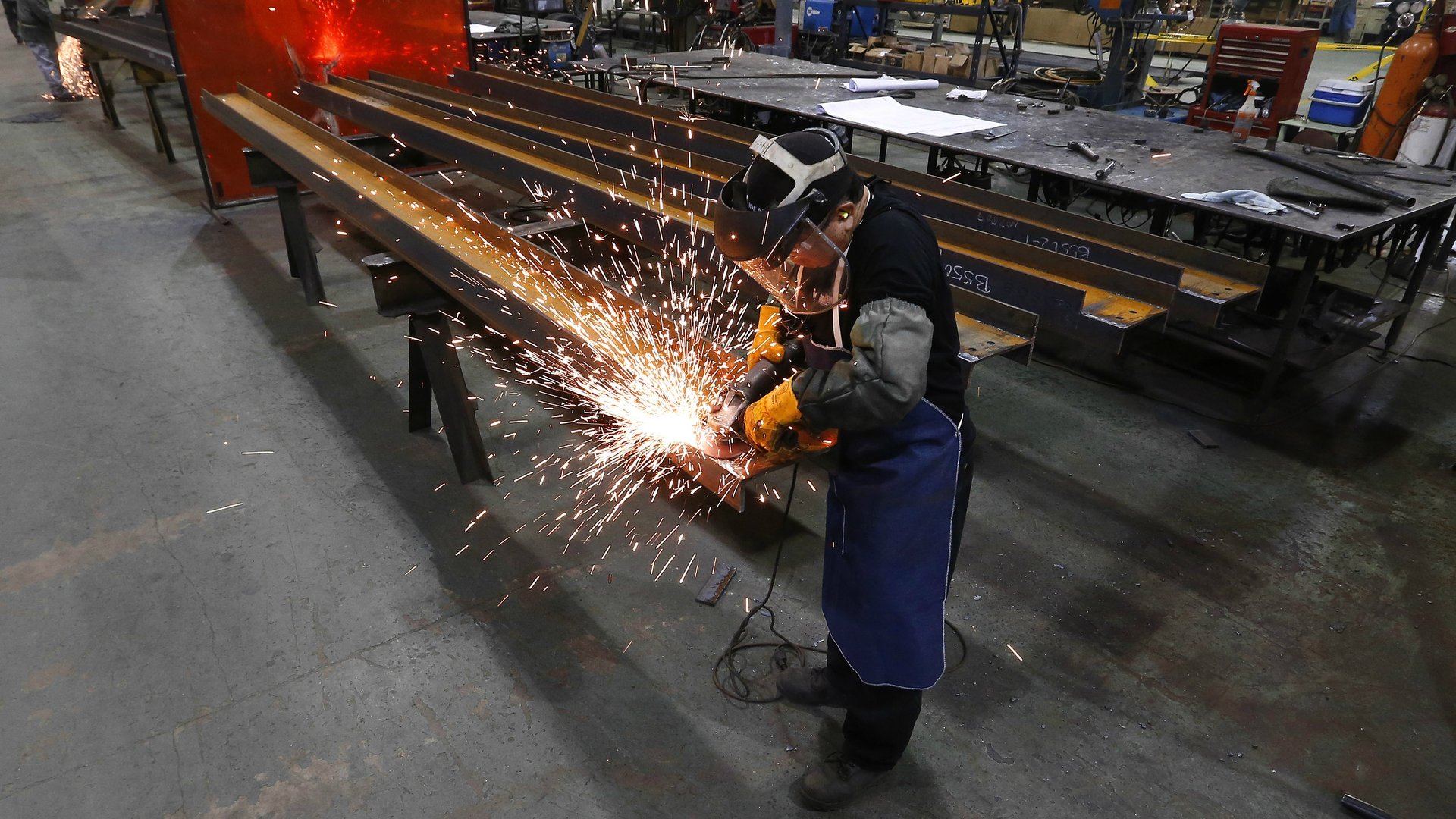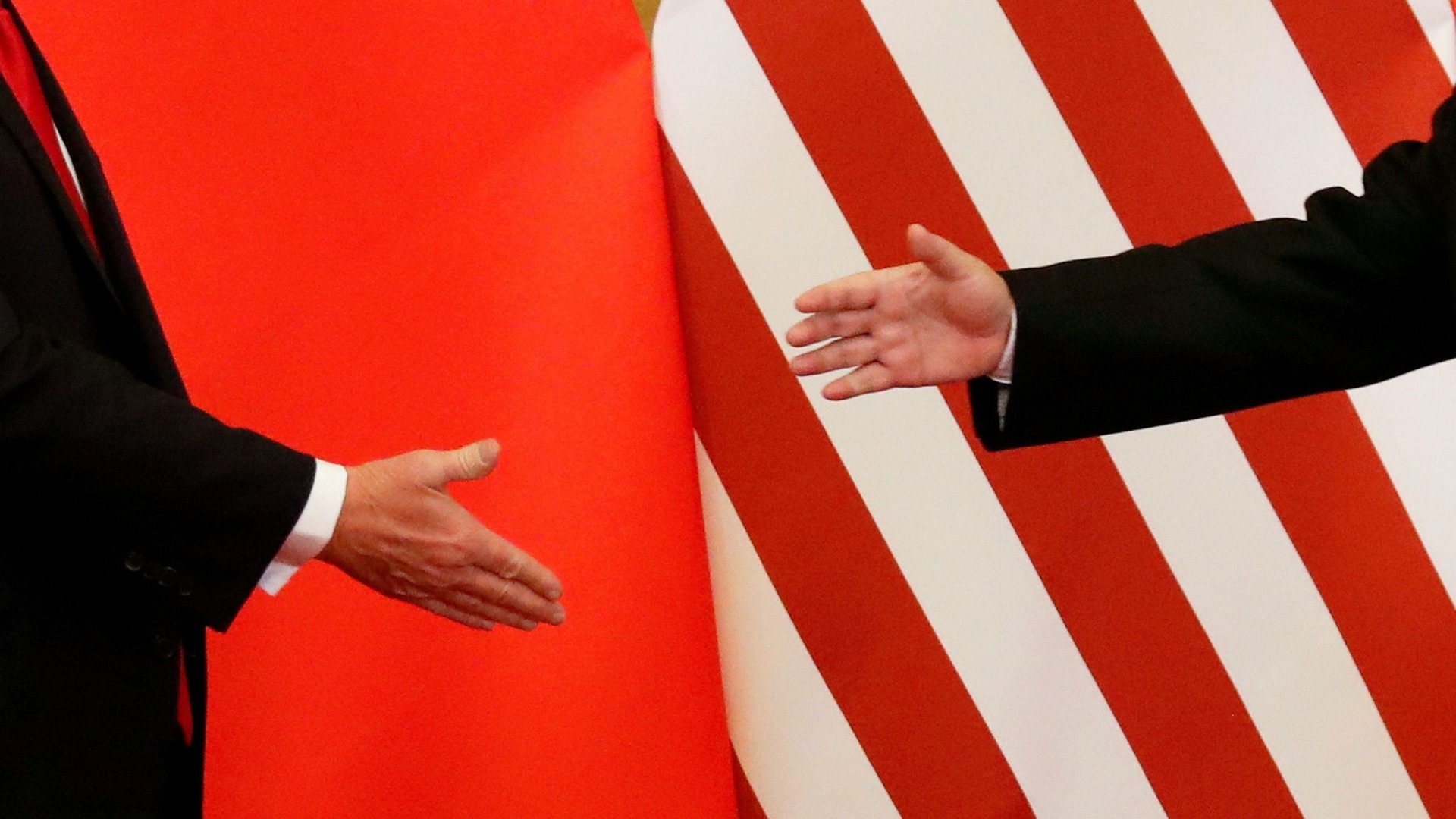
Donald Trump fired another salvo in his trade war against China on Friday (June 15), announcing 25% tariffs on an estimated $50 billion worth of Chinese goods.

Donald Trump fired another salvo in his trade war against China on Friday (June 15), announcing 25% tariffs on an estimated $50 billion worth of Chinese goods.

On June 1, US president Donald Trump tweeted a barely veiled spoiler about soon-to-be-released employment data—violating presidential norms (and very possibly the law) in the process.

When Donald Trump ran as the Republican candidate for US president in 2016, many questioned whether a man of his policies and past allegiances belonged in the party at all.

Denmark just inched closer to becoming the first nation to ban circumcision. On Jun 1., a controversial citizens’ petition to outlaw circumcising anyone under the age of 18 reached its 50,000th signature, a threshold that requires the Parliament to debate and vote on the measure.

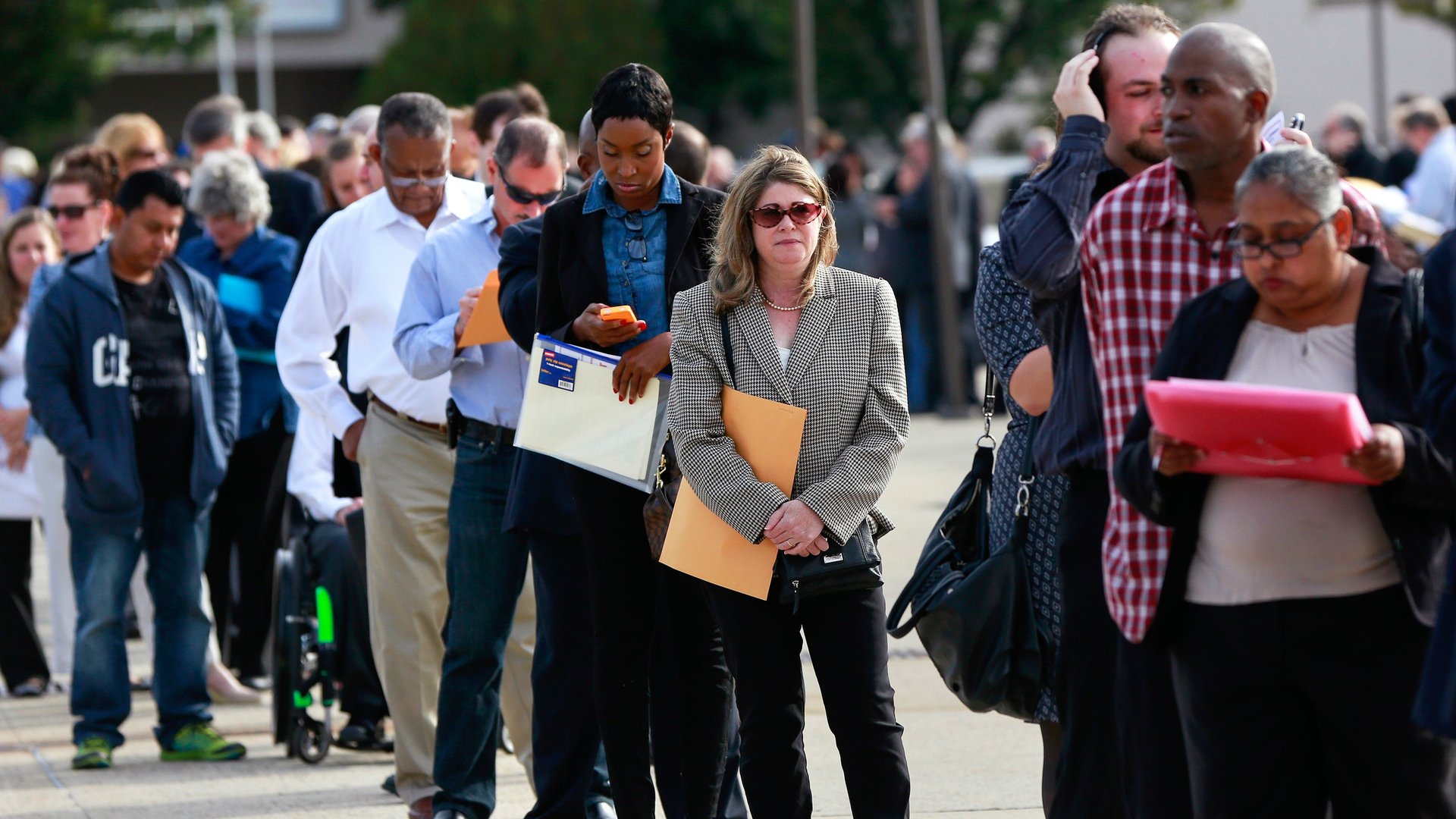
The US unemployment rate dipped to 3.9% in April, after hovering at 4.1% for the last six months. That’s the lowest it’s been in 18 years. This would seem to be a sign of improving prospects for US workers—if not for a couple of wrinkles.

Looking back, there were two kinds of people who lived in America in 2016: people who believed Donald Trump, and people who believed data.

Shrinking America’s yawning trade deficit is much harder than simply blocking imports and boosting exports—and will likely involve tough tradeoffs, according to Guggenheim Partners’ Scott Minerd.

Synchronize your watches, everybody—the Koreans are meeting.

When we try to figure out how people in a given country are faring, the go-to statistics are wealth and income. There’s a purer gauge than money, though: Life expectancy.

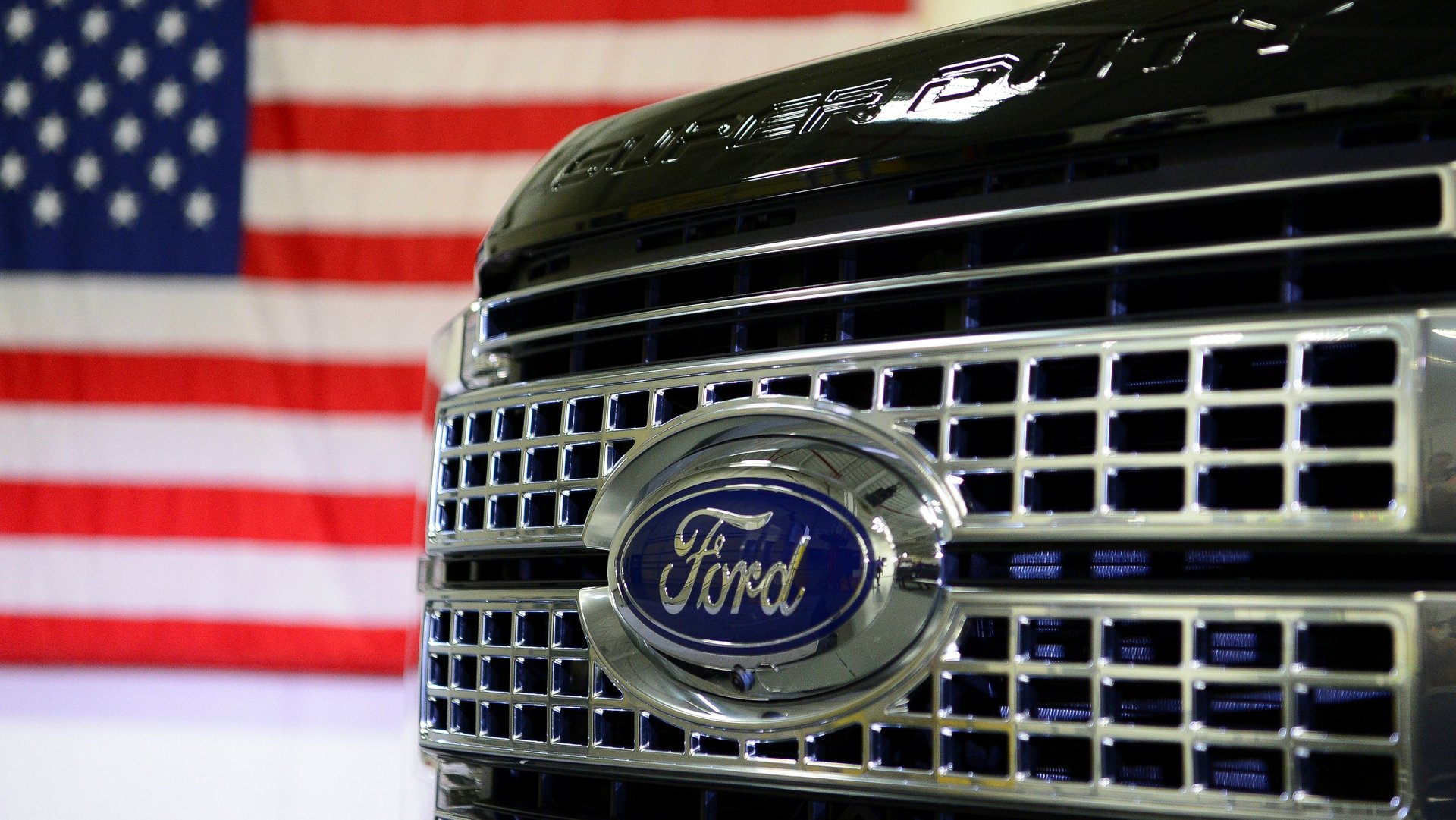
In 1963, the US launched what remains among the biggest trade barriers on its books: a 25% tariff on foreign trucks, in retaliation against European duties on American chickens.

Well, here’s a fun new example of American exceptionalism.

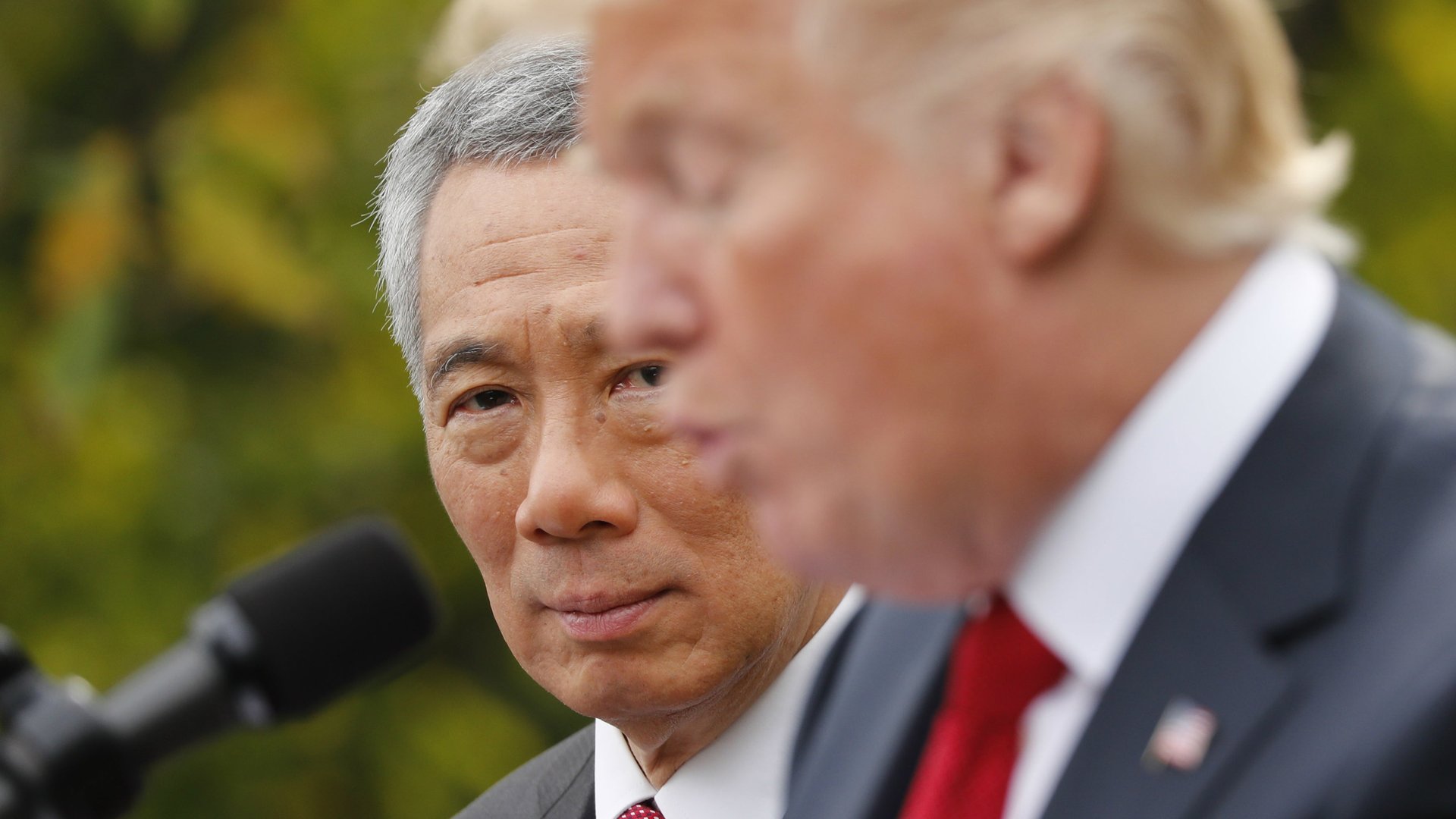
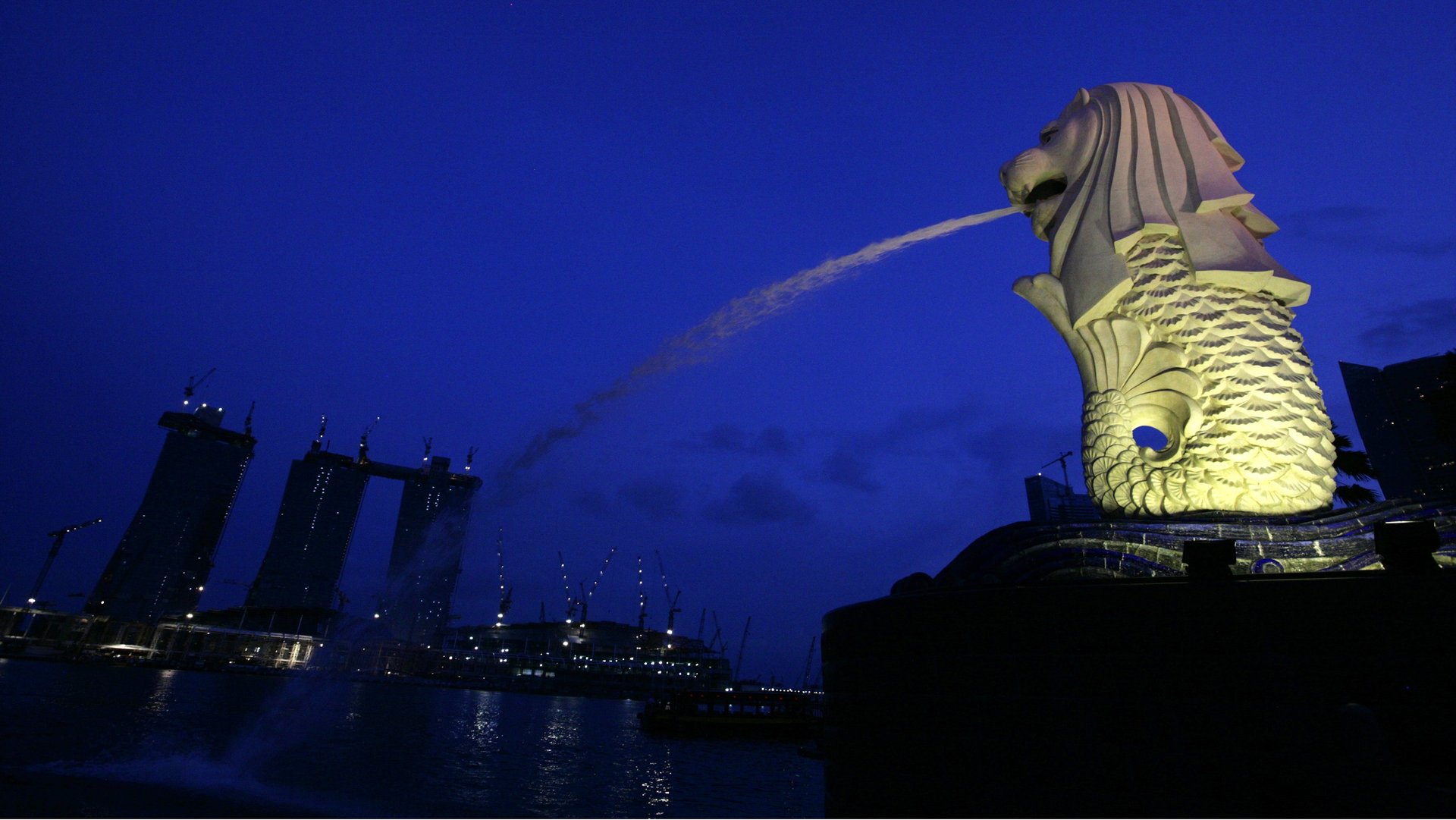
The prime minister of Singapore is really not cool with Donald Trump’s tariffs. In a Washington Post op-ed this week, Lee Hsien Loong condemned Trump’s trade barriers as “not the correct solution.” His key point:

Economists are afraid of twins.

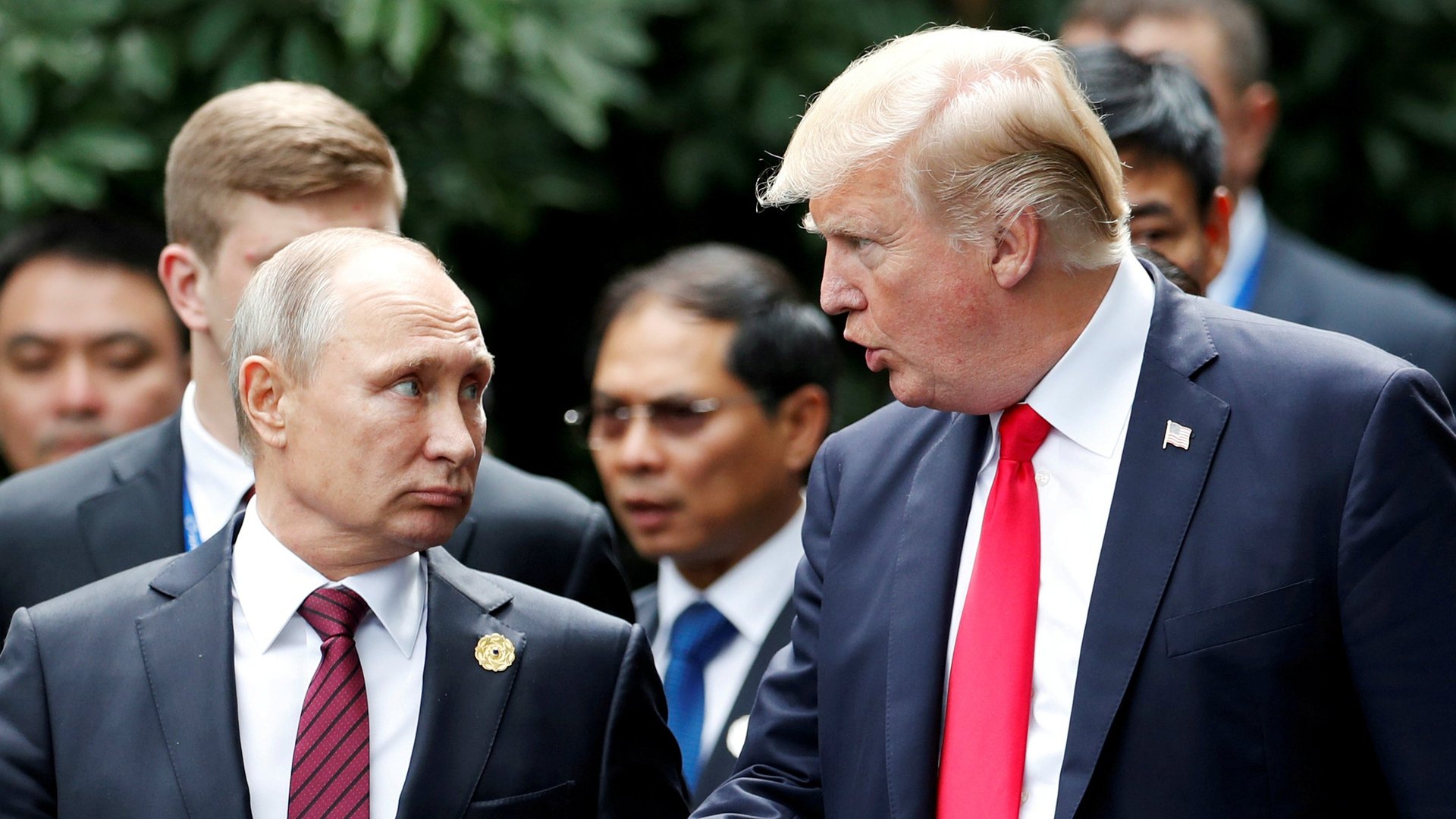
Donald Trump and Vladimir Putin have a lot in common—elephantine egos, jowls, a post-fact approach to the world. They also happen to run two of the world’s most unequal countries, as major economies go.

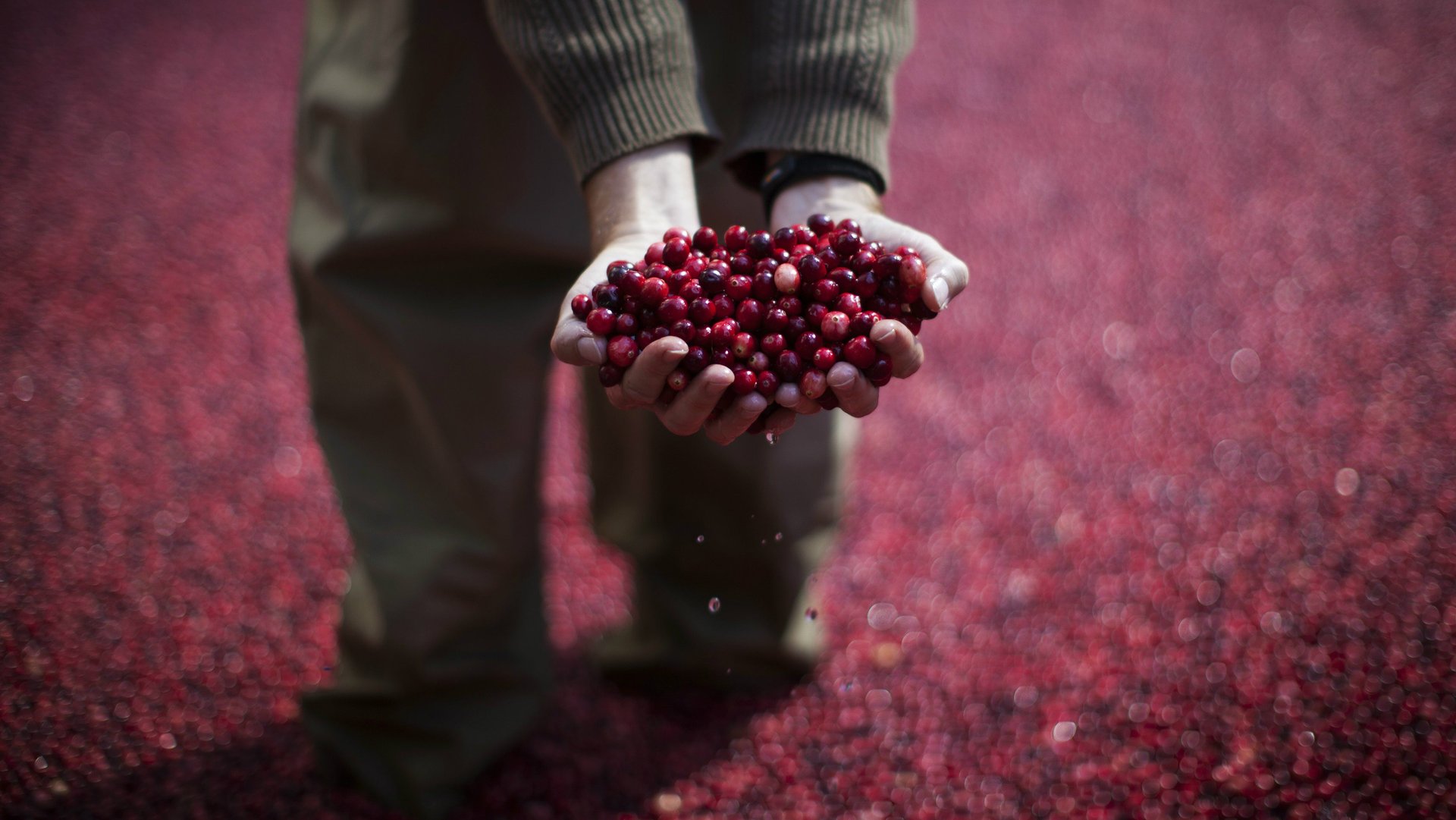
The secret of the cranberry’s success has always been stealth. After two centuries of cranberry-free Thanksgivings, the fruit quietly became a holiday staple thanks to US general Ulysses S. Grant’s 1864 holiday feast. It slipped into lunch sacks across America by pioneering juice boxes, and craftily came to dominate the juice aisles by commingling with apple juice. In the 1990s, a little shape-shifting allowed dried cranberries to infiltrate baked goods and trail mixes. In recent years, it crept its cranberry creep over to China, nestling into the palms of health-conscious young people across the Middle Kingdom.

The key to Donald Trump’s 2016 presidential campaign to “make America great again” lay in a simple strategy: Pillory the culprits making America un-great. Toward the top of Trump’s baddie list were currency manipulators. In particular, the “world champion” of currency manipulation,” as Trump called it, “cheating China.”

With the release of dueling tariff lists in the last 24 hours, China and the US are getting dangerously close to a bona fide trade war. On China’s potential hit list are US-made aircrafts, soybeans, and automobiles, which made up a combined 30% of the $130.4 billion in US exports to China in 2017.

China isn’t wasting any time striking back at US trade barriers.

More than a year into his presidency, Donald Trump has finally closed a trade deal. The White House has announced an agreement with South Korea—an update to a 2012 free trade pact that Trump once called a “job killer.” Administration officials say the deal creates a “level playing field” for US carmakers to compete in Korea, by raising the limit on US auto exports exempted from the country’s higher safety standards.

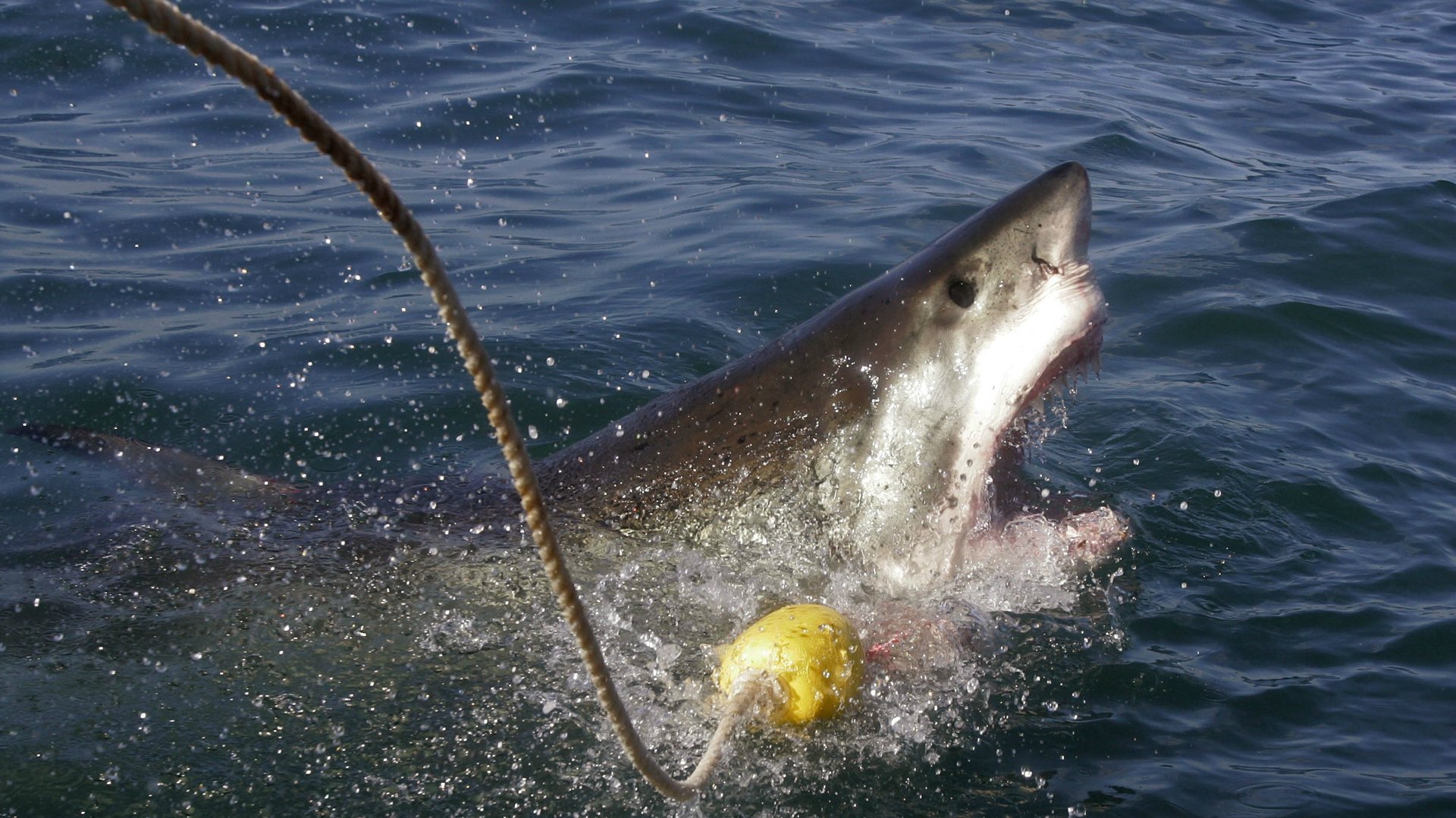
Donald Trump loves to hate-watch TV. And apparently, this habit extends beyond CNN and Morning Joe to another object of his loathing: sharks.

Donald Trump just announced plans to slap nearly $50 billion worth of tariffs on Chinese goods—punishment against China for its unfair trade policies. With China prepared to retaliate, observers say that the move puts the US once step closer to igniting a global trade war.

Surely you’ve noticed it: Over the last few decades, throughout the developed world, stuff has gotten cheaper. Cars are less pricey, as are shoes—and shrimp, for that matter. TVs, sodapop, toys, and toothpaste too. This is to be expected in an era defined by the North American Free Trade Agreement (NAFTA) and the World Trade Organization. The point of free trade agreements is to make goods as cheap as possible.

Usually, a reporter’s job goes something like this: New information emerges. We describe it, evaluating the accuracy and significance of that information. Story by story, truth accumulates.

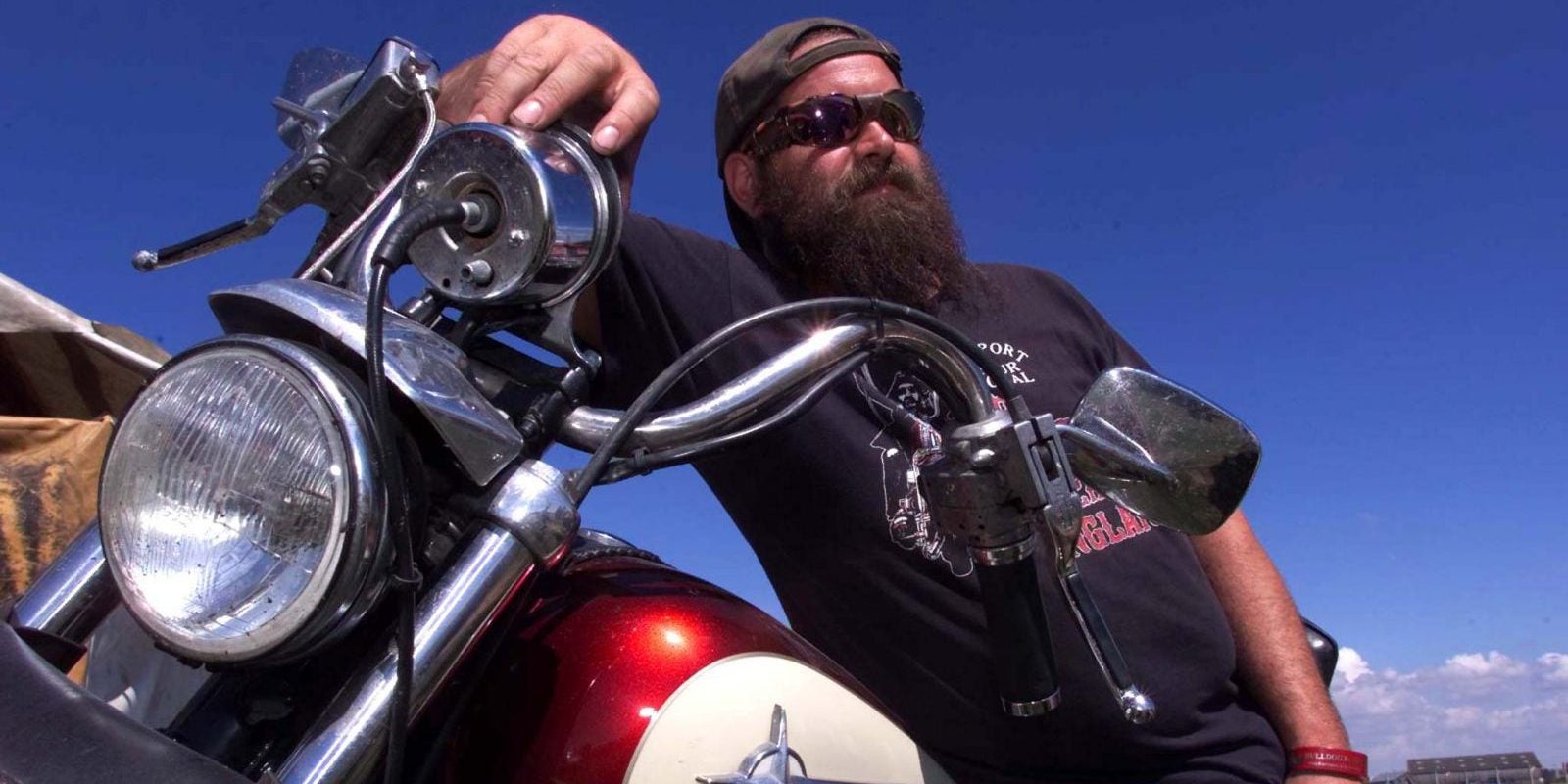
The Harley-Davidson motorcycle is quintessentially American. It embodies rugged individualism, an outlaw spirit, and noise-polluting machismo. To hear a hog’s signature snarl before catching its blinding chrome in the rearview mirror is to be reminded of America’s odd fondness for causeless rebels and brutish anti-heroes.