
Money & Markets
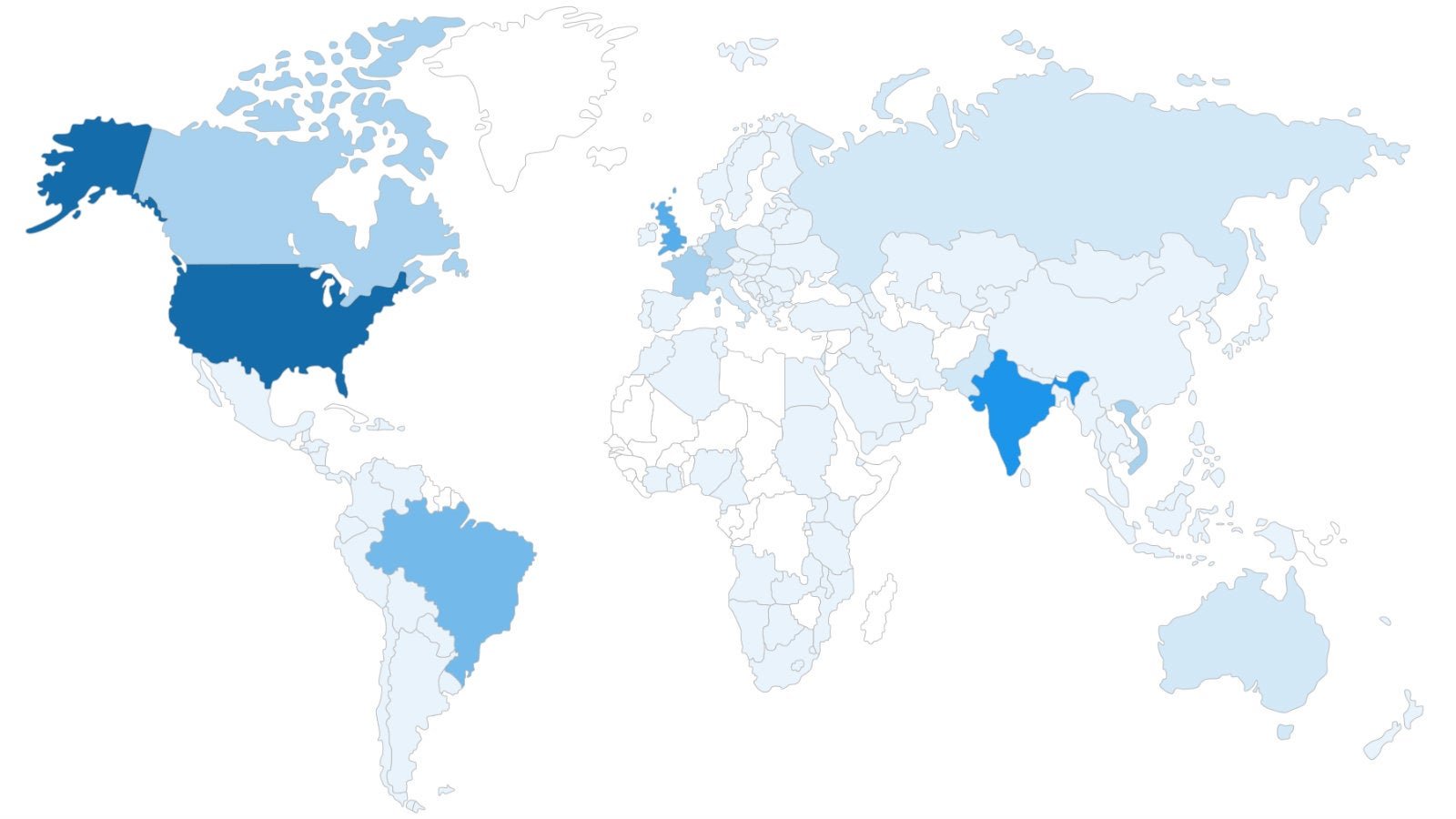
Does Facebook think Kashmir is a part of China?Facebook seems a little confused about the territorial borders of India.
Updated July 21, 20221 min read
Facebook seems a little confused about the territorial borders of India.
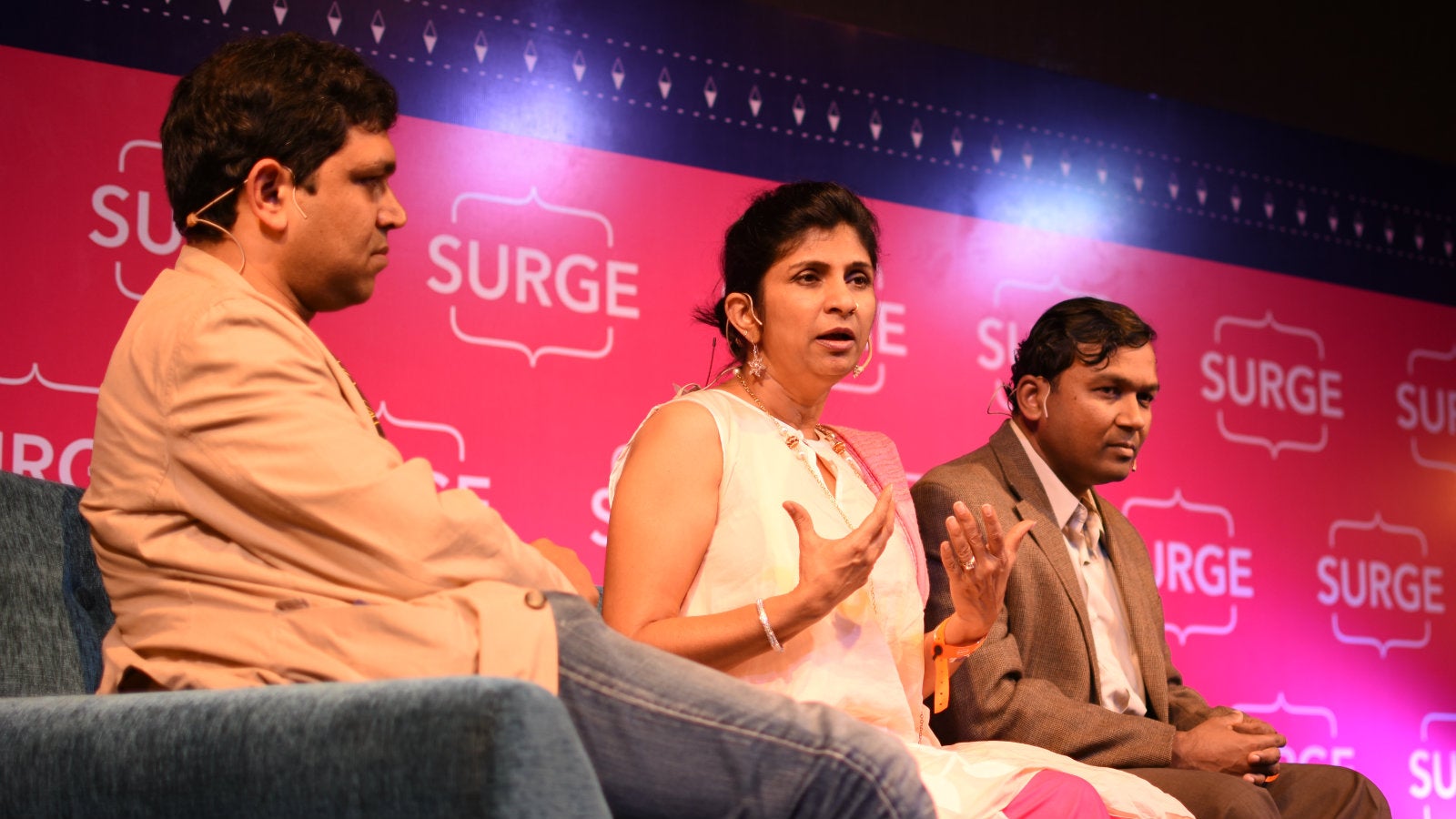
After an unprecedented funding boom in the Indian startup ecosystem for a couple of years, the enthusiasm has somewhat worn off. Lately, the general perception has been that venture capital (VC) funding is shrinking.
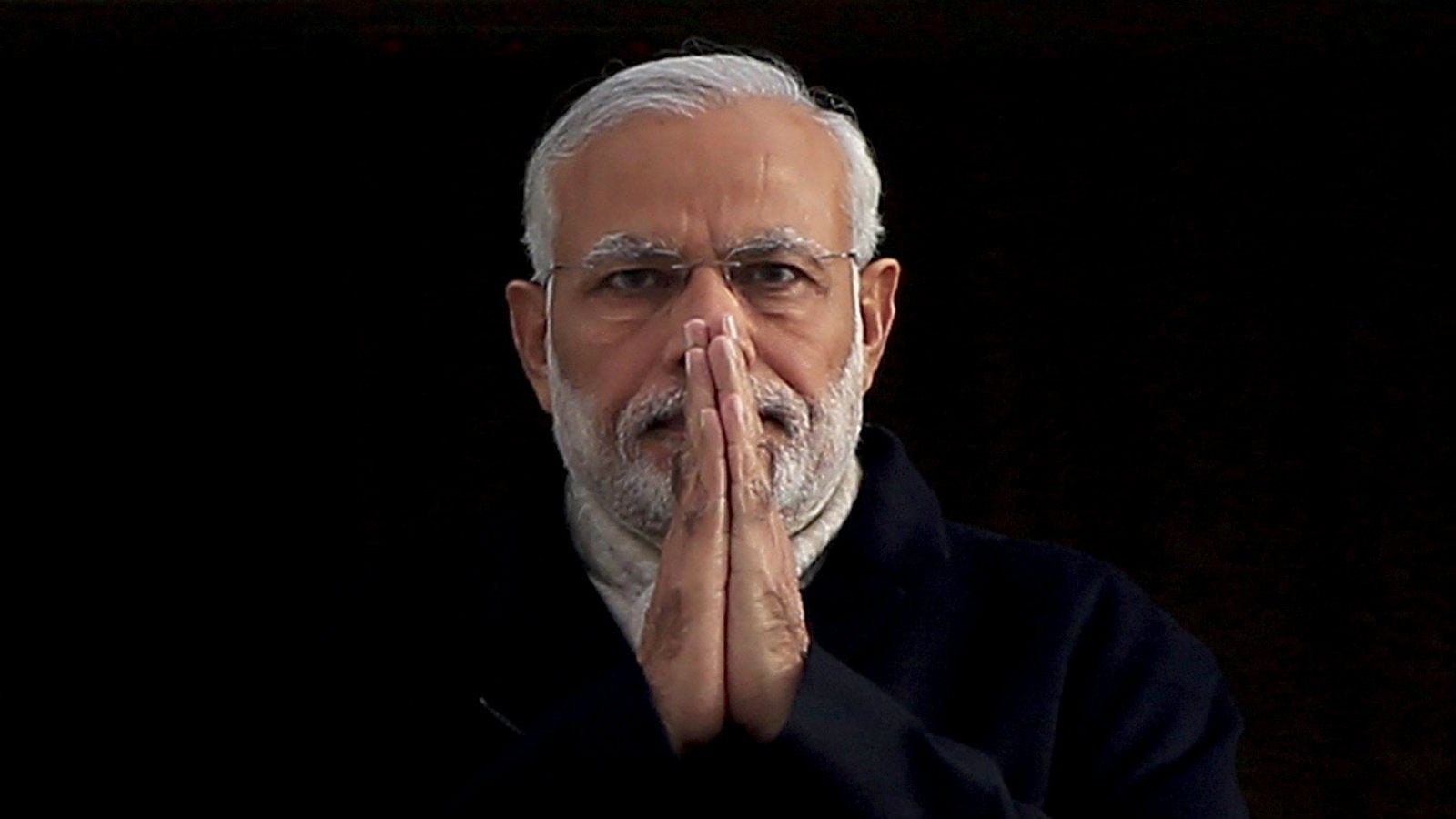
The curiosity surrounding Indian prime minister Narendra Modi on Quora, a question-and-answer community site, is palpable.

In the last decade, Tiger Global has made significant investments in consumer internet and e-commerce companies in the world’s fastest-growing startup ecosystem. But, over the last couple of years, the New York-based investment giant has also begun investing in slightly unconventional startups in India.
Talk about pocket dynamites.
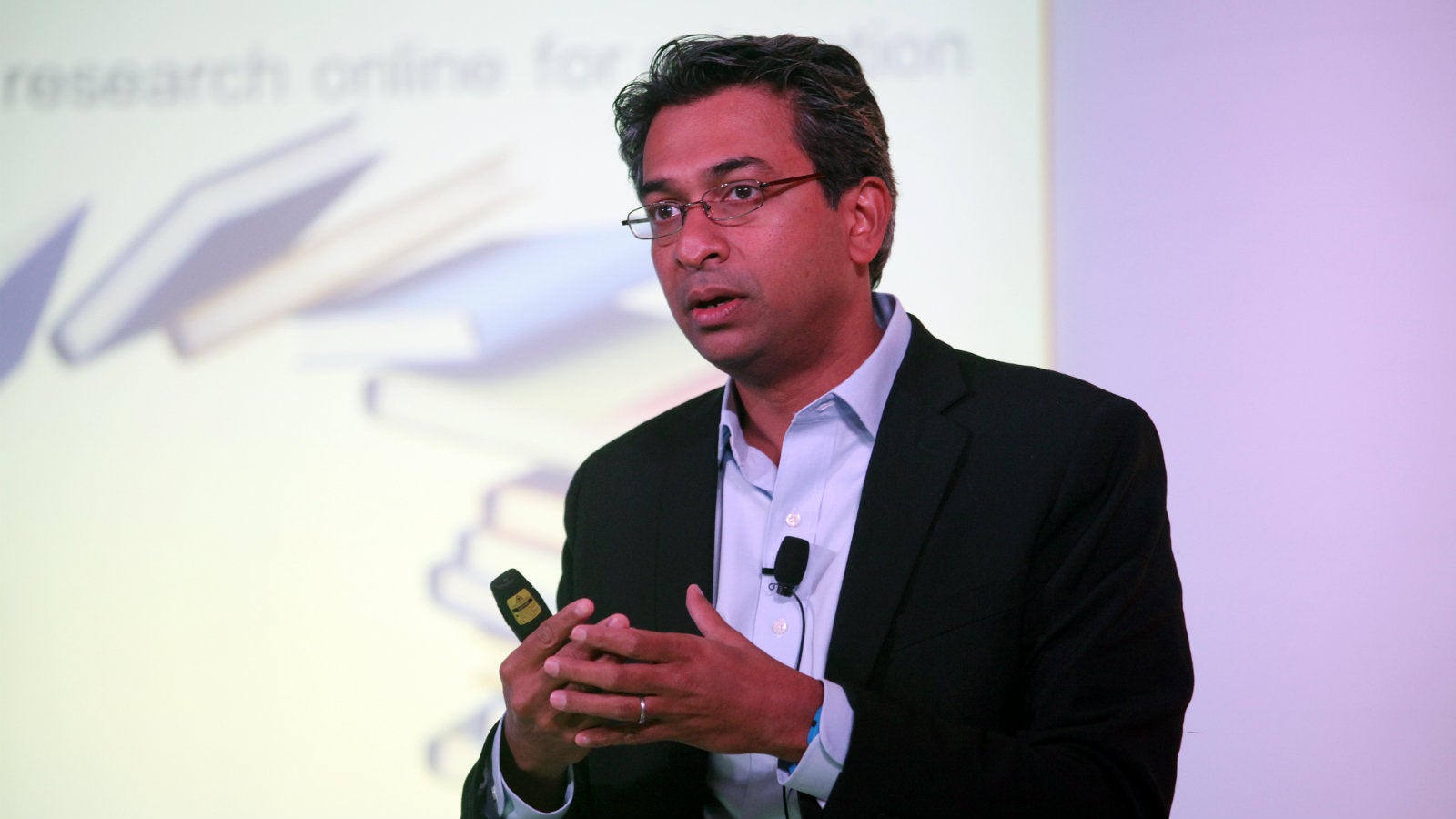
India’s booming startup culture has not only attracted marquee global venture capital firms but also hundreds of angel investors, including Bollywood actors and cricket players.
Bengaluru, India/Dar es Salaam, Tanzania
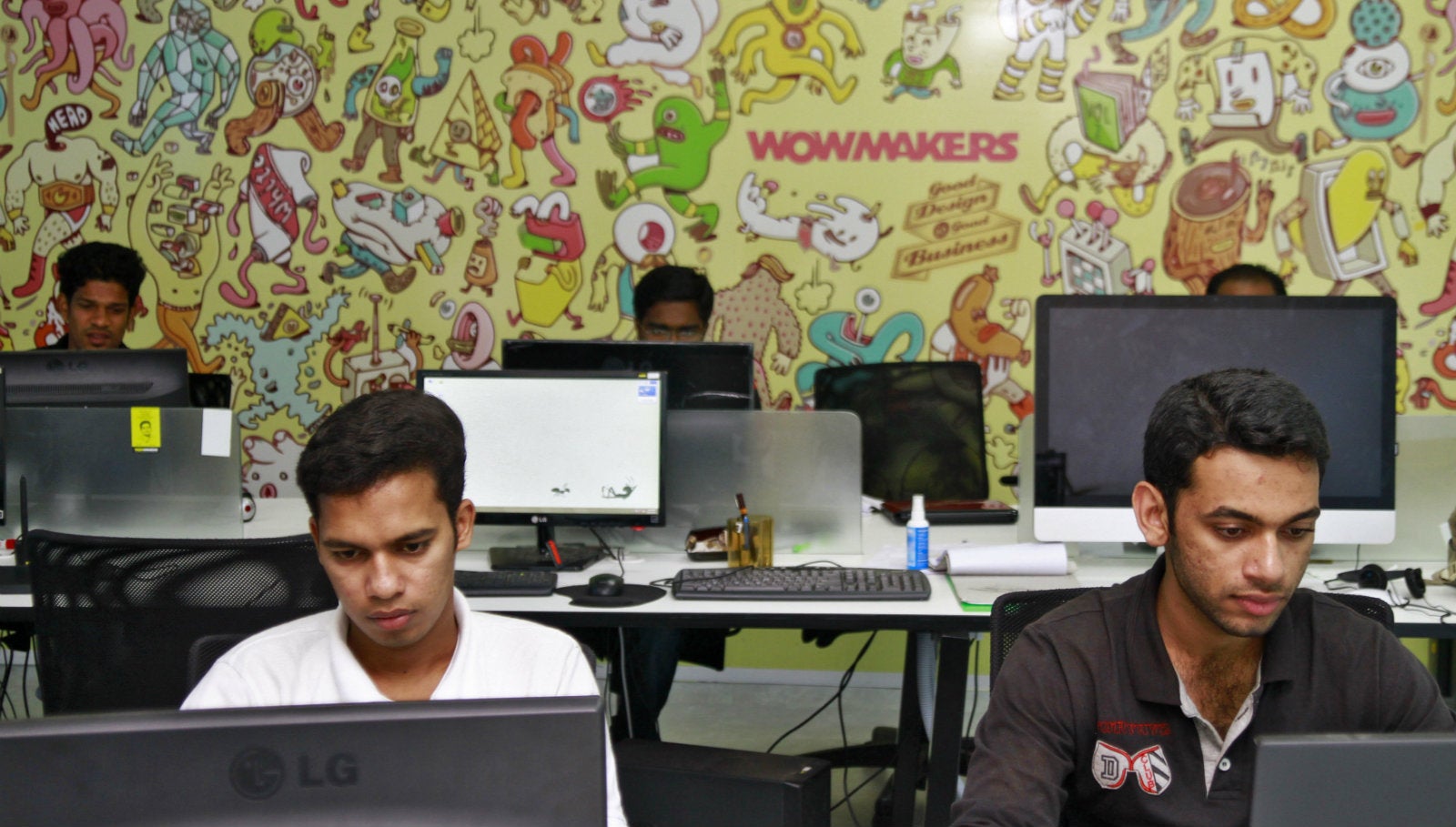
After years of thriving on private investments, the Indian startup ecosystem—one of the fastest growing in the world—has finally caught the attention of commercial banks.
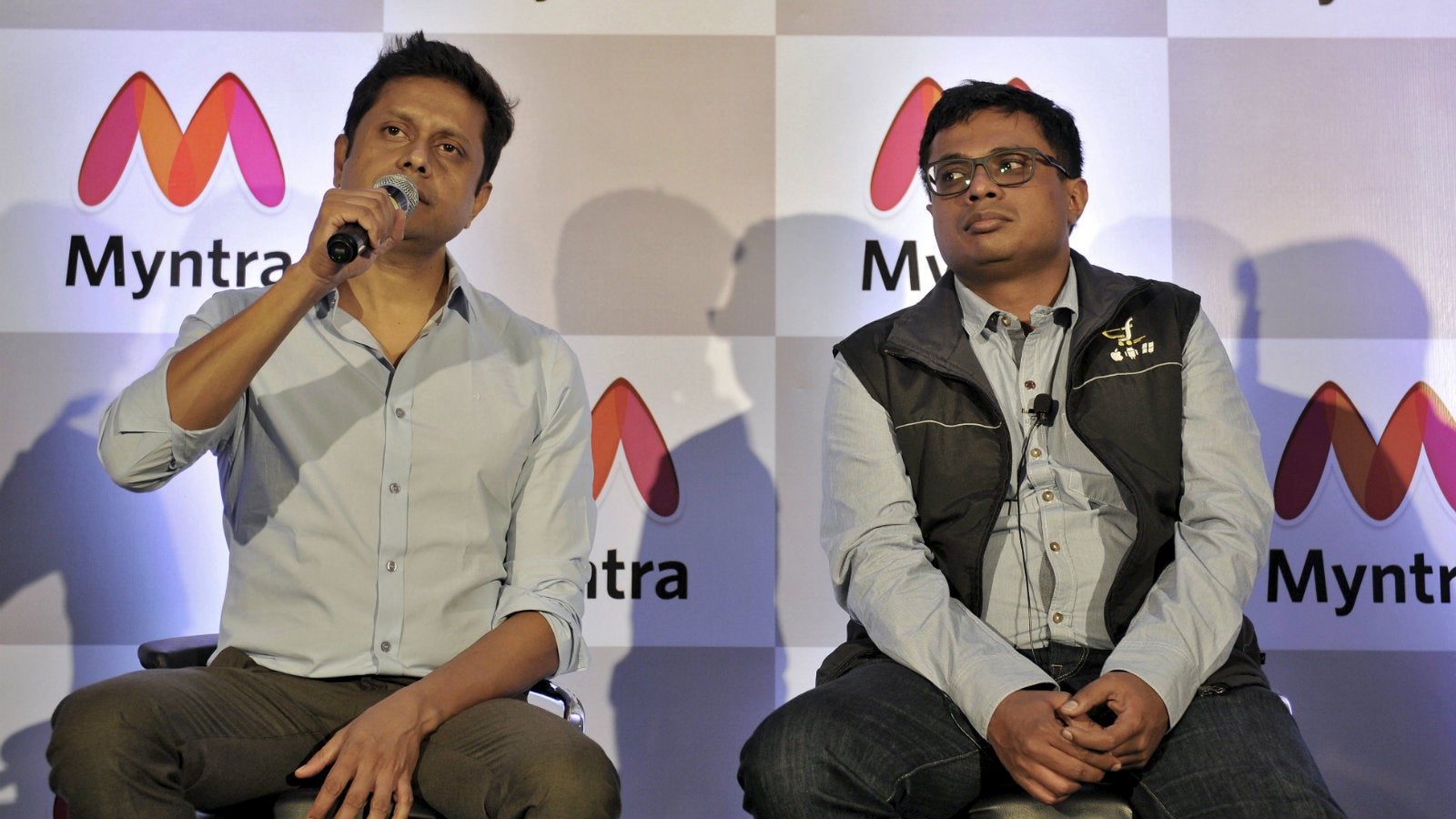
A month after India’s e-commerce poster boy announced a new CEO, two of the company’s top executives—Mukesh Bansal, head of commerce platform, and chief business officer Ankit Nagori—have put in their papers.
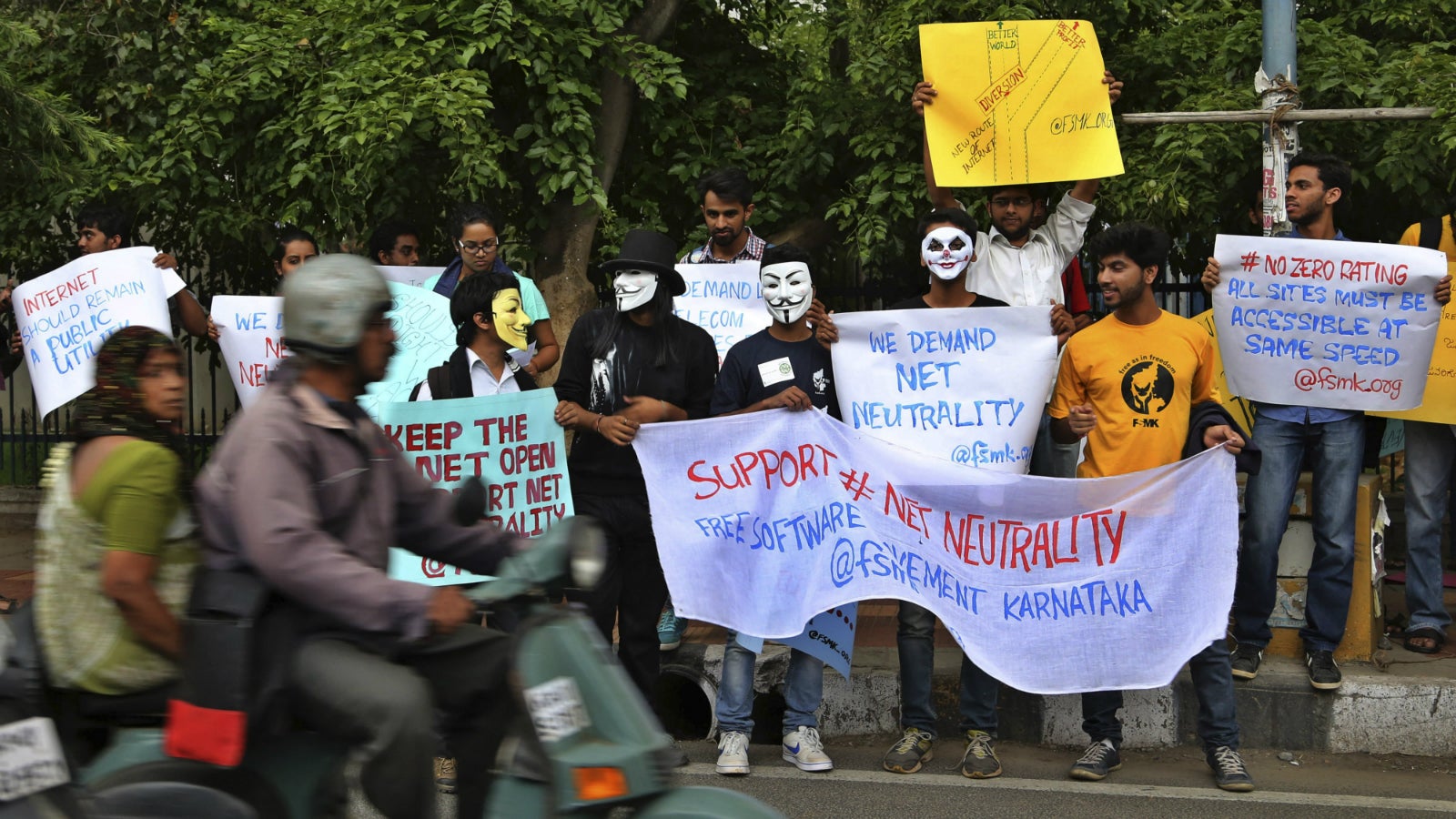
This post has been updated.
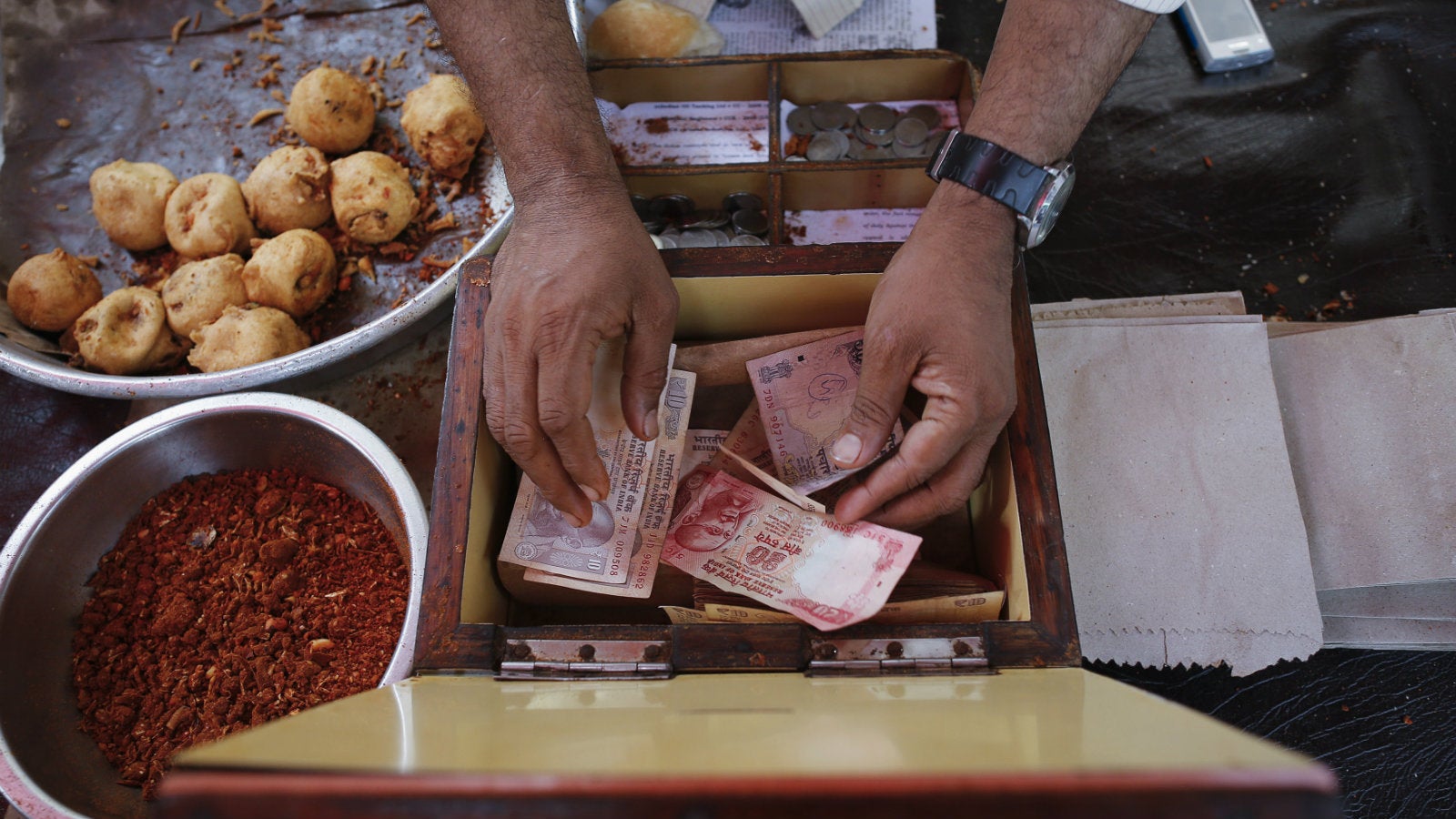
Zomato, India’s largest restaurant search portal, is now making profits—at least in some markets.
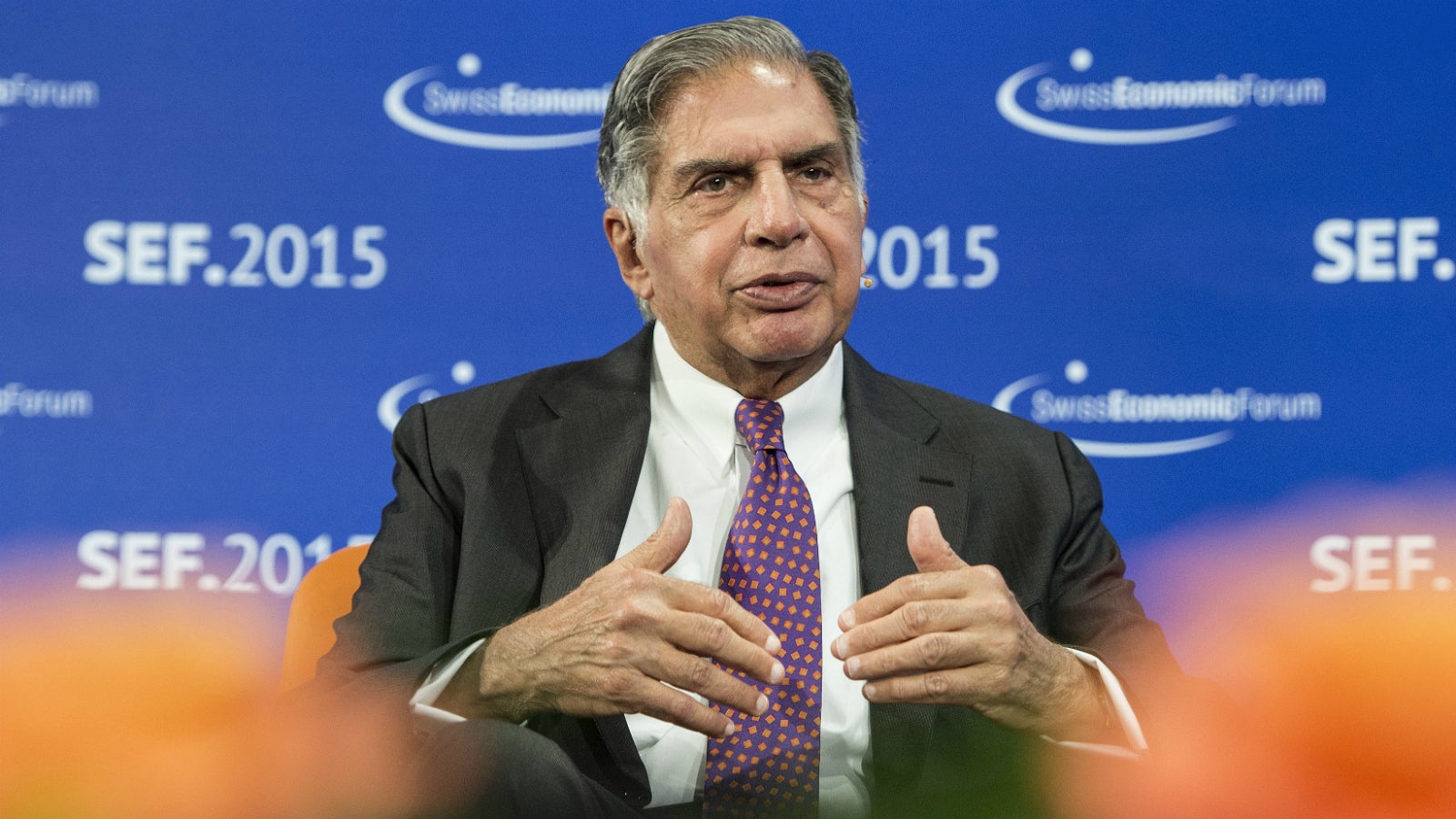
During his five-decade-long career, Ratan Tata has seen and run traditional businesses ranging from salt to steel, information technology to automobiles. At 78, he has also managed to reinvent himself from a storied industrialist to one of the most active participants in India’s young startup ecosystem—with over 25 investment (and counting).

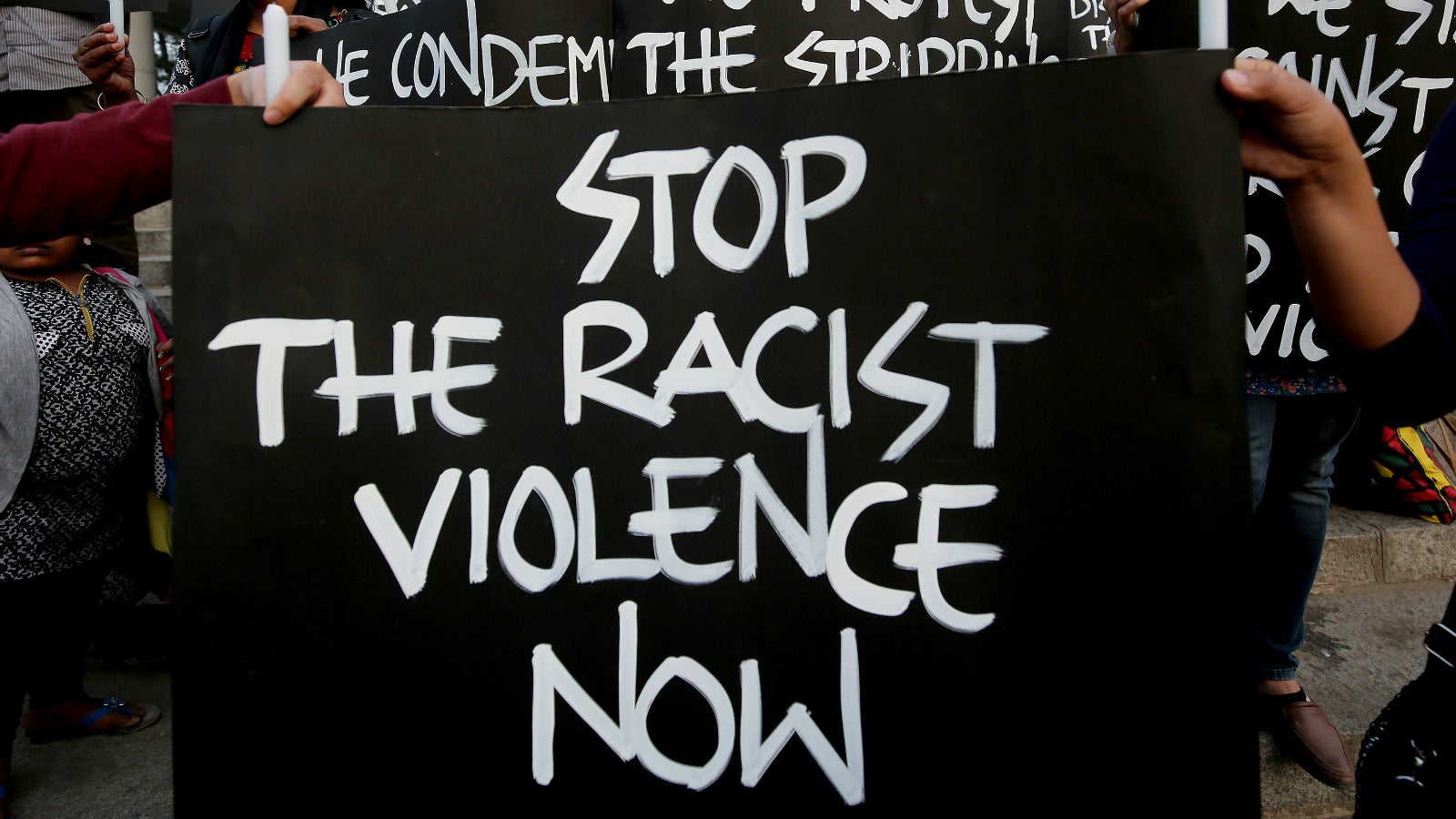
An African woman was reportedly brutally assaulted by an angry mob in India’s Silicon Valley, Bengaluru, last week.
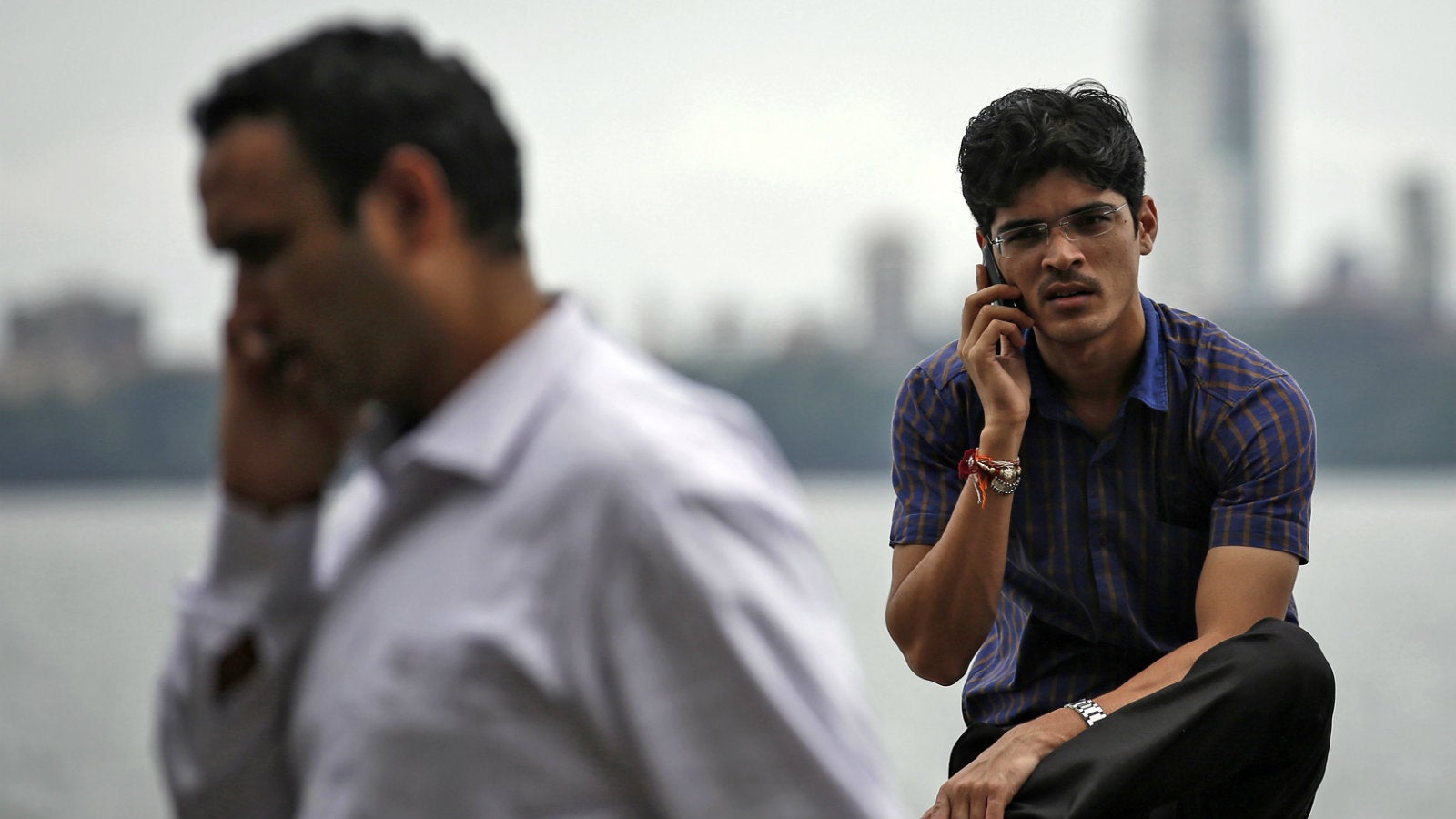
Smartphone-obsessed India has toppled the US to become the second-largest market for the device, after China.
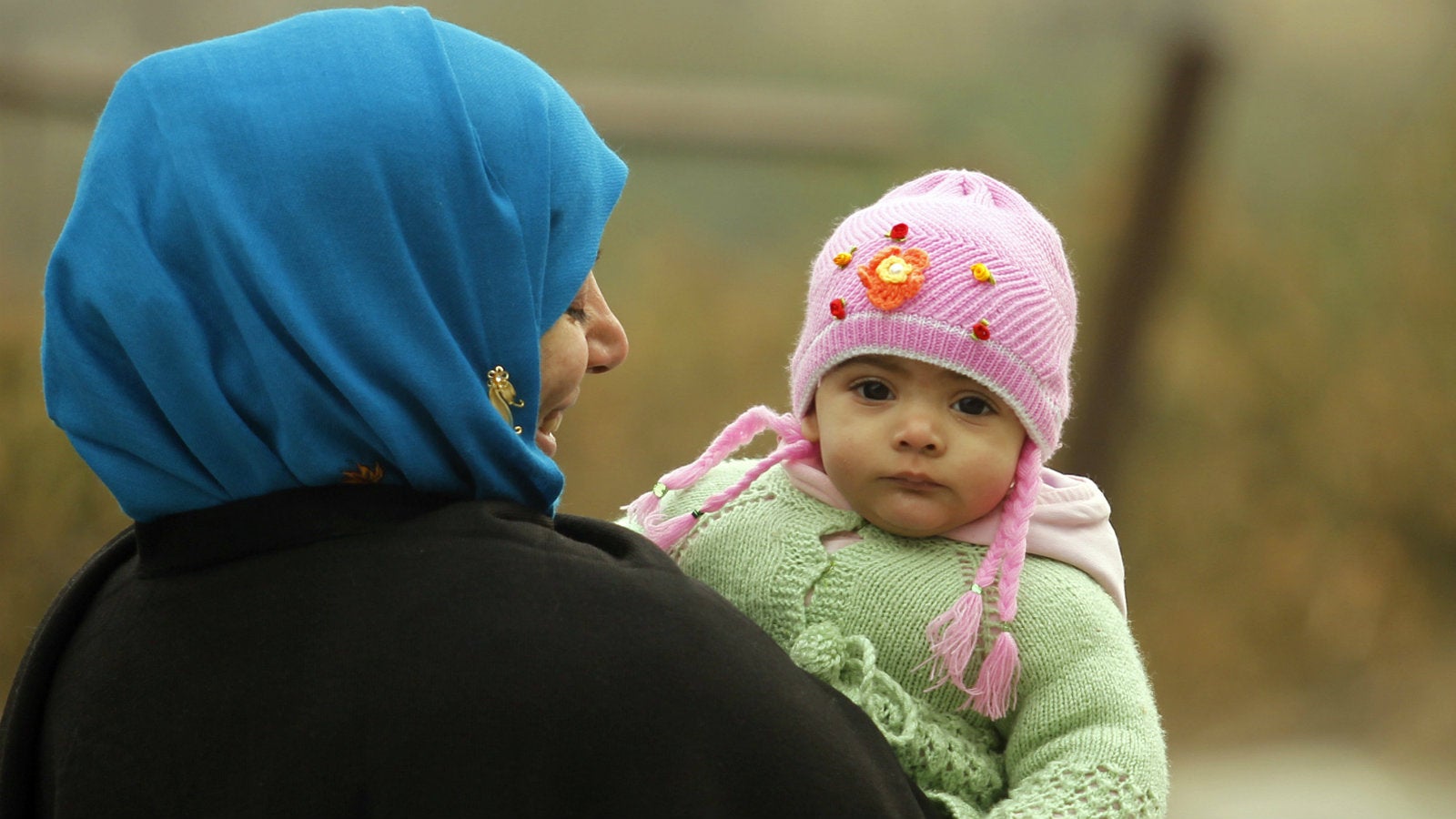
India’s minister for women and child development, Maneka Gandhi, has suggested a rather counter-intuitive idea to deal with the country’s skewed gender ratio.
This post has been corrected.
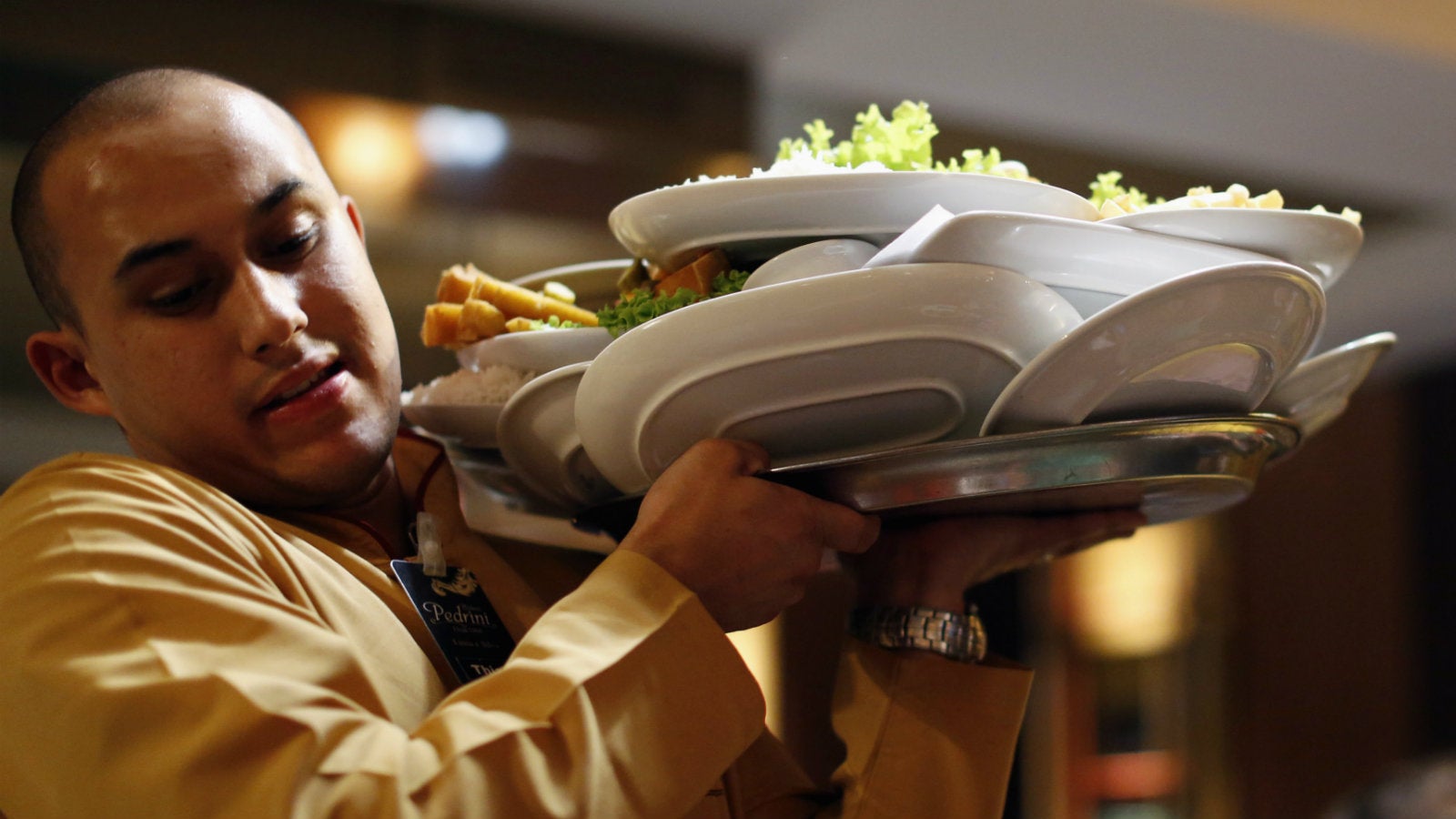
From layoffs and ramp downs, to even shutdowns, 2015 wasn’t an easy year for food technology startups in India. And 2016 doesn’t seem to have started off much better either.
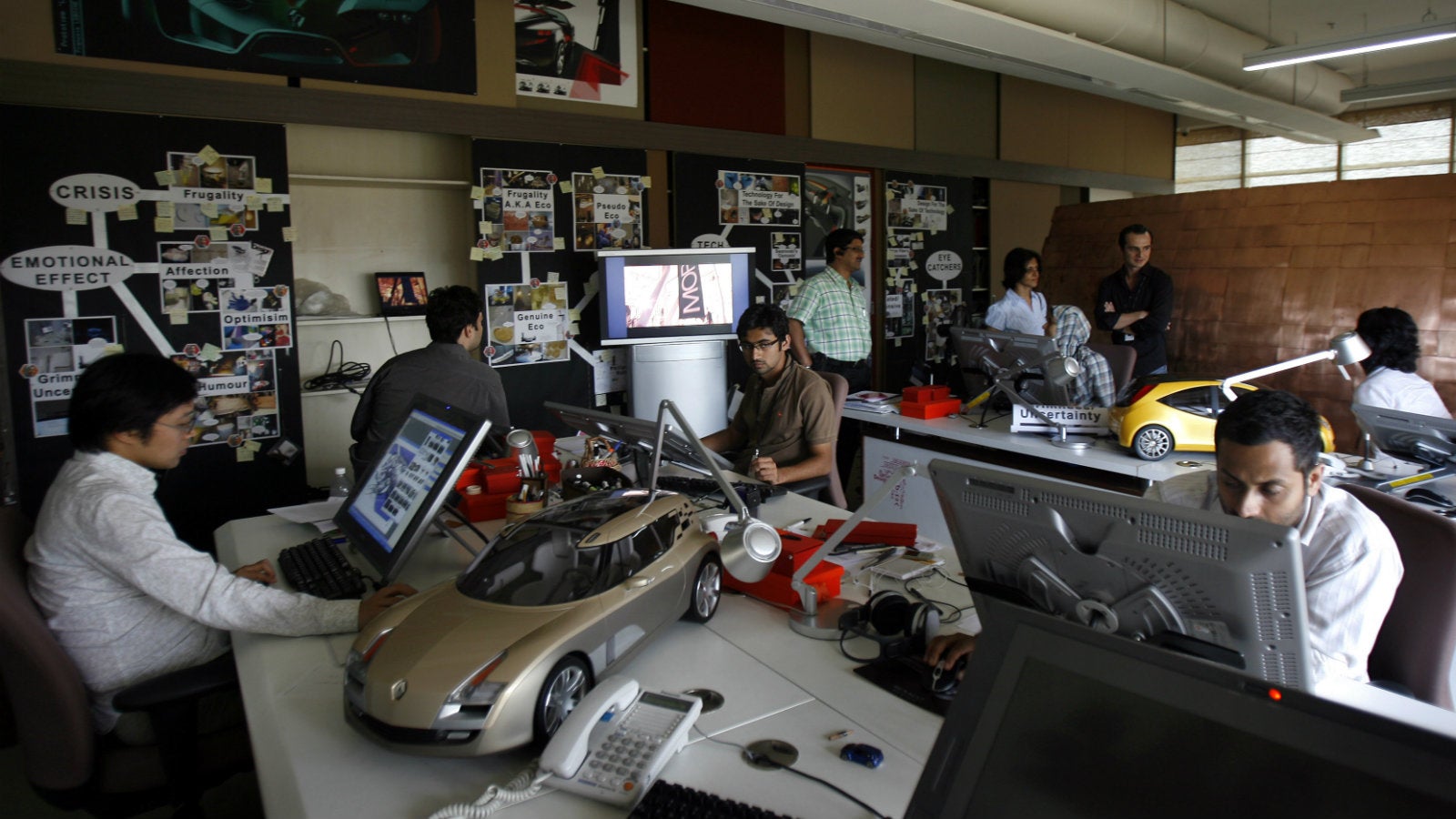
India has one of the most hostile environments in the world for driving innovation.
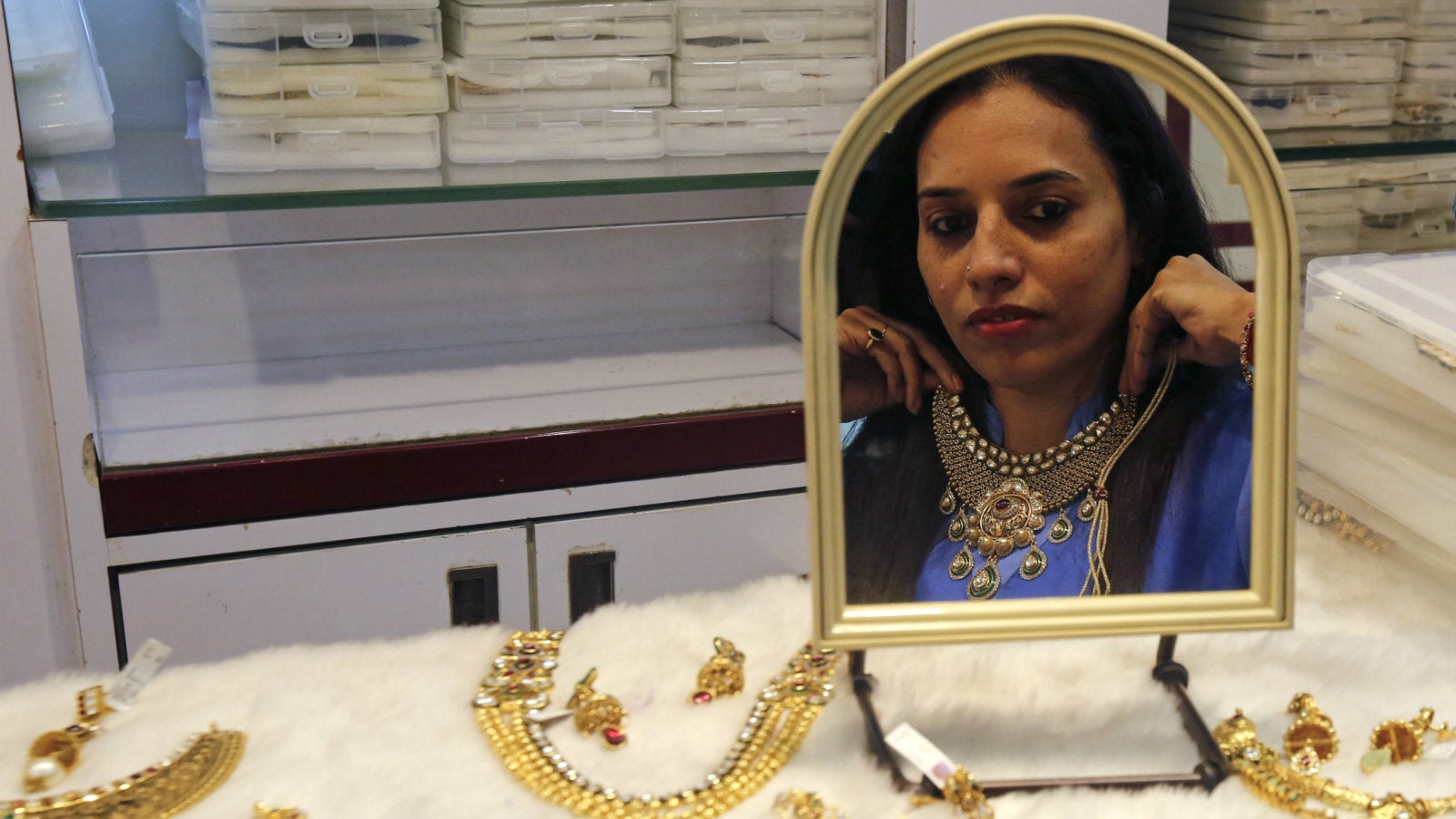
India is the world’s second largest consumer of gold. But ask any urban woman in the country and she will tell you that her jewellery rests in a locker because it is impractical to it wear on a regular day.
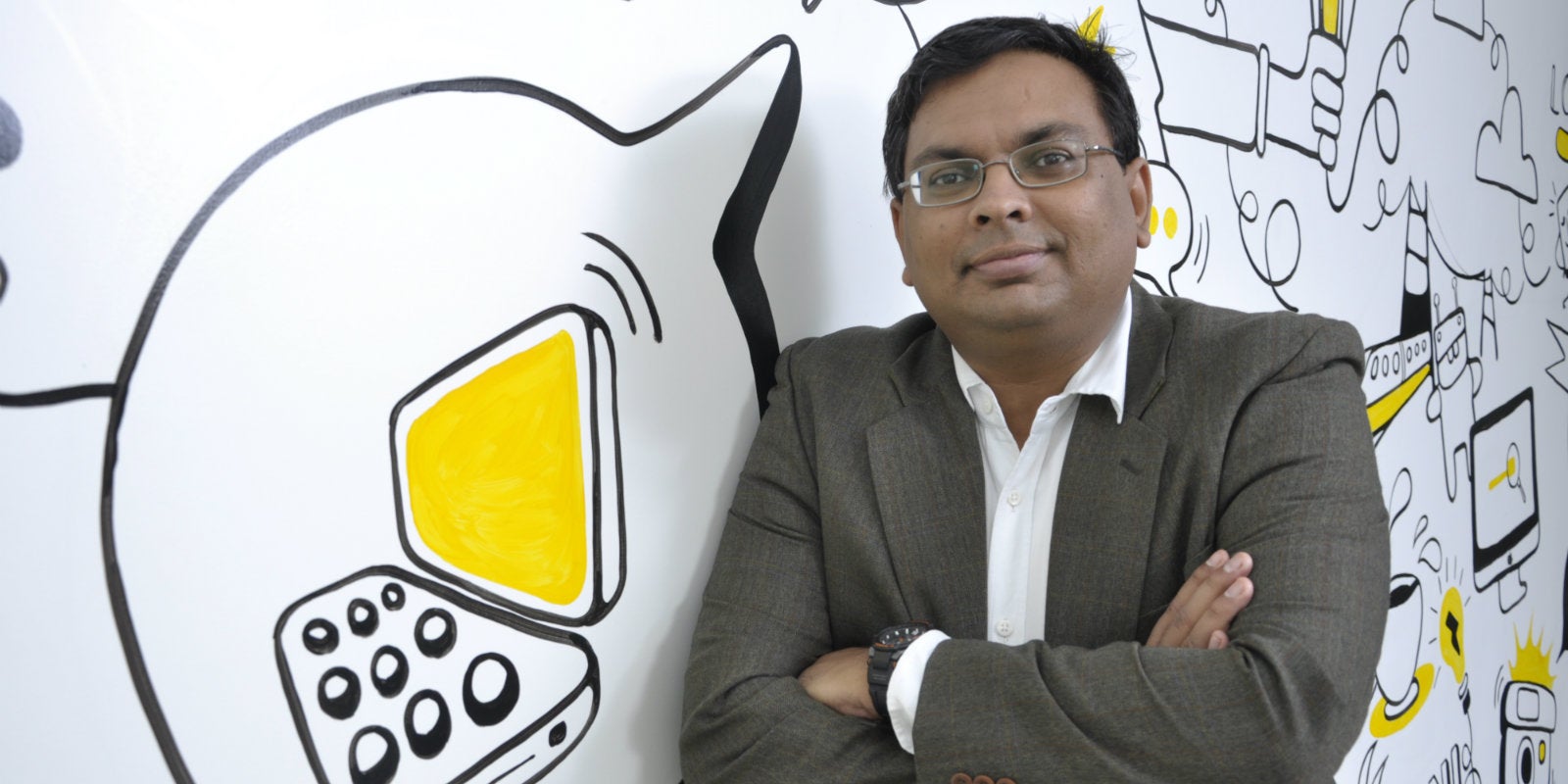
Bengaluru-based payments company Freecharge wants to win the mobile wallet war in India—where banks have not managed to innovate for the smartphone generation.
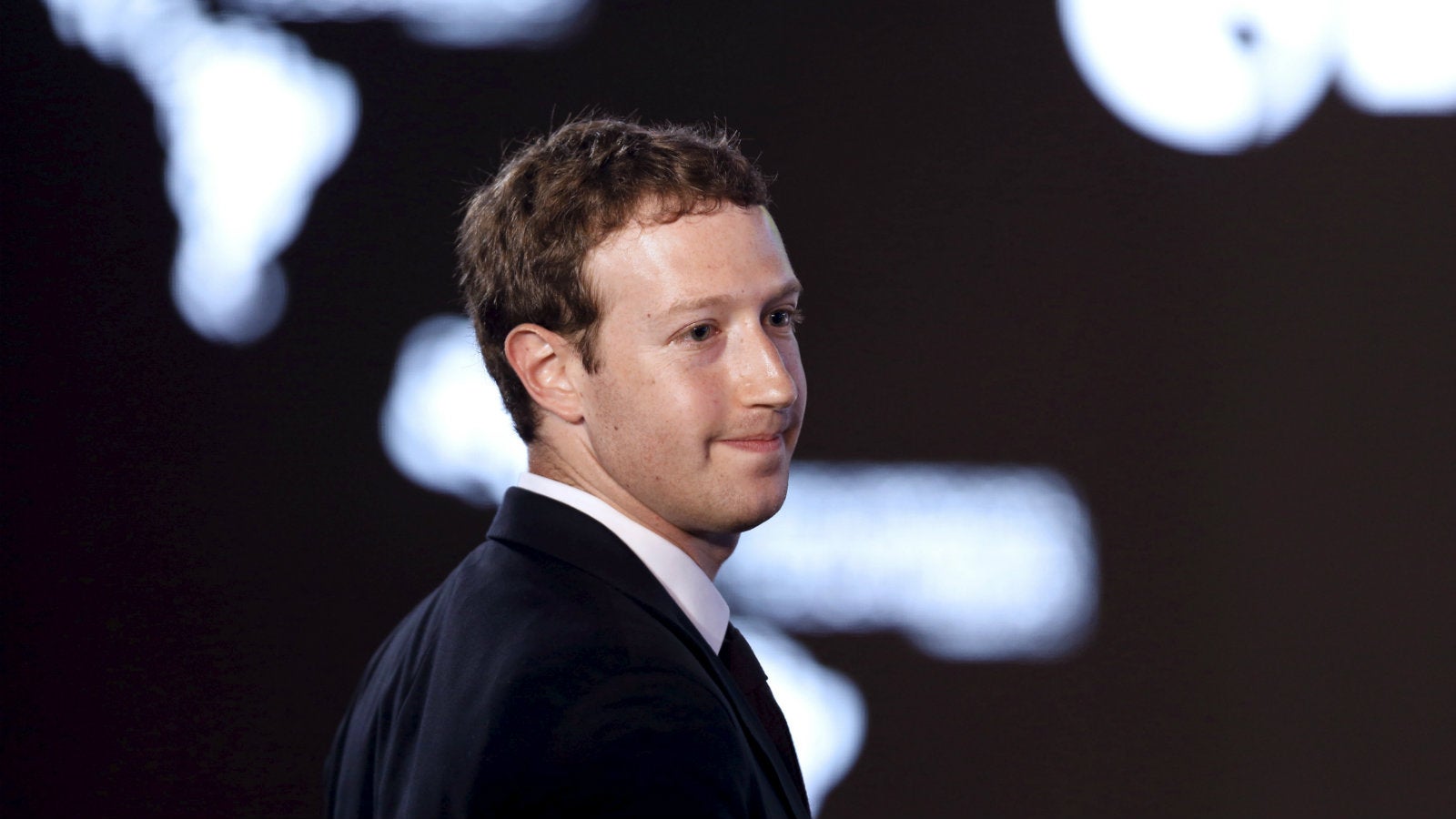
In a strongly worded email on Jan. 18 (pdf), India’s telecom regulator has accused Facebook of running a “crudely majoritarian and orchestrated opinion poll” in an attempt to save its Free Basics service in the country.
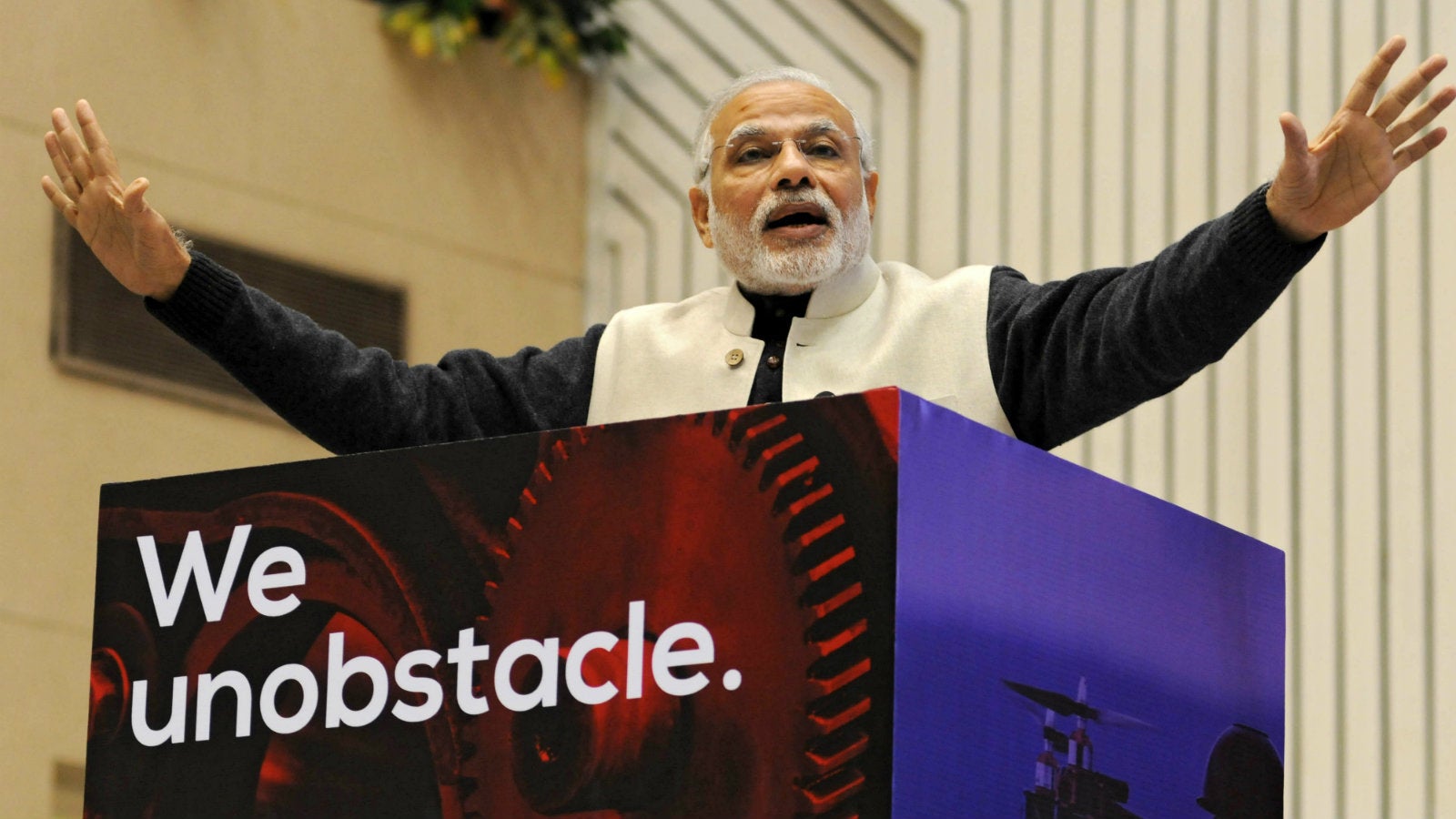
Christmas came late for Indian startups. And when it did arrive today (Jan. 16), prime minister Narendra Modi played the perfect Santa.
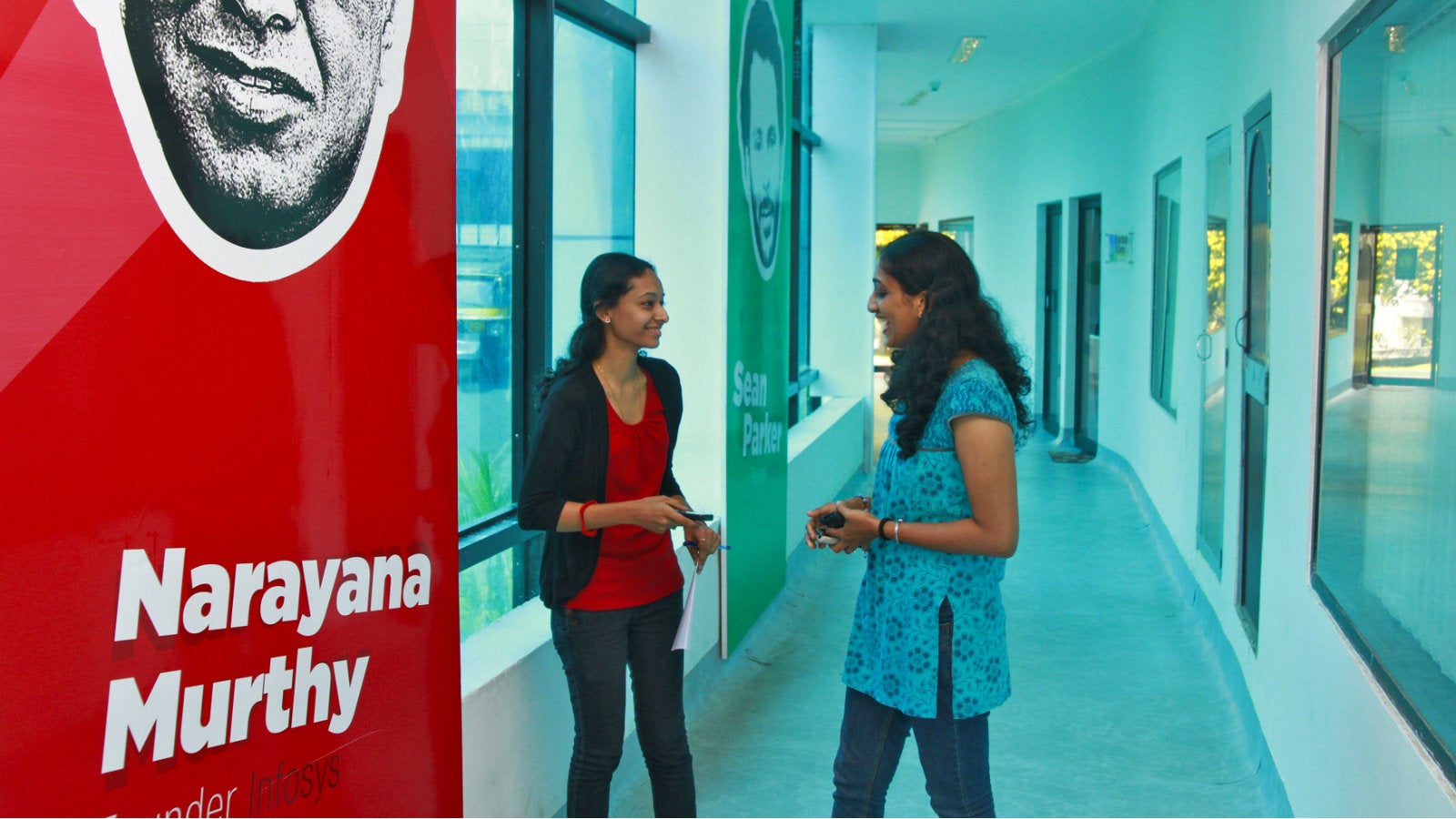
Five of India’s leading women entrepreneurs took the stage at the Narendra Modi government’s much-awaited Startup India event today (Jan 16).
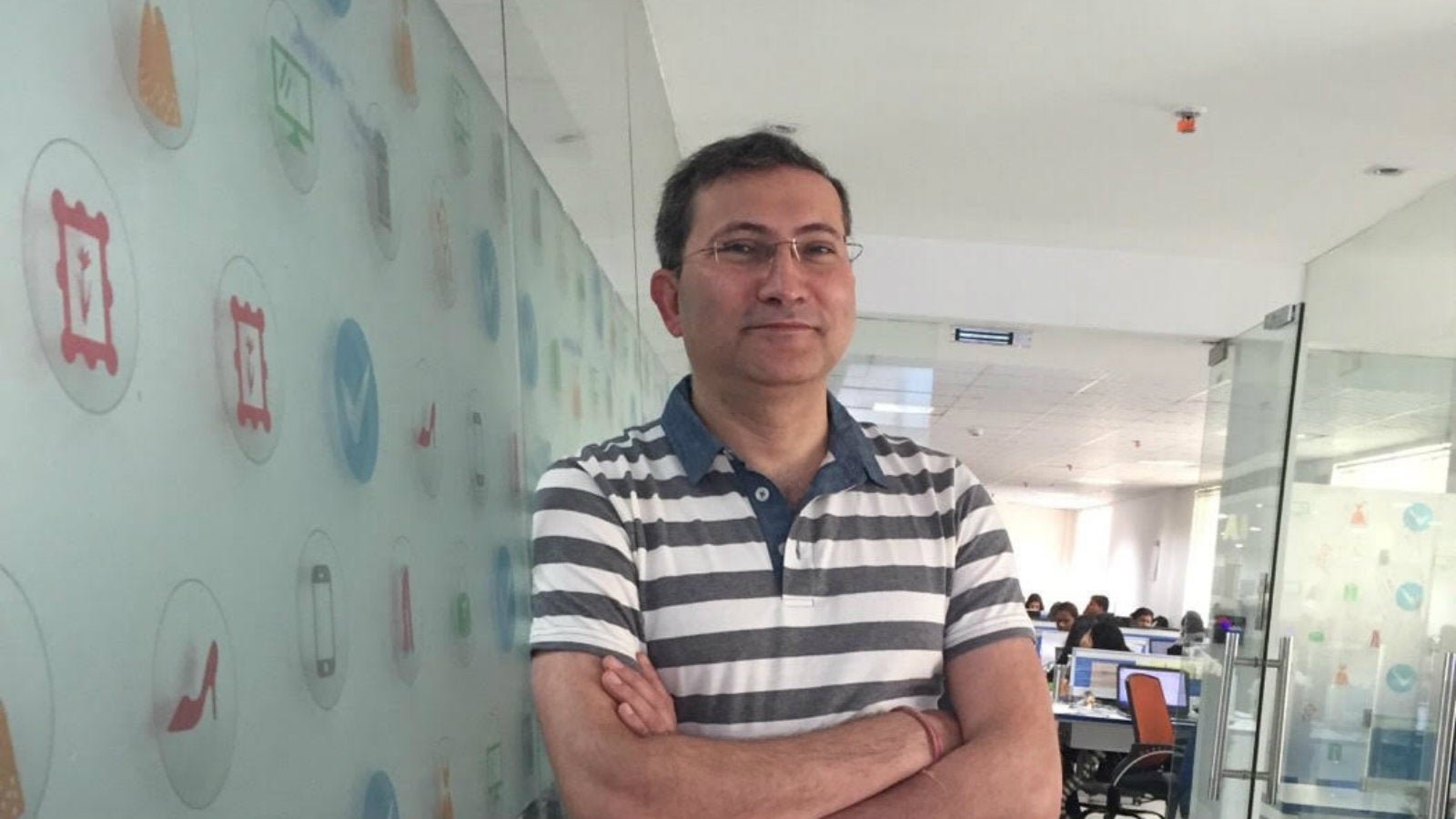
Earlier this week, Delhi-based e-commerce startup ShopClues entered the unicorn club—private companies with a valuation of over $1 billion. But the company’s co-founder and CEO Sanjay Sethi believes this does not change anything for them.