As hundreds of brands in the UK including HSBC, Toyota, and the British government pulled their ads, Google announced new tools that will let advertisers avoid displaying their messages next to hate speech on the platform.

As hundreds of brands in the UK including HSBC, Toyota, and the British government pulled their ads, Google announced new tools that will let advertisers avoid displaying their messages next to hate speech on the platform.

Blockchain tech has been a buzzword for much of the last two years, as industries ranging from big banks to utilities try to shoehorn it into their existing infrastructures. Now IBM is announcing two new projects that finally put the technology to the test in the marketplace.

Each year, the European Commission releases a report of the withdrawn or recalled products that triggered the most notifications on the European Rapid Alert system. The bad news is that this year, toys set off the most alerts because they are choking hazards. The good news is that the total number of alerts is slightly down, and alerts for products made in China, the biggest source of dangerous products, is significantly down.

Google’s artificial intelligence unit DeepMind engaged in “highly questionable” practices when it struck a 2015 deal to access years’ worth of UK hospital patient records held by the National Health Service, says a paper published March 16 in the journal “Health and Technology.”

As part of its projects with Britain’s National Health Service, Google’s artificial intelligence unit DeepMind announced last week it’s developing a new way to protect confidential health data—from itself. Its problem: How to assure hospitals, and the public at large, that patient confidentiality isn’t compromised as it processes the sensitive medical health records entrusted to it.

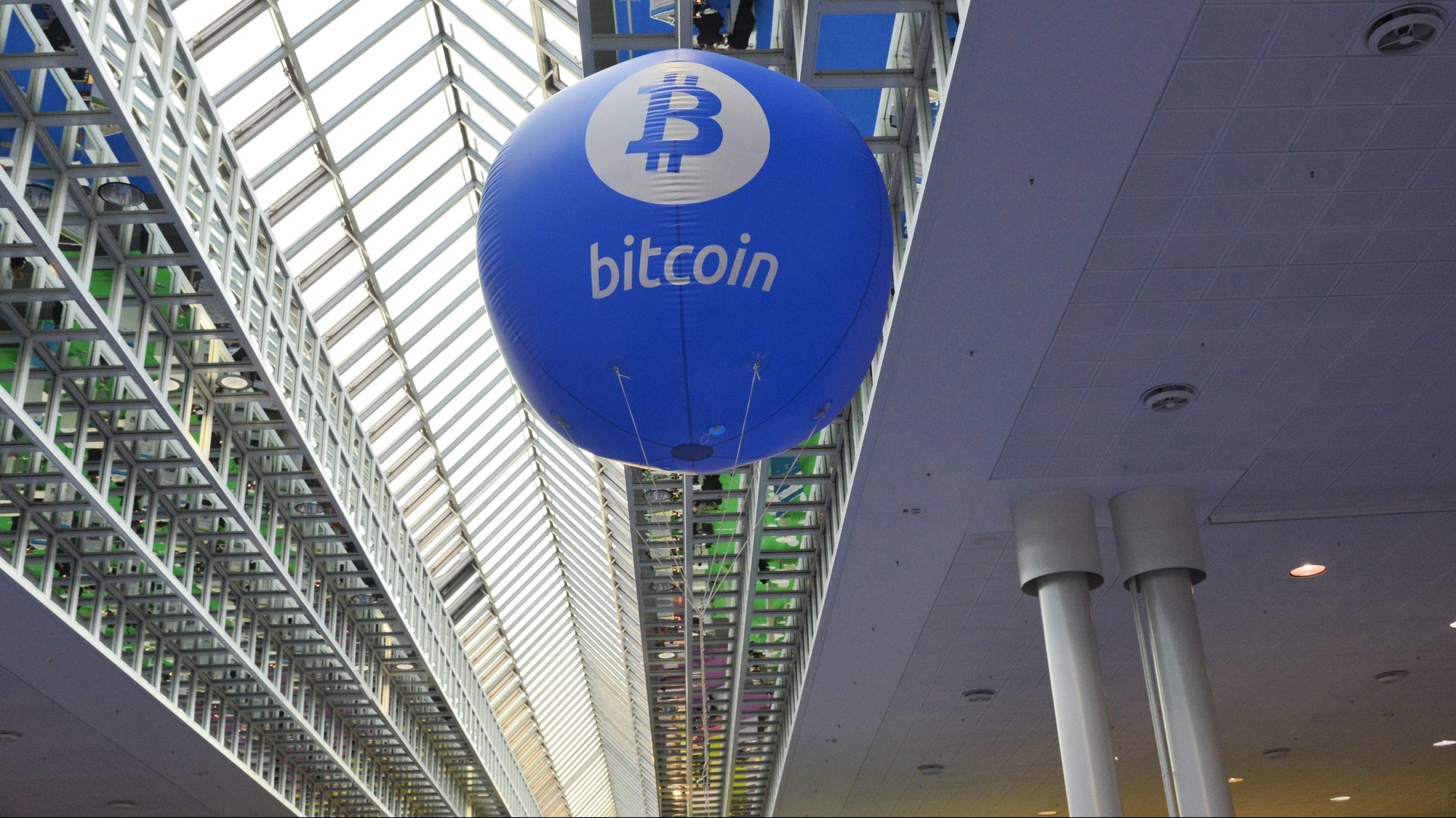
When bitcoin first hit the mainstream a few years ago, it was believed it could replace cash and credit cards as a way to pay for things. But its extreme price swings, and the fiddliness of a bitcoin transaction, meant that idea fell to the wayside. Bitcoin became more suited to the speculators who day-traded it. But new data suggests that bitcoin payments are gaining traction, as its volatility has fallen and its value has rocketed.

The British government and its music and film industries, in an attempt to suppress internet search results that lead users to pirated material, have held private talks with Google and other search companies for years. Last month, they reached a “landmark agreement” that eschewed the need for legislation and instead relies on a voluntary code of conduct that the search engines promised to follow.

It’s a perfect storm of Silicon Valley buzzwords: Get your hustle on by pitching Andreessen Horowitz’s big-name partners using bitcoin, and create the future of money while you’re at it.

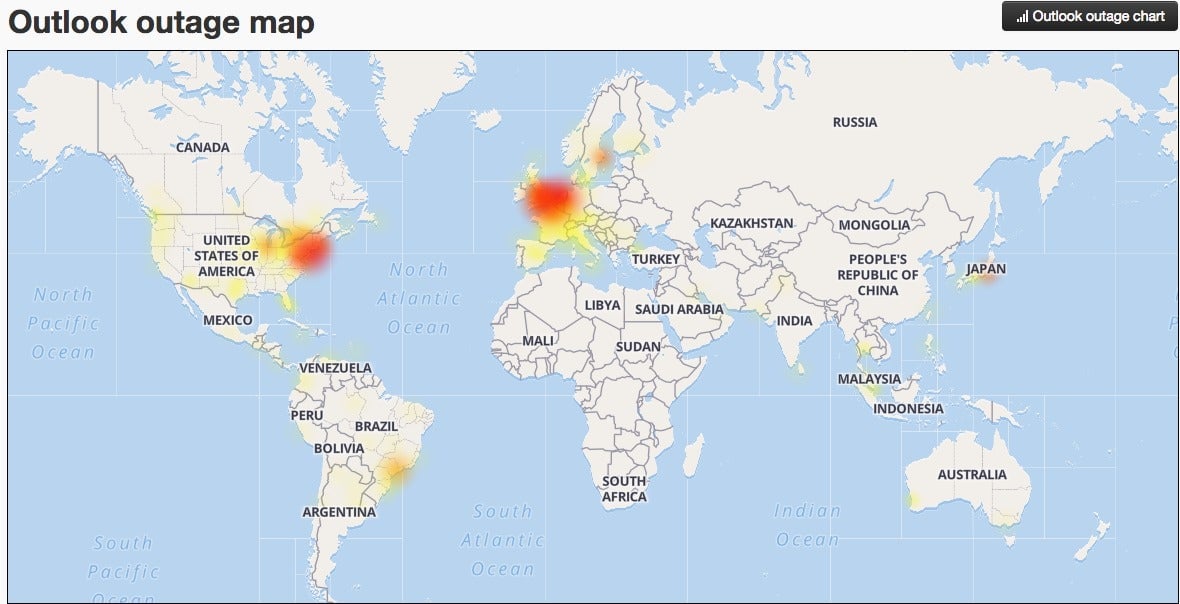
Skype, Outlook email access, and Xbox Live, some of Microsoft’s most popular online services, appear to be down in many countries for several hours, according to a flood of complaints from users on social media.

Facebook is under fire in Germany. It’s facing lawsuits from German users and the German government is threatening it with hefty fines if it doesn’t deal with fake news and hate speech. The lawsuits reveal the sometimes absurd difficulties faced by German lawyers in getting Facebook to a courtroom, Bloomberg reports.

The world’s most famous cryptocurrency is trading at record highs, but is it a bubble?

Barcelona, Spain

Barcelona, Spain

Barcelona, Spain

Barcelona, Spain

Barcelona, Spain

Barcelona, Spain

In what is becoming a familiar refrain, bitcoin is surging towards a record price. It’s trading at around $1,145 today, based on the CoinDesk Bitcoin Price Index, which puts it $20 off its all-time high of $1,165, achieved on Nov. 30, 2014.

The idea of using blockchain—the technology underpinning the bitcoin cryptocurrency—has gripped the imagination of financial institutions all over the world. One report from Spanish megabank Santander says banks could save up to $20 billion a year in infrastructure costs by replacing legacy plumbing with blockchains.

If you’re after blazing mobile data speeds, you should go to South Korea, Norway, or Hungary. Those are the countries with the fastest mobile internet connections, clocking over 30 megabits per second on average, according to new research by data analytics firm Open Signal.

China’s central bank has stepped up oversight of bitcoin exchanges this year, leading major trading platforms to impose halts on withdrawals and other checks to appease the regulator. But Chinese traders aren’t playing along—they are apparently flocking to peer-to-peer marketplaces to continue buying and selling bitcoin.

North Korea doesn’t have many friends, and it’s alienating a few important ones this week. China announced the suspension of coal imports from North Korea starting Feb. 19, crimping the isolated state’s most valuable trade route.

Estonia’s foreign intelligence agency published a report (pdf) last week devoted entirely to the threats posed by Russia, with which it shares a border. That’s because Estonia deems Russia “the only country capable of posing a risk” to its sovereignty. Thus, “the emphasis is self-evident,” according the agency’s director-general, Mikk Maran.

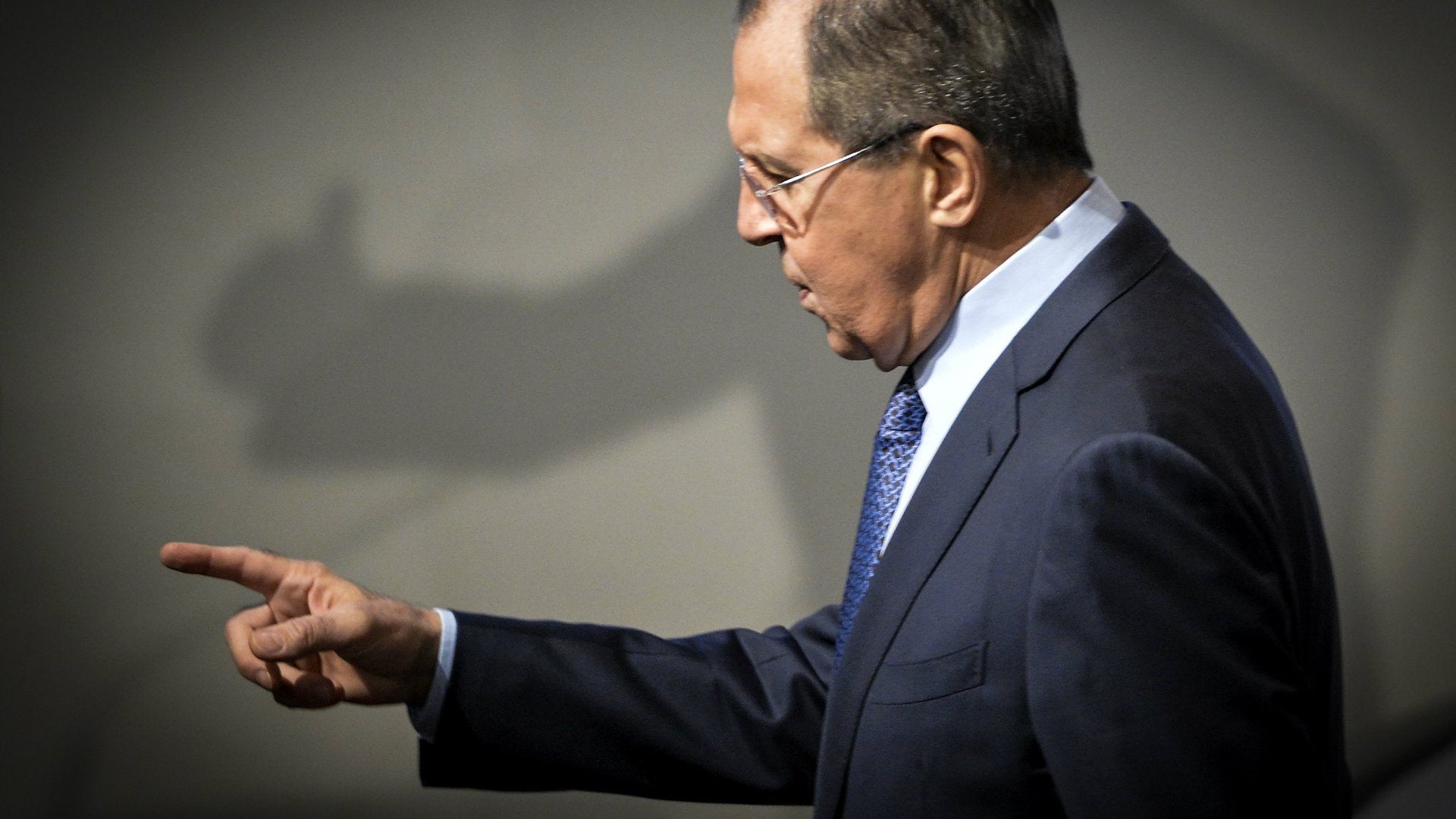
“Fake news” was top of the agenda at a security summit in Munich today, as officials from Russia and NATO countries traded accusations of spreading disinformation. Russian foreign minister Sergei Lavrov told the assembled leaders that Russia sought a “post-fake era” and a “post-West world order.” Leaders in attendance included German chancellor Angela Merkel and US vice president Mike Pence.