88mph, a startup funder and accelerator whose model is along the lines of Silicon Valley’s Y Combinator, was founded with much enthusiasm in 2011 (paywall) by Kresten Buch, a Danish entrepreneur. Now it’s putting on the brakes.

88mph, a startup funder and accelerator whose model is along the lines of Silicon Valley’s Y Combinator, was founded with much enthusiasm in 2011 (paywall) by Kresten Buch, a Danish entrepreneur. Now it’s putting on the brakes.

The big Apple news this week isn’t about music or watches or iPads or payments. It’s about ads: Apple is allowing developers to block advertisements from the forthcoming version of its mobile browser, Safari, for iOS 9.

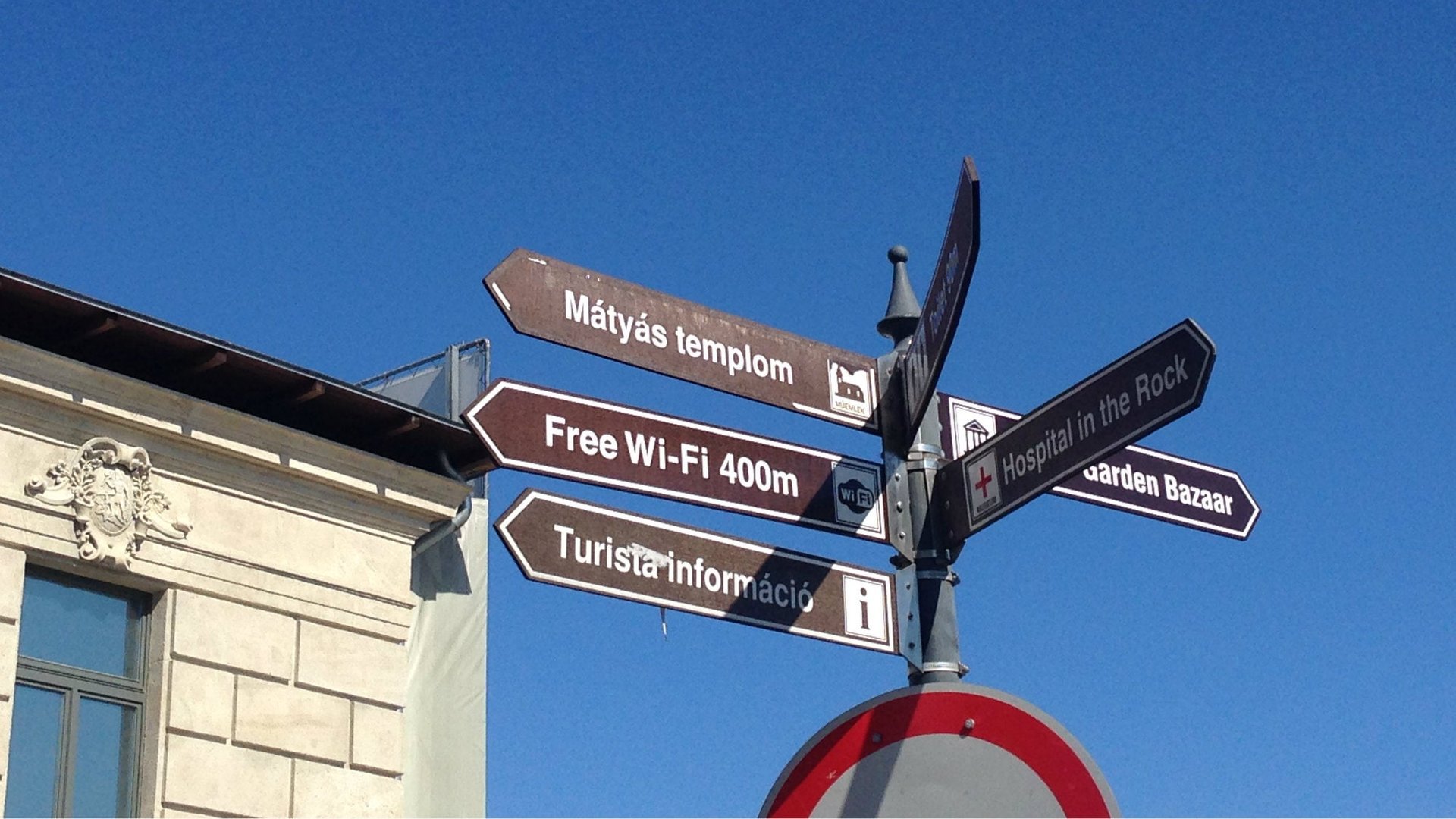
In the past two weeks, I have spent time in Helsinki, Paris, and Budapest. Since Europe still doesn’t yet have an EU-wide roaming agreement, and since free city Wi-Fi isn’t as widespread across Europe as it is in some places, staying connected while traveling can get quite expensive. So over the past few months, I have devised a workaround that allows me to stay in touch with friends and family, check my email, and get around, without getting ripped off.

Last May, the European Court of Justice ruled that search engines would, on receiving a valid claim from an individual, have to delete links (pdf) to web pages that were ”inaccurate, inadequate, irrelevant, or excessive for the purpose of the data processing.” At the time, Google reacted peevishly to the “right to be forgotten” ruling, but eventually came to see that fighting the EU is pointless. The ruling stayed, links to rubbish sites started disappearing, and the freedom of the press, much worried over, remained intact.

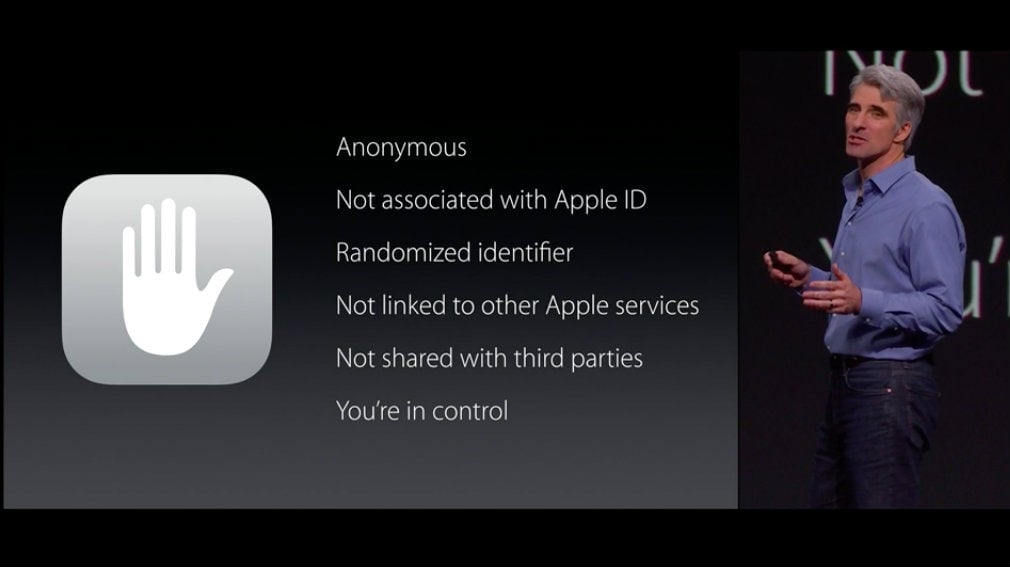
Last week, Apple CEO Tim Cook made a speech that—since it’s Apple—was widely picked up everywhere. While the full text of the speech was not made available, the bits TechCrunch and everyone else cited focused on user privacy:

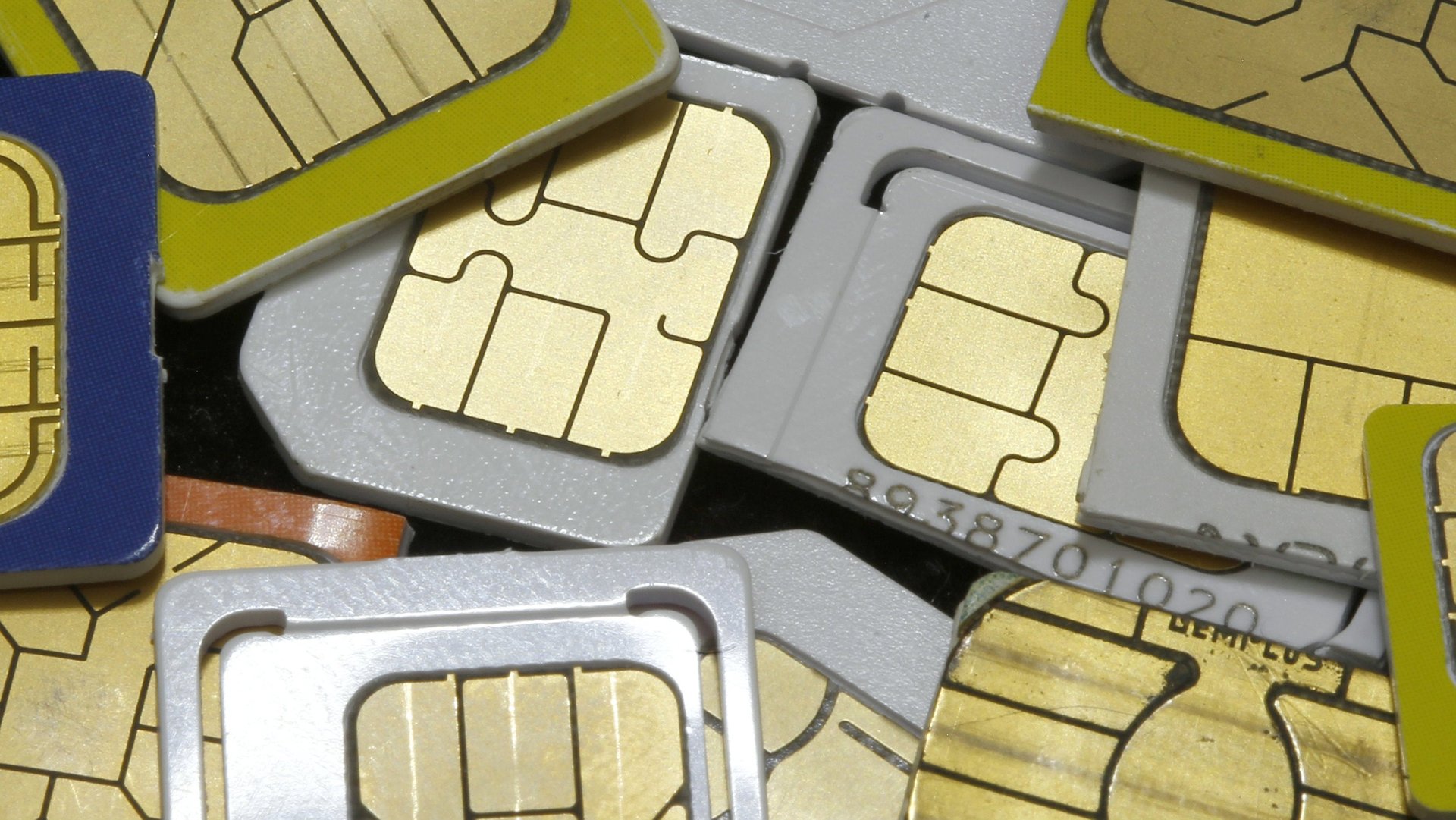
If someone could buy a SIM card in Malta and pay cheaper Maltese rates using their mobile phone in Britain, why would they subscribe to a British operator?

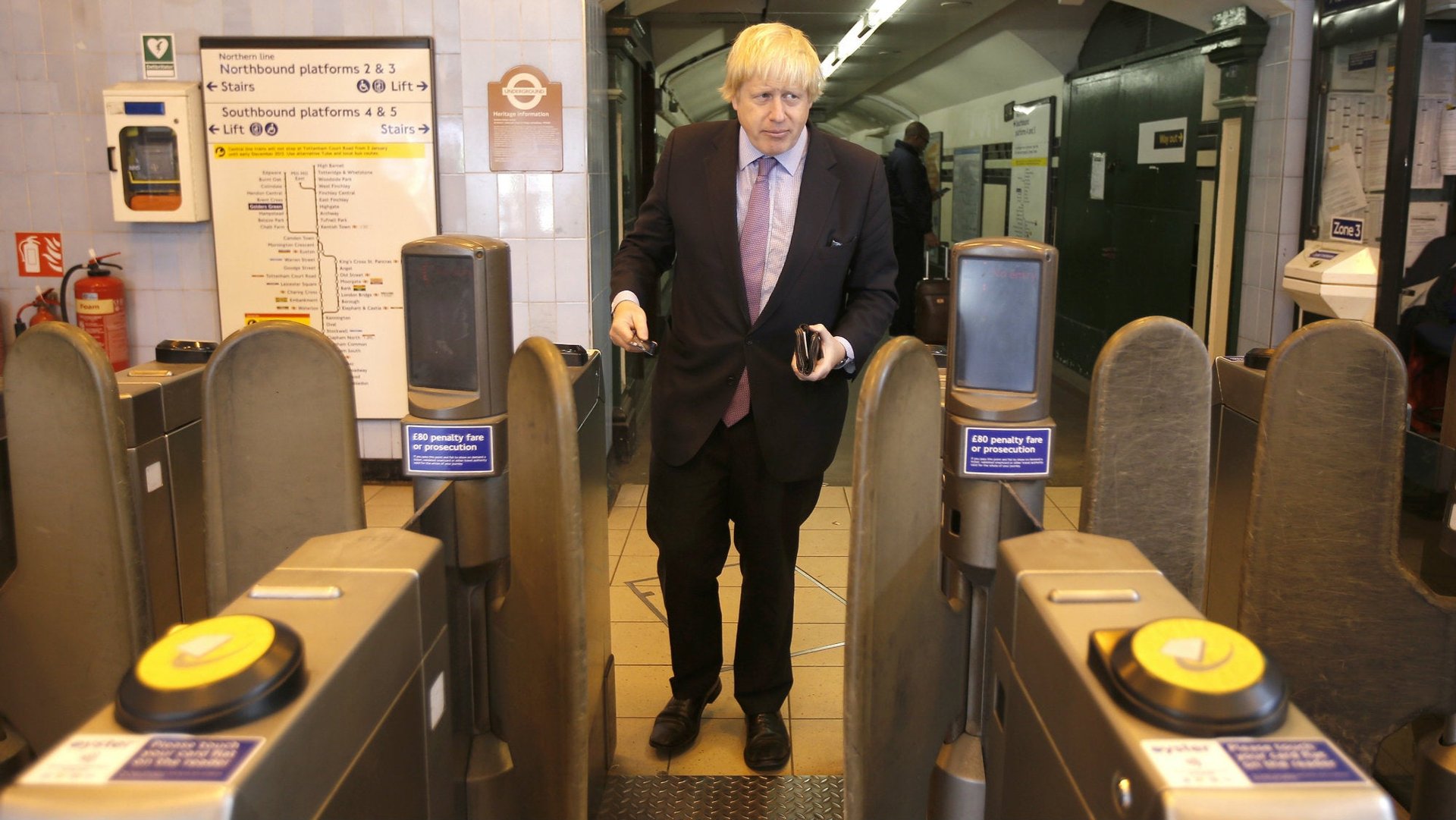
Last year, London abolished cash on the city’s buses. You can now only get around if you possess either an Oyster Card—a contactless card that is used across the system—or a contactless credit or debit card. (Cash is still accepted on the Underground.)

Many cities offer Wi-Fi hotspots for visitors. Very few local governments, however, offer free, unrestricted, high-speed Wi-Fi, fast enough for streaming video—the sort that makes your paid-for home Wi-Fi look sluggish. And even fewer provide upload speeds on par with download speeds.

Microsoft released a new phone under the Nokia brand this week. It has no 3G or LTE, no Wi-Fi, no touchscreen, no apps, no Facebook, and the only accessory listed on its product page is an extra battery. It costs $20 before tax and will, in all likelihood, be a massive success.

Car buyers care a lot about sound systems. And according to a new survey of consumers in the US, UK, Germany, and China, they’re willing to pay up for one that comes from a major brand.

In July 2013, soon after the Edward Snowden revelations revealed to the world the widespread nature of US government snooping, Facebook turned on HTTPS by default, making communication between users’ computers and Facebook’s servers safe from peering eyes. In October last year, Facebook made its site available over Tor, a network used to cloak its users’ identities and commonly referred to as “the dark web,” to further aid anonymity and security. Today, the social network has added another layer of security for the cautious: encrypted notification emails.

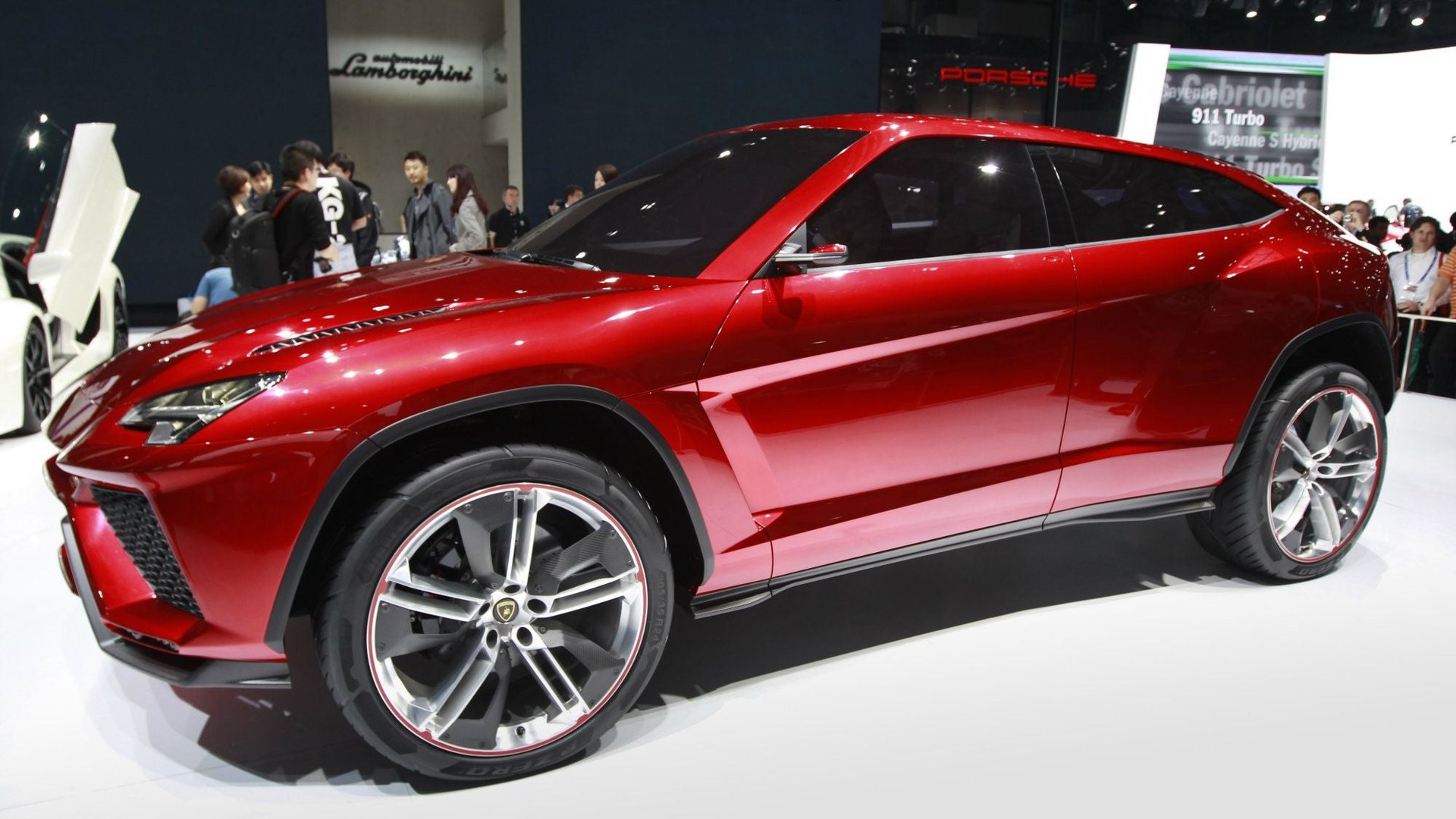
This week, Lamborghini, renowned maker of sexy, incredibly low-slung sports cars for the super-wealthy, announced a new car that will become the third model in its product range: an SUV.

It is not every day that a stealth warship berths in the middle of London. It is even more rare for that warship to be German, with all the baggage that brings. But a host of factors conspired to bring this ship to London.

This item has been corrected.

Some time last week, Ian Blatchford, director of London’s Science Museum, received a text message about a Russian spacecraft. “Vostok 6 has cleared customs at Dover,” it read.

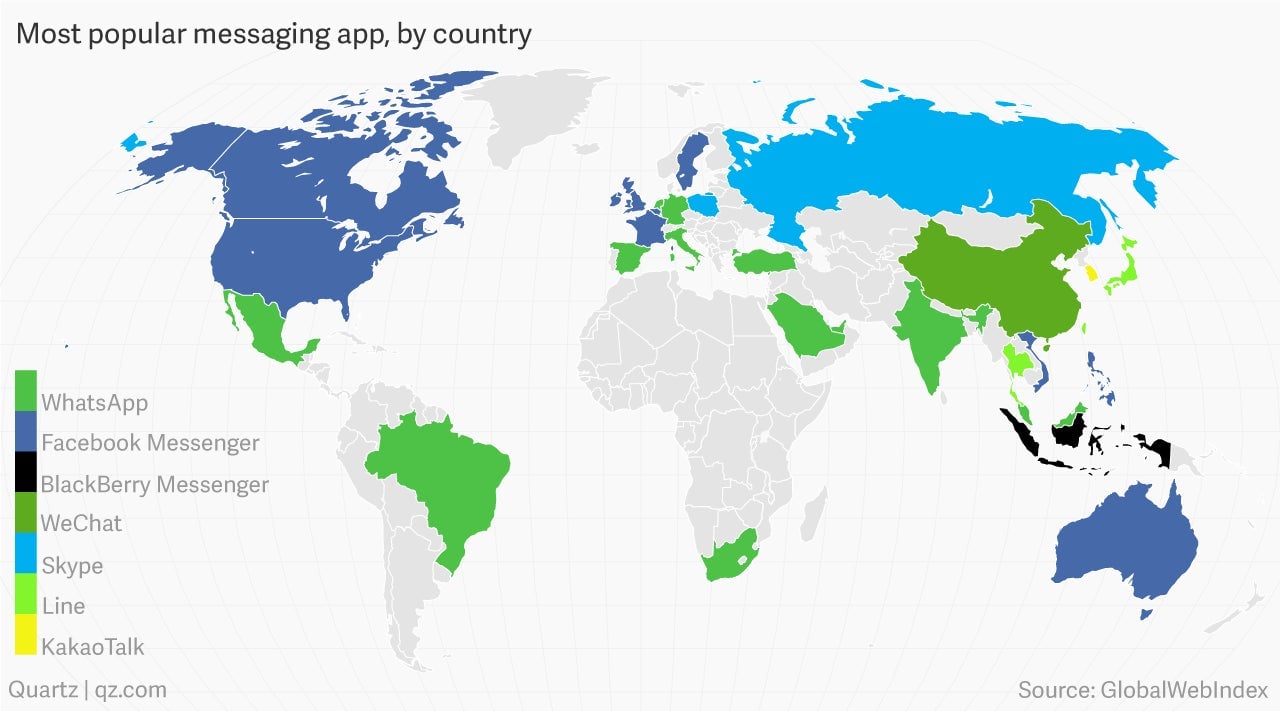
A new study by GlobalWebIndex, a digital market research firm, looks at how some 48,000 people in 33 countries use social media. One of the more interesting findings is a list of the most popular messaging app by country. It is particularly striking in visual form.

This post has been updated.

Facebook is big. It is also boring, past its prime, and will soon be overtaken by nimbler, sexier, younger social media networks, if you believe the many blog posts, news reports, and anecdotes forecasting its death. There may even be a grain of truth to the early obituaries, if American teenagers were representative of the entire world (they’re not).

Forget about dial-up, the Huffington Post, You’ve Got Mail, or Netscape. All the things usually associated with AOL are irrelevant to its acquisition deal with Verizon, announced this morning.

Indians were big BlackBerry fans until just a few years ago. But once smartphones took off, they quickly turned to cheap and cheerful smartphones running Google’s Android operating system.

Last month, Norway registered its 50,000th electric car, hitting the milestone three years before expected and triggering a new debate about incentives.

Generally speaking, the idea of Eurocrats in Brussels buzzing about “pillars” and “key actions” isn’t the sort of thing that gets Europeans, let alone anyone else, excited about policy. But an announcement today (May 6) in which both terms featured heavily represents perhaps the most important and most ambitious thing to come out of the European Commission in years.

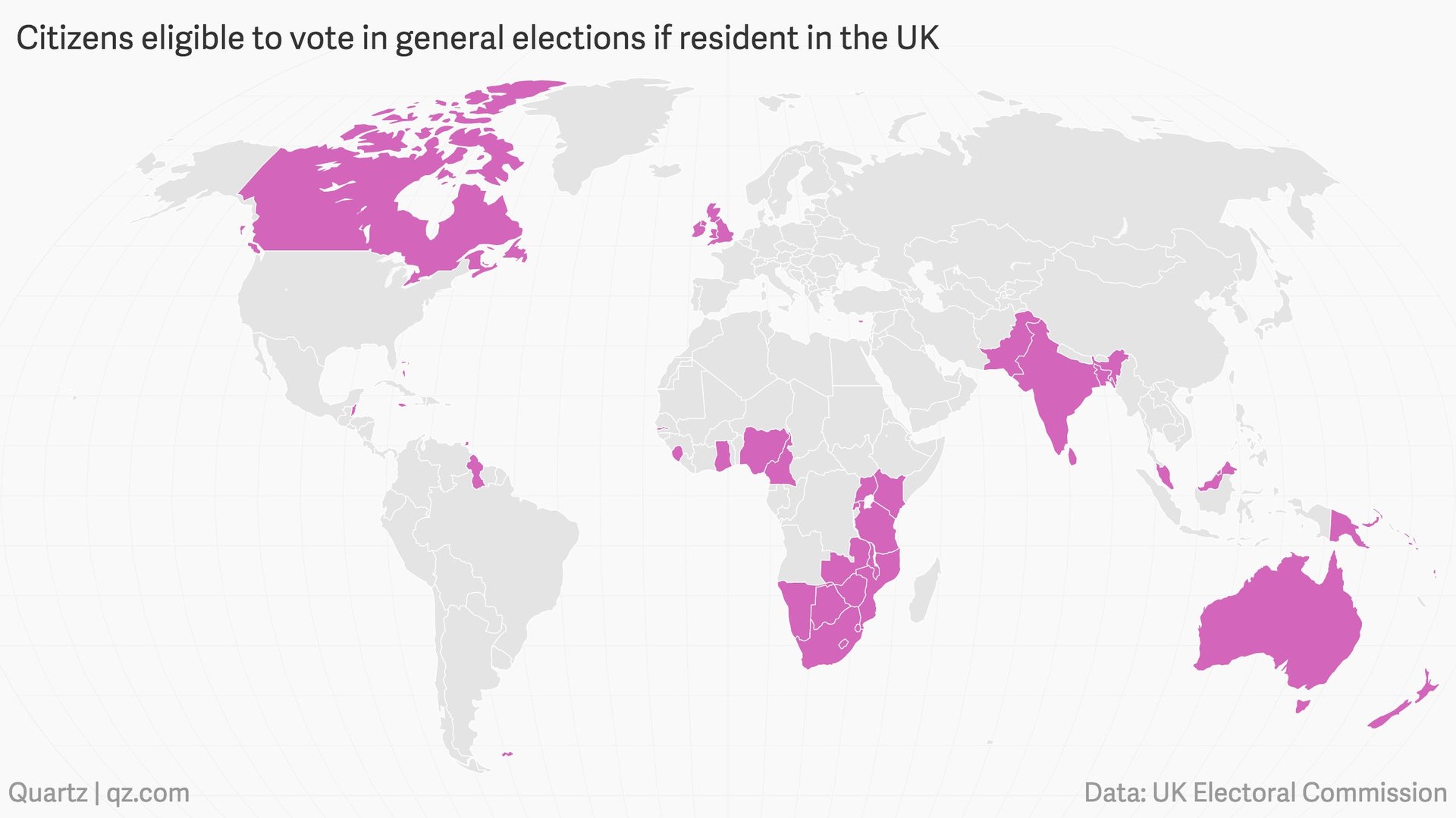
One of the many quirks of the British electoral process that citizens of other countries are allowed to vote in general elections.

In 2014, when the West African Ebola outbreak was at its peak, some academics argued that the epidemic could have been slowed by using mobile phone data.