

Tech & Innovation
Buzzfeed’s tasteless humor makes it an unlikely hero for free speech in IndiaThis item has been corrected.
Updated July 21, 20225 min read
This item has been corrected.
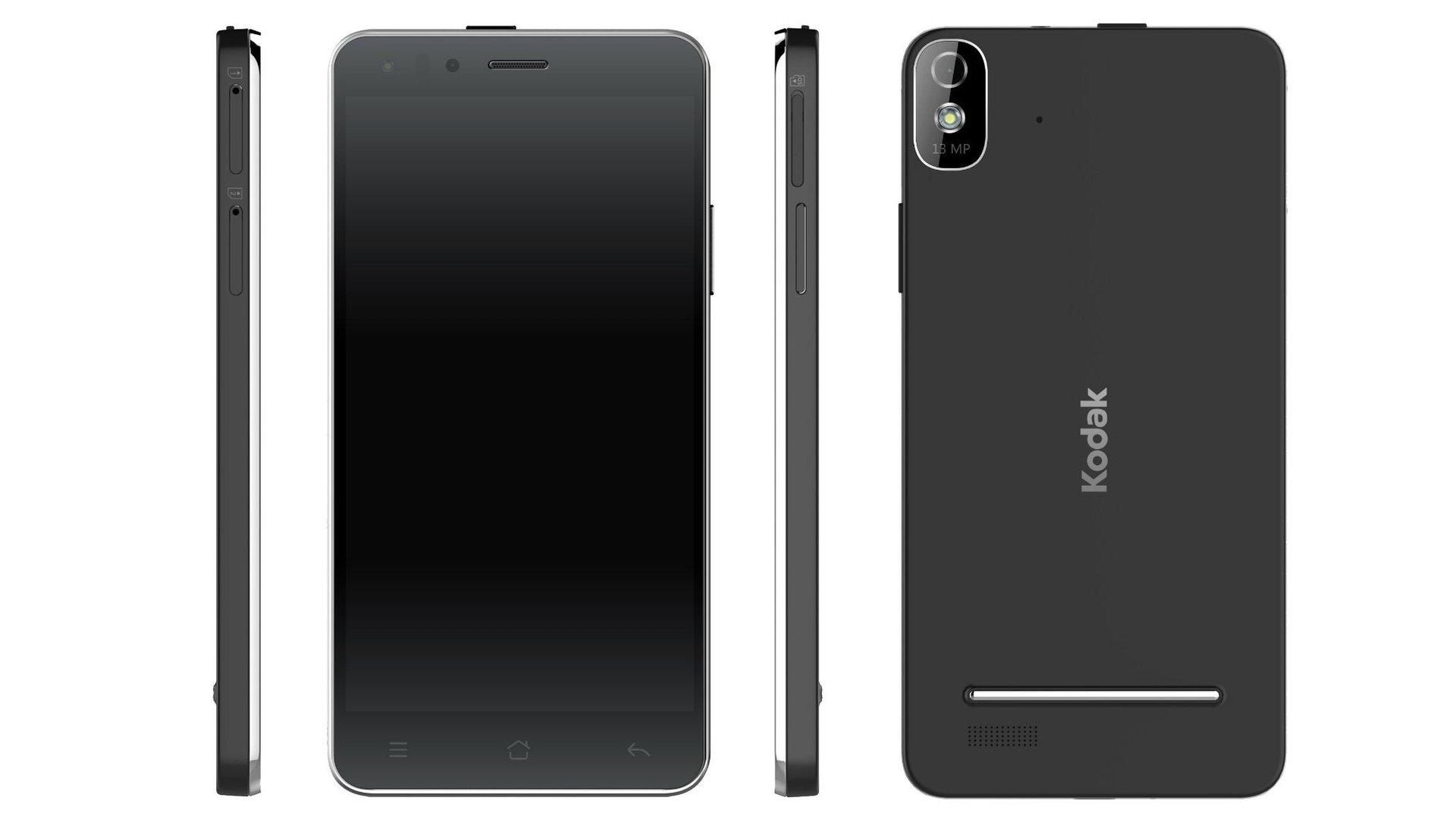
Kodak invented the digital camera. Then it promptly went bankrupt because digital cameras killed its business. The irony was short-lived, because smartphones quickly came along and killed the digital camera. Now, three years after Kodak declared bankruptcy, you can buy a Kodak smartphone. There is a nice circularity to the whole thing.

What does it take to drive from San Francisco to New York? For most people, such a trip requires only the will and a wallet fat enough to pay for fuel. For six engineers at Delphi, an auto-parts makers, it will mean four radars, three cameras, six lidars, a localization system, and absolutely no hands.
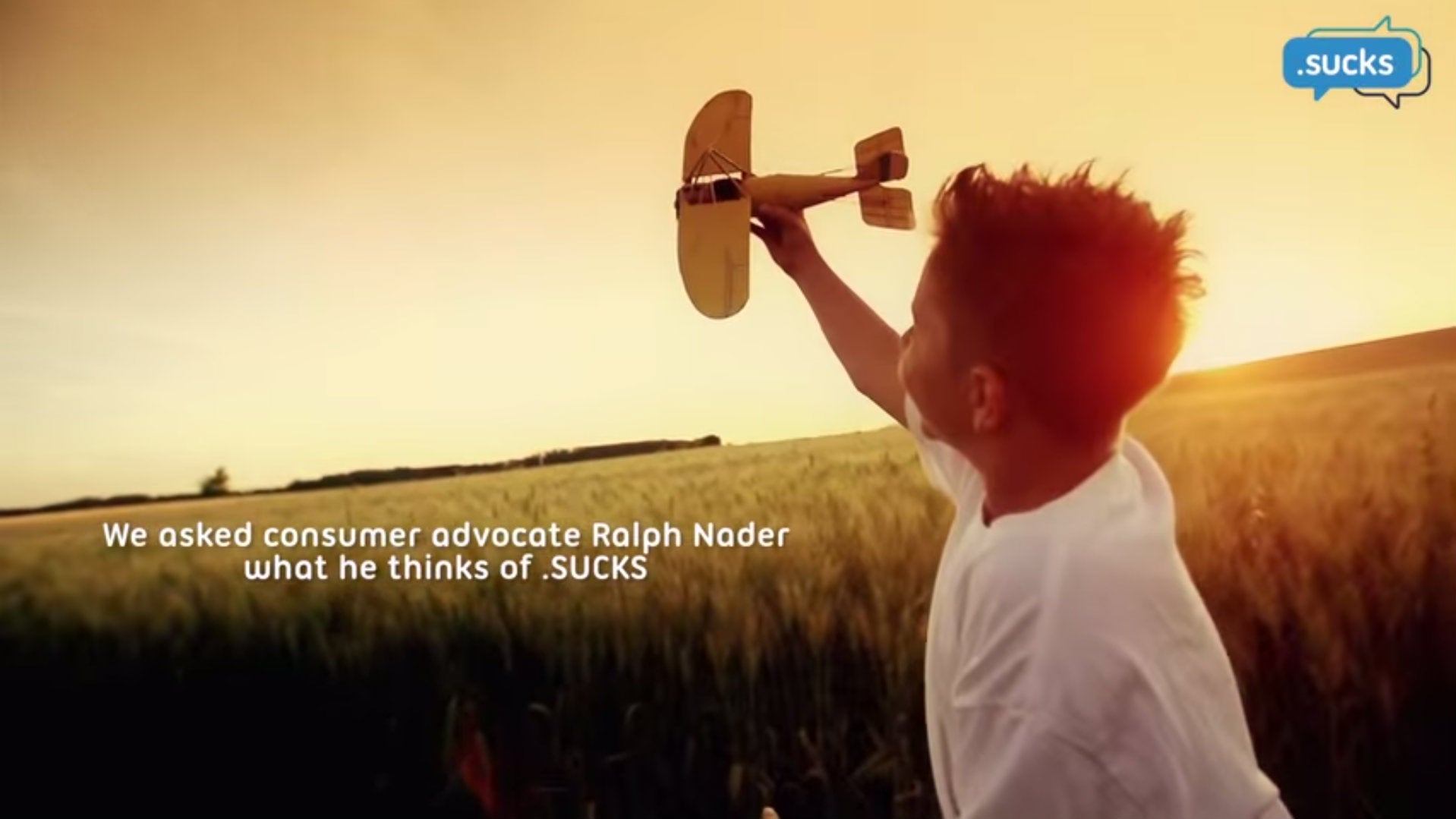
“There comes a time when people get tired of being pushed, and we can take it no longer,” intones Martin Luther King Jr. over rousing images of civil unrest. A smiling young boy runs carefree in a field, backlit by the orange glow of the sinking sun. An all-American family tumble around outside their suburban home, joyously throwing autumn leaves at each other. Inspiring music plays in the background as Ralph Nader, an American consumer advocate and sometime presidential hopeful, comes on screen. “The word sucks is now a protest word and it’s up to people to give it more meaning,” he says.
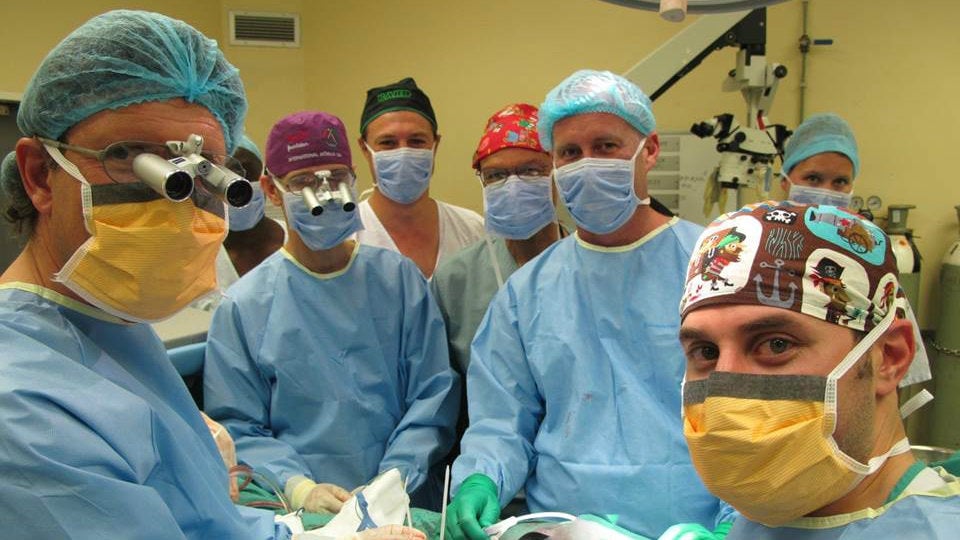
It is a seminal moment for medicine. Surgeons in South Africa declared today that they have performed the world’s first penis transplant with a successful long-term result. The patient, a 21-year-old man, was operated on in December and has, according to surgeons at Stellenbosch University and Tygerberg Hospital, “regained all function in the newly transplanted organ.”
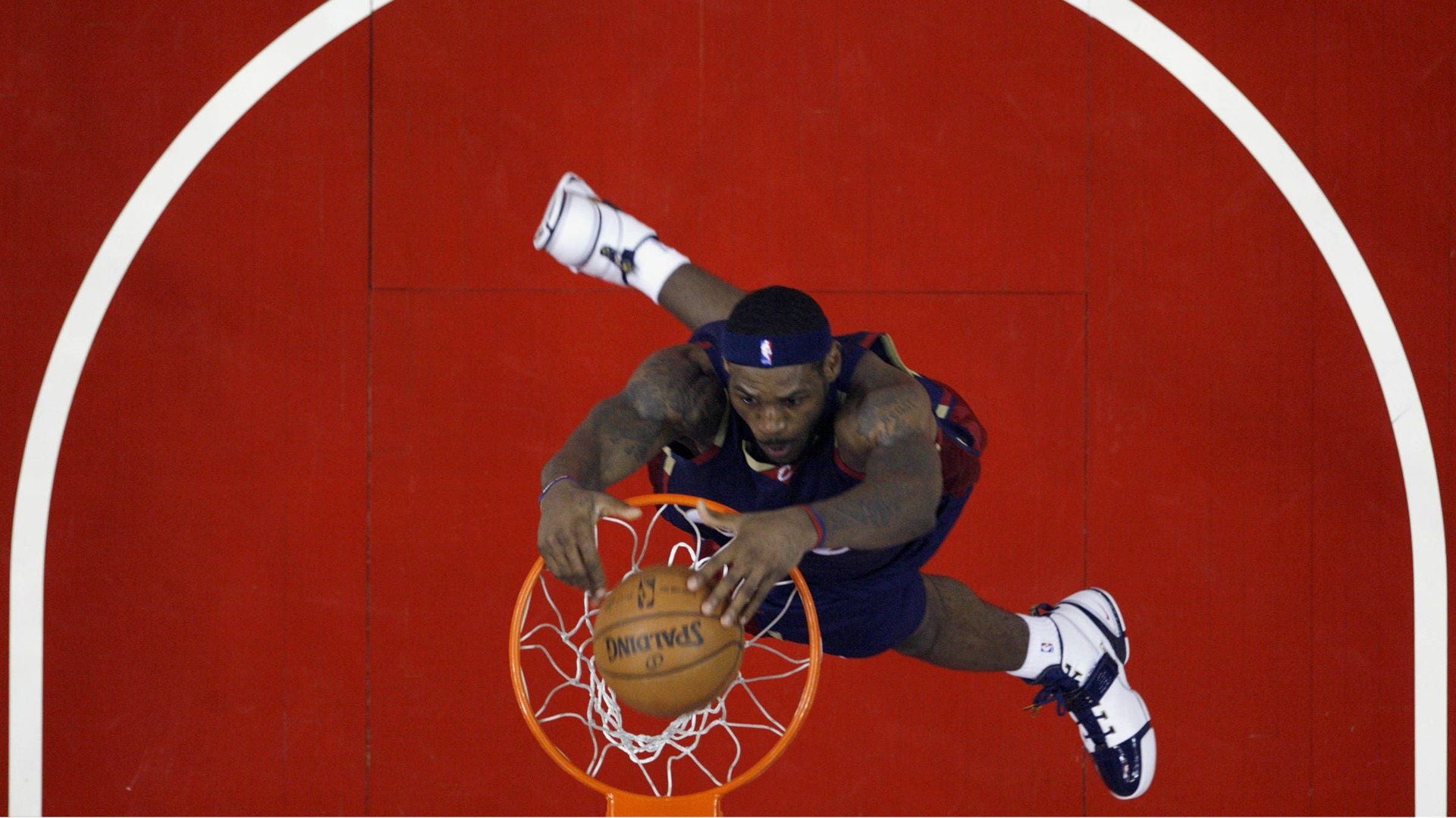
What if you could watch an instant replay of a fast-break dunk from the point of view of LeBron James? Or see what it feels like to be soccer star Lionel Messi zipping across the field and scoring a goal from just outside the box? Or see absolutely nothing at all and experience the soul-crushing disappointment of being an England cricket player?

“One day, Google will buy the NFL,” an executive at a big digital advertising firm said to me late last year, referring to the rights to broadcast America’s National Football League. At a meeting a few weeks later, an analyst at an asset manager made essentially the same point: Why doesn’t Google just buy the rights to the English Premier League?

Nobody likes passwords. They’re hard to remember, we’re terrible at coming up with good ones, and they’re not much use anyway. Yet they refuse to go away. The closest we’ve come to getting rid of them is by using the likes of Google and Facebook to log in to other websites. At least that reduces the number of passwords and login details we have to manage.
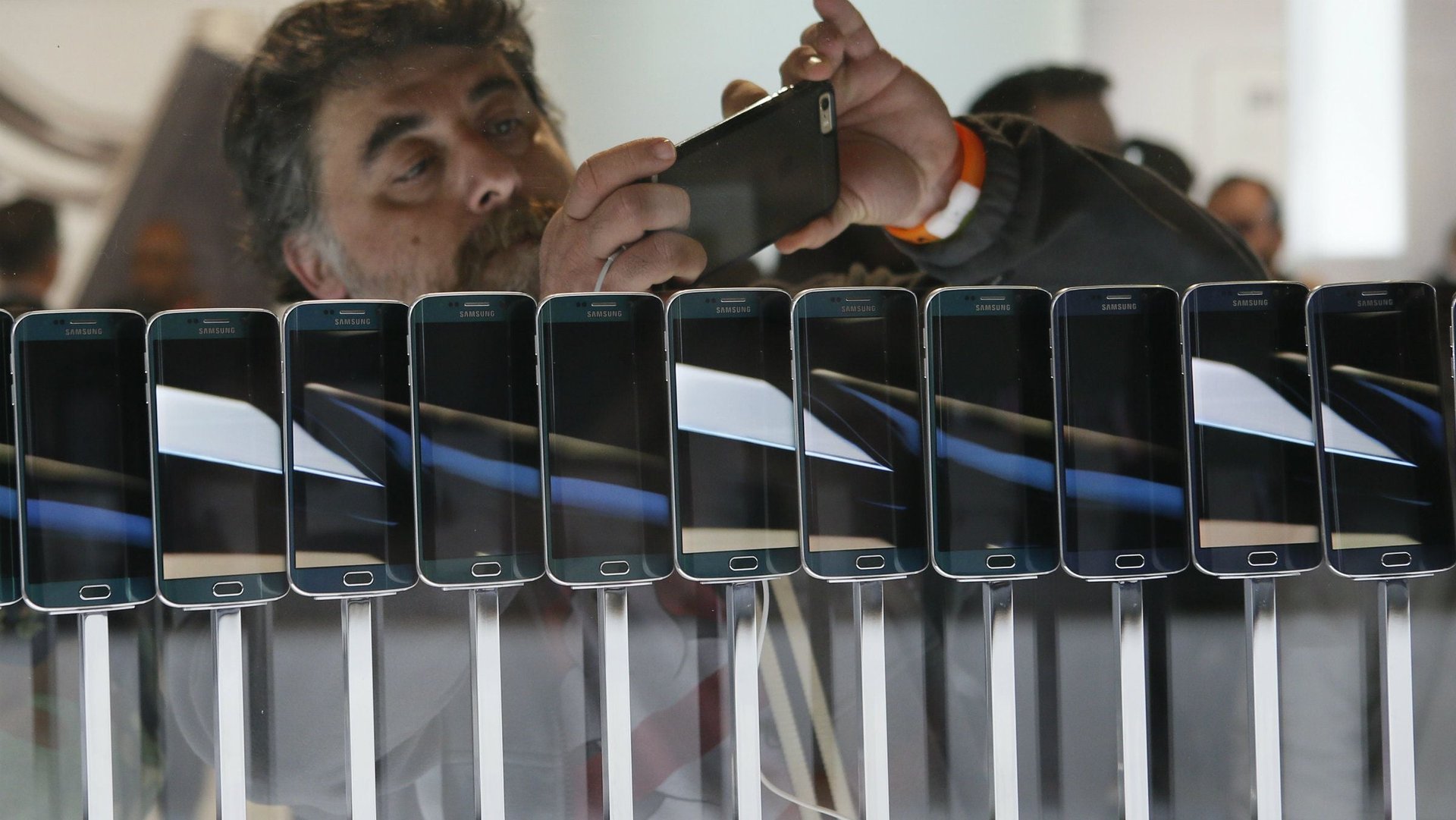
BARCELONA—At the Mobile World Congress this year, there were connected cars and bluetooth toothbrushes and smartwatches in spades, but above all there were phones. In every one of the the eight and a half football-field-size halls, there were hundreds upon hundreds of sexy, sleek, shiny smartphones. And they all looked exactly the same.

BARCELONA—When Oral-B announced a bluetooth toothbrush at Mobile World Congress last year, Quartz responded with well-deserved mockery. Why would anybody need, let alone want, a connected toothbrush, we asked. But it’s Procter & Gamble, Oral-B’s owner, that is having the last laugh—or at least a very broad, perfectly white smile. According to Michael Cohen-Dumani, Oral-B’s brand manager, nearly 250,000 people use the app connected to the toothbrush at least once a week.

Late last year, Apple’s public relations gurus released “a message from Tim Cook about Apple’s commitment to your privacy.” The post explained Apple’s policies and its inner workings. But it was also a sales pitch:
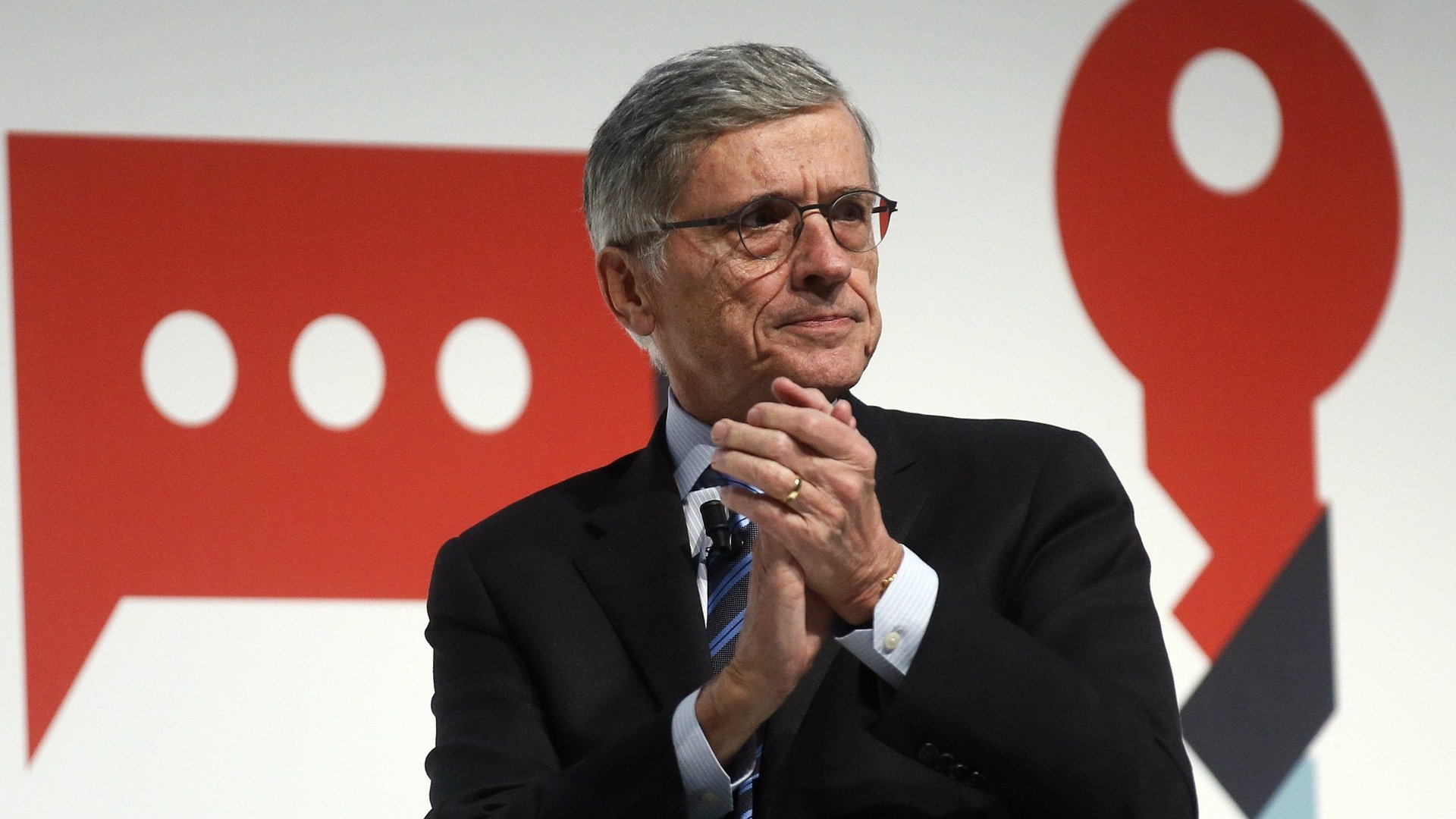
BARCELONA—It is now illegal in the United States for an internet service provider to discriminate between different types of data. Last week, America’s Federal Communications Commission (FCC) voted 3-2 to classify broadband internet as a public utility, ensuring that all data is treated equally.

Compared to the $185,000 application for a new top-level-domain (such as .com or .biz), $25 million is a lot of money. Yet that is how much Google forked out at auction to win the rights to control .app, a new top-level-domain that will contribute to a proliferation of novel addresses on the web. Of the 2,000-odd applications to control a new TLD, .app was the most hotly contested, with 13 contenders, including other heavyweights like Amazon and Donuts, a web domain registry.
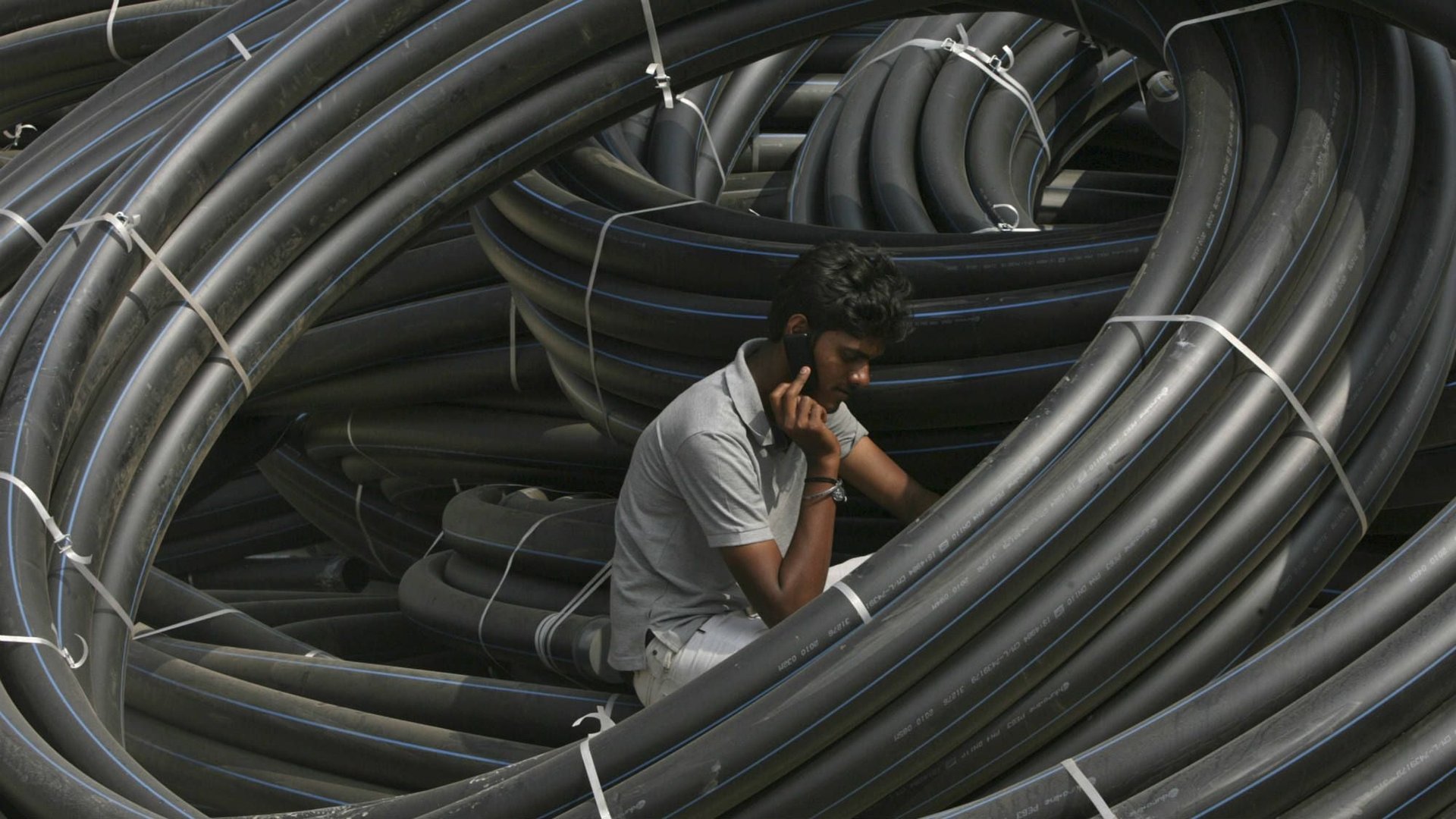
Henri Winand runs a fuel-cell company. Fuel cells run on hydrogen to produce energy. So why has Intelligent Energy, Winand’s firm, just agreed a deal to manage some 16,000 diesel-powered mobile network towers in India?
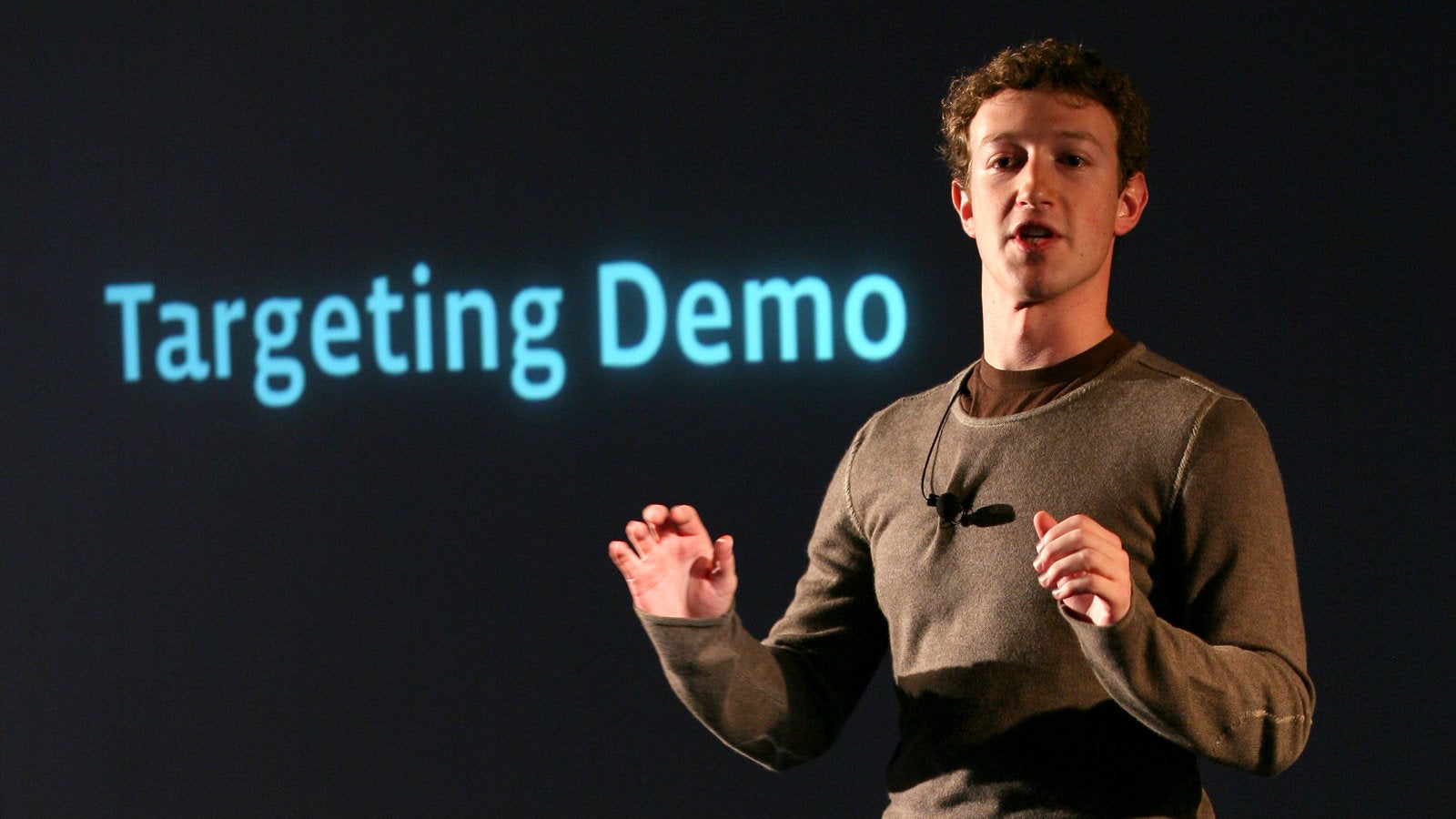
The usual gauge to measure the reach of an online business is the number of monthly active users it boasts. But just as important is the number of active advertisers—the companies that write checks in return for reaching all of those users. Facebook announced this week that it now has 2 million active advertisers on its platform.

Google has updated its policies on Blogger, its blogging platform, to preclude new users from hosting adult content. Blogs that are created after March 23 and contain “images and video that are sexually explicit or show graphic nudity” may be summarily deleted. Existing blogs will be set to private; the only way to visit them will be for the blog owner to explicitly give permission to individual browsers.
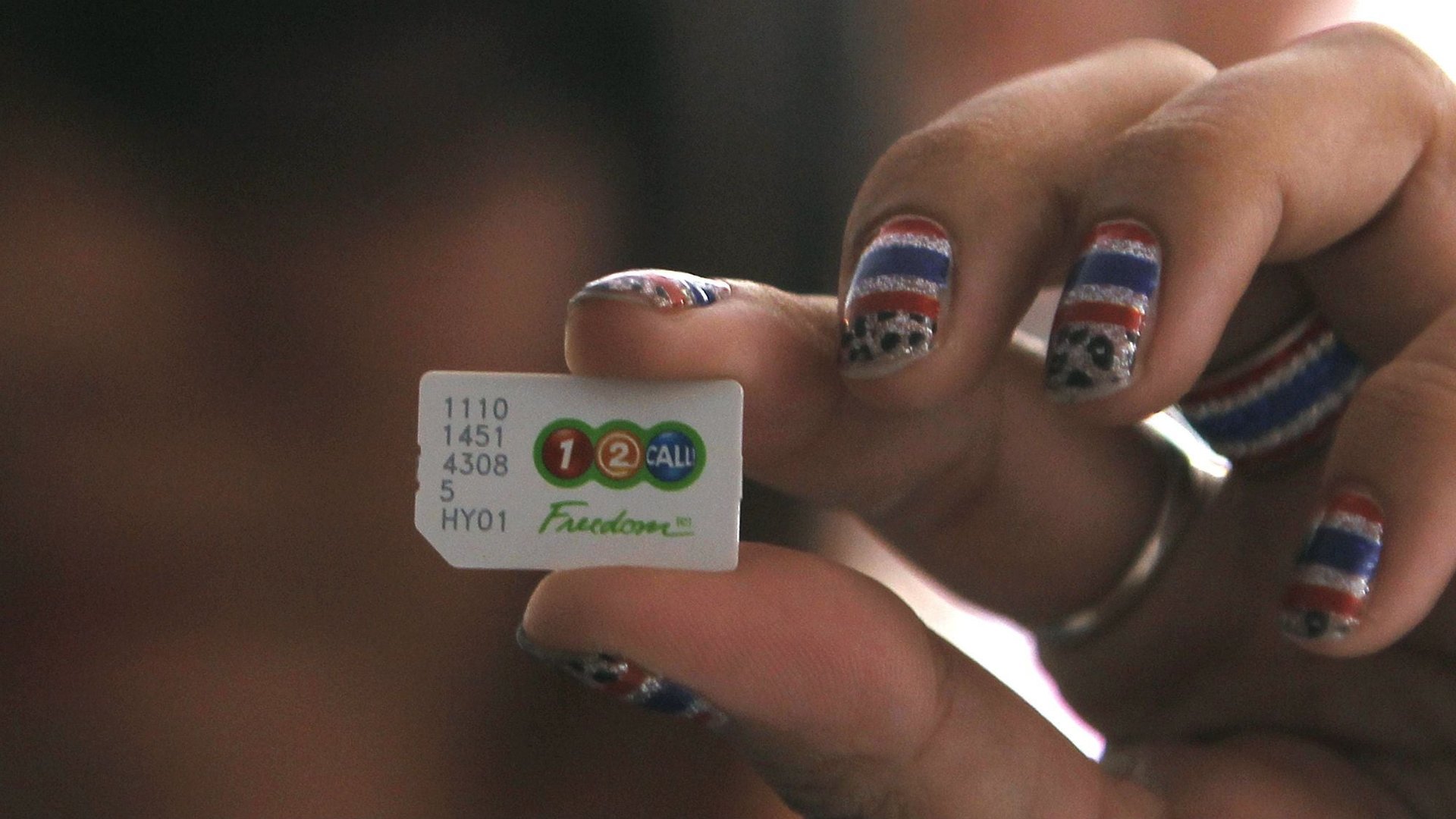
Mass surveillance by America’s National Security Agency (NSA) and Britain’s Government Communications Headquarters (GCHQ) cast its net even wider than previously thought.

Speaking at Davos this year, Sheryl Sandberg, Facebook’s operations head, told the crowd that ”Facebook is one of the main drivers of why people buy phones, particularly in the developing world,” adding that “People will walk into phone stores and say ‘I want Facebook.’”
Some companies disallow casual clothing or blue jeans. Others expect their suppliers to adhere to ethical sourcing and labour practises. Facebook does not like advertising that mentions Facebook.

Most people have by now forgotten about Ship Your Enemies Glitter, a business that sent an envelope full of glitter and was for a few days in January featured by seemingly every news outlet on the web (including this one). The website’s owner later said the business was a stunt to drum up traffic (though, confusingly, one that delivered on its promise). Everyone moved on.
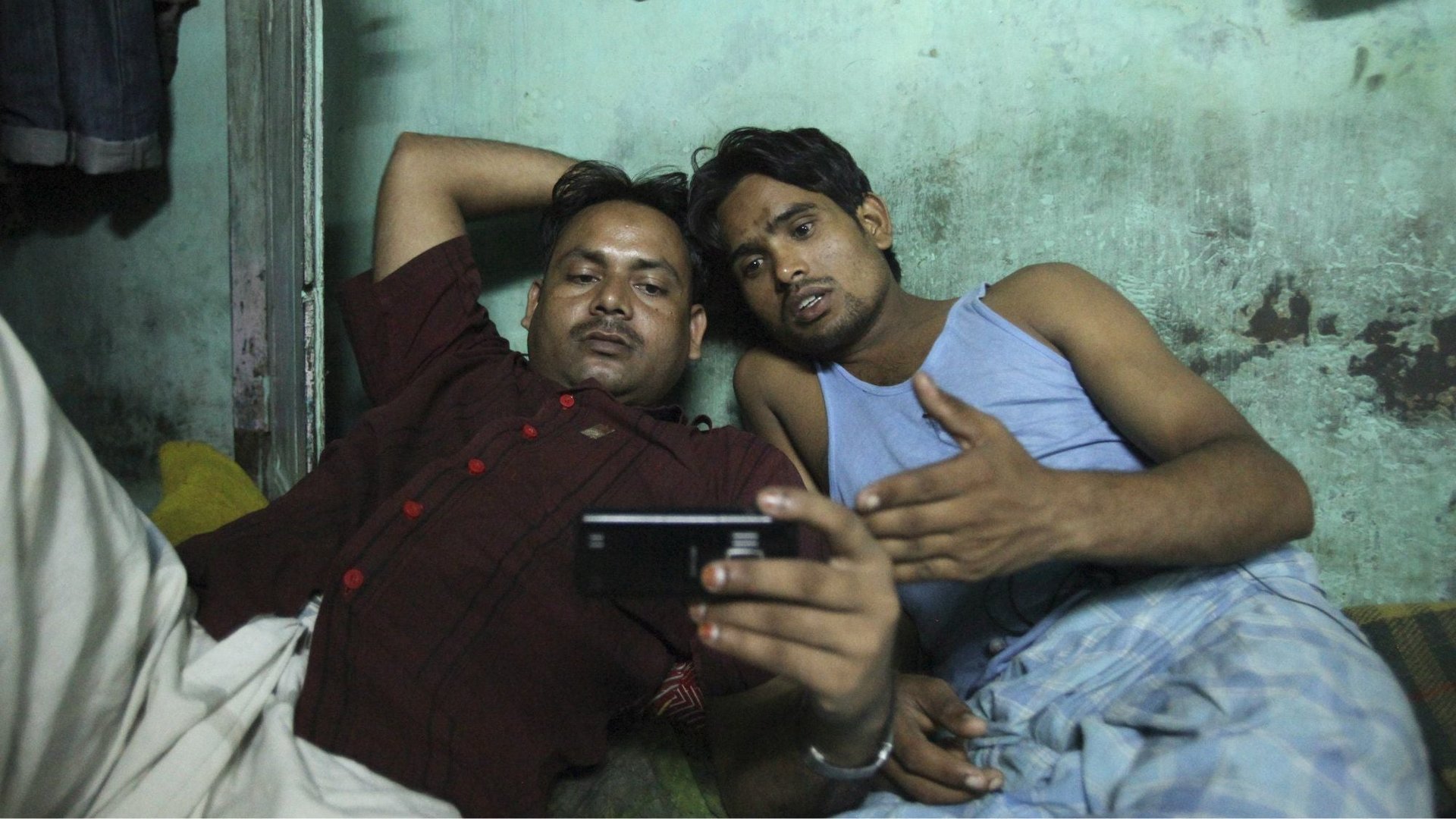
Last October , Mark Zuckerberg went to New Delhi and “explored ways to provide internet access to more than a billion people in India who aren’t yet connected.” Today, Facebook announced it has found a way, releasing its internet.org app, which provides users with to a variety of services at no charge—so long as they use the Reliance Communications network, live in any of six (out of 29) Indian states, own an Android phone, and use either the Opera browser or the UC Web browser.

It was in Indonesia three years ago that Helani Galpaya first noticed the anomaly.

This post has been corrected.
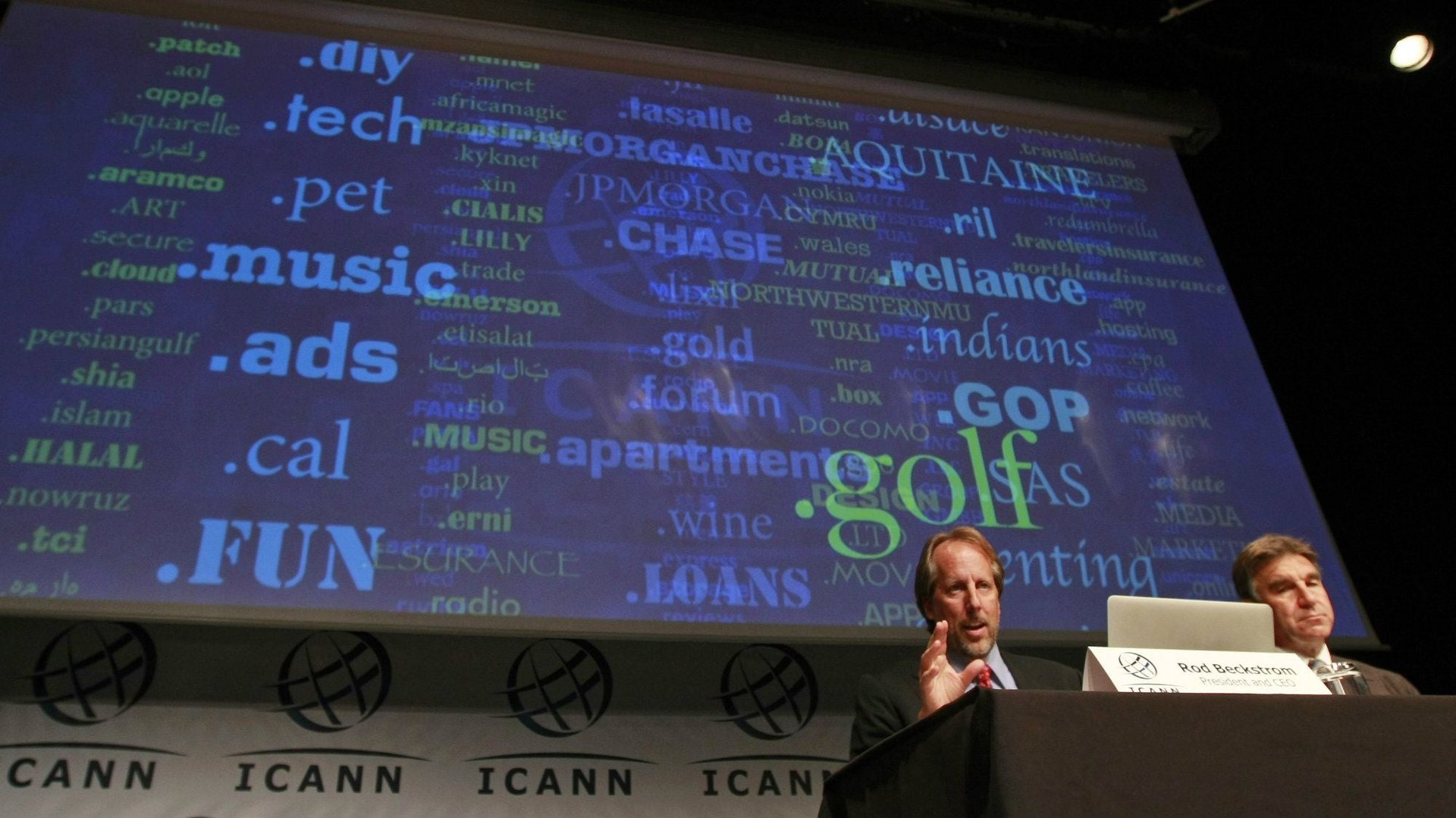
On Feb. 4 last year, internet users could for the first time have some fun with their website domain names. For decades, the web had been restricted to handful of top-level domain names (TLDs), such as the .com in qz.com. But in 2014, website registrants could start using the first of hundreds of new names that supposedly would come to populate the web.