

Tech & Innovation
The Western world has turned its back on car cultureThe Western world’s century-old love affair with the automobile is coming to an end.
Updated July 21, 20224 min read
The Western world’s century-old love affair with the automobile is coming to an end.
Every American and Canadian Facebook user contributed $9 to the company’s revenue in the fourth quarter last year, up from $6.03 the previous year. That’s a jump of 49% year on year, even though its user base in the region grew by just 3.5%. By contrast, users in Asia-Pacific jumped by 22% but revenue per user grew a more modest 33%—from 95 cents per user at the end of 2013 to $1.27 a year later.
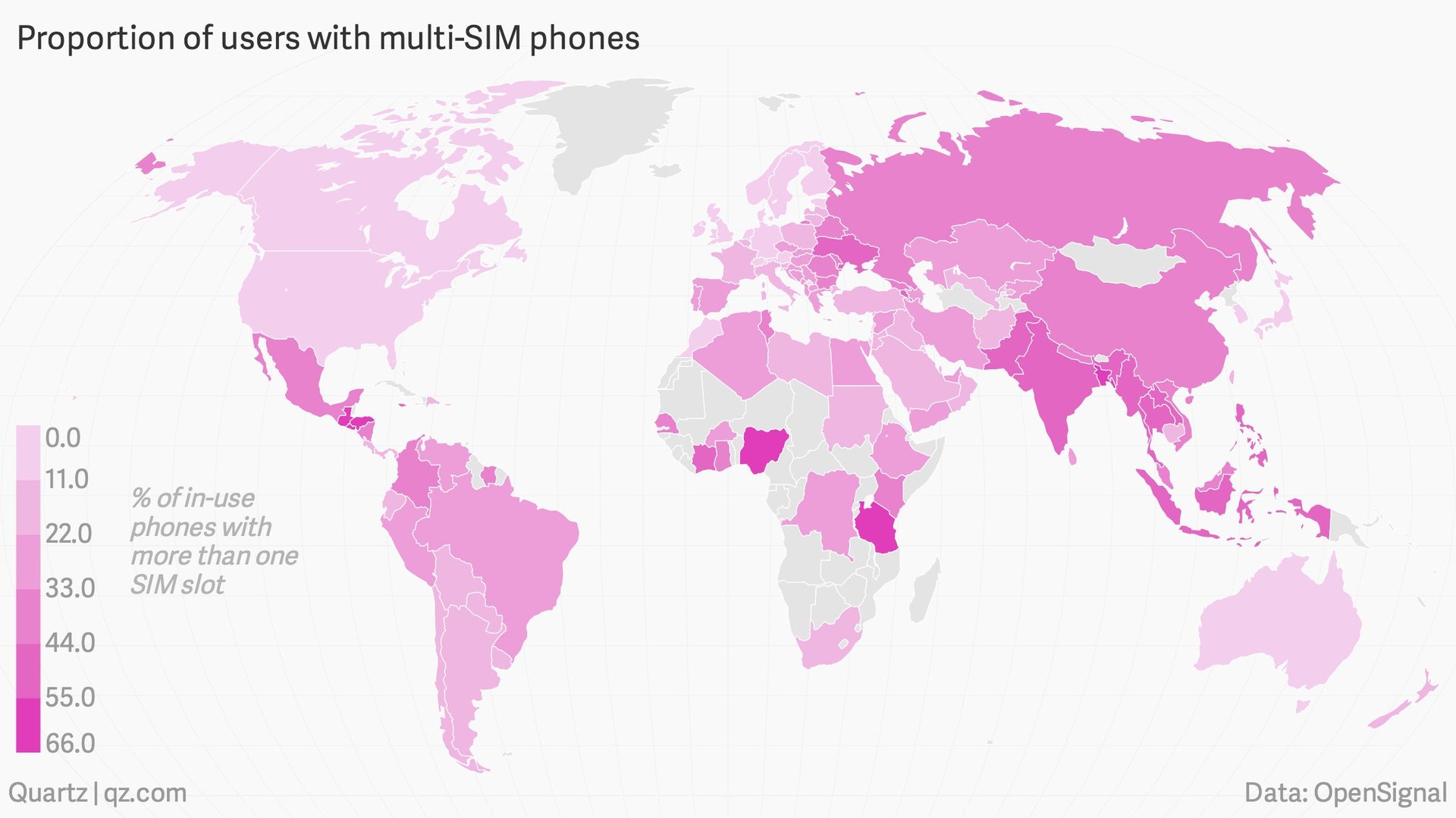
In November last year, I went to India to buy some of those famous cheap smartphones Quartz has been telling you about for the past year. I came back with four smartphones, all of which put together cost me $170. The cheapest was $30.
Most internet users know by now that the ads they see online are tailored to them. The proliferation of trackers and beacons on every website, the infinitude of ”cookies” placed on your computer, the push to identify yourself every time you use any online service—these are all the result of web giants trying to optimize their advertising and make it more “relevant” to your interests.
Hong Kong’s Hutchison Whampoa confirmed today that it will buy o2, the British mobile network operated by Spain’s Telefonica, for £10.25 billion ($15.38 billion), most of it in cash. Hutchinson will combine o2 with its own network, Three, to create Britain’s largest operator by market share. And last month, the British telecommunications company BT bought the mobile and internet service provider EE for £12.5 billion.

Uber launched in Denmark on Nov. 19 last year. That same day, the Danish Transit Authority filed a police complaint against the American taxi-app firm. “In regards to the ride-sharing programme, we consider it on par with a taxi service. So if the vehicles don’t have a taxi licence, it is illegal,” a spokesperson told Børsen, a business daily, according to a piece in The Local DK at the time.

The annual letter from Bill and Melinda Gates is getting a lot of press today. As well it should: The two have put billions of their own money into trying to make the world a better place for the billion or so people who live in extreme poverty.

Ever since Google burst onto the scene with its pristine white homepage and barebones results page, search has remained essentially the same. There have been improvements: instant search, location- and history-based results, images, news clippings, video. But any query still begins with a user typing in a set of keywords into a text field and hoping that it serves up the appropriate answer. It is little surprise then that fully one quarter of search results fail, writes Stefan Weitz in his new book, Search: How the Data Explosion Makes us Smarter.

January may be coming to a close, but the flood of predictions, forecasts, and prognostications for the year ahead hasn’t abated. Among the dross however is the annual list of predictions from GP Bullhound (pdf), a boutique investment bank that specializes in tech companies. The bank is worth listening to: As a dealmaker straddling start-ups and large firms, its sees trends as they’re happening. And its record of predictions from 2014 is more hit than miss.

Imagine this: McDonalds knows you’ve been driving three hours with your tyke in the backseat and the little sprog is getting hangry. An alert on your dashboard lets you know there’s a McDonalds at the rest stop just one mile up the road. Why not take a break?

Of humanity’s many notable achievements since the end of World War II, perhaps the greatest is simply that we haven’t yet destroyed ourselves.

Google has been surrounded by negativity over the past few months. Columnists, reporters, and analysts have been worrying about the web giant’s prospects in an era of mobile, aggressive expansion from Facebook, and the company’s underperforming stock. But analysts at Bernstein, a research firm, argue that the pessimists may not be considering the tremendous growth that remains in Google’s core business, search.

PARIS—In the avalanche of commentary that followed the Jan. 7 attack on Charlie Hebdo’s office, an old argument resurfaced, as it does every time a major world event galvanizes social media into action. “I Am Not Charlie Hebdo,” wrote David Brooks in the New York Times. ”Sorry, I am not ‘Charlie’,” wrote Clarence Page in the Chicago Tribune. ”I am not Charlie, I am not brave enough,” wrote Robert Shrimsley in the Financial Times (paywall):
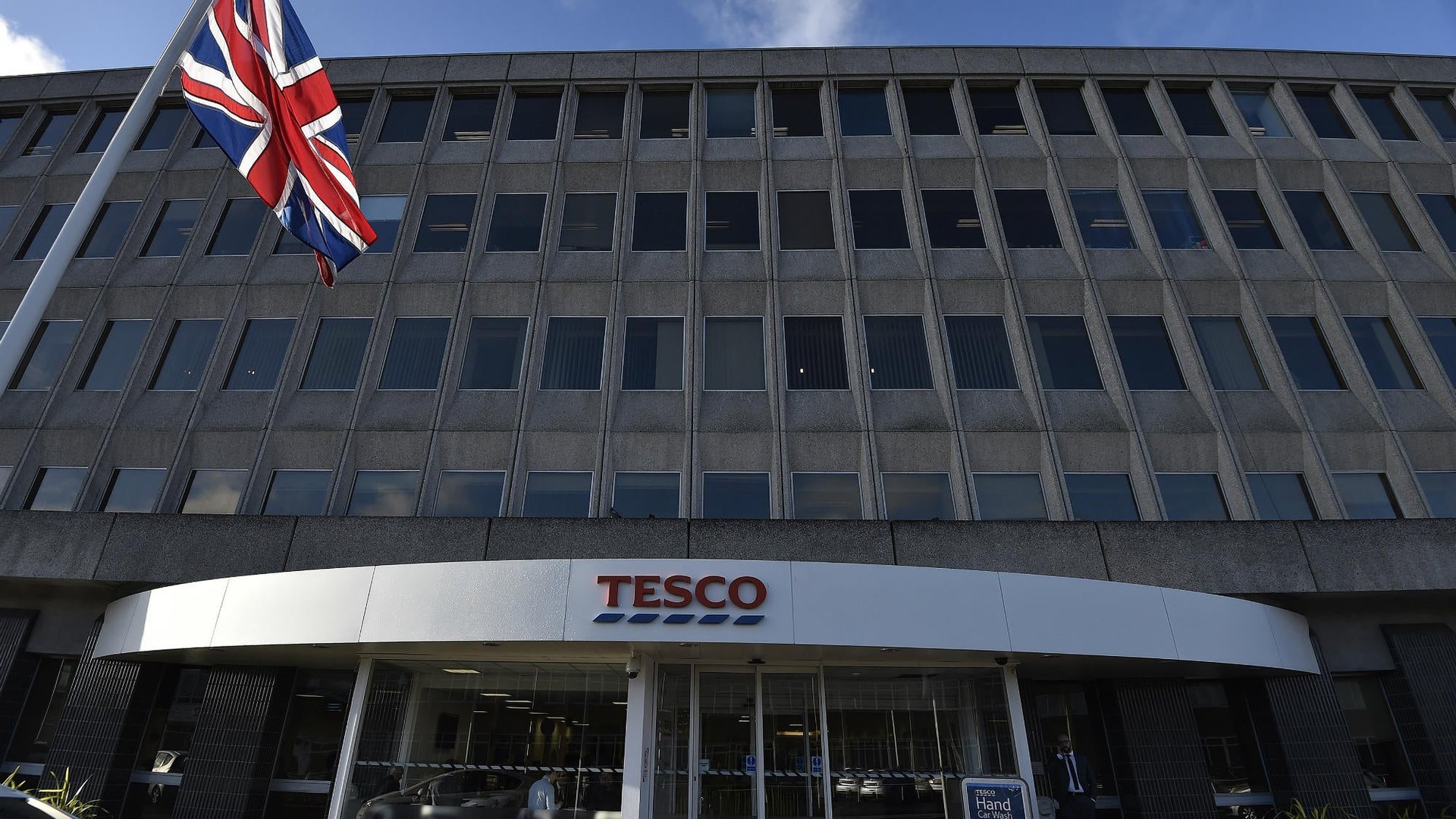
Tesco, the troubled British retail group, is starting over. After an accounting scandal, a series of profit warnings, and plunge in its share price, the beleaguered company has launched a major restructuring plan. It will not pay a dividend at the end of this financial year, it will close 43 stores, it is selling off Blinkbox (a video-on-demand service), and has appointed Goldman Sachs to find a buyer for Dunnhumby, a data analytics business.
As Quartz argued last year, Google’s hold on the search market is indisputably solid, but it is not set in stone. While no single company will be able to bump Google off its pedestal, several rivals are attacking from different fronts—the latest of which involves Mozilla’s Firefox browser.

At first glance, the image above looks like it comes from a spread in Vogue magazine. Shot by Australian photographer Alexia Sinclair, it certainly has all the elements of a high-gloss fashion magazine photo shoot: gorgeous styling, moody lighting, a beautiful model, something odd going on in the background.
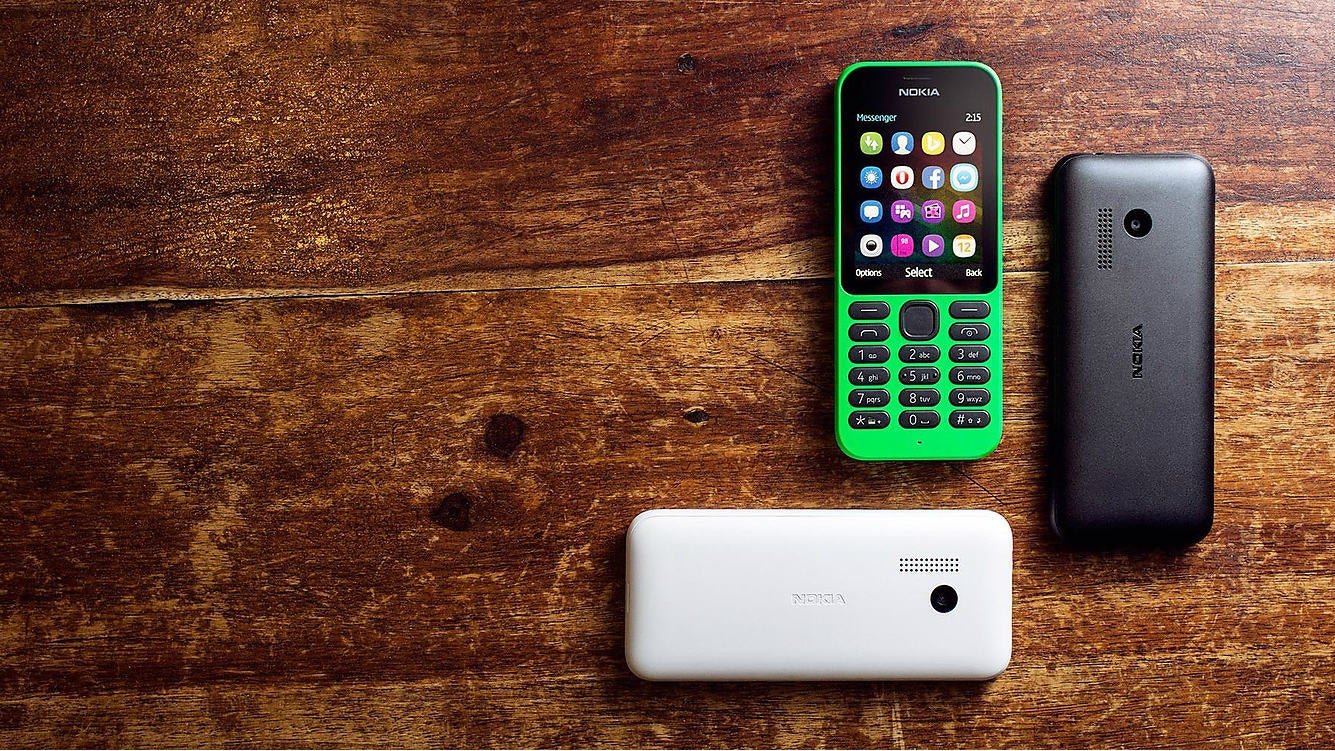
Look at this thing. It’s the Nokia 215, it costs $29 (before tax) and it’s being touted as a Facebook phone for “first time mobile buyers starting in the Middle East, Africa, Asia and Europe.” Nobody’s going to buy it. Here’s why.
This post has been updated.
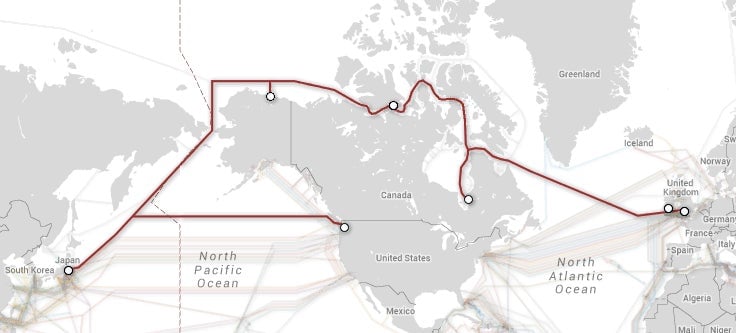
Why would anyone spend $850 million laying a fiber-optic cable between Tokyo and London, passing through some of the coldest, most remote parts of the world, when it would speed up existing data transfers rates only by 24-thousandths of a second?

For an economics paper, it is mercifully short. Written by Goodman, Goodman, Goodman, and Goodman (hereafter Goodman et al), the paper “is the first coauthored by four non-related surname-sharing economists,” write the authors in “A Few Goodmen: Surname-Sharing Economist Coauthors,” which will be presented at the upcoming annual meeting of the American Economic Association (AEA). ”Our main contribution is showing that such a collaboration is feasible.”
Some Facebook users had a good year. Some had a less good year. But nobody had quite the action-packed 2014 Facebook did. In the spirit of the ”year in review” posts clogging up Facebook news feeds from San Francisco to Shanghai, here’s what Facebook’s year looked like!

It is easy to forget, in a culture of always-on internet connections, cloud-based applications, and streaming media, that large portions of the world do not enjoy the same level of access as smartphone-wielding Westerners. In places without affordable internet access—or with heavily regulated internet—people still want access to much of the same stuff that makes up so much of online traffic: movies, news, games.

The US Federal Bureau of Investigation says North Korea hacked Sony. North Korea denies it. And experts of all stripes are crawling out of the woodwork to say, basically, ”It’s a head-scratcher.”
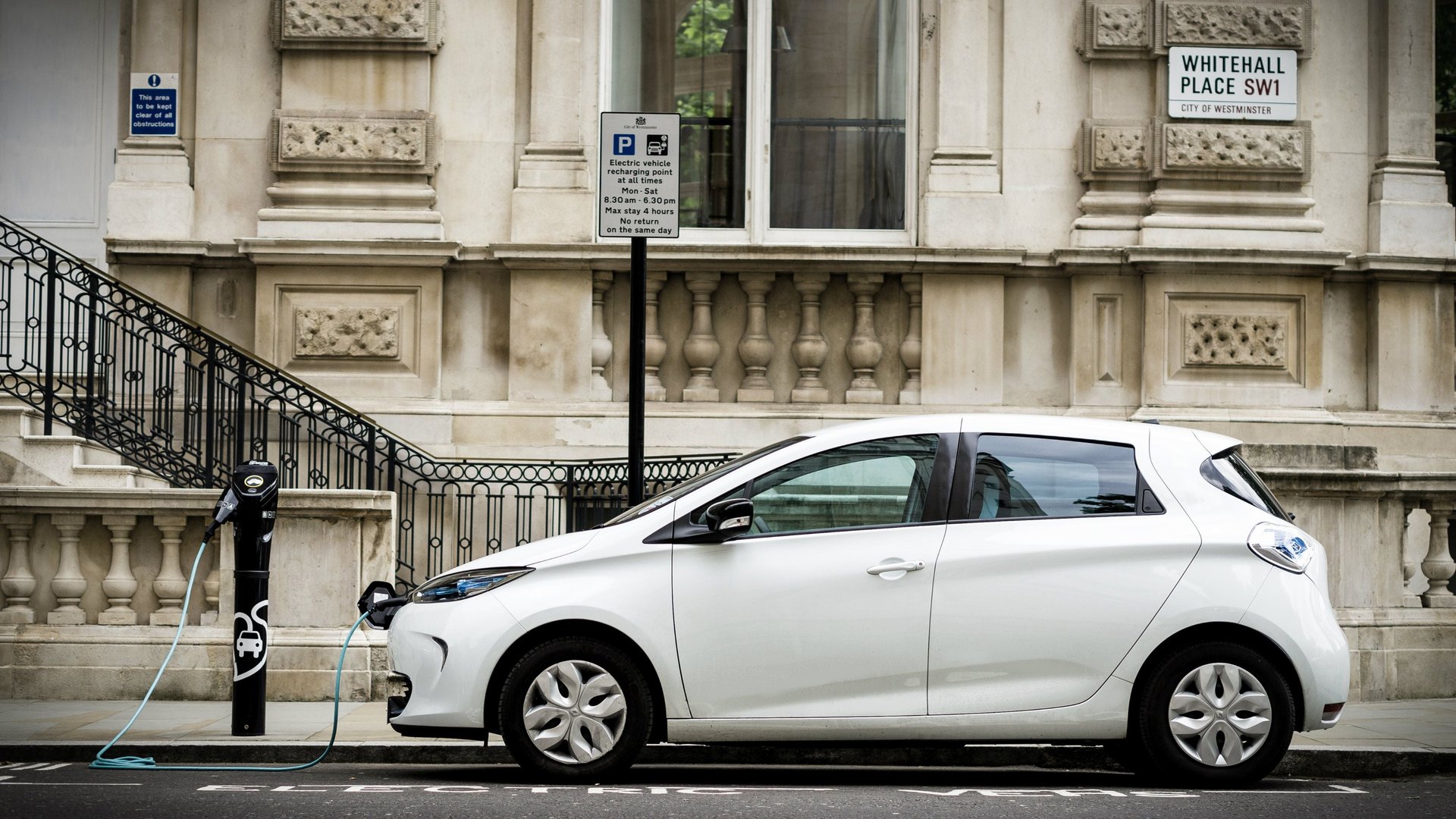
It’s a term owners of electric cars know all too well: “range anxiety,” or the fear of running out of juice before finding a plug point. Just ask the Norwegians, who are the world’s biggest electric-car enthusiasts on a per capita basis. A list words of the year (link in Norwegian) produced by Norway’s Language Council in 2013, includes “rekkeviddeangst”—yes, that’s “range anxiety” in Norwegian. Even the newly inaugurated Formula E championship for electric race cars requires the use of two vehicles per driver, for precisely this reason.