

Money & Markets
After 27 years of debating what’s in a name, Greece and Macedonia may have an answerA rose by any other name may smell as sweet, but Macedonia can’t keep its current name and please Greece.
Updated July 20, 20222 min read
A rose by any other name may smell as sweet, but Macedonia can’t keep its current name and please Greece.

No good deed goes unpunished, as a June 4 California appeals court decision proves. The state’s third appellate district court last week affirmed a dismissal of a chilling case (pdf).

It took humans millions of years of evolution and thousands of years of study to turn nothing into something. Ancient civilizations had various number systems, but it wasn’t until the seventh century AD that absence gained a presence in the Indian-origin numerical scheme we use today, becoming the mathematical concept “zero,” initially represented by a dot.
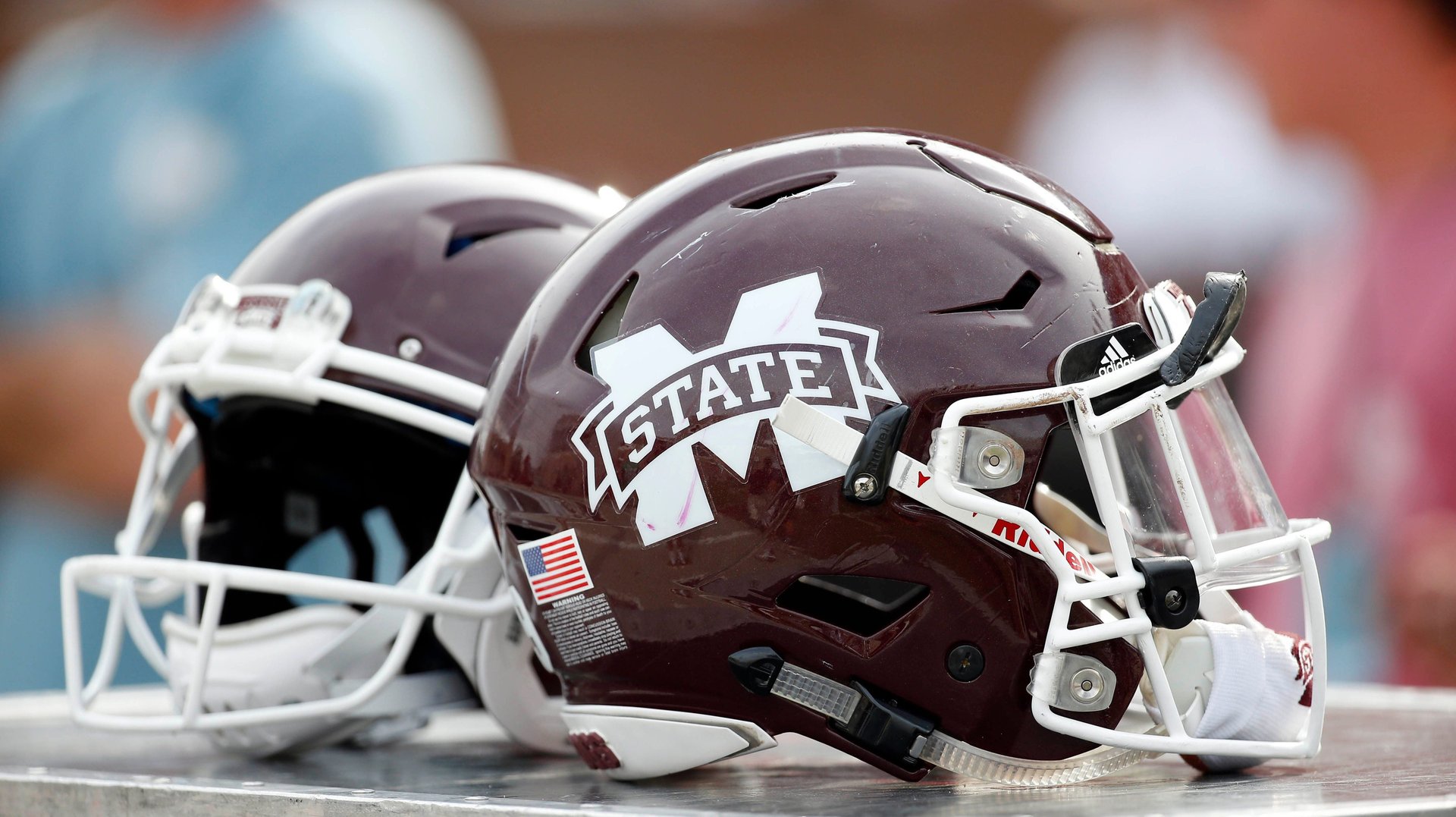
The National Collegiate Athletic Association (NCAA) dropped the ball when it came to protecting football players’ brains, argues the widow of a deceased player in a lawsuit about the neurodegenerative disease chronic traumatic encephalopathy, or CTE.
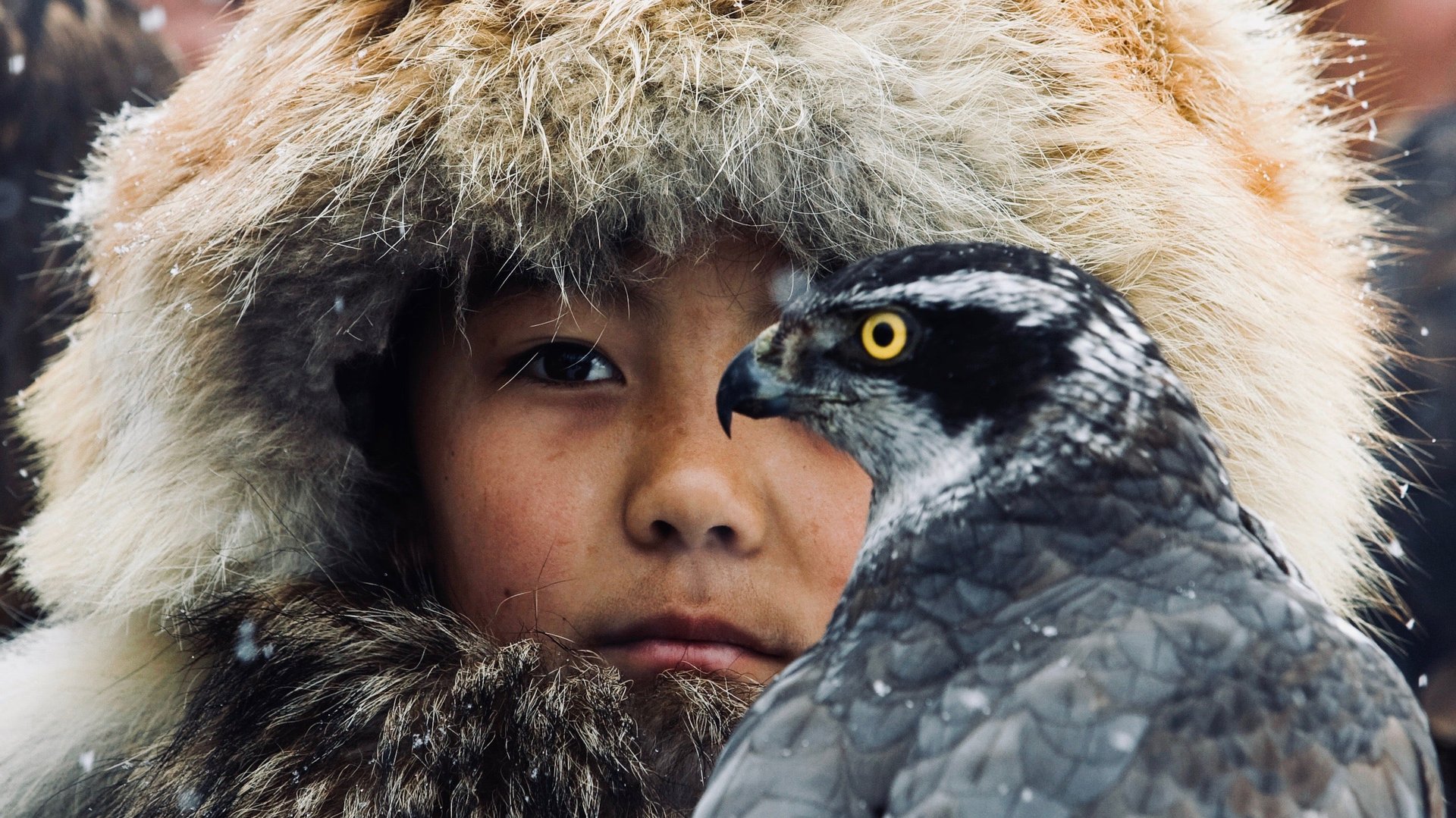
If you listen closely to the sound of birds chirping, you’ll hear that they’re taking turns. The same goes for croaking frogs and dolphin whistles. Fireflies flirt in alternating flashes, called “courtship dialogues.” And monkey parents will refuse to respond to offspring if they’re interrupted.
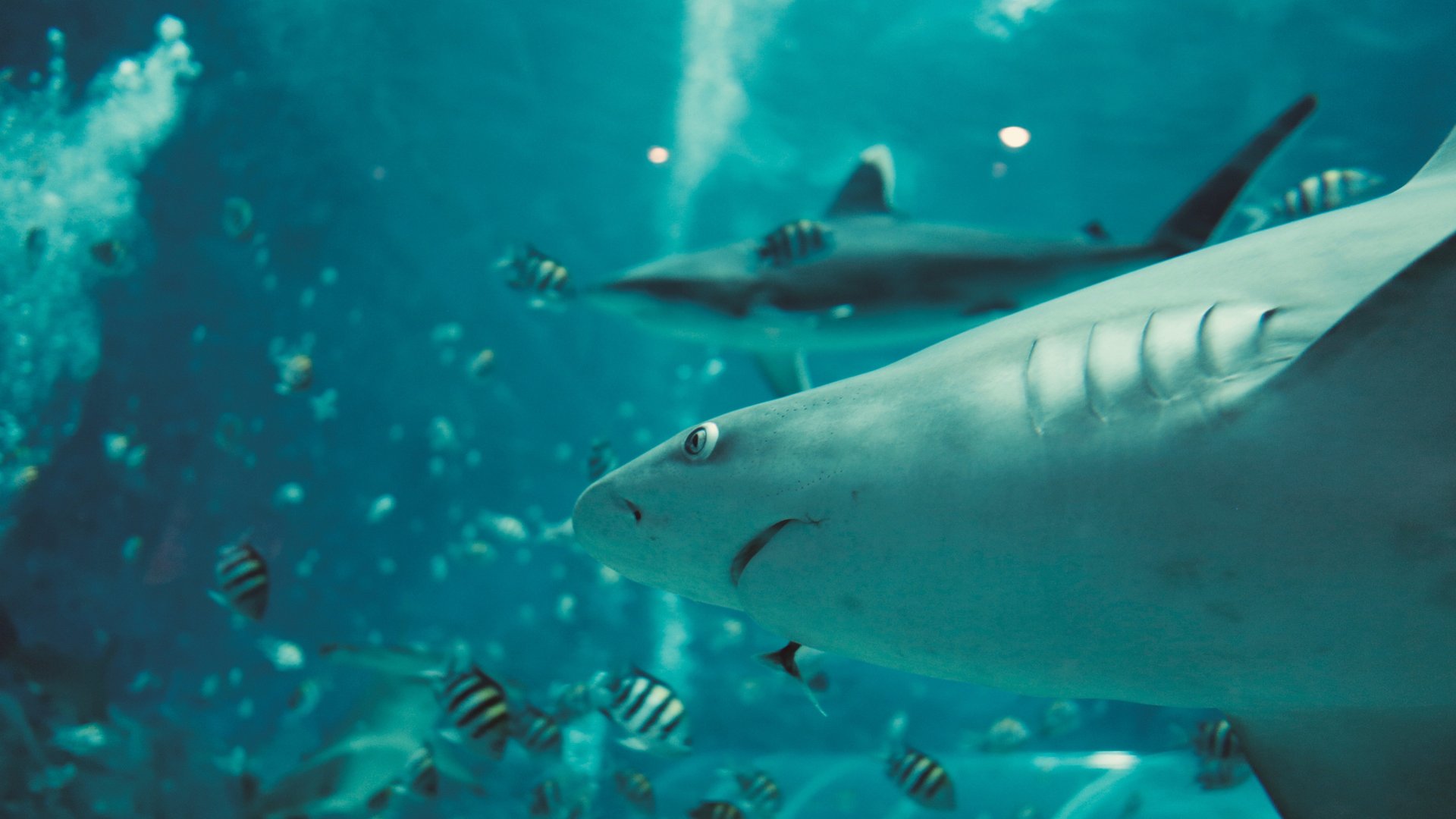
People have all kinds of weird fears that aren’t really rational. Most famously perhaps, is how absolutely terrifying we find sharks. We’re way more scared of them than cars, though they rarely kill anyone—just five people worldwide in 2017—while cars are fatally dangerous and take 1.3 million lives internationally annually. Yet there are few blockbuster films about vicious vehicles, while terrifying shark movies are a common summer phenomenon, from 1975’s Jaws to this summer’s Meg, starring Jason Statham battling a 75-foot-long nightmarish “prehistoric” shark.
Busy people don’t have epiphanies. Great realizations occur when we’re chilling—staring up at the sky, out at the sea, or wandering among trees.

What do you do when there are too few skilled bricklayers to meet national housing demands? Figure out a workaround—like 3D-printed houses.
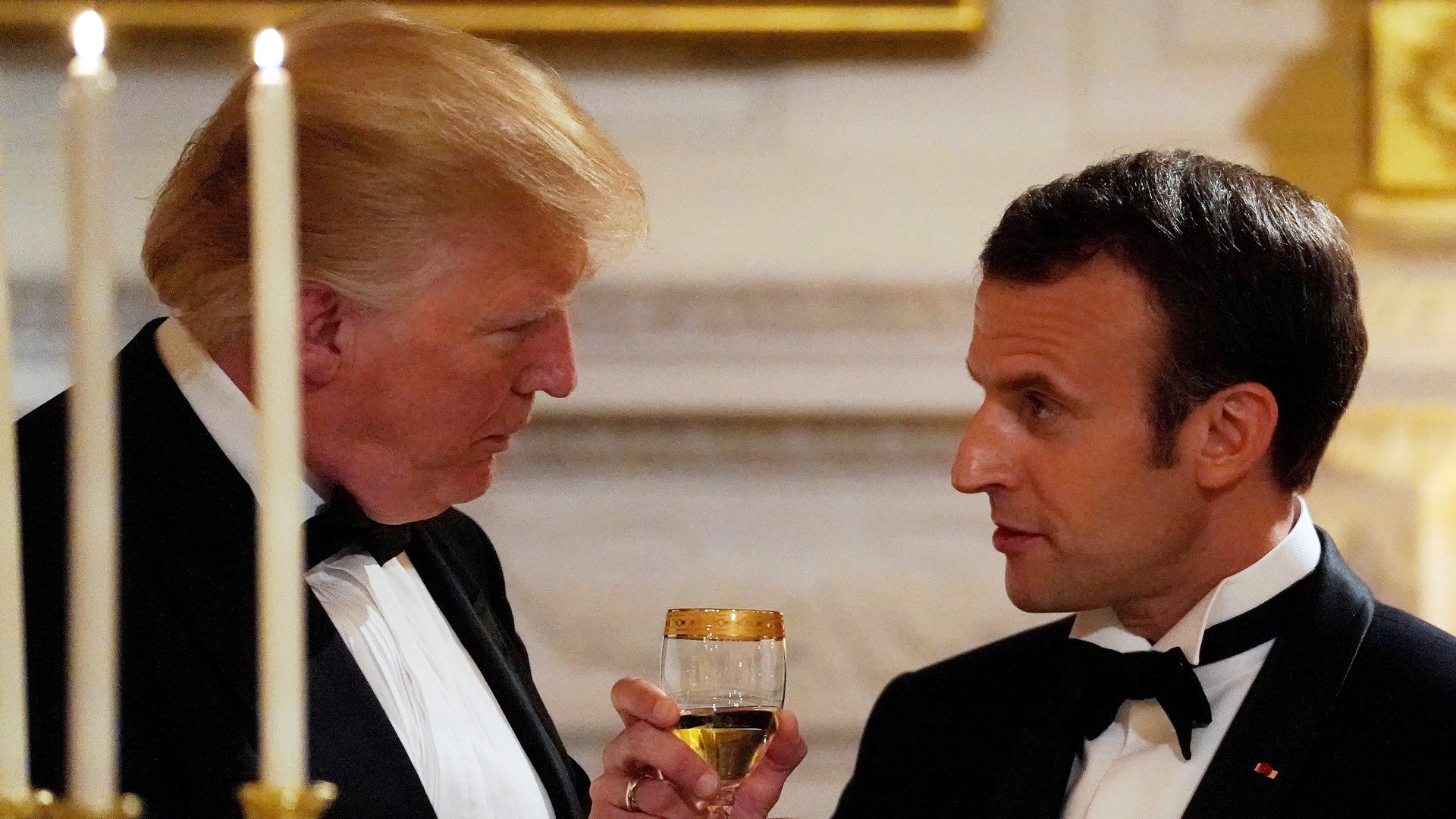
French president Emanuel Macron and US president Donald Trump are pretty tight. They visit each other, wine and dine, walk hand-in-hand, plant trees, and chat on the phone. But the bromance isn’t all sweet. In fact, it’s occasionally not even savory.

Donald Trump has lawyers, of course—he’s got lots. But they aren’t necessarily steeped in the intricacies of the law like the 21 luminaries of legal scholarship who joined together in a June 4 letter to explain the US Constitution to White House attorneys.
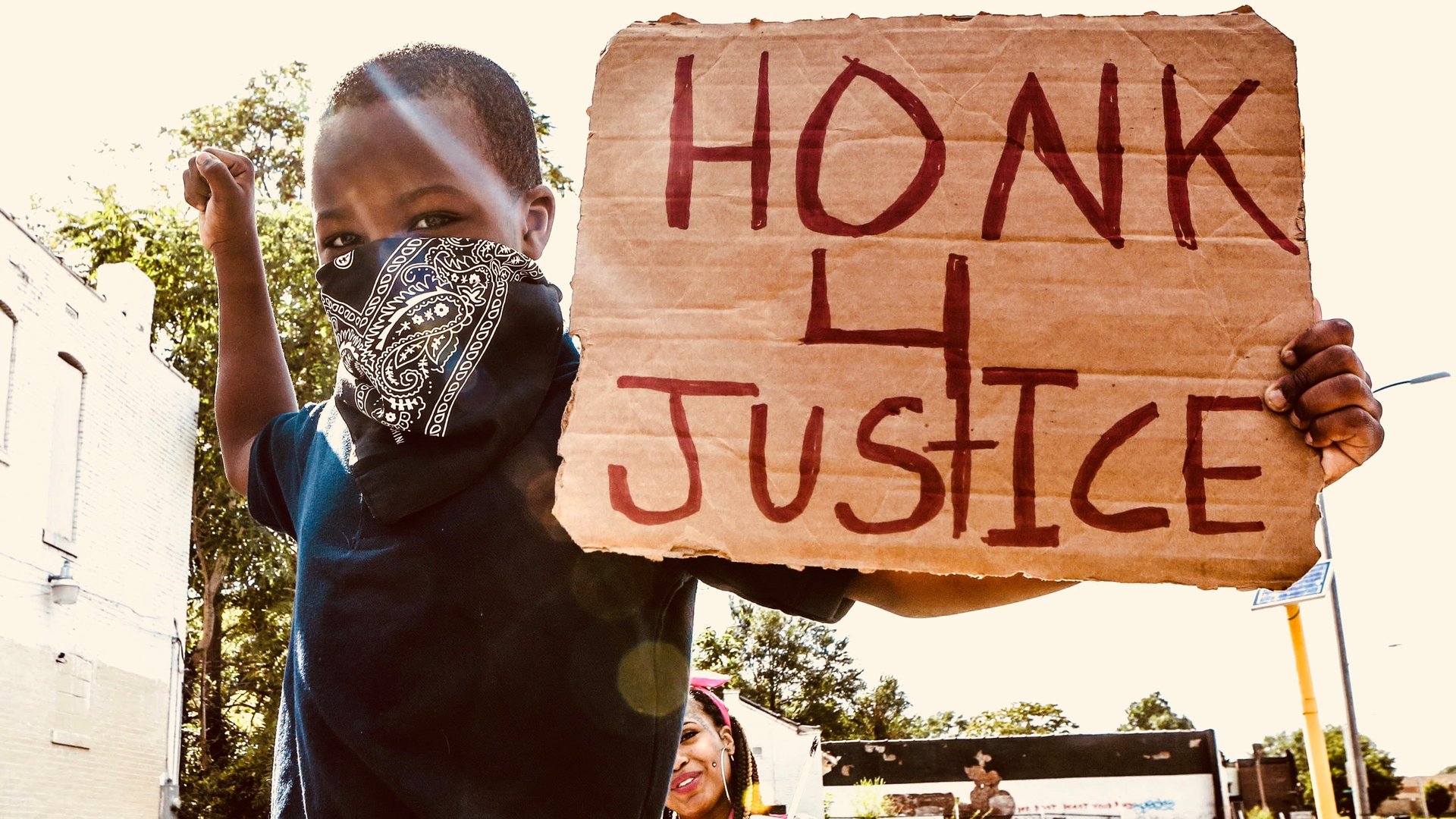
The US Supreme Court has long warned judges to be circumspect about accepting confessions from kids as evidence in criminal cases. They haven’t always listened and convictions based on involuntary admissions abound. The case of Brendan Dassey—featured in the 2015 Netflix documentary Making a Murderer—is an opportunity to change that, or so he argues in a petition for review (pdf) at the high court.
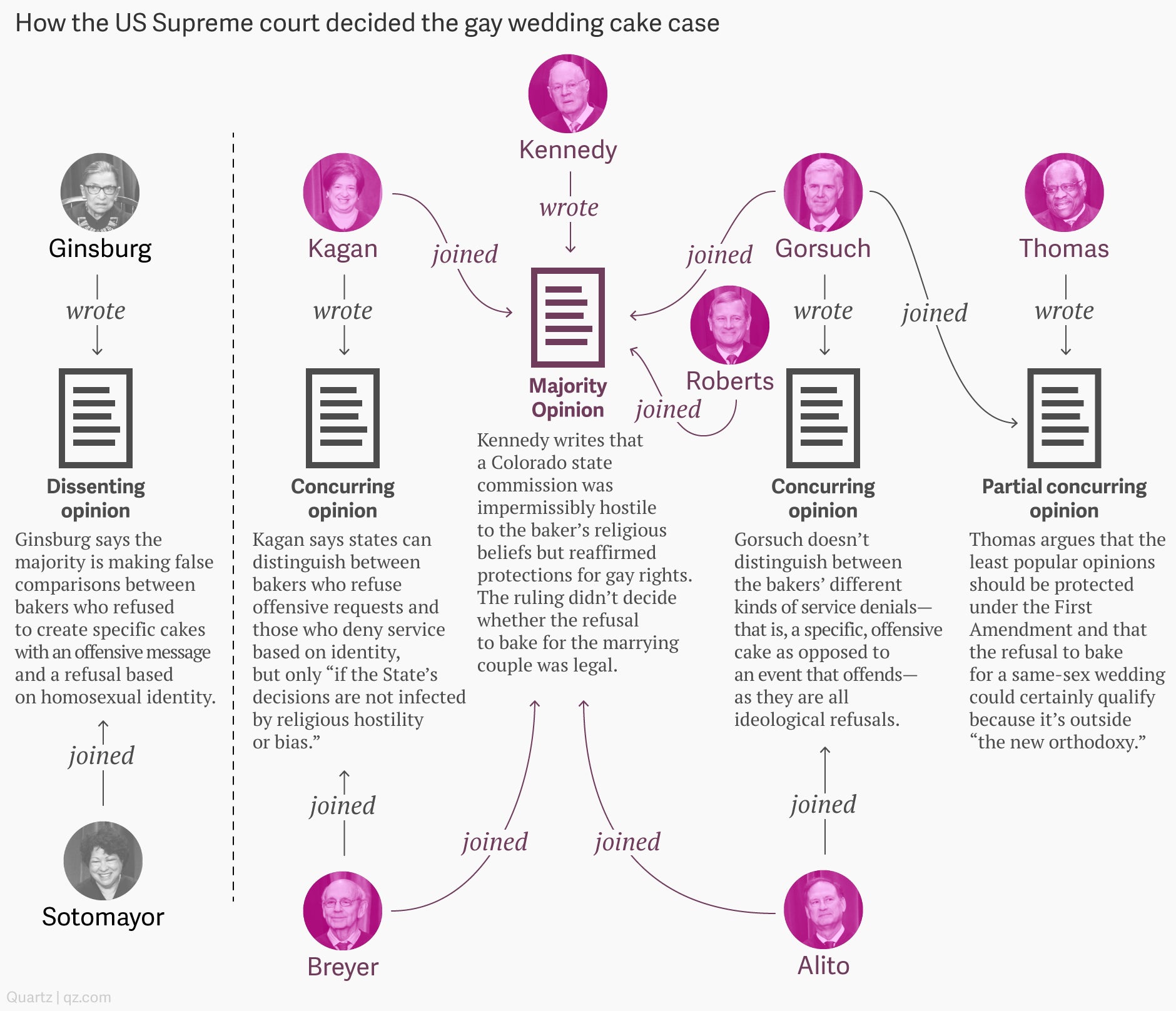
You might have read in today’s coverage of the US Supreme Court ruling on the rights of a baker to deny service to a gay couple trying to buy a wedding cake that the case was decided 7-2 in the baker’s favor. While that is the simple way to express the result—the number of justices joining the majority opinion versus the number who didn’t—it’s not completely accurate.
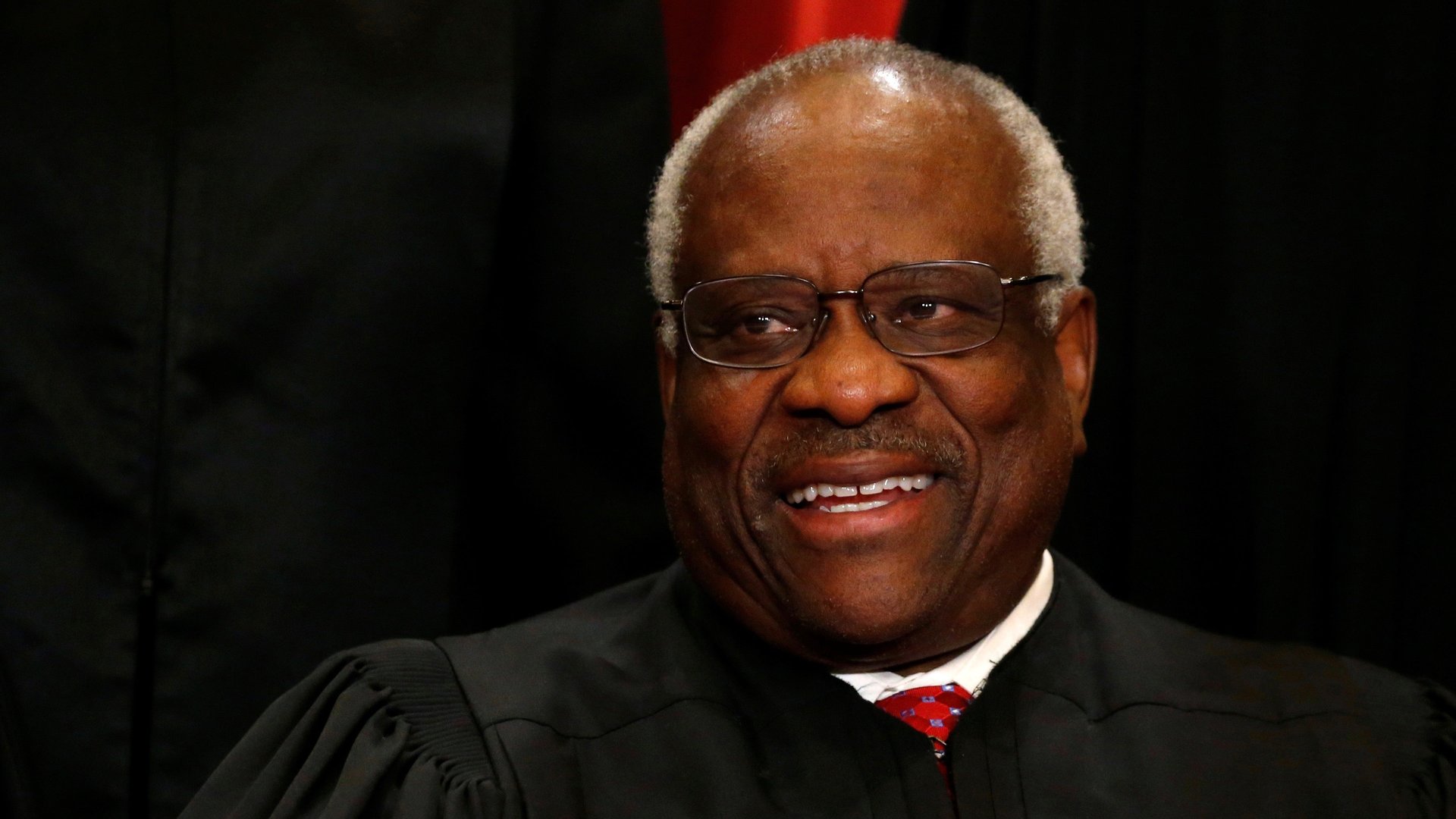
US Supreme Court justice Clarence Thomas is enigmatic. The court’s mostly silent justice speaks so little at oral arguments that his few utterances get serious attention.
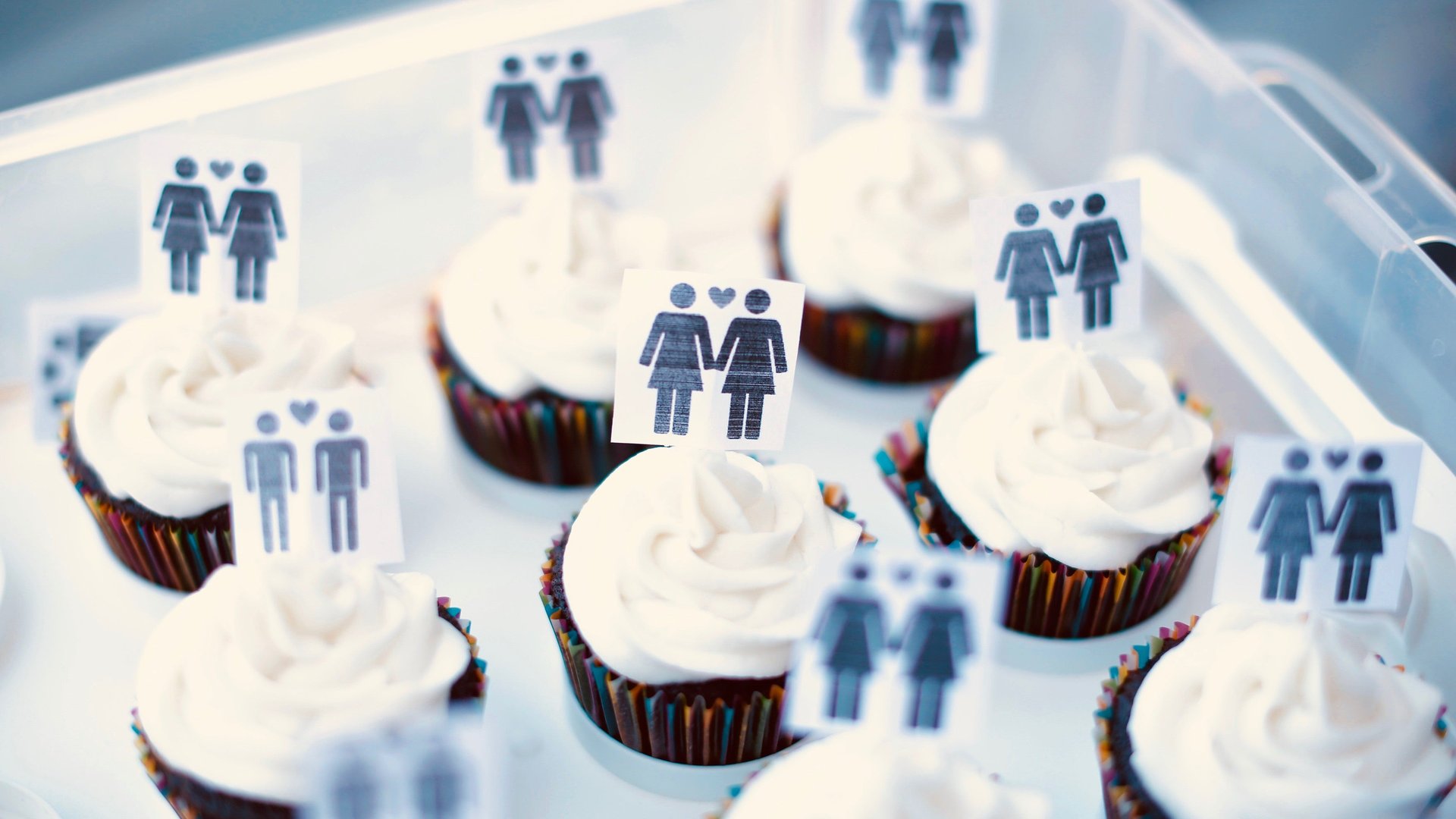
The US Supreme Court has issued a long-awaited decision in the controversial case Masterpiece Cakeshop v. Colorado Civil Rights Commission (pdf), finding for a baker who in 2012 denied his services to a same-sex couple seeking a wedding cake. Two justices, Ruth Bader Ginsburg and Sonia Sotomayor, disagreed with the seven-member majority and—in a dissent written by Ginsburg—argue that their colleagues’ reasoning falls flat.
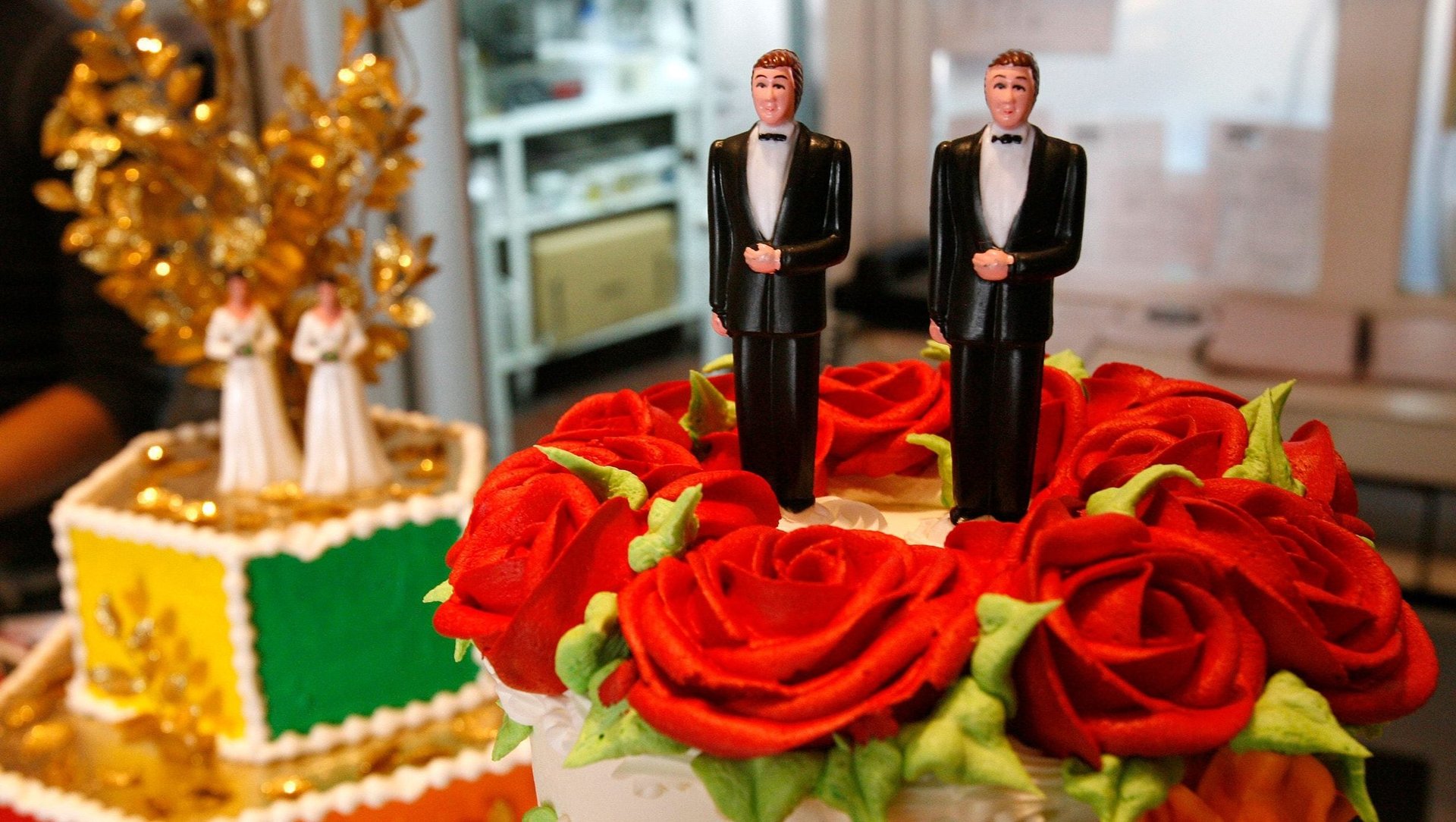
The US Supreme Court ruled 7-2 today in favor of a Colorado baker who refused to make a wedding cake for a gay couple.

The inner life of plants arouses the passions of even the mildest-mannered naturalists. A debate over plant consciousness and intelligence has raged in scientific circles for well over a century—at least since Charles Darwin observed in 1880 that stressed-out flora can’t rest.

On May 28, Wang Jian, the president of Chinese genomics company BGI, revealed at a conference the health rules his company expects employees to follow in the quest for each person to live at least 100 years. Workers must avoid heart surgery, for example. They also can’t have children with birth defects. “If they were born with defects, it would be a disgrace to all 7,000 staff,” Wang said. “It would mean that we are fooling society and just eyeing others’ pockets.” His speech inspired this sci-fi take.
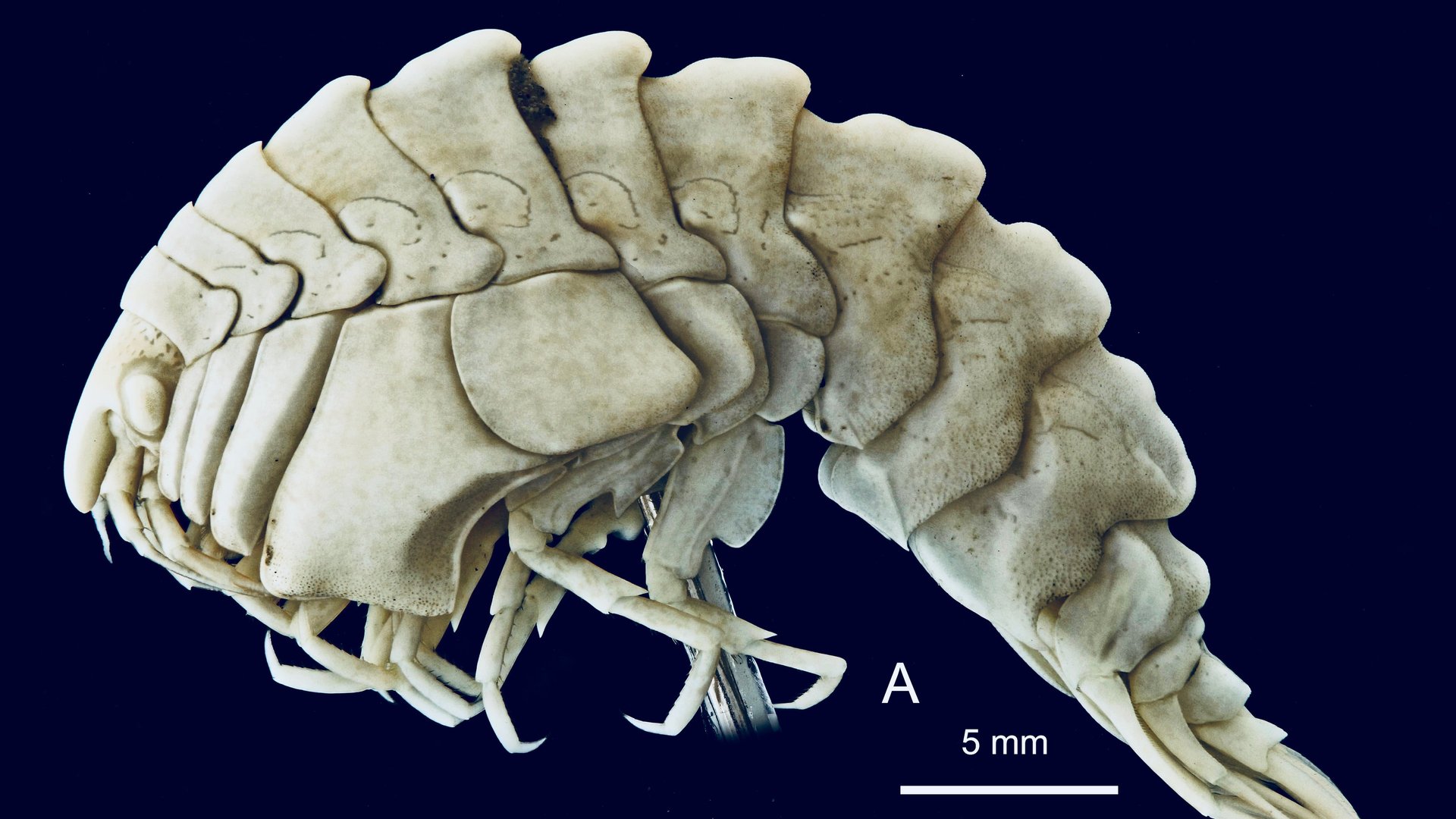
Every year, scientists discover about 18,000 species previously unknown to humanity—a delightful array of strange creatures with bizarre survival tactics.

Scientists seek to quantify everything—even the ineffable. And so the human search for meaning recently took a physical turn as Columbia and Yale University researchers isolated the place in our brains that processes spiritual experiences.
A confident stomp and wide, carefree stride are now totally in vogue. Orthopedic sandals, chunky sneakers, fanny packs, and big, ripped jeans are dominating the fashion scene, and all the coolest cats look like kibbutzniks, circa 1978.

Your workplace may be the place where you do business, but according to some US courts it’s not your “place of business” unless you’re the boss.

Some days you just want to order takeout. Your existential fridge is empty, your emotional pantry bare. It seems like you don’t have the right ingredients for a good meal or experience. But you always do, or so argues a new Zen cookbook that’s also a guide to a better life.
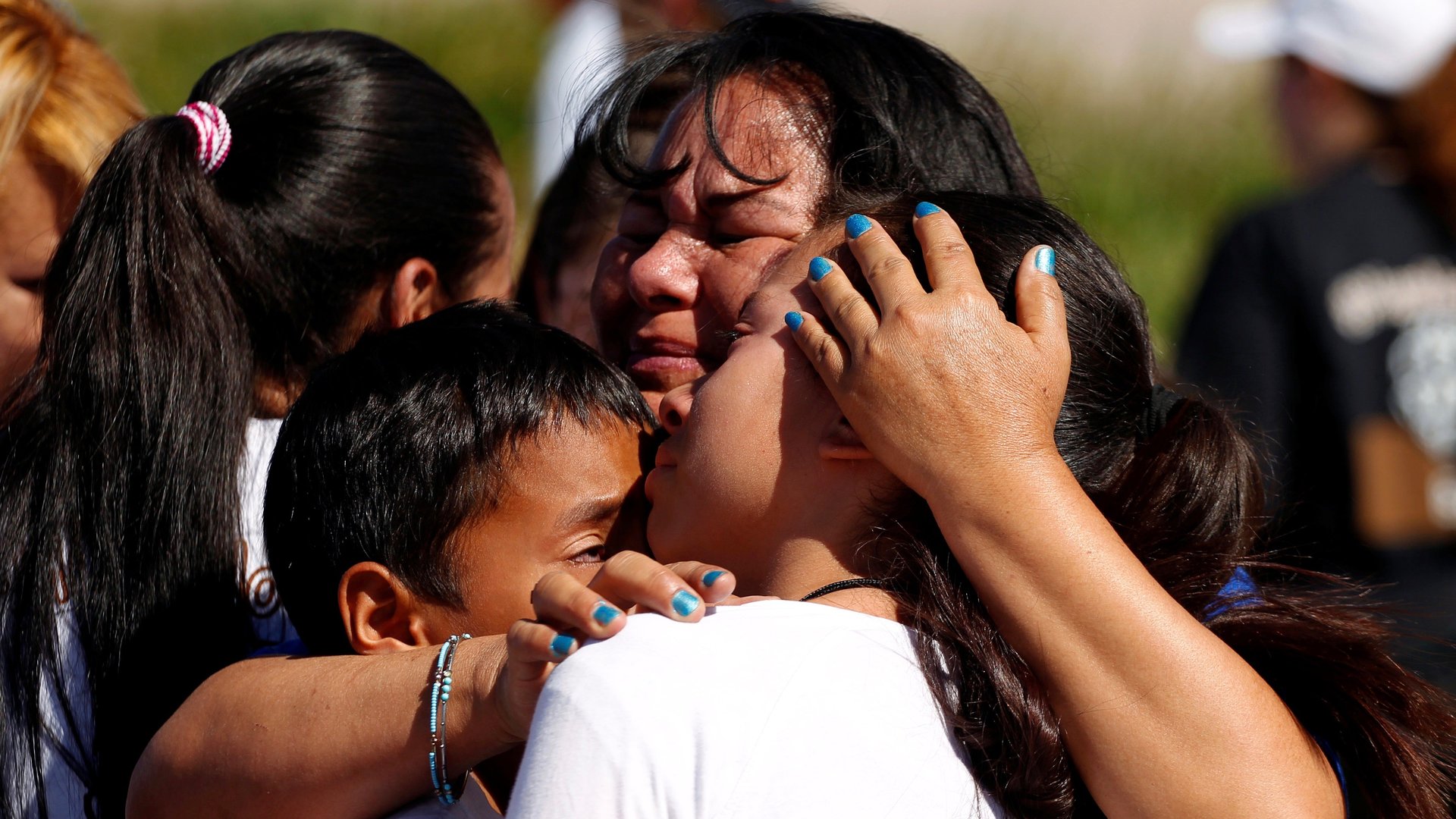
It certainly sounds bad. The US government has lost track of 1,475 undocumented immigrant children; an official admitted as much during a Senate committee hearing last month. Fairly, that admission has spurred widespread demand for more agency accountability.

If you’re going to disagree with people, you might as well make a stink. Anything less, and you’re destined to be forgettable.